Statements and messages of the Prime Minister of RA
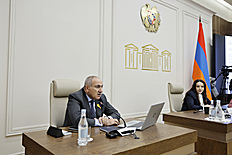
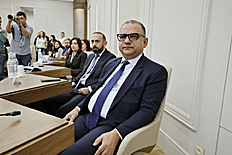
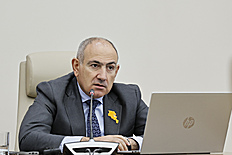
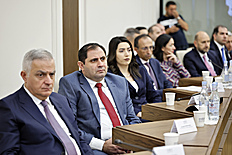
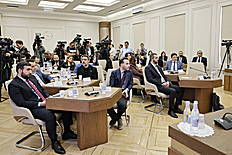
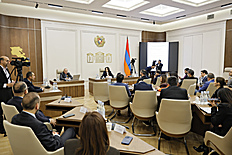
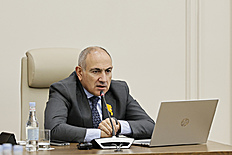
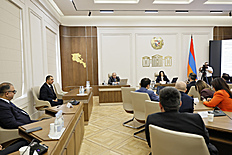
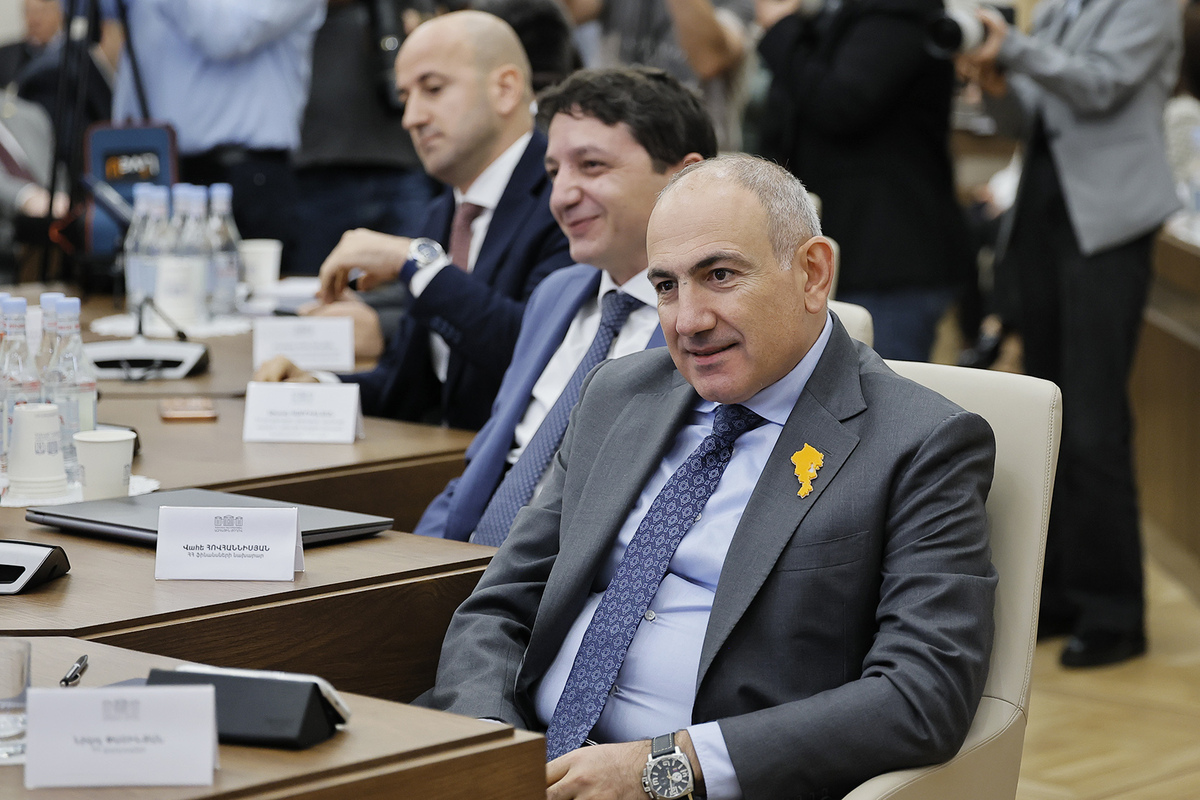
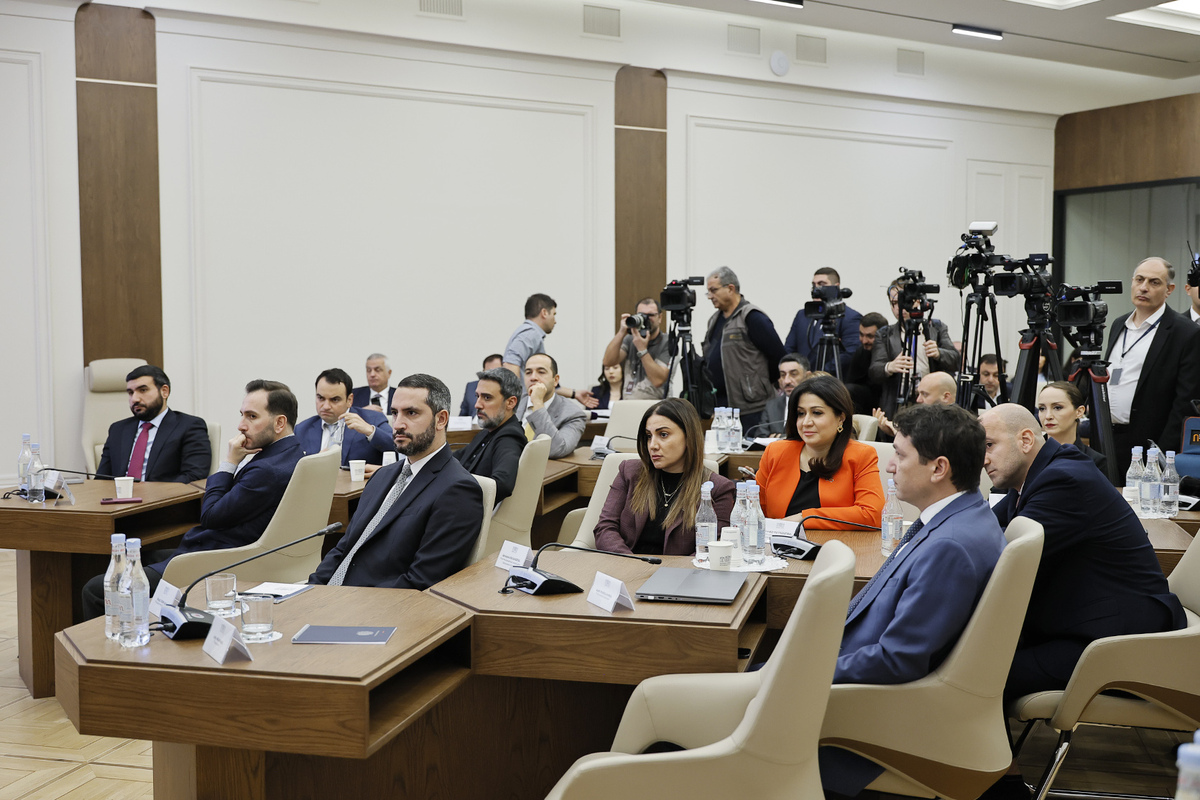
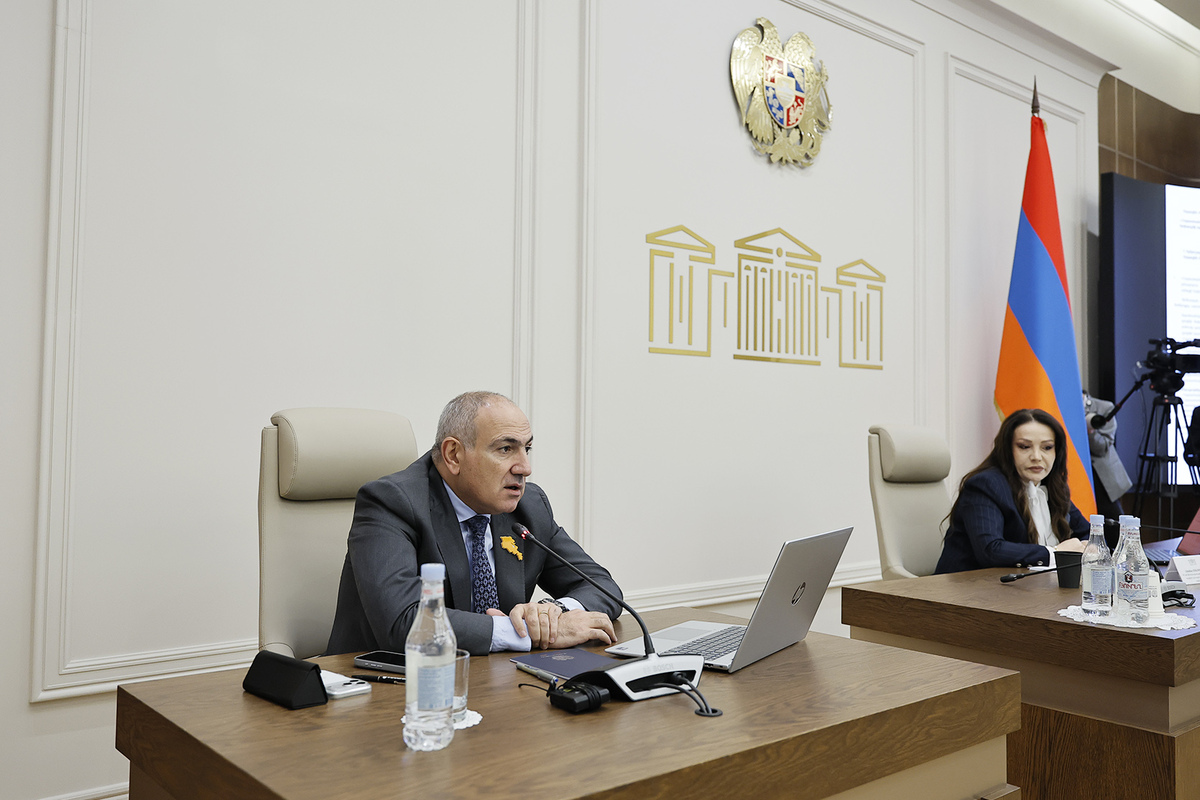
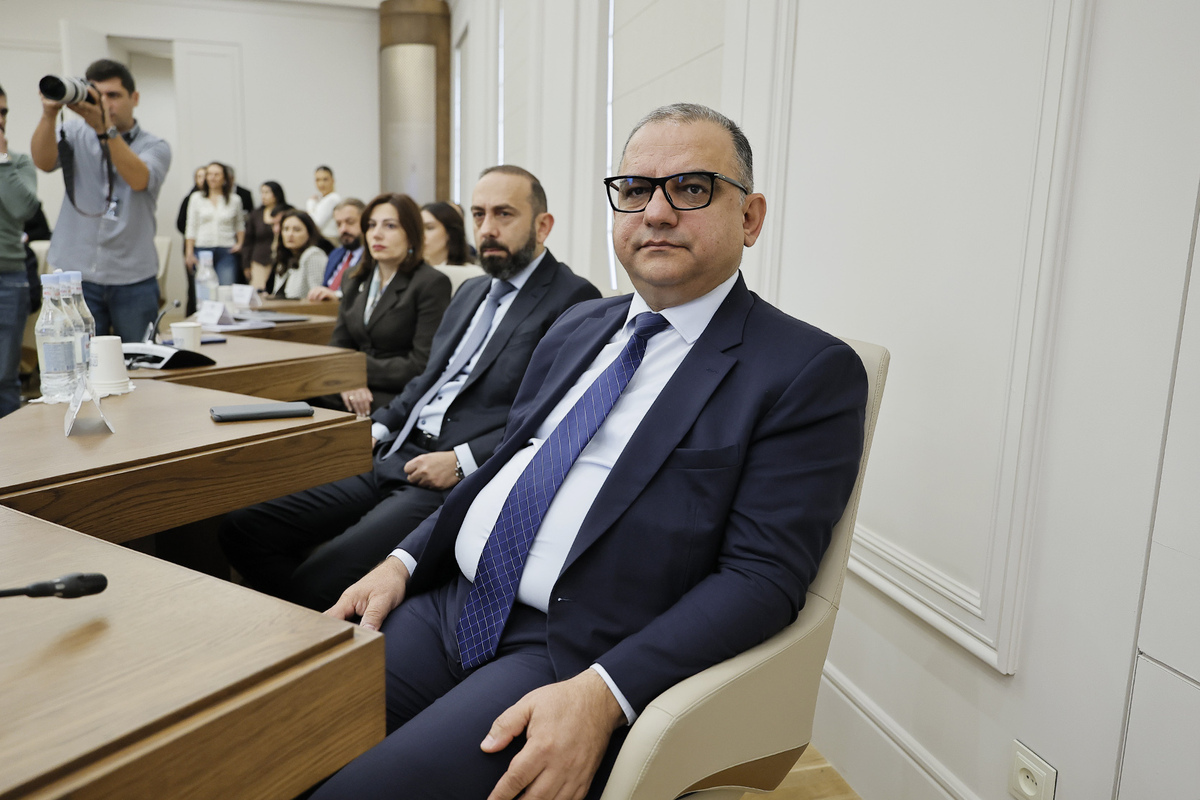
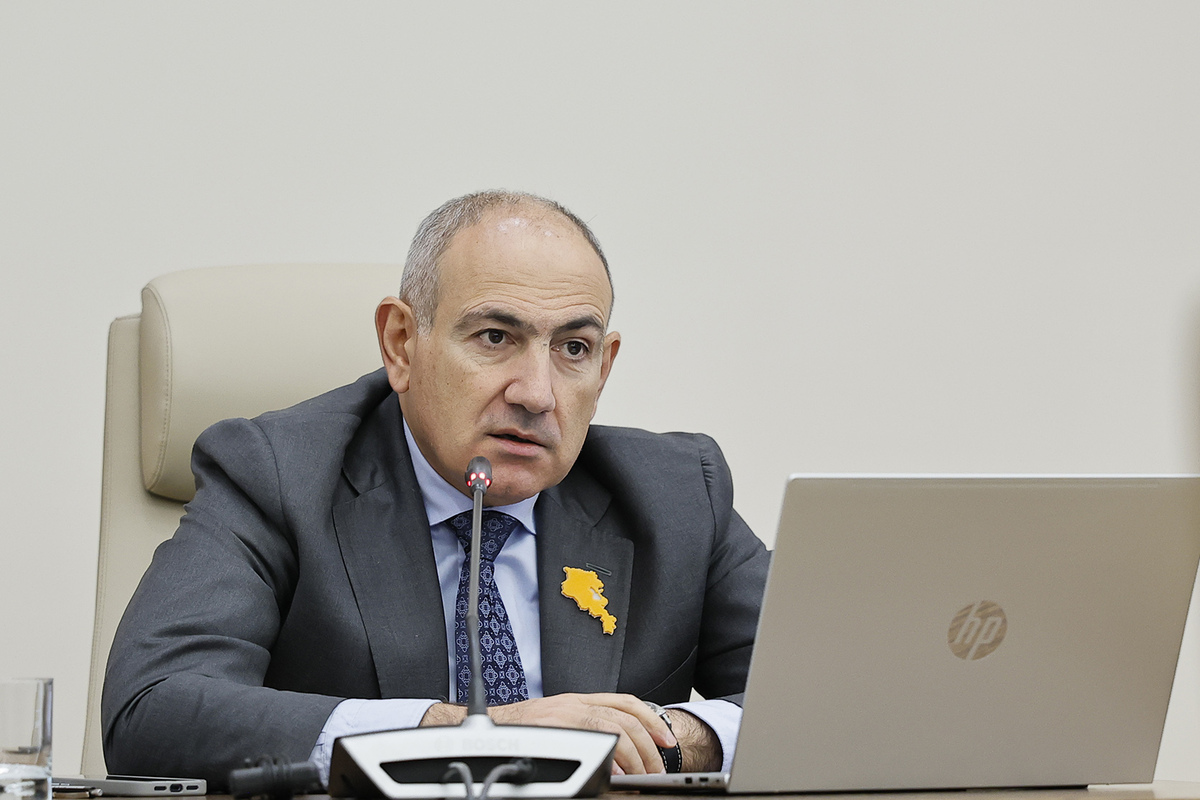
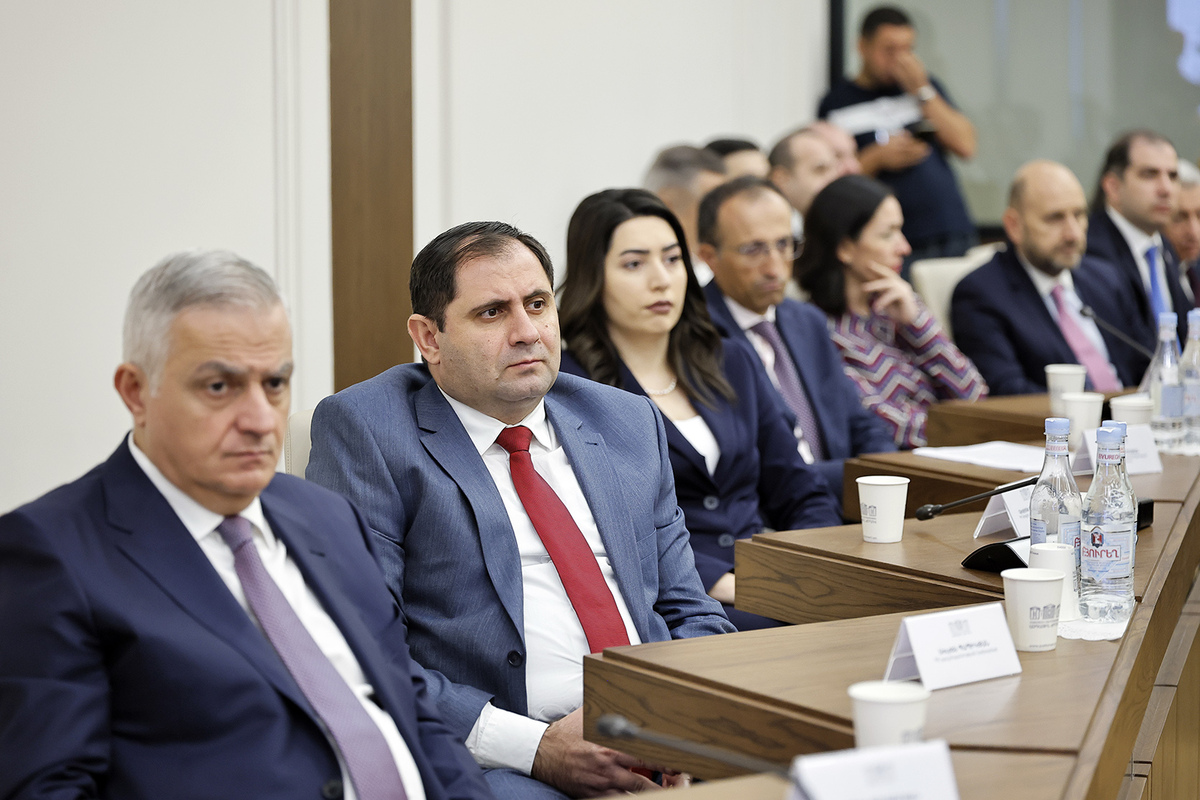
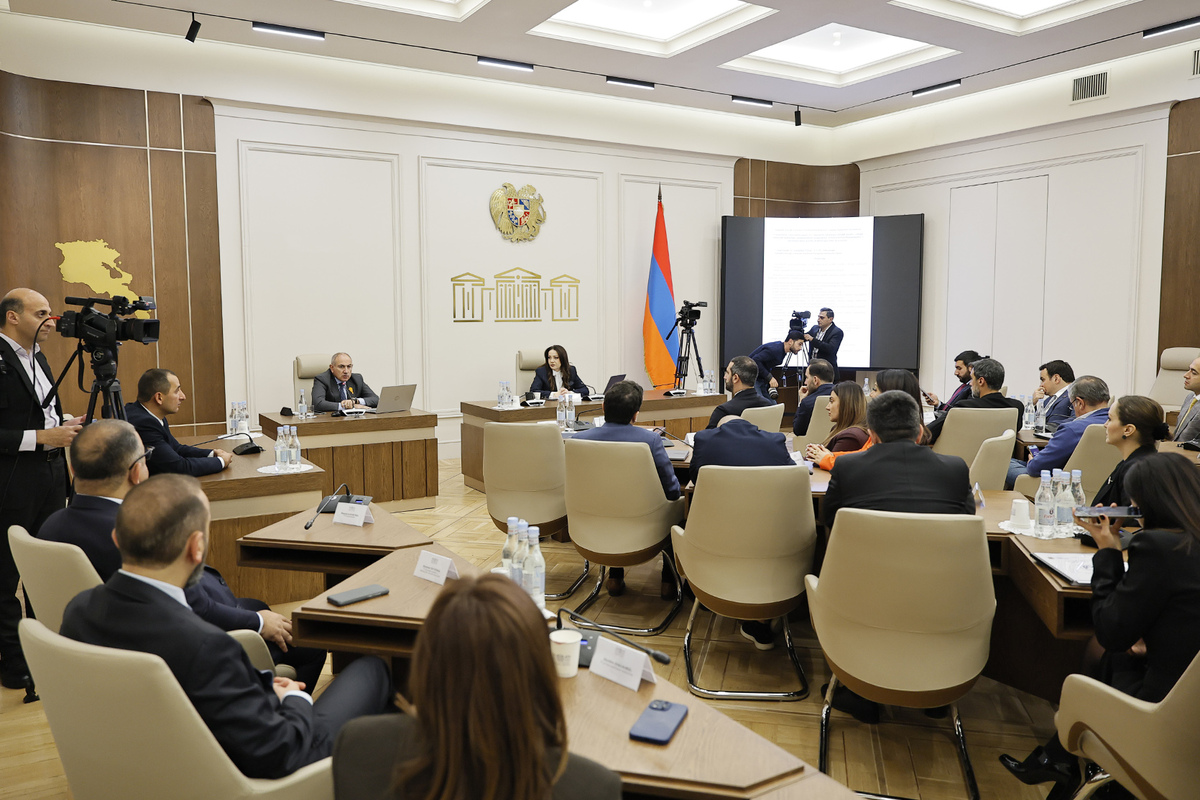
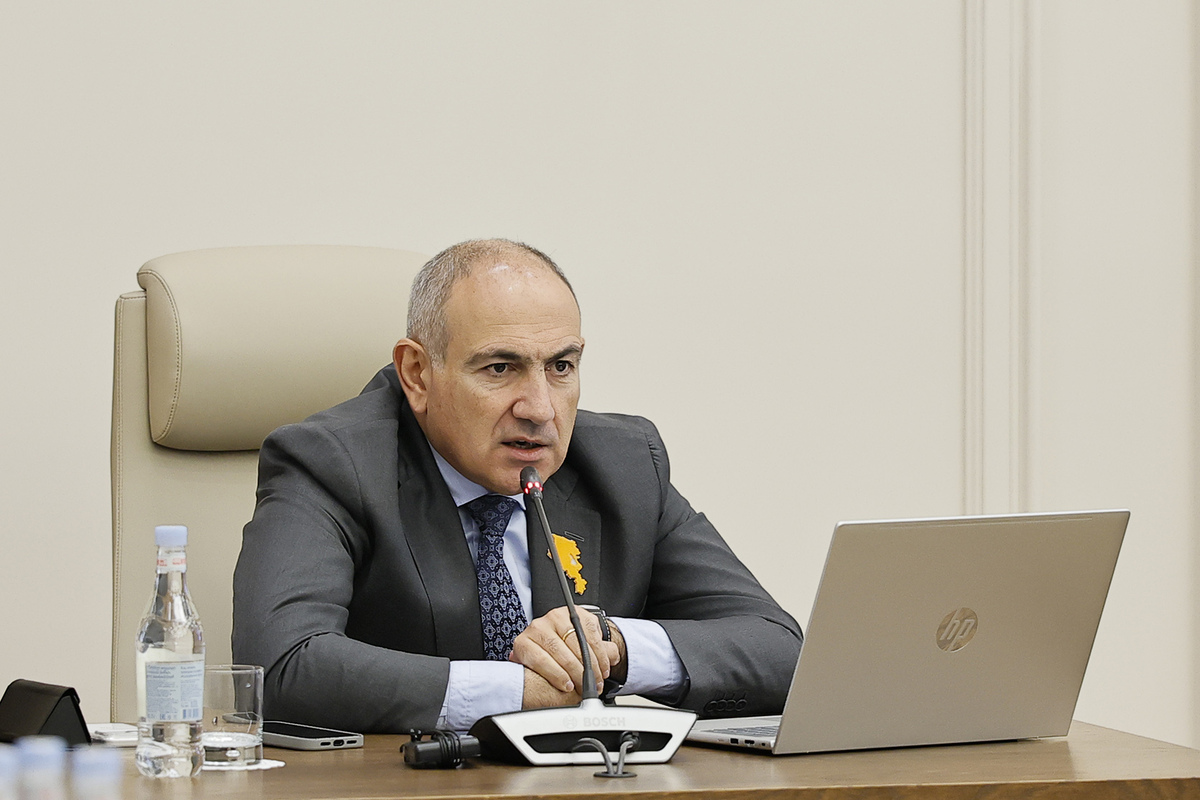
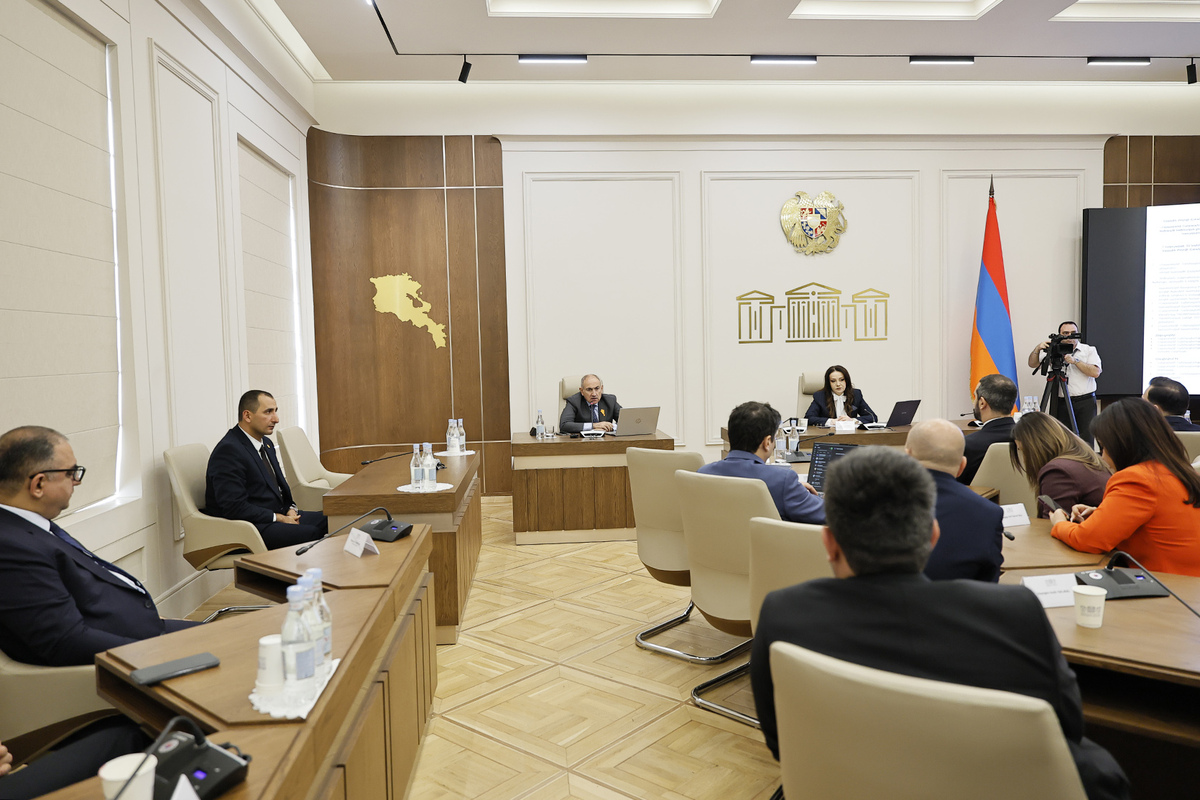
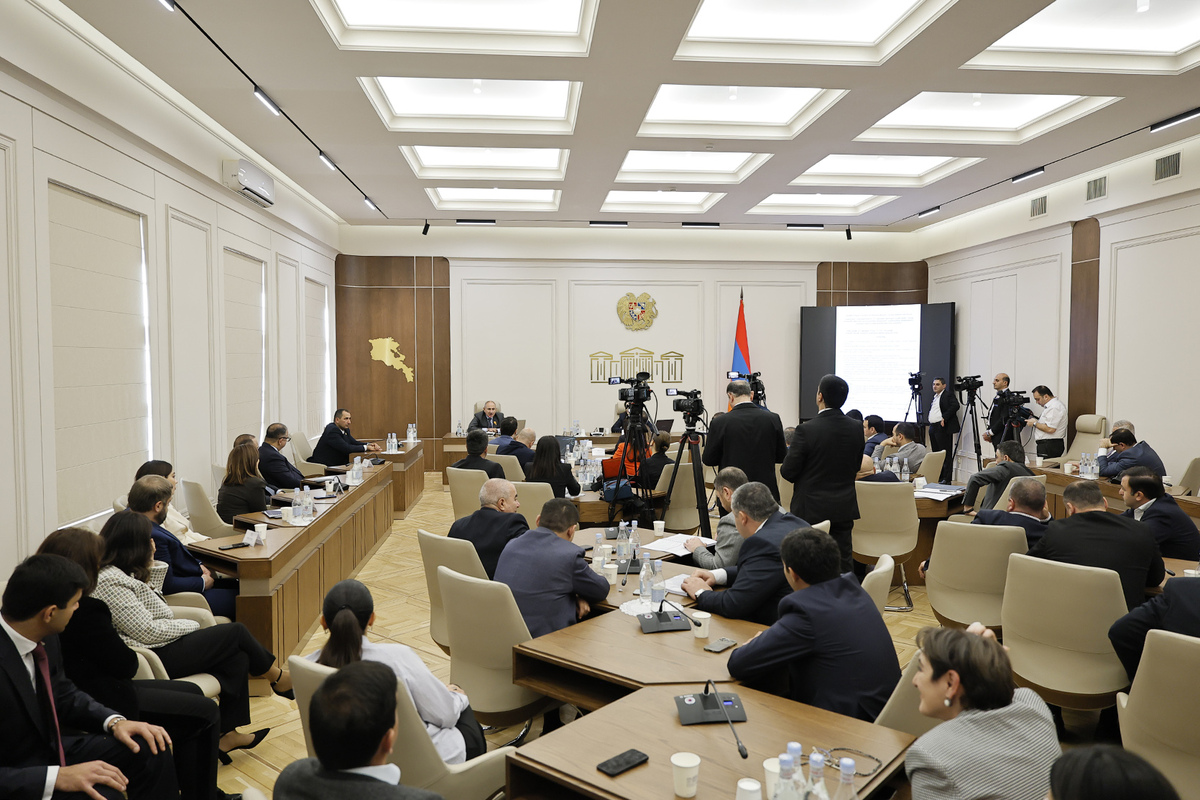
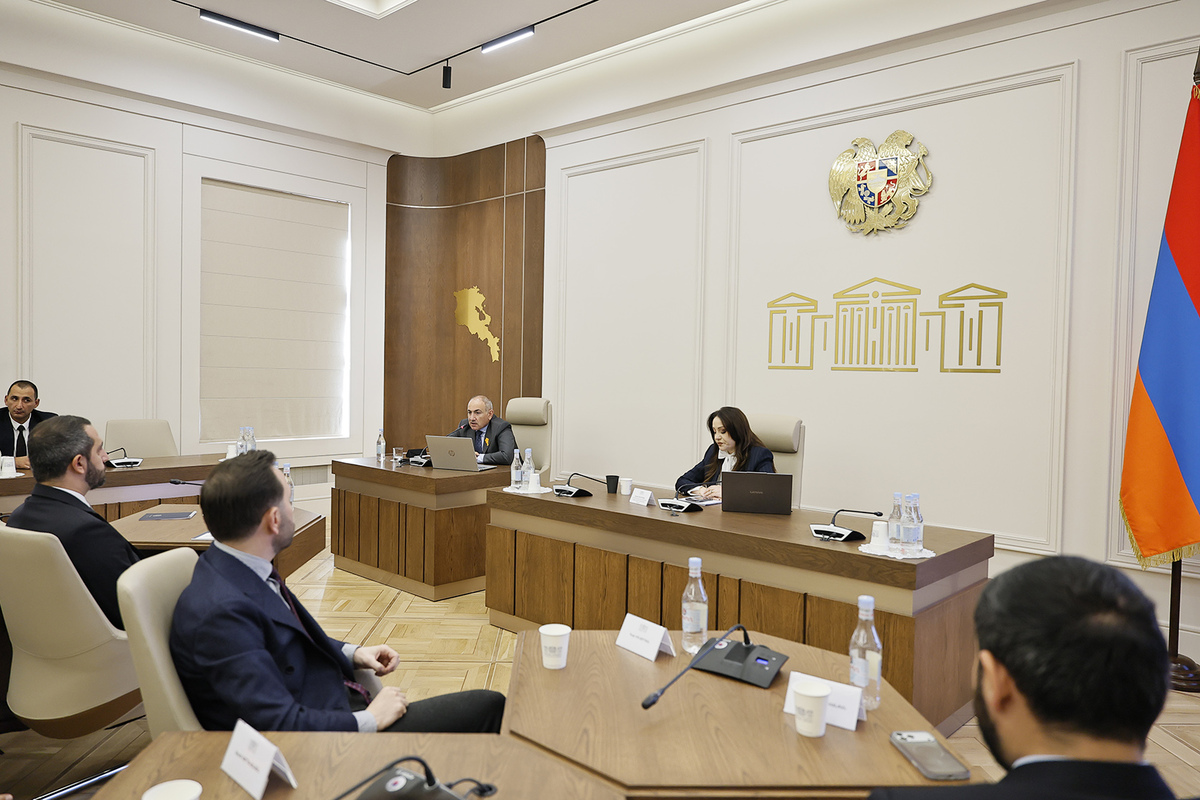
Speech by Prime Minister Nikol Pashinyan at the preliminary discussion of the draft 2027 State Budget of the Republic of Armenia
 1670x1113px - 443 Kb
 1670x1113px - 662 Kb
 1670x1113px - 593 Kb
 1670x1113px - 621 Kb
 1670x1113px - 495 Kb
 1670x1113px - 526 Kb
 1670x1113px - 451 Kb
 1670x1113px - 609 Kb
 1670x1113px - 706 Kb
 1670x1113px - 646 Kb
 1670x1113px - 392 Kb
 1670x1113px - 510 Kb
 1670x1113px - 855 Kb
 1670x1113px - 641 Kb
 1670x1113px - 444 Kb
 1670x1113px - 588 Kb
 1670x1113px - 658 Kb
 1670x1113px - 582 Kb
 1670x1113px - 442 Kb
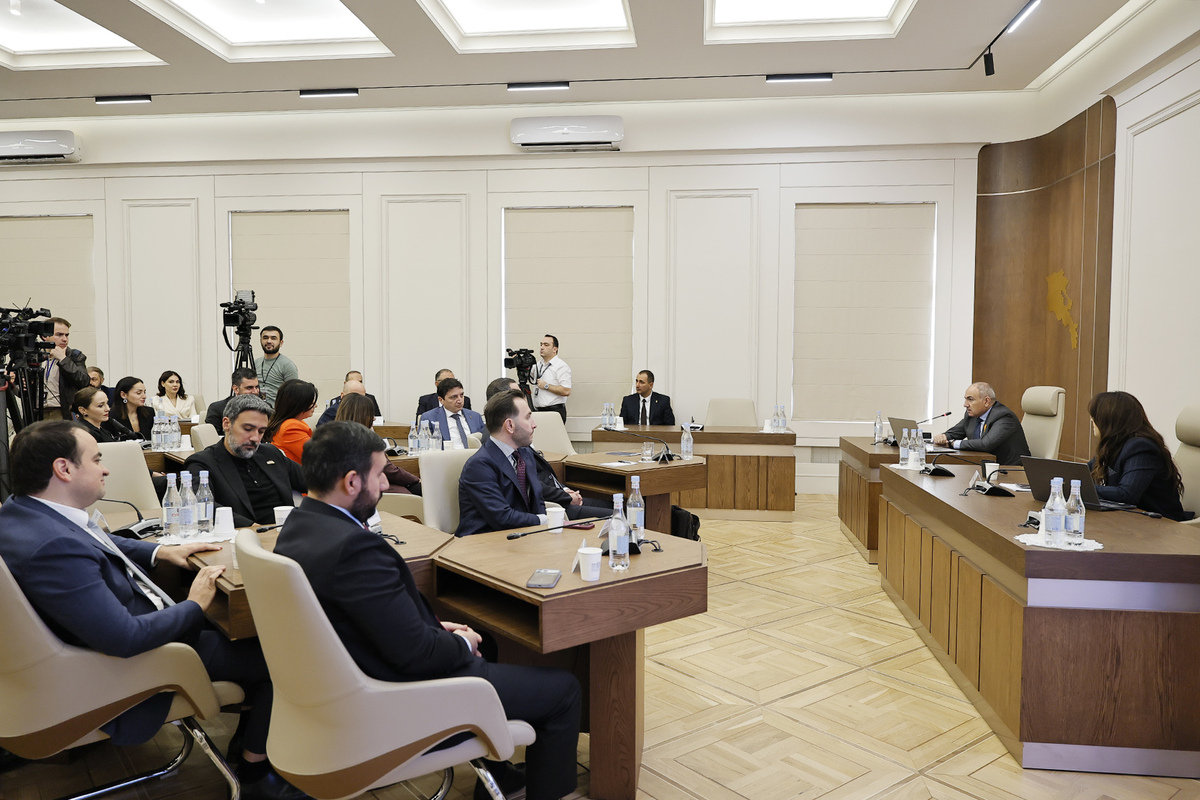
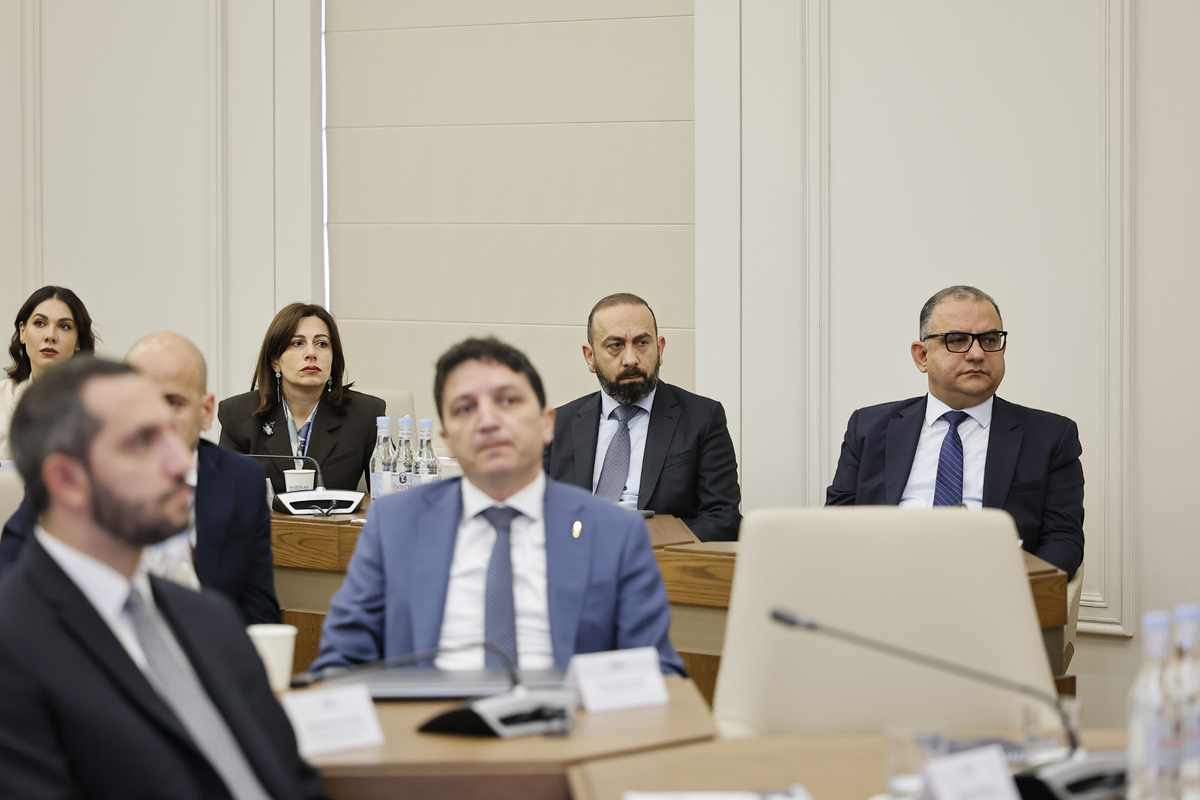
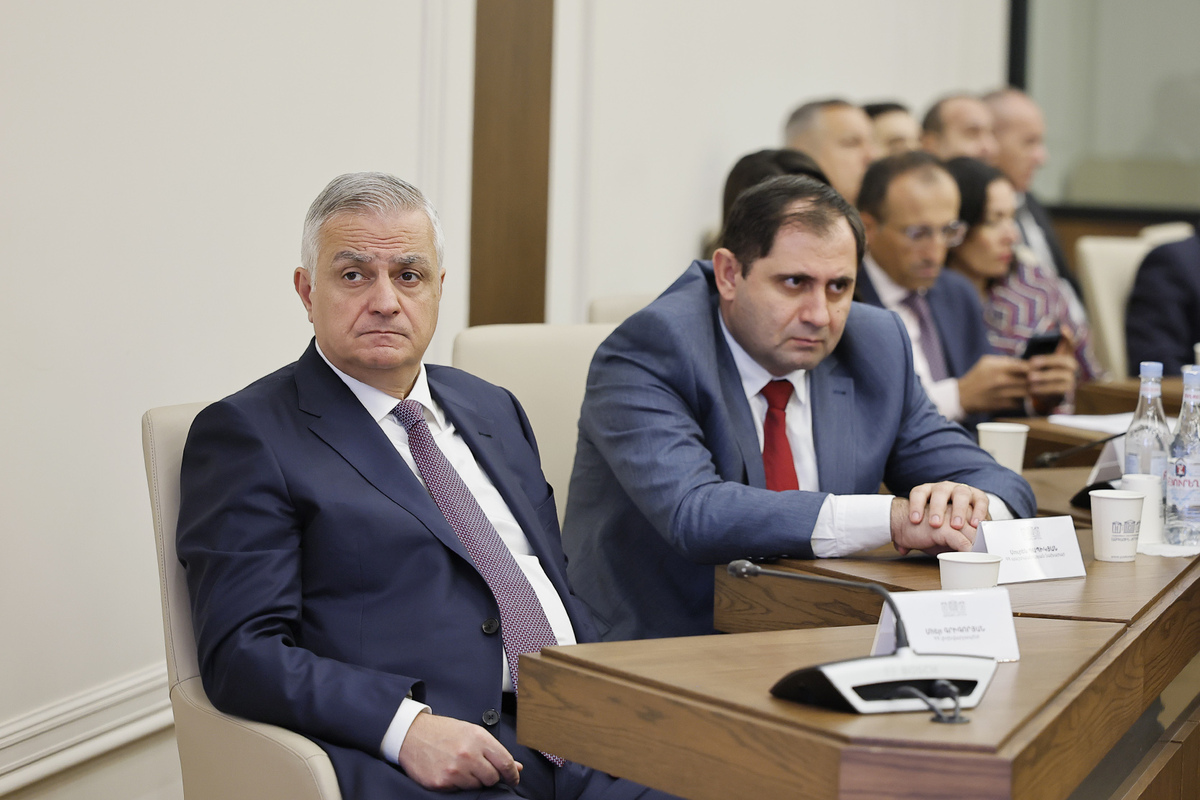
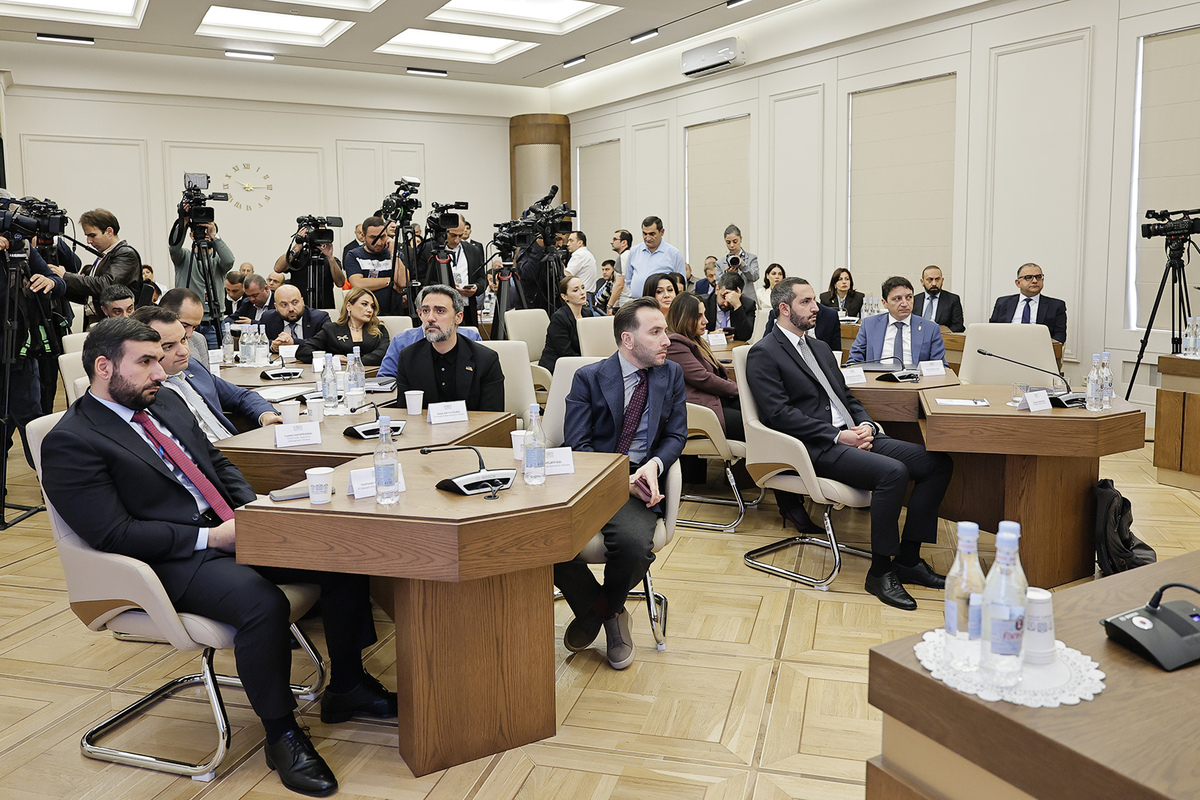


more 16 photos
Distinguished President of the National Assembly,
Esteemed Vice Presidents,
Esteemed members of the Government,
Esteemed Members of the National Assembly,
We are beginning discussions on the draft 2027 State Budget within the National Assembly’s Standing Committee on Financial-Credit and Budgetary Affairs. The first point to address regarding the budget, quite naturally, concerns the volume of its revenue component. The revenue side of the 2027 State Budget is projected at 3 trillion 604 billion drams, which amounts to 10 billion US dollars.
It should be noted that, compared to 2017, the revenue component of the 2027 budget has grown by 191%; in other words, the revenue has tripled since 2017. Naturally, out of habit, we make comparisons with 2017, as that was the last pre-revolutionary year. However, we can now also draw comparisons with 2021, since we are referring to the start of the previous electoral cycle. And if we compare it with 2021, the growth amounts to 114%—that is, an increase of approximately 2.1 times.
The next point I would like to highlight concerns capital expenditures: they are projected to increase by 223%—or 3.2 times—compared to 2017, and by 253%—or 3.5 times—compared to 2021. In the education sector, the projected increase is 181% (nearly a threefold increase—specifically, 2.8 times) compared to 2017, and 135% (or 2.3 times) compared to 2021. Funding for science is set to grow by 166% (around 2.7 times) compared to 2017, and by 147% (around 2.5 times) compared to 2021. The combined total of grants and subventions allocated to communities shows an increase of 157% (2.5 times) compared to 2017, and an increase of approximately 70% (1.7 times) compared to 2021.
I believe it is important to address a question after presenting these figures: is the budget large, or is it small? This is a very important issue; however, in addressing this topic, I would like to note that a budget is never too large. There has never been, nor will there ever be a country in the world that could declare, "You know what? My budget is too big." Consequently, as the budget grows, needs, expenditures, and expectations grow alongside it. This is a perfectly natural process: as the level of prosperity in a country rises, people naturally come to expect an even higher standard of living. Nevertheless, this year—much like in previous years—I believe it is essential and fundamental that we clearly define what the state budget of the Republic of Armenia actually is. The state budget of the Republic of Armenia consists of funds generated through the activities of the citizens, residents, and inhabitants of the Republic of Armenia; in other words, the state budget is the result of our collective labor. The role of the state is twofold: first, to ensure that individuals have the opportunity to work freely under fair competitive conditions; and second, to ensure that the Government can secure an adequate level of budget revenue collection and achieve an effective level of budget expenditure.
As I have stated previously, the state budget of the Republic of Armenia constitutes a fundamental, if not the largest portion of the family budget of every citizen of the Republic of Armenia. I wish to reiterate that no citizen, absolutely no citizen in the Republic of Armenia spends, or could possibly spend, more on their family’s well-being than what is provided through the state and municipal budgets of the Republic of Armenia. To illustrate this, I would like to offer one or two striking examples of this principle. Specifically, for the year 2027, the amount of income tax to be refunded to citizens and residents of the Republic of Armenia is projected to be 4895%—or 61.5 times—higher than the amount in 2017. I would like to draw your attention to the fact that this figure represents the amount the Government returns to its citizens. There are various instances, but the primary item in recent years has been the program for purchasing housing via mortgage loans in the Republic of Armenia. For example, in 2025—and I am referring to something that has already taken place—we returned 95 billion drams (or 263 million dollars) to citizens of Armenia under this program. This year, that figure has already reached 78.6 billion drams; in other words, we have returned 95 billion drams to citizens in 2025, and 78 billion drams this year. What is this money for? It is intended to ensure the well-being of citizens of the Republic of Armenia, because people use these funds to purchase homes.
But I would like to return once more to the model of well-being that lies at the core of our Government’s activities and the ideology of our political team. And this is one of the ways in which that model manifests itself. In general, what is the model for living well? We must continually return to this question and address it. The model for living well is work. There is no other model for living well—at least, not according to our vision—because some might think, for instance, that stealing, evading taxes, or plundering the country could also serve as models for living well. Our vision is based on work, and this is our message to every citizen of the Republic of Armenia. On the other hand, we recognize that education is the means to make work effective; the comprehensive model we envision is as follows: education, work, the continuous development of knowledge and skills, and well-being. And again: education, work, the development of knowledge and skills, and well-being.
I would like to reiterate that every citizen of the Republic of Armenia should view the state budget as an extension of their own family budget. The refund of income tax is not the only item in this regard. For instance, consider this: compared to 2017, healthcare funding in the Republic of Armenia is projected to be 319% higher, or approximately 4.2 times greater by 2027; compared to 2021, this represents an increase of 117%, or 2.2 times more. Yet, behind these figures lie real people, specific life stories, and actual families. Over the first 10 months of this year, $320 million has been spent from the state budget of the Republic of Armenia on pensioners aged 65 and older. In total, 63,000 pensioners aged 65+ have received services valued at 500,000 drams or more. We are talking about health insurance. Furthermore, 11,570 children—those under the age of 18—have received health insurance-covered services valued at 500,000 drams or more. Behind these figures are real people and real families. While some of these families might have been able to afford these healthcare services on their own, the majority would clearly have struggled to access them. To give you a specific example: as of November 1, 2026, 2,051 beneficiaries had received healthcare services worth 4 million drams or more. Another 6,857 beneficiaries received services valued between 2 million and 4 million drams; 18,000 individuals received services valued between 1 million and 2 million drams, and so on. Overall, regarding pensioners aged 65 and older, 350,143 individuals have received healthcare services through the health insurance system this year. Some received medication, others underwent medical examinations, some had surgeries, others received therapeutic treatment, and so on.
However, I also want to point out—and this is something we should emphasize more frequently, though we have mentioned it in the past—that the health insurance system does not cover everything; not all expenses are covered, and not all medical services are provided through this system. In fact, it was planned this way from the very inception: health insurance services cover approximately 30% of overall healthcare services—specifically, the 30% that occur most frequently. Furthermore, as you are surely aware, there are instances and circumstances where co-payments or additional out-of-pocket payments apply; these arise in a wide variety of different situations. Why am I mentioning this? Well, for instance, just the other day, while I was with representatives of our political team during a live broadcast, a citizen mentioned that they were expected to pay for a healthcare service provided to their child. We later discovered that this occurred when the individual was seeking the service for the fifth or sixth time—or even more. Of course, we are not pleased that certain coefficients are applied—for example, in the case of emergency medical services—based on the frequency with which a person calls for an ambulance. This serves as a form of restraint; unfortunately, there are instances where people call the emergency service far too often. In other words, if someone requires medical treatment, they should naturally receive inpatient care; otherwise, calling for an ambulance with such frequency does not really make sense.
However, I would like to emphasize that a very significant change is taking place within the health insurance system this year. The relevant legislative initiative is set to be adopted by the end of the year—hopefully with the support of our colleagues in the National Assembly. Starting January 1, 2027, all beneficiaries earning a salary of up to 200,000 drams will be included in the health insurance system. In the first year, a portion of the payment will be covered by the state budget, another portion by the employer, and a small share by the employee. Then, from January 1, 2028, we will shift the primary remaining balance—the portion not otherwise covered—onto the employer.
Our policy rationale is as follows: we believe that if an employer pays an employee a salary of less than 200,000 drams, the employer should ensure that the employee has health insurance. Alternatively, the employer could raise salaries to reach the 200,000-dram threshold, thereby enabling citizens to become full beneficiaries of the health insurance system. It is also worth noting that we have already observed this trend over the recent period: the proportion of citizens earning a salary of 200,000 drams or more has shown a visible increase and continues to grow.
Overall, I believe that during the discussions surrounding the budgetary system and the budget itself, it is also important to address several innovations within our budgetary or management framework. It is highly significant that, starting January 1, 2027—in conjunction with the universal income declaration system—we will introduce a mechanism allowing citizens to fund political parties, non-governmental organizations (NGOs), and mass media outlets. The logic behind this system is that, upon completing and validating their universal income declaration, citizens will be able to direct a portion of the income tax they have paid as a donation to political parties, NGOs, or media organizations. I consider this innovation to be of great importance for Armenia, as it will contribute to the development of the political system and civil society organizations, while also helping to ensure the independence of mass media. Of course, we are far from assuming that the first year of the system’s implementation will result in large financial inflows for political parties, non-governmental organizations, and mass media outlets. However, it is worth noting that this depends largely on the extent to which these entities—parties, NGOs, and media outlets—actually need or require donations from citizens. I believe this is an important system; its successful establishment will render the political system of the Republic of Armenia more independent, more state-centered, and more citizen-centered. Furthermore, this system plays a crucial role in the development of democracy and democratic institutions. Consequently, we must take proactive steps to ensure that political parties, non-governmental organizations, and mass media outlets receive donations through this very system.
I would also like to discuss another innovation that has a very direct and significant link with the state budget. Following extensive discussions and legislative amendments, an operator—or, more accurately, a mechanism designed to oversee gambling activities and ensure their transparency—is set to become operational in February 2027. In essence, this system will provide visibility into all bets placed and winnings received within Armenia, thereby enhancing the transparency of the resulting tax collections. Furthermore, this will facilitate the development of new policies; for instance, individuals who—either by their own request (a mechanism that already exists today) or through other established criteria—are restricted from participating in such activities, will be effectively blocked from engaging in gambling, at least within the online environment.
However, I would also like to note, dear colleagues, as you are aware, that in recent years we have undertaken numerous initiatives, adopted laws, and implemented stricter regulations regarding this issue. This has been, and remains, our policy and our approach. Yet, we must also confront another challenge: as access to such activities or operations becomes restricted within Armenia, we observe trends—or at least our preliminary statistics indicate—that Armenian citizens are finding ways to place bets on platforms operating outside of Armenia, which in itself is a problem. This implies that we are failing to resolve the issue we set out to address. In any case, following a few changes that took place towards the end of last year, we have received indications that such processes are beginning. Naturally, we will need to conduct more rigorous monitoring of the situation to ensure that the operator’s activities are more effective. However, this is a technical matter, and we have already expressed our political will regarding this issue. As for the extent to which this technical challenge can be resolved—that is a topic for a separate discussion.
Distinguished guests,
It is important to emphasize that, as of November 1st—or October 30th—we launched a biometric passport system in Armenia, which represents a major and significant reform. I would like to recall that a similar reform had previously failed in the course of Armenia’s history. Today, however, we have implemented a system that meets all modern requirements and standards for biometric passports. This system is crucial for successfully concluding negotiations on visa liberalization with the European Union and, ultimately, for achieving the desired outcome: the liberalization of visas with the European Union. Naturally, addressing this issue requires rather complex reforms; if we seek visa liberalization—that is, integration into the broader visa regime—we must, at the very least, align with European standards in certain areas. Consequently, the necessary systems must undergo reform to resolve this challenge. I wish to emphasize that we are firmly committed to pursuing this path. What does this entail? Specifically, it involves a transformation in the status of the border guard forces, ensuring that, at least in the medium term, all state borders of the Republic of Armenia are controlled by the relevant border service of the Republic of Armenia. We have already addressed this topic in the Government’s program, and we will proceed along this path through measured, incremental steps. You are aware that, in the past, not all border crossing points were under our control, I am speaking about the Border Guard Service and the Border Troops of the Republic of Armenia. However, for several years now, all border crossing points of the Republic of Armenia have been controlled exclusively by the Republic of Armenia’s Border Troops. Naturally, we intend to gradually delegate control over the entire border of the Republic of Armenia to the Border Guard Service—an entity that will also undergo its own process of reform. Furthermore, regarding biometric passports, one of the most notable and positive developments is that, in the near future, holders of such passports will be able to cross the border of the Republic of Armenia using "e-Gates"—that is, electronic automated checkpoints. What is its unique feature? It is that there is no contact with any staff member. This system is already in operation in many countries. Just recently, we held discussions with our partners: this facility will first be introduced at Zvartnots Airport, and subsequently at all border crossing points of the Republic of Armenia—without exception. Naturally, starting today, we will initiate negotiations to make these services available to citizens of the Republic of Armenia in other countries as well; since every nation has its own specific regulations, there is an agenda to make these services mutually accessible. So, what is the unique feature? The key feature is the existence of a reference database—that is, baseline information—against which the biometric passport can be compared. When the passport is presented, the system must have something to compare it with to verify that the individual is indeed the person they claim to be. In Armenia, when a citizen undergoes this process within the country, there are no complications. This is because all systems are interoperable; when a citizen presents their passport, the system—via the biometric infrastructure—instantly verifies the data against the State Population Register to ensure its accuracy. However, to utilize such services in foreign countries, for instance, at airports outside of Armenia, we must have an established mechanism for information exchange with those nations, which is a matter of bilateral agreements. Of course, there are already countries that have implemented a different type of system. In these cases, after a citizen enters the country for the first time with a biometric passport—at which point the data is verified manually and uploaded into the system—they can subsequently pass through borders and airports using their biometric passports, just as they would under standard procedures.
Dear colleagues,
Naturally, the most important task ahead of us—as I have had occasion to mention—is the realization of one of our primary objectives: the signing and ratification of the peace agreement with Azerbaijan. We have, of course, discussed this topic previously; however, with the recent intensification of discussions, specifically regarding the potential adoption of a new Constitution for the Republic of Armenia, representatives of the opposition have raised certain points. Upon examination, we concluded that, regardless of how direct or well-founded the causal links may be in this context, these concerns are nonetheless legitimate and need concrete responses. Specifically, this pertains to an issue that was raised during the most recent National Assembly-Government Q&A session. I have, of course, already spoken about this topic during the plenary session, so I will not go into details now. The issue is as follows: when, for instance, the Republic of Armenia adopts a new Constitution and a peace agreement is signed with Azerbaijan, or rather, does this mean that a peace agreement will be signed with Azerbaijan? And does the signing of such an agreement imply that a comprehensive peace will be established, and that there will no longer be any conflict-ridden agendas in the relations between Armenia and Azerbaijan? This is how we have understood the agenda, the issue raised by representatives of the opposition. In any case, even if they did not frame it exactly this way, or if they feel a need to make adjustments, we consider this issue—even as a formulation independent of its original authors—to be highly important and legitimate. Consequently, our efforts in the near future will be directed toward obtaining answers to these very questions. To reiterate, our discourse and political stance have consistently been that we do not discuss our domestic agendas within the external arena or with external parties. However, given that these issues are being continuously raised and highlighted within Armenia, this is a topic that we must address actively, and for which we must secure answers to very specific questions. I believe that, in this context, the situation becomes quite obvious and extremely clear. Let me share my tactical perspective: if the ruling majority of the Republic of Armenia—following the necessary preparatory work—provides a clear, affirmative response to the issue at hand, and also offers convincing answers to the subsequent questions that will inevitably arise (for it is not as if providing an answer to this one question precludes further inquiries; new questions are to be expected, and the answers to those will be equally significant), then I am convinced of the following: should we proceed with the adoption of a new Constitution under such conditions—with these affirmative responses in place—the overwhelming majority of the citizens of the Republic of Armenia will go to the polling stations and vote "in favor" of the new Constitution during the referendum. Conversely, I would also like to emphasize the following: if we have clear, positive answers to these questions—as well as to the questions that arise from them—and if it turns out that the parliament, and specifically the parliamentary opposition, uses its mandate to halt the process of adopting a new Constitution and expresses opposition to it, then this would mean that the opposition is opposing a final and comprehensive peace with Azerbaijan. Furthermore, I would like to share my perspective on how the ruling majority in the Republic of Armenia should act in such a scenario. My view is that, in that case, public pressure against the opposition will inevitably emerge; and I believe that the ruling majority in the Republic of Armenia should lead that pressure—provided, of course, that such a sentiment exists among the public. I am firmly convinced that public sentiment depends on the answers we provide to the issues already raised and mentioned. Therefore, I must state clearly and directly: following the recent Q&A session in the National Assembly, my confidence and optimism regarding the process of adopting a new Constitution have continued to grow. Furthermore, this is a process that will, without a doubt or reservation, culminate in a concrete outcome—an outcome that, naturally, serves the interests of the Republic of Armenia and its people.
In the near future, as I have previously mentioned, by the end of the year, though it is highly likely to be in November, we will publish the draft of the new Constitution. It is also important to note the formal status of this draft, since it is explicitly included as a provision in both our pre-election platform and the Government’s program. At my direction, the Ministry of Justice has prepared a draft, and at the time of its publication, it will hold precisely that status: a draft of the new Constitution, prepared by the Ministry of Justice upon the Prime Minister’s instruction. From that point forward, public discussions will commence, and proposals will be accepted and reviewed. Naturally, this will continue until we are convinced that the draft of the new Constitution has been sufficiently discussed among the public; following that—and in line with the logic I mentioned earlier—we will organize further discussions regarding the draft. In other words, up to a certain point, the process is quite predictable: we will refine and develop the draft, the Government will adopt it and submit it to the National Assembly in accordance with established procedures, and discussions will commence within the National Assembly. Naturally, subsequent developments will depend on those discussions. I also wish to state, and I fully acknowledge, that by the time these discussions take place in the National Assembly, the Government must be prepared with answers to at least the majority of the issues I have raised. I mean that parliamentary discussions should, to a certain extent, be aligned with this logic, and, as I mentioned, we will be working very actively in this direction in the near future.
Distinguished attendees,
The TRIPP project is an initiative of significant importance; the agreement between Armenia and the United States regarding this project has already undergone the ratification process in the National Assembly. In practice, we have already begun the implementation of the TRIPP project. Pending the organization of further procedures, the Government of the Republic of Armenia will, on its own initiative, initiate the commissioning of designs for the TRIPP project’s railway, highway, and power transmission lines, ensuring that no time is lost and that work on the project can commence. Once the TRIPP Development Company is established, the Government of the Republic of Armenia will simply transfer the work completed up to that point to the company—specifically, at the moment the company is ready to assume and carry out that work. Here, too, we have effectively entered the implementation phase of the TRIPP project, and I would like to emphasize the pivotal significance of this project for the Republic of Armenia. In practical terms, this means that the blockade of the Republic of Armenia—which has persisted for over 30 years—is being overcome; for the implementation of the TRIPP project will unequivocally and definitively result in the lifting of the blockade on Armenia in all directions, including internal routes within Armenia, specifically regarding railway connections. The country will be unblocked along both the East-West and North-South axes.
I would like to draw everyone’s attention to an important point: the unblocking of routes in these various directions does not mean that all infrastructure or every route will fall within the scope of, or be part of, the TRIPP project. At this stage, we know for certain that the TRIPP project will encompass the Nrnadzor-Karchevan railway, as well as power transmission lines and a roadway. Gas and oil pipelines are matters for future discussion. I would also like to revisit a point raised by opposition representatives during the recent Q&A session regarding the "territory" of the TRIPP project. I want to emphasize once again: the TRIPP project does not have a "territory." Following this logic—and given that we have a ratified international treaty which holds supreme legal force within the Republic of Armenia—TRIPP projects could potentially be implemented in various locations across the entire territory of the Republic of Armenia. For instance, even if we are confident that a transit gas pipeline will one day pass through Armenia, it is by no means certain that it will run through the southern part of the country; the same applies to a potential oil pipeline—it is not a fact that it would pass through the south. In other words, while one cannot rule it out, our preliminary discussions suggest it is more likely that such infrastructure would follow an entirely different route. Furthermore, in the long term, it is by no means certain that railways of international significance within the Republic of Armenia will exist exclusively within the framework of the TRIPP project. Moreover, it is by no means a given that the TRIPP project will involve a railway located solely in the south of the Republic of Armenia.
I would like to highlight the significant, and even historic opportunity available to us today. By all accounts, the shortest route between East and West—and here, by "East-West," I refer to the connection between the largest markets (since, both in the East and the West, one could always identify points that do not conform to this logic or formula)—represents a vital asset. Specifically, in the context of infrastructure and supply chains, the term "East-West" denotes the linkage between the largest markets, the connection between major industrial systems, or the connection between the largest population centers. Consequently, when we examine the issue through this lens, we uncover a highly significant resource. This resource consists in the fact that the shortest East-West connection passes through the northern part of the Republic of Armenia. I have mentioned this before—and to be more specific—this shortest route runs through the Tavush, Lori, and Shirak provinces. Consequently, it is clear that we must do everything possible to attract significant investment in this direction. Our primary focus, of course, is on railways and highways. As you know, our railways are not generally in very good condition; however, on the northern railway line, specifically near the village of Haghartsin, there has been a landslide for several decades that has rendered the operation of the railway impossible. Naturally, restoring this section requires substantial investment. Large-scale investments will be made only under conditions where the potential investment is framed within an economic and financial model that provides a reasonable degree of confidence that the investment will yield a profit. Furthermore, to address this issue, the "East-West" issue, I must highlight another point. It is crucial that we connect the Ijevan-Hrazdan and Vanadzor-Gyumri railway lines, thereby establishing a rail link along the route I mentioned. Naturally, the restoration of our railway sections at Yeraskh and Akhurik is also of vital importance. As you know, discussions on this issue have taken place, and are currently ongoing with our partners in the Russian Federation. We must reach a decision within the next three months. The head of the Russian Railways visited Armenia with a delegation; we held a working discussion and set a three-month timeframe to receive answers to our questions and determine our course of action. Specifically, we need to know who will carry out the investments I mentioned, how they will be executed, and within what timeframe. It is absolutely clear to me that we cannot afford to miss this historic opportunity for Armenia, and we must find solutions here.
Distinguished attendees, I would like to draw everyone’s attention to another significant aspect—one that relates not merely, or not so much to the 2027 state budget, but rather to the economic processes and capital investments that have been unfolding in Armenia in recent years. I consider the following point to be of great importance and significance. As far as I recall, in the past, citizens and residents of the Republic of Armenia would often look back, sometimes with a sense of nostalgia, at the scale of capital investment, construction, and housing development that took place in Soviet Armenia, among other things. Today, however, the very basis for that nostalgia in the Republic of Armenia has been overcome. Admittedly, times are somewhat different, and complex calculations are required; however, it is evident that in certain areas, specifically within the housing construction sector, capital investments currently being made in the Republic of Armenia exceed the volumes seen in Soviet Armenia. In fact, overall capital investments have already surpassed the levels of the Soviet era. Much the same can be said regarding school construction; the key distinction here is that such projects are measured by the number of students, that is, the capacity of the infrastructure in terms of the number of pupils it is designed to accommodate. By this metric, we have not yet reached those earlier levels—a situation partly linked to the demographic challenges we face. But, overall, I must say that the Republic of Armenia is currently carrying out a sufficient level of capital investments, greater than what we saw during the era of Soviet Armenia, and this is, of course, a very significant and historic achievement.
Returning to the draft state budget of the Republic of Armenia for 2027, I would like to emphasize that we are discussing a program—a budget with a revenue target of 10 billion US dollars, or 3 trillion 604 billion Armenian drams, which serves as a program, a plan that we must implement. Incidentally, you may recall that starting from 2018, the very first year of the revolution, many respected economists raised alarms, and the press even circulated reports suggesting that Armenia’s newly formed and inexperienced government would be unable to execute the state budget or meet its revenue targets. It is now clear that with the exception of the years marked by COVID-19 and the war, when we faced global challenges, we have, in almost every other year, met and exceeded the revenue targets for the state budget of the Republic of Armenia. I would like to note that, based on data for the first nine months, the state budget of the Republic of Armenia, which we all planned together, has exceeded its targets by 127 billion drams. In other words, we have generated 127 billion drams more in revenue than originally planned. A significant portion of these funds is being directed toward increasing pensions in the Republic of Armenia, implementing health insurance, and so on.
I believe that, through these political and economic processes, we have reached a very important, historic juncture, and I hope that my remarks have made this clear, and that I have succeeded in conveying this logic to the audience. The realization of this historic juncture will, of course, have immense, transformative significance—politically, economically, socially, and socio-psychologically. Yet, it is also evident that there are forces, both within the Republic of Armenia and beyond, whose primary objective is to prevent this historic juncture from coming to pass. Naturally, such forces have existed in the past as well. I want to emphasize that, ever since 2018, we have always been aware of this reality and this underlying logic; it is simply that, in 2026, as the saying goes, the cards have been laid out on the table. And, of course, there is an objective set before certain forces: to ensure that the Republic of Armenia ultimately fails to fulfill its economic commitments and cannot continue along the path of economic development that has been charted. In fact, the entire process currently unfolding in Armenia could be described by a single term—one used by the architects of this scheme themselves: a "secret plan." It is also clear that there are no internal resources within the Republic of Armenia to carry out this secret plan; therefore, its architects must do everything in their power to secure external resources. It is evident—and I see no reason to conceal this—that this plan enjoys support within certain circles of the Eurasian Economic Union and the Russian Federation. There are reasons for this, too, as those individuals have been dispatched to Armenia bearing very specific promises and guarantees... By the way, it’s quite interesting: the representatives of our opposition talk so much about "guarantors"—well, one might ask, if you were given guarantees and sent to Armenia, why are those guarantees failing to materialize, to the point where you now have to resort to all sorts of new, dramatic efforts? Even if, let’s just assume, you don’t care to read the history of the Armenian people, at least take a look at what has unfolded over the last year and a half. I have said it before, and I say it again: the history of our people has shown that whenever "guarantors" have been involved, the outcome has always been a catastrophe.
And let me note that the activities of the opposition in the Republic of Armenia are linked to guarantees provided by certain guarantors. And, as in all other instances, fortunately for the opposition in this case, operating under the aegis of these guarantors will culminate in a political catastrophe for our esteemed opposition colleagues. Taking this opportunity, and possessing sufficient information to make such an assertion, I am essentially doing our opposition colleagues a favor by pointing out that they still have time to avert this catastrophe; specifically, I am referring to the political catastrophe that you are well aware awaits these opposition political parties. And they will take advantage of that opportunity... Once, I believe it was during the discussion of the Government’s program, I made this proposal: I suggested that we set aside the talk of "guarantors" and instead focus our efforts on the independence, sovereignty, and prosperity of the Republic of Armenia. At the time, that proposal met with no response—or, in effect, was rejected through silence—yet I believe the opportunity has not yet passed. Ultimately, our political forces must come to understand that there can be only one true guarantor: the people of the Republic of Armenia. By the way, if you don’t want to look at your own history, look at our history. Consider what we have gone through since 2018: had we relied, even for a single moment, on any external factor, it would have spelled political disaster for us. However, we have always placed our hope in our people, the citizens of the Republic of Armenia, and it is these citizens who have, in essence, paved our path to where we are today: November 2, 2026, at the National Assembly of the Republic of Armenia, marking the start of discussions on the 2027 state budget within the National Assembly’s Standing Committee on Financial-Credit and Budgetary Affairs. On this optimistic note, I would like to wish my colleagues in the National Assembly and the members of the Government every success as they deliberate on the draft budget within this lead standing committee. Naturally, we will return to discuss the matter further during the plenary session; however, I believe that the discussions at this stage are no less significant, as they allow for a more detailed examination of the issues.
Distinguished President of the National Assembly,
Esteemed Vice Presidents,
Esteemed Chair of the National Assembly Standing Committee on Financial-Credit and Budgetary Affairs,
Esteemed Members of the Government,
Esteemed Members of the National Assembly,
Esteemed journalists,
Distinguished guests,
Thank you for your attention.