

more 4 photos
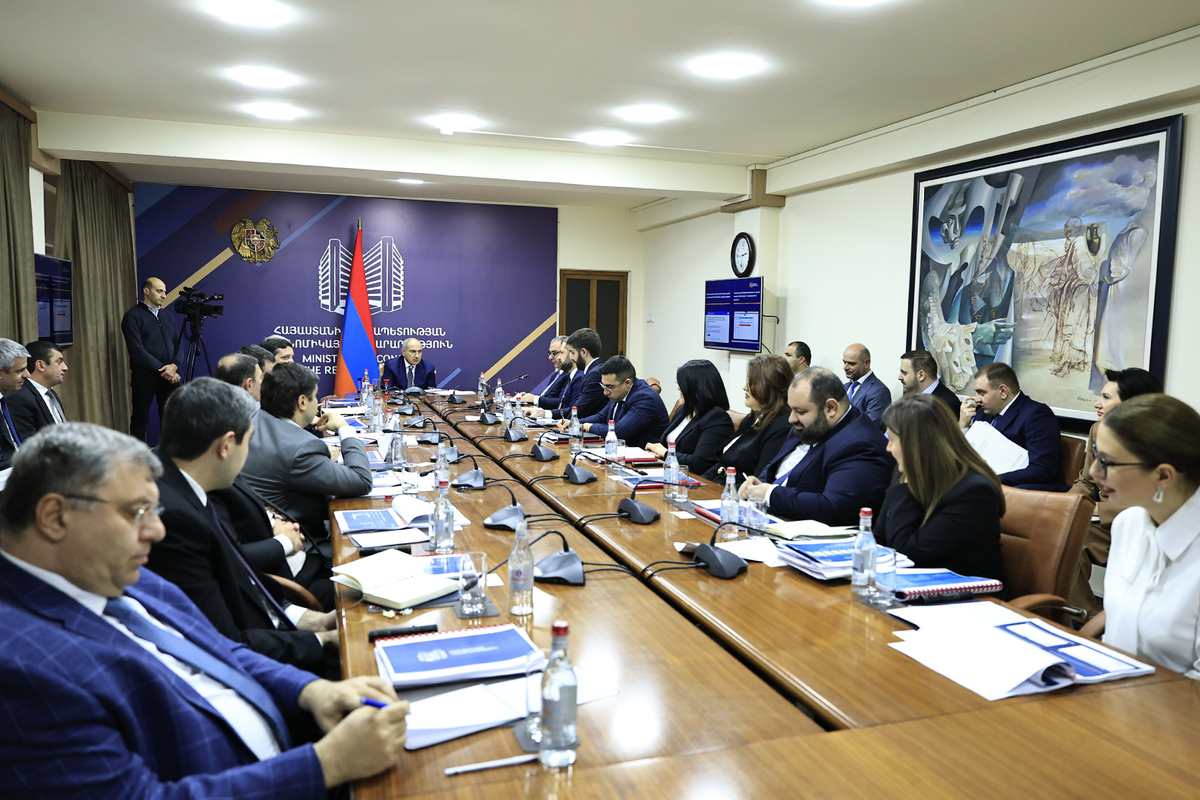
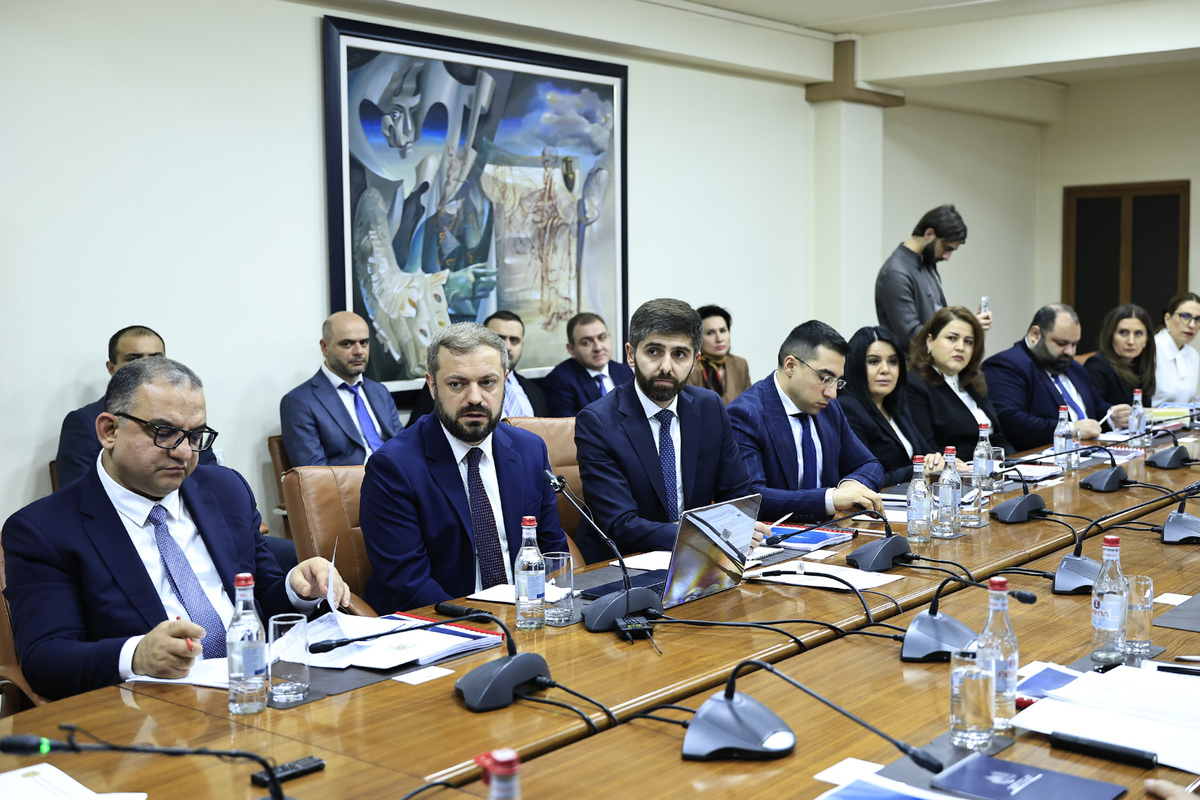
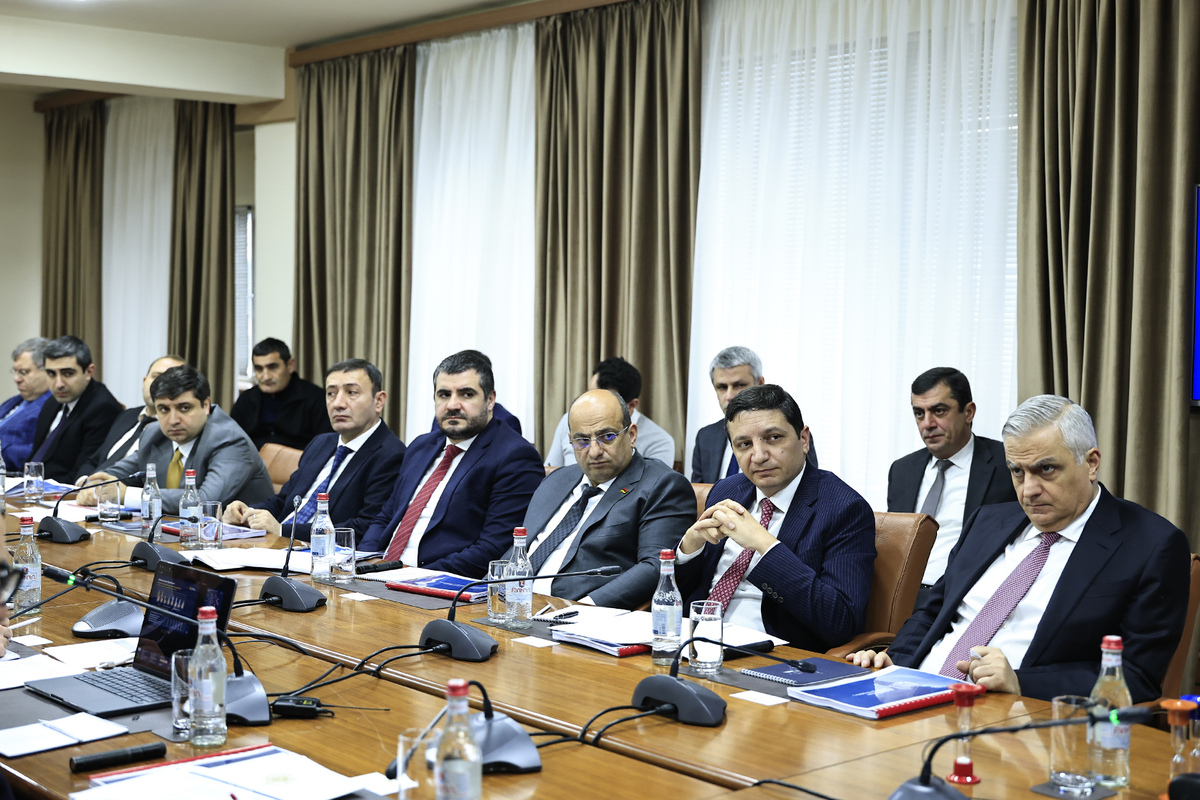
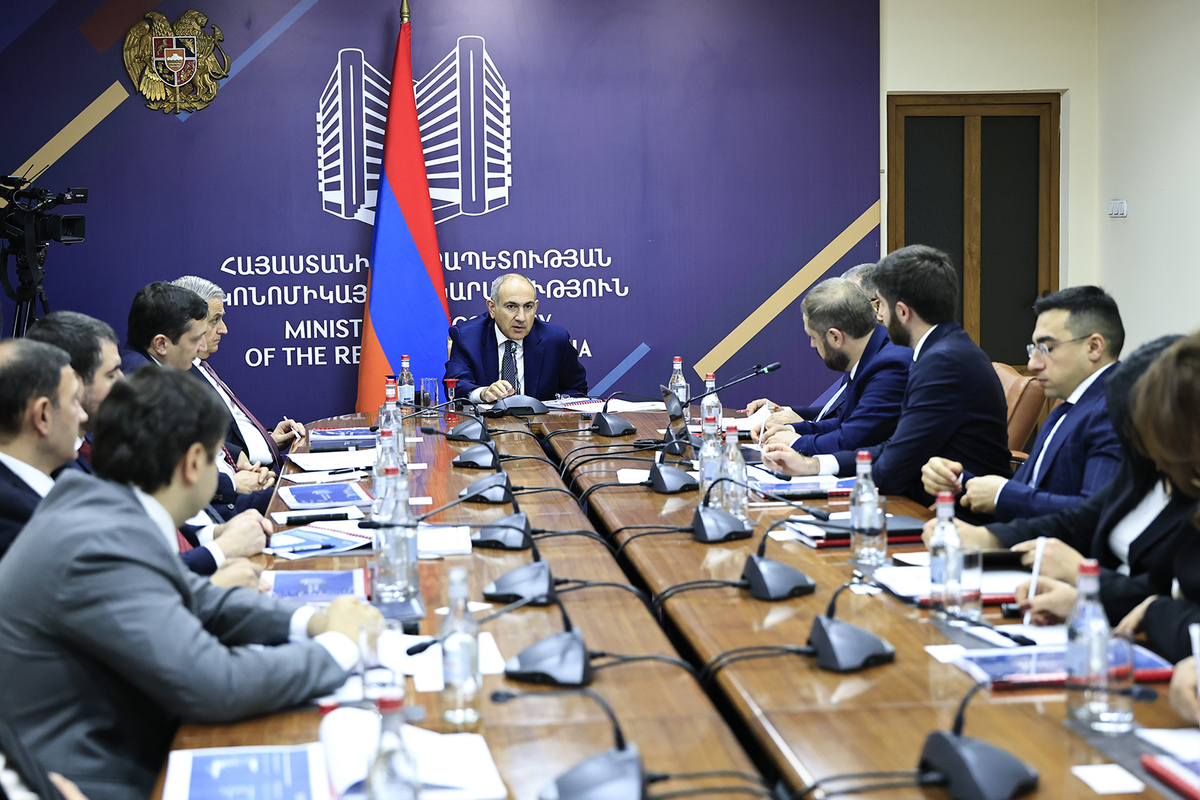
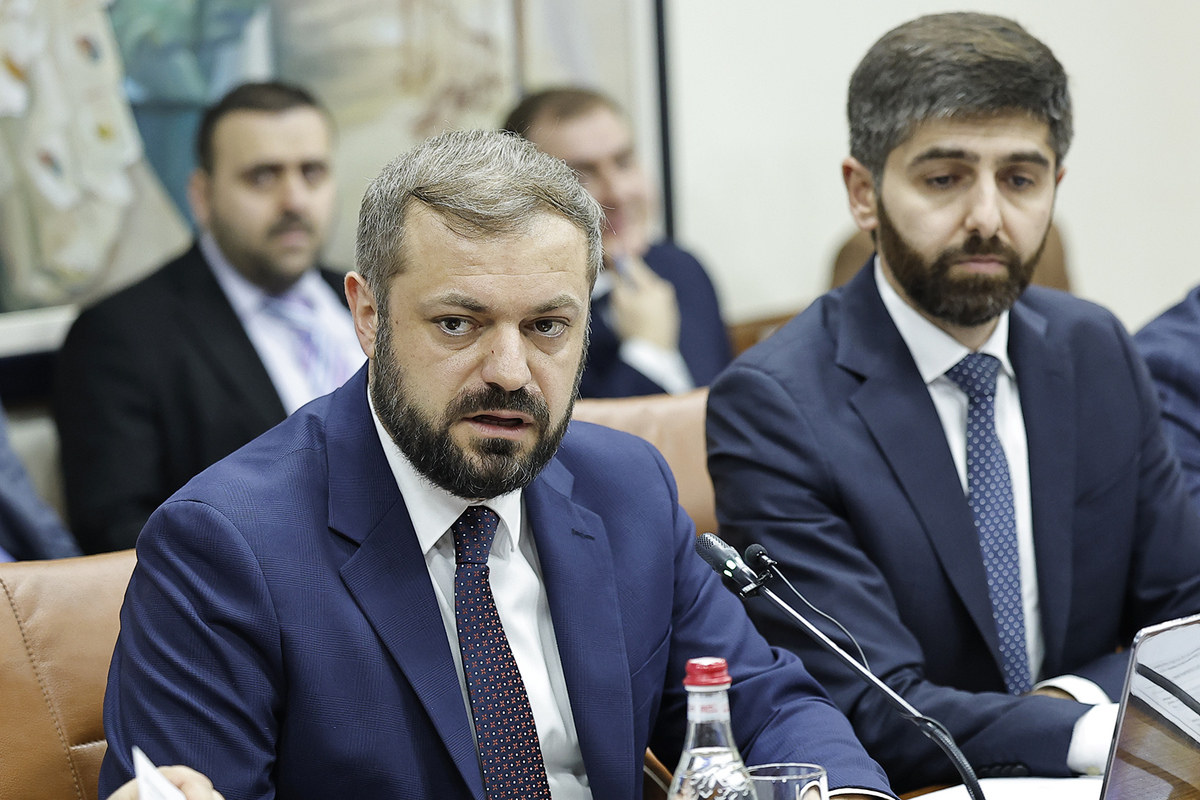
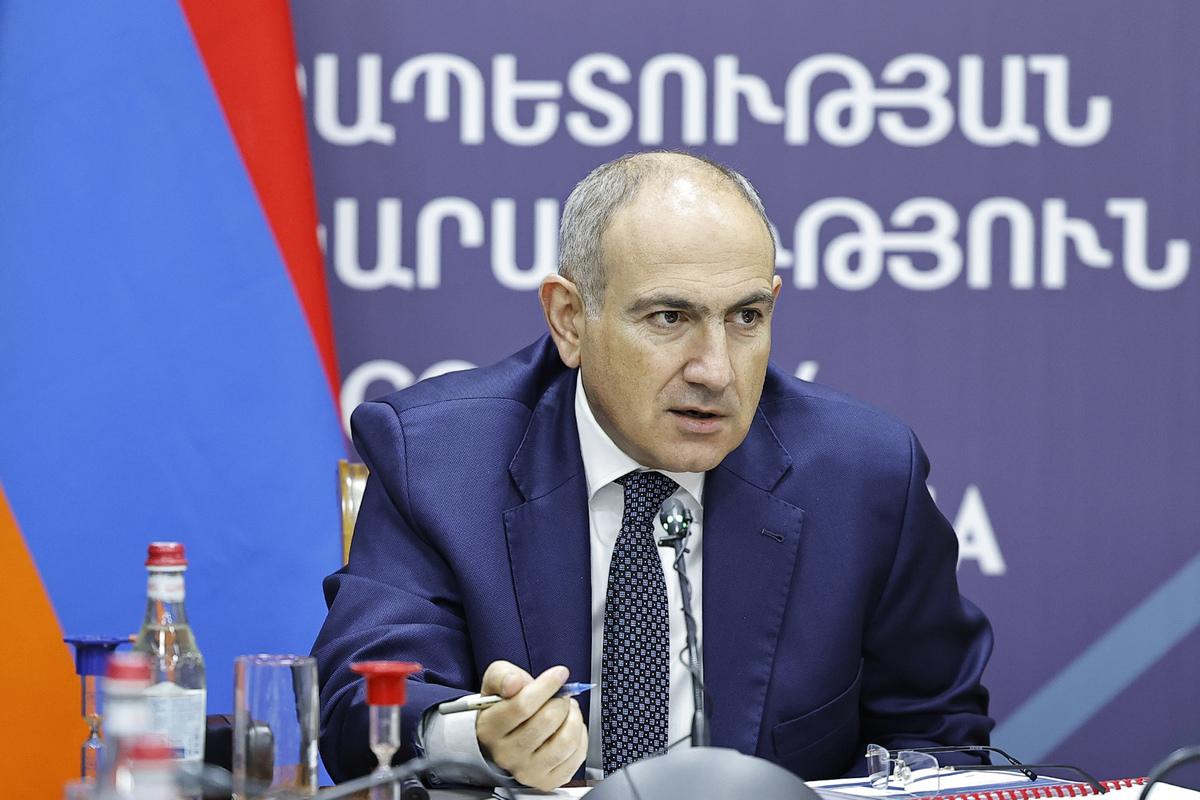
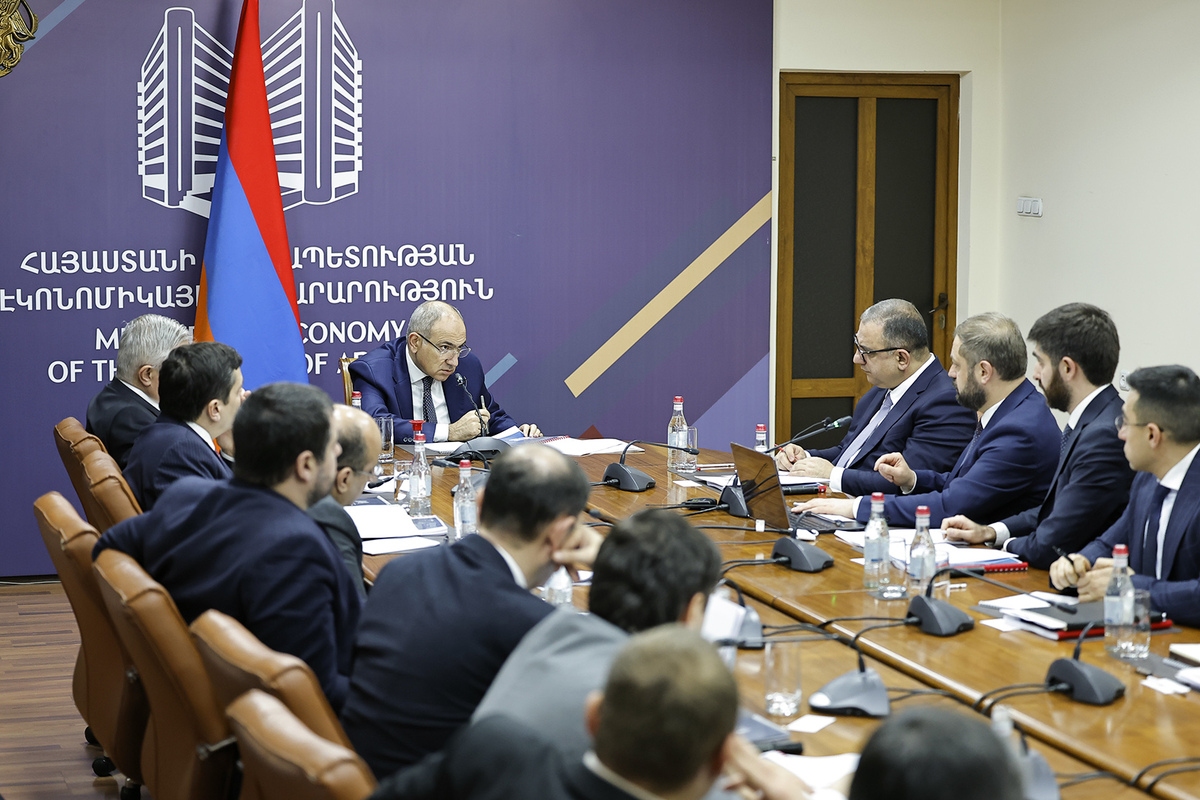
Prime Minister Nikol Pashinyan visited the Ministry of Economy to discuss the ministry’s 2025 activity report.
Minister of Economy Gevorg Papoyan noted that 2025 was generally favorable for the economy. In January-September 2025, growth of 6.0% was recorded compared to the same period in 2024. At the same time, it was recorded that the average annual growth in 2021-2025 was about 8.13%, while the the Government had set 7% growth for 2021-2026. It was also noted that since 2018, the economy has grown by more than 50%, and GDP per capita has increased from 3.8 thousand US dollars in 2017 to 8.56 thousand US dollars in 2024.
In terms of economic activity, it was reported that in January-November 2025, compared to the same period in 2024, the economic activity index was 8.3%. Positive growth was recorded in industry (0.5%), services (10.9%), trade (3.0%) and construction (20.1%). In the agricultural sector, growth of 6.0% was recorded in January-September 2025, while a range of 5.0–6.0% is predicted for the annual indicator.
As for productivity, Minister Gevorg Papoyan noted that according to 2024 data, labour productivity in Armenia amounted to $10.3 per person/hour, increasing by more than 1.7 times compared to 2017. It was noted that if current trends continue, it is realistic to achieve the target of $12 per person/hour set for 2026.
In the context of international assessments of the business environment, reference was made to the World Bank's Business Ready (B-READY) 2025 report. It was noted that Armenia received 66.7 points, which is 6.6 points higher than the average indicator of the assessed countries (60.1). According to analytical calculations conducted by the ministry, Armenia ranks 37th among 101 countries.
Regarding budget implementation, it was reported that the revised plan of 79.52 billion drams allocated to the Ministry of Economy in 2025 amounted to 79 billion drams, and 97.2% of the latter was actually implemented, or 76.8 billion drams. The Ministry implemented 10 budget programs and 93 measures in 2025. The actual implementation in the economy sector amounted to 32.5 billion drams or 99.3%, in the agriculture sector - 42.8 billion drams or 96.3%, in the tourism sector - 1.5 billion drams or 83.0%.
The Minister presented the work carried out towards the digitalization of the Ministry, noting that a number of electronic platforms operate in the system: the sale of standardization documents, the calibration system for measuring instruments, the "ANI PAS" information system, accreditation and conformity assessment registers, as well as electronic acceptance systems for intellectual property applications.
During the reporting period, the basis of the agricultural (grape) value chain management system was developed and introduced to ensure the traceability of wine products, regulate the procurement process and prevent fraud. Interactive maps of grape plantation zoning were created. The application processes for irrigation and hail protection programs were digitized, as well as the automated verification of data received from financial institutions were digitized. Since December 2025, the e-accreditation automated system has been introduced for the purpose of fully digitizing the accreditation process. The ArcGIS Enterprise system was used within the framework of spatial data management, with the creation and updating of thematic layers of agricultural programs.
At the same time, it was noted that the ministry has a system that is digitalized, but they still accept applications also in paper form.
In this context, the Prime Minister noted: “In the area of digitalization, have we understood our tactics, what is the point where we can say: that’s it, we no longer accept paper? The next step is that paper does not enter the system. It must be said that from this or that day, this system has been closed for paper functions. Digitalization is also interesting for us to ensure traceability and control.”
At the same time, the Prime Minister asked whether it is now possible to see on the map, for example, in which sectors a drip irrigation system is installed. The Minister of Economy gave a positive answer and added: “There are 9 digitalized layers, to which 5 more should be added. After that, we should add other layers, for example, industrial enterprises, their capabilities.”
According to Nikol Pashinyan, all these programs have two sides. “The meaning of one is to make the life of a citizen easier, if, for example, there is no paper, it means that a person does not need to come from Meghri to submit a paper. This is one side, the second side is that we also need to have traceability of the program and the program should show us that there is drip irrigation in this or that place in the republic."
At the same time, in response to the Prime Minister's question, it was reported that currently there are 4,630 hectares of intensive orchards in the republic. The government's 2021–2026 program envisaged the establishment of 1,000 hectares of intensive orchards annually, but more than 4,600 hectares were established in 4.5 years.
Within the framework of the Productivity Promotion Program, it was noted that from its launch to the end of 2025, the loan and leasing portfolio amounted to about 439 billion drams, the number of beneficiaries was 4,976 with 8,841 signed contracts, and the purchased machinery and equipment was 13,660 units. In 2025 alone, the subsidized amount was about 22.9 billion drams. Gevorg Papoyan informed that the mentioned machinery and equipment does not include agricultural machinery and equipment. They relate to construction, industry, healthcare, etc. At the same time, he added that 3,969 units of agricultural machinery have been purchased in the last 4.5 years, the Government's 2021–2026 program envisages the purchase of 250 units of agro-processing equipment annually, but 2,832 units of equipment have already been purchased. The agri-food sector lending portfolio amounted to 23.3 billion drams, and the agricultural machinery leasing program portfolio amounted to 23.3 billion drams.
Next, the process of organizing slaughterhouse slaughter and the Government's support program were discussed. The Minister of Economy noted that so far 2 companies have used the Government's program and at the same time emphasized the importance of the policy aimed at tightening and promoting slaughterhouse slaughter.
“We need to go and see whether these companies are satisfied with the result or not, there should be communication, including with those who do not use it. They should know that other measures will be implemented. The approach is again consistency in two parts: monitoring the program, improving it, introducing incentive and promotion mechanisms, but understanding that they will operate until a concrete time and everyone should be aware of it. In the future, very strict administration will operate from a concrete time, but our first goal is for the program to be maximally applicable,” Prime Minister Pashinyan emphasized.
In the field of intellectual property, a draft strategic program for 2026–2030 was developed during 2025 and analytical work was carried out. In the direction of export promotion, reference was made to the adoption of the export strategy for 2025–2030 and the organization of participation in international exhibitions.
In the field of competition and consumer protection, it was noted that relevant legislative amendments were adopted in 2025. In the field of green development, the adoption of the green economy taxonomy and the approval of the framework action plan for the development of a green, sustainable and circular economy were presented.
Gevorg Papoyan also presented the priorities for the first half of 2026.