

more 2 photos
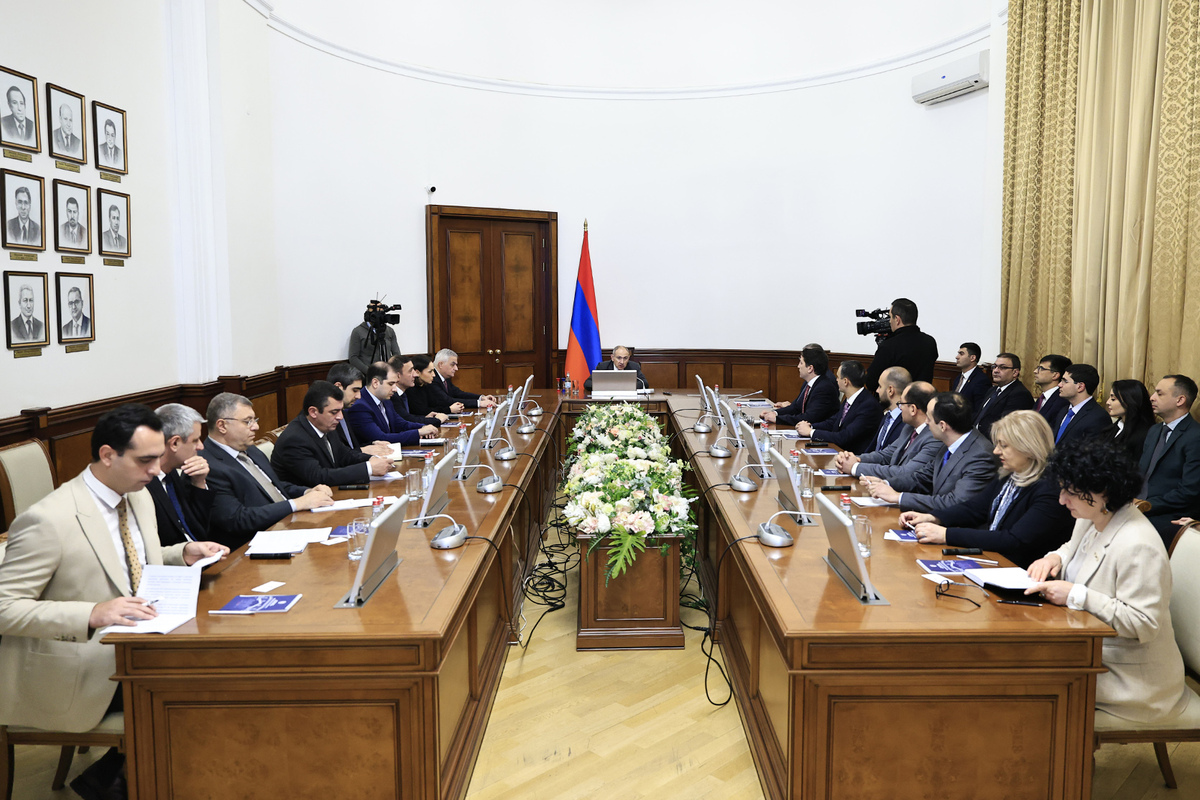
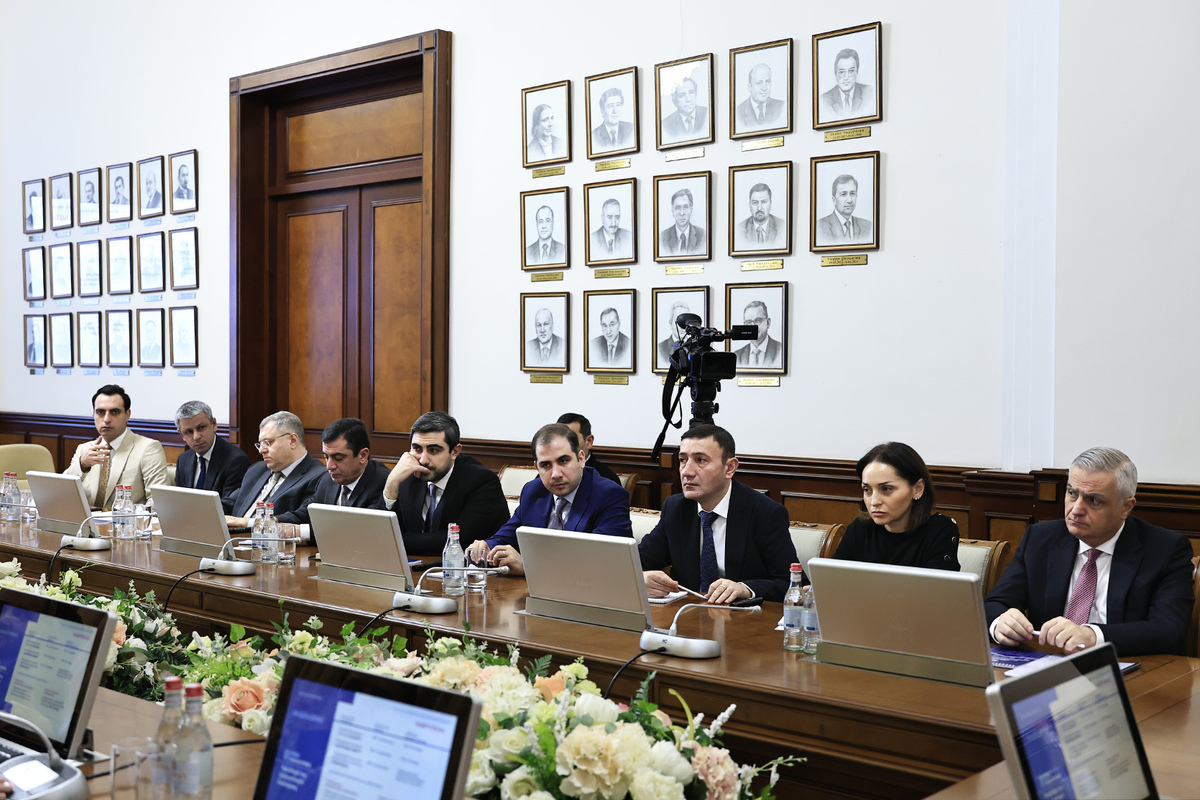
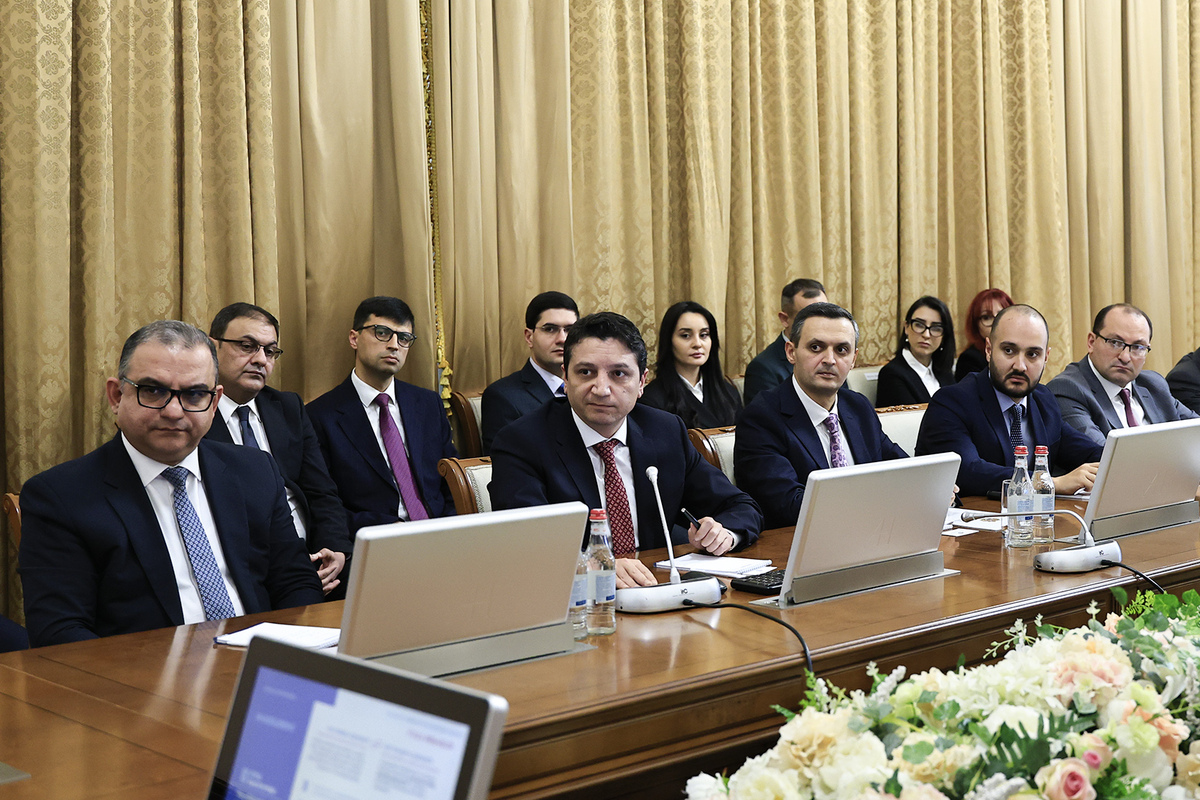
The Prime Minister of the Republic of Armenia Nikol Pashinyan visited the Ministry of Finance of the Republic of Armenia to discuss the summary report on the results of the ministry’s activities in 2025 and the work carried out.
The Minister of Finance Vahe Hovhannisyan presented the priority areas of the ministry’s activities in 2025, comprehensively addressing the process of ensuring the performance indicators defined within these areas and the progress recorded.
The Minister noted that the main priorities of the ministry’s activities in the reporting year were the digitalization of sectoral processes, ensuring fiscal stability, and continuously increasing the efficiency of state budget expenditures. According to the Minister, systematic and targeted measures were implemented in the mentioned areas, which were aimed at improving the state finance management toolkit, strengthening the transparency and accountability of processes, as well as more targeted and result-based use of state funds.
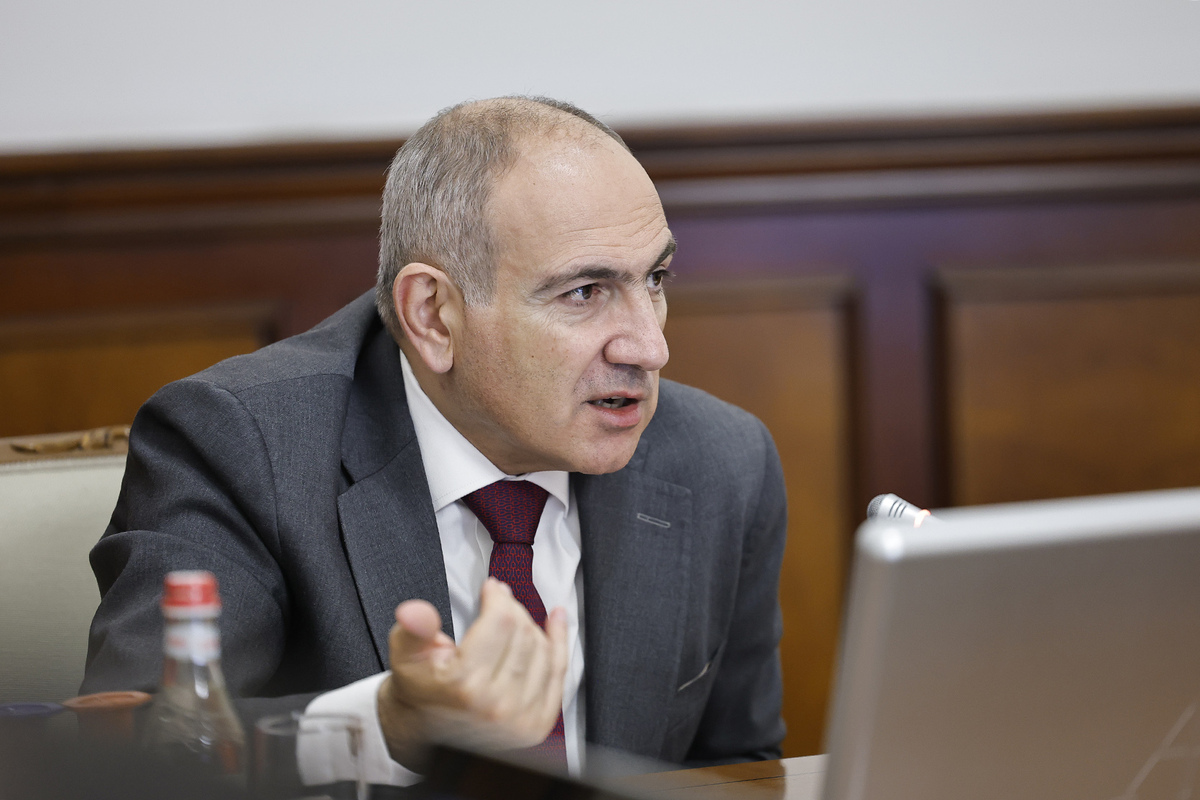
Prime Minister Pashinyan, referring to the digitalization process, emphasized that it has previously been considered and will continue to be considered a priority. According to the Prime Minister, saying digitalization, we should also understand the introduction of artificial intelligence. “We should conduct complex examinations of our specific projects with artificial intelligence, because if we understand that there is a problem in our project at the construction stage, it means that we were not able to read the project or we read it but did not understand it, otherwise we would have known at the design stage that there is a problem in our project. We now have a supercomputer, and soon we will have even greater supercomputer capabilities. We must use these opportunities to increase the efficiency of our management,” Nikol Pashinyan noted.
According to the Prime Minister, artificial intelligence is an opportunity to solve many problems today. “There are many services and divisions in our state system, whose job is to monitor. All monitoring functions can be assigned to artificial intelligence, because it is something that absolutely no one can do better, because monitoring means paying attention to the processes taking place, and human monitoring will always miss something. Therefore, we can set such a task that wherever monitoring is done, it should be done only with the help of artificial intelligence tools. In other words, the task is set and artificial intelligence fulfils it," the Prime Minister noted.
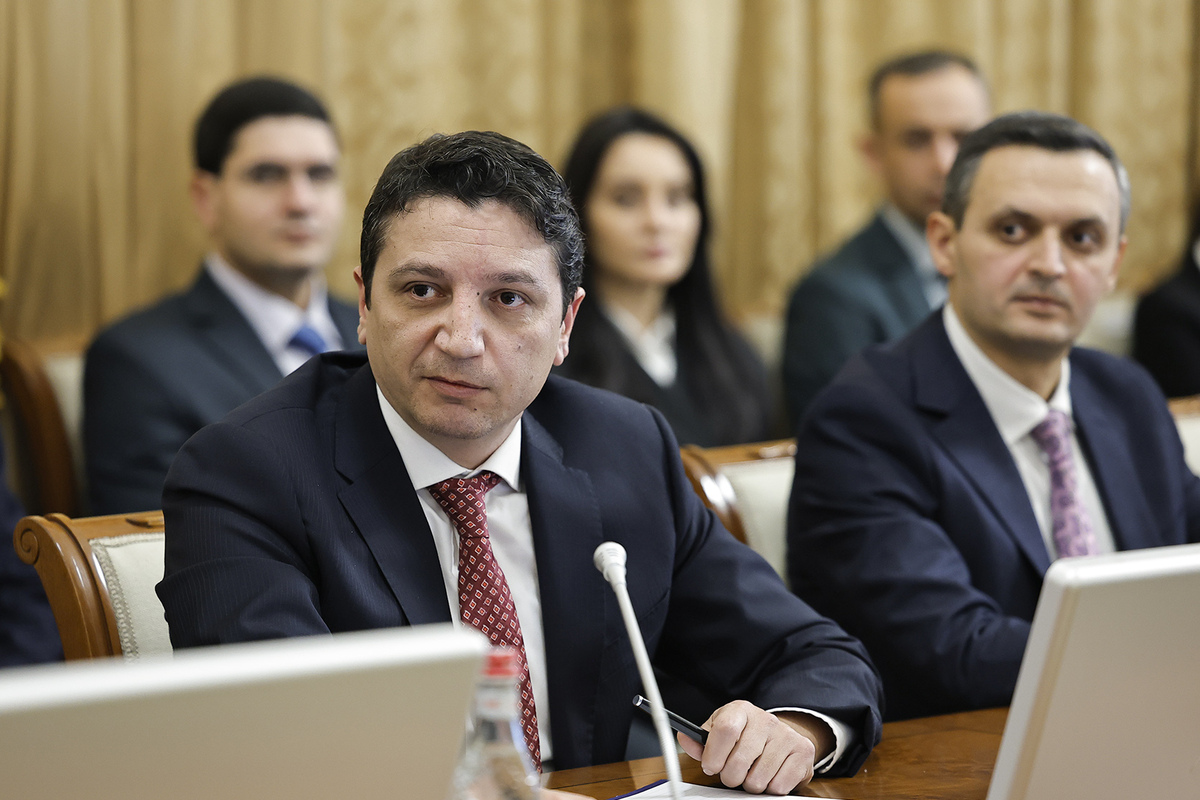
It was reported that work has begun on introducing a new electronic procurement system, which is intended to ensure full digitalization of procedures, improve procurement policy, and increase transparency. It was also reported that the volume of procurements from 1 person by the state administration system was also reduced in the reporting year. The Prime Minister inquired about the process of introducing the electronic procurement system, to which Deputy Minister Avag Avanesyan replied that it will start to operate in 2027.
Nikol Pashinyan asked whether there will be paper circulation under the system. The Deputy Minister replied that it is almost excluded. "My assumption has always been that where we say digital, it means there is no paper there, but then it turned out that sometimes we have digital and paper form in parallel. That is, the digital option is fully ready, but all the same, the same can be done in paper form. By doing this, in my opinion, we reduce the motivation, efficiency and cost-effectiveness of digitalization. Wherever we say digitalization, especially when it comes to procurement, paper should be excluded, because digitalization means better traceability, a greater transparency system, etc.," said Prime Minister Pashinyan.
The main macroeconomic and fiscal indicators were presented, and the directions of further work to be carried out to improve them were discussed.
The importance of introducing a unified platform for state financial management was emphasized, which will allow increasing the efficiency of state financial management, accelerating processes and introducing automated control mechanisms.
The possibilities of launching a pilot program of artificial intelligence, which will be introduced into the treasury system for analytical purposes, were also mentioned.
The work carried out on the new tax policy concept was presented, which is aimed at outlining the vision of the upcoming stage of tax policy changes in the Republic of Armenia, creating a fair, competitive and stable tax environment for economic entities and citizens conducting entrepreneurial activities, as well as continuing the policy aimed at increasing the investment attractiveness of the national economy and improving the level of economic activity, based on the assessed priorities and opportunities for economic development.
The steps taken towards improving the budget system, its flexibility and accountability were also discussed.
Minister Hovhannisyan also presented the directions of institutional development of the Ministry of Finance, in particular, referring to the introduction of strategic planning systems - objectives and key results and key performance indicators (KPIs), which are widely used in international practice, as well as announced the launch of a program to become a training organization, the goal of which is to become a highly effective, self-developing and learnable organization.