Press releases
The government allocates more than 2 billion drams for the implementation of subvention programs and urgent programs requiring a priority solution in the regions
 1670x1113px - 727 Kb
 1670x1113px - 746 Kb
 1670x1113px - 751 Kb
 1670x1113px - 595 Kb
 1670x1113px - 669 Kb
 1670x1113px - 578 Kb
 1670x1113px - 549 Kb
 1670x1113px - 573 Kb
 1670x1113px - 540 Kb
 1670x1113px - 676 Kb
 1670x1113px - 661 Kb
 1670x1113px - 665 Kb
 1670x1113px - 667 Kb
 1670x1113px - 652 Kb
 1670x1113px - 677 Kb
 1670x1113px - 630 Kb
 1670x1113px - 685 Kb
 1670x1113px - 577 Kb
 1670x1113px - 666 Kb
 1670x1113px - 682 Kb
 1670x1113px - 748 Kb
 1670x1113px - 660 Kb
 1670x1113px - 717 Kb



more 20 photos
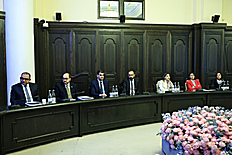
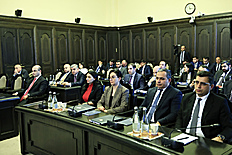
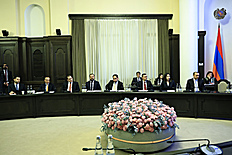
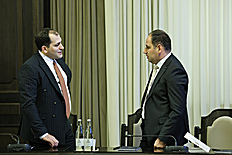
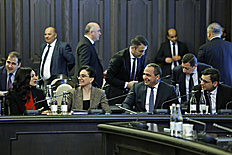
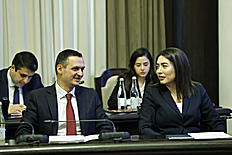
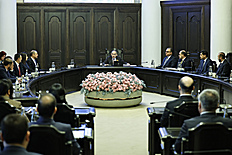
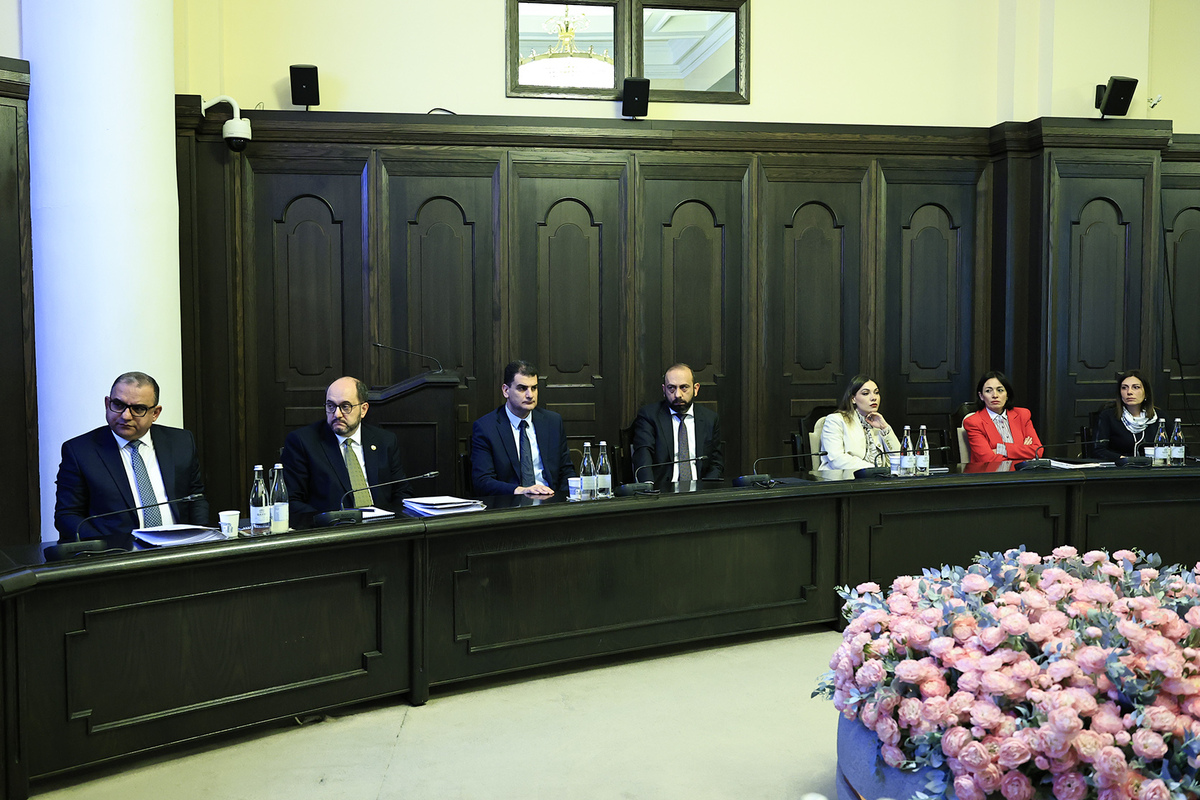
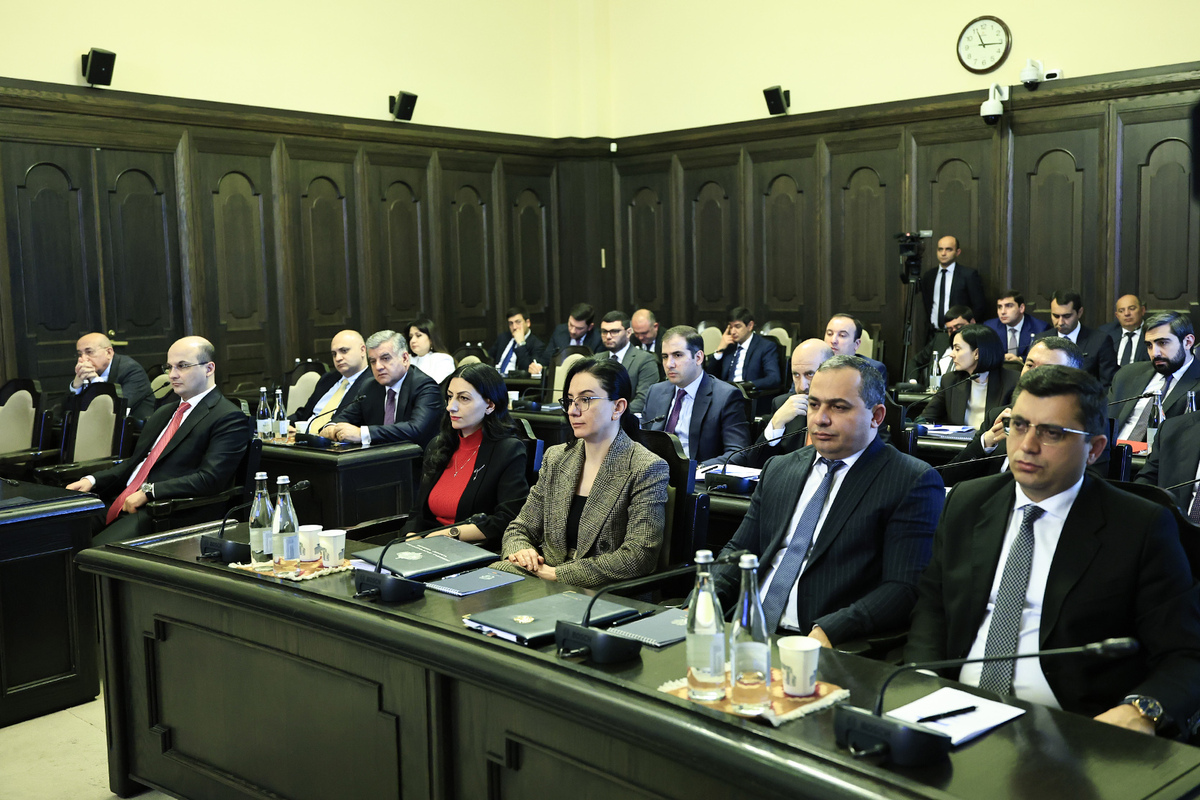
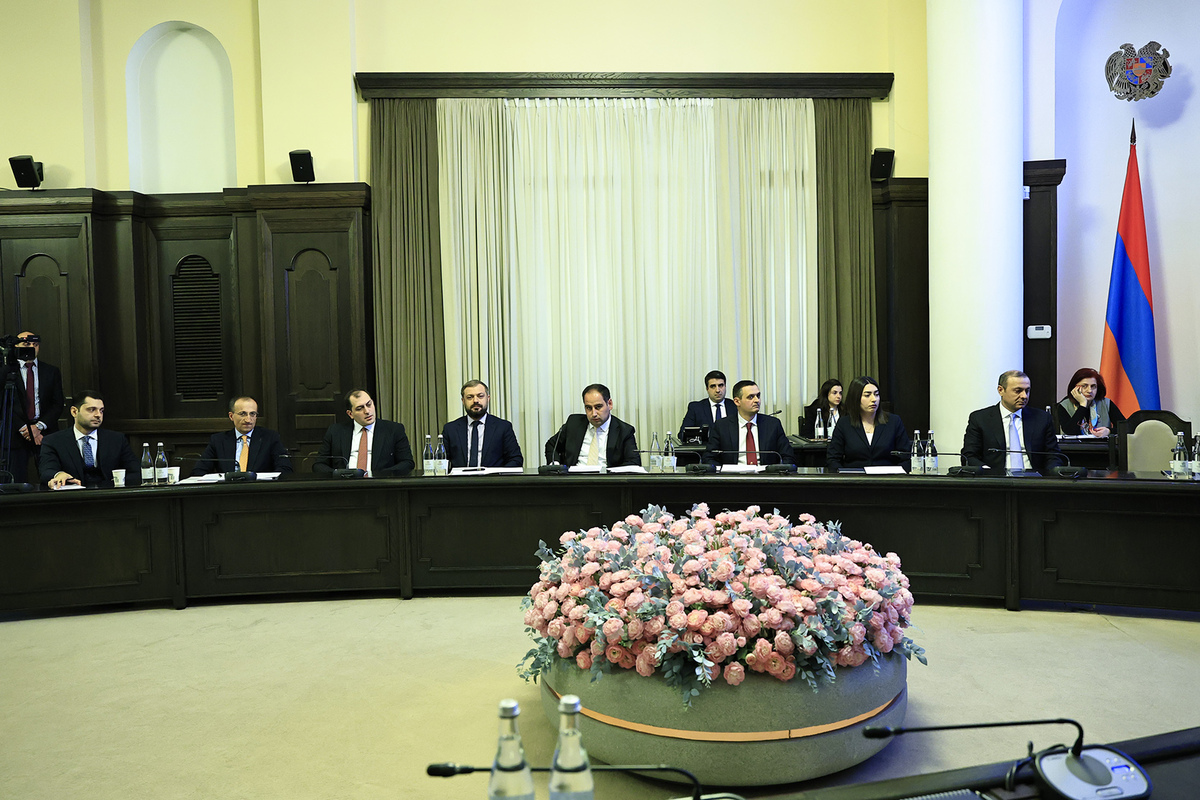
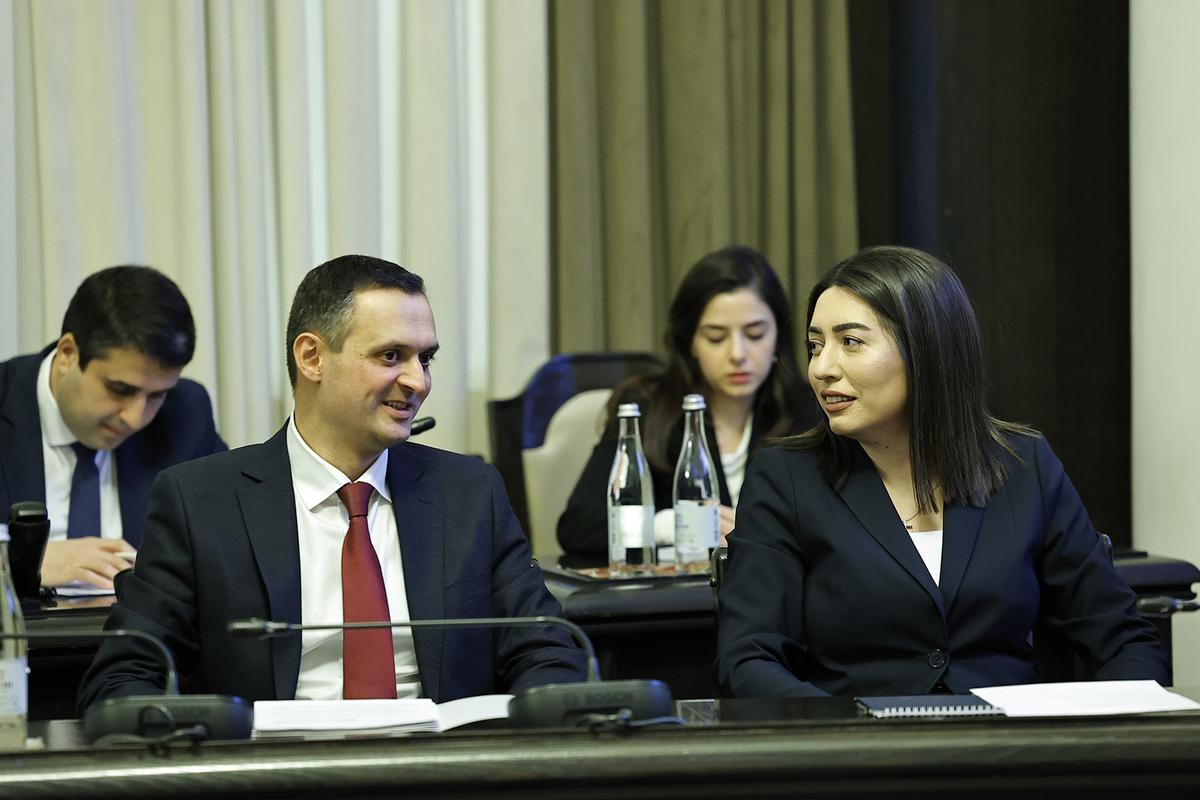
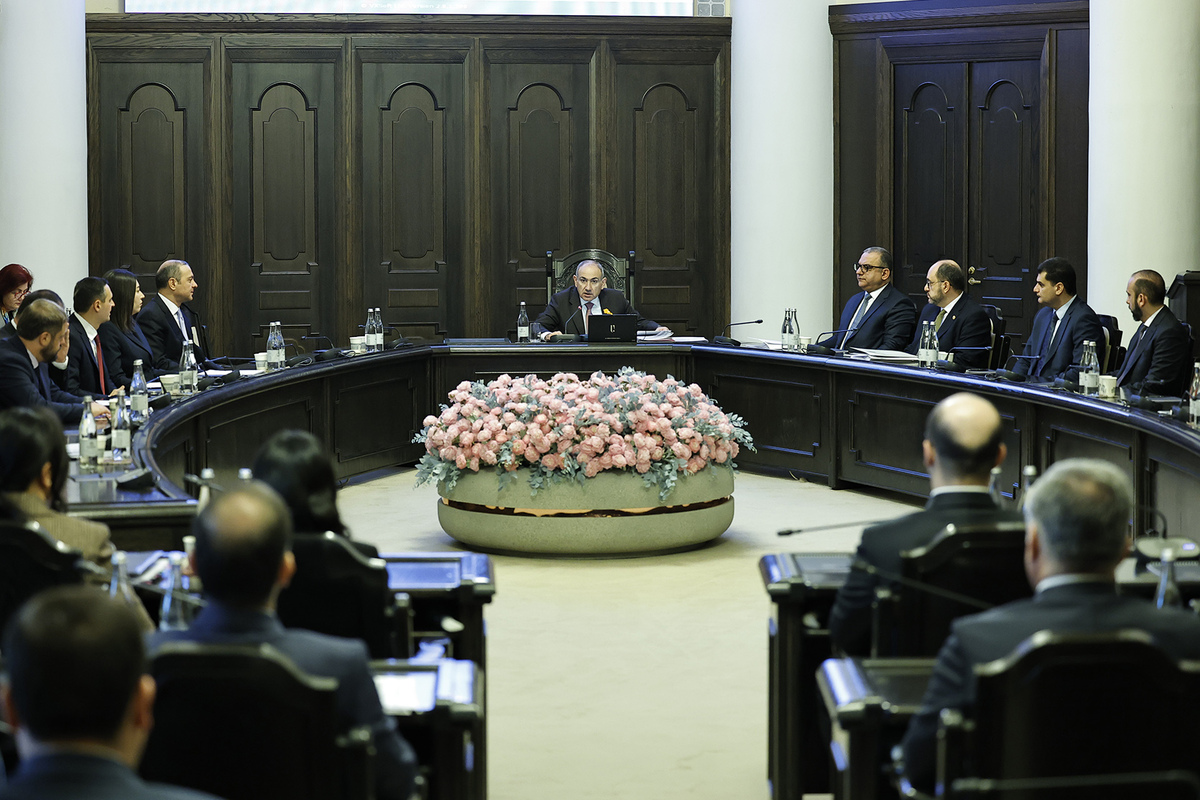
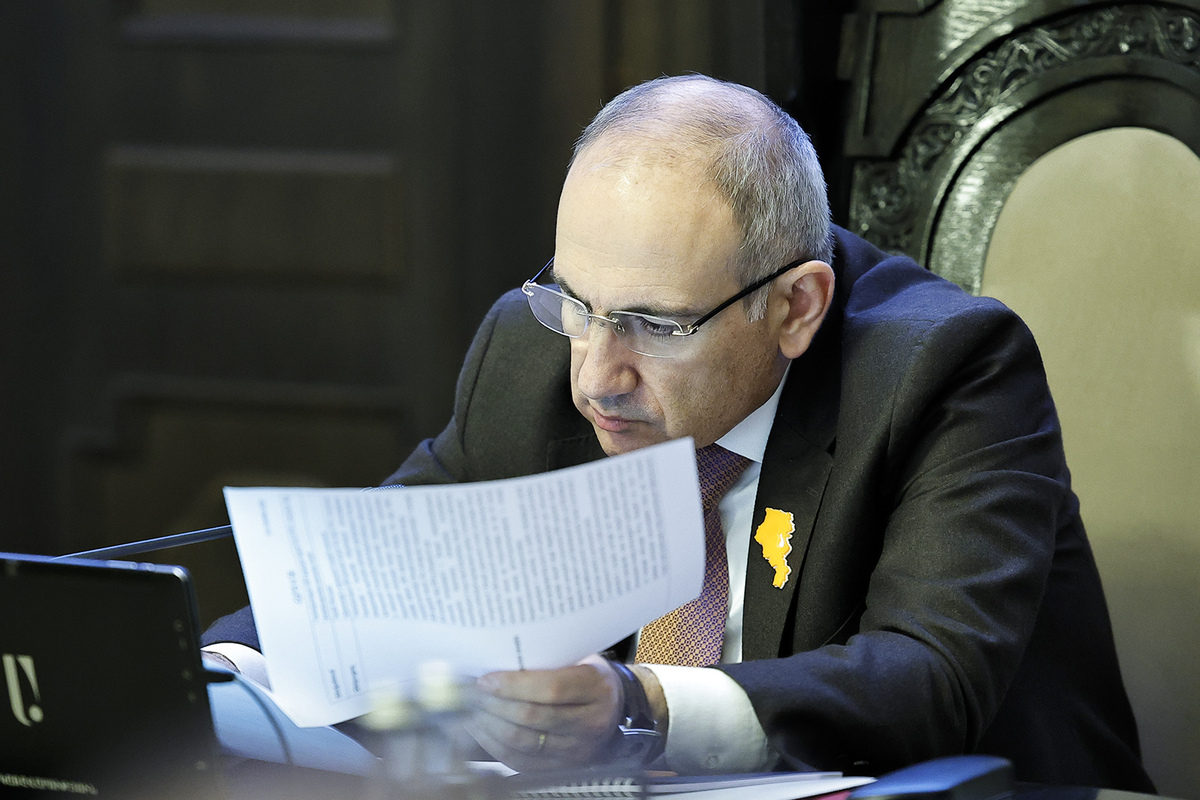
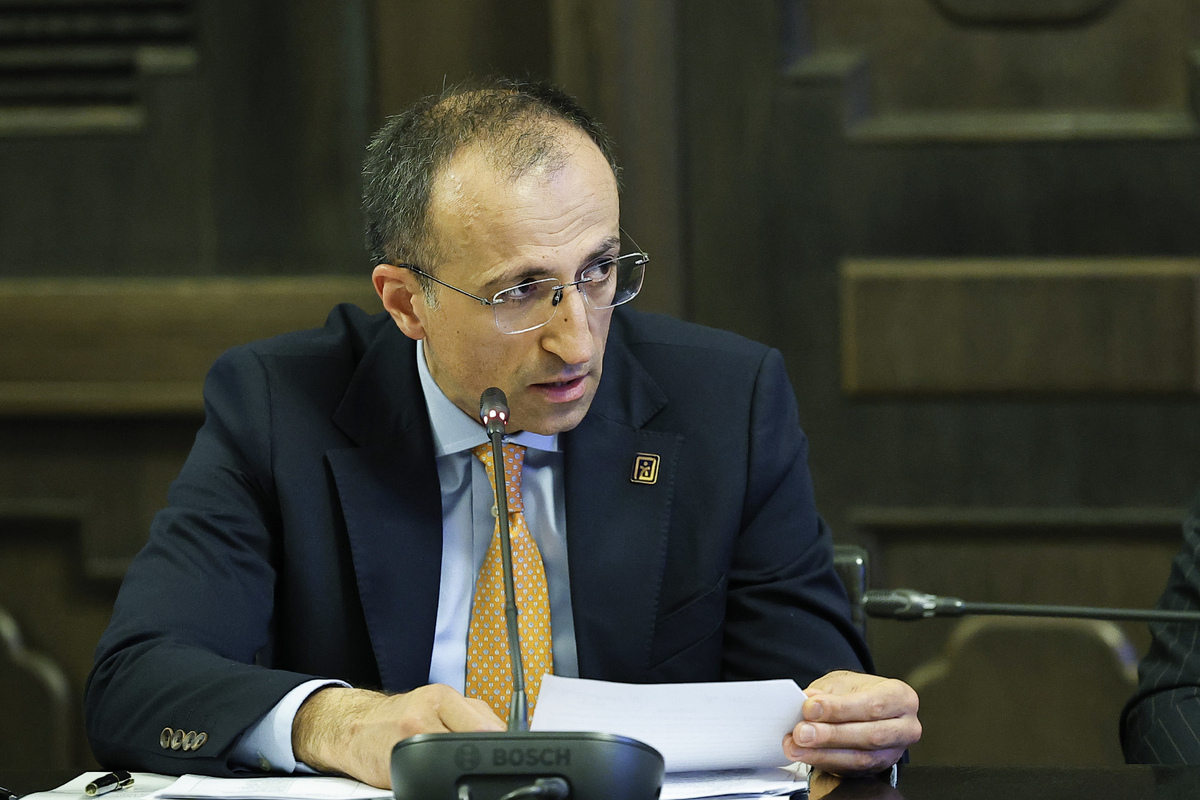
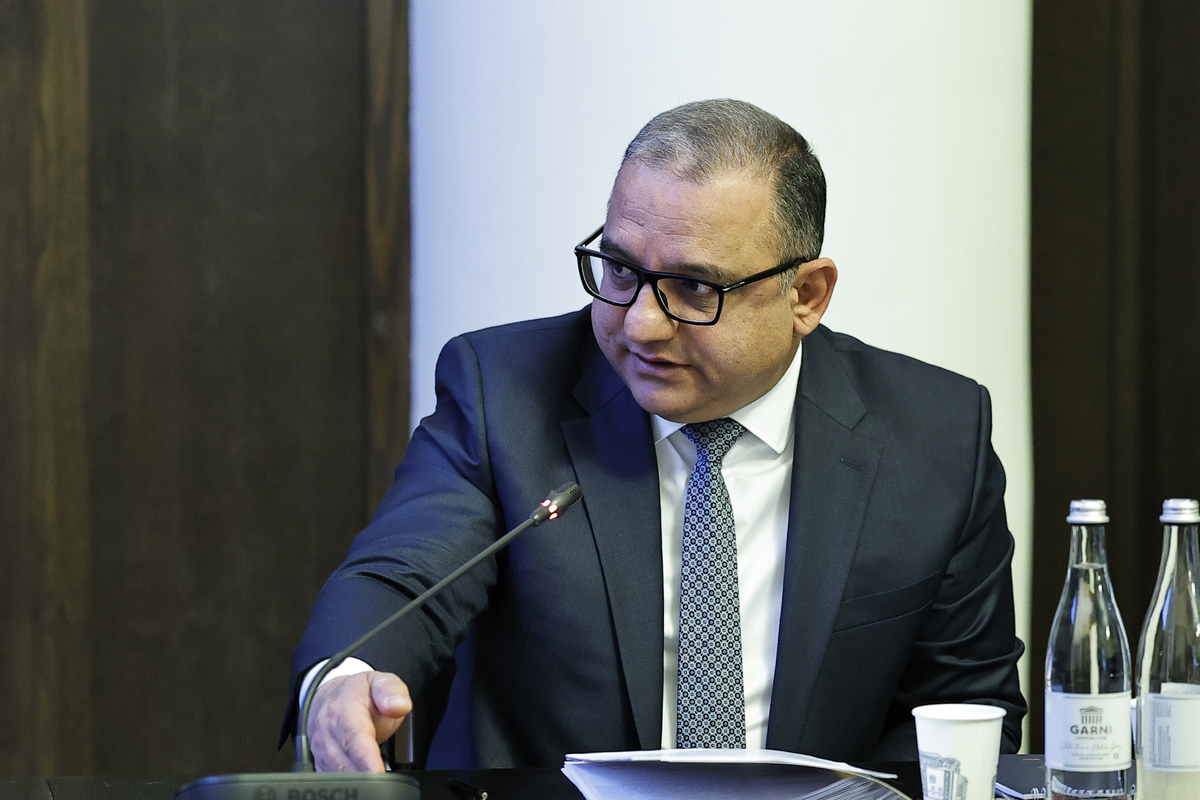
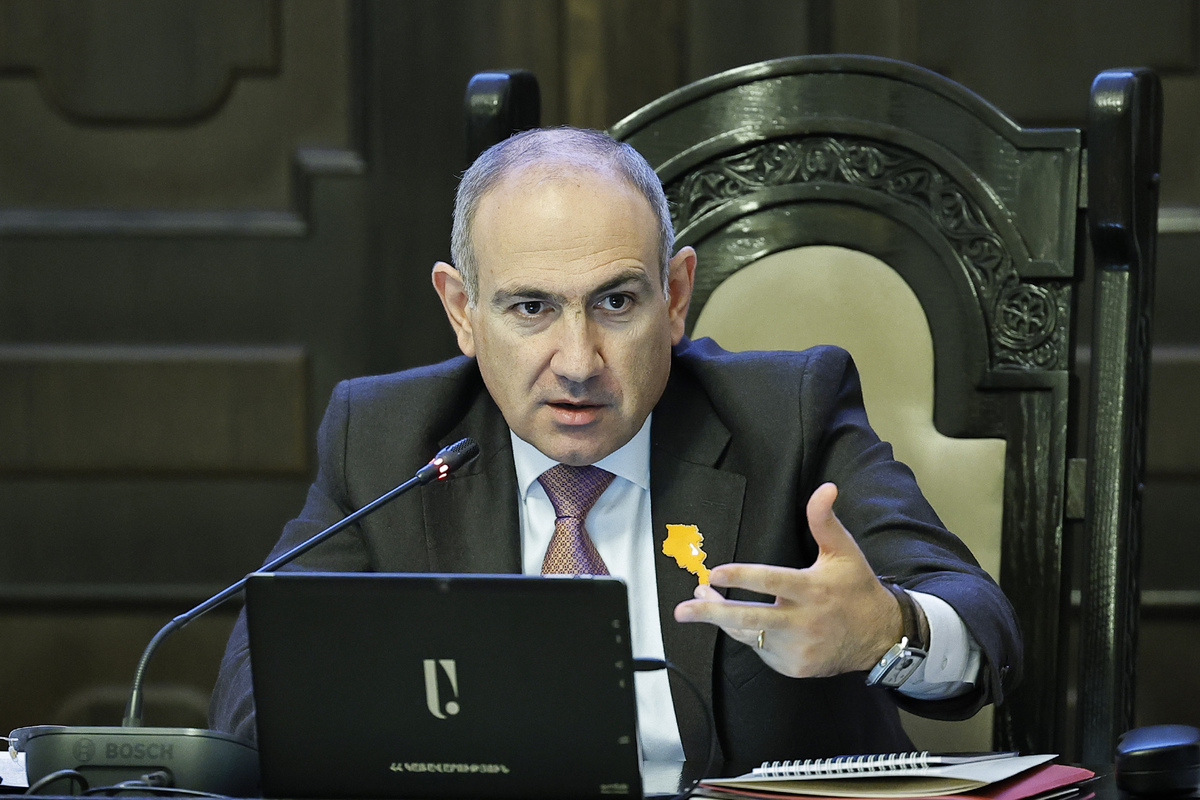
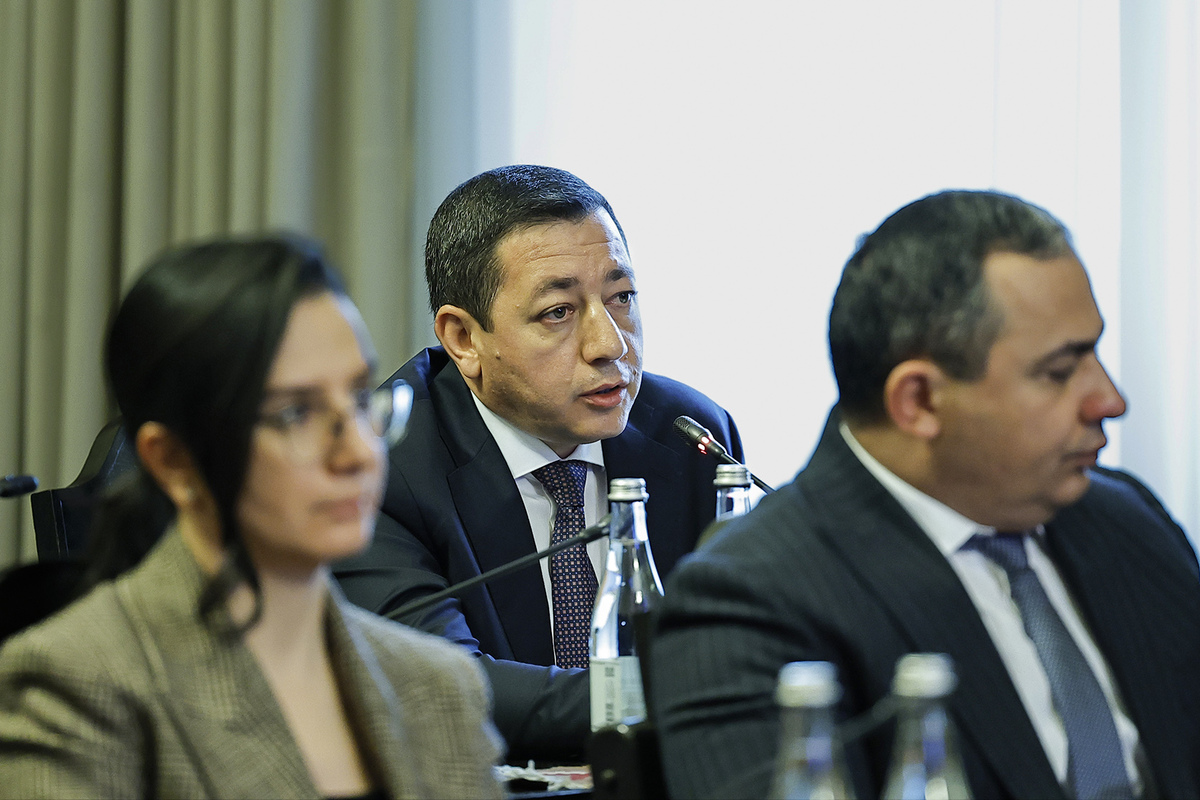
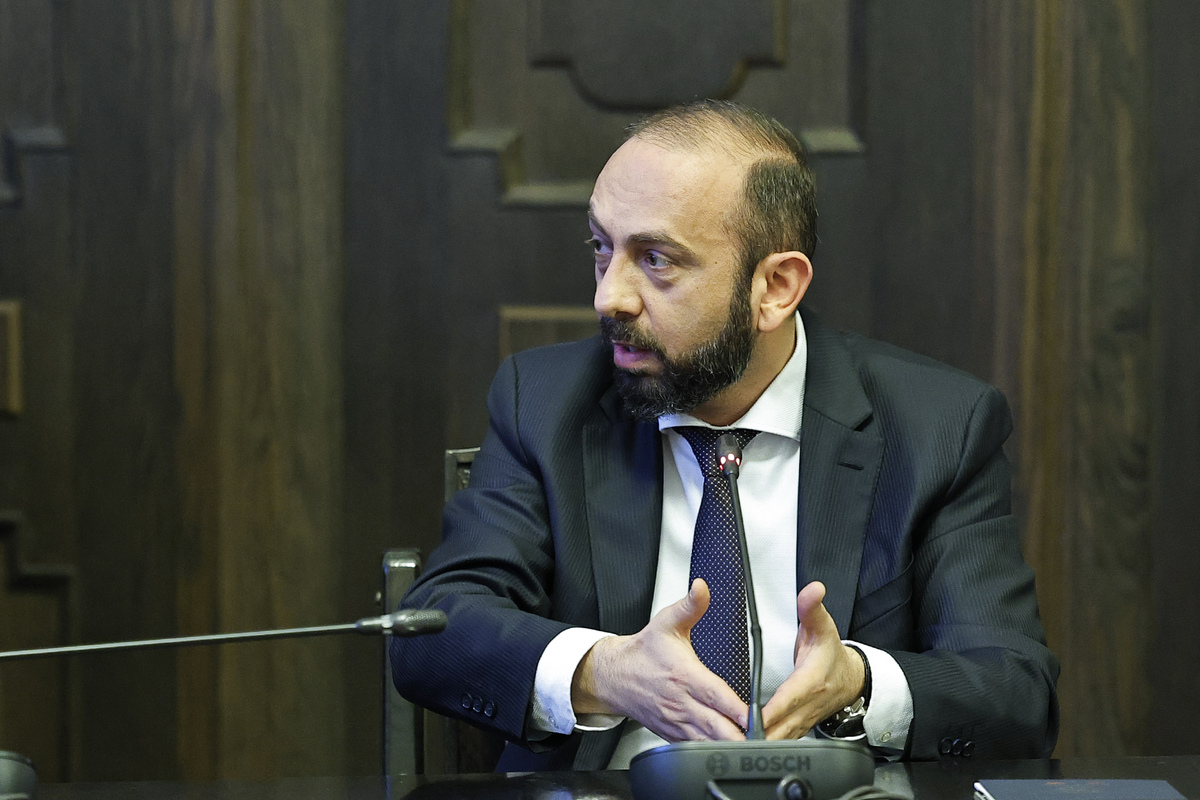
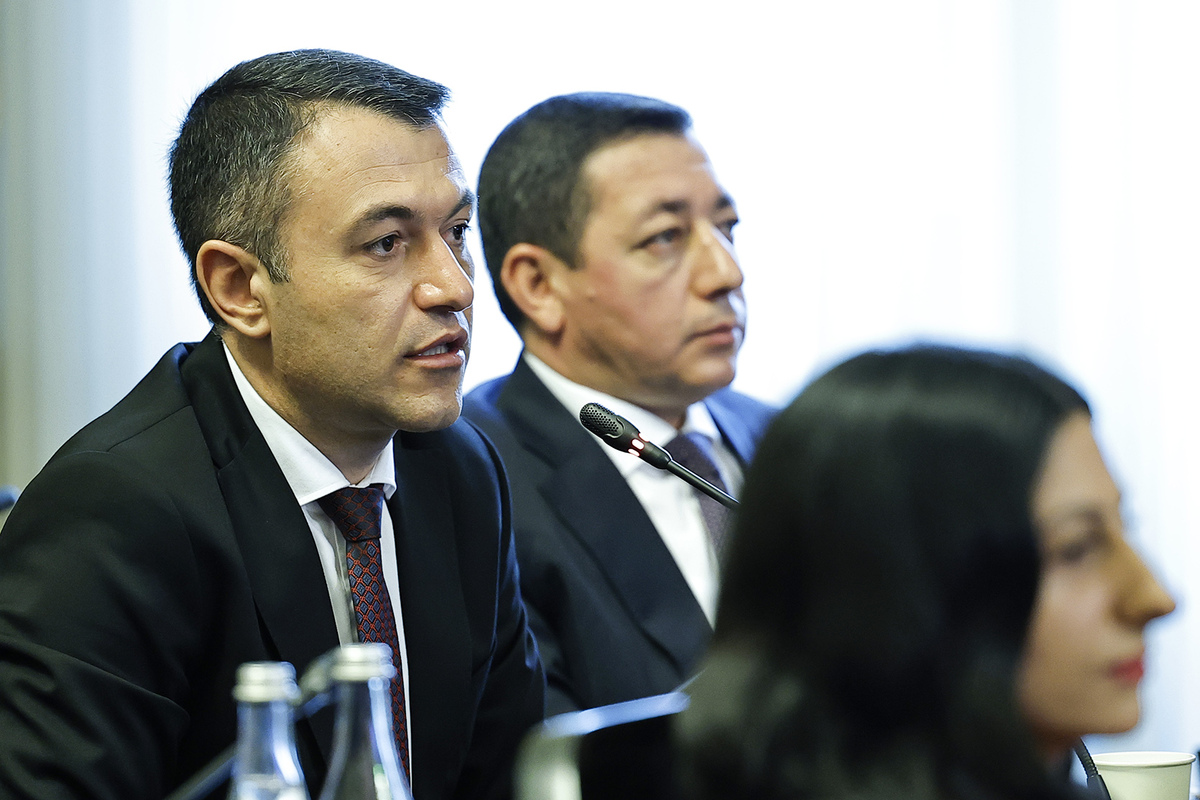
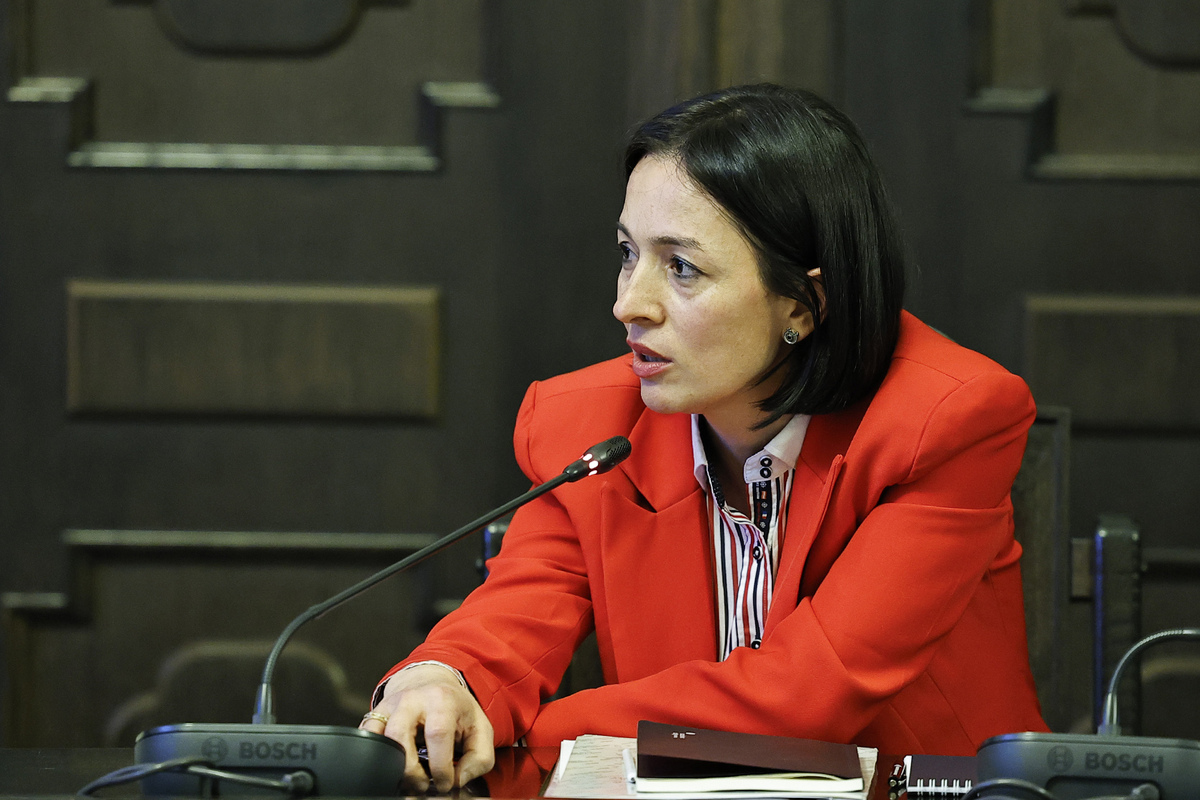
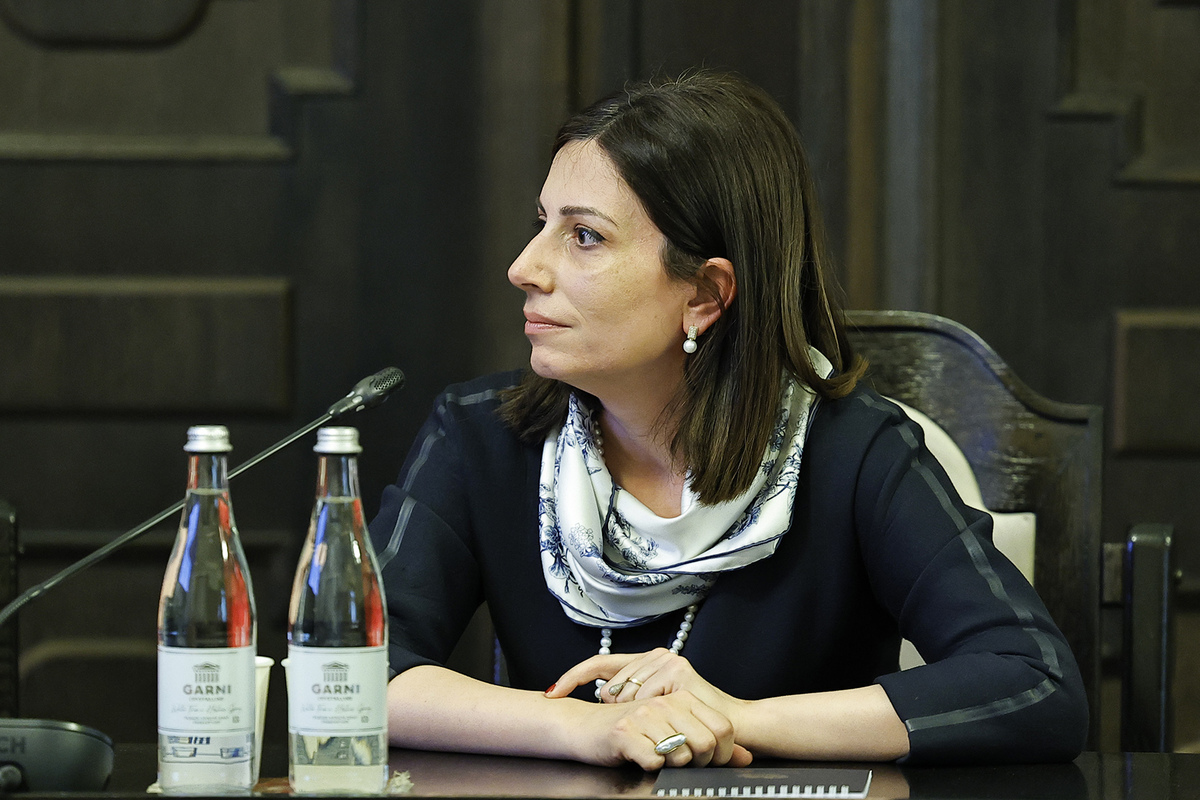
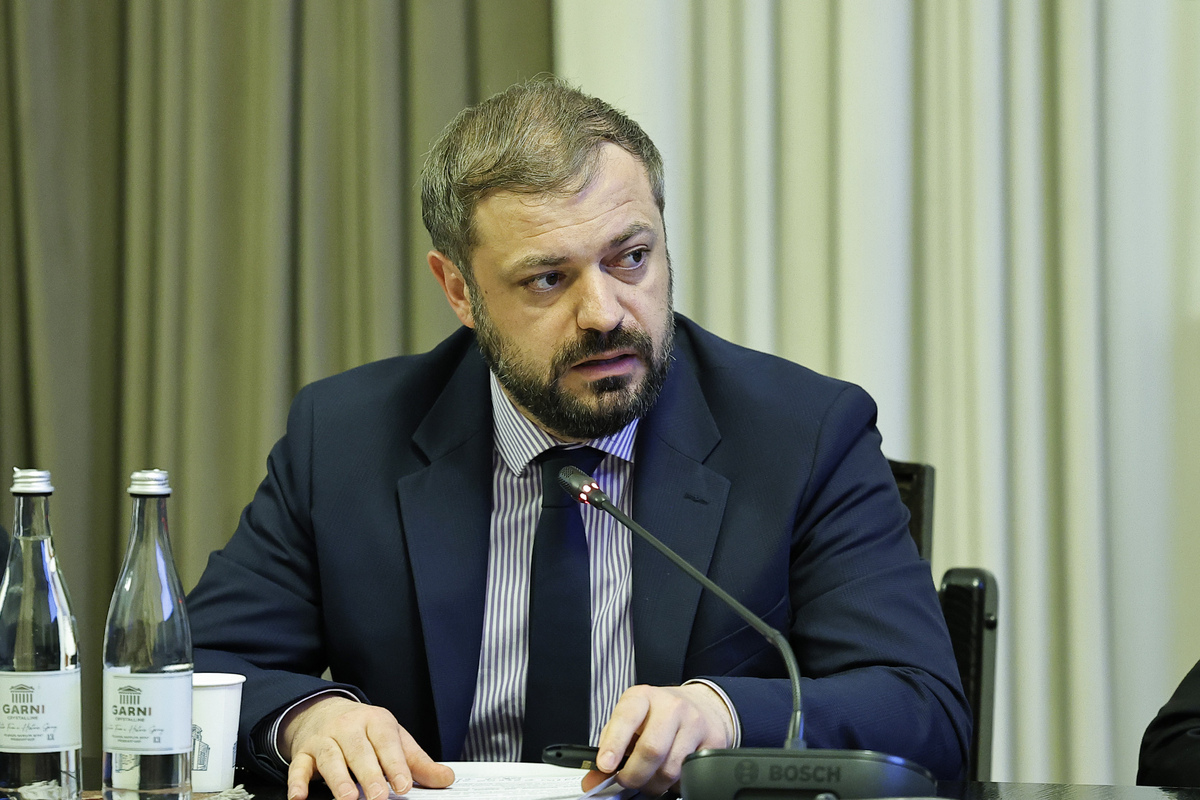
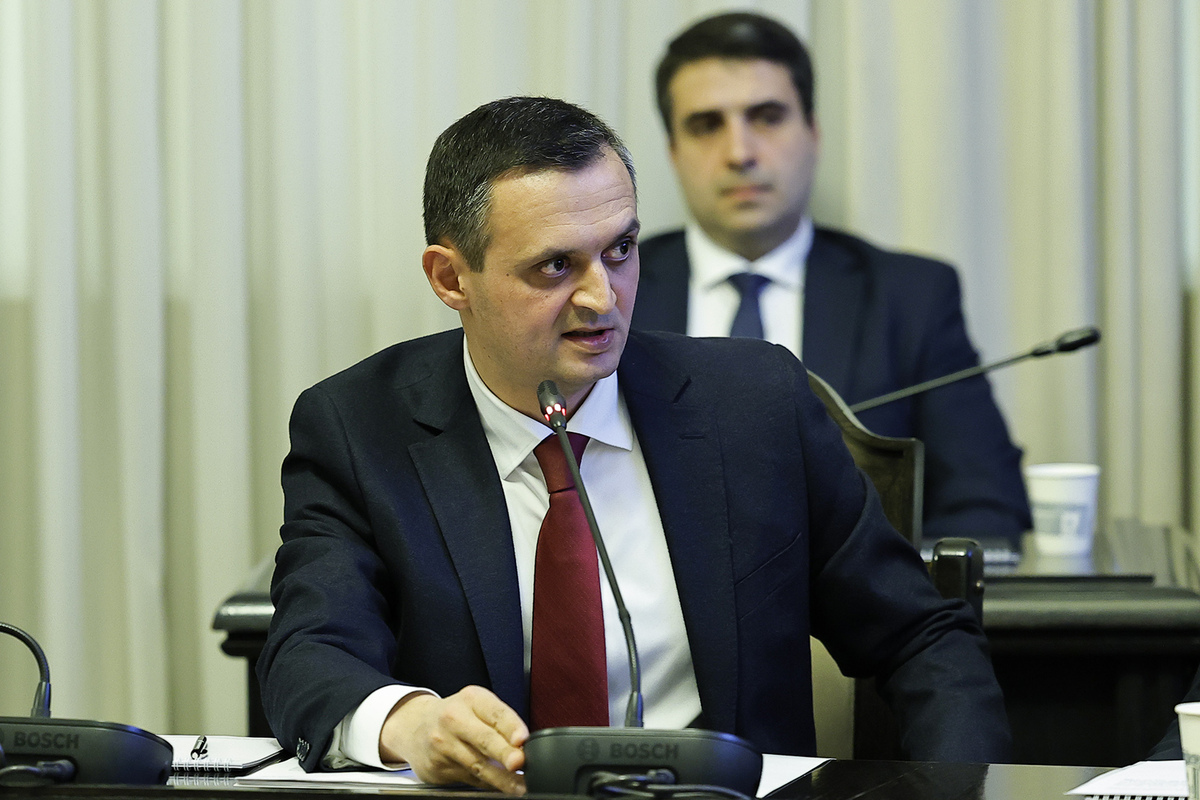
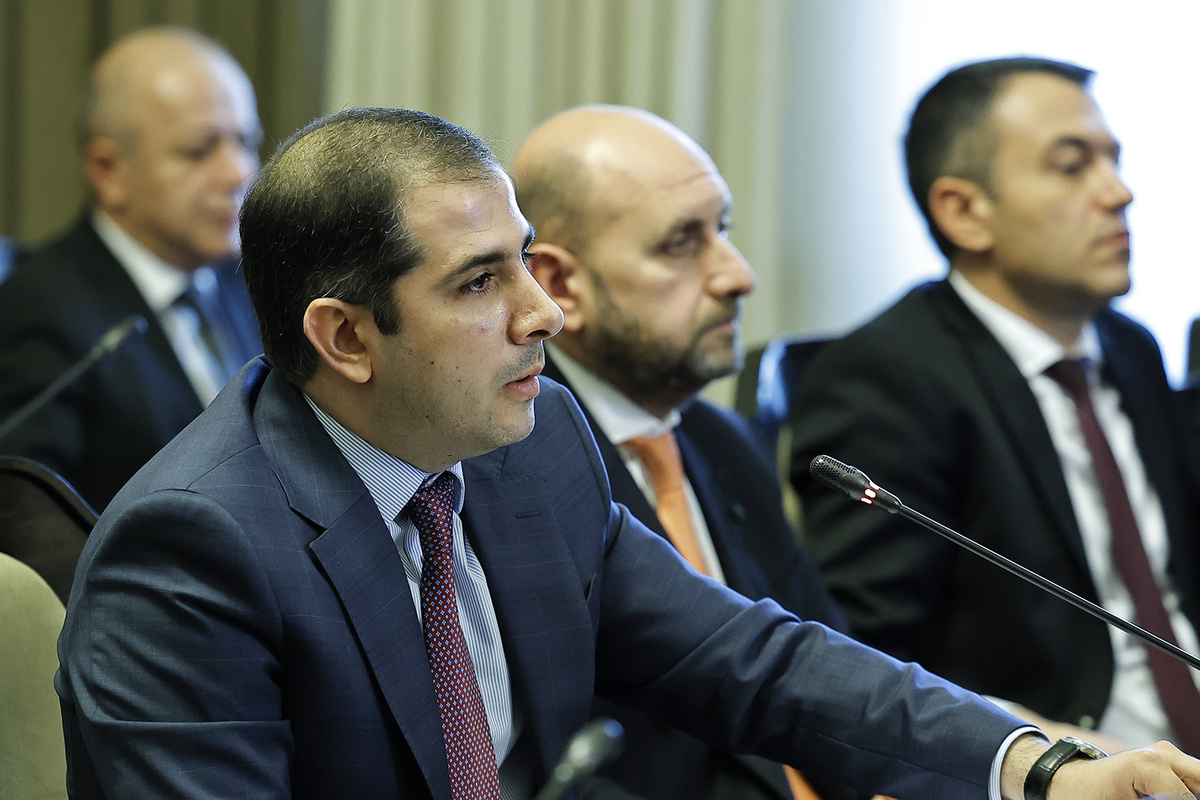
Today, the regular Cabinet meeting took place, chaired by the Prime Minister of the Republic of Armenia Nikol Pashinyan.
The government has allocated 1 billion 100 million drams to the regional administrations to co-finance the subvention programs for 2023, 2024 and 2025. As noted by the Minister of Territorial Administration and Infrastructure Davit Khudatyan, it is proposed to co-finance 11 subvention programs of 11 communities, of which 2 are in Aragatsotn region, 1 in Ararat, 2 in Armavir, 2 in Gegharkunik, 1 in Syunik, and 3 in Tavush region. “With this allocation, we will have co-financed subvention programs worth 3 billion 57 million drams from the 2026 state budget,” the minister said.
Another government decision will allocate funds to the Ministry of Territorial Administration and Infrastructure to ensure the implementation of urgent programs requiring priority solutions in the regions of the Republic of Armenia. Accordingly, it is planned to allocate a total of 1,302,312.6 thousand drams to the regional administrations. It is proposed to allocate 1,499.0 thousand drams to Aragatsotn, 187,939.9 thousand drams to Ararat, 29,970.7 thousand drams to Gegharkunik, 625,479.0 thousand drams to Lori, 51,275.0 thousand drams to Kotayk, 46,129.6 thousand drams to Vayots Dzor, and 360,019.4 thousand drams to Tavush.
Nikol Pashinyan listed the completed and ongoing works.
The Government made changes to the state support program for housing for families displaced from Karabakh. The goal of the regulation is the social and economic inclusion of displaced persons from Karabakh by creating the necessary conditions for long-term residence in the Republic of Armenia. According to the justification, as of March 23, 2026, 5,181 families have received a certificate, of which 2,304 have implemented it. The decision proposes to regulate a number of issues in order to increase the effectiveness of the program. In particular, it is established that within the framework of the program, in addition to settlements with a limit of 5 million drams, the amount of support in all other regional settlements will be 4 million drams per family member, and in Yerevan - 3 million drams.
Commenting on the decision, Nikol Pashinyan noted that the program is obviously very important for meeting the needs of our compatriots displaced from Karabakh. “But, in general, I think that we should assess the political significance of this program not only in the logic of our compatriots displaced from Karabakh, but also in the logic of the further development and strategic positioning of the Republic of Armenia in general,” the Prime Minister said. In this context, Nikol Pashinyan emphasized that peace is not only a political, but also a socio-psychological concept. “We have established peace at the political level, but when we talk about care, it means that we must also make peace at the socio-psychological level, otherwise we will not find peace, or rather, we will lose peace. We have now brought the ship of Armenia to a peaceful port, it is simply that our passengers on the ship need to make peace, and making peace means settling down, arranging things in the closets,” Nikol Pashinyan said.
The Government has approved the Crop Production Support Program for 2026, due to the need to increase the level of self-sufficiency in the Republic of Armenia, increase the area sown with agricultural crops, and increase productivity. The goal of the regulation is to increase the level of food security by expanding the area sown with cereals (spring wheat, spring barley, corn, oats, beets), legumes (peas, beans, lentils, chickpeas), and perennial herbs (alfalfa, corn). A beneficiary of the program may be an economic operator cultivating crops included in the list with an area of up to 100 hectares (excluding household plots), moreover, the total area of crops cultivated by each beneficiary within the framework of the program cannot exceed 100 hectares, and in the event of co-owners of the same plot of land, only one of the co-owners may benefit from the program.