Press releases
Our goal, strategy is to be a country that meets the best standards. The Prime Minister participates in the meeting of the Armenia-EU Civil Society Platform


more 6 photos
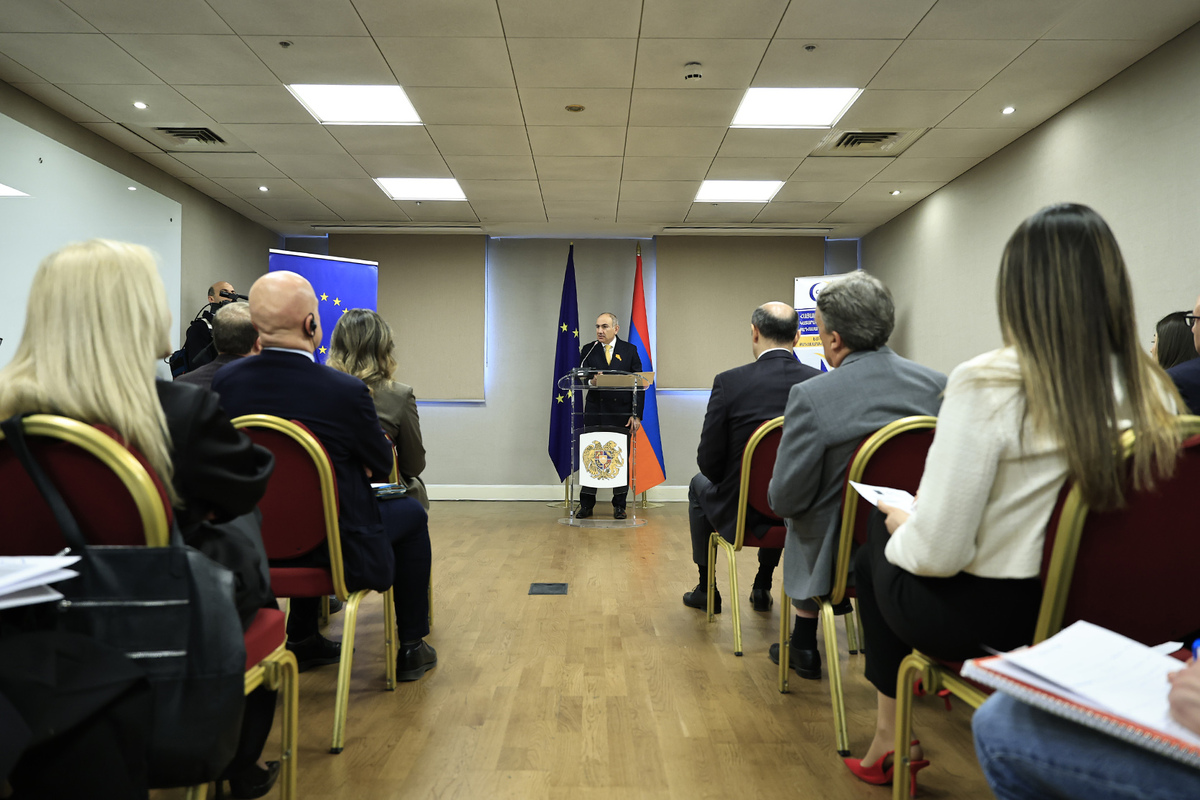
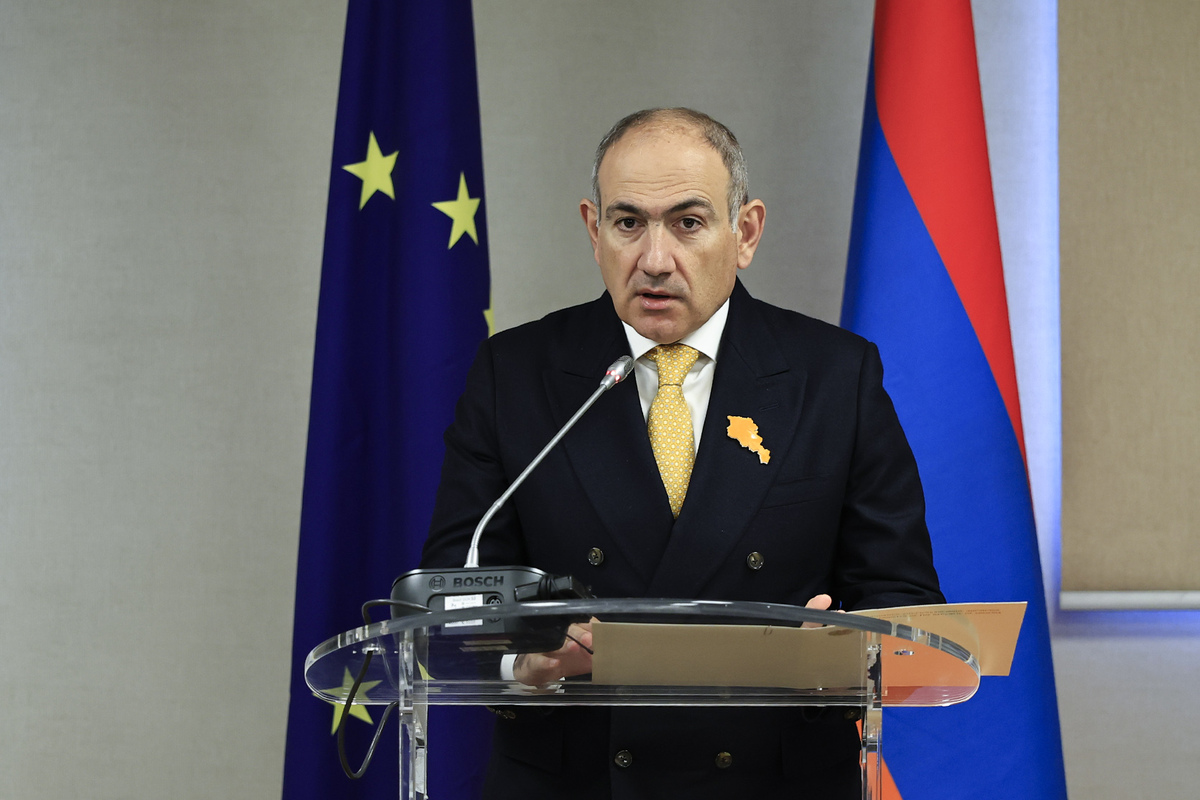
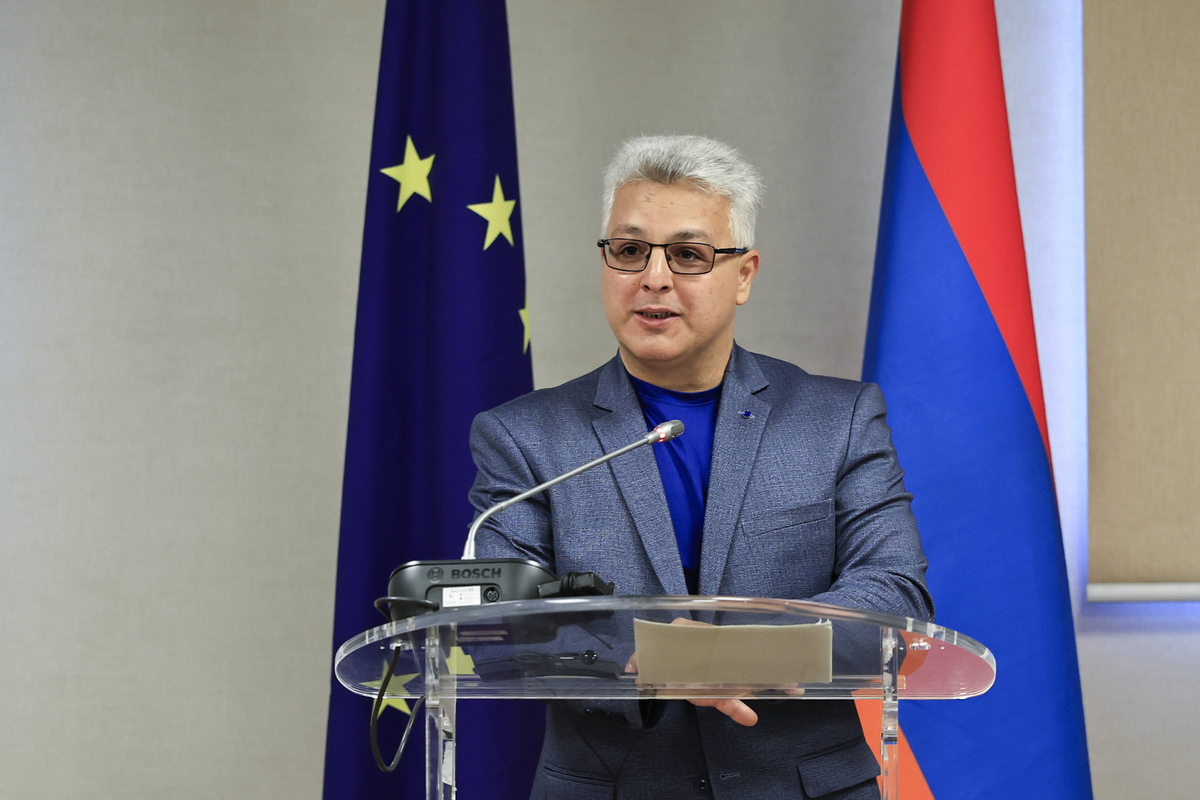
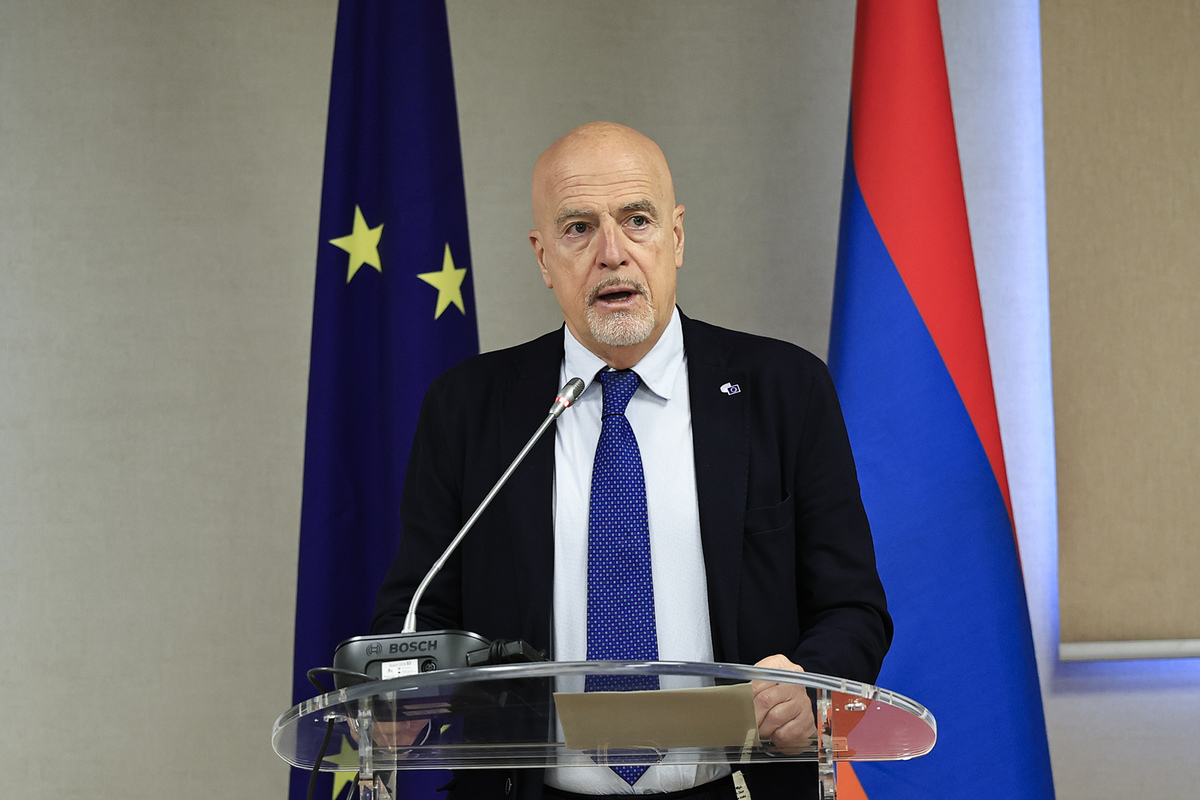
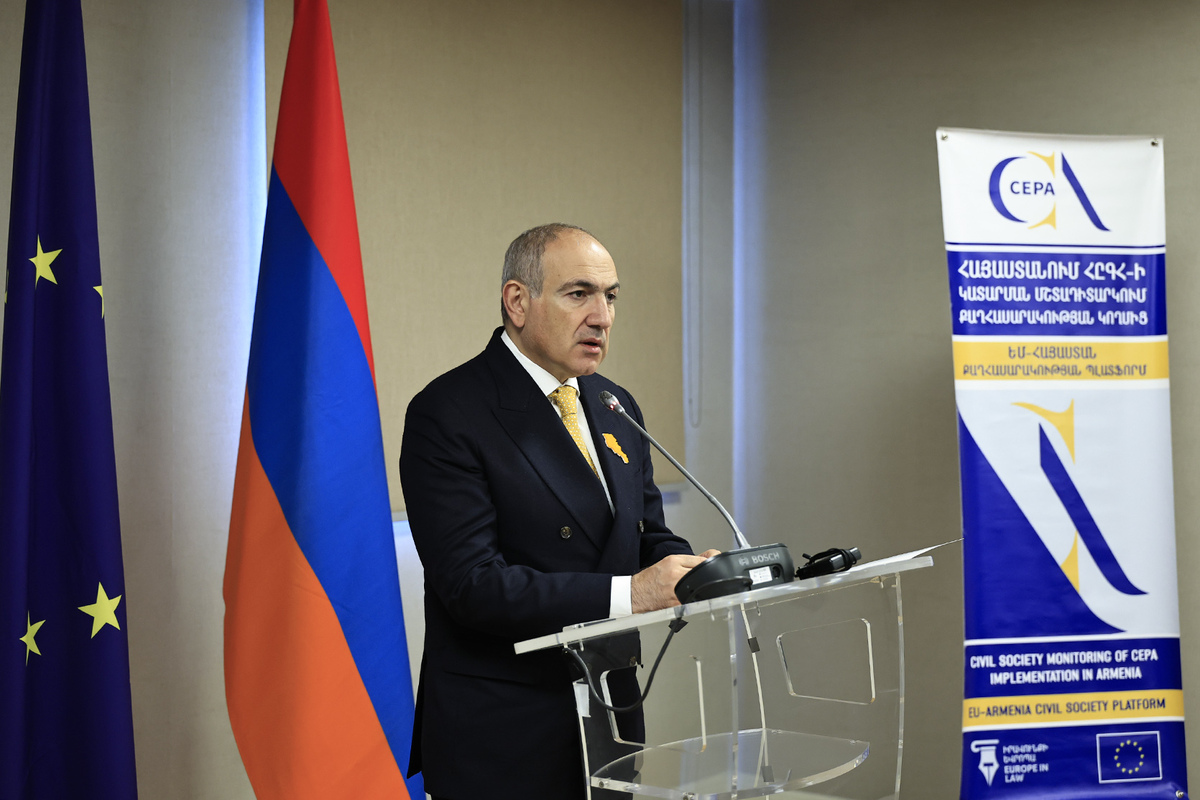
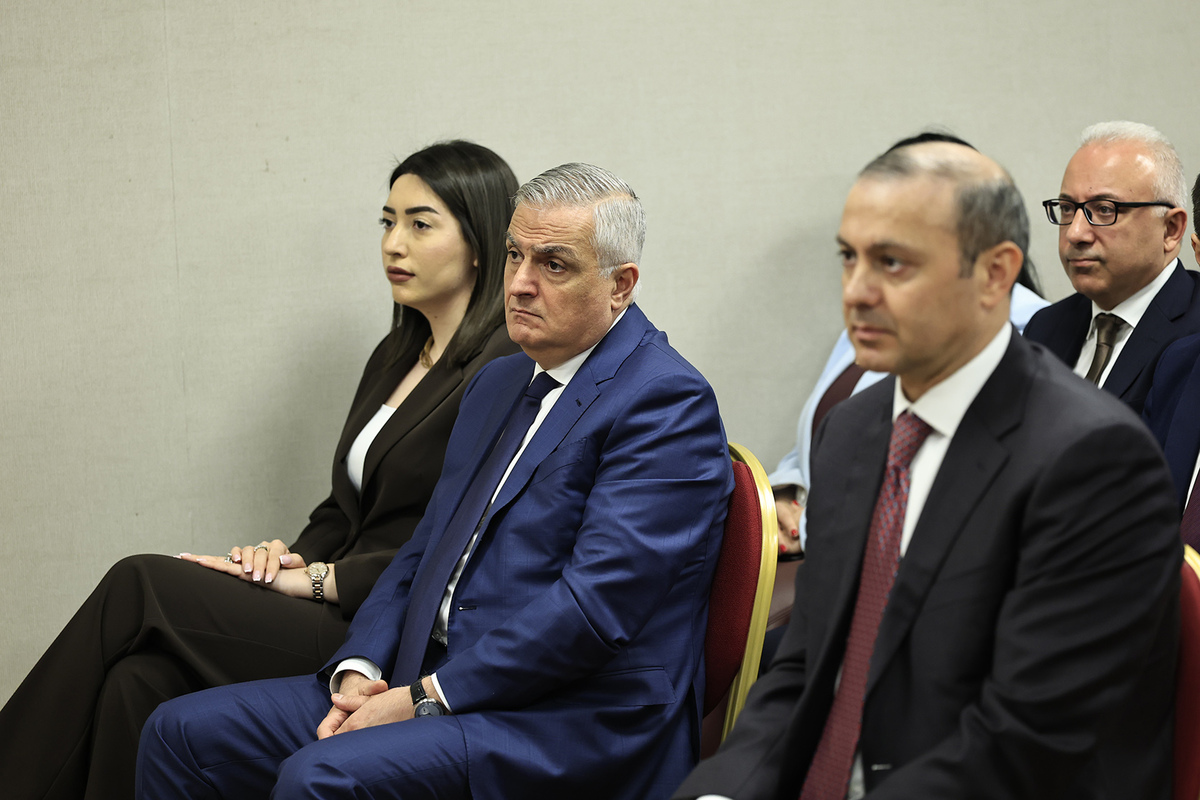
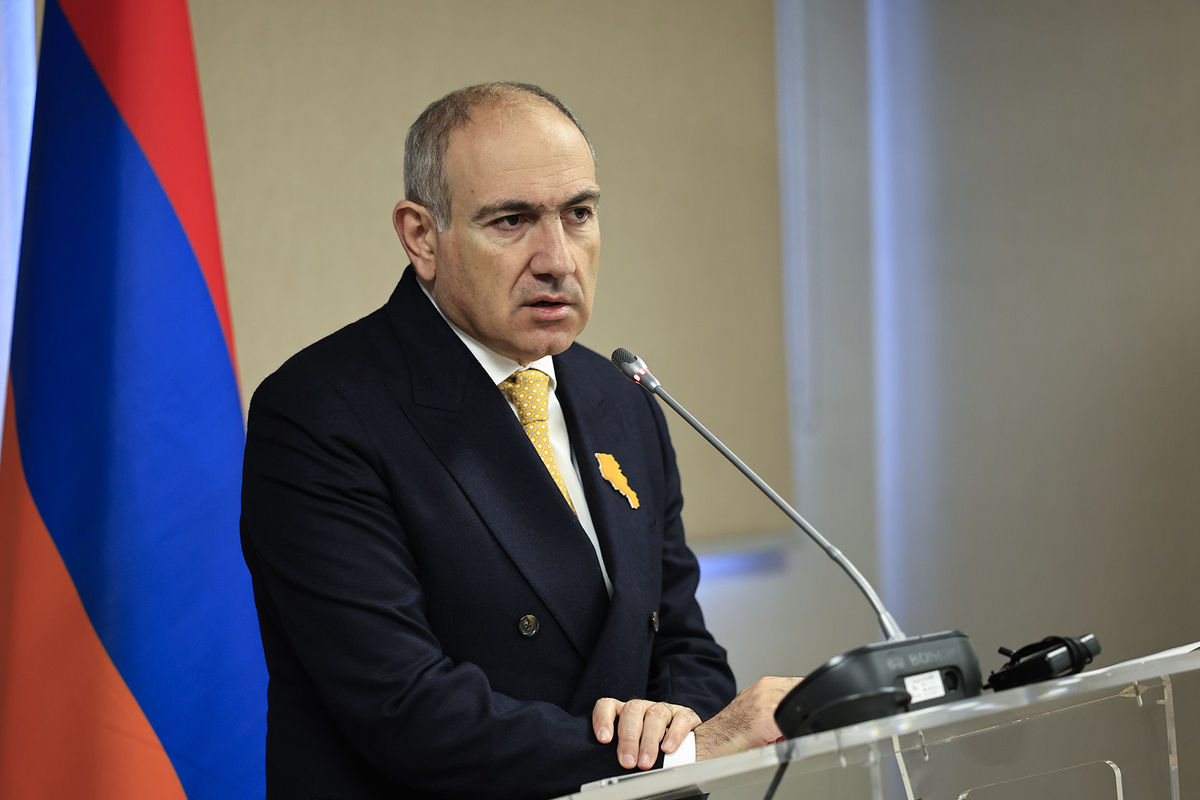
Prime Minister Nikol Pashinyan participated in the 8th regular meeting of the Armenia-EU Civil Society Platform.
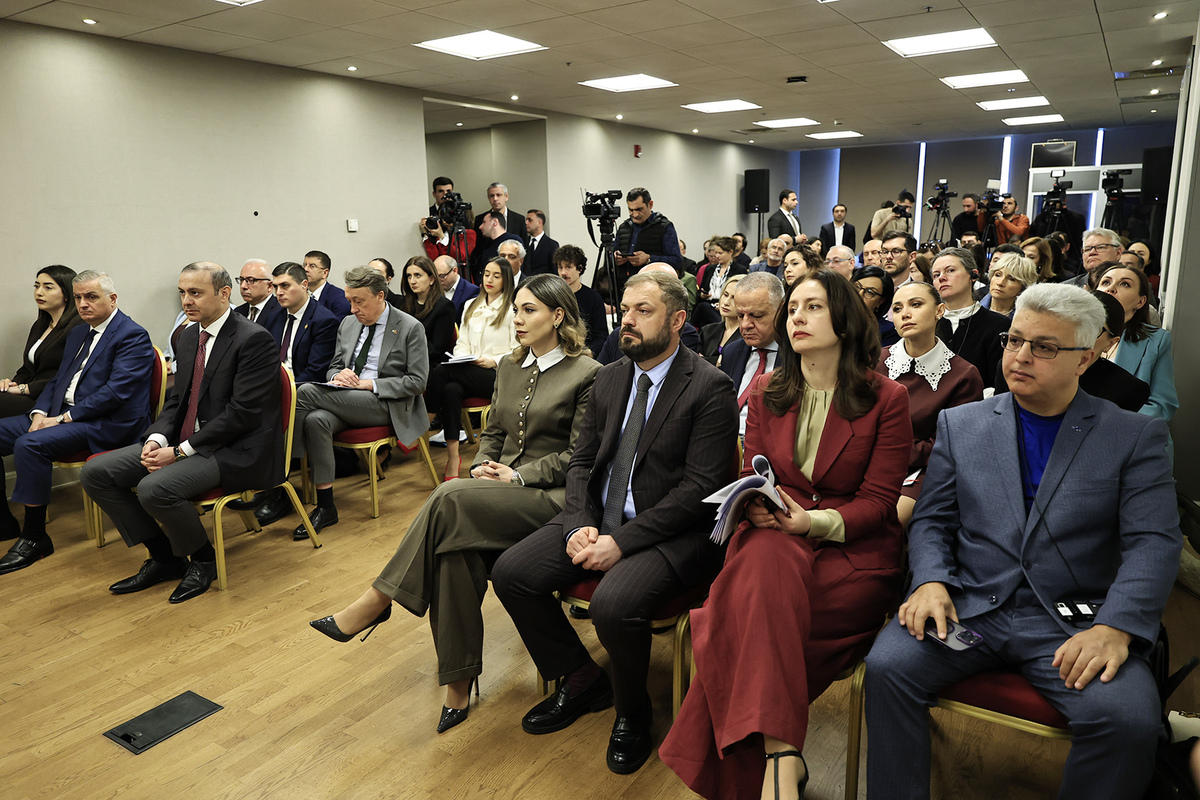
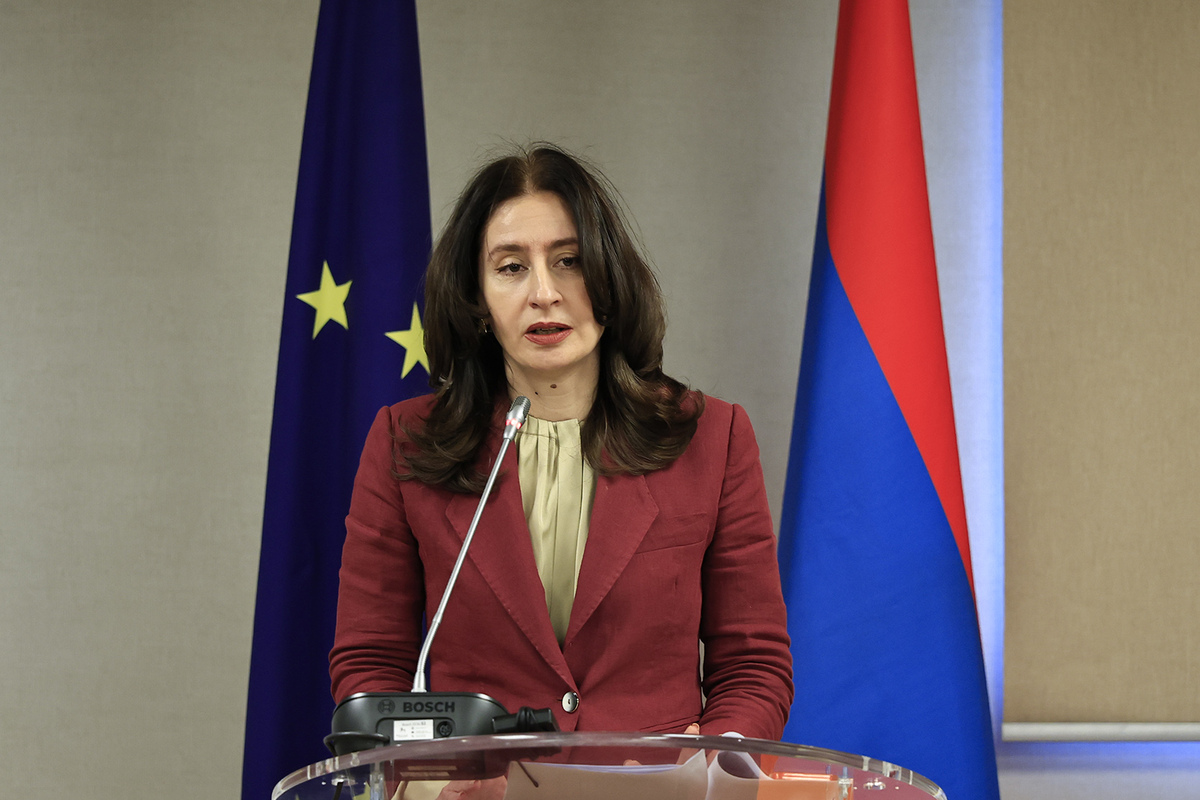
The event was also attended by Deputy Prime Minister Mher Grigoryan, Secretary of the Security Council Armen Grigoryan, Minister of Internal Affairs Arpine Sargsyan, Minister of Justice Srbuhi Galyan, Member of the European Economic and Social Committee (EESC), Co-Chair of the EU-Armenia Civil Society Platform Dumitru Fornea, President of the Department for External Relations of the European Economic and Social Committee (EESC) Stefano Palmieri, President of the “Europe of Law Union” NGO, Co-Chair of the EU-Armenia Civil Society Platform Lousine Hakobyan, representatives of legislative and executive authorities, international organizations and civil society.
Within the framework of the event, Nikol Pashinyan delivered a speech, welcomed the participants of the 8th meeting of the platform, and noted that the Government of the Republic of Armenia highly appreciates the activities of civil society in the Republic of Armenia.
"Especially in the context of our ideology and perceptions of democracy, it is difficult to overestimate the role of civil society in our reality. At the same time, I consider it very important that we continue to create institutional mechanisms so that the cooperation of the Government, the political majority, and state and local self-government bodies in general could be more institutional, more coordinated, and as a result of all this, more effective and constructive. In general, it should be noted that although we have made great progress in terms of democracy and economic development after the popular, non-violent, velvet revolution of 2018, at the same time, of course, we are faced with the fact that we continuously have serious problems, and their solution is among the priorities of our agenda," the Prime Minister said and added that while searching for formulas to solve these problems, we encounter latent problems, in particular, it is customary to call this the clarification of basic concepts.
According to the Prime Minister, after the 2018 revolution, the biggest criticism directed at the Government and the political majority is that, having the expectation of justice as one of the main agendas of the revolution, the latter has not yet been able to achieve such successes in the field of justice in Armenia that would be assessed as good or satisfactory. Nikol Pashinyan emphasized that there is truth here, but the issue is that there is no unified perception of the concepts of justice and fairness. The Prime Minister noted that, in his opinion, one of the most important issues here is the organicity of processes and institutions in terms of the connection of the source of power with the people, and emphasized that this issue is one of the most important that must be resolved in the near future by adopting a new Constitution. According to Nikol Pashinyan, justice and fairness in Armenia are largely managed by institutions that are isolated, have no organic connection to the people, and also do not have a sufficient level of accountability and responsibility to the people, who are the highest bearers of power.
The Prime Minister noted that justice and fairness is the compliance with the Constitution and laws. "But what to do in the case when the Constitution itself has no organic connection with the highest source of power. In this case, no matter what you do, there will be no sense of justice and fairness, because the Constitution should be an expression of the free will of the people, and we must admit that we do not have such a Constitution and, unfortunately, have never had one, and when that source, from which de jure justice and fairness emanate, has a rupture with the people, the operation of that mechanism can never be perceived by the people as justice and fairness. I am not saying this as the Prime Minister of the Republic of Armenia, I am saying this as a citizen of the Republic of Armenia, because I myself do not have a sense of justice and fairness in the Republic of Armenia in an institutional sense. And this is a fundamental problem that we must solve," the Prime Minister said, emphasizing that in this regard, the key goals of cooperation with European structures and a number of international institutions are to have certain mechanisms to correct the mistakes made.
Speaking about the Government’s acceptance of the ideas voiced by civil society, the Prime Minister noted that it is important here that there is a debate, because even the most brilliant idea must go through a debate in order to gain practical excellence. “That is why everything must be checked, rechecked, looked at, reviewed, because it is also very important to ensure the identity, sovereignty, and security of the state, while at the same time deepening the strategies that we have adopted, including in the logic of cooperation with the European Union. The Comprehensive and Enhanced Partnership Agreement is a working agenda for us, but it must also be recognized that it was adopted and expanded with the unprecedented development of relations between Armenia and the EU in recent years. And we will continue on this path.”
Touching upon the question of whether to become a member of the European Union or not, the Prime Minister noted that Armenia’s task, goal, and strategy is to be a country that meets the best standards. “We understand that today we are far from that point, but we know that we have the necessary political will, strategy, and vision on how to move in that direction and how to reach that point,” said Nikol Pashinyan, adding that the activities of the Armenia-EU Civil Society Platform are very important in this sense. The Prime Minister once again emphasized that the Government highly appreciates the activities of civil society in general and, as in the past, today and tomorrow, will continue not only to cooperate, but also to deepen cooperation with civil society.