Press releases
The interaction of the EAEU member states with third partners should not be perceived as a zero-sum game. Prime Minister
 1670x1113px - 1 Mb
 1670x1113px - 351 Kb
 1113x1670px - 548 Kb
 1670x1113px - 598 Kb
 1670x1113px - 672 Kb
 1670x1113px - 534 Kb
 1670x1113px - 522 Kb
 1670x1113px - 540 Kb
 1670x1113px - 464 Kb
 1670x1113px - 668 Kb
 1670x1113px - 538 Kb
 1670x1113px - 801 Kb
 1670x1113px - 579 Kb
 1670x1113px - 678 Kb
 1670x1113px - 673 Kb
 1670x1113px - 650 Kb
 1280x630px - 233 Kb
 1280x853px - 374 Kb
 1280x853px - 197 Kb


more 16 photos
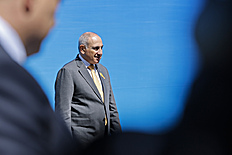
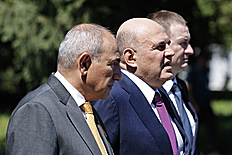
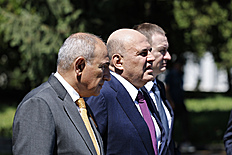
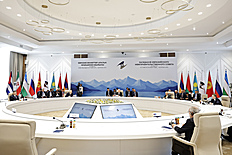
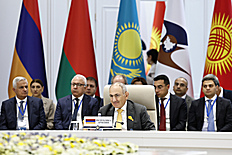
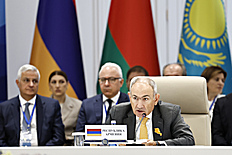
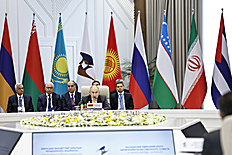
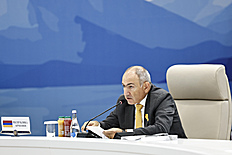
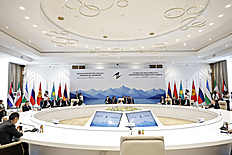
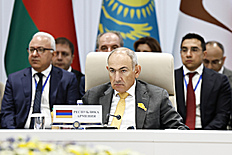
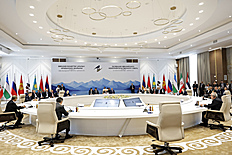
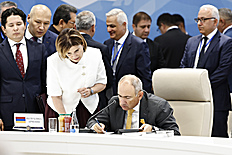
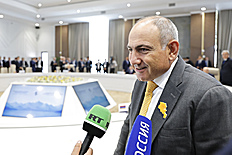
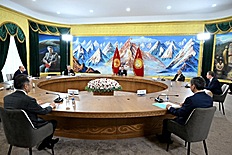
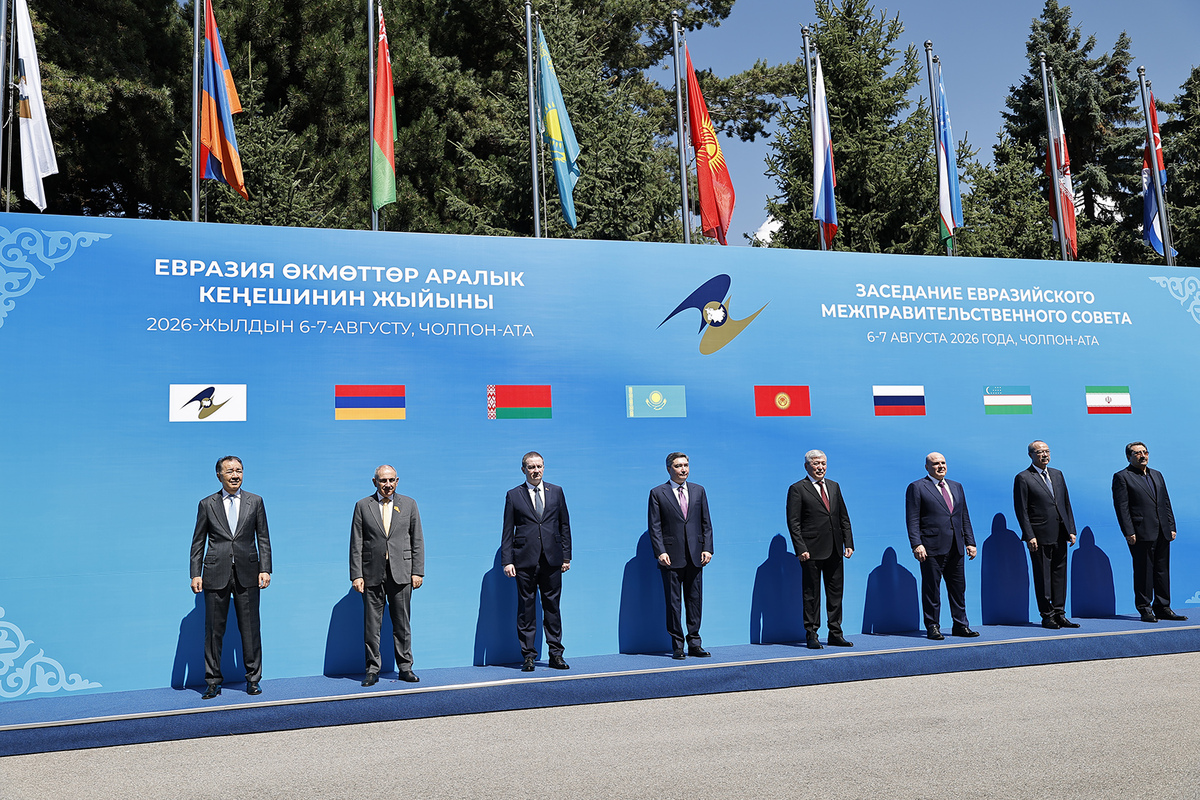
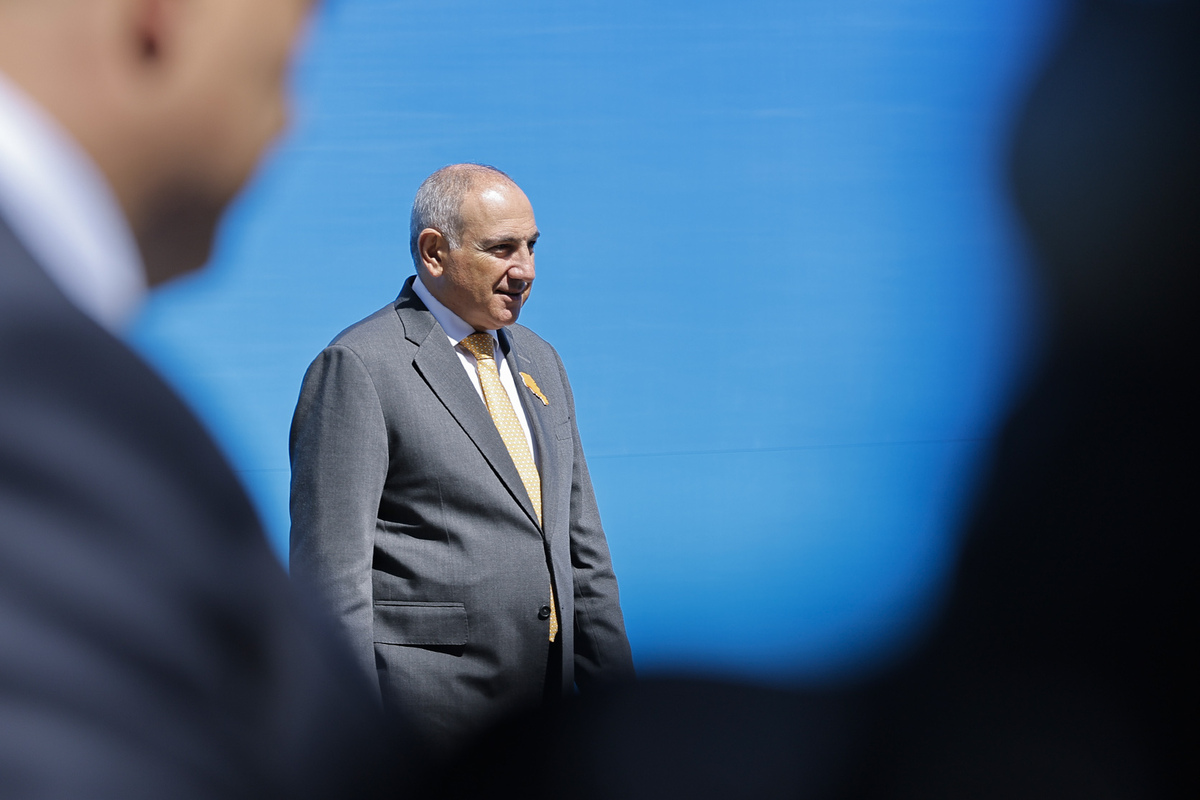
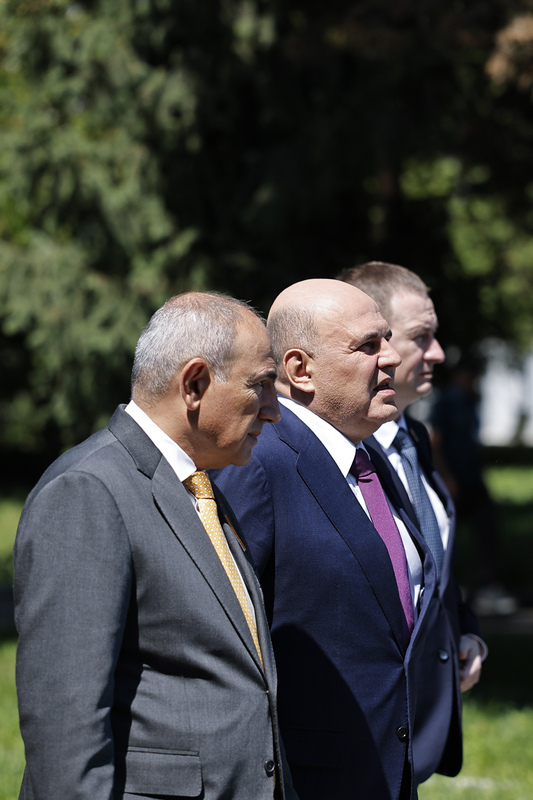
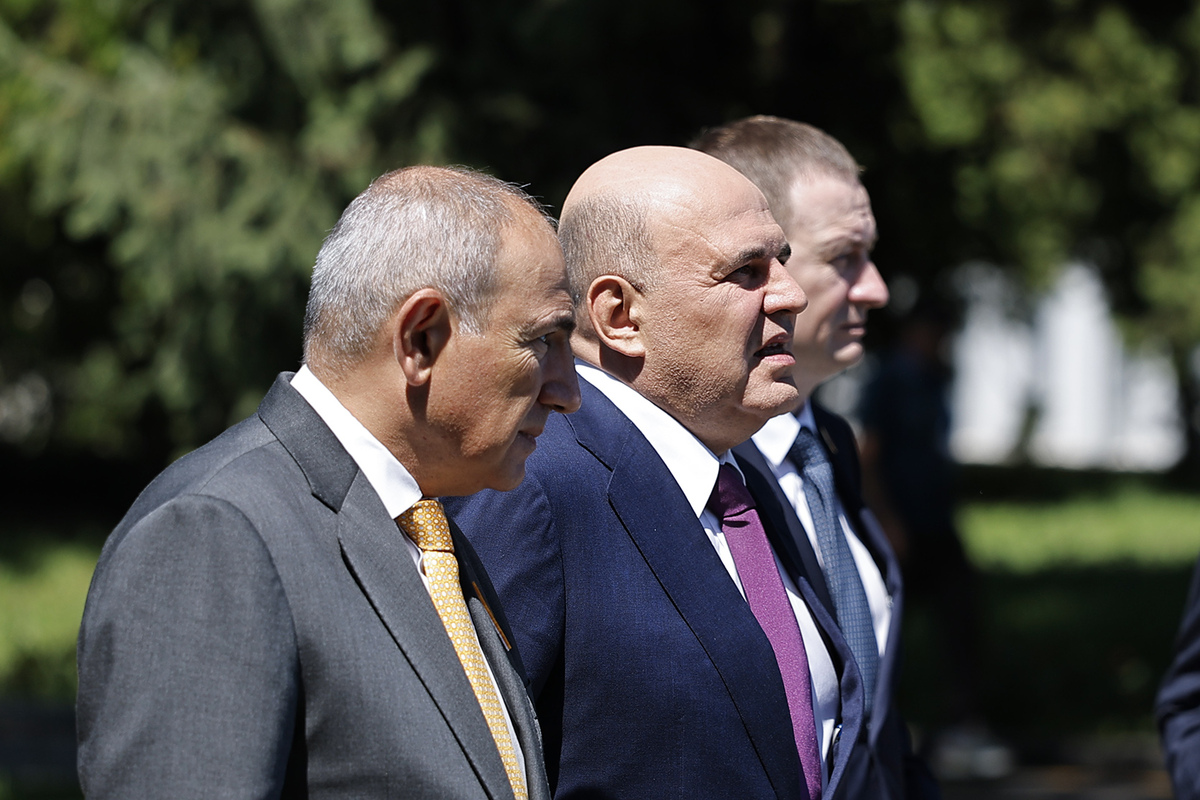
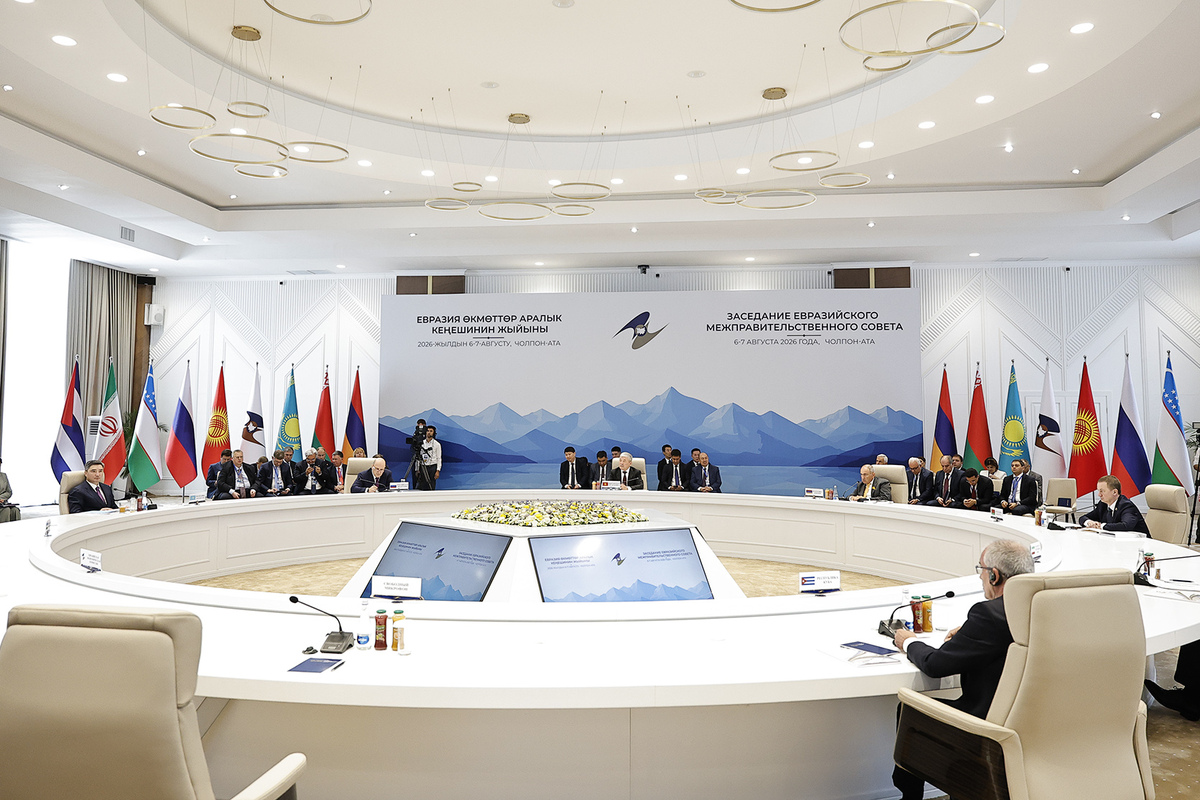
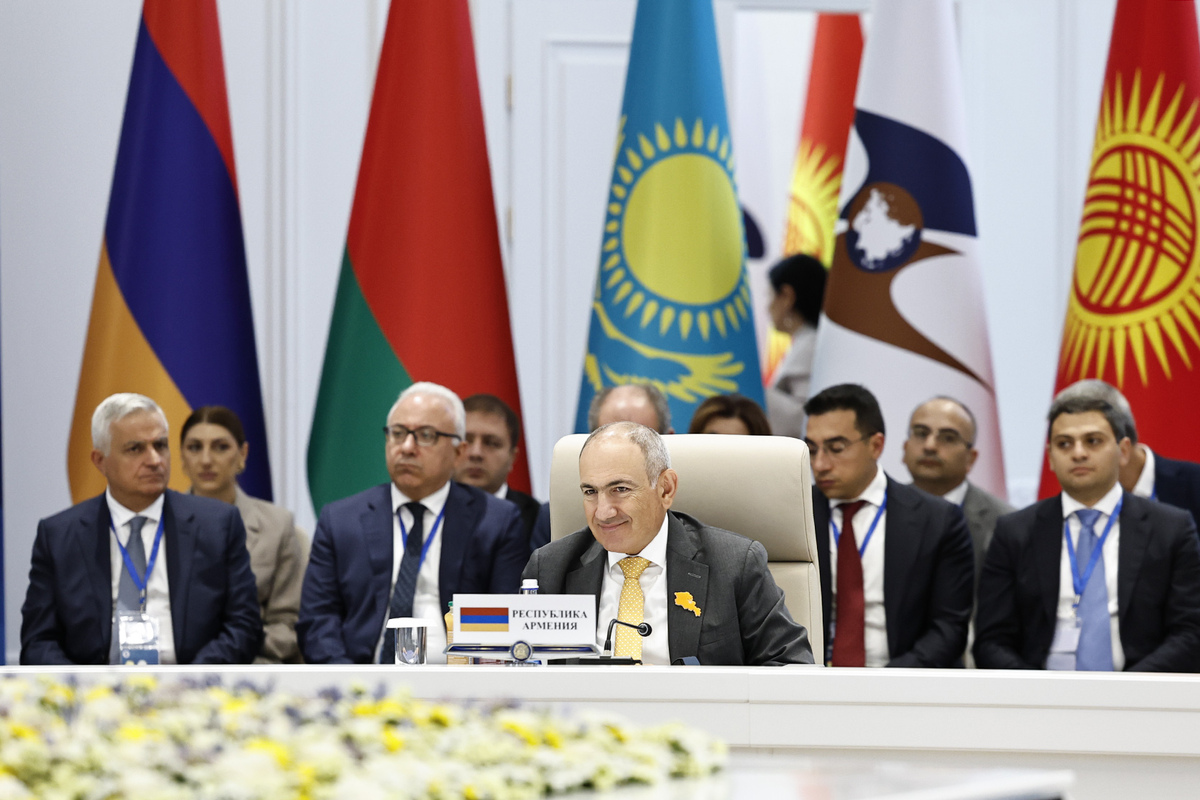
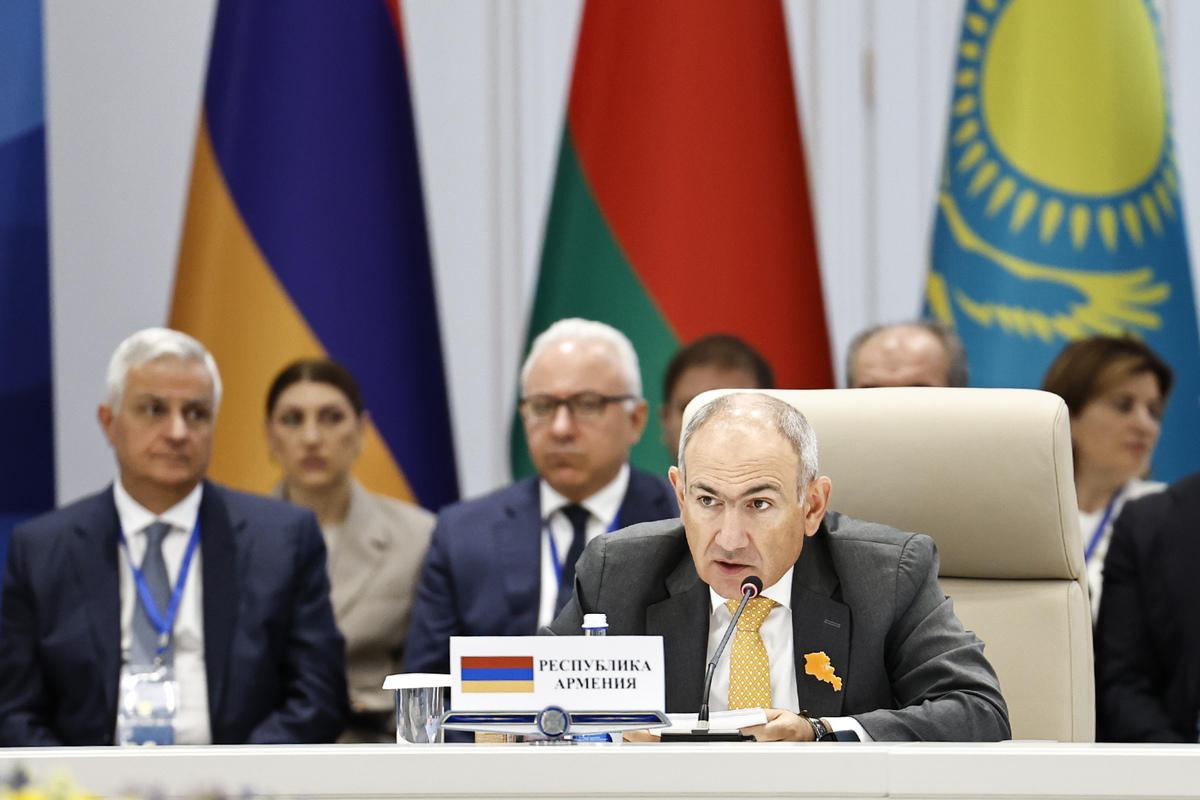
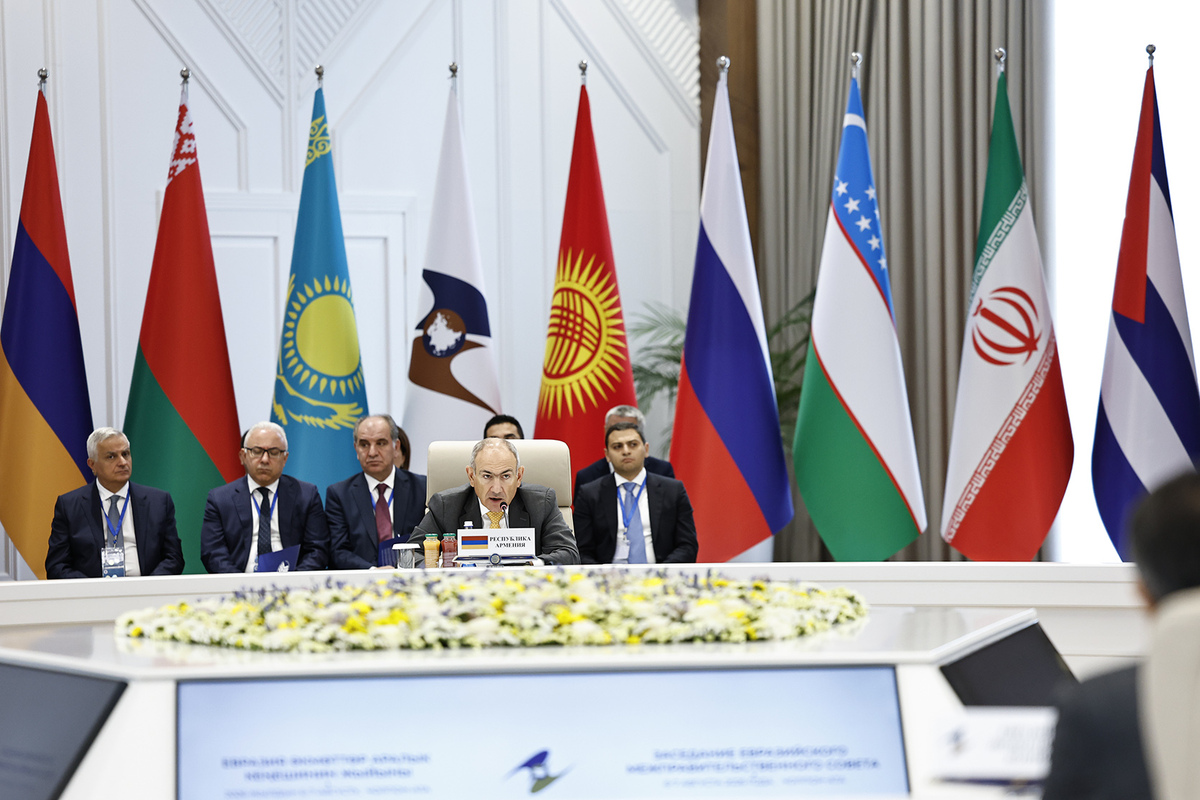
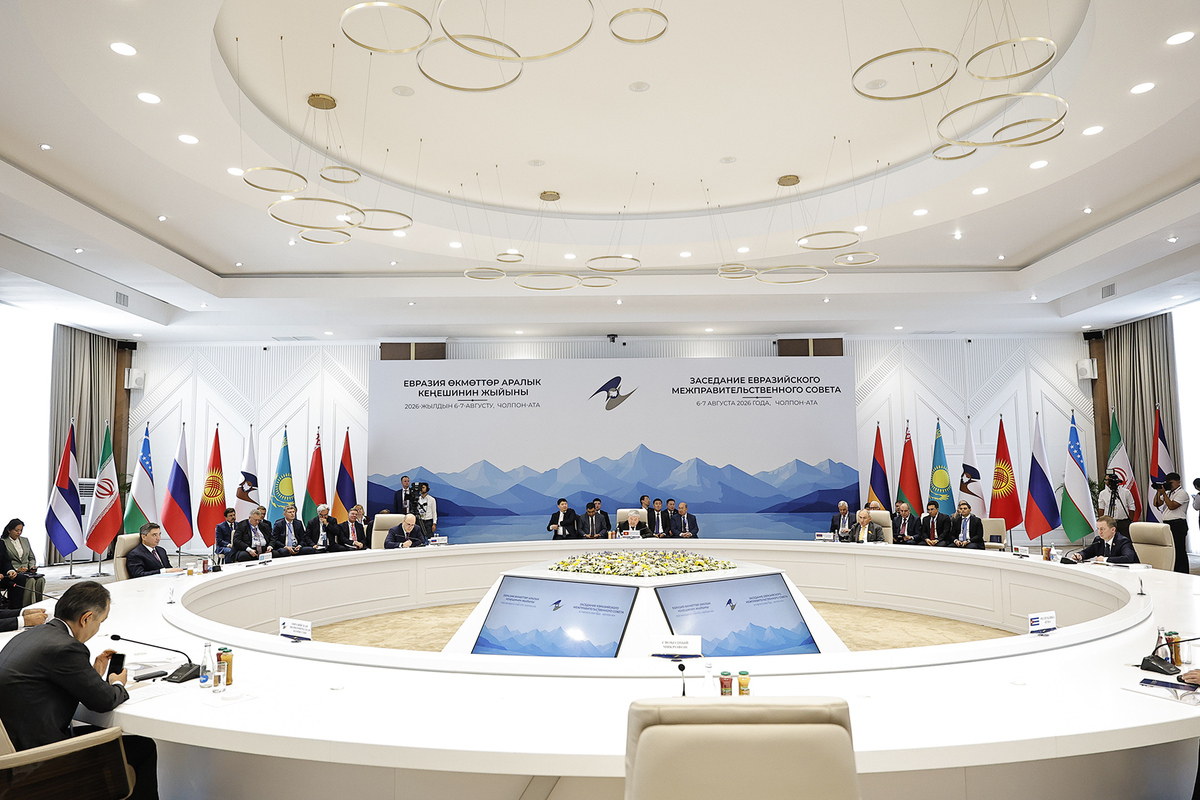
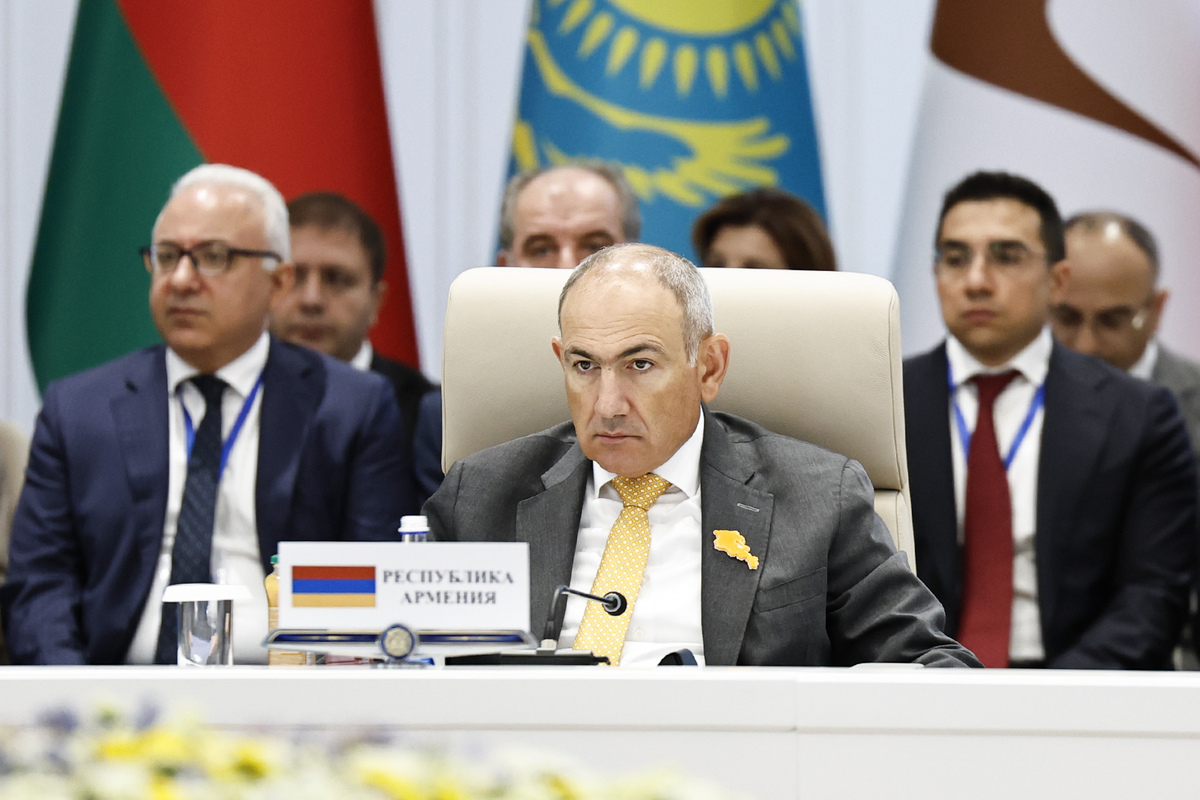
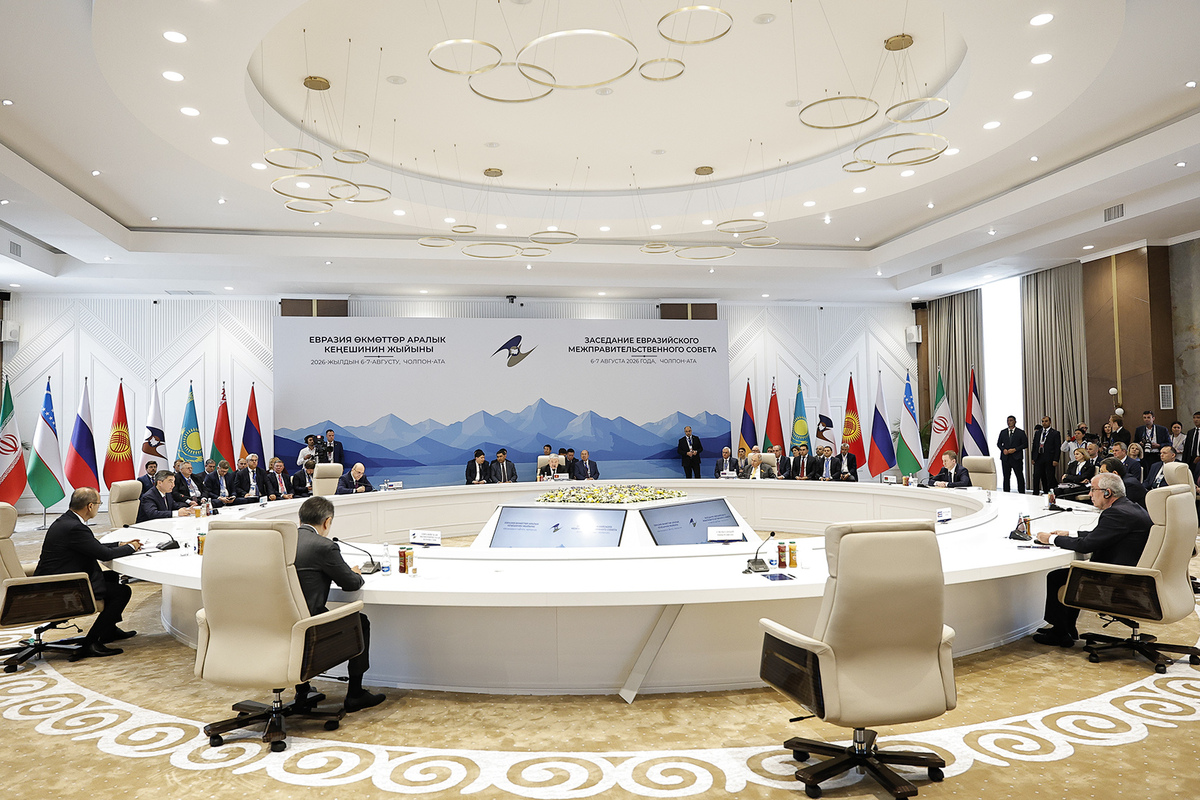
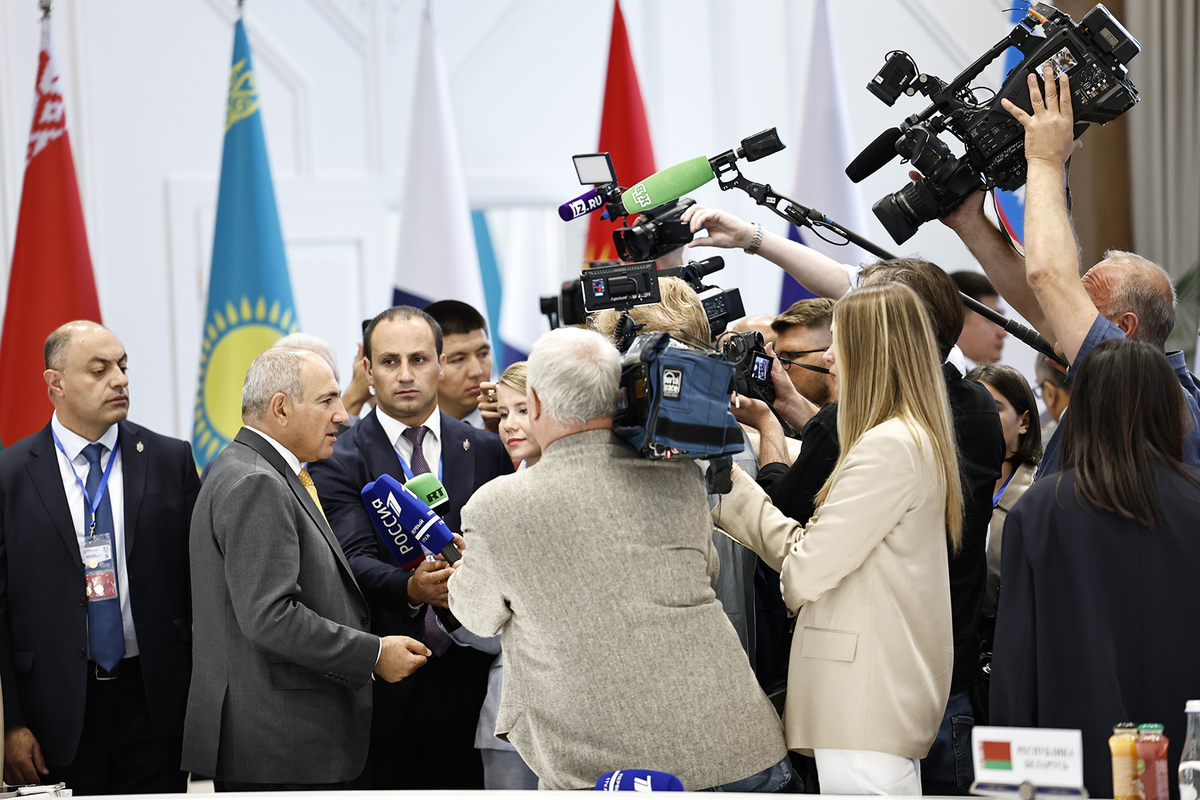
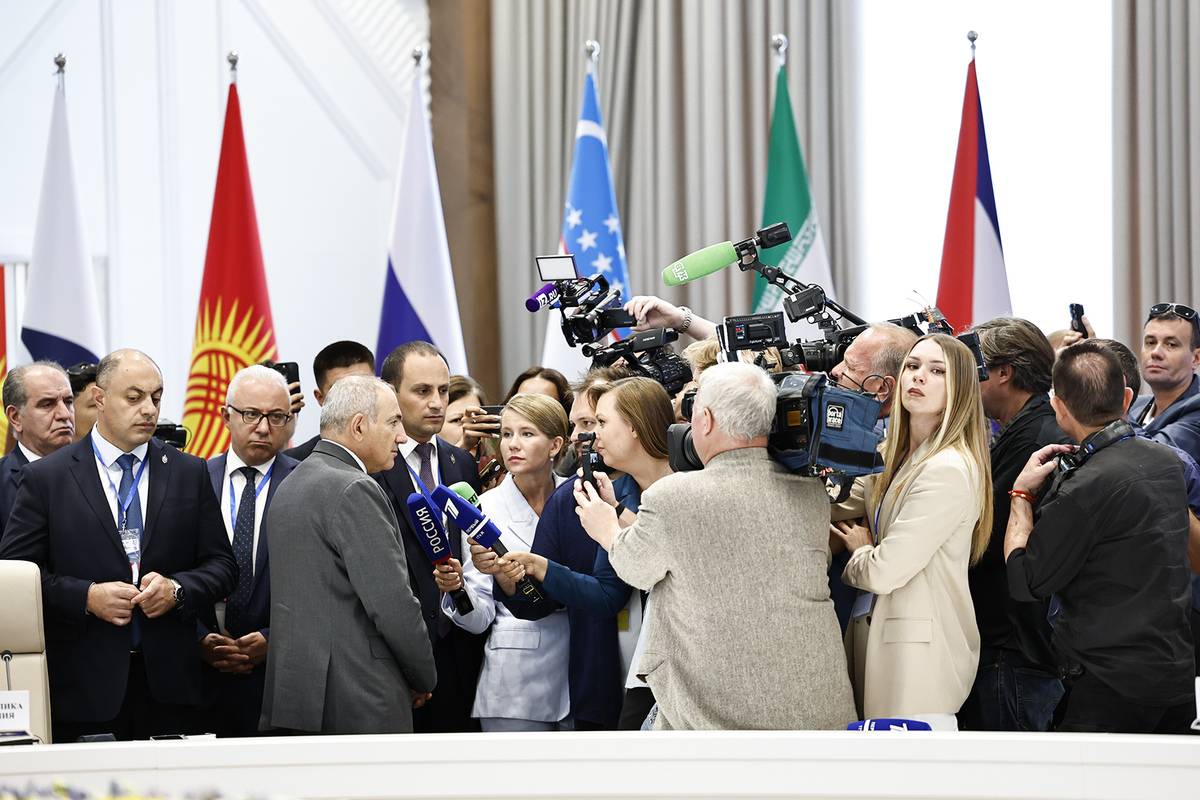
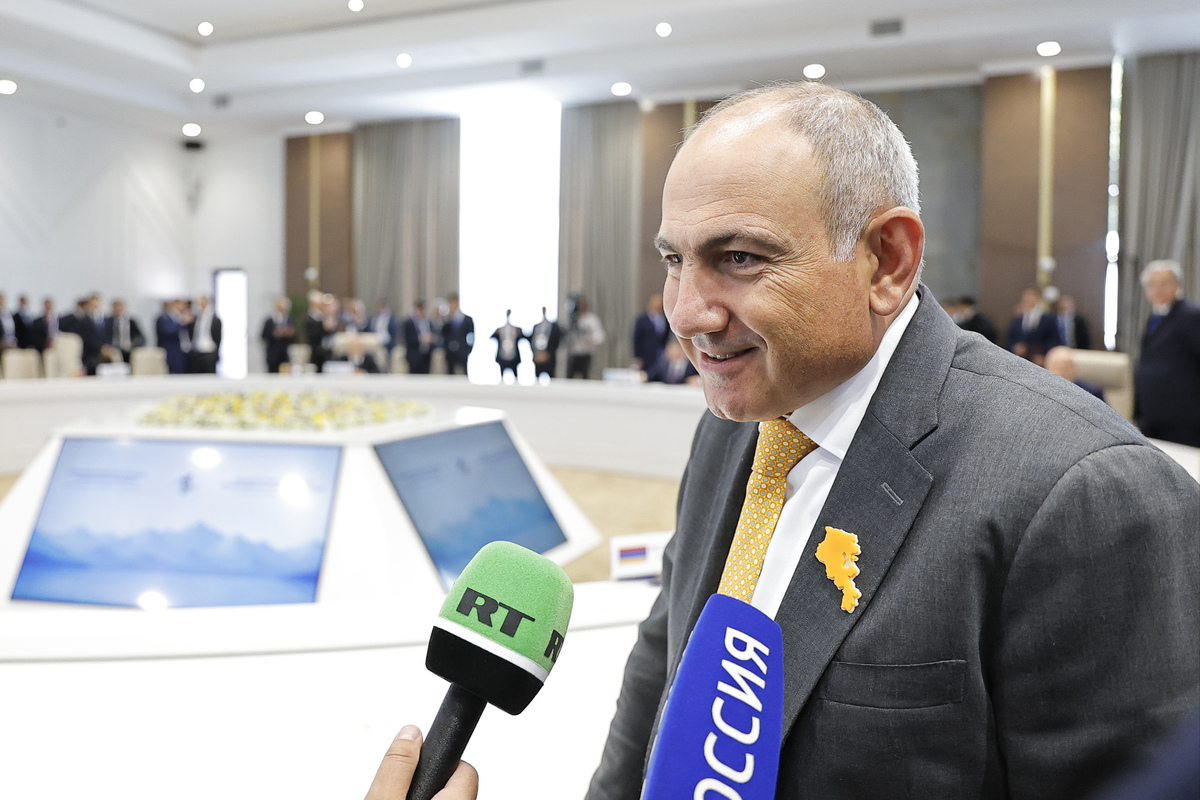
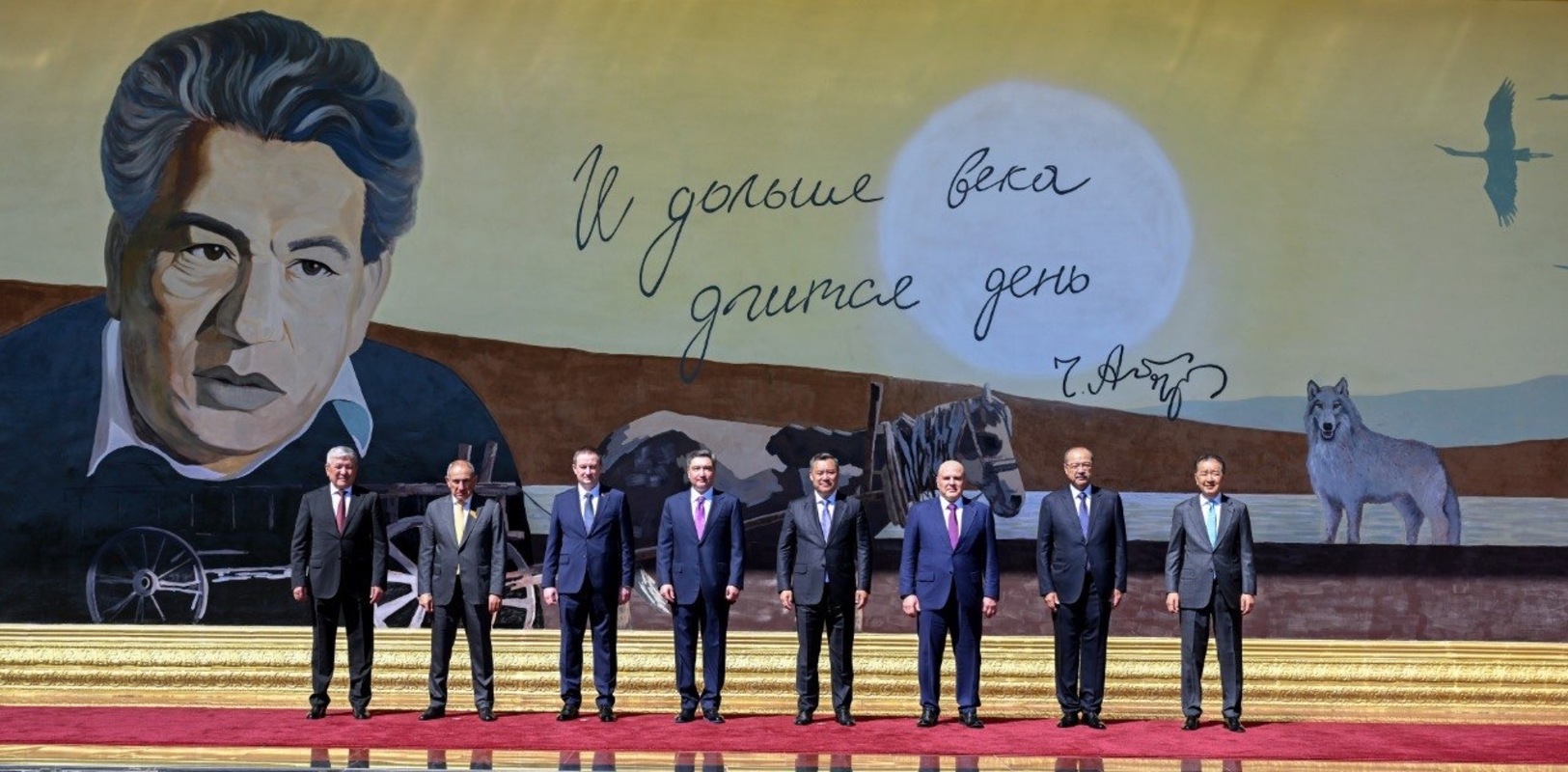
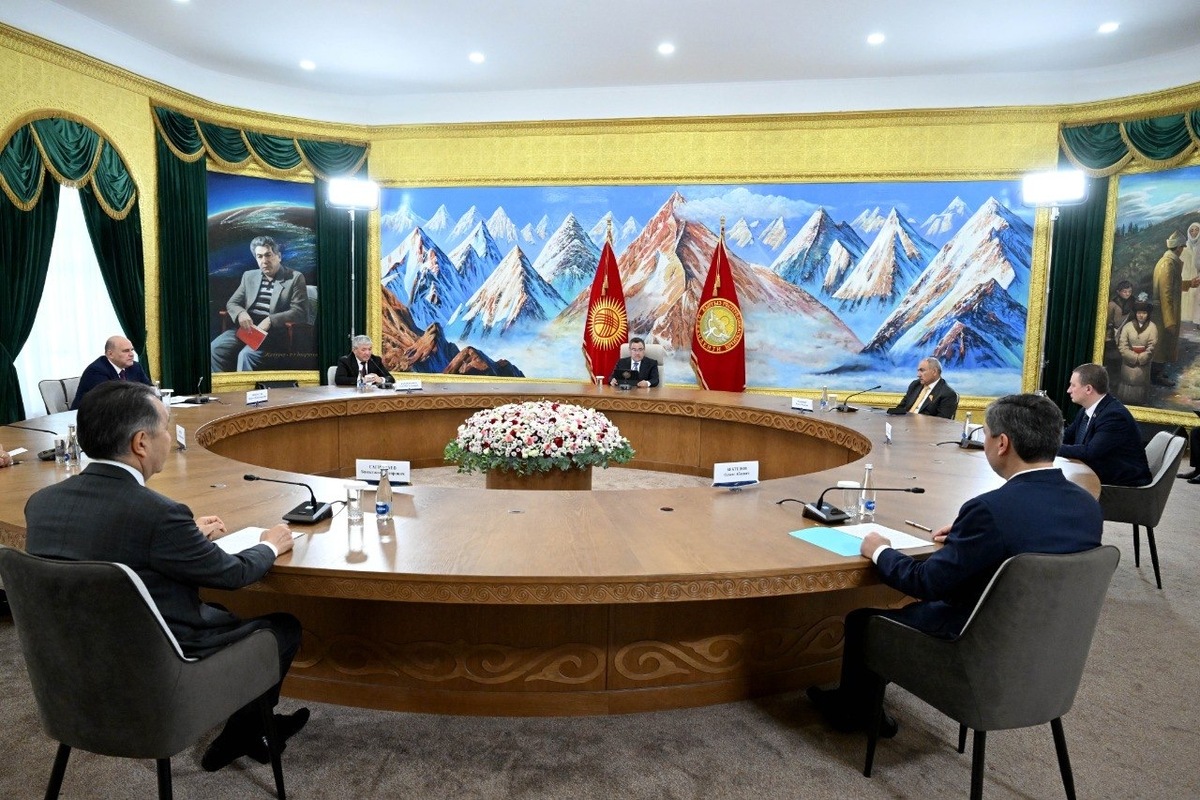
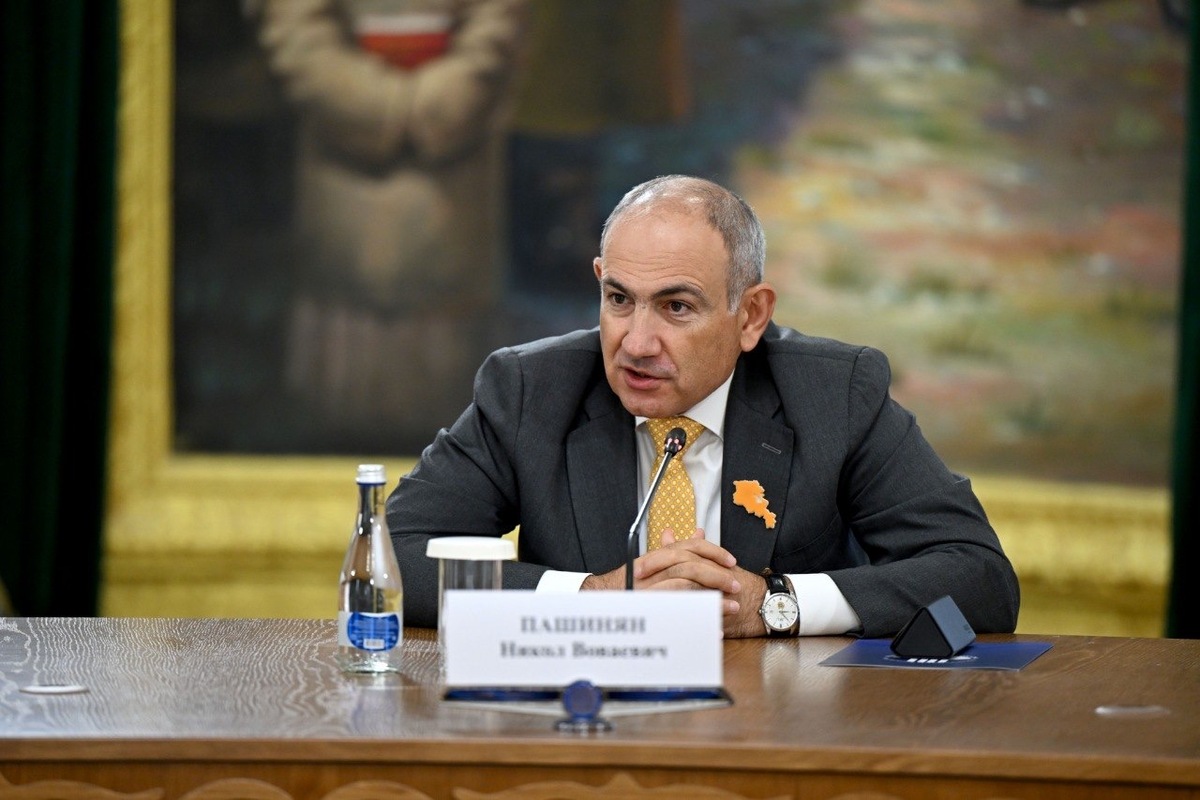
Prime Minister Nikol Pashinyan participated in the expanded-format session of the Eurasian Intergovernmental Council in the city of Cholpon-Ata. In addition to the prime ministers of the Eurasian Economic Union member states, the latter was also attended by representatives of Iran, Uzbekistan and Cuba.
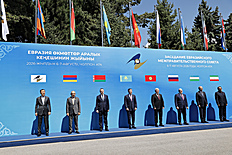
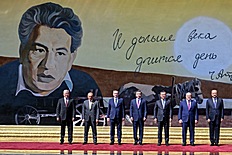
The prime ministers took posed for a family photo before the session.
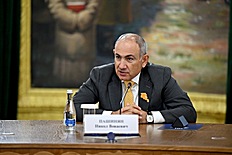
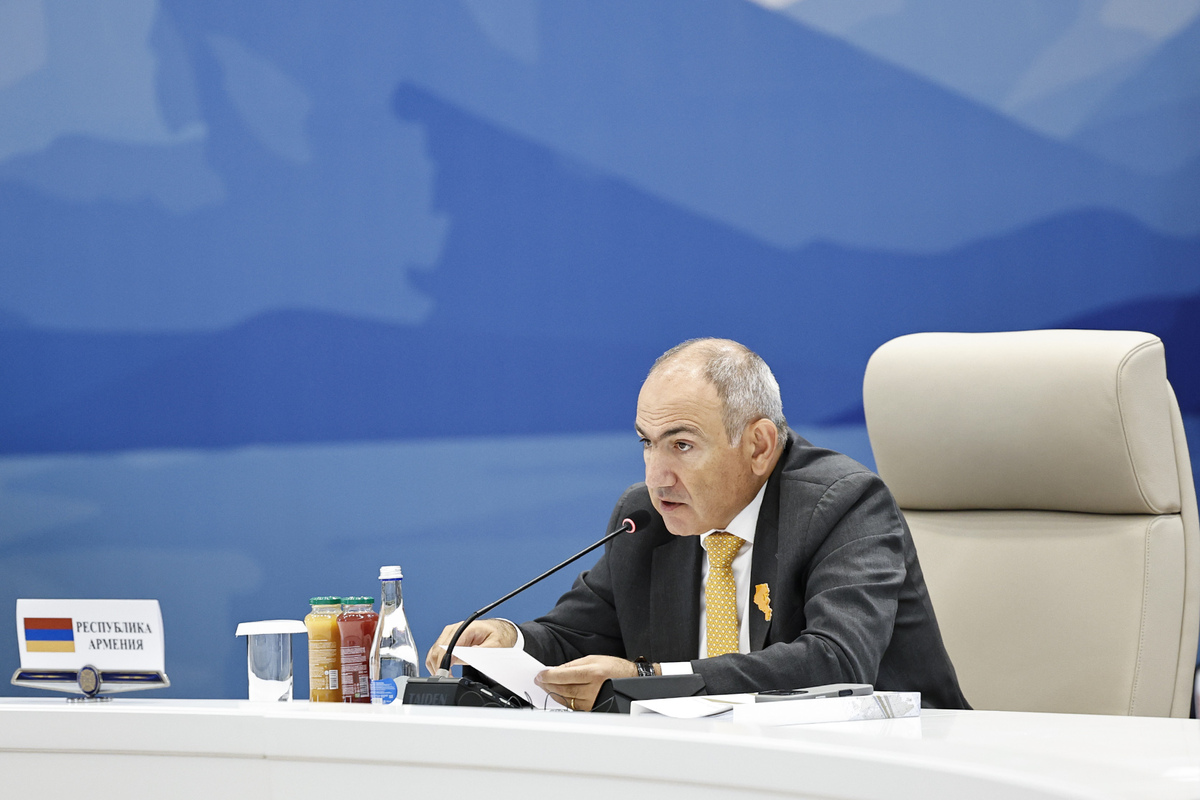
Prime Minister Pashinyan made a speech in which, in particular, he noted:
“Dear Heads of Government,
Dear participants of the session,
First of all, let me express my sincere gratitude to the Chairman of the Cabinet of Ministers of the Kyrgyz Republic, Adylbek Kasymaliev, for the traditional warm welcome and the high level of organization of the Eurasian Intergovernmental Council session.
I would like to welcome the esteemed representatives of the Islamic Republic of Iran, the Republic of Uzbekistan and the Republic of Cuba.
For the Republic of Armenia, strengthening cooperation with the member states of the Eurasian Economic Union continues to be one of the priorities of foreign policy and foreign economic policy.
This approach will also be reflected in the program of the new Government, which I have been entrusted with leading.
At the same time, I would like to emphasize that Armenia consistently stands for adherence to the principles underlying the Eurasian Economic Union.
One of the fundamental principles of the Eurasian Economic Union is to ensure the free movement of goods, services, capital and labor.
Unfortunately, in practice, these principles are not fully implemented.
Certain restrictions and administrative measures continue to hinder the full functioning of the common market, reducing the predictability of conditions for business and the effectiveness of integration processes.
The Republic of Armenia consistently ensures the most favorable, equal and non-discriminatory conditions for the activities of economic entities of all EAEU member states. We consistently proceed from the principle that a similar approach should be applied throughout the zone of the Eurasian Economic Union.
For that very reason consider it fundamentally important that any measure that may affect the access of goods and services of member states to the common market be adopted exclusively in accordance with the law of the Eurasian Economic Union, on the basis of agreed procedures and within the framework of constructive interaction between the competent authorities.
Ignoring such issues can not only inhibit the further development of the Eurasian Economic Union, but also negatively affect the attitude of citizens and the business community of our countries towards it.
Ultimately, such issues cease to be the problems of a single member state. They become the common problem of the entire union.
That is why we need to eliminate emerging obstacles in a timely manner, prevent the decline of trade and economic relations within the EAEU, minimize business risks related to reputation, and consistently strengthen mutual trust.
It is also necessary to recognize that in a number of areas the strategic goals set by the EAEU have not yet been fully implemented. This means that today we need to focus not only on discussing new initiatives, but also on the practical implementation of already adopted decisions, accelerating coordination procedures, and increasing the efficiency of the work of the EAEU institutions.
Dear colleagues,
I would also like to touch upon the objective economic indicators that convincingly indicate that the participation of the Republic of Armenia in the Eurasian Economic Union is based on the fulfillment of mutual obligations, and not on obtaining unilateral advantages.
In 2025, Armenia transferred about 319 million USD to the general budget of the EAEU import customs duties, while the volume of funds distributed in favor of Armenia amounted to about 175 million USD.
Thus, Armenia transferred significantly more funds to the general budget of the Union than it received, which is a direct confirmation of our responsible position and conscientious fulfillment of obligations within the framework of the EAEU.
The dynamics of mutual trade are no less telling.
According to the results of 2025, imports from the EAEU member states amounted to about 5 billion USD, while during the same period, exports of Armenian products to the Union market amounted to about 3.2 billion USD.
These figures show that the Republic of Armenia is not only a participant in the EAEU common market, but also an important consumer of goods and services produced in the Union’s member states.
Dear colleagues,
The Republic of Armenia has taken note of the statement of the heads of the four EAEU member states of May 29, 2026, in which support was expressed for the idea of holding a referendum on Armenia’s accession to the European Union.
As you know, in 2025, the Law “On the Launch of the Process of the Republic of Armenia’s Accession to the European Union” was adopted in Armenia. The strategic goal of adopting such a law is to create an alternative for our country.
We understand that simultaneous membership in the Eurasian Economic Union and the European Union is impossible.
However, the fact of adopting the aforementioned law does not in itself mean that Armenia has the opportunity to become an EU member today. When Armenia is qualitatively ready for EU membership in the future, this will also not mean that our country will automatically become an EU member. This will still require the consent of EU member states and the approval of Armenian citizens.
On the other hand, it is obvious that it is impossible to submit this issue to the decision of the citizens of Armenia without carrying out preliminary institutional preparatory work. And even then, it will be necessary to apply to the EU with an official application for membership in the European Union.
After that, it will also be necessary to obtain the status of a candidate country for membership in the EU.
Without going through at least most of the listed stages, holding a referendum on the mentioned issue will be meaningless and will mean that we expect an answer from our citizens to a question that simply does not exist at the moment.
This will mean that we expect the citizens of Armenia to make a choice between two alternatives, one of which does not exist.
This would be disrespectful to our people and, in practice, illegitimate. I am grateful to my EAEU partners for recognizing the legitimate right of Armenia, as well as any other EAEU country, to develop relations with various partners and to create trade and economic alternatives for its own country.
Moreover, I consider such an approach useful for the EAEU, since the existence of possible alternatives is a factor that will contribute to increasing the competitiveness and attractiveness of the EAEU.
And I think no one will deny that we have work to do within the EAEU in this regard. We are ready and offer to work in that direction.
On the other hand, I must note that in the current relations between Armenia and the European Union there is no legal, economic or political obligation that contradicts the status of our relations within EAEU.
Dear colleagues,
The Republic of Armenia proceeds from the principle that the Eurasian Economic Union should not be considered a zone of restrictions. We are convinced that the interaction of the EAEU member states with third partners should not be perceived as a zero-sum game.
The Republic of Armenia consistently advocates for the observance of the fundamental principles of the Treaty on the Eurasian Economic Union, the legal equality of the member states and the further development of practical, mutually beneficial cooperation.
The more consistently we adhere to our own agreements and respect each other’s sovereign rights, the more attractive the EAEU will be.
This is precisely where we see the basis for trust, stability and long-term success.
Thank you for your attention.”
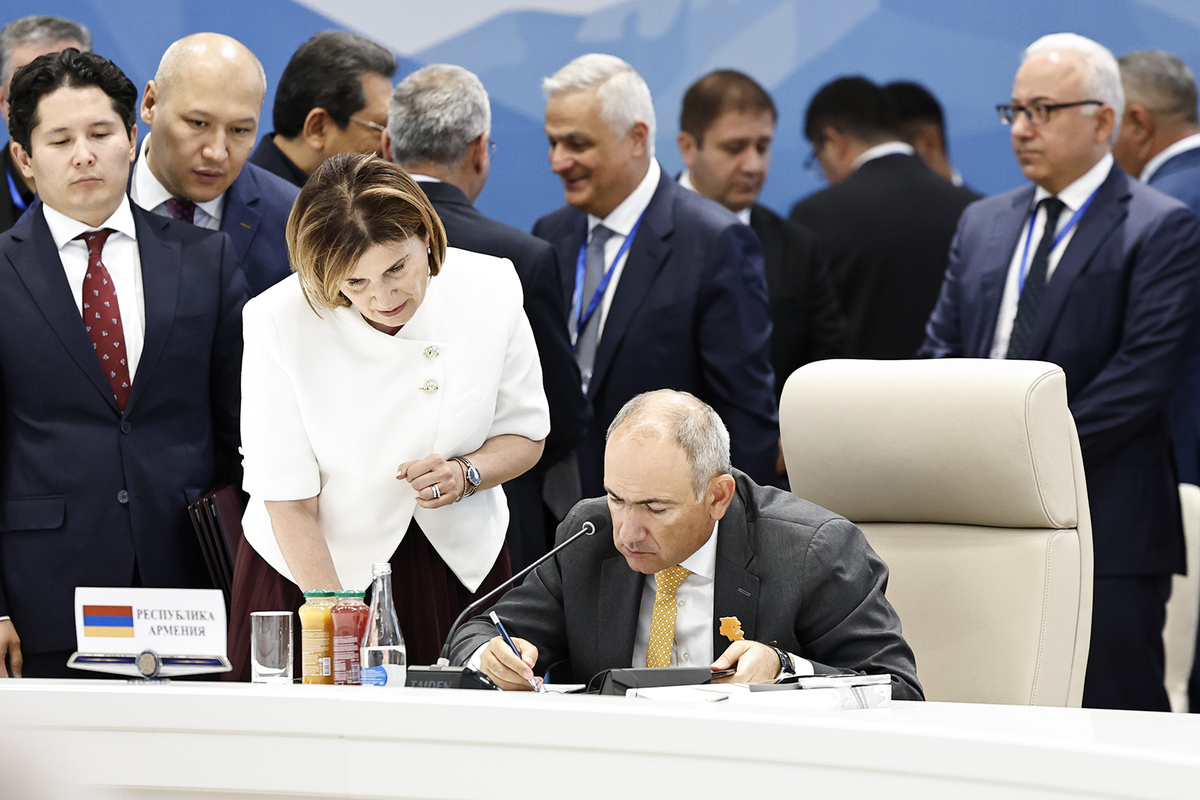
During the session, the minutes of the diescussed and adopted issues were signed. They relate to cooperation and regulations in the fields of transport, e-commerce, and education.
Members of the Eurasian Intergovernmental Council also met with the President of Kyrgyzstan, Sadyr Japarov.