Press releases
Key directions for transforming Armenia’s migration management system discussed under Prime Minister’s leadership


more 4 photos
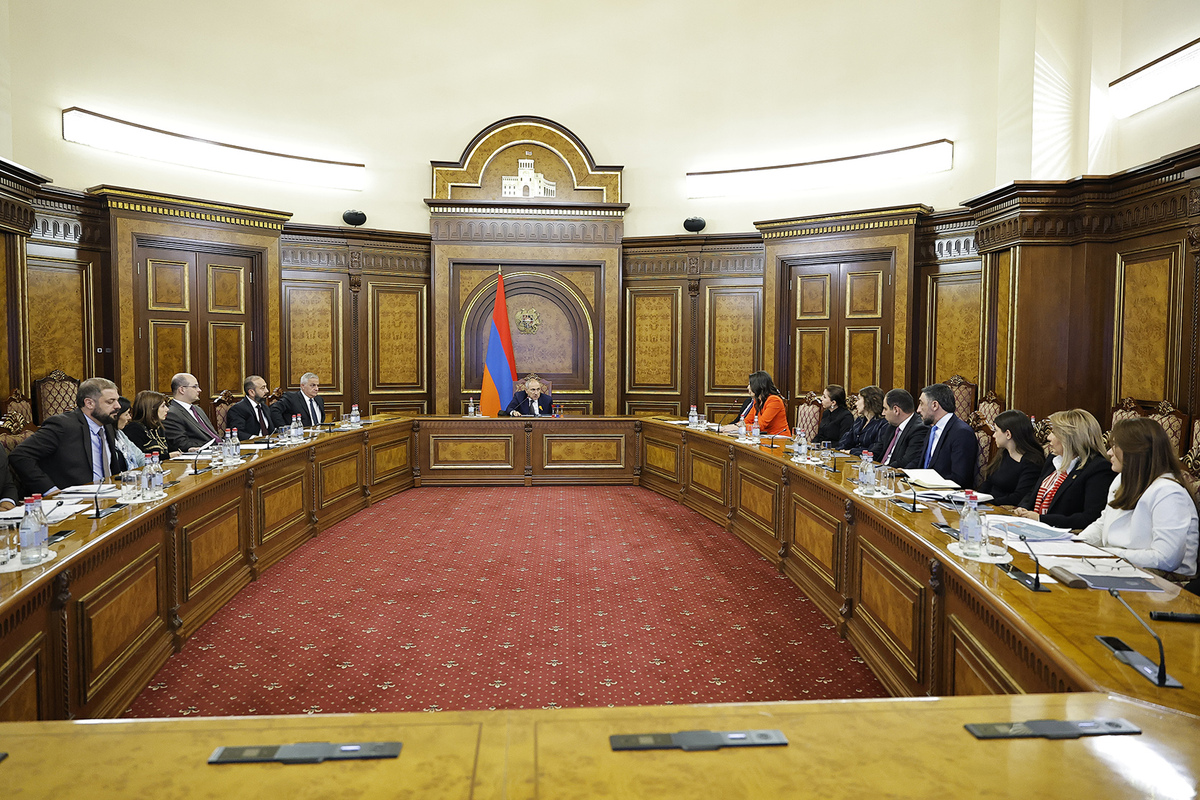
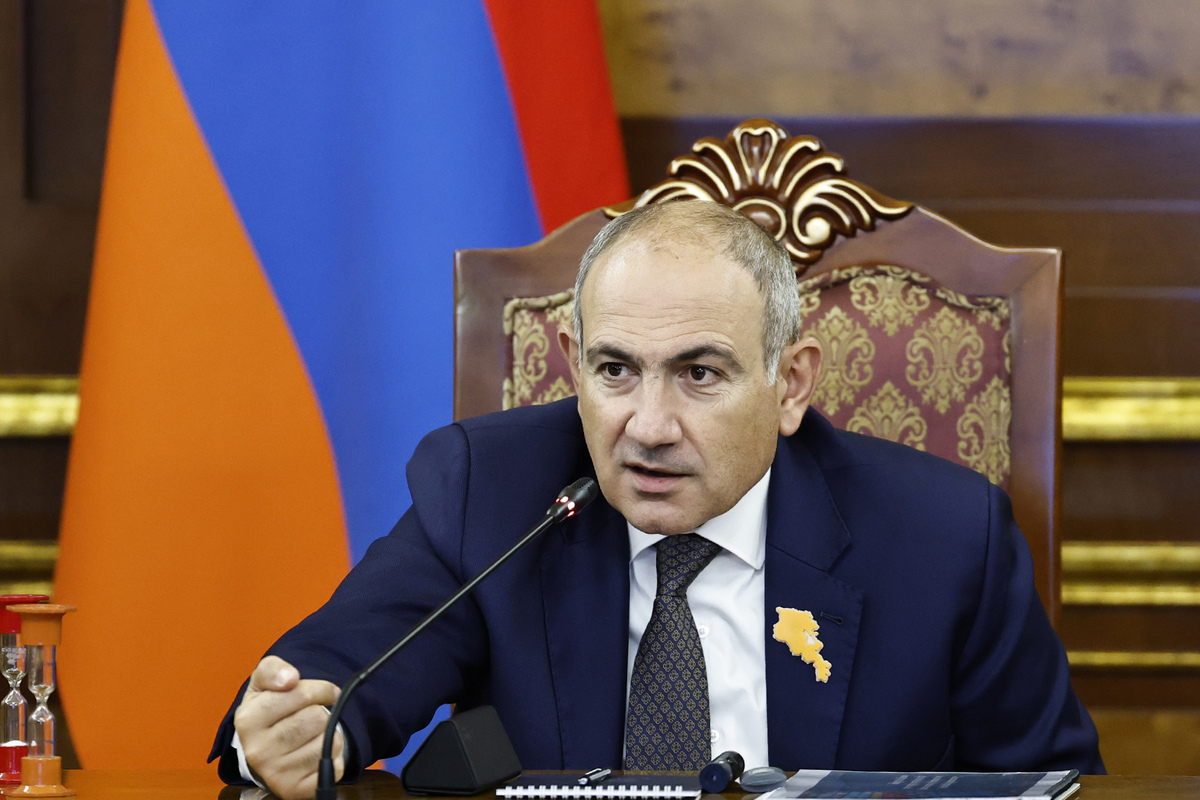
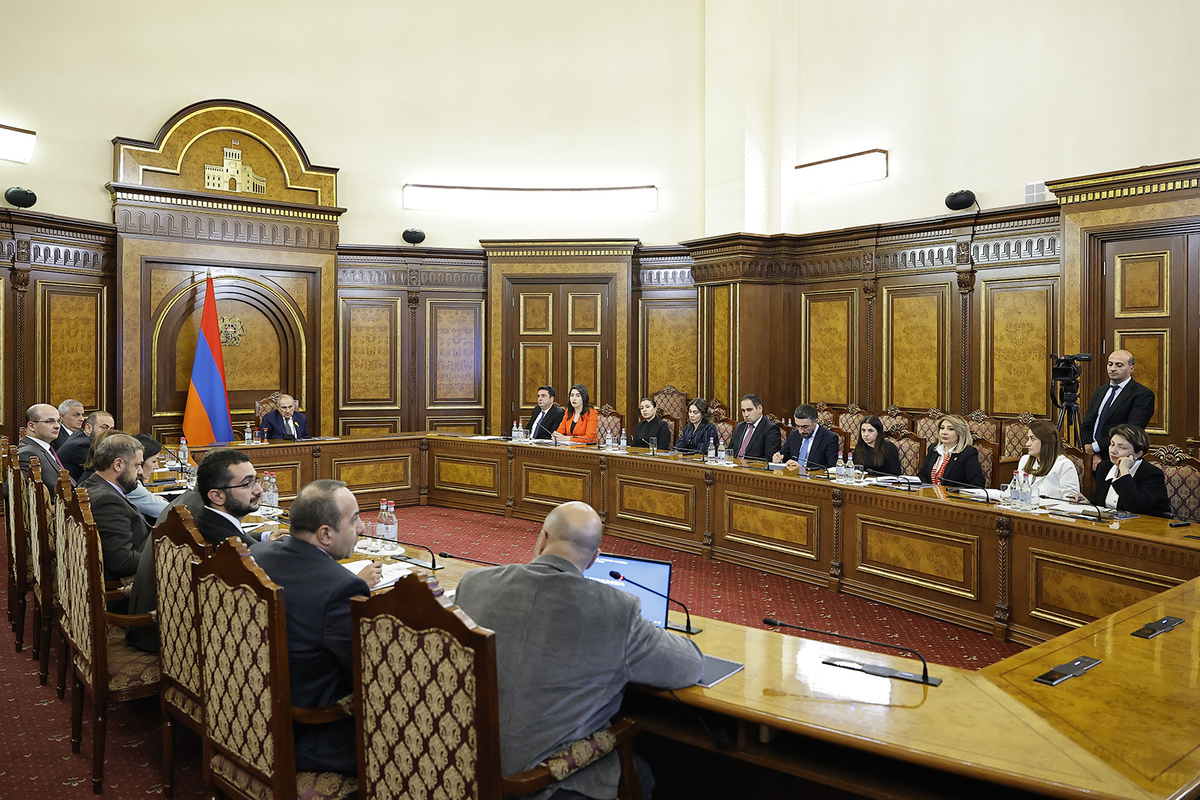
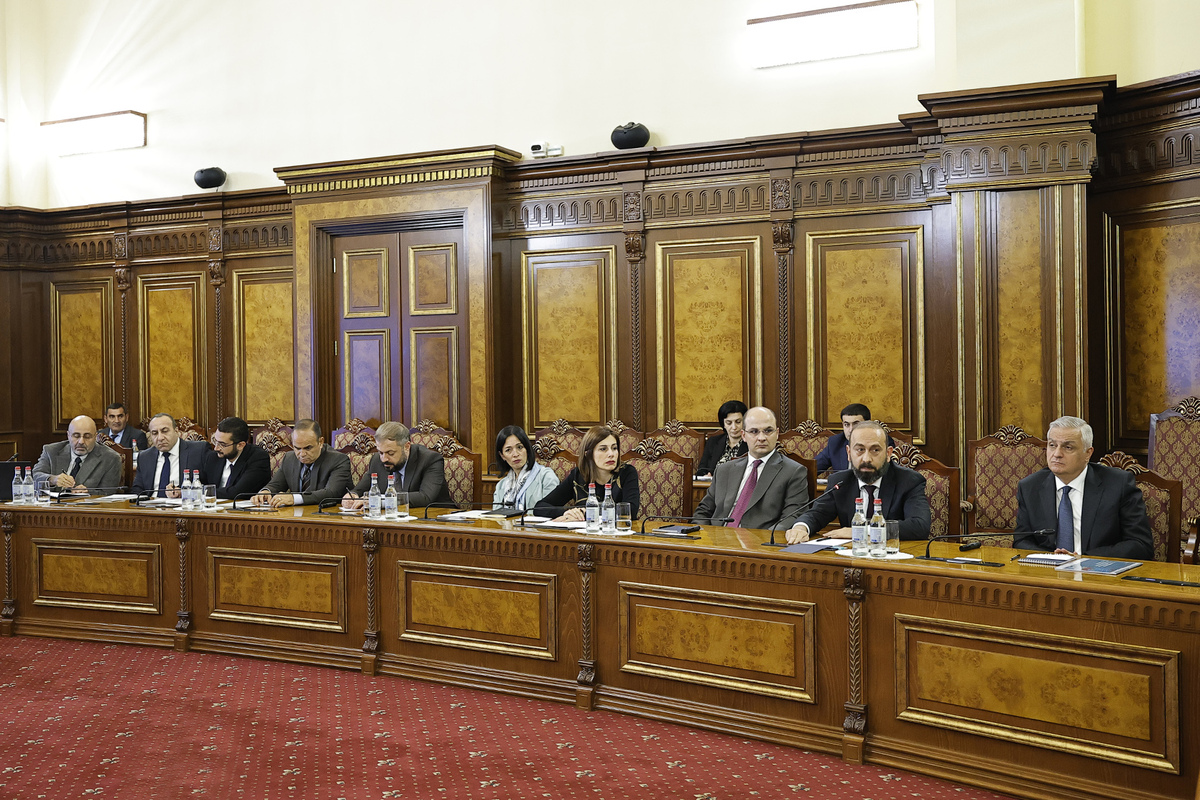
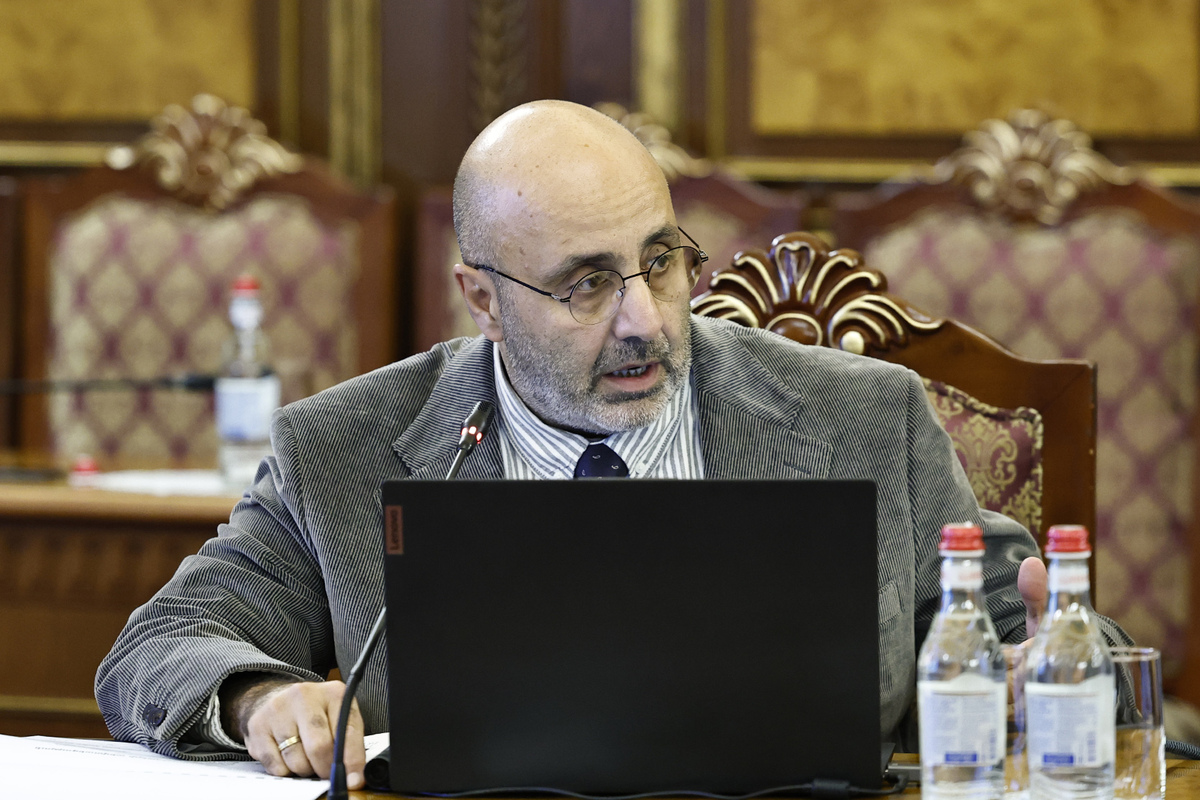
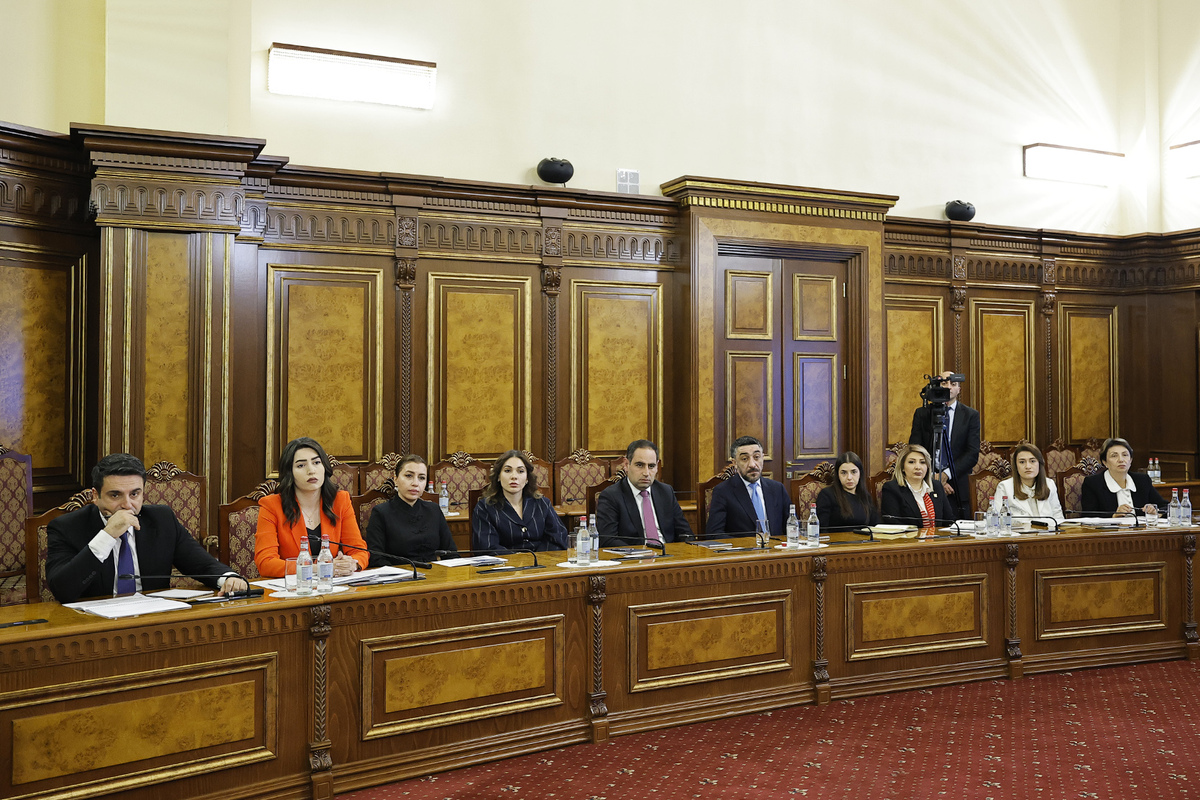
A consultation chaired by Prime Minister Nikol Pashinyan took place to discuss the key directions for transforming Armenia’s migration management system—a component of the draft migration strategy.
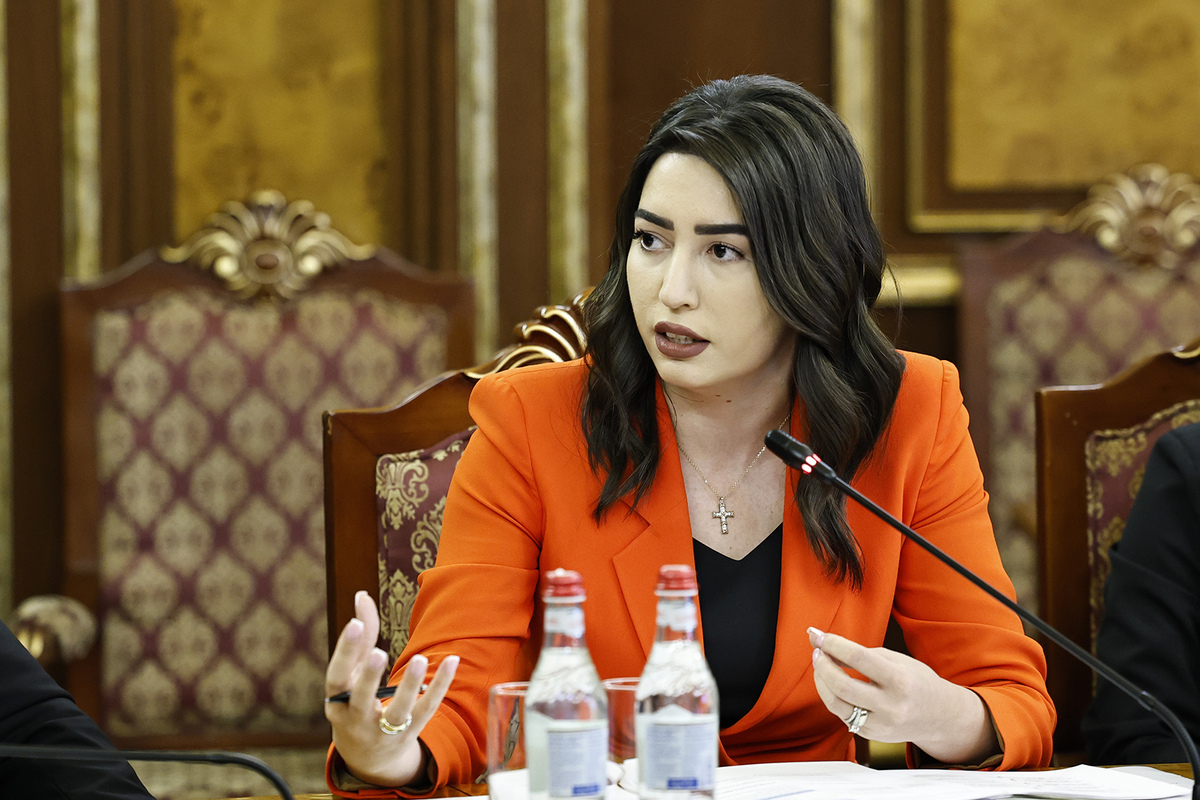
Minister of Internal Affairs Arpine Sargsyan recalled that earlier this year, a similar group had discussed the citizenship component with the Prime Minister, focusing on re-evaluating the institution of citizenship and linking it to the concept of "Real Armenia," the existence of a genuine, vital connection to the country, and the positioning of the Republic of Armenia as a central hub for interests and priorities of the subject. According to the Minister, a bill amending the Law on Citizenship has been developed within this conceptual framework and is currently in the finalization stage. Addressing the key directions for transforming the migration management system, Arpine Sargsyan noted the importance of providing clarifications, given that in recent years Armenia has become a host country experiencing an influx of people—a development that makes migration management a pivotal aspect of state policy.
"Clarifying migration management at a strategic level stems from two important factors. First, the stricter the conditions for obtaining citizenship become, the more the flow of foreigners will shift toward residency arrangements—especially given that the primary method of tightening these rules involves establishing specific requirements for temporary and permanent residency. Second, migration trends in the country have shifted significantly, creating a new landscape: after serving as a source of emigration for decades, Armenia has transformed into a destination and transit country over the last ten years—a trend that has become much more pronounced since 2022. Notably, for the first time, we recorded a positive net balance in border crossings by Armenian citizens in 2025, a trend that persisted through the first half of this year," noted Arpine Sargsyan, adding that these circumstances have given rise to new challenges for the effective management of immigration. Numbers of transactions and applications have increased across all migration processes—ranging from border crossings to asylum, including applications for residence permits and trends toward the legalization of stay.
The Minister noted that, in this context, there is a need to combat illegal and irregular migration more effectively—specifically by integrating preventive measures, enhancing capacities, and strengthening institutions and mechanisms. Accordingly, the proposal for effective migration management involves utilizing a modern digital toolkit, particularly through the continuous and stable interoperability of the Border Electronic Management System, the State Population Register, and other digital migration platforms (covering citizenship, residency, asylum, etc.).
In this regard, the Minister stated that revising the border management model and toolkit at a strategic level complements the migration strategy.
Next, the legal and institutional steps aimed at providing unified strategic guidance for the management of migration flows and mobility, as well as ensuring the necessary visibility for the state, were presented. Details were also provided regarding actions to address various issues within the current migration system, which will facilitate a comprehensive revision of migration flow and mobility management. In this context, the key directions for transforming Armenia’s migration management system were outlined: establishing a unified migration management system; creating a digital, interoperable, and secure migration management system; targeted reform of entry, visa, and residency regimes; and strengthening border management and law enforcement capacities.
A discussion took place regarding the transformations envisaged in the proposed areas, and various observations and suggestions were presented.
Prime Minister Pashinyan emphasized that migration management is a key aspect of state policy and that effective migration management forms the foundation of national security, economic development, and the protection of human rights. In this context, Nikol Pashinyan noted that measures aimed at effective migration management must be comprehensive, balanced, and geared towards long-term stability. The Head of Government instructed that, based on the decisions reached during the consultation, appropriate adjustments be made to the draft strategy and that the subsequent steps for the draft's adoption be ensured.