Statements and messages of the Prime Minister of RA
Prime Minister Nikol Pashinyan’s speech at the preliminary discussion of the bill on the 2026 state budget in the National Assembly
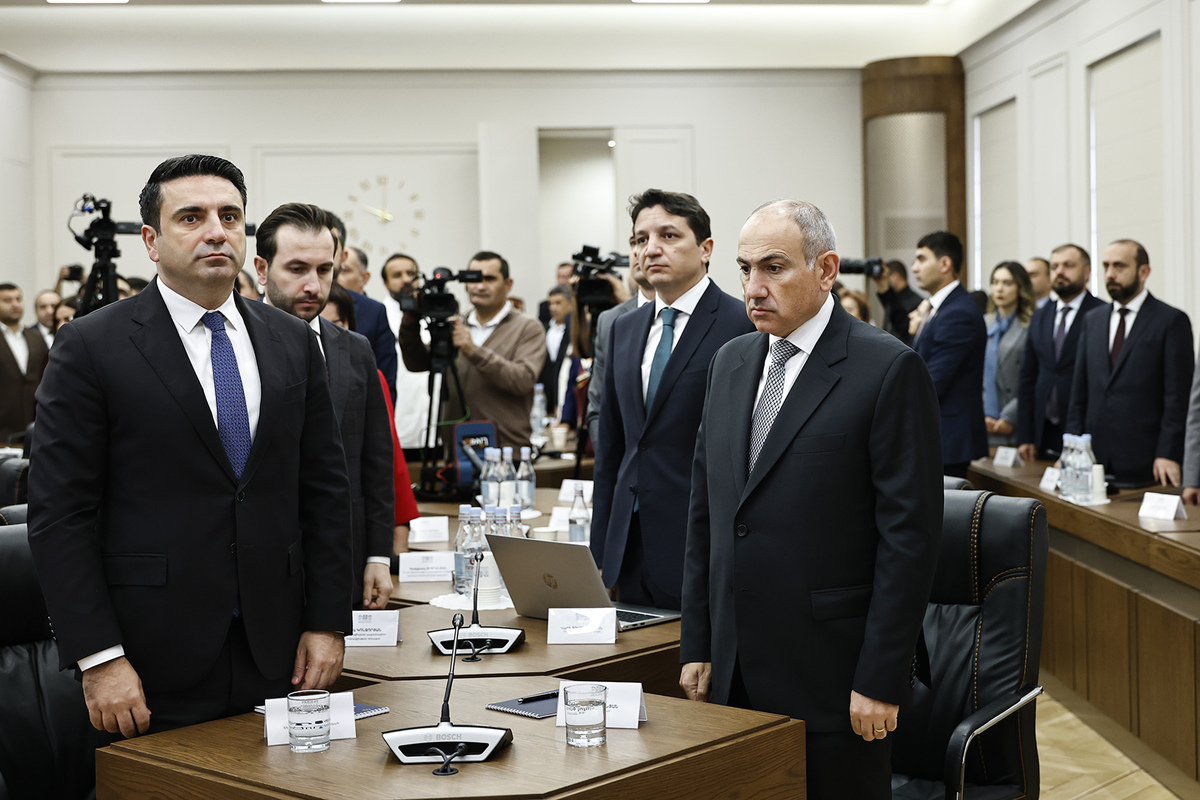
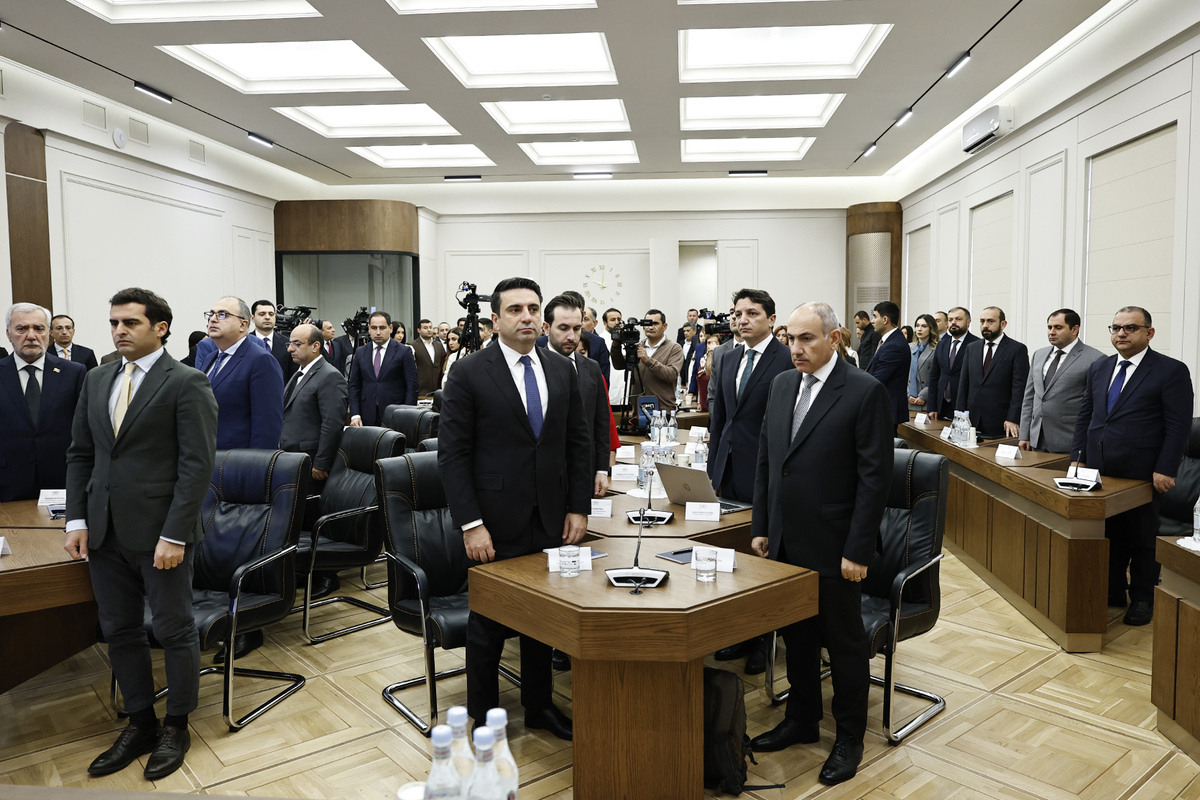
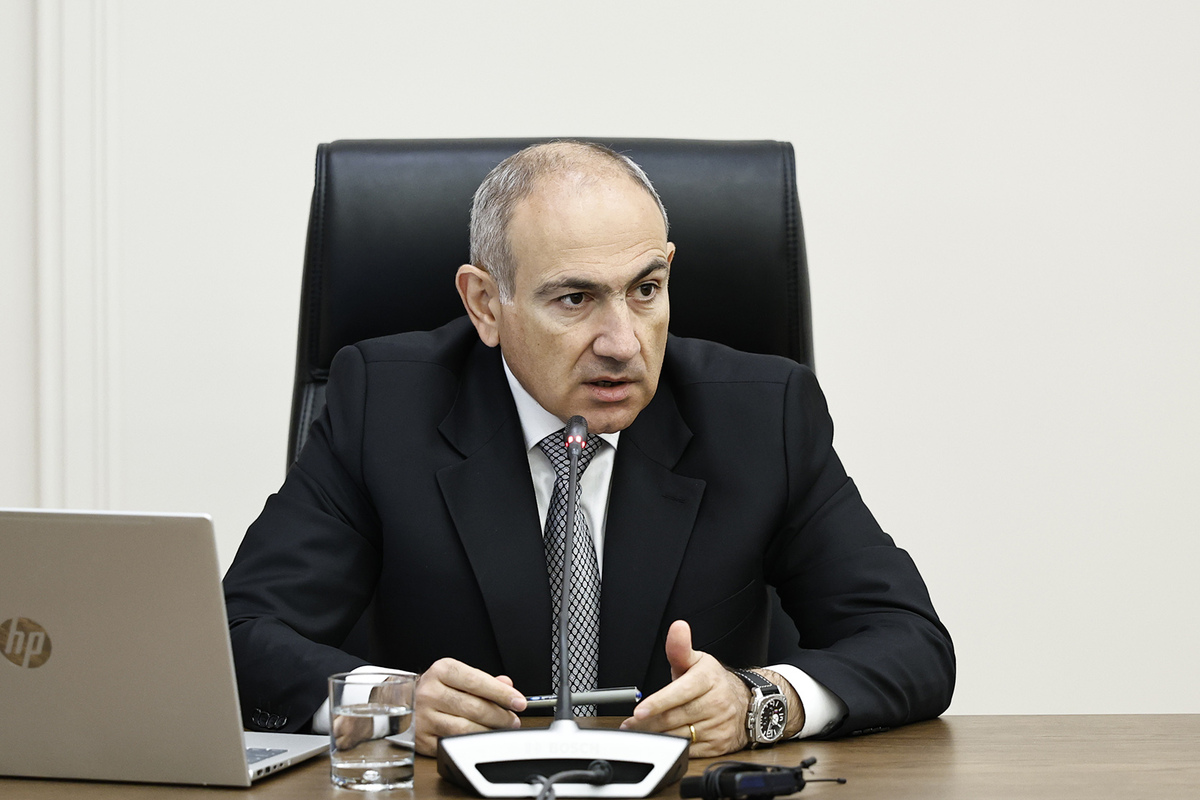
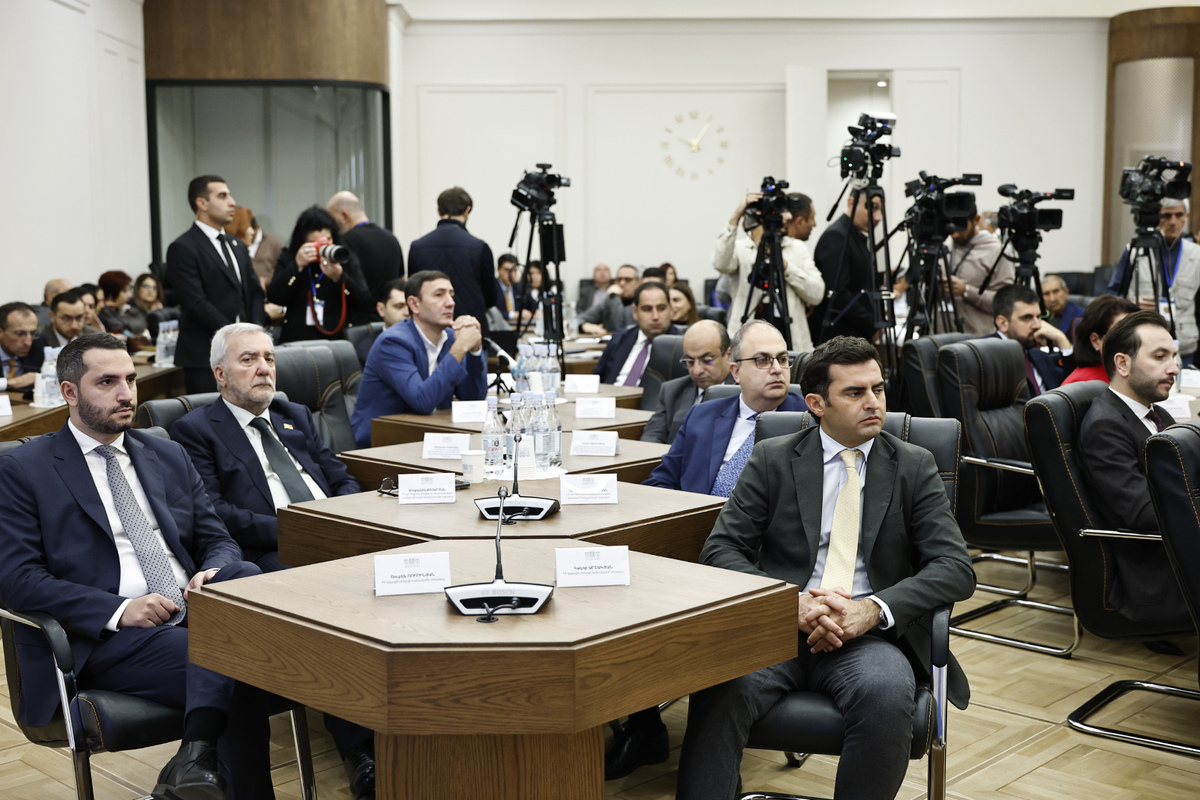
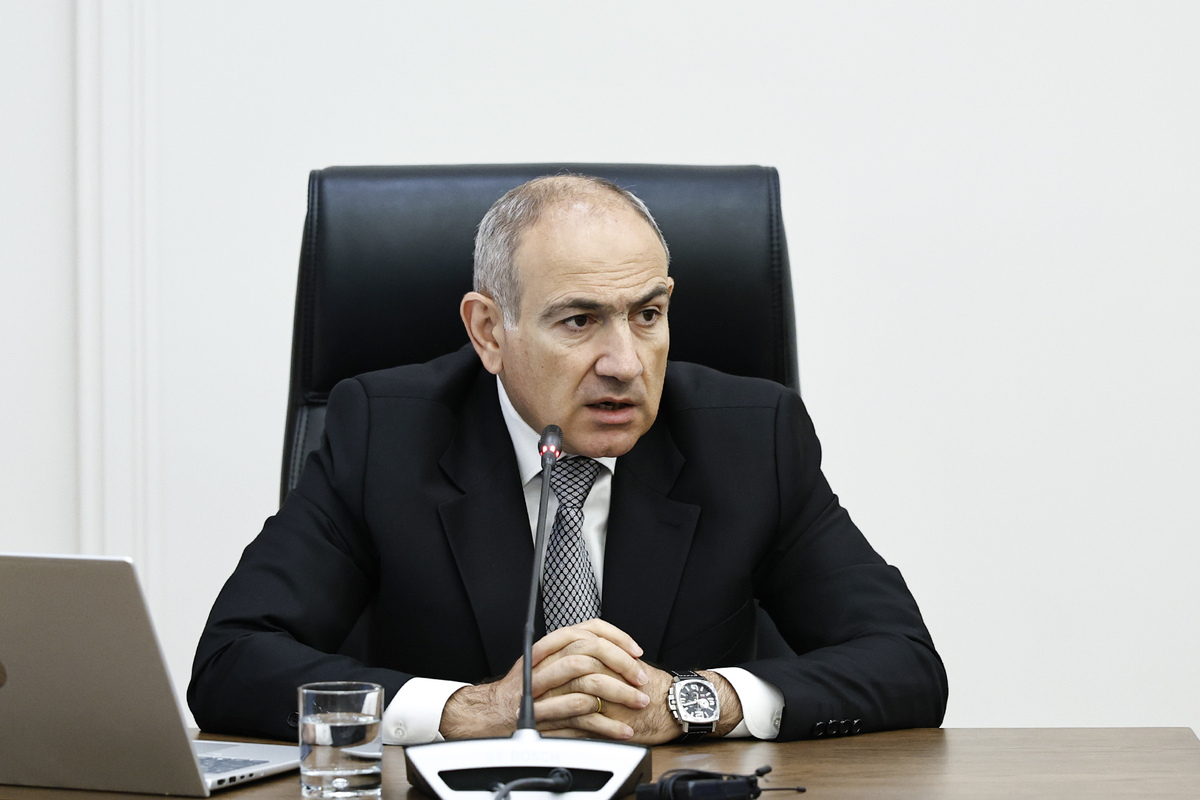
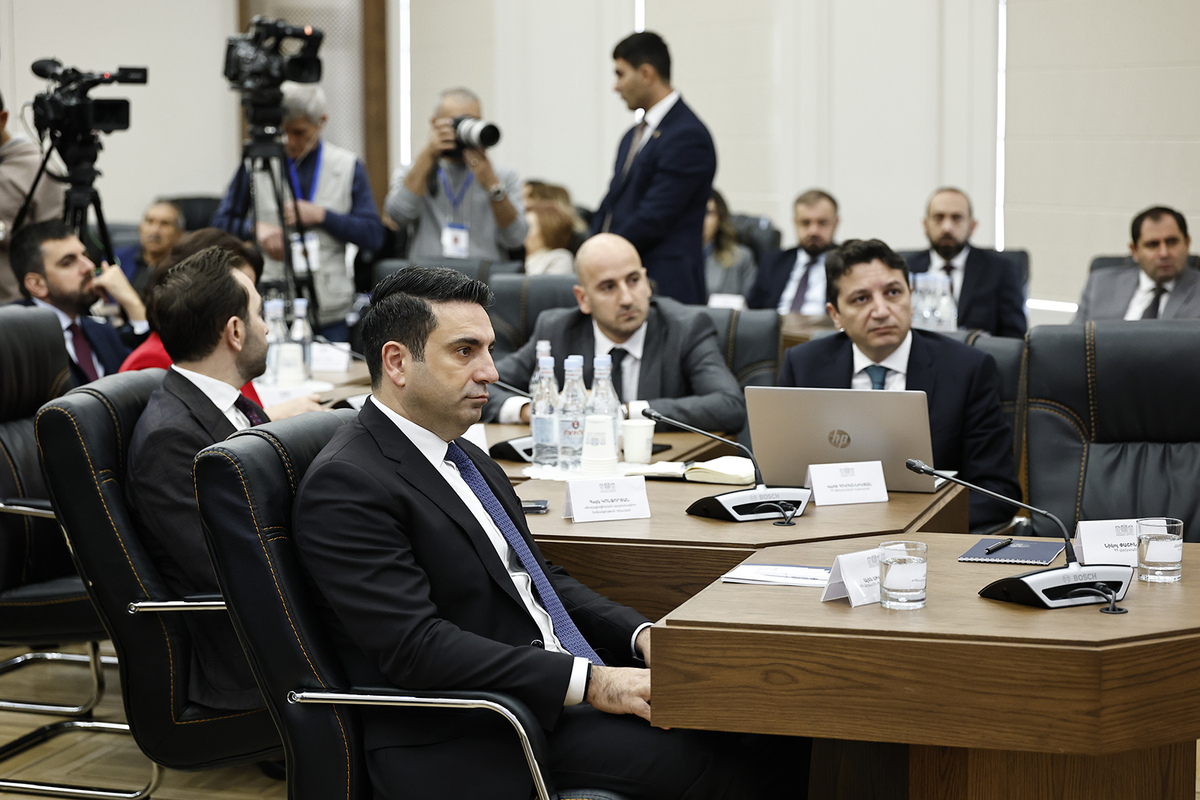
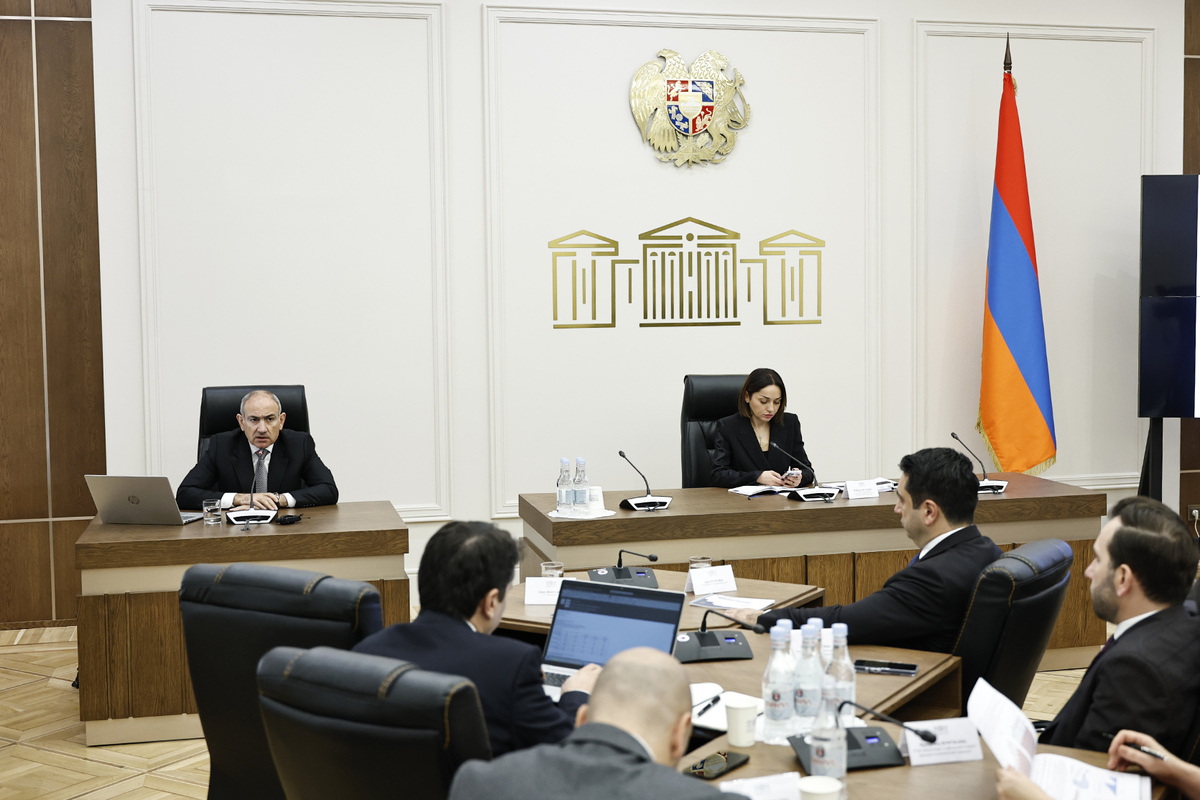
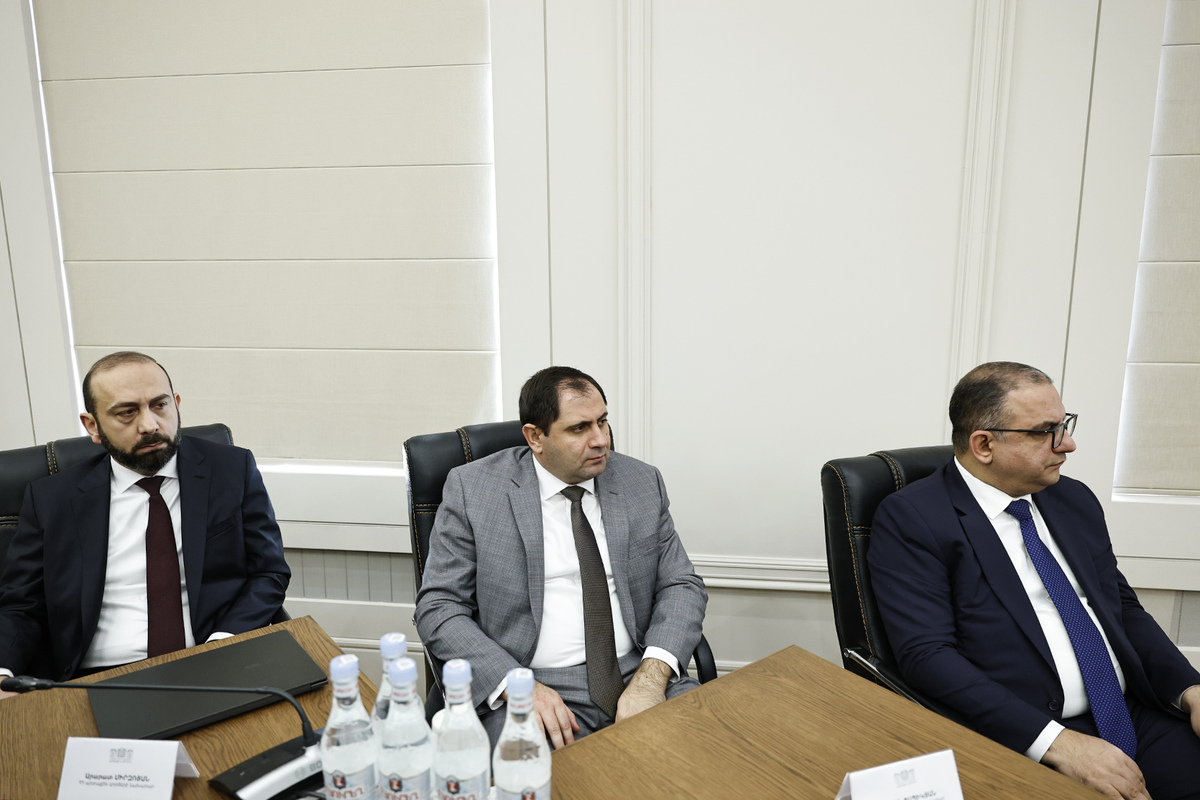
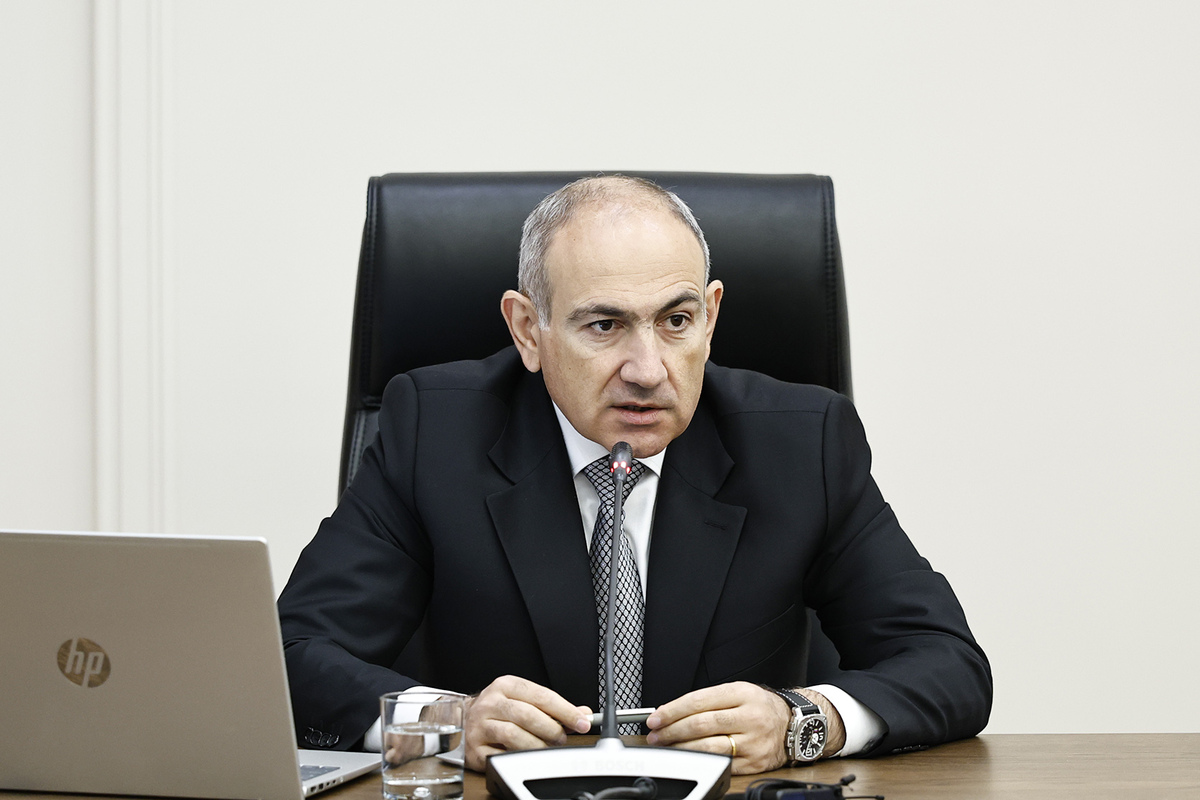
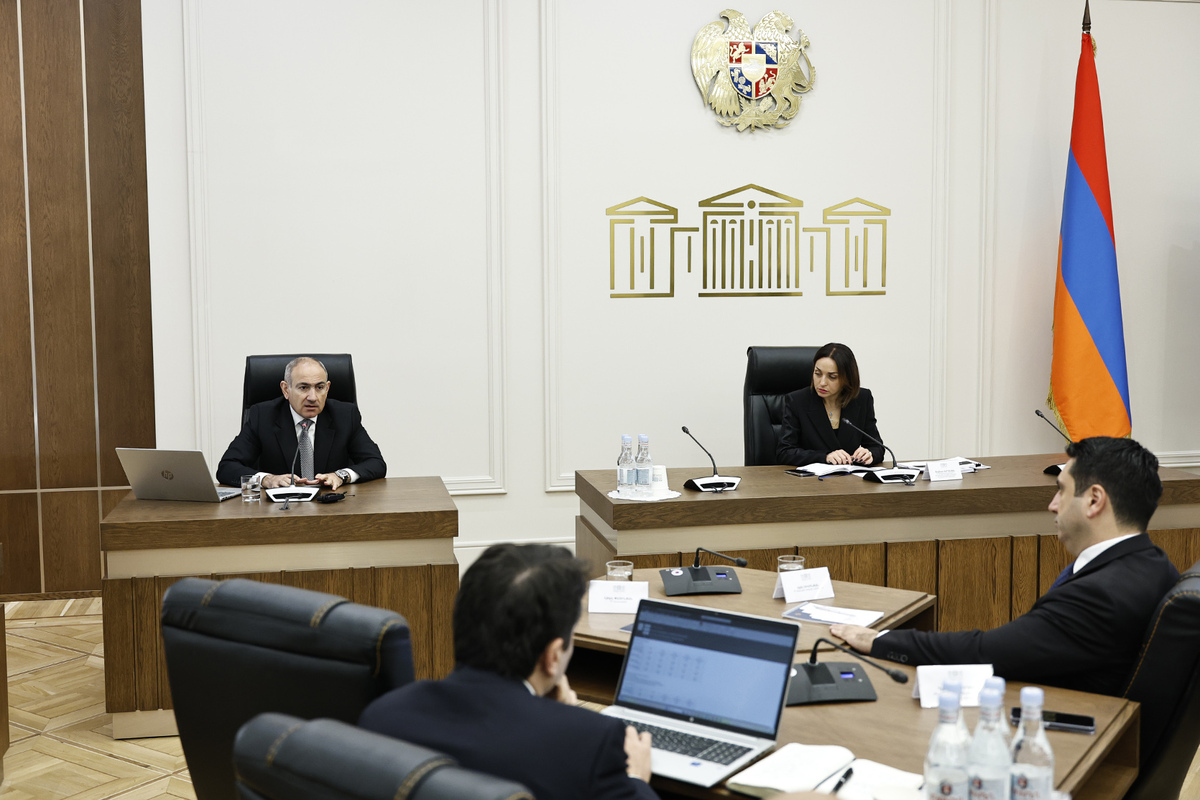
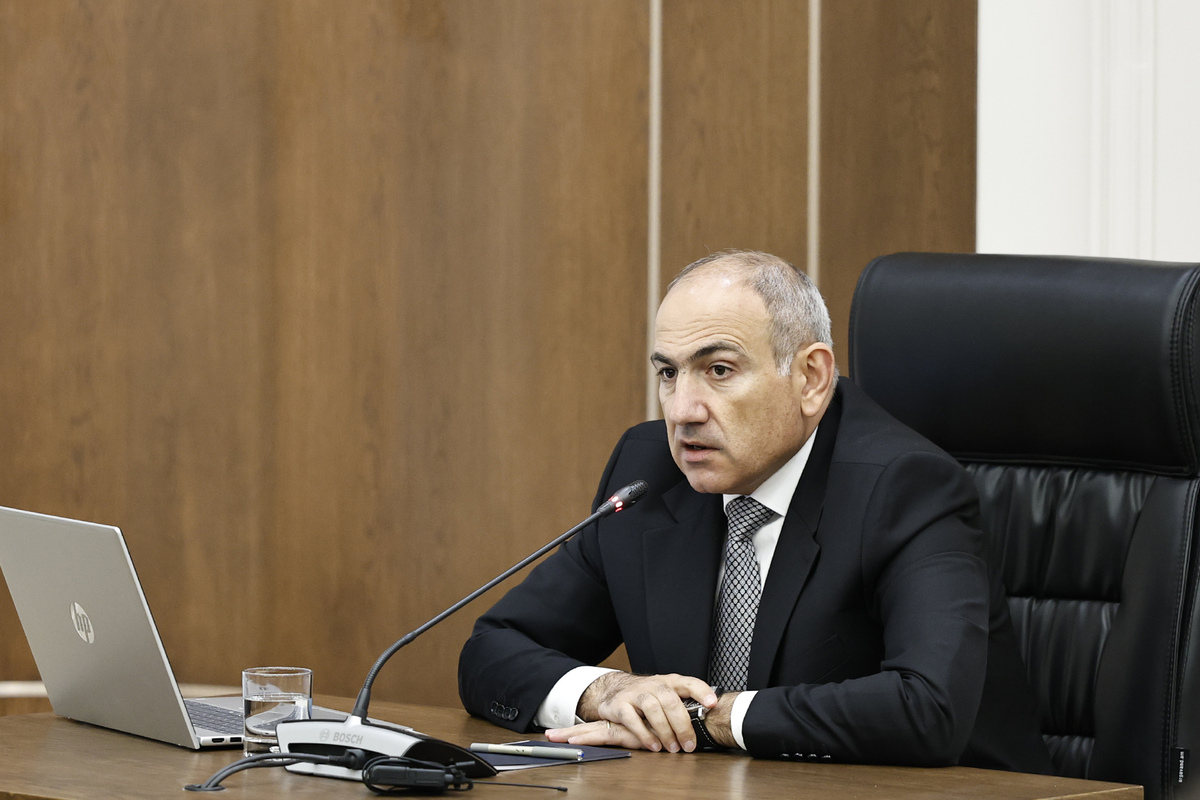


more 9 photos
Honorable President of the National Assembly,
Honorable Deputy Presidents of the National Assembly,
Honorable Cabinet members,
Dear Guests,
We are beginning the discussions of the draft state budget of the Republic of Armenia for 2026, and the first thing I want to emphasize is the following: in fact, this is the first time that we are discussing the budget of the Republic of Armenia under conditions of peace with Azerbaijan, that is, in fact, this is the first time that we are discussing a budget under conditions of peace.
I also want to take this opportunity to reaffirm once again that peace was established between the Republic of Armenia and Azerbaijan under the August 8 Washington Peace Declaration, and that peace already has specific parameters, specific statistics. I have spoken about some of it, but I want to emphasize that for a year and eight months now, no soldier has been killed as a result of crossfire on the Armenia-Azerbaijan border. And again, I want to emphasize that in the history of our independence, we have never, ever had a year and eight months like this.
But it is important that new facts and circumstances also testify to the established peace, and in particular, I mean the statement of Azerbaijan, by which Azerbaijan is lifting the restrictions on transit to Armenia. This is, in fact, a historical event and means the first stage of overcoming the blockade of the Republic of Armenia. But it is also important that Armenia also responds to these statements and also takes appropriate steps.
At the moment, our response to this is the following: starting from today, we are ready to ensure the transit of trucks from Turkey to Azerbaijan and from Azerbaijan to Turkey, in particular, along the Margara-Yeghegnadzor-Sisian-Goris route. Why am I emphasizing this? Because this is the only option that we can implement right now. That is, if we assume that a truck from Turkey approaches the Margara checkpoint to travel to Azerbaijan, we can ensure this right now. Our roads to Goris and Kornidzor are in good condition, and you know that we have a certain infrastructure in Kornidzor and can service it, including in the opposite direction. In other words, if an Azerbaijani truck approaches from Kornidzor to cross into Turkey, we can do it right today.
Of course, our situations with Azerbaijan are a little different, you are aware that the import of the first batch of grain from Kazakhstan to Armenia through Azerbaijan is currently underway, and this will take place via the Azerbaijan-Georgia-Armenia railway route. And the difference between the situations is that in fact, Azerbaijan has no access restrictions through the territory of Georgia, no access restrictions through the territory of the Islamic Republic of Iran, but my statement applies to all directions, because it may turn out that there is interest in some direction, and we simply do not record it in this hall. In other words, just as Azerbaijan has lifted transit restrictions for us, in the same way we are lifting transit restrictions.
Of course, in order for this statement to be complete, we must in the near future very intensively engage in the full implementation of the third and fourth points of the Washington Declaration of Peace, as a result of which these decisions on lifting transit ban of Armenia and Azerbaijan against each other will be complete. In other words, they will be not only de jure, but also de facto, and we will have the opportunity to implement all of that.
I believe it is appropriate to recall what the third and fourth articles of the Washington Declaration are about. The third article, which we quote, says in particular: “ We reaffirmed the importance of opening communications between our two countries for intra-state, bilateral and international transportation, for the promotion of peace, stability, and prosperity in the region and its neighborhood on the basis of respect for the sovereignty, territorial integrity, and jurisdiction of the States. These efforts will include unhindered communication between the main part of the Republic of Azerbaijan and the Nakhchivan Autonomous Republic through the territory of the Republic of Armenia, with the reciprocal benefits of international and domestic communications for the Republic of Armenia.” This is the third point. And the fourth point says: “The Republic of Armenia will work with the United States of America and mutually agreed third parties to define the framework for the implementation of the Trump Route for International Peace and Prosperity “TRIPP” communication program on the territory of the Republic of Armenia. We affirm our determination to take all measures in good faith to achieve this goal as quickly as possible.”
I would like to inform you that currently quite intensive work is underway with the United States on the implementation of the project. Of course, the project is new for us and for the region, it has many nuances, and I am sure that we will discuss these issues as soon as possible, find solutions and implement this program.
Dear guests,
Honorable President of the National Assembly,
Honorable Vice-Presidents,
Honorable Cabinet members,
Honorable MPs,
Dear Guests,
It is very important to record, in fact, we must constantly say this, because now I will also tell you why we must constantly say that peace between Armenia and Azerbaijan is an established fact. It is an established fact. And we must also deal with the situation that peace is an unfamiliar phenomenon for us. Do you understand, it is an unfamiliar phenomenon? The Republic of Armenia is not familiar with what peace means, because the Republic of Armenia has been in conflict since the first day of its independence. Even for a fairly long period preceding independence, in fact, we lived in a conflict environment, and living in conditions of peace, having a perception and ways of thinking that are in harmony with the conditions of peace, is not a simple task. And we must be very attentive to solve this issue. This is an important component in terms of the need to care for peace, because we need to care for established peace so that it can be strengthened, consolidated, and become more institutionalized.
Of course, we are working on this issue, we continue to work with Azerbaijan, we continue to work through diplomatic channels, and contacts at various levels are also taking place. Recently, the President of the National Assembly met with the Speaker of the Milli Mejlis of Azerbaijan, previously, a meeting of working groups at the level of deputy prime ministers took place, and in fact, daily work is taking place in a remote format. And this, in fact, is already an integral part of our daily routine, and previously, our relations with Azerbaijan were an integral part of our daily routine. The difference now is that the peace agenda, peace with Azerbaijan is an integral part of our daily work.
And in this regard, since we are discussing the draft state budget for 2026, I want to emphasize that 2026 will be crucial for peace, because the next parliamentary elections will be held in June, and these elections, in fact, have a key question that must be answered, and the people of the Republic of Armenia must stand up for peace through their choice. This, in fact, is the key political meaning and goal of those upcoming elections, at least from the Government's point of view, but not only from the Government's point of view. I must emphasize that the issue is just this from both the Government's point of view, and from a historical point of view, and from all other possible points of view. In other words, the key point of the 2026 parliamentary elections is the following: the people of the Republic of Armenia must stand up for peace by their choice, otherwise, Armenia will be pushed back into the logic of conflict and outpost.
I want to emphasize that by standing up for peace, the people of Armenia will also stand up for this new level of their independence, their sovereignty, their state. I am now avoiding saying that they will also stand up for their future, because I think that the future is now. We usually perceive the future as something distant, but returning to the issue, since I am considering the issue in the context of the elections, I want to note that in 2021 the ruling political force participated in the elections with the slogan “There is a future.” Now we are living in that future today. This is that future that we were talking about, dear colleagues. The future is no longer tomorrow. And, by the way, it is very interesting that that slogan was probably formulated intuitively correctly. The slogan was not about the future being, there is a future and the future is then, in some sense, the expected today, the present. In other words, the future is today. I consider it very important that we change our perceptions of the future and understand that the future is no longer a distant, uncertain phenomenon. The future is our daily life today.
And in this regard, of course, it is of key importance, including in the logic of peace, that we place statehood and the state at the core of the ideology of our actions, because statehood and the state are of key importance, including in serving the peace agenda, but it is also very important to clarify the function of the state.
And during this time, with the ideology of Real Armenia, we have also refined that function, because whether voiced or unvoiced, formulated or unformulated, that question existed in our reality: after all, what is the state for, what is the Republic of Armenia for? In the previous period, formulated or unformulated, conscious or unconscious, in essence, we were guided by the logic that the Republic of Armenia is a fulcrum for having another state that is different in nature.
The ideology of real Armenia says that the Republic of Armenia is, in fact, self-sufficient in its internationally recognized territory, and its task is to ensure the security, well-being and happiness of its own citizens. And all our strategies, including security, defense, etc., fit into this logic. This is a very important nuance.
For example, we have talked about it before, we have said that yes, today we are developing our army at a very high pace, but we are also developing the concept of our army, the concept on which our army is based. And we say that our army has no tasks to solve outside the internationally recognized sovereign territory of the Republic of Armenia. And we even consider it very important that in our everyday working conversation we transform and reformulate the concept of a “combat-capable army” into a “defensive-capable army,” because when we say a combat-capable army, it is not specified where that potential battle is taking place or where it could take place. It is very important for us to emphasize in this context that the army of the Republic of Armenia must be capable of defense, that is, it must be able to protect the territorial integrity, sovereignty, and security of the citizens of the Republic of Armenia. Moreover, I want to emphasize that this is the obligation of every state under international law to ensure the security of its own citizens, including from possible external interference.
Of course, we can now discuss various conceptual issues in the defense sector, in the education sector, in any sector. It is very important that when evaluating the concept of the state budget, to record what we are talking about absolutely, our public agenda, all of which are expressed in the state budget to one extent or another. In other words, when we talk about the state budget, the state budget is about organizing the entire life of our republic, about ensuring the vital activity of the republic, including ensuring the life and vital activity of each citizen. But I consider it very important that we talk a lot about the phenomenon of the “state budget” with our citizens in general, and talk a lot with each other ourselves. We talk enough, but there is always room for more detailed discussion. But it is also important that we talk in detail with our citizens about what the state budget is and how it is formed.
I did such a mental exercise today to try to present to our citizens more vividly, as clearly as possible, what the state budget is and how it is formed. In fact, I think the state budget is the best expression of the ideology of Real Armenia, according to which “Armenia is my home, the people are my family.” The state budget, in general, is something that stems from this concept, because the state budget is our joint family budget, the joint family budget of the people of the Republic of Armenia, if we proceed from the assumption, and we proceed from the assumption, that the people are our family. In other words, every citizen can and should, in our opinion, say that the people are his family, and that is also the case in reality.
Now, let's understand how the budget is formed. If we take the first seconds of 2026, December 31 came, the New Year came, and 2026 came. At that moment, the revenues of the state budget of the Republic of Armenia are zero, that is, at second 0001. At that moment, the revenues of the state budget of the Republic of Armenia are zero. Figuratively speaking, if we consider it a zero point at all, at that moment there is not a penny in the state budget of Armenia. It is zero. The budget amount is zero. Of course, since the budget is a continuous process, it does not start in one year. If the history of our budget began on January 1, 2026, then it would be zero, but since it is a continuous process, usually a budget reserve is provided for the start of the next year's expenses, and also the unspent part of the previous year's revenues is transferred to the state budget, that is, to implement current expenses.
But, let's imagine that 2026 is the starting point of the budget system, and we are discussing the state budget for 2026. So as of midnight and even an hour later, even two hours later, even three hours later, even four hours later, even as of morning, the state budget revenues are zero. Now, how are the state budget amounts formed? The state budget amounts are formed mainly, I am not taking into account foreign cooperation at this point, through taxes or payments: value added tax, excise tax, income tax, social payments, profit tax, turnover tax, state duties, including customs duties. In other words, the state budget of the Republic of Armenia is formed from payments made through the channels formed by these taxes.
Now I want to show one or two small lines of budget formation. On the night of January 1st, naturally, in the morning, for example, there are most likely goods in the store and they are supplied. Let's take one of the simplest examples: at night, a manufacturer produces sour cream, right? On the night of January 1st, the manufacturer produced sour cream, at the moment of release, value added tax is formed. In other words, when the product was released, it has not yet been paid, but around it, with its packaging, a value added tax is also formed. But that tax enters the state budget as a result of the turnover of that product, in particular, naturally, sour cream was delivered to the store. And when a citizen buys sour cream in his yard store, say, paying 400 drams, from that moment the process of replenishing the budget begins. I want to draw the attention of all our citizens to the following fact: at the moment when he bought sour cream, 400 drams is not the entire cost of sour cream, to put it bluntly. Of the 400 drams, 20%, that is, 80 drams, is the value-added tax.
But it is very important for citizens to record that when they buy that sour cream, it is subject to 20% value added tax, that is, a citizen cannot buy sour cream in Armenia in any way that the 20% value added tax is not included in the price of what he buys. In essence, there is no option for us to buy something and not pay the tax. The issue here is something else, to what extent this purchase is not in shadow, so that it is recorded that the value added tax paid by the citizen goes into the state budget. This is a very important nuance. In other words, the citizen pays one way or another, another thing is that in the case of a shadow economy, the tax already paid by the citizen goes into the pocket of a private person, and when the purchase is not in the shadow sphere, that tax goes into the state budget.
In other words, I want to emphasize again: the citizen gives the money to the budget, but if the purchase is conducted in the shadow sphere, the money given to the budget is stolen, to put it bluntly. Of course, it is stolen by someone else. And, to ensure that this purchase is not in shadow sphere, it is very important that the shop writes out the cash register at the time of buying sour cream, that is, the way to prevent shadow turnover in our retail sector is the cash register receipt. And the cash register receipt is important for two reasons: first, it allows the turnover of sour cream to be non-shadow, so that in the end the 20% value added tax is paid, and in addition, the seller of sour cream must at least pay turnover tax. And the turnover tax is formed from the amount of turnover formed as a result of the accumulation of cash registers. And if the cash register is not issued, of course there are conscientious businessmen who always issue the cash register, but I consider this important from the point of view of the citizen. And I am grateful to all those conscientious business entities, but it is important to approach this issue from the perspective of the citizen as well. In other words, as a result of the turnover shown and revealed by the cash registers, it is first determined whether the business entity operates in the field of turnover tax or in the field of value added tax. This is an important nuance. But even to show the correct turnover, it is important that a cash receipt is issued.
Next, the sour cream producer must pay its employees a salary. Naturally, that salary is generated from those 400 drams, but as a result, he must pay 20% income tax and social security contributions for the employees. Income tax is one of the important revenue components of our state budget. But I also want to remind our citizens that we have an income tax refund system, and since 2018, more than 64,000 beneficiaries have received tens of billions of drams in income tax refund for purchasing an apartment on the primary market. In 2024, if my memory serves me correctly, we returned 70 billion drams. This year we will reach 100 billion drams. Next, the sour cream producer must pay profit tax on the profit made during the year as a result of its activities. In the case of imports, because they import components, they can also import raw materials, they must also pay customs duties. If the manufacturer produces vodka instead of sour cream, he must also pay excise tax.
Here, dear colleagues, the state budget, being zero on New Year's Eve, is formed like this, that is, as a result of the activity of all of us, as a result of the work of all of us. And therefore, whether the budget is large or small, in essence expresses how, with what efficiency and how much we have worked together, absolutely everyone: the Government, citizens, parliament. The state budget is the product and result of the efficiency of our joint work. At the same time, I want to emphasize that the state budget of the Republic of Armenia addresses the numerous needs of all citizens of the Republic of Armenia. At the same time, I want to return to my assertion that no citizen of the Republic of Armenia, no family spends more on their well-being than the state budget does.
In general, if the state budget of the Republic of Armenia and the community budgets do not have proper revenue and expenditure items, the well-being of any citizen of the Republic of Armenia is not possible, it is impossible. In the absence of the state budget of the Republic of Armenia and the community budget or in the absence of proper revenue and expenditure items, the well-being of any citizen is simply impossible.
I want to bring my favorite example for this. Let's say, a person might think what does the state budget expenditure item have to do with his well-being? He may say ''I have a lot of money, I am building a castle for myself, an indescribable castle, a miracle''. Now, can such a case happen? Yes, it can. Can that citizen build it? Theoretically, he can build it. But, a thousand apologies, for these details, can the citizen who built that castle live well in that castle? Can he live well if there is no sewage system? That's excluded. How can he? Can there be a castle that does not have a sewage system? Can he live well? Excluded. If that castle does not have a water supply, can a person live well in that castle? Excluded. If it does not have electricity, can a citizen live well there?
Let's assume that a person is so prosperous that he builds a sewer system for himself, provides himself with autonomous water supply, and electricity. Very well, if there were no roads, that person could not build his castle. Very well, let's assume that if that prosperous person wanted to bring building materials by caravans, if there was no law and order in the country, those caravans would be looted in five minutes so that the largest piece of the caravan would remain the camel's ear, if of course, the caravan is made of camels, if it is made of horses and mules, a large piece would remain the ears of the horses and mules. Another thing is, can that citizen live prosperously if there is no health service within a logically accessible vicinity of his castle. That citizen, while building his unworldly castle or while walking, fell and broke his leg, will he call 103 or not? What if it turns out that there is no phone to call, what if it turns out that 103 doesn't have a car, what if it turns out that there is no doctor working at 103, what if it turns out that 103 doesn't have the necessary devices and equipment? Next, can a person live comfortably in that castle if there is no school within reach, for example? He can bring teachers from the moon for his children, but where would the doctor who needs to come to treat his leg study before going to medical university?
Dear colleagues,
I am showing this, I am saying this, because I remember that during last year's budget discussions I made this expression, somewhere I improvised that sentence, I said it and paused for a moment, and during this year those thoughts and discussions have strengthened this thesis so much that this thesis is not in doubt.
The well-being of any citizen of the Republic of Armenia - now I am making the second statement, which I have probably made again - depends, first of all, not on how much he spends on his well-being, but first of all on how much the state and community budget spends on his well-being. Using the example of the castle, I showed that a person will spend millions on his well-being, but if the state and community budget does not spend...
And the state and community budget always spends more, because with what can be used to build a castle, it is possible to build, for example, a kilometer of road, or I don’t know, I can confuse a bit in the price calculation, let it be two, let it be three. And why am I saying this? Ultimately, for the long-term development of our state and the security and well-being of our country, it is extremely important that the perception of the budget changes. First, that the budget is formed as a result of the work done by all of us, and second, that it is the state budget that ensures the security, well-being, etc. of the citizens of the Republic of Armenia.
Security and well-being are not enough? This means the state budget is not enough. The state budget is not enough? This means we are not, a thousand apologies, I know that statements like this also irritate, we are not working effectively enough, that is why our budget is not such that could secure our tasks. Moreover, we are not only talking about the employee, we are also talking about the unemployed, who have a very specific function on the way to replenishing the state budget, like the rest of us, because at least even the unemployed go into the store and buy sour cream, right? Well, they don’t buy sour cream, they buy bread, right? Does they take a cash register or not? I repeat, many conscientious business entities, regardless of whether the buyer demands that cash register, issue it. I thank all such people. But I am talking about the perception and attitude of the citizen to the situation. Does even the unemployed take a cash register for the bread they buy or not?
In villages and not only in villages, in any of our settlements today, we have implemented programs worth tens of billions, hundreds of billions, both in communities and of republican significance. But are there any unresolved problems today? There are many unresolved problems. Why are these problems unresolved? Because the state budget of the Republic of Armenia has not been able to solve these problems. I want all our citizens to see the connection, and I confess that for a very long time I was also uncomfortable and thought, well, should I demand a cash register or not? In other words, this applies to all of us. Let no one boast, saying I always take it. I can now say that I always take it. Always. There is no such option that I will not take it. But this is a new way of working for me too, stemming from this awareness. Now in all villages, cities, and neighborhoods, when I ask people, are there any unresolved problems in your village, for example, or city, or neighborhood? They say yes, and I ask how much money should be allocated. In other words, it is impossible to solve that problem without money, and that money should come from the budget. Moreover, what does our experience show? When the money is not from the budget, the money is spent but the problem is not solved.
Today, we have numerous kindergartens built in the republic with a charitable logic, until the state budget took ownership of those kindergartens, schools, parks, because the vast majority of those so-called charitable structures, unfortunately, have a life of one reportage, or four reportages, because we gathered, took photos... To be honest, I have irritation for the case when people, let's say, do charity for 100 thousand drams, advertise themselves for 4 million dollars. That is, they spend 100 thousand dollars on building one fountain, then they spend 4 million dollars on the media and social networks. And the benefactor is walking with medals that cover half of his chest. This is again about our public perception.
For example, wherever I see charity, I'm sorry, I already fill irritation, because in my position as prime minister I saw what it means in practice. Let me tell you an example, people write letters, saying that the newly built kindergarten in our village is not functioning. We inquire about that kindergarten. It turns out that the kindergarten was built through the efforts of benefactors. It was built, the opening was held, the reports went, the views were secured, the likes were secured, the comments were secured, the medal was hung, the names were carved on the walls in golden letters, etc. And it's clear: dinner in the evening, khash in the morning, and everyone has already dispersed. And a month later the kindergarten was closed. Why, because it owes electricity fee, and it's not clear who will pay, it owes water fee. The employees worked, who will pay their salaries, etc. Of course, now that kindergarten is operating because the Government has made it so with its decisions. And from that moment on, we have banned, I hope, at least that's what I ordered, we have banned any project that does not meet the standards set by the Government.
And, therefore, dear colleagues, the state budget spends more money on the well-being of each family than any individual family. I also want to say, yes, I understand, let me tell you another statistic, which I have already said, is not new: according to the results of the first half of 2025, we increased the budget revenue by 781 billion drams or 136% compared to 2018. In other words, what does this mean, because these percentages are sometimes not well perceived. This means that in addition to the budget revenues of the first half of 2018, revenues equivalent to it were formed. In other words, there was this cup in 2018, and another cup like this appeared in the same way, plus 36%. In other words, I mean this process is ongoing.
But I say again, is this the Government's effort? Not only . I want to thank all our business entities, as I say, all our business entities that work, create results, and pay taxes. I now also want to thank all our citizens who, regardless of whether they make a purchase of 10 drams, 10,000 drams, or 110,000 drams, do not leave the store without issuing a cash register receipt. I want to express special thanks to all those citizens. But I also want to express special thanks to all those state and community servants who, through their activities and daily work, make an effort to reduce the shadow economy and ensure proper tax collections. And this is an extremely important context.
I also want to talk about the key programs, now we collected the money, bought sour cream on January 1, took the cash register, paid the tax in 2026, what are we going to do? By the way, this is also very important to note, why am I saying this, so that we understand that the budget is not suitcases or a room in which money is put and the key is in the hands of the Minister of Finance or the Prime Minister or the Central Bank..., the budget is just a forecast of how much we will work based on the experience of the previous period and the analysis of economic and political processes. In other words, I want us to understand very well, there is no such room where that money is kept, although I say that there are reserves that the Government keeps in bank accounts, in the Central Bank, there are credit funds, but by and large the budget is a flow, the budget is daily work and as a result of daily work it is a flow of funds expressed by the relations formed as a result of the circulation of goods, services, products. In fact, we plan to increase the revenue portion of the 2026 state budget by 253.4 billion drams or 8.9%.
But it is also important to note what special programs we have in 2026, in addition to the usual programs that we must provide with the budget. One of the most important news is that the universal health insurance system will be introduced. And in 2026, in fact, citizens will not notice any expenses related to it, because the Government will cover all the expenses during this adaptation period. That is, the Government will still do it at the expense of the taxes paid by citizens, but also in the future the Government plans to provide health insurance for children under 18 years old, pensioners aged 65+, and also certain social groups. By saying certain social groups, we should also keep in mind that we are changing our systems for assessing insecurity, and the conceptual meaning and goal of changing these systems is that we will not encourage people not to work, but will encourage them to work.
Look, now, for example, the topic of social security is being speculated a lot, but we need to say this. Why am I showing this system of budget formation? Because we need to understand that the budget, which includes the payment of unemployment benefits, is paid at the expense of working people. In other words, if a citizen has the right to say, you know what, I don't work, so the Government should take care of my expenses, if one citizen has that right, do all citizens have that right? Suddenly, one day, all citizens say, Government, if that's the case, you cover all possible expenses of this one person, I don't work either, take care of my expenses as well.
Let's imagine a theoretical situation when the New Year of 2026 turns out so exceptionally well, and citizens decide to say that they do not work, there is a system of assessing insecurity, which should provide for citizens, right? Isn't it the duty of the state to ensure the social security of citizens, let it provide, and citizens universally say: we do not work, Government, give us benefits, healthcare, schools, kindergartens, roads, lighting and everything else. Where from, dear people, where from? It does not happen like that. I want to say that sometimes I do not understand, because in the case of specific social groups it is a matter of public solidarity, but sometimes, to be honest, it is not acceptable to me, a thousand apologies, some people say that we have not worked for 20 years, and we do not have a house, we do not have this, we do not have that. That's a problem, we have to say, that's not normal, people, saying something like that, saying you know what, I don't work, I don't have a house, I don't have this, I don't have that, please provide me. That doesn't work, people, that doesn't happen like that, that's not a normal public relationship.
But in this regard, I also want to emphasize that this is also the reason why we declare that education is a strategy for us, or education is our strategy, because when you delve deeper into such cases, you understand what the reason is, you understand that in 80% of cases the problem is in education. Or people who work but cannot provide a social minimum, here the problem is also in education, because these people objectively do not have the qualifications to work in segments that provide higher salaries. I think that budget discussions are a very good opportunity for us to address all these layers.
But returning to the universal health insurance system, which I am sure we will discuss in detail during the budget discussions. I also consider it important to emphasize that 55 billion drams will be allocated to address the housing and other needs of our sisters and brothers from Karabakh. The system of reimbursement of pensioners' non-cash expenses will continue and develop, and by 2026 this will reach 20% instead of the current 10%. I want to emphasize that previously we adopted a policy, which in essence, is an increase in pensions. But yes, also in the logic of public solidarity we ask and create a mechanism so that pensioners make a certain contribution to ensuring their own income, which is nothing bad or despicable. Next, we will introduce a universal refund system. That is, all citizens will receive a certain percentage of their expenditure back in the event of non-cash transactions. The system will be implemented, it's about 2%, citizens will receive 2% of non-cash transactions in the form of a refund.
We, dear colleagues, will enter the next stage of the implementation of the “Academic City” project. This year, by the end of the year, we will already approve the master plan or general plan of the “Academic City” by a de jure decision and will begin the next de jure and de facto full-fledged stage of implementation.
Of course, it will continue and we will complete our “300 Schools, 500 Kindergartens” program in 2026. I want to emphasize that it is now obvious to us that after the 300 Schools program, we must adopt a new 300 Schools program, because that was our next goal. This is one of those cases when we think we know a lot about our country, but in reality we don't know much, because when we said 300, we thought we would build 300 schools and that would satisfy the demand for schools in the country, but no, let me tell you more, after the next 300, we need to build another 300. Yes, we need to build three more 300s in order to have a proper level of education.
Dear colleagues, the poverty rate in Armenia remains high, at 23% according to the latest data, if I remember correctly. I want us to delve into the cause of this phenomenon, because there is a conflict here, really. On the one hand, we show economic growth, a large circulation of money in the Republic of Armenia, but we do not have a significant decrease in poverty. I have thought a lot about this phenomenon. Do you know what the reason is? In my opinion, the reason for this is the ruined schools. It has no other reason. The ruined schools. The fact that a significant part of the children of the republic are, in fact, deprived of the right to proper quality education. There is no other reason for this, because how is it that tens of thousands of citizens can come from abroad, work in Armenia, while all companies simply ask, beg, look for employees and do not find them.
On the one hand, there is a great demand for workers in high-paying segments, on the other hand, this phenomenon of poverty. The reason for this is that for decades, dear colleagues, children in Armenia have not had school. Now those children have grown up, they are adults and they need to earn. How will they earn? With what knowledge? With the knowledge they gained where from? Now I am saying this because the other day I heard one of the former leaders of Armenia say that poverty has not changed significantly. Yes, it has not, that is, it has changed, it has decreased, but that decrease is not significant, that is, it is not satisfactory. This is because you have destroyed schools, that is, not destroyed, but schools were destroyed during your time. This is because the quality of the higher education system collapsed during your time, that universities have been nothing but tools of corruption and political coercion. This is why there is poverty today. There is no other reason for poverty.
Today, every citizen of the Republic of Armenia who has skills and even a little more than a certain line of knowledge can easily overcome poverty. How do we imagine it? And secondly, poverty is overcome through work. There is no other way to overcome poverty, and in order for work to overcome poverty, that work must be through qualified work. How do we imagine overcoming poverty? Let's give every poor person two million drams a month, first of all, they will not overcome poverty, because they also need to have the knowledge to spend those two million drams. And secondly, where will we get those two million drams from, at whose expense? I showed the budget formation mechanism. Who is ready to work so that those who do not work..., who is ready to invest 10 years in their education, and then work. There are people today, yes, they receive a salary of two to three million drams, but they are still paying off the loans they took when they were students. There are also such people.
And the next thing that is much talked about is that the Government: a) spends a lot, the topic of salaries of state officials. I have touched on this. We can simply say: there is no state system, we do not pay salaries. What will happen? Everything will stop, absolutely all of this.
The next issue is to what extent we spend effectively. I, too, do not know how this example sounds, but I am deeply convinced of it, no one can prove the opposite. I say, we are organizing a birthday, a wedding, New Year, we are going that day, somewhere when communicating with citizens, I say, for example, does it happen that you are doing business and your family members complain about the sour cream you brought, which has expired, about the meat that smells, the watermelon that was rotten, does such a thing happen to you, he says, yes, it happens, I say, why are you spending the family budget inefficiently, are you corrupt? It happens to all of us, doesn't it?
Of course, consumer culture is something else, we also learn. I say, spending that money is also a special skill. After every New Year, how many billions of drams worth of goods do we take away and throw in the trash? After any event. Now we are all members of one family, we cannot, for example, spend the money with different efficiency for organizing our family party, and then the next day go to the Government and become super efficient at work. These two are very interconnected, and it is a matter of management, yes, including education.
And yes, the best platform to talk about these issues is the discussions of the state budget bill, because the state budget, its expenditure and revenue parts and budget reports, dear colleagues, express not only all the advantages and disadvantages, all the efficiencies and inefficiencies of the Government, but also of our public. And the only mechanism for recognizing our public problems, identifying them and solving them is the state budget.
I want to say again, we look out the window, what we see and what we don’t see, all of that is the state budget. What we see means that the state budget has done something there, what we don’t see means that the state budget hasn’t done something. And it hasn’t done it because we haven’t used a cash register for decades when buying our sour cream. If we calculate how much income has bypassed the budget of the Republic of Armenia as a result of the cash registers we haven’t demanded in our lives, I assure you, we’re not talking about millions, we’re not talking about billions, we’re talking about trillions. Some of those trillions have been irretrievably lost, some of them will be possible to bring back in some way, including through the confiscation of illegal property and other mechanisms, but our problem is that we should not lose those trillions anymore. And let us remain focused on the topic and the perception that the state budget of the Republic of Armenia is the budget of each of us and our common family.
Thank you and I wish you success in the discussions of the budget bill in the National Assembly.
Thank you.