Foreign visits
Working visit of Prime Minister Nikol Pashinyan to Tajikistan
 1670x1113px - 873 Kb
 1670x1113px - 782 Kb
 1670x1113px - 733 Kb
 1670x1113px - 736 Kb
 1670x1113px - 811 Kb
 1670x1113px - 717 Kb
 1670x1113px - 689 Kb
 1670x1113px - 943 Kb
 1670x1113px - 759 Kb
 1670x1113px - 879 Kb
 1670x1113px - 1 Mb
 1670x1113px - 1 Mb
 1670x1113px - 916 Kb
 1670x1113px - 967 Kb
 1670x1113px - 707 Kb
 1670x1113px - 468 Kb
 1670x1113px - 461 Kb
 1670x1113px - 419 Kb
 1670x1113px - 477 Kb
 1670x1113px - 497 Kb
 1670x1113px - 1 Mb
 1670x1113px - 1 Mb
 1670x1113px - 1 Mb
 1670x1113px - 1 Mb
 1670x1113px - 1 Mb
 1670x1113px - 1 Mb
 1670x1113px - 475 Kb
 1670x1113px - 582 Kb
 1670x1113px - 672 Kb
 1670x1113px - 1 Mb
 1670x1113px - 598 Kb
 1670x1113px - 1 Mb
 1670x1113px - 1 Mb
 1670x1113px - 707 Kb


more 31 photos
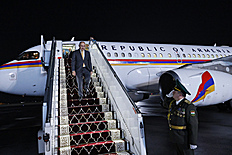
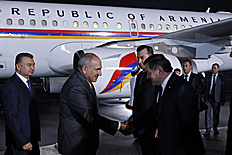
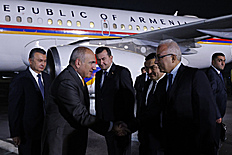
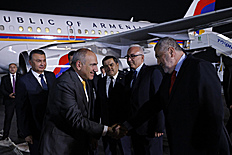
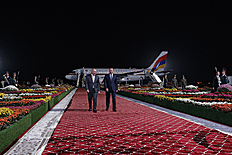
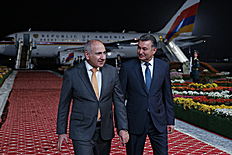
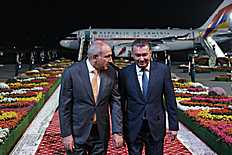
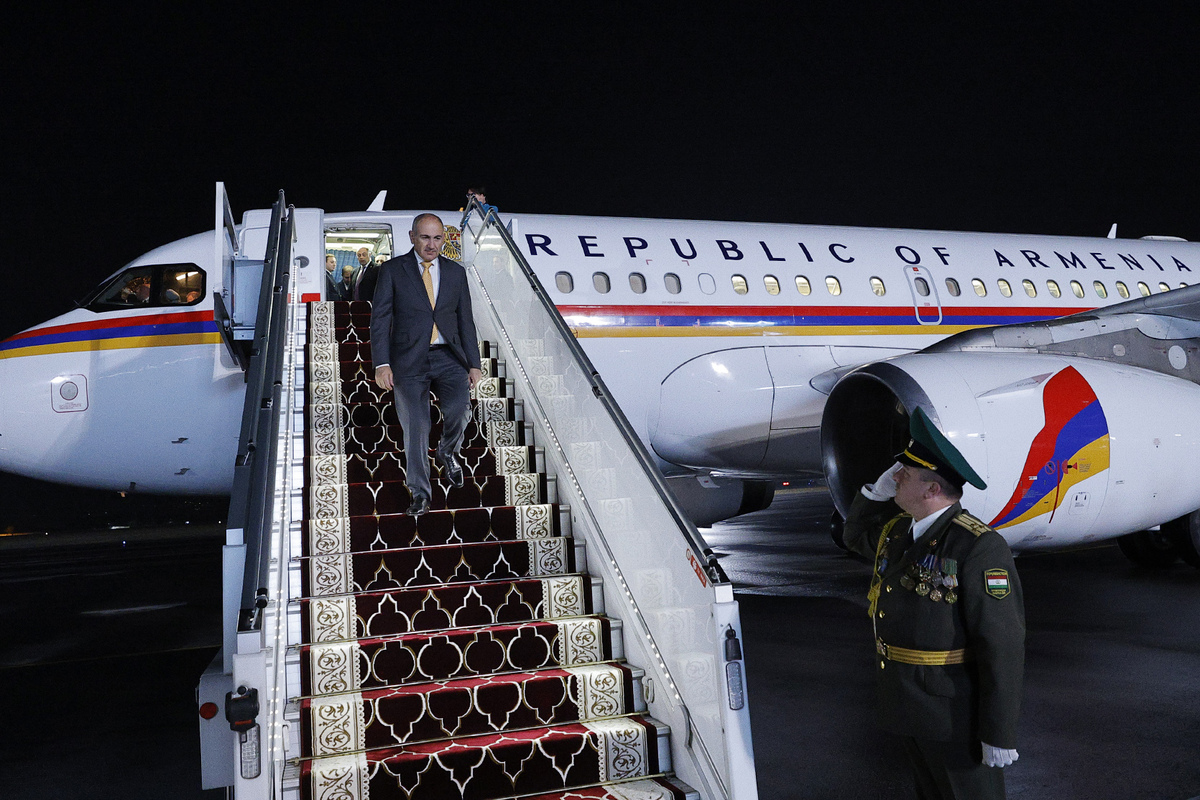
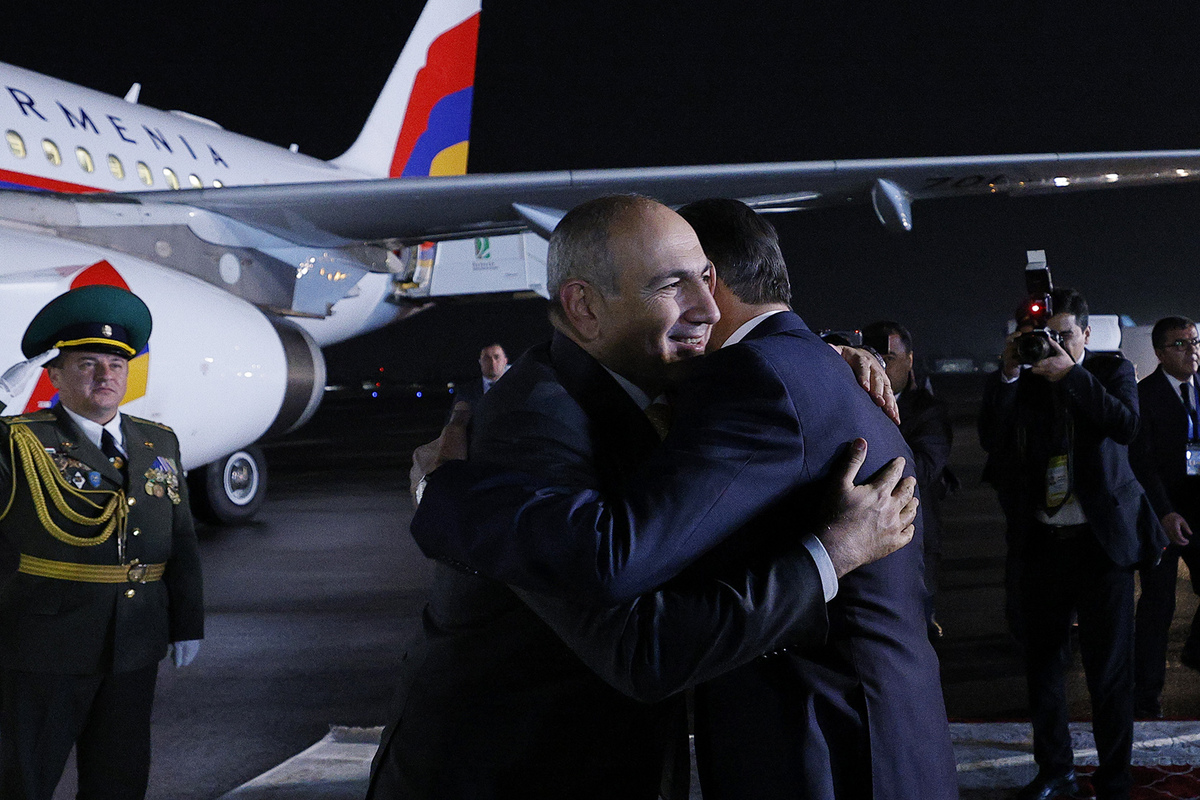
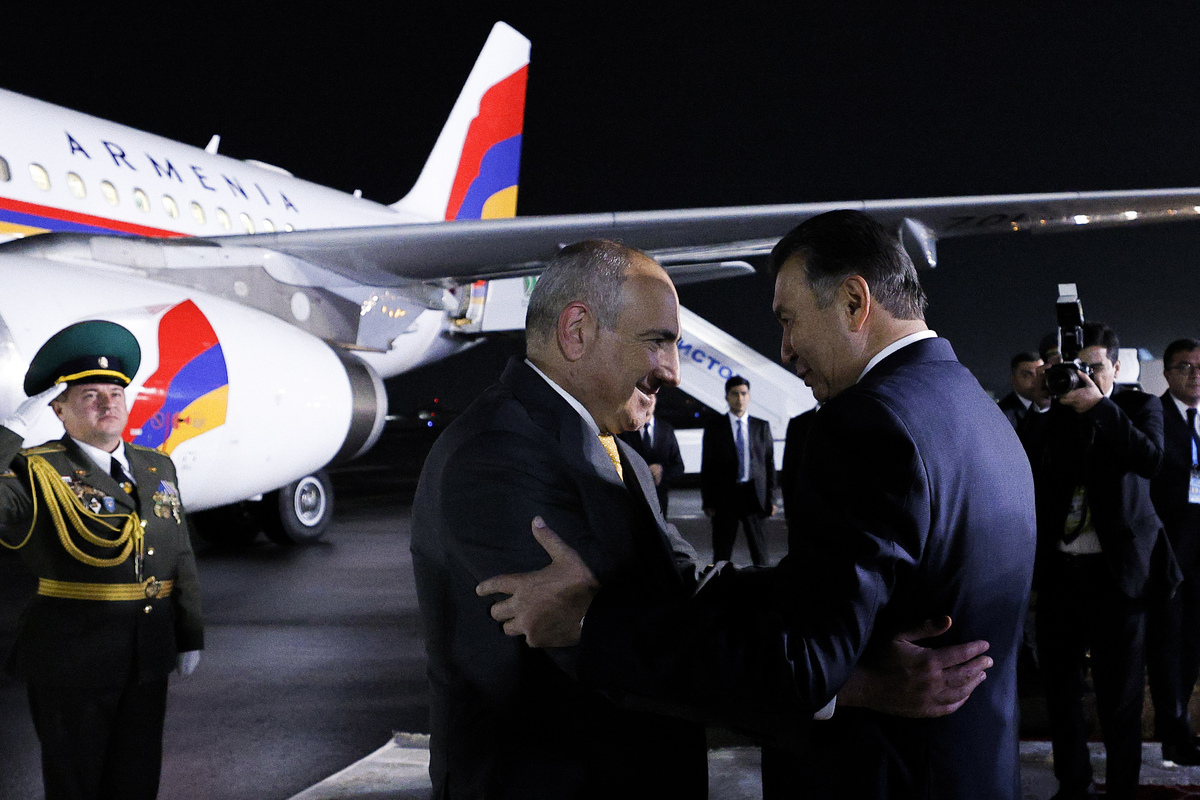
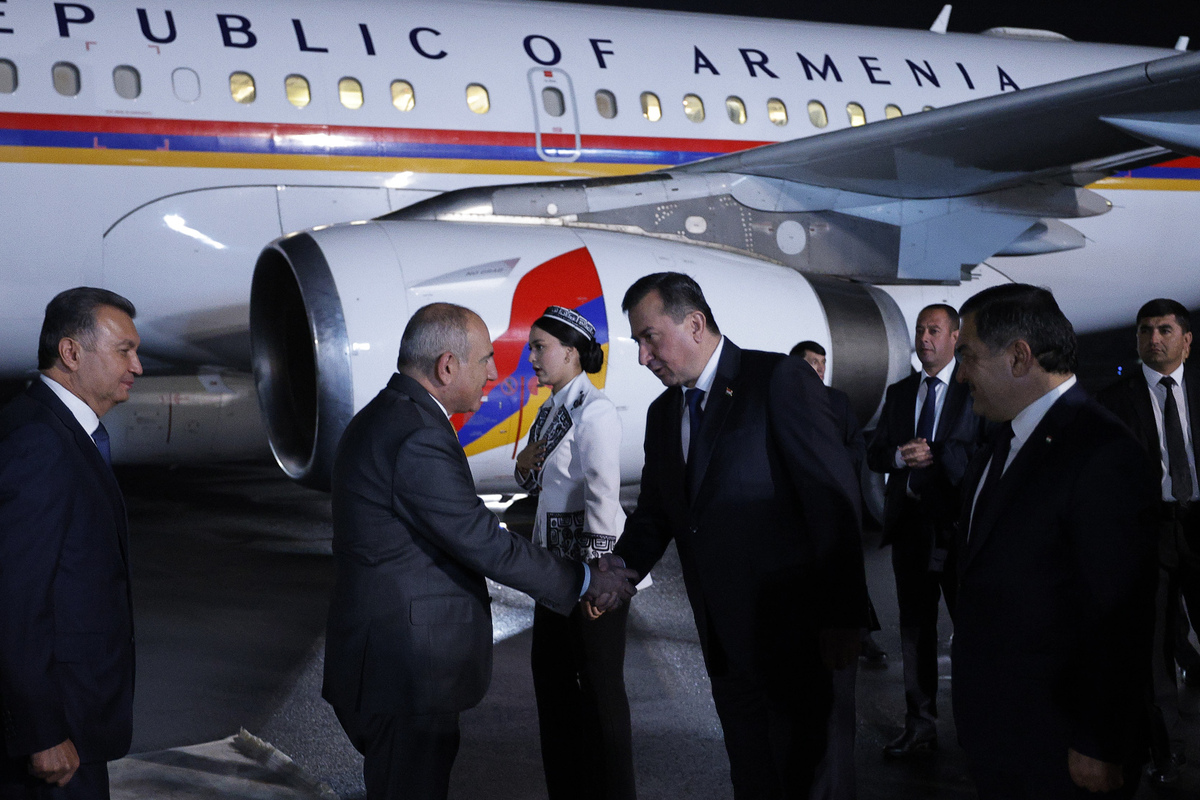
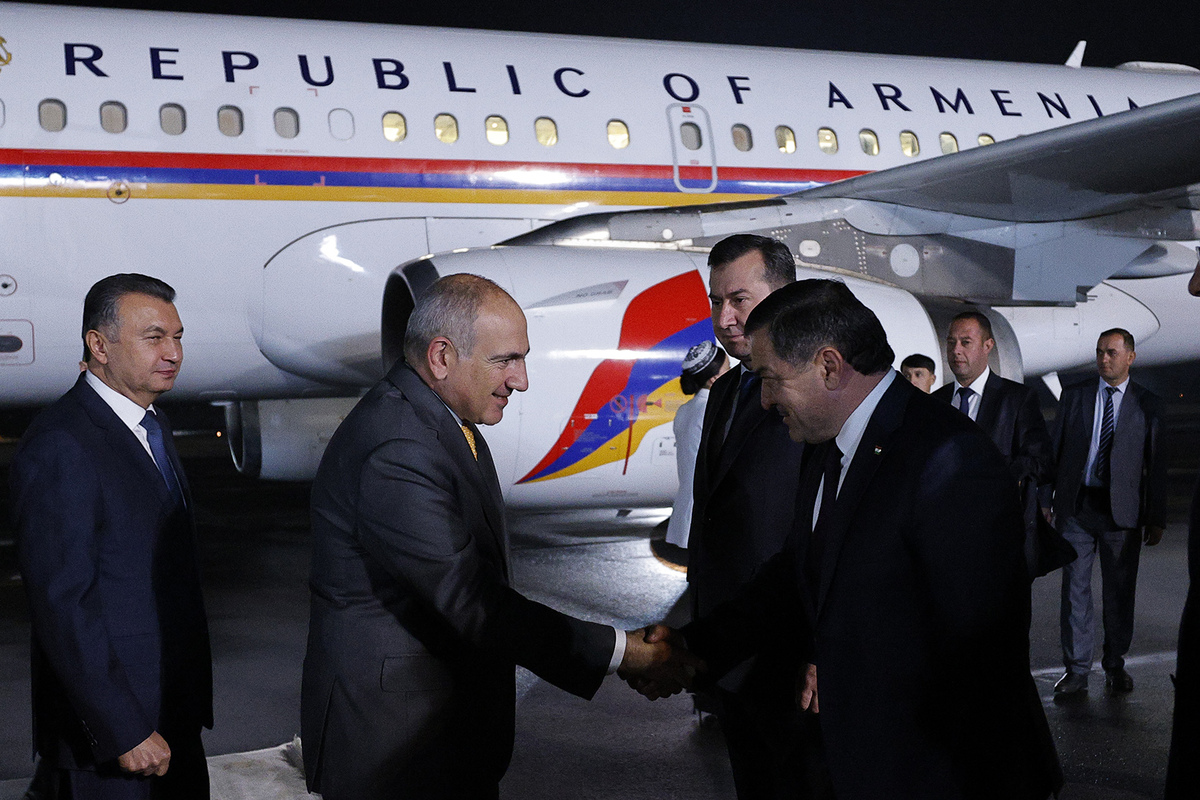
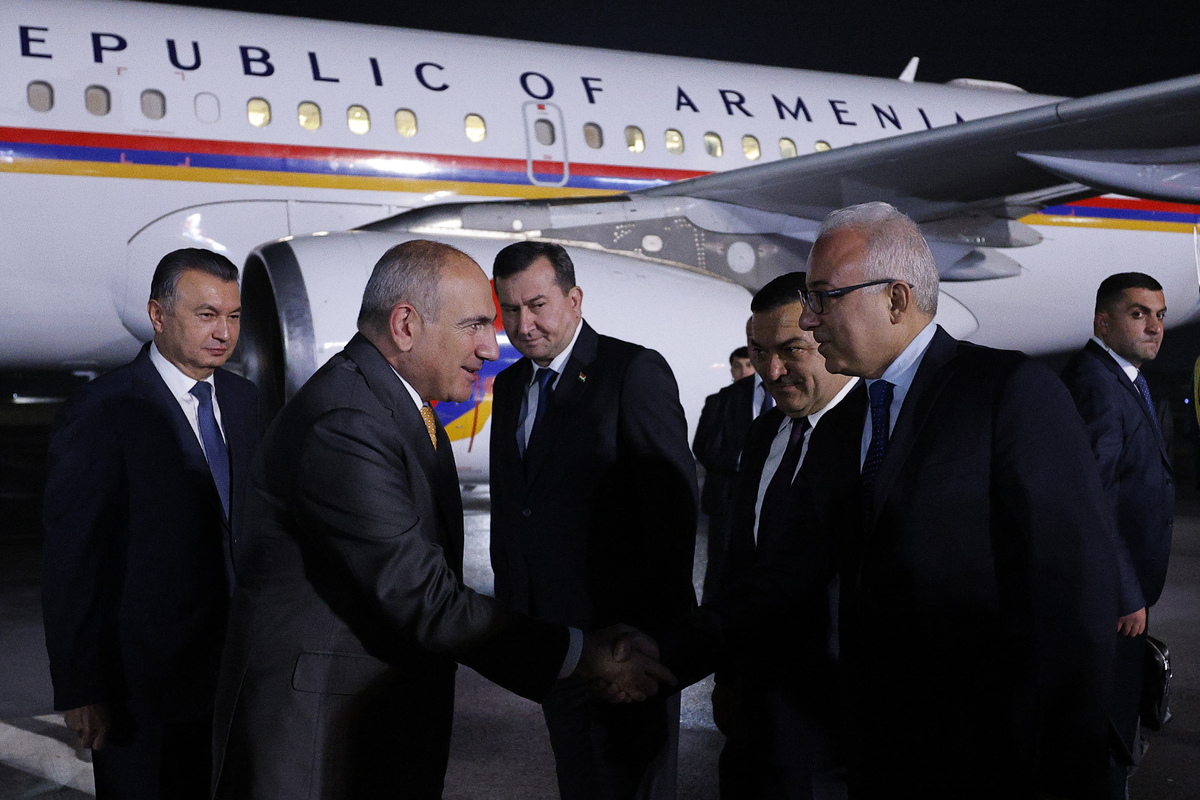
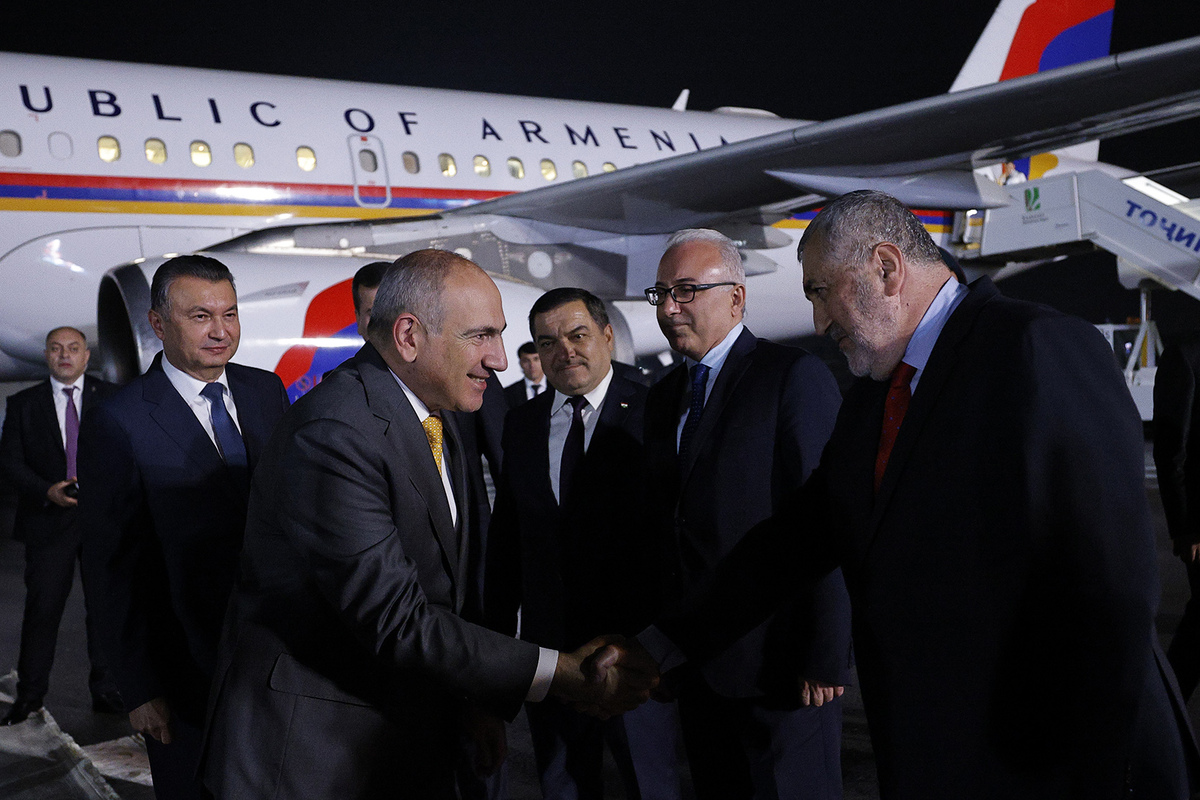
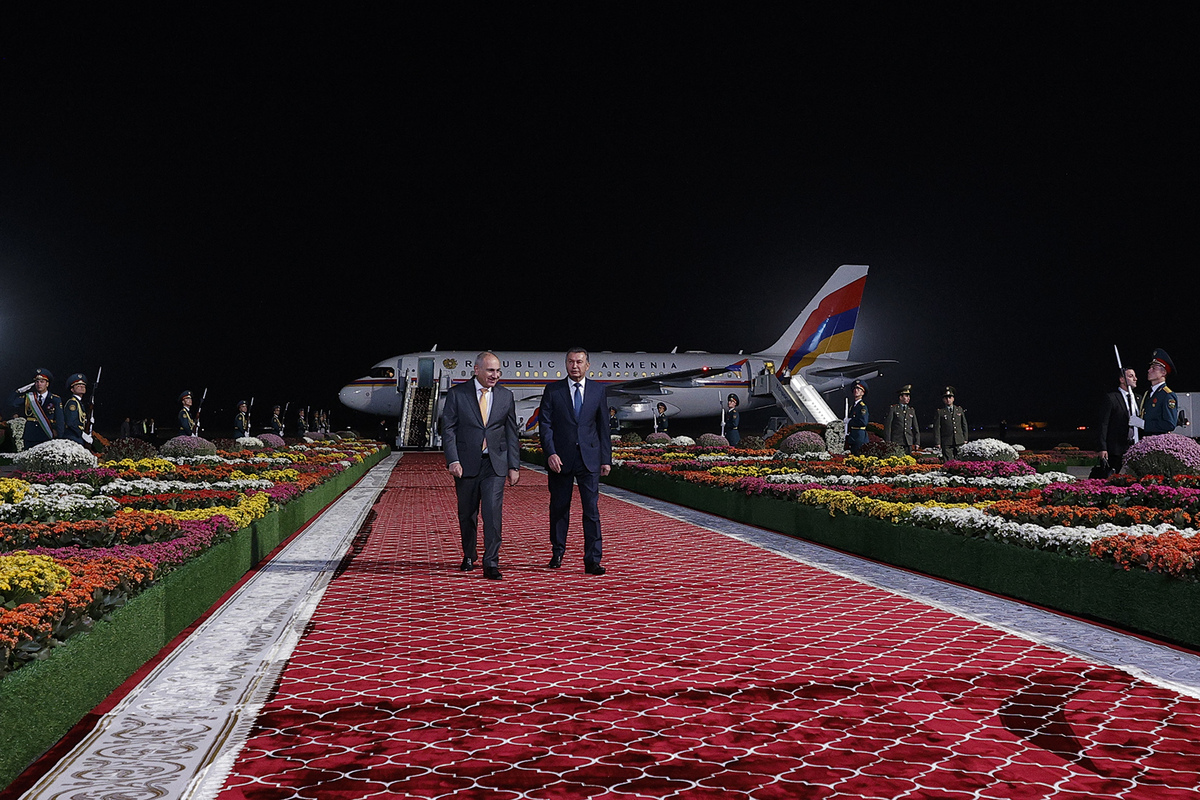
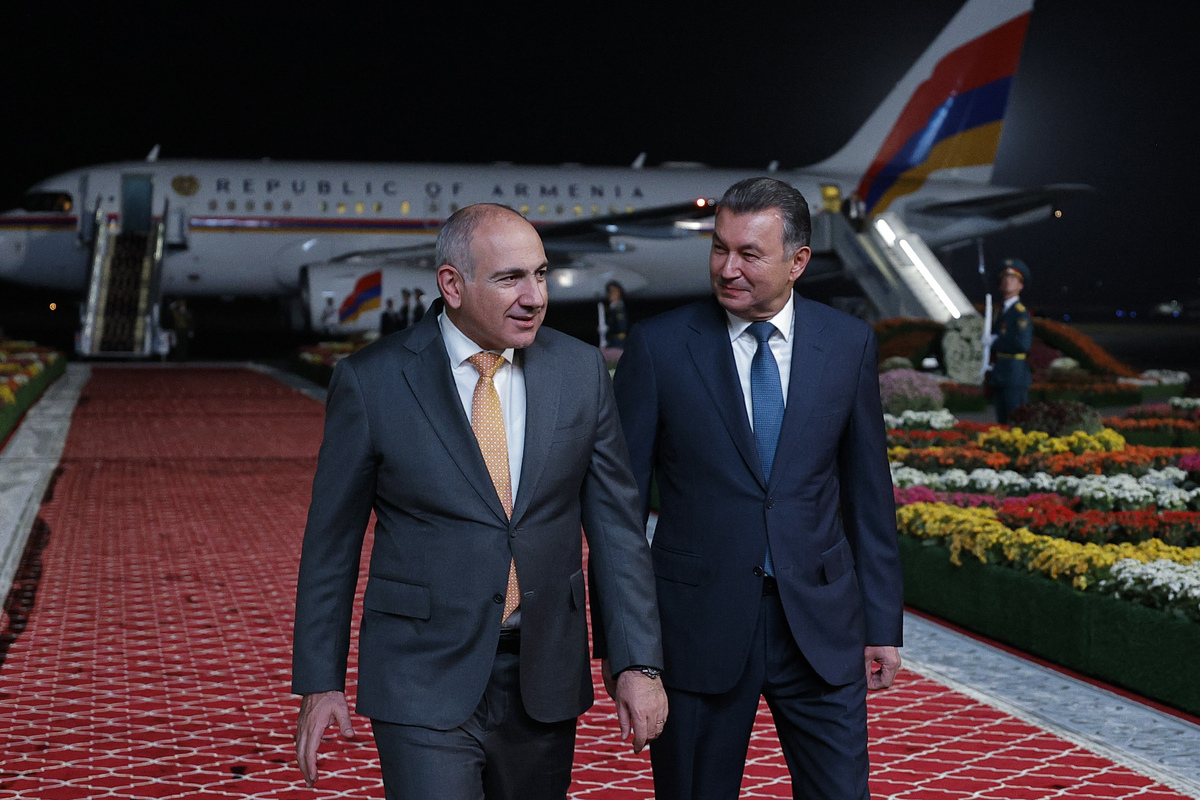
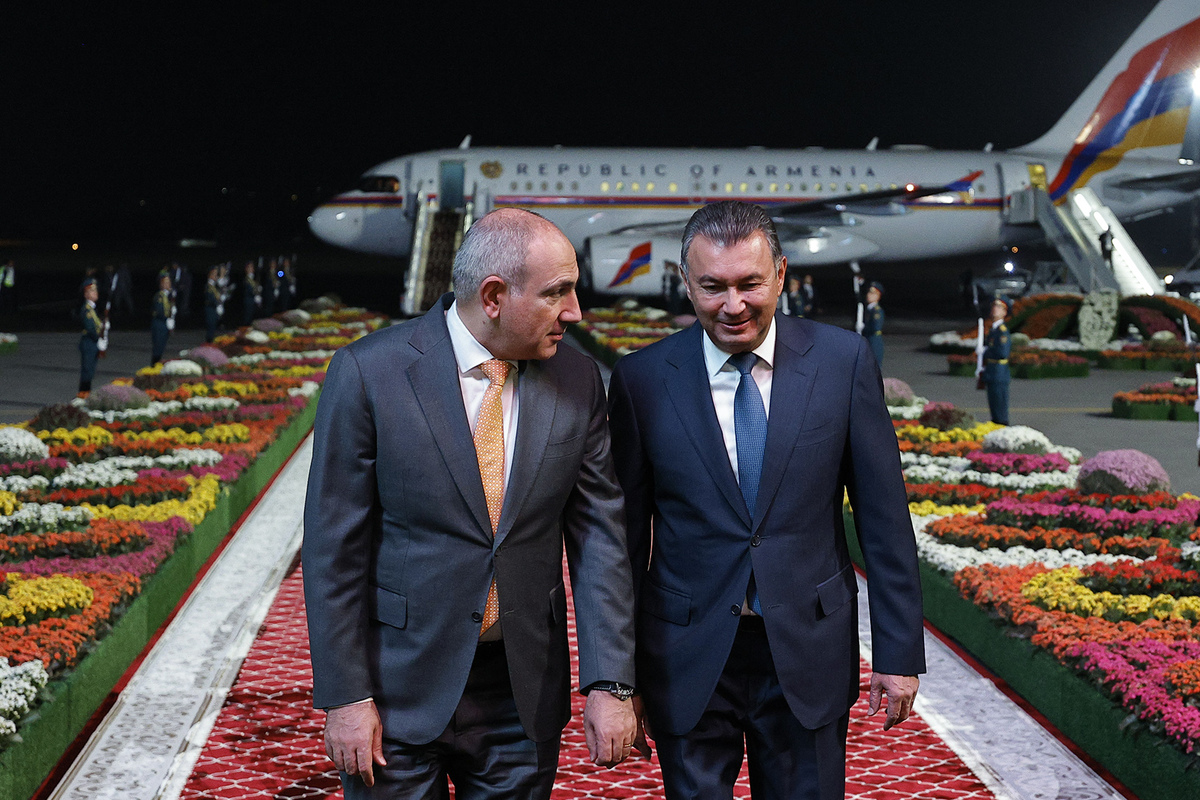
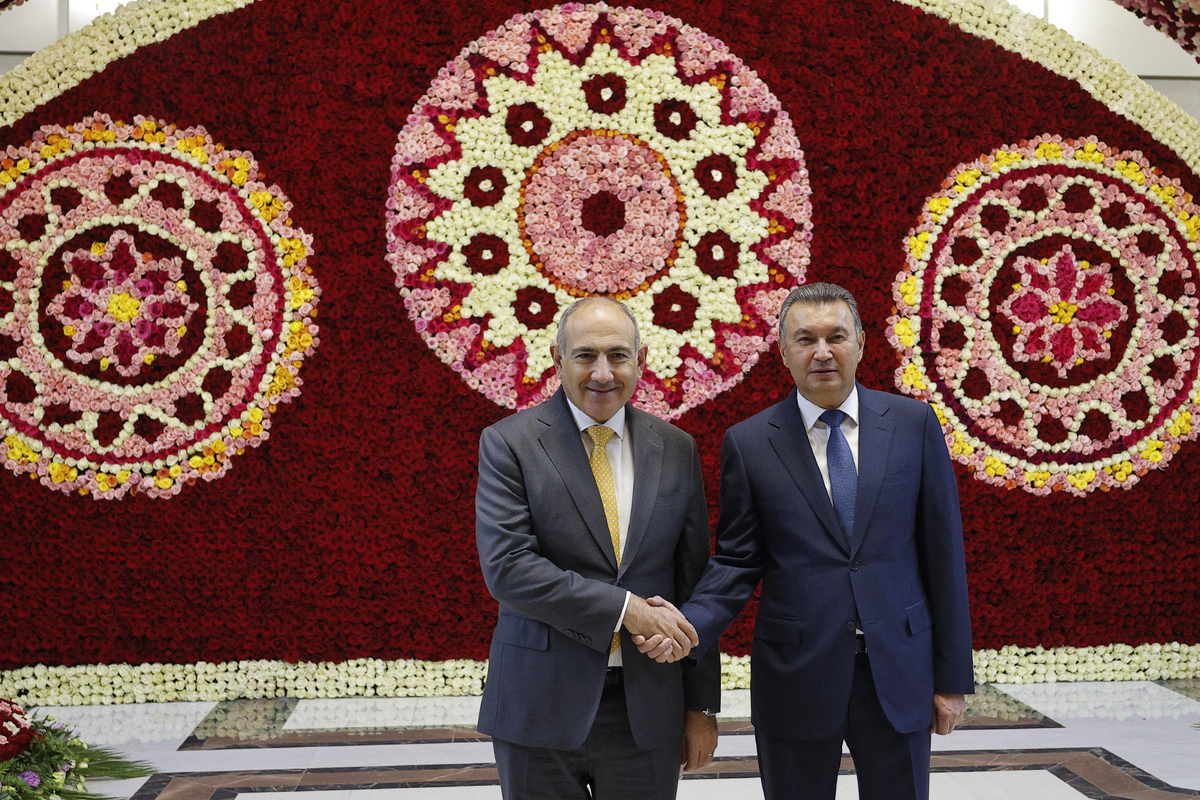
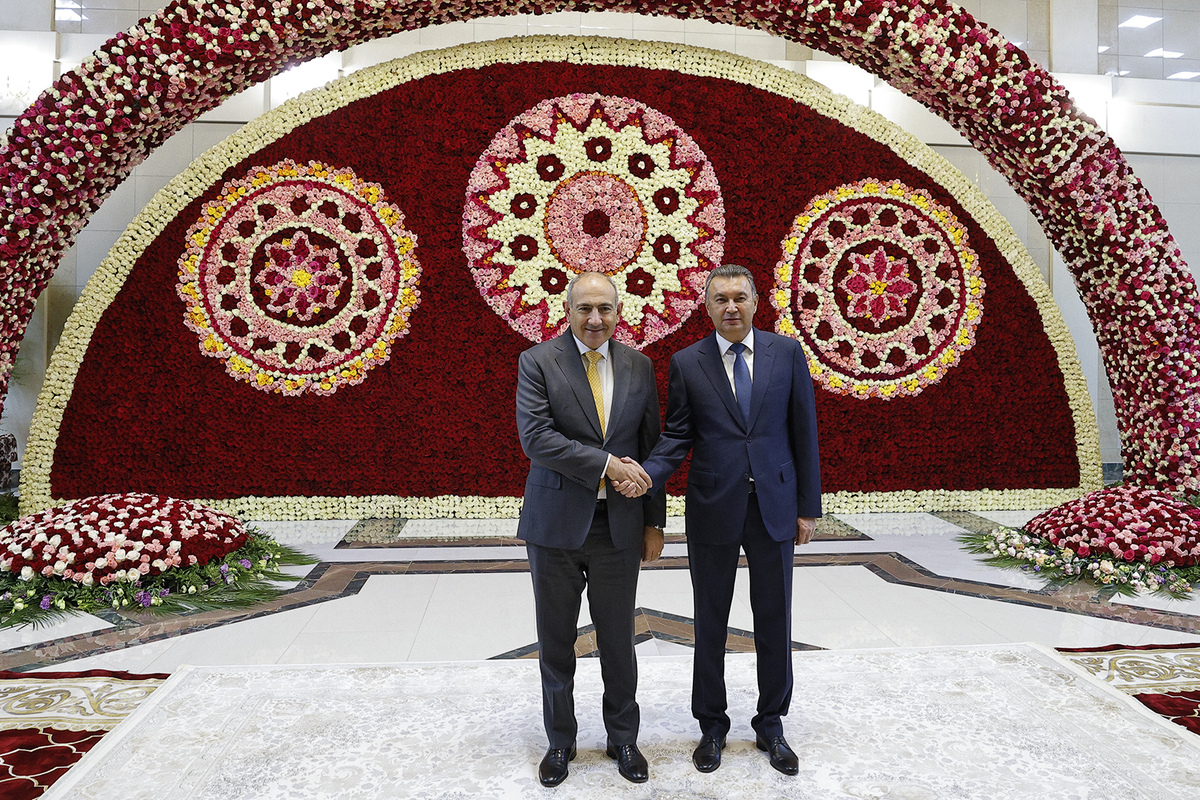
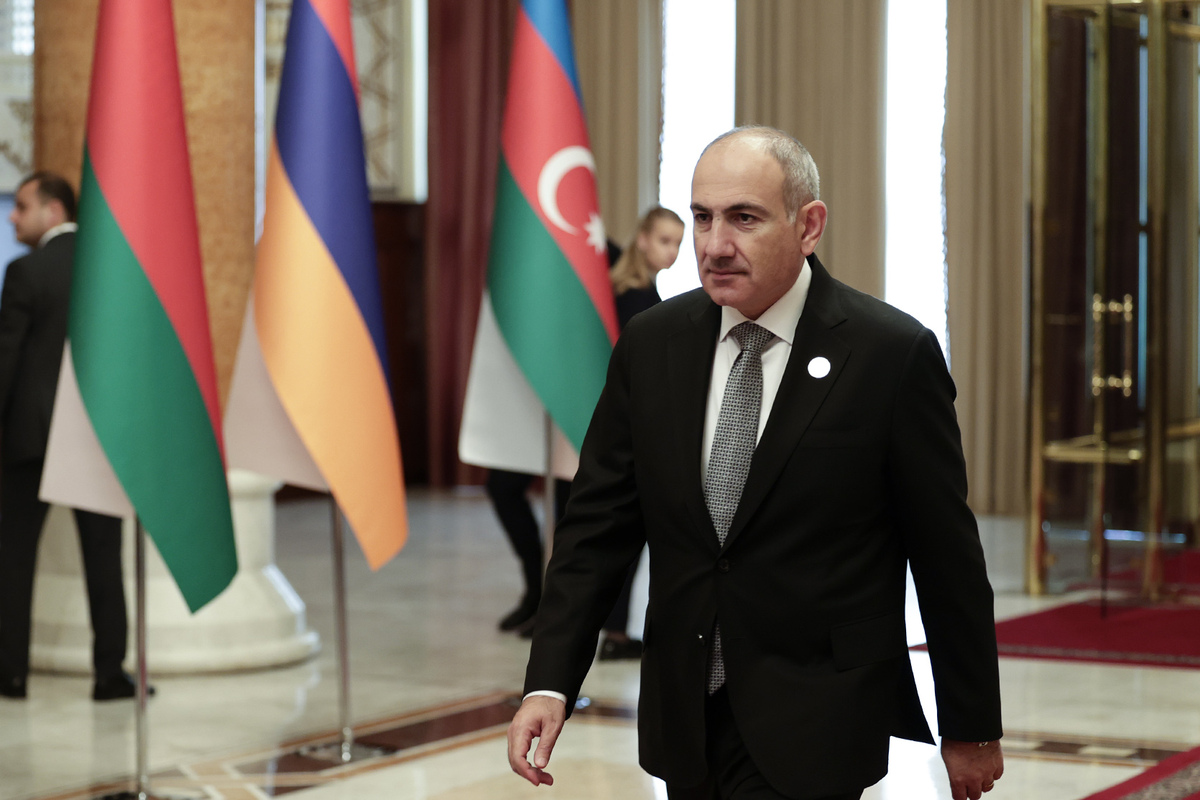
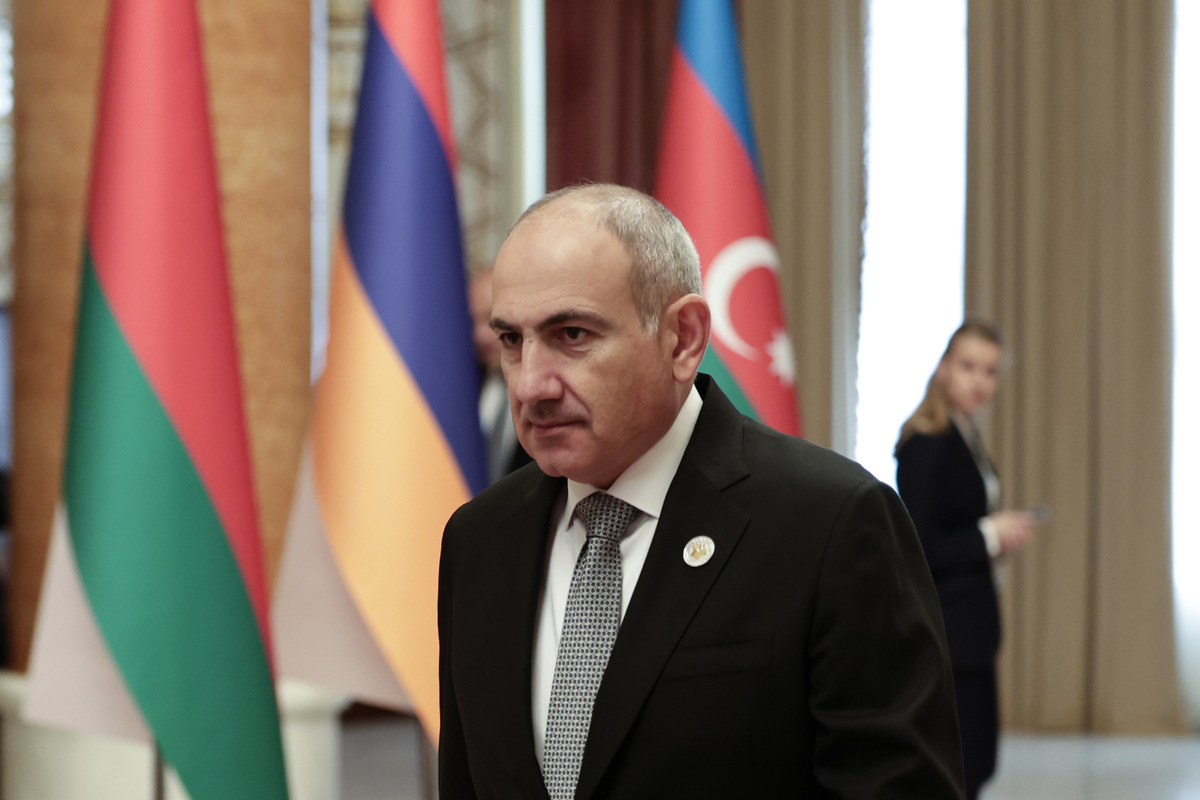
Prime Minister Nikol Pashinyan has arrived in the Republic of Tajikistan on a working visit.
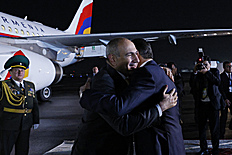
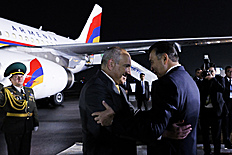
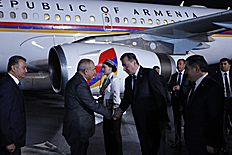
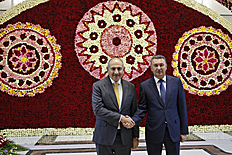
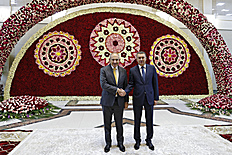
The Prime Minister of Armenia was welcomed by the Prime Minister of Tajikistan, Qohir Rasulzoda, at the Dushanbe International Airport.
On October 10, Prime Minister Pashinyan will participate in the regular session of the Council of Heads of State of the CIS in Dushanbe.
* * *
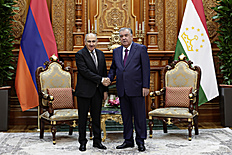
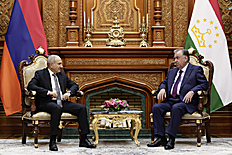
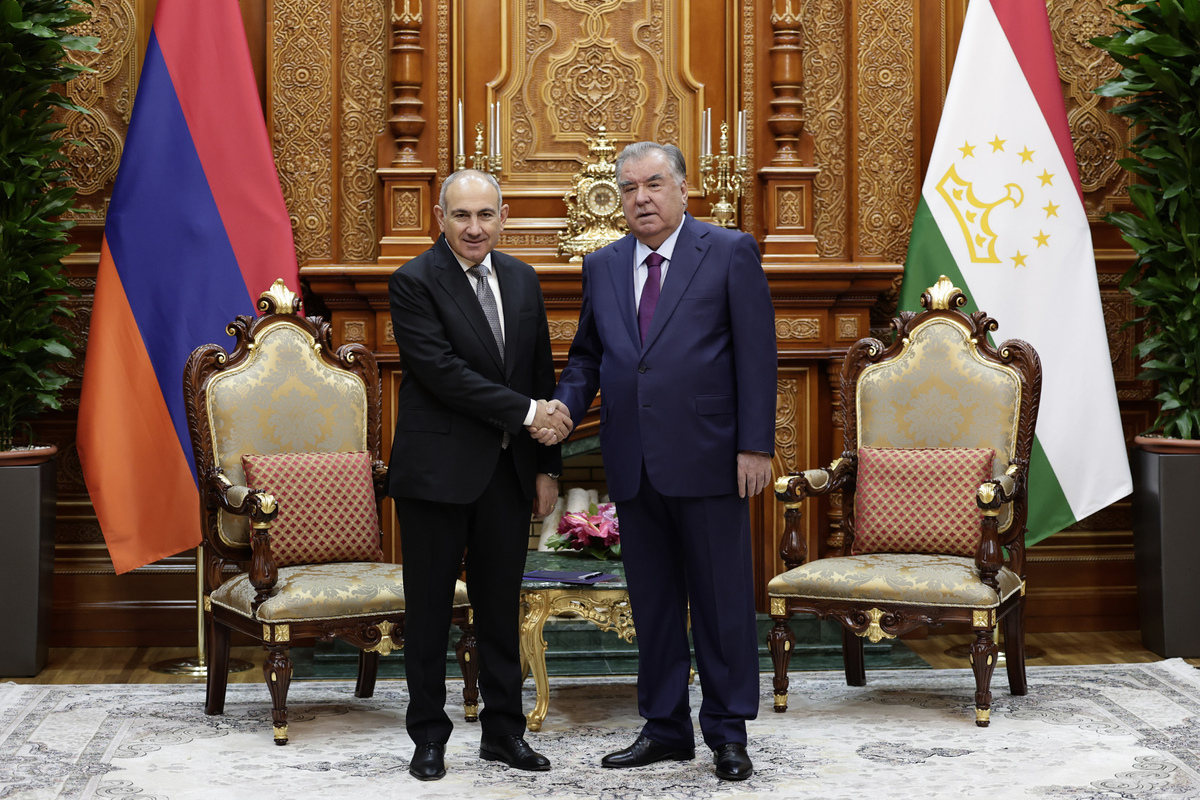
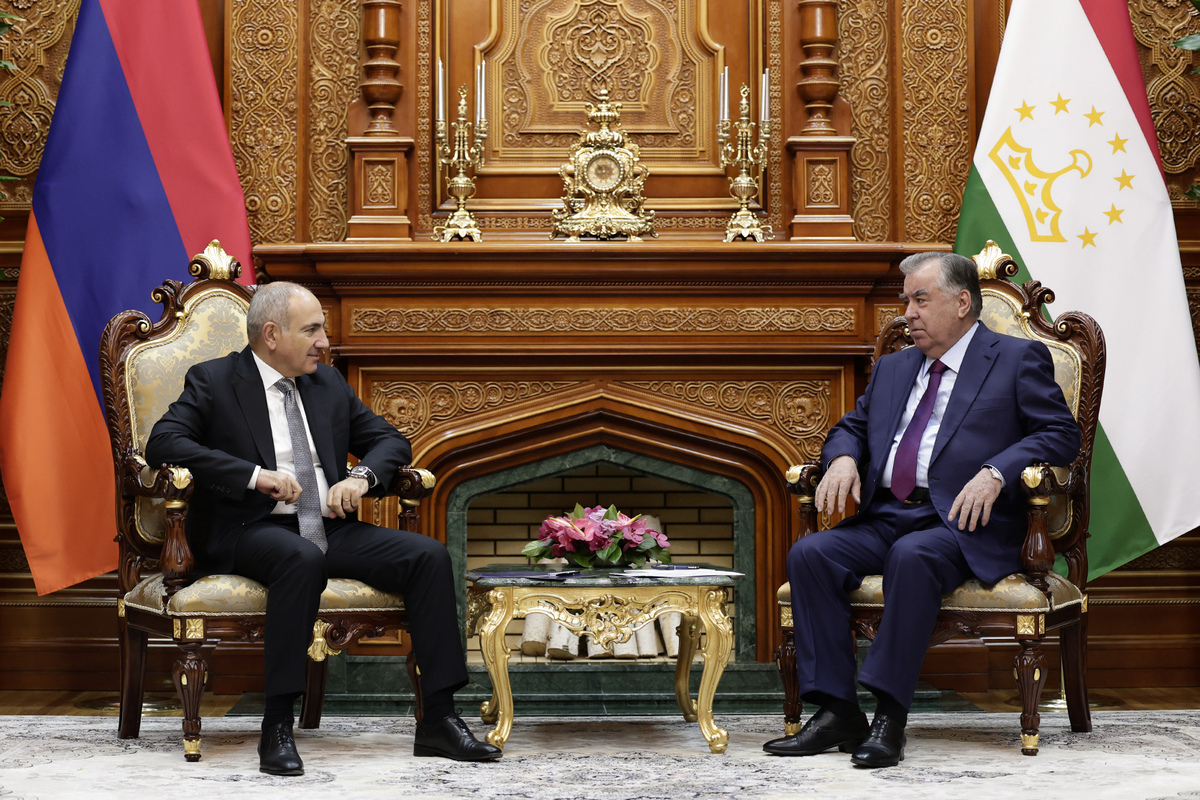
Prime Minister Nikol Pashinyan had a private meeting with President of the Republic of Tajikistan Emomali Rahmon in Dushanbe.
The latter welcomed the visit of the Prime Minister of Armenia and noted that today's meeting is a good opportunity to discuss topical issues aimed at the further development of bilateral relations.
Prime Minister Pashinyan expressed gratitude for the warm hospitality, adding that the Government of Armenia attaches importance to the expansion and deepening of multi-sectoral ties with Tajikistan.
The interlocutors exchanged views on further steps to give a new impetus to trade and economic relations.
The opportunities created as a result of the establishment of peace between Armenia and Azerbaijan and the strengthening of the atmosphere of cooperation in the region, the implementation of the TRIPP project and the "Crossroads of Peace" were touched upon.
Emomali Rahmon welcomed the initialing of the peace agreement based on the results of the Washington meeting and expressed his country's support for the normalization of Armenia-Azerbaijan relations.
* * *
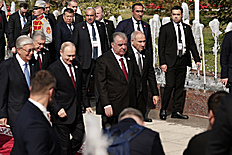
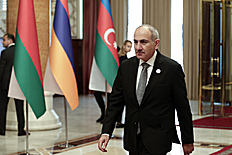
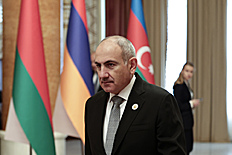
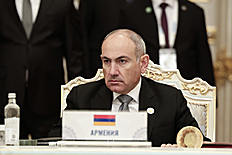
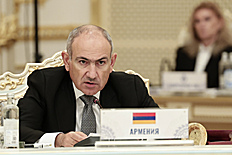
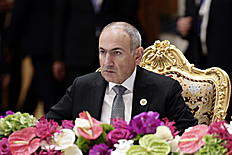
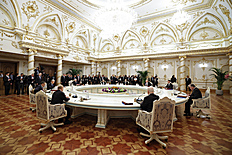
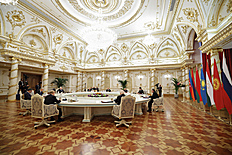
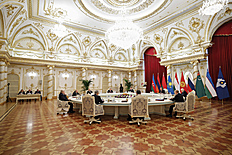
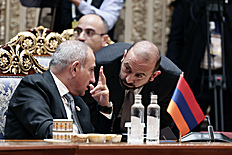
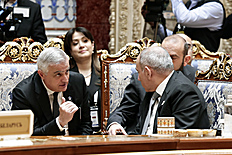
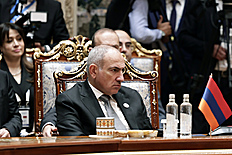
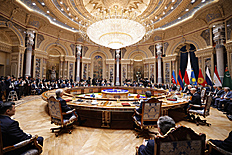
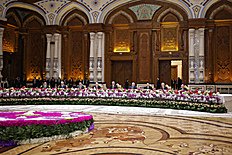
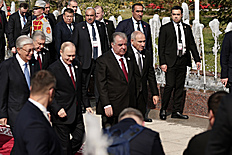
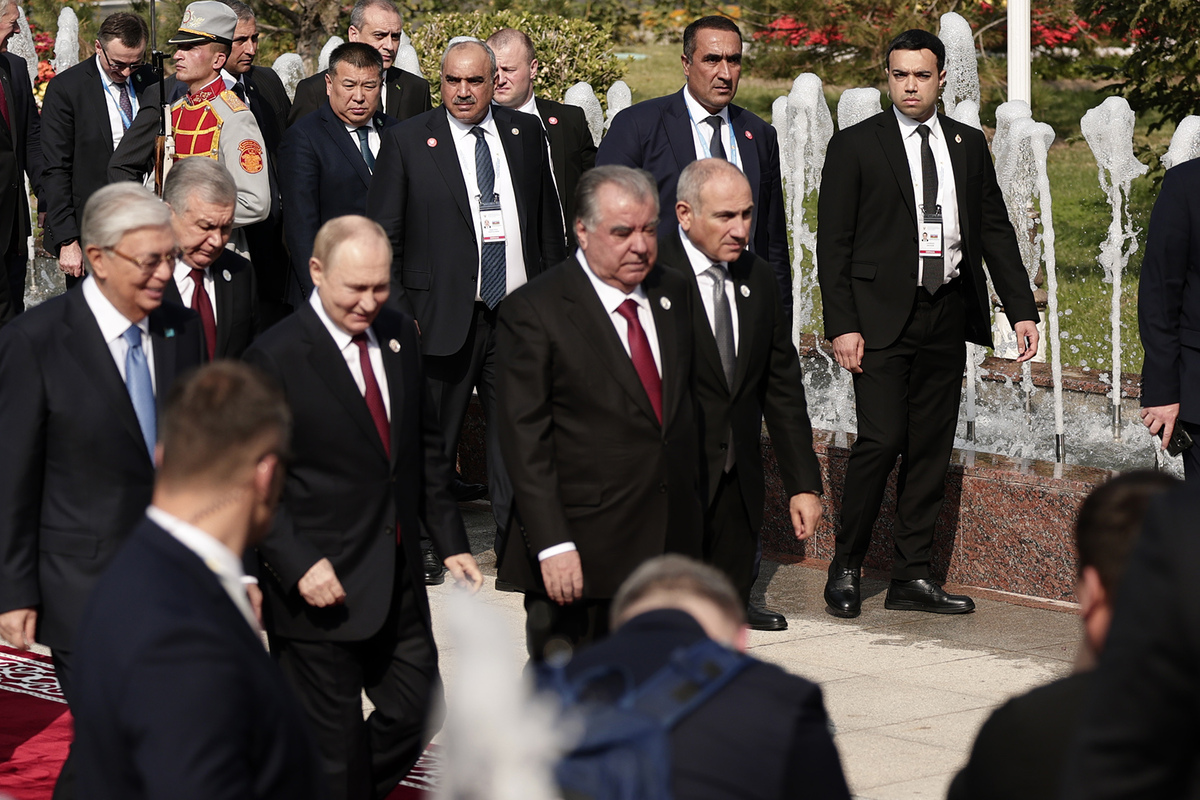
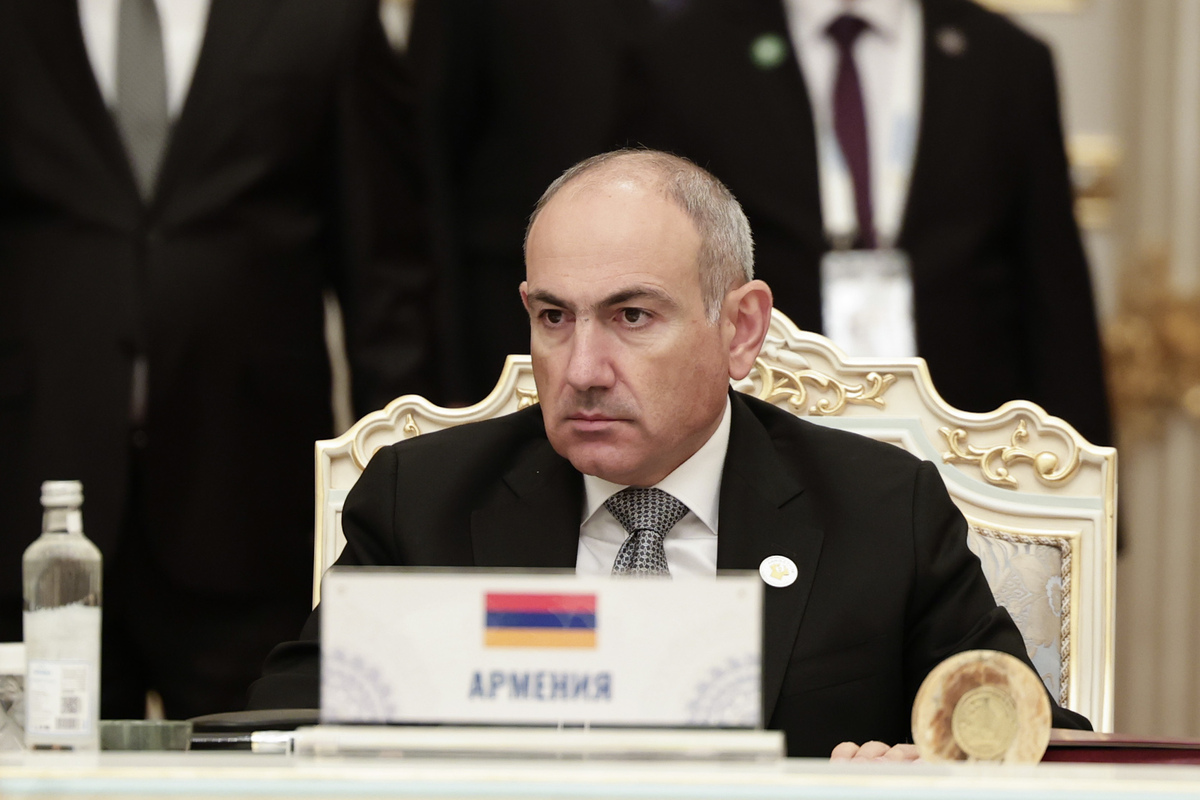
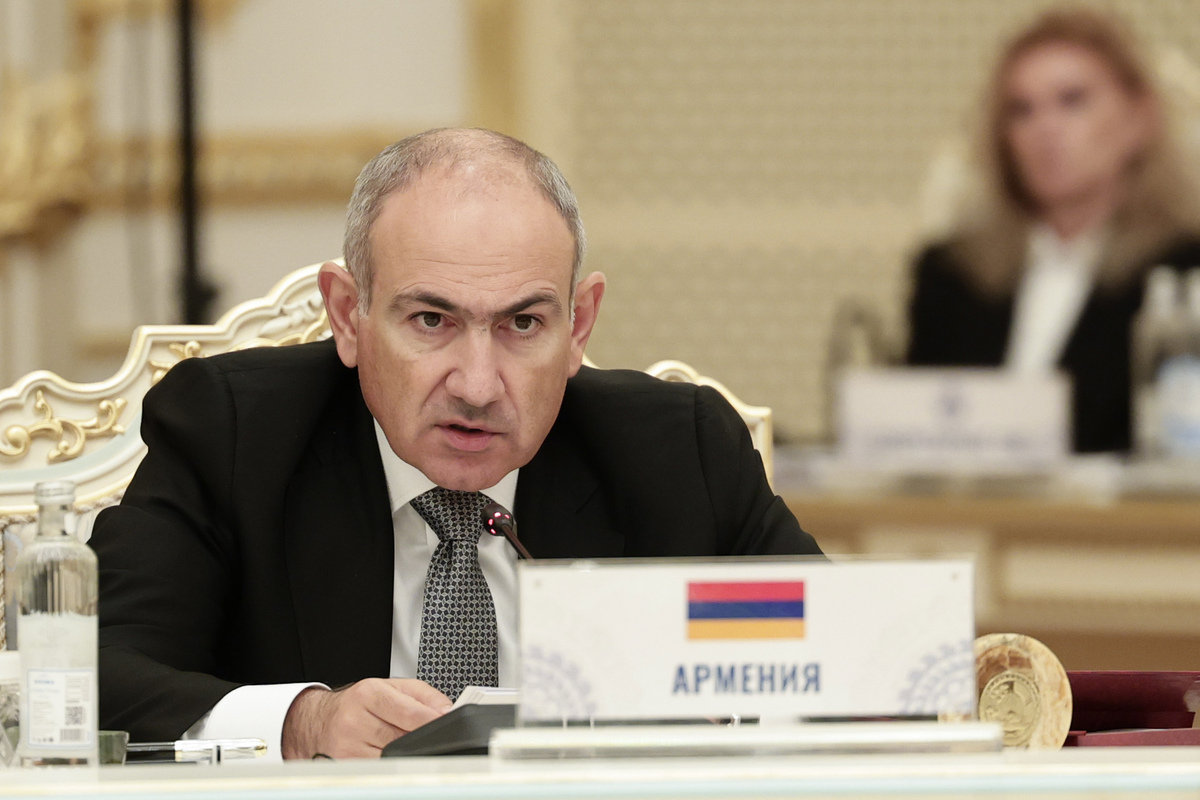
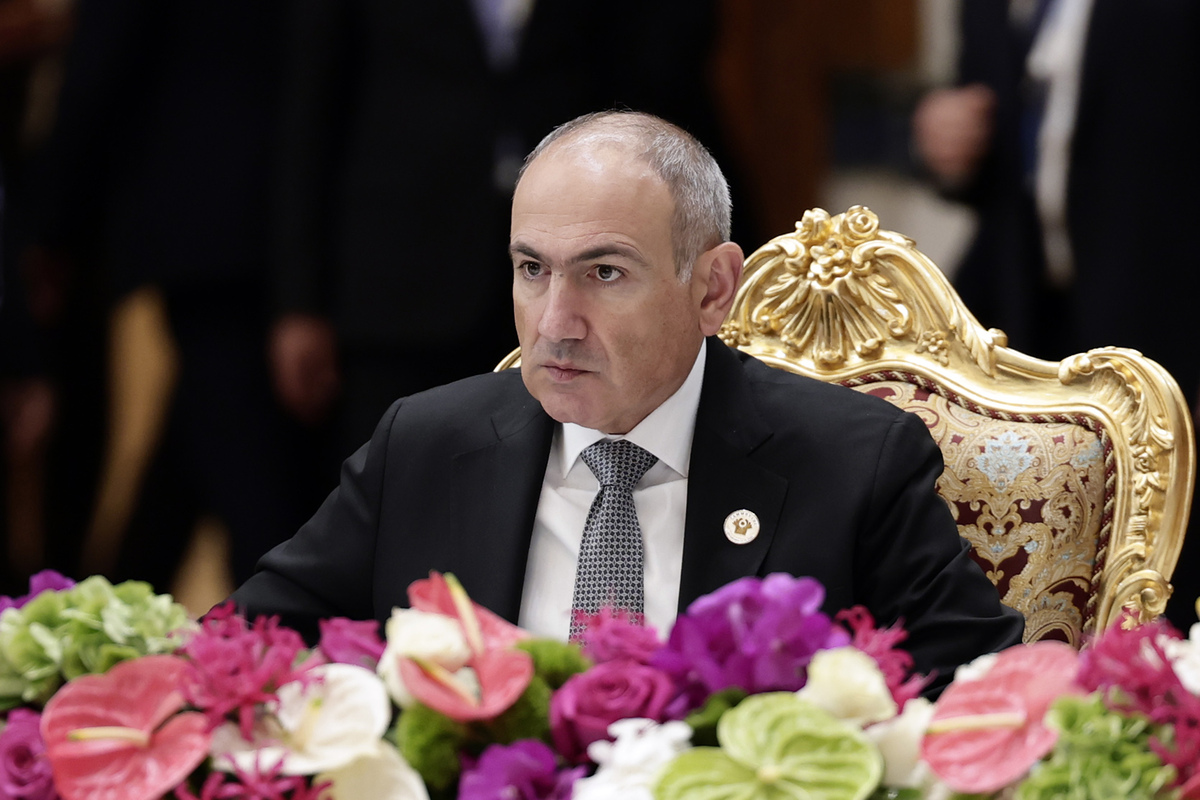
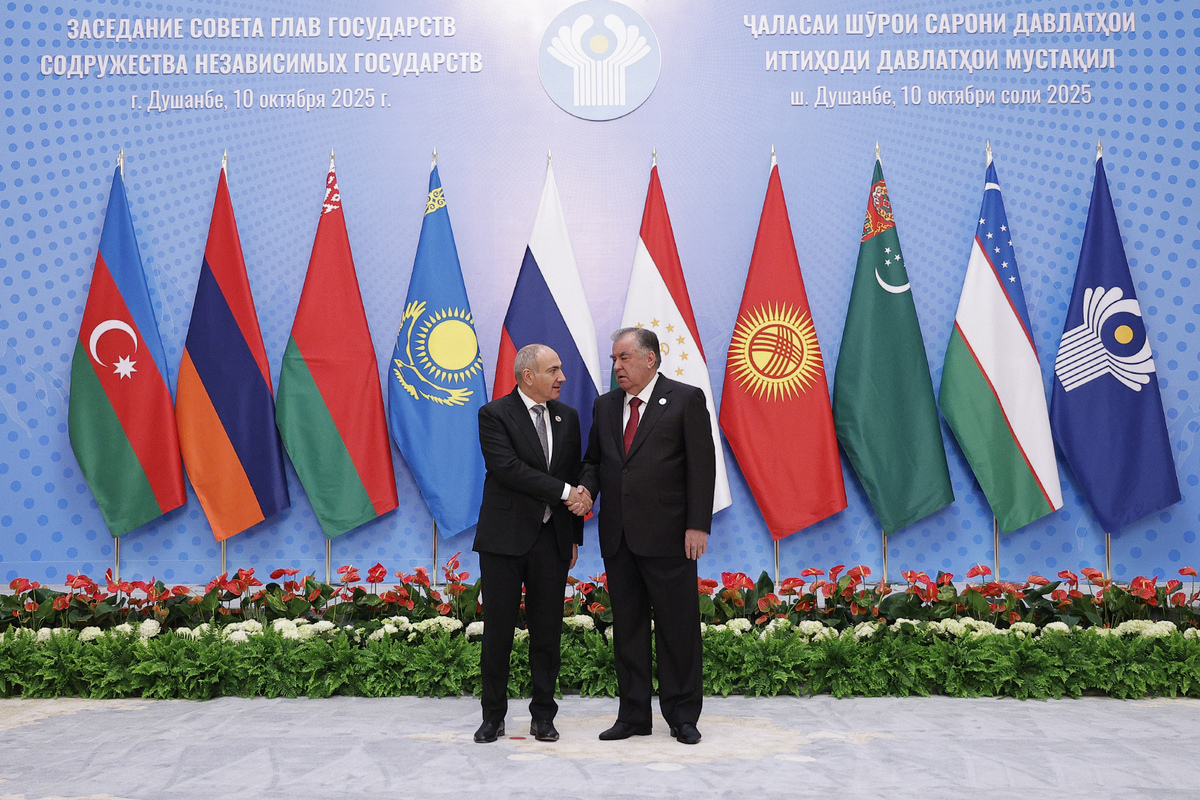
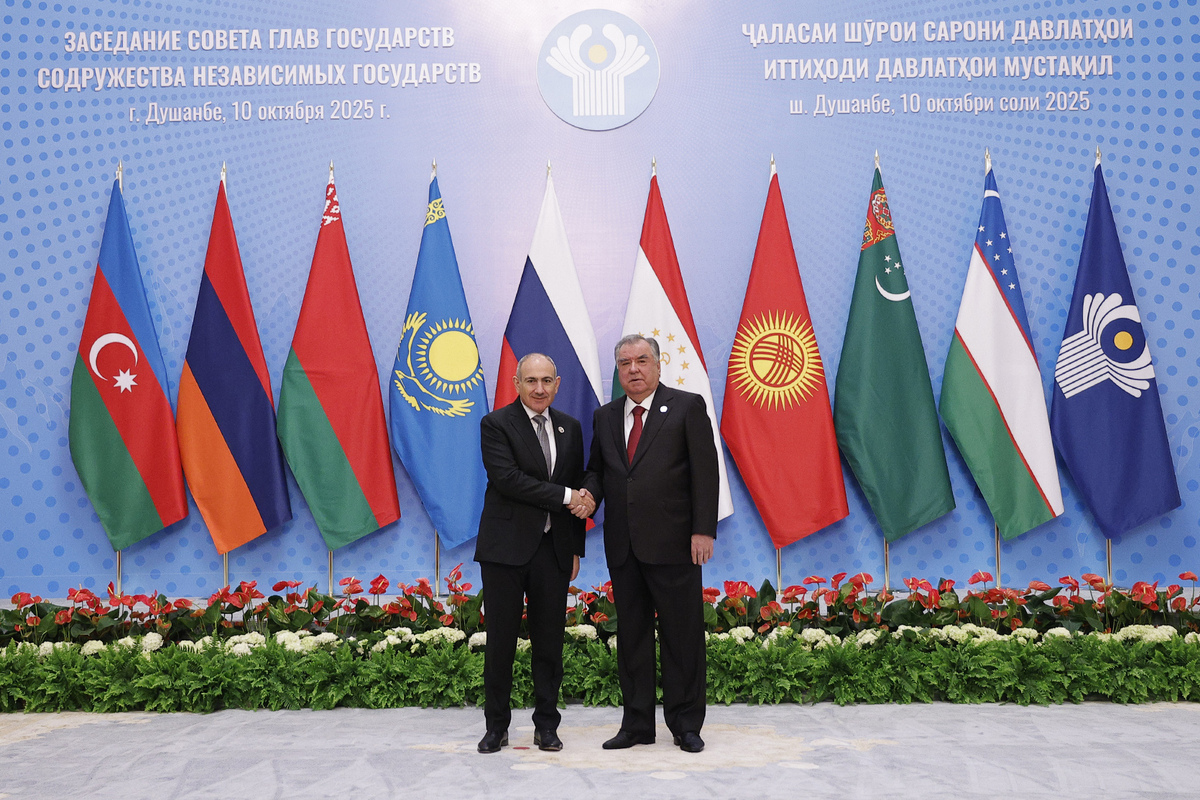
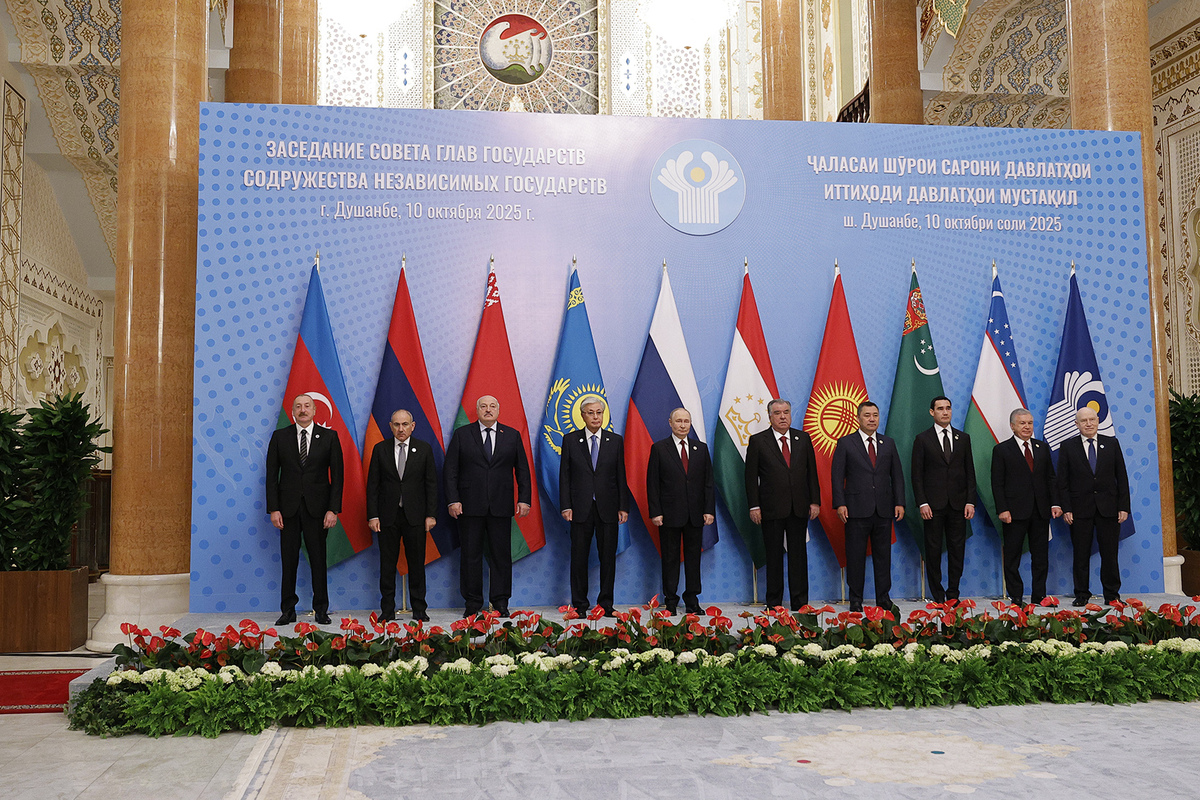
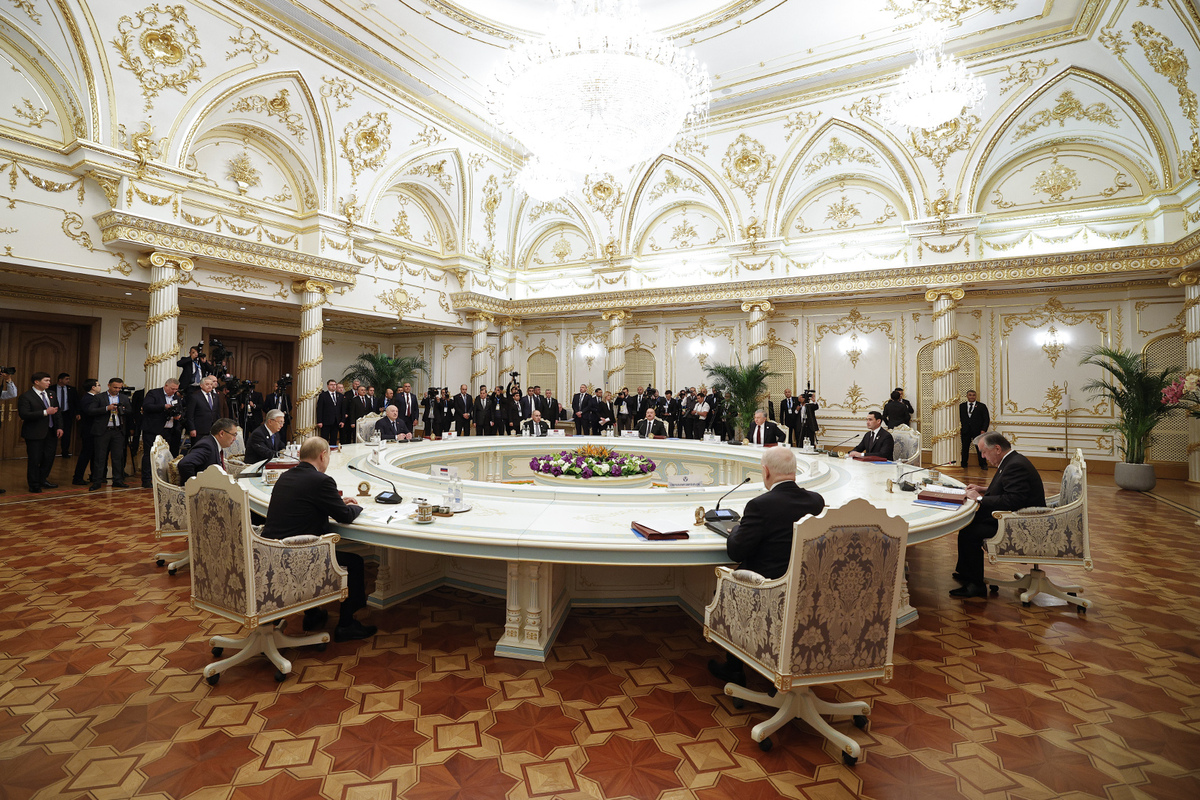
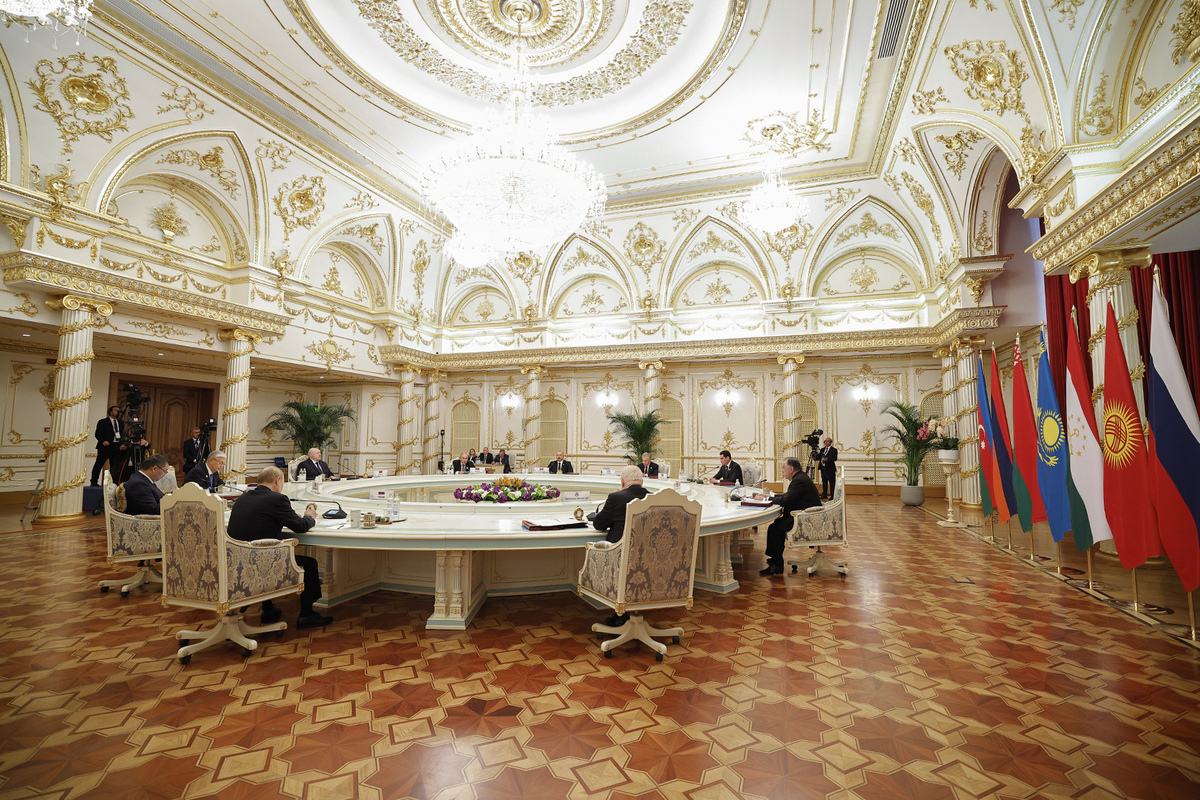
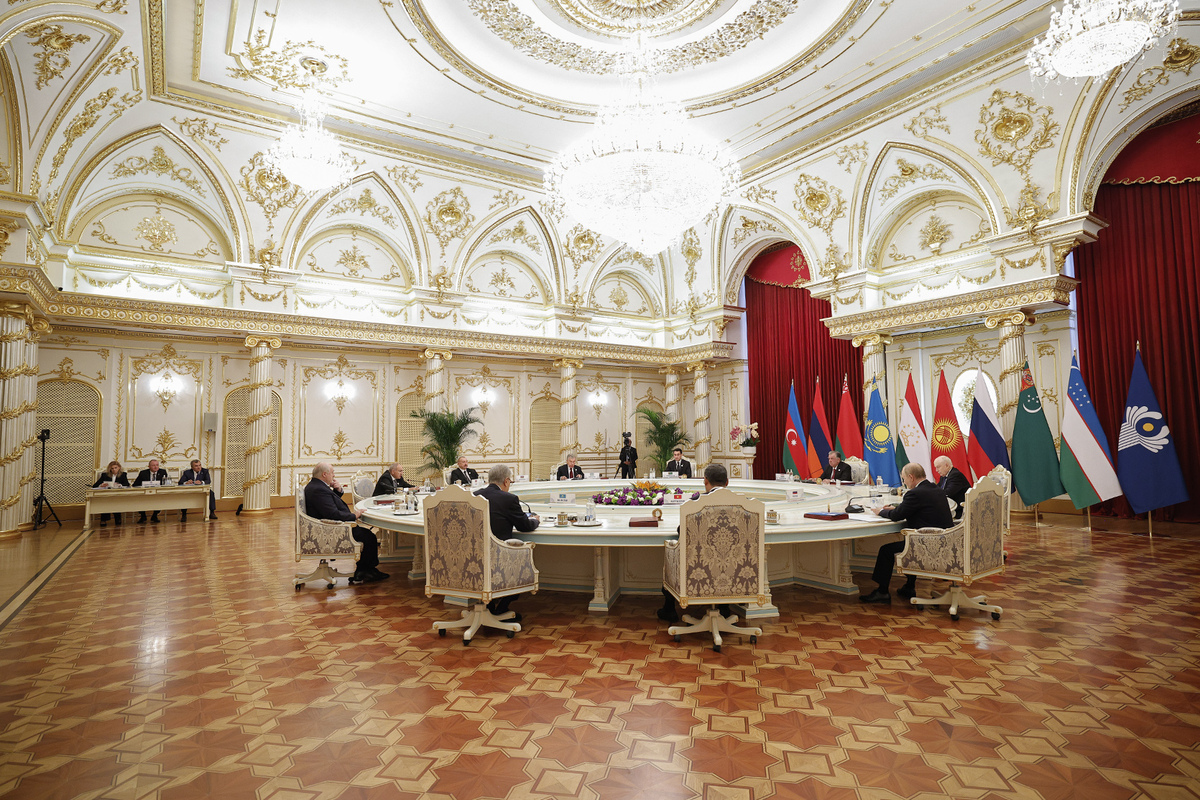
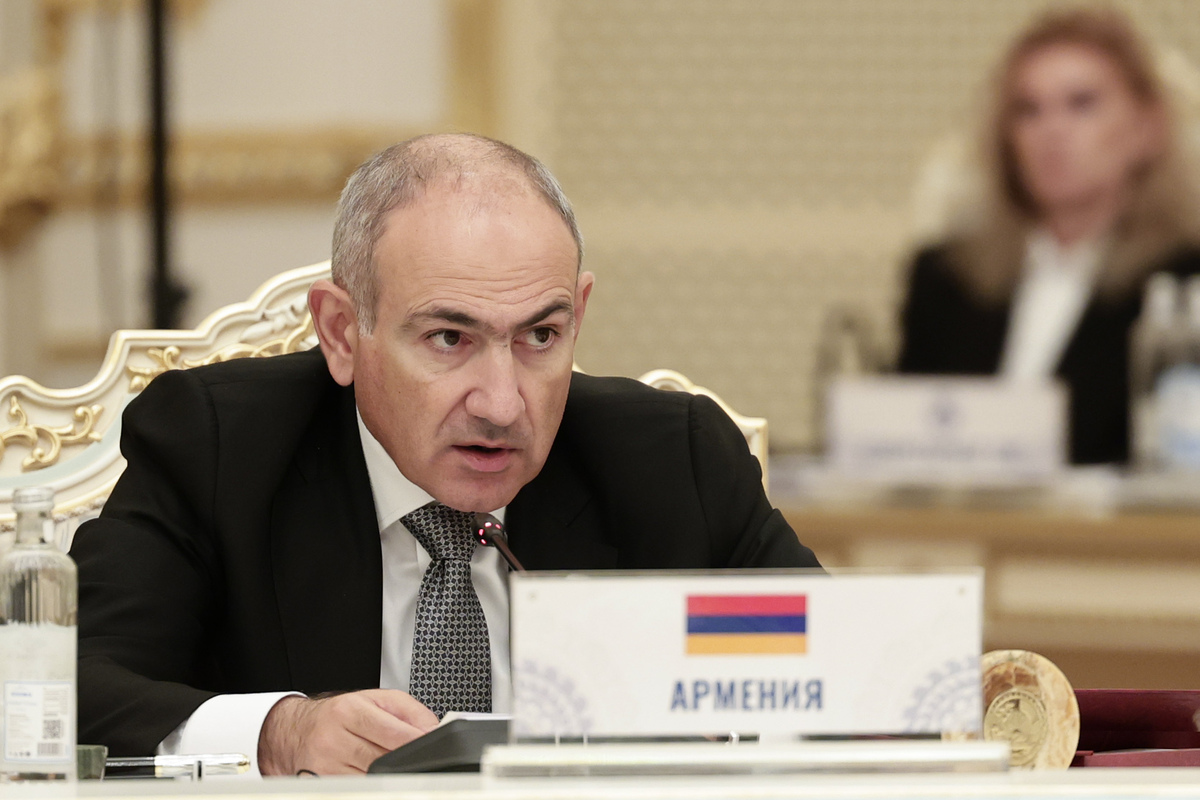
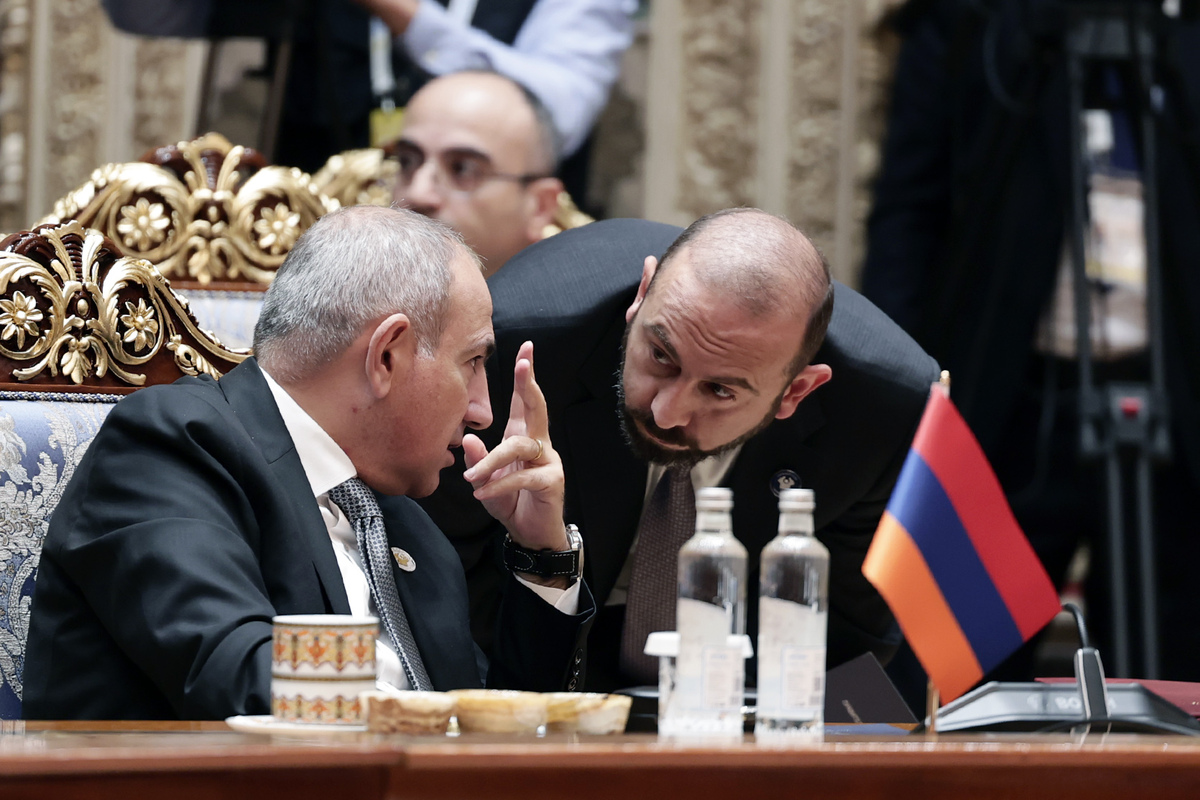
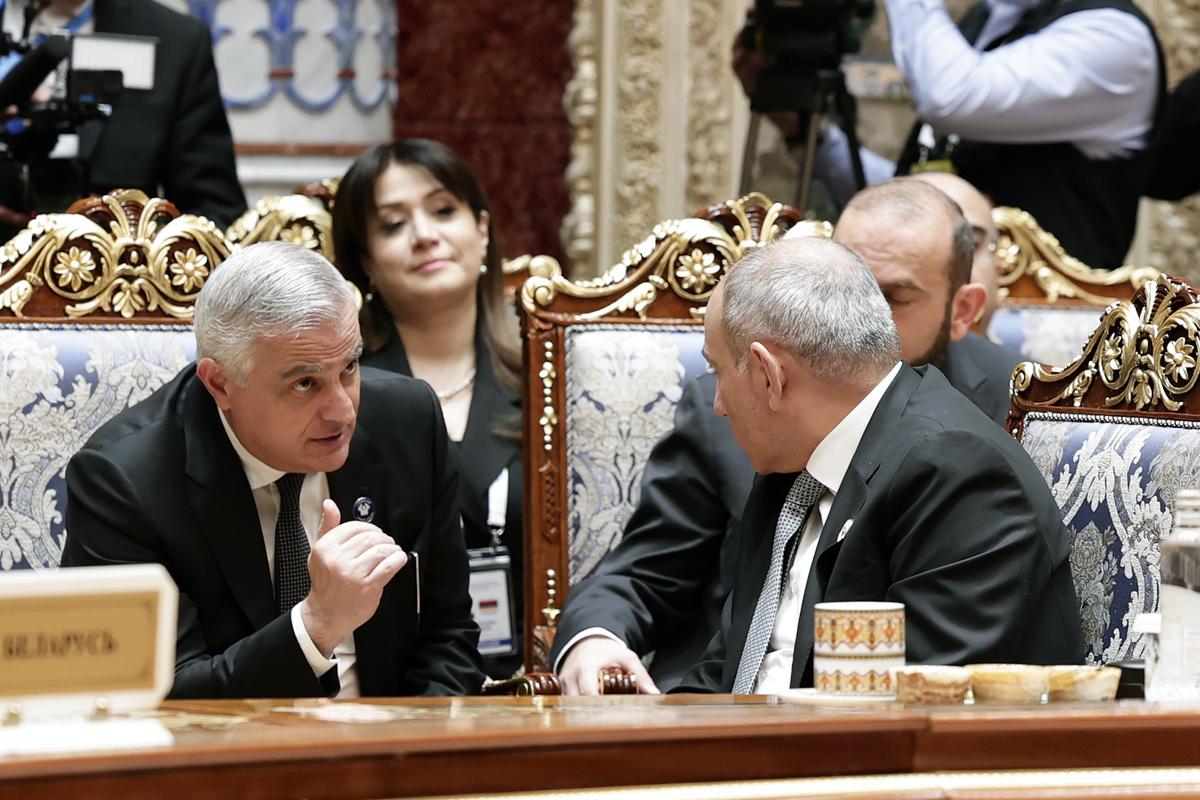
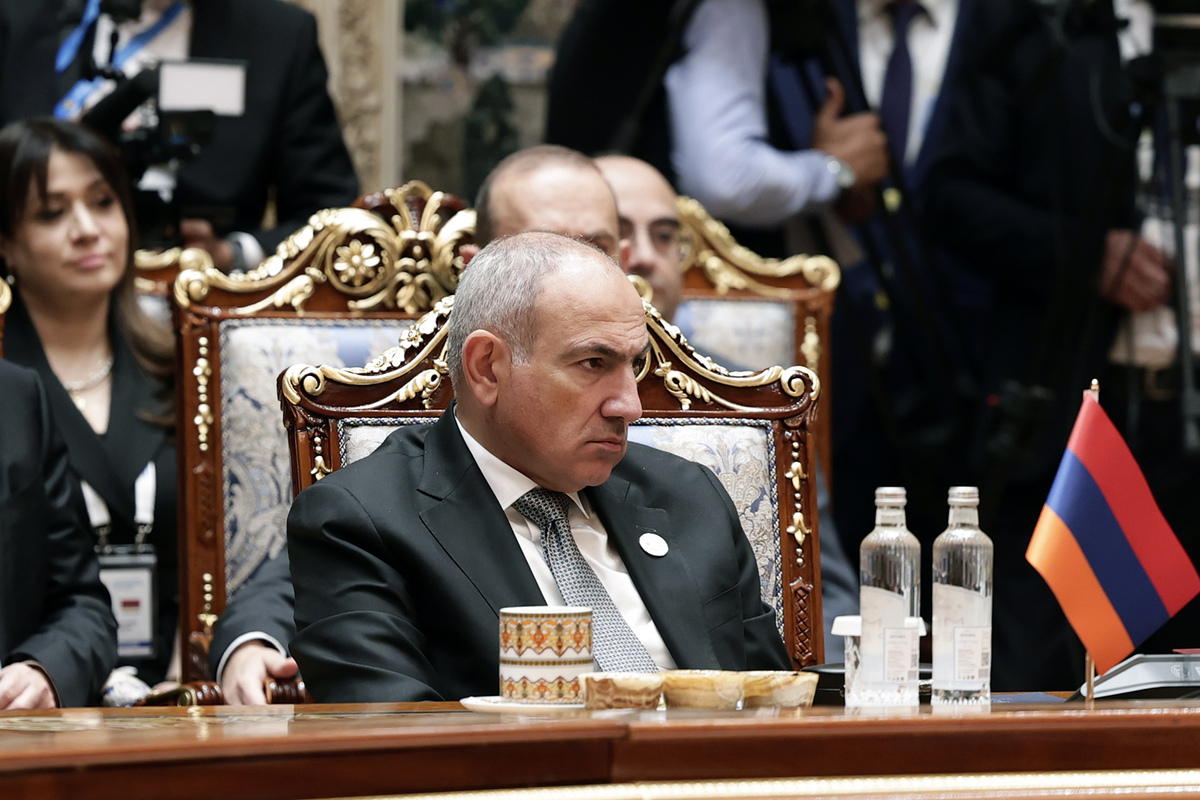
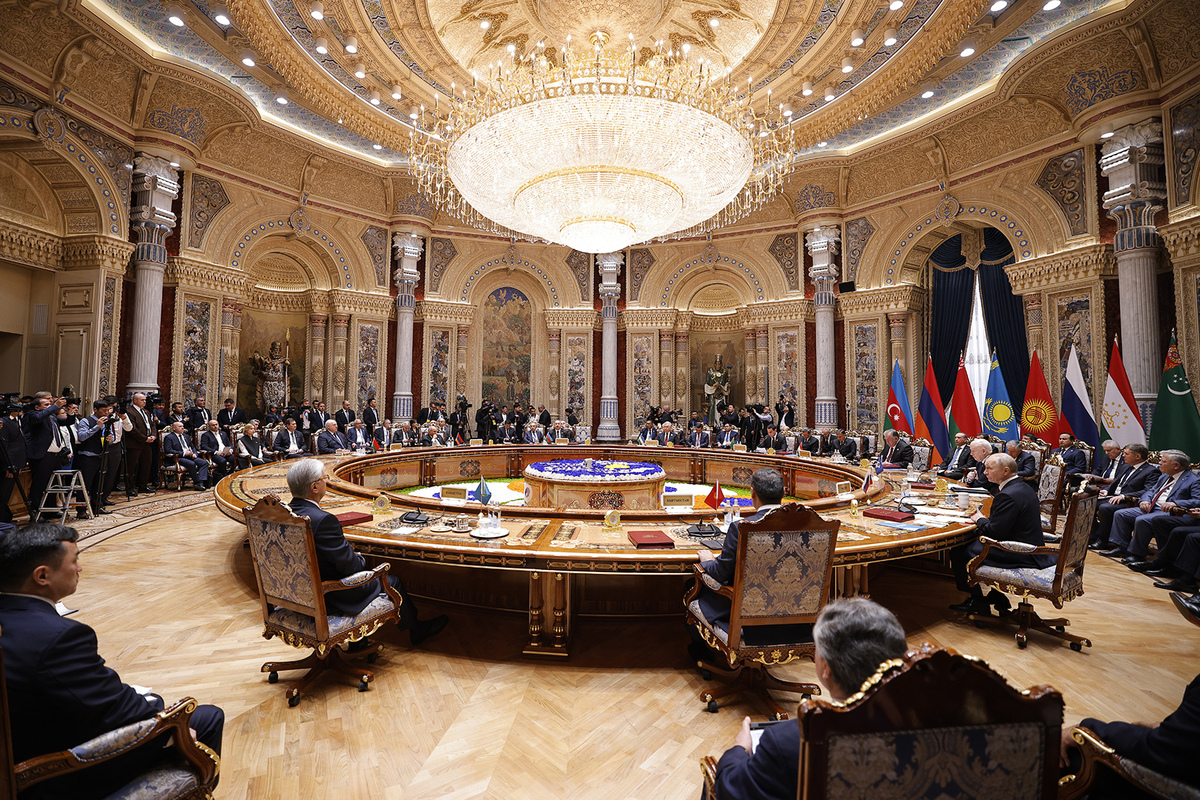
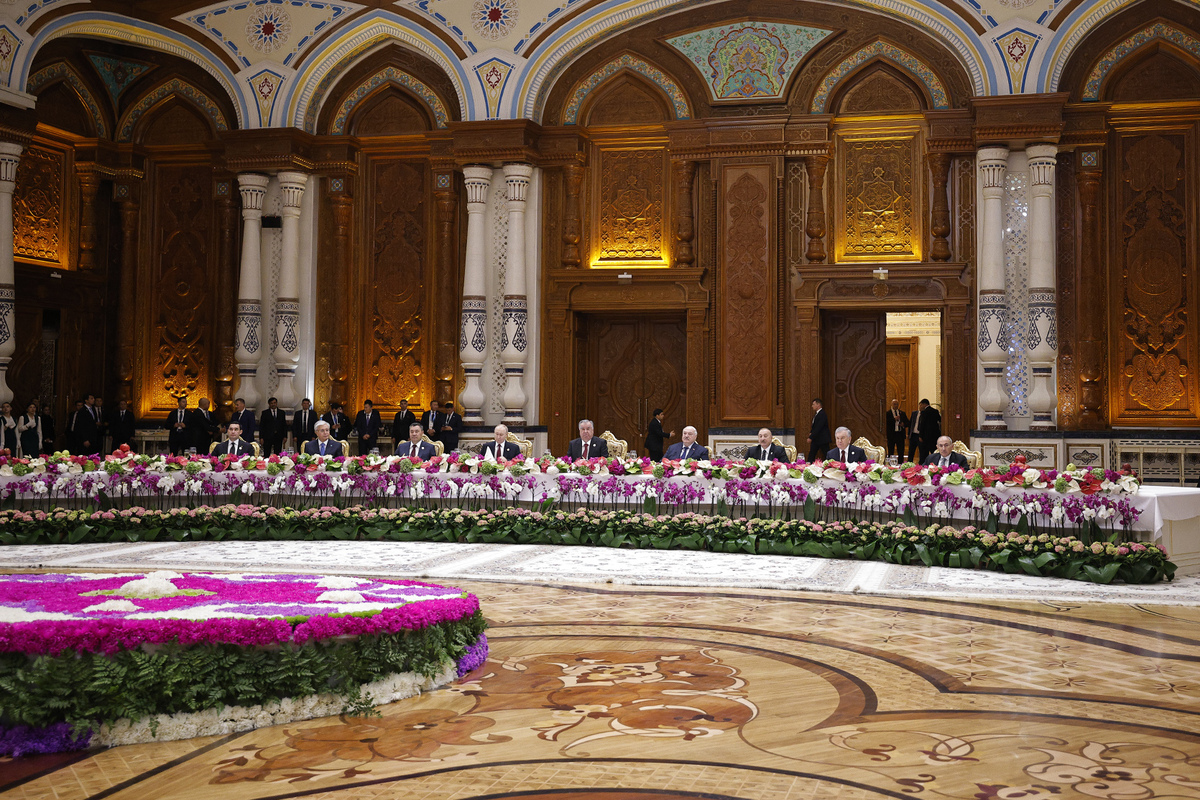
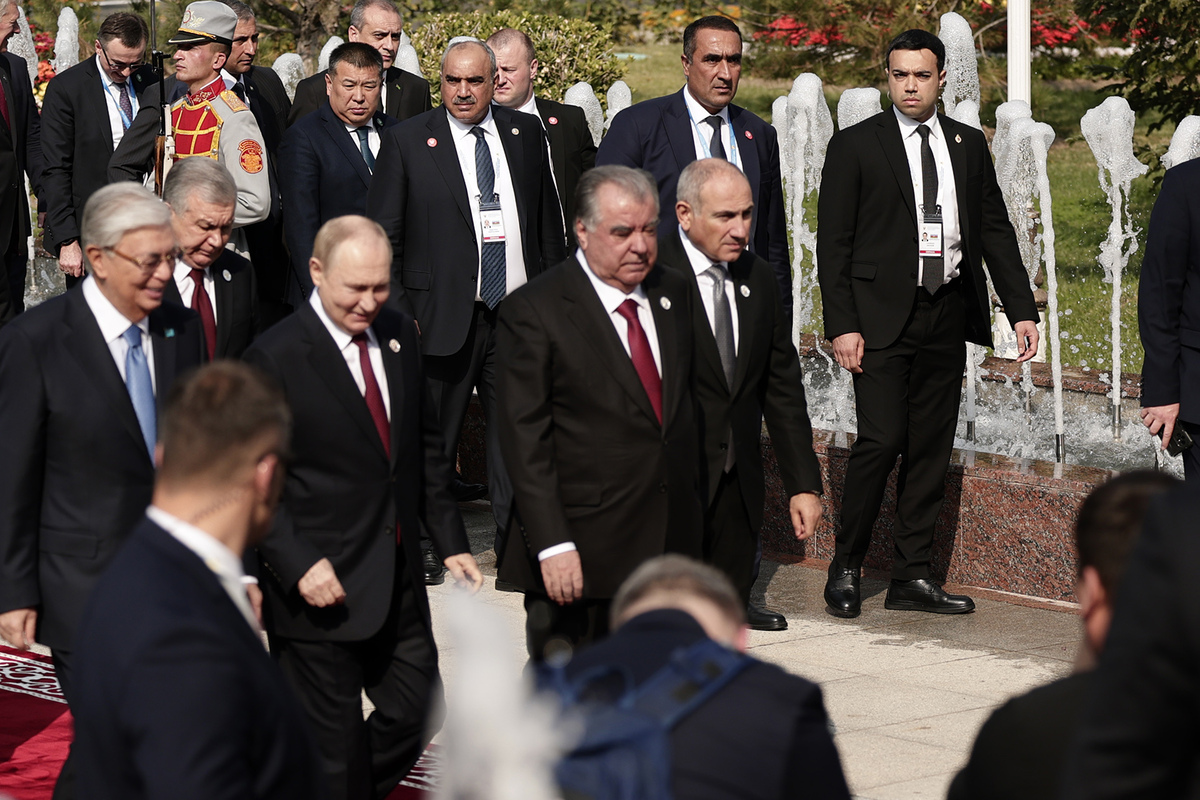
Prime Minister Nikol Pashinyan attended the regular meeting of the CIS Council of Heads of State in Dushanbe.
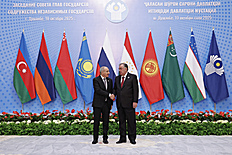
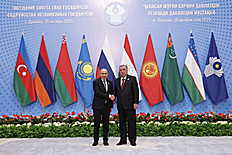
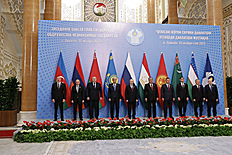
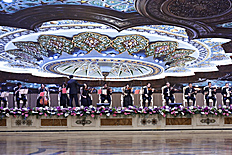
The Heads of State were greeted by Tajik President Emomali Rahmon, followed by a formal photo ceremony.
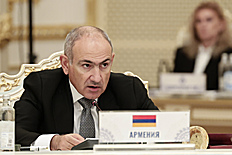
During the narrow-format meeting, Prime Minister Pashinyan delivered a speech in which he particularly noted,
"Dear Heads of Delegation,
I am pleased to welcome you to the regular meeting of the CIS Council of Heads of State.
First of all, I would like to sincerely thank our Tajik friends and personally highly respected President Rahmon for the warm welcome and high-level organization of today's summit.
I would also like to express my special gratitude to the Tajik side for the successful implementation of its chairmanship of the Commonwealth this year.
Dear Colleagues,
I am pleased to note that, after many years of conflict, peace has been established between Armenia and Azerbaijan, and the key document in this process was the founding document of the CIS – the Alma-Ata Declaration of 1991.
Following the Peace Summit held on August 8 of this year in Washington, at the initiative of President Trump, President Aliyev and I adopted a Declaration, which stated that Armenia and Azerbaijan recognize the need to adhere to a course toward a brighter future, unrelated to the conflict of the past, in in accordance with the Charter of the United Nations and the Alma-Ata Declaration of 1991.
Let me quote from the Washington Declaration: "Following a conflict that has caused enormous human suffering, conditions have been created for our peoples to finally embark on a path of good-neighborly relations based on the inviolability of international borders and the inadmissibility of the use of force to seize territory. This reality, which cannot and should never be revised, paves the way for closing the chapter of hostility between our peoples. We resolutely reject and rule out any attempts at revenge now and in the future".
In the same Declaration, we, the leaders of Armenia and Azerbaijan, in order to promote peace, stability, and prosperity in the region and neighborhood, reaffirmed the importance of opening transport links between the two countries for domestic, bilateral, and international traffic based on respect for the sovereignty, territorial integrity, and jurisdiction of states.
These efforts should include unimpeded transportation links between the mainland of the Republic of Azerbaijan and its Nakhchivan Autonomous Republic through the territory of the Republic of Armenia, with mutual benefits for international and domestic transportation for the Republic of Armenia.
It was also agreed that the Republic of Armenia will work with the United States of America and mutually agreed third parties to develop the framework for the Trump Route for International Peace and Prosperity (or TRIPP) transportation project in the Republic of Armenia.
The TRIPP project provides Armenia with the opportunity to establish rail and other transportation links with the CIS member state of Azerbaijan and other Commonwealth member states.
This is a significant change and a development that will undoubtedly contribute to strengthening economic ties within the CIS and increasing the organization's effectiveness.
The TRIPP project also opens up new export and import opportunities for CIS countries.
Dear colleagues,
Prior to the Washington Summit, back in March of this year, Armenia and Azerbaijan were able to agree on the draft "Agreement on the Establishment of Peace and Interstate Relations" and conclude negotiations on the draft with such a positive outcome.
This document also references the 1991 Alma-Ata Declaration.
In this context, the Parties confirmed their understanding that the borders between the former Soviet Republics have become the international borders of their respective independent states. Accordingly, Armenia and Azerbaijan recognize and respect each other's sovereignty, territorial integrity, inviolability of international borders, and political independence.
This means that both countries recognize that the territory of the Republic of Armenia is identical to the territory of the Armenian Soviet Socialist Republic, and the territory of the Republic of Azerbaijan is identical to the territory of the Azerbaijani Soviet Socialist Republic, and that the borders encompassing these territories are inviolable.
The "Agreement on the Establishment of Peace and Interstate Relations between Armenia and Azerbaijan" was initialed at the White House by the foreign ministers of the two countries in the presence of the President of the United States, the President of Azerbaijan, and myself. I hope and am convinced that we will sign and ratify this agreement as well in the near future.
It is noteworthy that in 2024, Armenia and Azerbaijan signed and ratified their historic first bilateral document. This document is the Regulation on Joint Activities of the Border Delimitation Commissions of the two countries, which was signed by the Deputy Prime Ministers of the two countries and ratified in both Armenia and Azerbaijan, giving it supreme legal force.
This Regulation also enshrines the founding document of the Commonwealth, the Alma-Ata Declaration of 1991, as the basic principle for delimiting the interstate border between the two countries. Based on this principle, a roughly 12-kilometer section of the state border between our countries was delimited in 2024.
Dear colleagues,
I am pleased to be able to inform you of all this, although the established peace does not mean that the issues on the Armenia-Azerbaijan agenda have been exhausted. We still need to establish mutual trade, economic, political, and cultural ties, and resolve humanitarian issues, and this is no easy task, given the long-standing history of hostility. But the established peace gives us confidence that these issues will gradually be resolved.
On the occasion of the establishment of peace, I would like to congratulate not only Armenia and Azerbaijan, but all CIS member states, as I know you all very much desired this to happen, and it happaned. Peace is now a reality, and I congratulate us all on this occasion and express my gratitude to my CIS colleagues for their support throughout this time.
Thank you for your attention".
An expanded meeting followed, during which the Heads of State signed protocols of the agreed-upon documents.