Foreign visits
Prime Minister Nikol Pashinyan's working visit to Turkmenistan
 1670x1113px - 769 Kb
 1670x1113px - 512 Kb
 1670x1113px - 666 Kb
 1670x1113px - 641 Kb
 1670x1113px - 469 Kb
 1670x1113px - 728 Kb
 1670x1113px - 411 Kb
 1670x1113px - 625 Kb
 1670x1113px - 1 Mb
 1670x1113px - 664 Kb
 1670x1113px - 1 Mb
 1670x1113px - 805 Kb
 1670x1113px - 459 Kb
 1670x1113px - 535 Kb
 1670x1113px - 1 Mb
 1670x1113px - 862 Kb
 1670x1113px - 548 Kb
 1670x1113px - 987 Kb
 1670x1113px - 514 Kb
 1670x1113px - 513 Kb
 1670x1113px - 467 Kb
 1670x1113px - 569 Kb
 1670x1113px - 507 Kb
 1670x1113px - 718 Kb
 1670x1113px - 754 Kb
 1670x1113px - 778 Kb
 1670x1113px - 571 Kb
 1670x1113px - 724 Kb
 1670x1113px - 720 Kb
 1670x1113px - 839 Kb
 1670x1113px - 1 Mb
 1670x1113px - 649 Kb
 1670x1113px - 764 Kb
 1670x1113px - 838 Kb
 1670x1113px - 752 Kb
 1670x1113px - 527 Kb
 1670x1113px - 530 Kb
 1670x1113px - 588 Kb
 1670x1113px - 931 Kb
 1670x1113px - 840 Kb
 1670x1113px - 981 Kb
 1670x1113px - 960 Kb
 1670x1113px - 502 Kb
 1670x1113px - 513 Kb
 1670x1113px - 487 Kb
 1670x1113px - 511 Kb
 1670x1113px - 516 Kb
 1670x1113px - 592 Kb
 1670x1113px - 547 Kb
 1670x1113px - 560 Kb
 1670x1113px - 493 Kb
 1670x1113px - 1 Mb
 1670x1113px - 732 Kb
 1670x1113px - 2 Mb
 1670x1113px - 1 Mb
 1670x1113px - 1 Mb
 1670x1113px - 998 Kb
 1670x1113px - 1 Mb



more 55 photos
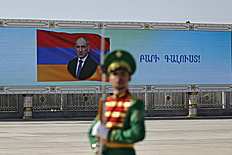
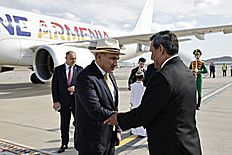
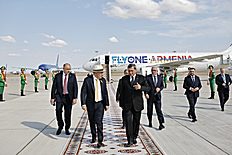
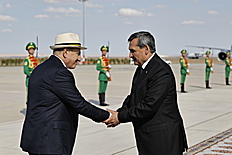
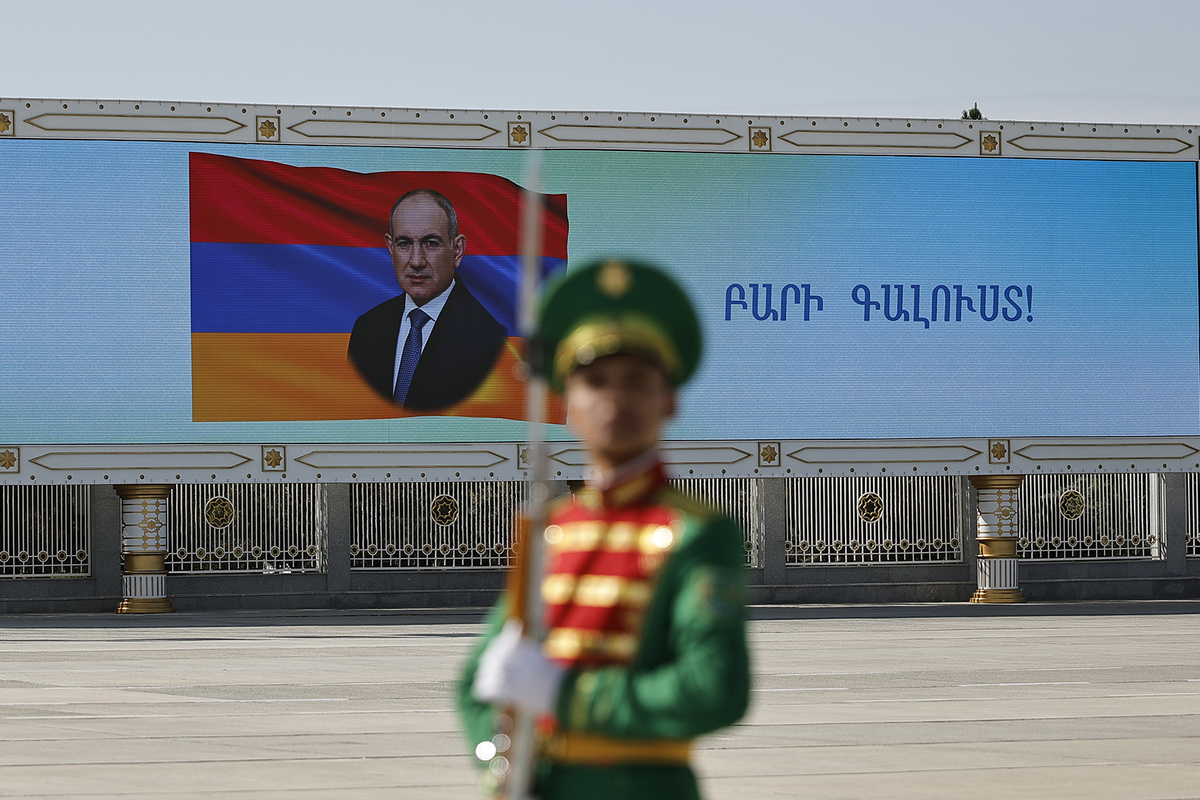
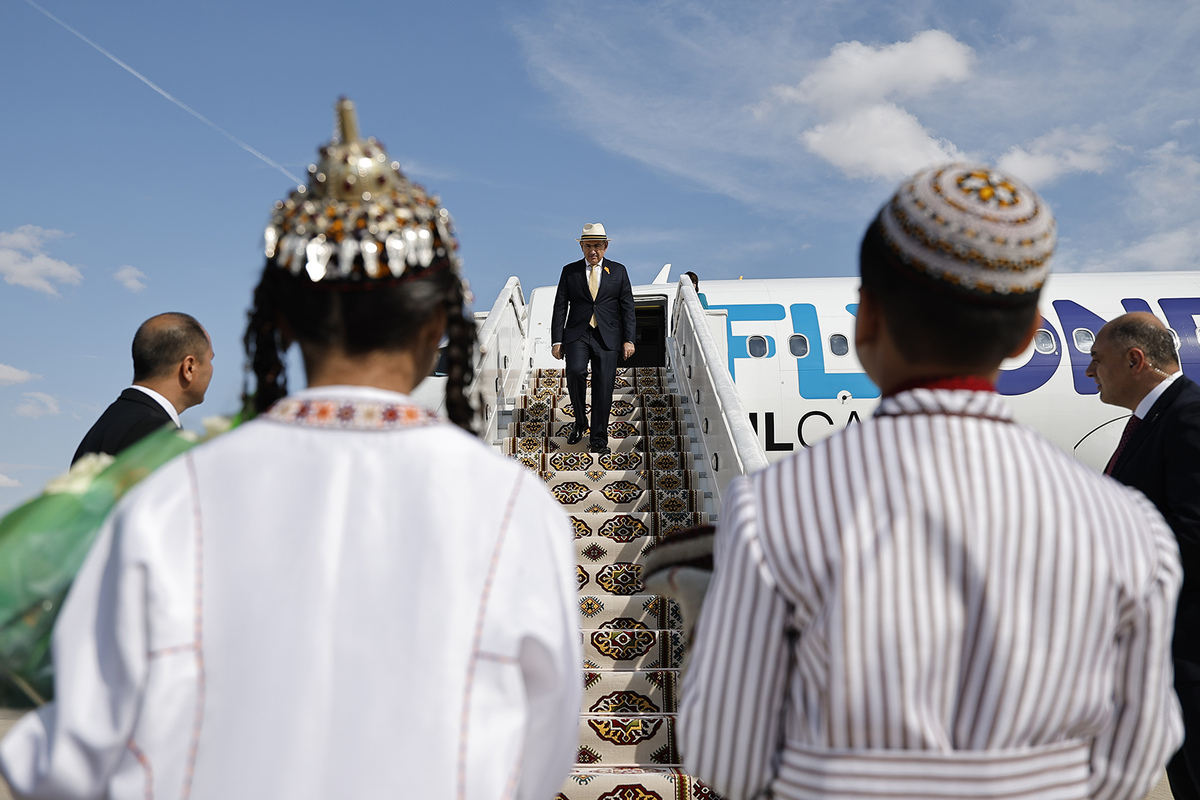
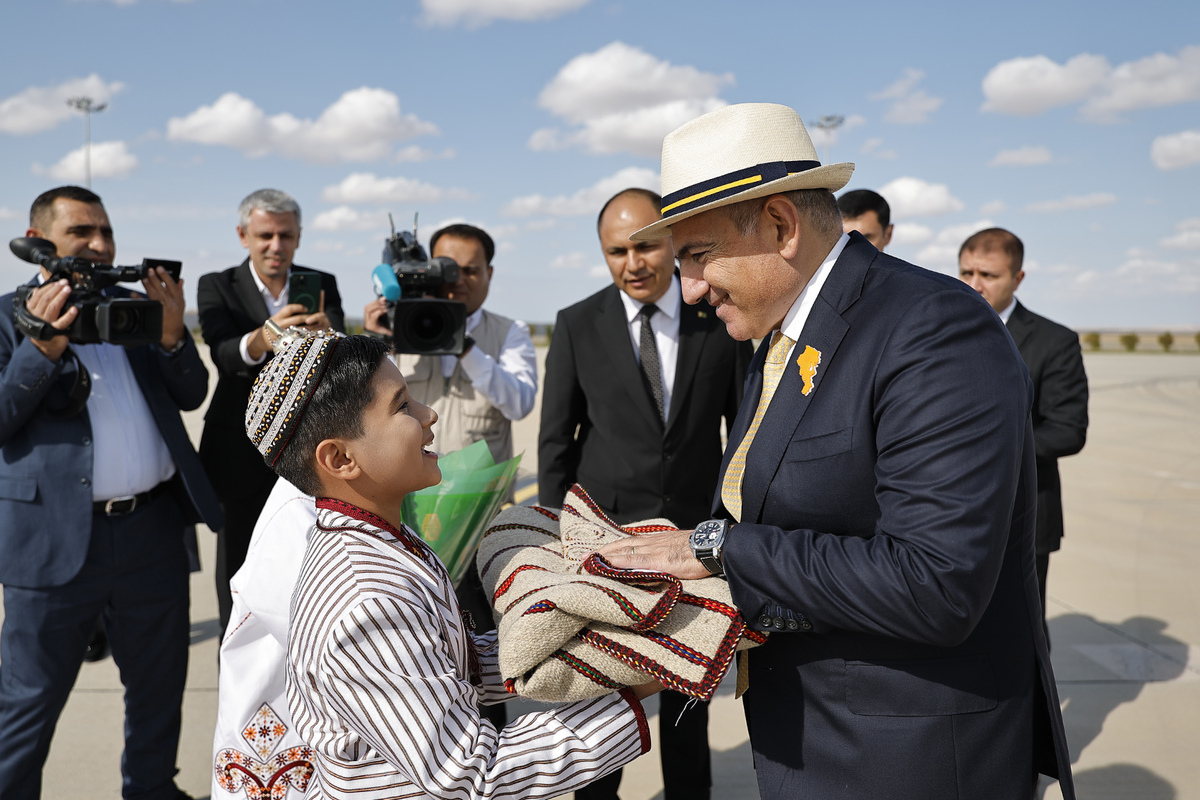
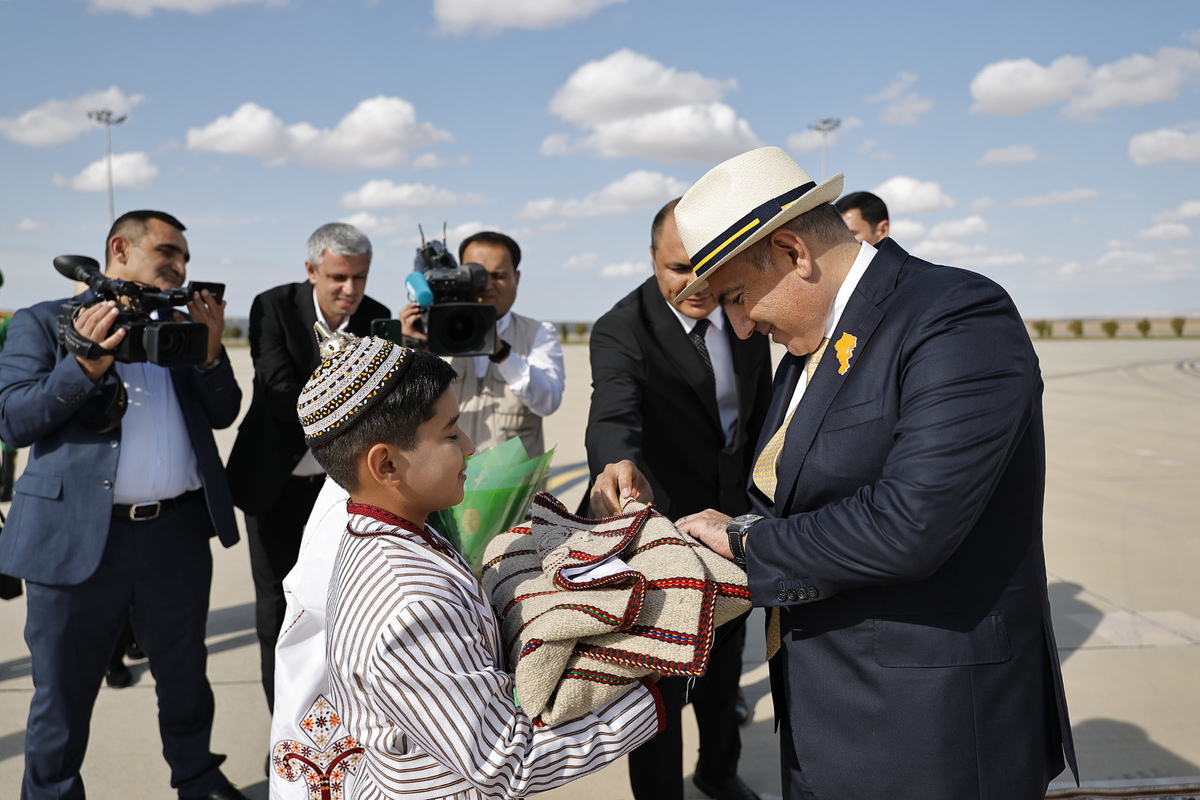
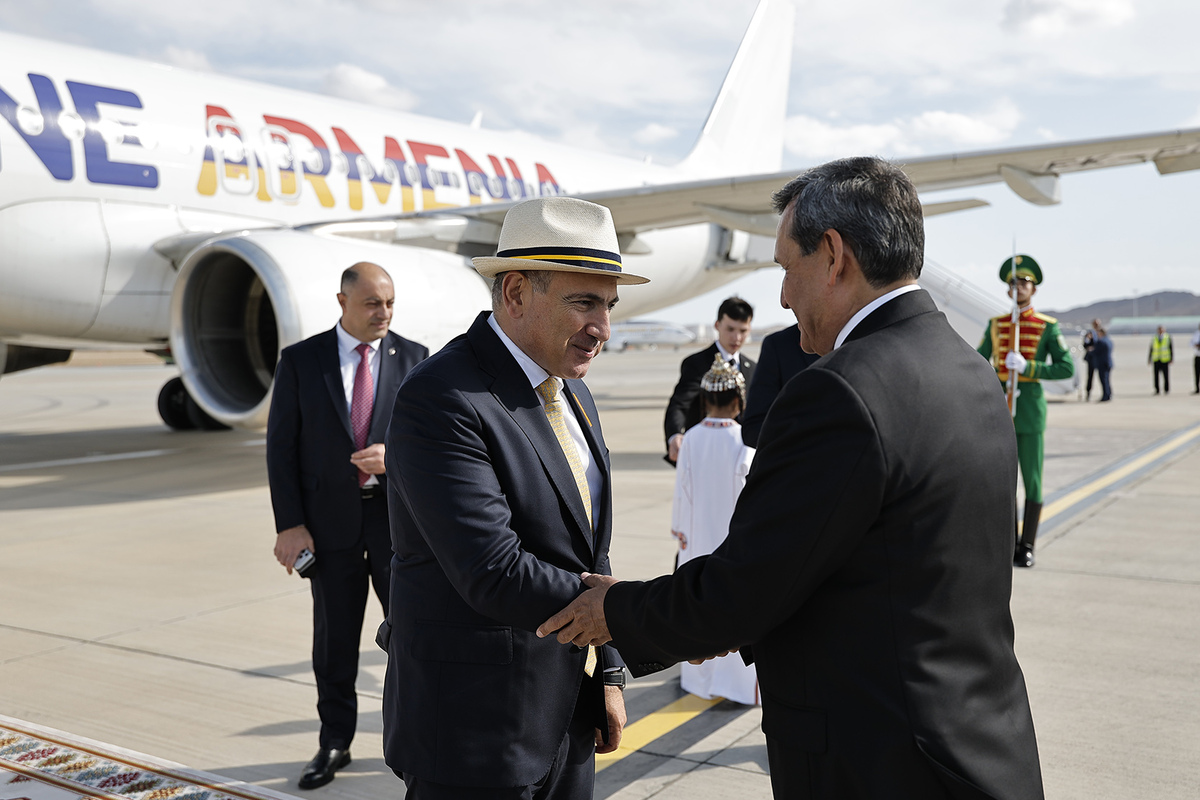
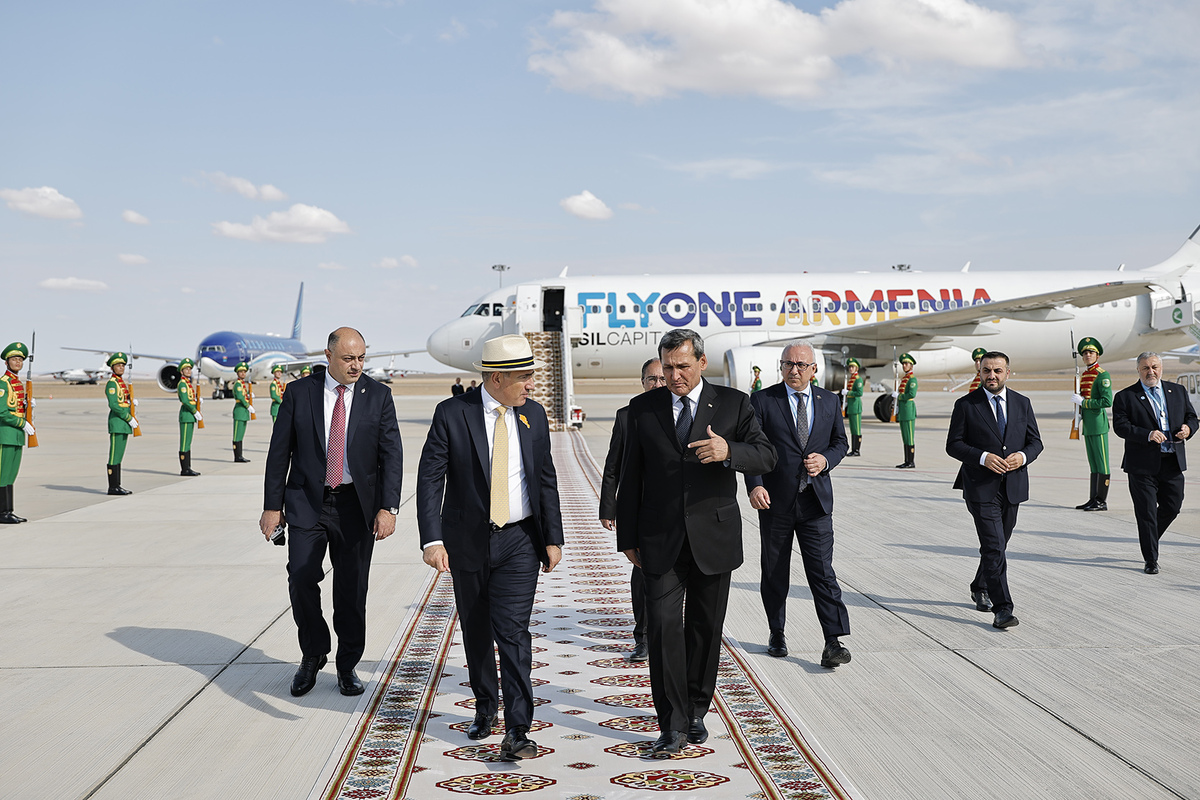
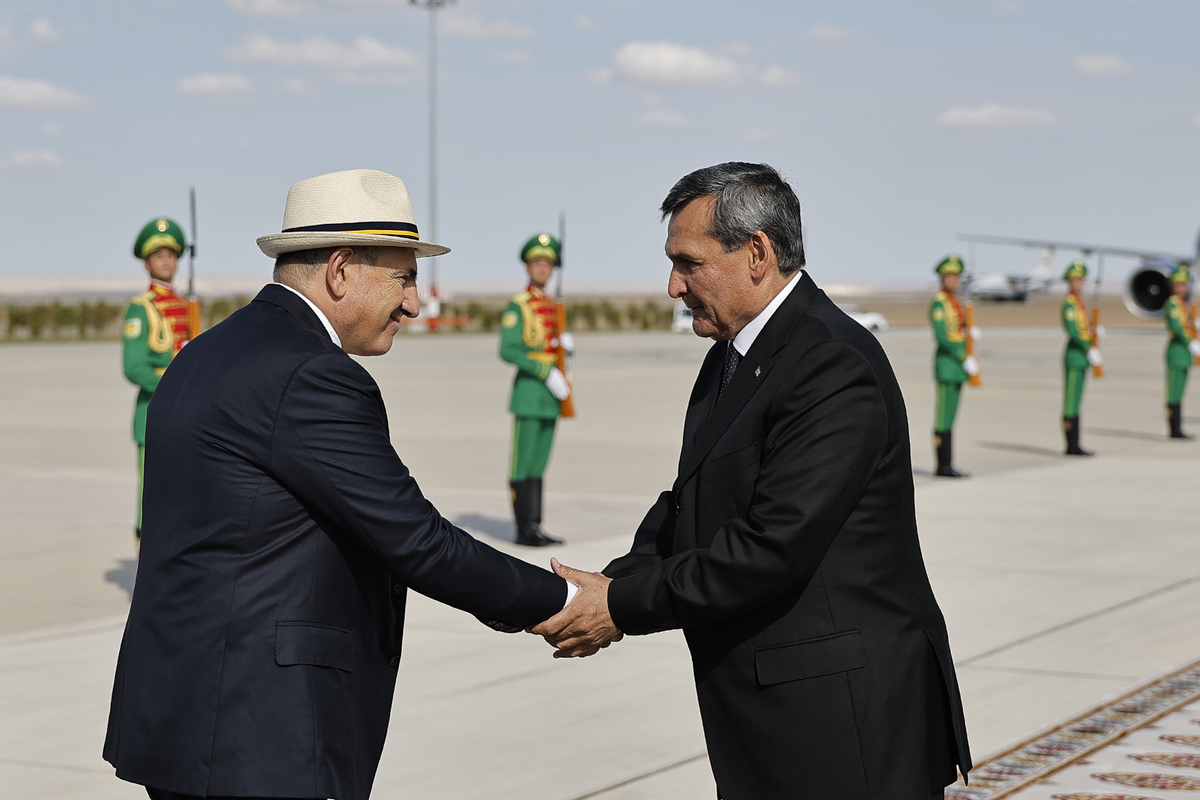
Prime Minister Nikol Pashinyan has arrived in Turkmenistan for a two-day working visit.
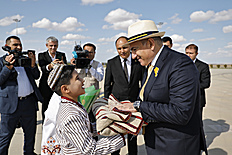
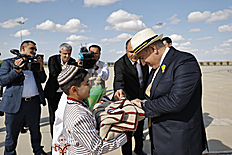
The Prime Minister of Armenia was welcomed at Türkmenbaşy International Airport by Turkmenistan’s Deputy Prime Minister and Minister of Foreign Affairs, Raşit Meredow.
In Türkmenbaşy, the Prime Minister will participate in the regular meeting of the Council of Heads of State of the CIS member countries.
* * *
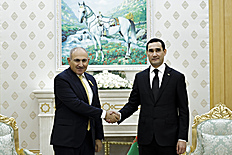
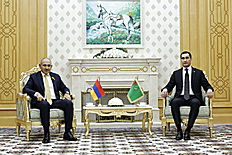
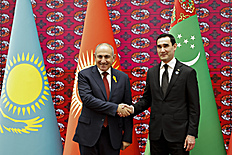
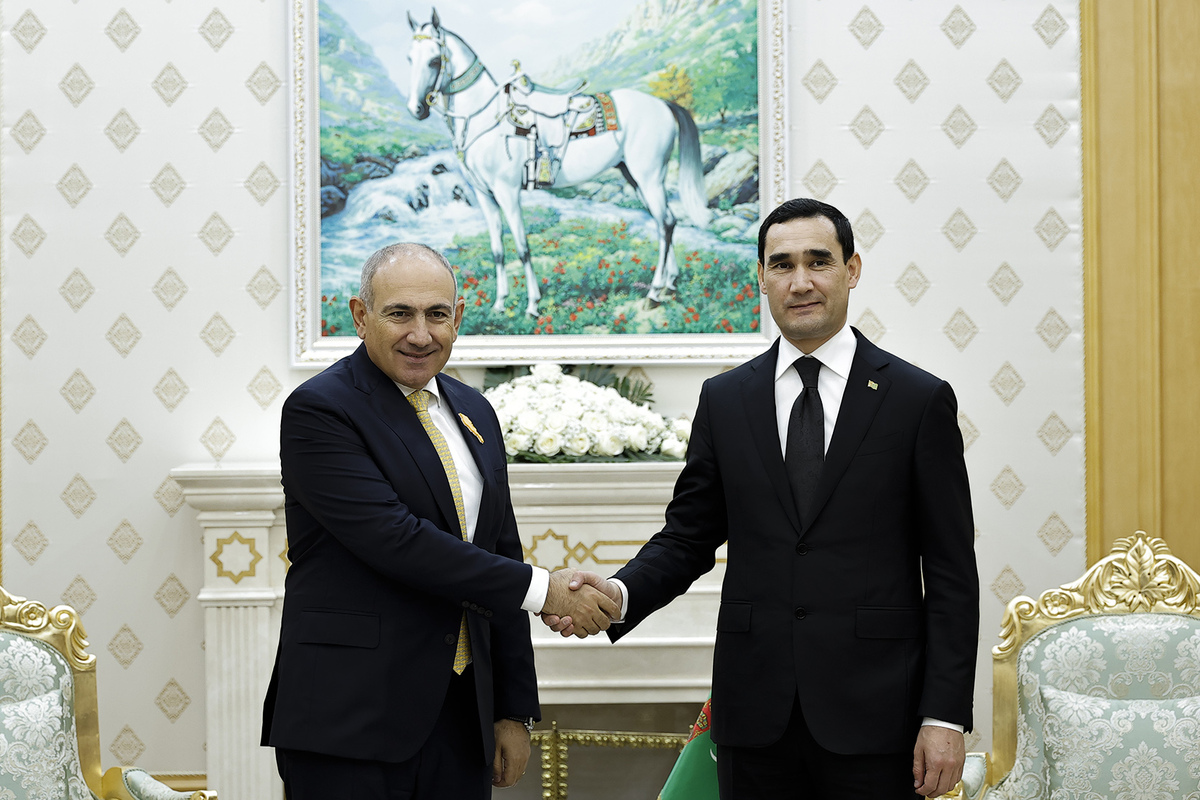
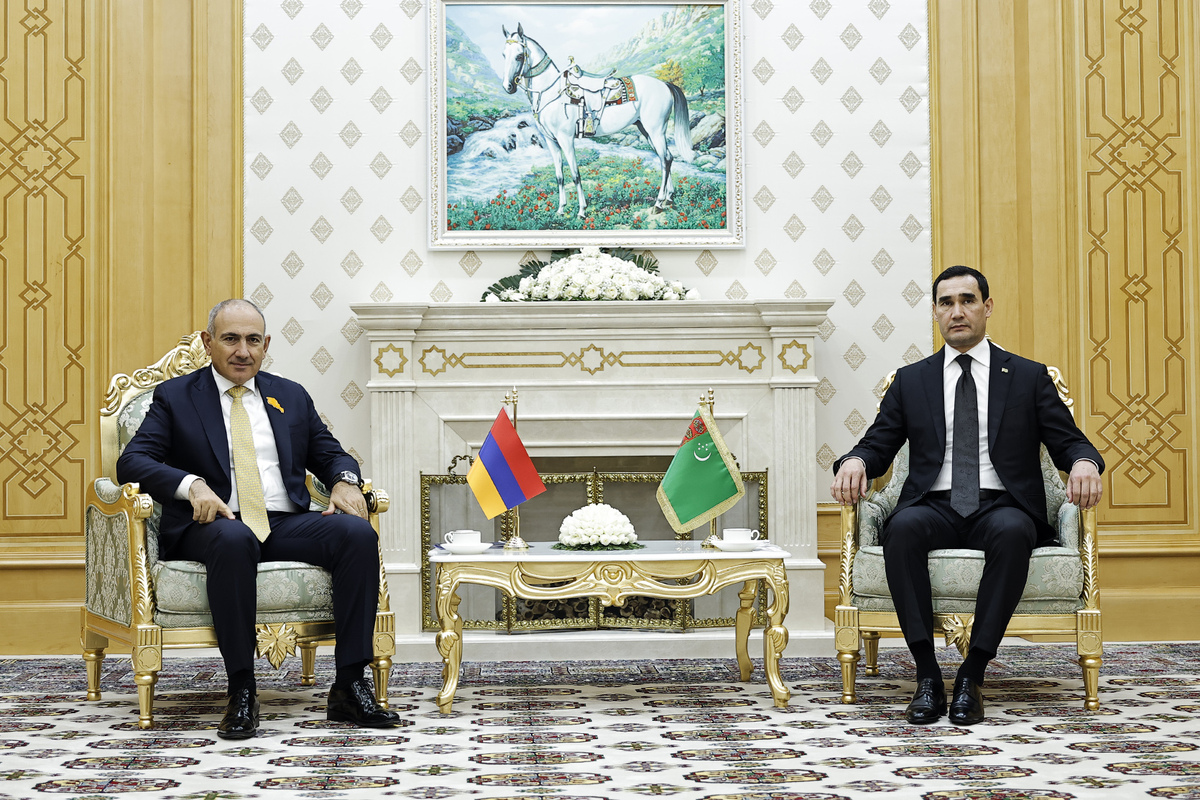
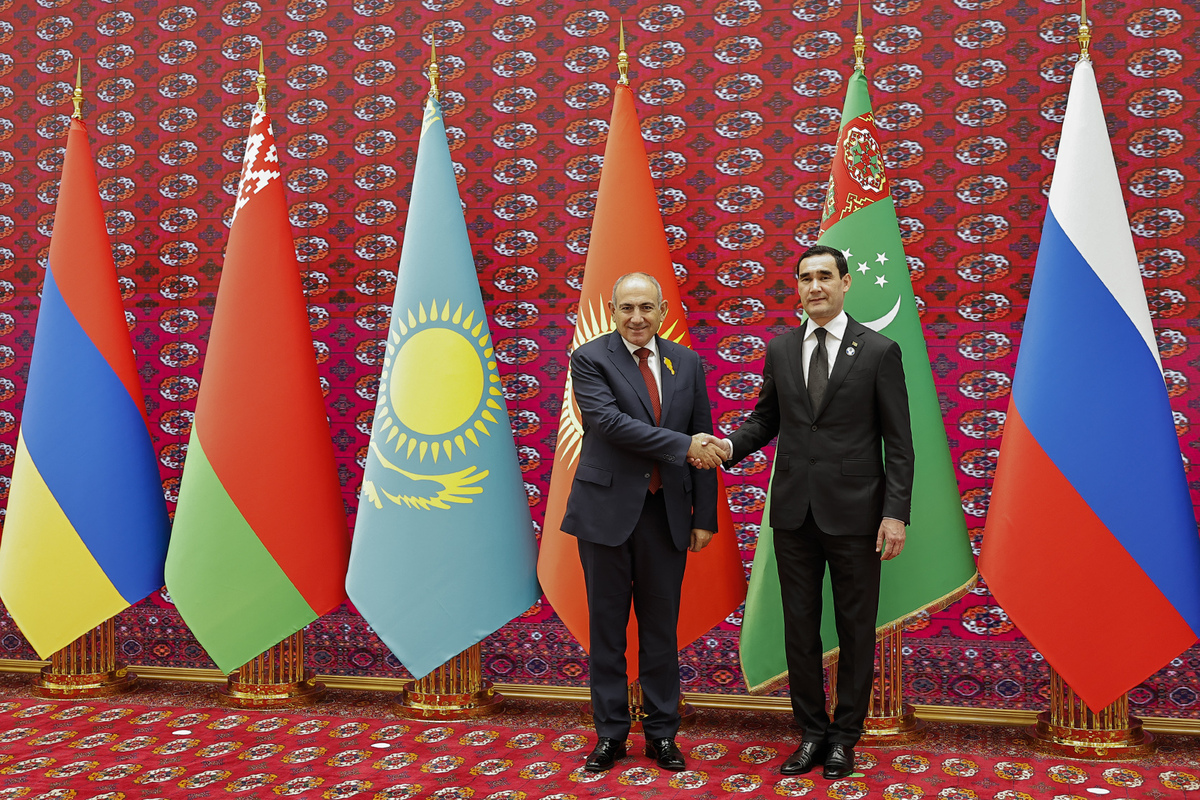
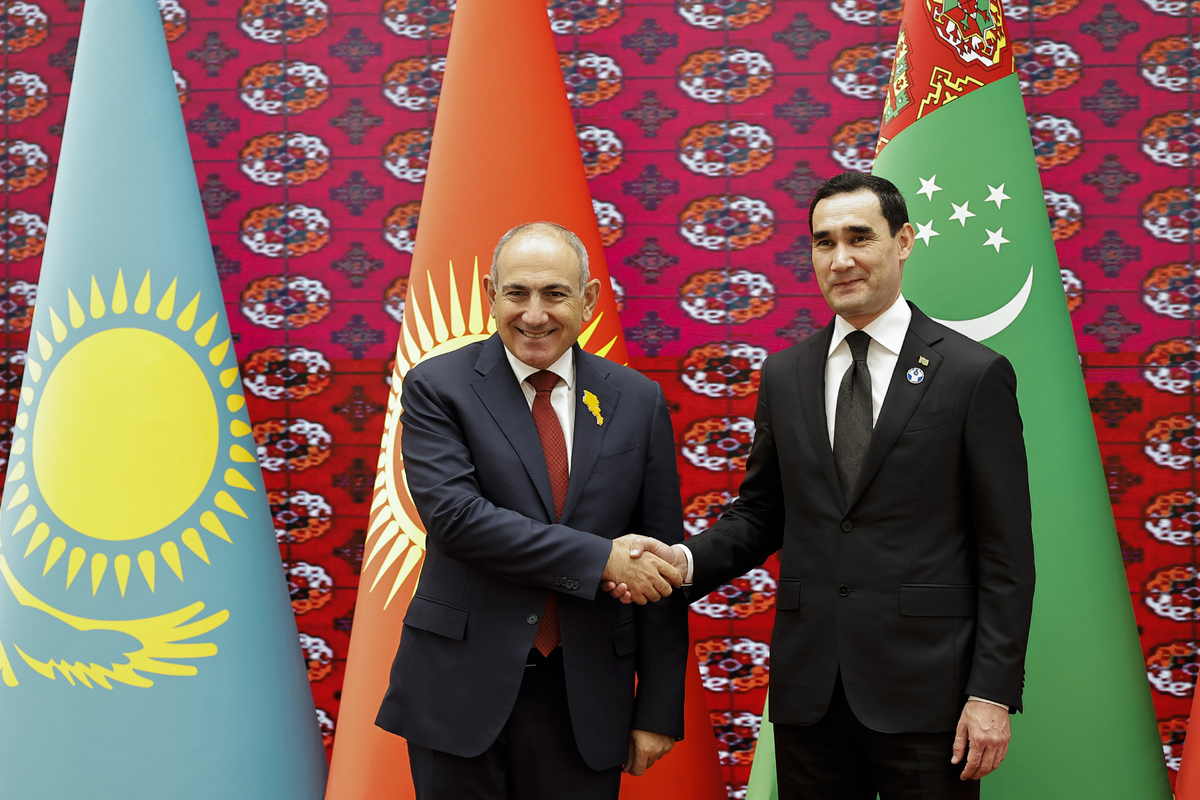
A private meeting took place in the city of Turkmenbashi between the Prime Minister of Armenia, Nikol Pashinyan, and the President of Turkmenistan, Serdar Berdimuhamedow.
The President welcomed the Armenian Prime Minister's visit and emphasized the importance of developing bilateral cooperation across various sectors.
Prime Minister Pashinyan expressed gratitude for the warm hospitality and added that the Government of Armenia is interested in expanding and deepening both political and trade-economic ties.
The two leaders exchanged views on various issues regarding the agenda of Armenia-Turkmenistan relations.
* * *
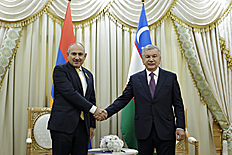
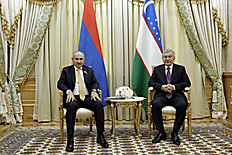
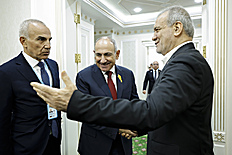
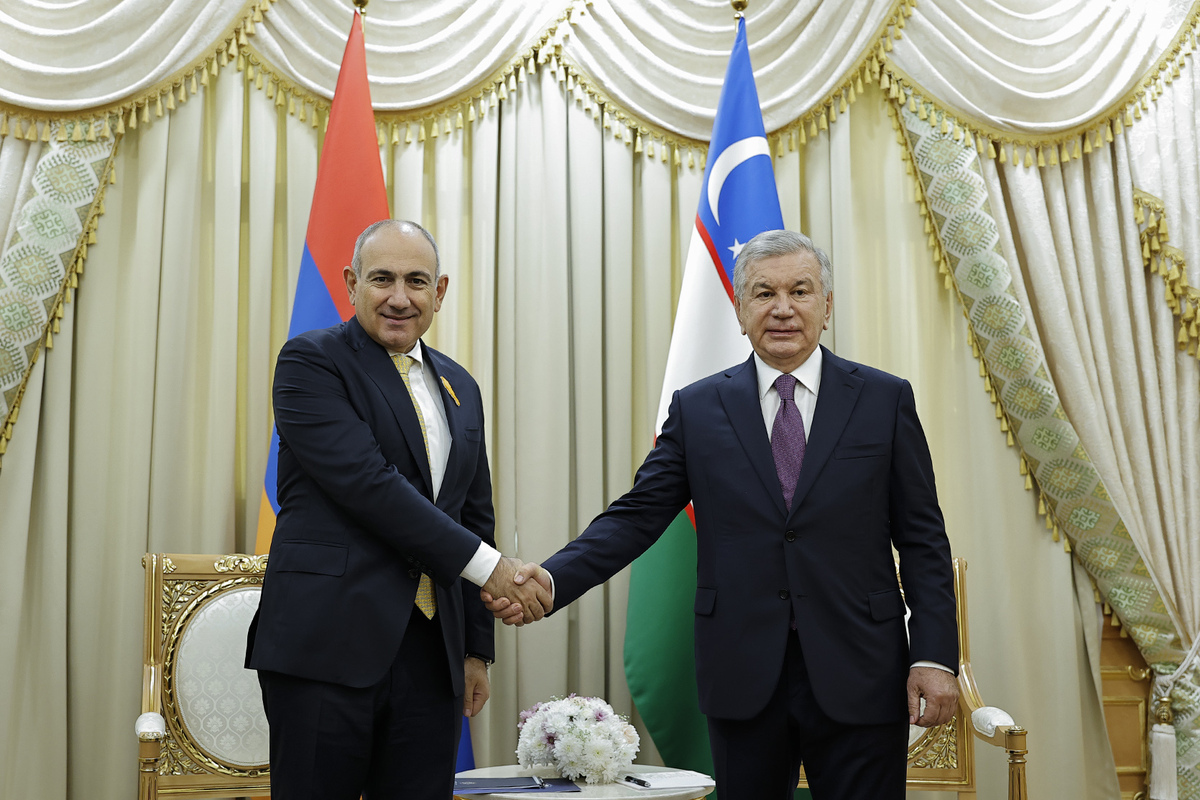
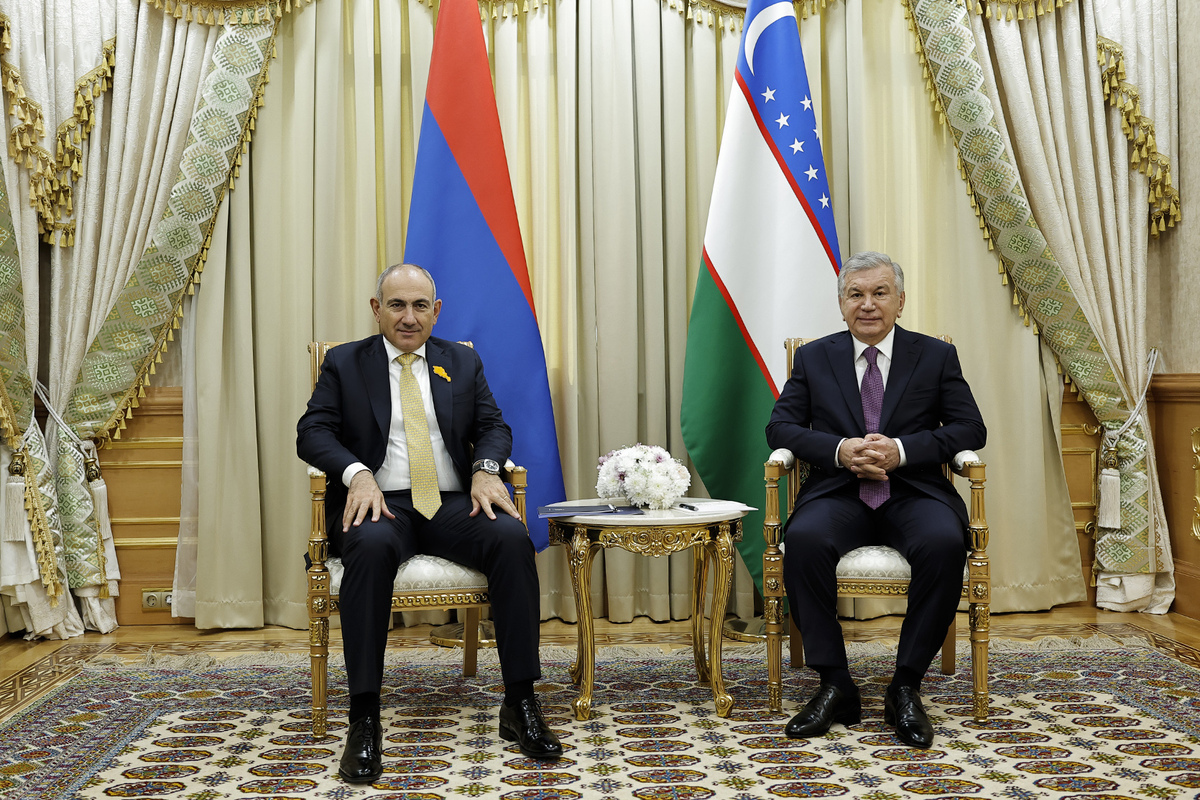
The Prime Minister of the Republic of Armenia Nikol Pashinyan had a private conversation with Uzbekistan President Shavkat Mirziyoyev in Turkmenbashi.
The interlocutors discussed issues related to Armenia-Uzbekistan relations and their further development. The development and expansion of trade and economic ties was emphasized.
The sides exchanged views on regional processes, emphasizing the establishment of peace between Armenia and Azerbaijan and the promotion of regional cooperation.
* * *
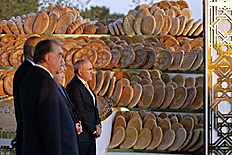
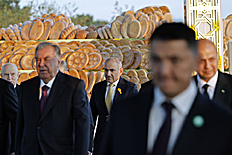
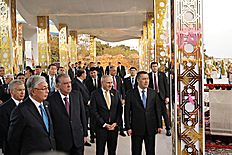
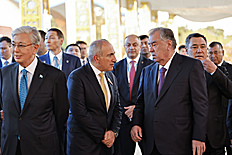
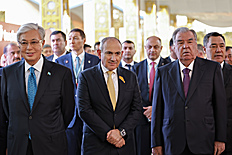
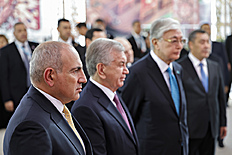
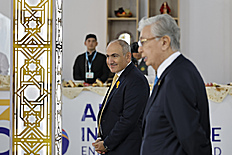
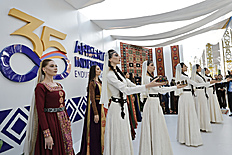
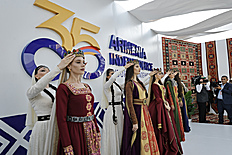
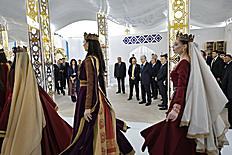
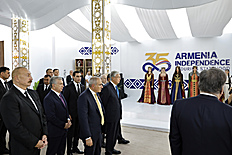
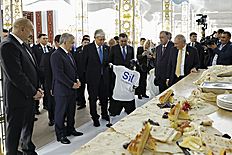
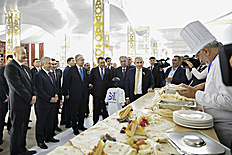
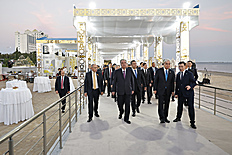
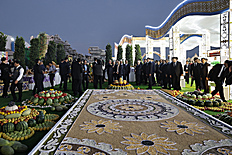
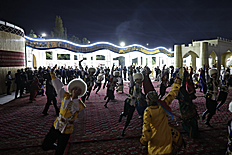
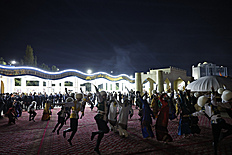
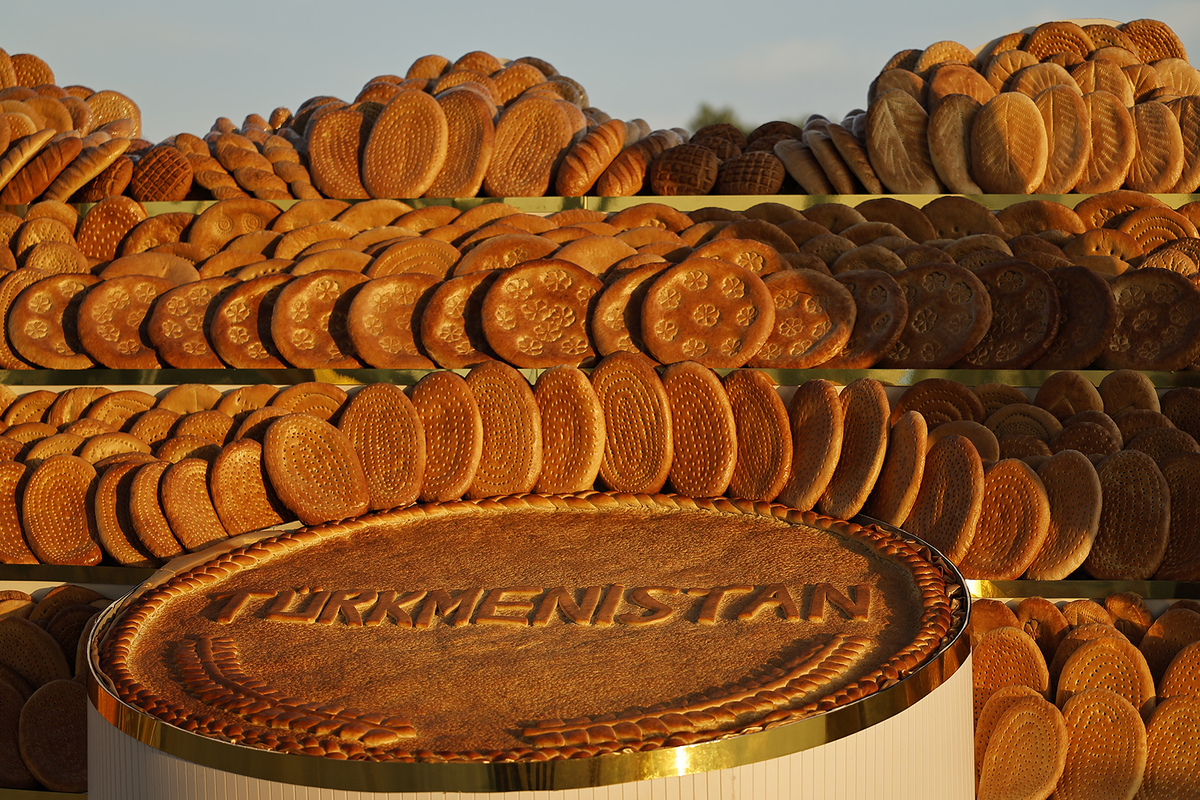
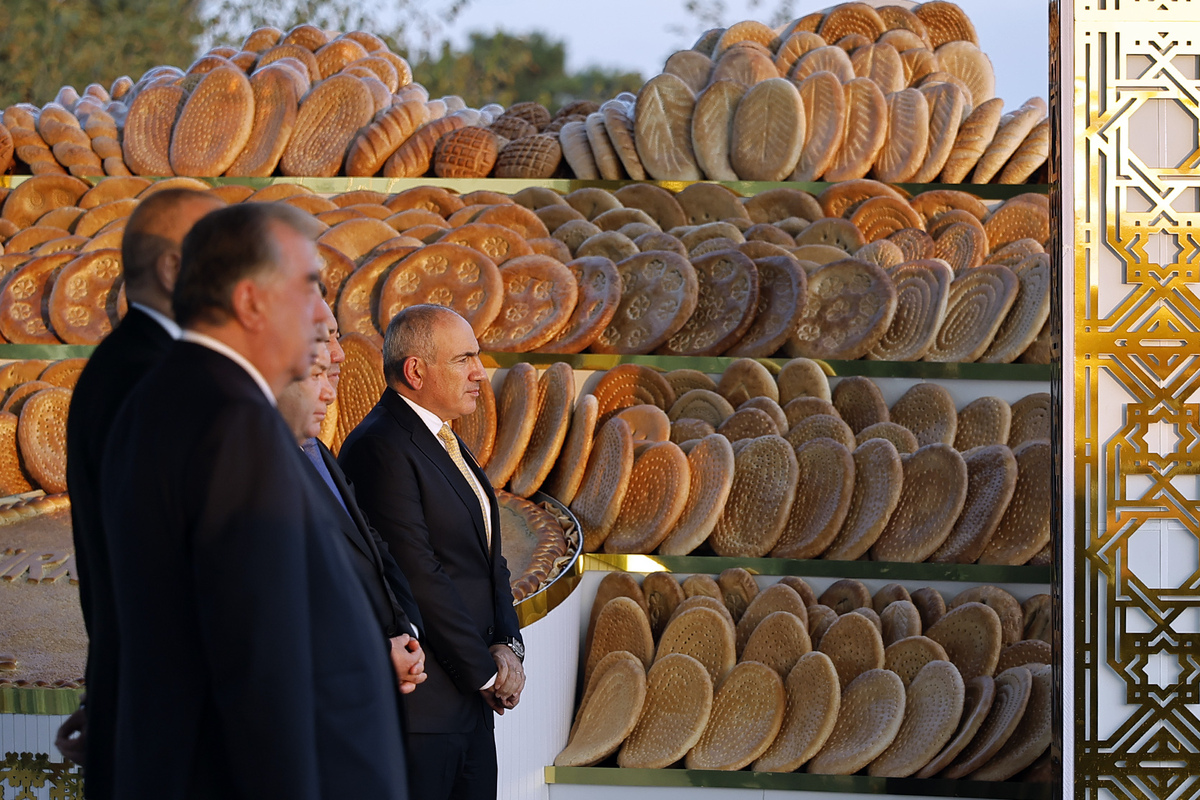
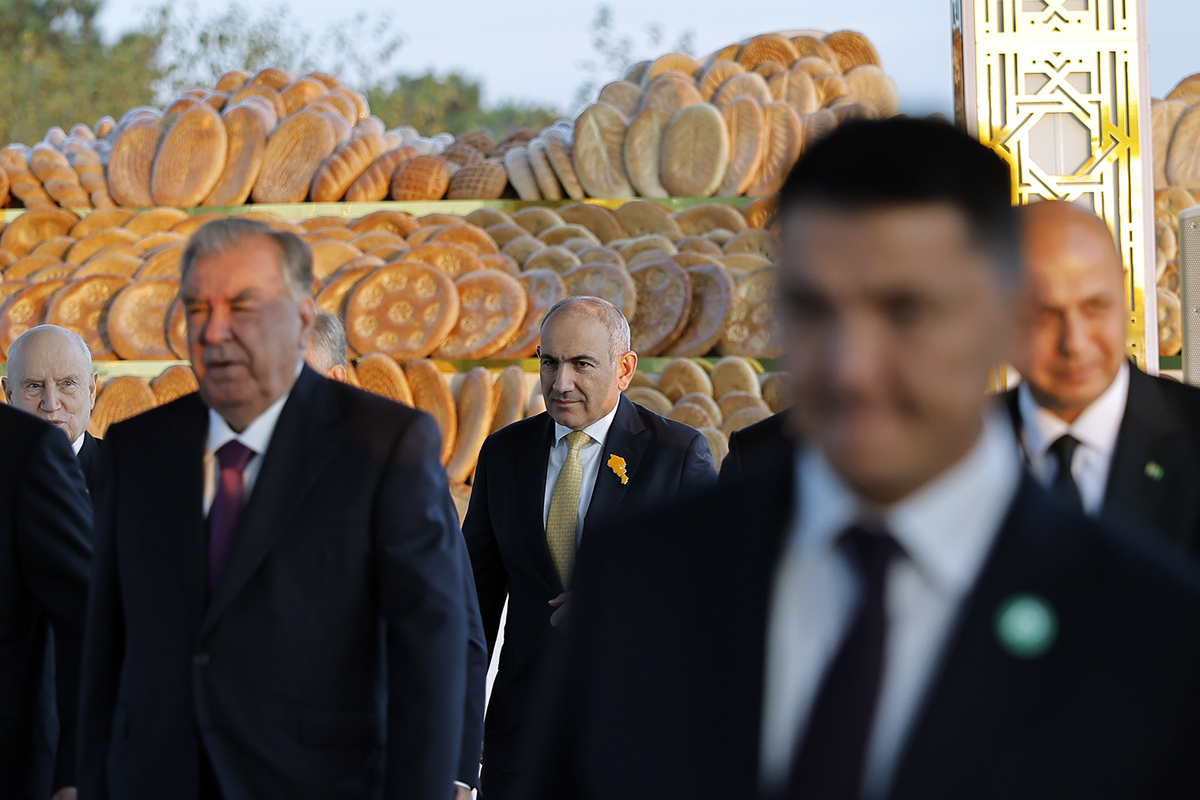
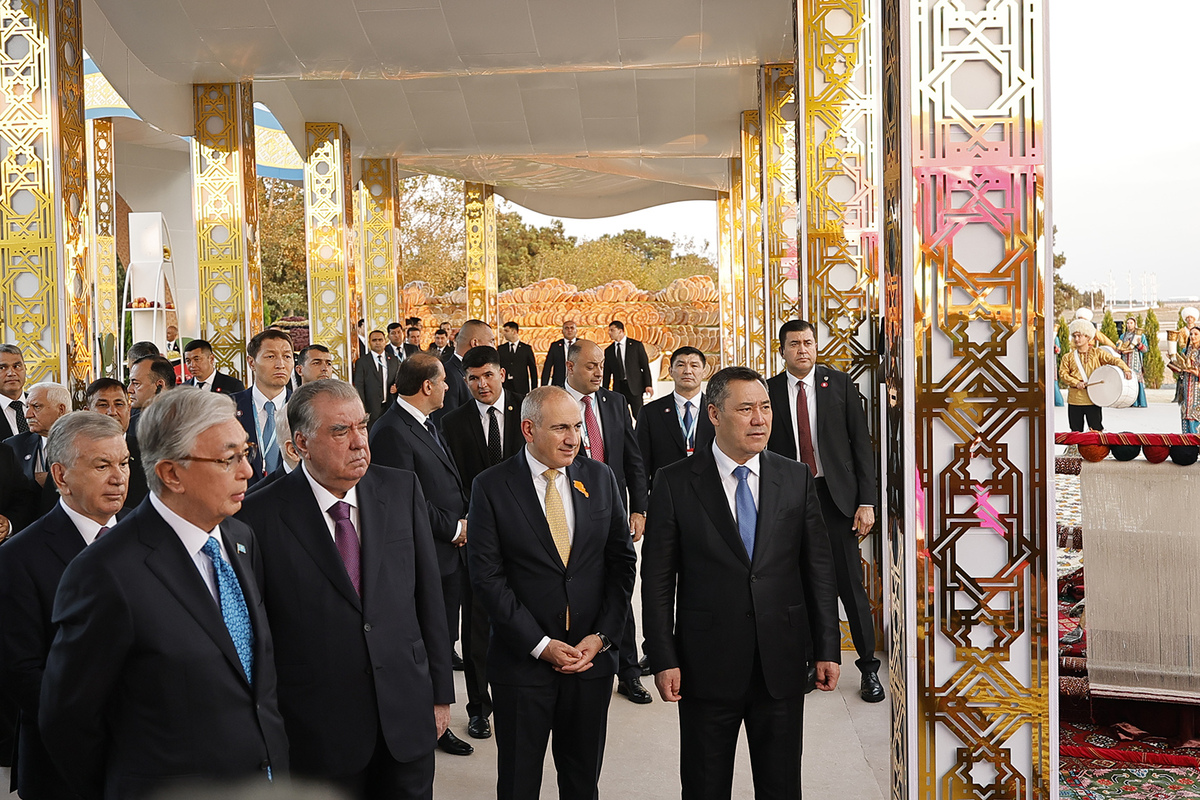
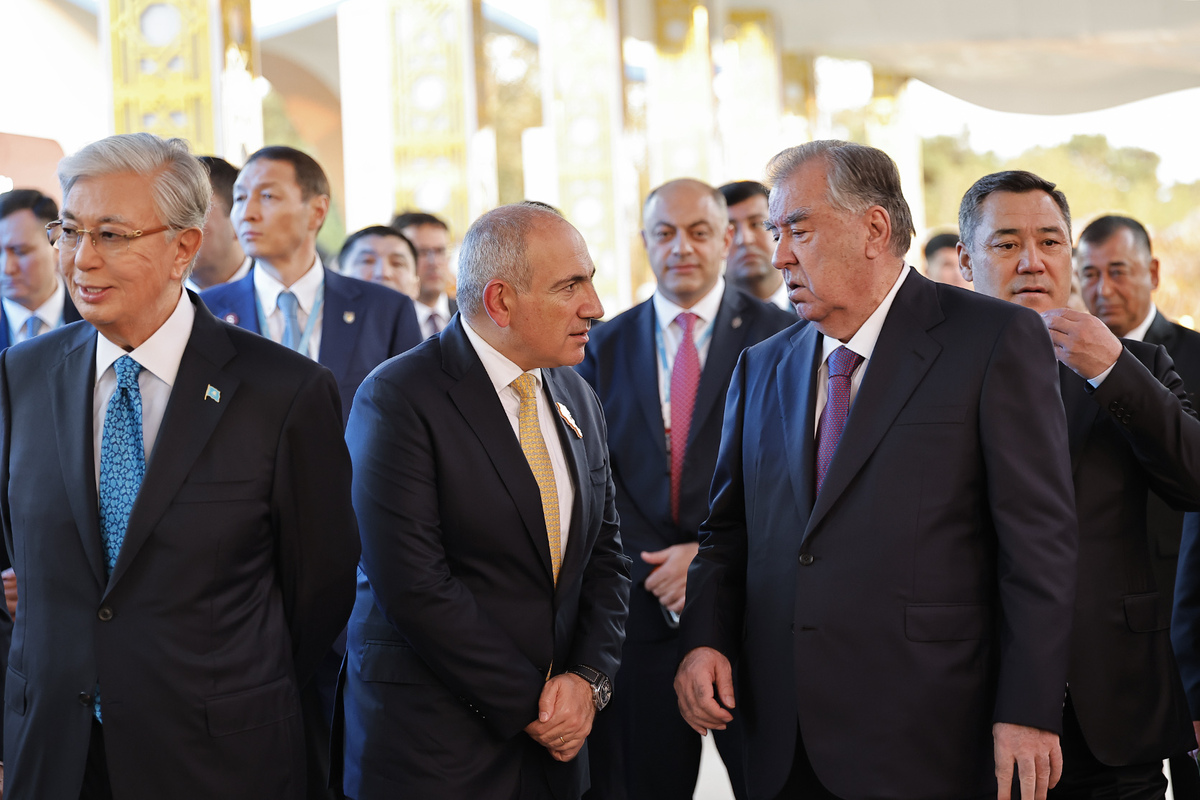
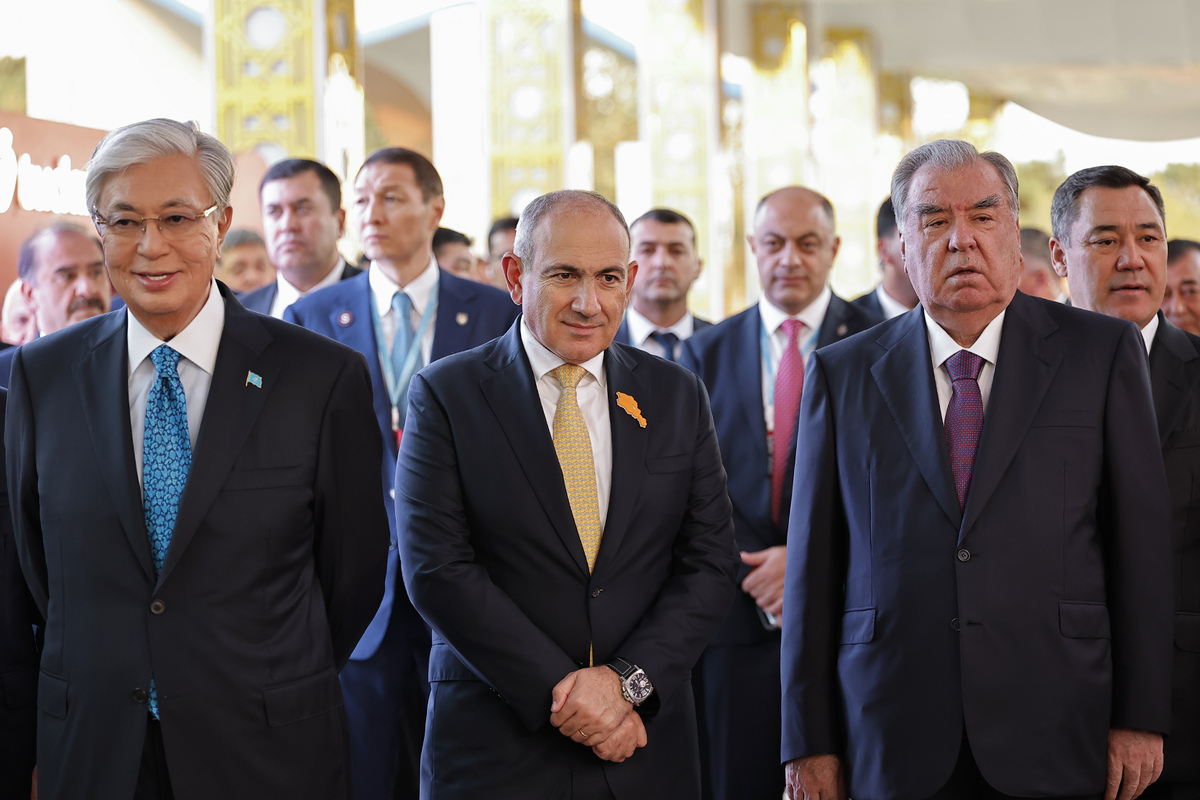
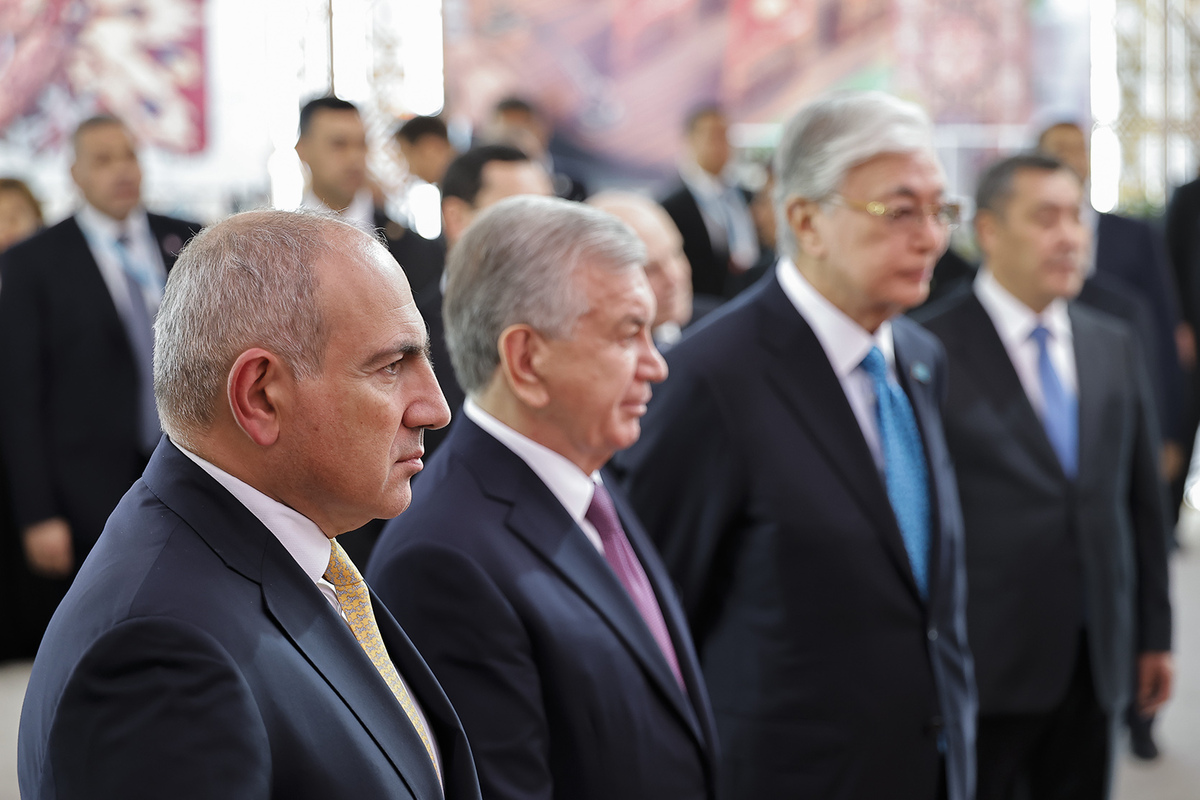
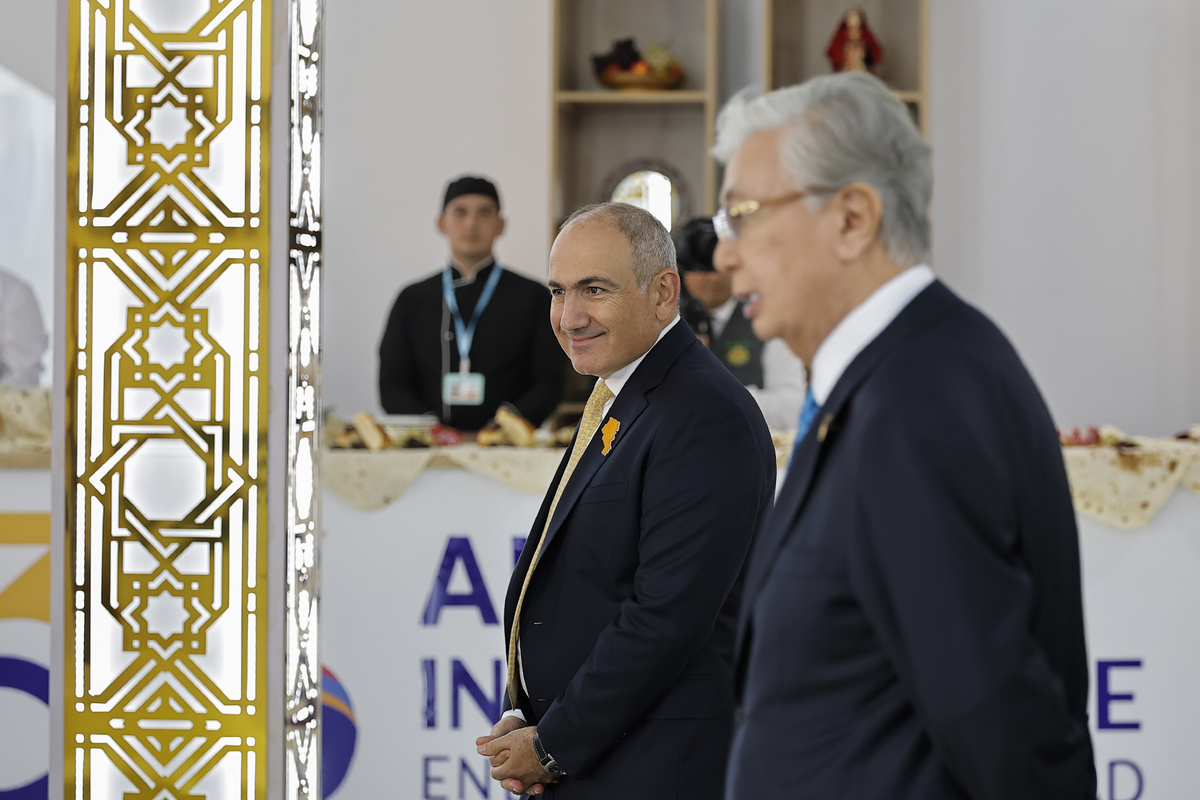
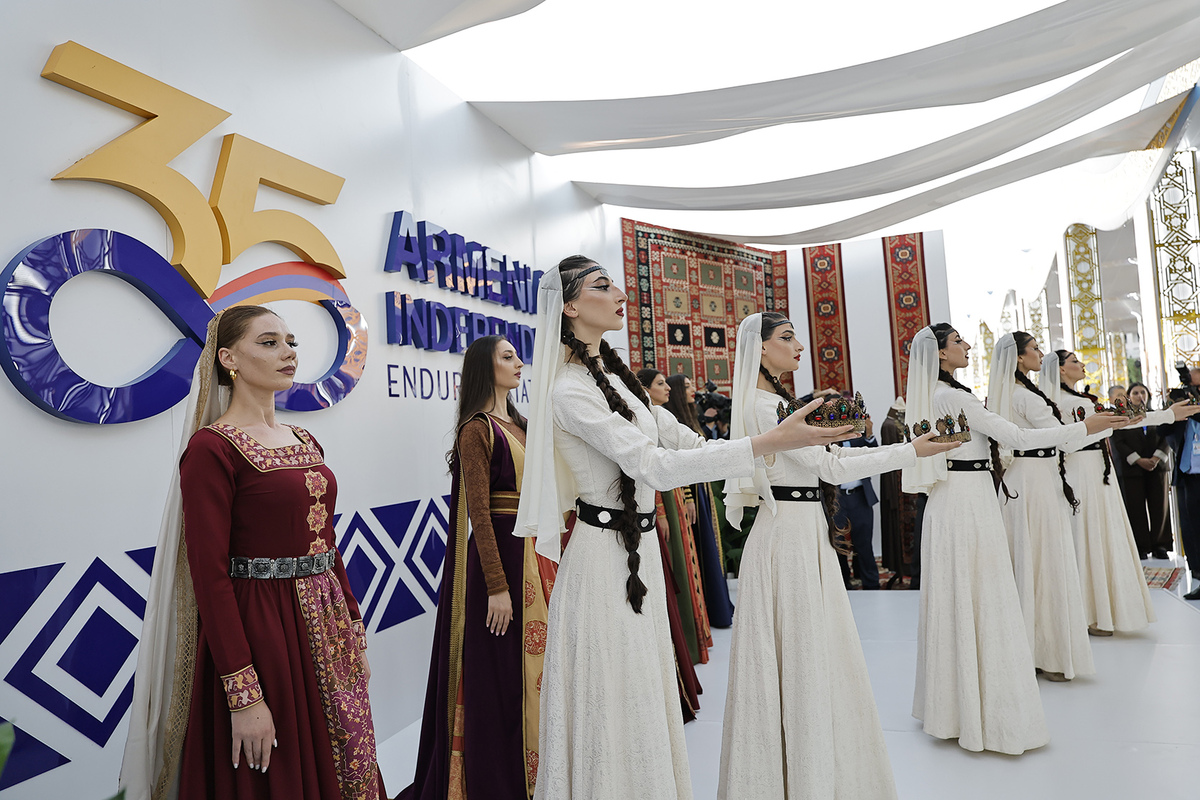
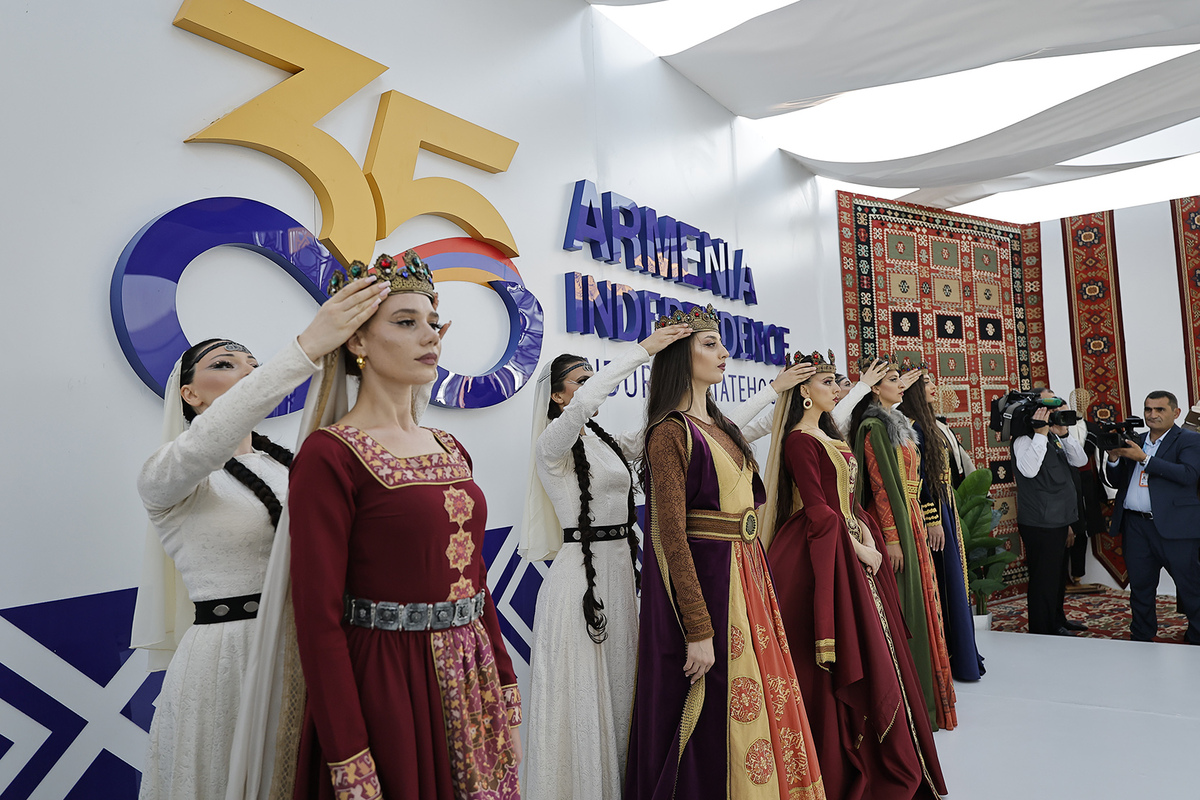
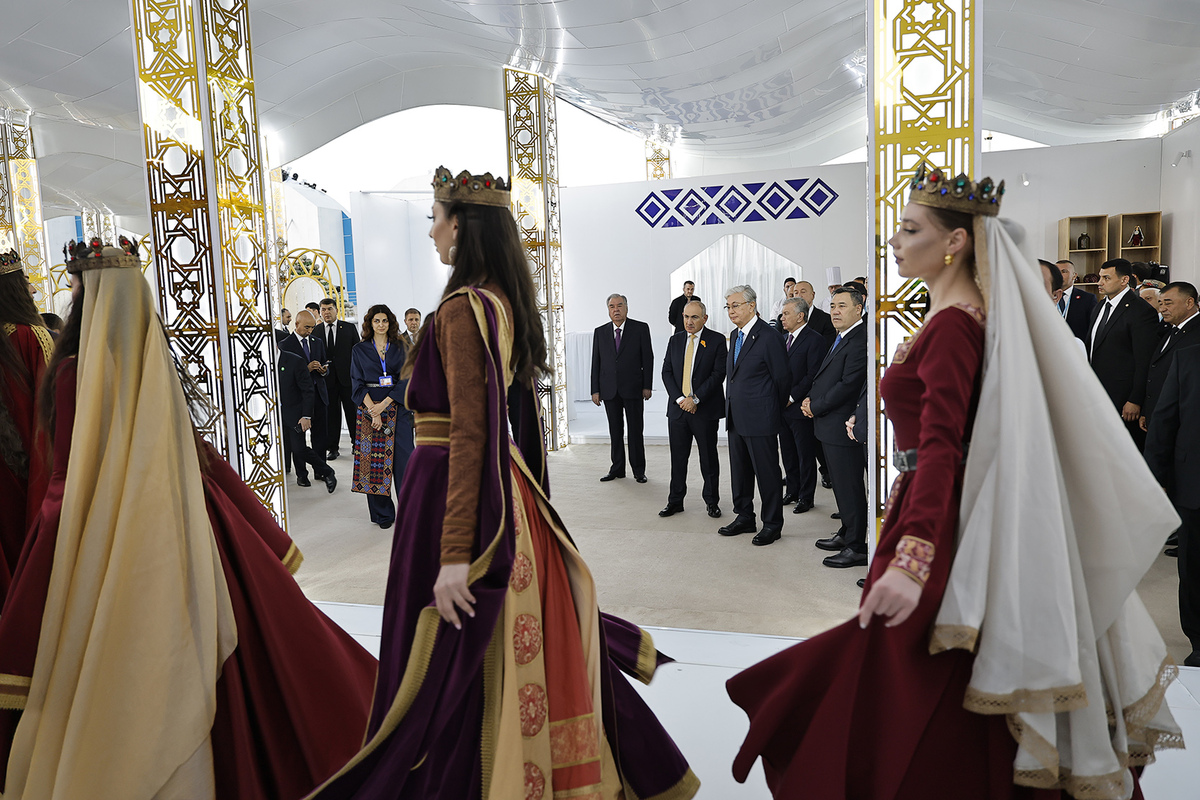
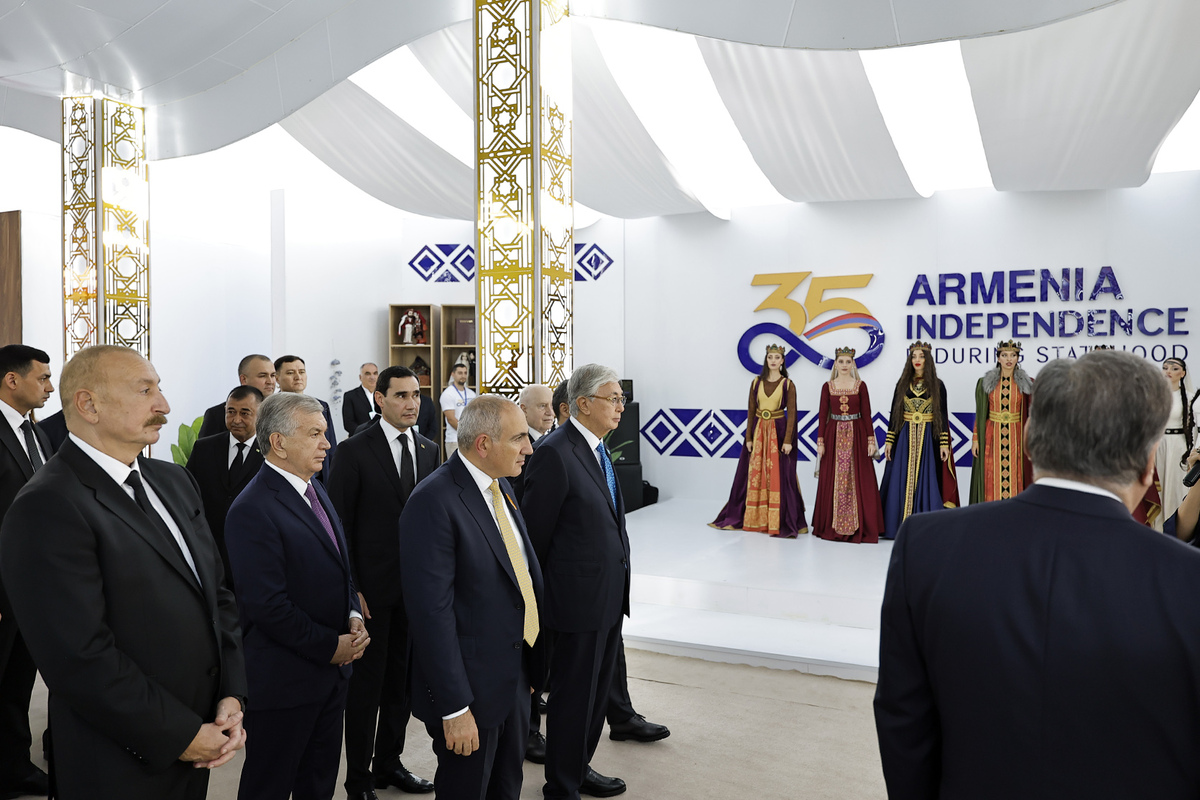
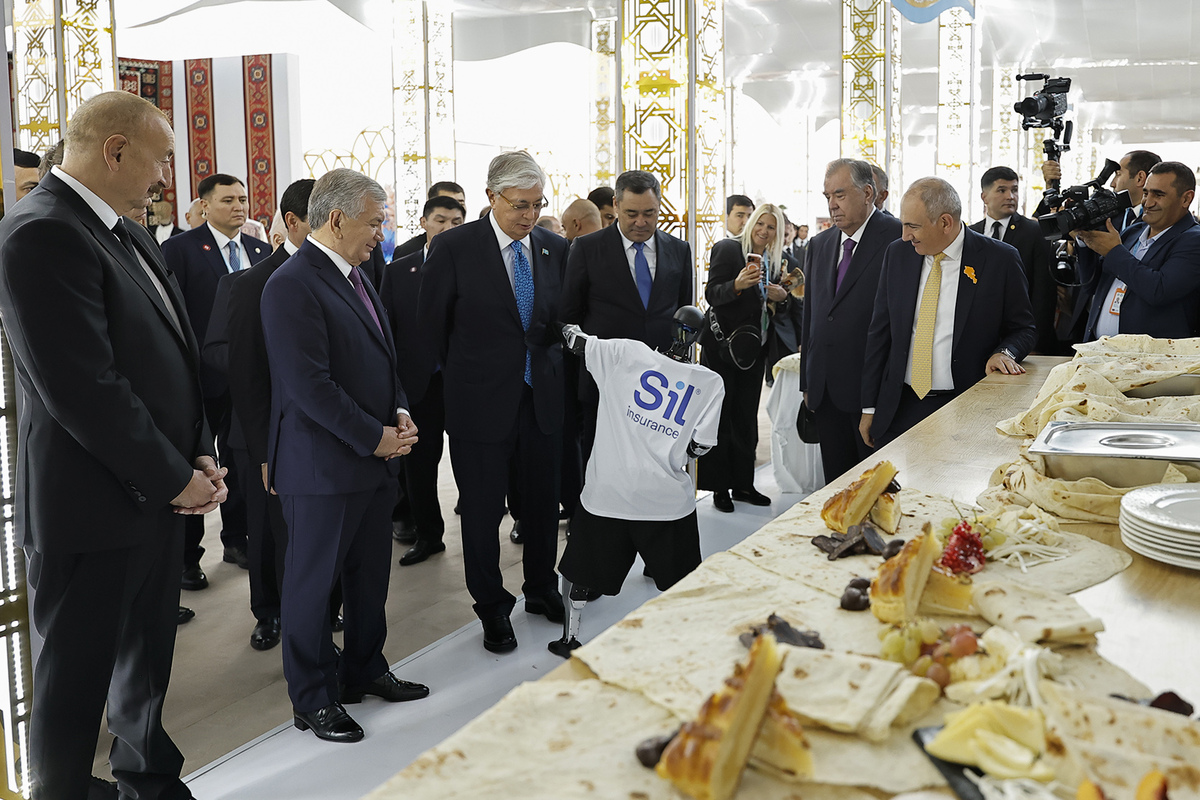
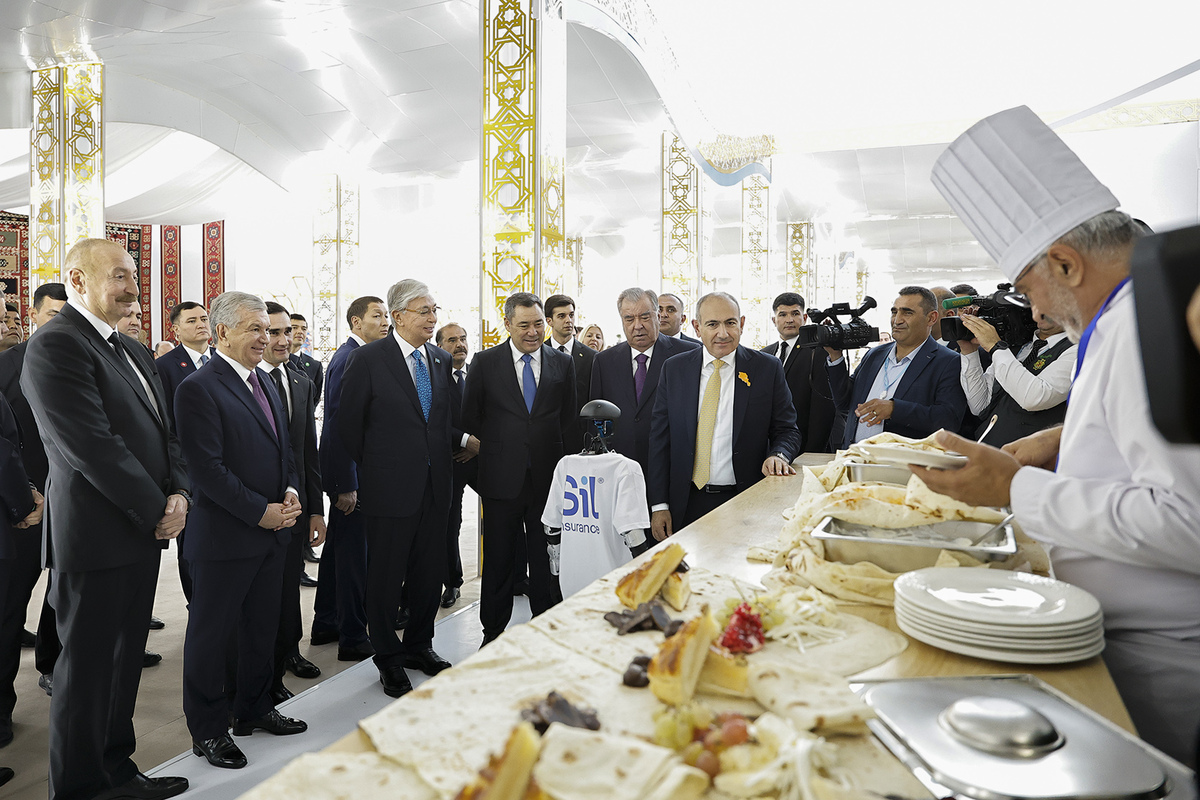
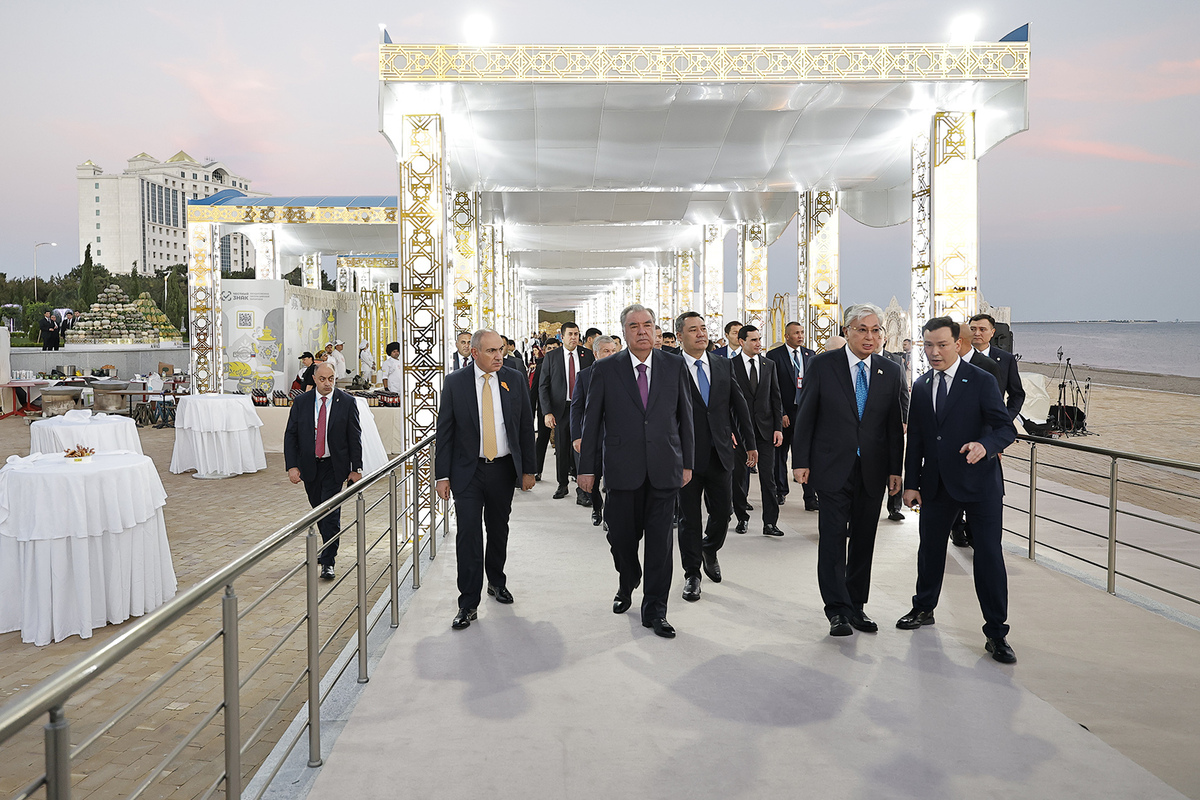
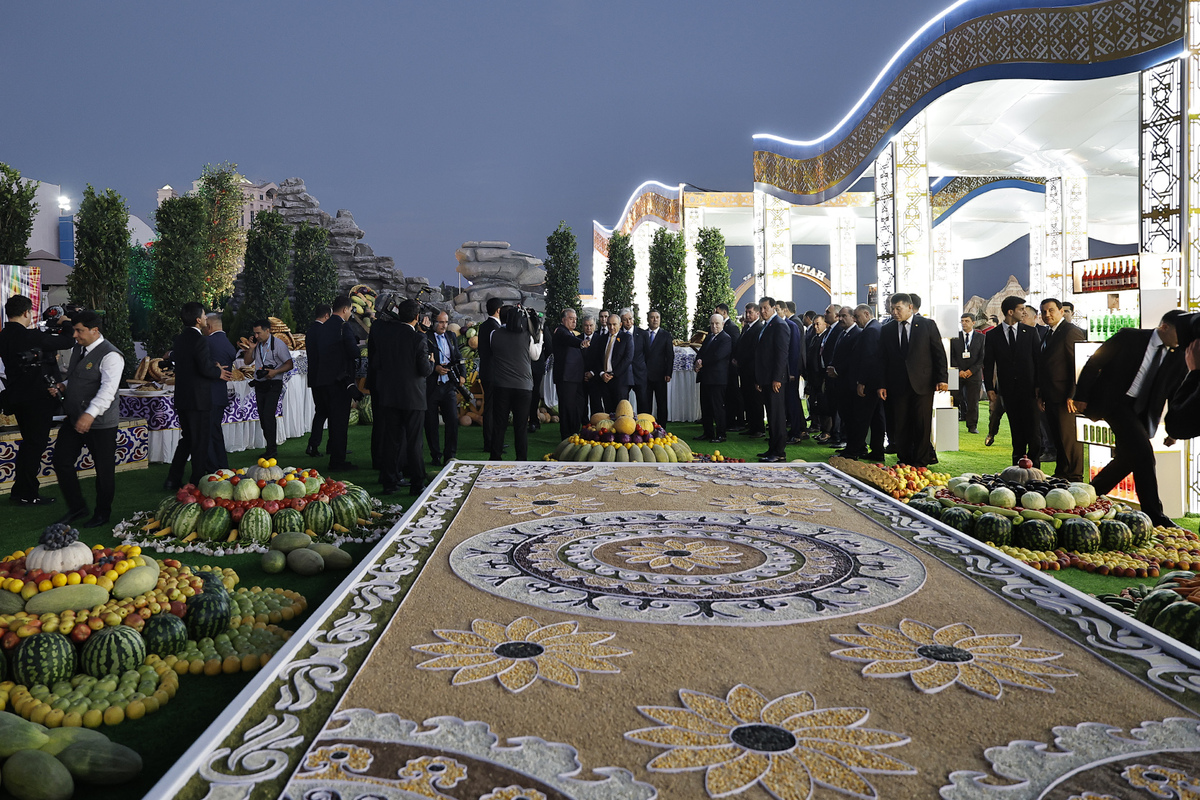
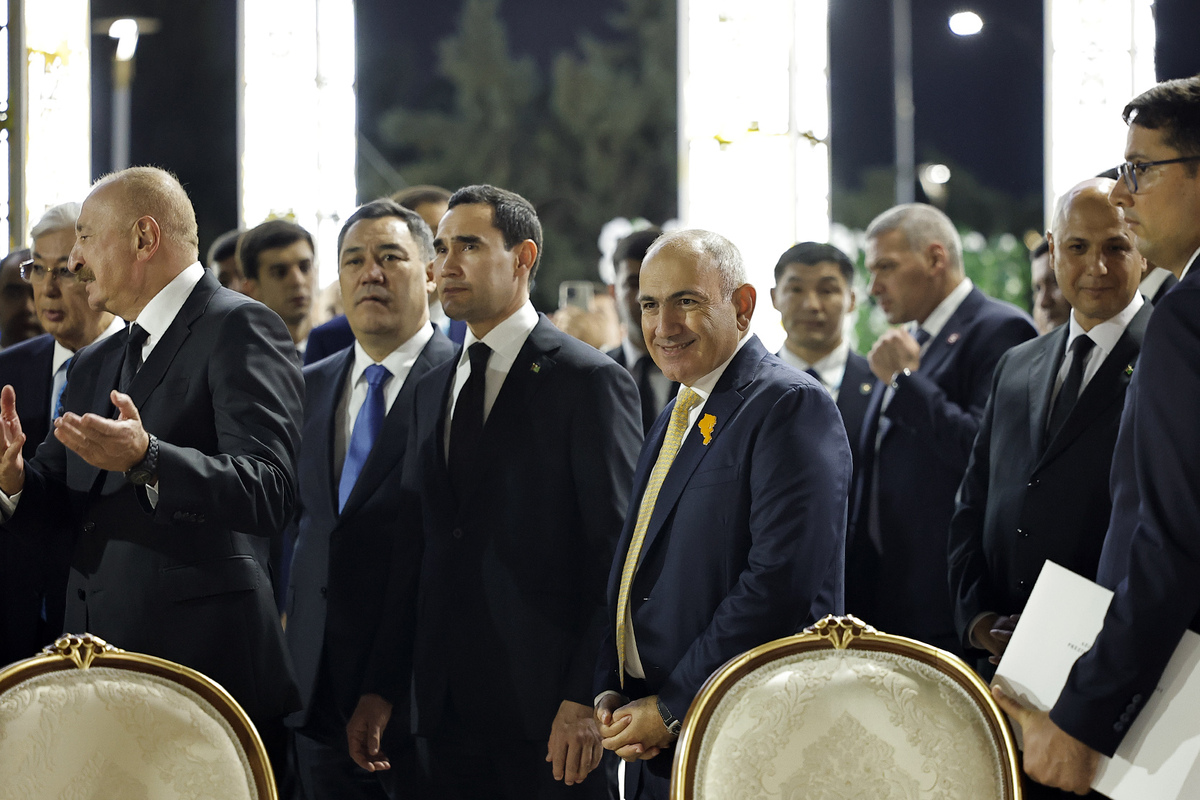
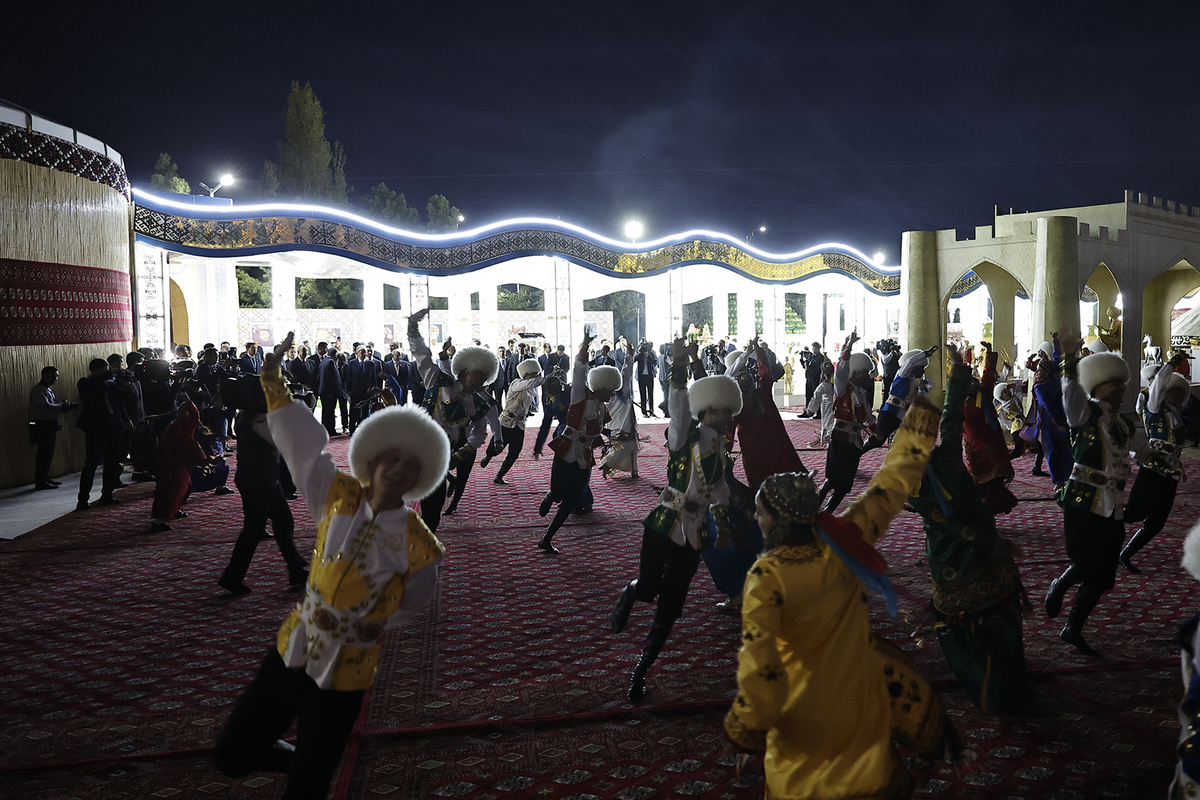
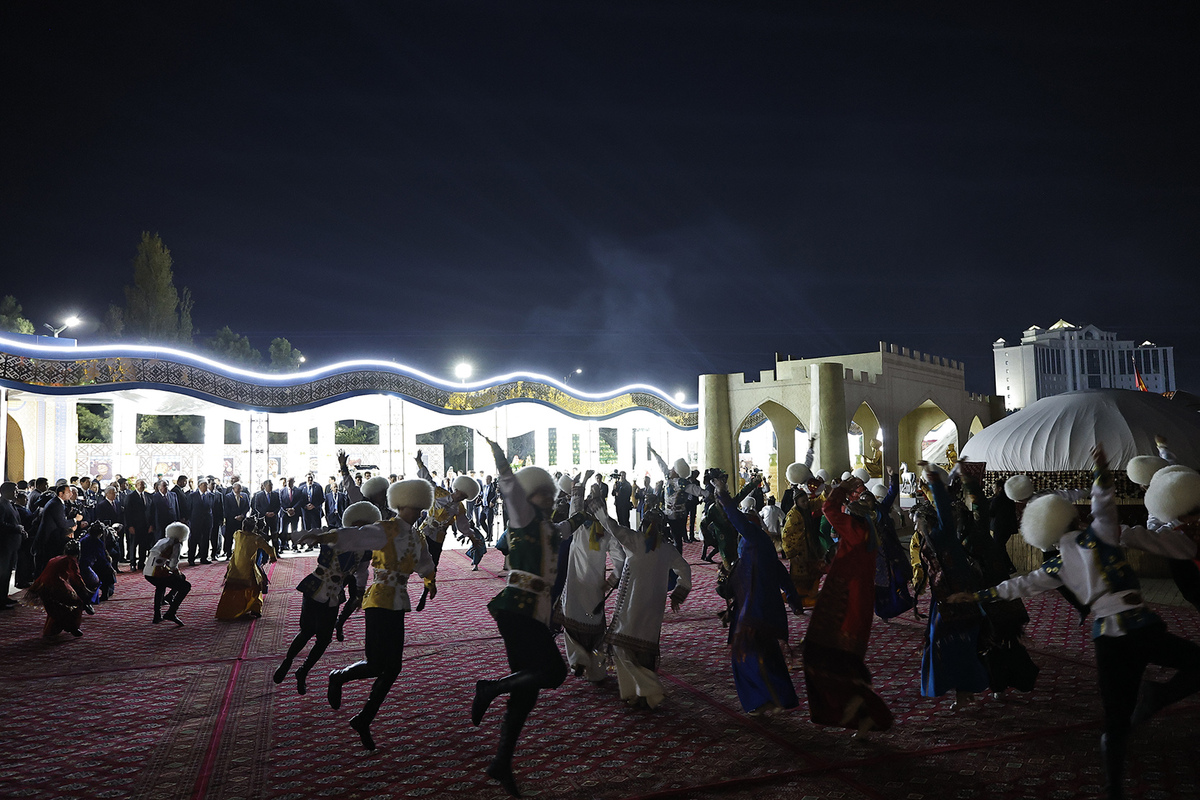
Prime Minister Nikol Pashinyan, together with the leaders of CIS countries, visited the "Avaza" National Tourist Zone in Turkmenistan.
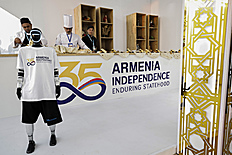
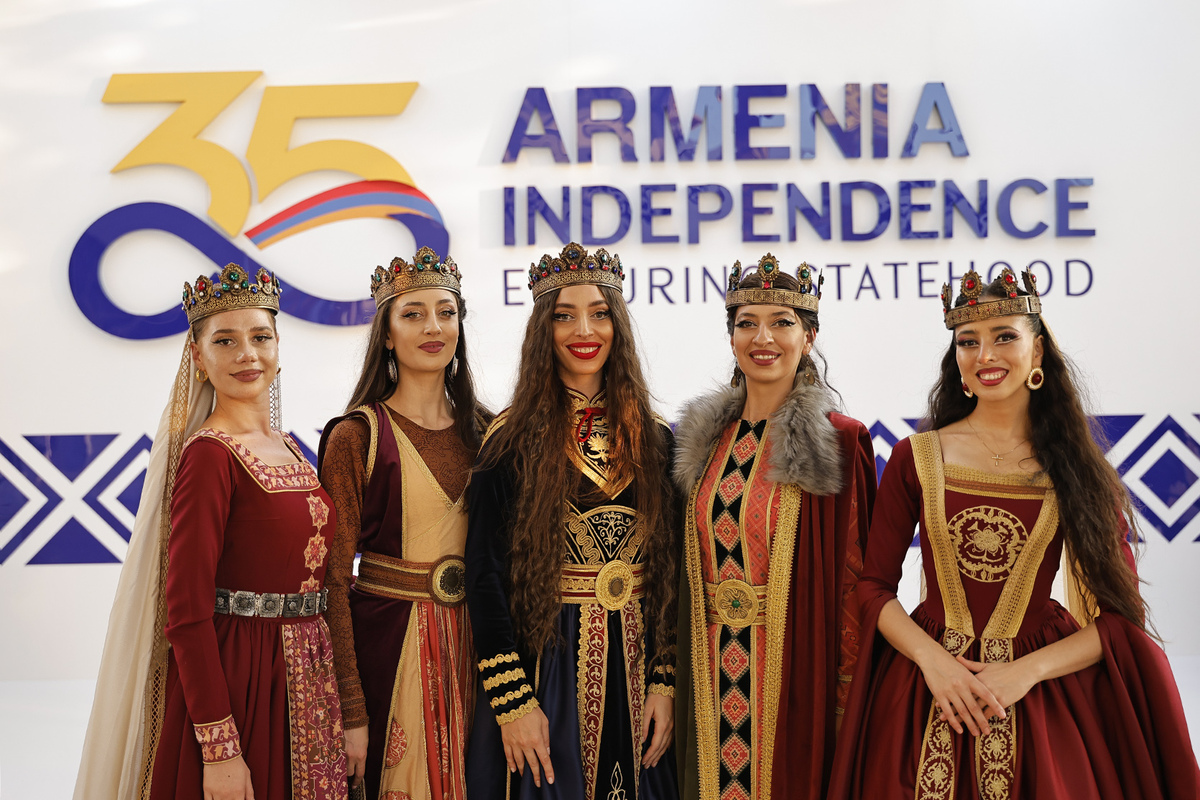
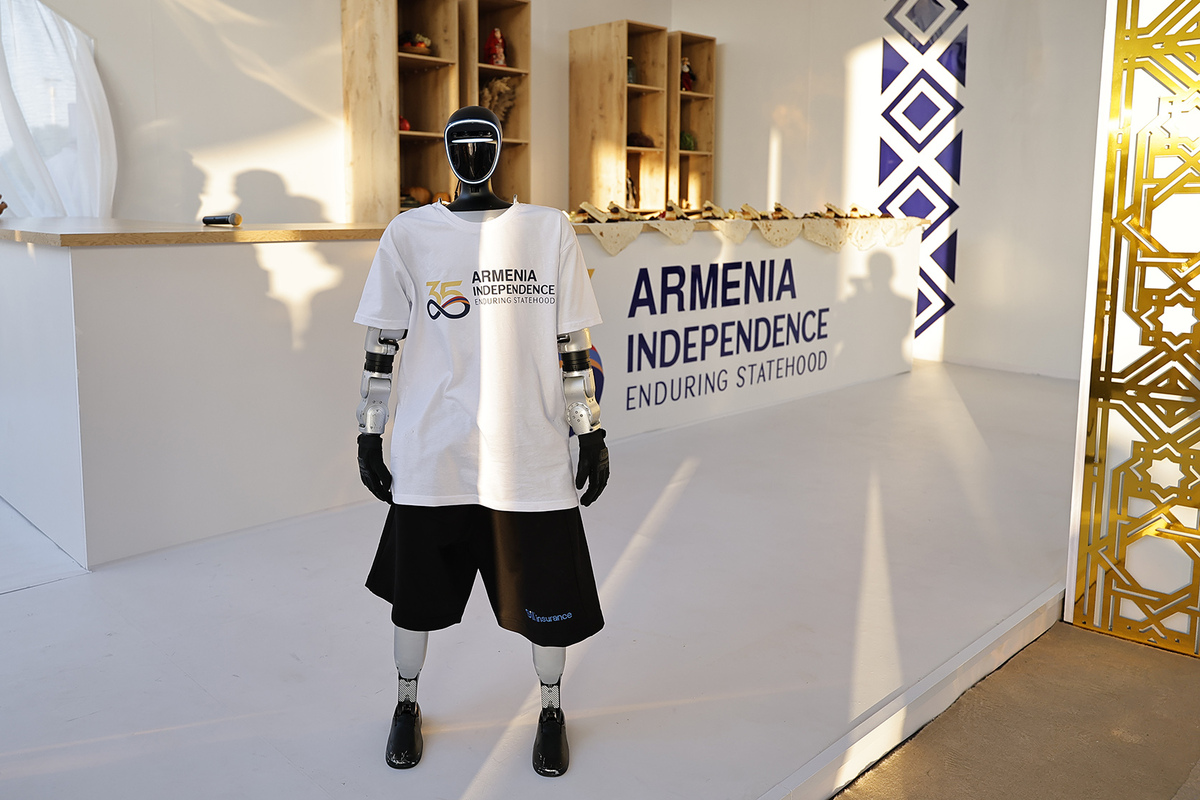
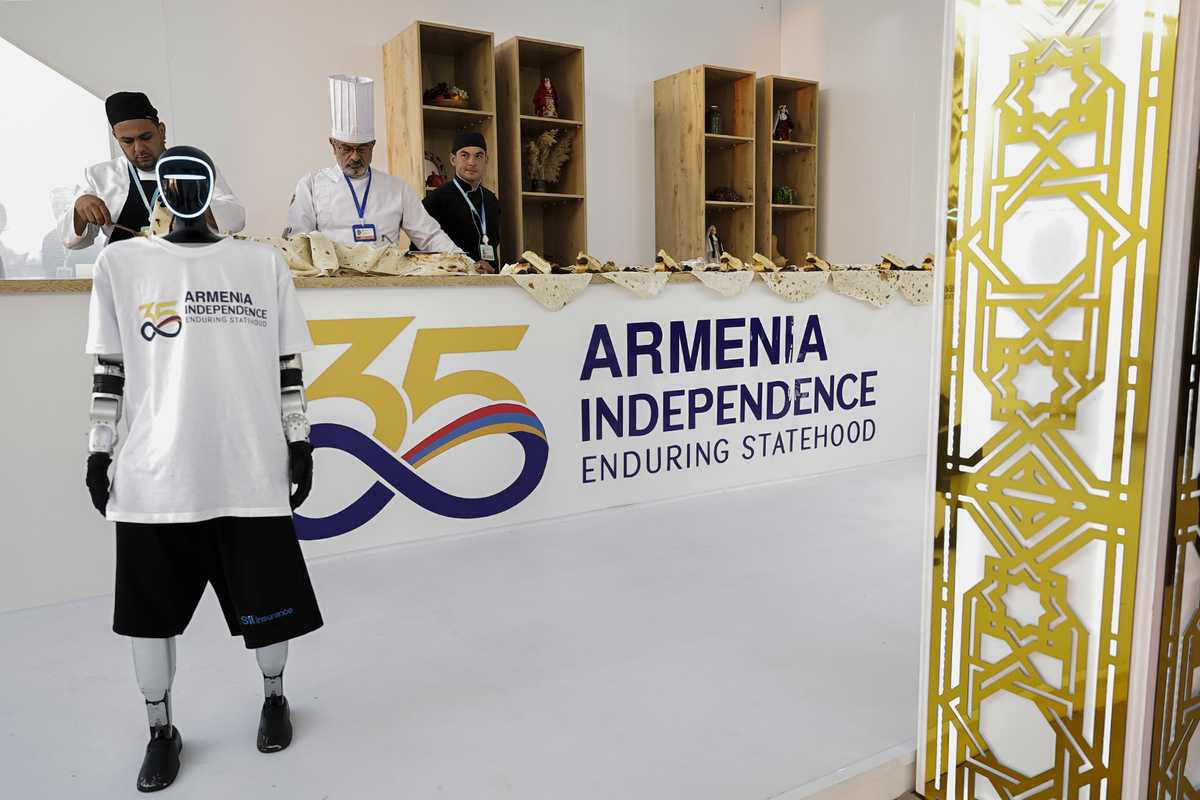
The Heads of State toured the pavilions set up as part of the CIS national culture and cuisine festival, familiarizing themselves with the cuisines and cultures of the respective countries.
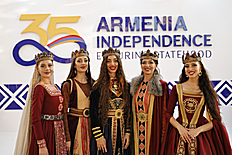
Armenia also participated in the festival with a dedicated pavilion.
Subsequently, an official reception was held in honor of the leaders of the CIS states.
* * *
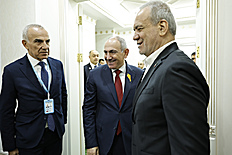
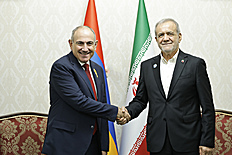
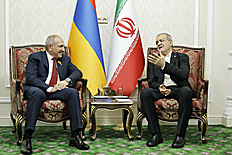
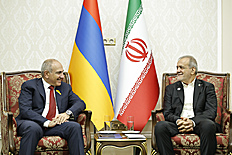
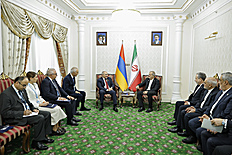
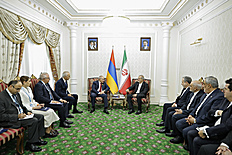
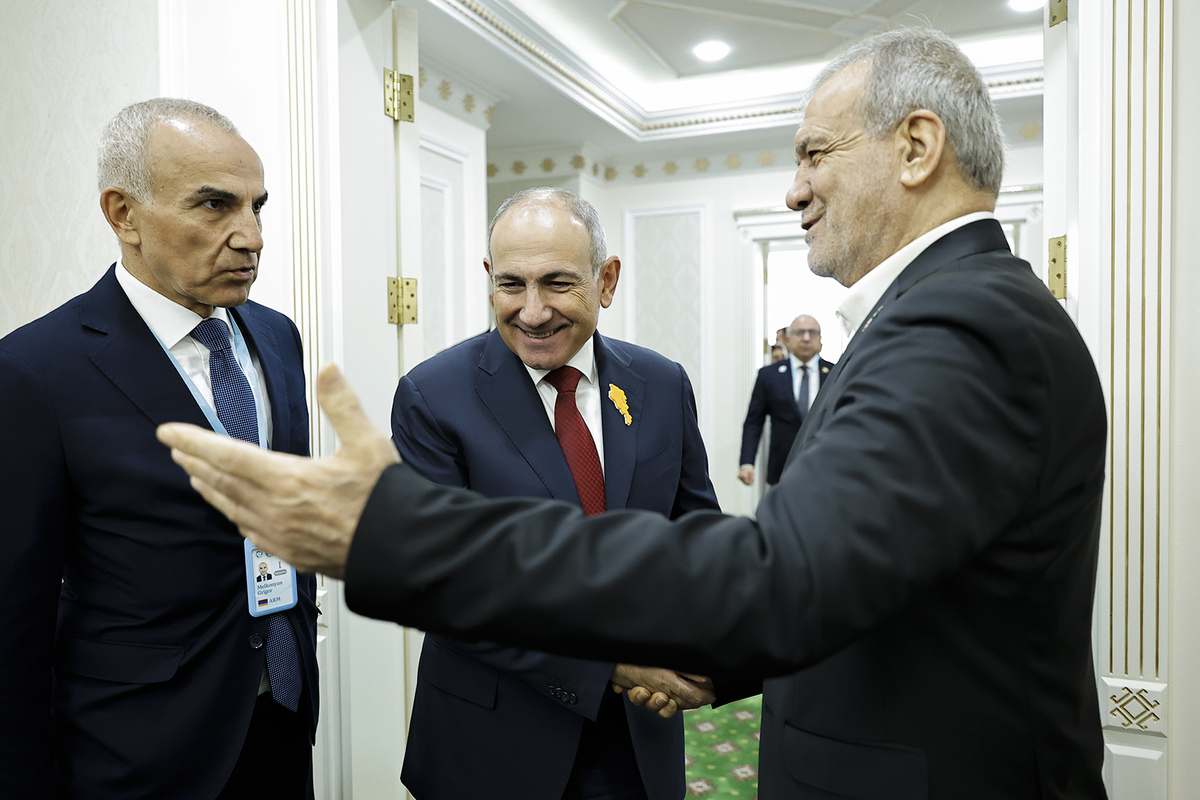
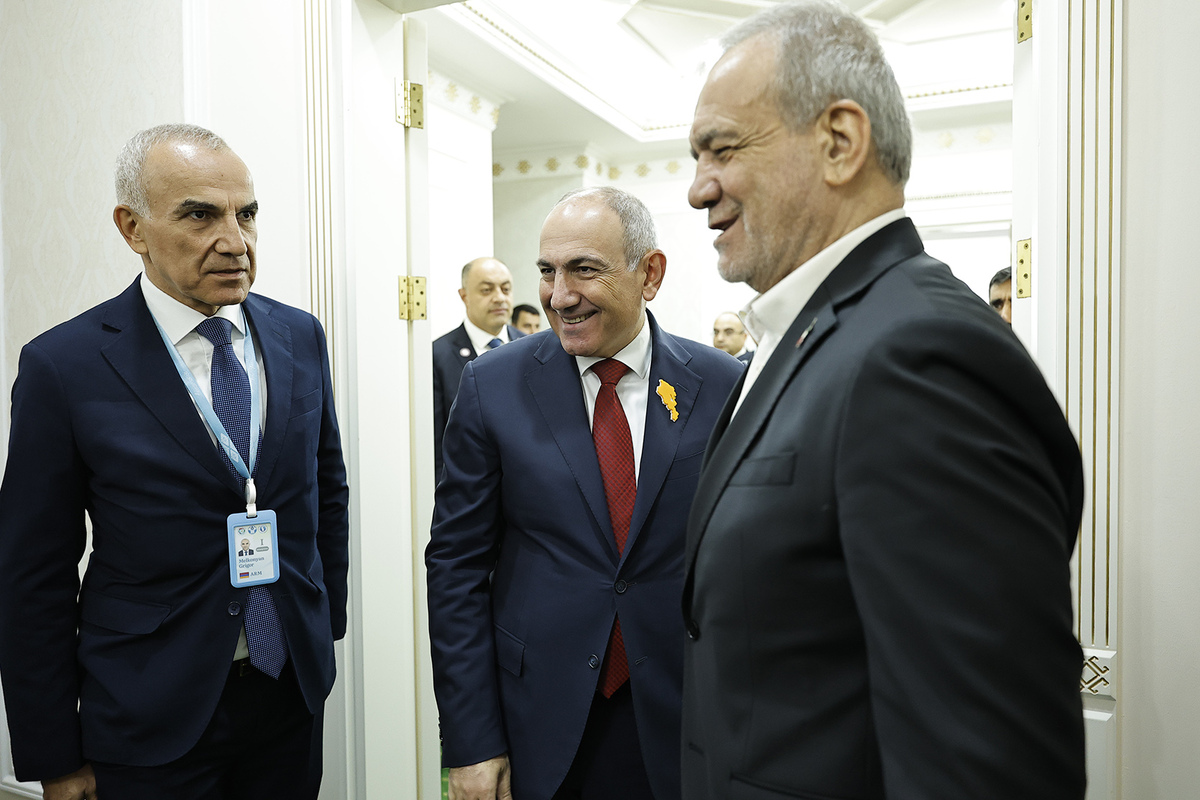
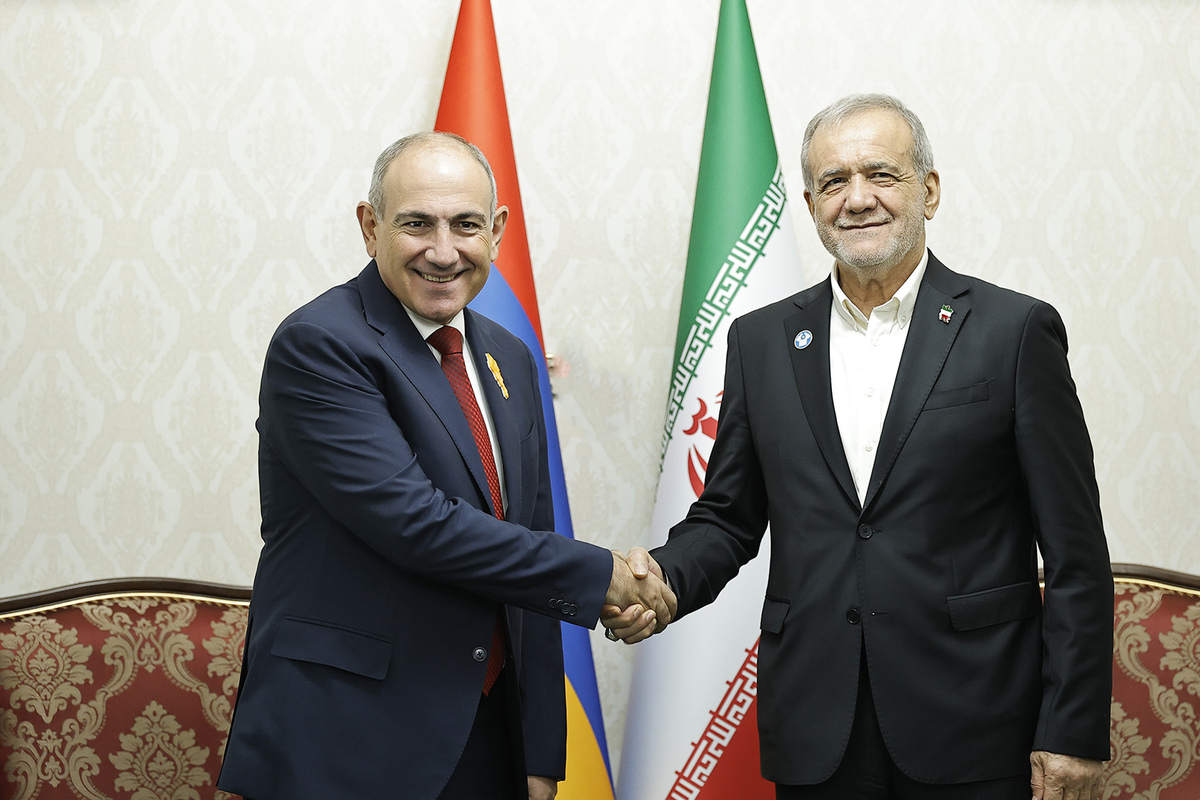
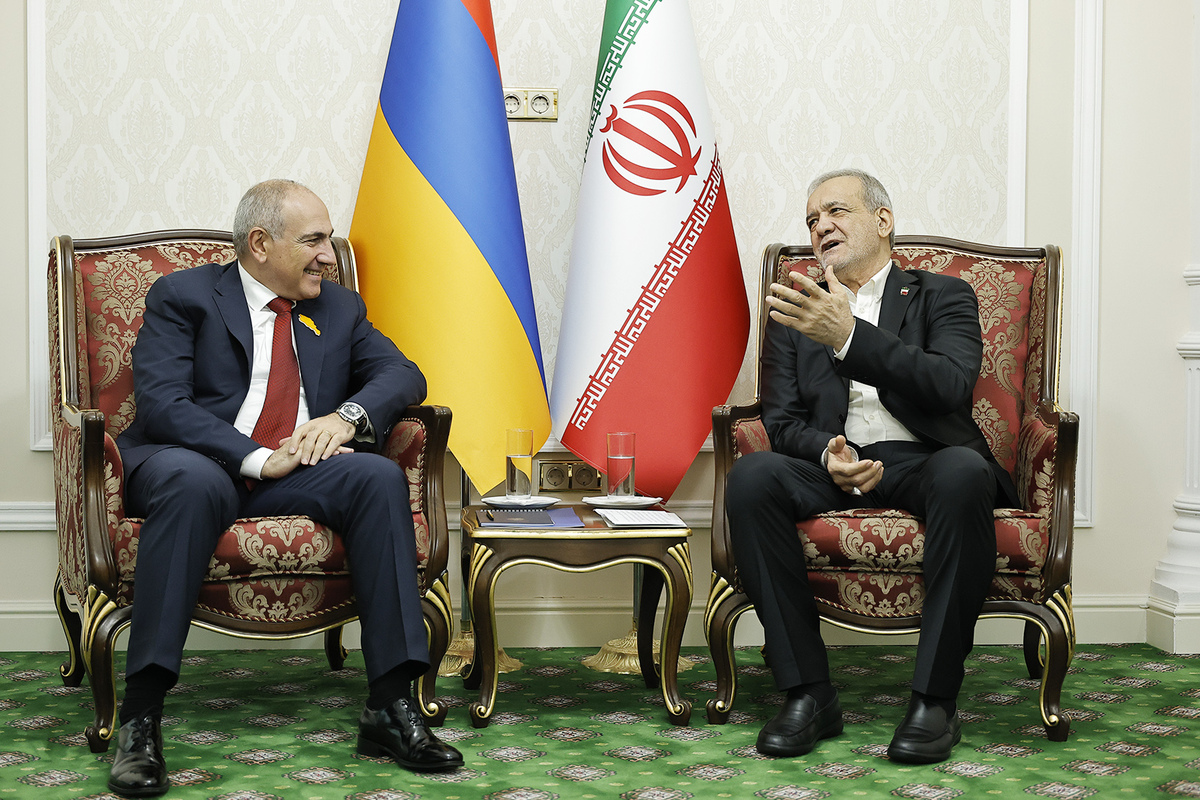
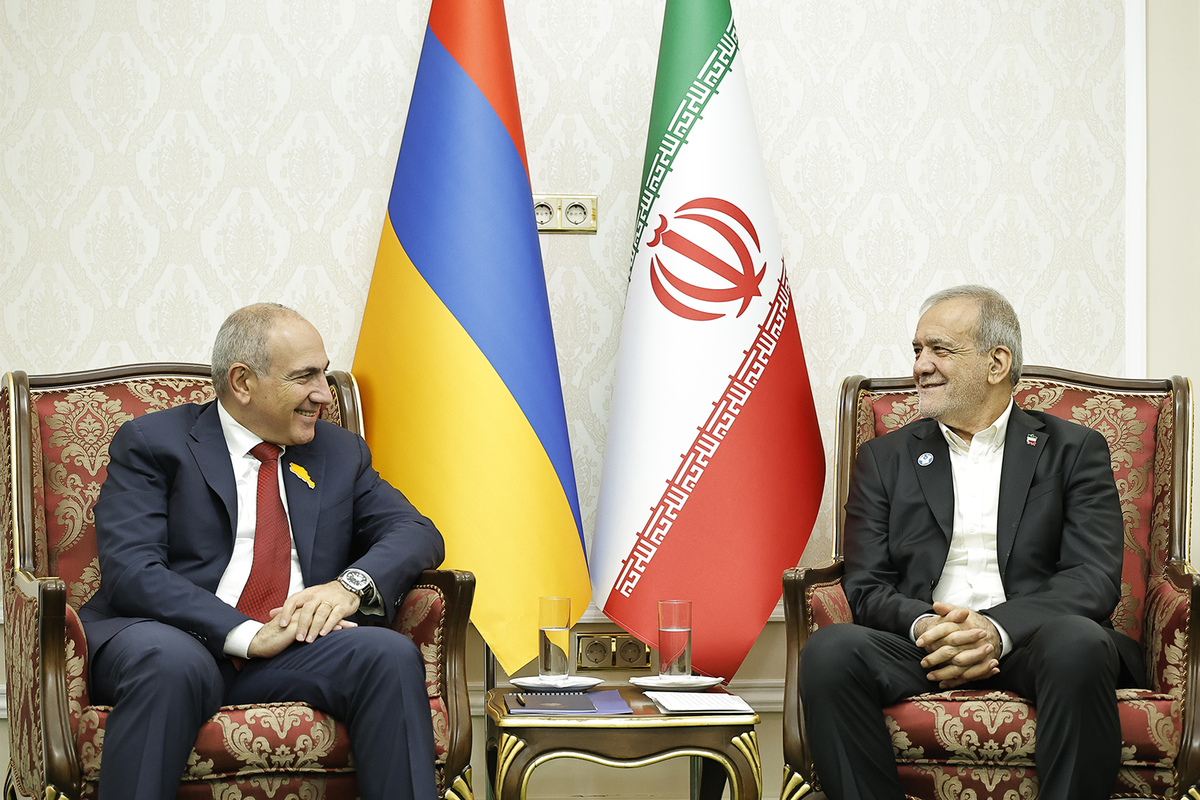
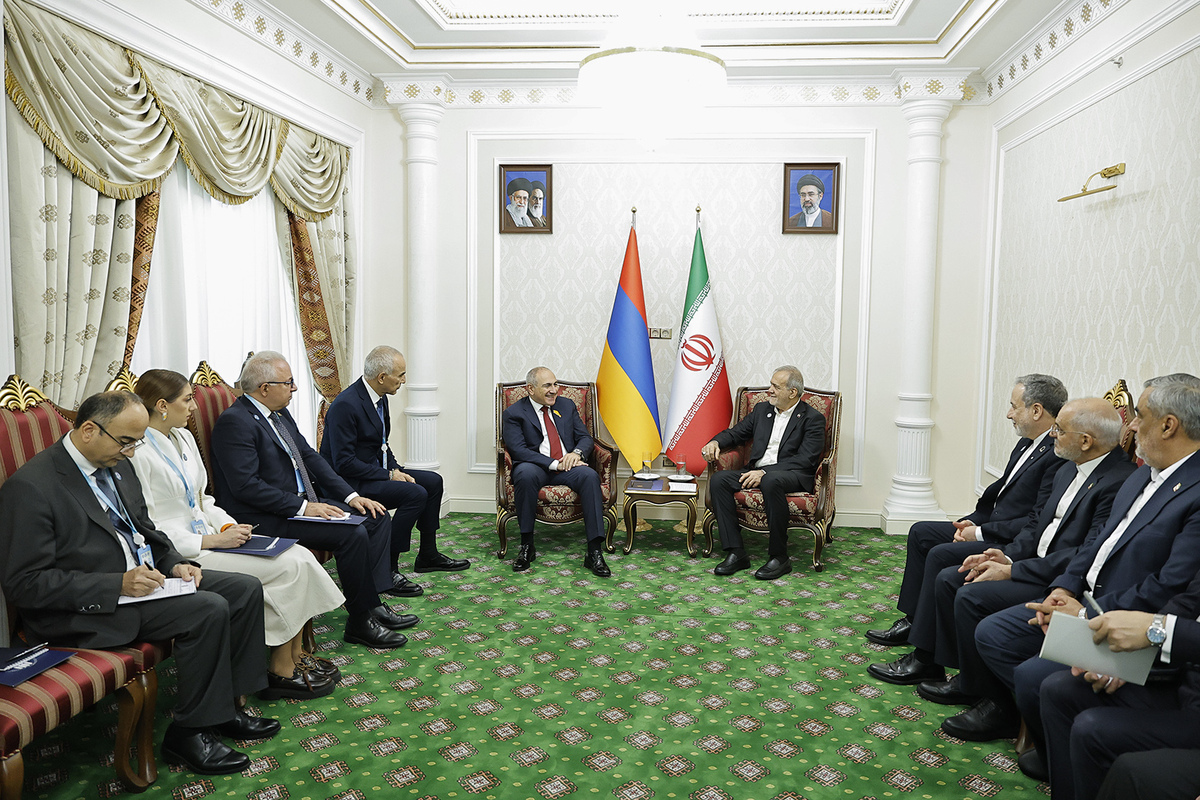
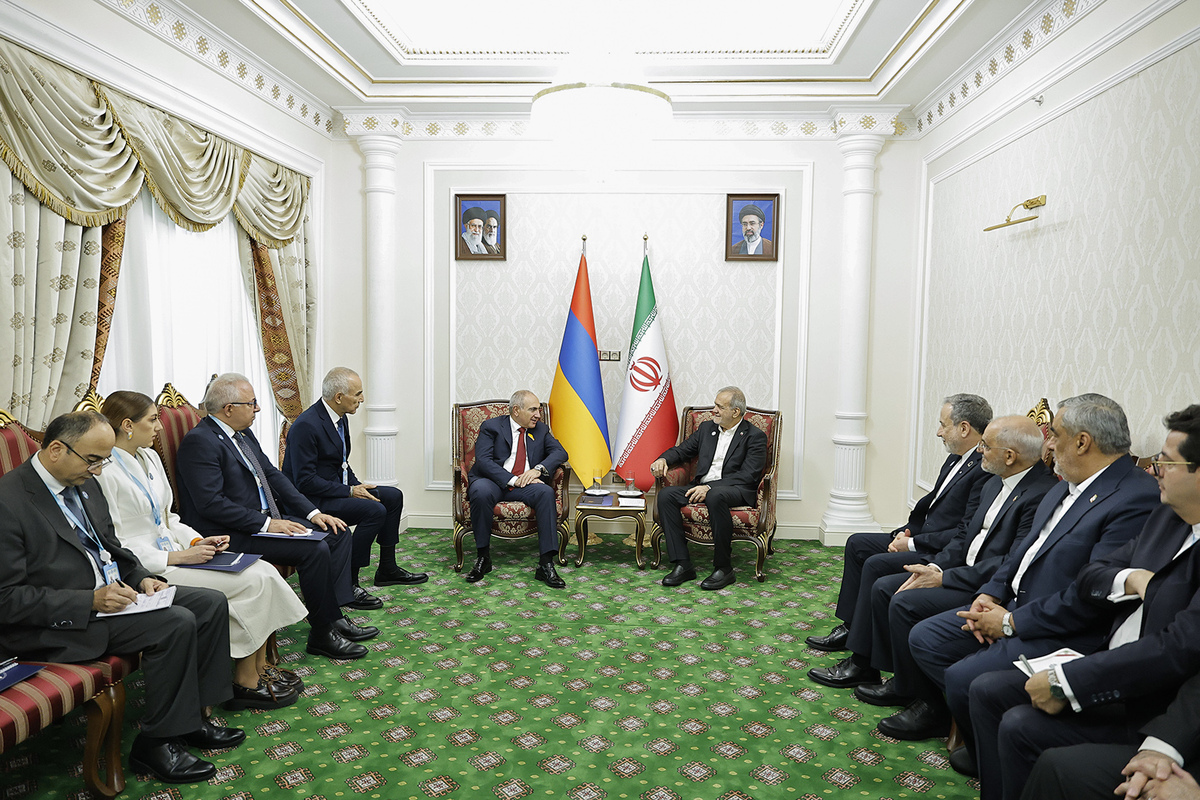
A meeting took place in Turkmenistan between the Prime Minister of the Republic of Armenia, Nikol Pashinyan, and the President of the Islamic Republic of Iran, Masoud Pezeshkian.
The interlocutors emphasized the importance of intensive high-level bilateral contacts and noted with satisfaction that these contribute to the consistent development and expansion of Armenia-Iran relations.
The Prime Minister highlighted that the two countries share a robust cooperation agenda and that Iranian companies are involved in strategic projects being implemented in Armenia.
The parties expressed confidence that Armenia-Iran relations will reach a new level in the near future. The importance of upcoming high-level reciprocal visits was also underscored.
Nikol Pashinyan and Masoud Pezeshkian exchanged views on other issues of mutual interest.
* * *
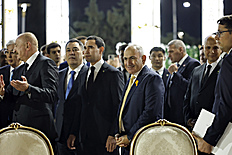
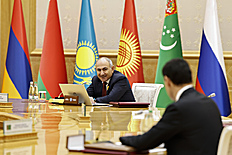
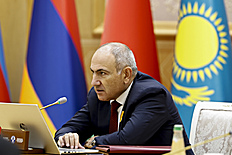
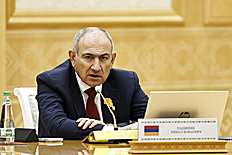
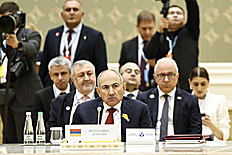
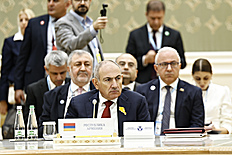
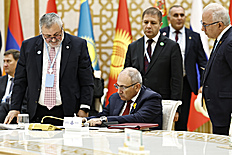
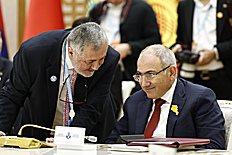
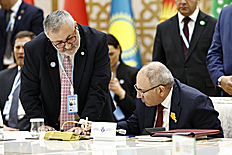
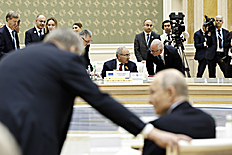
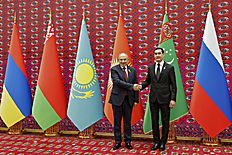
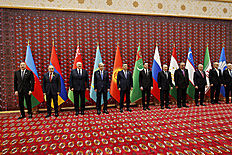
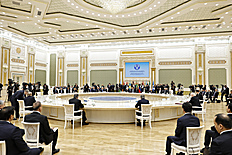
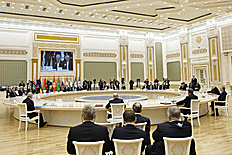
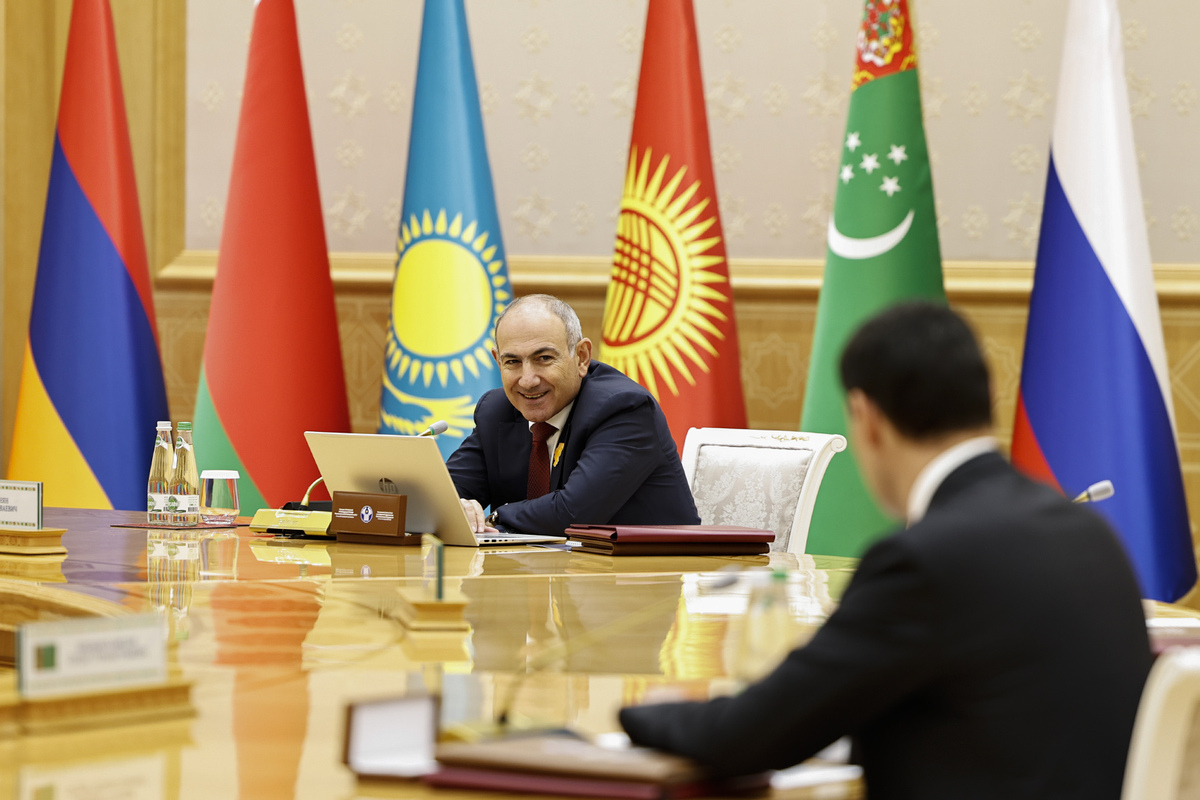
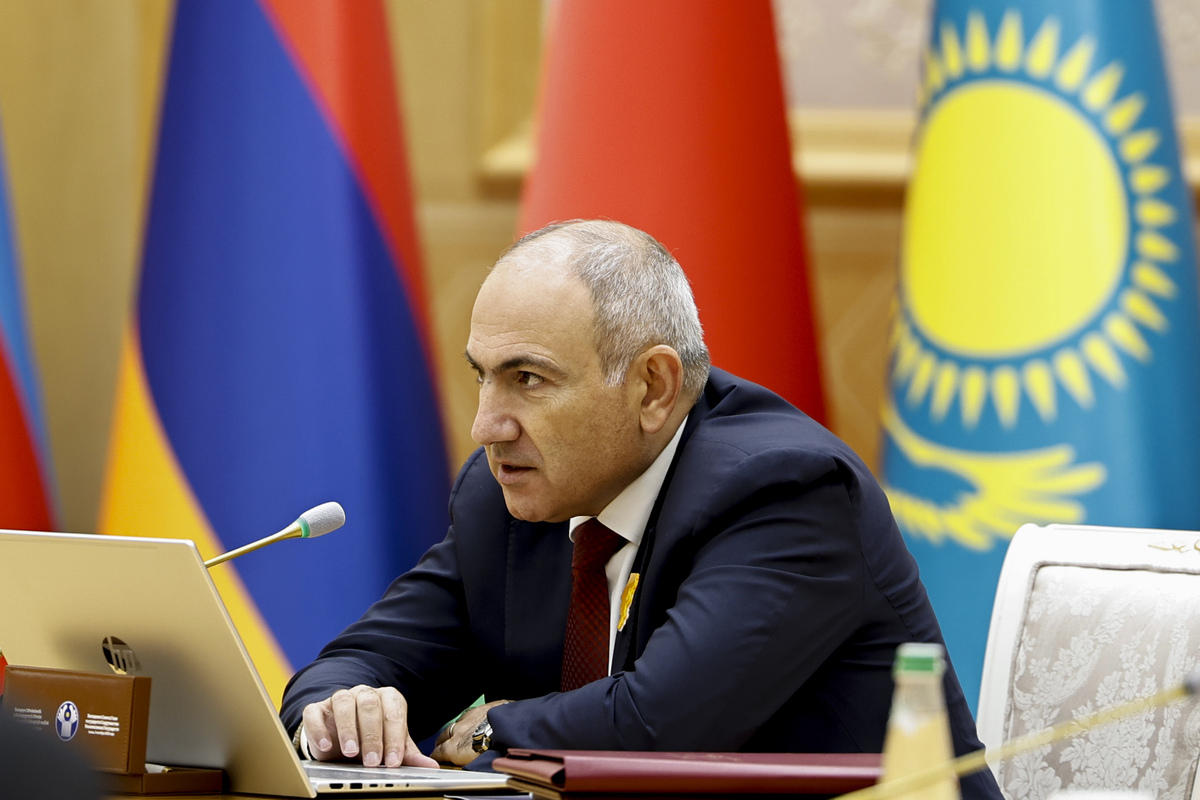
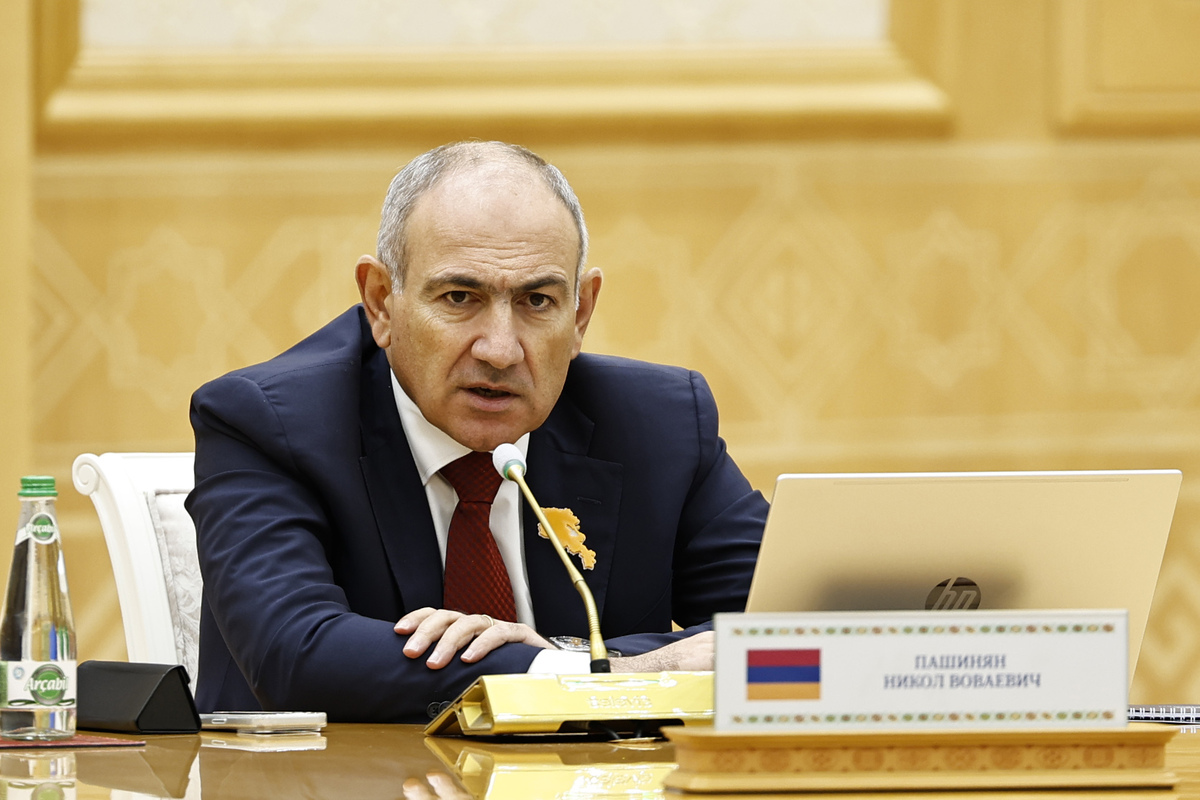
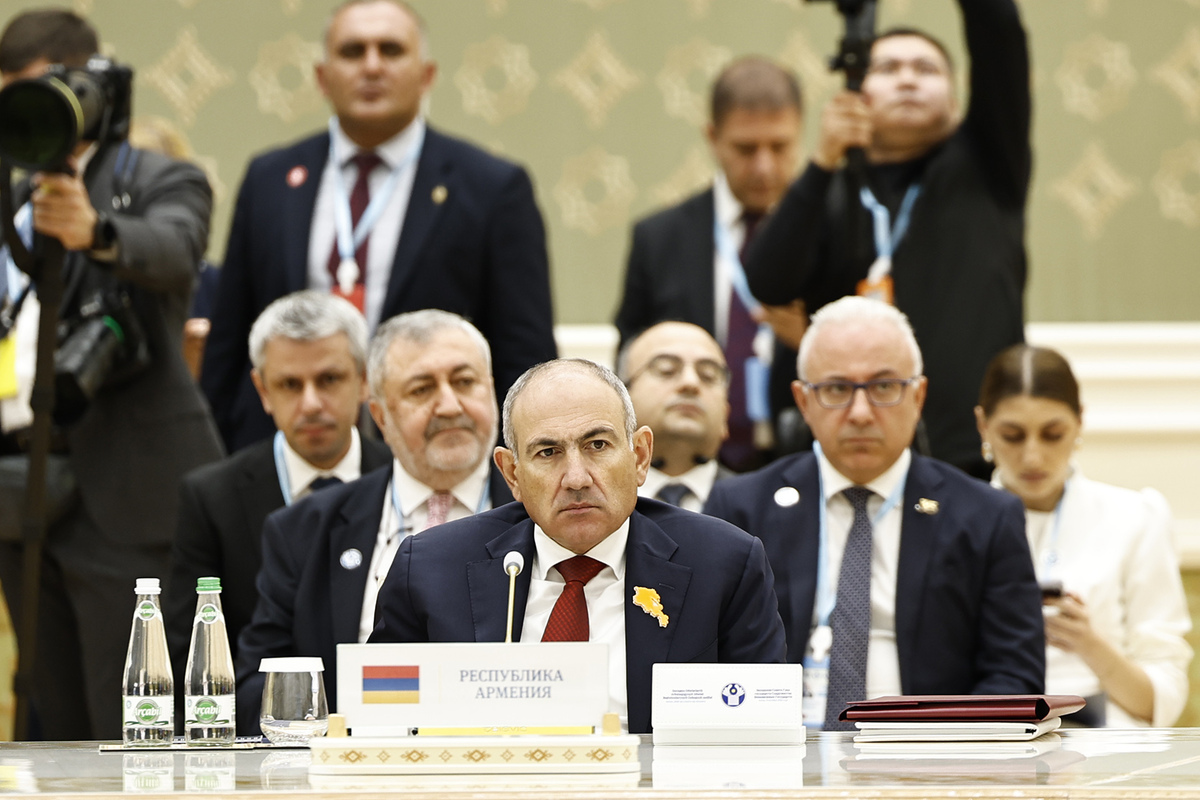
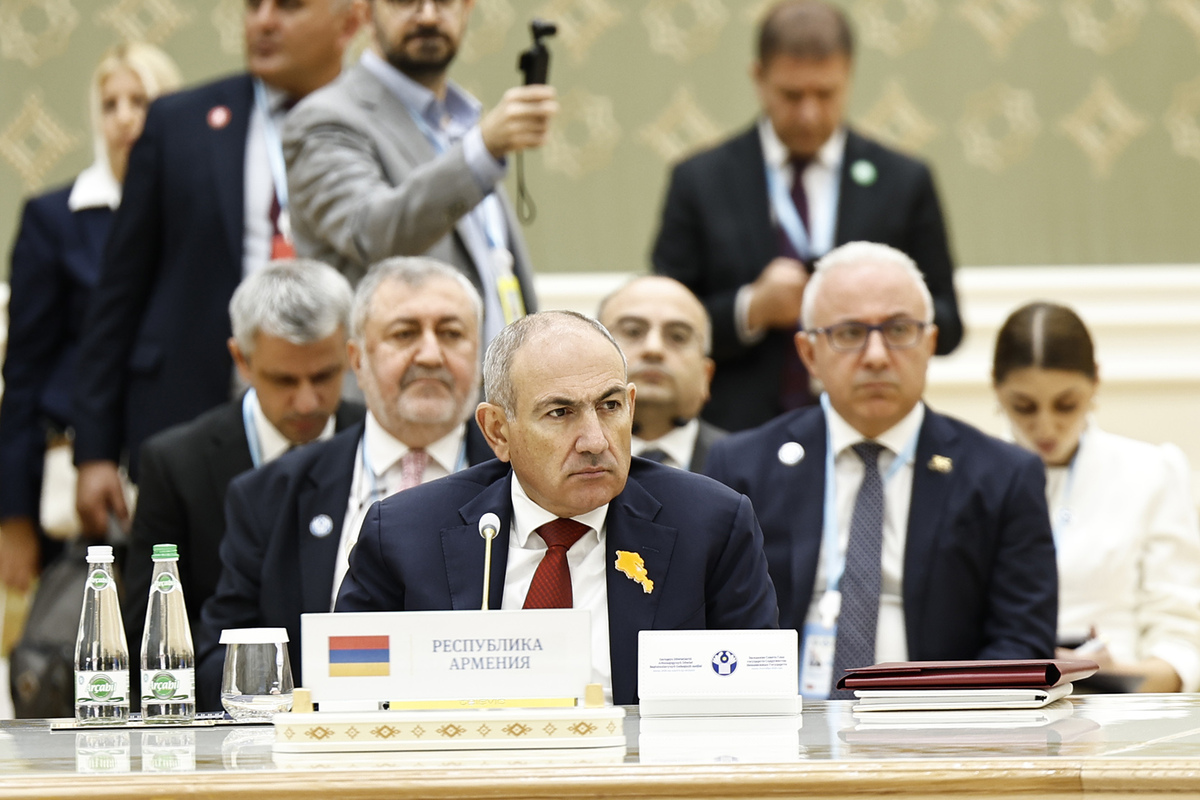
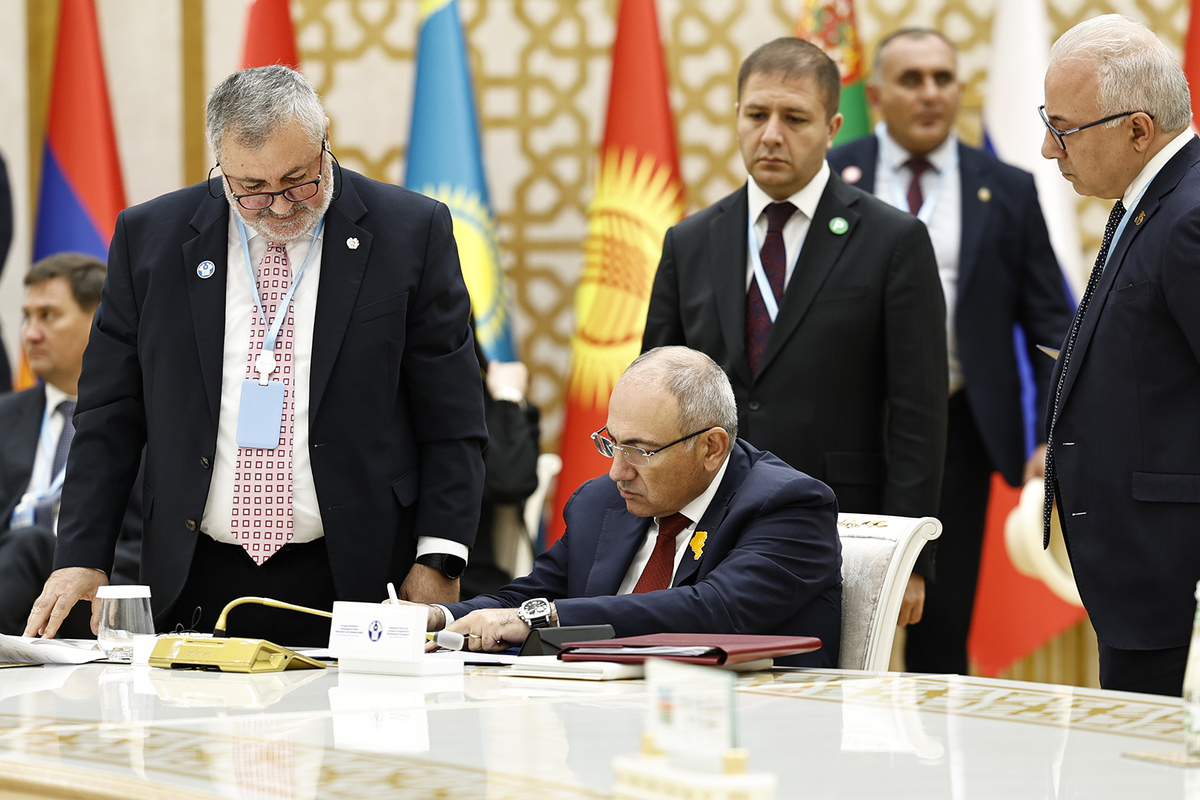
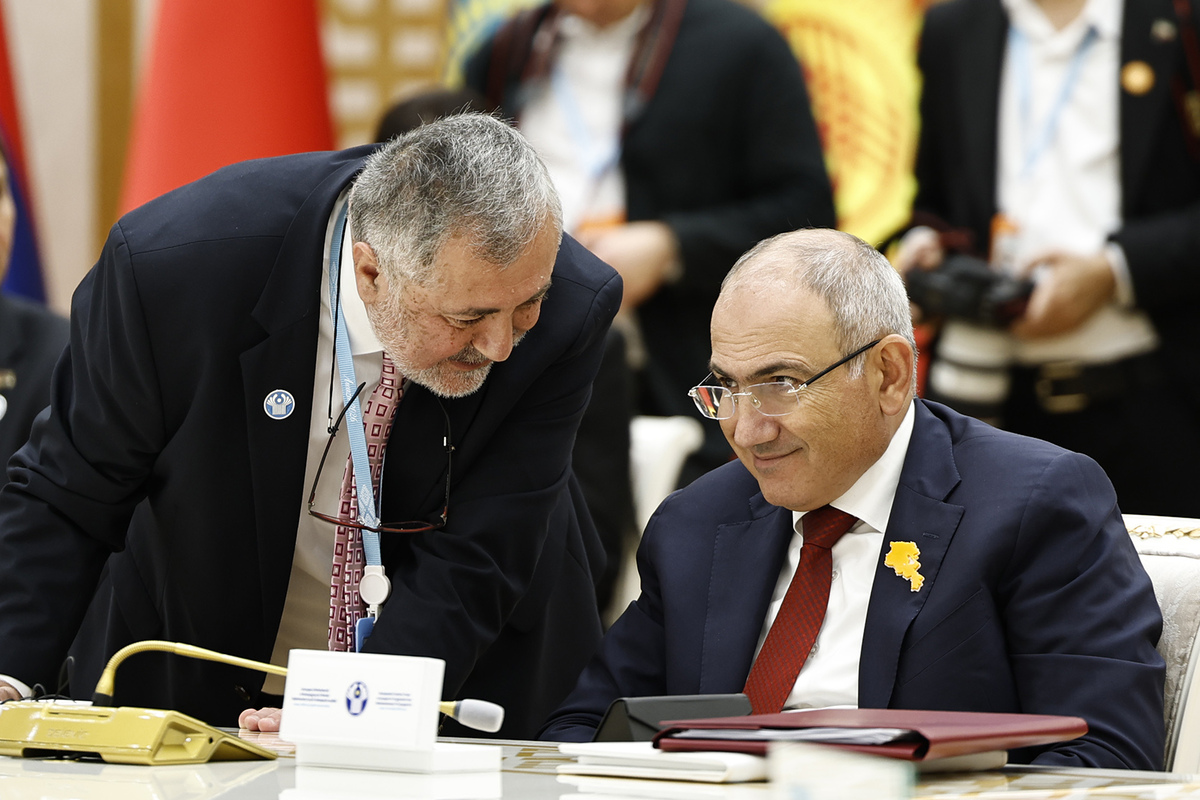
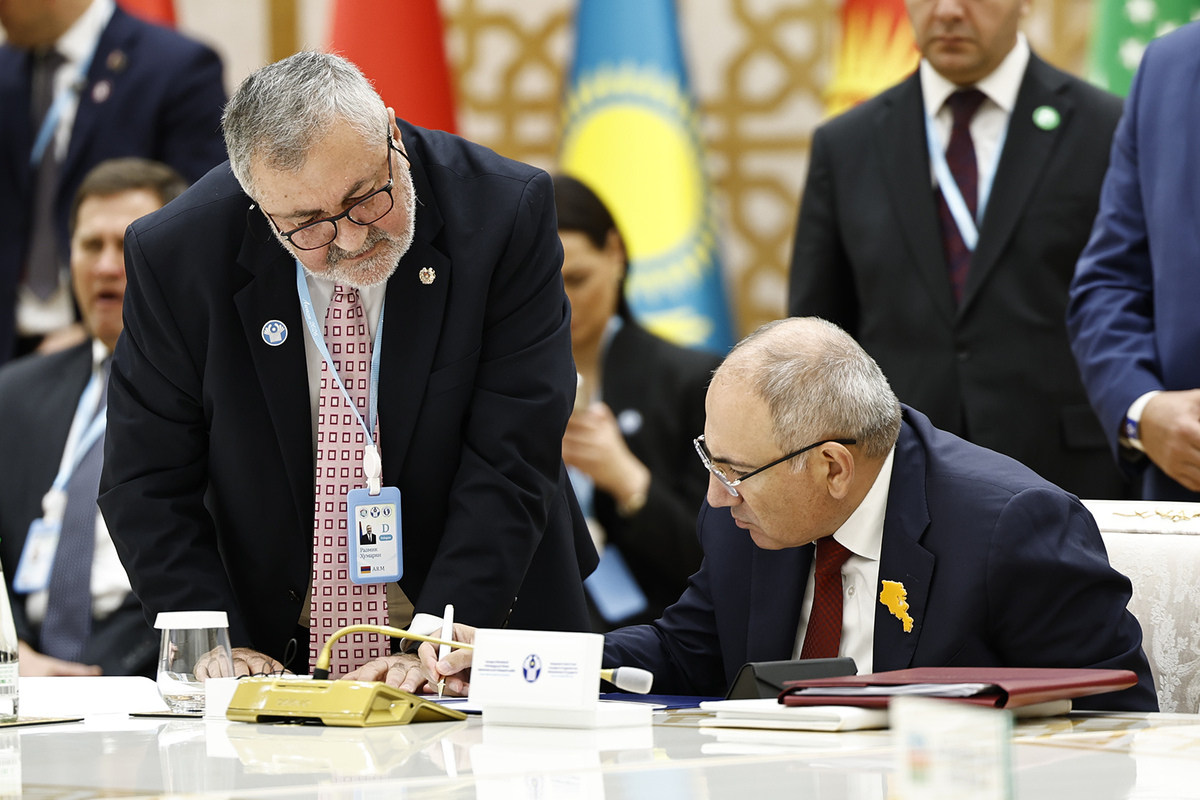
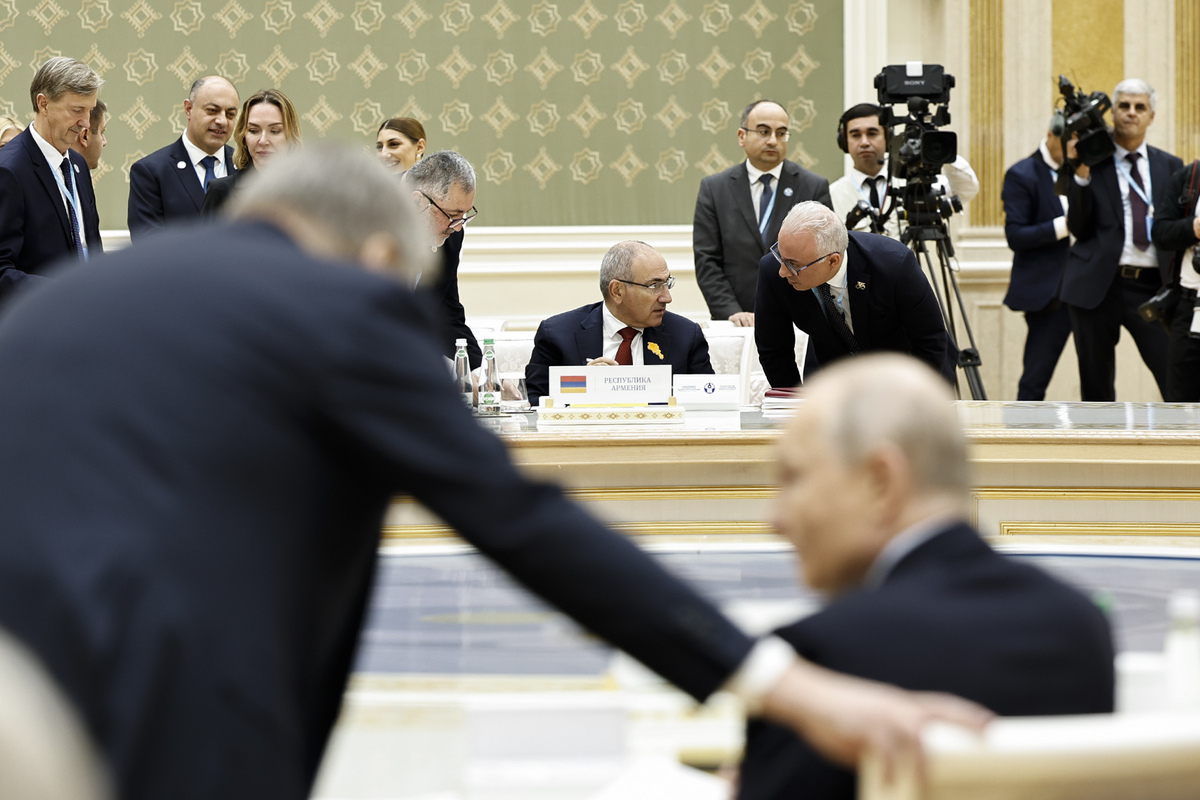
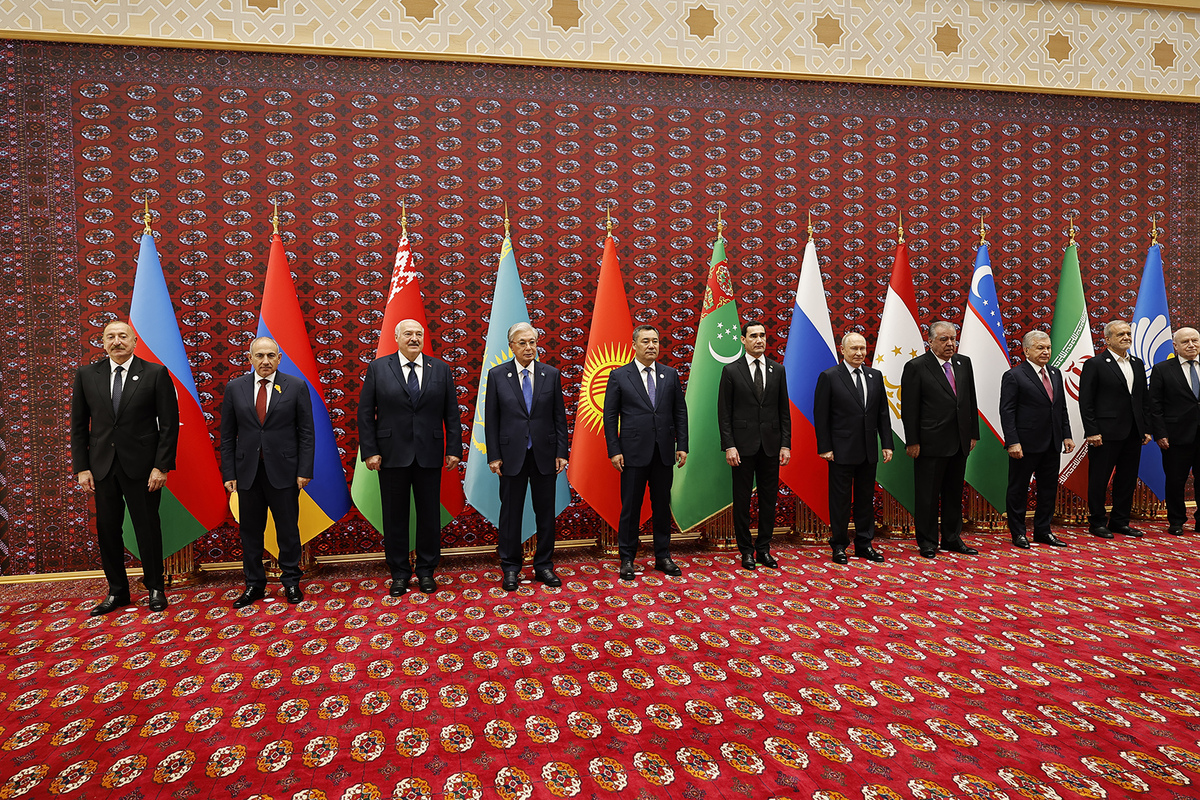
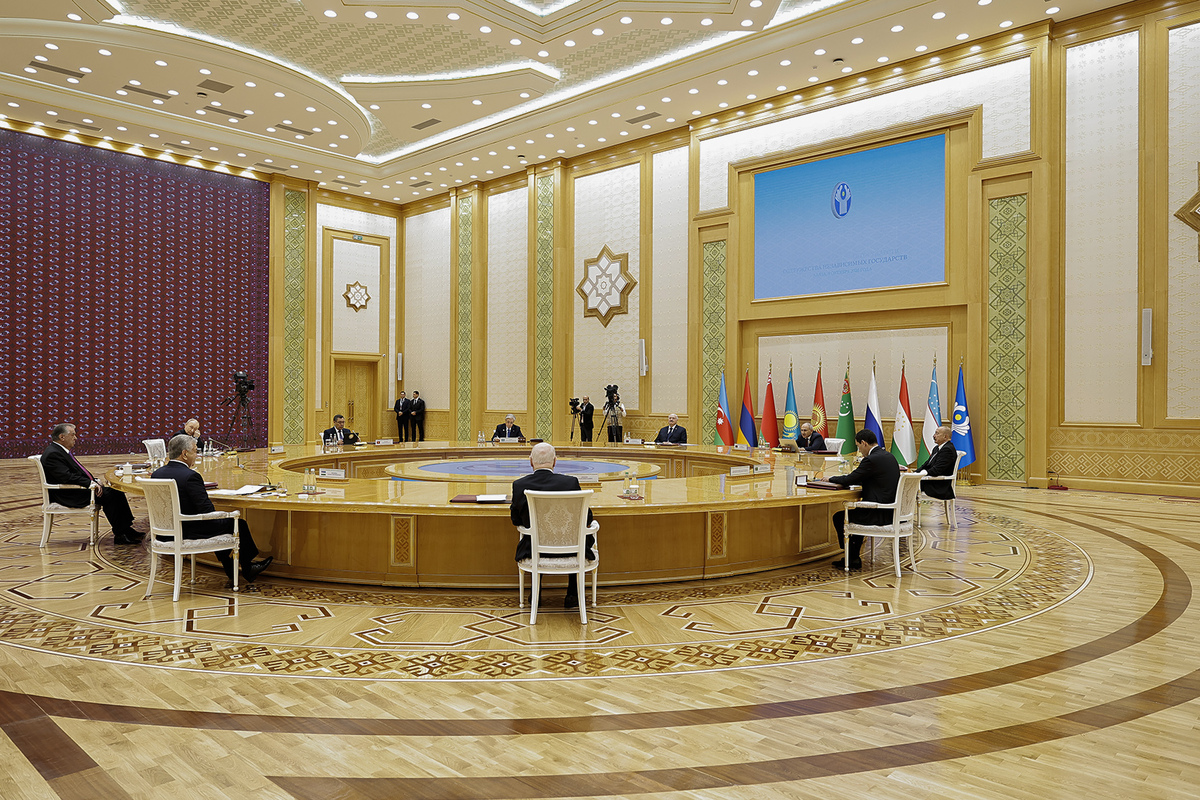
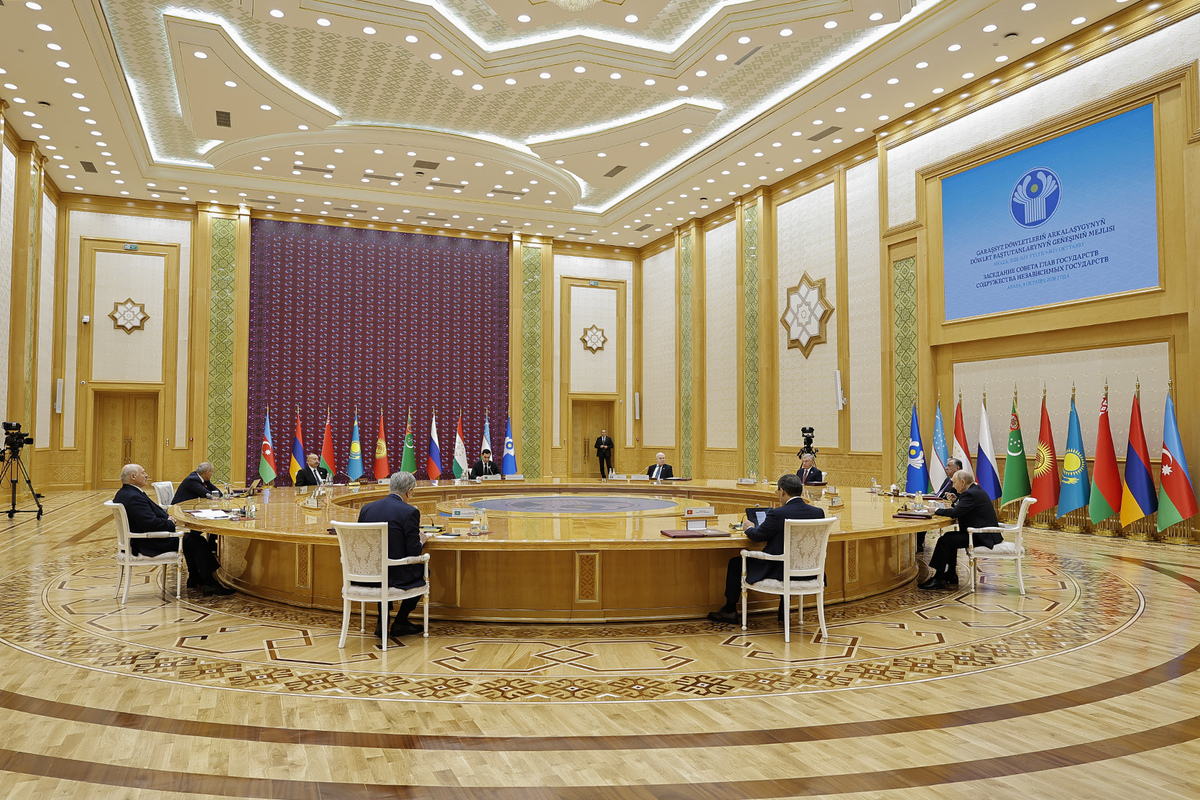
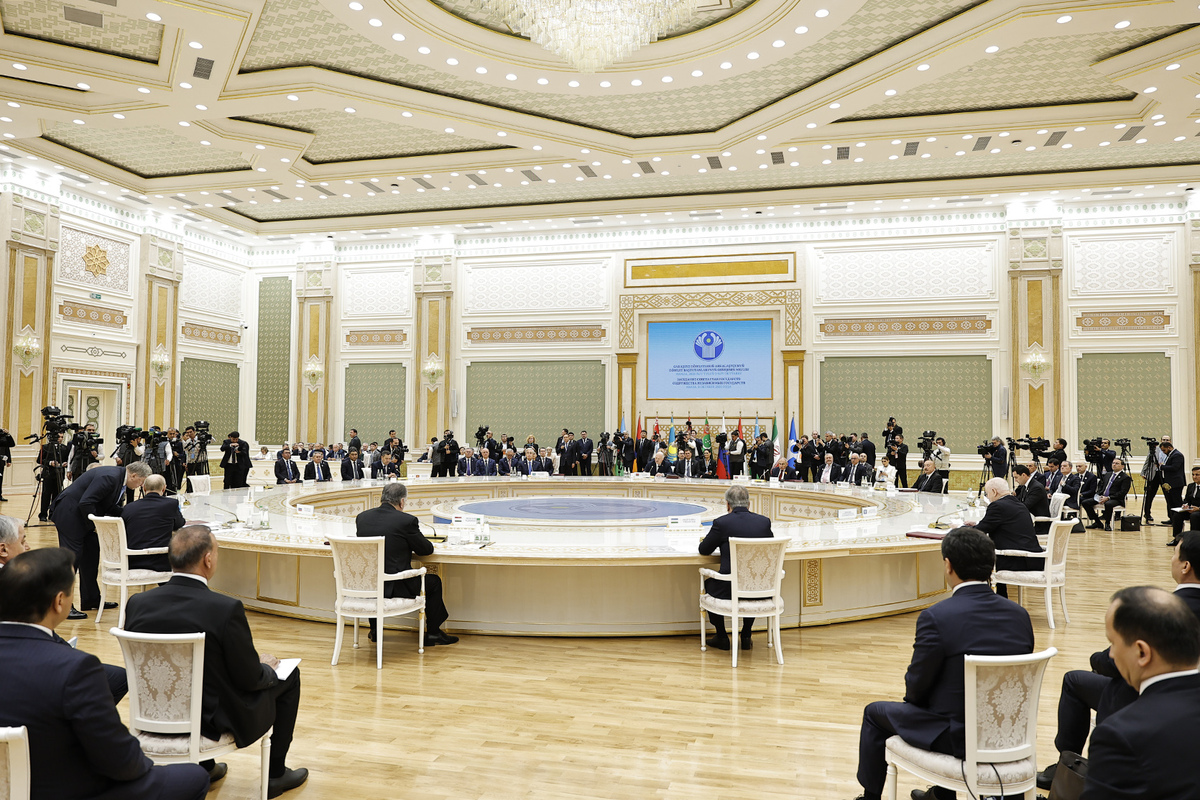
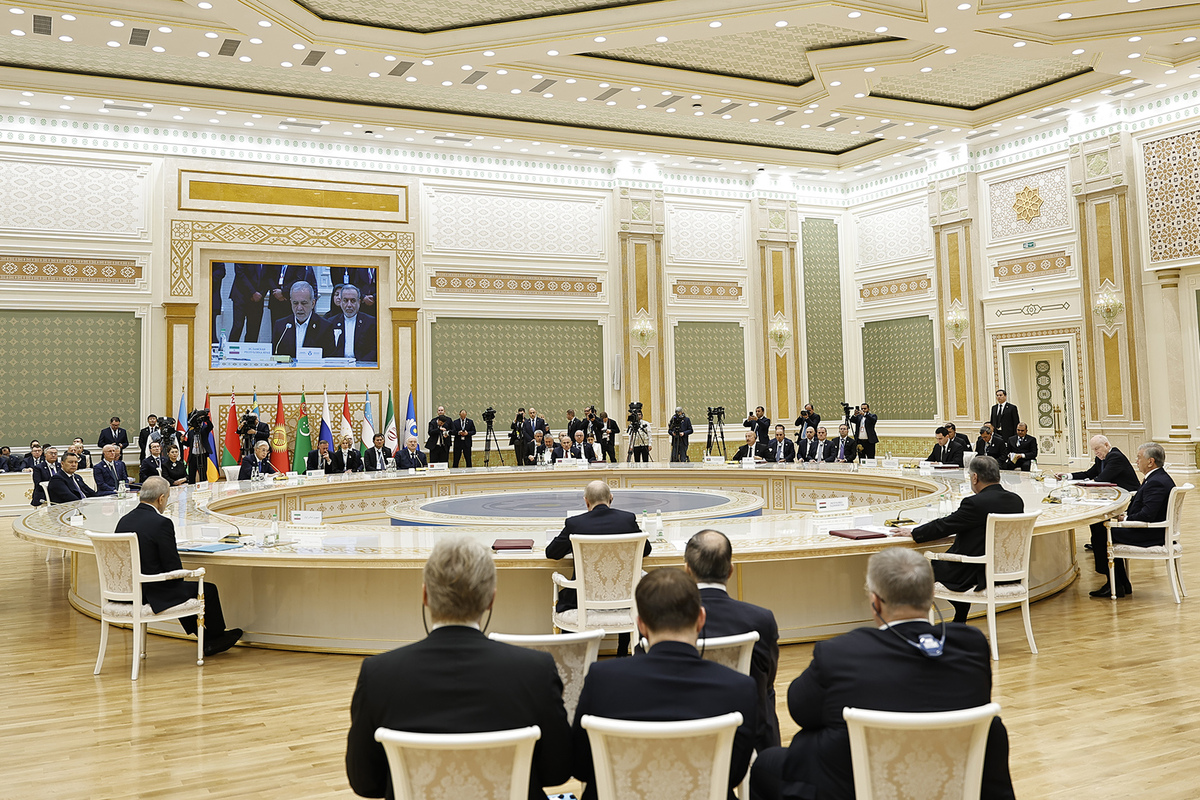
Prime Minister Nikol Pashinyan participated in the regular session of the Council of Heads of State of the CIS member countries in Turkmenistan.
First, the welcoming ceremony for the leaders took place, followed by a joint photo and video session.
Subsequently, Prime Minister Pashinyan delivered a speech at the narrow-format session, in which he noted, in particular:
"Distinguished heads of delegations,
I am pleased to welcome you to the regular session of the Council of Heads of State of the Commonwealth of Independent States.
First of all, I would like to express my sincere gratitude to our Turkmen friends and personally to the esteemed President Serdar Berdimuhamedow for the warm welcome, hospitality, and the high-level organization of today's summit. I would like to make special mention of the scale of this meeting, which is being held in the "Avaza" National Tourist Zone—a place truly impressive not only for its natural beauty but also for its infrastructural potential. Serdar Gurbangulyýewiç, I went for a bicycle ride around the city this morning, and I must say I am impressed by the quality of the roads, the green spaces, the city's architecture, and the lighting. I would also like to add that, especially in the early morning, this place is a true paradise for a cyclist.
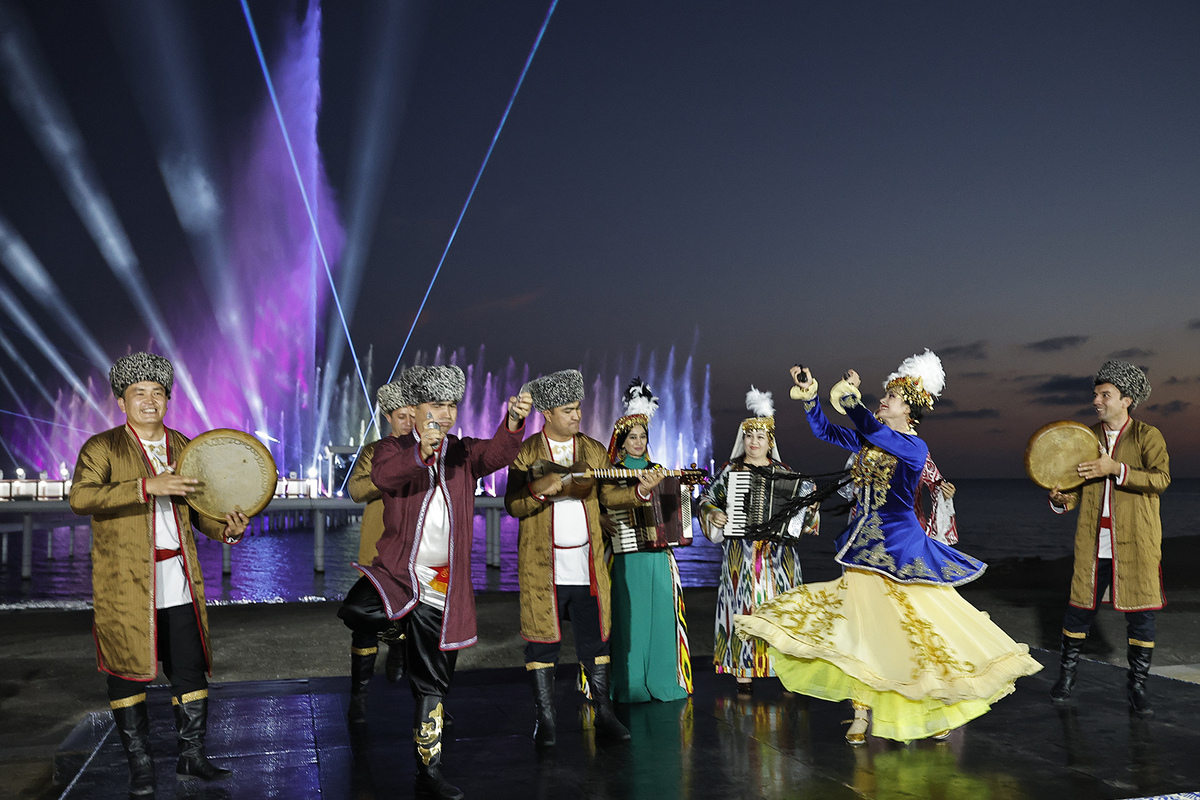
The cultural program organized on the shores of the Caspian Sea on the eve of the summit provided an opportunity to fully appreciate the richness of traditions and the cultural diversity of the peoples of our states.
I would also like to thank the Turkmen side for the work accomplished during its CIS chairmanship over the past year. For its part, the Armenian side has made constructive efforts toward the practical implementation of the priorities outlined by Turkmenistan’s chairmanship of the Commonwealth. I also wish to congratulate Shavkat Miromonovich and our friends from Uzbekistan on assuming the CIS chairmanship. You can, of course, count on our support.
Distinguished heads of delegations,
It is noteworthy that today’s meeting is taking place during the year marking the 35th anniversary of the formation of the Commonwealth of Independent States. One of the foundational documents of the CIS is the Alma-Ata Declaration of December 21, 1991. Through this document, eleven Soviet republics—recognizing and respecting each other's territorial integrity and the inviolability of existing borders—acknowledged the cessation of the existence of the Union of Soviet Socialist Republics.
Dear colleagues,
The Alma-Ata Declaration has played a pivotal role in the process of establishing peace between the Republic of Armenia and the Republic of Azerbaijan.
In 2024, Armenia and Azerbaijan signed and ratified the Regulation on the Joint Activities of the Commissions on State Border Delimitation between the Republic of Armenia and the Republic of Azerbaijan.
This regulation became the first legally binding bilateral document concluded between independent Armenia and independent Azerbaijan. The document enshrines that the respective commissions of Armenia and Azerbaijan will adopt the Alma-Ata Declaration as a fundamental principle in the process of delimiting the state border between the Republic of Armenia and the Republic of Azerbaijan. The foundational document of the CIS also occupies a pivotal place in the initialed text of the agreement "On the Establishment of Peace and Interstate Relations between the Republic of Armenia and the Republic of Azerbaijan."
The preamble to the document references the Alma-Ata Declaration, while Article 1 states: "Having confirmed that the boundaries between the Soviet Socialist Republics of the former USSR became the international borders of respective independent states and have been recognized as such by the international community, the Parties recognize and shall respect the sovereignty, territorial integrity, inviolability of international borders and political independence of each other;."
And Article 2 of the same agreement states: "In full compliance with Article I, the Parties confirm that they do not have any territorial claims to each other and shall not raise any such claims in the future.
The Parties shall not undertake any act, including planning, preparing, encouraging and supporting such acts, which aim to dismember or impair, totally or in part, the territorial integrity or political unity of the other Party."
The agreement containing the aforementioned articles was initialed on August 8, 2025, during a peace summit hosted by U.S. President Donald Trump at the White House.
Since the 2020 war, we have traveled a long road toward peace. In this context, I would like to emphasize the role of the President of the Russian Federation, Vladimir Putin, in achieving the ceasefire in November 2020.
However, even after the signing of the statement of November 9, 2020, we unfortunately failed to actually achieve peace. It was evident that there is only one realistic option for achieving peace between Armenia and Azerbaijan: an architecture built upon the principles of the Alma-Ata Declaration.
It must be acknowledged that the adoption of the Alma-Ata Declaration in 1991 did not prevent the escalation of the conflict between Armenia and Azerbaijan.
For more than 30 years, the conflict persisted despite the existence of the Alma-Ata Declaration, and it seemed its existence went unnoticed.
To establish lasting peace, figuratively speaking, it was necessary to revitalize the Alma-Ata Declaration—a step the President of Azerbaijan and I took on October 6, 2022, following the quadrilateral meeting held in Prague at the initiative of French President Emmanuel Macron and European Council President Charles Michel.
Distinguished Heads of State,
Peace between Armenia and Azerbaijan is an established fact.
We can state today that for a period of more than two years, there have been no fatalities or injuries resulting from exchanges of fire between Armenians and Azerbaijanis—in contrast to the preceding thirty-plus years, when, starting in the 1990s, casualties occurred on both sides every year.
For nearly a year now, Azerbaijan's railway has been open to Armenian cargo.
Bilateral trade between Armenia and Azerbaijan has commenced, and a 12-kilometer section of the state border between Armenia and Azerbaijan has undergone delimitation and demarcation.
In the near future, the implementation of the TRIPP project within the territory of the Republic of Armenia awaits us; this project will unblock communications between Armenia and Azerbaijan—including the connection between the northern and southern parts of Armenia via the territory of Azerbaijan’s Nakhchivan Autonomous Republic, as well as the connection between the main part of the Republic of Azerbaijan and its Nakhchivan Autonomous Republic via the territory of the Republic of Armenia—based on respect for the sovereignty, territorial integrity, and jurisdiction of the states.
This is taking place in fulfillment of the Washington Declaration, the third point of which states: "We reaffirmed the importance of the opening of communications between the two countries for intra-state, bilateral, and international transportation for the promotion of peace, stability, and prosperity in the region and in its neighborhood on the basis of respect for the sovereignty, territorial integrity, and jurisdiction of the States. These efforts are to include unimpeded connectivity between the main part of the Republic of Azerbaijan and its Nakhchivan Autonomous Republic through the territory of the Republic of Armenia with reciprocal benefits for international and intra-state connectivity for the Republic of Armenia."
Thus, new international logistics routes—running East-West and South-North—will also open, including a railway connection between the Persian Gulf and the Black Sea traversing the territories of the Islamic Republic of Iran, the Nakhchivan Autonomous Republic of Azerbaijan, the Republic of Armenia, and Georgia.
This demonstrates that the implementation of the TRIPP project is beneficial to all countries in the region, including CIS nations, which will gain new logistical opportunities.
In this context, I would like to note that the opening of the state border and the consequent restoration of road and rail infrastructure connecting Armenia and Türkiye are anticipated.
Dear friends,
It must be emphasized that the peace established between Armenia and Azerbaijan is not yet complete. It is evident that there are humanitarian issues still awaiting resolution. I am referring to issues regarding the clarification of the fate of missing persons, demining, and individuals in custody.
Unfortunately, escalations of negative sentiment sometimes occur in both Armenia and Azerbaijan, including at the official level. However, even when such phenomena raise questions, they no longer call into question the reality of lasting peace.
One simply needs to understand that a conflict spanning more than thirty years cannot be switched off in an instant with the flick of a switch. It will require time and consistency.
There have been numerous casualties, suffering, hostility, and disputes, as well as a conviction that, after so many years of conflict, peaceful coexistence between Armenia and Azerbaijan is no longer possible. If we view the matter from this perspective, then—together with the President of Azerbaijan and with the support of our international partners—we have achieved the impossible; we must nurture and preserve the peace we have achieved every single day, because this achievement serves, first and foremost, the peoples of Armenia and Azerbaijan, the strengthening of their independence, and their future generations, who have been granted a historic opportunity not only for peaceful coexistence but also for cooperation and good-neighborly relations based on shared interests.
It was precisely the Alma-Ata Declaration and its revitalization that created that historic opportunity—or, more accurately, that historic reality—and we simply need to build upon that reality while looking toward a future where the parties unreservedly recognize and respect each other’s sovereignty, territorial integrity, the inviolability of international borders, and political independence, and where the parties harbor no overt or covert territorial claims against one another, now or ever.
Distinguished Heads of State, the Republic of Armenia has chosen precisely this strategy. It is crucial to emphasize that in the Washington Declaration, we acknowledged the necessity of continuing efforts toward the signing and final ratification of a peace agreement between Armenia and Azerbaijan, and underscored the importance of maintaining and strengthening peace between our two countries.
We are moving forward along this path, and I am hopeful and confident that through joint cooperation, we will achieve our ultimate goal: the signing and ratification of the peace treaty between the Republic of Armenia and the Republic of Azerbaijan.
Thank you for your attention.”
Subsequently, a meeting of the Council of Heads of State of the CIS member countries took place in an expanded format, during which documents regarding cooperation within the CIS framework were signed.