Press releases
The political will of the government in the fight against corruption has not diminished and will not diminish. Prime Minister


more 11 photos
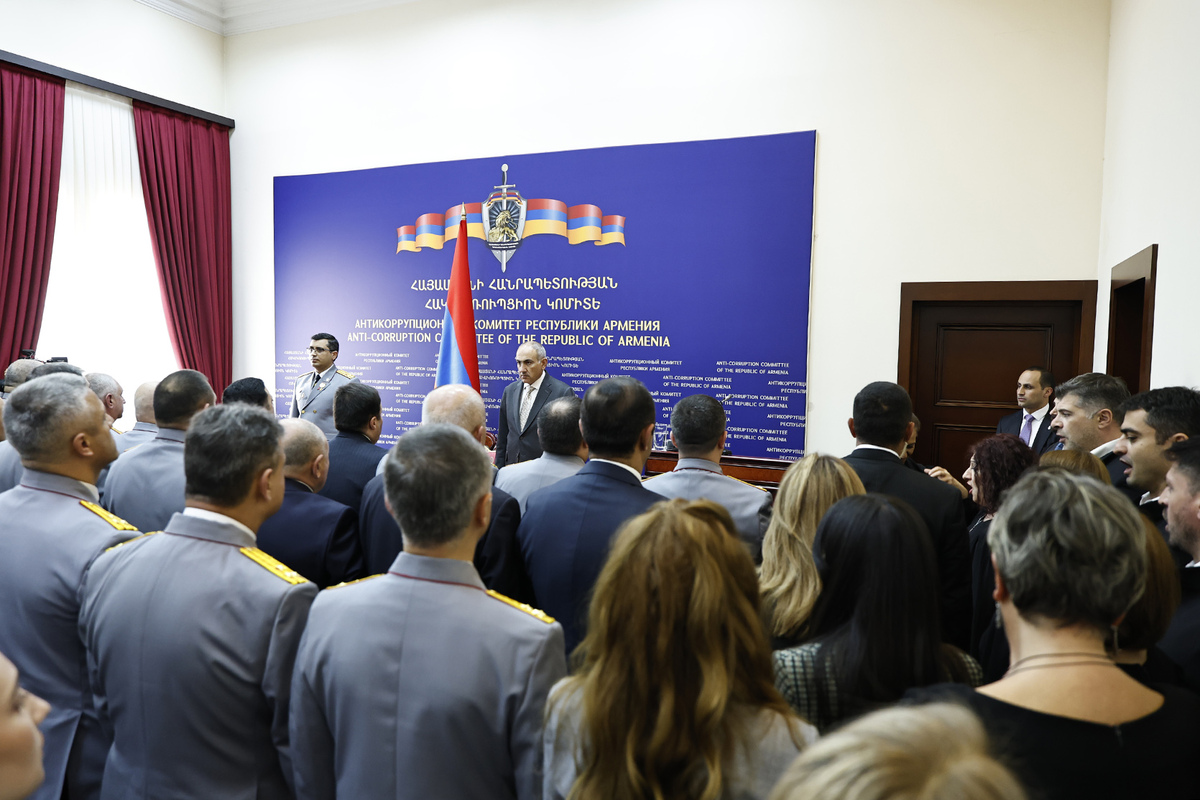
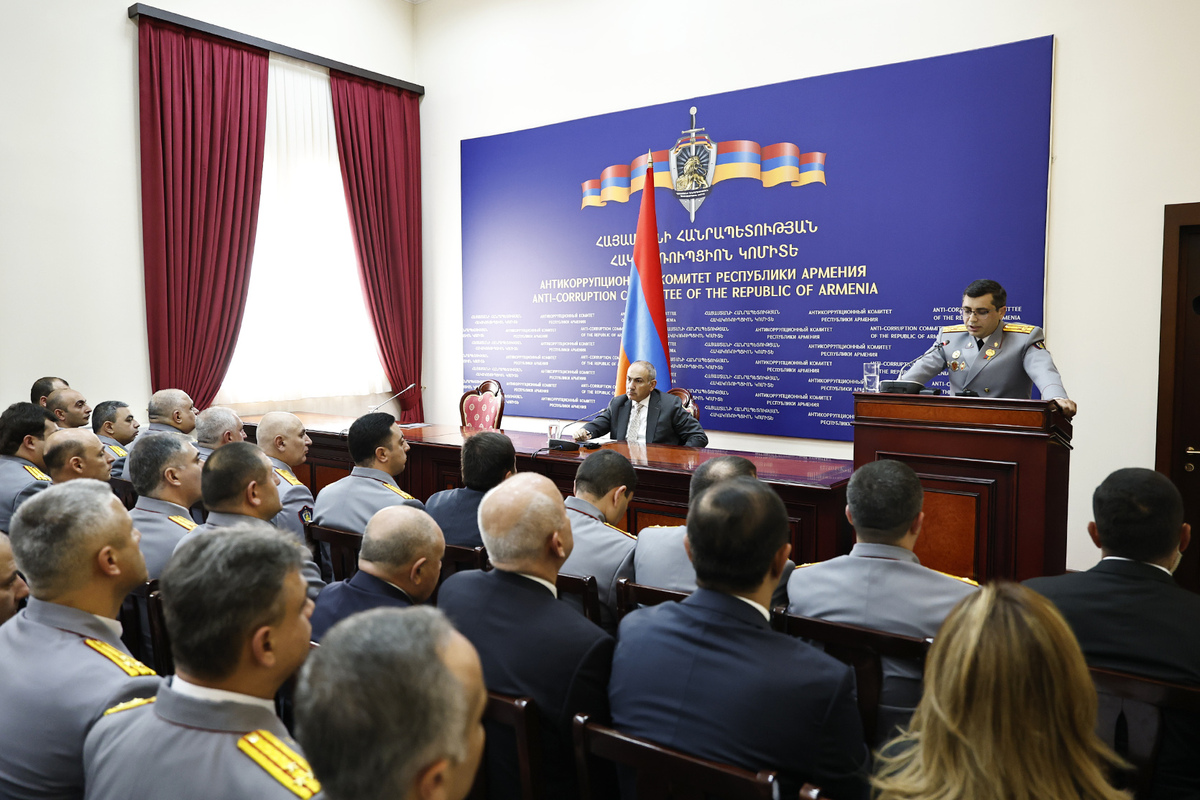
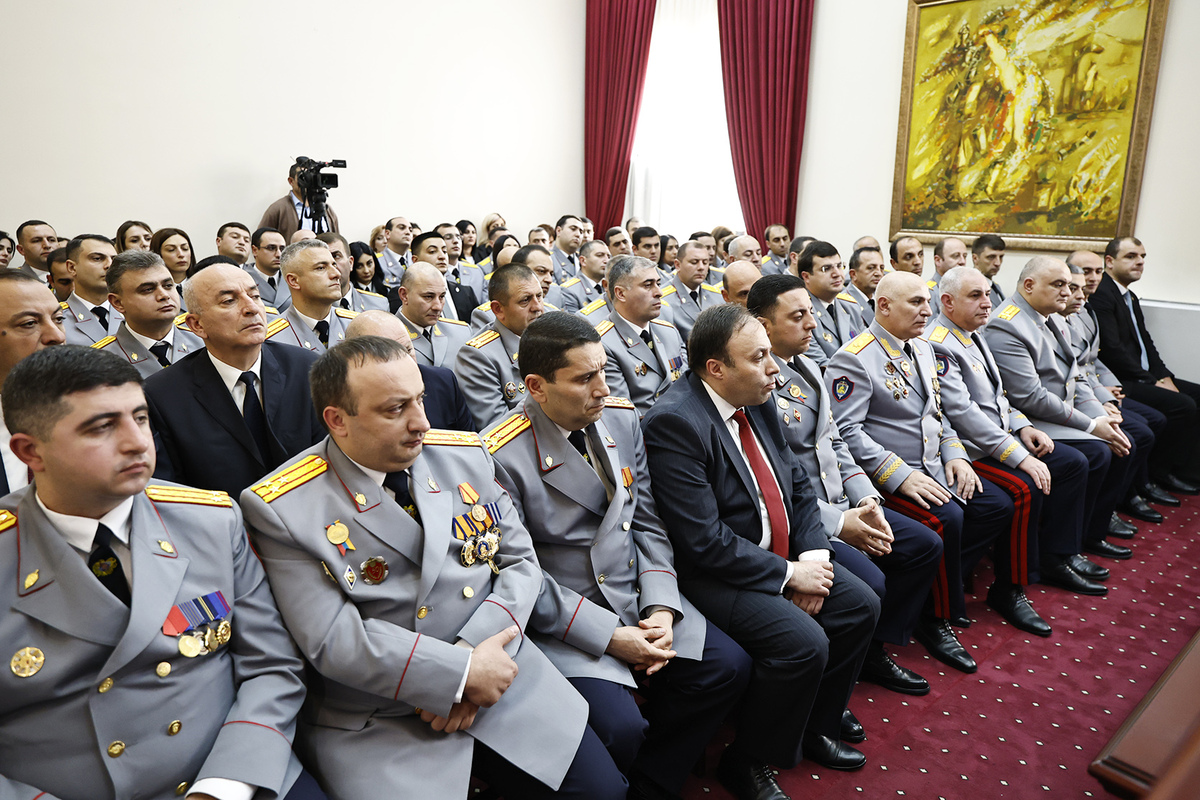
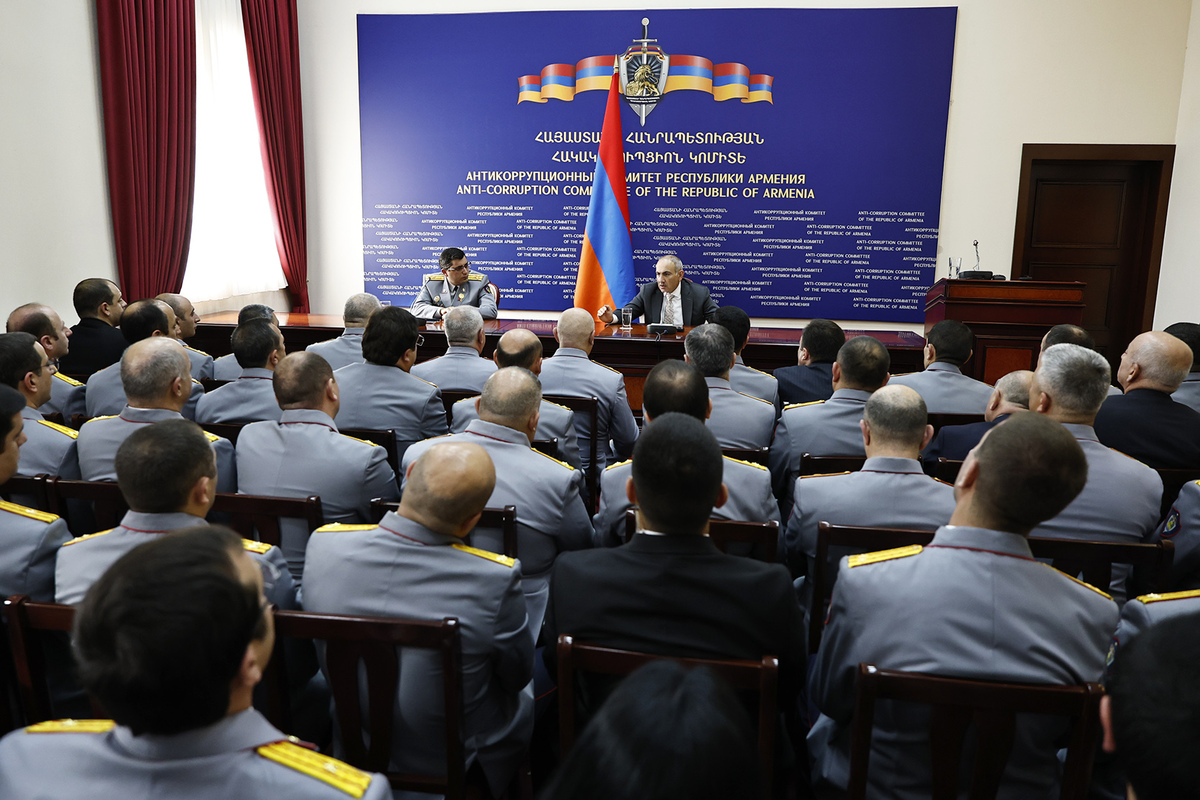
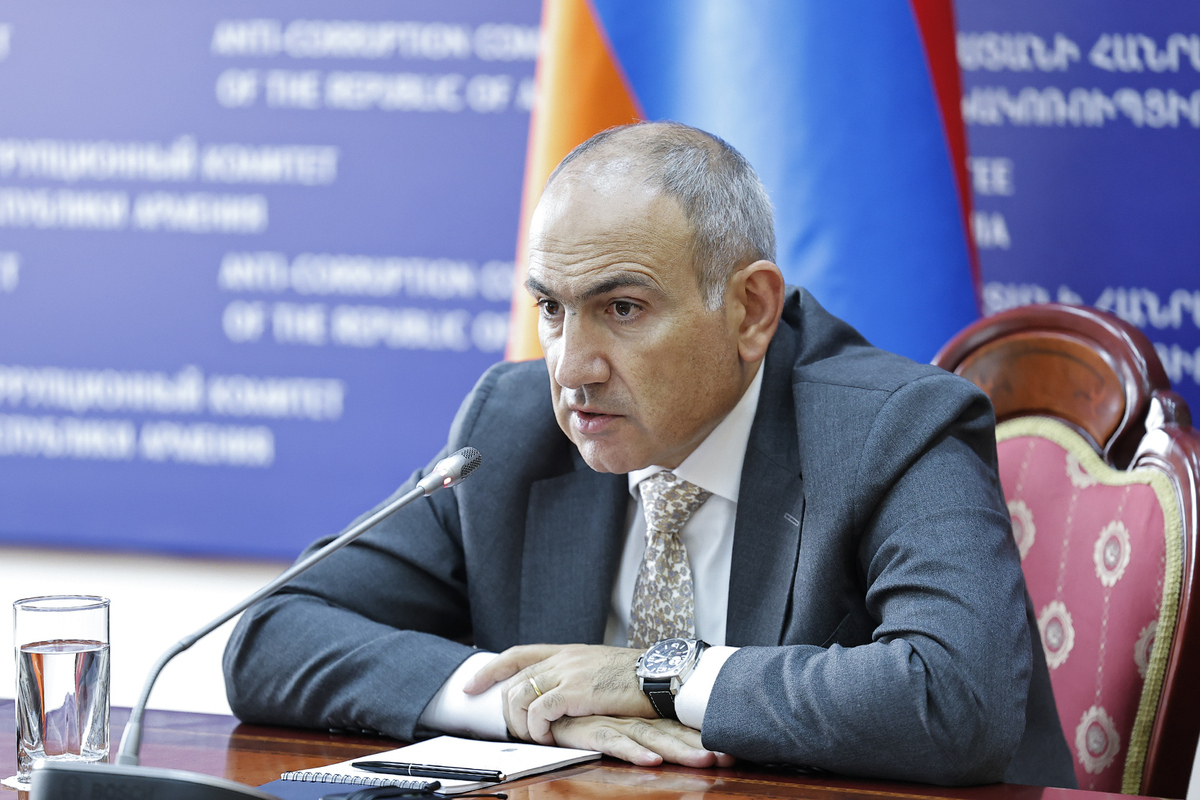
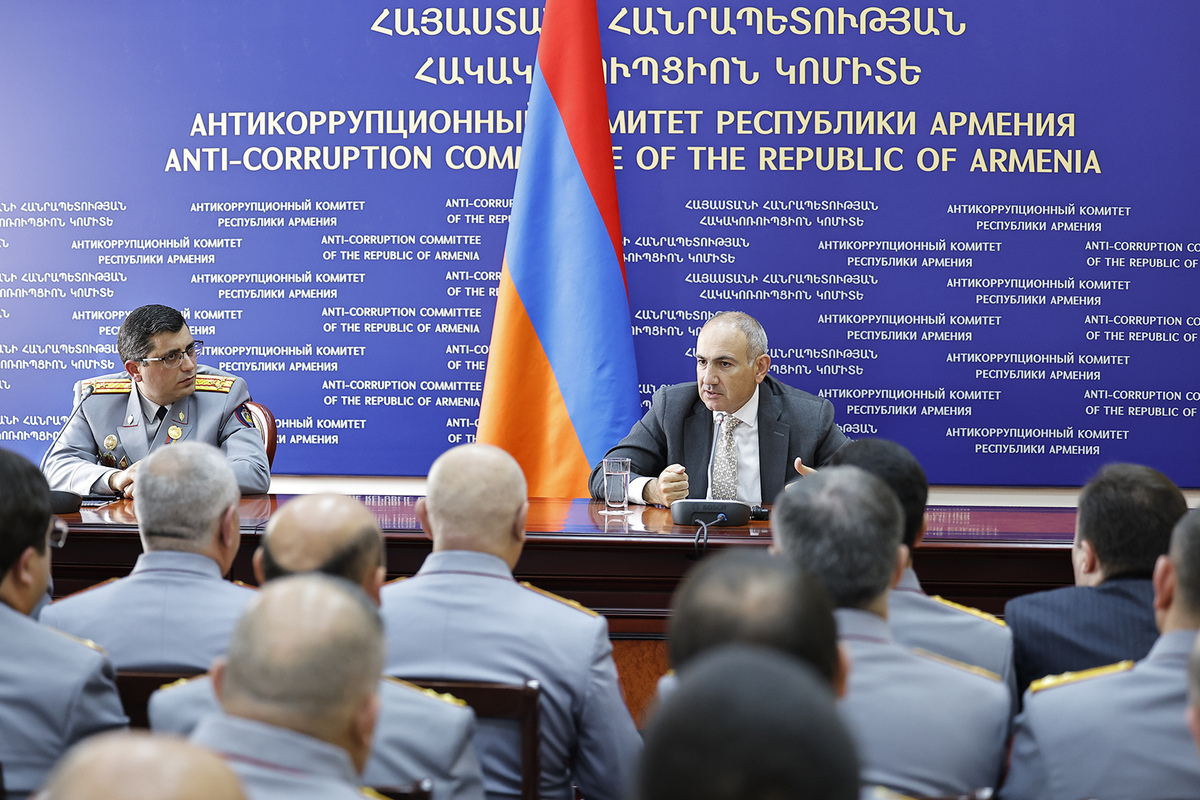
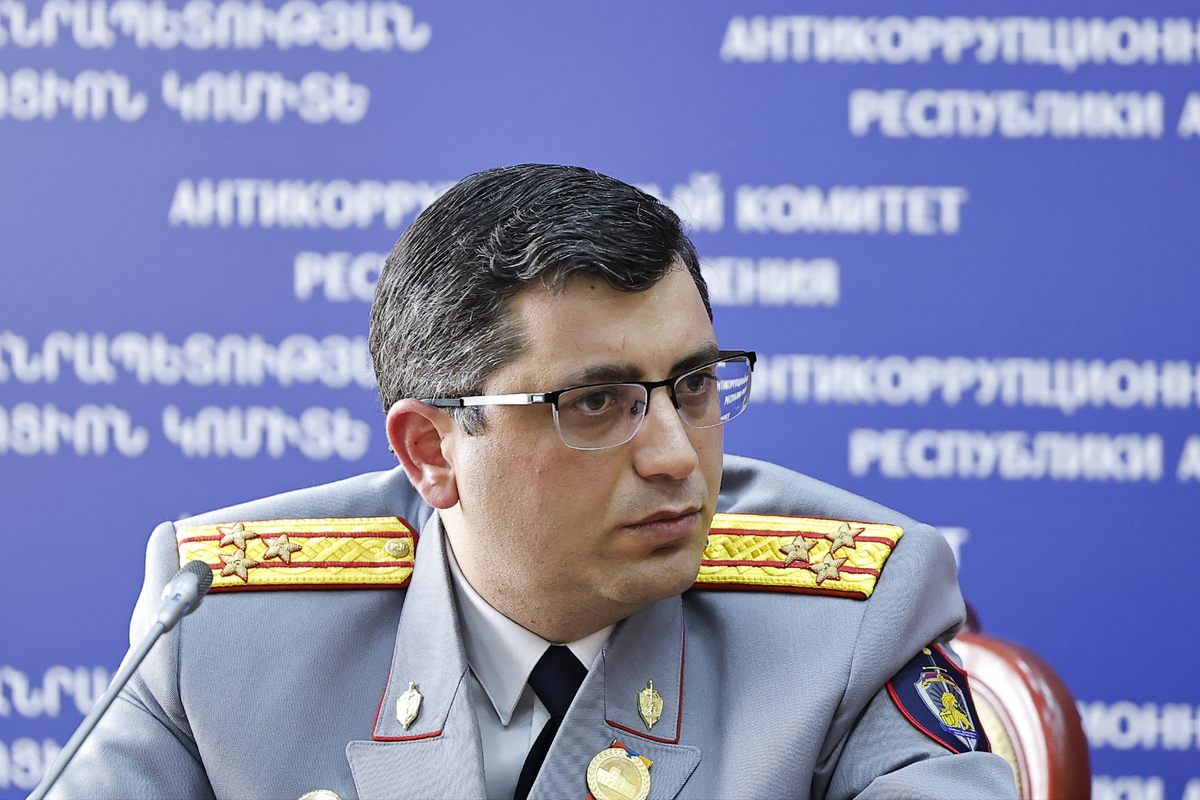
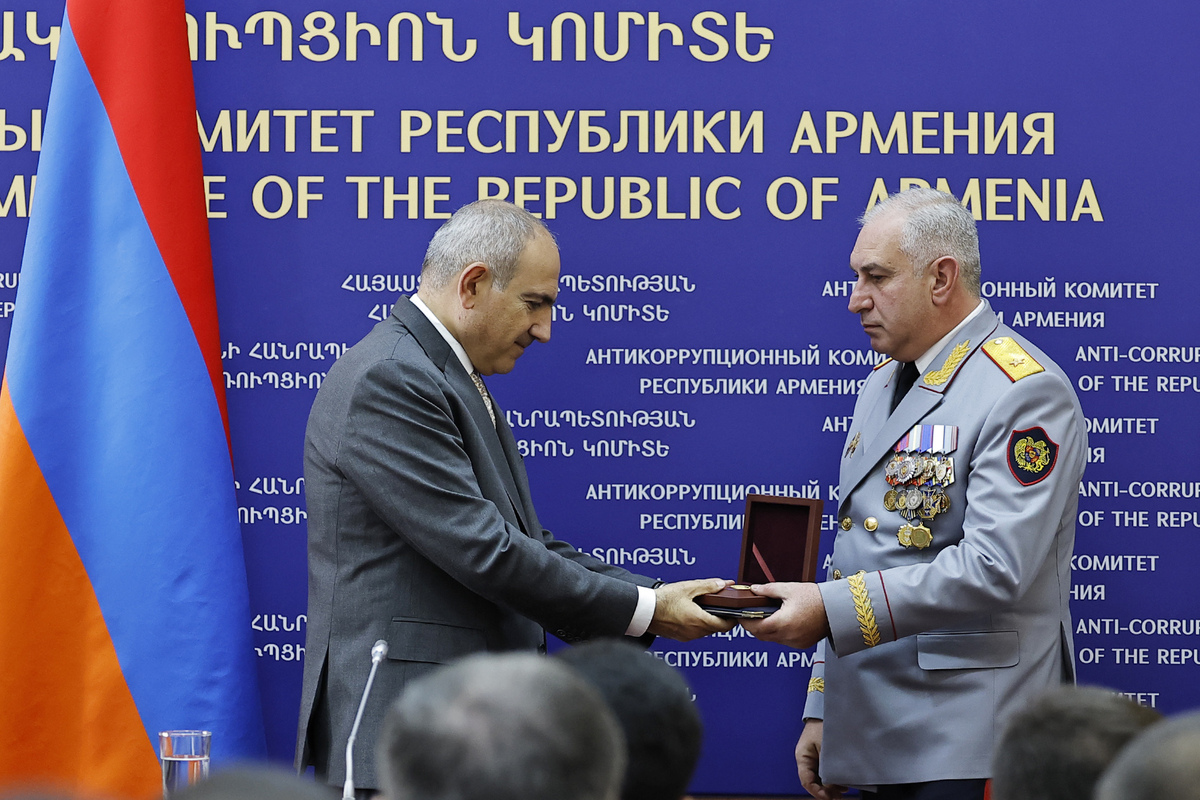
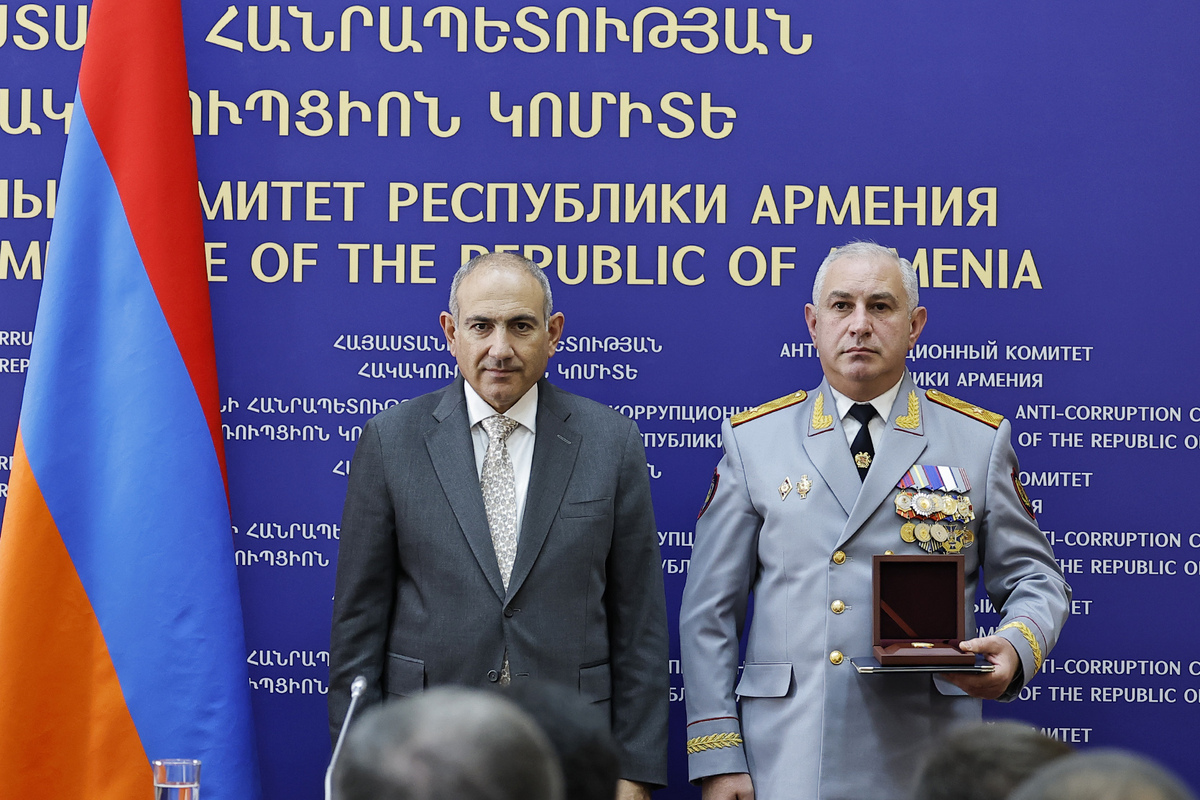
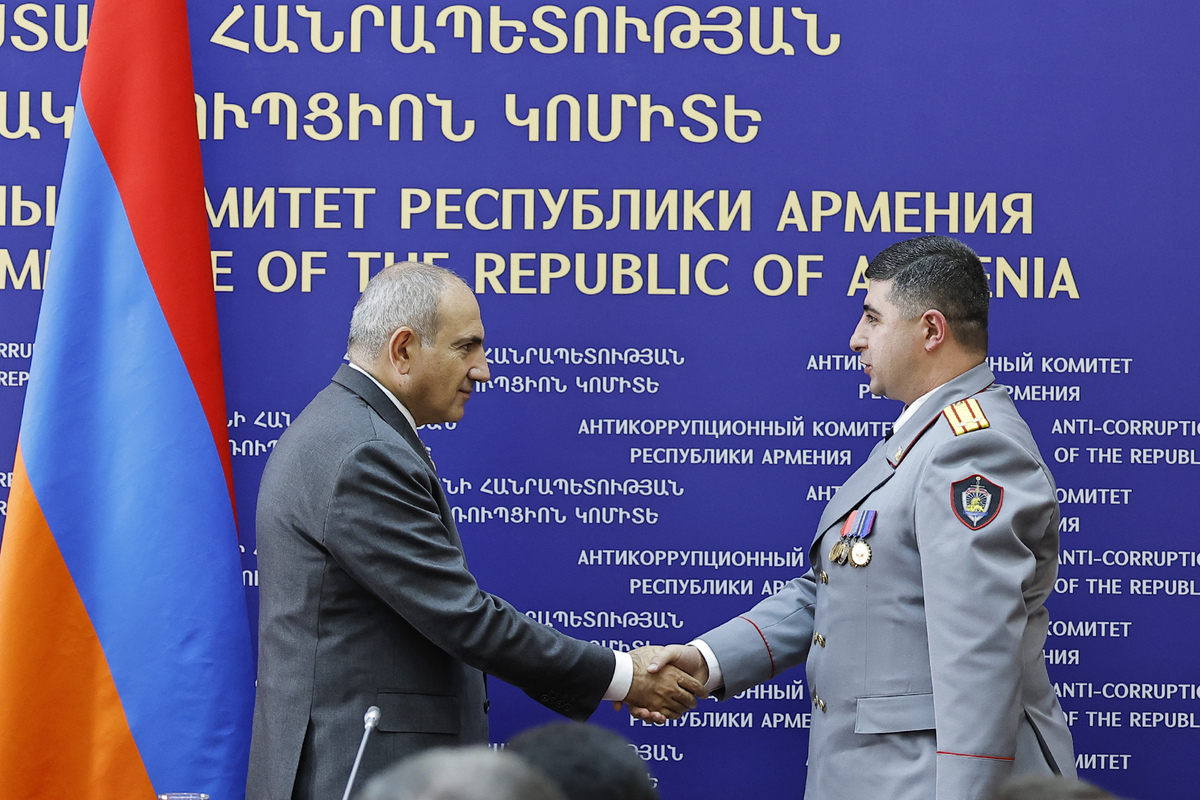
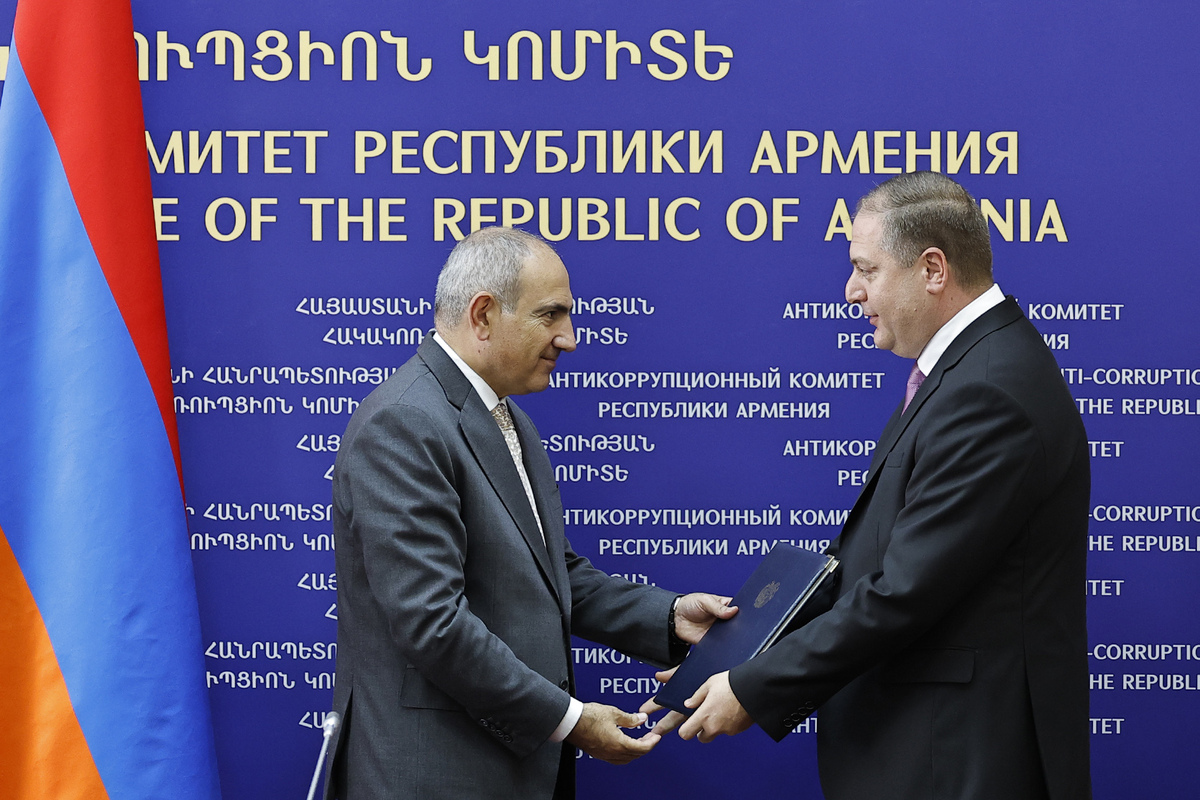
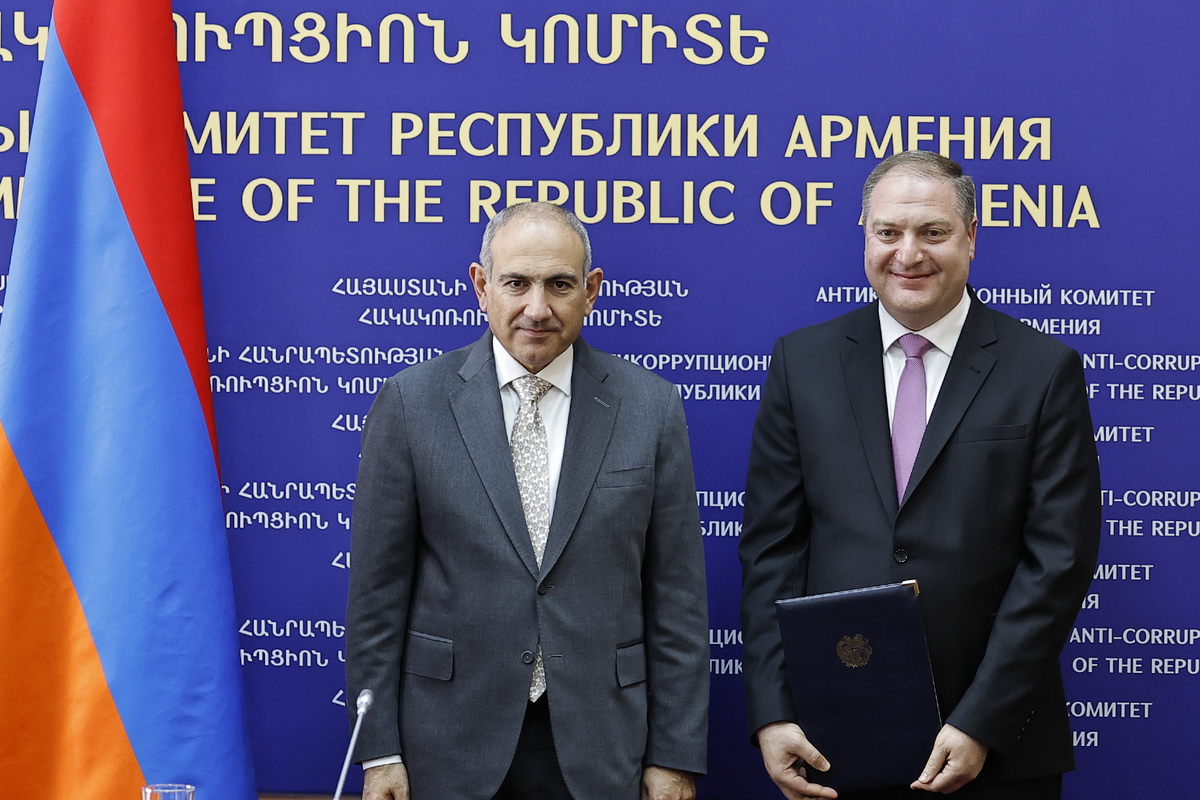
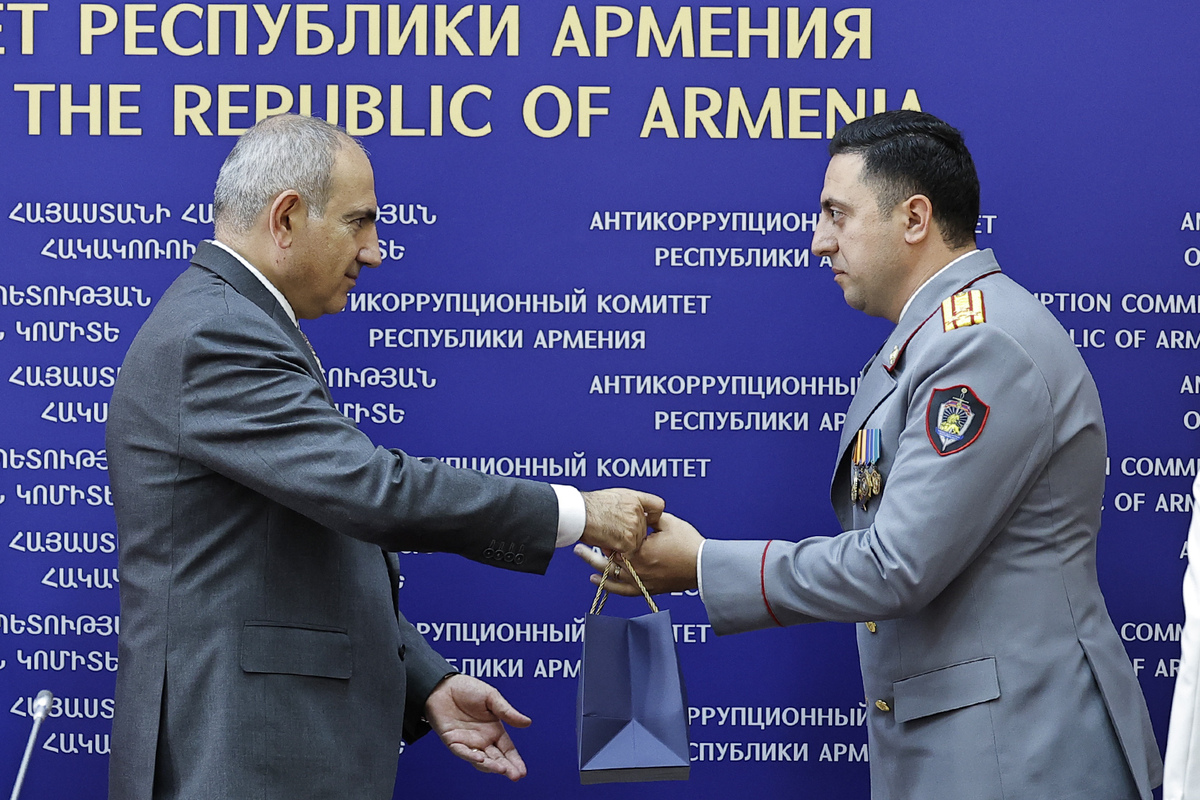
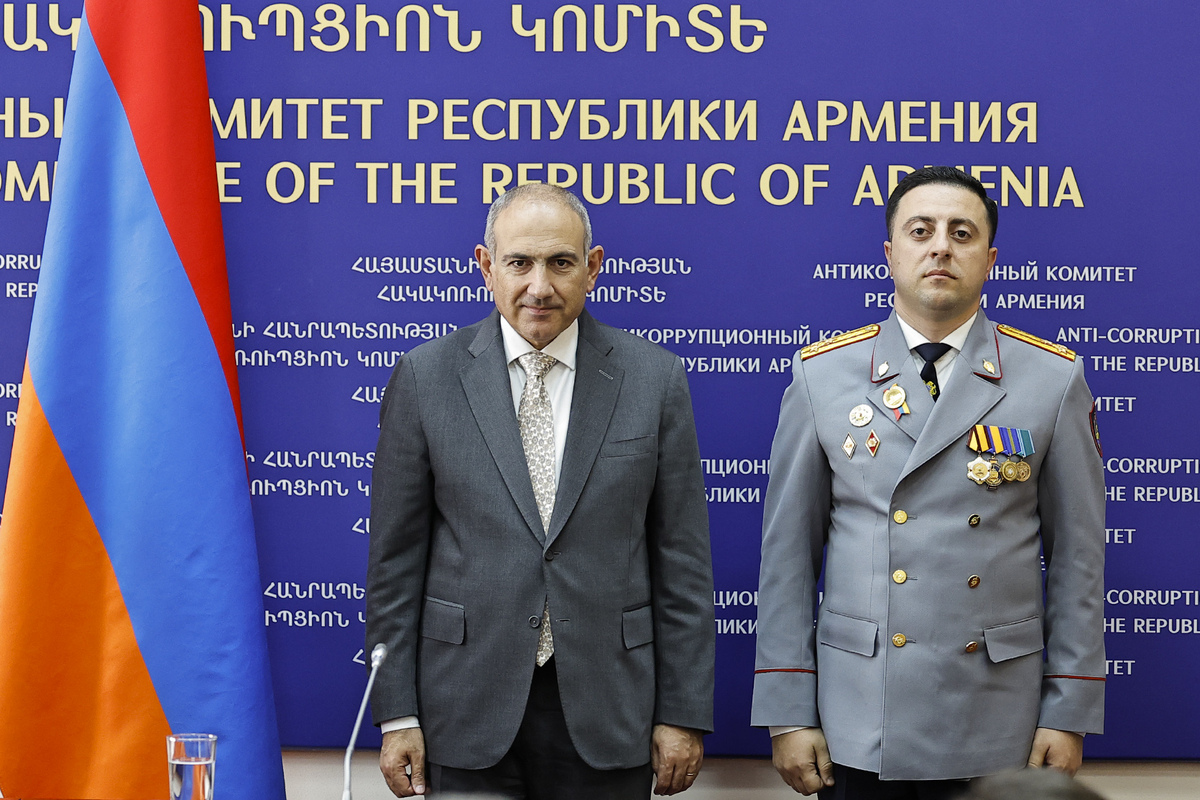
Prime Minister Nikol Pashinyan visited the Anti-Corruption Committee and attended the event dedicated to the Day of the Anti-Corruption Committee Officer and the 4th anniversary of the establishment of the structure.
The Prime Minister congratulated the Chairman of the Anti-Corruption Committee Artur Nahapetyan, the officers and employees on the occasion of the holiday and noted that the Committee is one of the institutions the formation of which is directly related to the people's, non-violent, velvet revolution that took place in Armenia in 2018. According to Nikol Pashinyan, the fight against corruption is one of the brands of the political ruling team. "But in this context of the anti-corruption struggle, new questions arise, the answers to which we not only did not have from the beginning, but we did not even know about the existence of these questions from the beginning, because in the environment that existed in 2018, it seemed that political will was necessary to wage an effective anti-corruption struggle and that many issues would be resolved with it. That is, of course, true, because without political will, in general, no issue can be resolved, that is, political will is the extent to which the Government, the political authority, wants that anti-corruption struggle should take place in a specific case," the Prime Minister said, adding that they first came to the conclusion that there should be a specific structure expressing the political will, and that is how they came to the conclusion that an Anti-Corruption Committee should be formed.
Nikol Pashinyan noted that an important factor is that they say, the political authorities declare and this is not news, everyone says they are fighting corruption, with international conventions, etc. “It is very important here how that signal should work, that all this is serious, all this is not a joke, not humor, etc.,” the Prime Minister said, considering it necessary to record that if the level of corruption in Armenia has been and is such as we often hear, it means that nevertheless, many people are involved in it.
The next issue that the Prime Minister touched upon concerns the relationships of persons operating in the judicial, legal and state systems with different people. “So many people have so many acquaintances, classmates, friends, relatives, army comrades, neighbors, etc., etc. If the operational unit treats them a little better, as is commonly said, the investigative unit treats thrm a little better, the prosecutor's unit treats a little better, the judicial unit treats a little better, if there are three judicial units, the first instance treats a little better, the appellate unit treats a little better, the cassation court treats a little better, a little better from places of power or possible influence - the chance of any case reaching a conclusion is lost, absolutely. If we analyze it, we will see the case goes forward, goes forward, we receive some messages, and what happens in the end? And then you understand that there will be no end," the Prime MInister noted, adding that it is impossible to effectively fight corruption in this environment.
Next, the Prime Minister touched upon the connection between the military-political situation in the region and the activities of law enforcement agencies in general, including the fight against corruption. Nikol Pashinyan noted that when the situation is unstable, there are tensions, escalations, it doesn’t matter what you are doing, you are still a citizen of the country, including the investigator, prosecutor, judge, and you don’t have the opportunity to focus on your work. “And this is a factor that I have also felt, and it is somewhat understandable. Why am I saying this? Now, when I observe, there is such an impression that now the law enforcement system is more active, including the fight against corruption. Of course, this is not the only factor, but in my opinion, the peace established in our region also gives more opportunities, including the investigative agencies, to focus on their work,” the Prime Minister emphasized.
Speaking about personnel issues, the Prime Minister noted that the fact that Artur Nahapetyan was a judge, among other things, played an important role in his appointment to the head of the Anti-Corruption Committee. “There are constant conversations, according to which investigators look at the situation differently, judges look at it differently. I told Mr. Nahapetyan that it is very important that the cases coming out of the Anti-Corruption Committee be viewed also from the judge’s perspective, in order to close the space for that conversation, that after all, the investigator perceives things differently, the judge perceives things differently. I am convinced that this circumstance will also play a significant role in increasing the effectiveness of the Anti-Corruption Committee’s work,” said Nikol Pashinyan.
The Prime Minister noted that it is usual for the law enforcement system to work in the current conditions of social networks and freedom of speech, taking into account also the fact that targeted attacks are launched through social networks against specific investigators, investigative groups handling specific cases, even publishing photos of family members, etc. “These are also factors that influenced the process, I say influenced, because in my opinion, when it is a new phenomenon, nevertheless, the systems begin to adapt to it, and also find ways to counteract them. And in my opinion, our law enforcement system, including the Anti-Corruption Committee, has already adapted to this situation more and more and is able to protect itself from these situations,” the Prime Minister noted.
The Prime Minister also touched upon the question of whether everyone in Armenia is being wiretapped. “Wiretaps related to many key cases are being published, etc. The law on operational intelligence in Armenia is not new. The law on operational intelligence clearly defines, and, moreover, all the most democratic countries have these systems, when, how, in which case, under what conditions this operational work can be carried out. And what is new, the news is that since the fight against crime and corruption is very important and principled for us, the Government, yes, is making investments as much as possible so that Armenia’s operational bodies have technical capabilities,” the Prime Minister noted, adding that crime itself adopts technological approaches, and if the law enforcement system does not adopt technological approaches, the entire fight against crime will fail. According to Nikol Pashinyan, now law enforcement agencies are no longer so dependent on the testimonies of individuals; investigative bodies are guided by the assumption that even if situations arise where there is illegal pressure on witnesses, etc., so that they eventually refuse to testify, the factual basis should still be weighty enough for these cases to reach a logical conclusion.
The Prime Minister noted with satisfaction that now, in terms of criminal cases, a certain activity is observed in the Anti-Corruption Committee and today there are all the factors for the anti-corruption fight to become more effective. Nikol Pashinyan emphasized that the political will of the government in the fight against corruption has not decreased and will not decrease. “This is our most important task, and we are making large investments in preventing corruption. Today, our Anti-Corruption Committee has sufficient technical equipment and I hope that this will have a certain preventive significance, people will think seven or eight times instead of once whether to take that step or not, and this is our goal. Our goal is to prevent corruption manifestations with our policies,” the Prime Minister said.