Press releases
Peace in our region is the result of the joint work of Armenia and Azerbaijan, which must be taken care of daily. Prime Minister
 1670x1113px - 642 Kb
 1670x1113px - 817 Kb
 1670x1113px - 592 Kb
 1670x1113px - 660 Kb
 1670x1113px - 573 Kb
 1670x1113px - 640 Kb
 1670x1113px - 707 Kb
 1670x1113px - 831 Kb
 1670x1113px - 908 Kb
 1670x1113px - 789 Kb
 1670x1113px - 888 Kb
 1670x1113px - 837 Kb
 1670x1113px - 500 Kb
 1670x1113px - 881 Kb
 1670x1113px - 654 Kb
 1670x1113px - 1 Mb
 1670x1113px - 737 Kb
 1670x1113px - 655 Kb
 1670x1113px - 763 Kb
 1670x1113px - 899 Kb
 1670x1113px - 1 Mb
 1670x1113px - 643 Kb
 1670x1113px - 520 Kb
 1670x1113px - 605 Kb
 1670x1113px - 587 Kb




more 22 photos
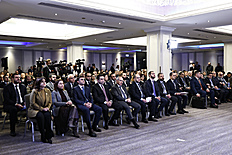
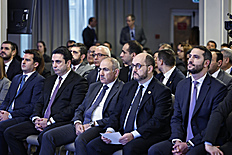
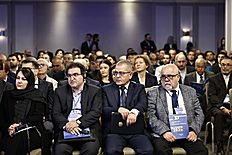
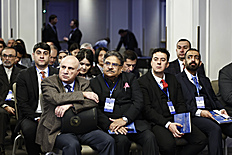
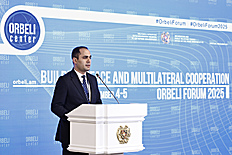
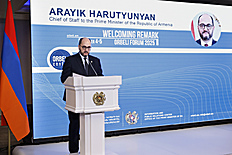
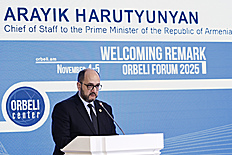
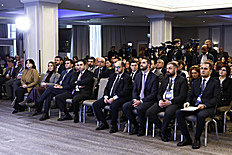
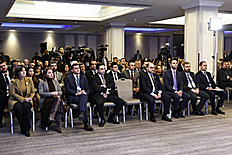
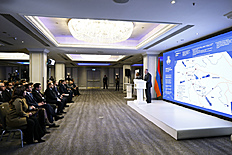
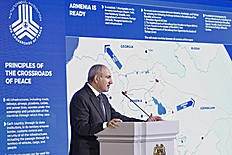
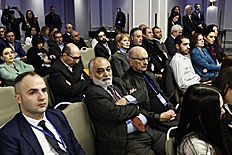
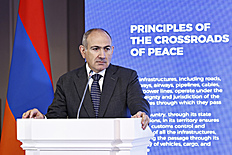
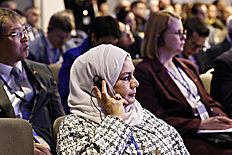
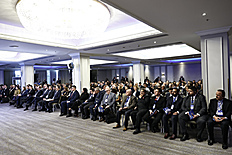
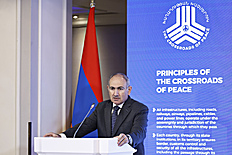
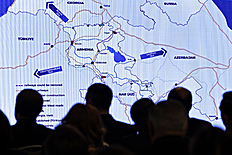
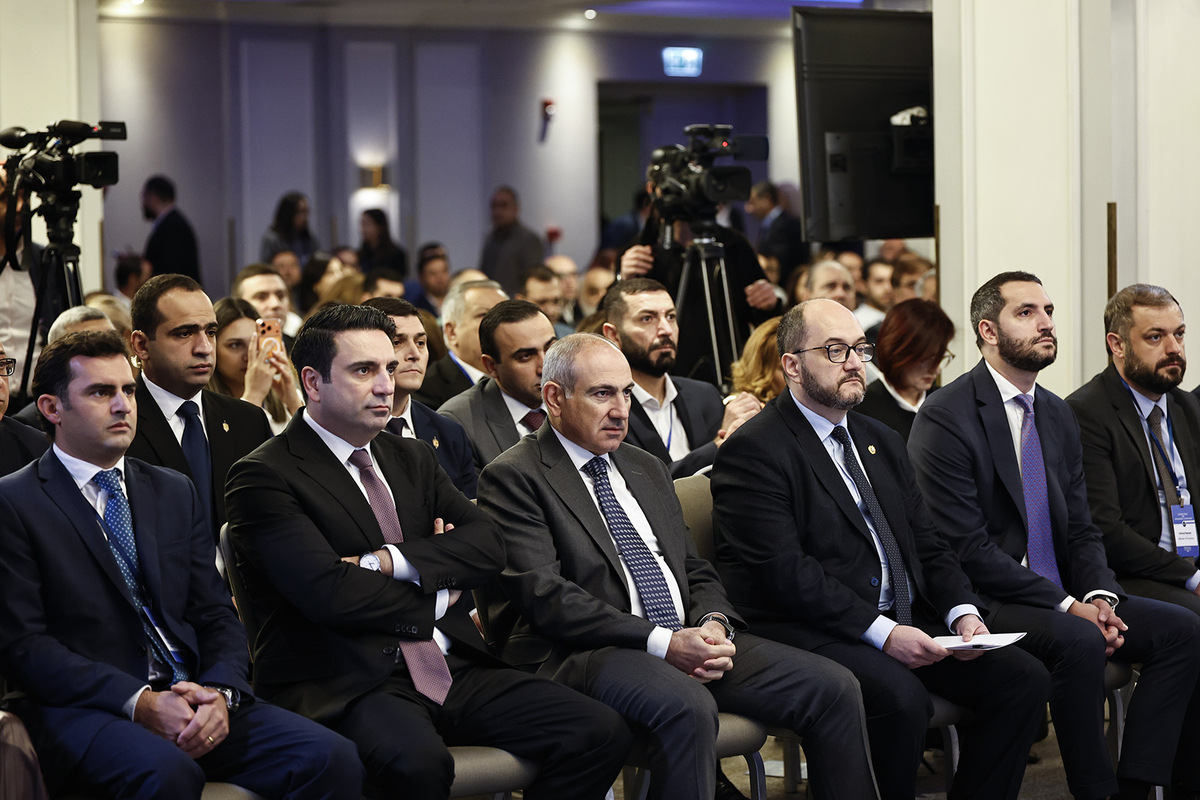
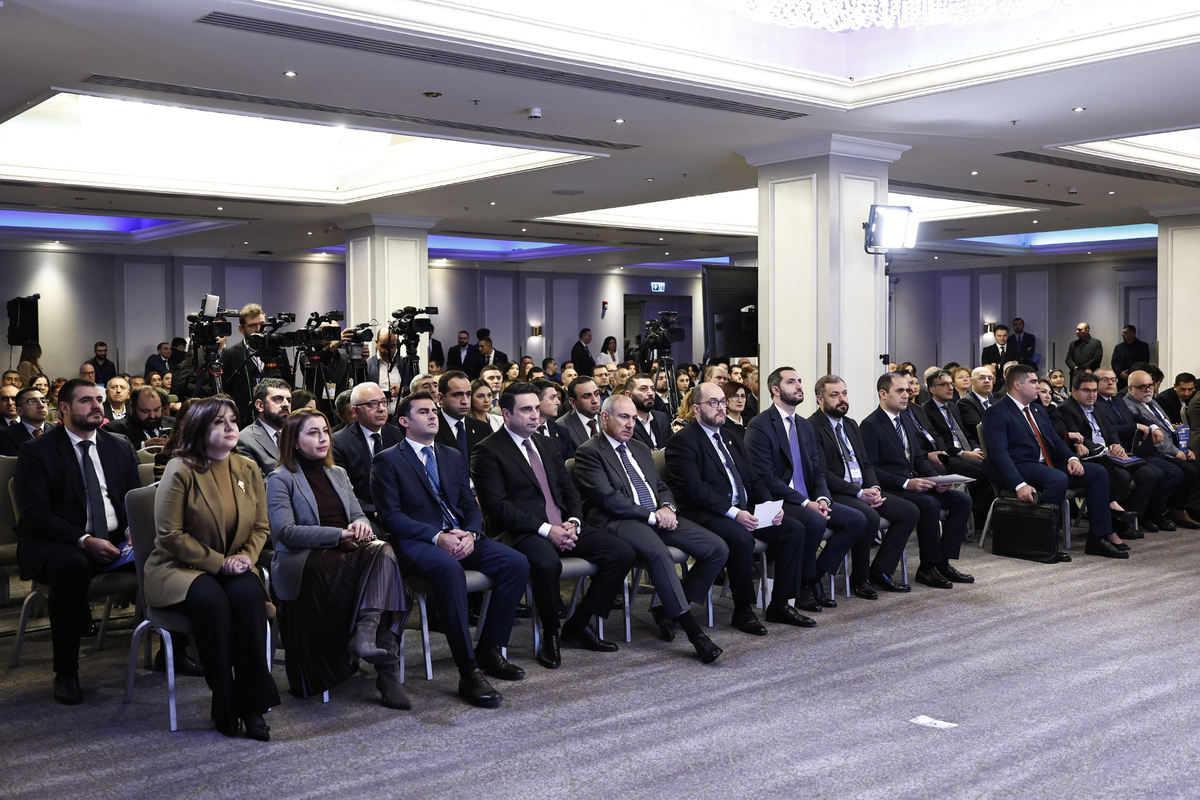
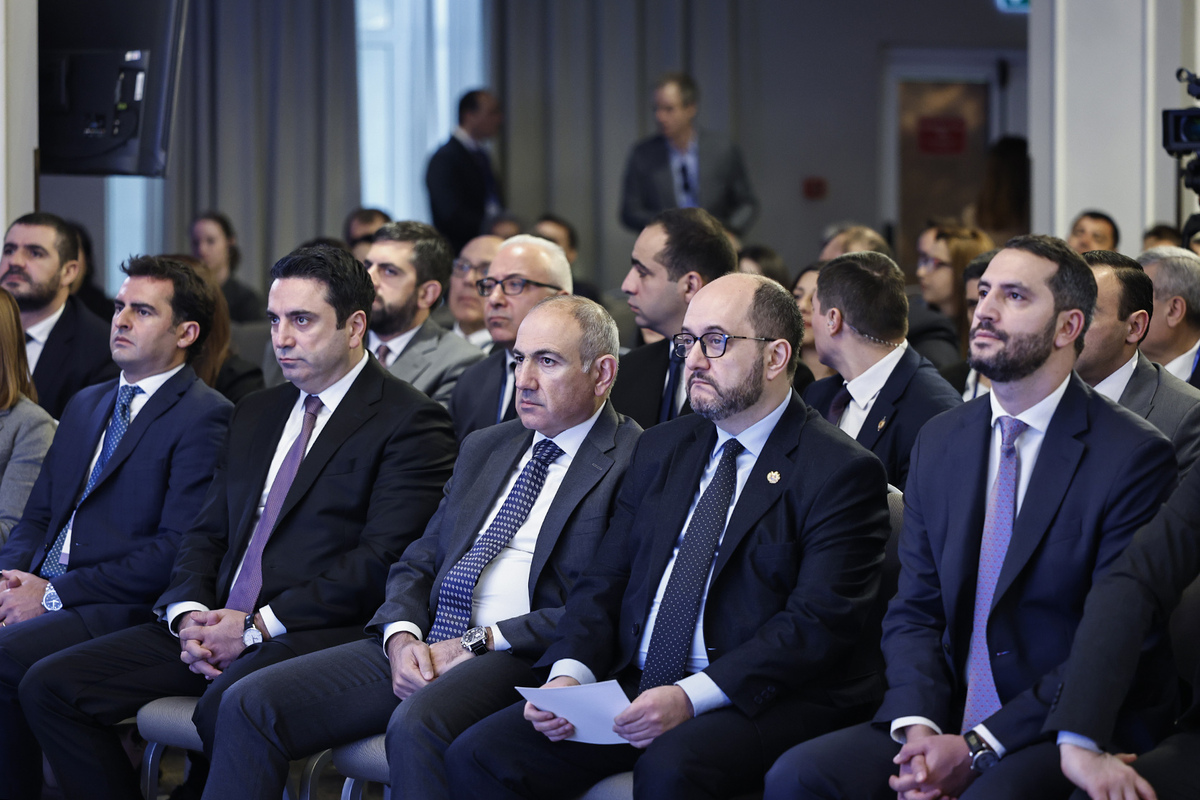
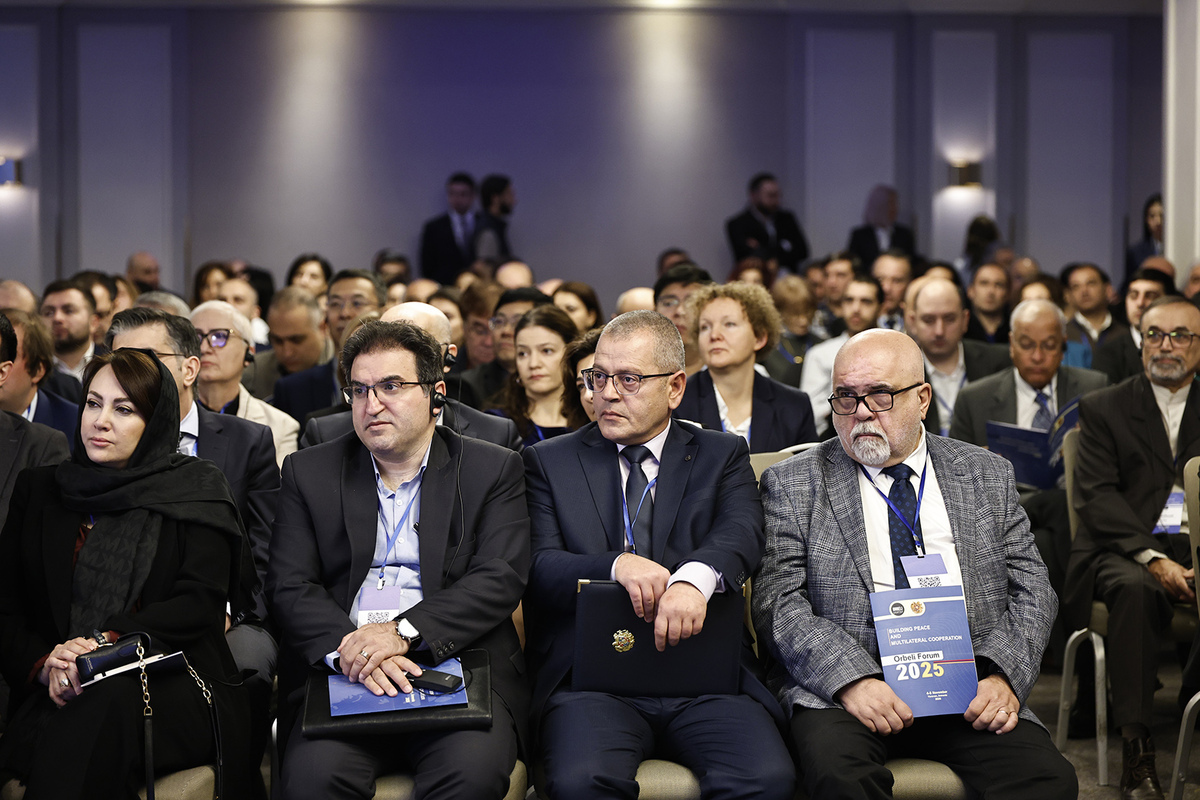
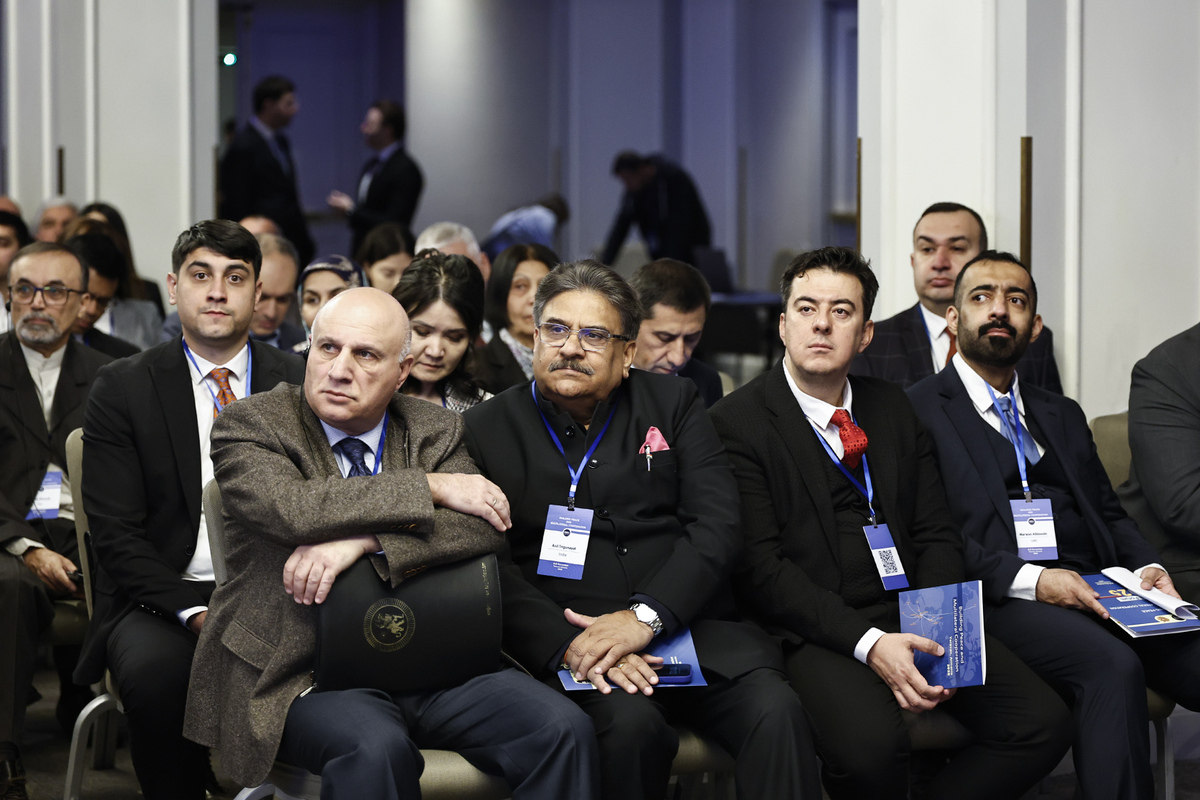
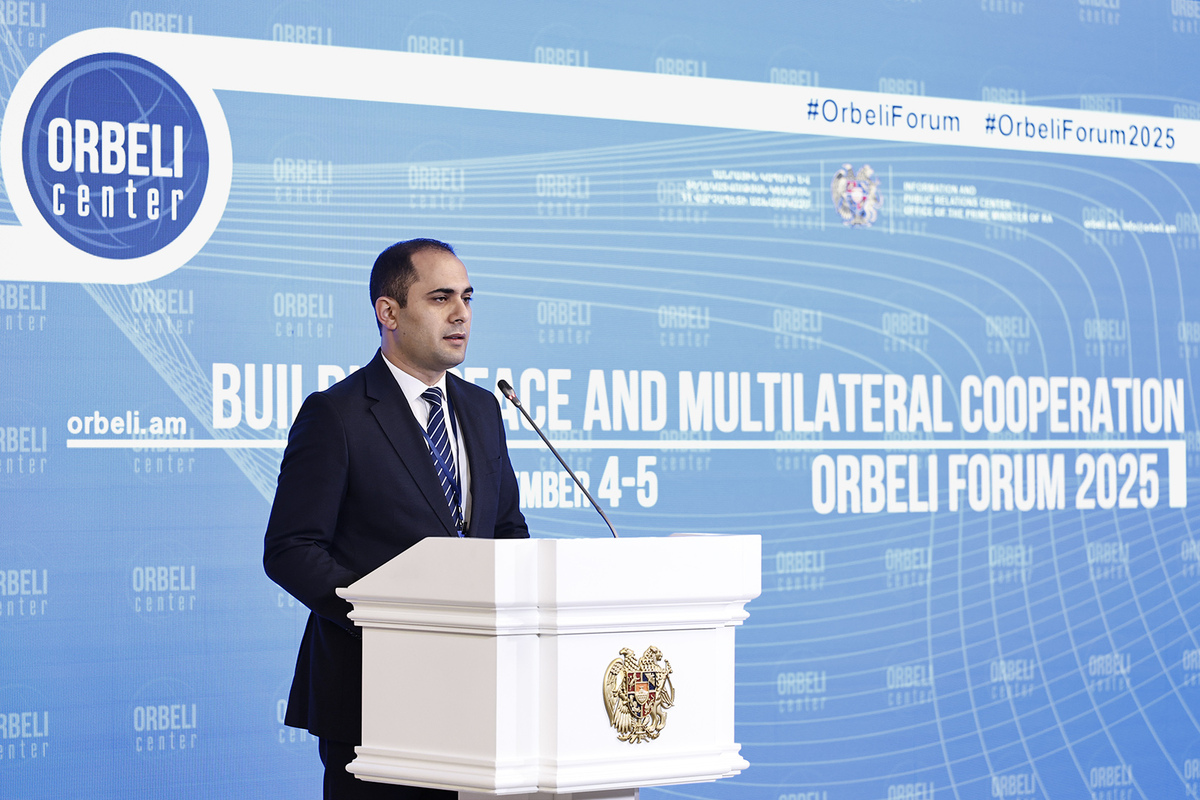
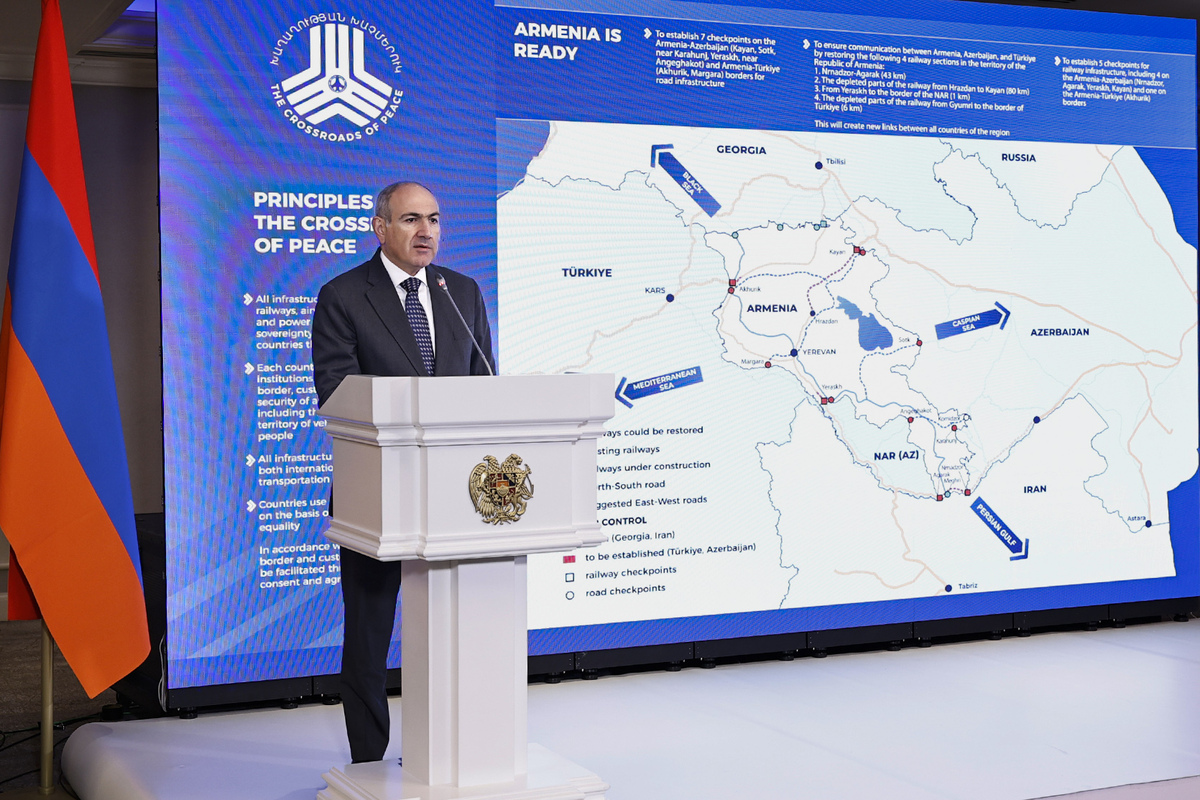
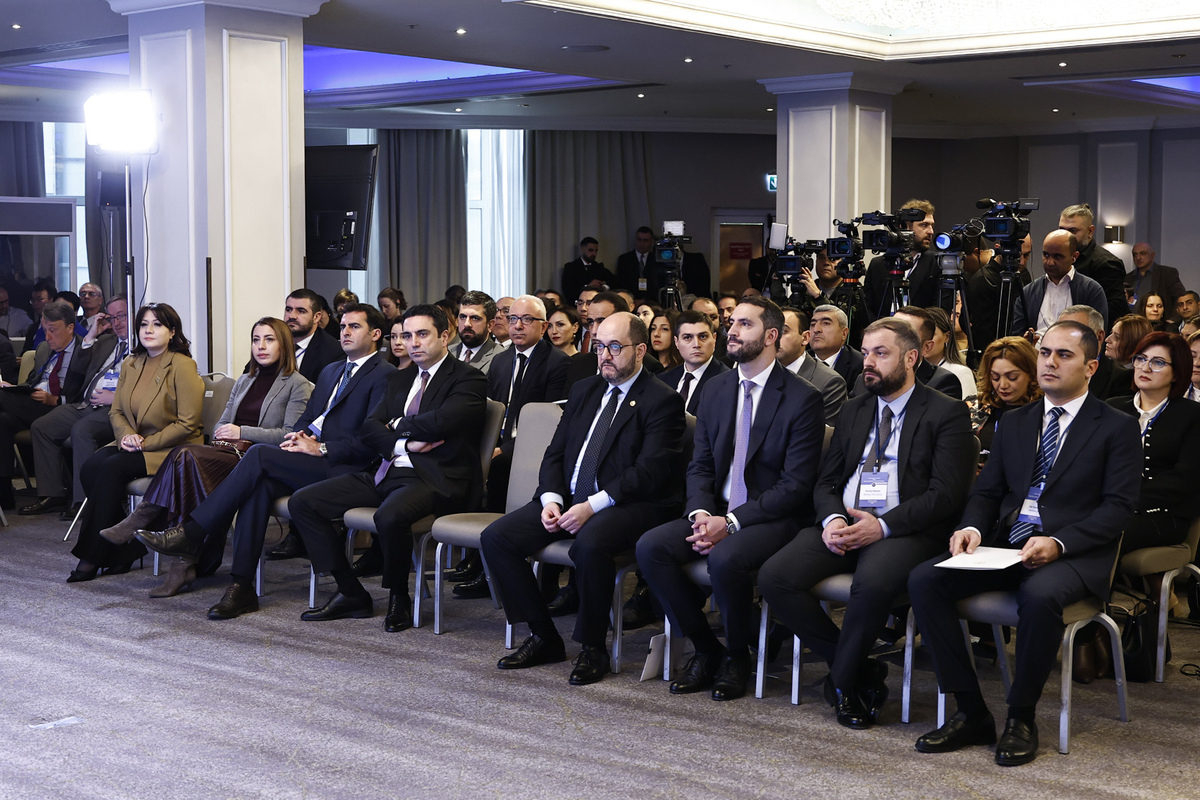
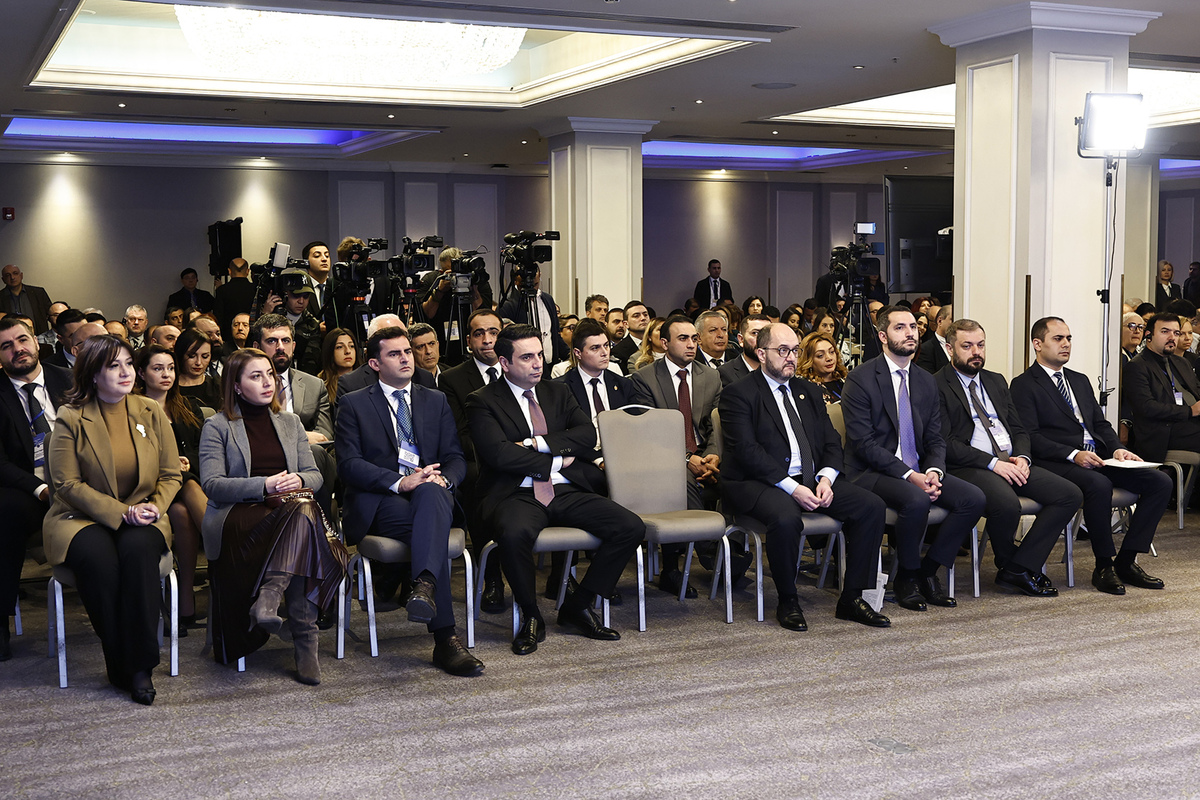
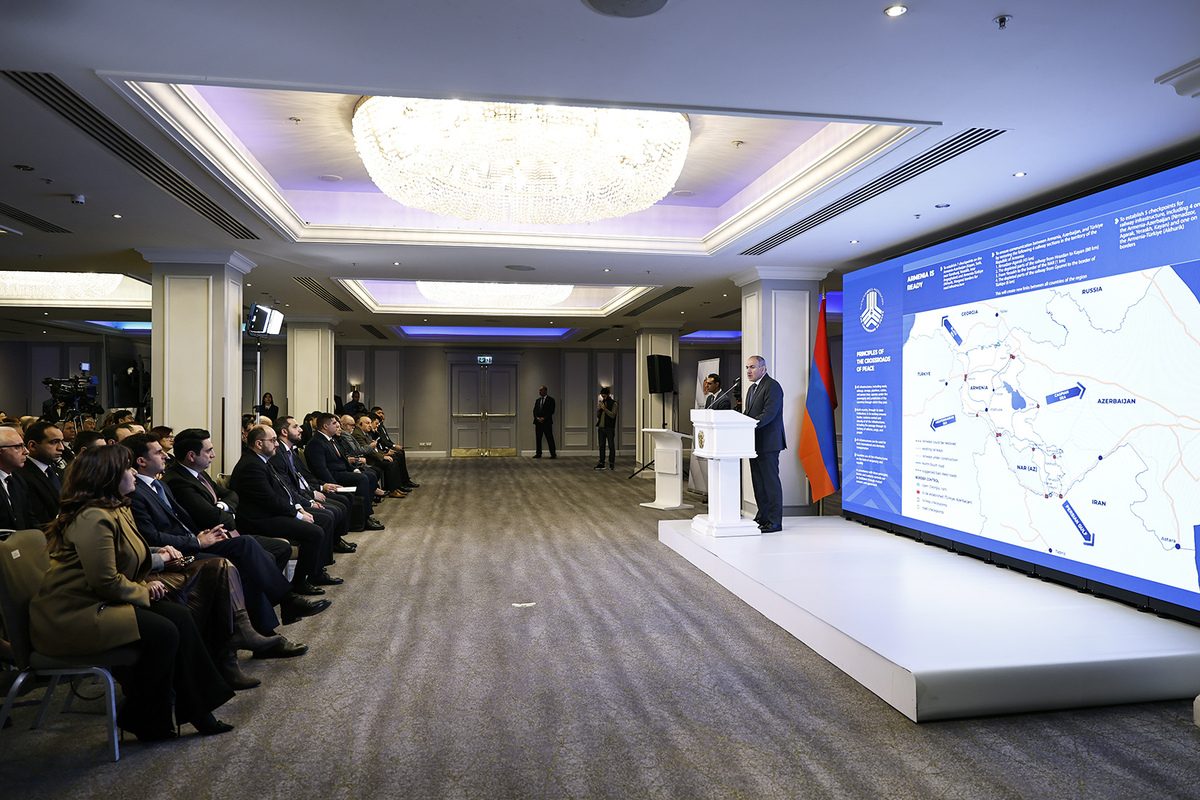
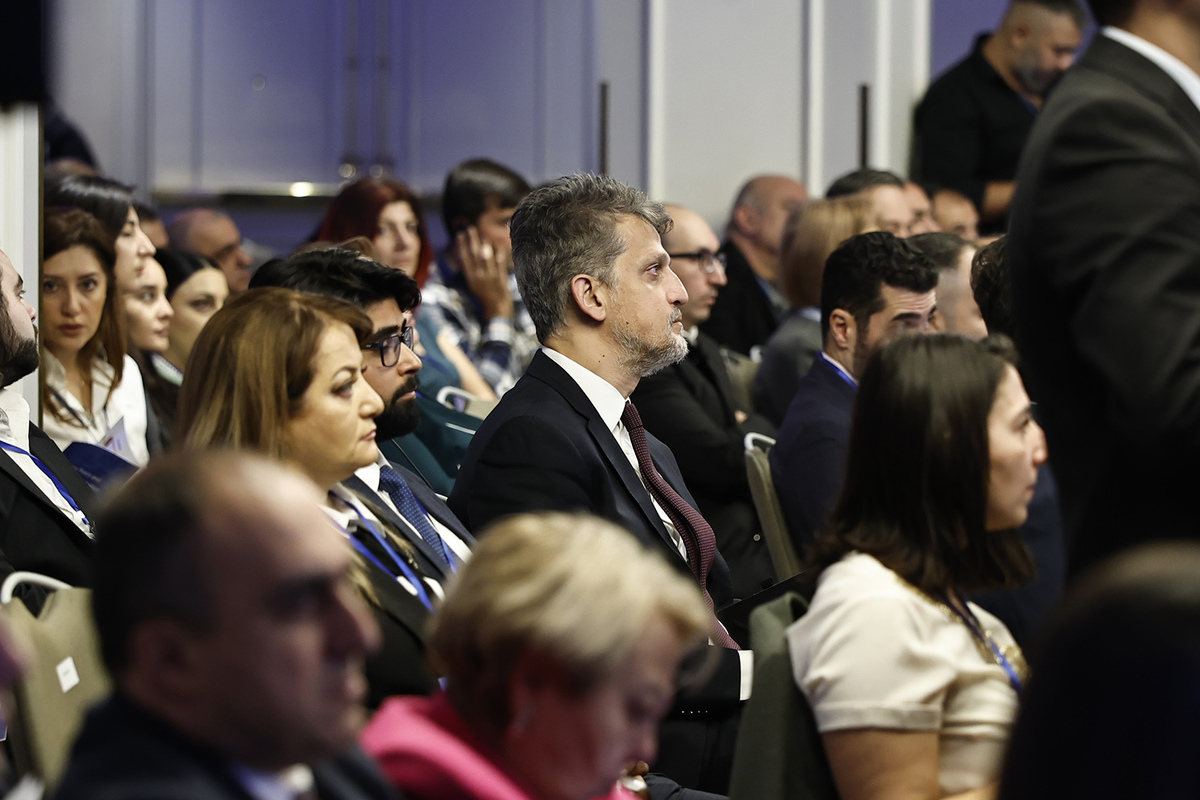
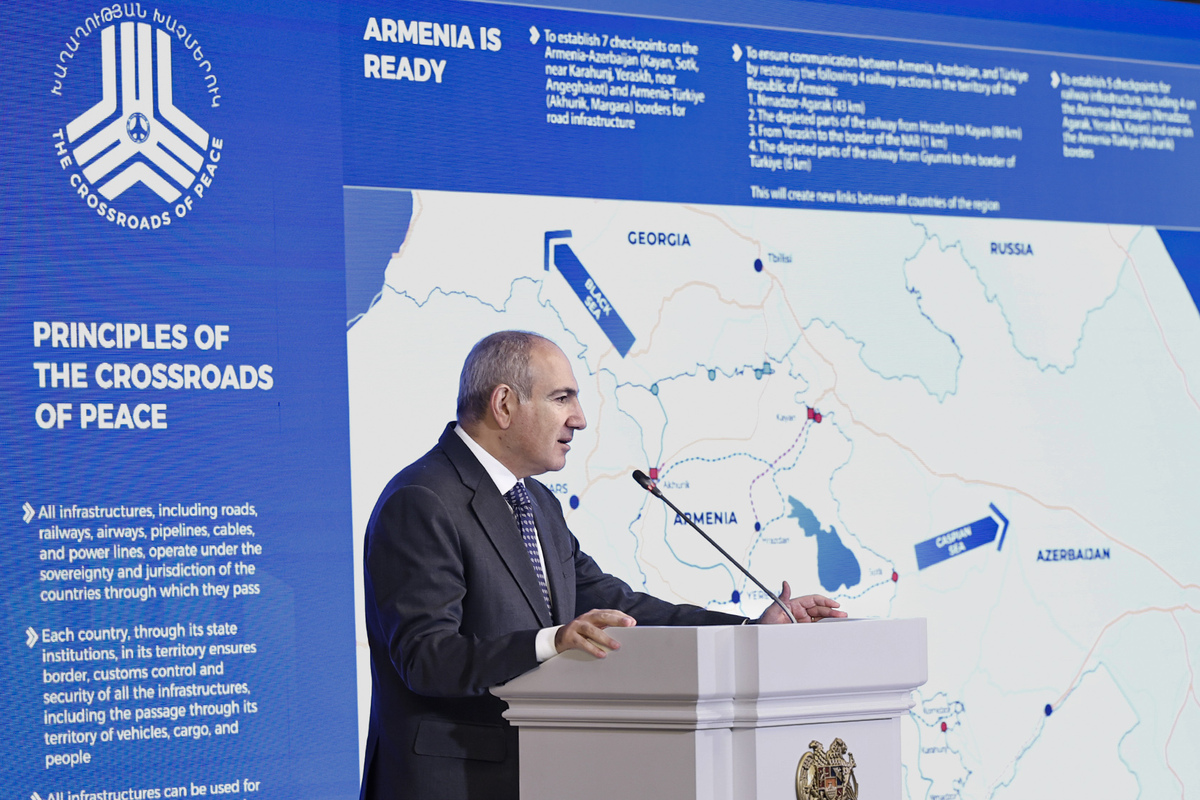
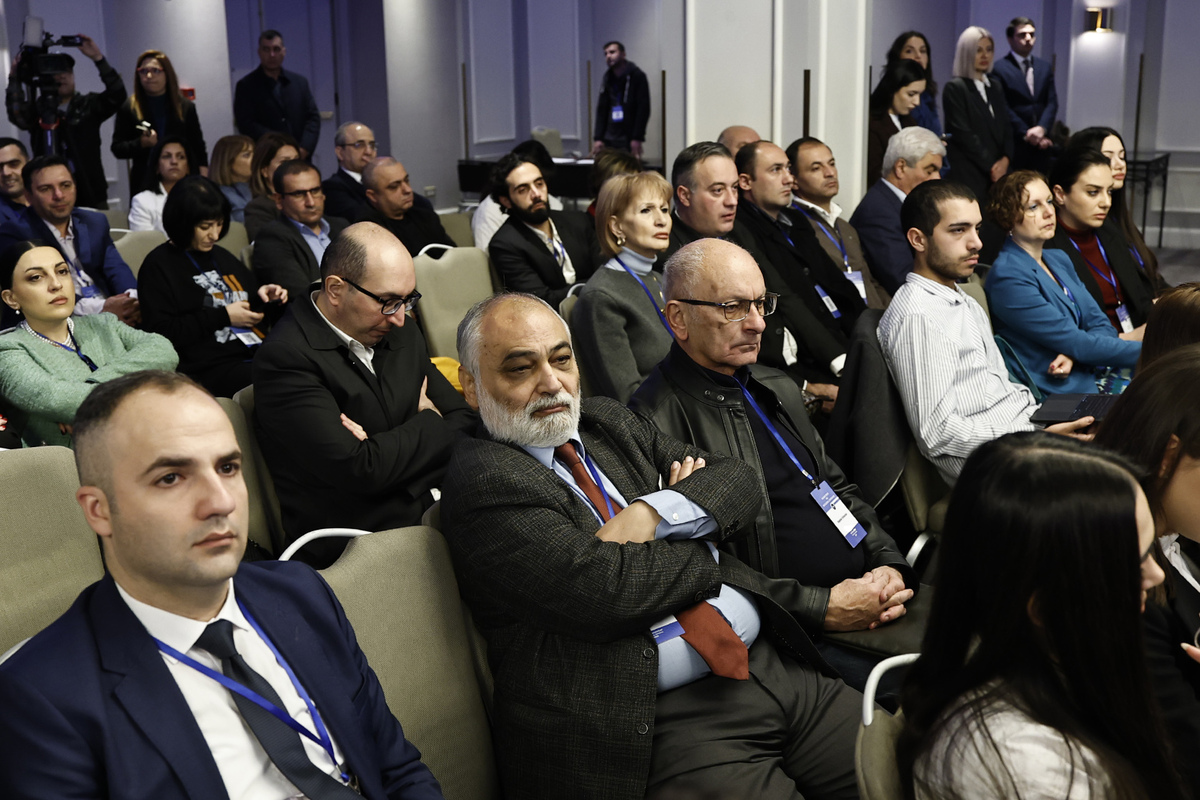
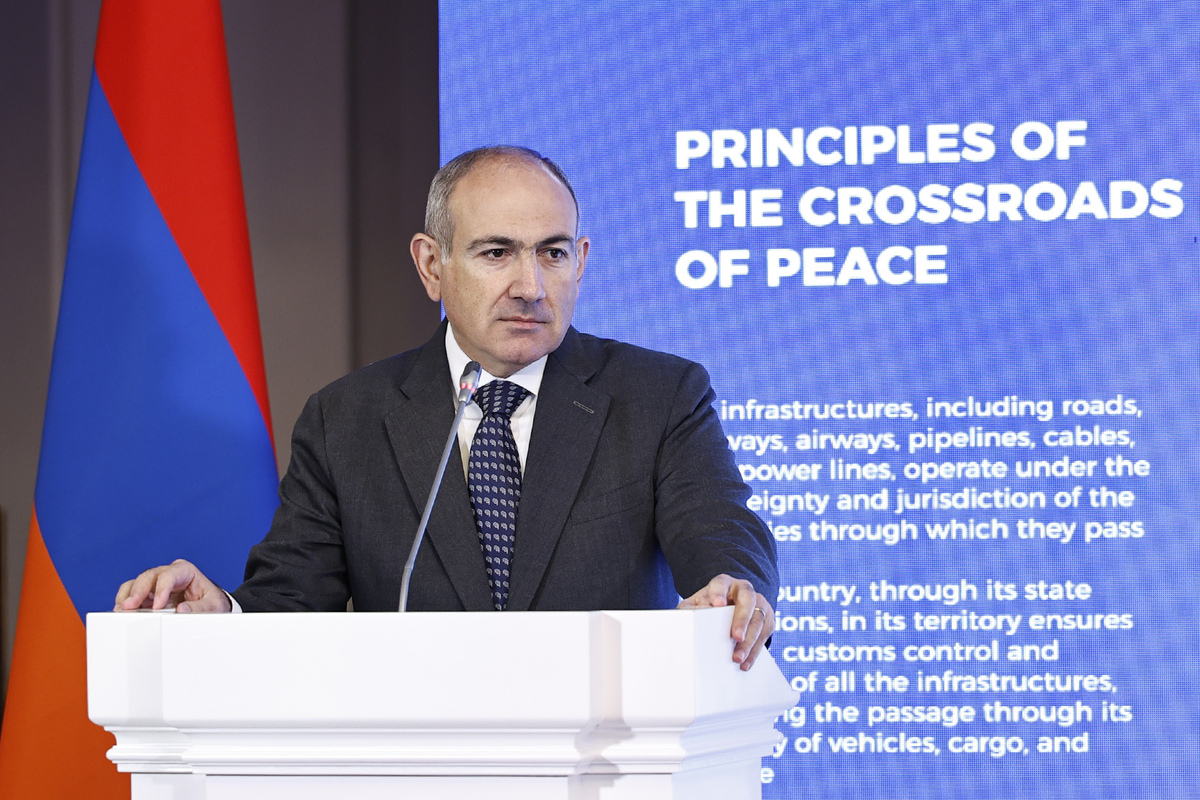
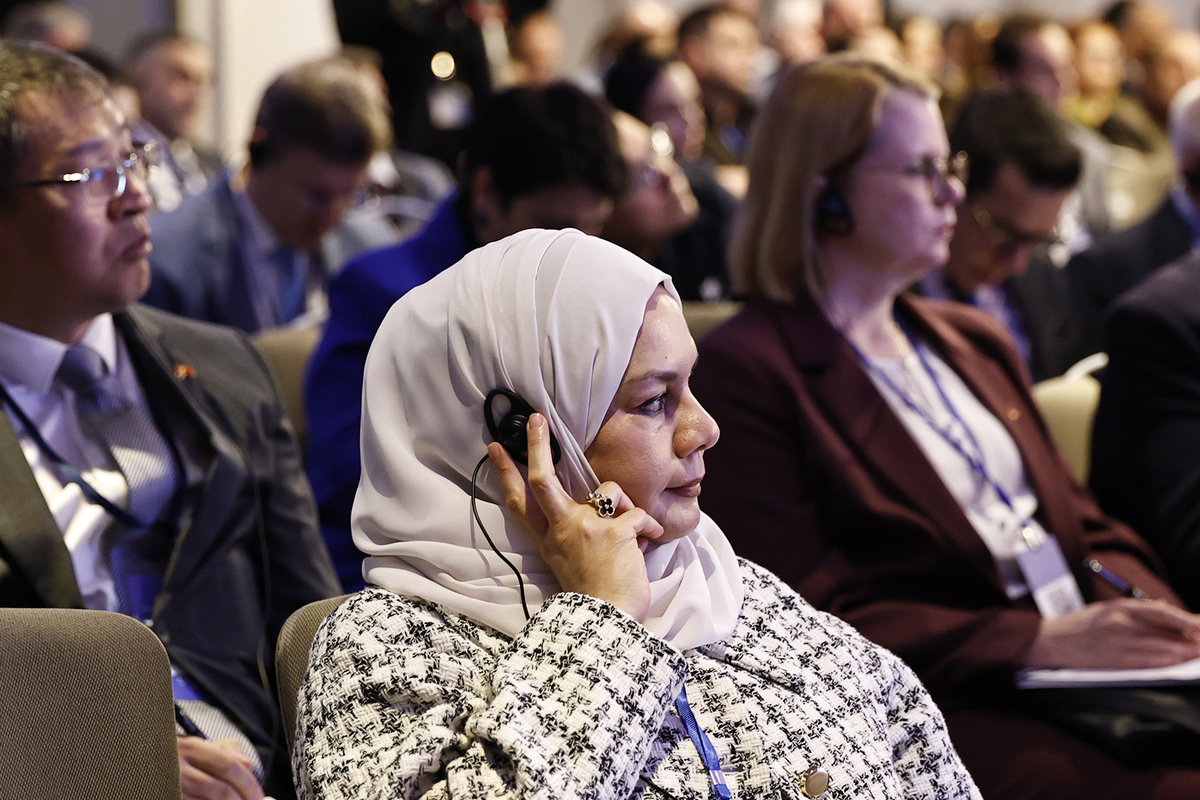
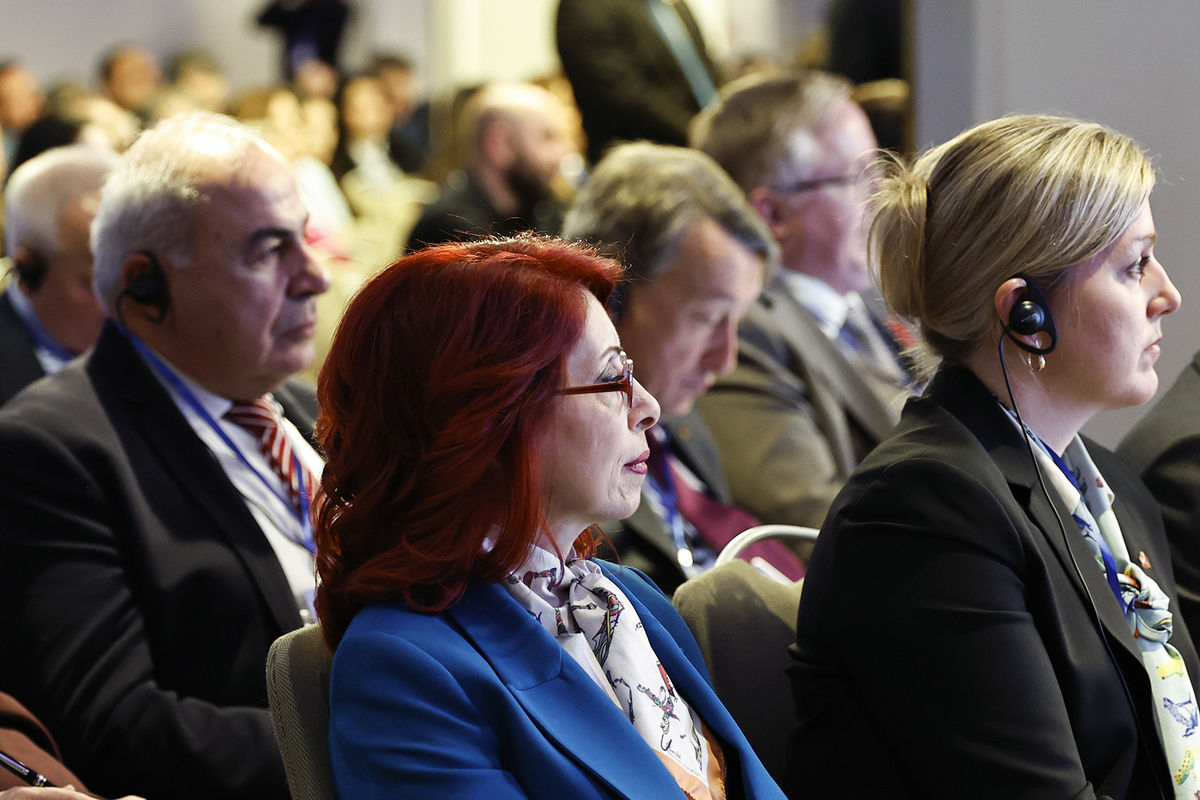
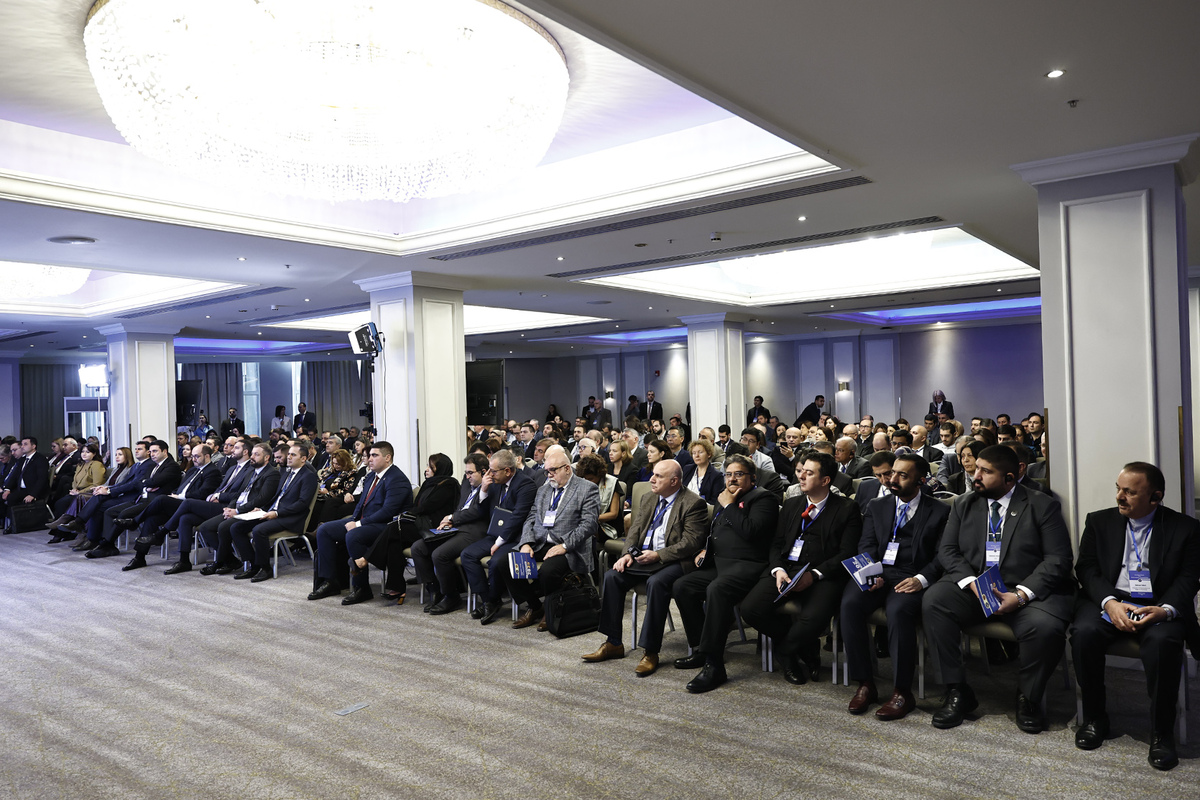
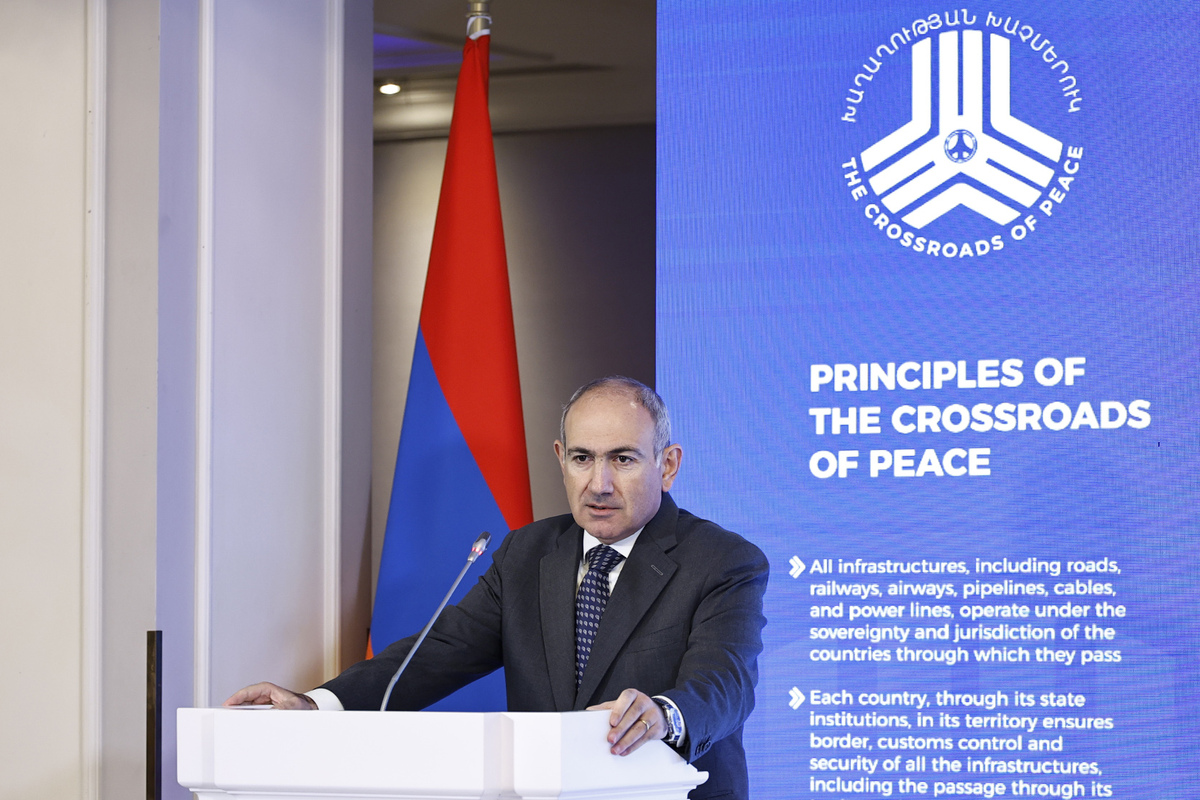
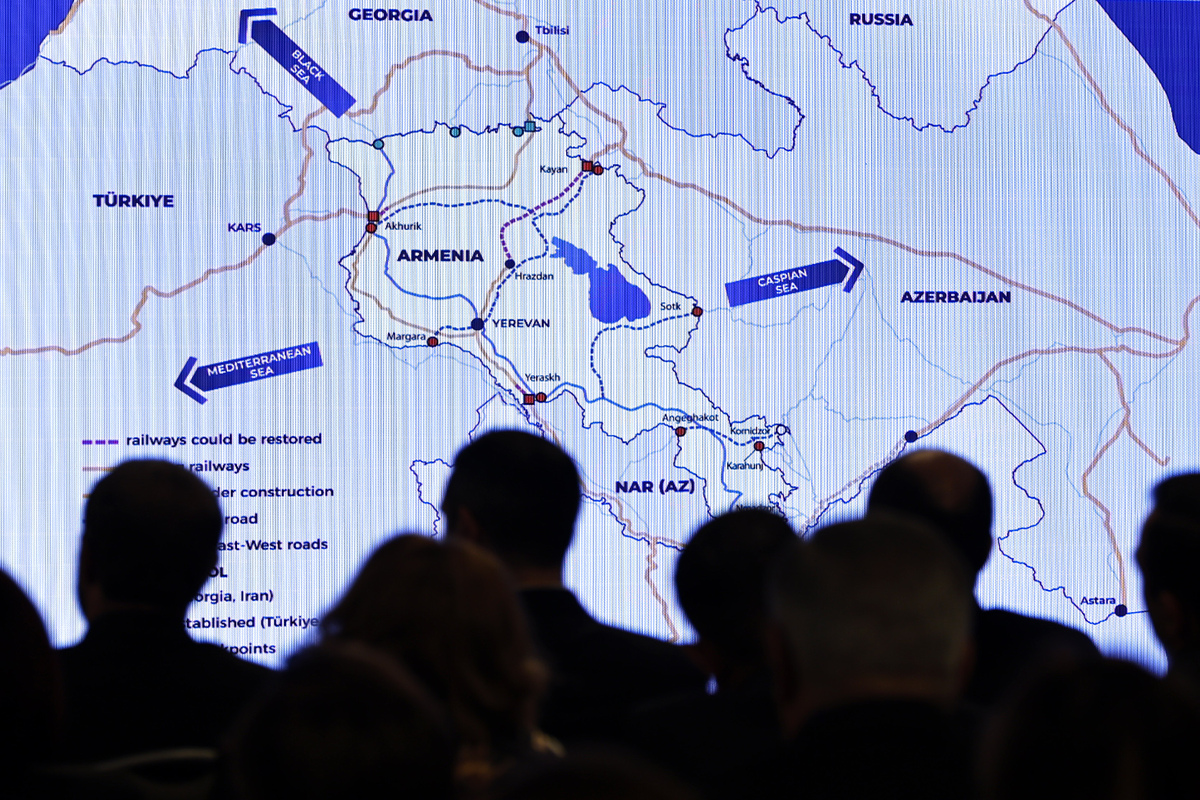
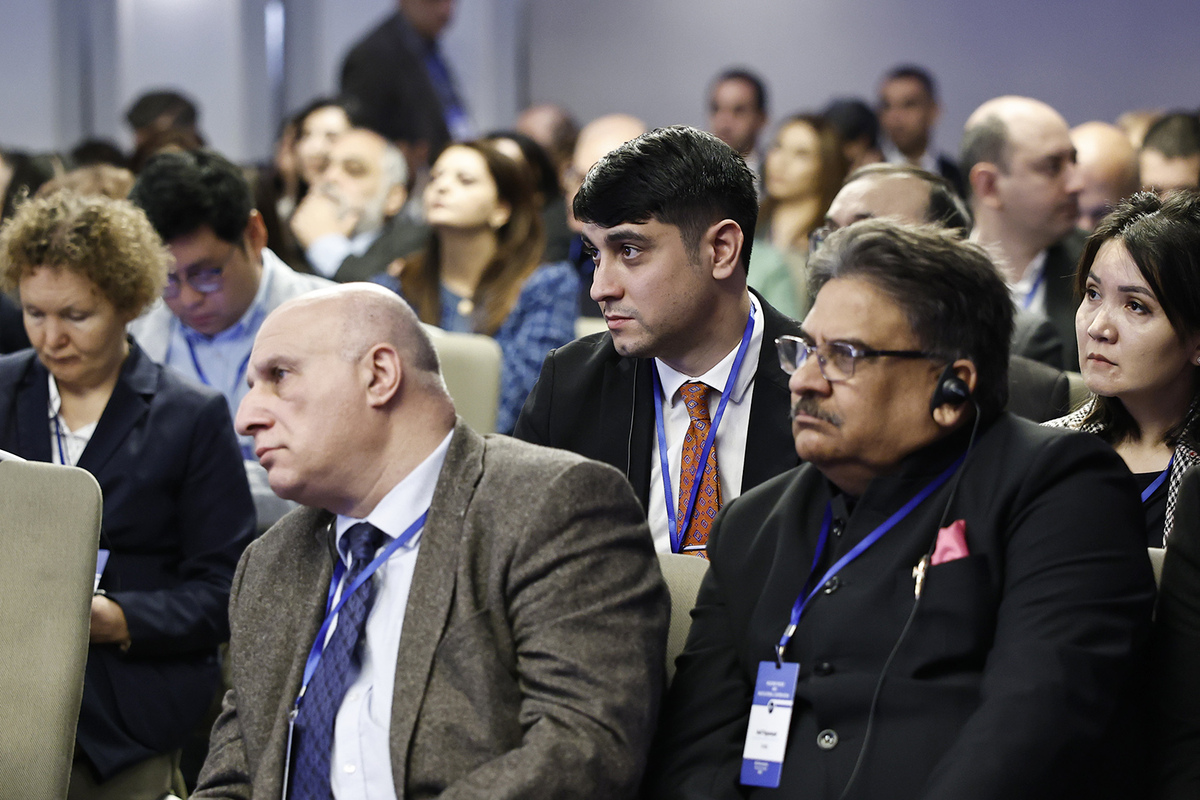
Prime Minister Nikol Pashinyan participated in the conference titled “Orbeli Forum 2025. Building Peace and Multilateral Cooperation” organized by the Orbeli Analytical Center of the Public Relations and Information Center of the Prime Minister’s Office of the Republic of Armenia.
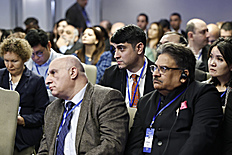
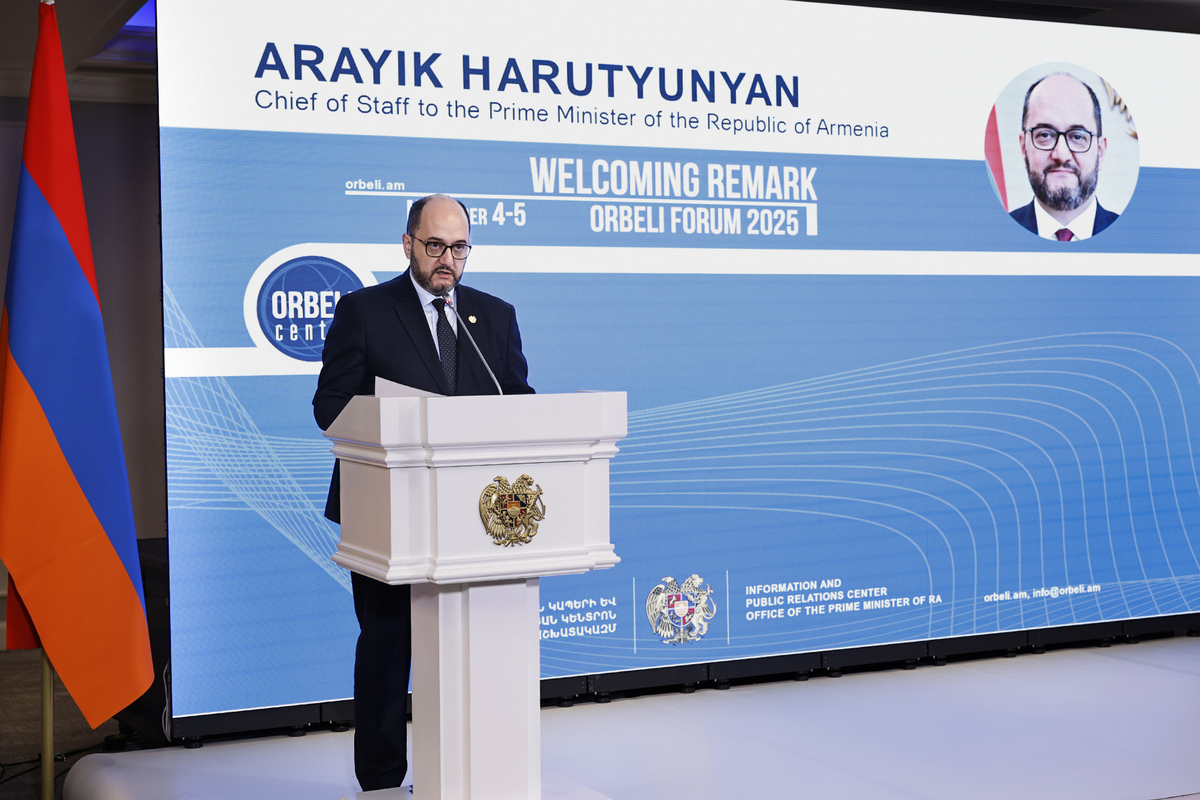
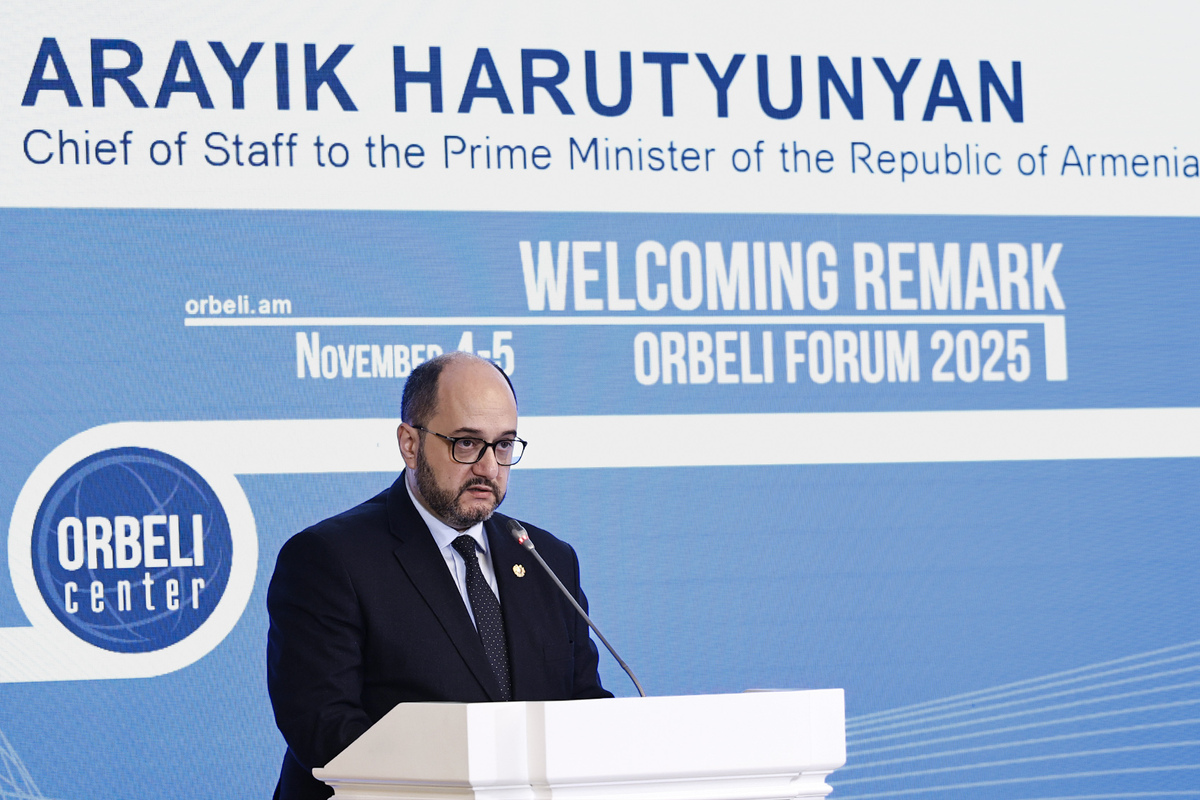
The conference was also attended by the President of the National Assembly Alen Simonyan, the Chief of Staff of the Prime Minister Arayik Harutyunyan, representatives of the legislative and executive authorities, diplomats, and experts from 17 countries.
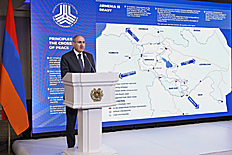
Nikol Pashinyan delivered a speech, welcomed the participants of the conference, and emphasized that the title fully reflects the working agenda of the Government of the Republic of Armenia and the ruling majority. The Prime Minister spoke about the Regulations on the Joint Activities of the Demarcation Commissions signed between the Republic of Armenia and Azerbaijan in 2024 and noted that, in essence, it is the first bilateral document signed between the two countries, which has de jure legal force in Armenia and Azerbaijan.
“One of the most important provisions there was that the Alma-Ata Declaration would be the basic principle for the demarcation of the border between the two countries. And this is, in fact, a cornerstone, a turning point in the establishment of interstate relations between Armenia and Azerbaijan, by which the two countries, in fact, record that they recognize each other’s territorial integrity on the basis of the Alma-Ata Declaration of 1991. This means that Armenia and Azerbaijan recognize that the territory of independent Azerbaijan is identical to the territory of the Azerbaijan Soviet Socialist Republic, and the territory of independent Armenia is identical to the territory of the Armenian Soviet Socialist Republic.
This fact has already been enshrined in the text of the initialed peace agreement, as well as in the Washington Declaration, which is already a well-known fact. Of course, the greatest success story on our path was the peace summit held in Washington on August 8, 2025, as a result of which a declaration was adopted and the agreement “On the Establishment of Peace and Interstate Relations between Armenia and Azerbaijan” was initialed. And thus, peace was established between the Republic of Armenia and Azerbaijan,” the Prime Minister noted.
In this context, the Prime Minister noted that the conflict between Armenia and Azerbaijan is over in political terms, but in socio-psychological terms it still exists and cannot be stopped by applying a brake or lever. According to Nikol Pashinyan, it can be stopped through political leadership: “Do we want to be a consumer of history, or do we want to be a creator of history? The experience of the last two years tells us that we can be a creator of history, which does not mean forgetting history at all. But on the other hand, not forgetting history and being a creator of history means at least not entering into the controversial role of a reproducer of history.”
Within the framework of the topic, the Prime Minister also added: “And I also want to record that we must be careful in the logic of history: what are we saying, and why can’t we refer, in particular, to the history of those times. And there are, by the way, historians, politicians and political leaders who refer to the history of those times, considering it the main legitimate starting point, where the history of our region, including histories of Armenia and Azerbaijan, were characterized by Kirovakans and Kirovabads, Leninakans and Leninabads, “October” cinemas, etc. There are political leaders, there are circles who consider this to be the only legitimate starting point.”
According to the Prime Minister, the following should be recorded: our region has been under the rule of empires in recent centuries. "There was Persia, there was the Ottoman Empire, there was the Russian Empire, before that, the Arab rule, after that, the Mongol-Tatar rule. And just as Kirovakans and Kirovabads were created during the Soviet period, the Arab period has its own Kirovakans and Kirovabads, the Persian period has its own Kirovakans and Kirovabads, the Ottoman period has its own Kirovakans and Kirovabads, the Mongol-Tatar period has its own Kirovakans and Kirovabads, the Byzantine period has its own Kirovakans and Kirovabads."
Nikol Pashinyan noted that the starting point for peace is the regulation of joint activities signed between the demarcation commissions of the two countries, which has the highest legal force in both countries. "The next is the Washington Declaration and, finally, the initialed peace agreement between Armenia and Azerbaijan. And it is the existence of these three documents that gives grounds to say that peace has been established between Armenia and Azerbaijan. And it is the socio-psychology that exists outside the framework of these documents that makes it necessary to emphasize that the established peace needs daily care and, of course, further institutionalization, which is already a working and political agenda and on which these works are taking place and continue."
Summing up his speech, the Prime Minister noted that this is an organic peace that was created, formed in the region. “This is not an imported peace, this is the result of joint work between Armenia and Azerbaijan in our region, and this result must be maintained on a daily basis. Both the Government of the Republic of Armenia and the ruling majority are committed to this agenda, and we will continue to move forward with this strategy.”
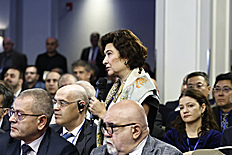
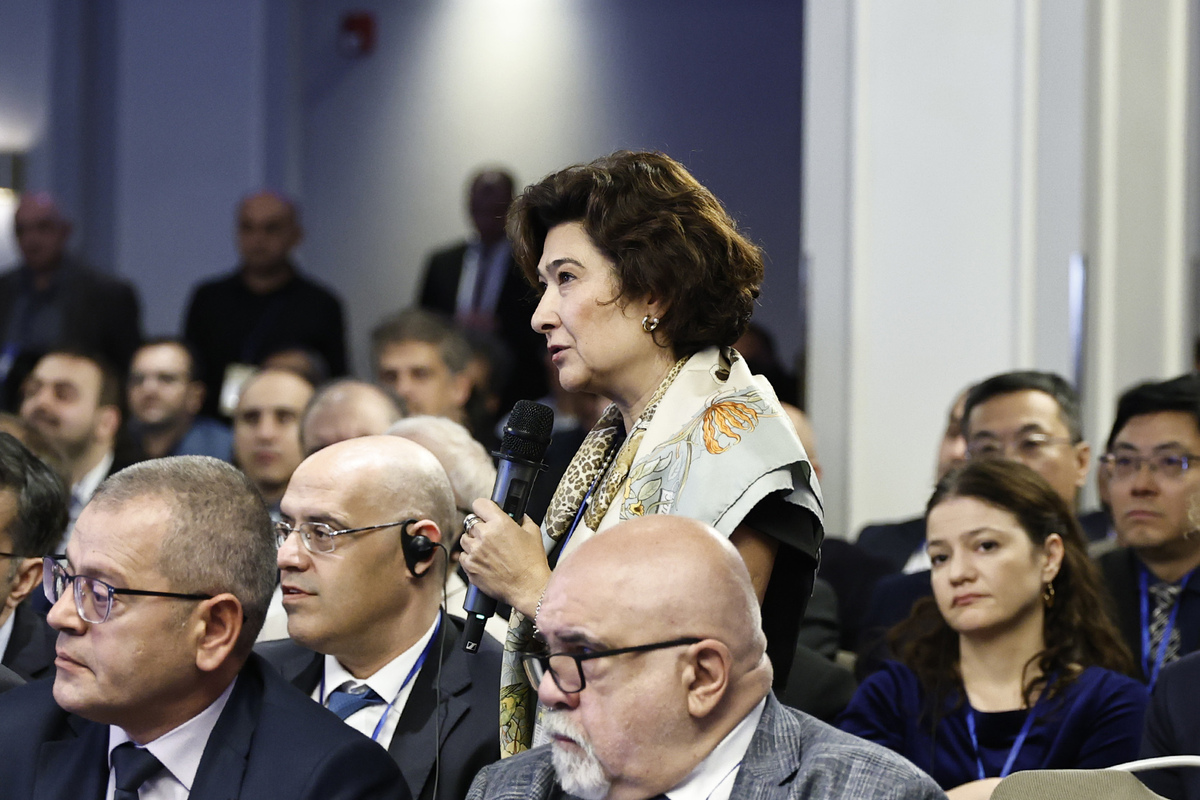
The Prime Minister also answered questions raised by those present during the conference.