Press releases
Universal health insurance system will significantly change the situation in the healthcare sector and economy: Prime Minister
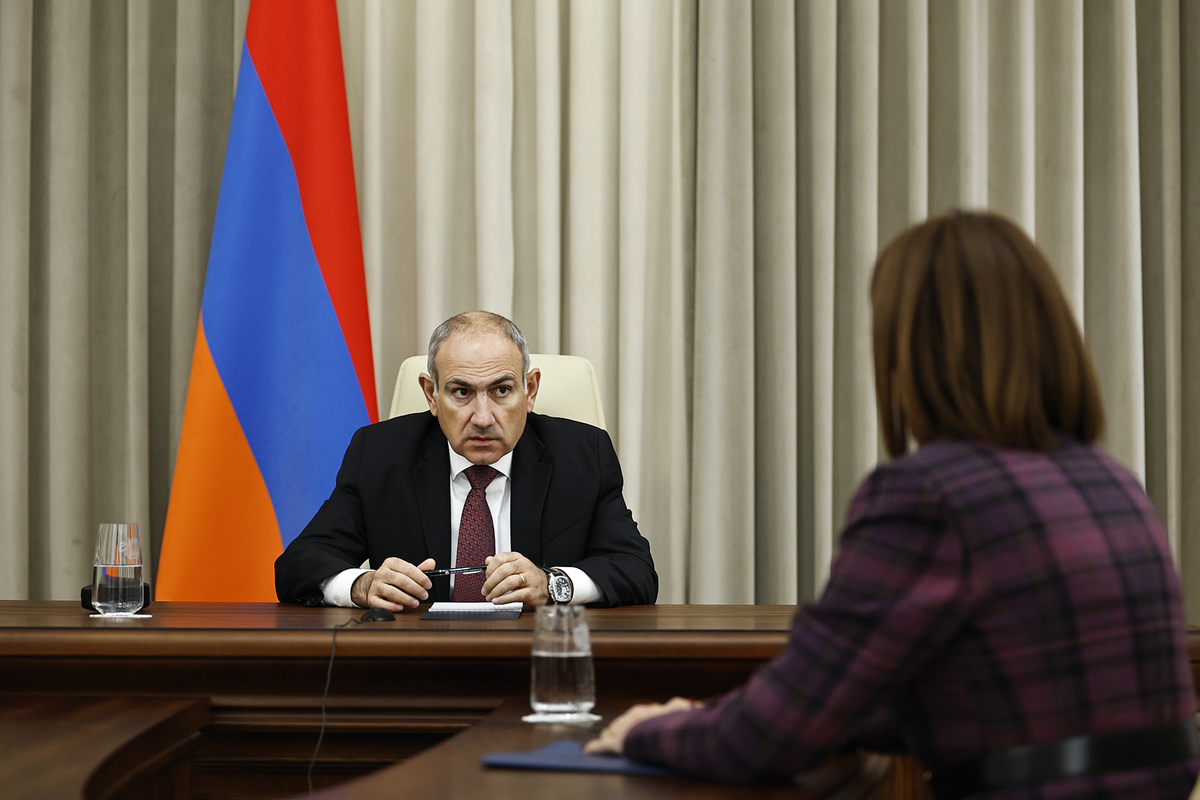
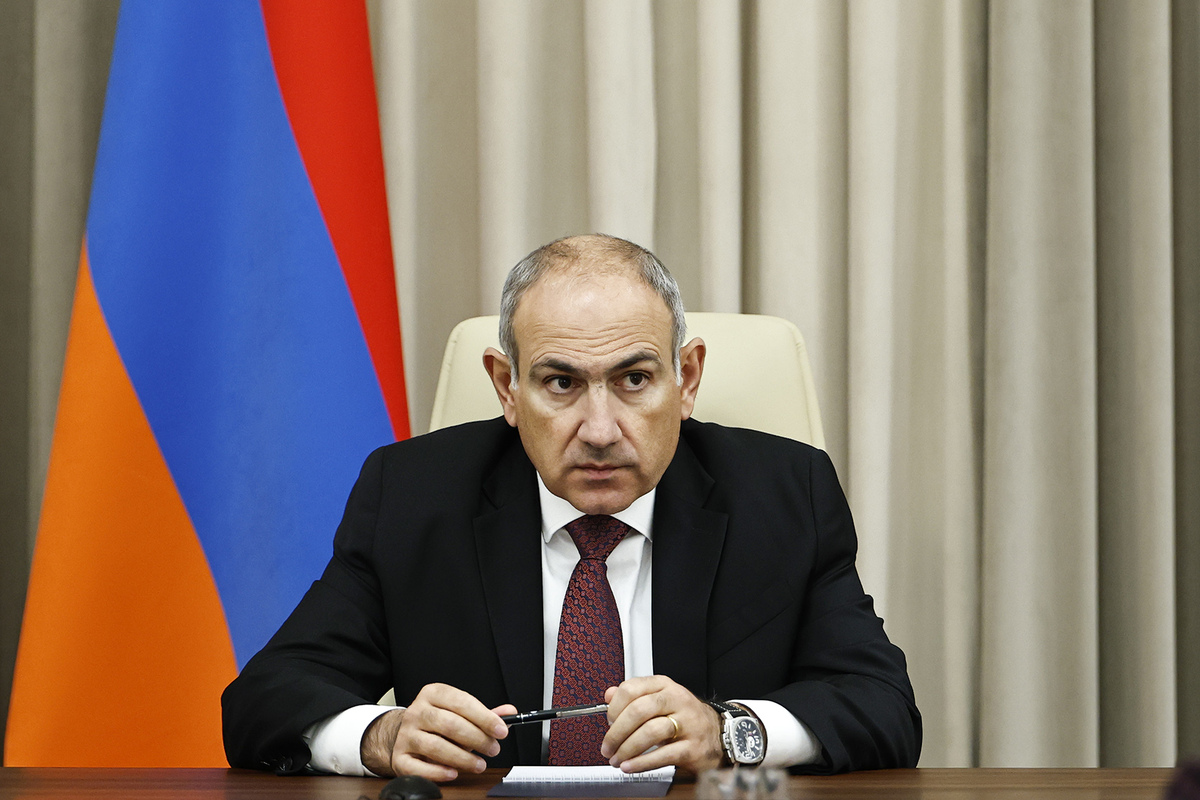
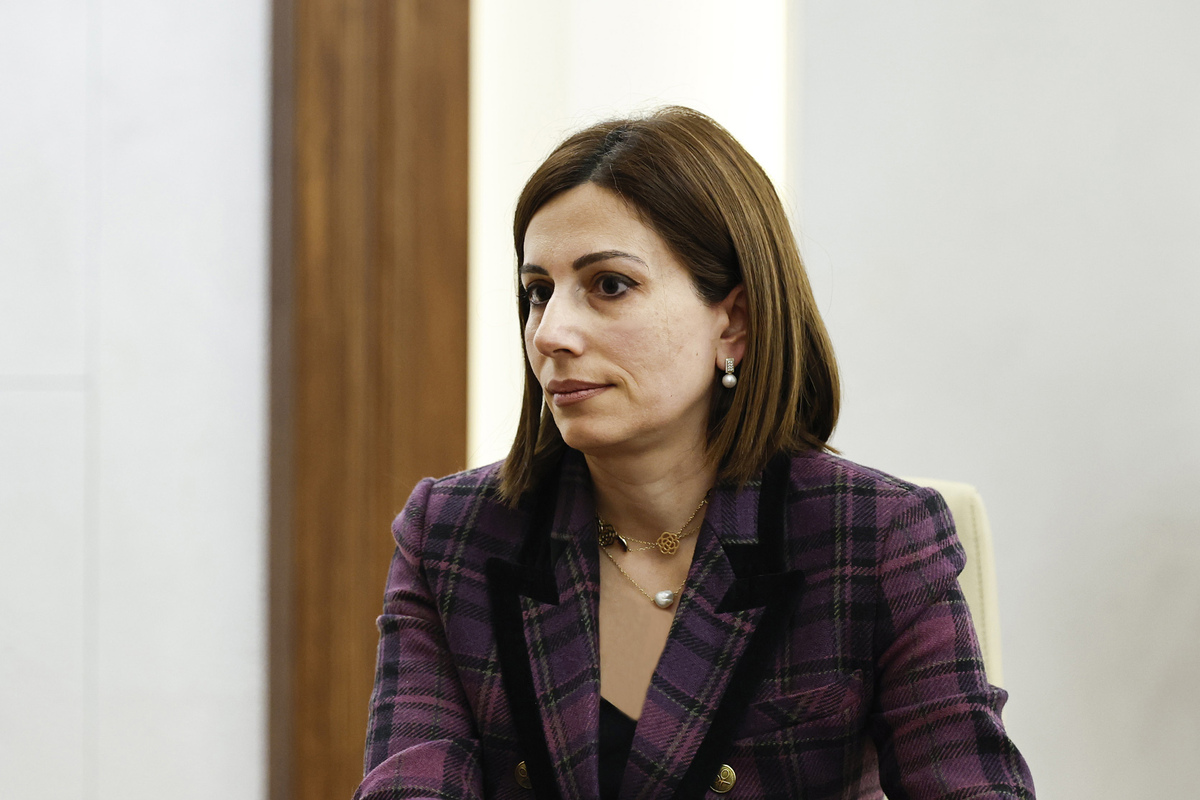


Prime Minister Nikol Pashinyan held a working discussion with Minister of Health Anahit Avanesyan on the introduction of the universal health insurance system.
Nikol Pashinyan noted that the universal health insurance system is planned to be introduced from January 2026, clarifying that it is universal, not comprehensive, since it will apply to everyone, but not everything. According to the Prime Minister, international experience also shows that insurance packages have certain limits, and in the case of our country, a very important indicator has been set and priority, important services have been identified that universal health insurance should cover.
Minister of Health Anahit Avanesyan, in turn, detailed that an analysis was conducted and the most common diseases were identified, and in the treatment of these diseases, the most priority services were identified, which are life-saving and prevent disability, and help with early detection, that is, the emphasis is on prevention so that treatment is cost-effective.
Next, reference was made to the beneficiary groups. It was noted that there will be groups of beneficiaries whose packages will be fully paid from the state budget and there will be groups of beneficiaries who will partially or fully pay for their packages, it was also emphasized that the cost of the package will be the same for everyone. From January 1, 2026, payments will be made from the state budget for beneficiaries under 18 years of age and 65 years of age and older, with disabilities and from certain social strata. Anahit Avanesyan also added that the cost of the annual package under the project will be 129,600 drams.
The discussion also addressed those beneficiaries who receive a salary of 200,000 drams and more, emphasizing that from January 1, 2027, they will pay the annual amount of the package, while as a result of various redistributions during 2026, they will not incur this expense, and in the long term, such systems should be created so that they either feel the burden of this expense to a lesser extent or not at all. Elaborating on what these systems are, it was noted that the amounts directed to the "Zinapah" fund will be reduced, since the analyzes have shown that the fund has already accumulated sufficient financial resources so that the income generated as a result of the management of these funds will suffice to solve its tasks. In other words, a return to the previous 1,000 drams is being made instead of 5,500 drams, and the remaining amount will be directed to the health insurance system. Next is the possibility of social credits, universal declaration. "And in this regard, for those receiving 200-500 thousand drams, Mr. Prime Minister, on your instruction, we have also changed the annual amount of social credits for healthcare and will allow 6,000 drams to be refunded from social credits monthly. That is, here 4,500 drams and 6,000 drams are essentially expenses, the burden of which will not be felt by the citizen. The citizen will pay 500 drams," Anahit Avanesyan detailed.
For the purpose of early detection and prevention of diseases, there will be screening programs in the universal health insurance system, which will be mandatory and annual. It was emphasized that this will also contribute to the formation of a new culture of health - to prevent and detect the disease at the early stage.
The Prime Minister also explained why the salary threshold of 200,000 drams was chosen and emphasized: "First of all, our analysis shows that the shadow wage segment is the most in the salary segment below 200,000 drams. And with this, we are creating an additional incentive for citizens to also demand from their employers that their salaries be accurately fixed, so that they enter the system. And this is a message that I definitely want our citizens to hear. In the future, of course, we are already planning, but this is a political issue, because we need to give an additional incentive so that the shadow wage segment is reduced and people come and start working at a threshold above 200,000 drams, so that they can benefit from the system."
Noting that this is a major reform, the Prime Minister addressed the citizens and noted: “It’s not like we’re going to wake up the next day and see that our healthcare system, mentality, relationships, everything has changed. All of that has to change over time and through our work.” In this context, Nikol Pashinyan emphasized the importance of public communication.
Summing up the discussion, the Prime Minister emphasized: “This system will, of course, significantly change the healthcare situation in our country and, of course, the economic situation, because I believe that this is an important reform, including to ensure economic development, to fully realize people’s labor potential, creative potential.”