Press releases
The TRIPP, the opening of communication between Armenia and Türkiye have full potential to become an important component of the Middle Corridor: Prime Minister
 1670x1113px - 650 Kb
 1670x1113px - 666 Kb
 1670x1113px - 640 Kb
 1670x1113px - 564 Kb
 1670x1113px - 520 Kb
 1670x1113px - 599 Kb
 1670x1113px - 734 Kb
 1670x1113px - 649 Kb
 1670x1113px - 743 Kb
 1670x1113px - 801 Kb
 1670x1113px - 935 Kb
 1670x1113px - 529 Kb
 1670x1113px - 668 Kb
 1670x1113px - 650 Kb
 1670x1113px - 680 Kb
 1670x1113px - 689 Kb
 1670x1113px - 520 Kb
 1670x1113px - 639 Kb
 1670x1113px - 521 Kb
 1670x1113px - 569 Kb
 1670x1113px - 632 Kb
 1670x1113px - 659 Kb
 1670x1113px - 587 Kb


more 20 photos
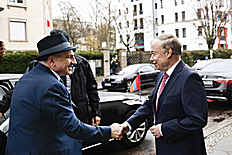
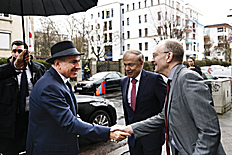
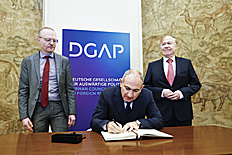
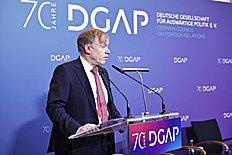
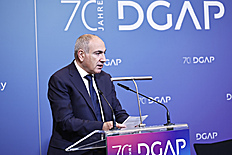
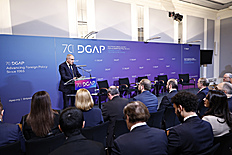
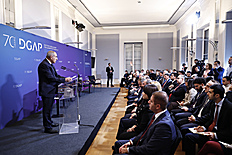
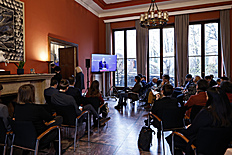
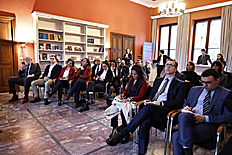
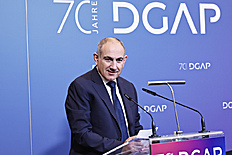
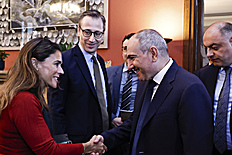
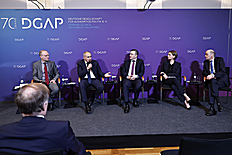
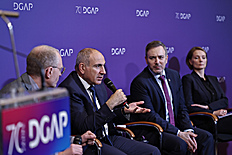
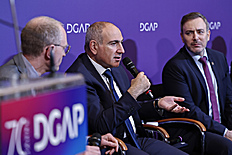
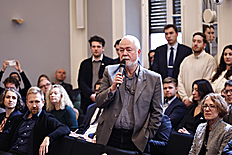
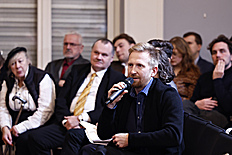
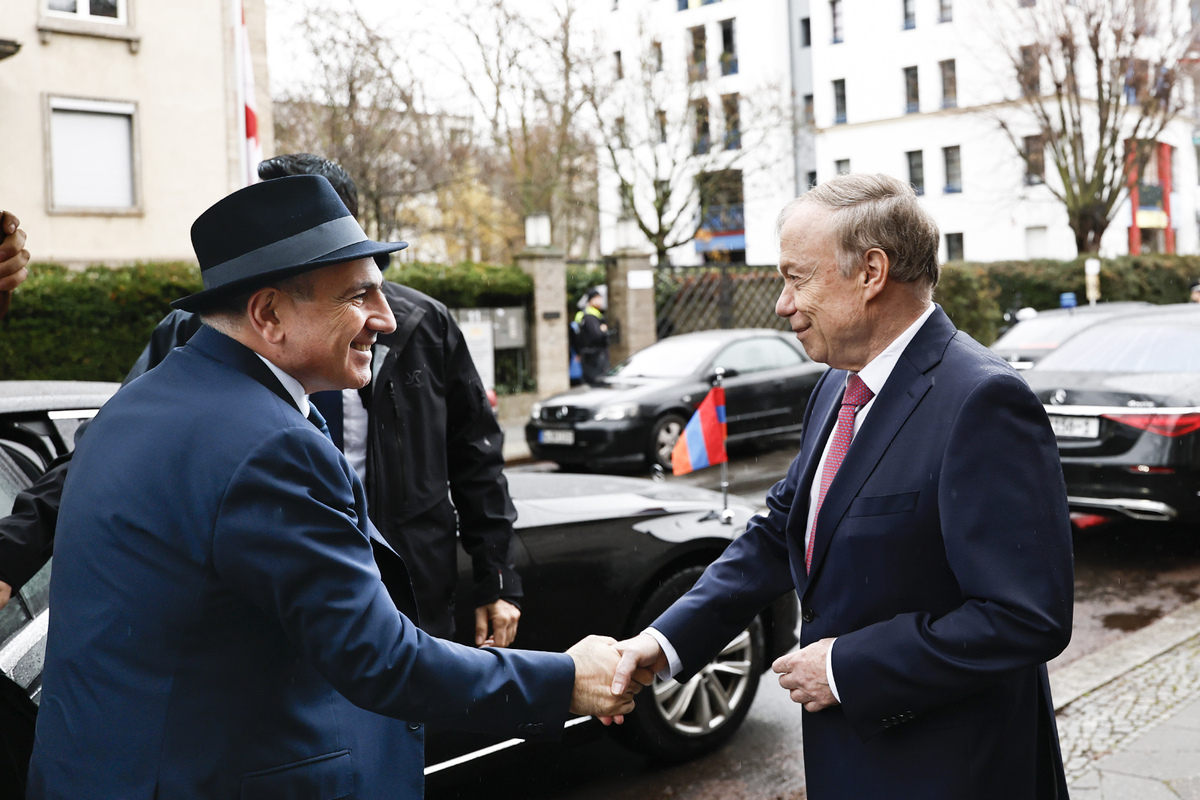
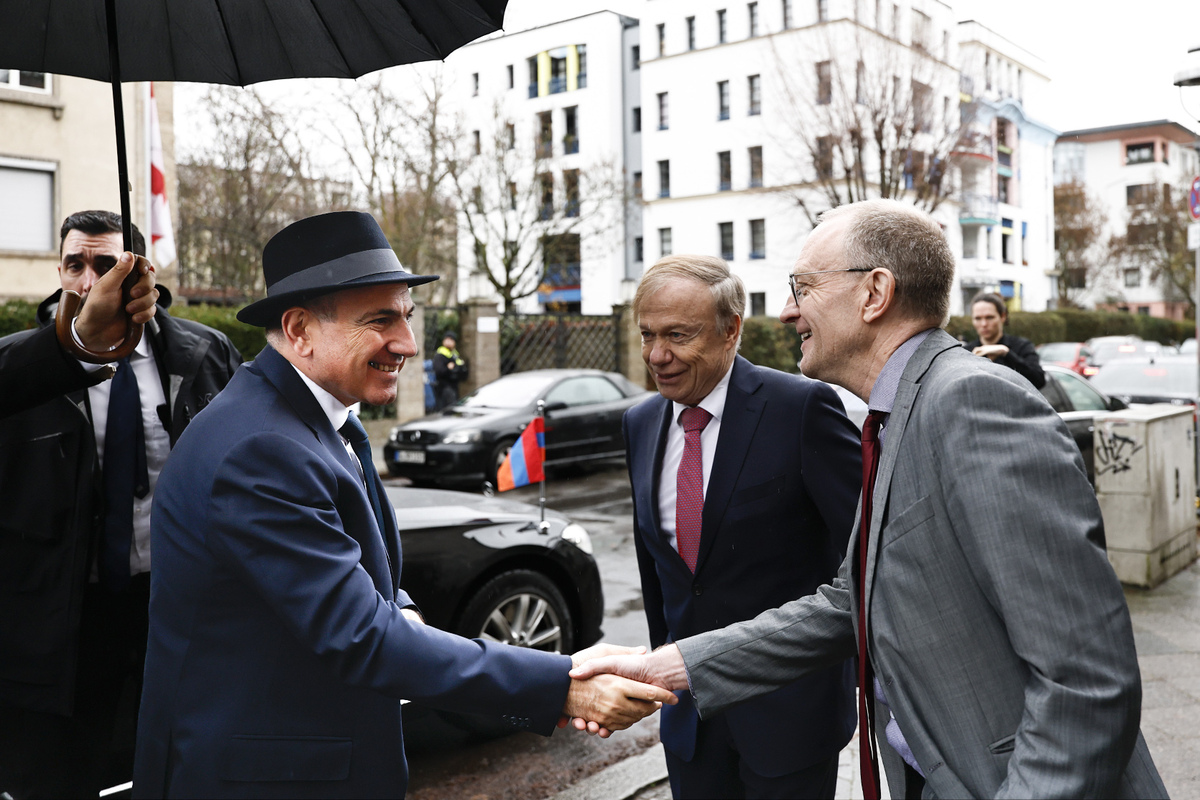
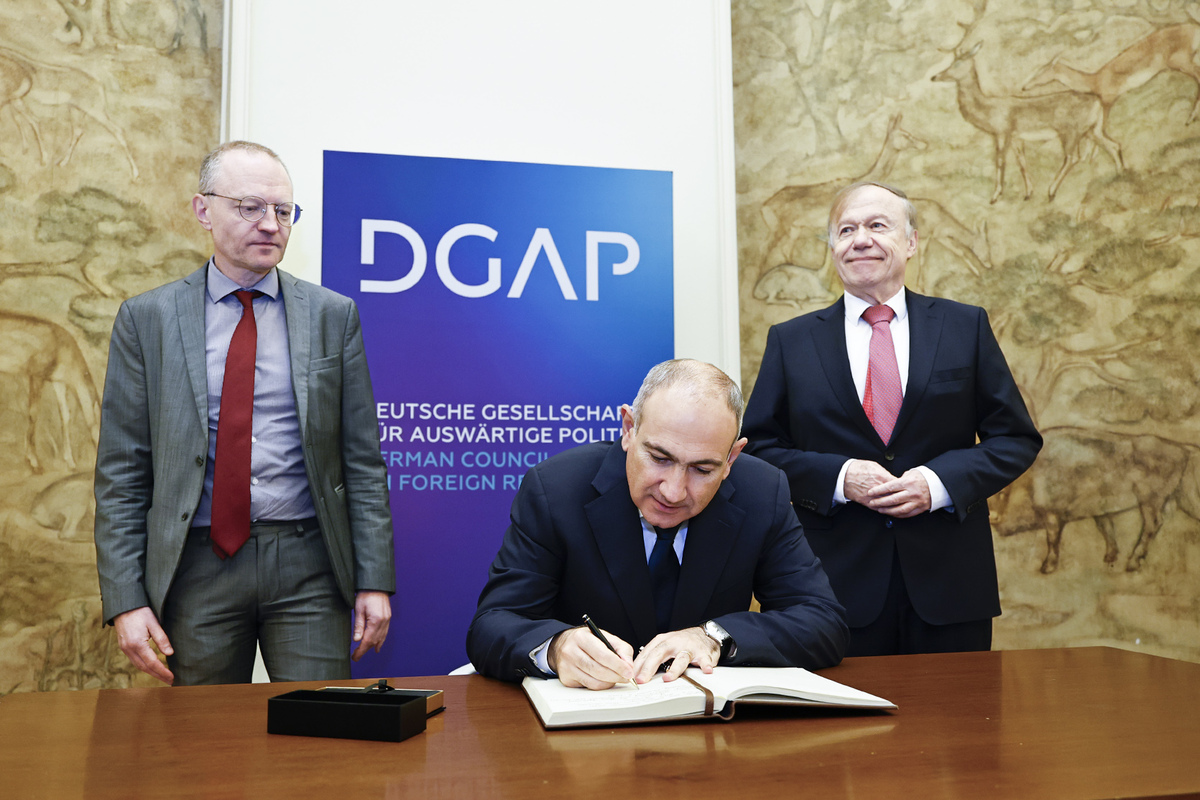
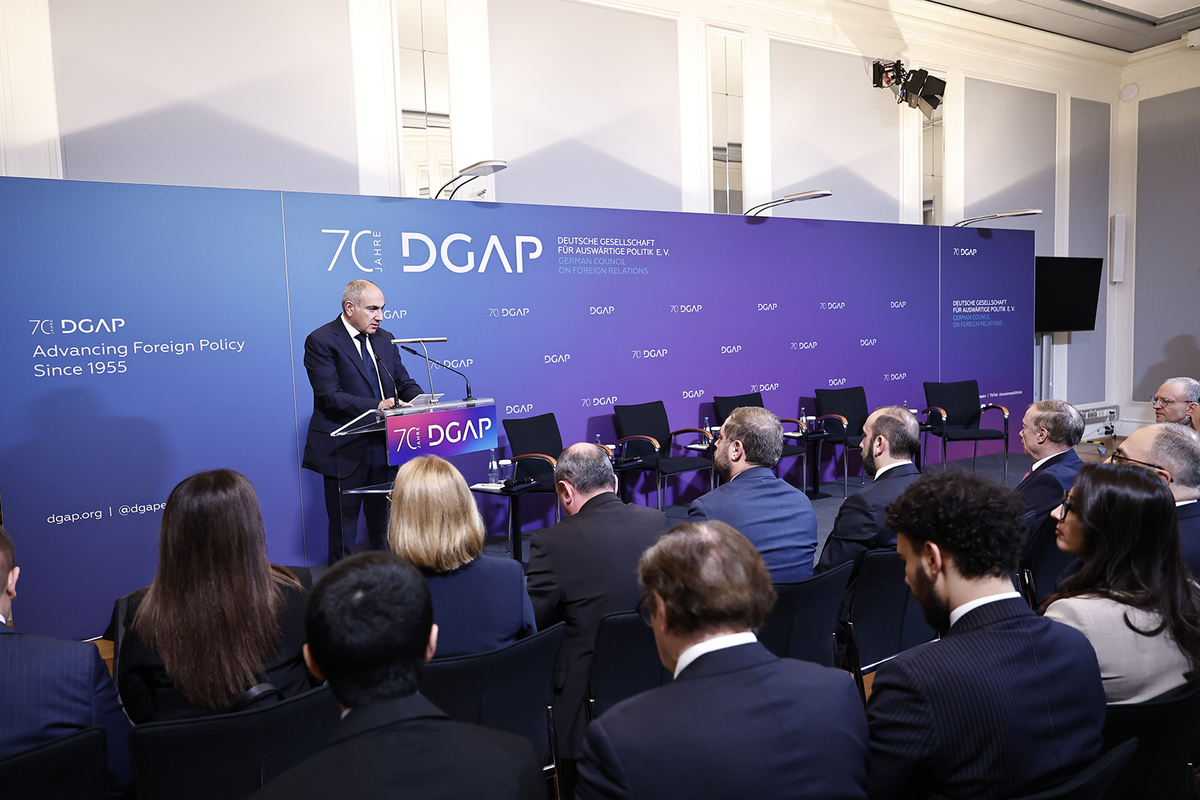
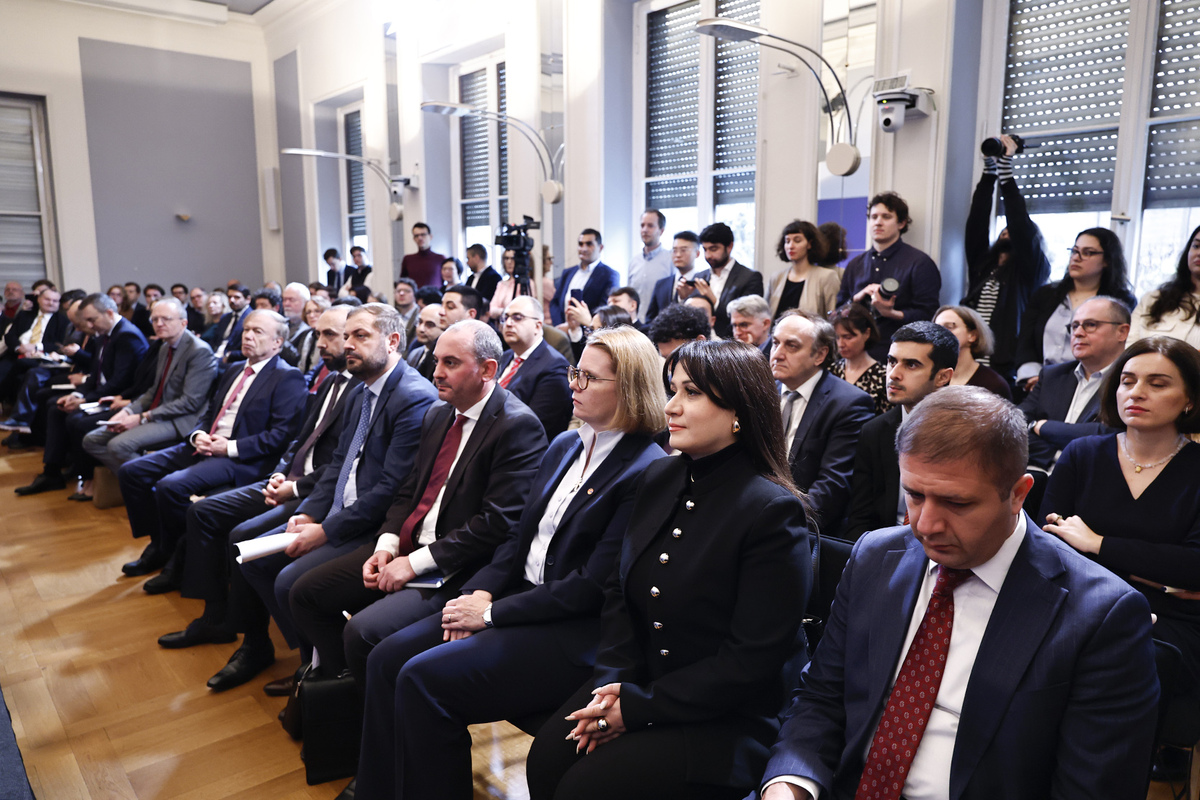
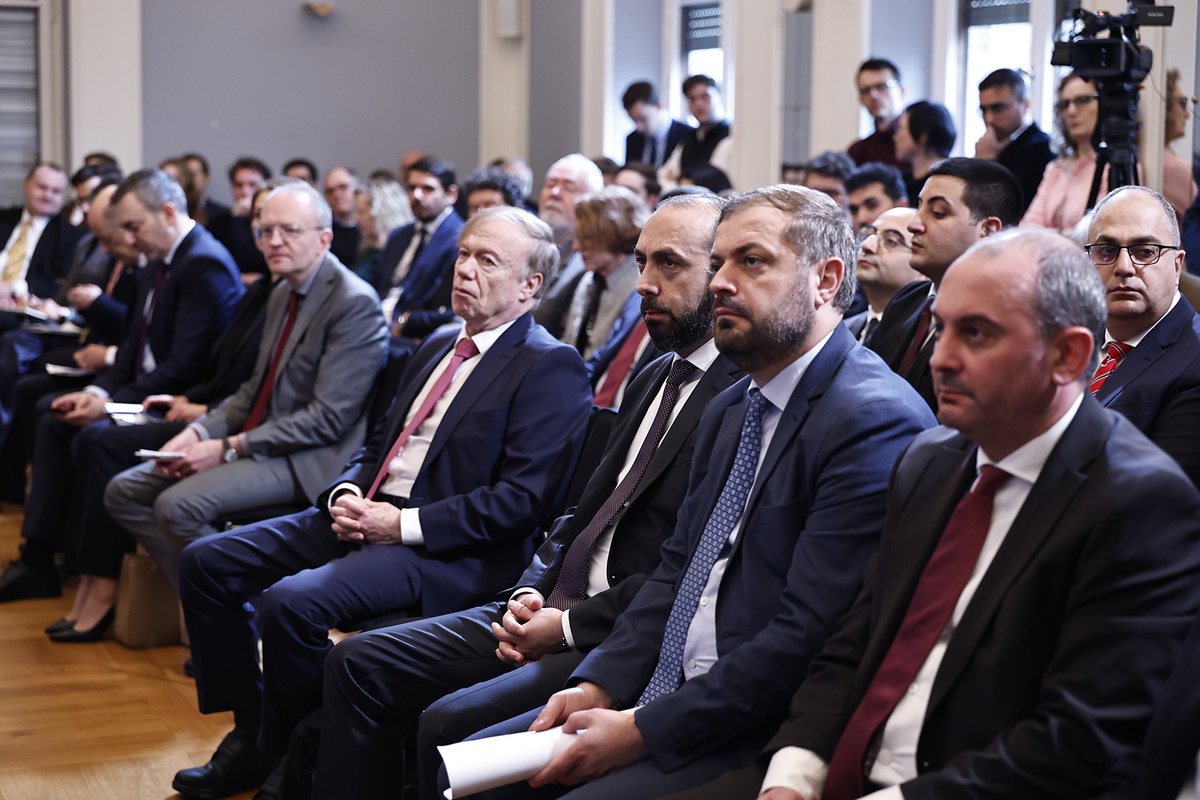
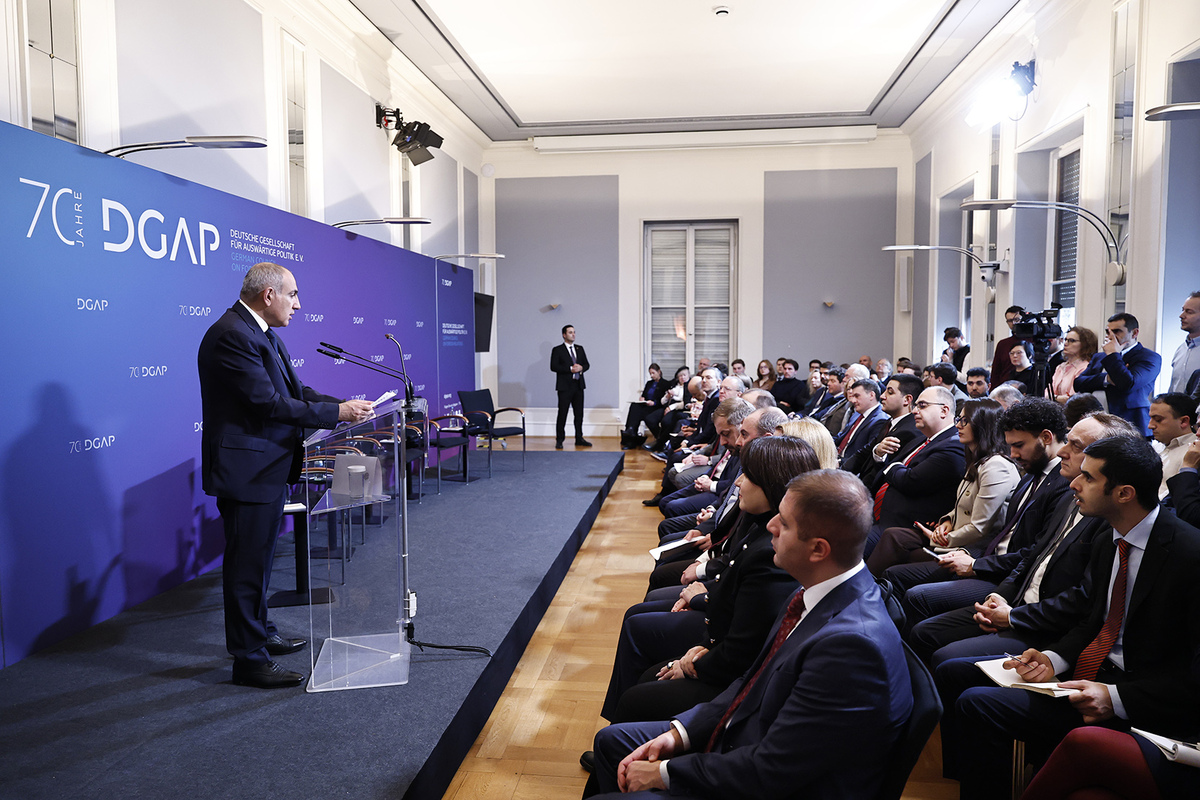
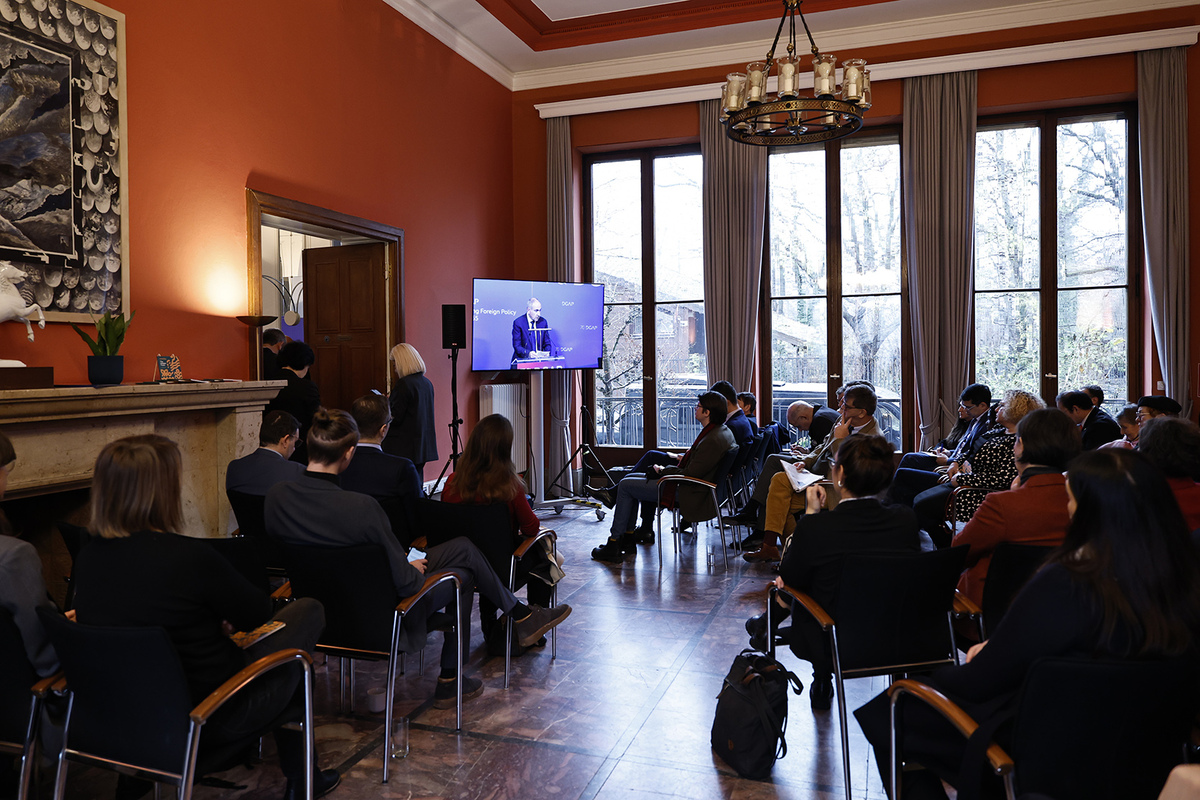
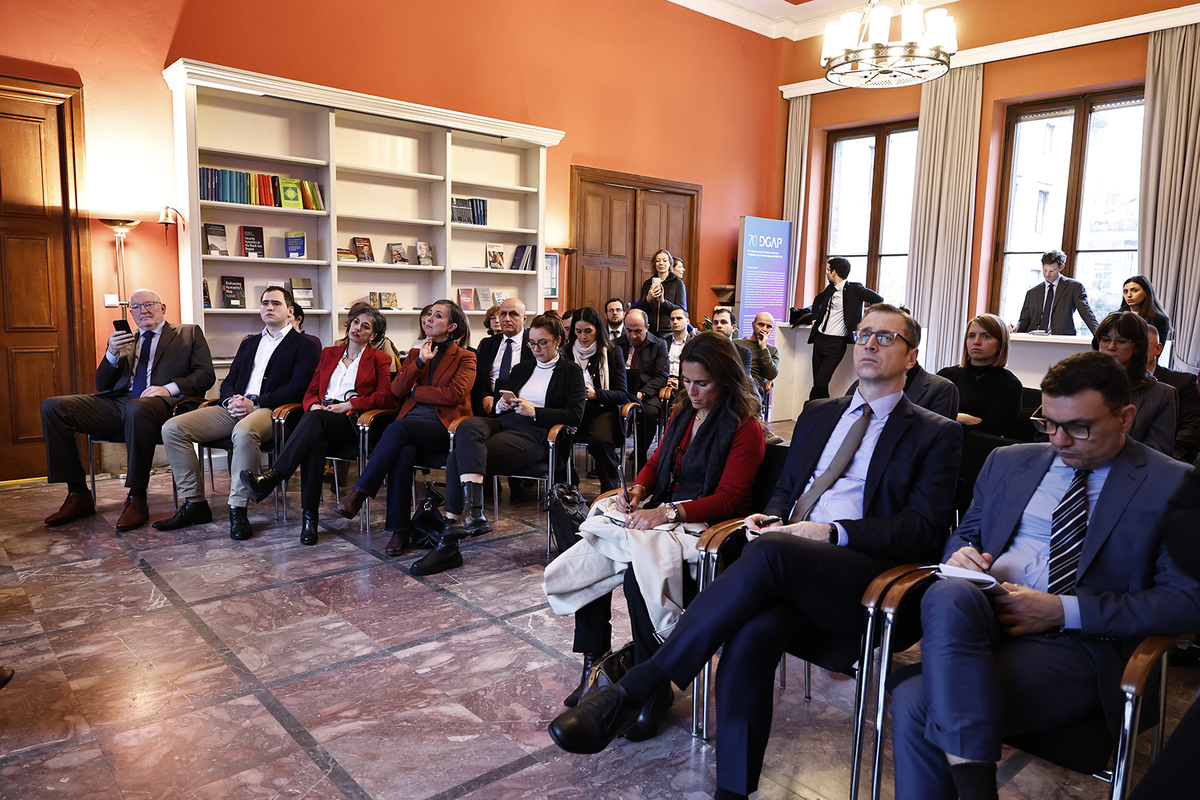
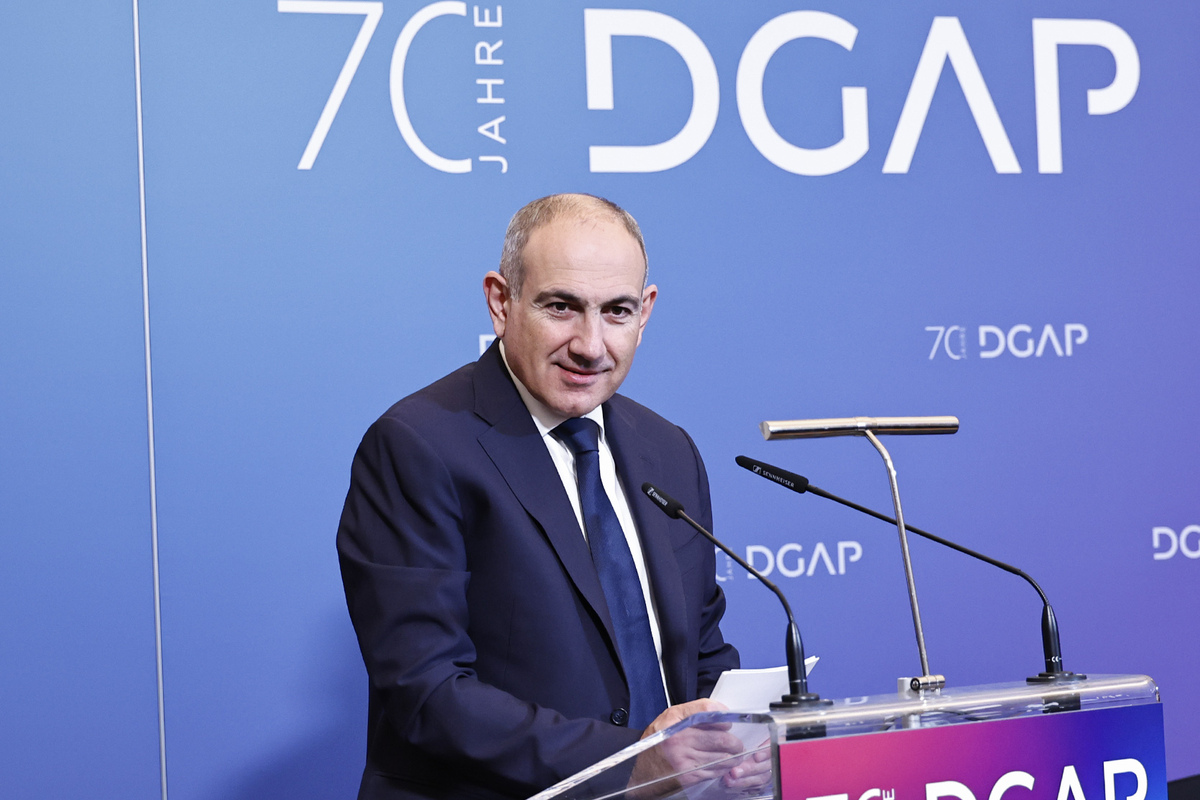
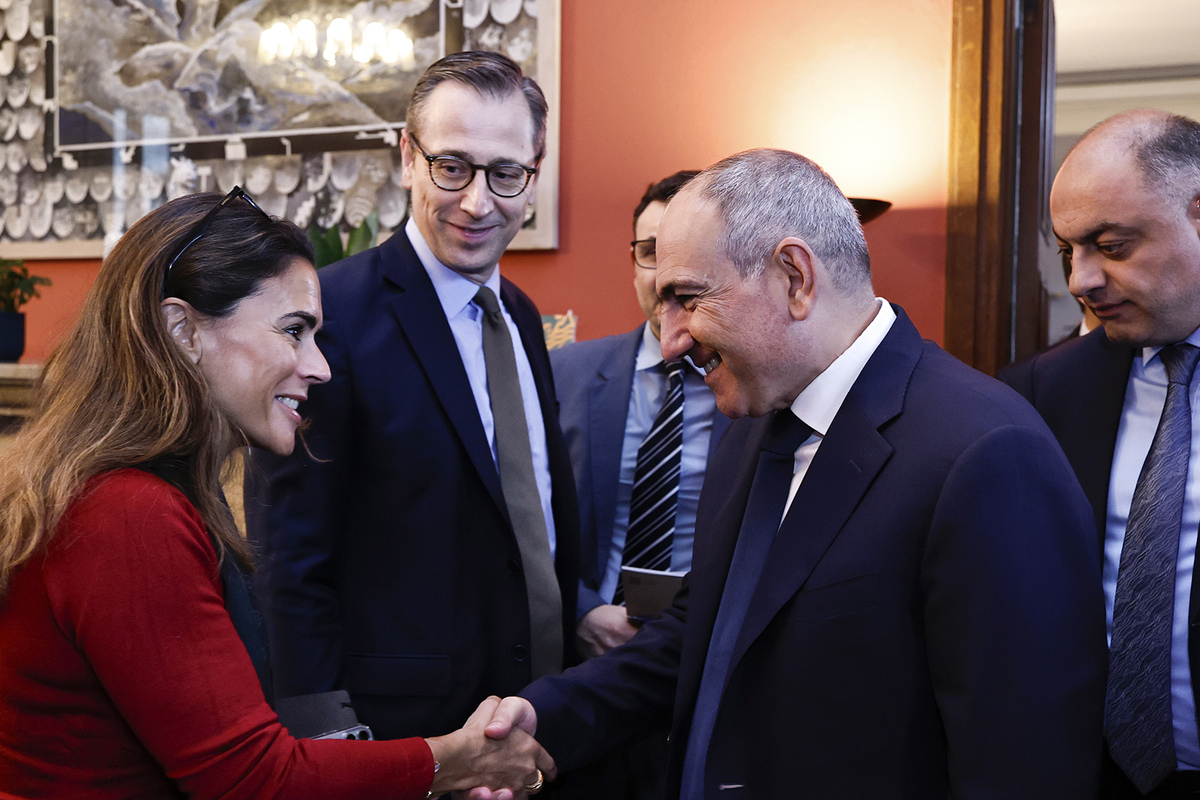
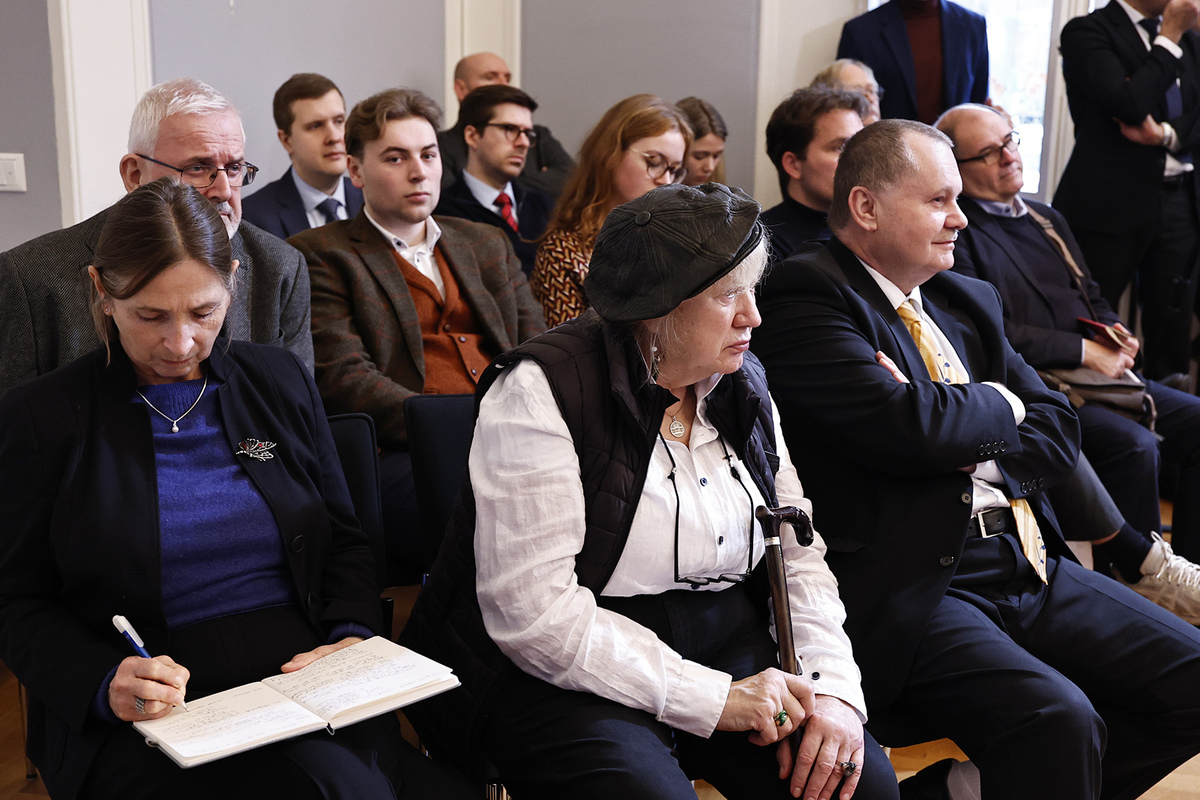
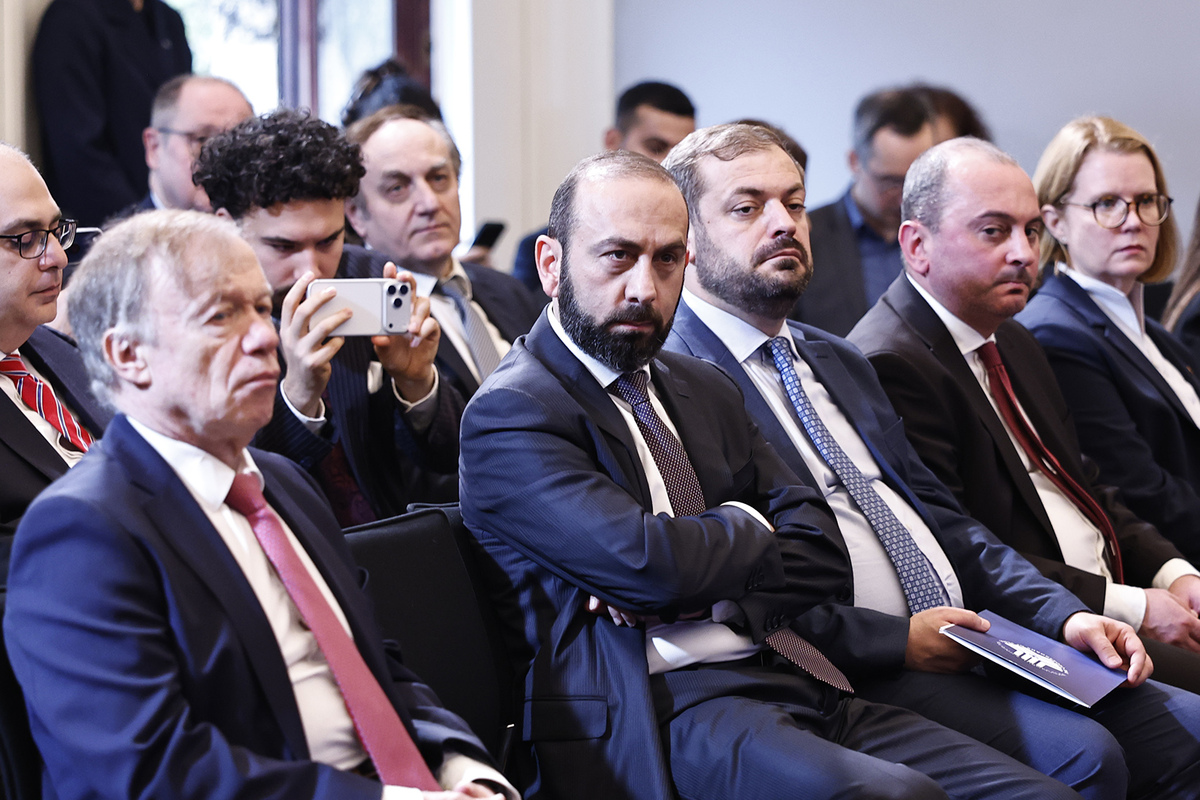
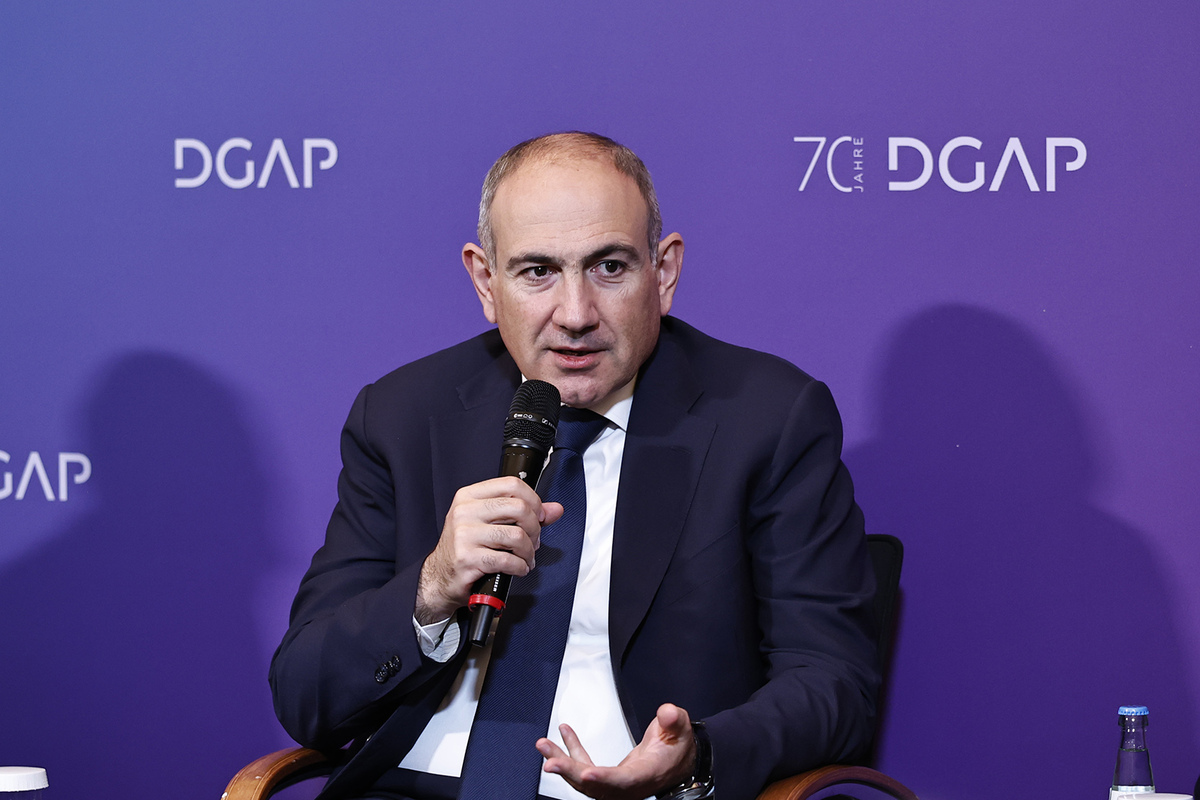
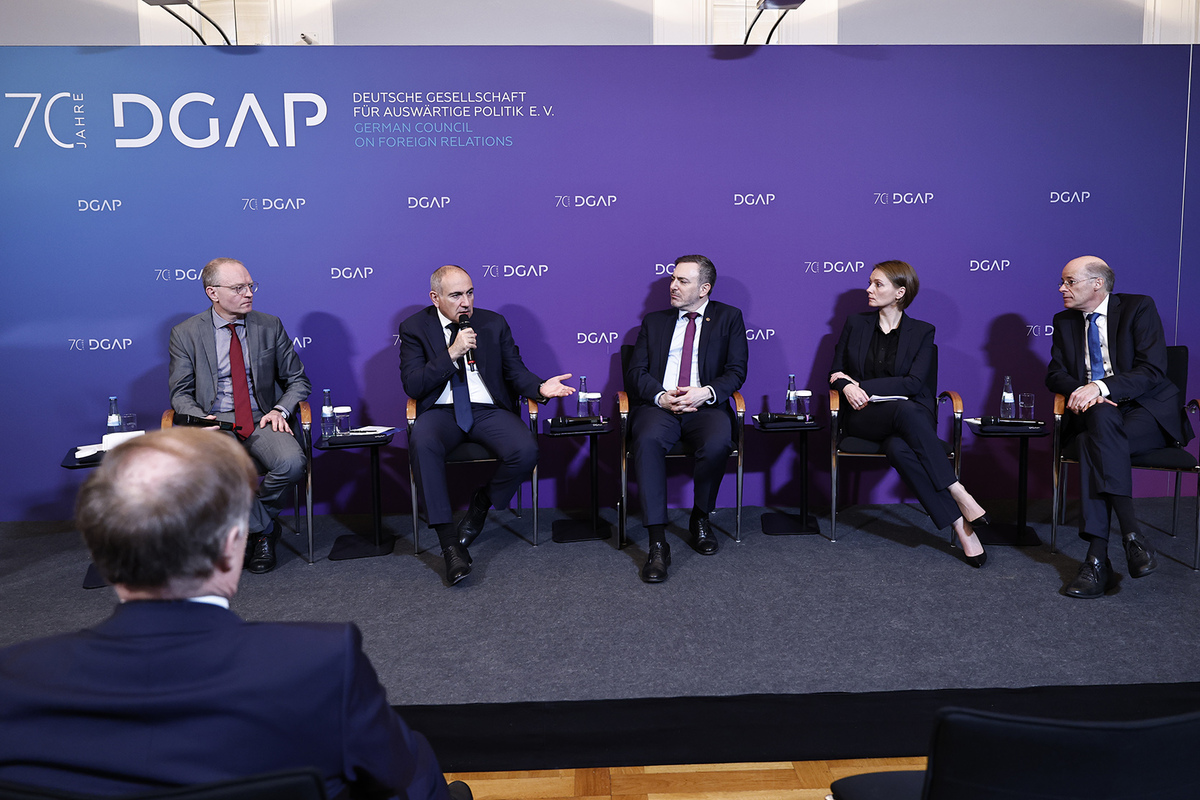
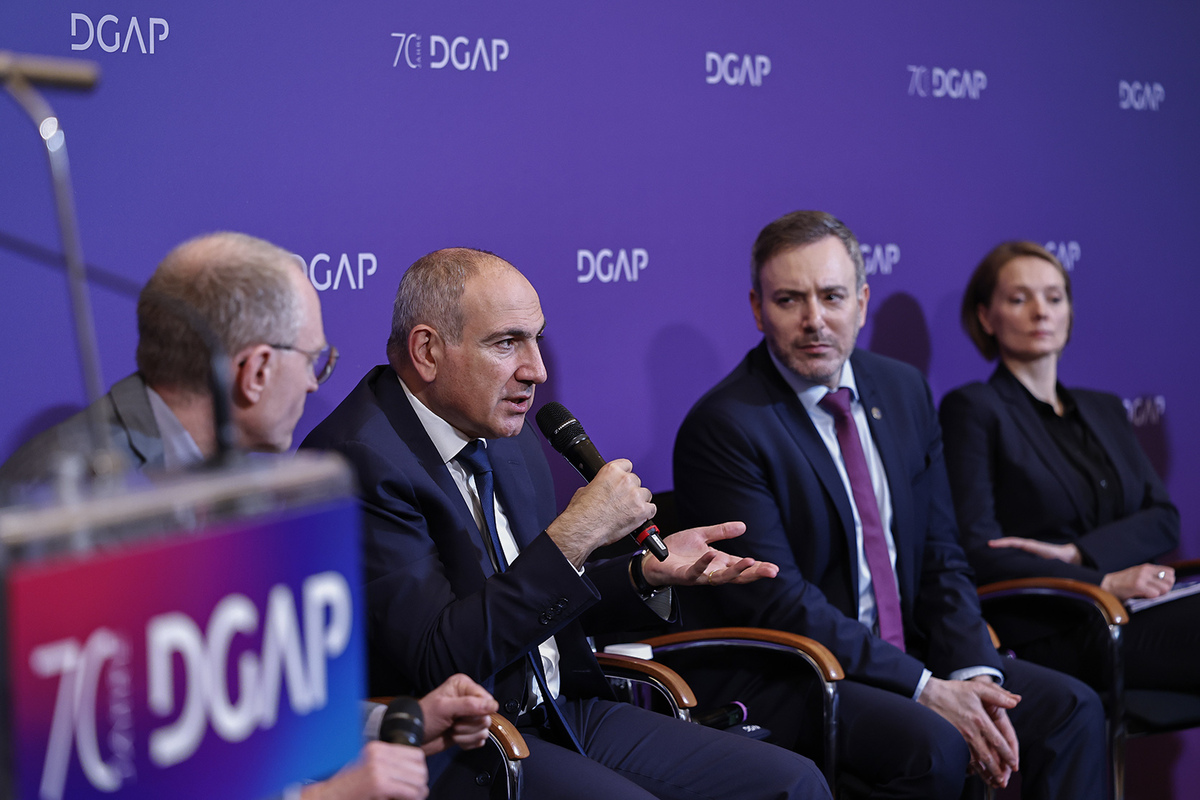
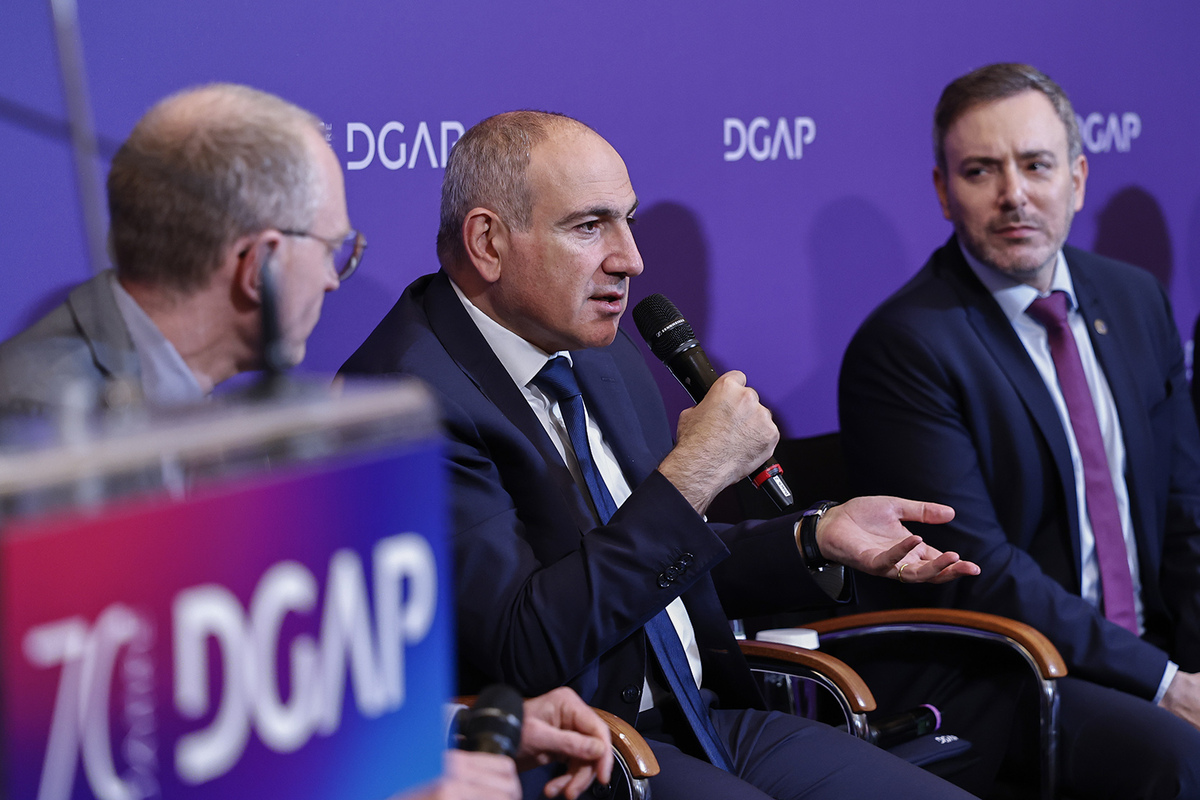
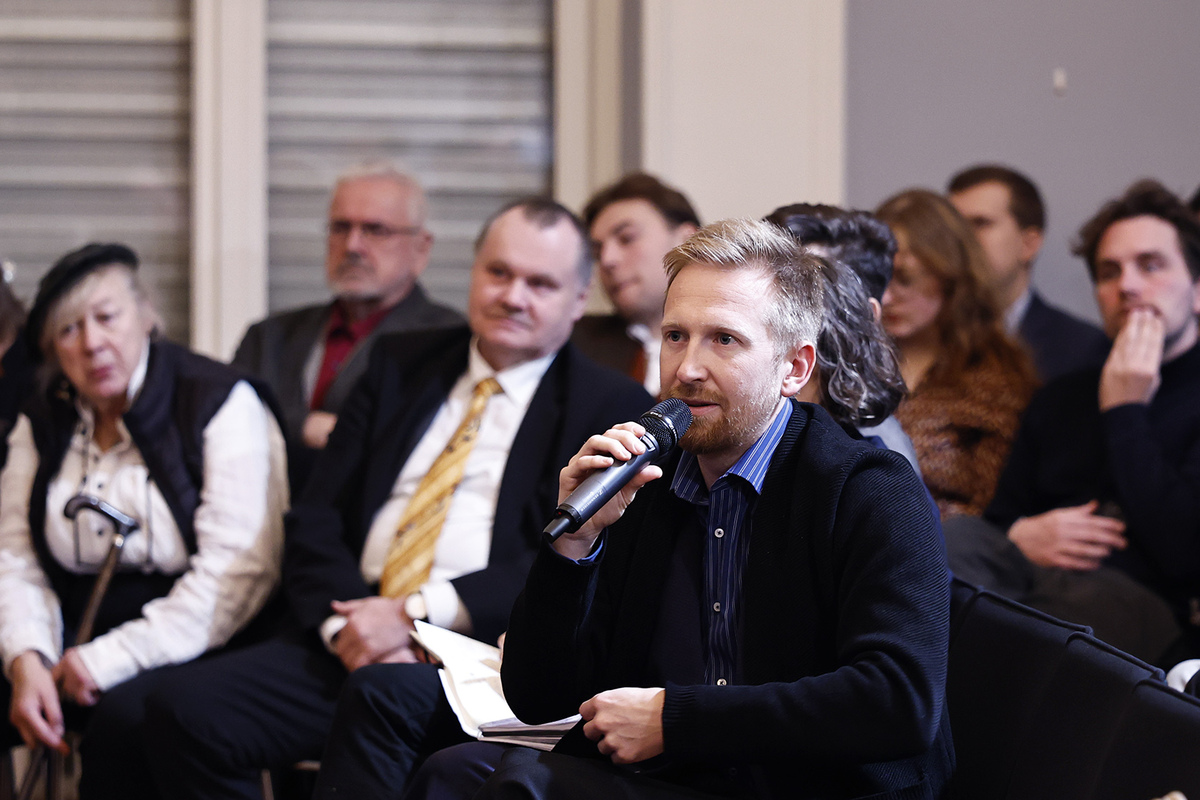
Prime Minister Nikol Pashinyan visited the German Council on Foreign Affairs in Berlin within the framework of his official visit to Germany.
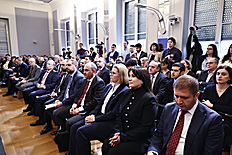
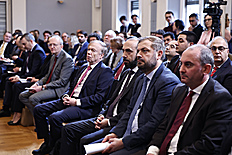
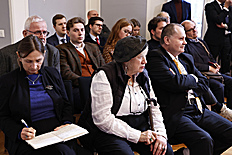
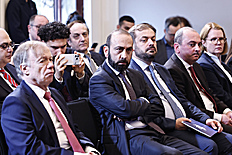
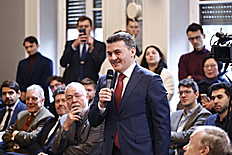
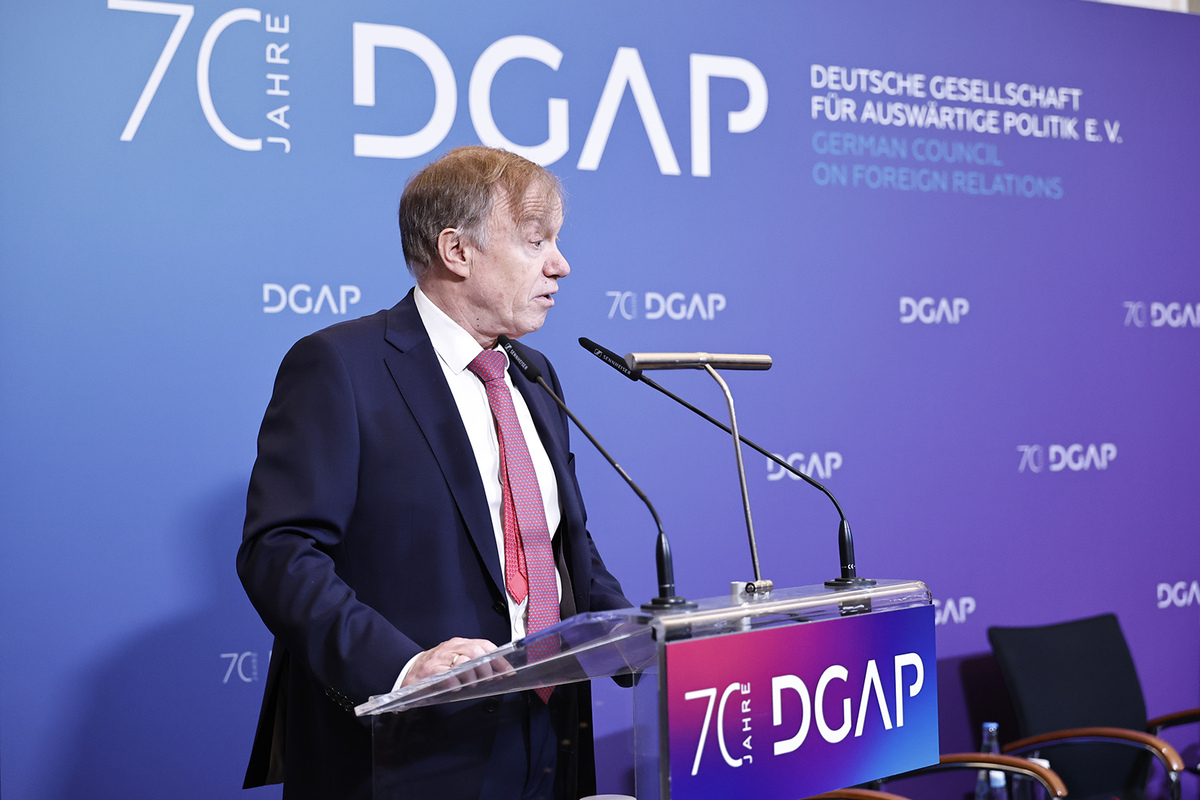
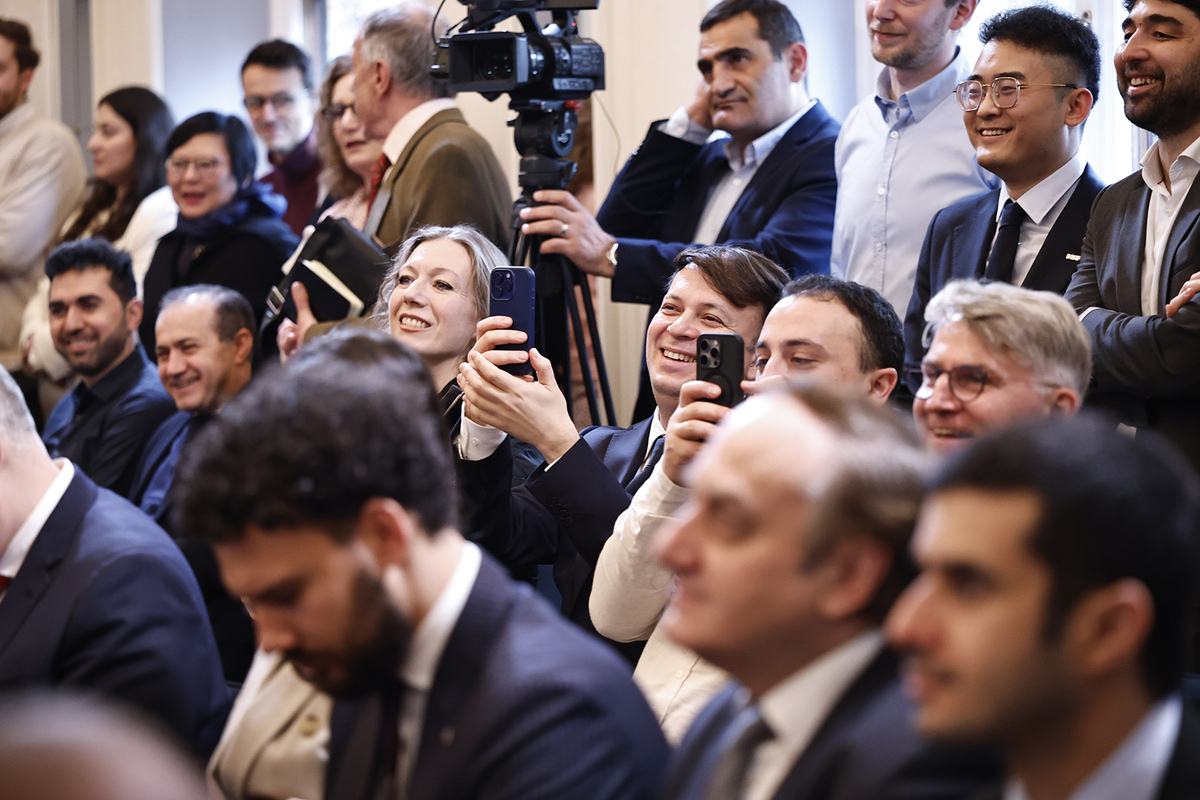
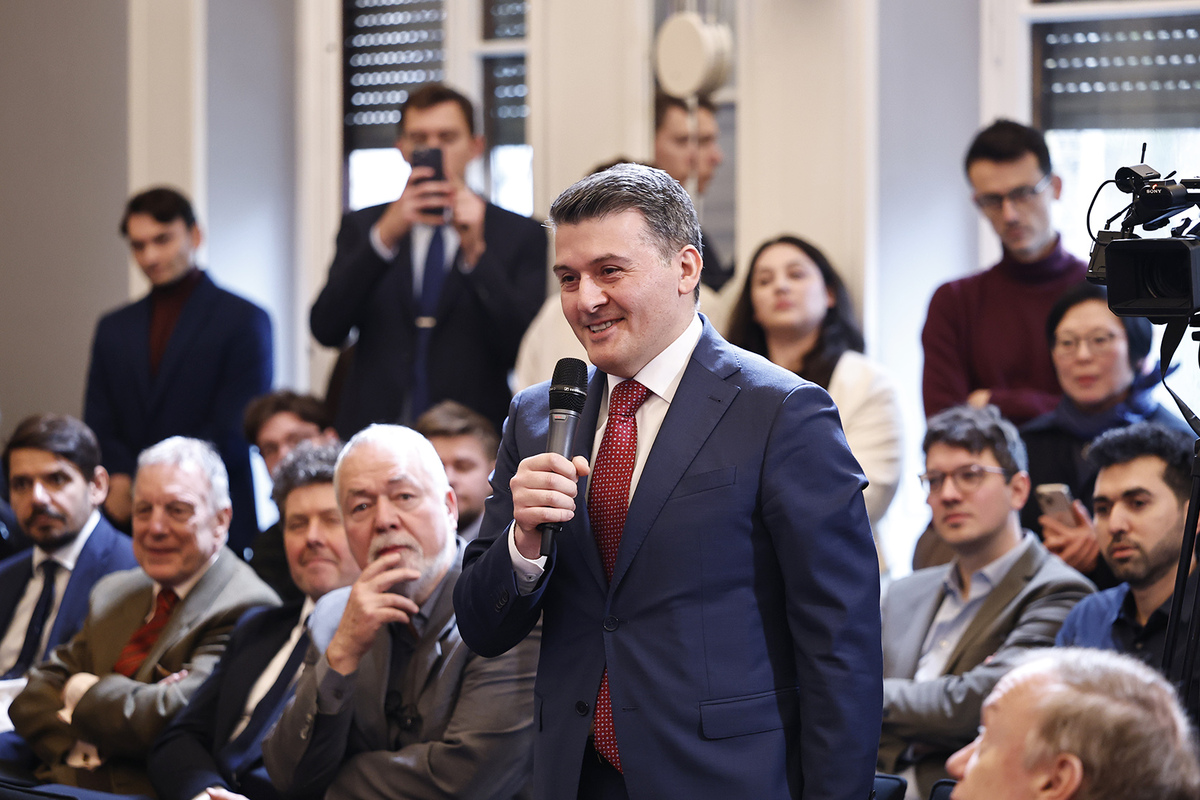
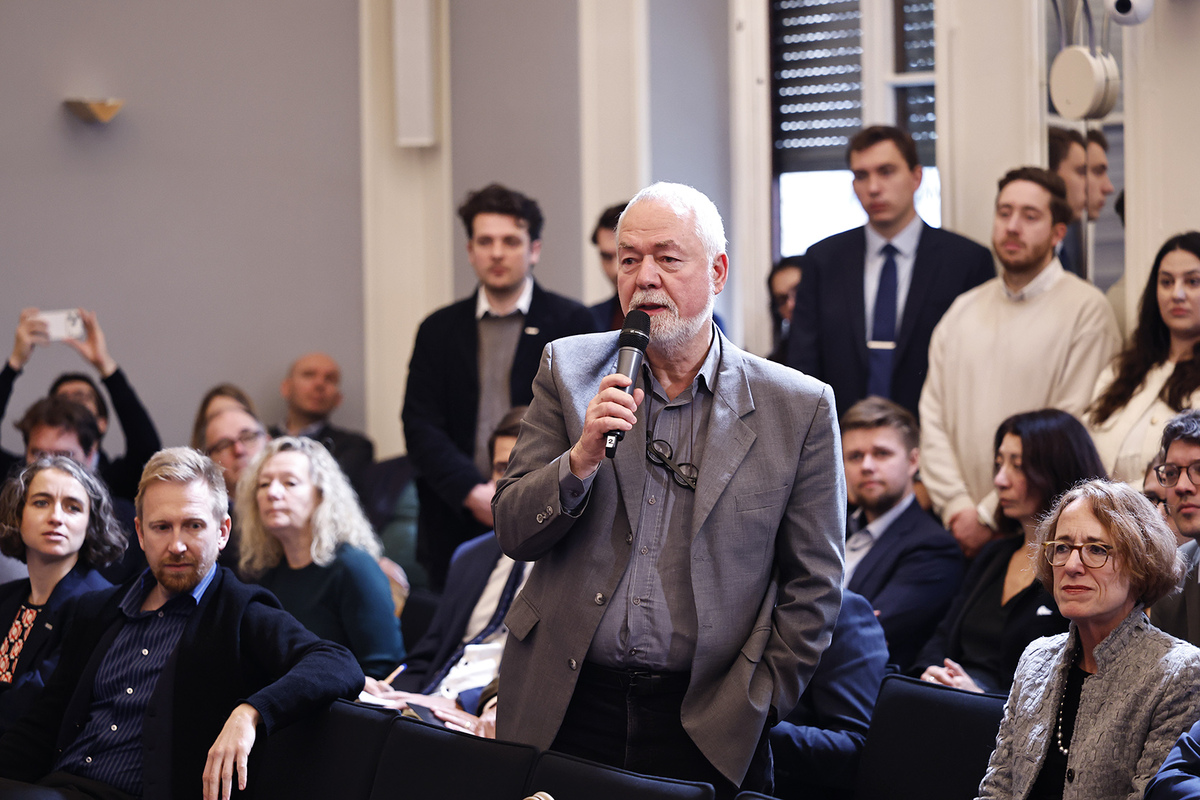
The Vice President of the Council, Ambassador Rolf Nickel, thanked the Prime Minister for accepting the invitation and expressed confidence that today's meeting will provide an opportunity to get acquainted with the views and observations of the Prime Minister of Armenia on regional processes. A group of political scientists, experts, diplomats, and students participated in the meeting.
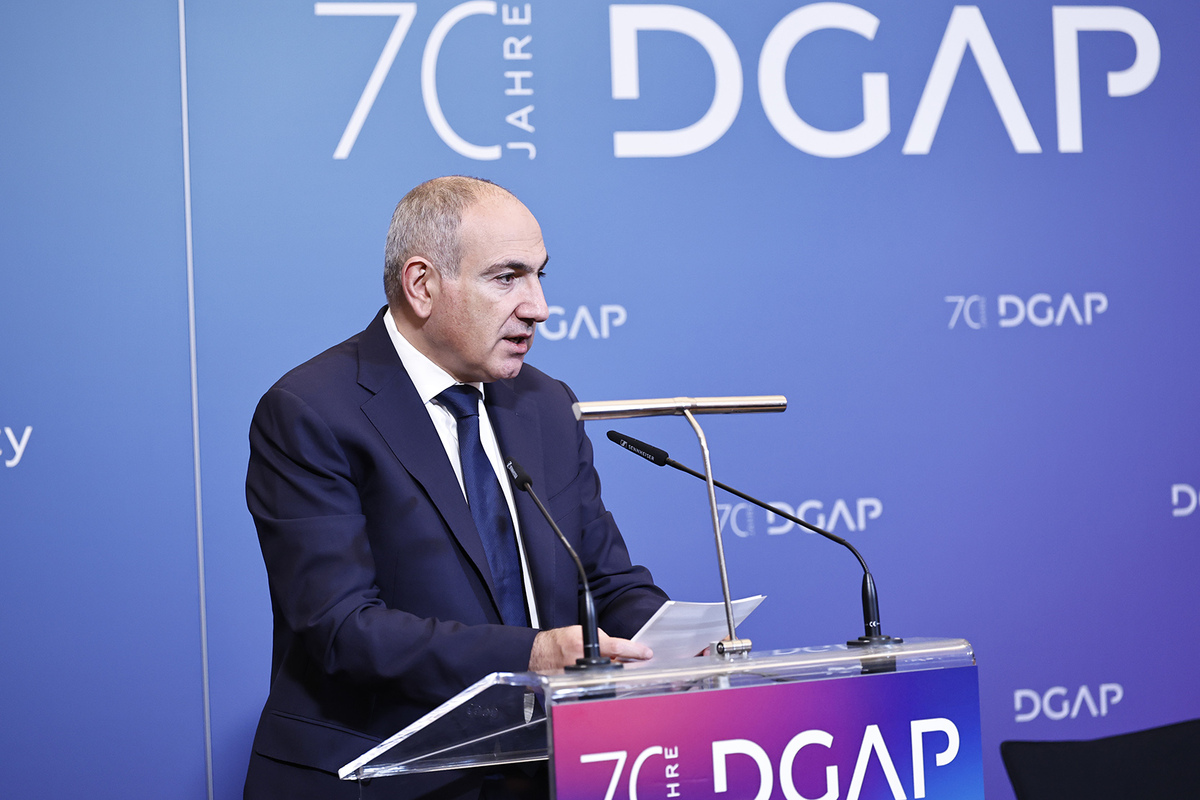
Prime Minister Pashinyan made a speech, in which, in particular, he noted:
''Dear colleagues,
Distinguished ladies and gentlemen,
It is my absolute privilege to return to the German Council on Foreign Relations after two years.
I would like to express my sincere gratitude for welcoming me for the second time. If we try to compare the titles of today’s discussion, “Armenia’s perspectives on peace institutionalization, regional connectivity and relations with the EU” with the previous one – “Security and stability in the South Caucasus”, it will show the historic developments and further perspectives in our region of the South Caucasus.
Today I can announce with confidence that on August 8th in Washington D.C., peace was established between Armenia and Azerbaijan, when with the President of Azerbaijan we signed a Joint Declaration, witnessed by the President of the United States Donald Trump.
According to the Declaration, Armenia and Azerbaijan highlighted the need to chart a course for a bright future not bound by the conflict of the past and consistent with the Charter of the United Nations and the 1991 Almaty Declaration.
We committed ourselves to pave the way for closing the chapter of enmity between our two countries. We resolutely reject and exclude any attempt of revenge, now and in the future.
The agreed upon text of the Agreement on Establishment of Peace and Inter-State relations between the Republic of Armenia and the Republic of Azerbaijan was initialed by the Ministers of Foreign Affairs of Armenia and Azerbaijan in the presense of President Trump, President Aliev and myself.
One of the key breakthroughs reached in Washington was the agreement to open communications between the two countries for intra-state, bilateral, and international transportation, on the basis of respect for the sovereignty, territorial integrity, and jurisdiction of the States. These efforts are to include unimpeded connectivity between the main part of the Republic of Azerbaijan and its Nakhchivan Autonomous Republic through the territory of the Republic of Armenia with reciprocal benefits for international and intra-state connectivity for the Republic of Armenia.
Now, together with our American counterparts, we are engaged in intensive negotiations on the general terms of implementation of “Trump Route for International Peace and Prosperity” (TRIPP Route) connectivity project.
“TRIPP Company” – an Armenian-American joint venture will be registered in Armenia and will be granted a right to develop the necessary infrastructure of railway, road, oil and gas pipelines and fiber optics.
We will move to the actual implementation and construction phase as early as next year. The implementation of this project, which is fully in line with our Government’s “Crossroads of Peace” initiative, will create additional interlinks and interdependencies in the region, becoming yet another very important factor for peace.
In fact, the “TRIPP Route” project, together with the opening of communications between Armenia and Türkiye, have full potential to become an important component of the Middle Corridor providing unimpeded connectivity between Europe, South Caucasus and Central Asia.
Ladies and gentlemen,
I would also like to inform you that the political agreement to open communications between Armenia and Azerbaijan is already becoming a reality.
In October Azerbaijan announced that is lifting restrictions on the transit of goods through its territory to Armenia. This is a very significant and positive development. Something that appeared impossible only months ago is now a reality: grain has been transported from Kazakhstan to Armenia through Azerbaijan and Georgia by railway which is unprecedented event since our independence.
On our turn, as we have announced publicly, Armenia is ready both politically and technically to enable the transit of cargo between Türkiye and Azerbaijan through its territory.
With all this being said, I am confident that, through daily care for established peace, adherence to the text and spirit of the Washington Declaration, and the rejection of narratives that could derail the process, the Armenian and Azerbaijani governments will be able to institutionalize, lasting peace between the two countries.
Of course, speaking about our region, I should also update this distinguished audience on the current state of play between Armenia and Türkiye.
Since our previous meeting at the German Council on Foreign Relations, we have witnessed an intensification of contacts between Armenia and Türkiye. These contacts are taking place at nearly all levels: between myself and President Erdoğan, our Foreign Ministers and special representatives, the two Ministries of Foreign Affairs, as well as relevant line ministries. In practice, we maintain very active talks and relations with official Ankara, even in the absence of de jure diplomatic relations.
And I hope that Türkiye will make the long-awaited political decision to open its border with Armenia and establish diplomatic relations.
The normalization of Armenia-Türkiye relations, peace between Armenia and Azerbaijan, the “TRIPP Route” project, Armenia’s and Azerbaijani good-neighbourly relations with Georgia and Iran, constructive dialogue with Russia, can position the South Caucasus as one of the most attractive transit corridors, alongside both the North–South and East–West routes. And we are working hardly to realize this historic opportunity.
Distinguished colleagues,
In March of this year, the National Assembly of Armenia adopted the “Law on Initiating the Process of Armenia's Accession to the European Union”. Many ask - when Armenia will become a member of the European Union and how realistic this goal is. The “Law on Initiating the Process of Armenia's Accession to the European Union” is, above all, an incentive for us to consistently pursue democratic reforms. Our aim is to be institutionally and practically compliant with EU standards, because without such compliance, EU membership is impossible.
Once Armenia objectively meets these European standards, two paths will lie ahead: either we will be accepted as an EU member state, or we will not.
Of course, our preferred scenario is the first one. But even if membership is not granted, we will have achieved a major milestone: Armenia will be a country that meets the most advanced modern standards.
Our aspiration to comply with European Union standards is not driven by geopolitics, but by a democratic choice: since the peaceful Velvet Revolution of 2018, Armenia has committed, as a matter of strategy, to democracy, the rule of law, human rights, and an independent judiciary.
On this path, just a week ago, Armenia and the European Union adopted the “Strategic Agenda of the Armenia–EU Partnership”, which complements the already existing Comprehensive and Enhanced Partnership Agreement (CEPA).
We are currently exploring opportunities for sectoral integration in areas such as digital and telecommunications, energy, and connectivity.
Ladies and gentlemen,
We paid special attention to the economic component of my visit to Germany, while also making use of the occasion to strengthen dialogue between representatives of the Armenian and German business communities. To support such contacts, our government must foster the mobility of our businesspeople; and accordingly, I am pleased to note that we have successfully launched the Visa Liberalization Dialogue with European Union.
This marks an important step toward enhancing mobility, intensifying people-to-people contacts, and developing inter-cultural ties. Recently, we received the Visa Liberalization Action Plan, which outlines the main benchmarks and key commitments of the Government of Armenia. Upon its successful implementation, a visa-free regime will be established, further promoting active exchanges between Armenia and the European Union.
ladies and gentlemen,
It is difficult to fully cover the topic of Armenia–EU relations in these opening remarks, as today it is truly comprehensive, encompassing nearly all possible areas.
I am confident that the 8th European Political Community Summit and the Armenia–EU Summit, to be held in Yerevan next May, will provide a new opportunity both to assess the progress of our relations and to set even more ambitious targets for the years ahead.
Allow me to conclude my speech by emphasizing the importance of strengthening relations with EU member states as well, which provides additional opportunities to learn and cooperate on a bilateral basis.
Of course, alongside other like-minded partners, Germany plays a central role for Armenia, and the adoption of the Strategic Agenda between our countries elevates our relations to a new level, creating new conditions for our strategic partnership.
Thank you՛՛.
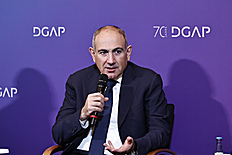
The Prime Minister then participated in a panel discussion titled "Armenia's Vision for Peace Institutionalization, Regional Connectivity, and EU Integration."