Press releases
The universal health insurance system will come into force on January 1, 2026. The Government adopts a number of decisions
 1670x1113px - 705 Kb
 1670x1113px - 660 Kb
 1670x1113px - 640 Kb
 1670x1113px - 663 Kb
 1670x1113px - 715 Kb
 1670x1113px - 648 Kb
 1670x1113px - 616 Kb
 1670x1113px - 727 Kb
 1670x1113px - 710 Kb
 1670x1113px - 596 Kb
 1670x1113px - 607 Kb
 1670x1113px - 751 Kb
 1670x1113px - 654 Kb
 1670x1113px - 638 Kb
 1670x1113px - 554 Kb
 1670x1113px - 652 Kb
 1670x1113px - 601 Kb
 1670x1113px - 662 Kb
 1670x1113px - 739 Kb
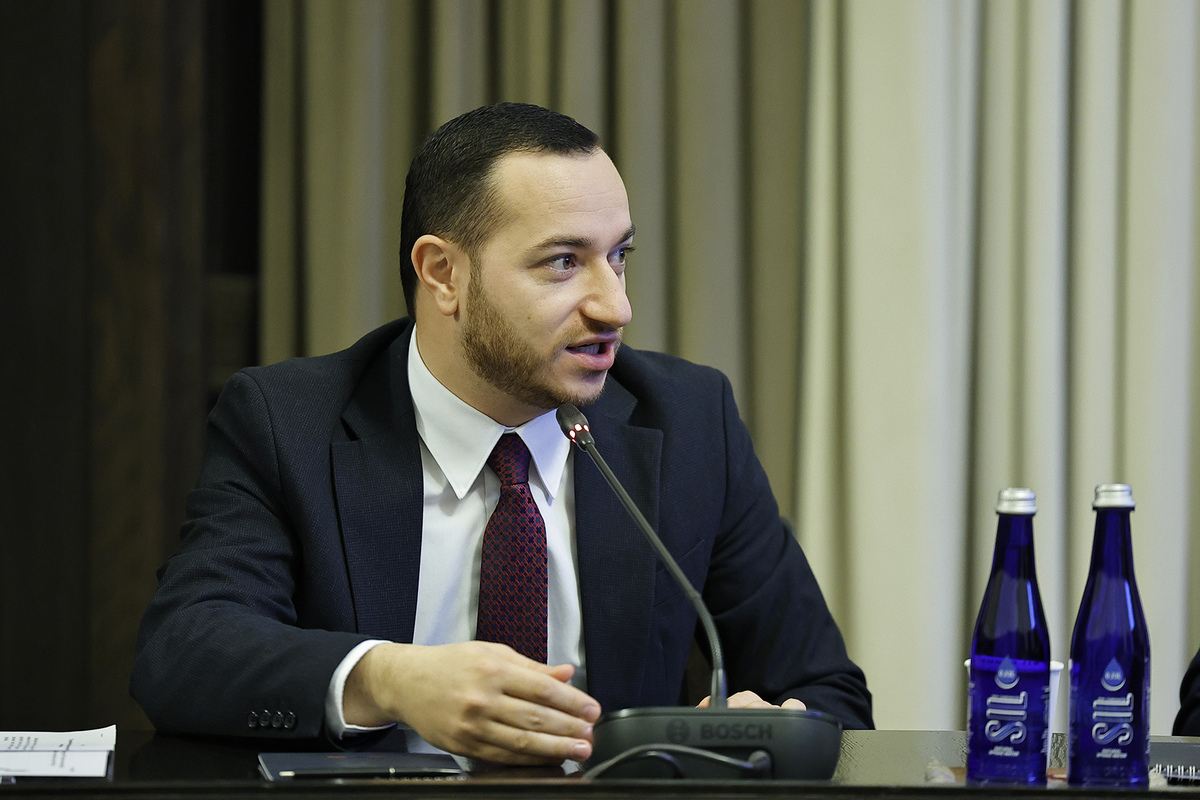
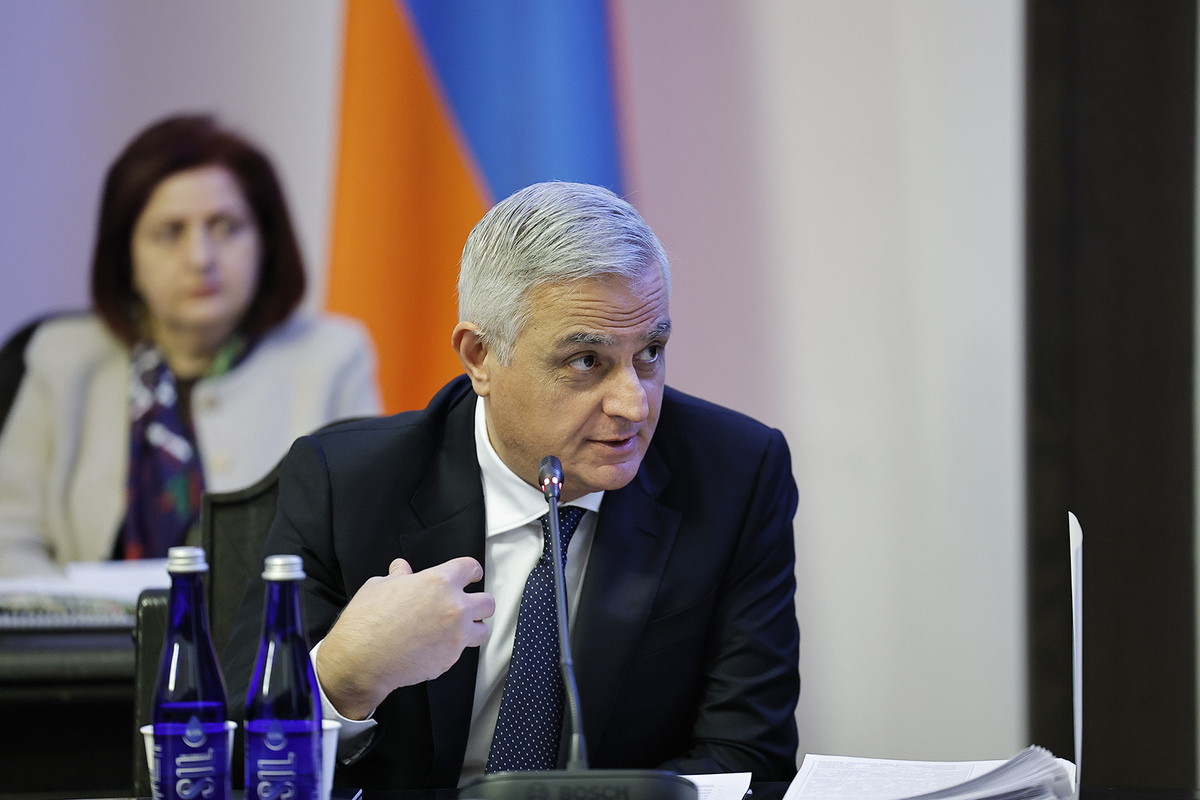
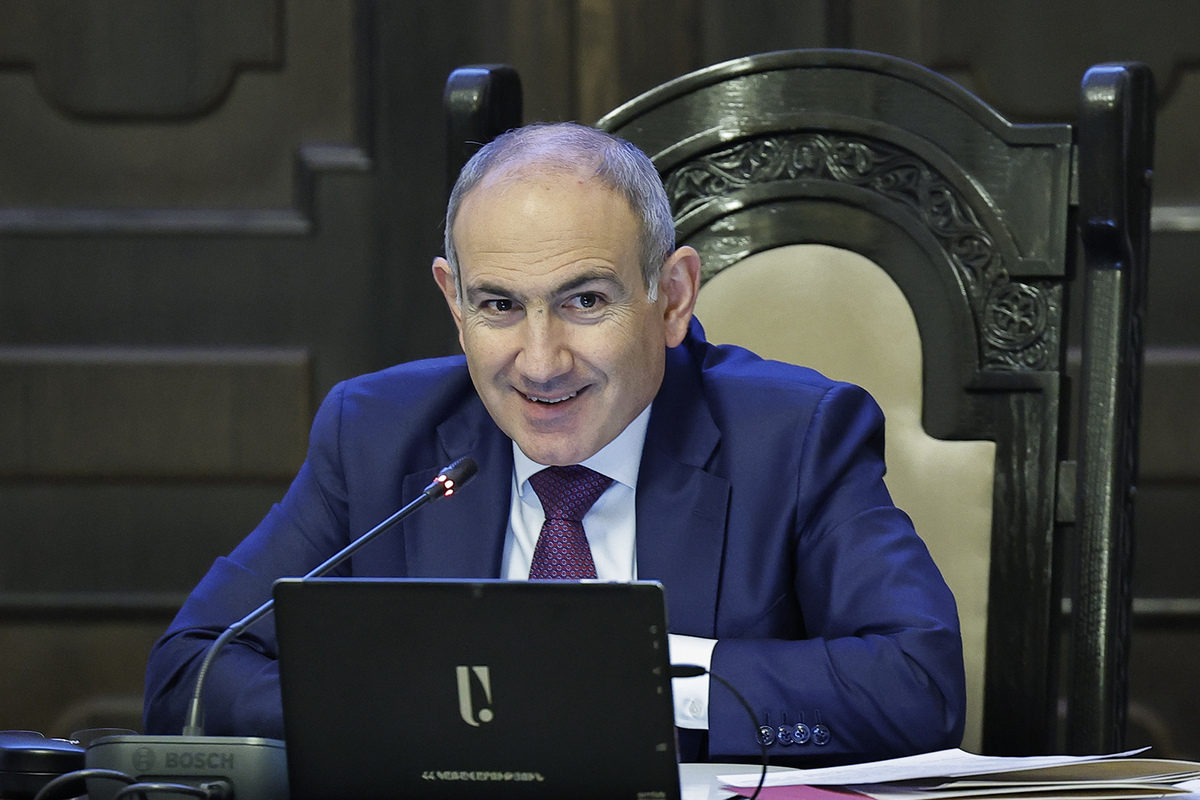
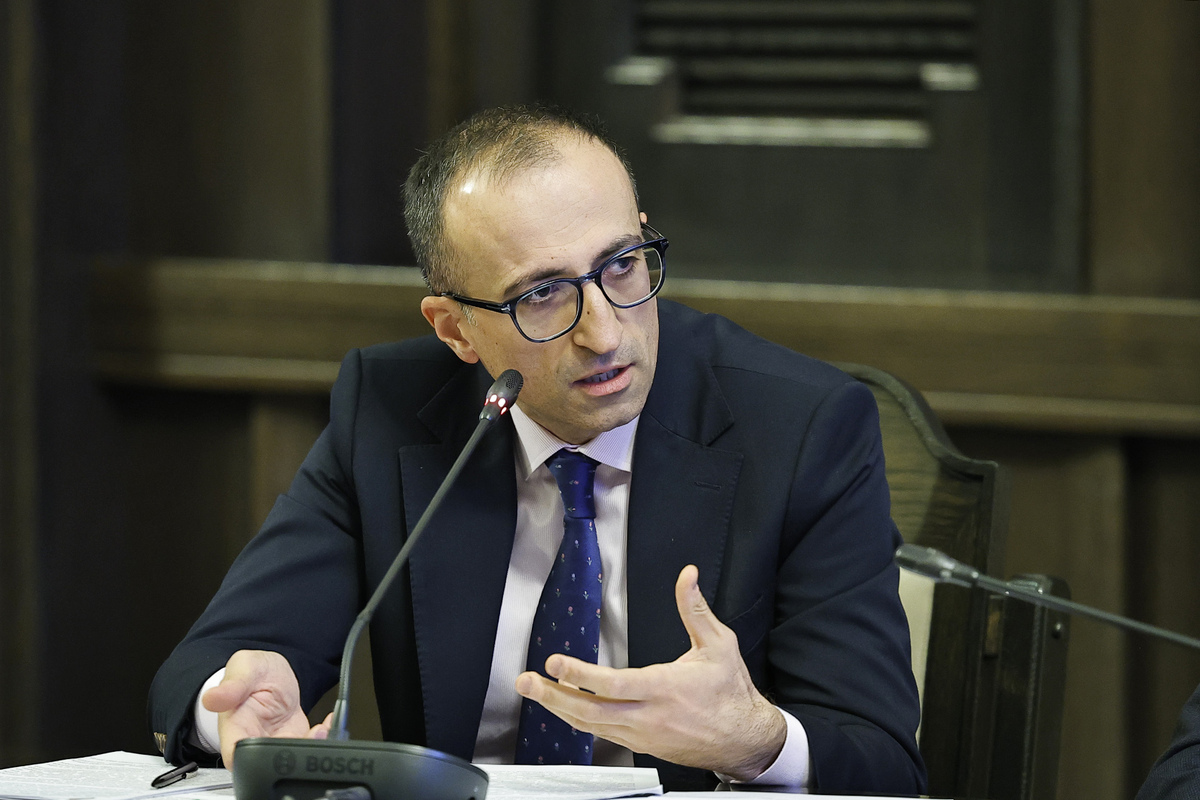


more 16 photos
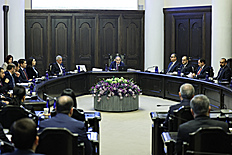
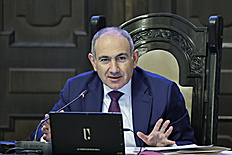
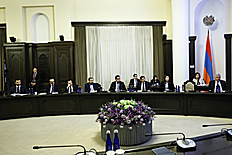
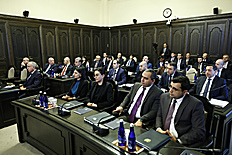
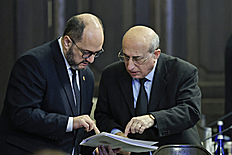
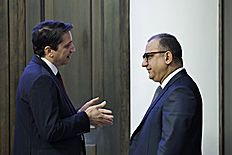
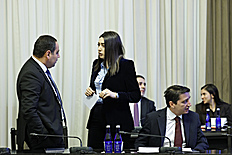
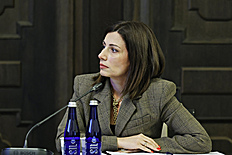
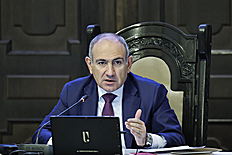
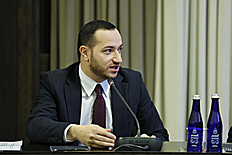
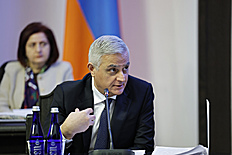
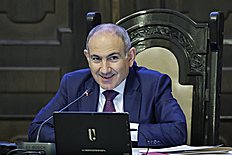
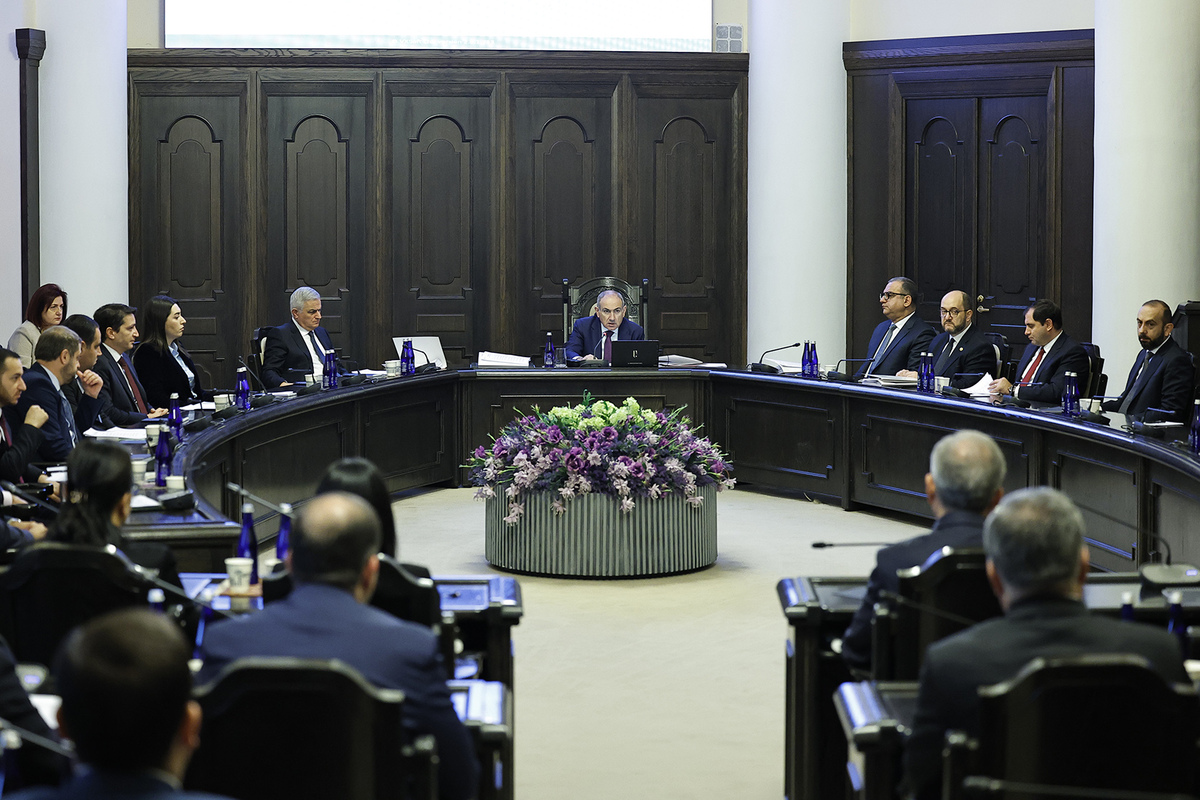
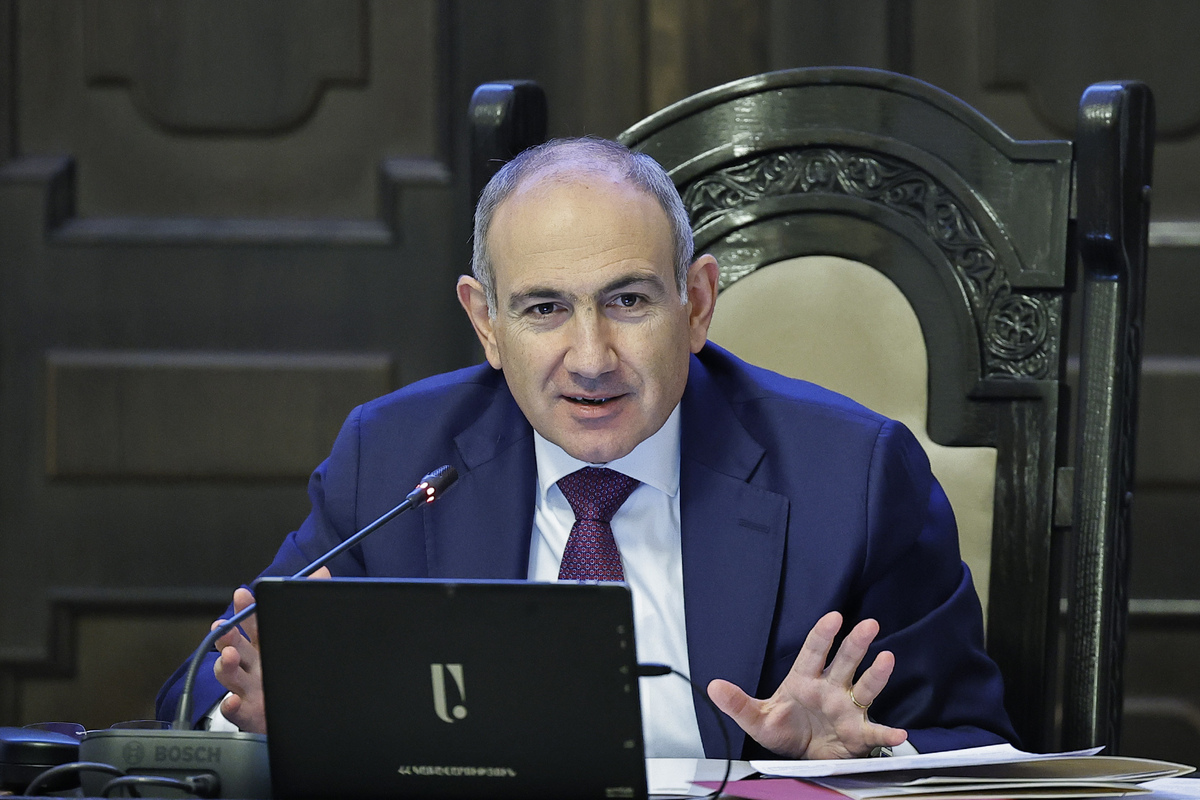
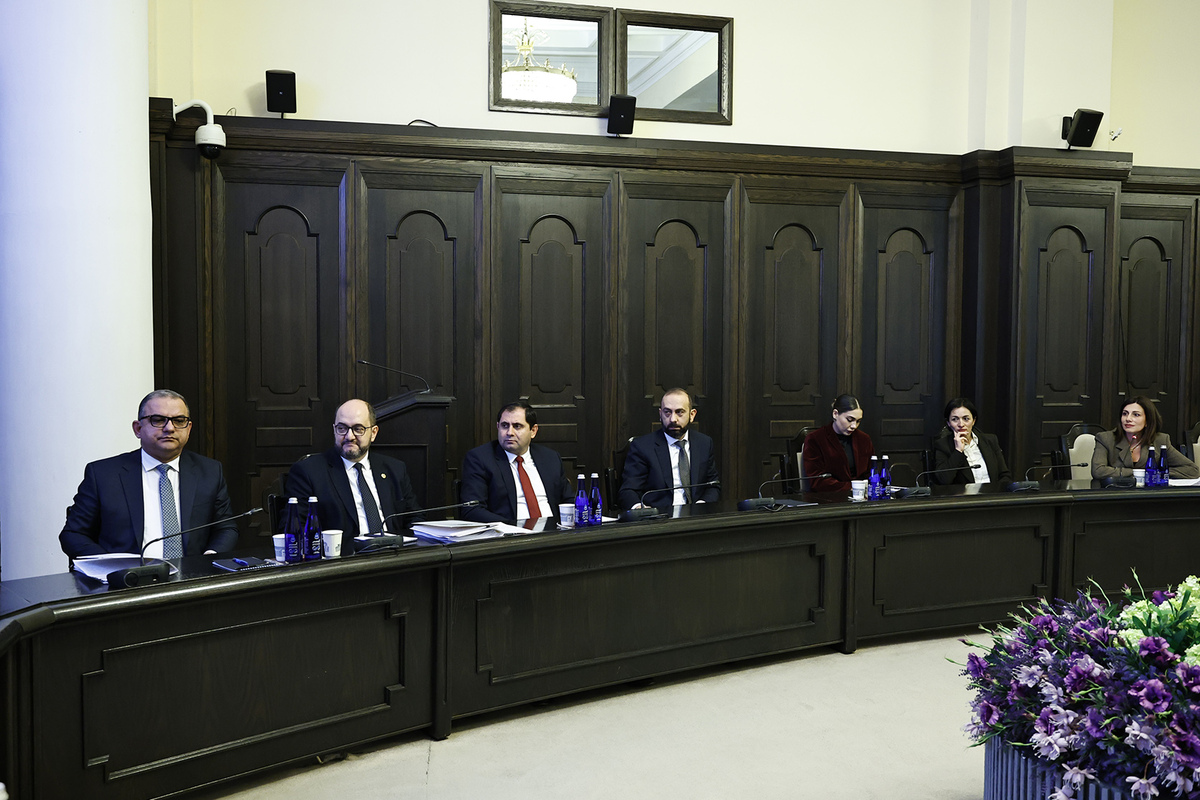
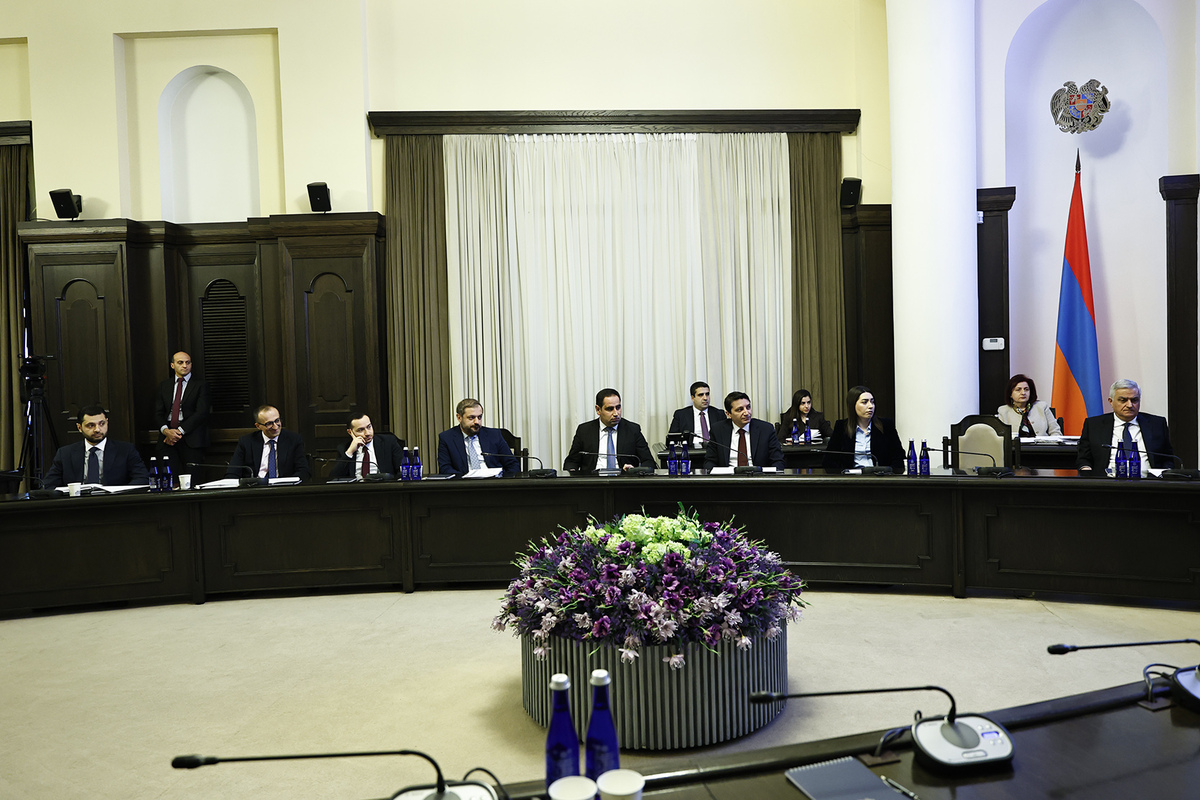
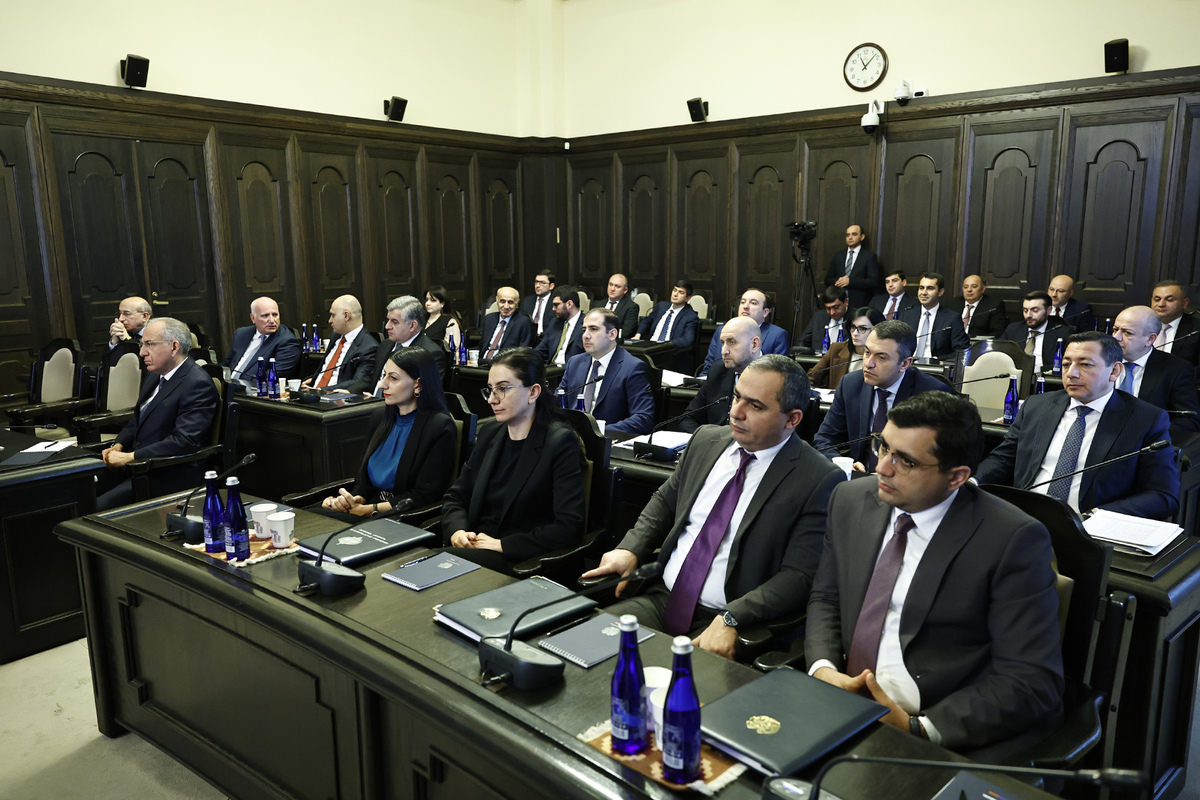
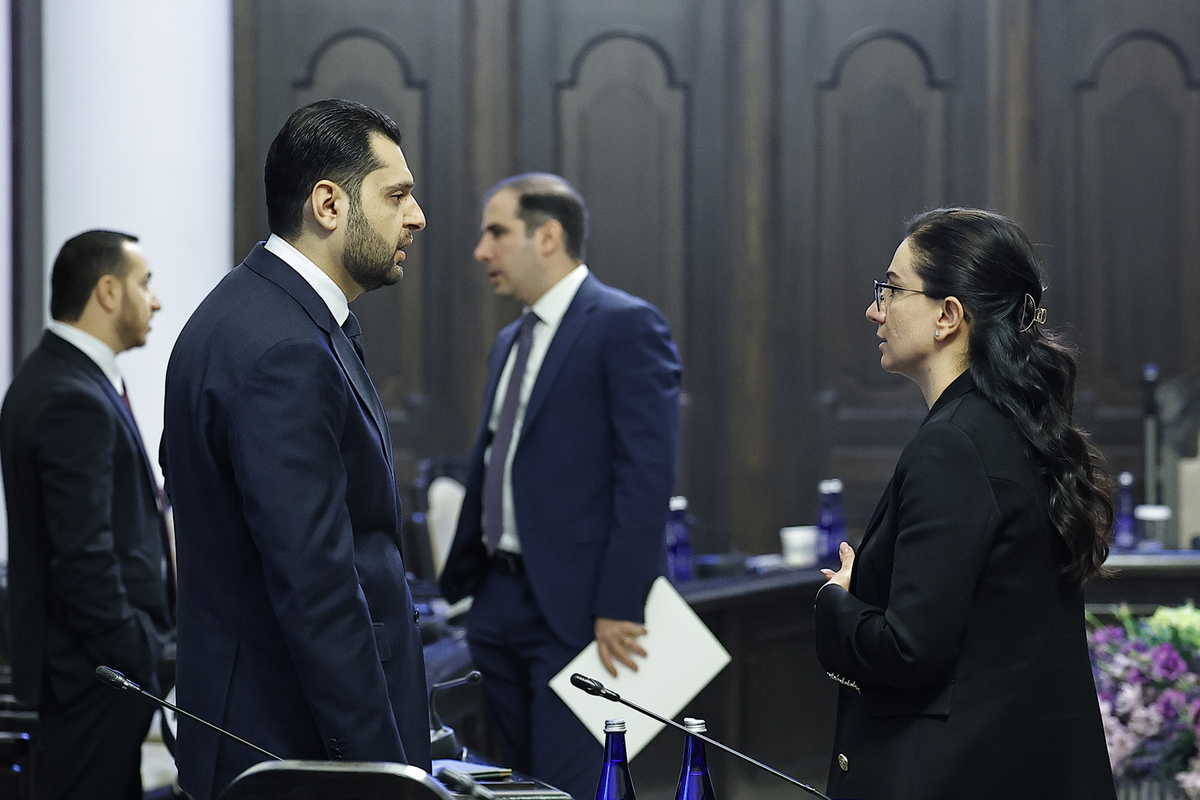
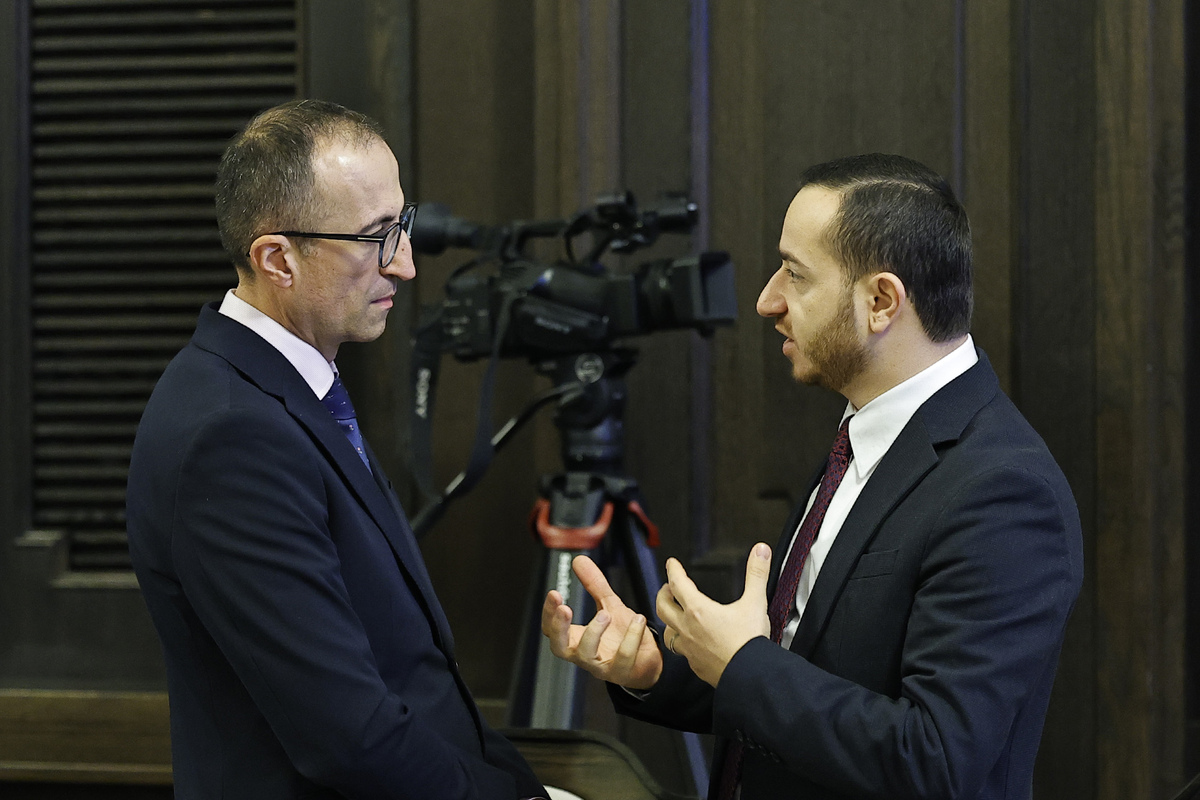
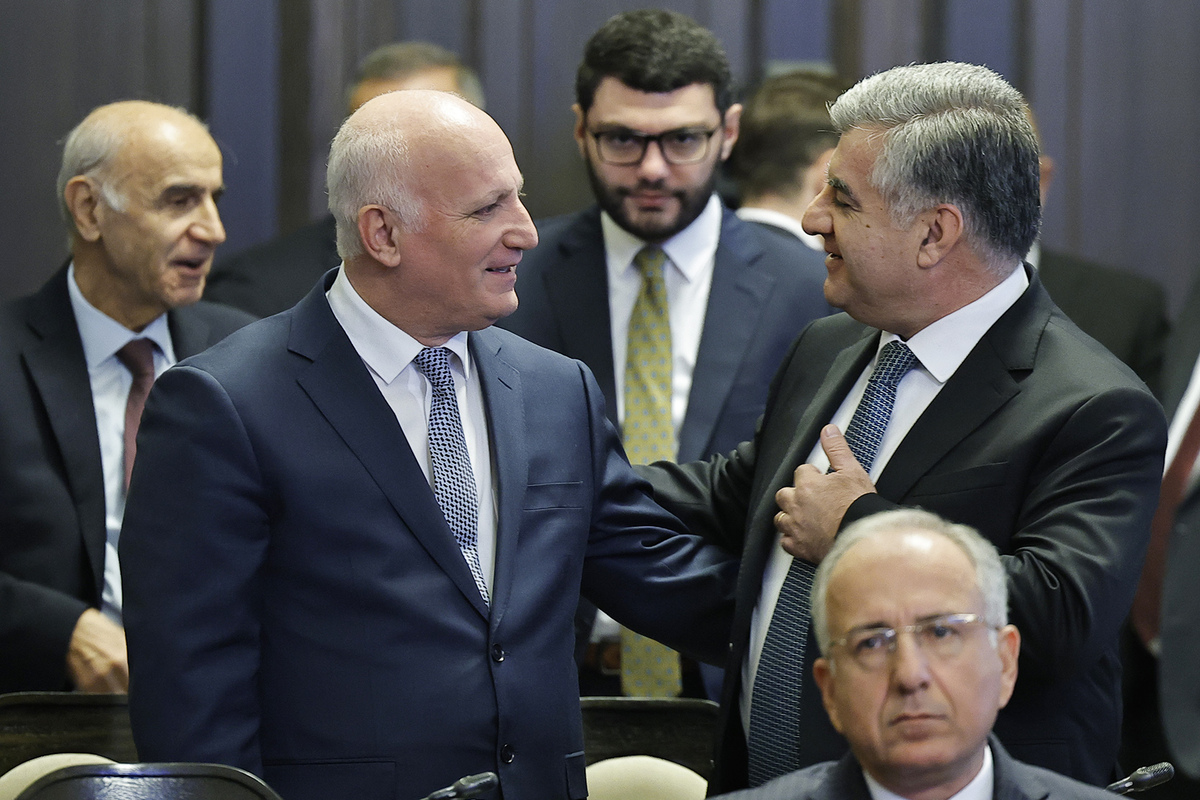
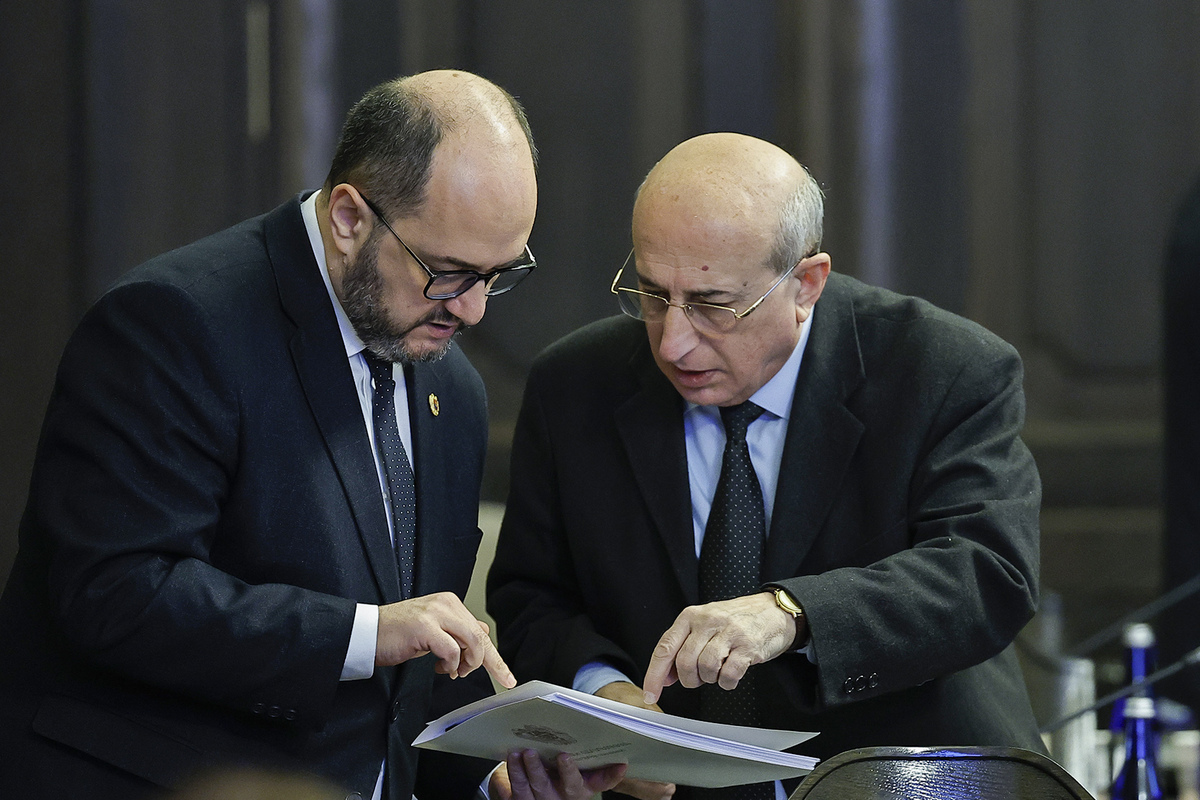
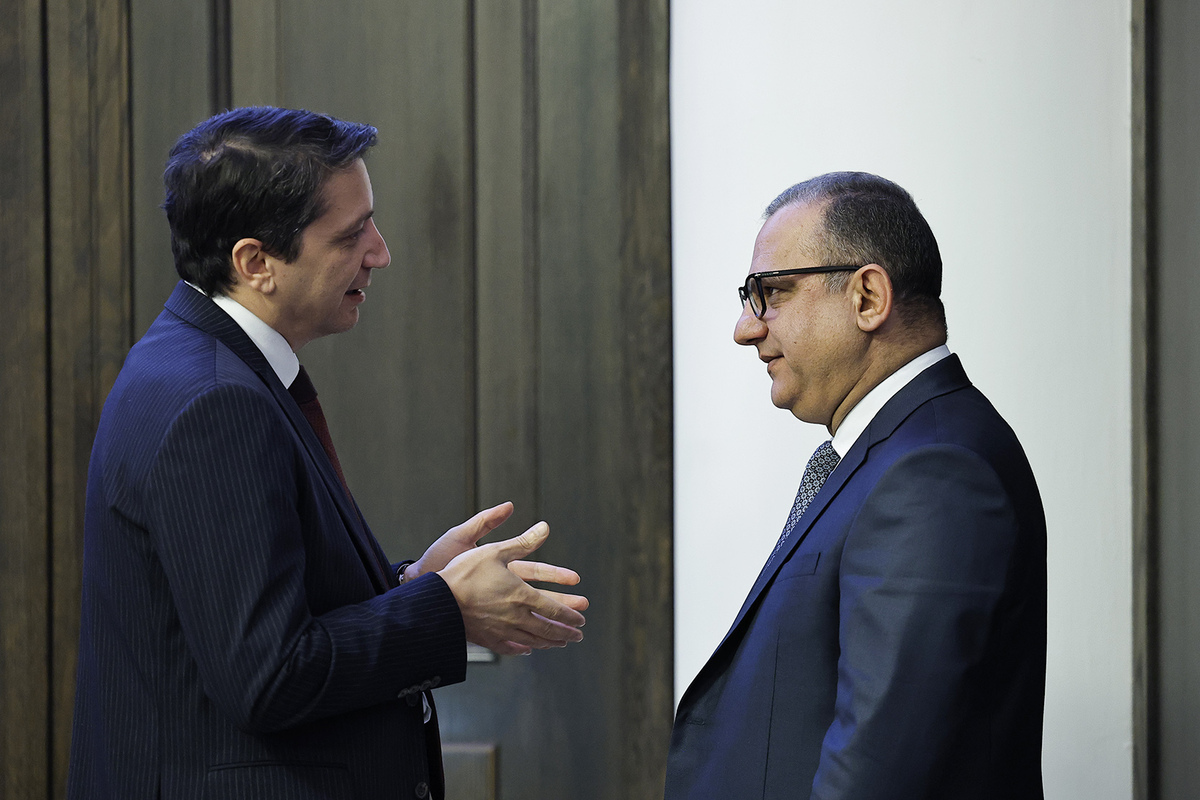
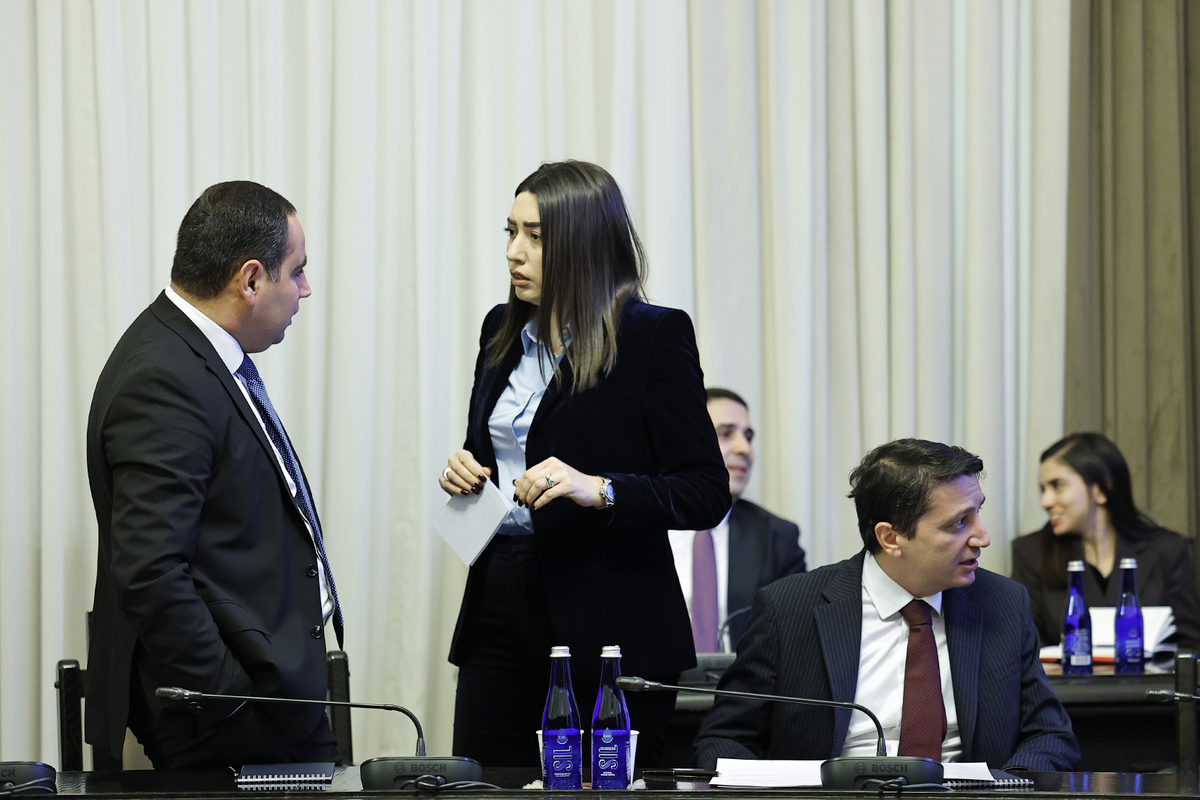
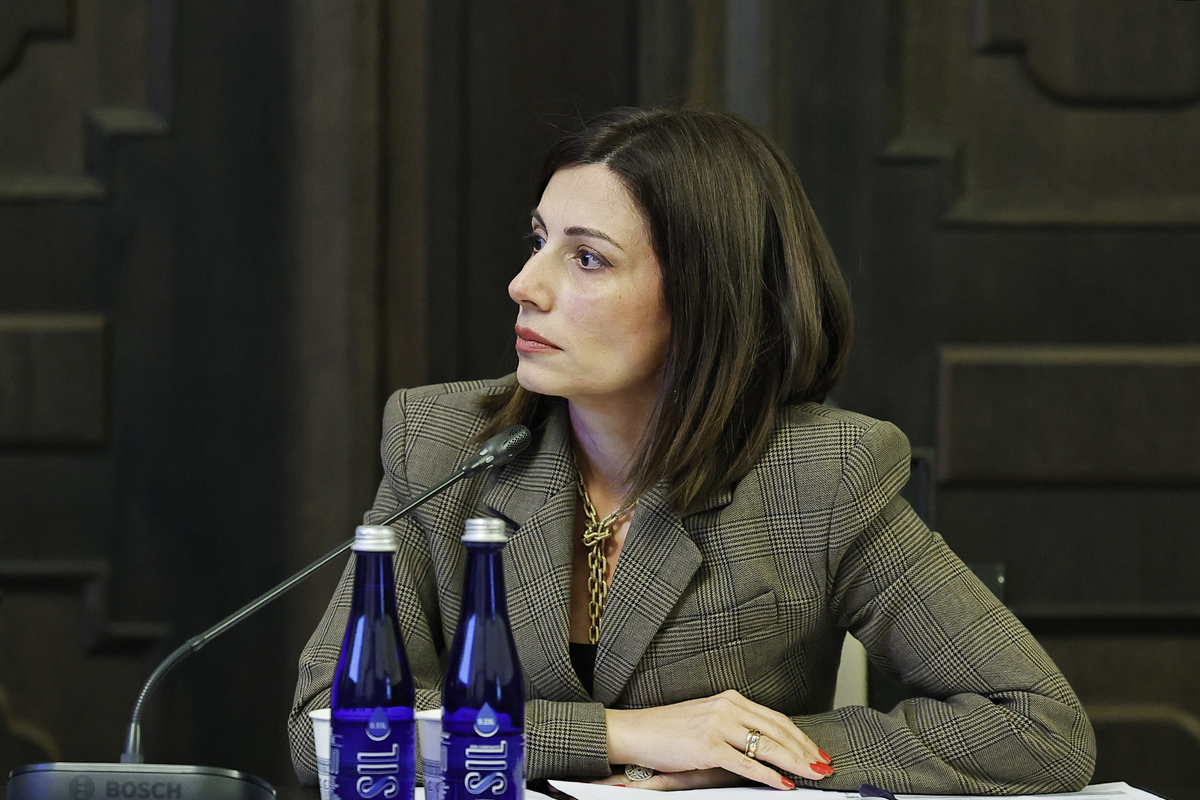
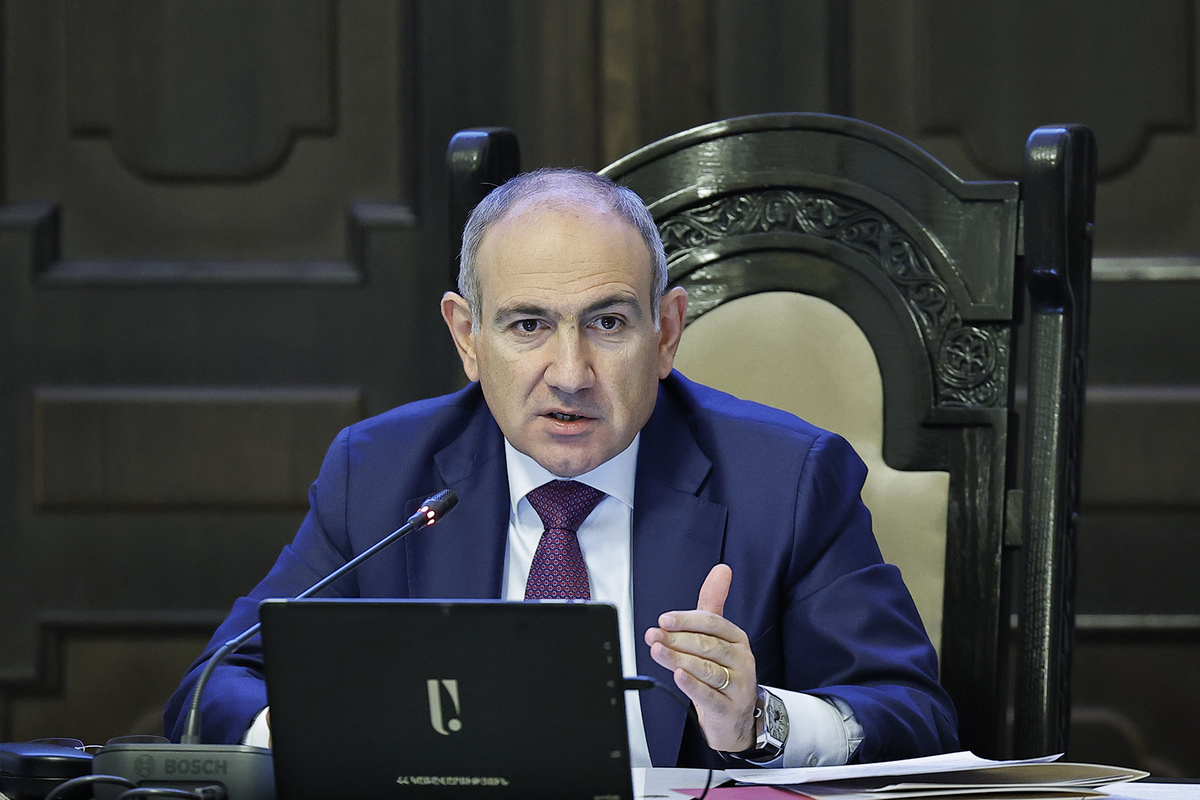
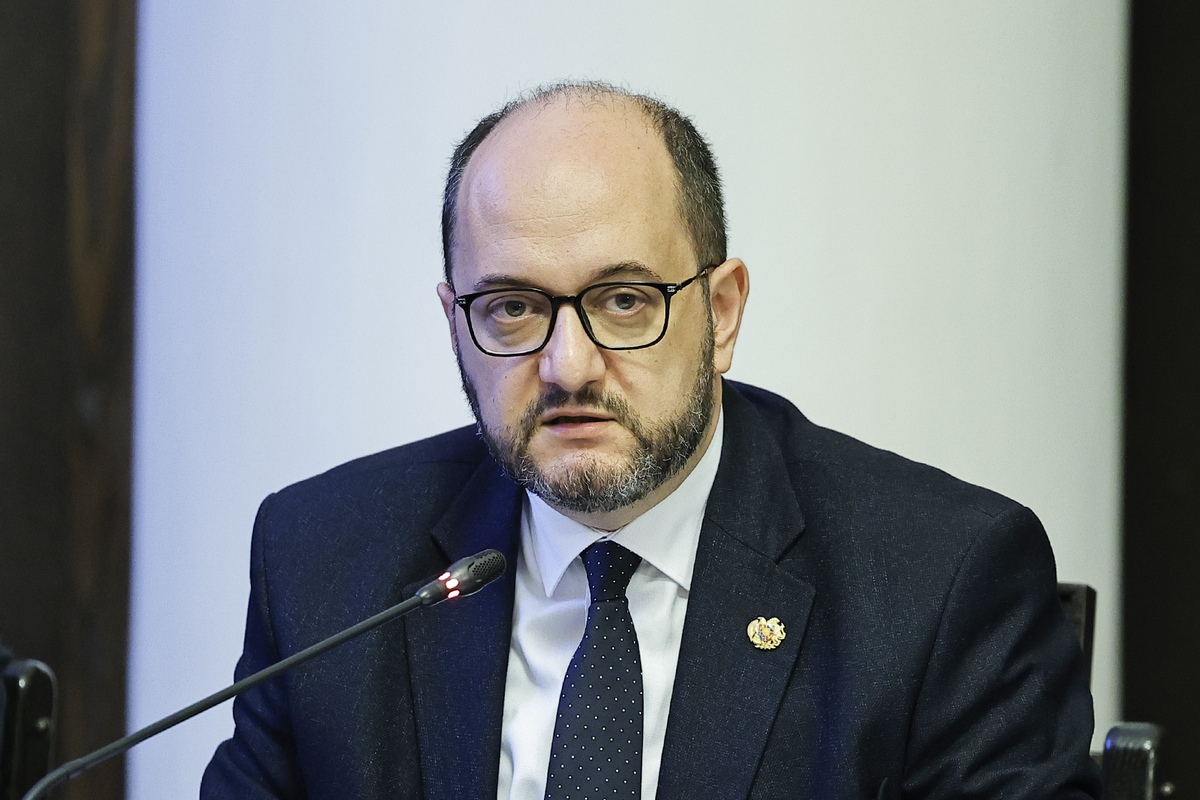
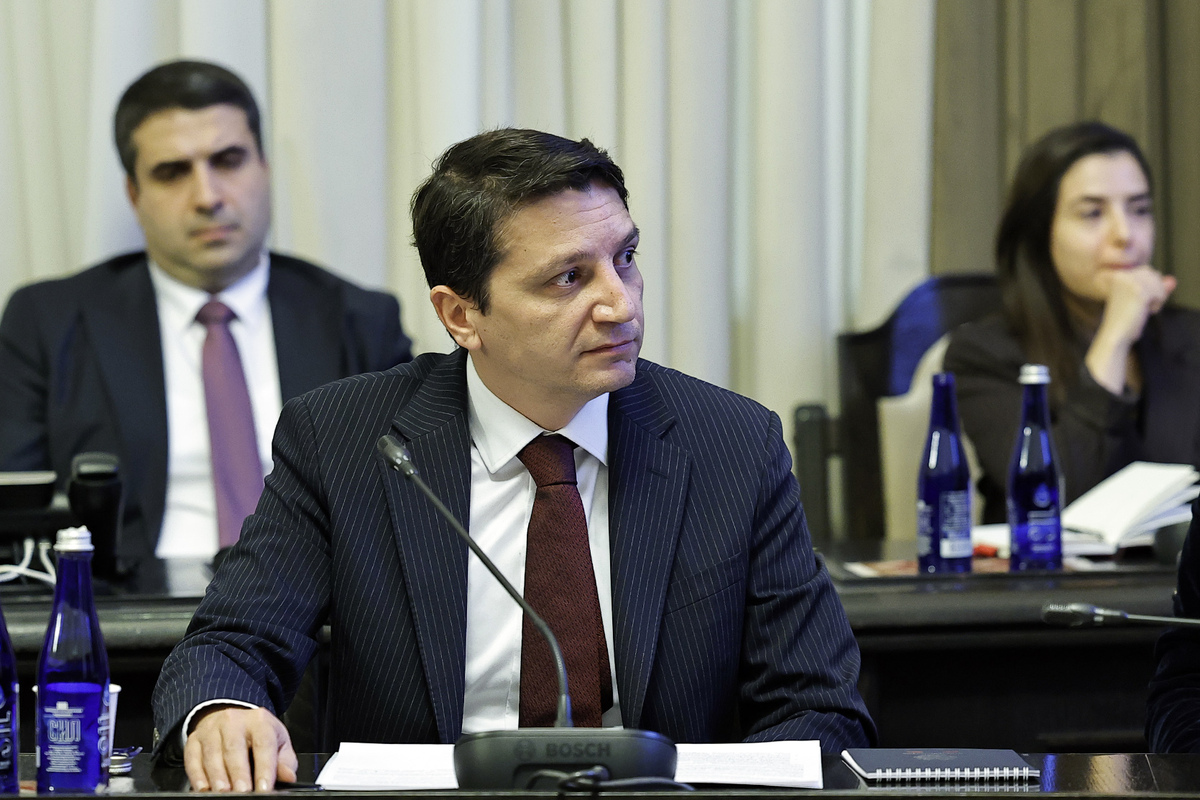
Today, the regular Cabinet meeting took place, chaired by the Prime Minister of the Republic of Armenia Nikol Pashinyan.
The Government adopted a decision “On the procedure for forming the insurance package, making amendments and additions to it, and approving the lists of medical care and maintenance services included in it subject to reimbursement (including co-payment)”.
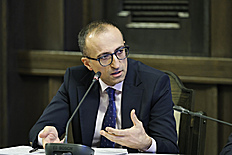
As noted by the Minister of Health of the Republic of Armenia Anahit Avanesyan, 10 more Government decisions were adopted under the package of non-reportable issues, which will form the necessary sub-legislative base for the launch of the first stage of health insurance. The Minister informed that the law has already been signed and published. According to the Minister of Health, the Government decisions establish the model forms of contracts concluded with medical centers and pharmacies, the procedures for reimbursement of services provided by them within the framework of insurance. A decision was also made to establish a Health Insurance Fund, which will be established within the next two days. Anahit Avanesyan said that during the transition phase, the Ministry of Health and the State Health Agency will carry out preparatory work, until the fund fully assumes its functions within two months. With the adoption of this package of decisions, the universal health insurance system will come into force on January 1, 2026.
The government's decision will regulate the relations related to the provision of social assistance in the form of partial reimbursement of rental fees for providing housing to socially vulnerable families displaced from Karabakh. Accordingly, it is planned to provide social assistance in the form of long-term partial reimbursement of rental fees for housing to families displaced from Karabakh, registered in the waiting list for housing in the state social housing fund within the framework of state social support programs, who have not received a certificate of the right to purchase an apartment or an apartment in a building under construction or an individual residential house or an individual residential house construction certificate within the framework of the program or who have had it canceled, and who have 1-3 family members:
1) which consist only of members with permanent 1st or 2nd group disabilities or with a deep or severe degree of permanent functional limitation or who are 60 years of age or older, or
2) whose members' ages total 115 and older in the case of 2 members, or
3) whose members' ages total 175 and older in the case of 3 members.
The government has approved the program to promote self-employment of displaced persons from Karabakh. The decision proposes to provide assistance to ensure self-employment of displaced persons from Karabakh, in particular in the following areas: necessary support for the launch and implementation of entrepreneurial activities (including consulting, business training, including the development of a business plan and support for the implementation of entrepreneurial activities for a period of 12 months, in particular, the provision of necessary advice to overcome difficulties arising during the implementation of economic activities, including on issues of tax obligations and other state payments, business management, marketing, product (output) packaging, delivery, payment or innovation, including the integration of digital and artificial intelligence tools).
The government approved the measure and procedure for providing refunds from non-cash payments made by individuals through the ARCA payment system operated by Armenian Card CJSC. The measure is aimed at ensuring public-private social and economic cooperation and aims to strengthen the existing system for implementing non-cash transactions, while simultaneously presenting a mutually beneficial opportunity to relevant beneficiaries, offering them the opportunity to receive financial and monetary returns from non-cash transactions.
Nikol Pashinyan said that Armenia's economic activity index in January-November was 8.3 percent, and added that according to current estimates, economic growth will amount to at least 6 percent by the end of the year, and some colleagues do not exclude that growth may be higher. The Prime Minister also touched on jobs and noted that in November 2025, a new historical record of registered jobs was recorded in Armenia. In November 2025, 814,818 registered and paid jobs were registered in the country, which is by 275,465 or about 50 percent more compared to November 2017.