Press releases
Activity report 2025 of the Ministry of Labor and Social Affairs discussed


more 3 photos
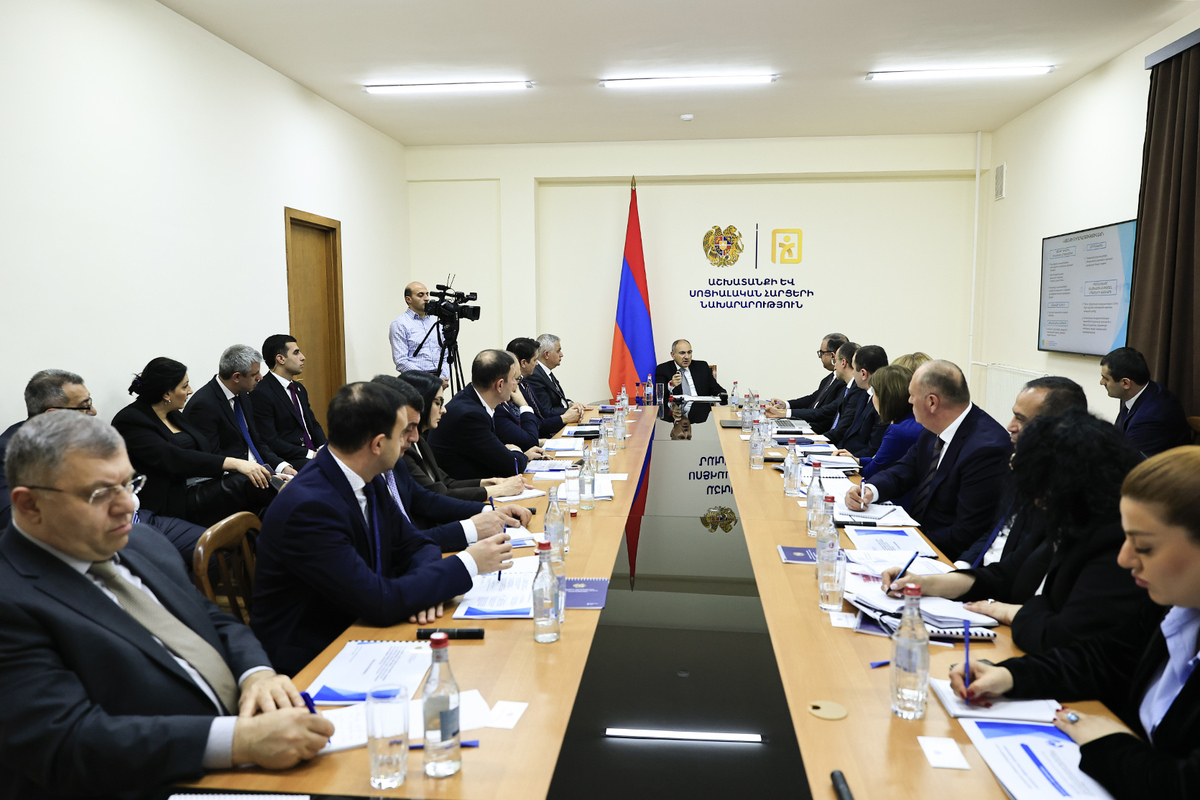
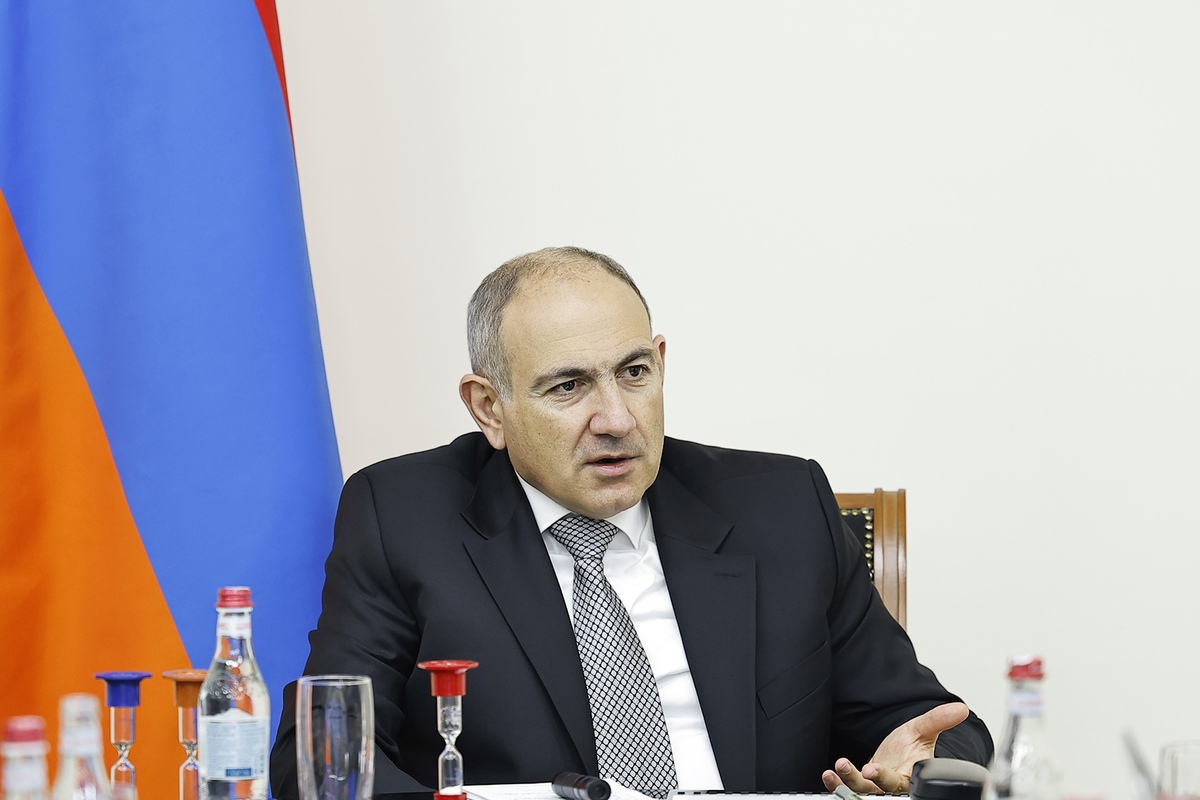
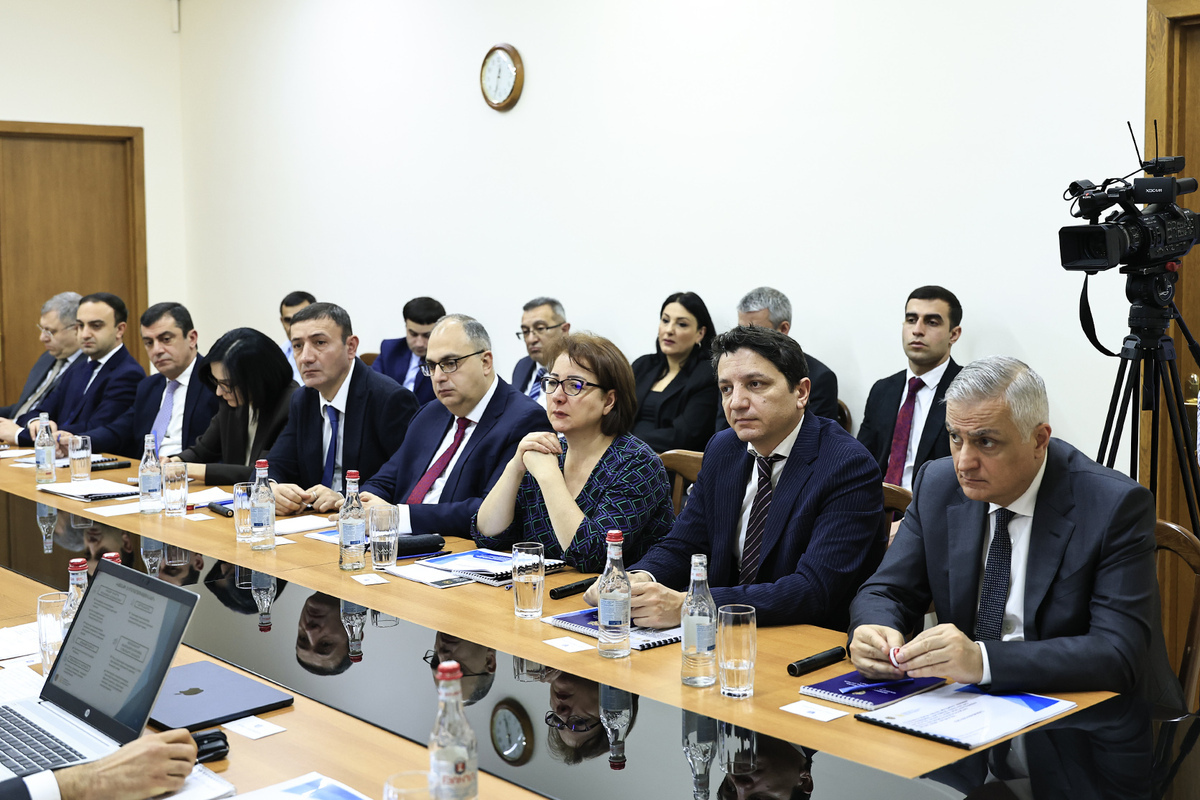
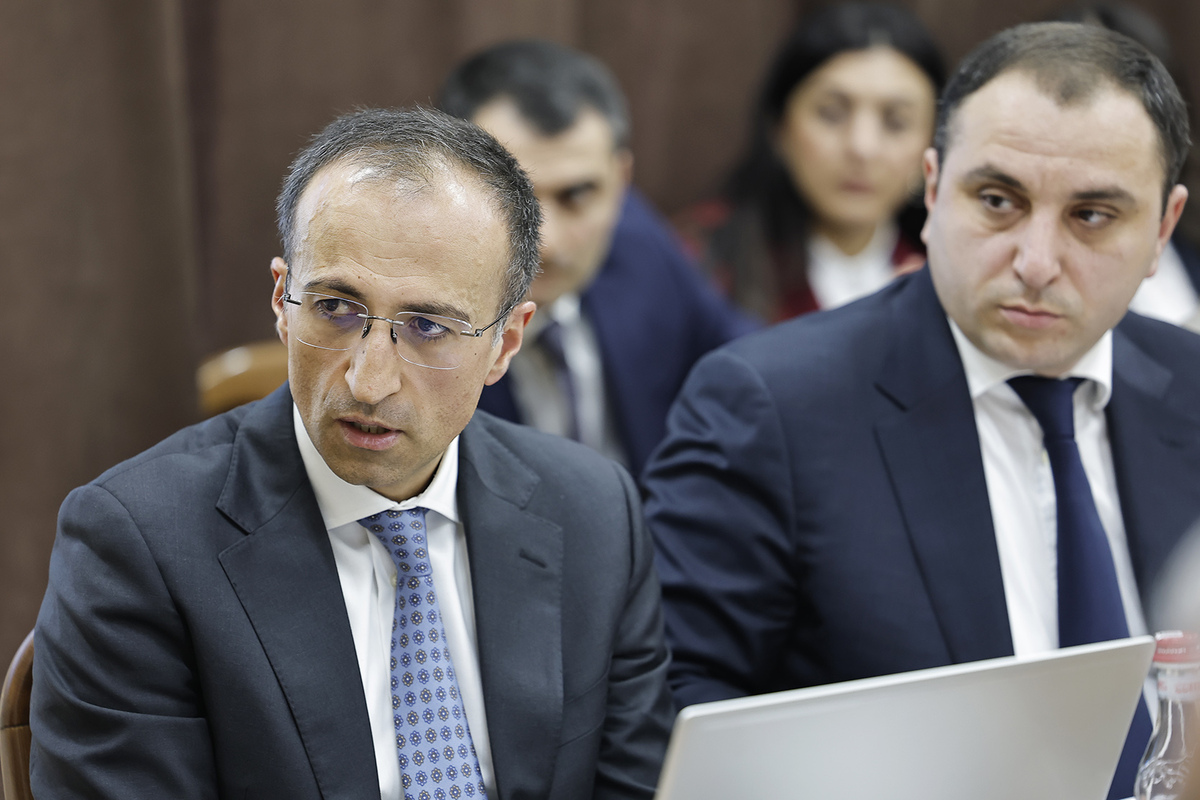
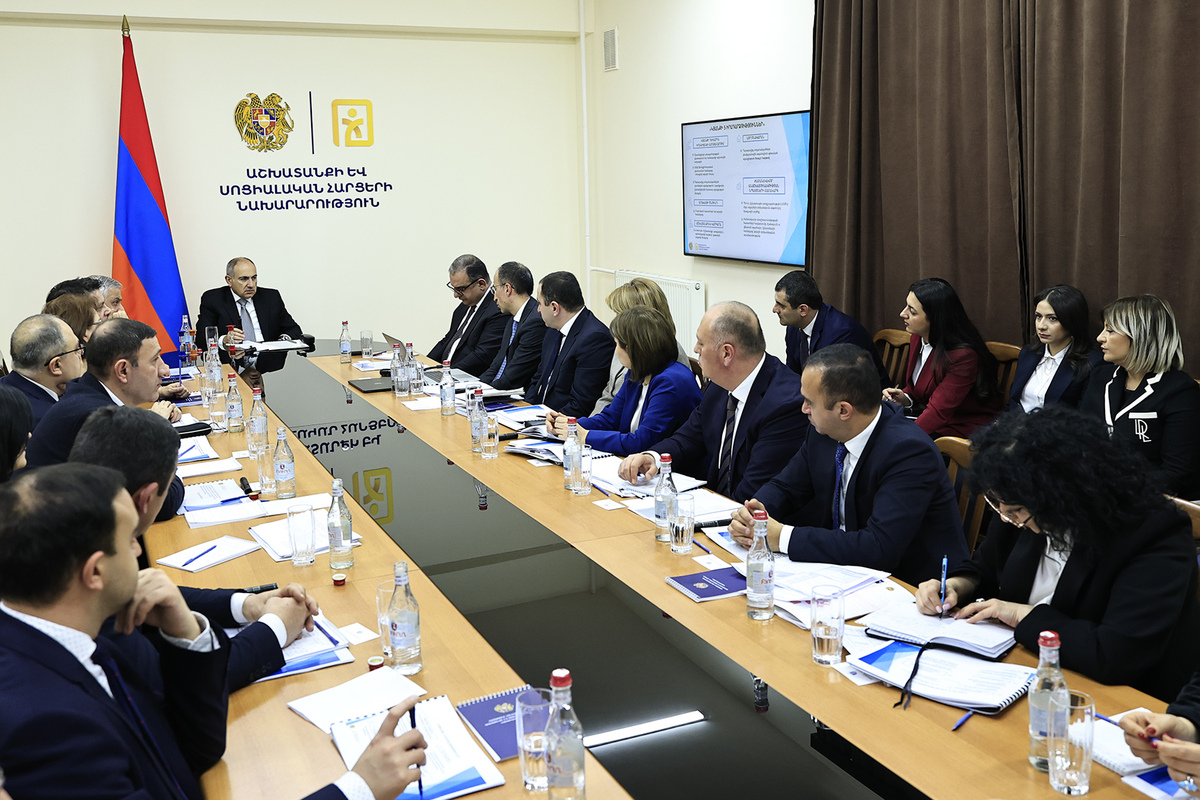
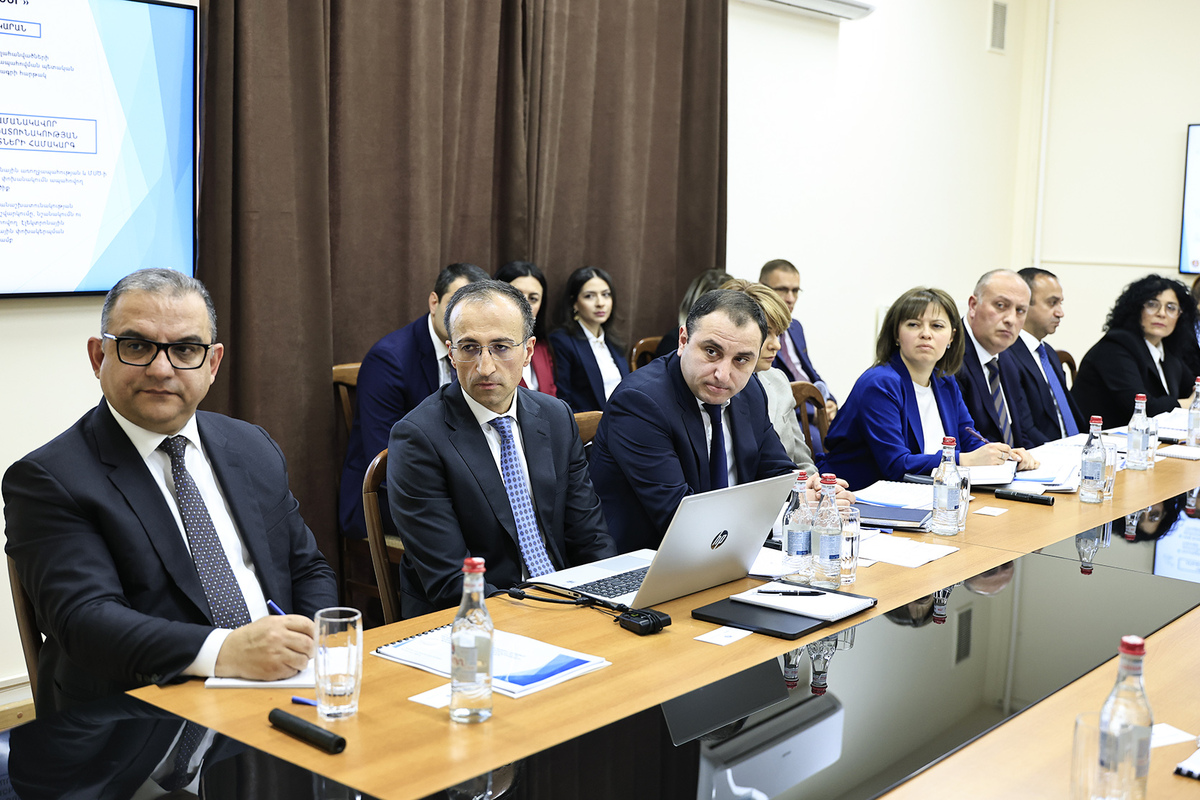
Prime Minister Nikol Pashinyan visited the Ministry of Labor and Social Affairs to discuss the summary report on the results of the ministry's activities for 2025 and the work carried out.
Minister Arsen Torosyan noted that in 2025, 905.6 billion drams were allocated from the state budget to finance social protection programs, which constitutes 26.3% of the planned state budget expenditures. During the reporting year, 17 budget programs were implemented: for this purpose, 560,271.5 million drams (61.9%) were allocated to the pension security sector, 122,676.5 million drams (13.5%) to the social security sector, 80,087.6 million drams (8.8%) to programs aimed at improving the demographic situation, etc.
Referring to the measures aimed at improving the demographic situation and increasing the birth rate, Arsen Torosyan emphasized that in 2025, the program of 50,000 drams support for the birth of the third and each subsequent child in the family continued, which, by the decision of the Government, has been operating as a state benefit since January 1, 2026. In 2025, 45,103 children benefited from the program; 27.1 billion drams were allocated from the state budget. The process of providing a child care allowance for children up to two years of age also continues; in the reporting year, the amount established by law was provided to 67,943 children (budget: 30.2 billion drams). At the same time, 37,420 children received a lump-sum birth allowance in 2025; 20.9 billion drams were allocated from the state budget.
The Minister also spoke about the positive indicators recorded within the framework of the program for refunding pensions and benefits from non-cash transactions, noting that, according to the data of January 2026, 400,572 people make use of the measure. The volume of non-cash turnover is about 359.7 billion drams; 33.3 billion drams were returned to beneficiaries in the form of refunds.
The program for supporting people with bad loans is also continuing, which was used by 8,165 people; 1,559 loans were fully repaid, 1.3 billion drams were directed to repaying loans.
In the field of employment, a number of targeted programs continued in 2025. Within the framework of the program for the employment of persons who participated in military operations, unemployed persons demobilized after 2020, 238 people were included (96.4% of the planned number). It is planned to ensure the participation of 500 people in 2026. At the same time, measures are being implemented to ensure the employment of able-bodied people from vulnerable families, as well as new programs are being developed for people with disabilities, citizens over the age of 63, and young people who are not studying or working.
Referring to the sectoral reforms of 2025, Minister Torosyan touched upon the indicators of the new system for assessing family insecurity. The Minister emphasized that the new system for assessing family insecurity was launched in Syunik and Kotayk regions on March 17, 2025, and will be launched throughout the republic on July 1, 2026. Within the framework of the new system, families recognized as extremely insecure will receive a minimum guaranteed income equivalent to minimum expenditure basket. The average amount of the benefit in the pilot regions is 78,000 drams, the maximum amount is 200,000 drams. According to Arsen Torosyan, the assessment under the new system is focused on need, not status, at the same time, by offering work-able citizens the institute of attributions and jobs, they will be encouraged to work rather than remain in the system. At the same time, the minister emphasized that the number of citizens in the insecurity system has decreased, in particular, instead of 68 thousand in 2023, this number has reached 48 thousand 900 as of February 1, 2026. The e-work system is also being improved, which may become the largest career center in terms of the number of job offers.
Arsen Torosyan noted that programs aimed at providing a stable livelihood for displaced persons from Karabakh are also in the focus of the state's attention. According to the minister, within the framework of the program aimed at covering the living and other expenses of certain groups of people during 2025, 44,414 people were provided with 40,000 drams of assistance (support continues at 30,000 drams per person). 6,168 families also received assistance within the framework of the urgent assistance program for needy families. 7.1 billion drams were allocated from the state budget to the housing assistance program for displaced families to provide assistance to 4,167 beneficiaries. During 2025, 3,947 families received certificates, of which 3,697 were realized. As of February 1, 2026, the number of people who received certificates within the framework of the housing assistance program for displaced families is 4,404, of which 1,932 realized the certificate. During the reporting year, about 3 billion drams were paid from the state budget. In 2025, 952 people (95.2% of the planned amount) benefited from the program to provide training and support for displaced persons to gain work experience.
During the consultation, Minister Torosyan also emphasized that sectoral reforms continue in the field of ensuring equal opportunities in the areas of children's rights protection, women's issues and combating human trafficking, and issues of the elderly and people with disabilities. Arsen Torosyan noted that by 2025, about 16,000 people had been provided with support measures, 445 people with disabilities received social rehabilitation services in 8 day centers, 215 people used the services of a personal assistant, and 170 people used the home care service for children with disabilities.
Arsen Torosyan also presented the work carried out to expand the social housing fund, emphasizing that the policy and procedures for providing social housing will be reviewed and clarified in the near future.
Summing up, Minister Torosyan presented the priorities for 2026, which include the following areas: digitalization, introduction of an out-of-court system for resolving labor disputes, promotion of deinstitutionalization policy, promotion of employment, pensions, benefits, and demography.