Press releases
Prime Minister Nikol Pashinyan chairs Anti-Corruption Policy Council session


more 3 photos
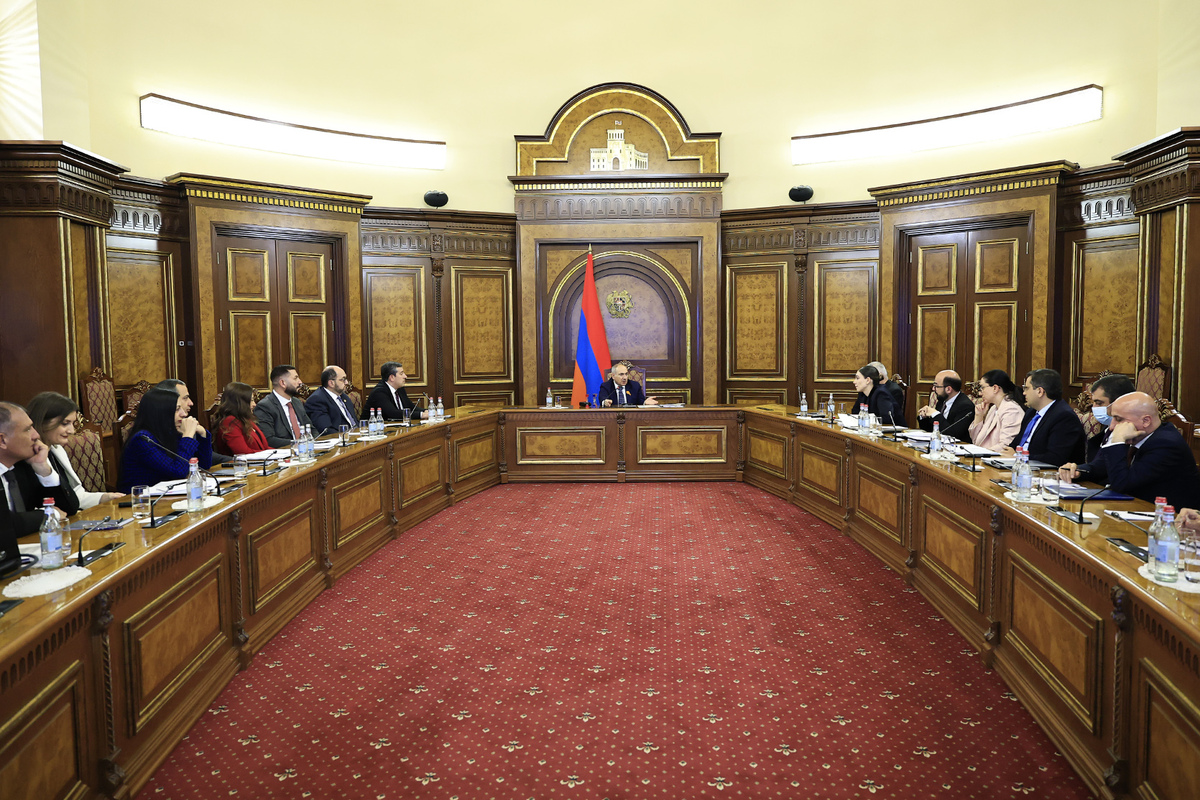
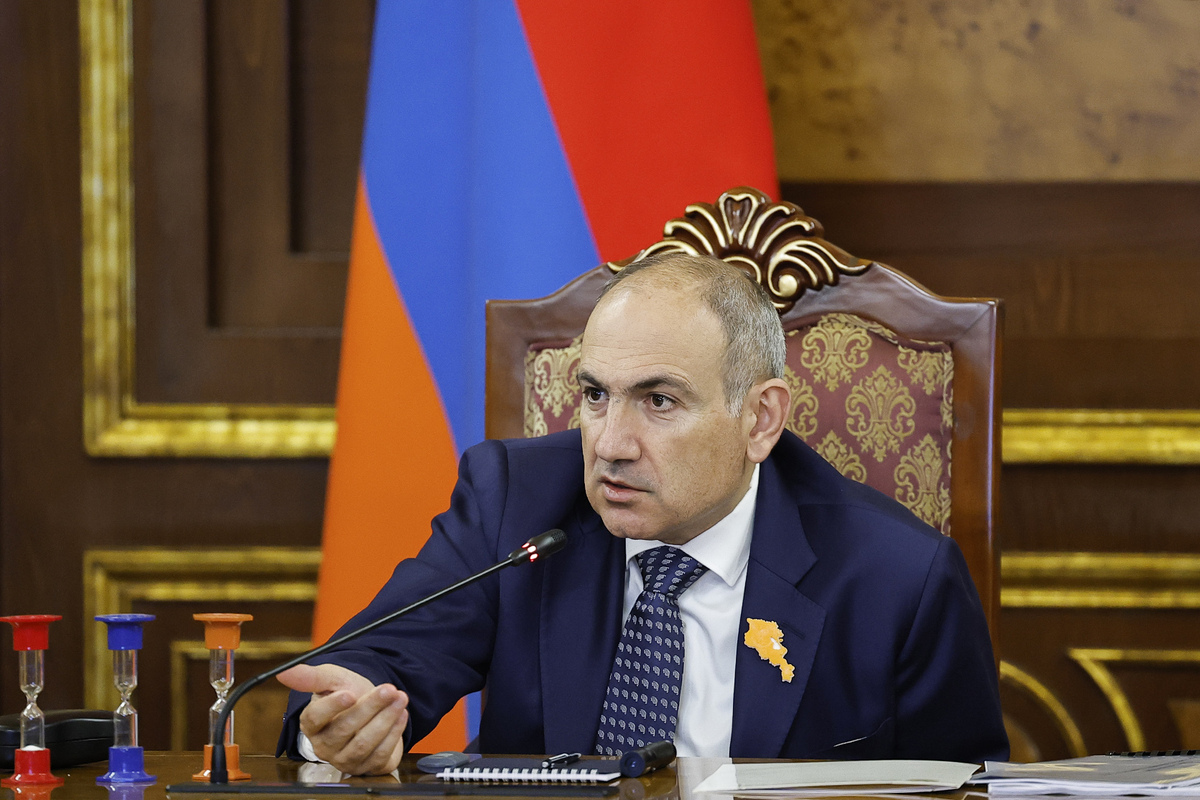
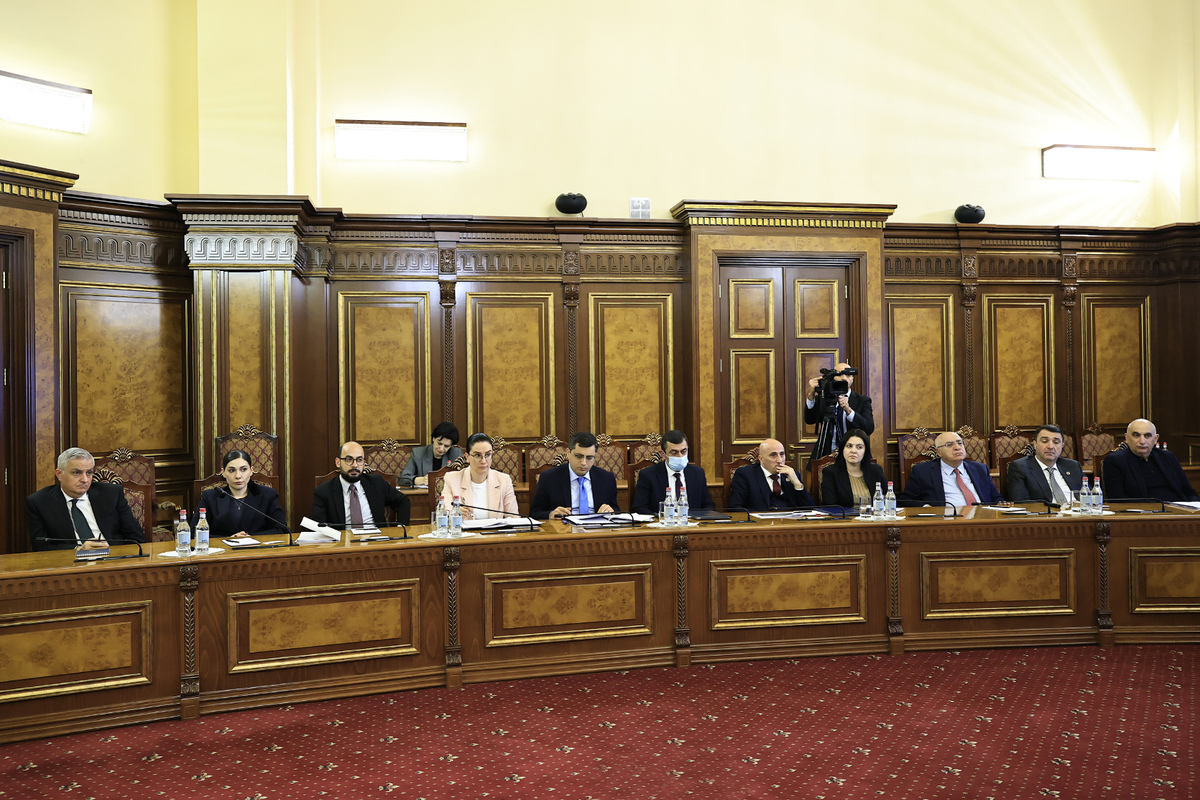
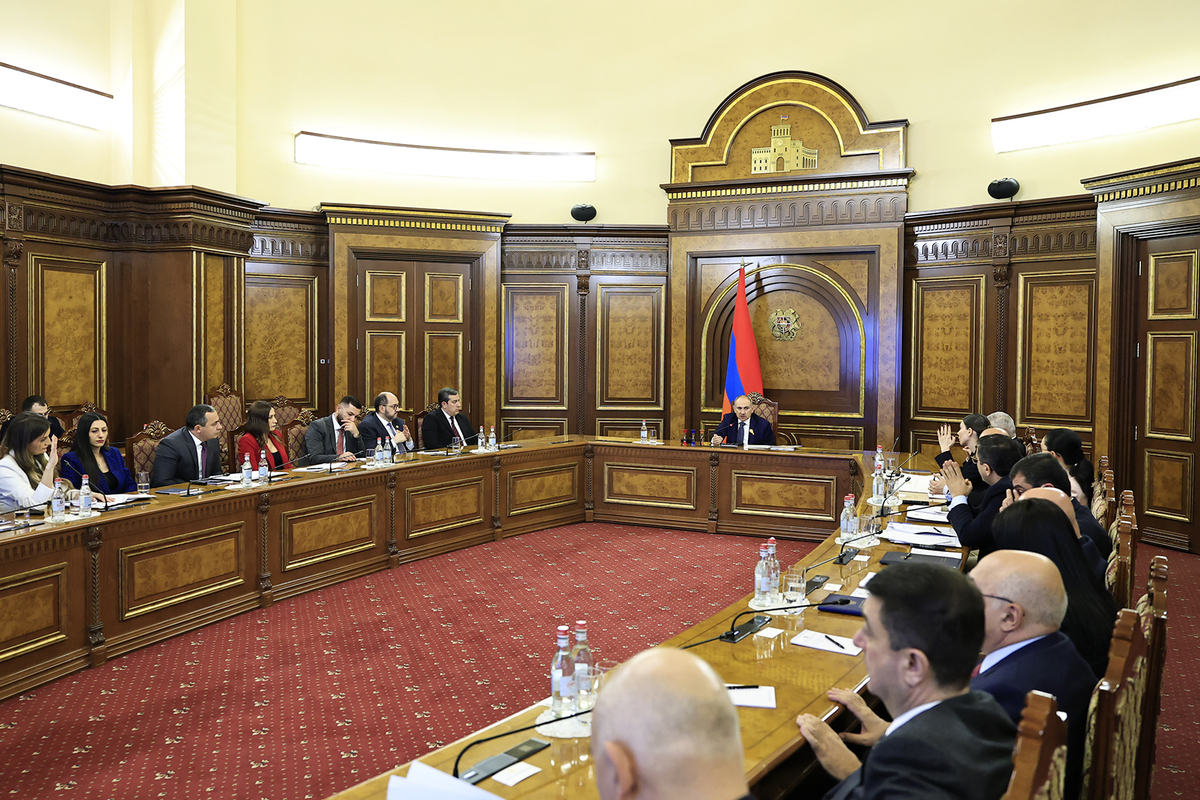
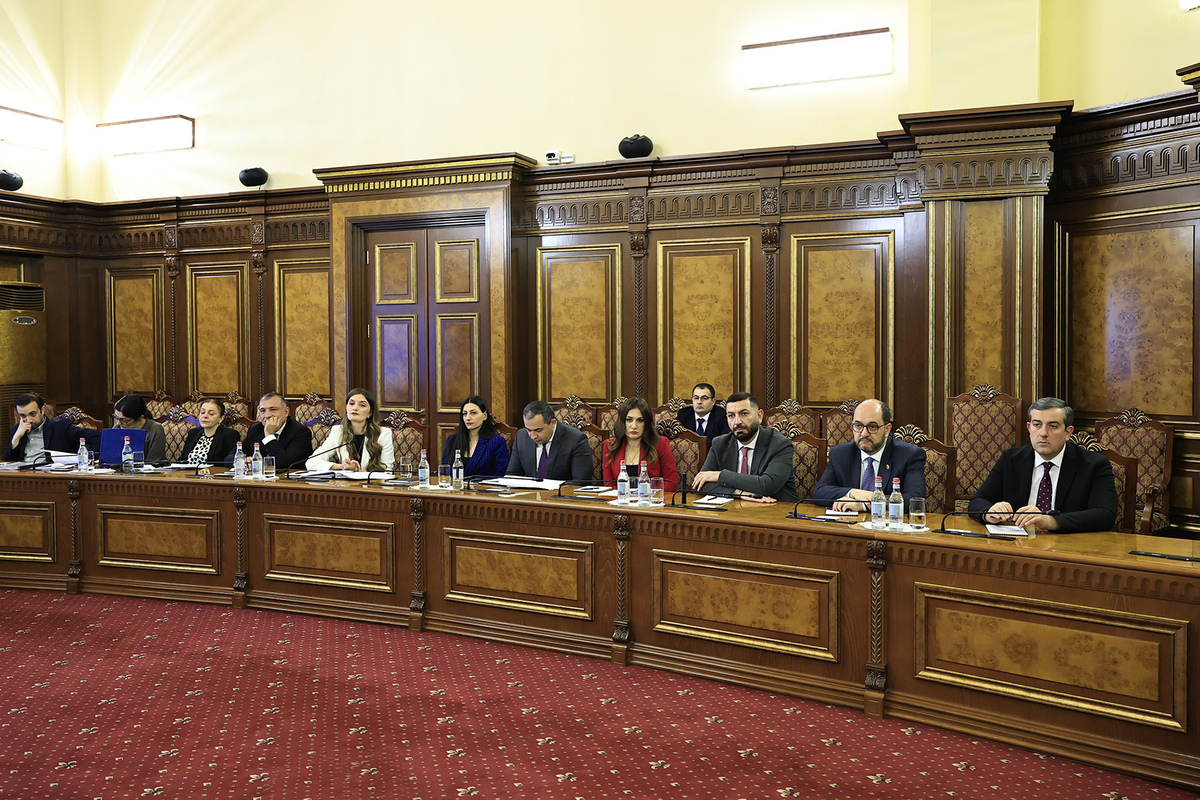
Prime Minister Nikol Pashinyan chaired the regular session of the Anti-Corruption Policy Council, which was attended by representatives of state bodies included in the council, as well as representatives of non-governmental organizations and invited participants.
The agenda of the session discussed issues aimed at applying uniform approaches during the investigation of violations related to the process of declaring property, income, interests and expenses, as well as a number of issues related to the prevention of possible corruption risks in the electoral process.
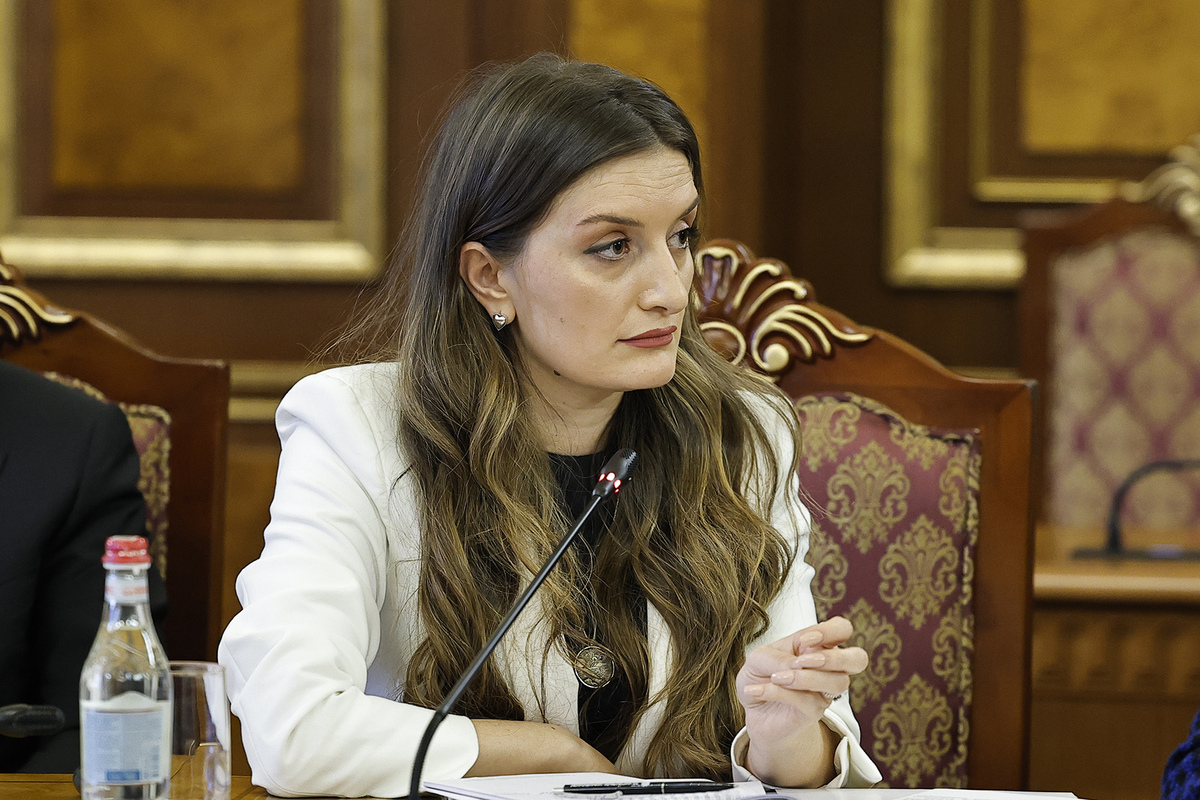
Within the framework of the first item on the agenda, Mariam Galstyan, Acting Chairperson of the Commission for the Prevention of Corruption, presented that during administrative and criminal proceedings regarding violations related to the declaration process, different interpretations of administrative and criminal circumstances emerge, which may affect the uniformity of law enforcement practice. In this context, the need to introduce a mutually accountable and coordinated methodology between the bodies authorized to investigate violations related to declaration, the Commission for the Prevention of Corruption and the Anti-Corruption Committee, was emphasized.
A proposal was presented to strengthen the toolkit for monitoring the declaration process, including the implementation of a comprehensive analysis of violations, in order to initiate and effectively implement a preliminary investigation.
During the discussion, an exchange of views took place on issues arising during the investigation of violations related to declarations, with particular emphasis on the need to avoid different interpretations of administrative and criminal law assessments and the formation of unified law enforcement practice.
Prime Minister Pashinyan highlighted the role of the analytical work carried out by the Corruption Prevention Commission within the framework of supervision over the declaration process, while simultaneously emphasizing the importance of the effective operation of checks and balances mechanisms.
Within the framework of the second item on the agenda, representatives of non-governmental organizations presented proposals on reducing corruption risks in the electoral process. In particular, the proposals concerned increasing the transparency of electoral financing, improving the mechanisms for monitoring the voting process, as well as limiting the possibilities of illegal financing.
The Prime Minister emphasized the importance of implementing consistent steps to ensure the transparency of the electoral process and fully comply with the requirements set by the legislation, instructing to continue discussions on the submitted proposals and to submit proposals for legislative and practical changes requiring priority solutions within a short period of time.