Press releases
The steps to be implemented in 2027 under the Universal Health Insurance Implementation Strategy were discussed


more 2 photos
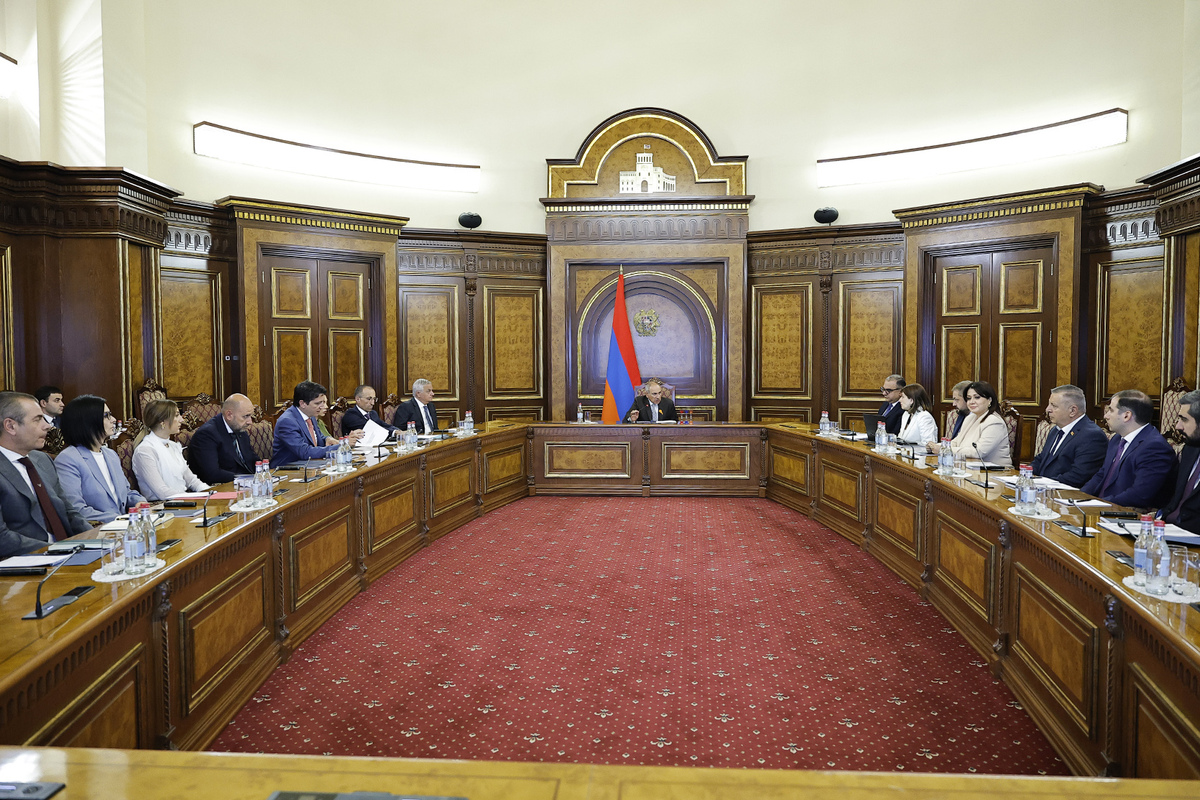
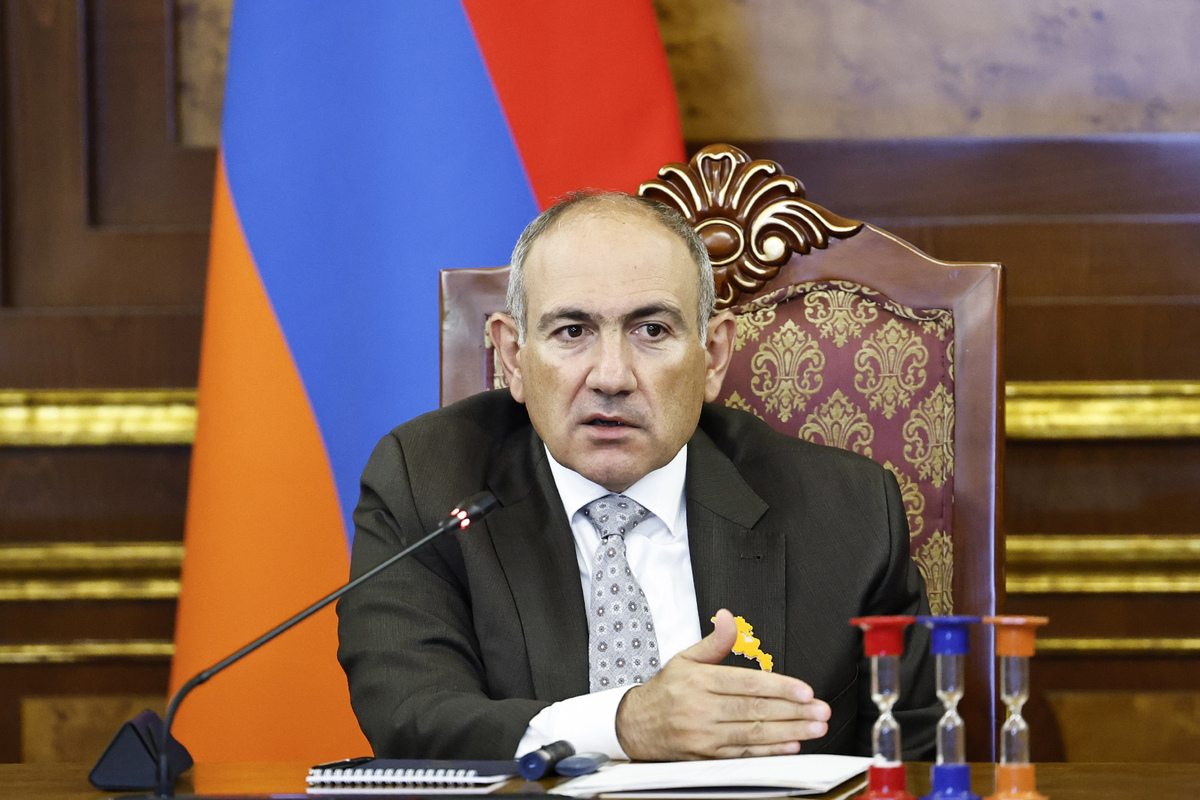
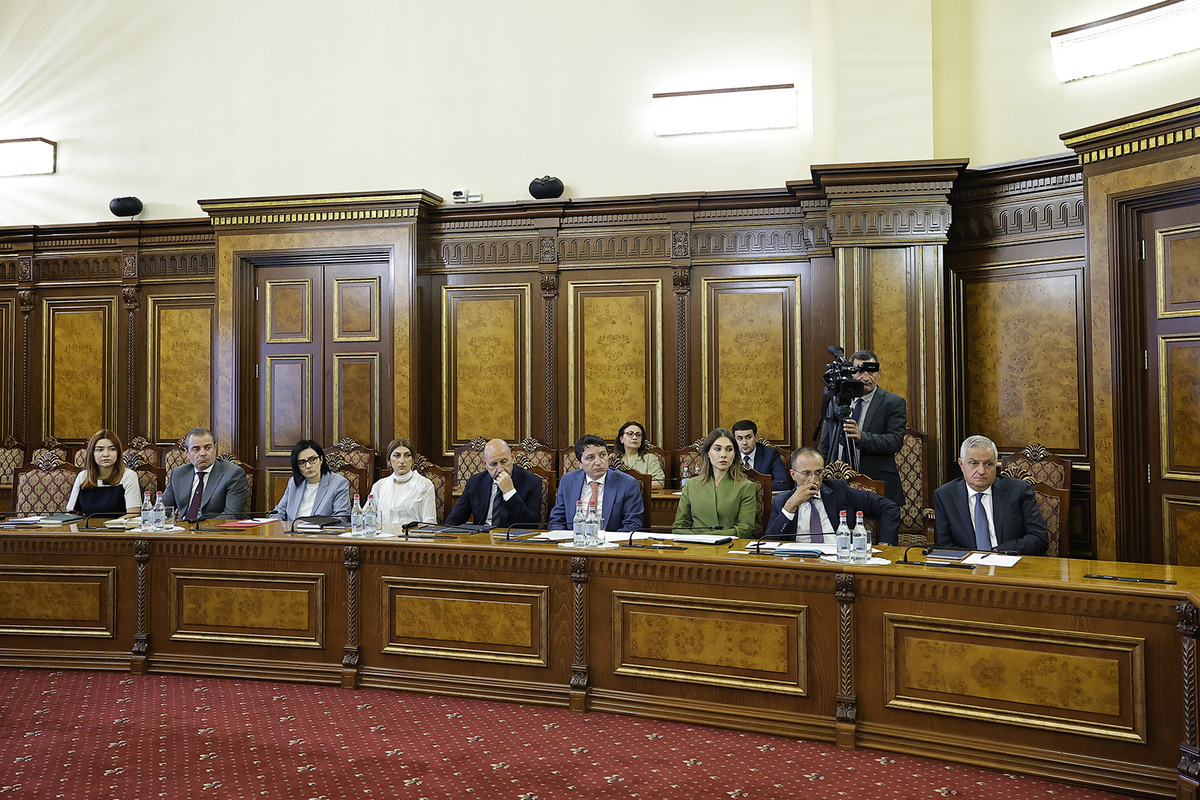
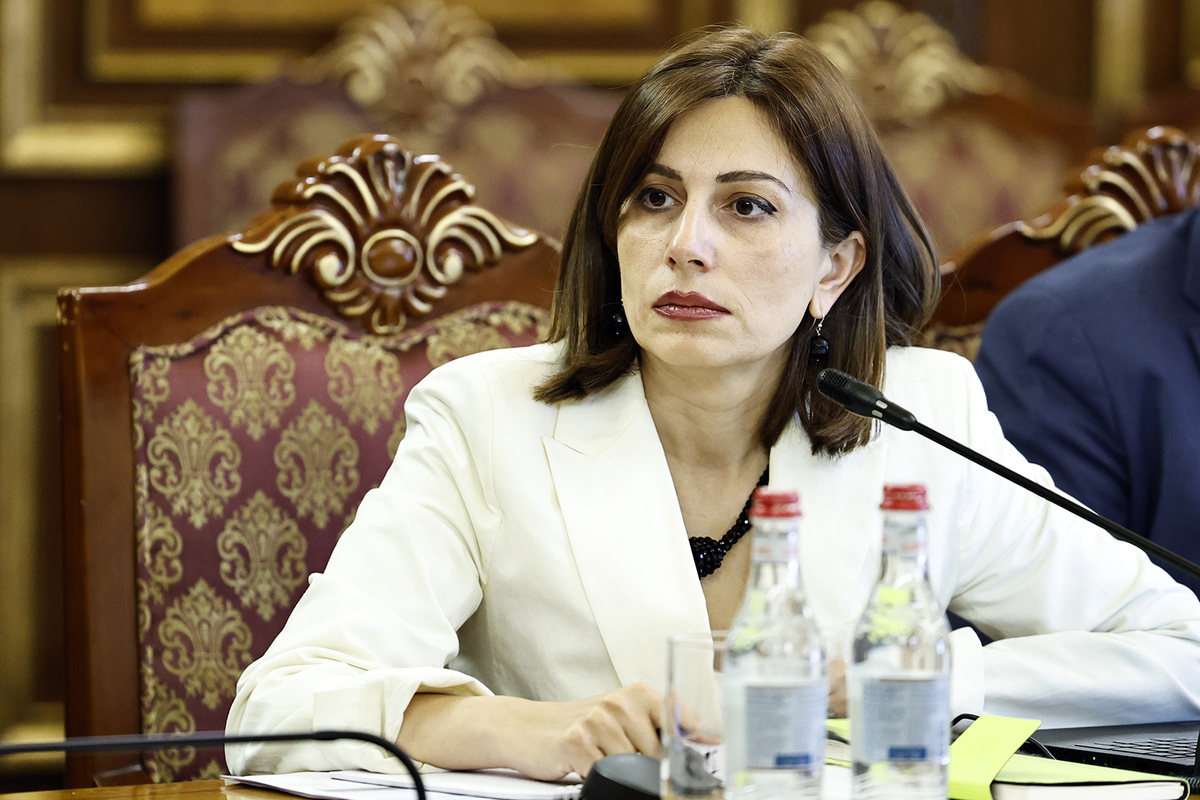
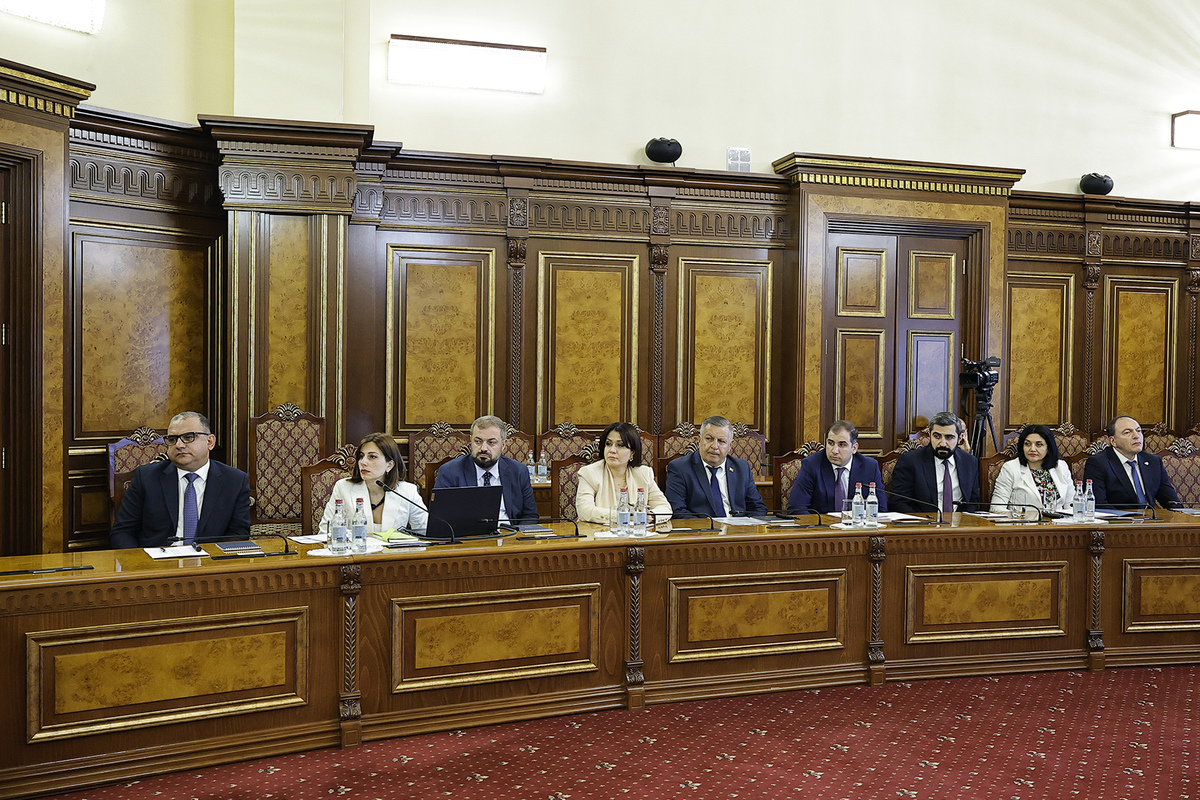
A consultation was held under the chairmanship of Prime Minister Nikol Pashinyan, during which the steps to be implemented in 2027 under the Universal Health Insurance Implementation Strategy were discussed.
In particular, the features of the strategy for 2027 were presented, as well as the possibilities of including into the system those receiving a monthly salary of up to 200 thousand drams. The involvement of employers in the insurance premium payment process and the continuation of the policy of subsidizing insurance premiums for employees from the state budget were discussed. The participants of the meeting exchanged views on the establishment of the insurance premium rate paid by employees, determined by the amount of salary.
Nikol Pashinyan noted that possible scenarios are being discussed. “One direction, of course, is the need to include people in the Universal Health Insurance system. The second is the assumption that in the low salary segment, according to our belief and knowledge, a certain shadow scheme operates. The government also has a task to solve the social problem, but not to encourage the shadow economy. And this is the reason why we are holding such discussions."
The Prime Minister presented the Government's current approaches for including citizens earning up to 200 thousand drams in the system from January 1, 2027: "During 2027, the Government may subsidize the 4400 drmas of the necessary 10,800 drams, employees will pay 2,000 drams, the 2,000 drams that they previously paid to the "Zinapah" fund until January 1, 2026, and employers will pay the remaining 4,400 drams, provided, of course, that if the salary changes, increases and crosses the threshold of 200,000 drams, then citizens earning such a salary will be included in the already existing system intended for citizens earning 200,000 drams and more. Now, this is our current course of thought, but the continuation is also important. We think of the continuation as follows: from January 1, 2028, perhaps, we will implement the following scenario: the employee will pay 6,000 drams of the 10,800 drams, which will be returned in 2028 as a social credit if the universal declaration is filled out. In other words, in practice, not much changes in the life of a citizen, and the employer will continue to pay the remaining 4,800 drams, again on the condition that the salary is lower than 200,000 drams. When it crosses the threshold of 200,000 drams, the system will begin to operate under the general conditions on which a decision will be made at that moment.
In this context, the Prime Minister noted that it would be good if employers, also using this opportunity, reconsidered their decisions and paid as many employees as possible a salary of 200,000 drams and more. "Of course, there is a similar problem in the public administration system, and we also need to think about addressing that problem in the public administration system."
Summing up, Nikol Pashinyan noted: “At this stage, we are sufficiently satisfied with the introduction of the Universal Health Insurance System, but on the other hand, we must understand that it is a dynamic system. In other words, we have set a goal that by January 1, 2029, all segments of the population must be included in the system, but that does not mean that the work is over. The system must constantly develop, because changes in the market, the economy, and salaries, and there are also interconnections with the social credit system, we must constantly adapt, constantly discuss, so that we can ensure the overall health of the system.”
At the same time, Nikol Pashinyan emphasized the importance of ensuring the quality of the services provided and the financial soundness of the system. “We say that we must essentially index the purchasing power of pensioners, because inflation is inevitable. Inflation is also inevitable for the health insurance system, because it affects everything. We will also have to address these issues in the future," the Prime Minister concluded.