Press releases
We need to form a roadmap for water sector reforms: Prime Minister participates in water sector workshop
 1670x1113px - 386 Kb
 1670x1113px - 529 Kb
 1670x1113px - 620 Kb
 1670x1113px - 520 Kb
 1670x1113px - 743 Kb
 1670x1113px - 589 Kb
 1670x1113px - 1 Mb
 1670x1113px - 1 Mb
 1670x1113px - 1 Mb
 1670x1113px - 420 Kb
 1670x1113px - 644 Kb
 1670x1113px - 522 Kb
 1670x1113px - 712 Kb
 1670x1113px - 712 Kb
 1670x1113px - 1 Mb
 1670x1113px - 1 Mb
 1670x1113px - 585 Kb
 1113x1670px - 478 Kb
 1670x1113px - 502 Kb
 1670x1113px - 521 Kb
 1670x1113px - 584 Kb
 1670x1113px - 523 Kb
 1670x1113px - 512 Kb
 1670x1113px - 472 Kb
 1670x1113px - 662 Kb
 1670x1113px - 495 Kb
 1670x1113px - 677 Kb
 1670x1113px - 529 Kb
 1670x1113px - 555 Kb
 1670x1113px - 548 Kb
 1670x1113px - 575 Kb
 1670x1113px - 541 Kb
 1670x1113px - 498 Kb
 1670x1113px - 456 Kb
 1670x1113px - 511 Kb
 1670x1113px - 457 Kb
 1670x1113px - 606 Kb
 1670x1113px - 522 Kb
 1670x1113px - 493 Kb
 1670x1113px - 482 Kb
 1670x1113px - 481 Kb
 1670x1113px - 534 Kb
 1670x1113px - 1 Mb
 1670x1113px - 1 Mb
 1670x1113px - 1 Mb
 1670x1113px - 1 Mb
 1670x1113px - 1 Mb
 1670x1113px - 1 Mb
 1670x1113px - 1 Mb
 1670x1113px - 415 Kb
 1670x1113px - 340 Kb
 1670x1113px - 490 Kb


more 49 photos
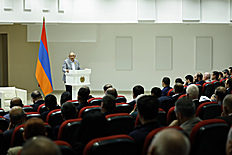
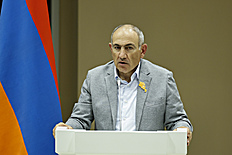
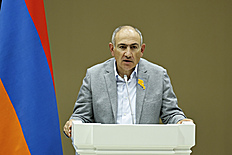
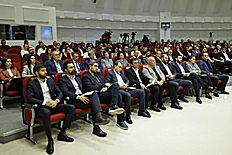
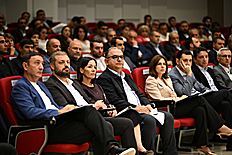
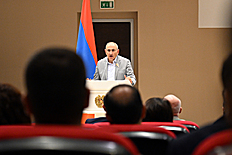
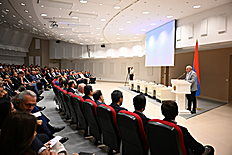
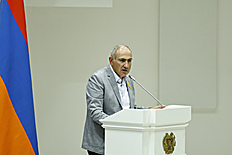
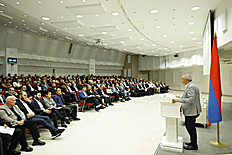
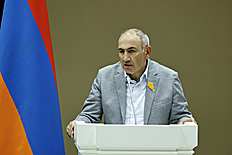
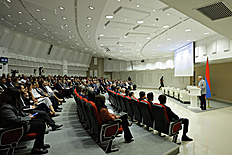
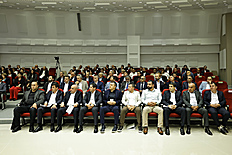
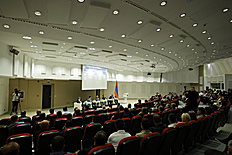
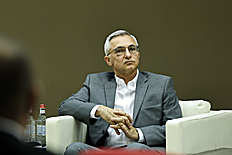
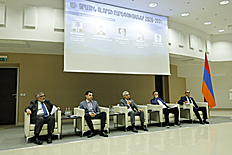
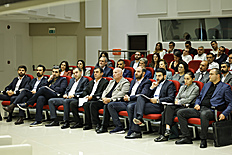
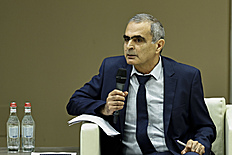
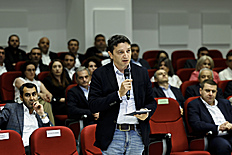
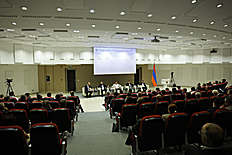
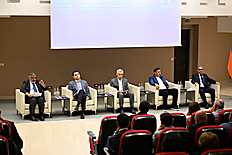
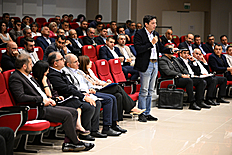
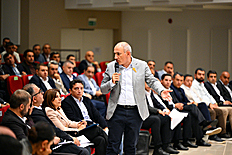
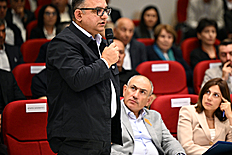
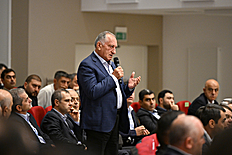
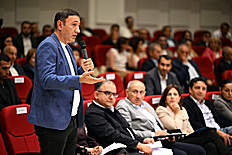
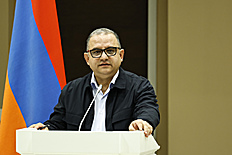
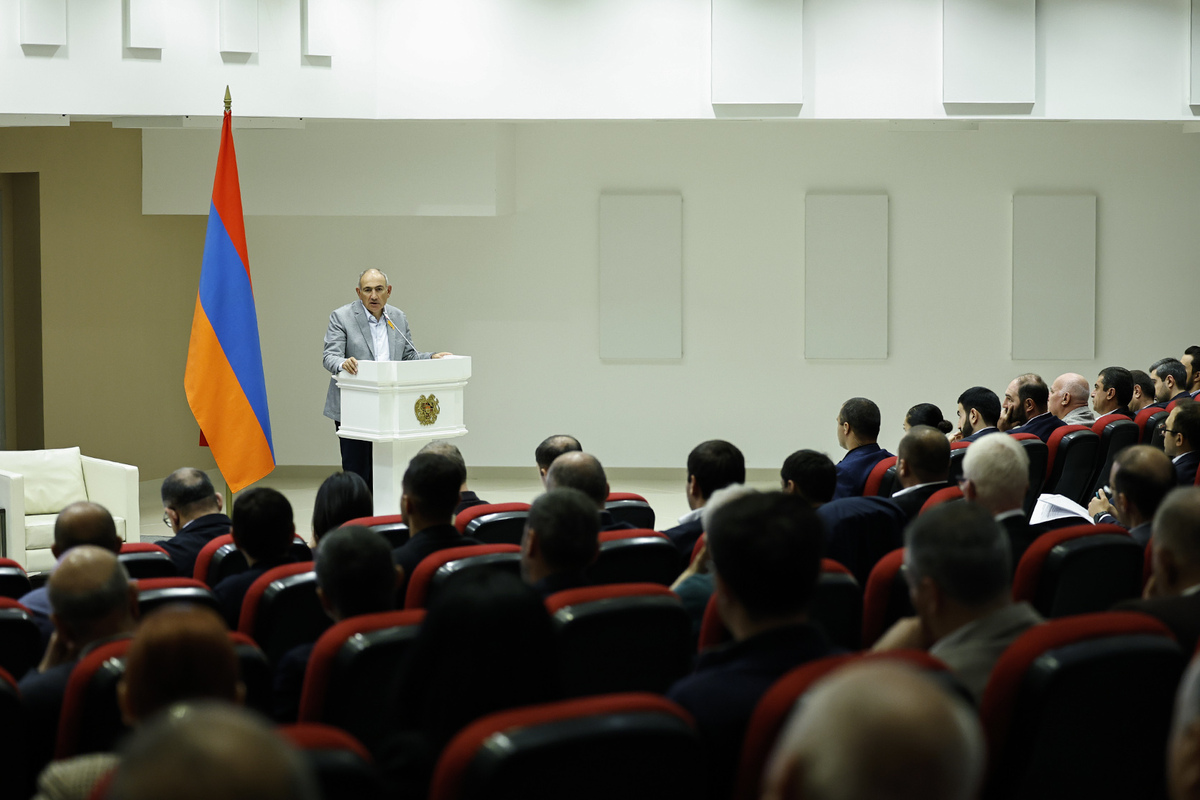
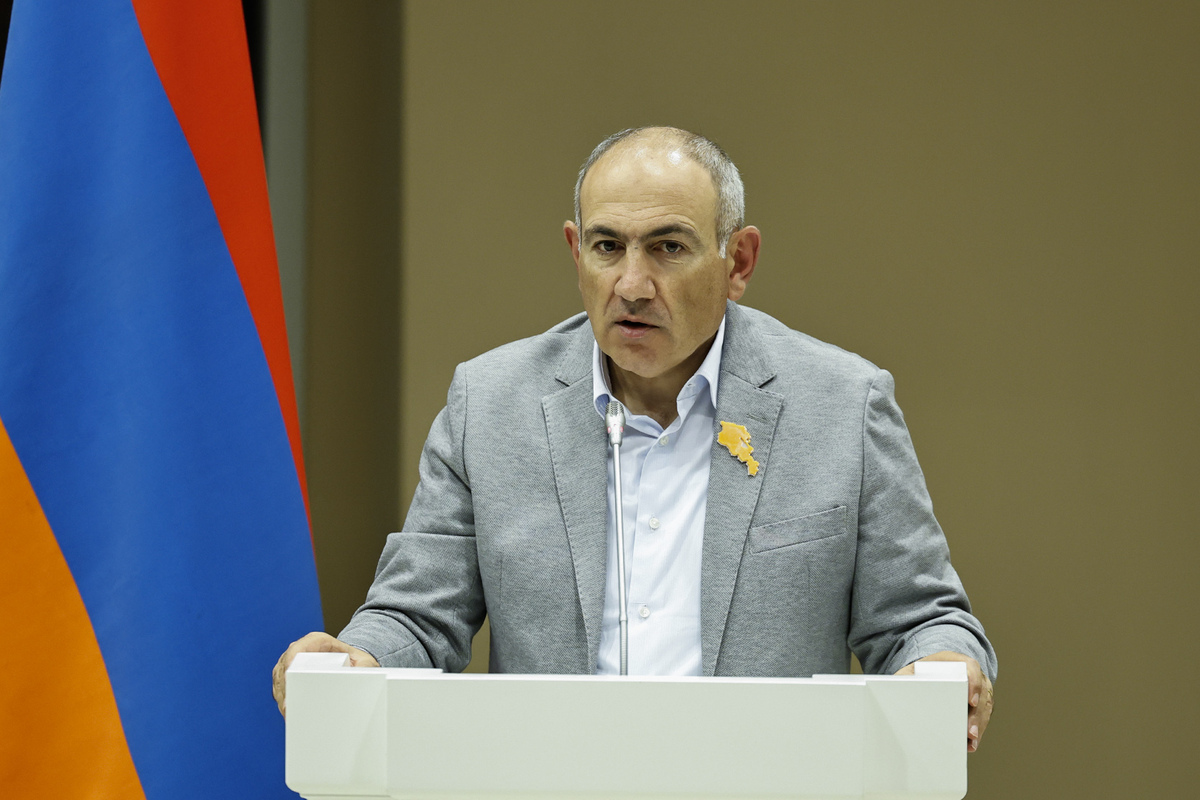
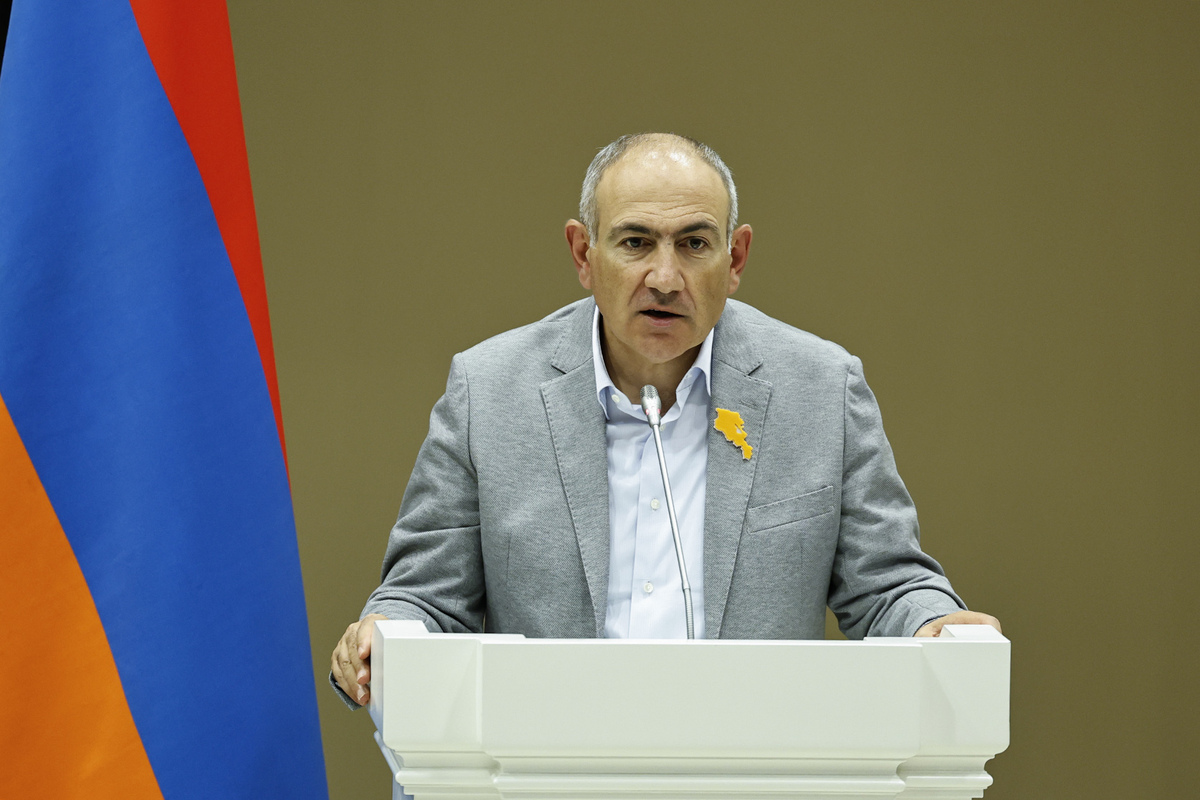
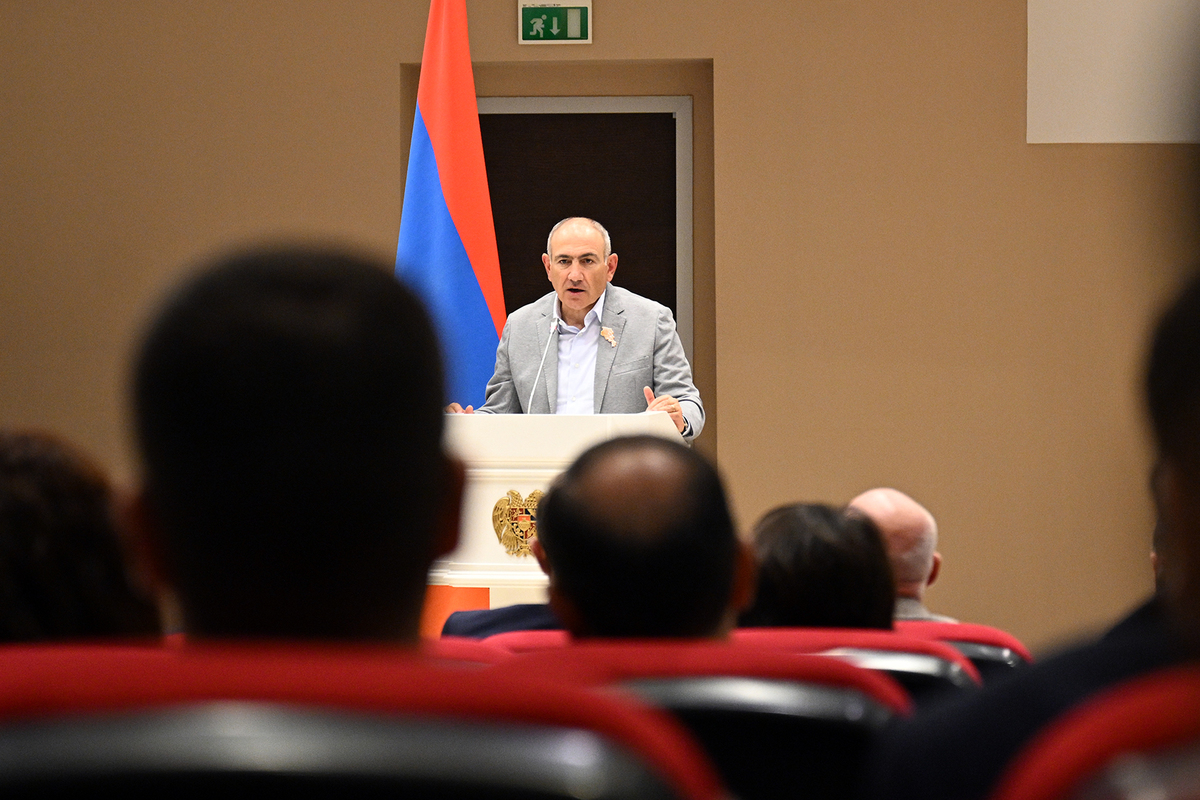
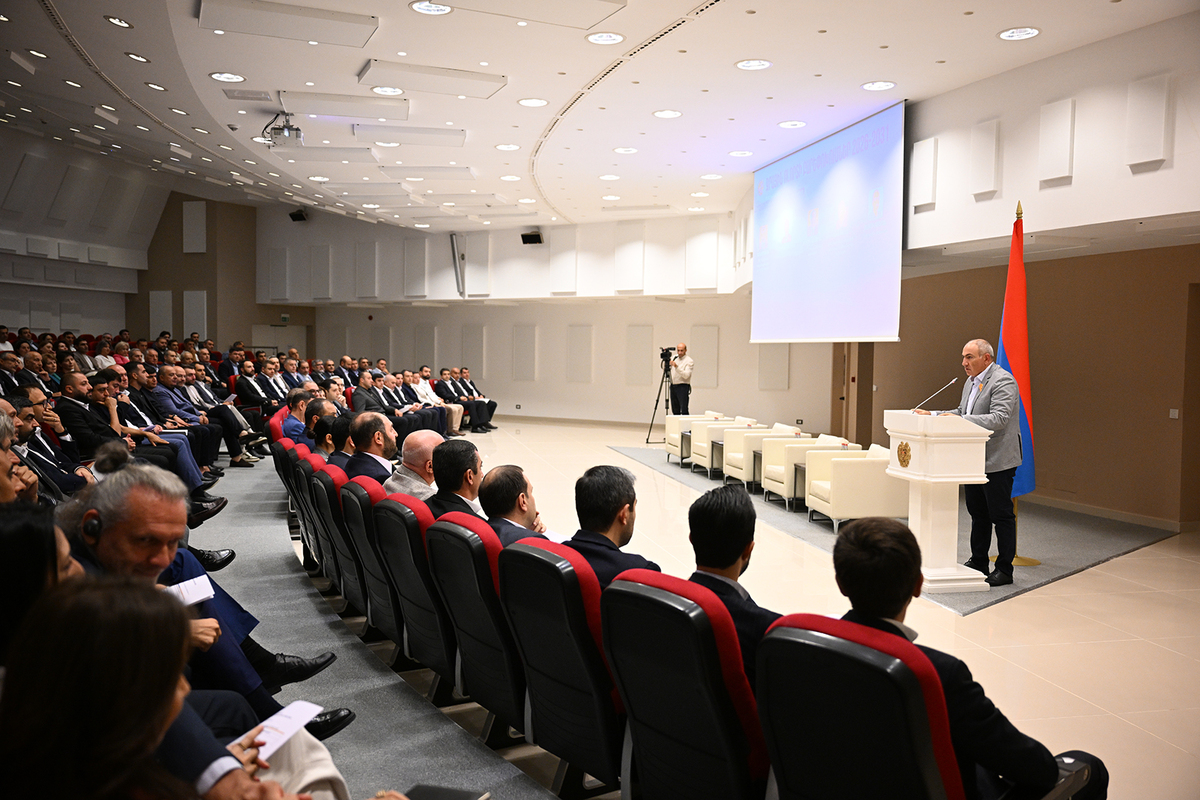
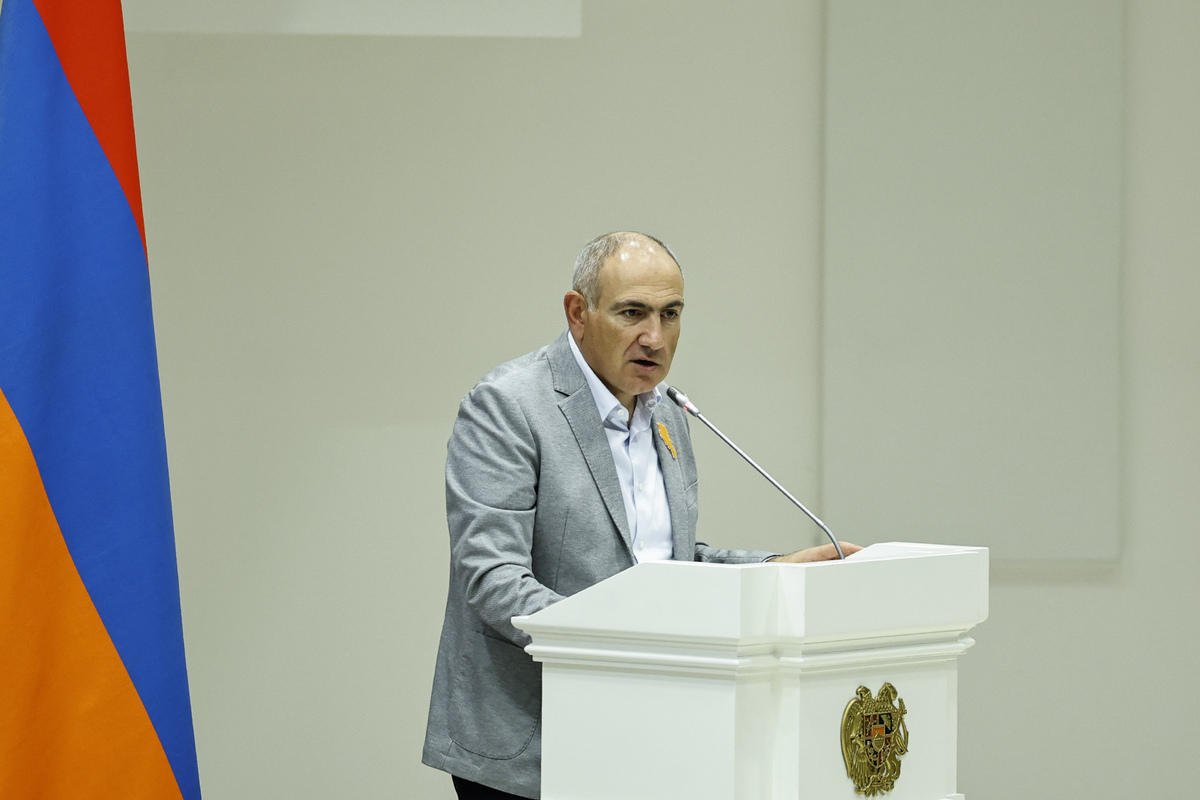
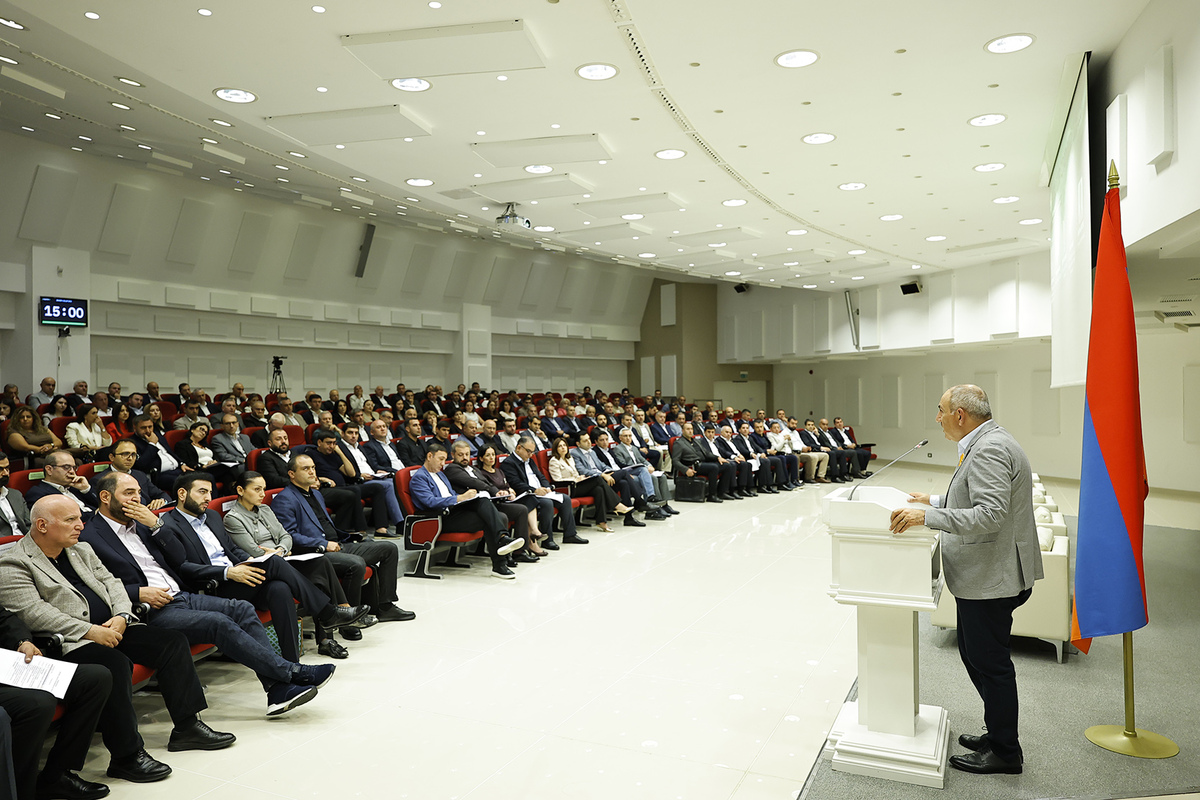
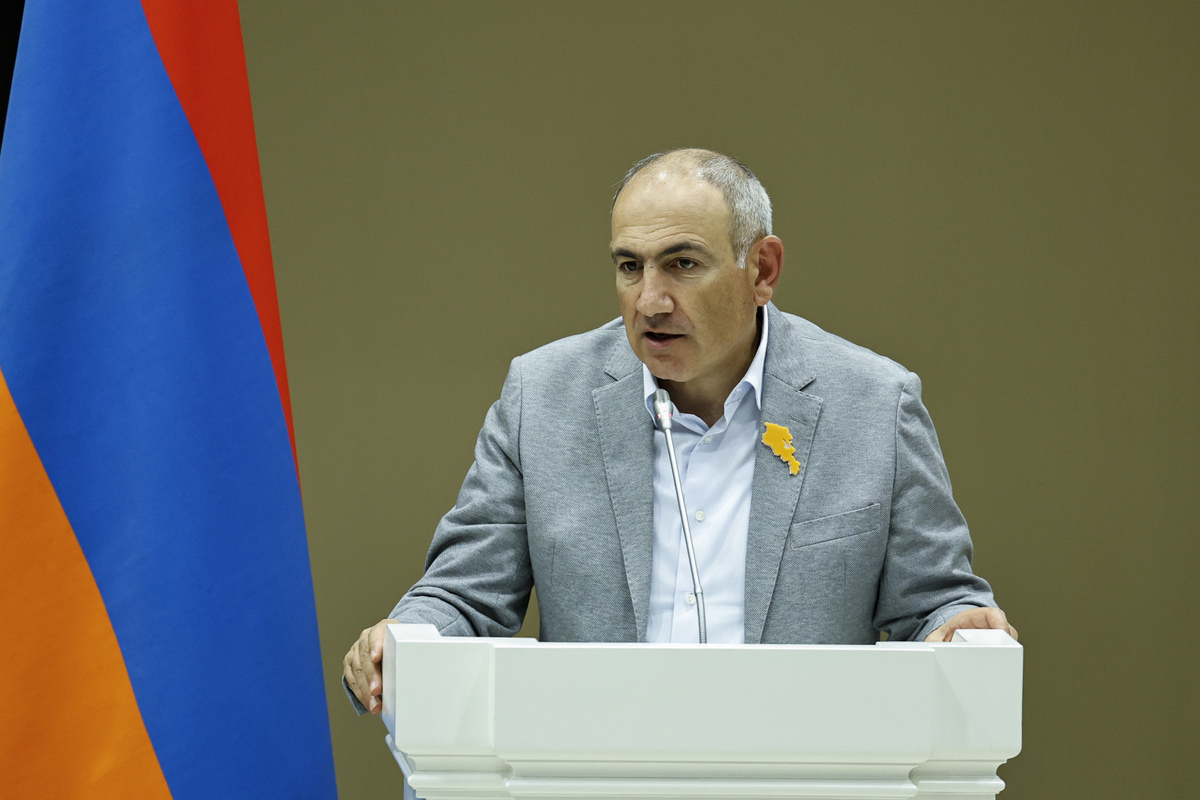
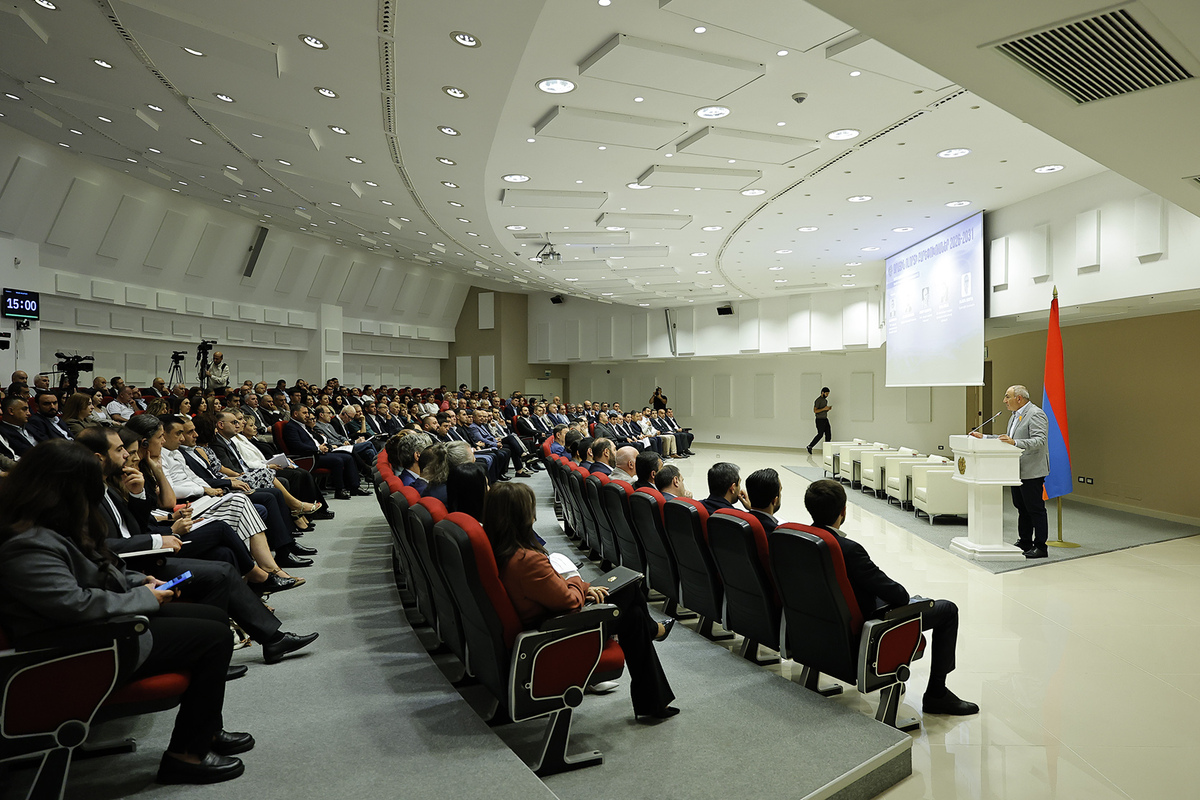
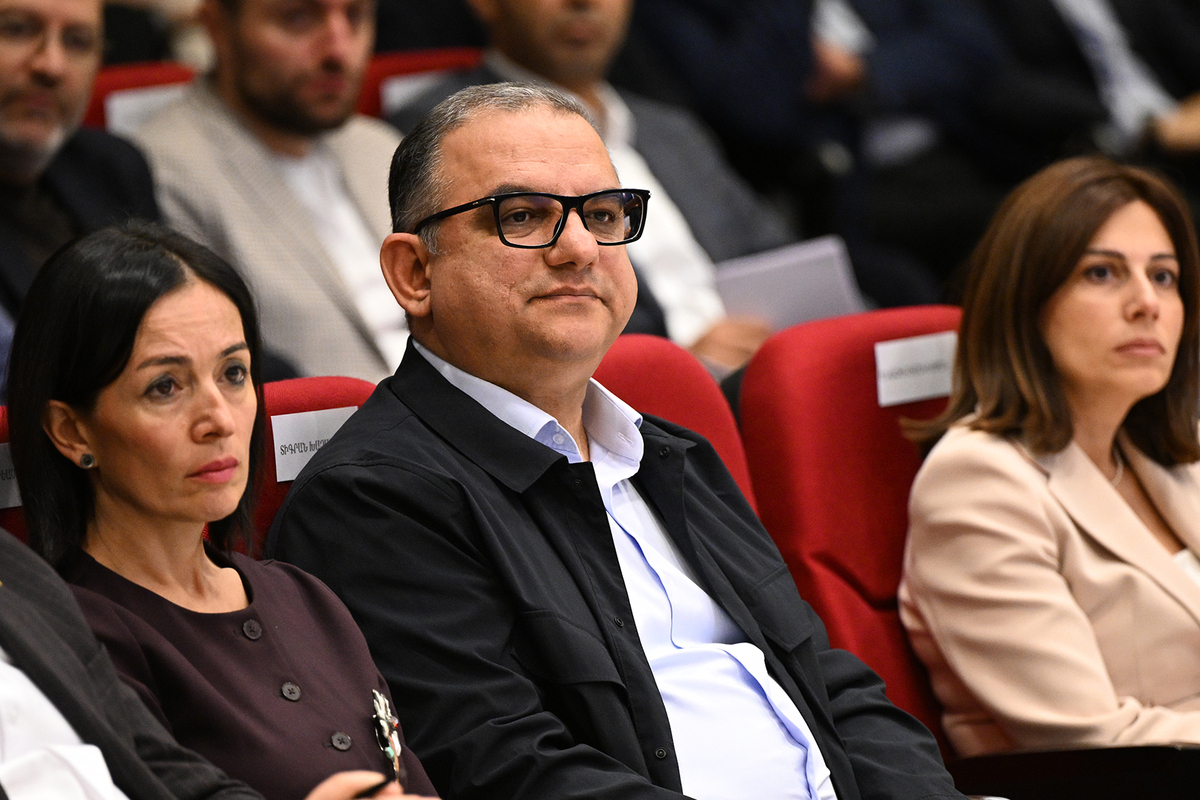
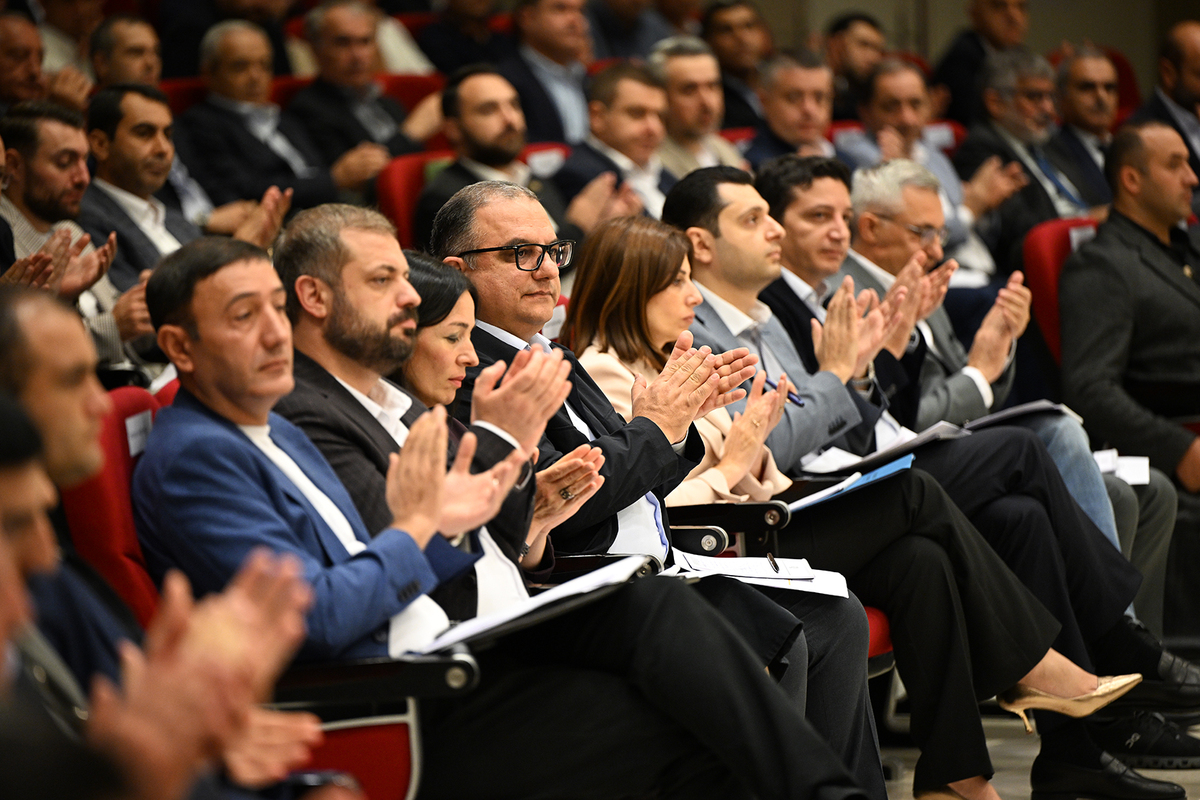
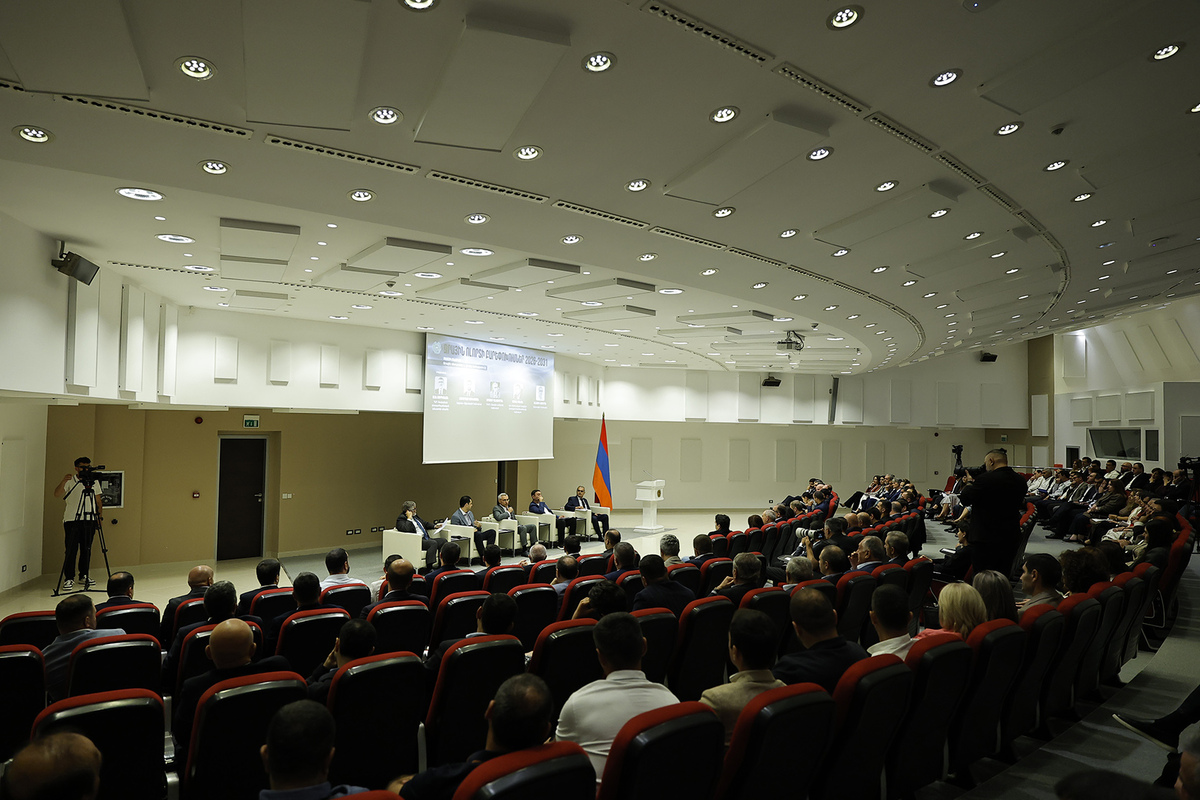
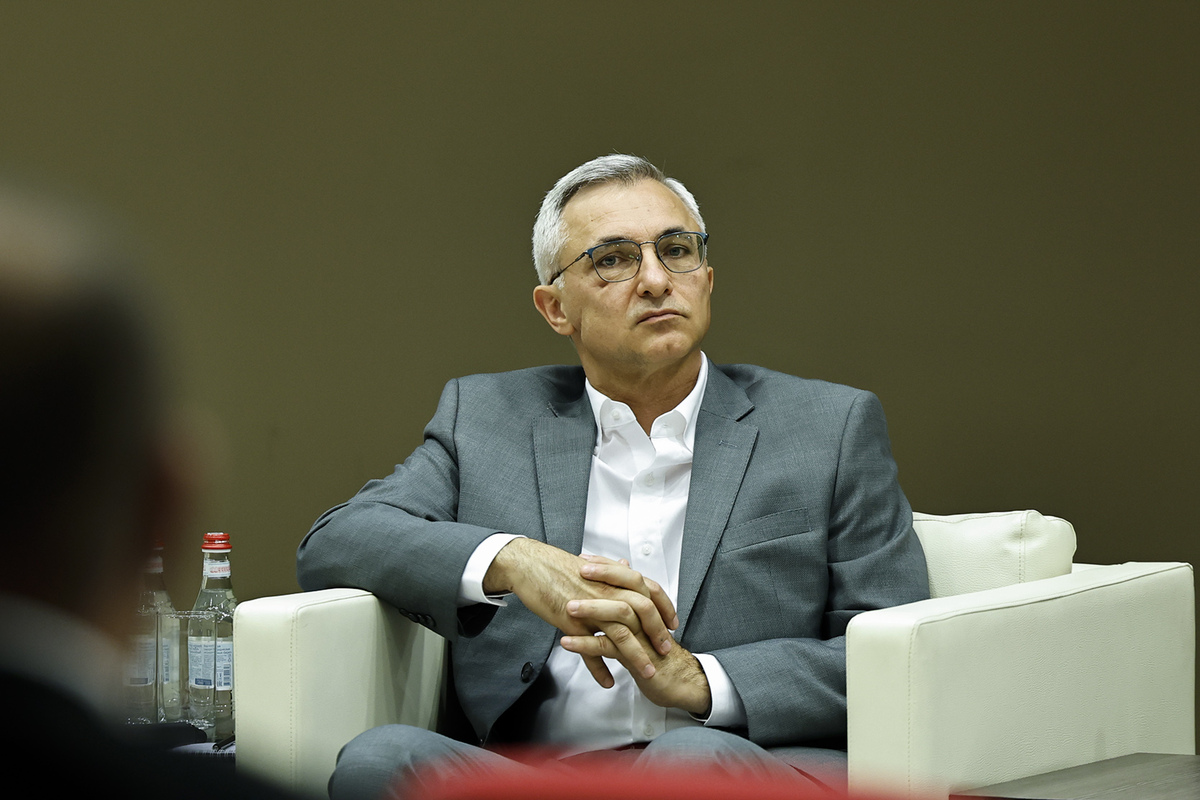
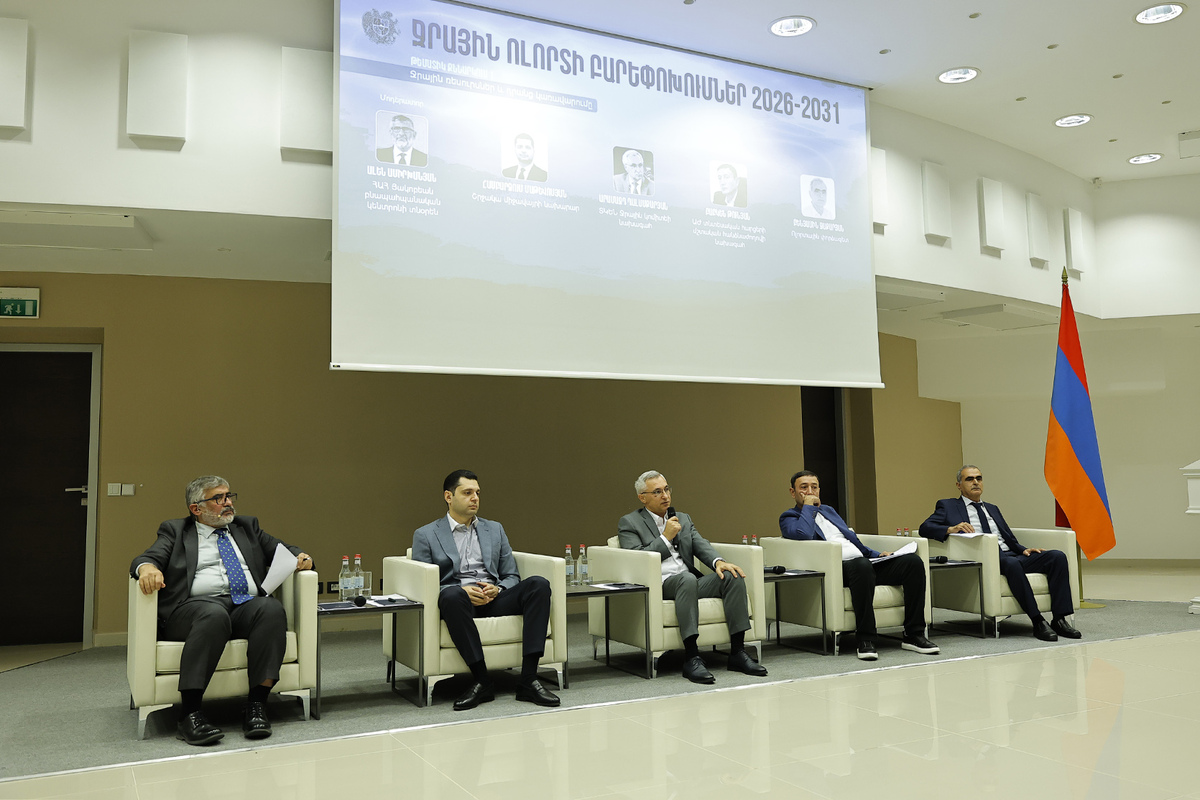
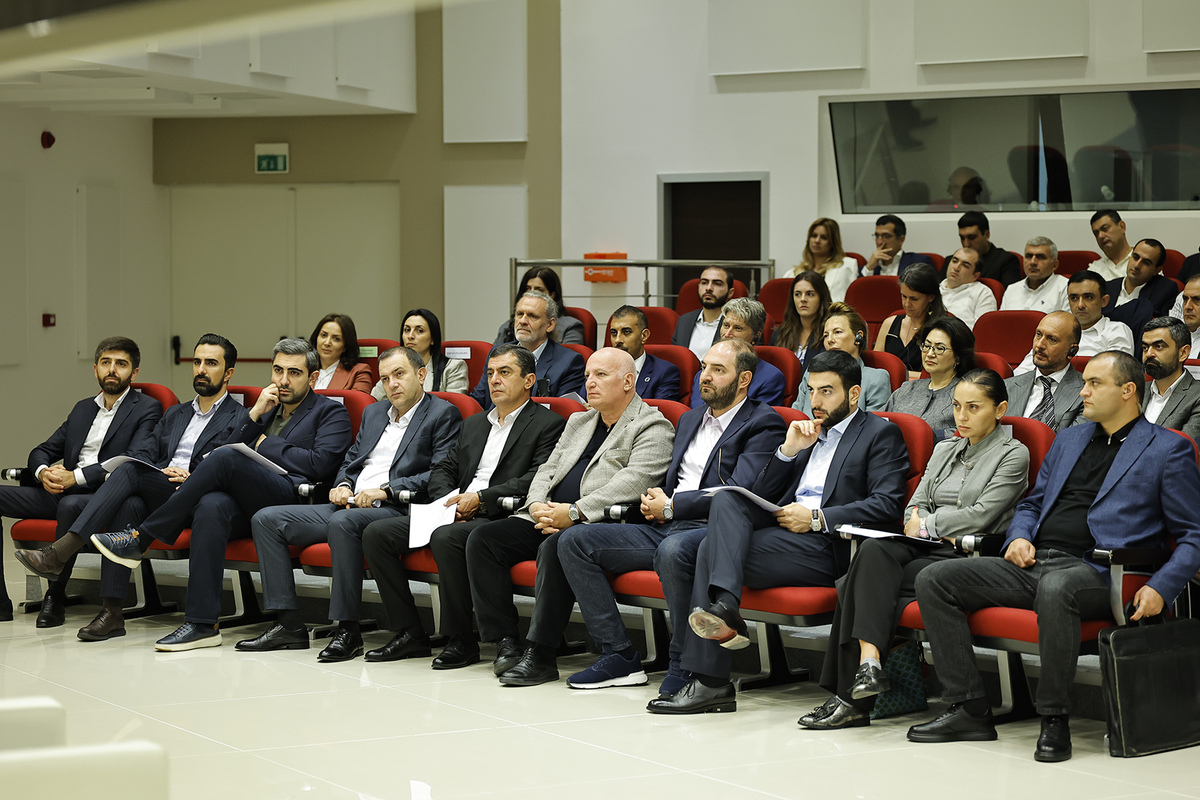
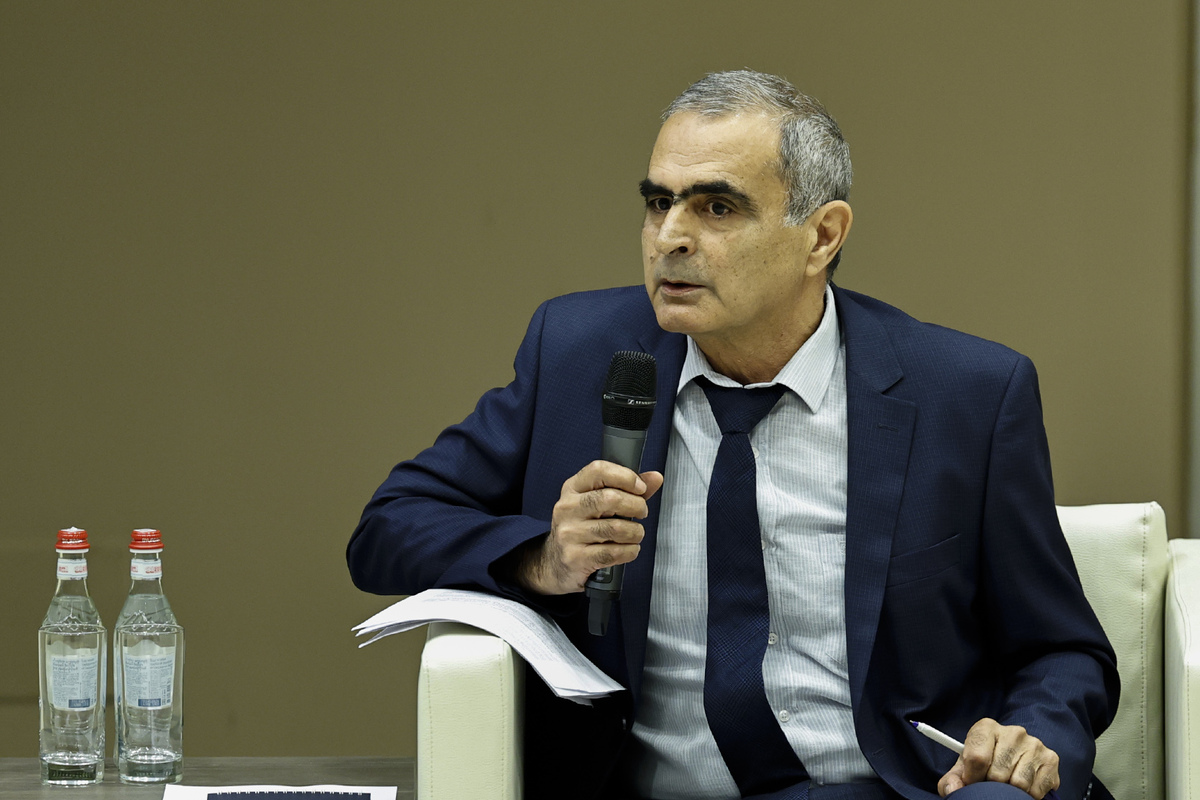
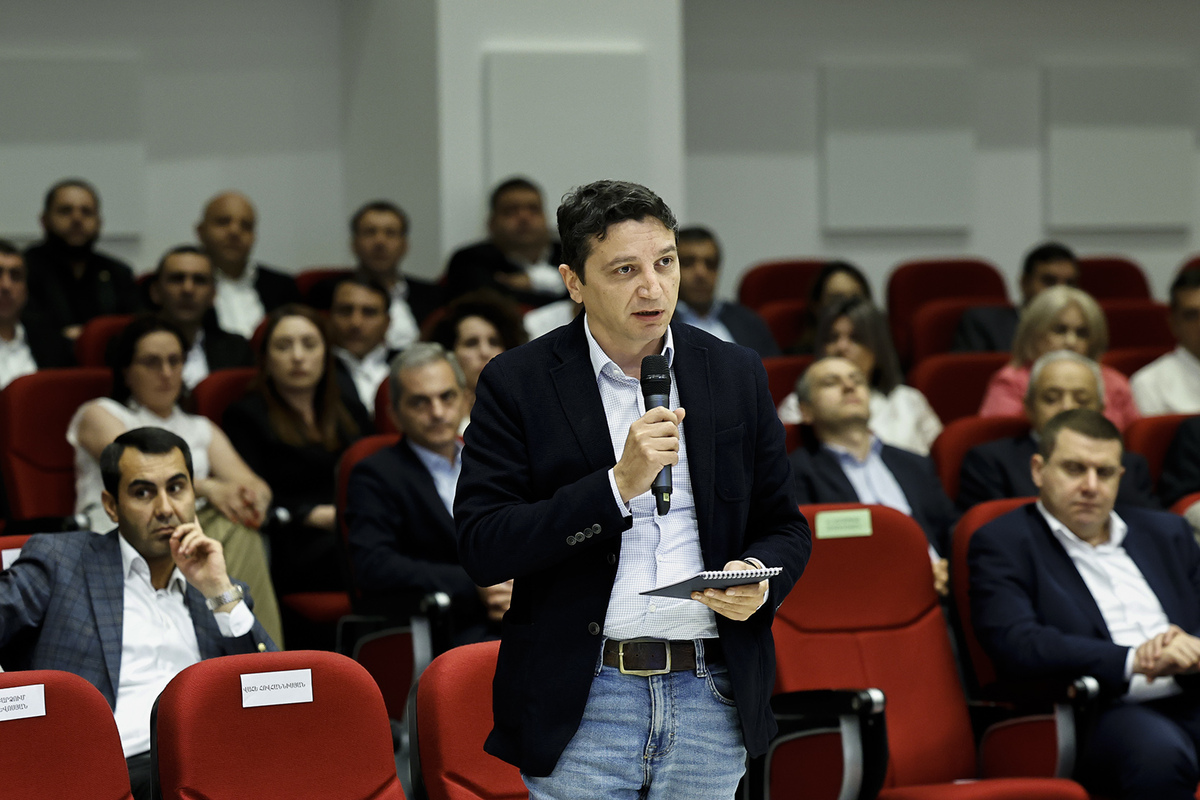
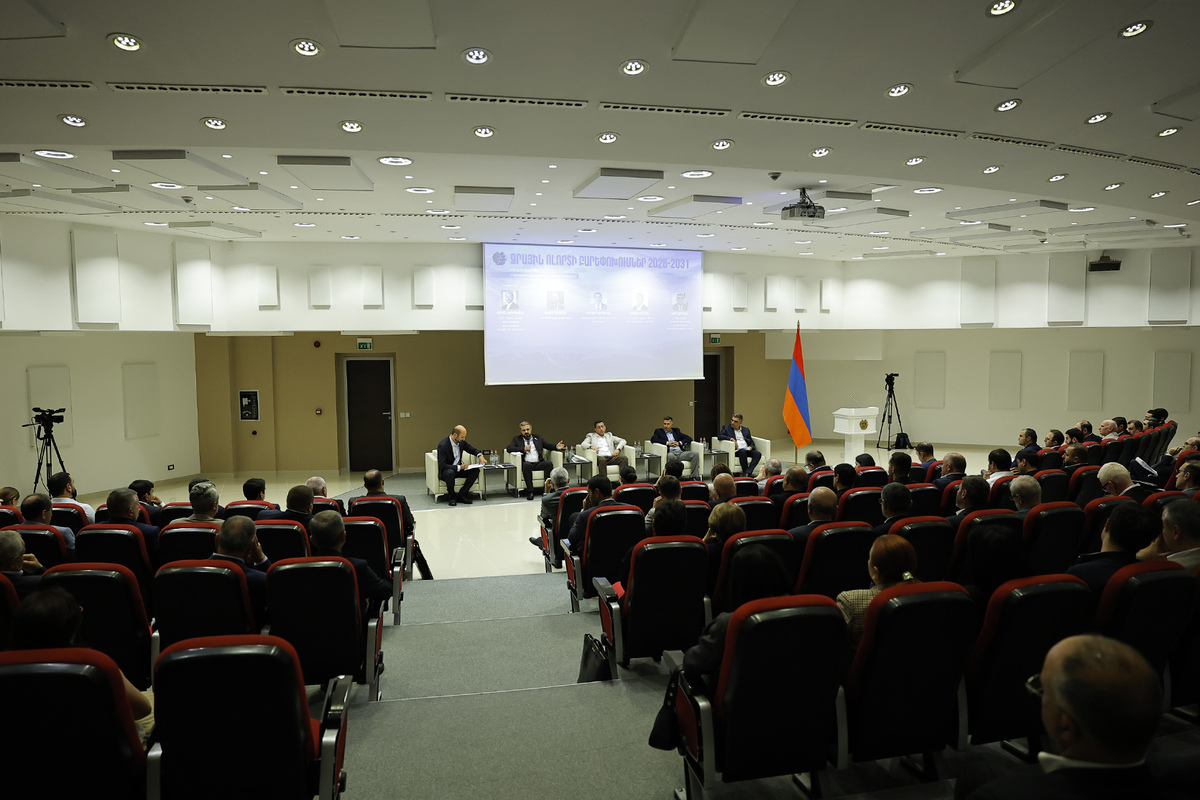
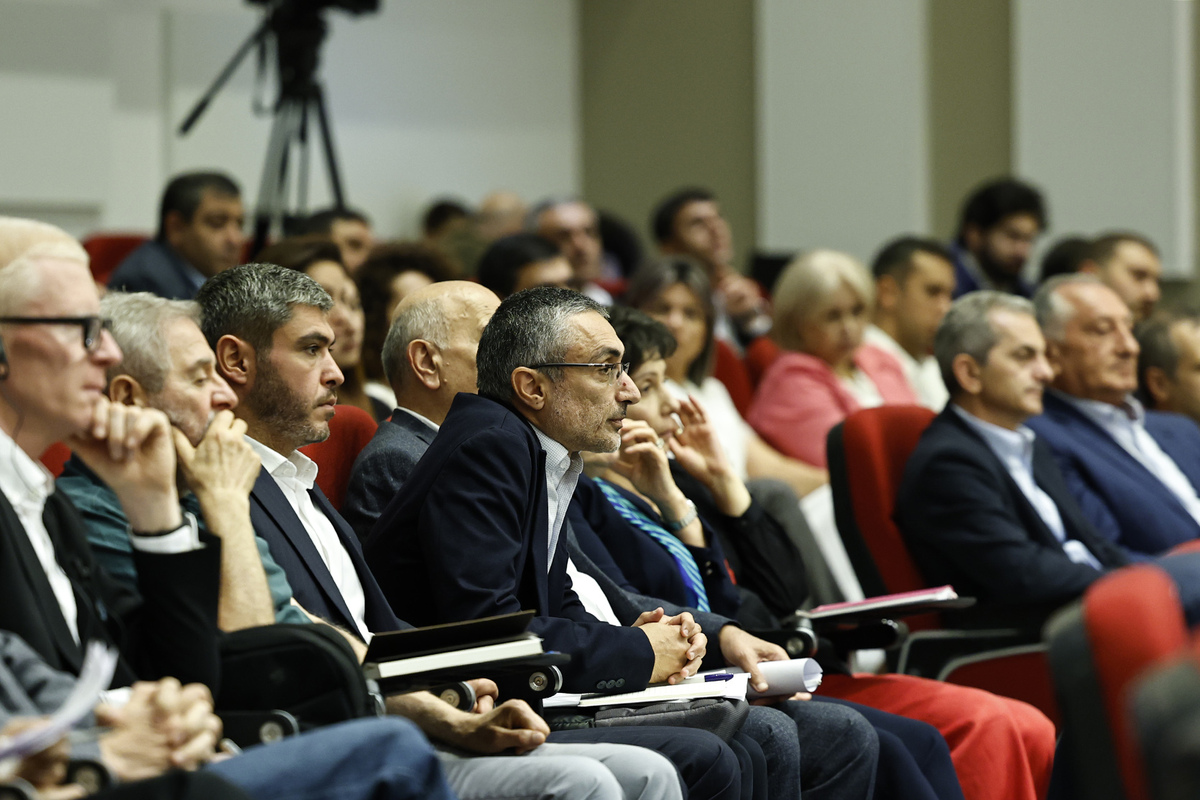
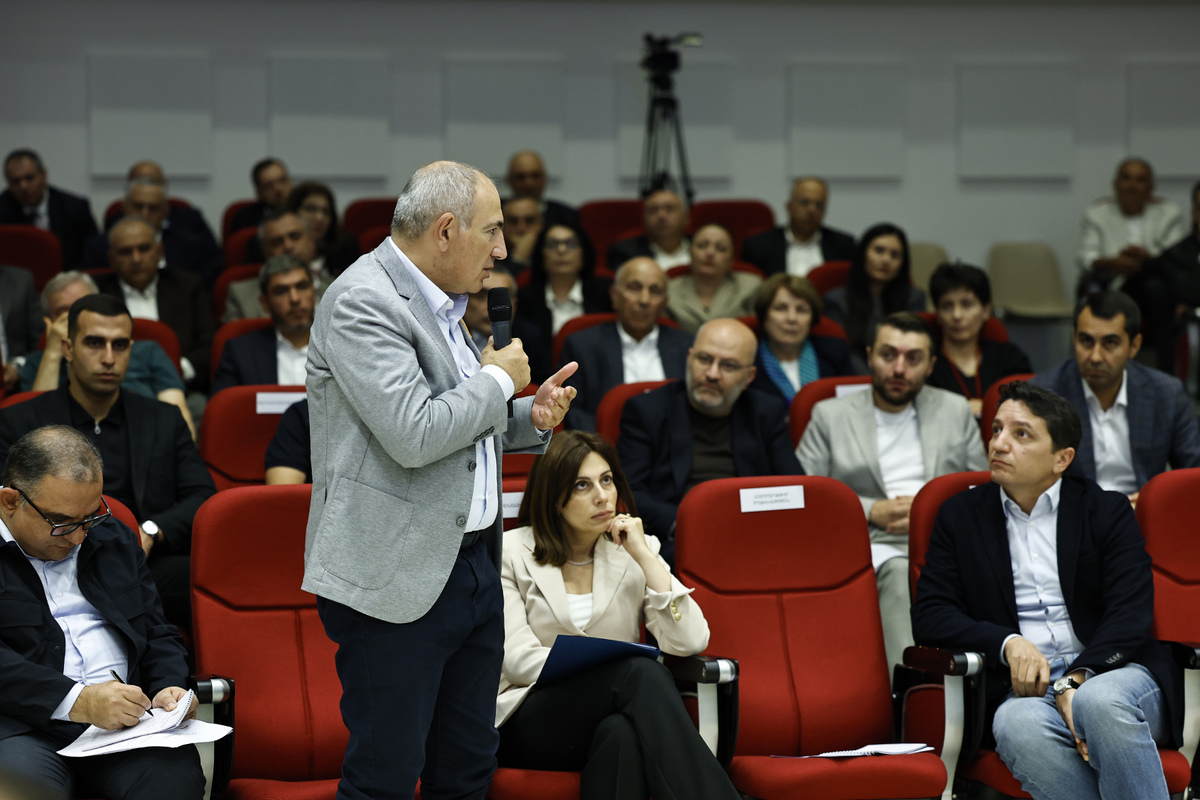
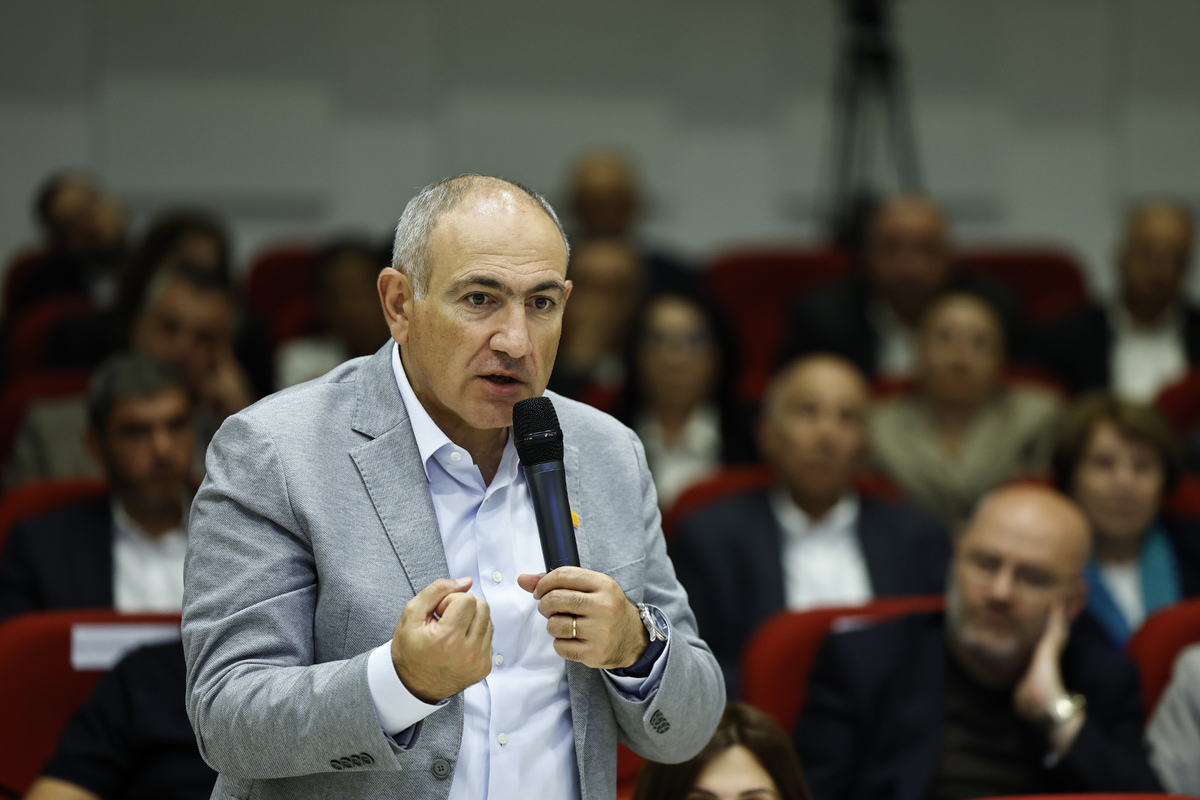
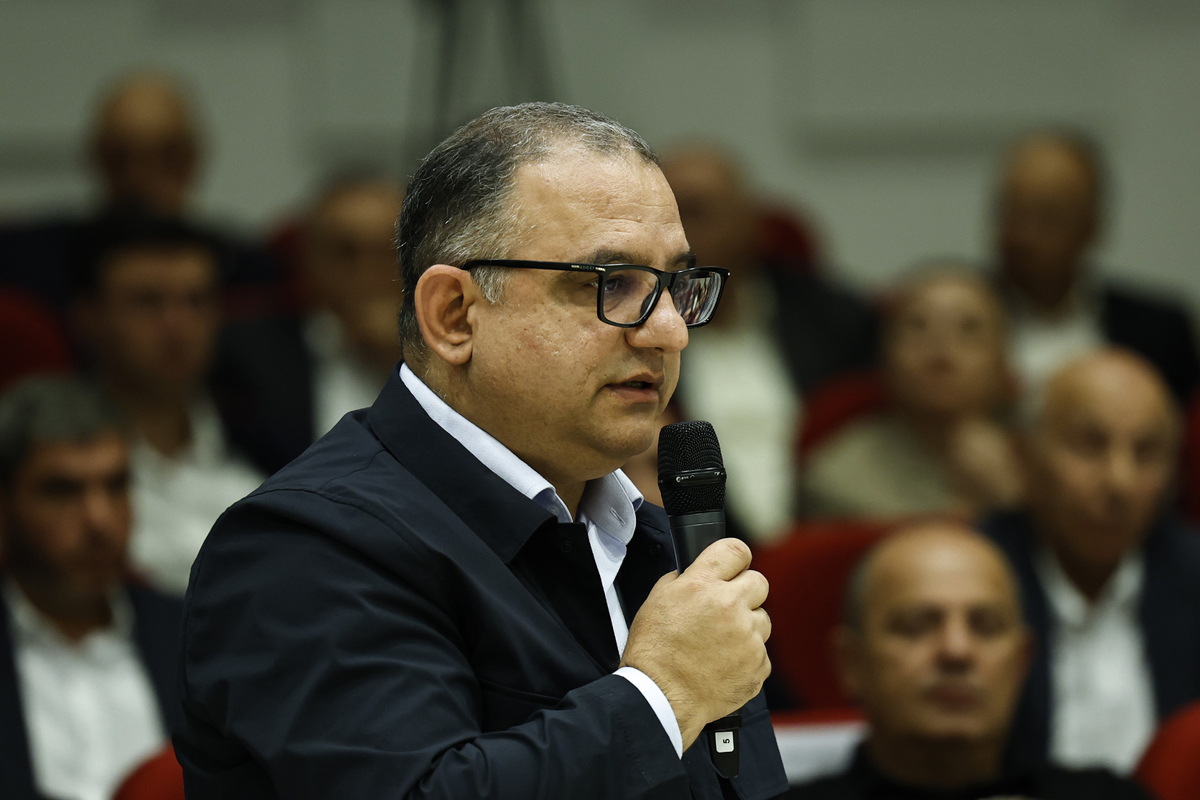
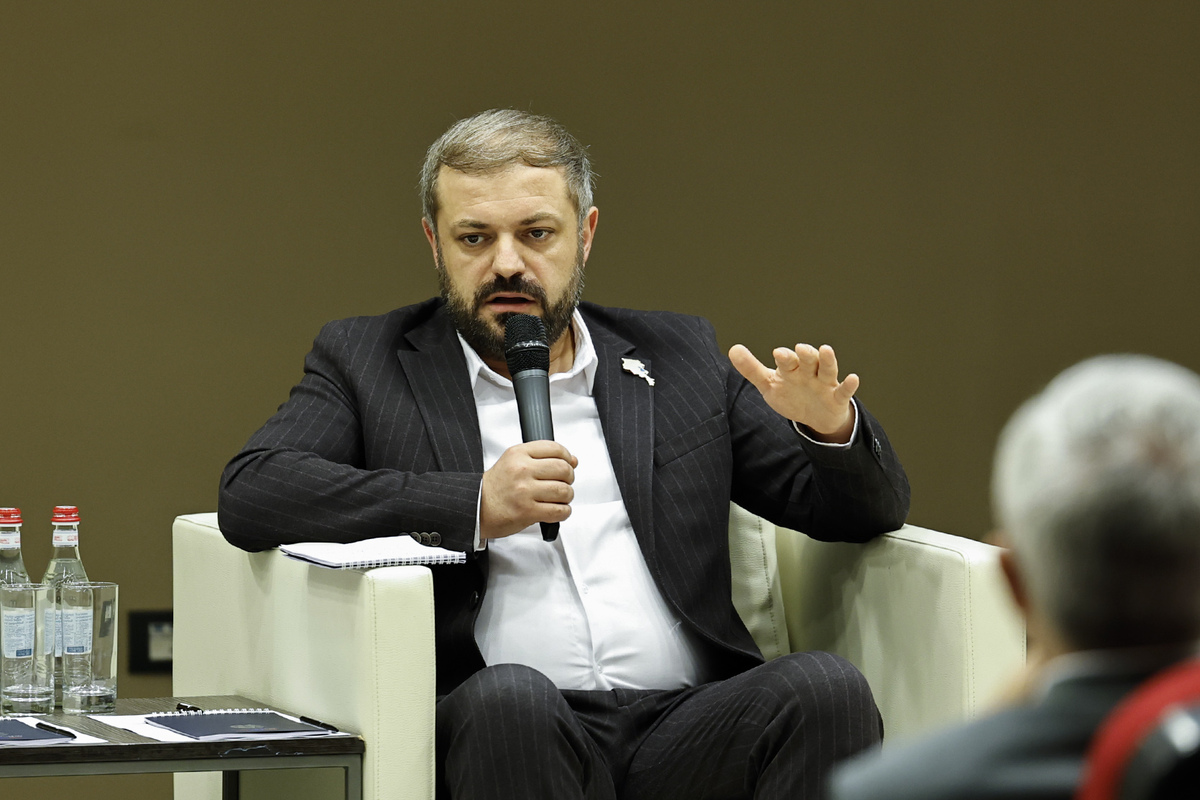
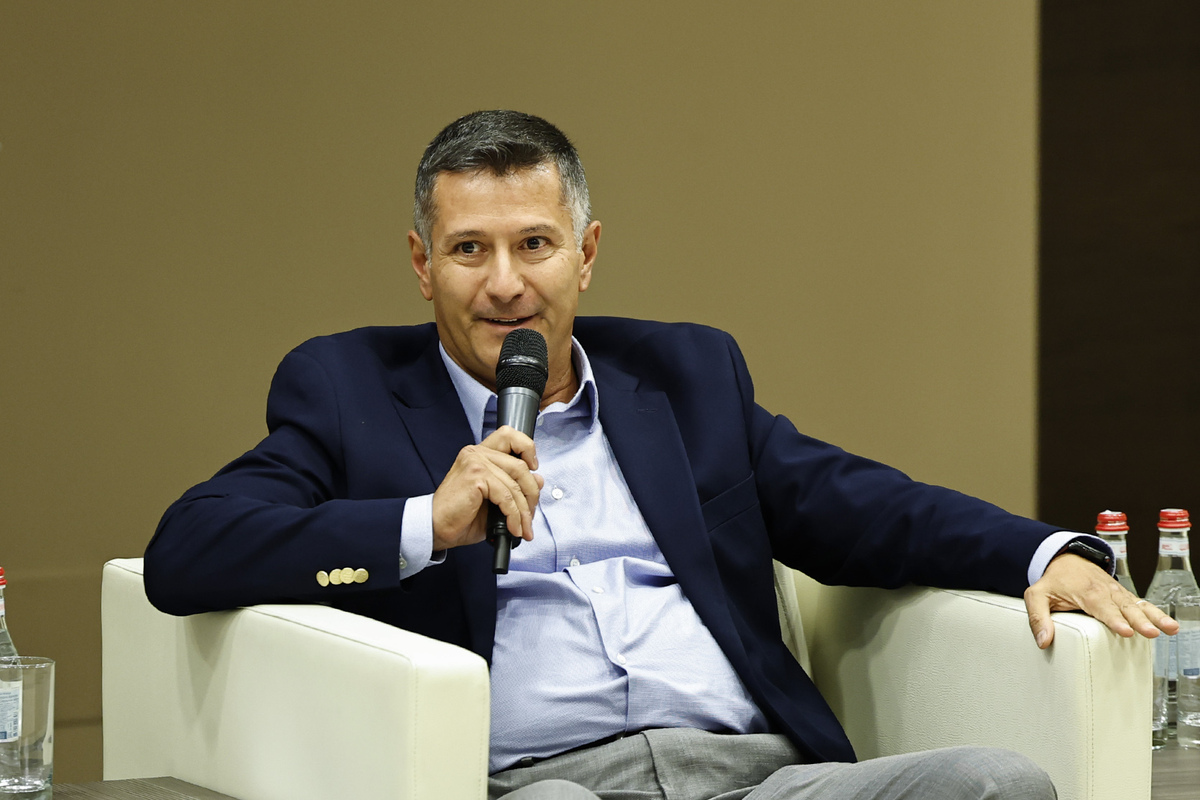
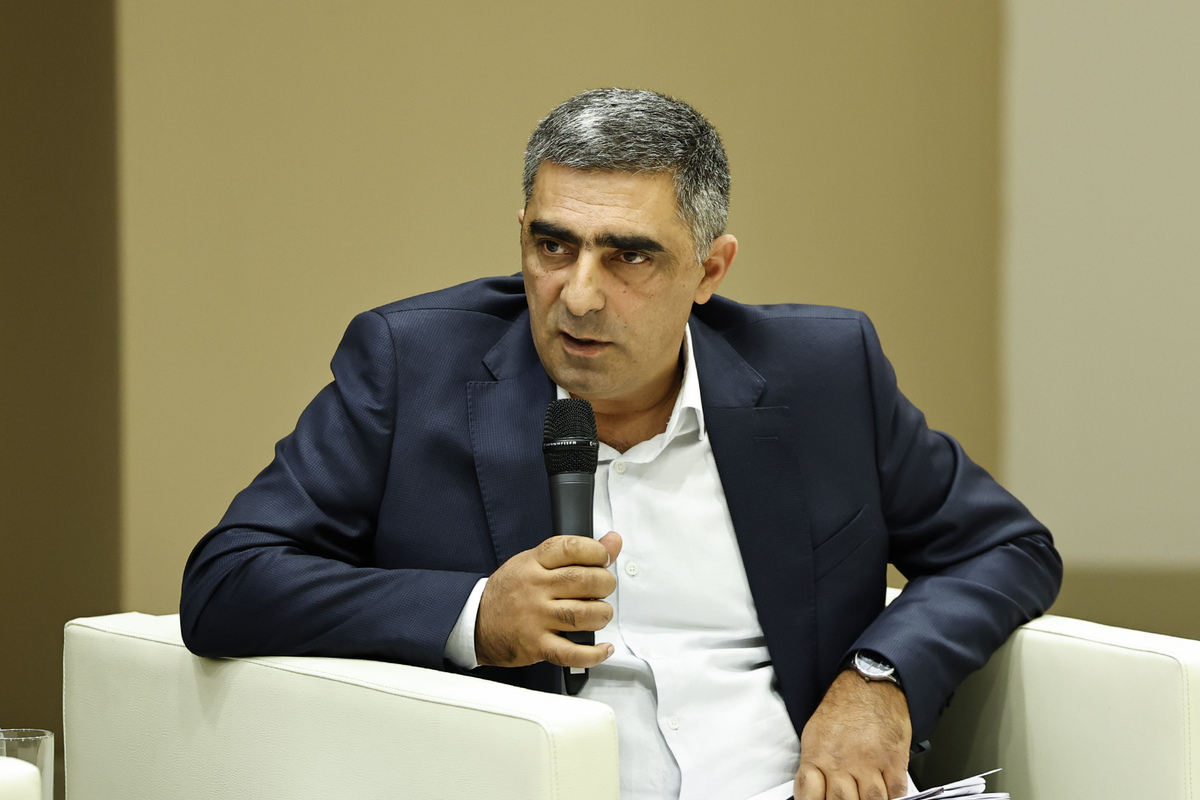
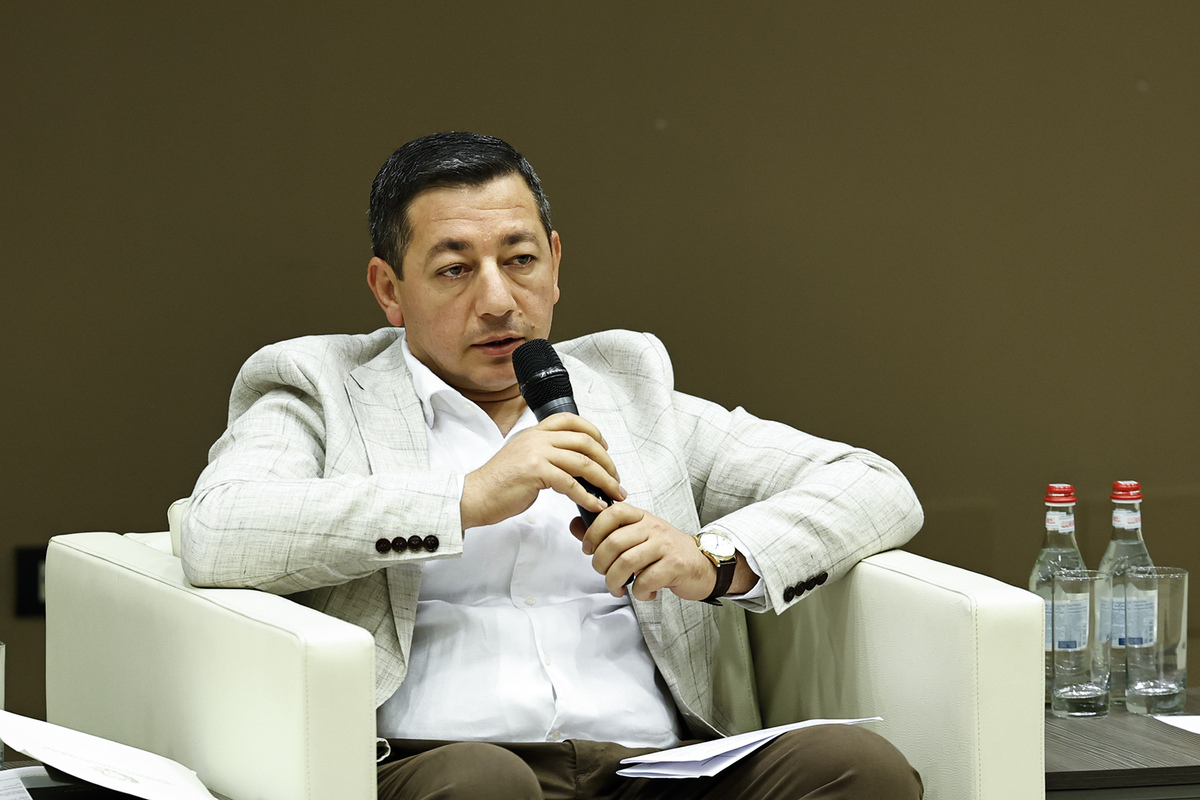
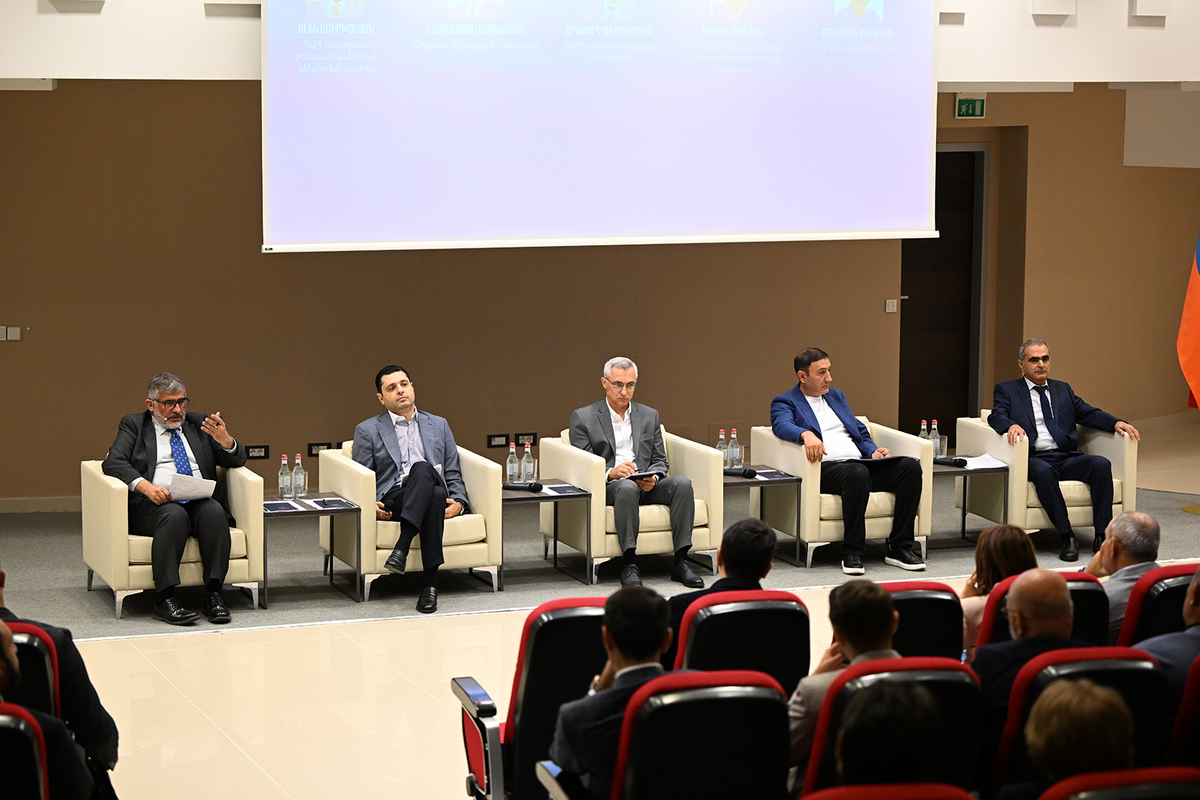
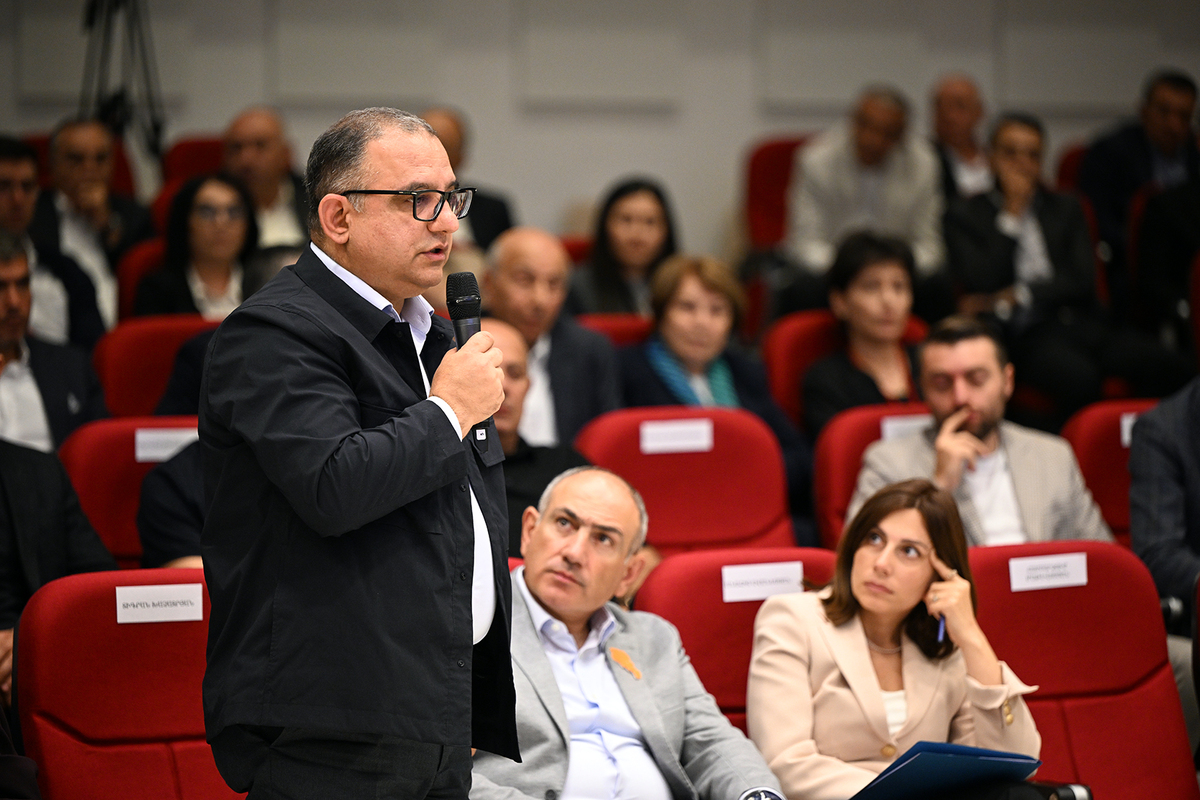
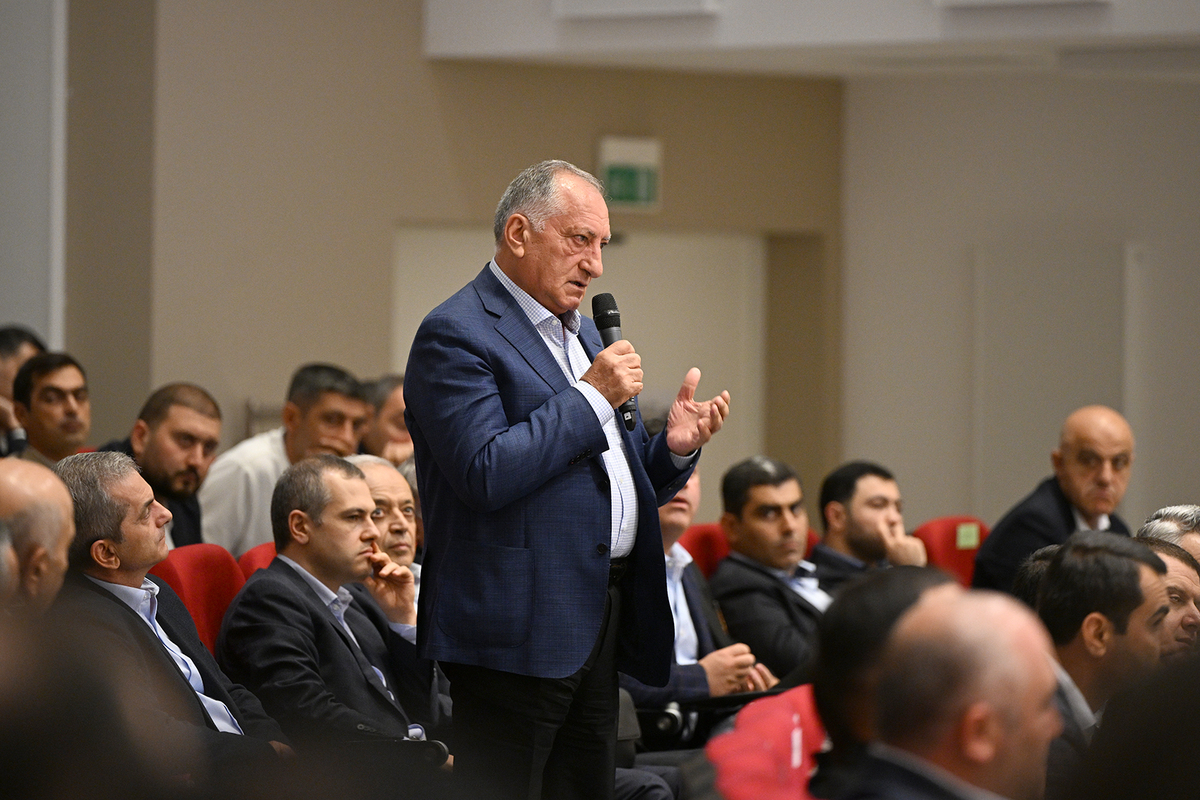
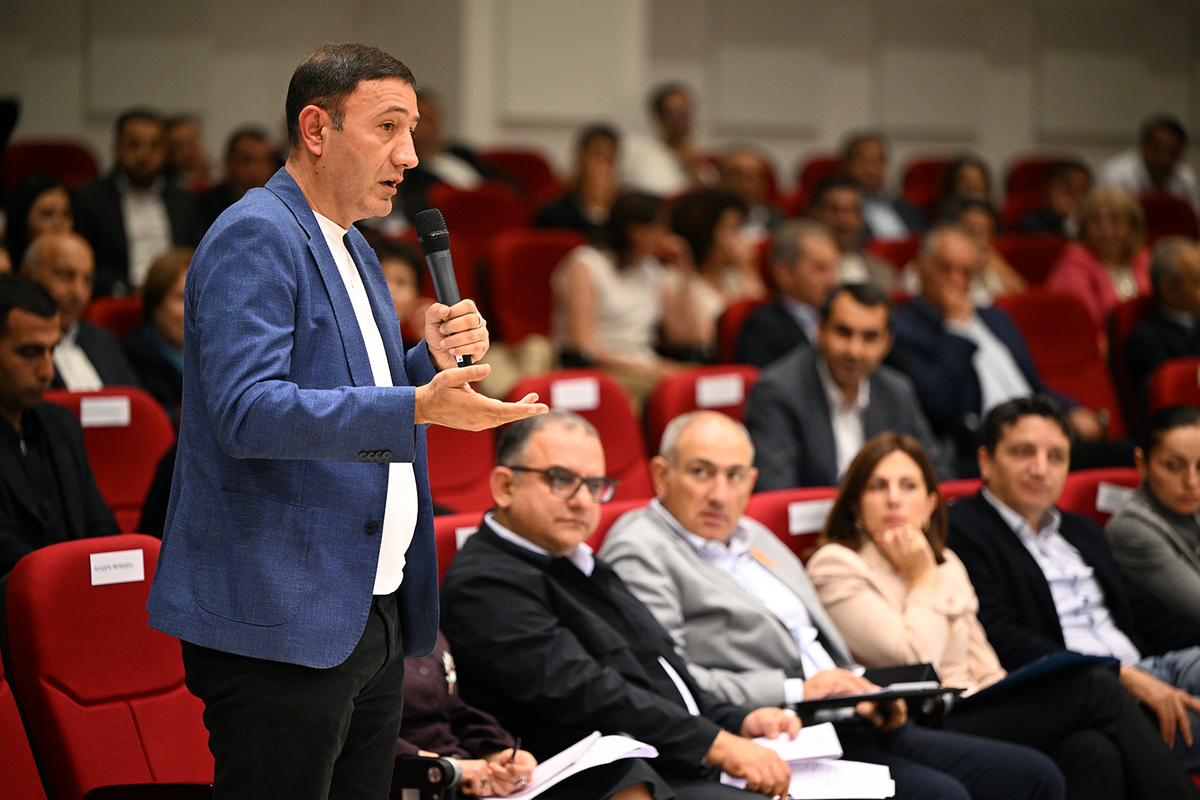
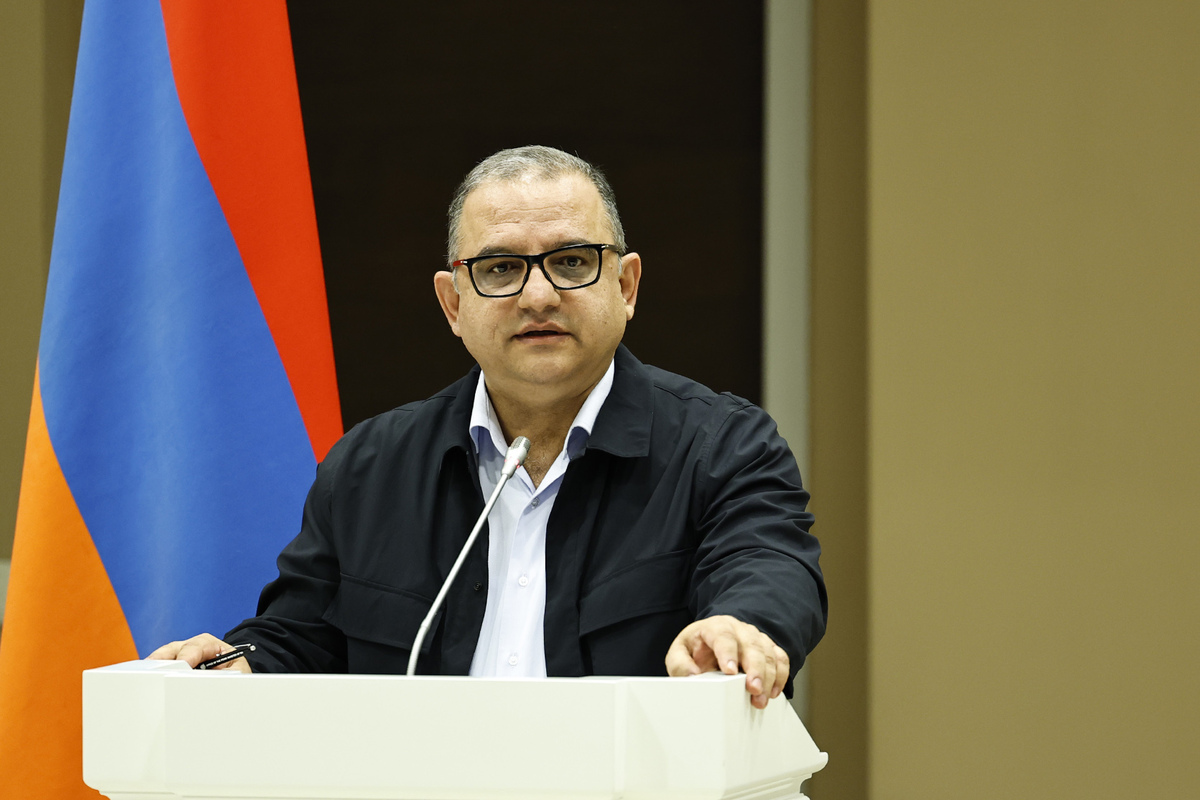
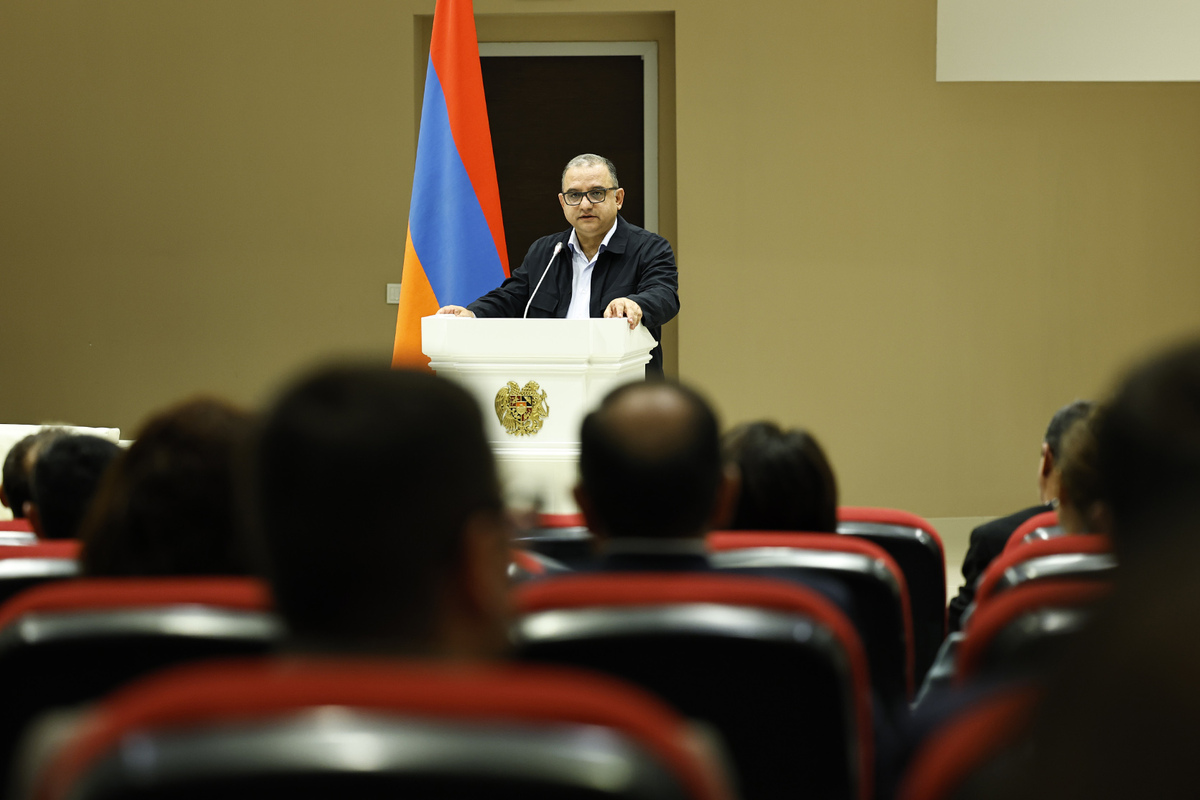
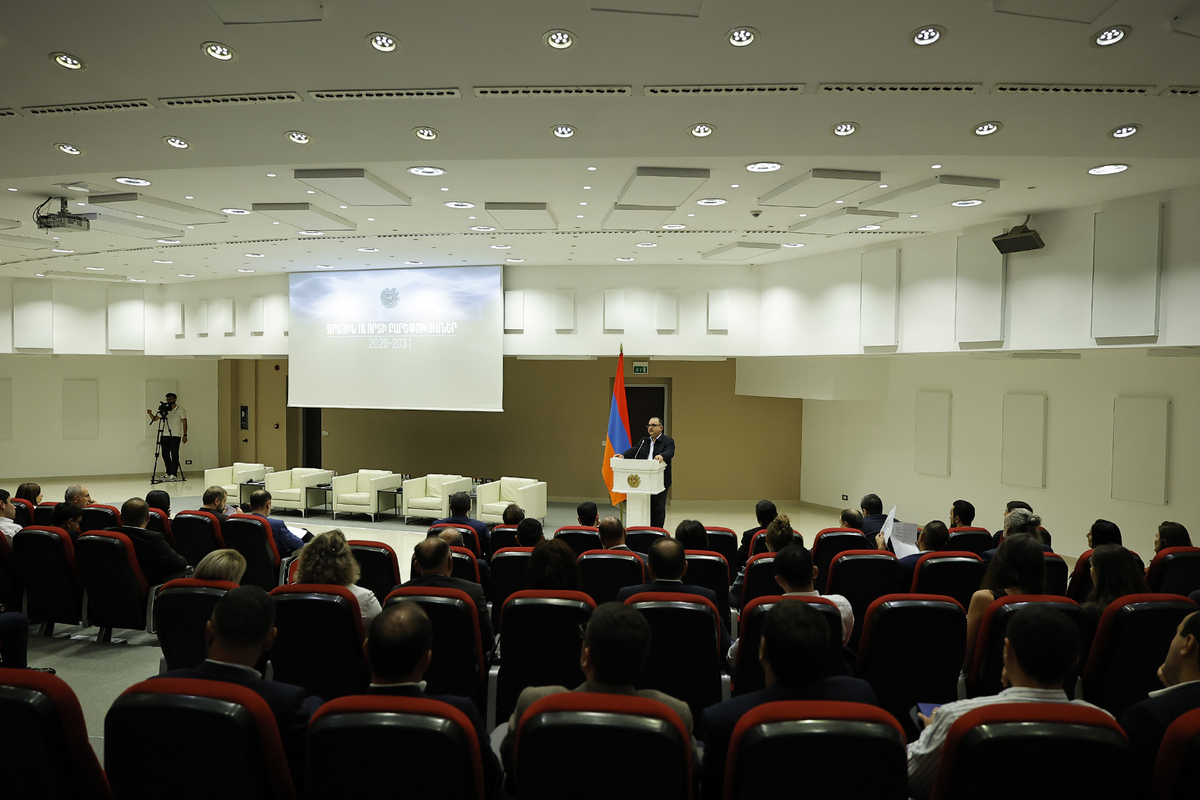
Prime Minister Nikol Pashinyan participated in the workshop titled “Water Sector Reforms 2026-2031” in Dilijan.
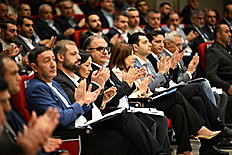
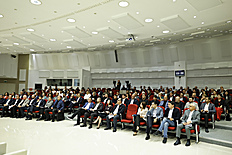
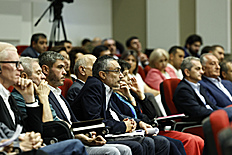
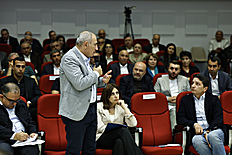
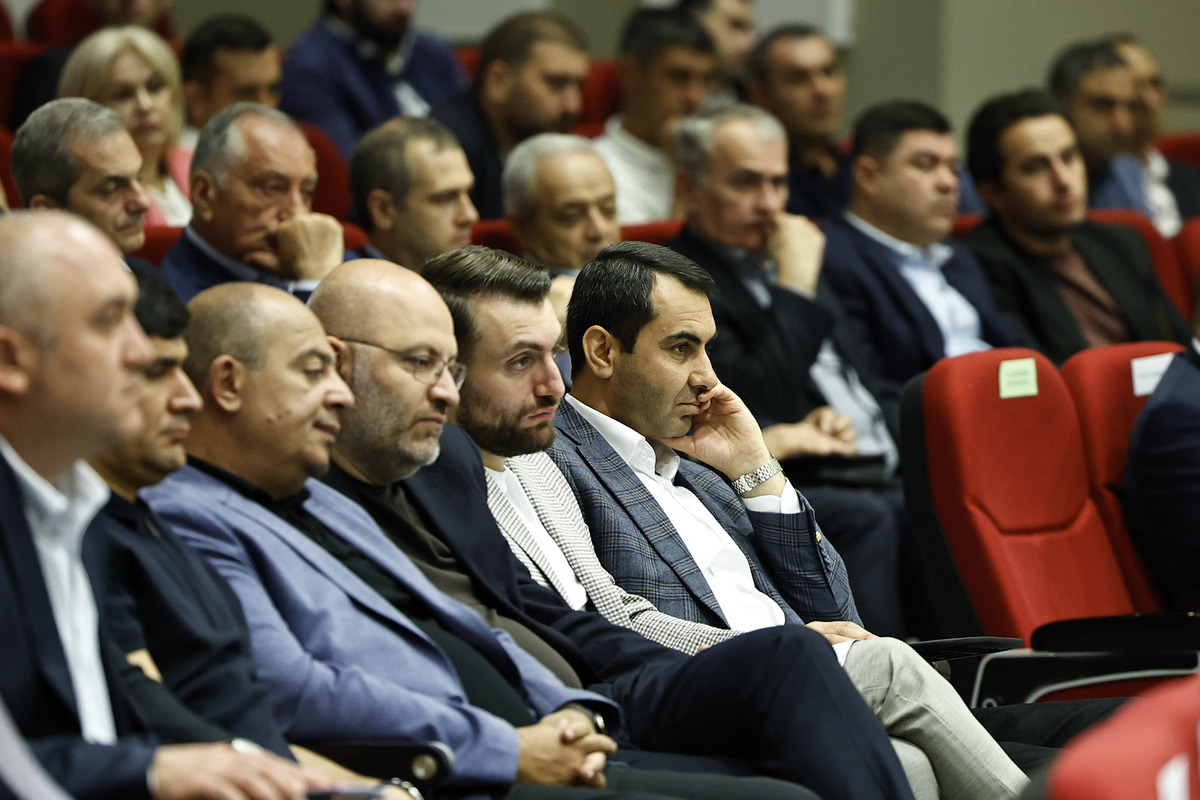
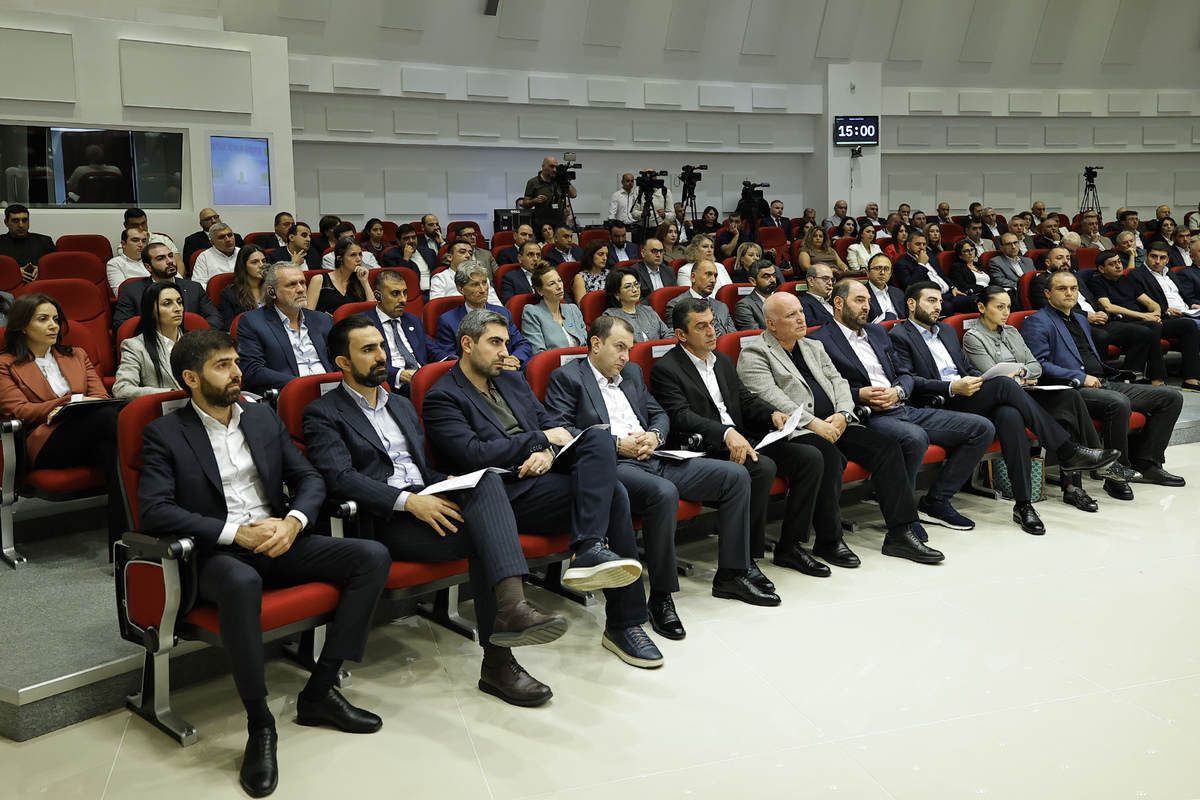
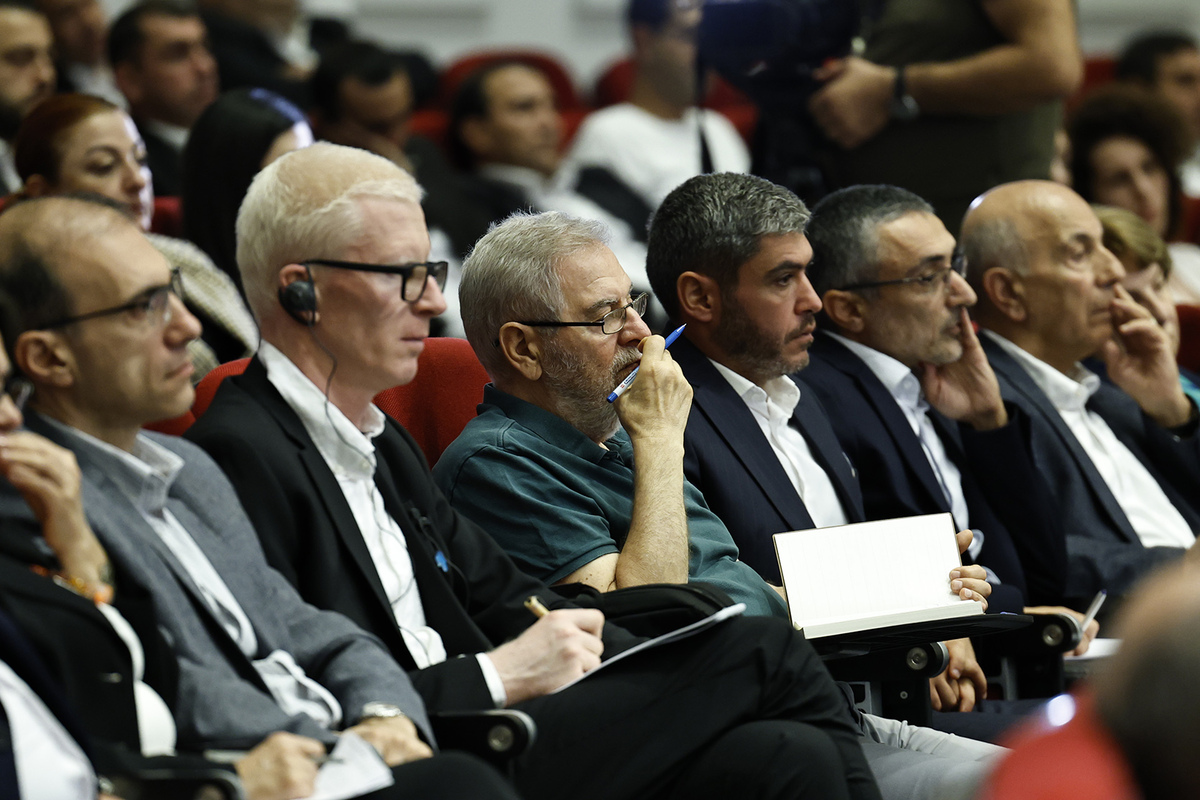
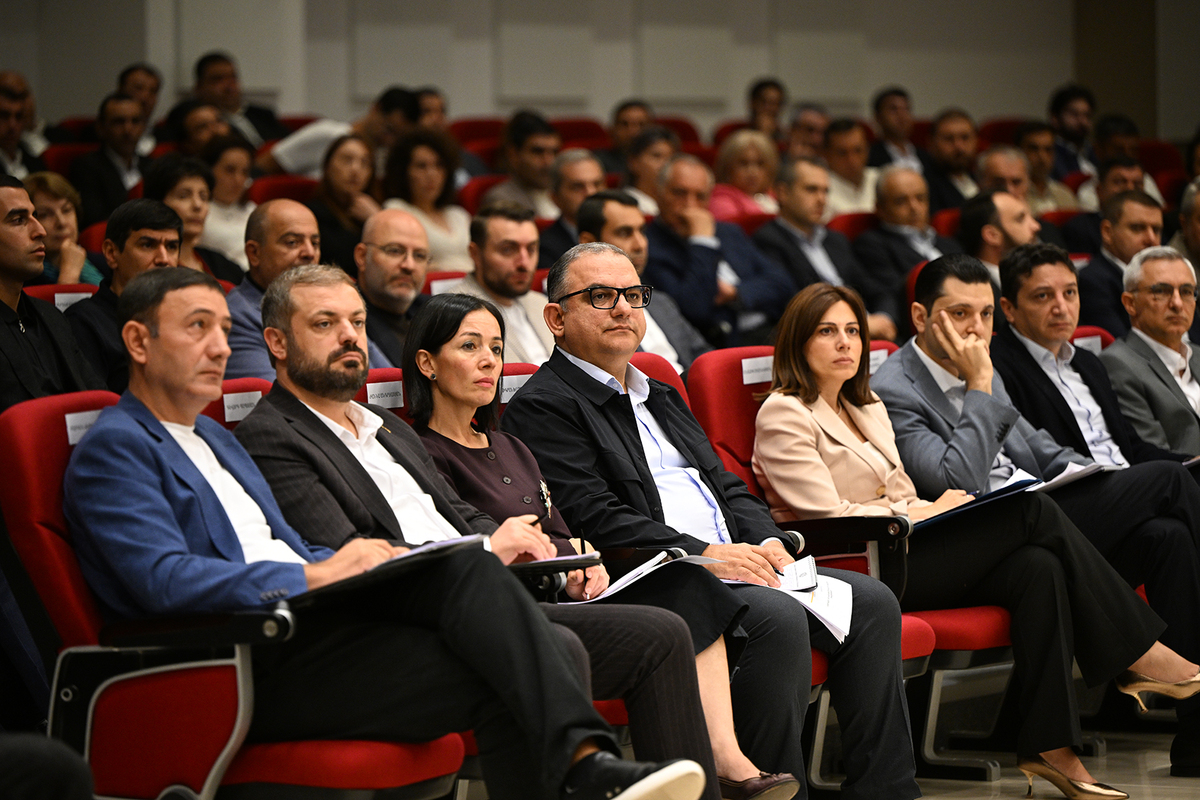
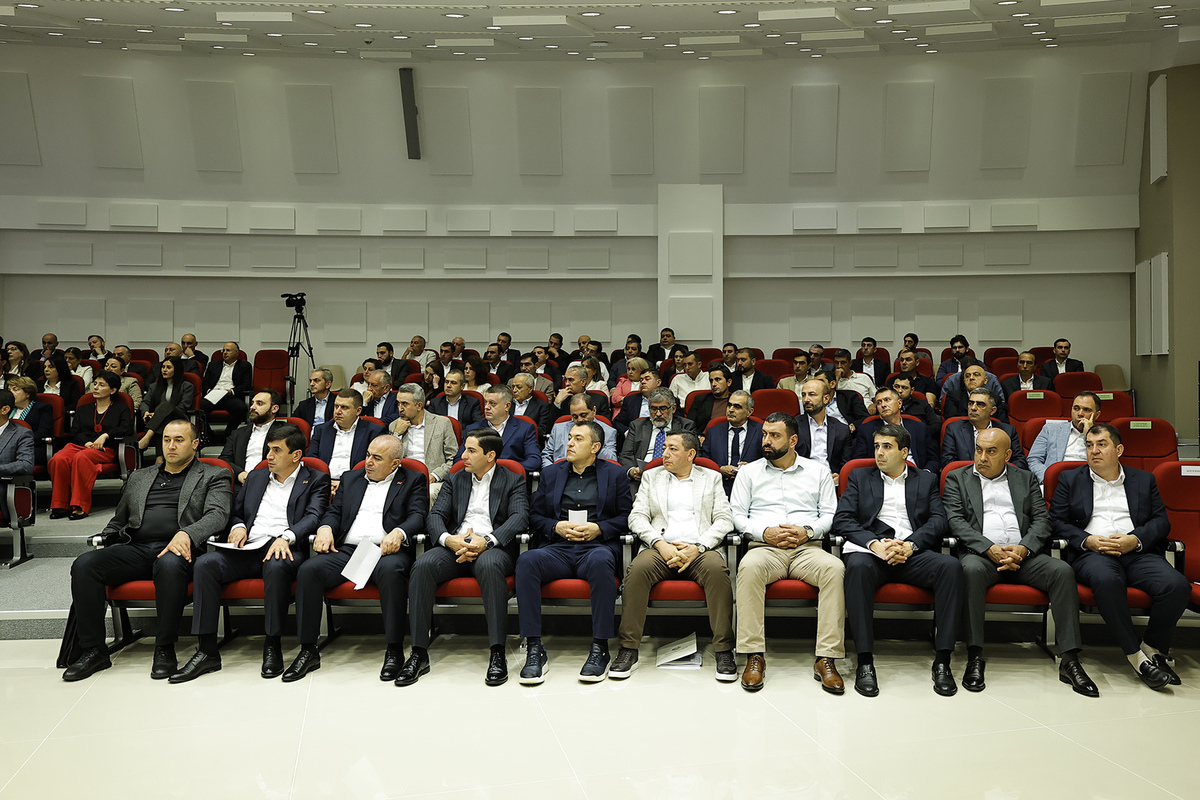
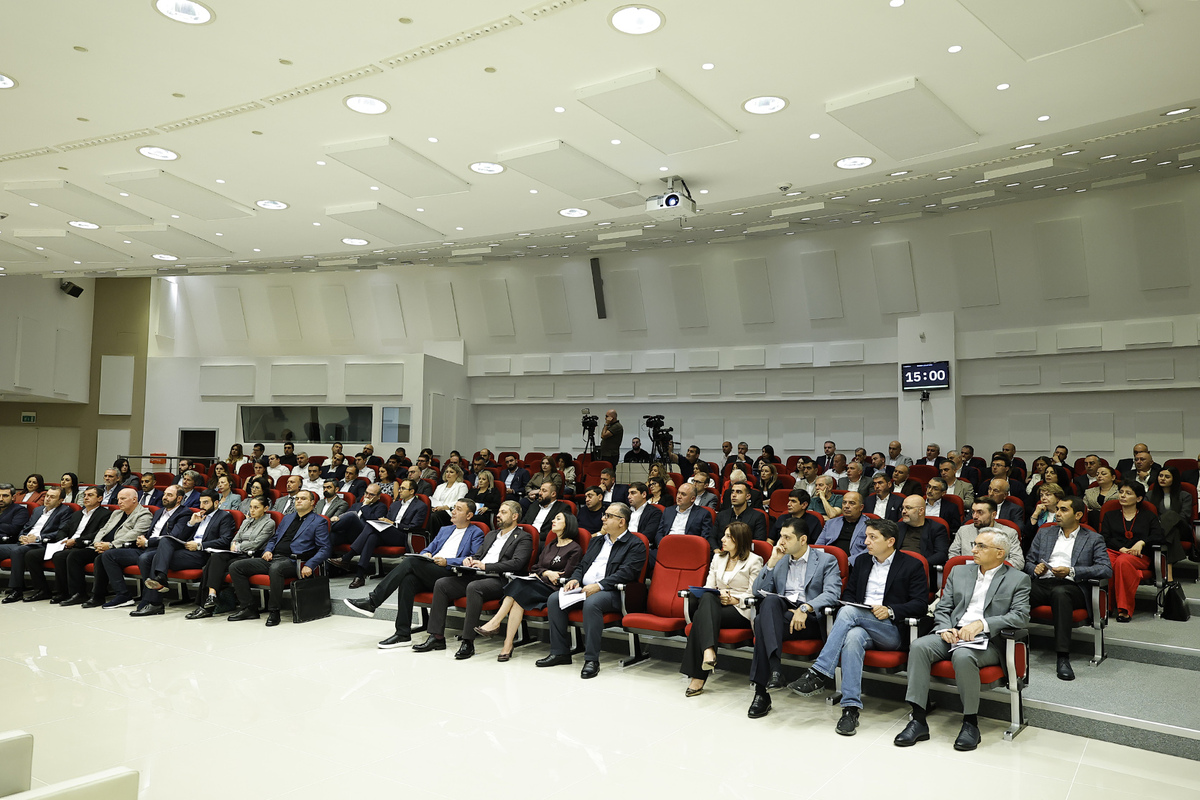
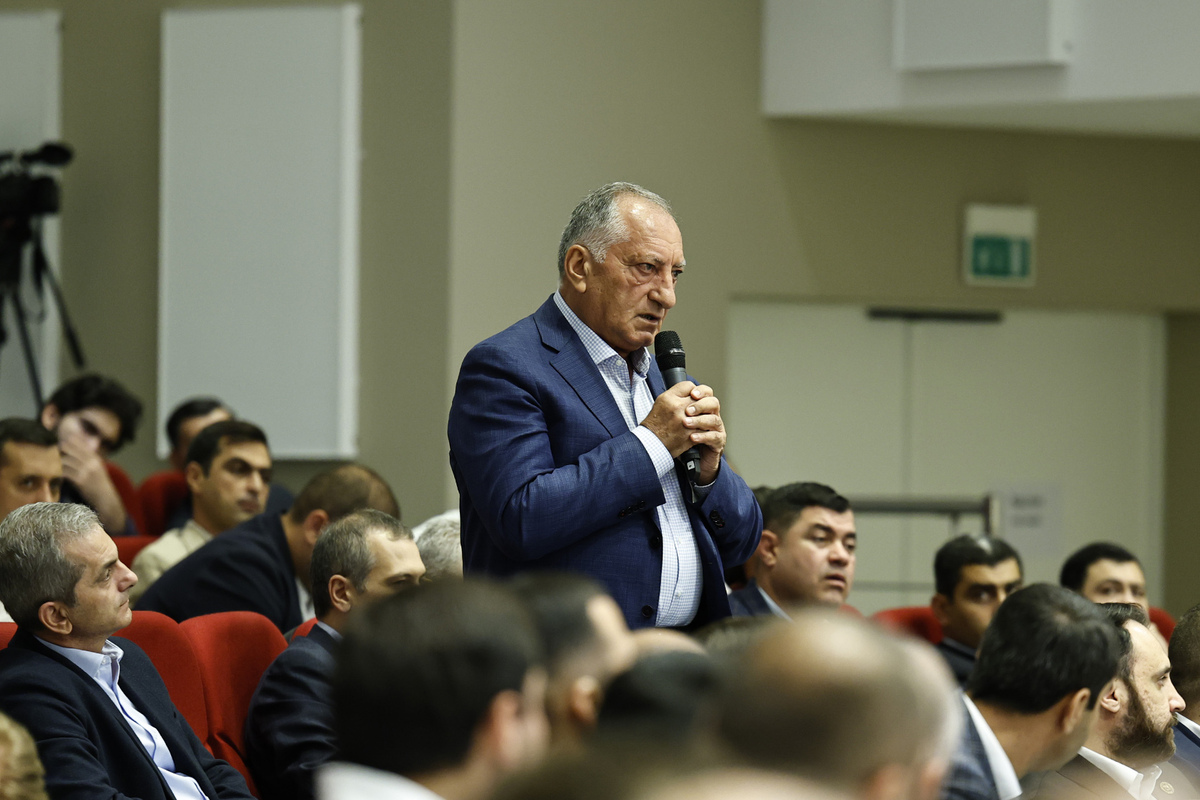
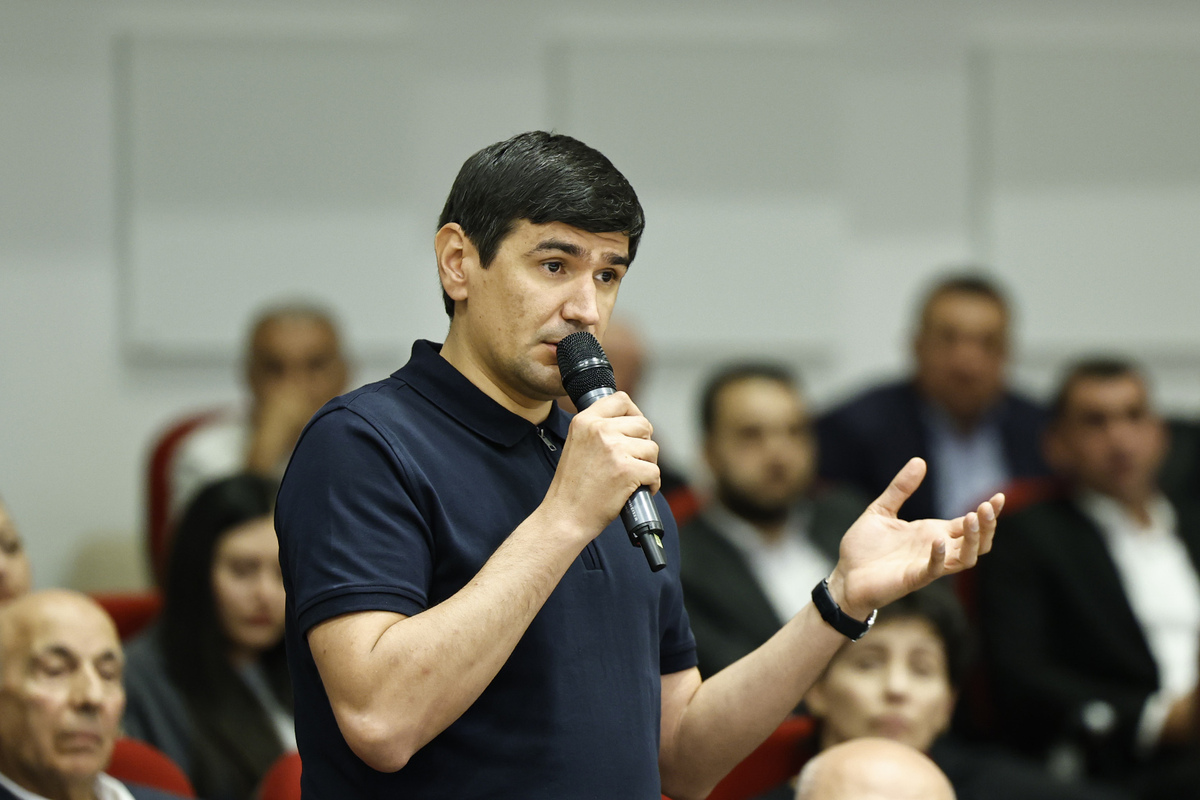
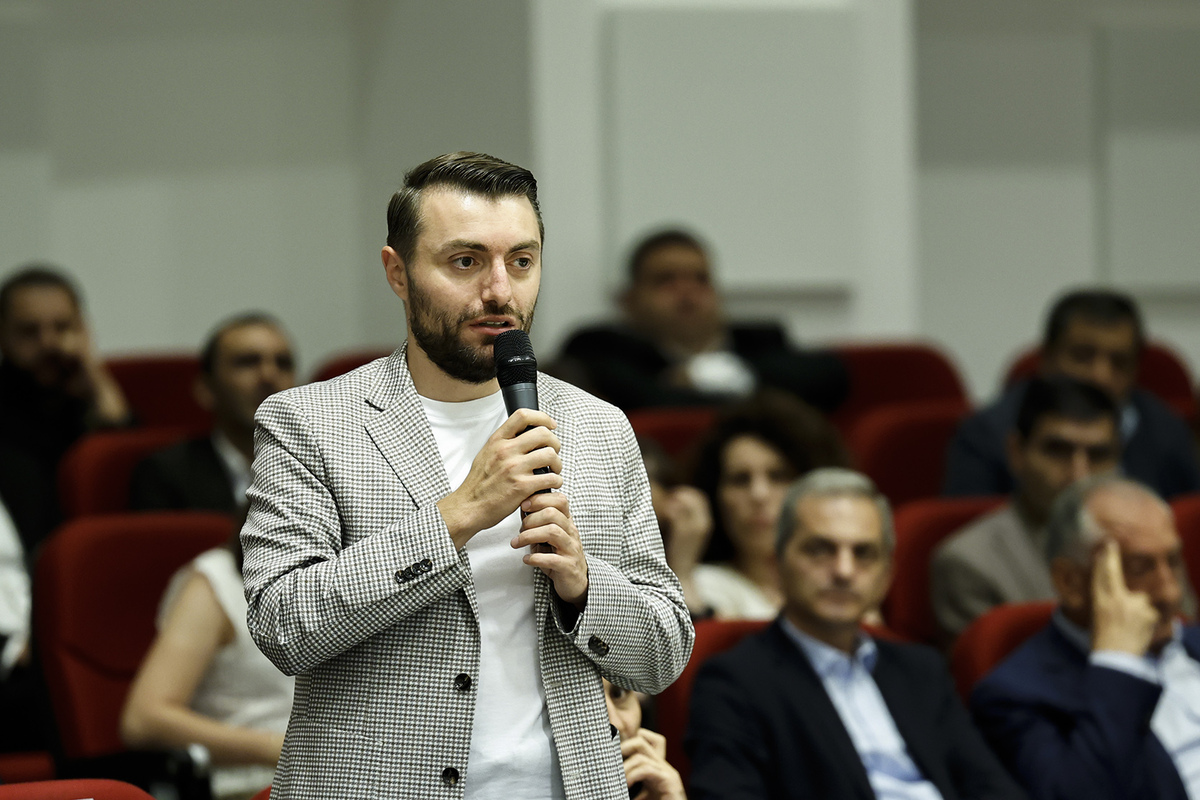
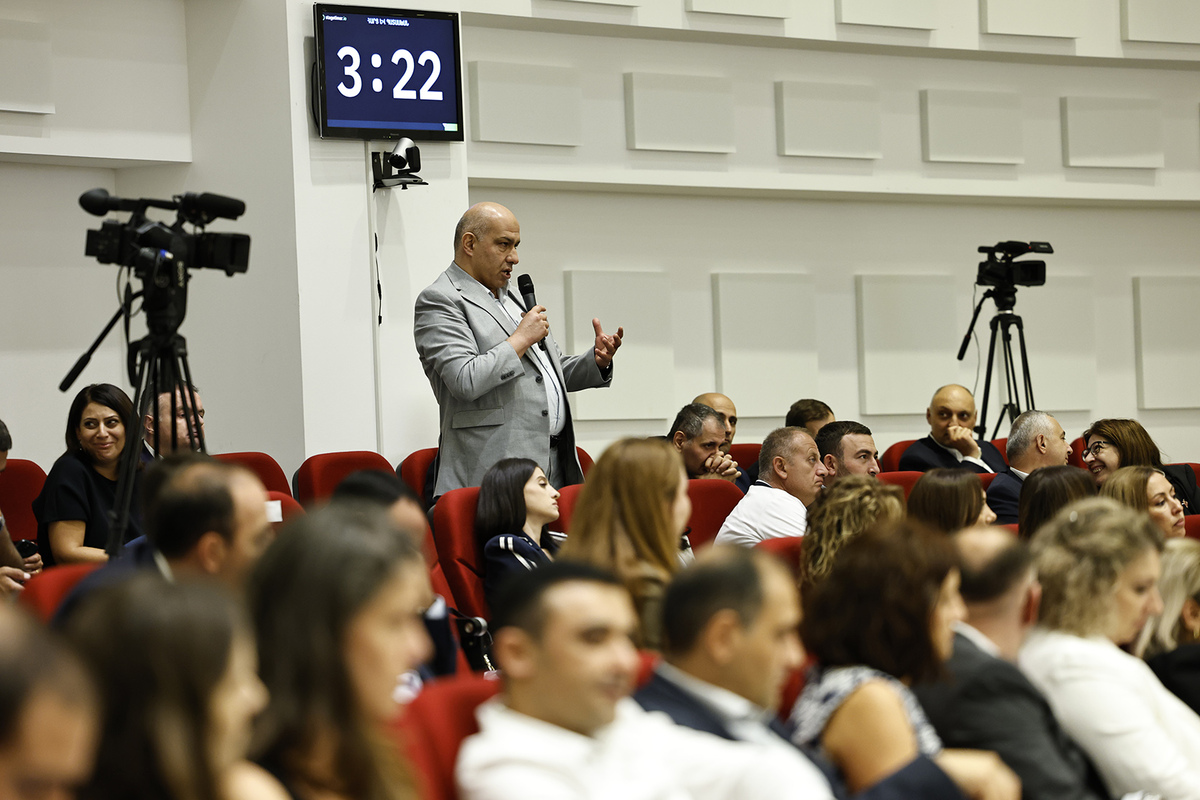
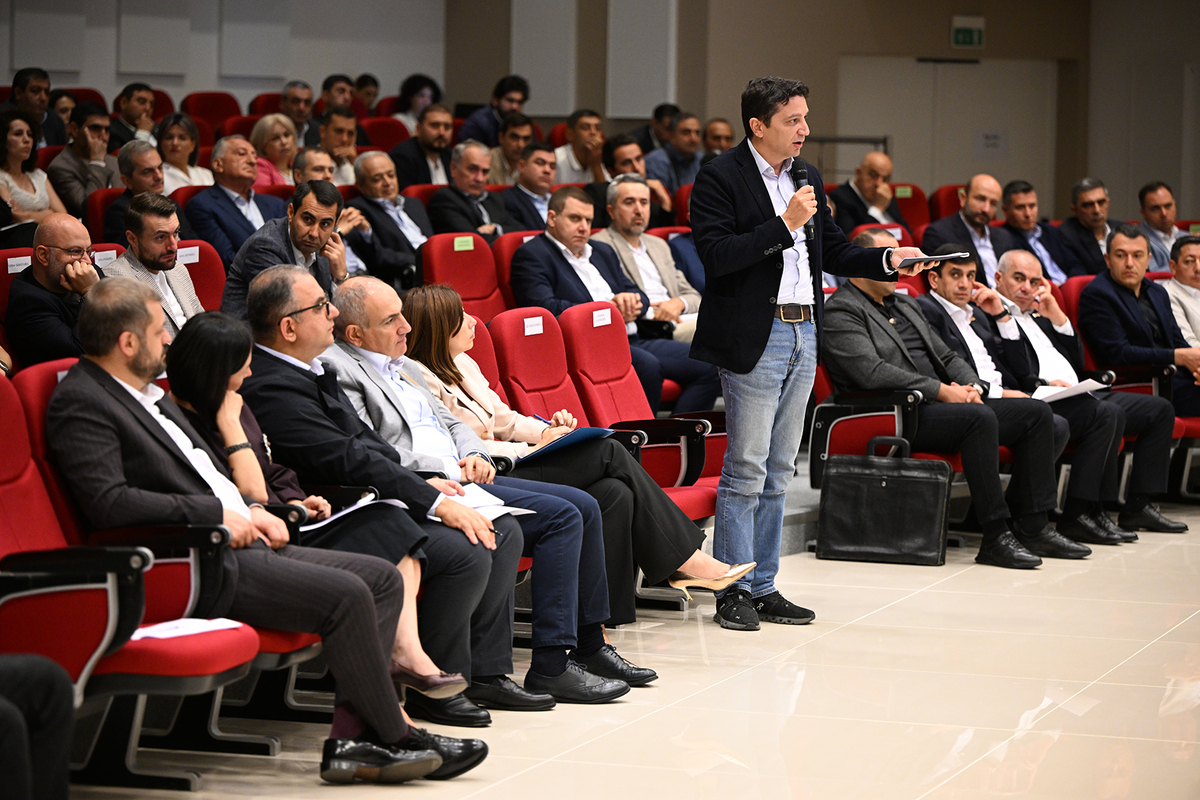
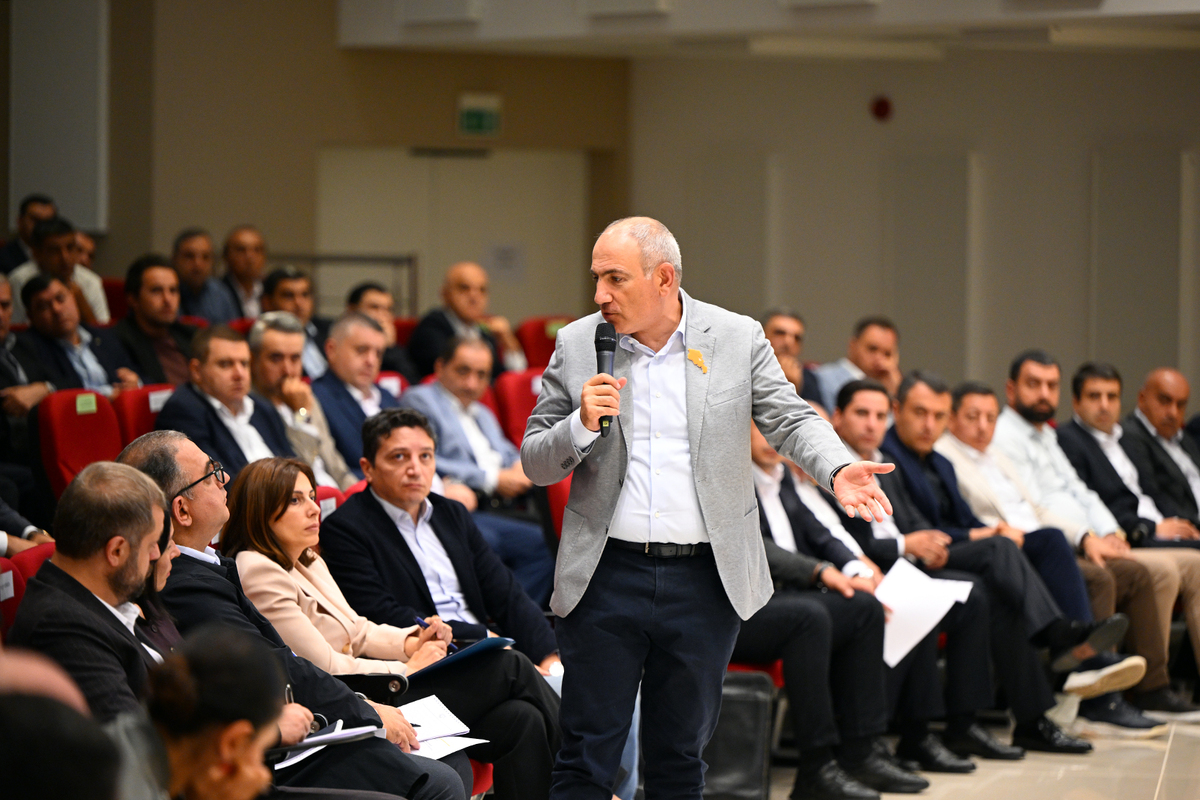
The event was attended by Cabinet members, MPs, representatives of concerned departments, local self-government bodies, the private sector, and water sector experts.
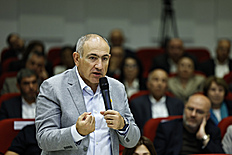
The Prime Minister made an opening speech and presented a number of observations on the water sector: “Today, there is not a single settlement in the Republic of Armenia that does not have significant and tangible problems related to drinking water. I am talking about the area of settlements. Today, only a small part of arable land, orchards, and plantations in Armenia has access to irrigation. In other words, in essence, most of our arable land does not have access to irrigation at all.”
The Prime Minister also touched upon the thousands of hectares of remote land in the republic, which also do not have access to water.
“The next global problem we are dealing with is that today the purification of used water is not the rule, but mainly an exception to the rule. And it is also obvious that such a way of water use cannot be acceptable in any way, because it clearly brings consequences. We are not even able to see and locate the traceability of many consequences, but it is obvious that we have this problem. The next point that we need to make is that more than the necessary water resource is being formed in our country to enable us to solve the problems I mentioned purely theoretically,” said Nikol Pashinyan.
The Prime Minister emphasized the importance of the workshop's work in the context of developing a roadmap for solving the existing problems in the sector: "And one of the key issues of our discussion today is how, with what roadmap, we can get from today's recorded point to the place when water will be available in all parts of the Republic of Armenia where its availability is necessary. We are talking about settlements, about ensuring a full and round-the-clock regime of access to drinking water. Second, access to irrigation water in all settlements. This is also a very important part of organizing the life of urban and rural settlements. And third, access to water in all places where it can bring economic development, that is, create added value."
And from all this, according to Nikol Pashinyan, global challenges arise, which are recorded in the Government Program or in the Doctrine of Economic and Institutional Transformation of Armenia. "We must understand that we must strive and reach a point where no amount of used water is released into nature without treatment," the Prime Minister emphasized, adding that it will contribute to solving numerous environmental and health problems.
During the workshop, the Prime Minister also expected a discussion on finding a more effective mechanism for accumulating water resources originating in the Republic of Armenia.
"In essence, this is the framework that we will discuss today, but discussions on this did not start today. We considered it important to fix a starting point where we will formulate this agenda, also with the participation of representatives of the legislative, executive authorities, the expert community, the private sector and communities. During this time, we will share our accumulated experience, knowledge, impressions, perhaps we will gain access to knowledge that we do not have access to at the moment. But it is very important to note that today's discussion should have a very important practical result: we should form a roadmap for our upcoming water sector reforms. But that roadmap, in order to be practical, must be maximally honest and feasible. What I mean by saying honest is that we ultimately have to face the fact that a huge part of the problems I mentioned are related to our general indifferent attitude towards water," said Nikol Pashinyan, adding that we need to have an appropriate attitude, including economic, socio-psychological, individual, household, and at all levels.
According to the Prime Minister, today in the Republic of Armenia, water tariffs express our attitude towards water. “However, we must state that we will not complete the chain I mentioned if all this is not based on the determination of the cost-effectiveness formula of the system, without it it is simply impossible. First, we must determine an objective tariff and reflect on who/how should pay which part of that tariff. I want us to clearly distinguish this as well. In other words, the tariff is one issue, the tariff payment formulas are the second.”
The Prime Minister also touched upon the issue of liberalizing the water market. “We must also be able to form a water market in the Republic of Armenia. And this is the reform that will also be an incentive for private investments in the water sector, if there is an opportunity and a system, a certain political message that there can be investments in the water sector, and irrigation water, in particular, can be the subject of market relations. This too can significantly change both the situation, perception, and attitude."
Summing up, Nikol Pashinyan emphasized the agreement according to which the information collected during today's discussion will be reformulated as a roadmap for actions to be taken. "Of course, the draft of that roadmap will be formed, they will be addressed once again in appropriate formats, after which a corresponding state program will be adopted, which we will begin to implement together with our private sector partners," the Prime Minister said and wished those present a productive discussion.
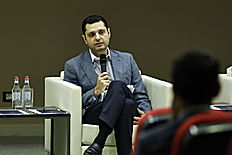
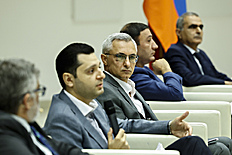
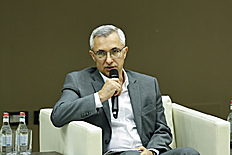
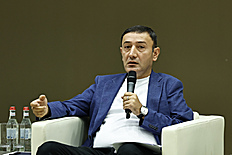
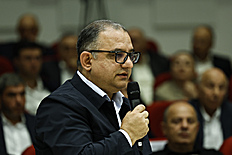
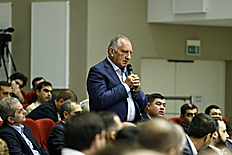
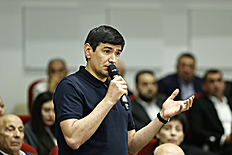
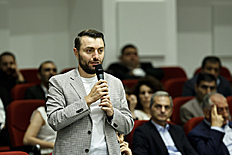
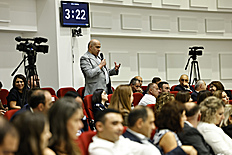
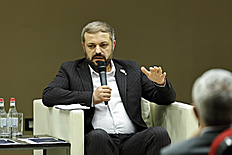
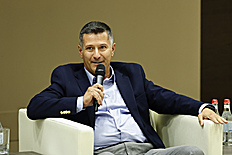
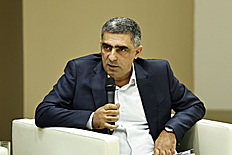
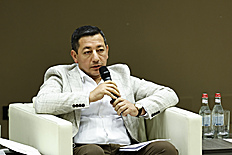
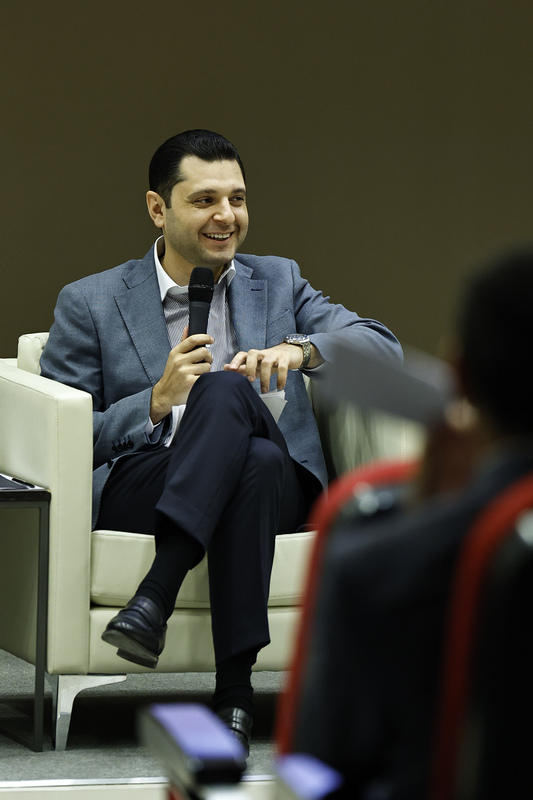
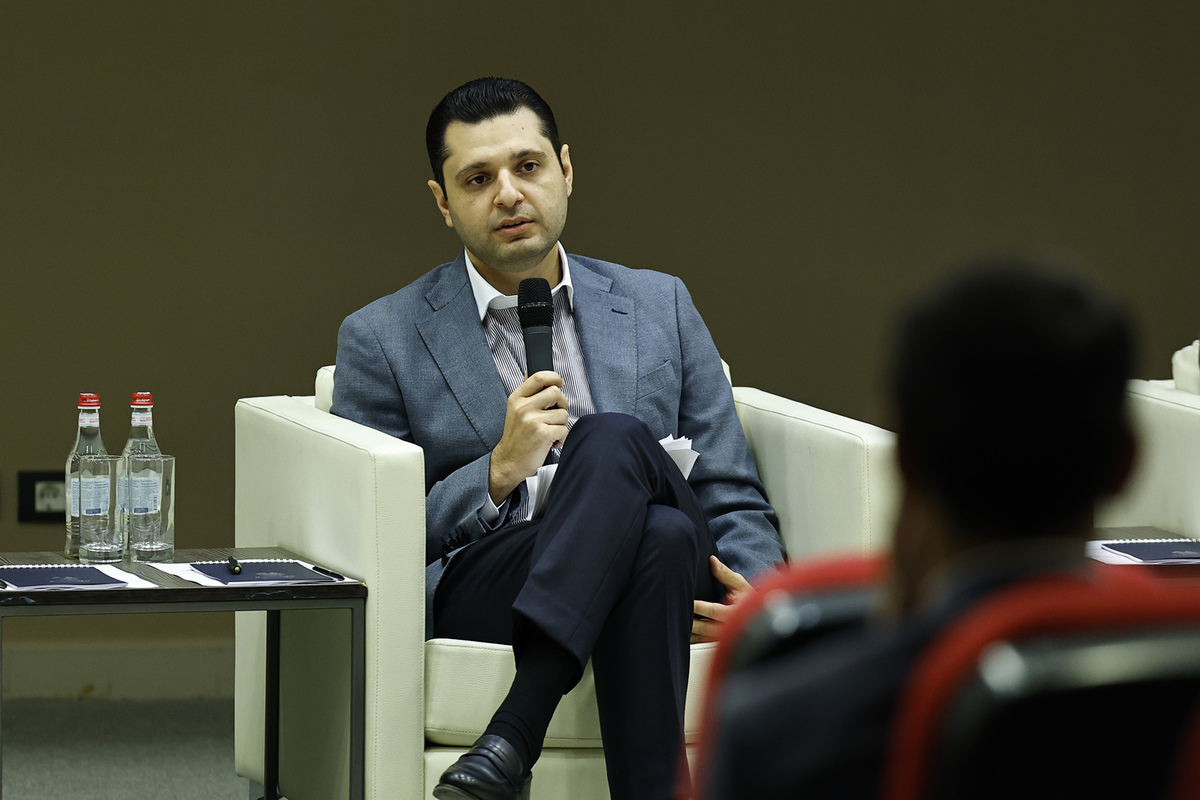
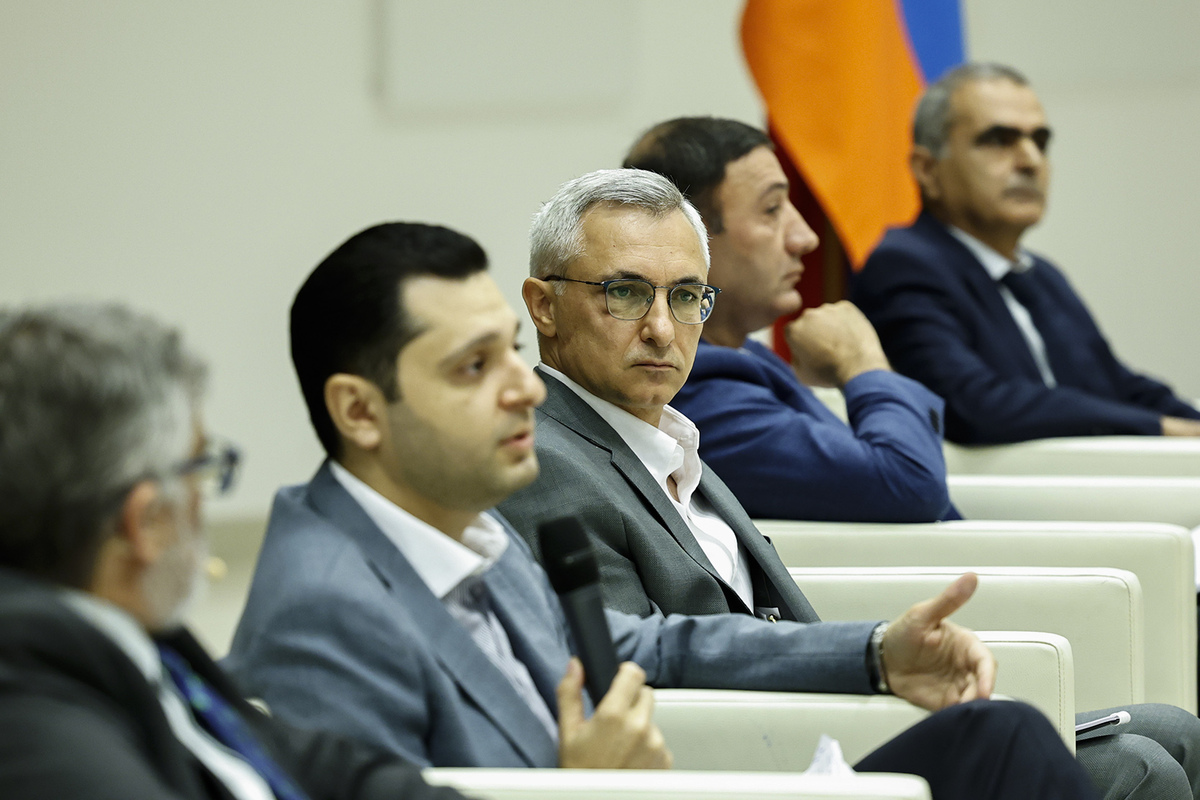
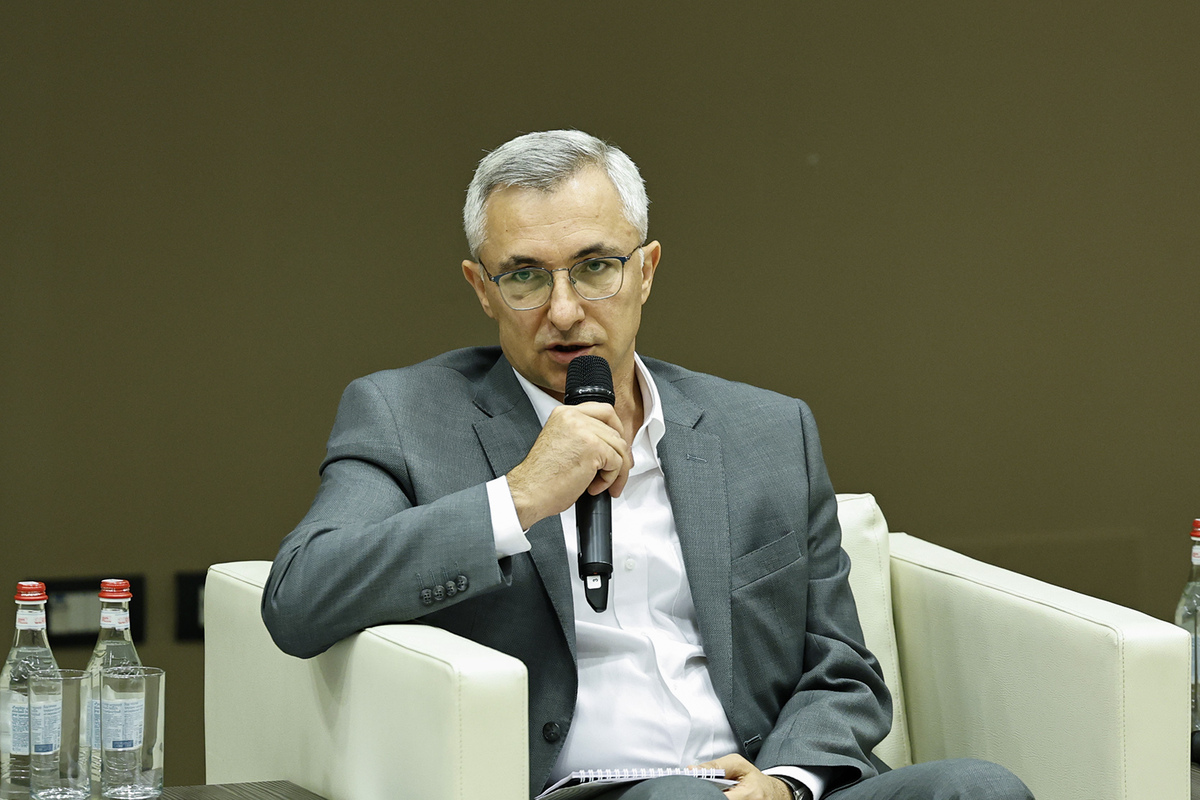
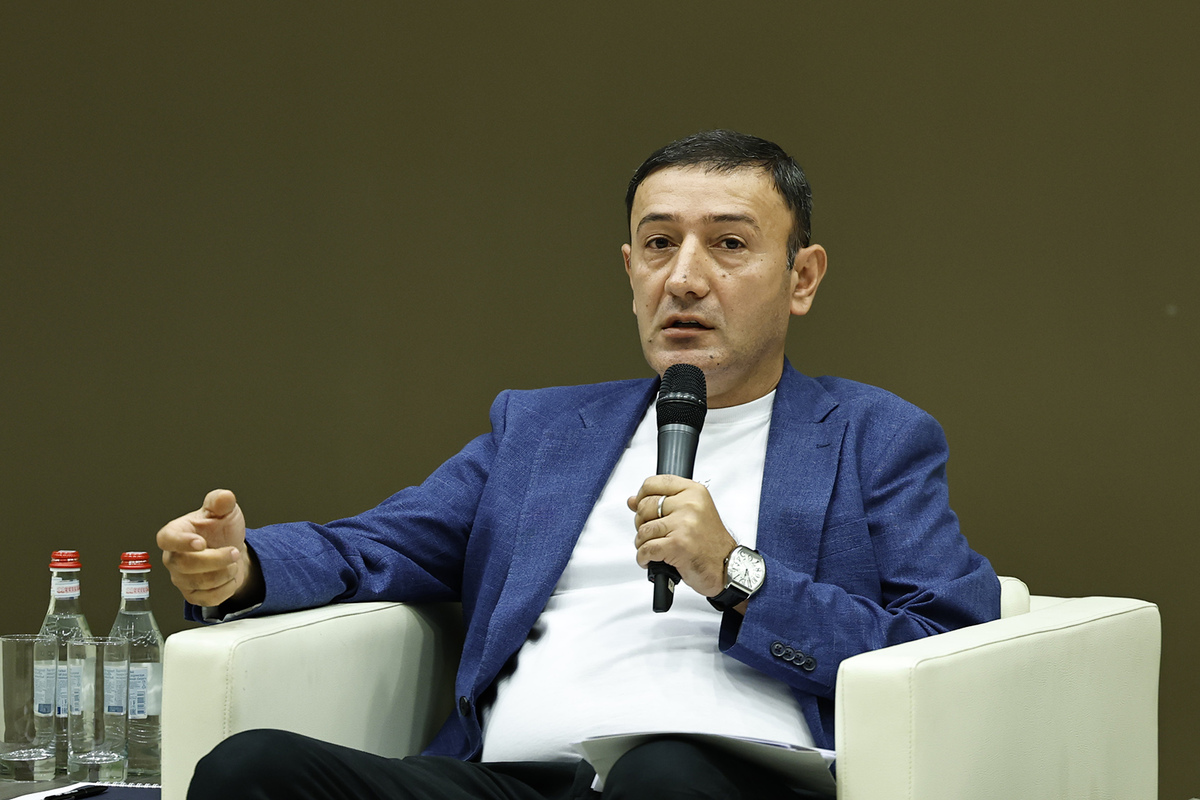
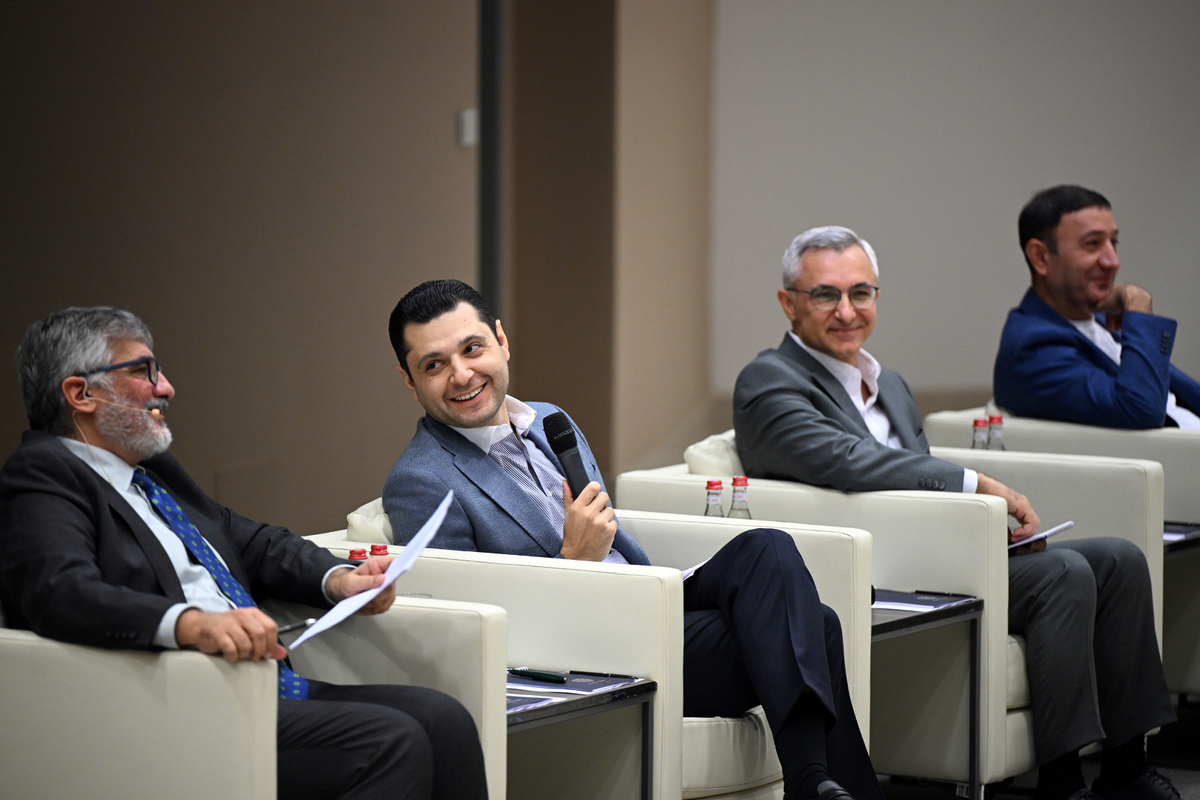
During the workshop, thematic discussions were held on water resources management, infrastructure and technologies. The problems of the sector, the possibilities and steps for their solution were discussed, proposals and various observations were presented.
At the end of the workshop, Nikol Pashinyan thanked those present for conducting an interesting discussion.
The Prime Minister noted that as a result of the discussion, the topic has been expanded and, in his opinion, the issue should be reformulated and a transition should be made from water sector reforms to the water transformation agenda. “Why am I talking specifically about transformation, not reform, because without changes in the educational and socio-psychological spheres, we will not have any changes in either energy, water, public life, state building, state governance, or lifestyle. In general, I think that in all spheres we should replace the word “reform” with the word “transformation”, because there is no such problem for which we can achieve changes with a 10% superficial change. In all spheres we are already in a state where we should talk about deep changes, including because, in the presence of new technologies, no matter what we reform, we will already be left behind,” the Prime Minister noted.
According to Nikol Pashinyan, it is true that the problem is getting more complicated, but we need to set a complex problem so that there is a solution, because if the problem is not formulated with the appropriate complexity, it gets a cosmetic solution. “We are talking about long-term, decades, and we must plan and implement our five-year tasks correctly within decades, because if the foundation is laid correctly and the vector is determined correctly, the flywheel of transformation also starts to work.”
The Prime Minister noted that the public should become a full participant in the transformation process. According to the Prime Minister, people should be presented in detail with the existing problems in the sector so that they correctly understand them and the steps aimed at solving them. “We must constantly share our thoughts with people, as the speakers shared with us today.”
The Prime Minister also attached importance to the continuous holding of such workshops in the transformation process and wished everyone success on the path to implementing the water agendas.