Statements and messages of the Prime Minister of RA
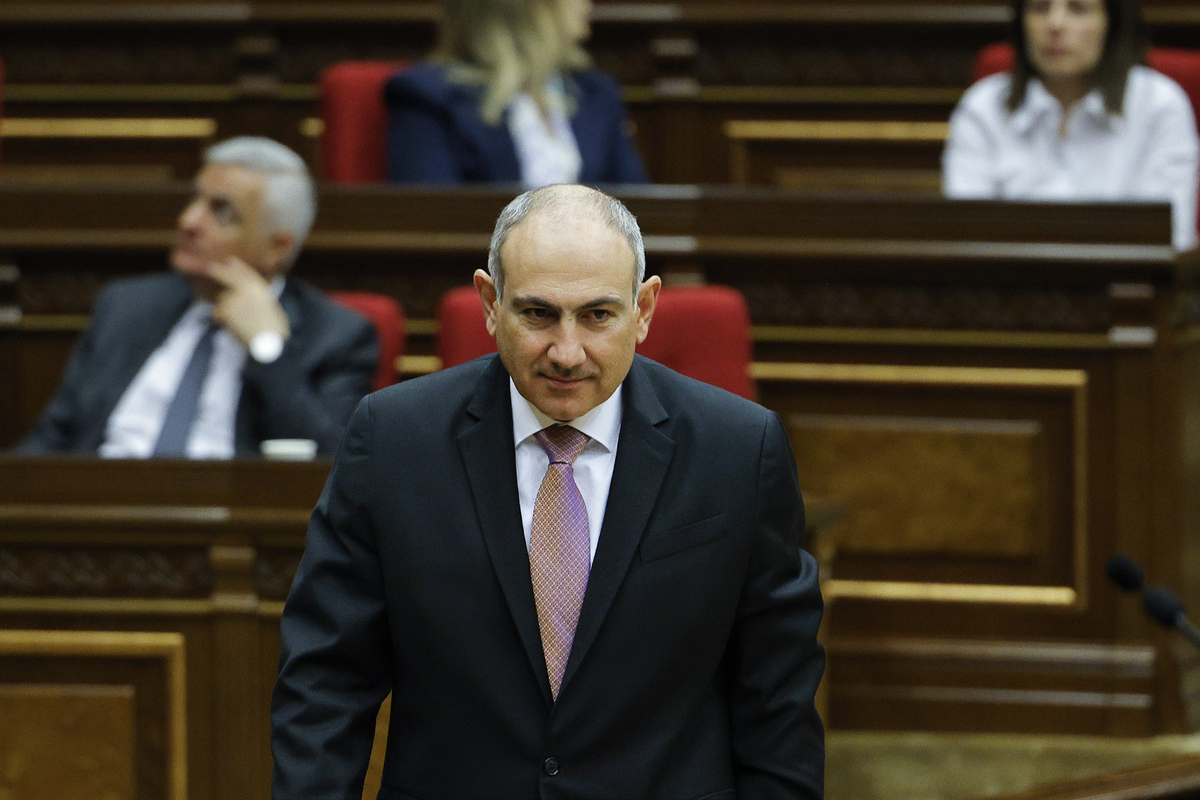
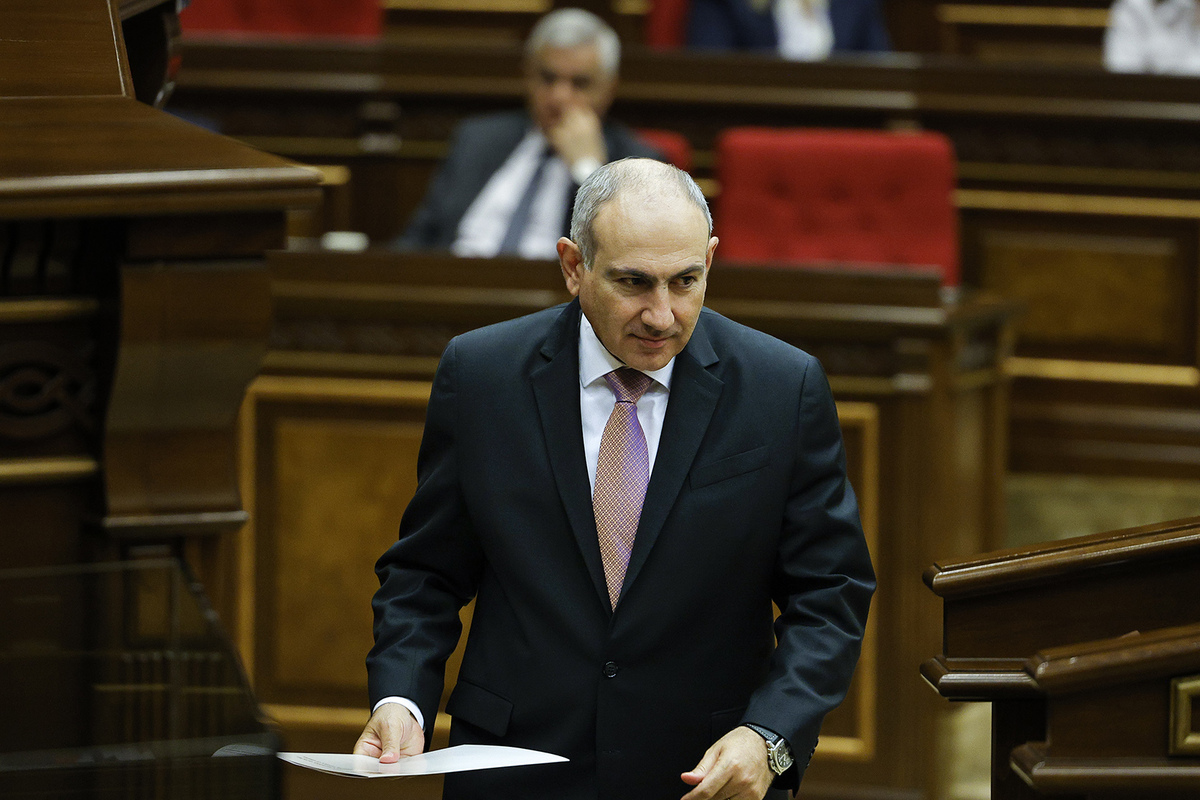
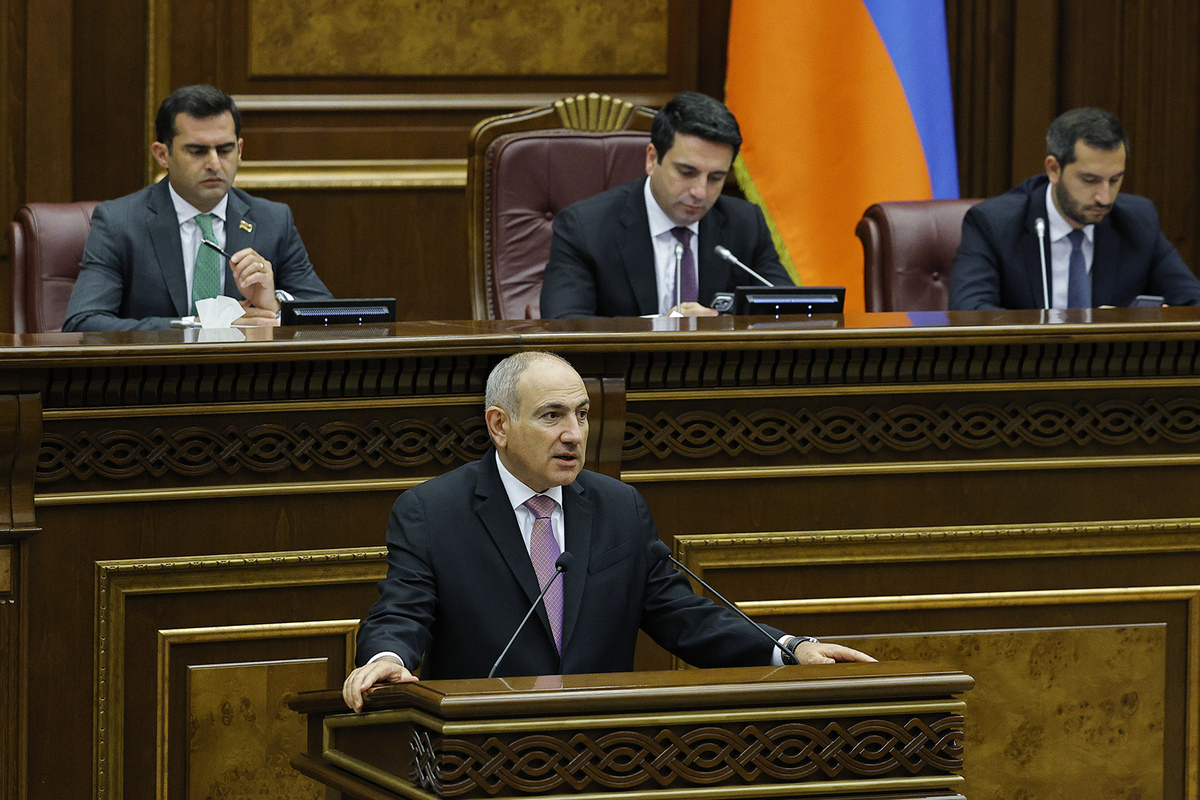
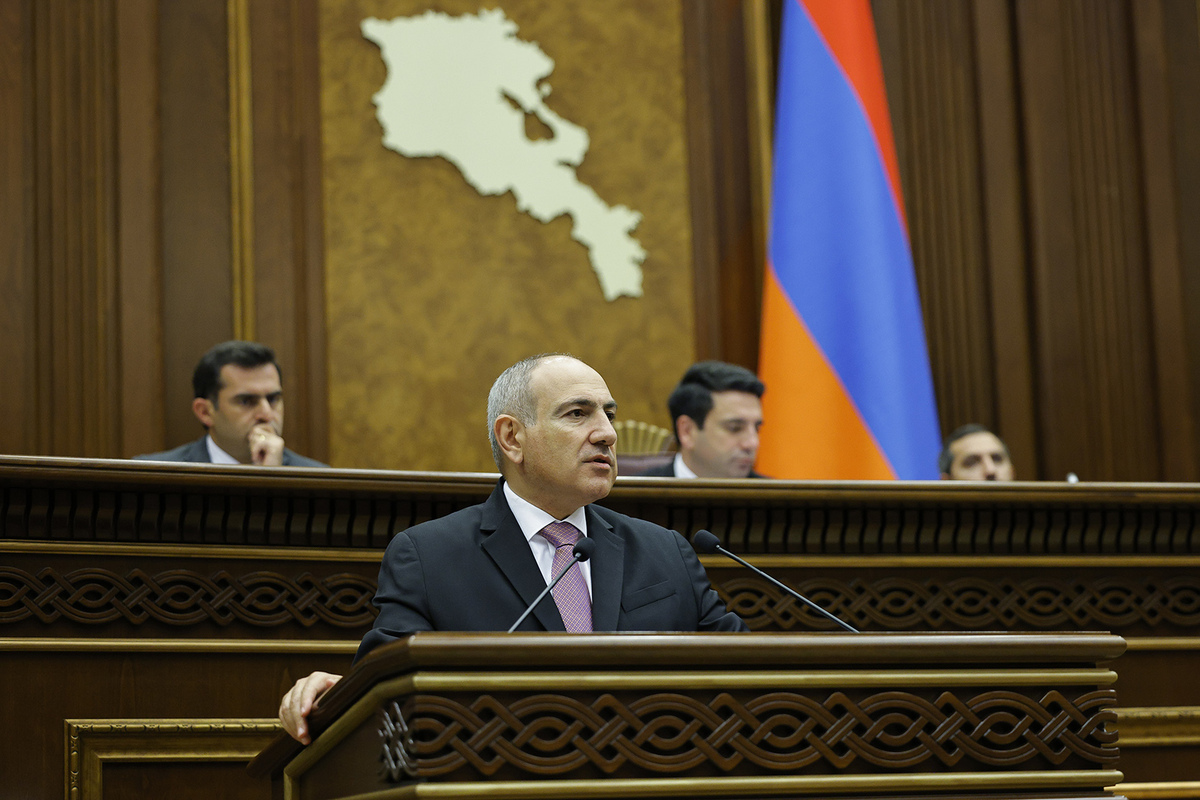
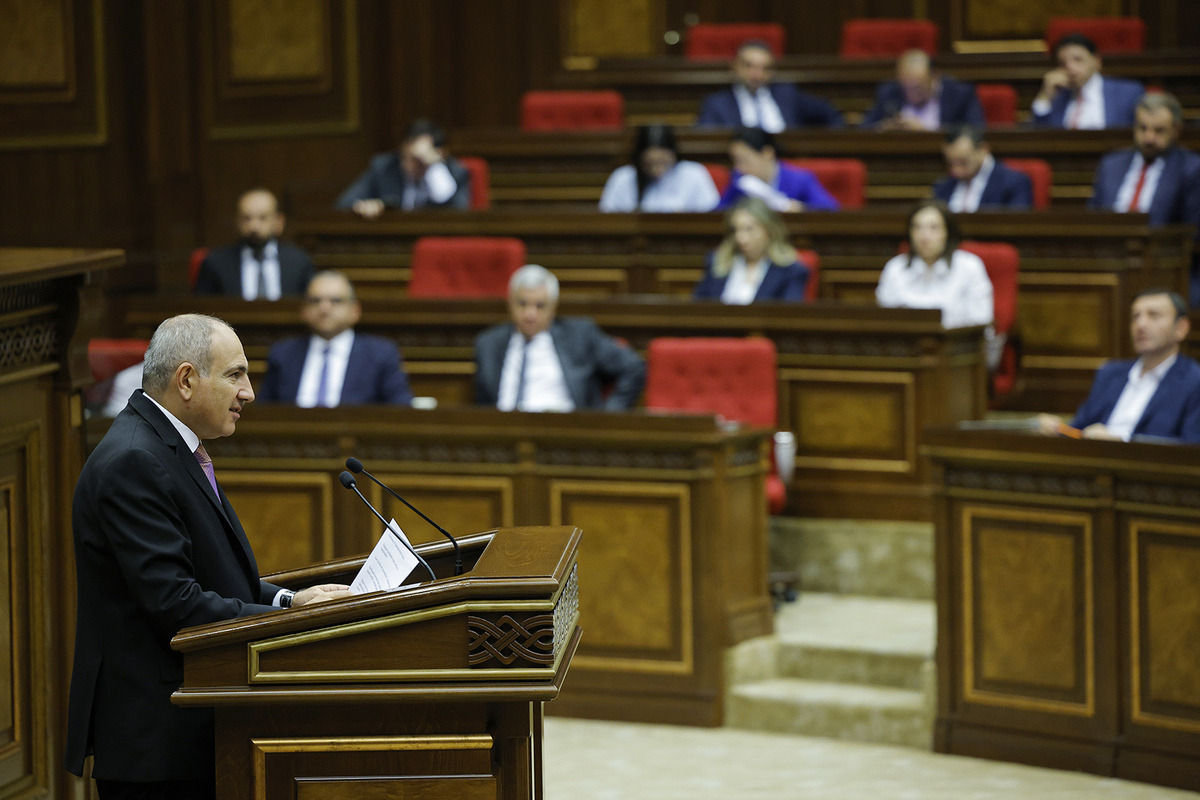
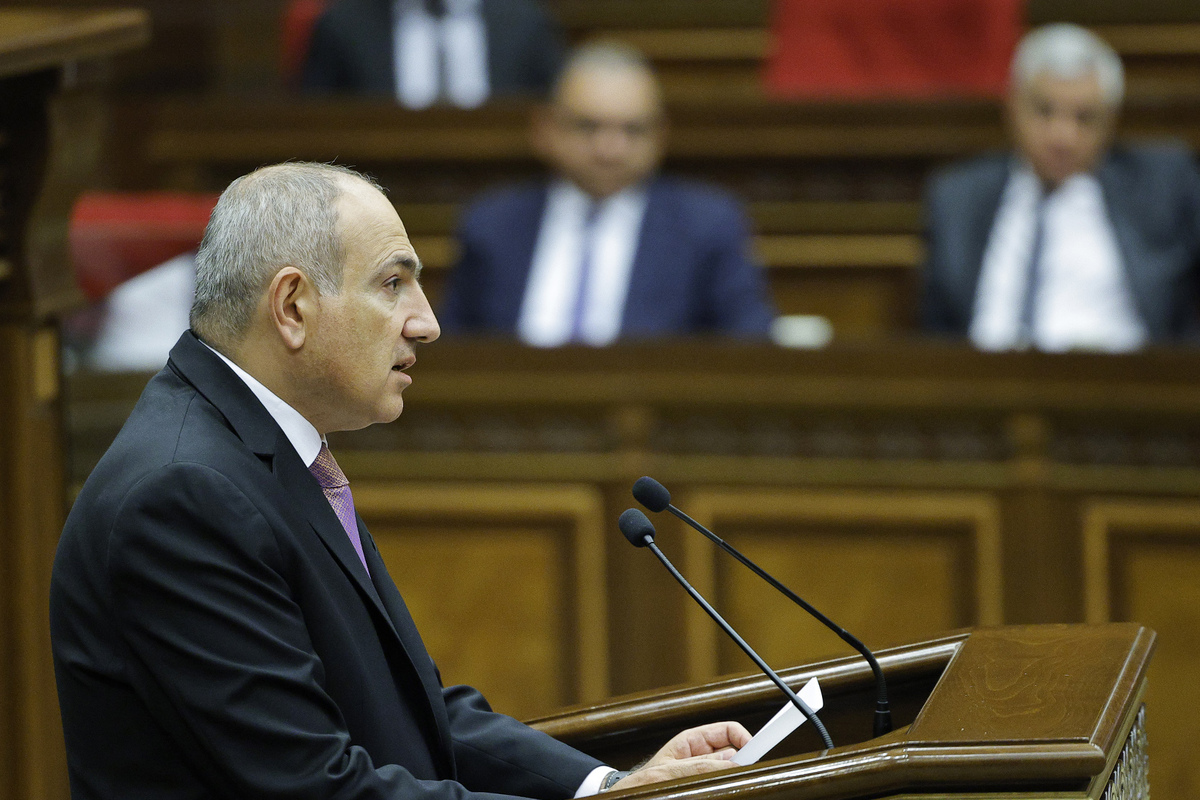
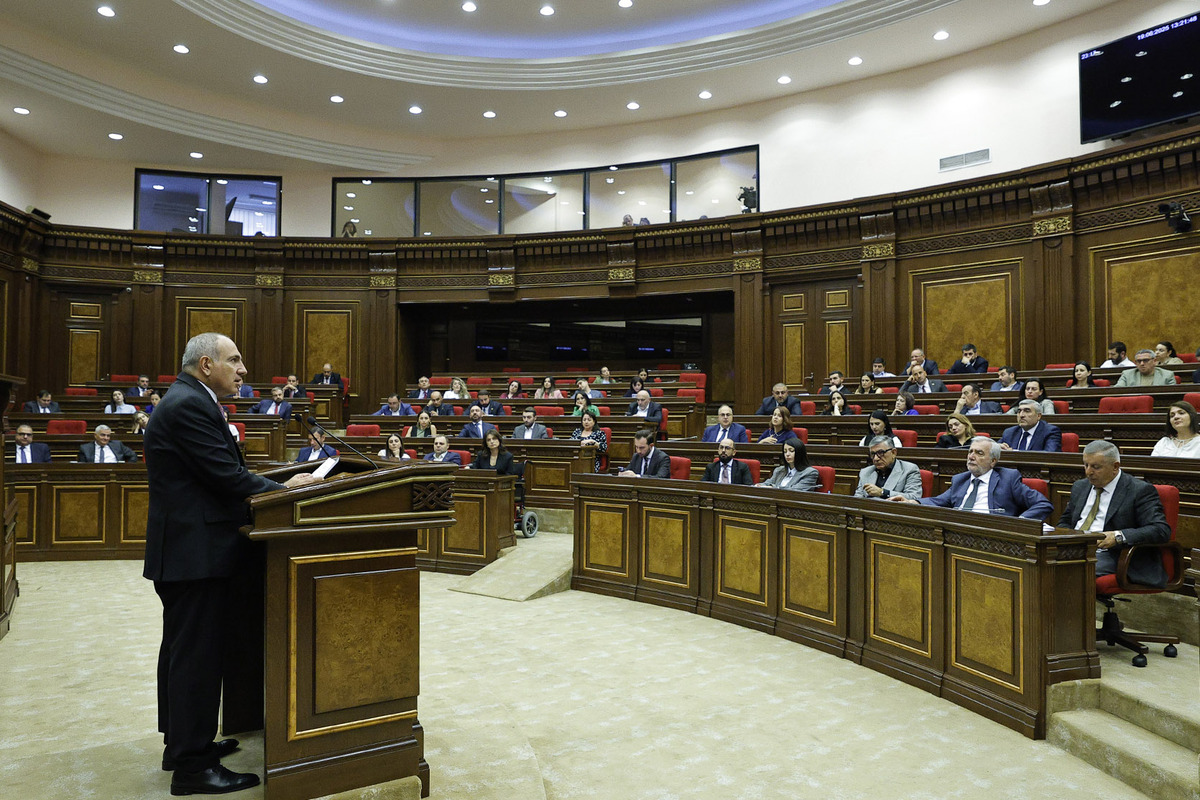
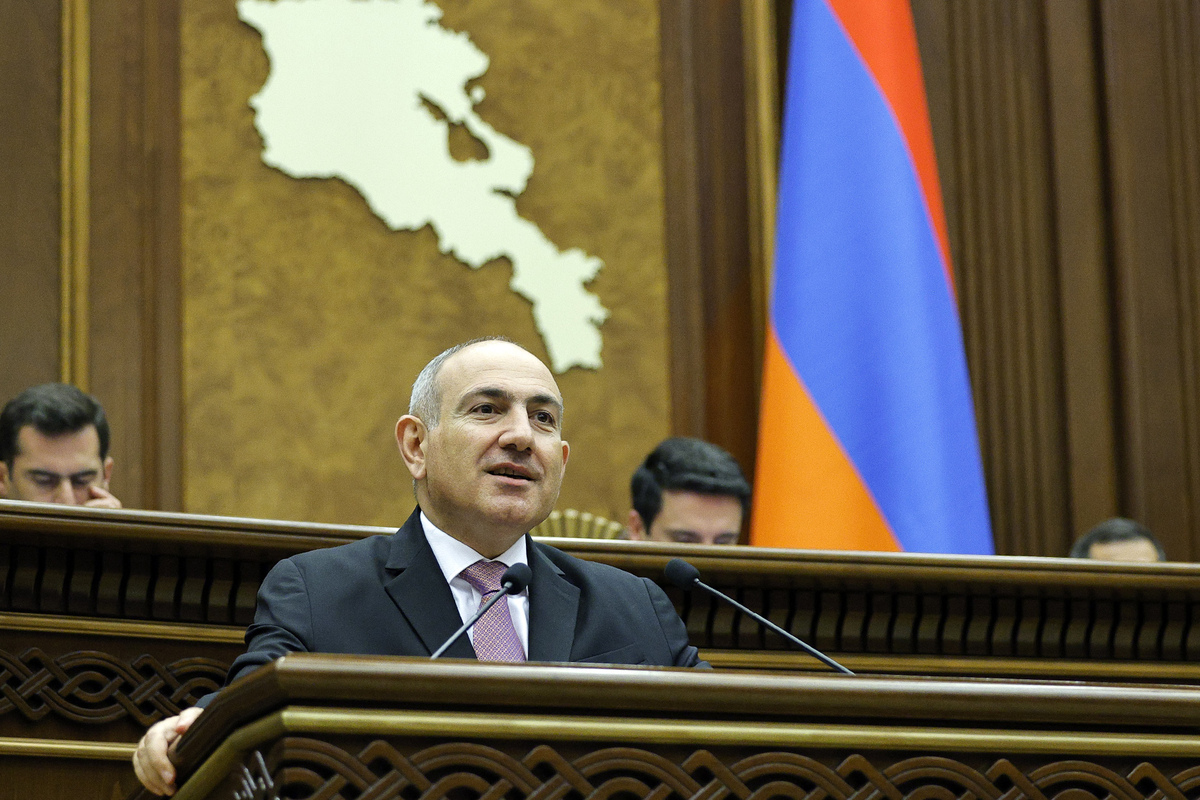
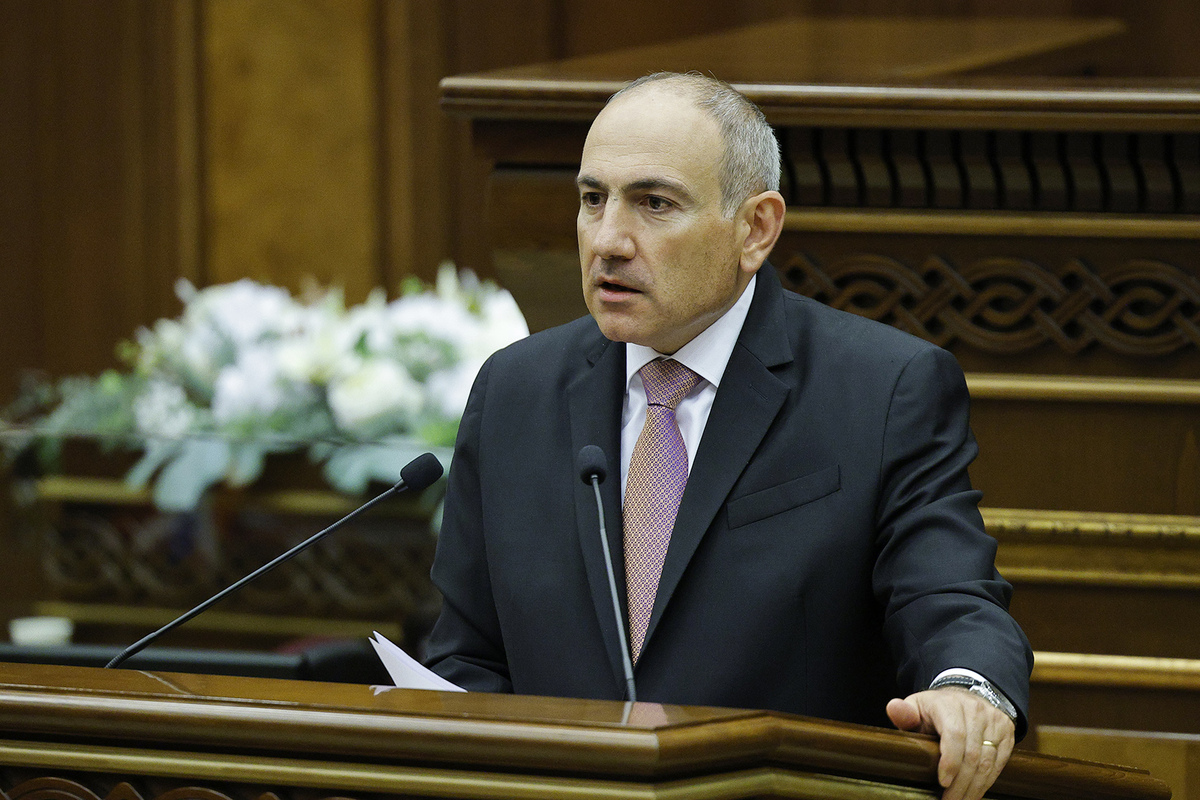
Prime Minister Nikol Pashinyan’s final speech in the National Assembly at the discussion of the annual report on the implementation of the 2024 state budget


more 7 photos
Honorable President of the National Assembly,
Honorable Vice-Presidents,
Honorable Cabinet members,
Honorable MPs,
Thank you for the earnest discussions. Many of the ideas expressed are valuable, some more, some less. Some are valuable in their worthlessness, because they sometimes give more active room for thinking. I participated in the entire discussion and followed the exchange of ideas, and I asked myself the question: if I were an opposition member, how would I criticize our Government and whether I would criticize it or not? And then I noted that there is no, has never been, and never will be any Government in the world that it would not be possible or necessary to criticize objectively and in principle. It is, in fact, a genre where the opposition criticizes, the government retaliates, which is a very important genre, especially in democratic countries, because during that criticism, an opportunity is created to think about many things again, to review, to reflect, to come to conclusions. And in this regard, this discussion was useful for me, because a lot was said about the seven years of our political team's governance. And it was an additional stimulus for me to think about the seven years of our governance, and parallel with the speeches, I am thinking about the seven years of my prime ministership. And I will try to answer the question, the global question, because you know, in the details you can always find specifics and focus on them, criticize or not criticize.
But in the bigger picture, when I ask myself what the situation was like in June 2018 and what the situation is like in June 2025, what I was like in June 2018 and what I am like in June 2025. I ask myself this question, being alone with myself, honestly, because speaking in front of others is one thing, speaking to yourself is another, because when speaking to others you can not mention something, but when speaking to yourself it is impossible not to mention anything. Now I want to say the following, when I think about myself in June 2018, when I became the new Prime Minister of the Republic of Armenia, I was elected, very quickly I recorded for myself that I am the Prime Minister of the Republic of Armenia conditionally and I am more of a Prime Minister of an outpost.
By June 2025, this is what has changed the most for me: I am the full and complete Prime Minister of the Republic of Armenia. What made all this happen? Of course, the role of the political team, the political party, the parliamentary majority cannot be belittled in any way, but I want to emphasize that this happened first and foremost thanks to our martyrs and the people of the Republic of Armenia. But I also want to clarify what I mean by saying outpost, because usually the term outpost is introduced into our reality, associated with a specific country. But soon, I realized for myself only in the post of Prime Minister that it is a terrible injustice to associate the phenomenon of outposting with one country. In reality, many countries were involved in that outposting process, there were such countries in the north, there were such countries in the south, there were such countries in the east. It is much more important to note that the critical part of the outposting was not outside of us, but we ourselves were the critical part of the outposting, we ourselves ensured it, and with the following logic, we did not give ourselves an account that we are the Government of the Republic of Armenia, we are the parliament, we are the people. We did not give ourselves an account that we are a state and did not try to clarify for ourselves what a state is anyway, what parameters it has, what kind of behavior implies being a state, and what behavior is it that puts us beyond being a state?
And I record, yes, in 2018 and 2019 I was the prime minister of an outpost, first of all because I was in the logic, the main axis of which was the following: in reality, the Republic of Armenia is not a goal country, but a means country to achieve a greater goal country. I was like that in 2018, I was like that in 2019. After November 2020, I have probably been in the position of the most outpost prime minister, and I think this was a turning point when we, our political team, all asked ourselves what we ultimately want. We were on the edge of the final and complete outposting line, and we asked ourselves whether we want to cross that line or whether we don't want to cross that line. And we decided that we don't want to cross that line. And this is the point where we decided that early parliamentary elections should be held in Armenia, and the people should make decisions, of course, first of all, we ourselves should make decisions. And this process, it is very important to note that it is not a one-step combination, this process did not culminate in one event. However, I think that there is a point where, for me personally, there was a clear transition from the outpost Prime Minister to the Prime Minister of the Republic of Armenia. In this matter, of course, the 2021 parliamentary snap elections played a very big role. I know the day when I became a full-fledged Prime Minister of the Republic of Armenia and from that point to this day I have been acting exclusively according to that logic. That is October 6, 2022, when I became the first head of the Republic of Armenia to recognize the territorial integrity of the Republic of Armenia.
You know, our opposition is using this day and this fact, even outside the borders of Armenia, with the logic that I am the first leader who recognized Nagorno-Karabakh as part of Azerbaijan and who recognized the territorial integrity of Azerbaijan with that logic. This is a very important and turning point, because in reality, both in a deep political sense and objectively, I want us to remember that moment, it was a time when we recorded that even our closest partners, in fact, and it turned out, it was not a theoretical thesis, but an environment and situation of practical significance, when our, even the closest countries, do not recognize the territorial integrity of our country, the Republic of Armenia. And this was a very sobering thing for us, it was at that moment that we had to ask ourselves: but wait a minute, do we ourselves recognize the territorial integrity of the Republic of Armenia, that we are once again offended by others who do not recognize the territorial integrity of the Republic of Armenia?
On October 6, 2022, I recognized the territorial integrity of the Republic of Armenia, understanding that the territorial integrity of the Republic of Armenia is interconnected with the territorial integrity of its neighbors. For me, this is the point where the transformation from the Prime Minister of an outpost to the Prime Minister of the Republic of Armenia has ended.
And I now note, I want to repeat it again, and I am absolutely convinced of this, that today, as a state, we are more independent than ever, we are more sovereign than ever, we are more of a state than ever, but what we note today is not actually the most important thing. The important thing, after all, since we are also talking about the cycle that started with the 2021 parliamentary elections, where our slogan was "There is a future, there is a future," it is also very important, after all, to answer that question, well, did we implement that slogan or not, is there a future or is there no future? This is also a matter of almost daily pondering for me, and that as a result of that pondering, I have come to the following conclusion: what does it mean in practice that there is a future, and what does it mean in practice that there is no future? If there is a clearly outlined plan for the future, then there is a future; if there is no clearly outlined plan for the future, then there is no future. And yes, we have solved that problem, because what we present to the public today as the ideology of Real Armenia is a clearly outlined project for the future, and the existence of that project is the guarantee that there is a future and that future has very specific parameters, and the most important of these parameters is to have regulated relations with neighbors in our own environment, to fully and completely recognize the territorial integrity of our neighbors, internationally recognized territories, and thereby recognize our own territorial integrity, sovereignty, and independence.
And I want to clearly state that the history of the last seven years, no matter how much one tries to present it differently, in this context, from this point of view, it is a story of success, not failure. You see, a lot of people talk about the fact that we have lost Nagorno-Karabakh. Naturally, I have thought a lot about this issue, and here too my conclusion is the following: we have not lost Nagorno-Karabakh, we have found the Republic of Armenia. This is the truth, because as I said before, the Nagorno-Karabakh issue, as the opposition partners formulated it, was used as a peg so that the Republic of Armenia would not be found, the Republic of Armenia would not be established as an independent and sovereign state, and the Republic of Armenia is being established and I and all of us, at least I, because I have not spoken to everyone in great detail, are more optimistic than ever about the future of the Republic of Armenia. I want to say again that this is not a story of failure, but of success, and this is one of my most important observations at this moment.
You know, we sometimes give in to the formulations thrown by the opposition. Here they say that ballistic missiles are flying over Armenia. No ballistic missiles are flying over Armenia, on the contrary, planes are flying over Armenia in such a quantity that has never flown over Armenia in its history, but I do not want to present this as a success with this logic, but I want to clarify that ballistic missiles are not flying over us. I want to tell you something else, as a person who has been holding the position of Prime Minister of the Republic of Armenia for seven years, the Republic of Armenia has never been as prepared for international situations, for possible regional problems, as it is today. And the most important expression of this is the balanced foreign relations and the result of the balanced and balancing foreign policy that we have. Yes, it is the dynamics of the peace process with Azerbaijan, yes, it is the process of active dialogue with Türkiye, yes, the regulation of our relations and our situation in different directions and the undoubted and unprecedented increase in our international reputation. I say again, we look at it very clearly, because these are already realities.
In 2026, Armenia will host two major global events: the European Political Community Summit and the COP17 Biological Diversity conference. These are no coincidences, and they are the physical expressions of a success story.
Much was talked about the situation related to the church. Yes, they are trying to present that we are fighting against the church. In reality, we have taken a position of protecting the sanctity of the church. Today, we are doing nothing other than protecting the hierarchy established by the Ashtishat Council of the Church in 356. The Ashtishat Council determined that the church's elite should be celibate. Why? First of all, with doctrinal justifications, because that doctrinal justification is that the servants of the church and the church of Jesus Christ, the most devoted and faithful servants, should forget about personal life, should forget about marriage and should marry the church, should have a personal life with the church, their personal life should be enclosed in the service of Jesus Christ and nothing else. And it is also thanks to this hierarchy that the moral, ideological and material security of the church should be guaranteed, among other things, because the logic of this decision also included the fact that direct or indirect hereditary rights should not arise regarding the property of the church, because the Catholicos of All Armenians is the owner of the property of the Armenian Apostolic Church on earth, if the Catholicos of the Armenian Apostolic Church has heirs, here the hereditary right inevitably arises, the vow of celibacy, the hierarchy was also established so that there would be no personalized decisions, I read it specifically, the vow of celibacy, where a person is voluntarily deprived of all personal privileges, and today we have the opposite picture, the business of candle, a thousand apologies for this word, the one who is supervising this business is the nephew of the Catholicos, not the Catholicos, but Ktrich Nersisyan.
The leader of the largest diocese is Ktrich Nersisyan’s brother, the leader of the other diocese is his sister’s son, etc. The Armenian Apostolic Church is being taken over by a clan, and we are not fighting against the church, we are fighting for the values and hierarchy of the church. I say again, the structure of this hierarchy is that celibate priests rule over married priests, both spiritually and morally. What right do these people, who cannot live without a wife for a month, have to rule over married priests who have not broken their vows, who are honest before God and society and virtuous in their service? Who, for example, gave Ktrich Nersisyan the right to give instructions to a married priest? How can someone who has broken the vow of celibacy, and I don't want to use that vocabulary from the podium, say, someone named Samvel Khachatryan, give orders to married priests and take a superior position over them? How can he? That is disrespectful to all married priests, because they do all kinds of things and come across as people who are married to the church, exercising moral and even legal authority due to that fact, do you understand?
People who talk about defending this situation are destroying the Armenian Apostolic Church, its hierarchy, its history, its tradition, its value, stone by stone. They are destroying, they have destroyed, now they want to give the last ruins, and we will not allow this. I say this myself as a person who has spiritual feelings.
Such an expression - interference in the internal affairs of the church. Do you understand, this says everything: The follower of the Armenian Apostolic Church, the followers interfere in the internal affairs of the church. How can he? It is the church of those faithful people. When they imagine it as the property of a clan, then how, the business of the candle belongs to the brother of Ktrich. You have defiled the church, you have made the church like a single company, but a company is a respectable activity, you have made it a den of thieves, as Jesus Christ says in the New Testament.
Next, this old-fashioned narrative: they do it that way because the Turks wanted it that way, they do it that way because the Azerbaijanis... This is the biggest and most problematic complex in our reality. You know, we used to give in to that narrative too. Well, let's not talk about the army, because the Turks and Azerbaijanis are listening about that ..., well, it's a secret, let's not pour water on the Turkish mill, etc. There is another very important thing, when I was talking about the imperial model of patriotism, I have recently realized something else, that we have a problem of developing our own senses and formulas, resolutions for perceiving our world. I recently said the following during a perhaps non-public meeting: we do not have our own formulas for perceiving the world. If suddenly Azerbaijan, Turkey, Russia and several other countries decide not to make any statements for a month, we will find ourselves in a dark room, in a state where no one has any idea at all - where have we appeared? And this is an important feature of our foreign policy that is embedded. Don't you see what they are saying? Nothing they are saying here is a perception born in Armenia. All is a mix of foreign narrative that is brought to this podium and presented from this podium. And we must, we must face this problem too.
The opposition MP says, "Tell me what you want from our people." I can say what I want from our people: I want us to know the world. I have said many times - by the way, no journalist has asked a question - I have said that the world continues to remain an unknown place for us. No one says, "What did you say that, how did you say that?" No one says. This is because we do not have our own formulas for perceiving the world. This is the problem, and the world continues to remain an unknown place for us. And that is the reason why our perception of the world is that the world is an extreme, unjust place. Or is it possible that we simply do not know the world, we do not know the rules of living there, because if you do not know the traffic rules and are constantly being run over, that street is the most unjust place for you. You do not understand why people keep driving over you and you say, "What an unjust place I have fallen into. God, where are you looking?'', because you don't know that you have found yourself in a place where there are certain rules, there is a crossing, there is a solid line, there is a traffic light, and you need to know those rules in order not to get hit. We want us to know the world. There were two more things to say, but perhaps I will reflect on them on my Facebook page, because I don't think those reflections are worthy of being voiced from the podium of the National Assembly.
Thank you.