Foreign visits
Prime Minister Nikol Pashinyan's official visit to the Federal Republic of Germany
 1670x1113px - 378 Kb
 1670x1113px - 488 Kb
 1670x1113px - 504 Kb
 1670x1113px - 637 Kb
 1670x1113px - 593 Kb
 1670x1113px - 496 Kb
 1670x1113px - 459 Kb
 1670x1113px - 480 Kb
 1670x1113px - 461 Kb
 1670x1113px - 532 Kb
 1670x1113px - 484 Kb
 1670x1113px - 532 Kb
 1670x1113px - 595 Kb
 1670x1113px - 660 Kb
 1670x1113px - 556 Kb
 1670x1113px - 791 Kb
 1670x1113px - 513 Kb
 1670x1113px - 691 Kb
 1670x1113px - 531 Kb
 1670x1113px - 597 Kb
 1670x1113px - 622 Kb
 1670x1113px - 565 Kb
 1670x1113px - 542 Kb
 1670x1113px - 546 Kb
 1670x1113px - 485 Kb
 1670x1113px - 662 Kb
 1670x1113px - 748 Kb
 1670x1113px - 658 Kb
 1670x1113px - 474 Kb
 1670x1113px - 444 Kb
 1670x1113px - 436 Kb
 1670x1113px - 516 Kb
 1670x1113px - 824 Kb
 1670x1113px - 981 Kb
 1670x1113px - 914 Kb
 1670x1113px - 561 Kb
 1670x1113px - 570 Kb
 1670x1113px - 578 Kb
 1670x1113px - 516 Kb
 1670x1113px - 554 Kb
 1670x1113px - 518 Kb
 1670x1113px - 528 Kb
 1670x1113px - 543 Kb
 1670x1113px - 555 Kb
 1670x1113px - 497 Kb
 1670x1113px - 618 Kb
 1670x1113px - 588 Kb
 1670x1113px - 503 Kb
 1670x1113px - 494 Kb
 1670x1113px - 681 Kb
 1670x1113px - 577 Kb
 1113x1670px - 840 Kb
 1670x1113px - 585 Kb
 1670x1113px - 514 Kb
 1670x1113px - 760 Kb
 1670x1113px - 576 Kb
 1670x1113px - 742 Kb
 1670x1113px - 580 Kb
 1670x1113px - 473 Kb
 1670x1113px - 506 Kb
 1670x1113px - 567 Kb
 1670x1113px - 622 Kb
 1670x1113px - 597 Kb
 1670x1113px - 594 Kb
 1670x1113px - 551 Kb
 1670x1113px - 626 Kb
 1670x1113px - 676 Kb
 1670x1113px - 647 Kb
 1670x1113px - 512 Kb
 1670x1113px - 624 Kb
 1670x1113px - 554 Kb
 1670x1113px - 653 Kb
 1670x1113px - 567 Kb
 1670x1113px - 650 Kb
 1670x1113px - 666 Kb
 1670x1113px - 640 Kb
 1670x1113px - 564 Kb
 1670x1113px - 520 Kb
 1670x1113px - 599 Kb
 1670x1113px - 734 Kb
 1670x1113px - 649 Kb
 1670x1113px - 743 Kb
 1670x1113px - 801 Kb
 1670x1113px - 935 Kb
 1670x1113px - 529 Kb
 1670x1113px - 668 Kb
 1670x1113px - 650 Kb
 1670x1113px - 680 Kb
 1670x1113px - 689 Kb
 1670x1113px - 520 Kb
 1670x1113px - 639 Kb
 1670x1113px - 521 Kb
 1670x1113px - 569 Kb
 1670x1113px - 632 Kb
 1670x1113px - 659 Kb
 1670x1113px - 587 Kb
 1670x1113px - 962 Kb
 1670x1113px - 626 Kb
 1670x1113px - 933 Kb
 1670x1113px - 1 Mb
 1670x1113px - 892 Kb
 1670x1113px - 795 Kb
 1670x1113px - 751 Kb
 1670x1113px - 767 Kb
 1670x1113px - 800 Kb
 1670x1113px - 1 Mb
 1670x1113px - 1 Mb
 1670x1113px - 499 Kb
 1670x1113px - 551 Kb
 1670x1113px - 502 Kb
 1670x1113px - 682 Kb
 1670x1113px - 536 Kb
 1670x1113px - 587 Kb
 1670x1113px - 546 Kb
 1670x1113px - 928 Kb
 1670x1113px - 895 Kb
 1670x1113px - 594 Kb
 1670x1113px - 530 Kb
 1113x1670px - 1 Mb
 1670x1113px - 1 Mb
 1670x1113px - 859 Kb
 1670x1113px - 808 Kb
 1670x1113px - 1 Mb
 1670x1113px - 815 Kb
 1670x1113px - 672 Kb
 1670x1113px - 616 Kb
 1670x1113px - 759 Kb
 1670x1113px - 856 Kb
 1670x1113px - 678 Kb
 1670x1113px - 647 Kb
 1670x1113px - 654 Kb
 1670x1113px - 666 Kb
 1670x1113px - 596 Kb
 1670x1113px - 613 Kb
 1670x1113px - 532 Kb
 1670x1113px - 541 Kb
 1670x1113px - 677 Kb
 1670x1113px - 663 Kb
 1670x1113px - 667 Kb
 1670x1113px - 743 Kb
 1670x1113px - 623 Kb
 1670x1113px - 680 Kb
 1670x1113px - 749 Kb
 1670x1113px - 894 Kb
 1670x1113px - 807 Kb
 1670x1113px - 920 Kb
 1670x1113px - 675 Kb
 1670x1113px - 1 Mb
 1670x1113px - 1 Mb
 1670x1113px - 1 Mb
 1670x1113px - 612 Kb
 1670x1113px - 655 Kb
 1670x1113px - 916 Kb
 1670x1113px - 593 Kb
 1670x1113px - 585 Kb
 1670x1113px - 543 Kb
 1670x1113px - 559 Kb
 1670x1113px - 511 Kb
 1670x1113px - 687 Kb
 1670x1113px - 839 Kb
 1670x1113px - 655 Kb
 1670x1113px - 528 Kb
 1670x1113px - 471 Kb
 1670x1113px - 635 Kb
 1670x1113px - 509 Kb
 1670x1113px - 618 Kb
 1670x1113px - 522 Kb
 1670x1113px - 856 Kb
 1670x1113px - 542 Kb
 1670x1113px - 768 Kb
 1670x1113px - 513 Kb
 1670x1113px - 597 Kb
 1670x1113px - 535 Kb
 1670x1113px - 667 Kb
 1670x1113px - 764 Kb
 1670x1113px - 884 Kb
 1670x1113px - 781 Kb
 1670x1113px - 561 Kb
 1670x1113px - 659 Kb
 1670x1113px - 587 Kb
 1670x1113px - 571 Kb
 1670x1113px - 656 Kb
 1670x1113px - 553 Kb
 1670x1113px - 531 Kb
 1670x1113px - 436 Kb
 1670x1113px - 484 Kb
 1670x1113px - 546 Kb
 1670x1113px - 632 Kb
 1670x1113px - 514 Kb
 1670x1113px - 656 Kb
 1670x1113px - 543 Kb























more 188 photos
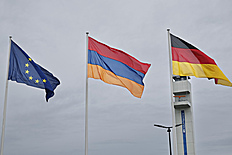
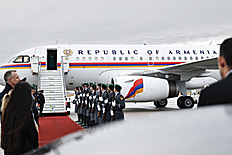
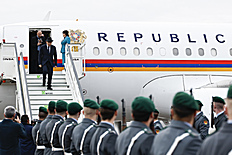
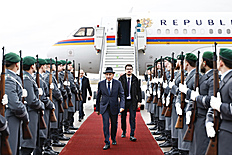
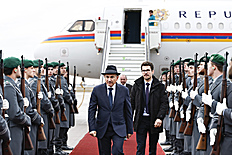
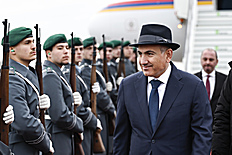
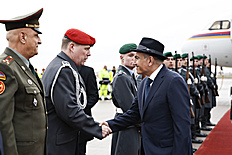
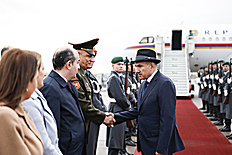
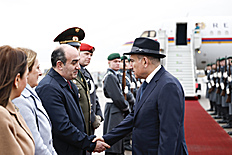
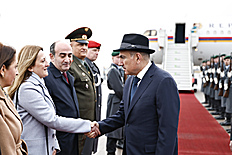
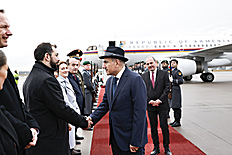
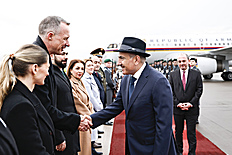
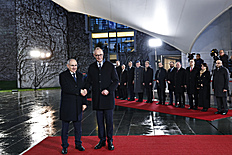
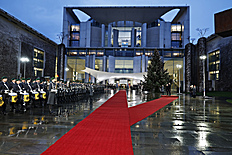
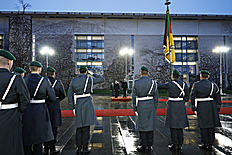
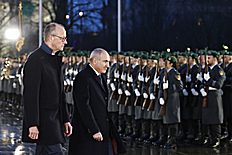
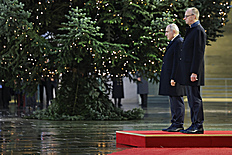
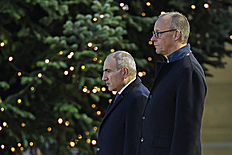
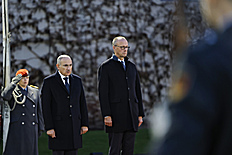
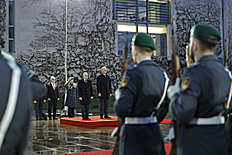
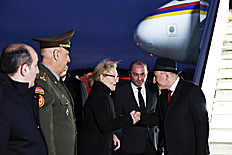
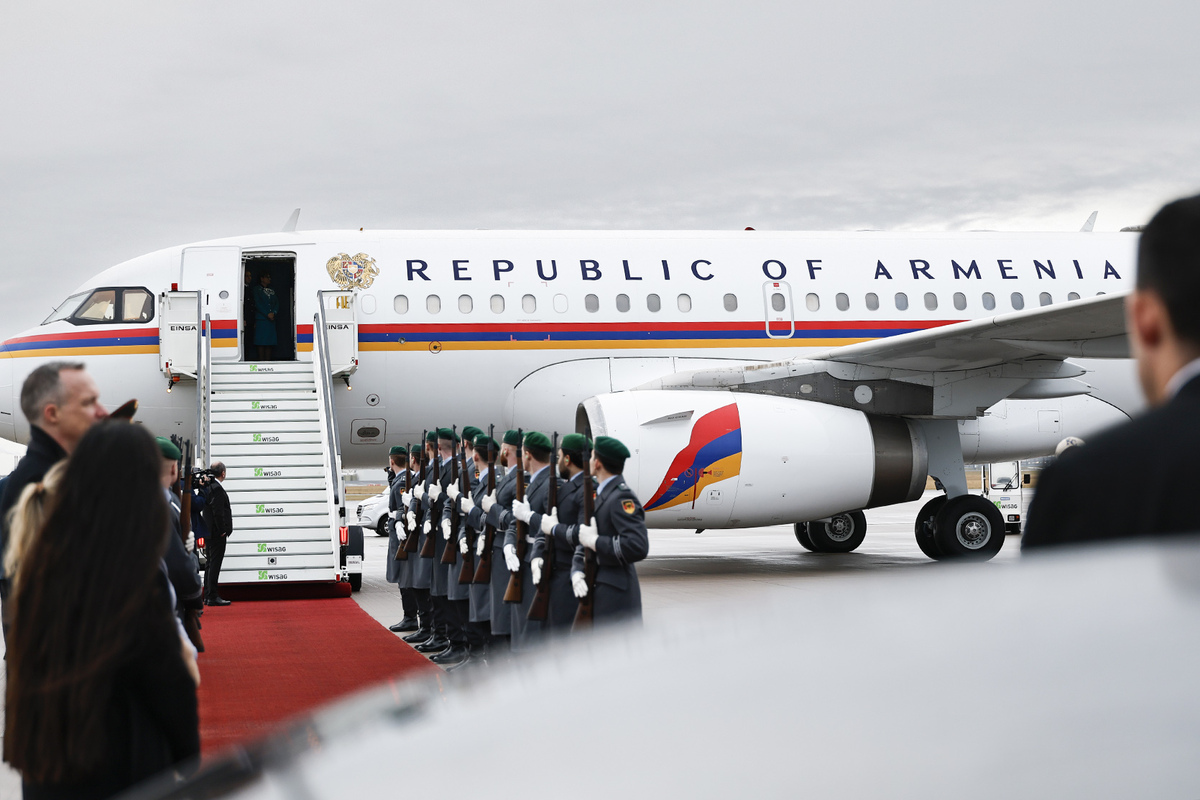
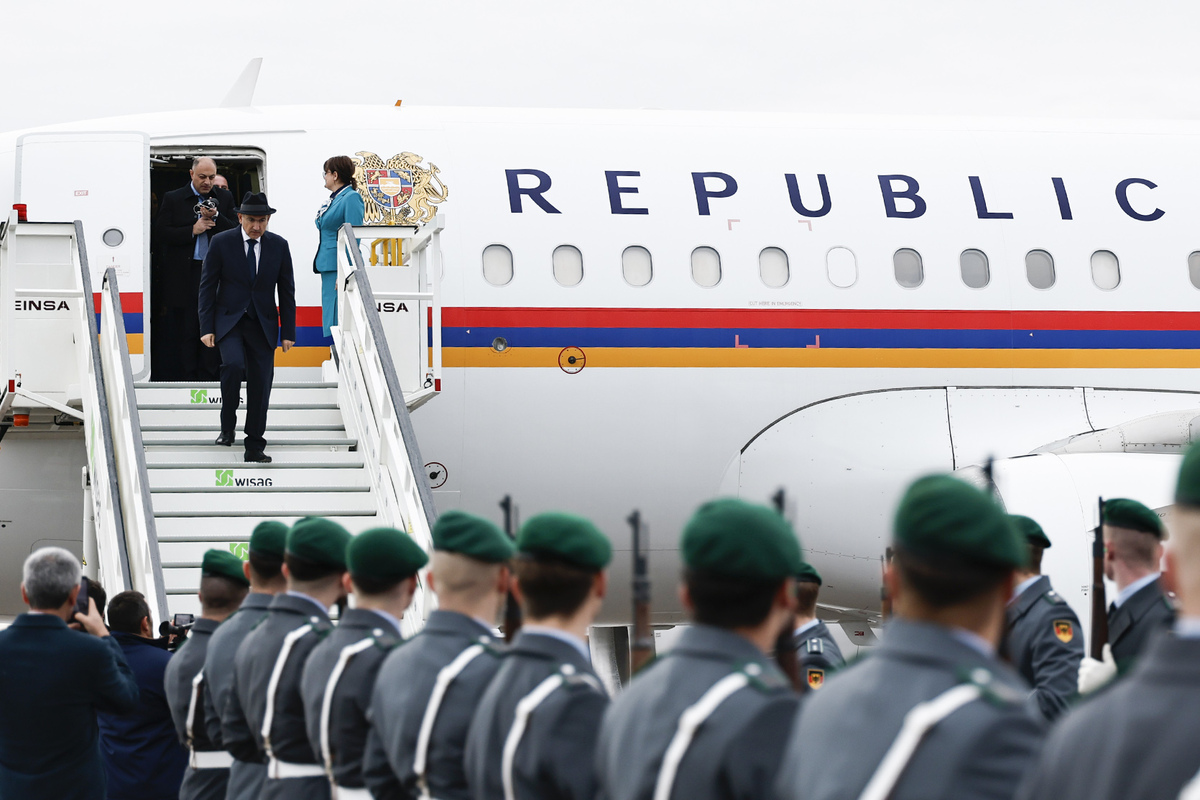
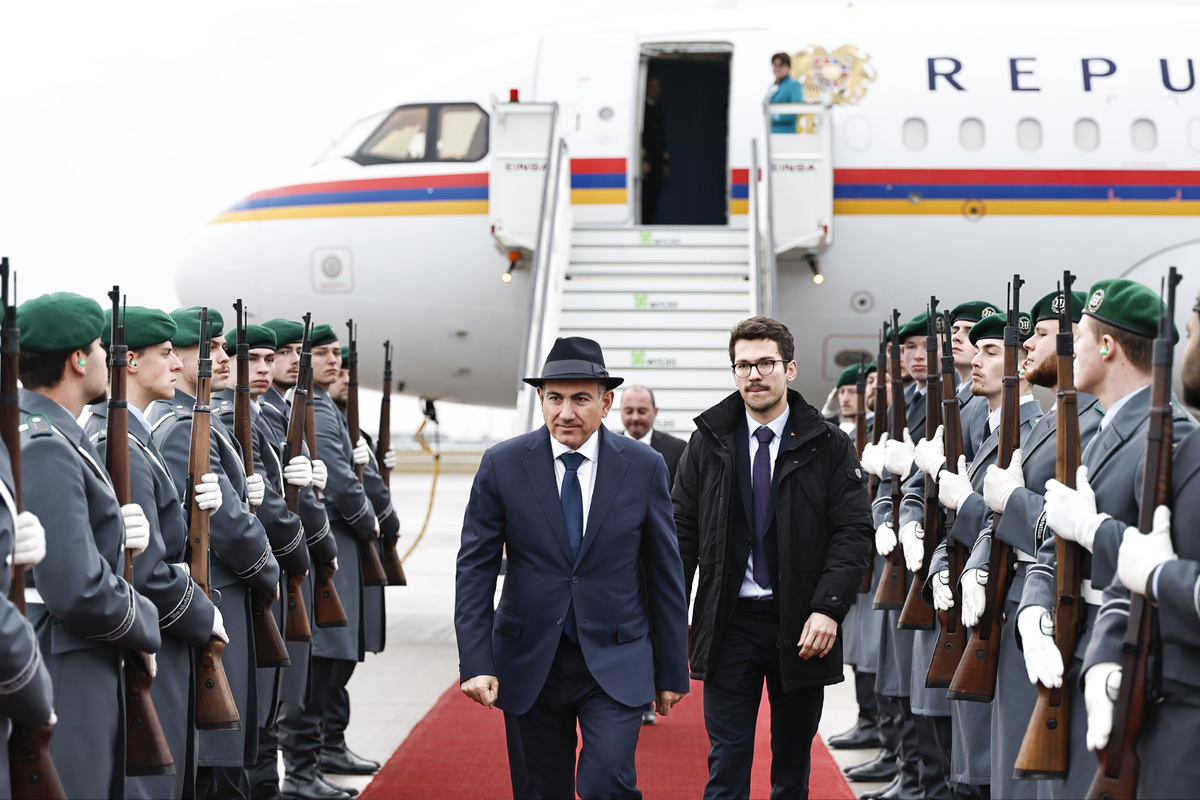
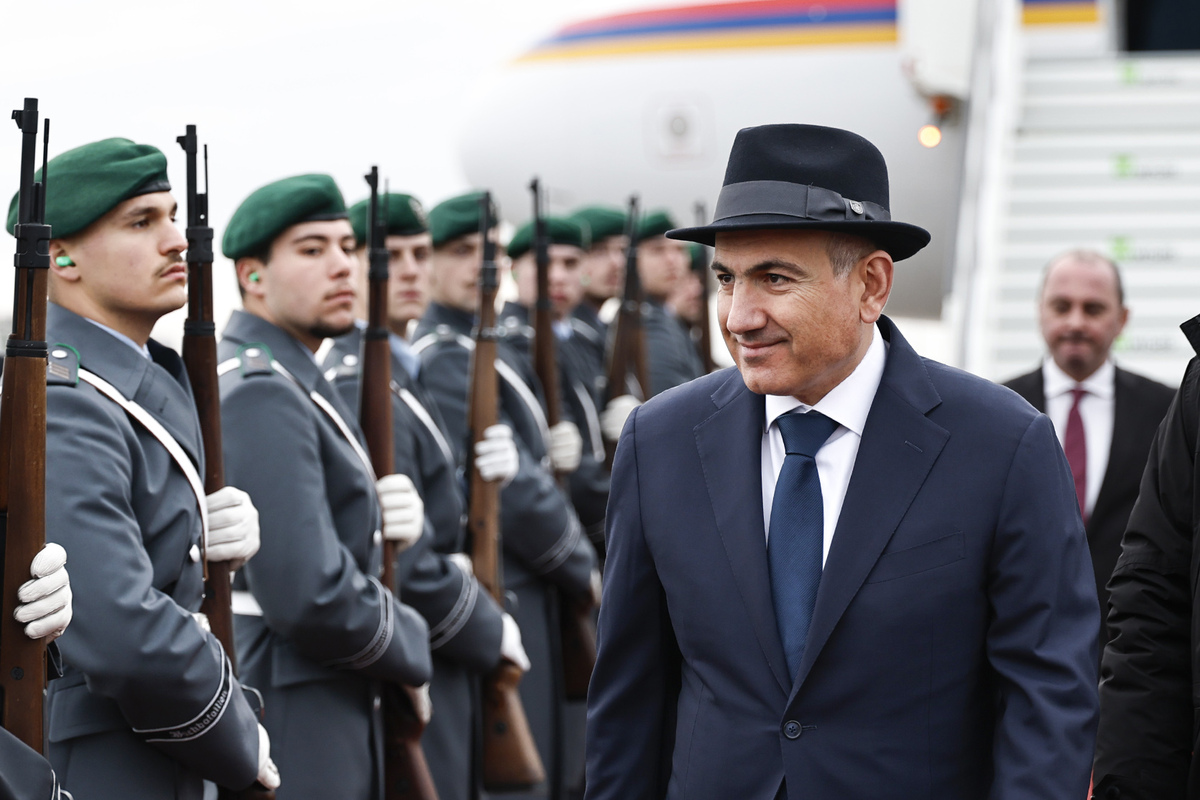
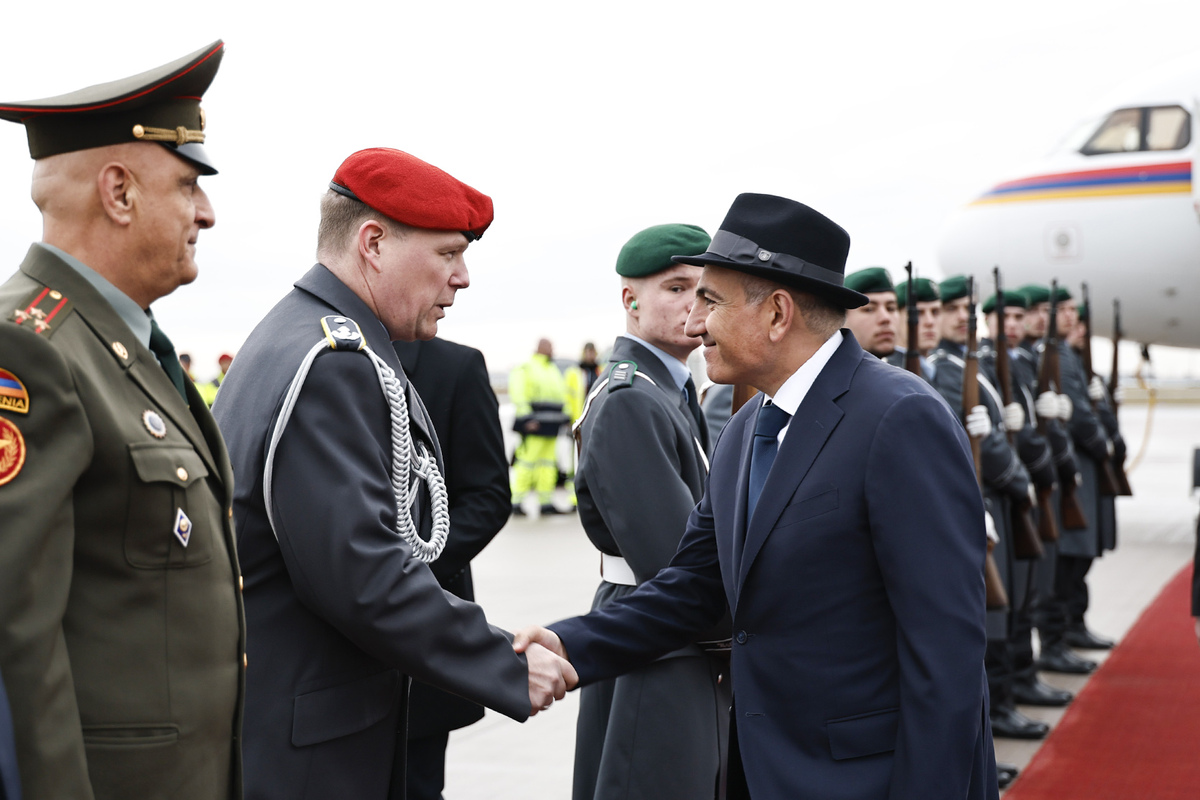
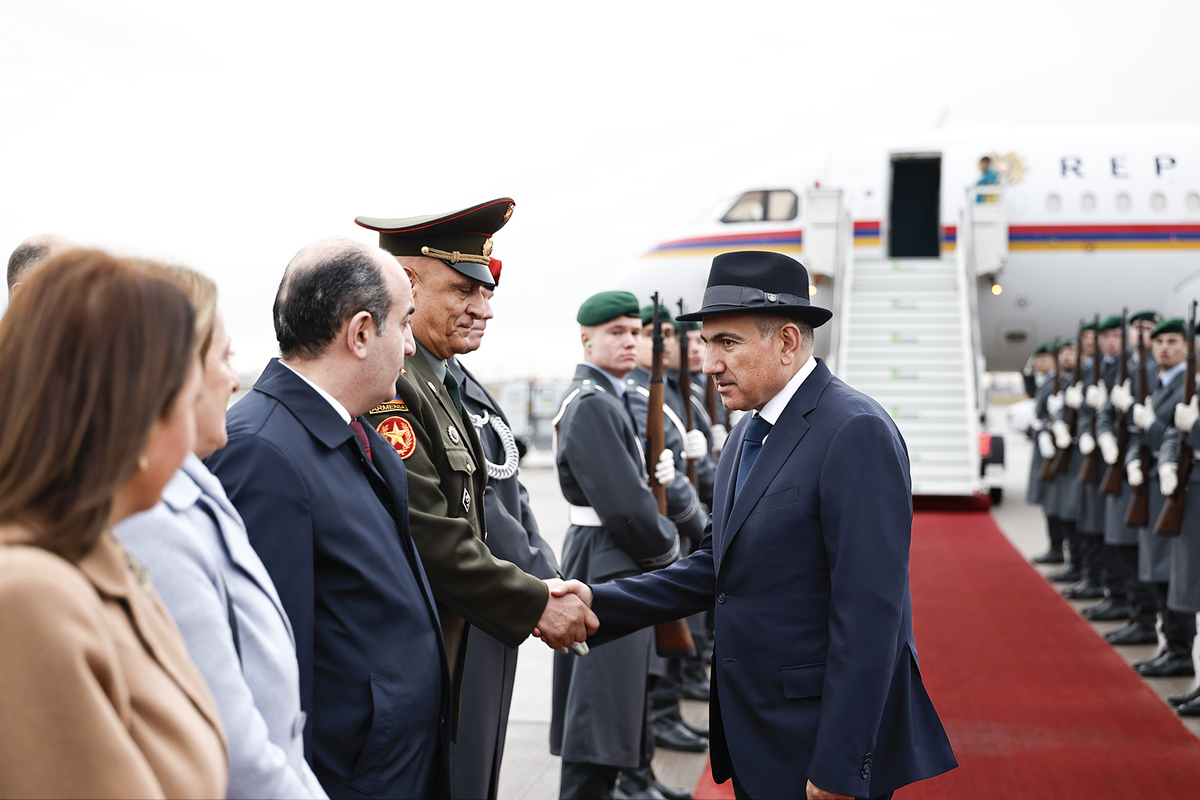
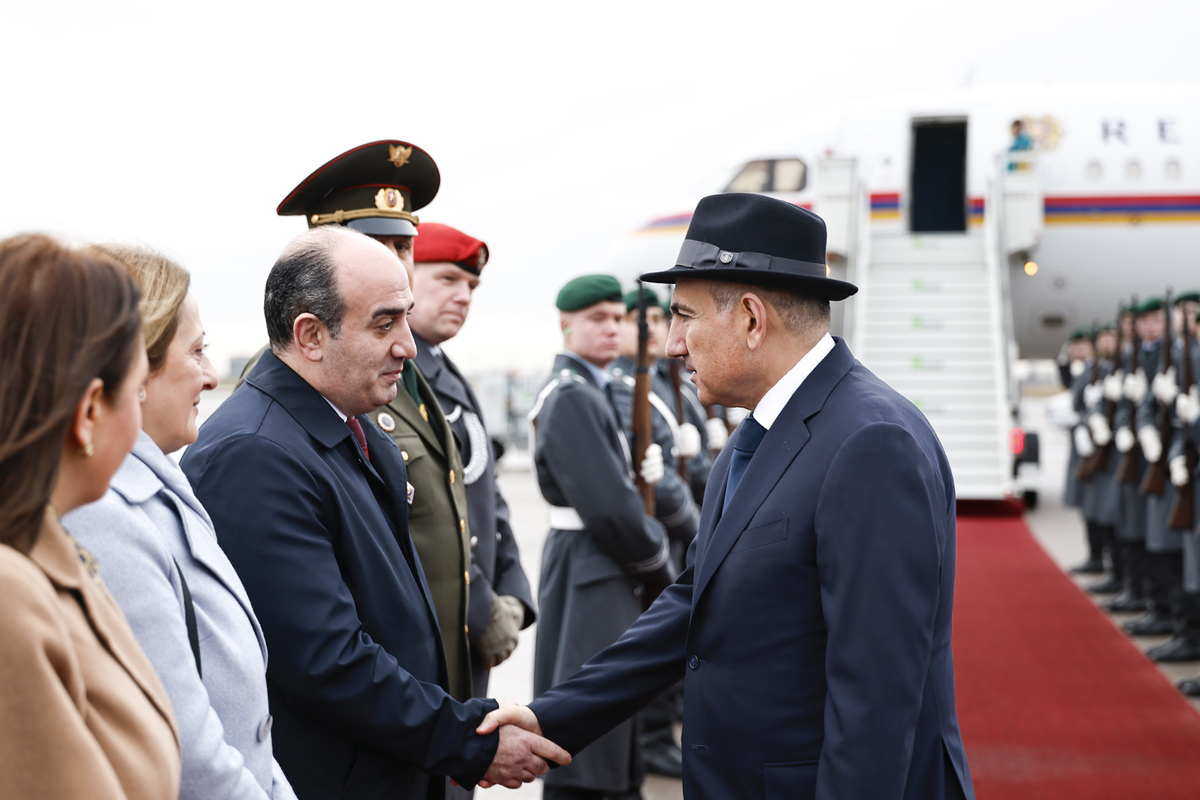
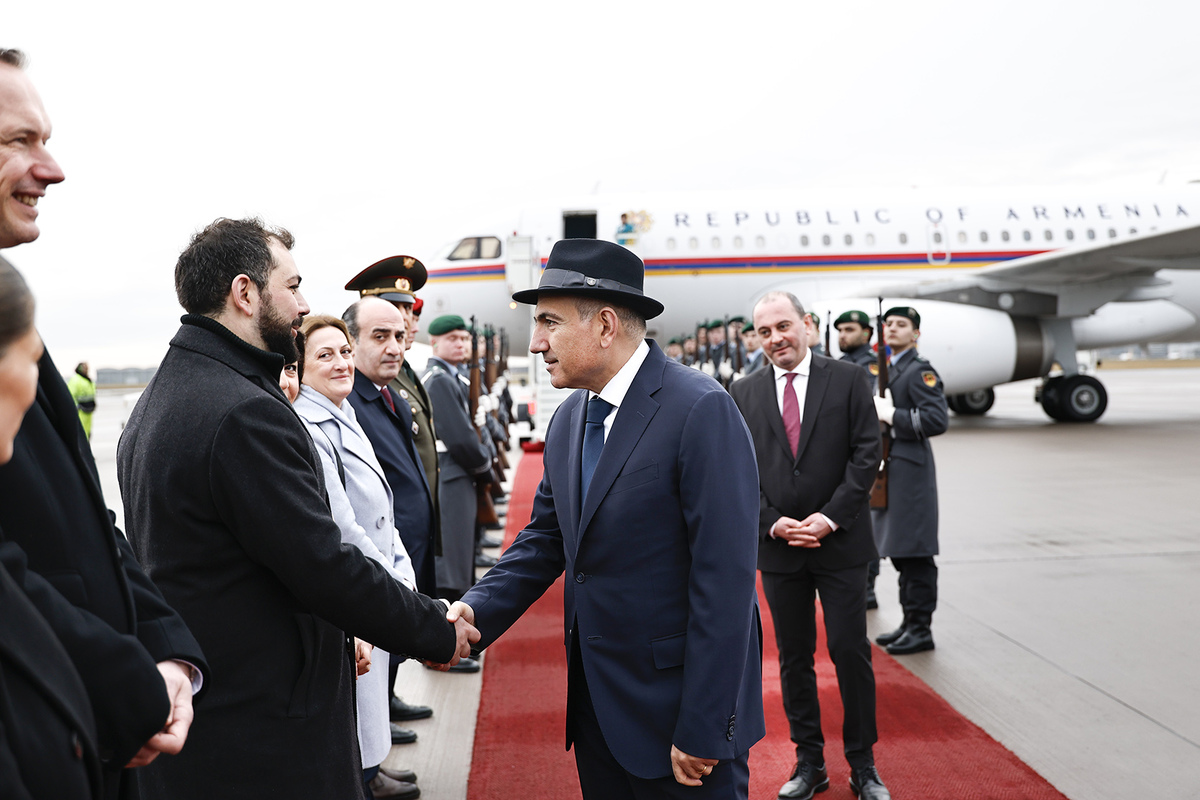
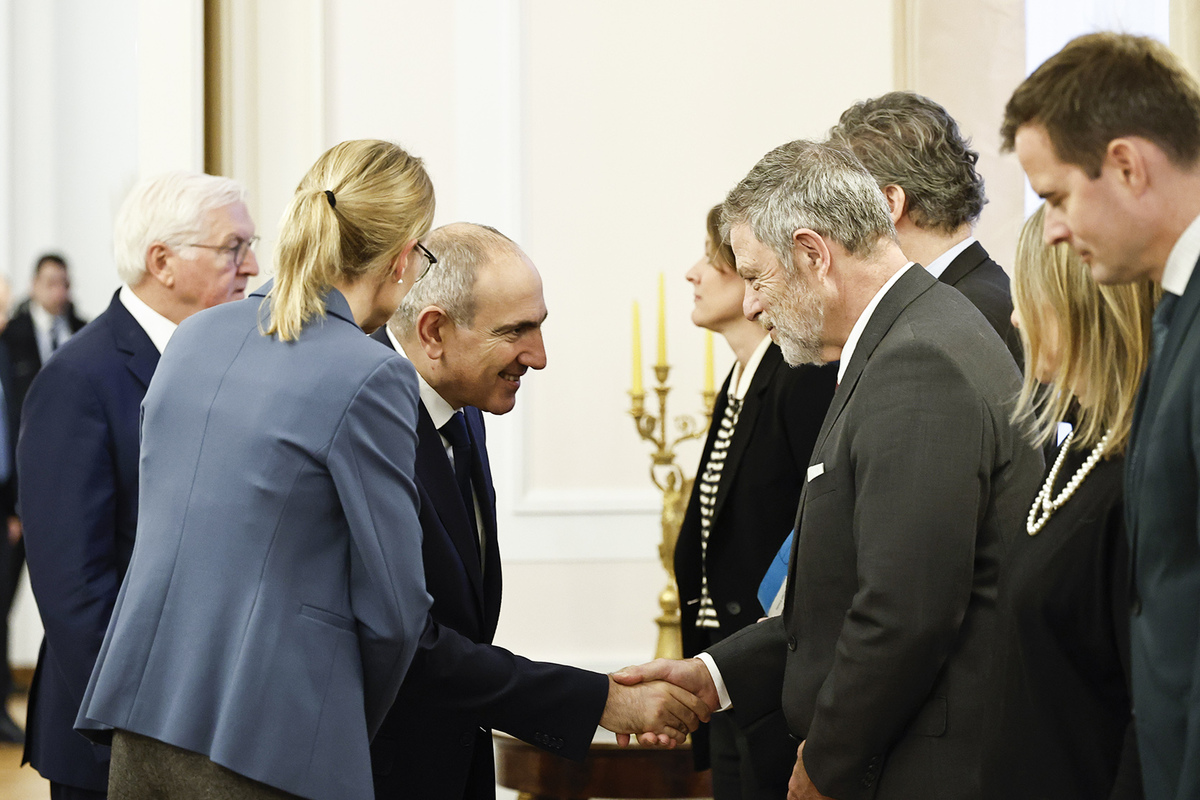
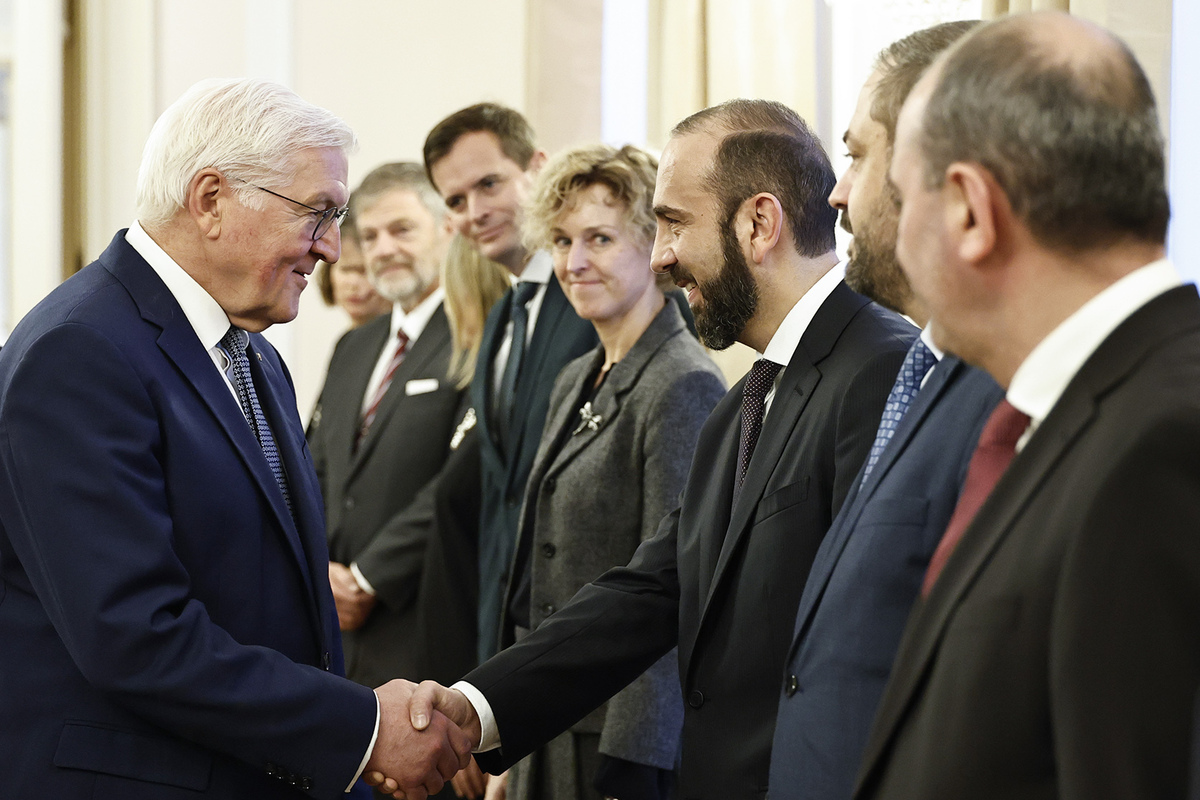
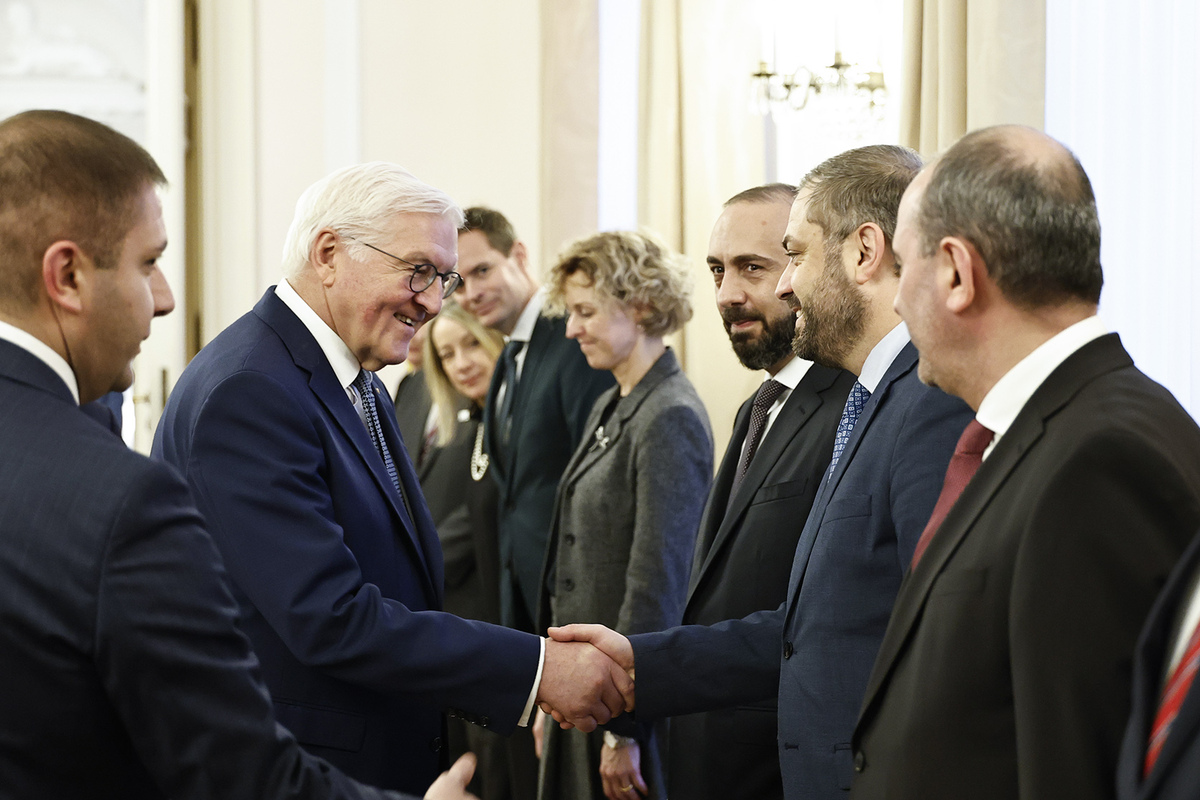
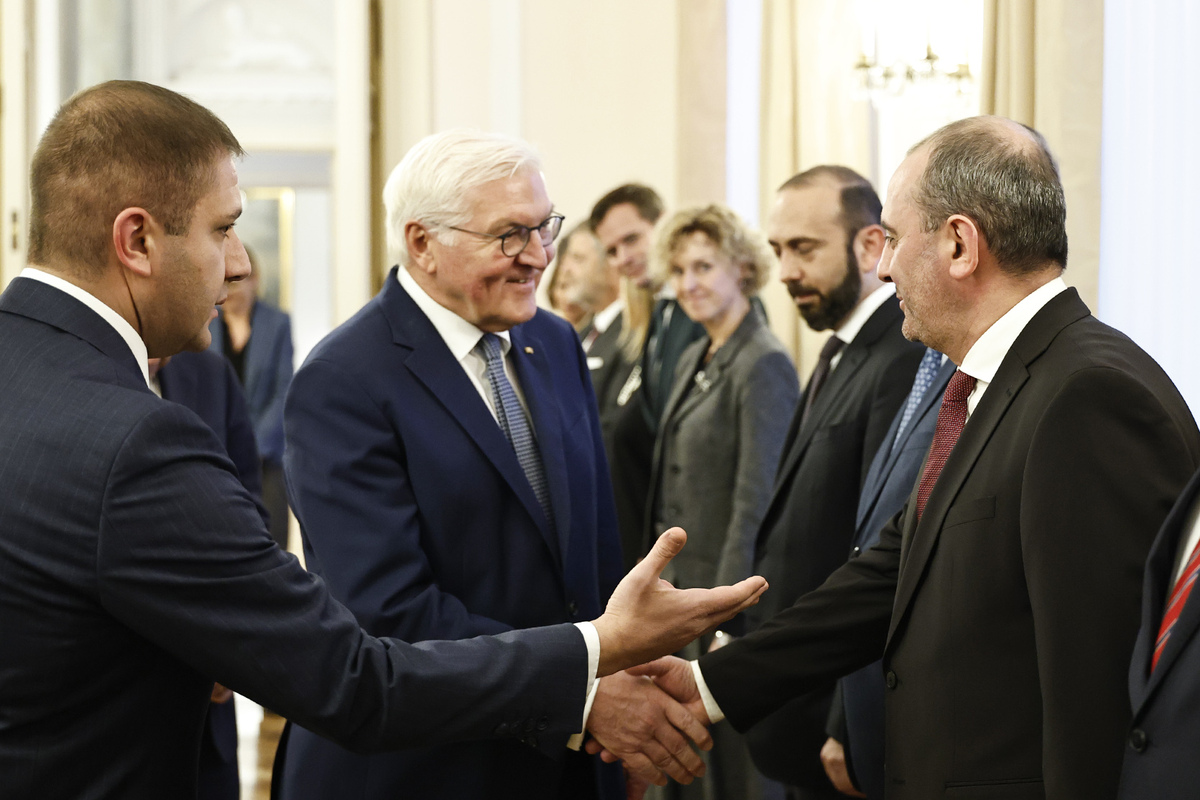
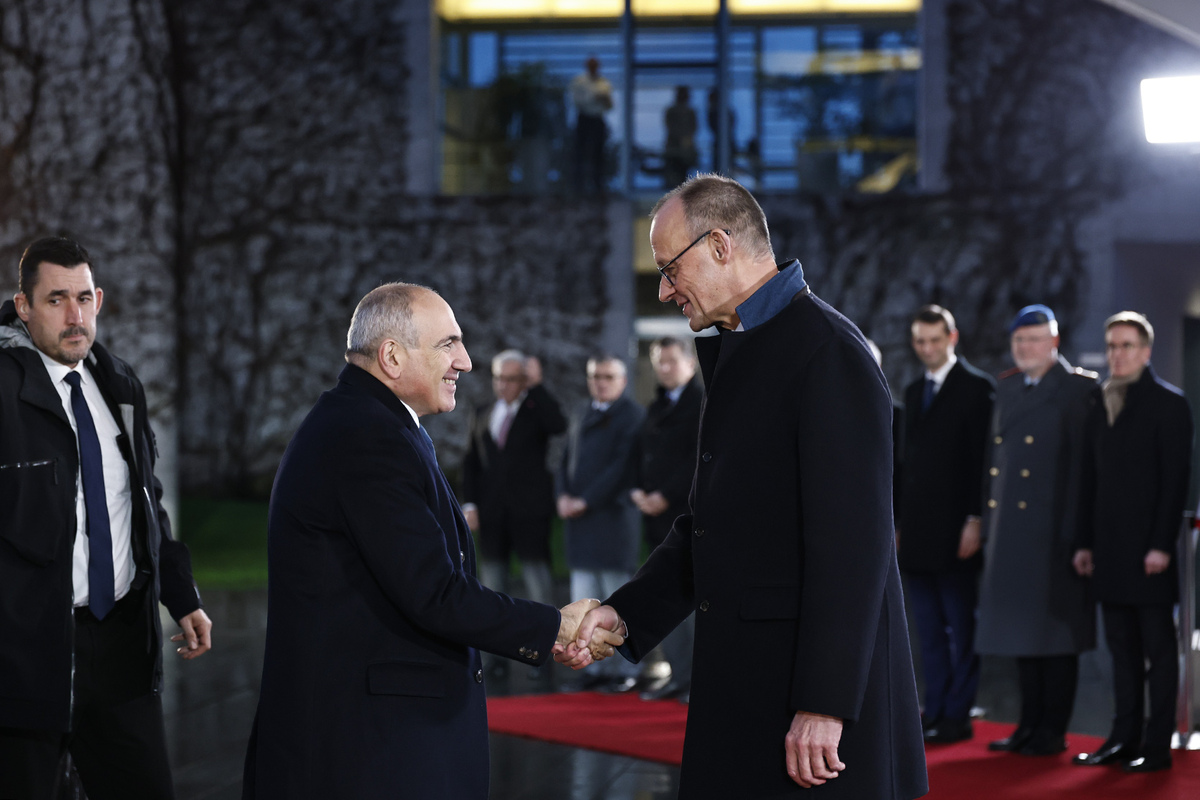
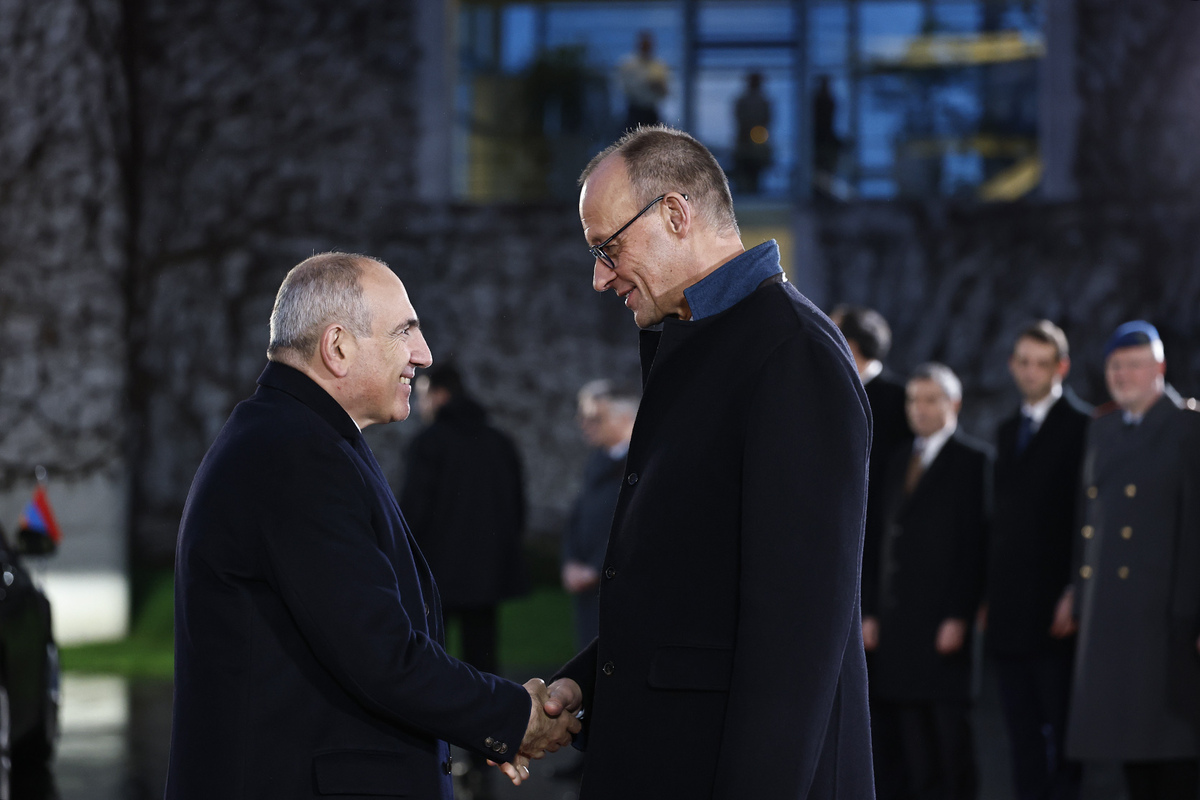
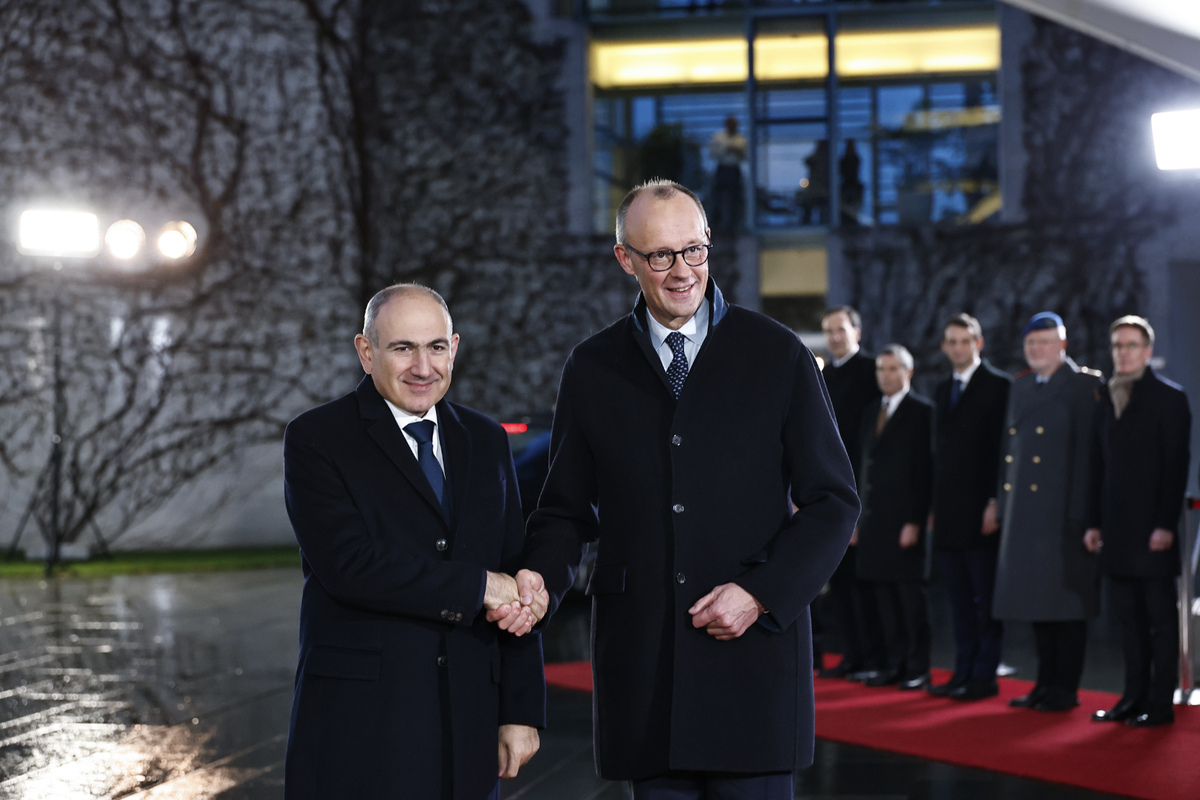
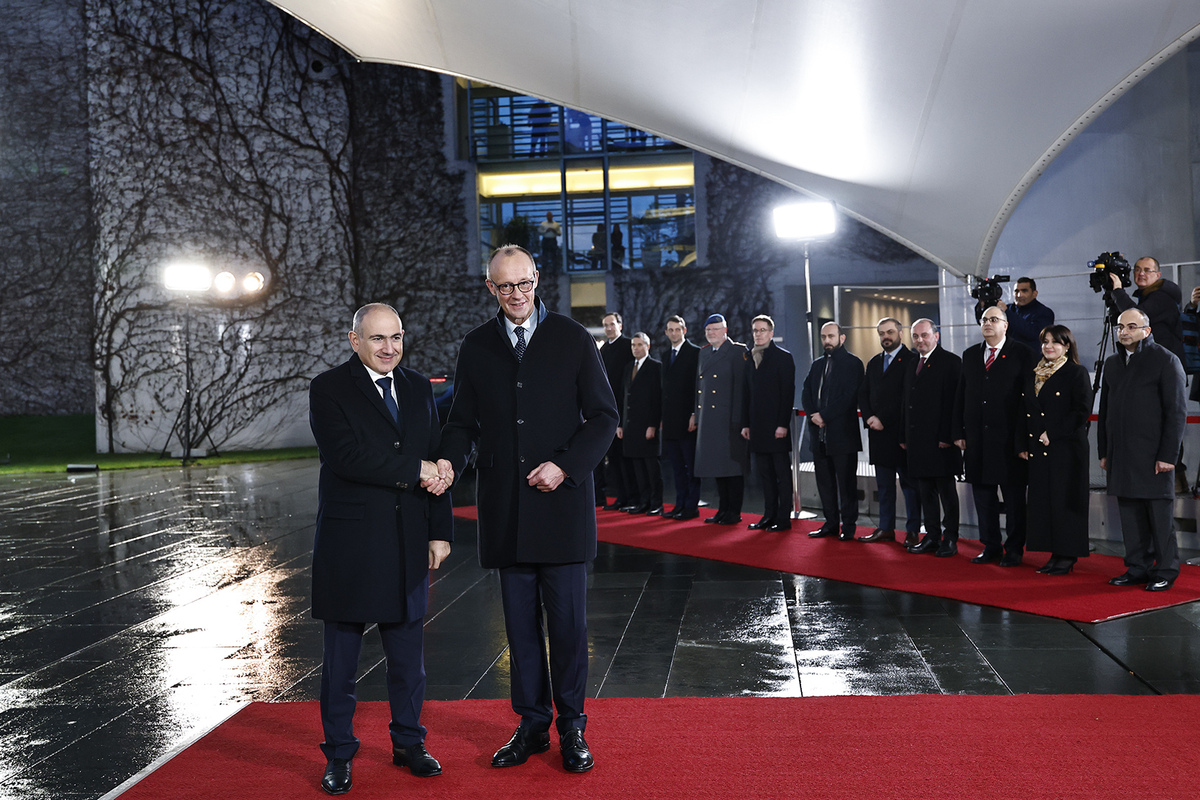
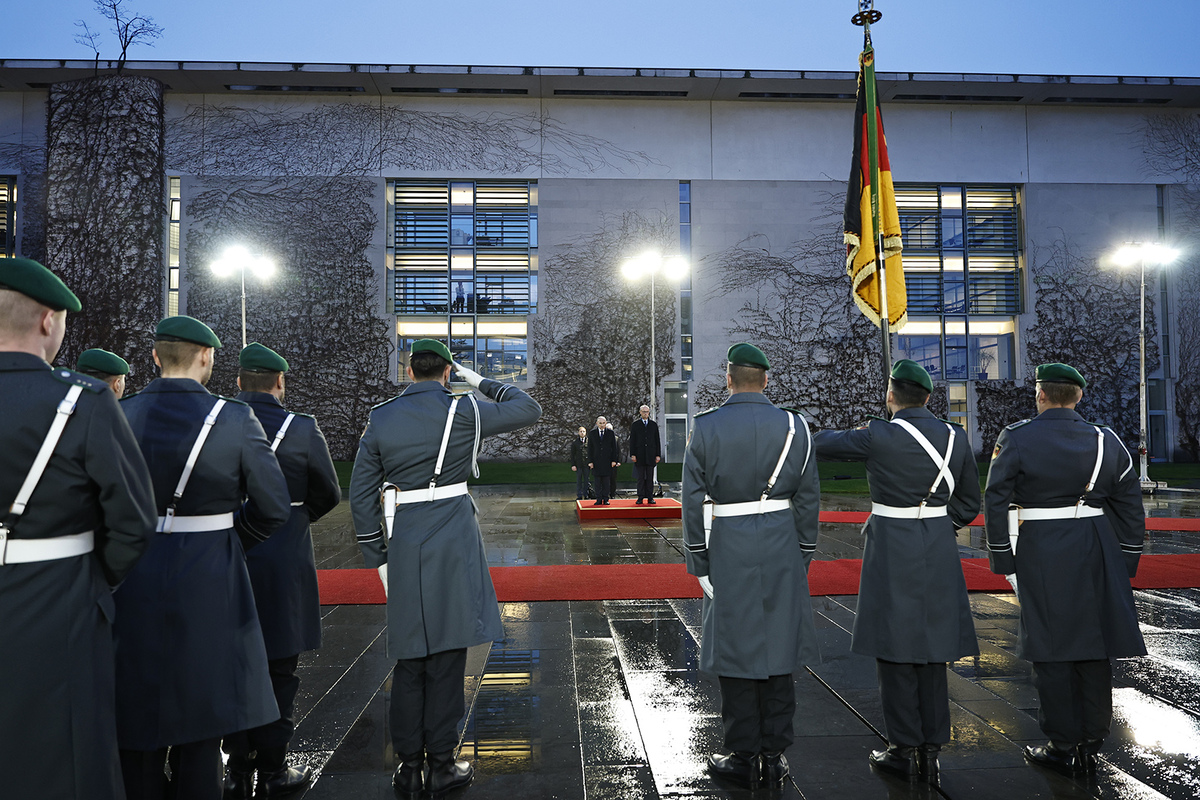
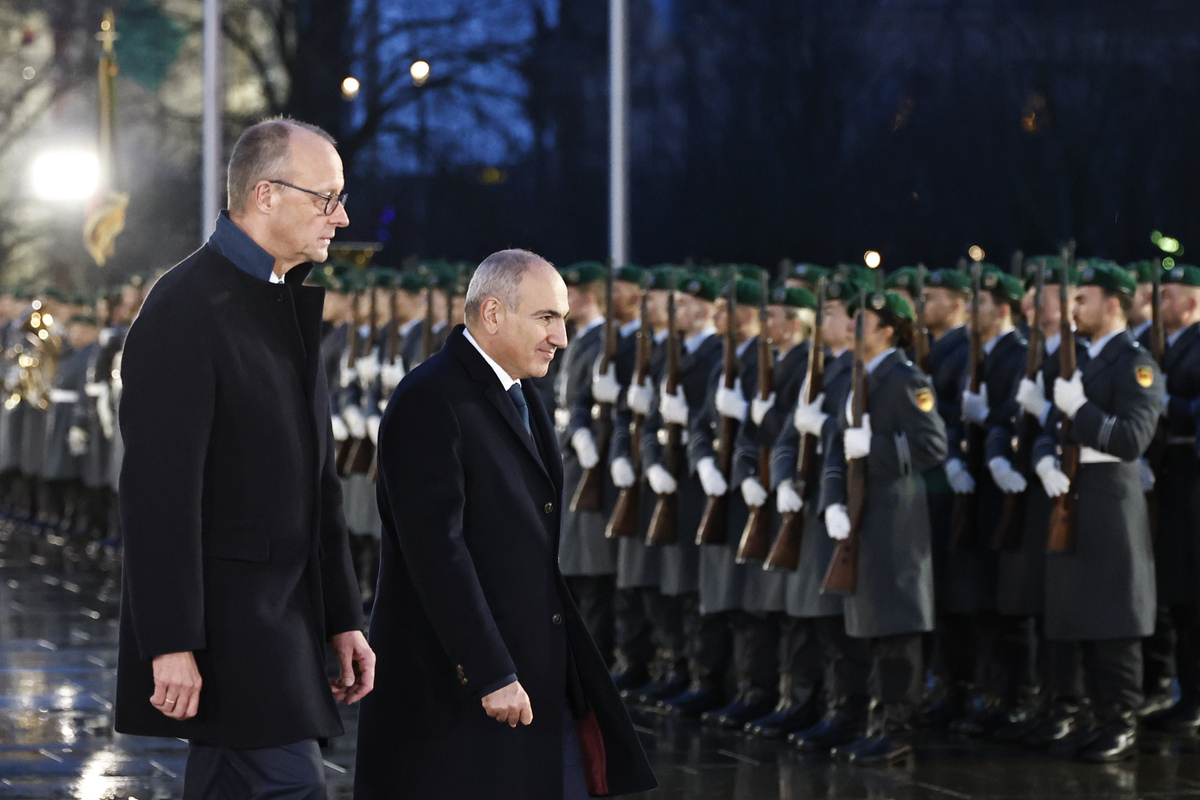
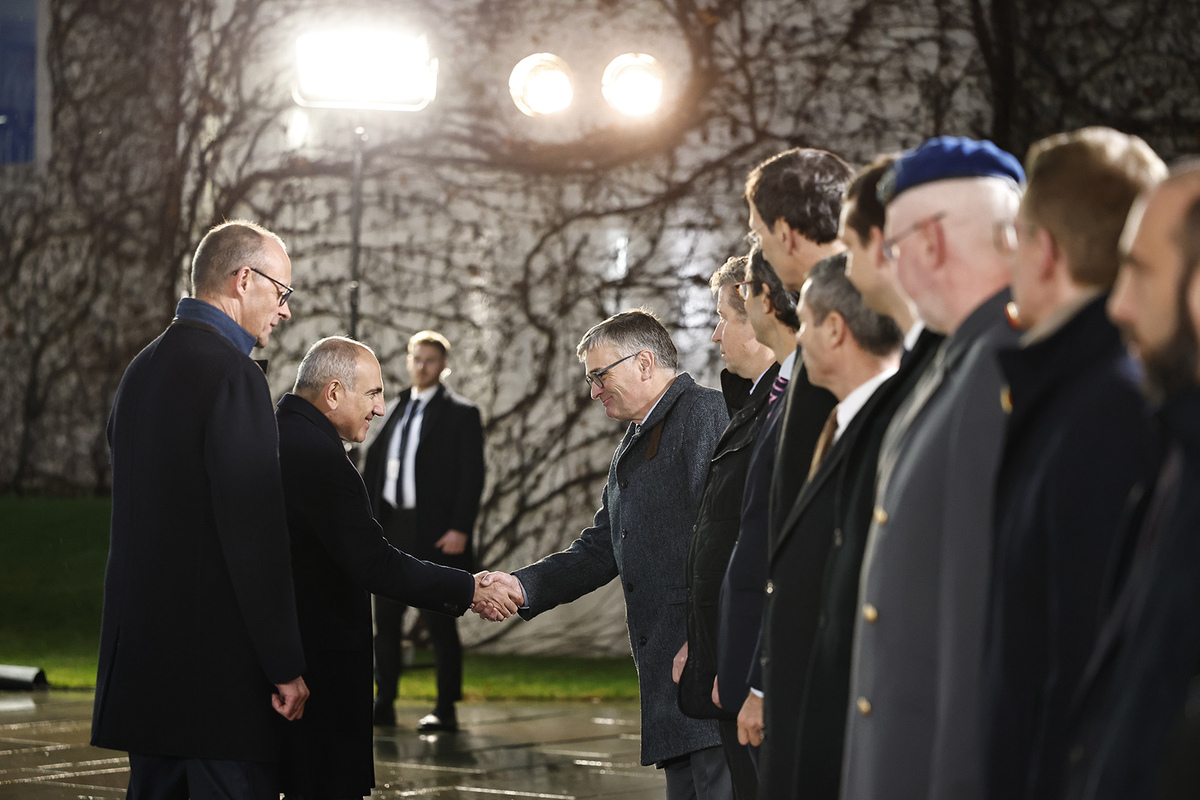
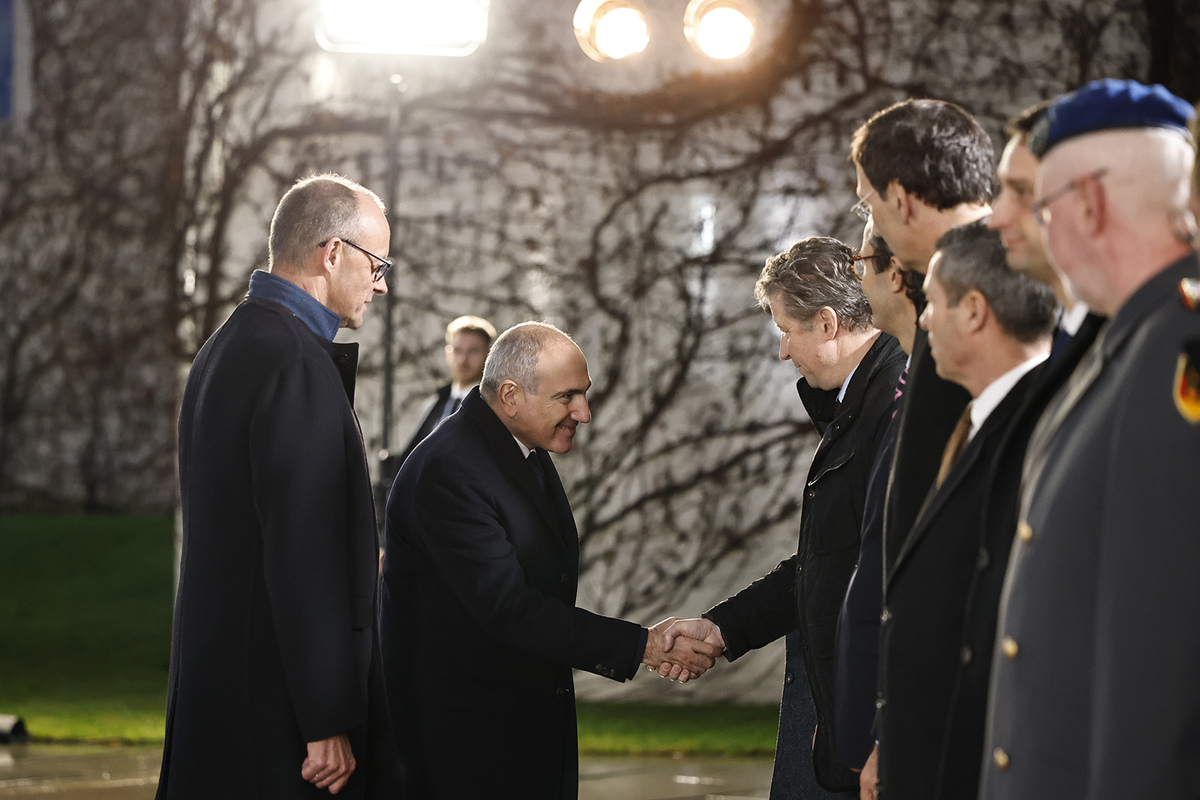
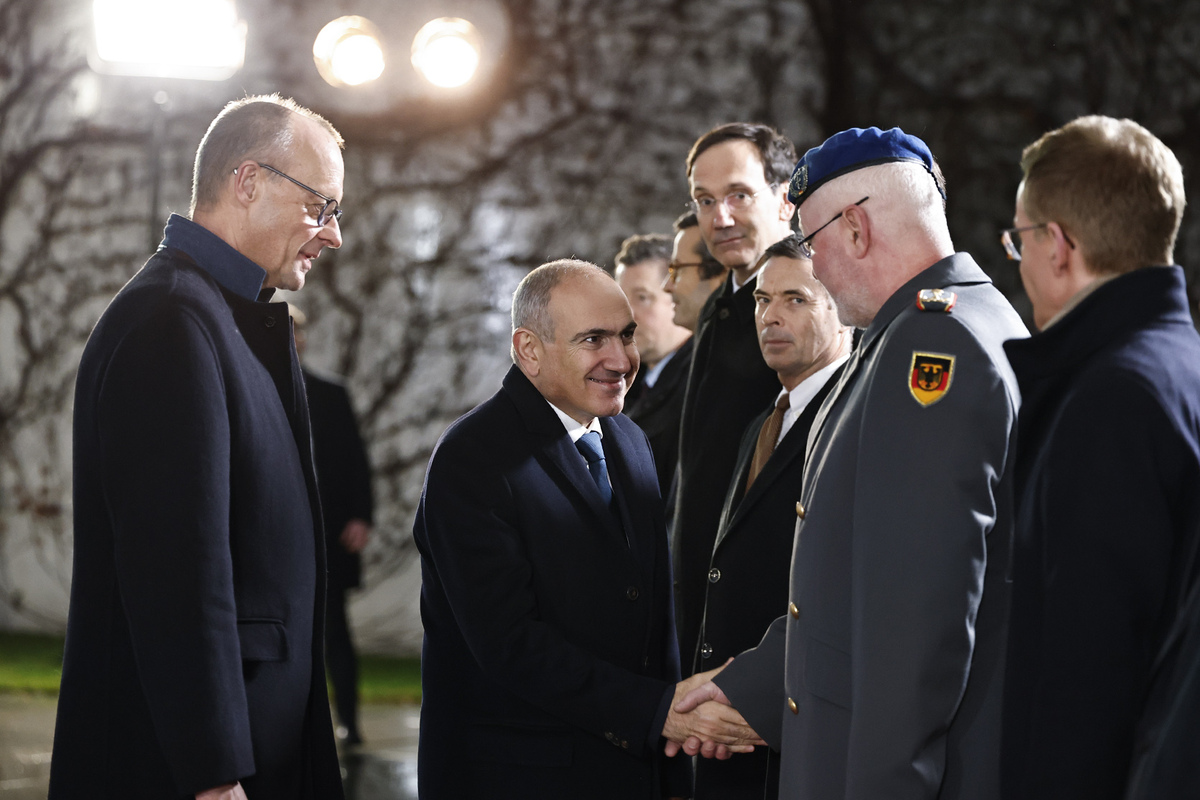
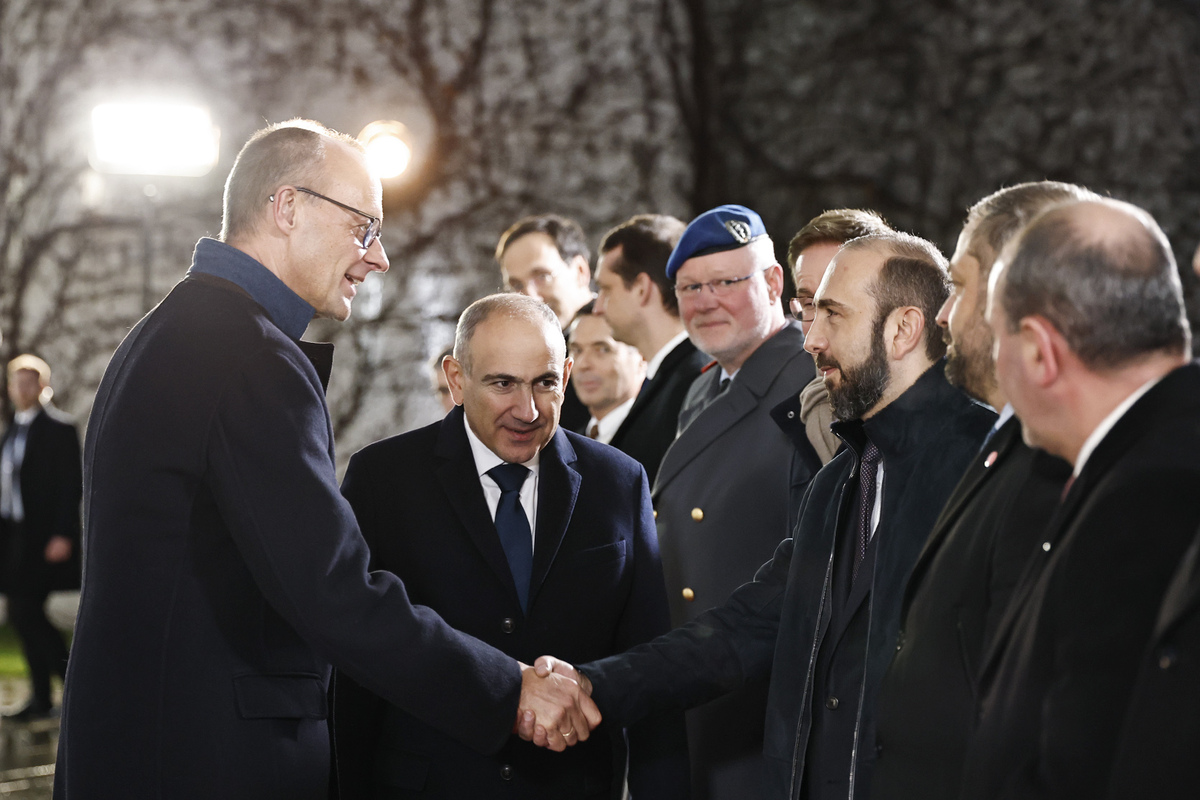
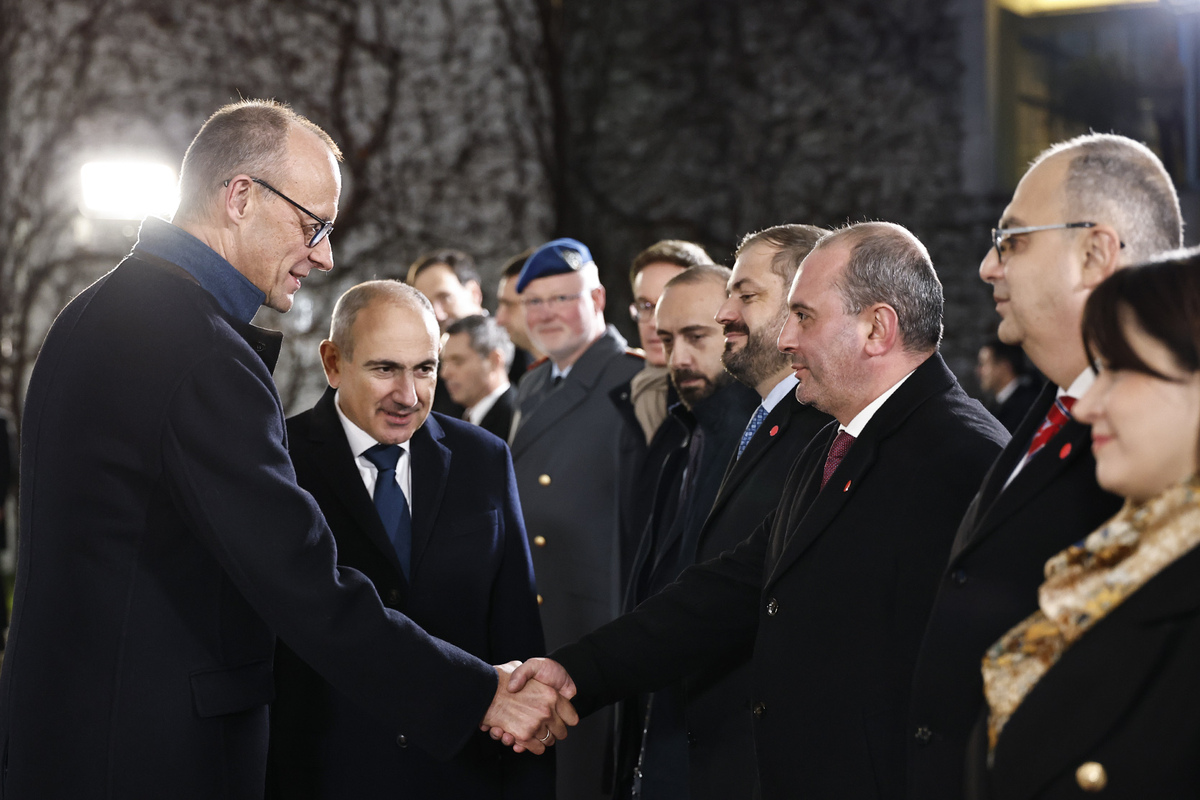
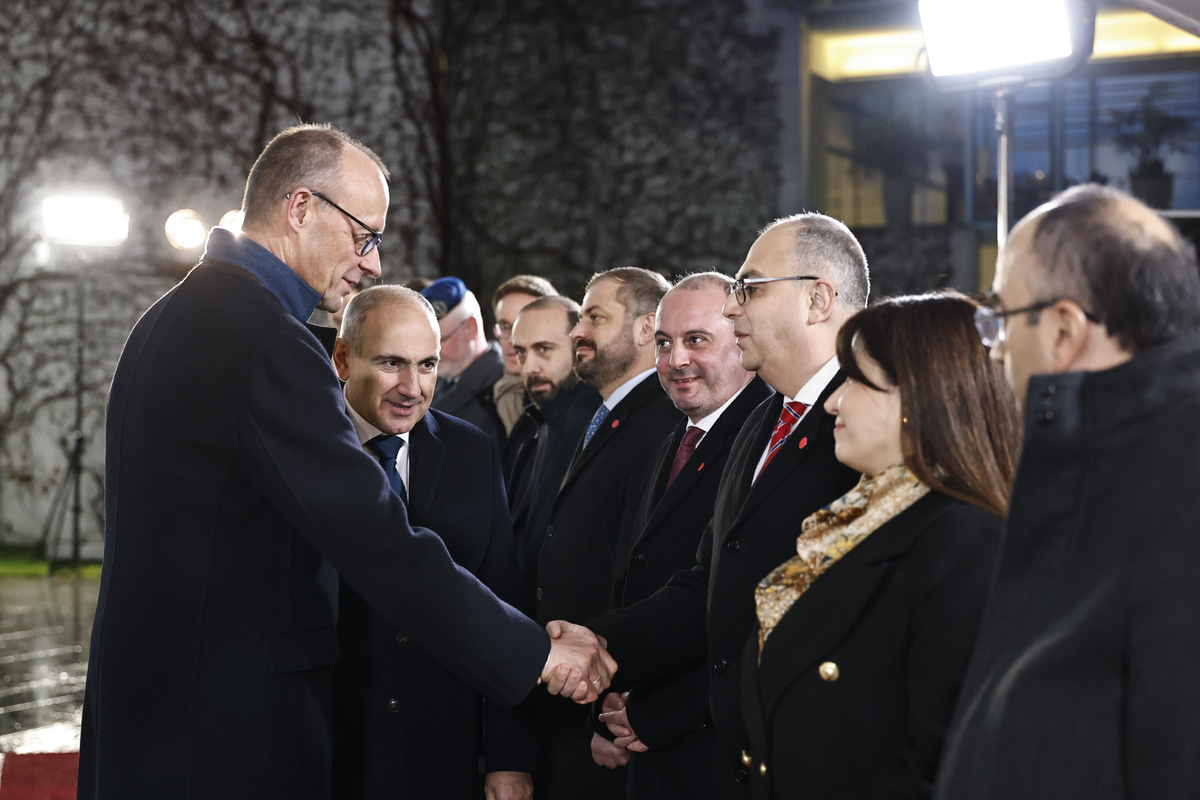
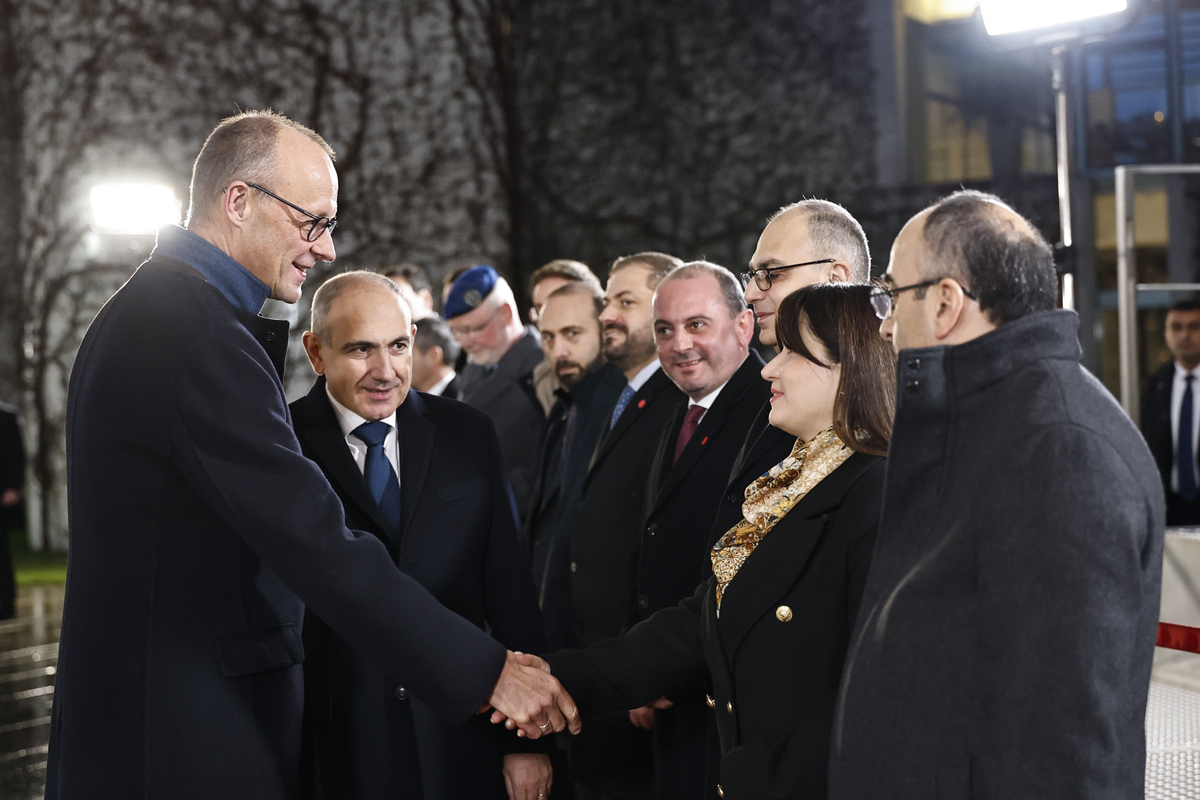
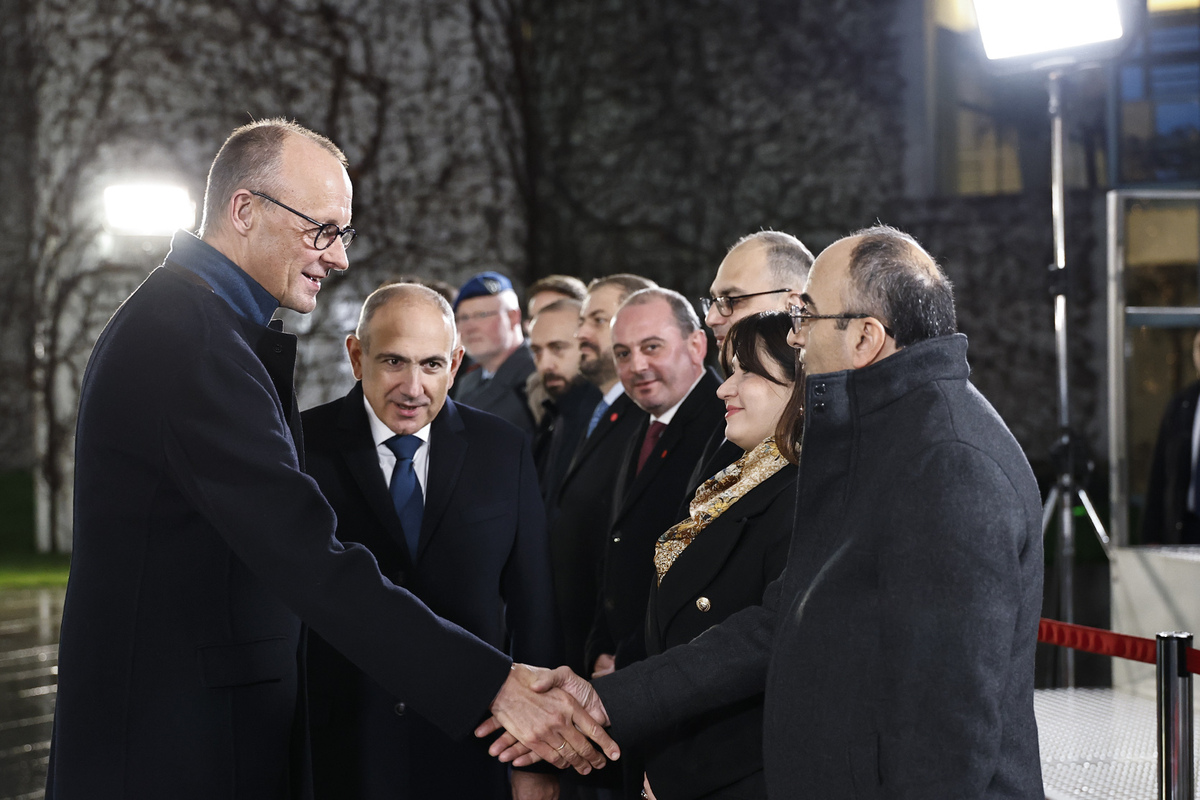
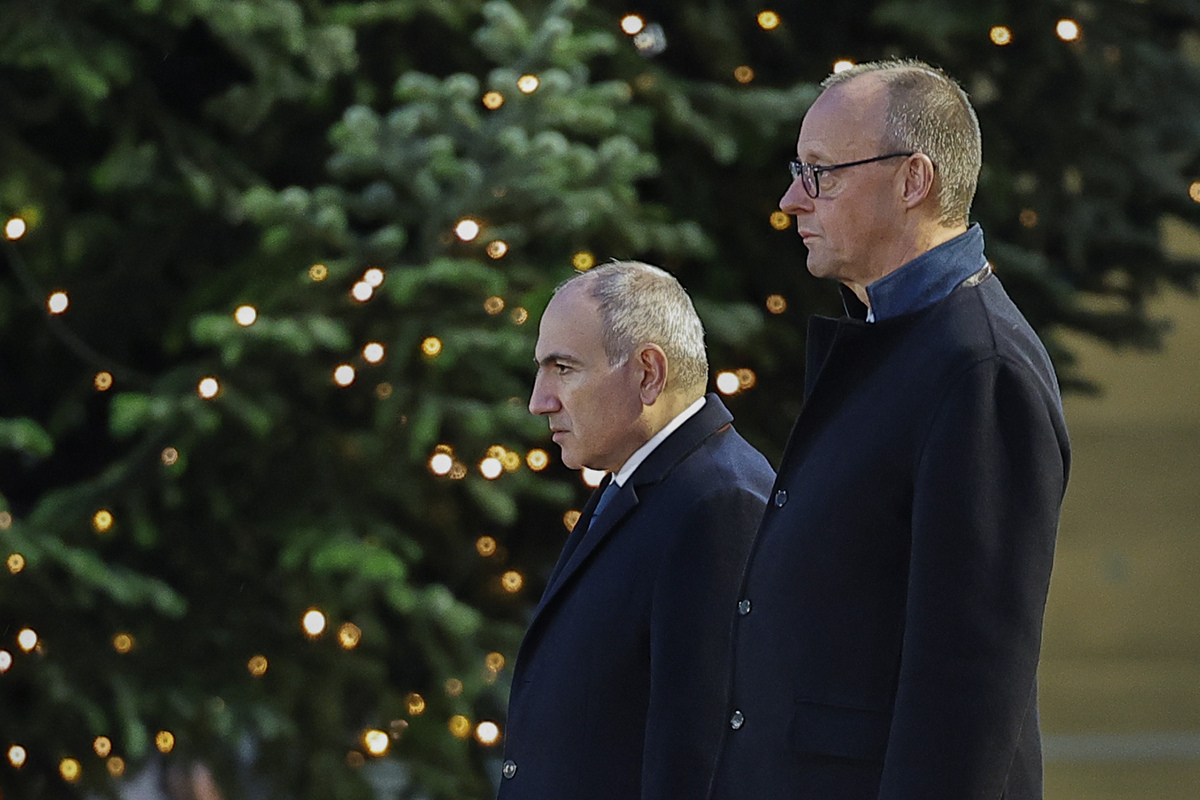
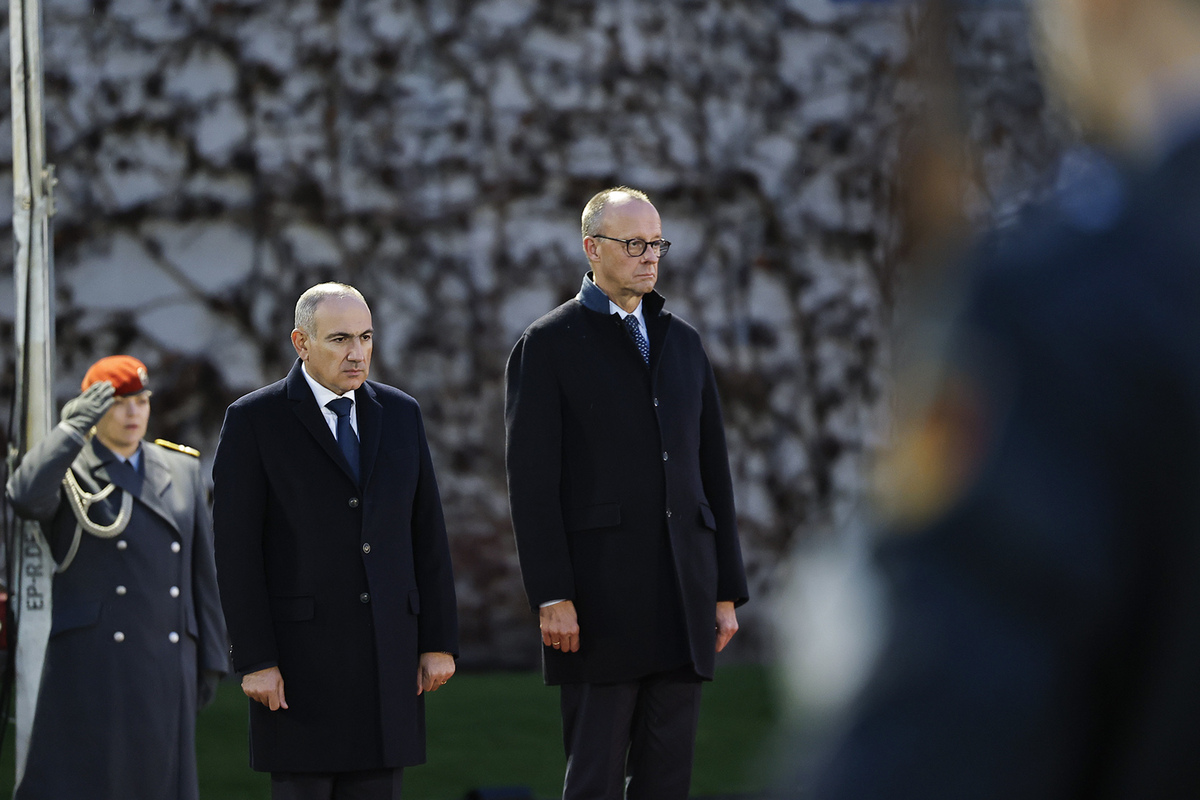
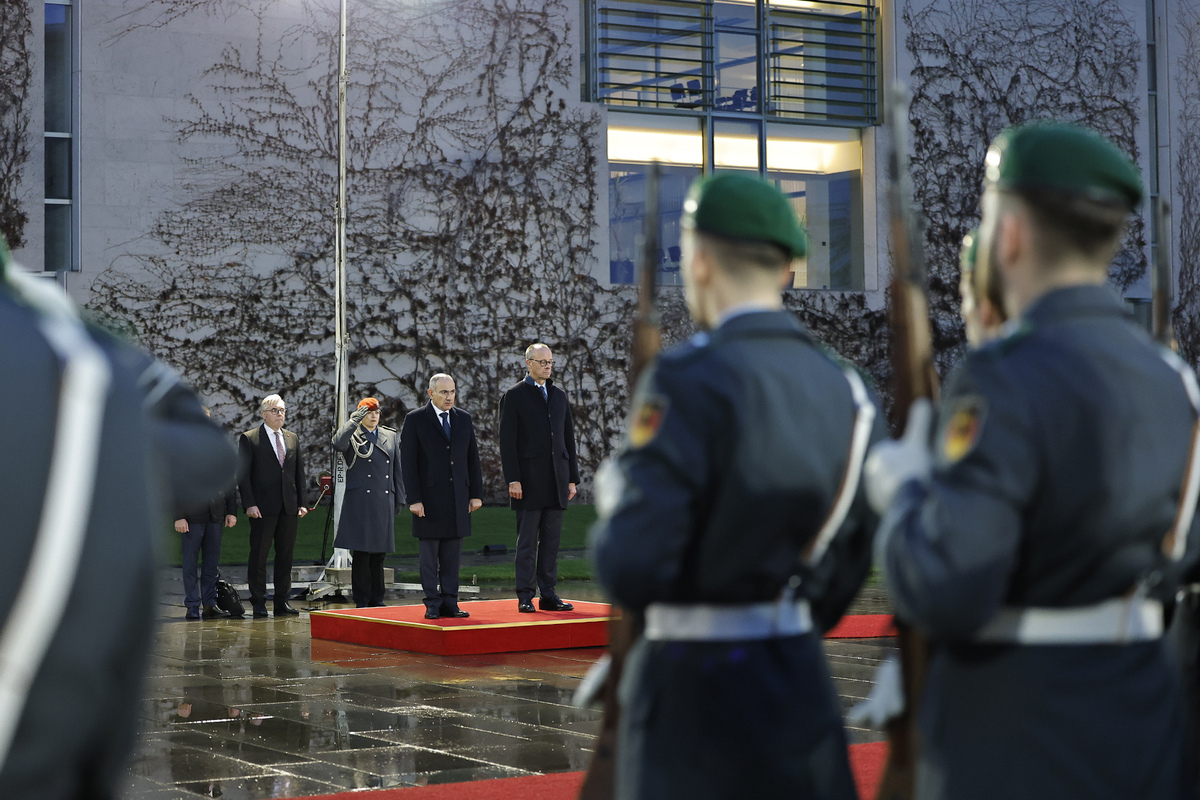
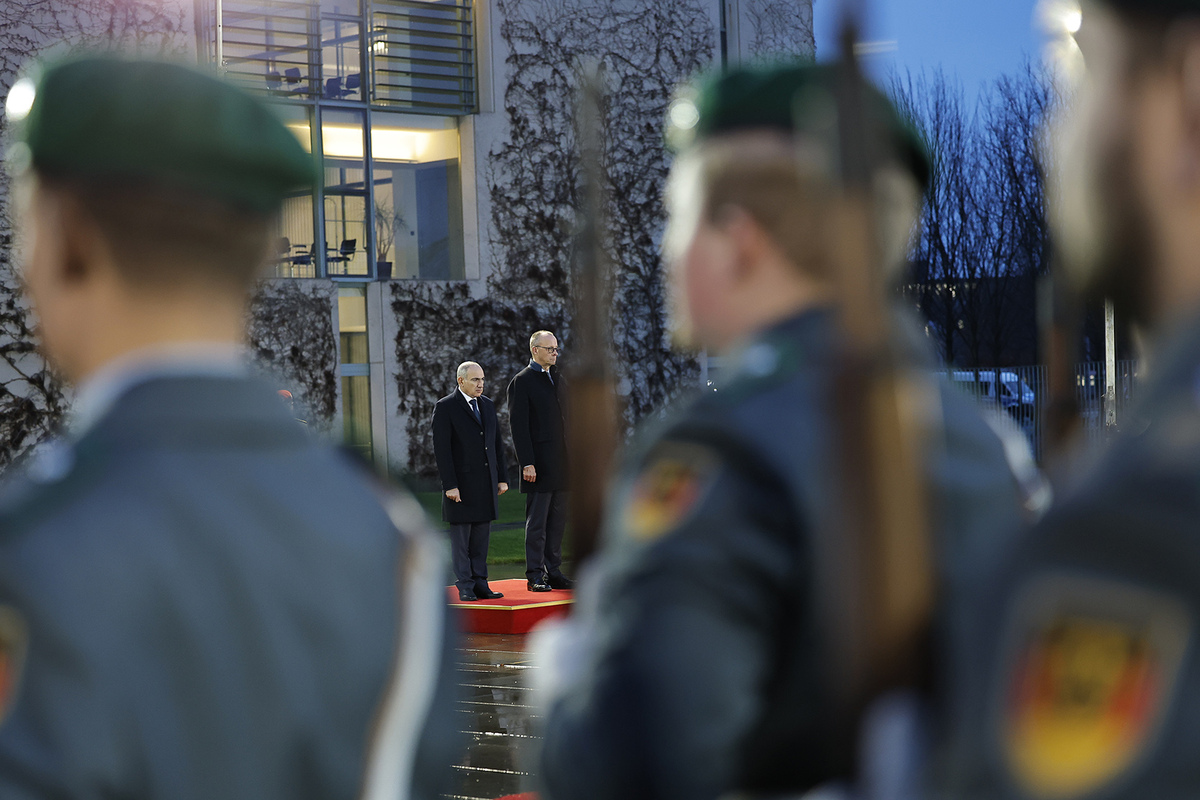
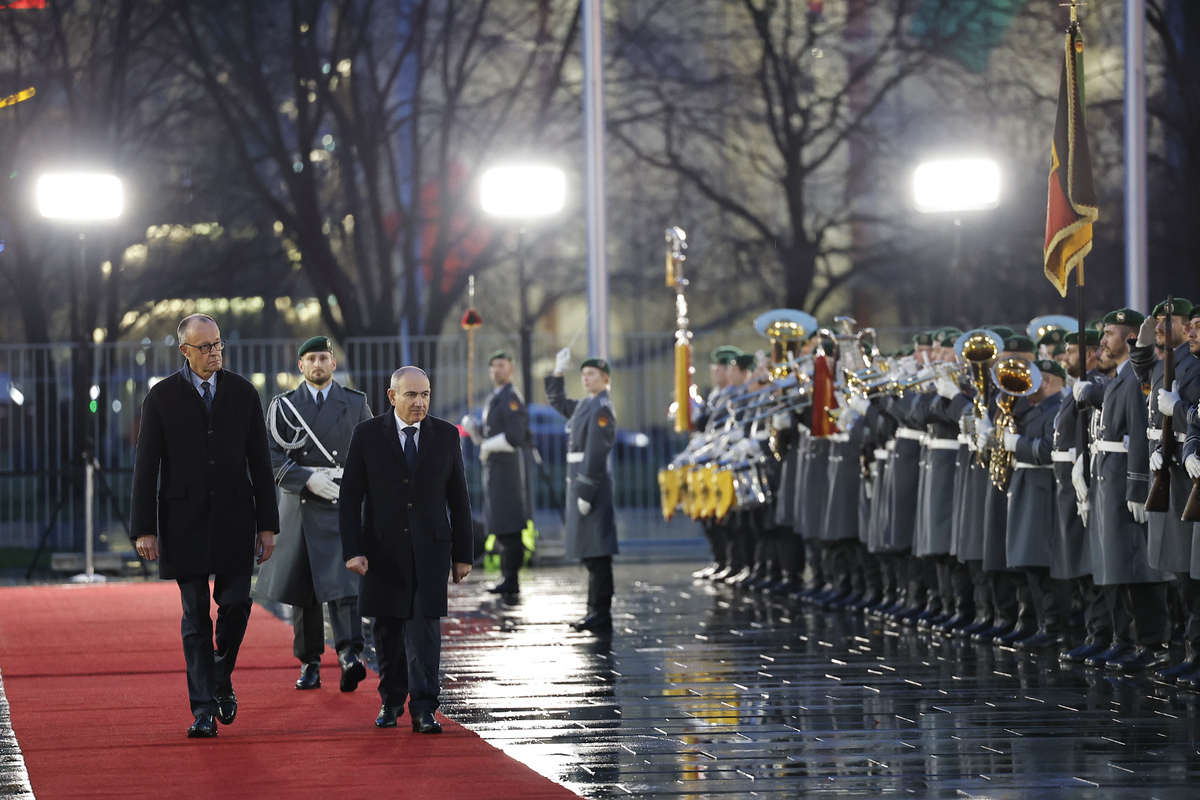
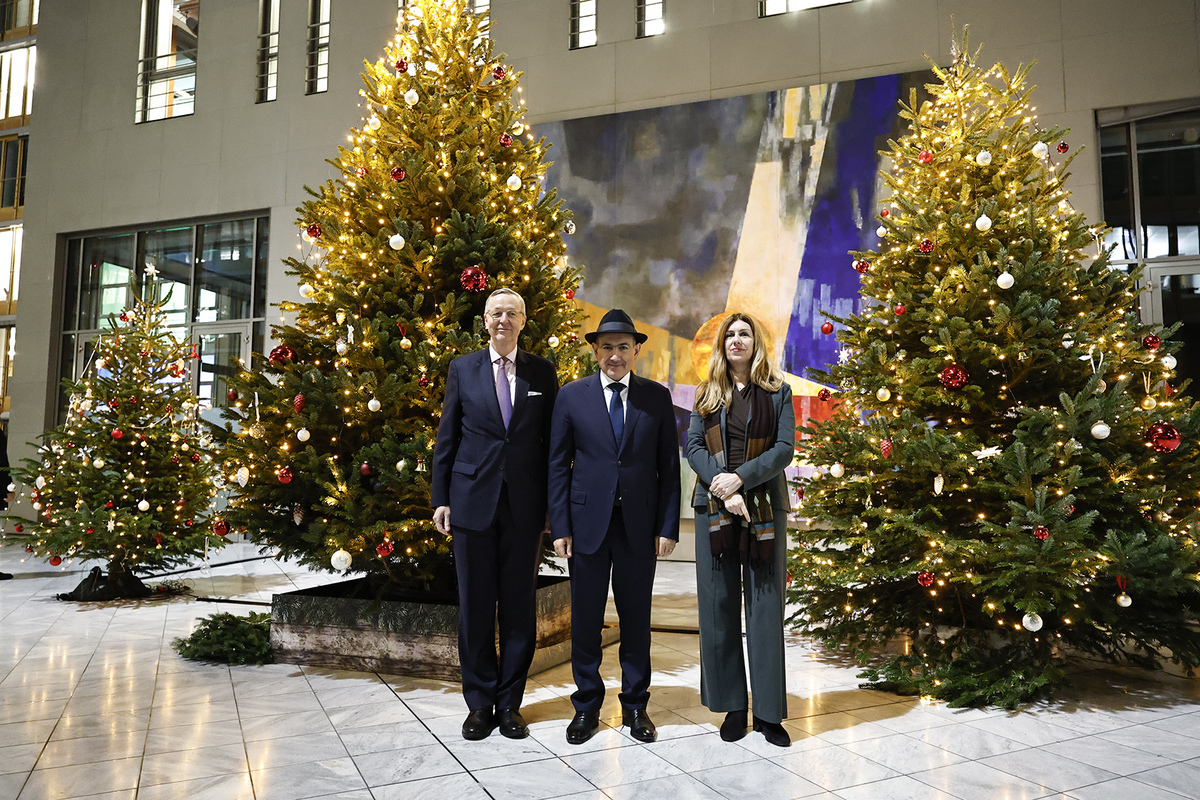
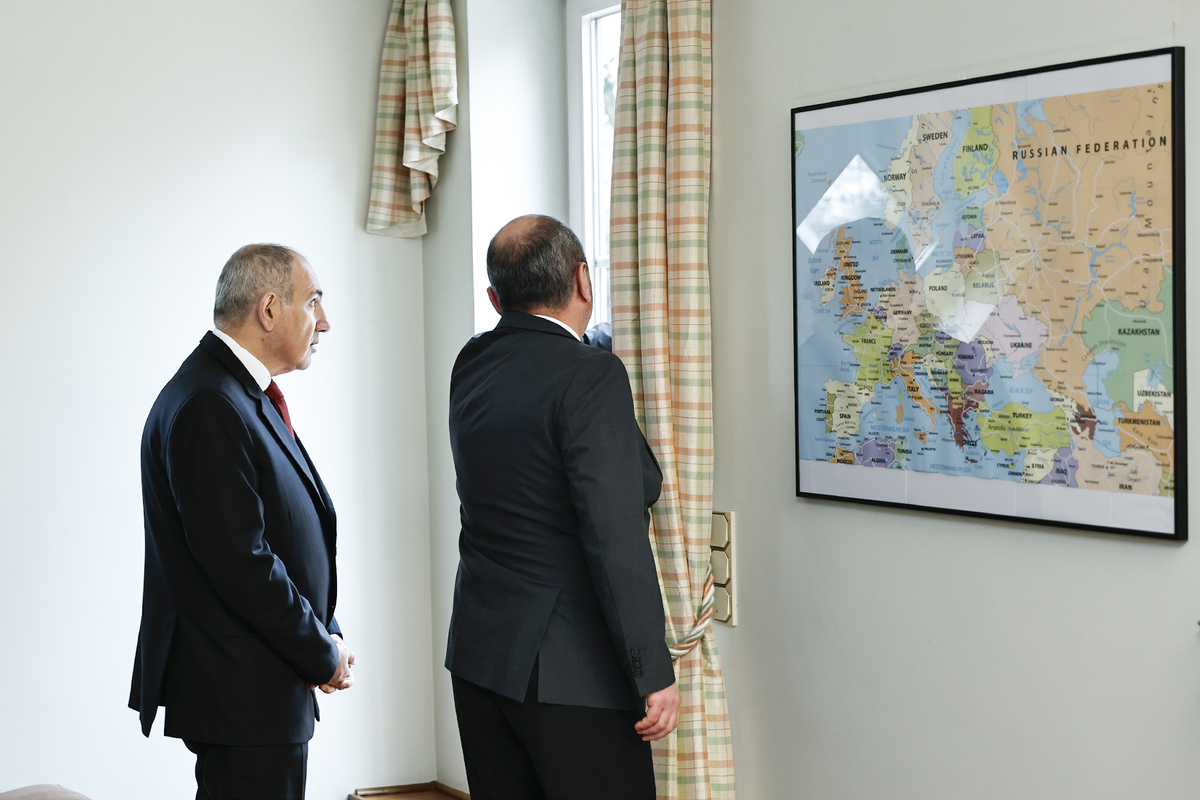
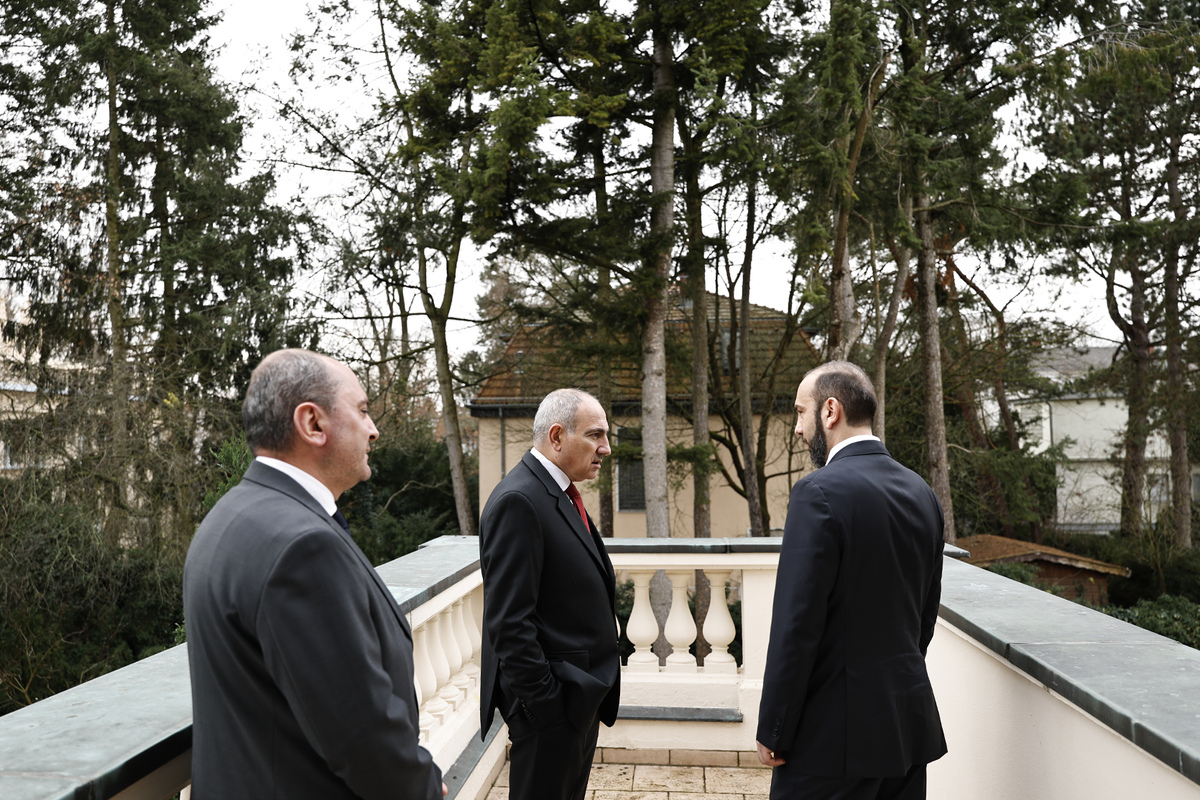
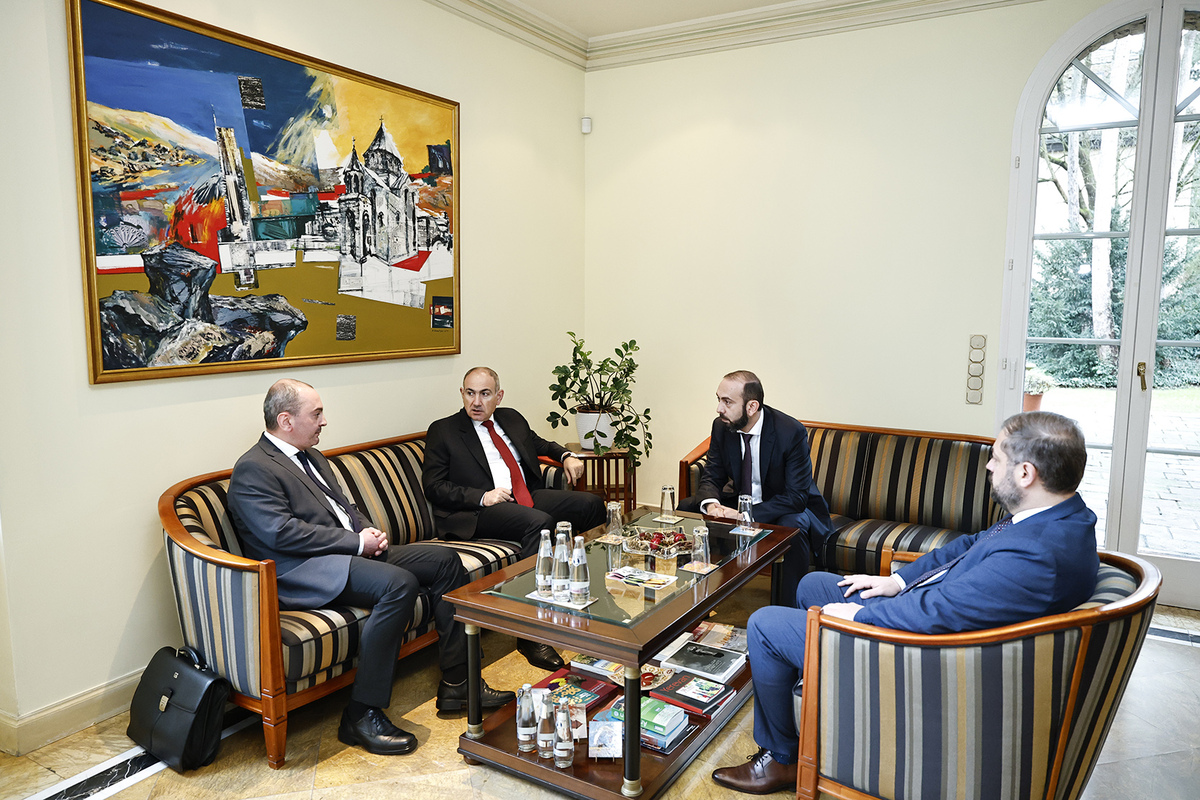
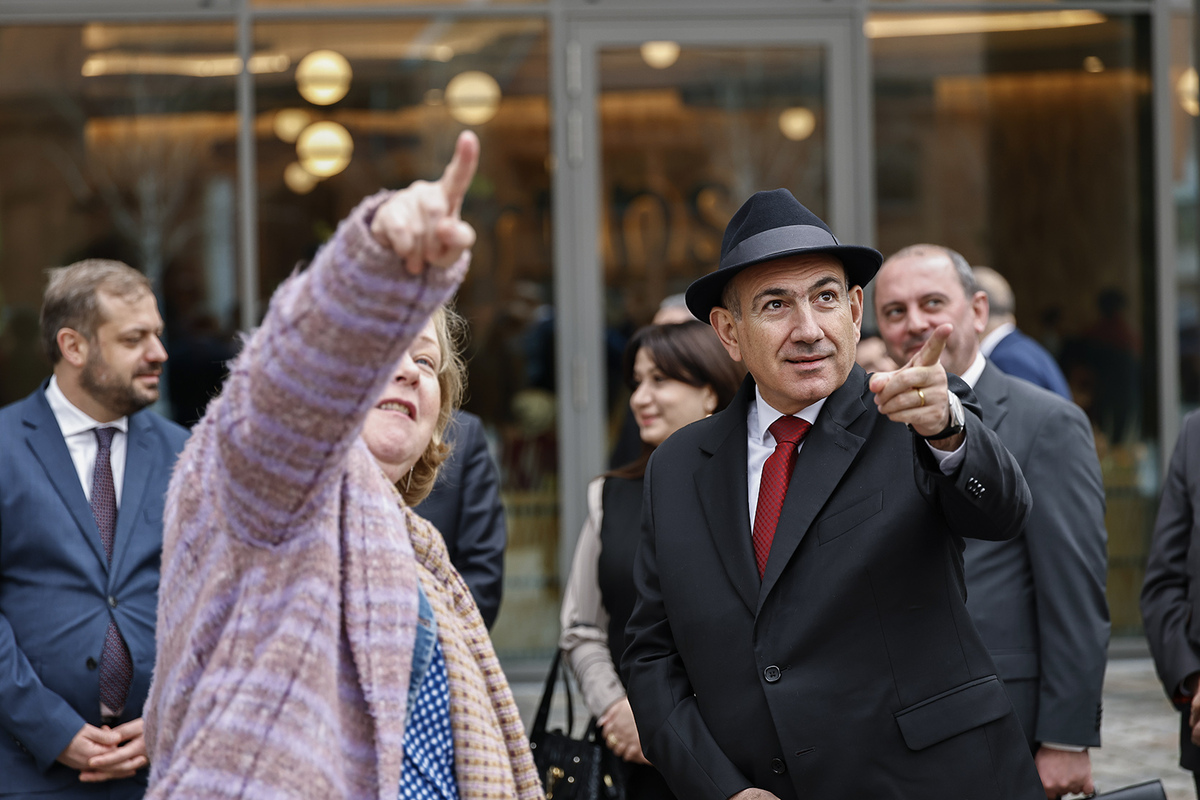
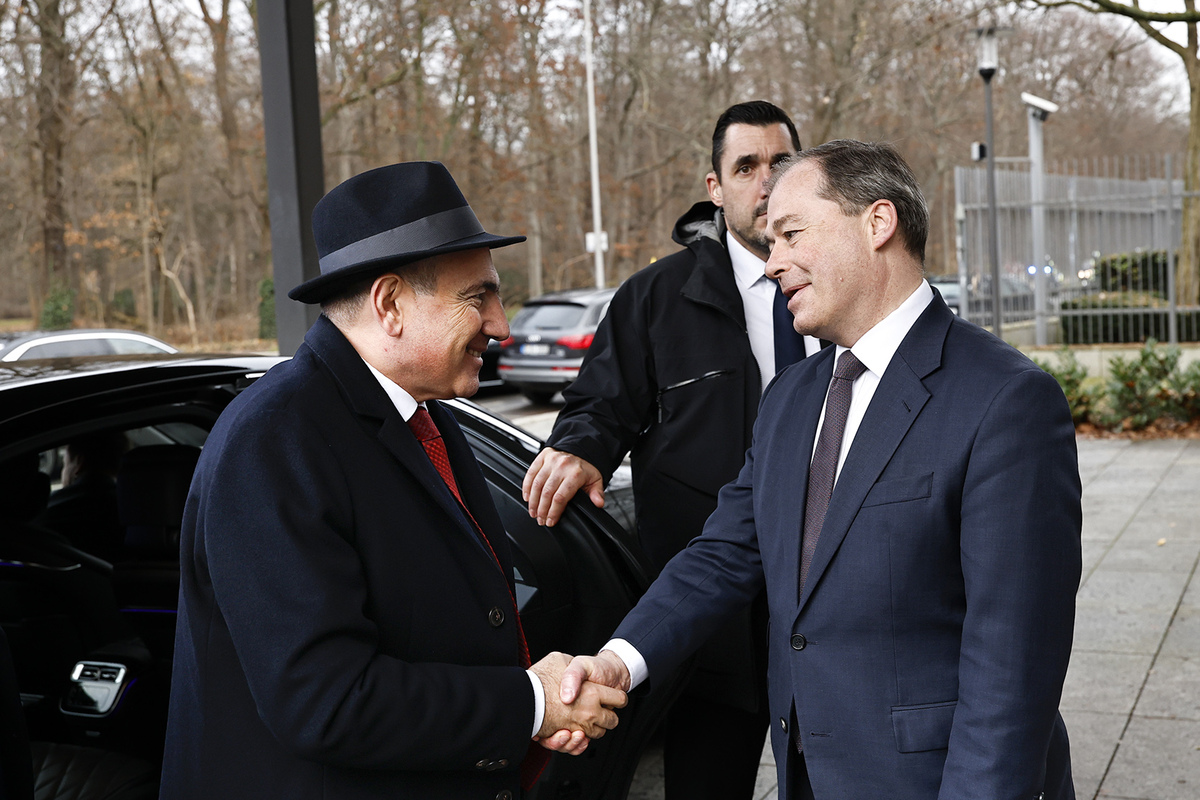
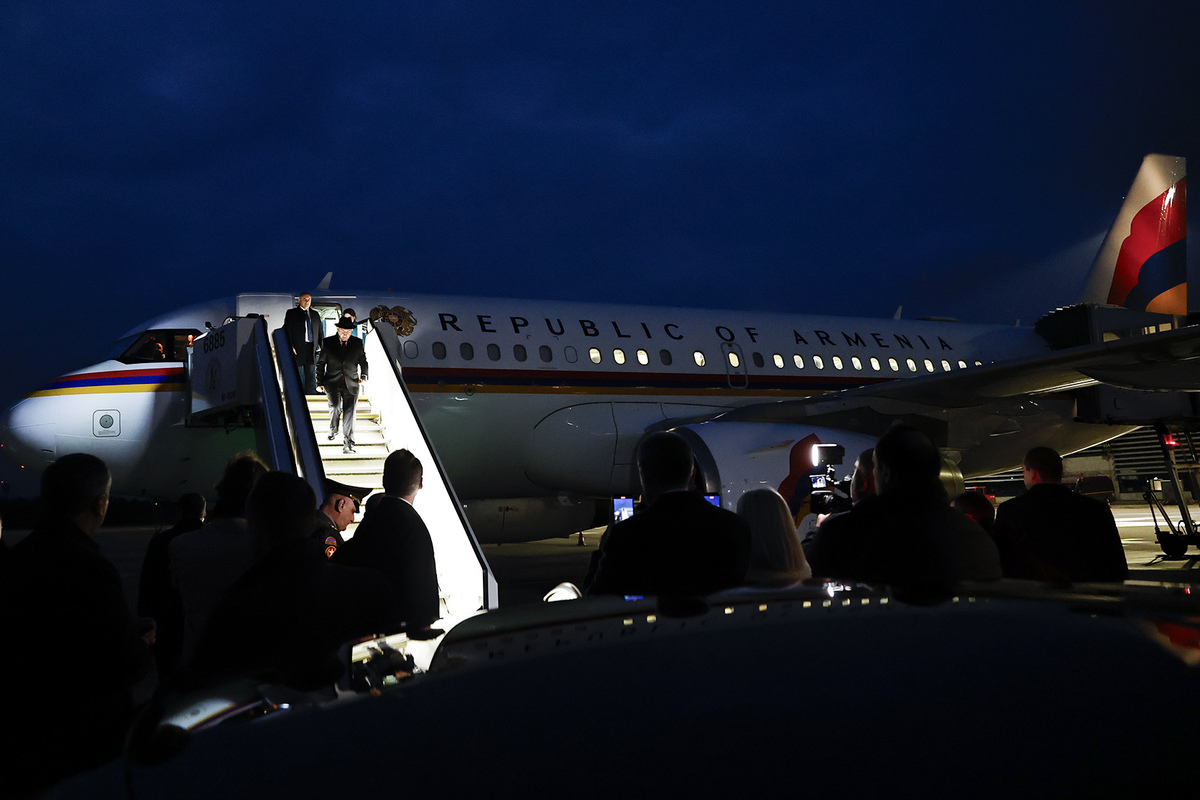
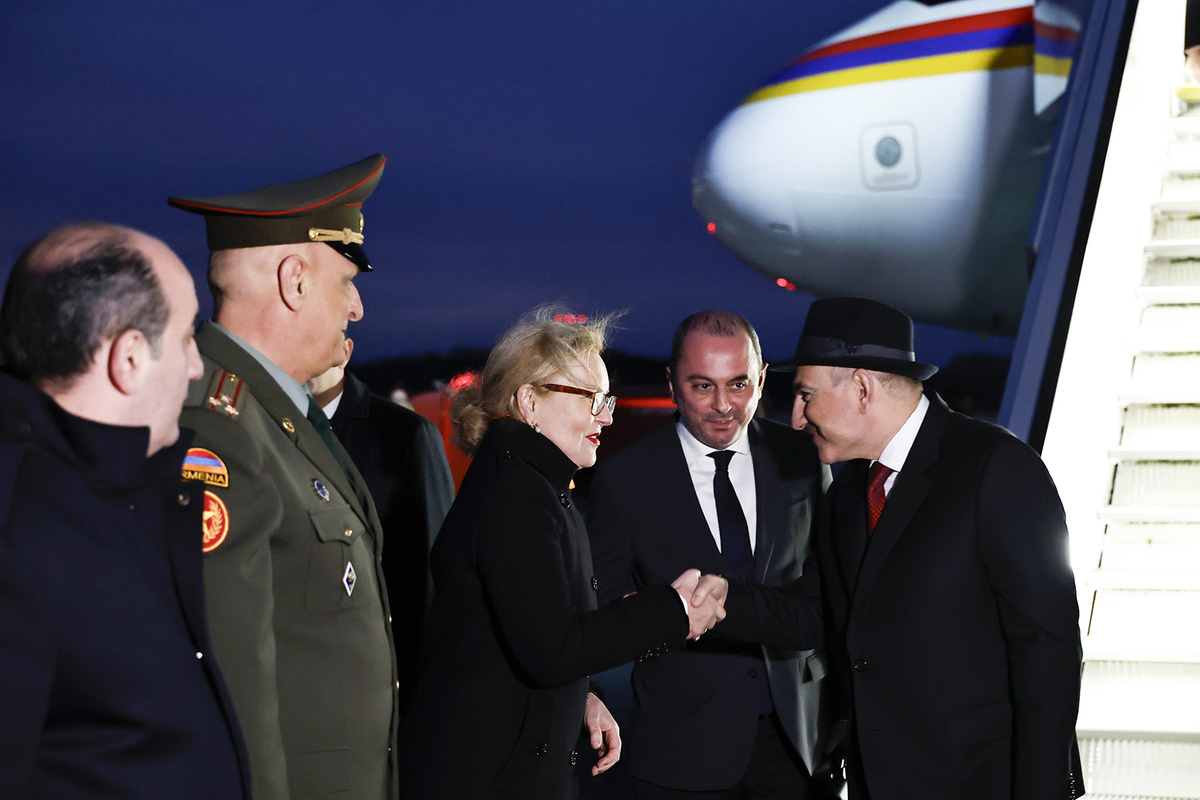
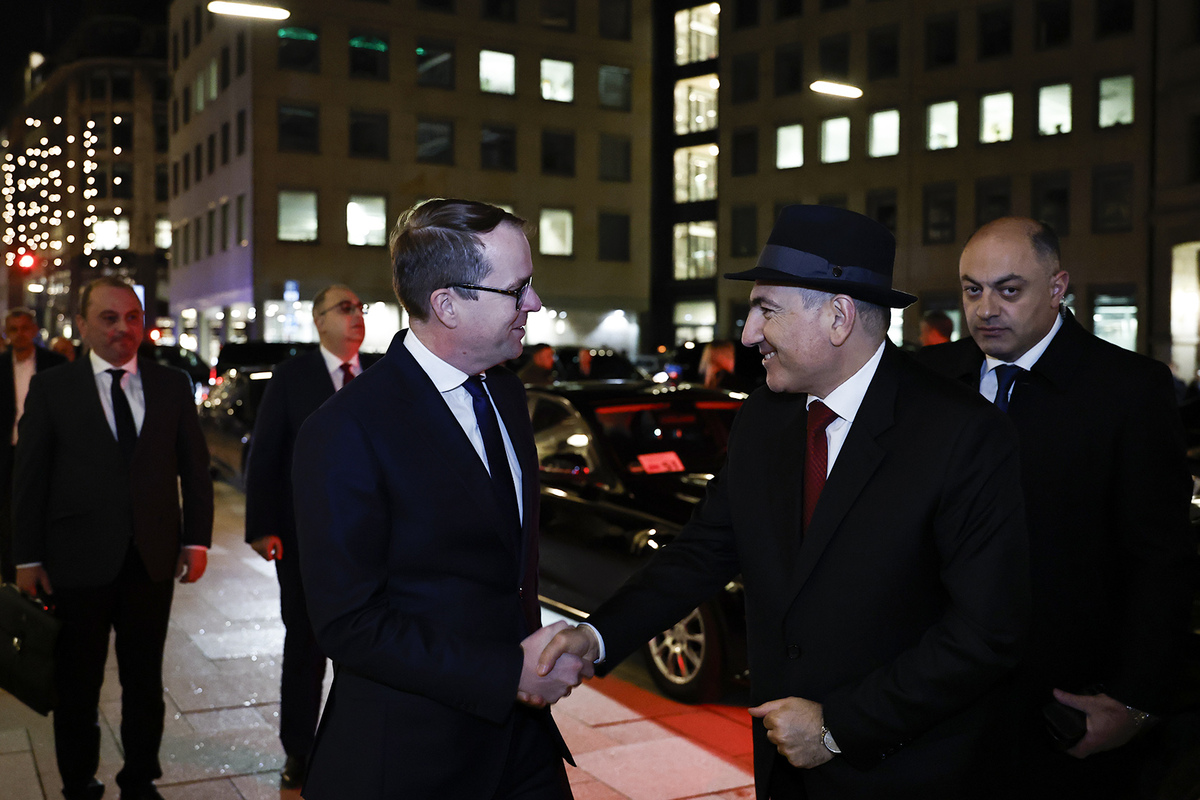
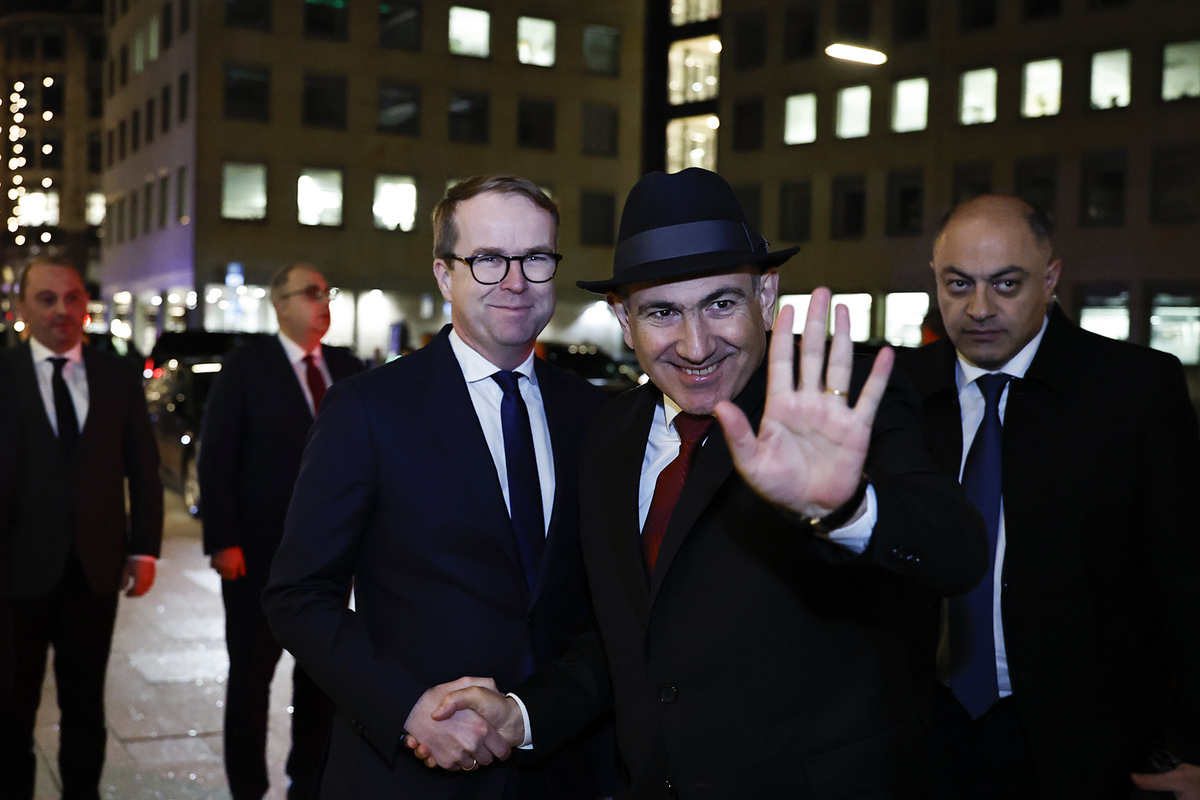
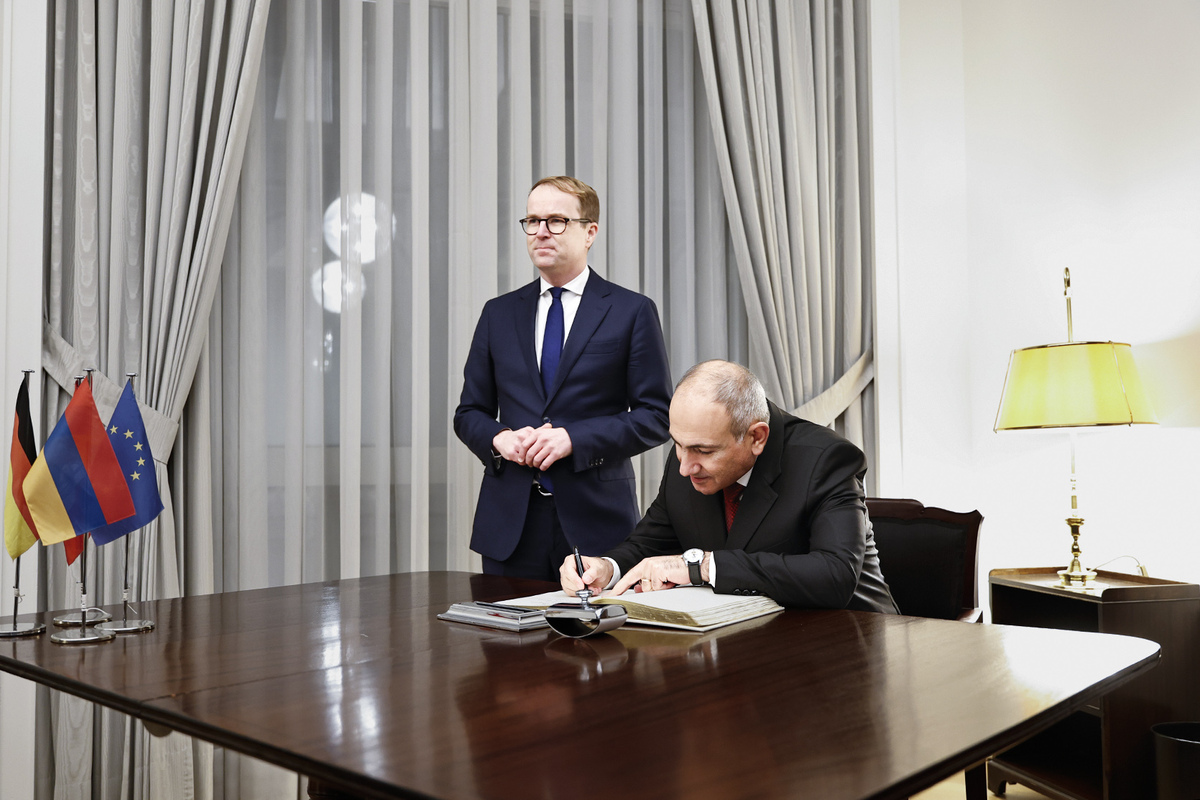
Prime Minister Nikol Pashinyan has arrived in the Federal Republic of Germany on an official visit.
Today, Prime Minister Pashinyan will have meetings with German President Frank-Walter Steinmeier and German Chancellor Friedrich Merz.
On December 10, Nikol Pashinyan will depart for Hamburg, where various meetings are also scheduled.
* * *
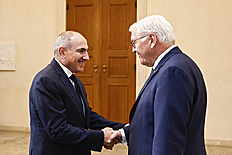
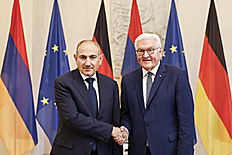
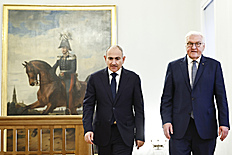
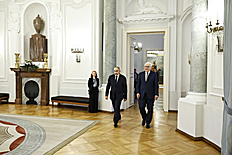
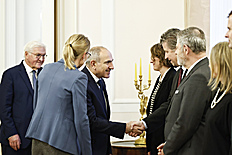
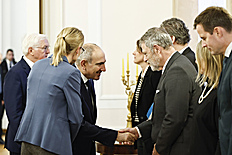
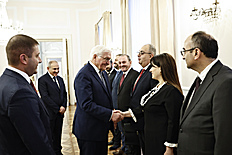
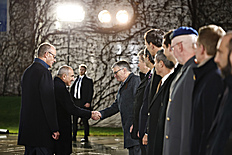
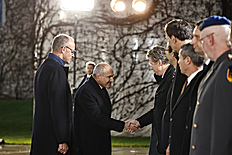
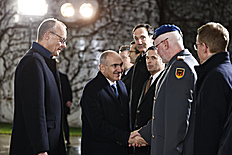
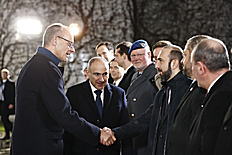
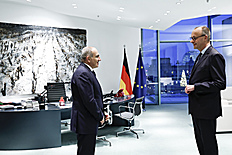
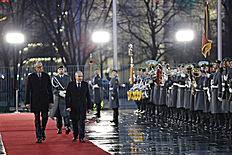
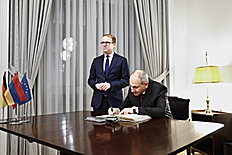
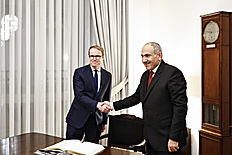
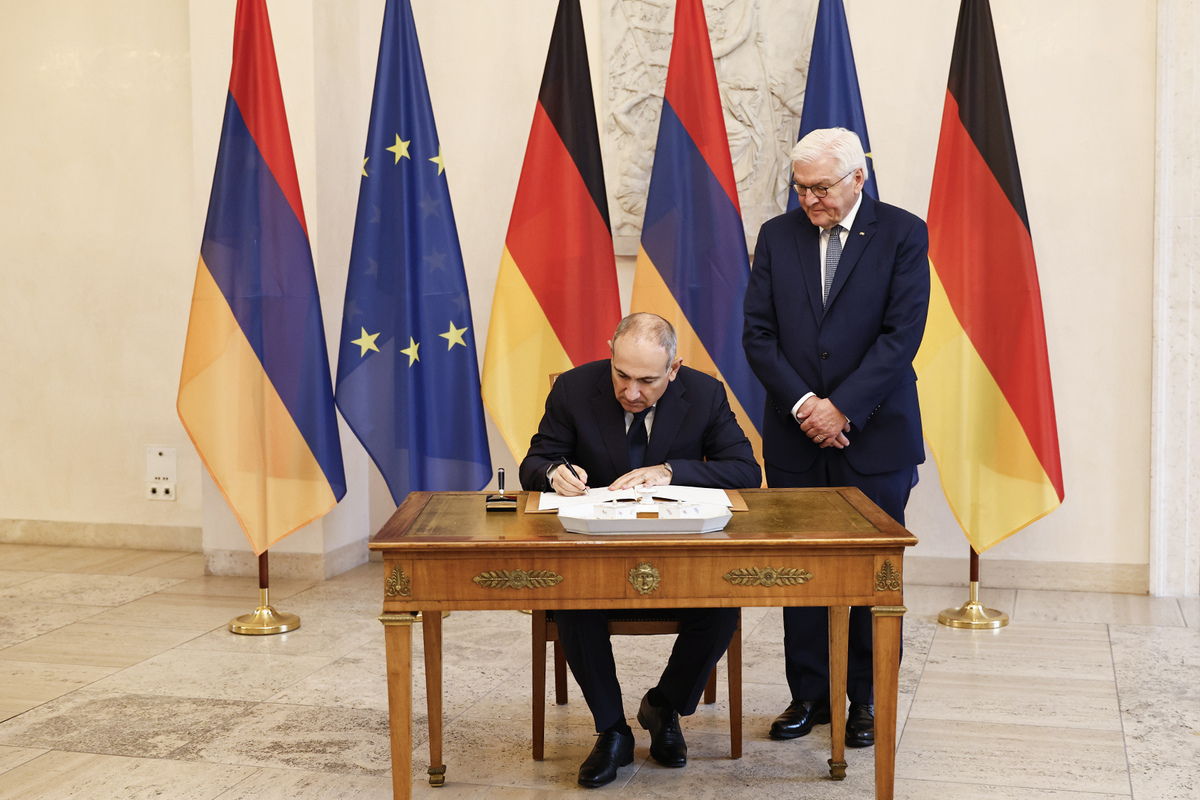
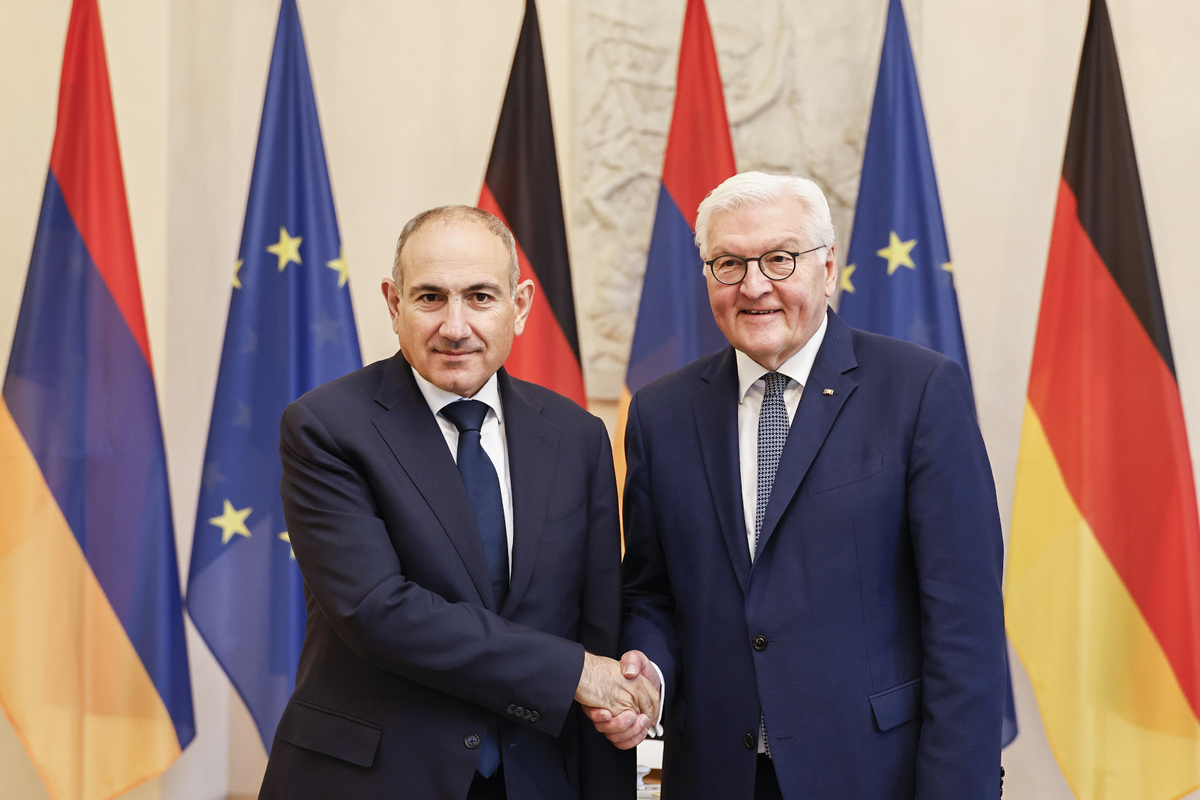
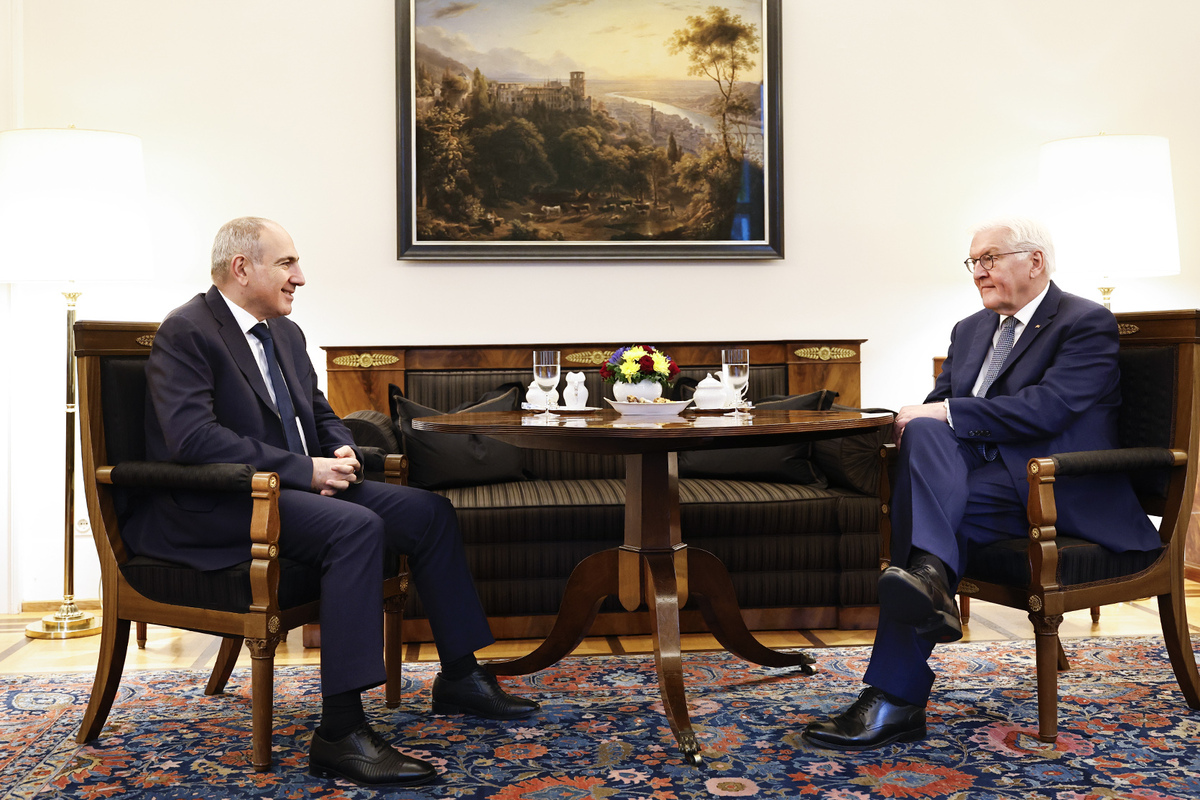
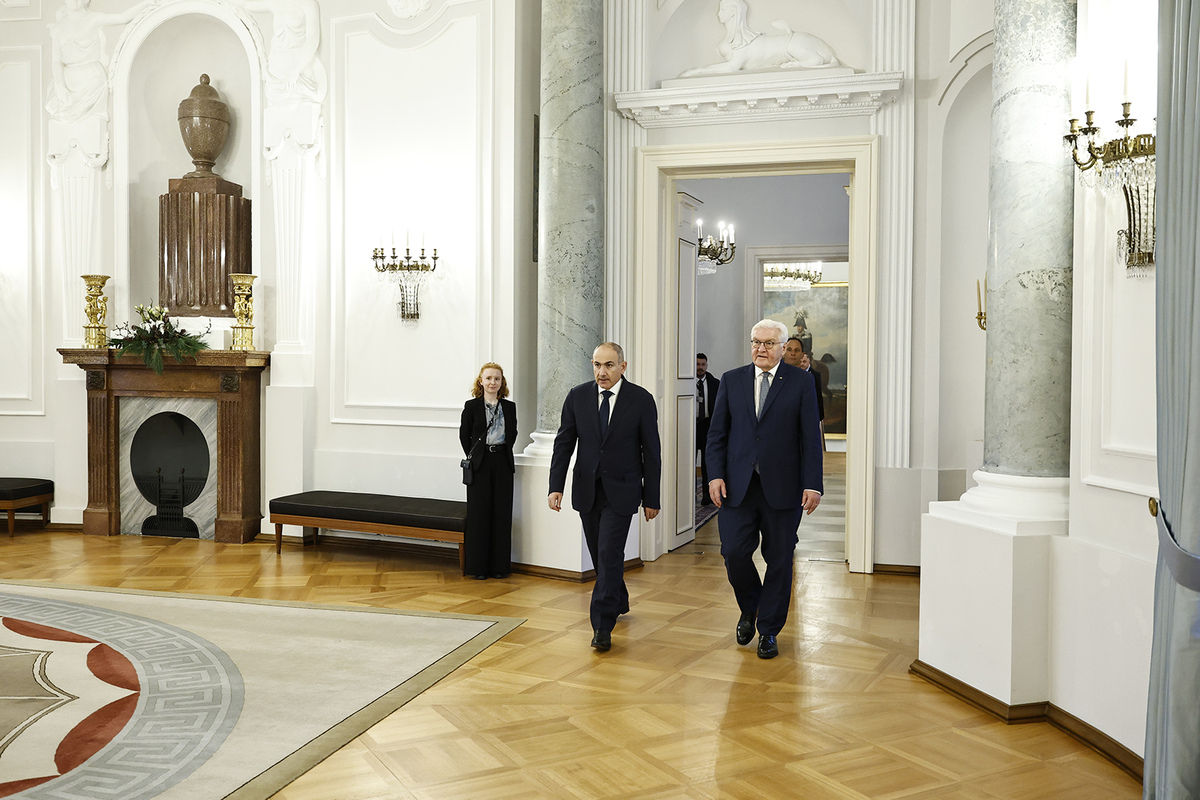
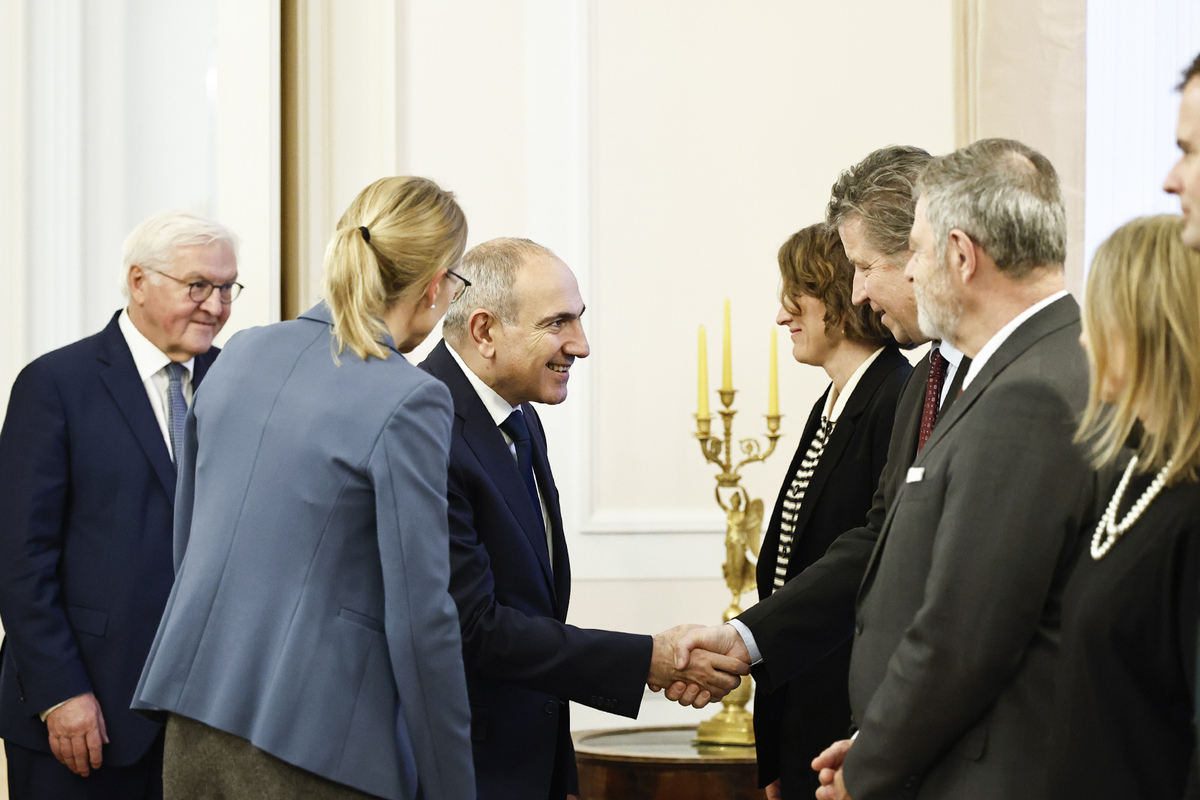
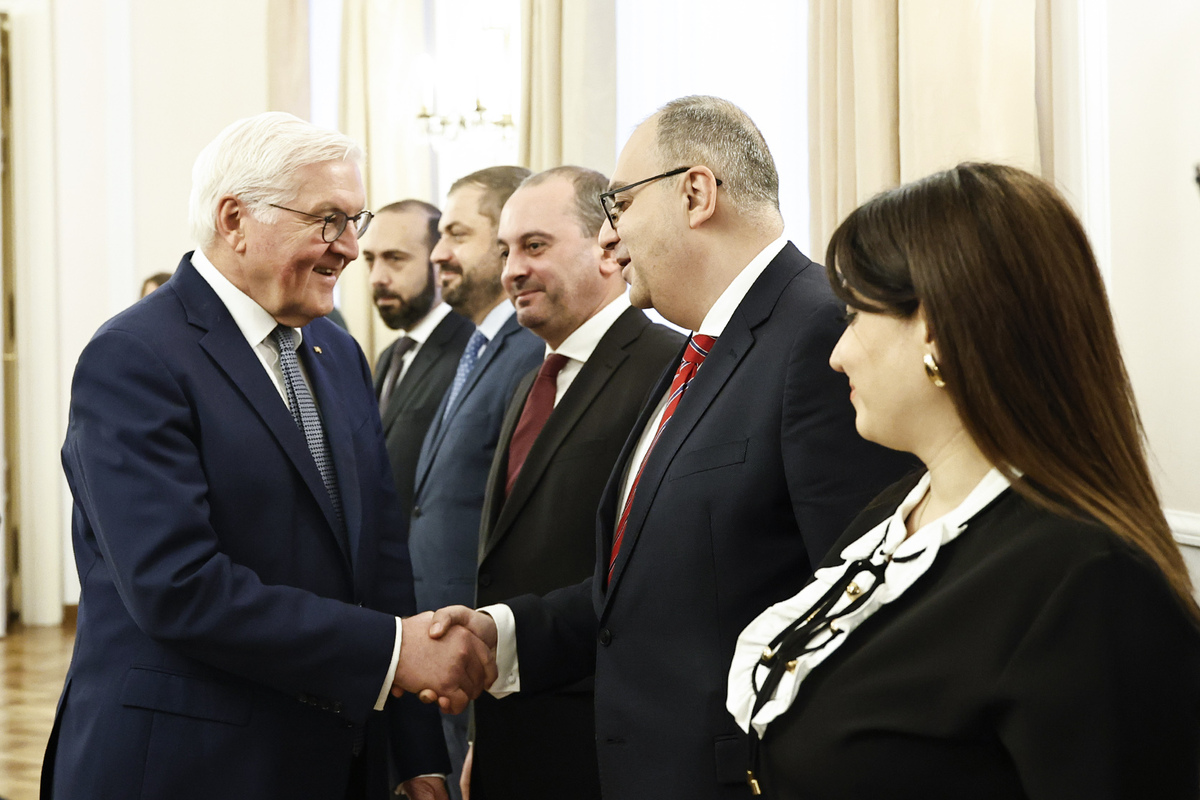
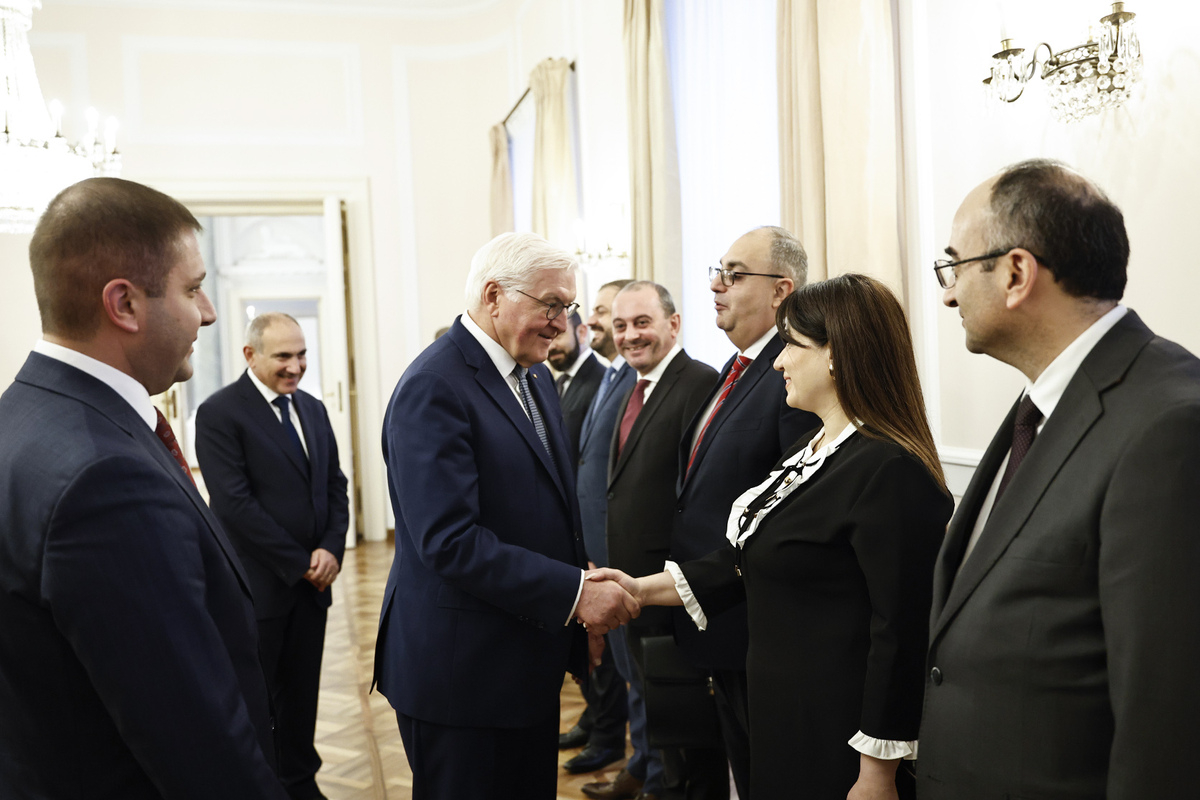
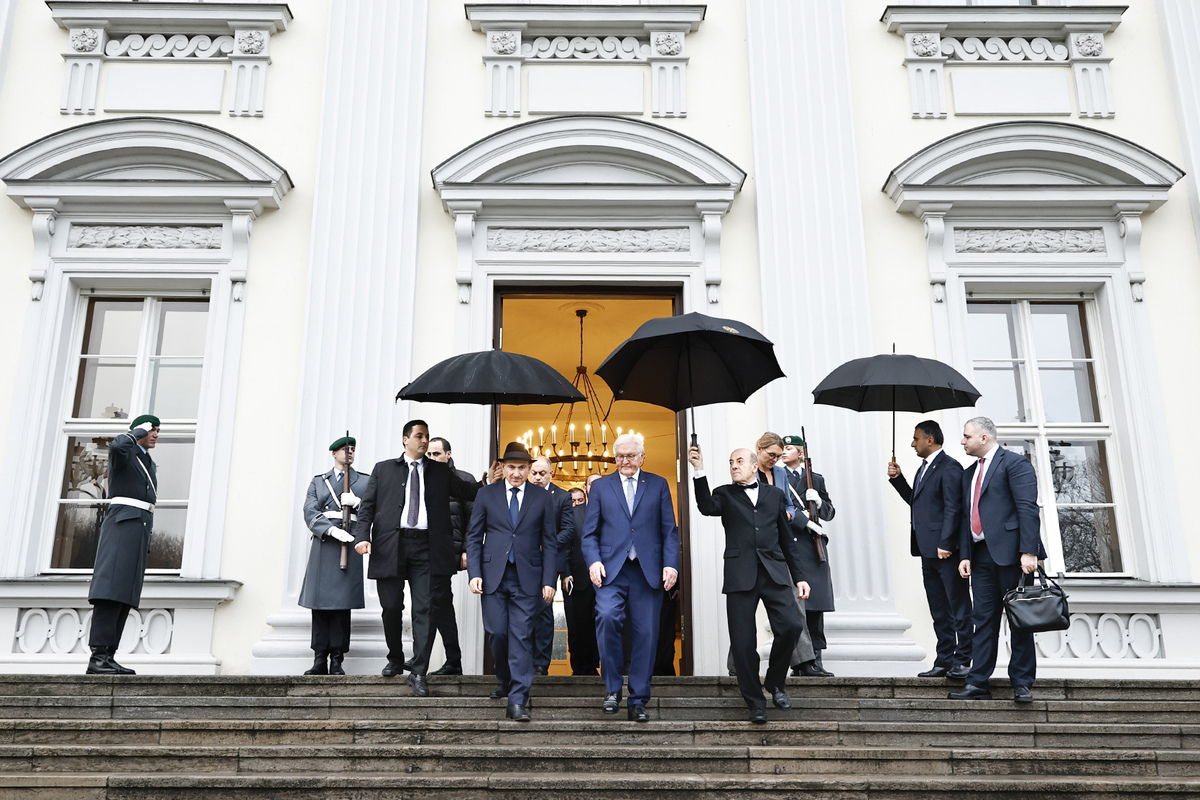
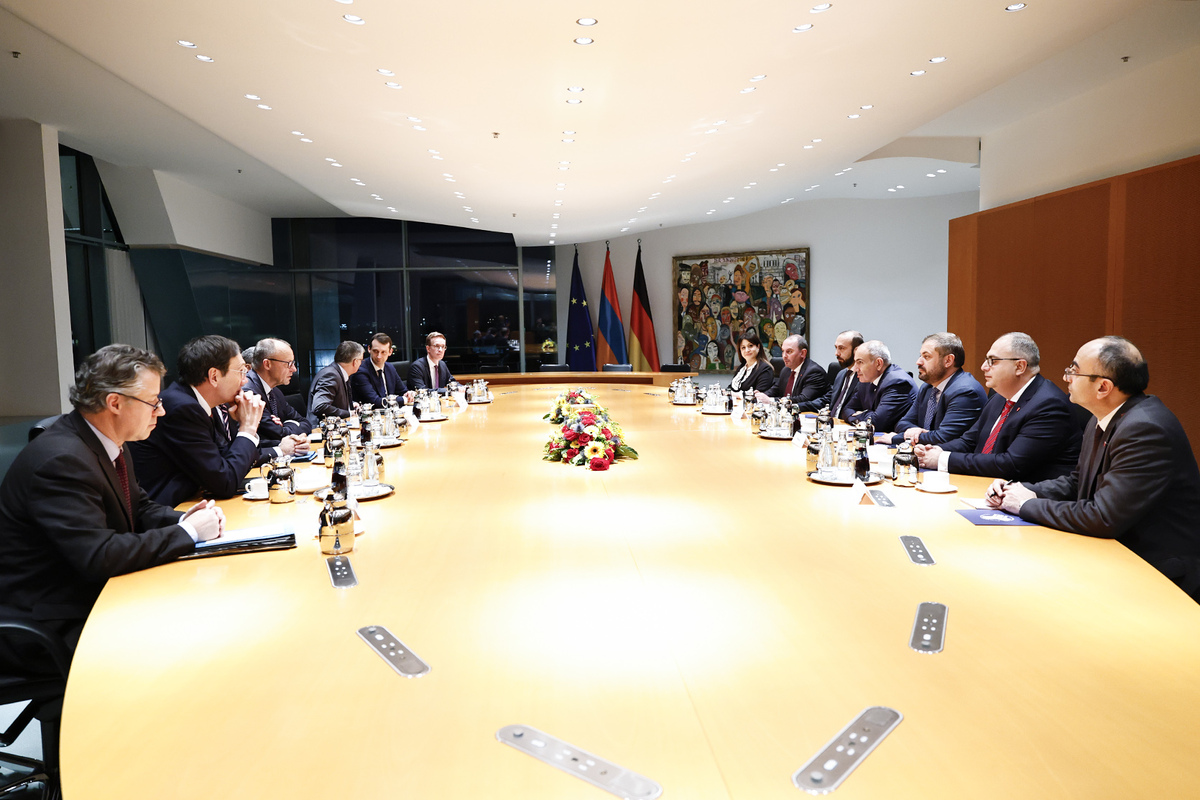
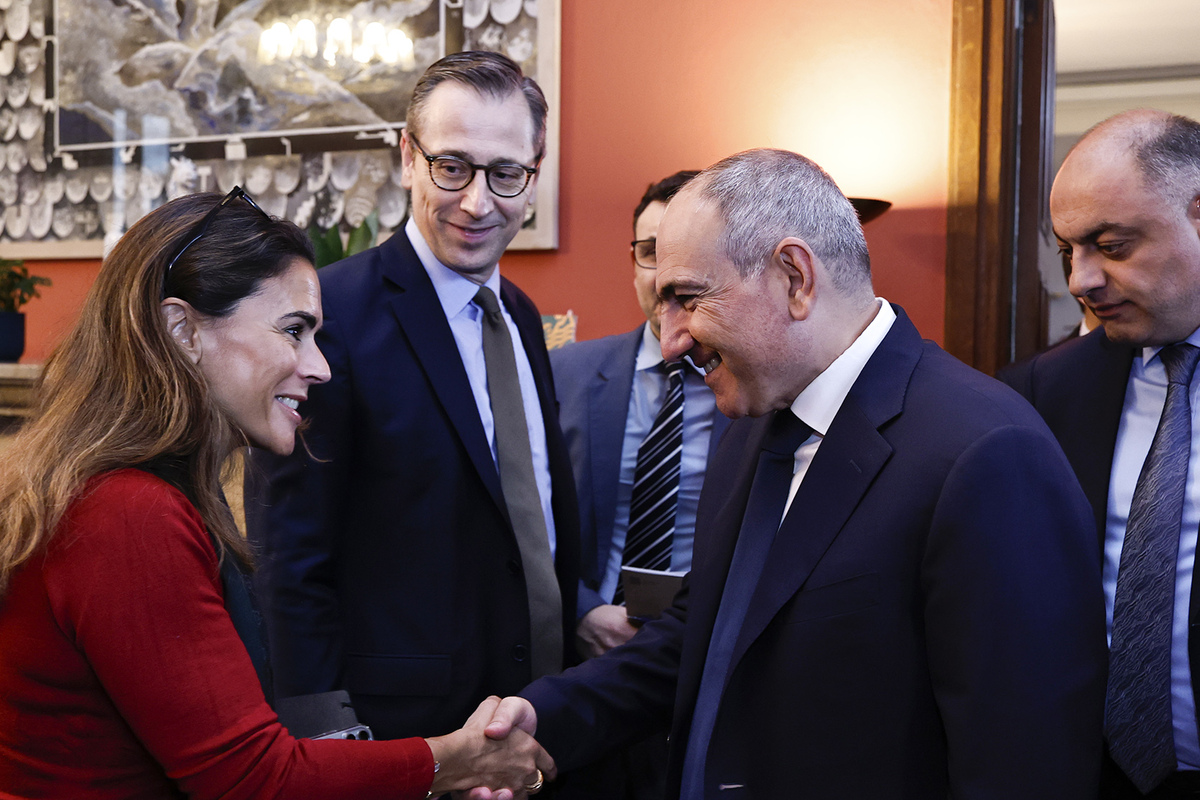
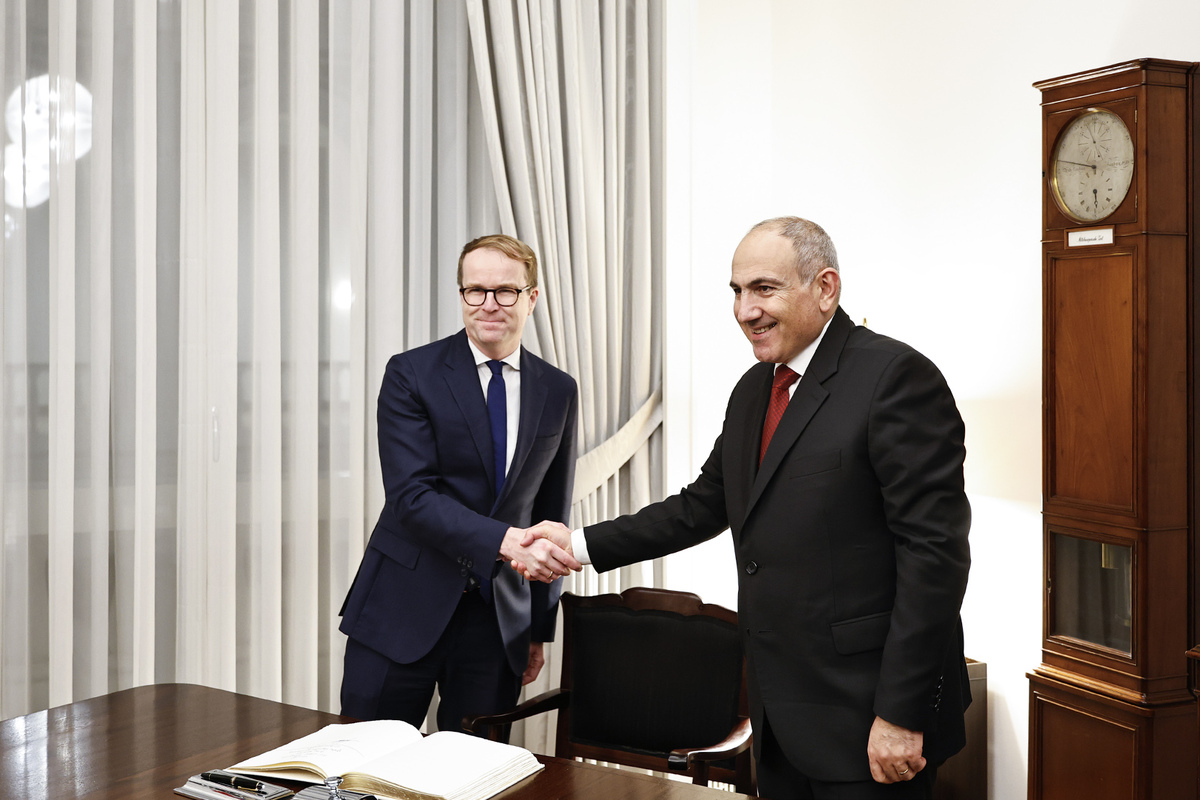
In the sidelines of the official visit, Armenian Prime Minister Nikol Pashinyan met with German President Frank-Walter Steinmeier in Berlin.
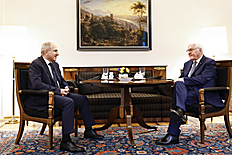
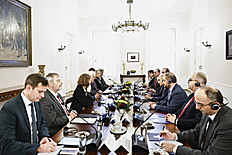
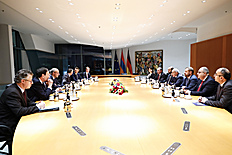
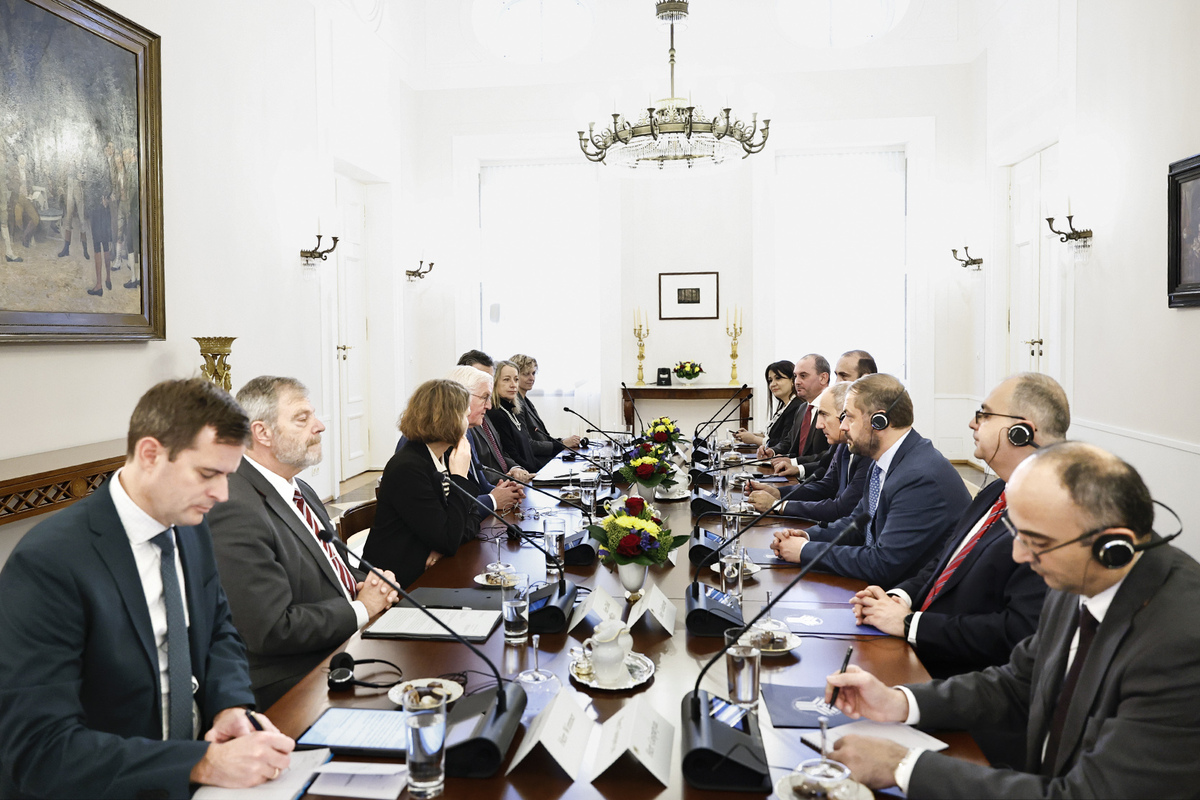
First, the Armenian Prime Minister and the German President had a private meeting, and then the discussions continued in expanded format.
Frank-Walter Steinmeier welcomed Nikol Pashinyan's official visit and emphasized his country's readiness to develop relations with Armenia. The German President expressed confidence that the Prime Minister's visit will give a new impetus to bilateral cooperation in all areas.
The Prime Minister expressed gratitude for the warm hospitality and noted that Germany is a key ally for Armenia both at the bilateral level and within the framework of the partnership with the EU. According to the Prime Minister, the two countries share a common commitment to human rights, democracy, and the rule of law, and Armenia and Germany actively cooperate on bilateral and multilateral platforms. The Prime Minister added that Armenia is also interested in raising its partnership with Germany to a new level.
The interlocutors discussed issues of bilateral relations. They exchanged views on the further expansion of Armenia-EU cooperation. The interlocutors attached importance to the holding of the European Political Community (EPC) Summit in Armenia and noted that it is an important platform for political dialogue with Europe.
The establishment of peace between Armenia and Azerbaijan and other topics of regional importance were also touched upon.
* * *
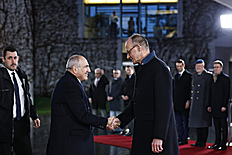
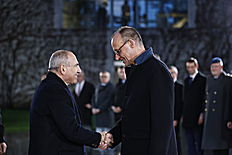
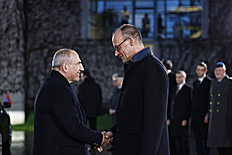
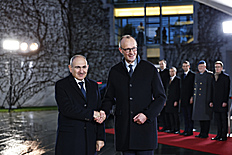
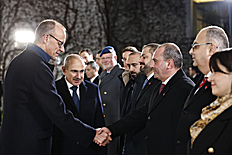
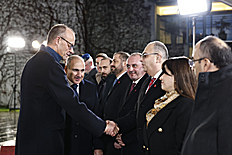
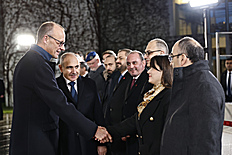
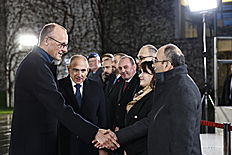
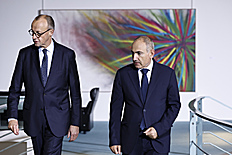
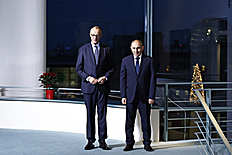
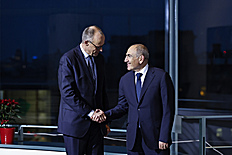
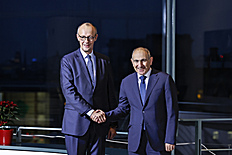
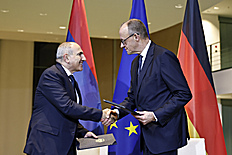
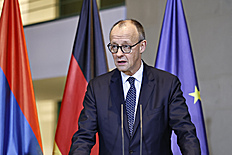
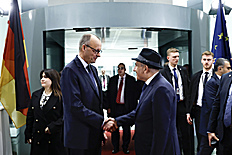
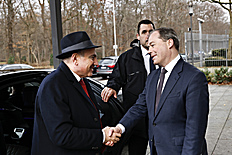
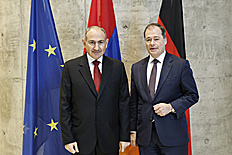
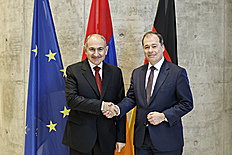
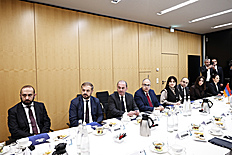
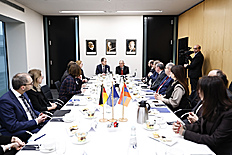
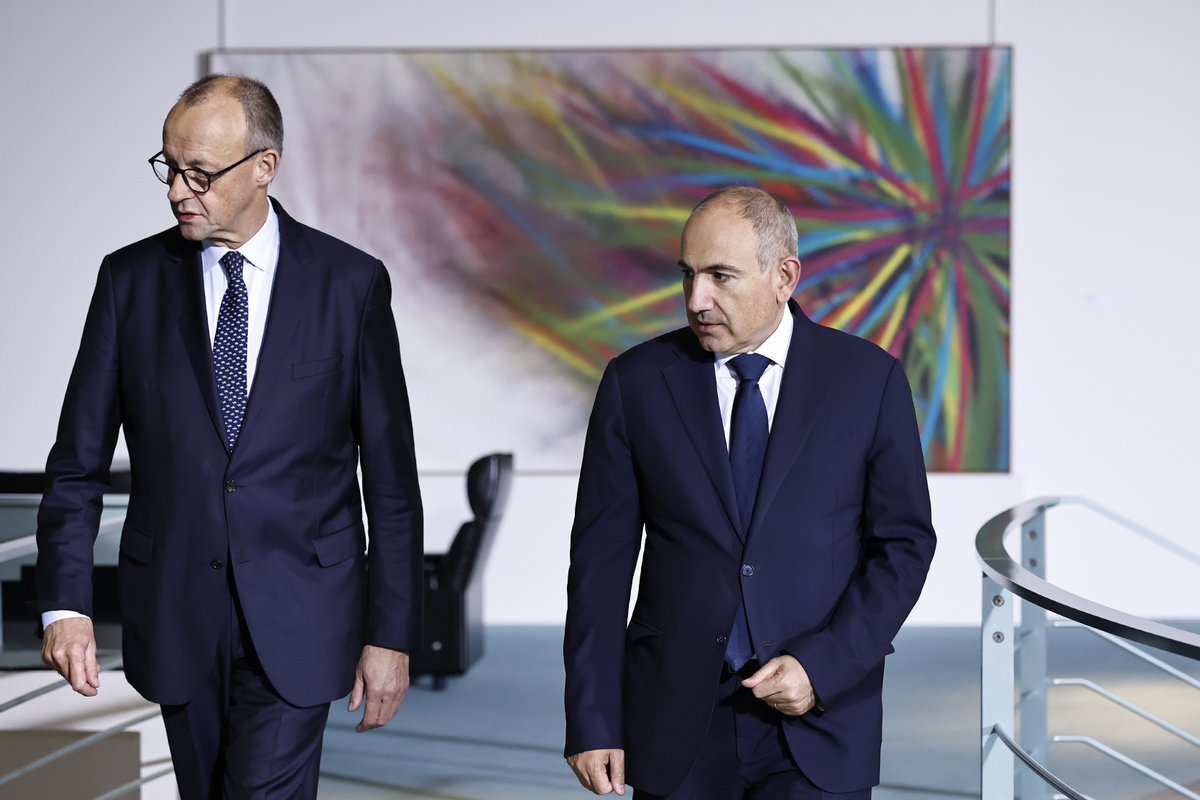
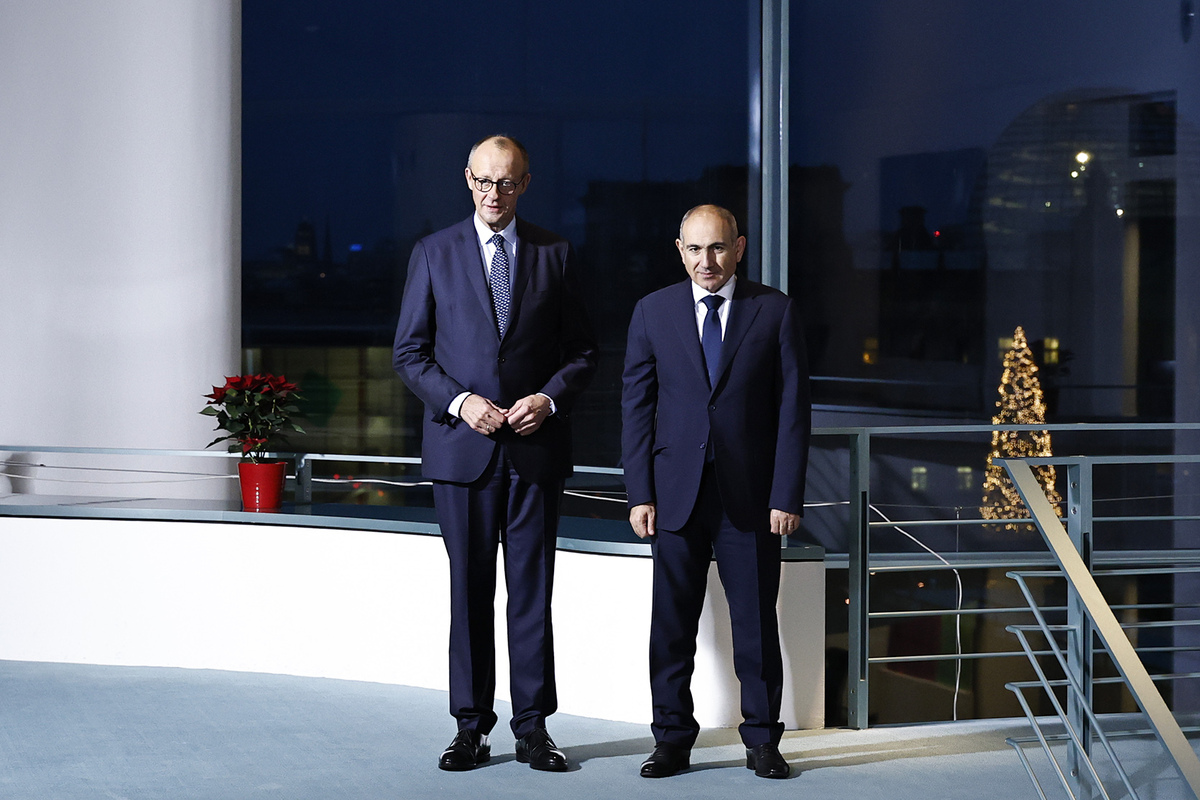
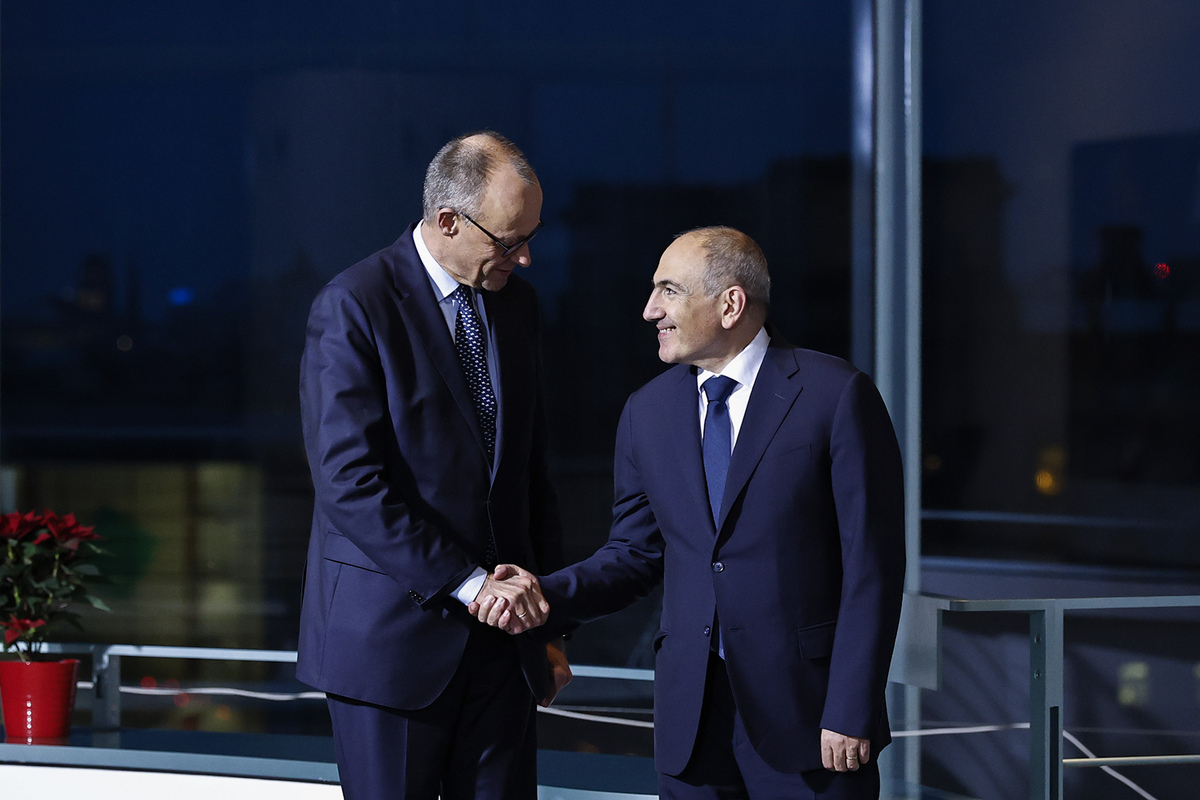
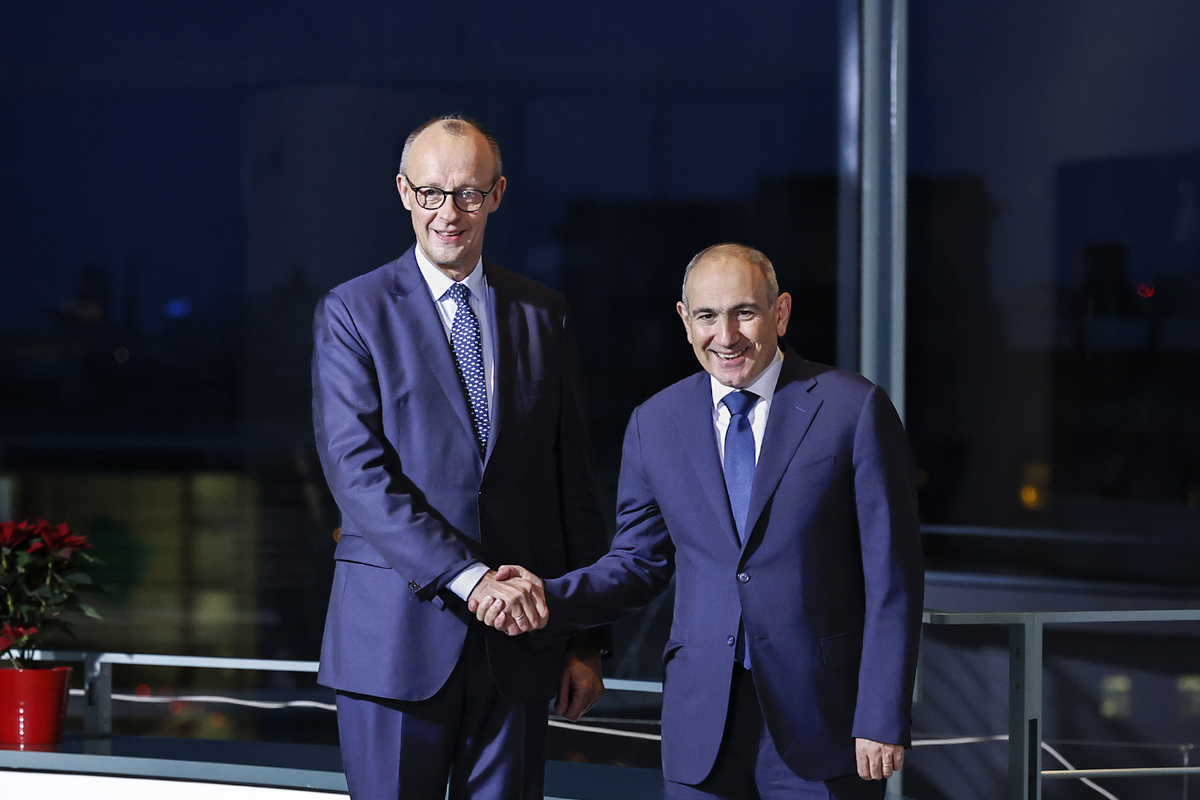
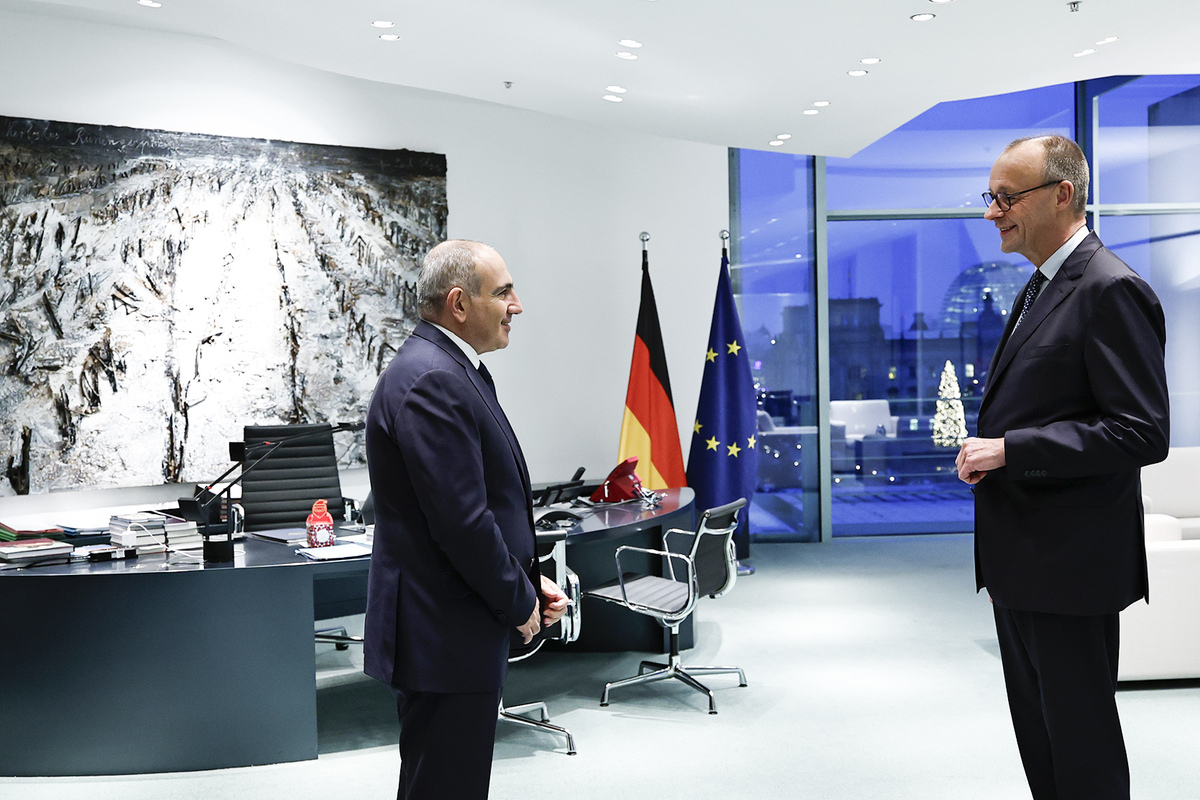
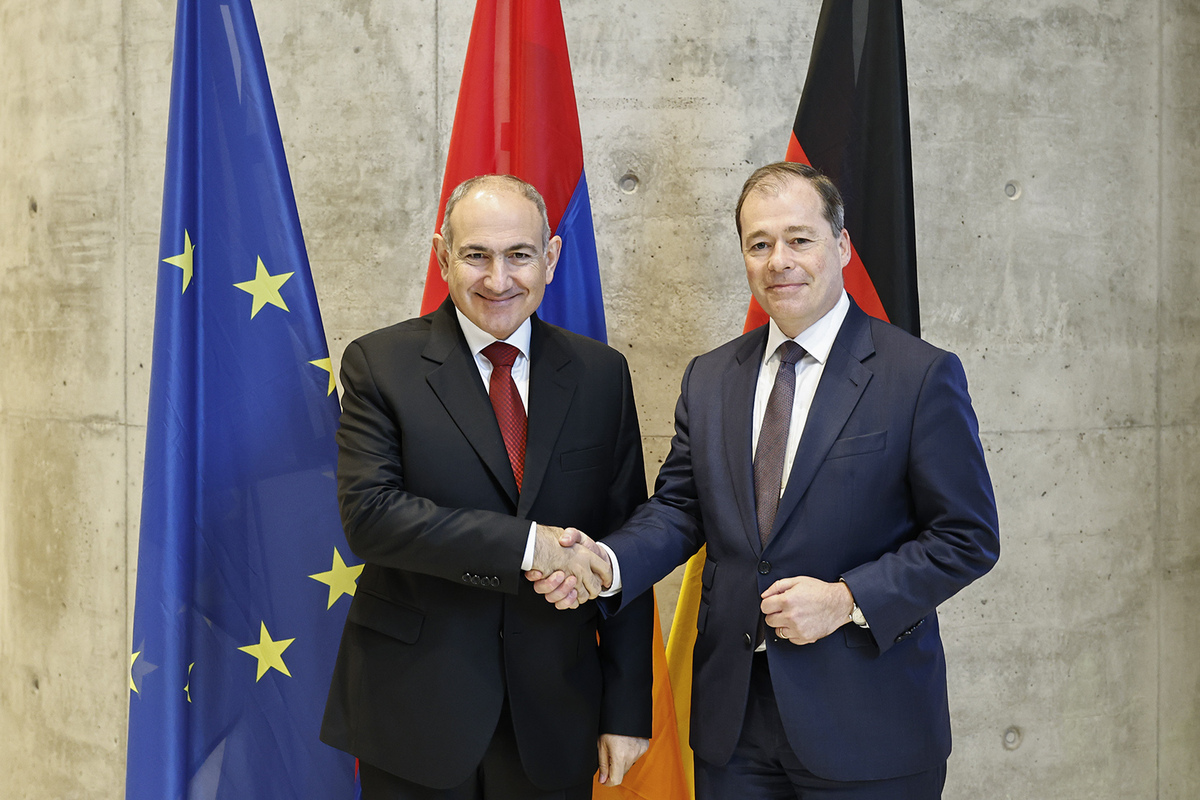
A meeting between Prime Minister of the Republic of Armenia Nikol Pashinyan and Federal Chancellor of the Federal Republic of Germany Friedrich Merz took place in Berlin.
During the meeting, the parties reaffirmed the long-standing friendly and partnering relations established between Armenia and Germany, emphasizing their readiness to continuously deepen cooperation based on mutual trust, common values, and interests.
Prime Minister Pashinyan and Federal Chancellor Merz highlighted the recent increase in trade turnover, expressing hope that it will continue to develop at a more dynamic and progressive pace.
During the meeting, the parties touched upon the strategic agenda of the Armenia-EU partnership, emphasizing the importance of developing political dialogue, security cooperation, combating cyber threats and disinformation, as well as deepening economic, cultural, and scientific cooperation.
The German side welcomed the strengthening of Armenia’s ties with the European Union and the wider family of democratic states.
Federal Chancellor Merz highlighted the recent positive developments in the process of normalizing relations between Armenia and Azerbaijan as an important step towards establishing lasting peace in the region. It was emphasized that the successful progress of the process, as well as the full normalization of relations between Armenia and Türkiye, open up new opportunities for a peaceful and prosperous South Caucasus.
Discussions focused on bilateral cooperation, as well as regional security challenges and the future agenda.
* * *
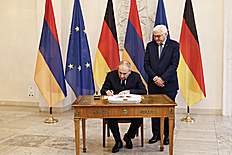
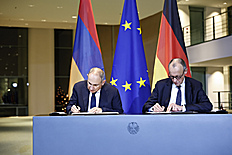
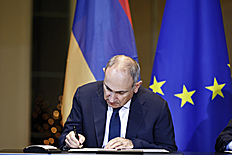
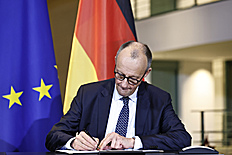
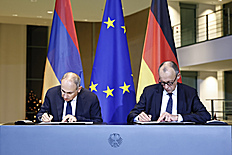
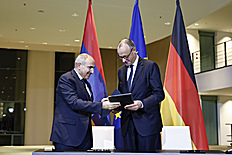
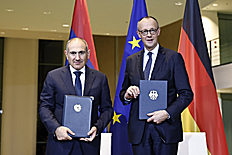
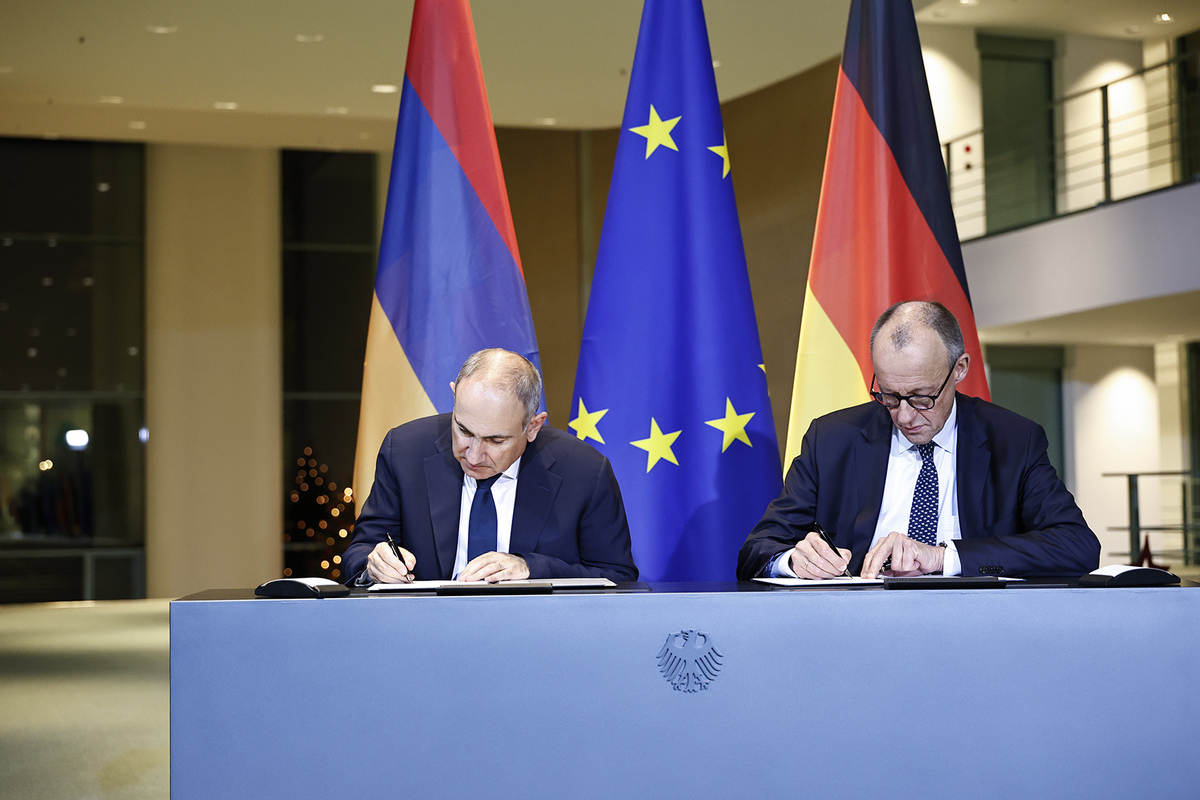
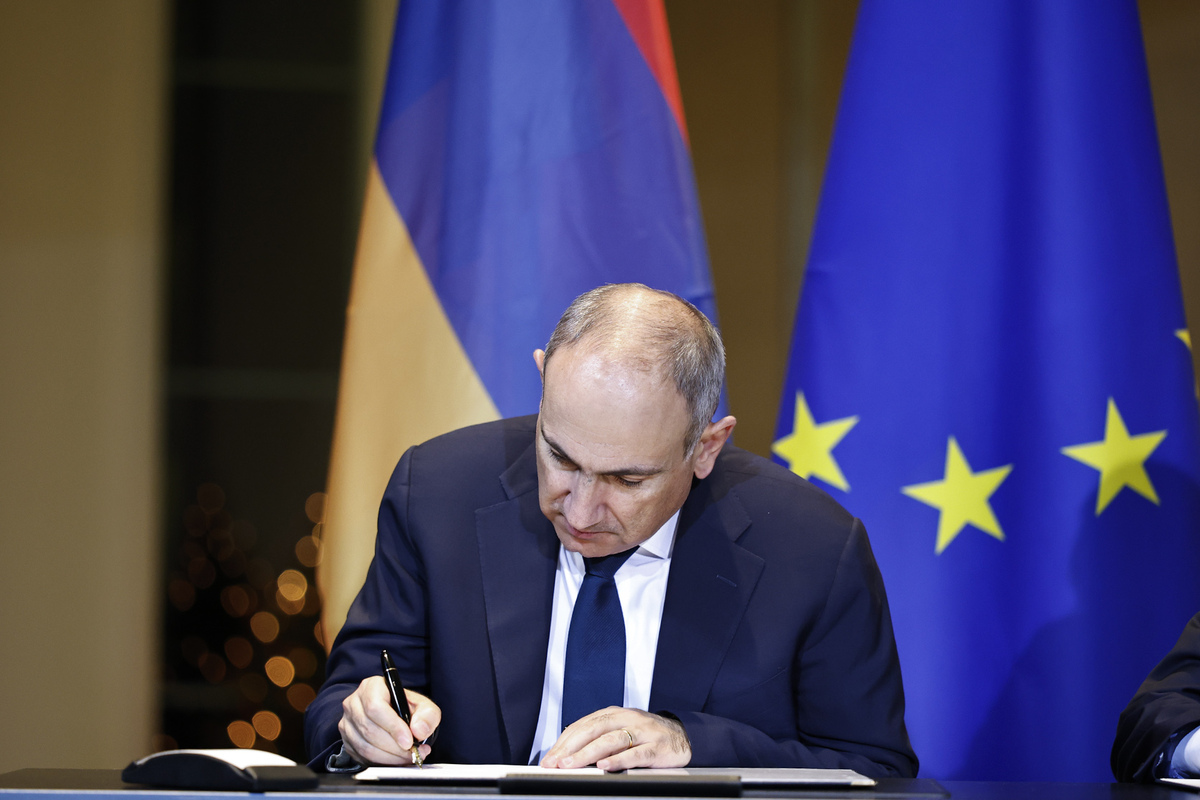
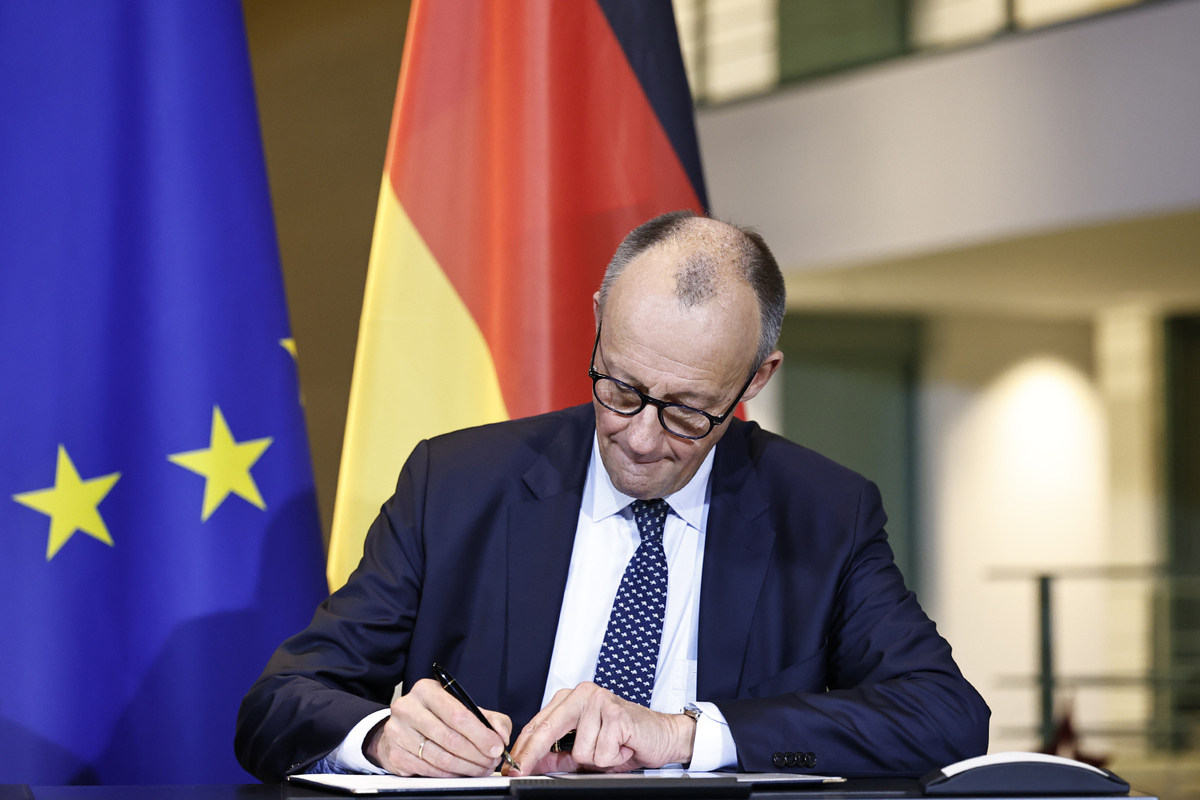
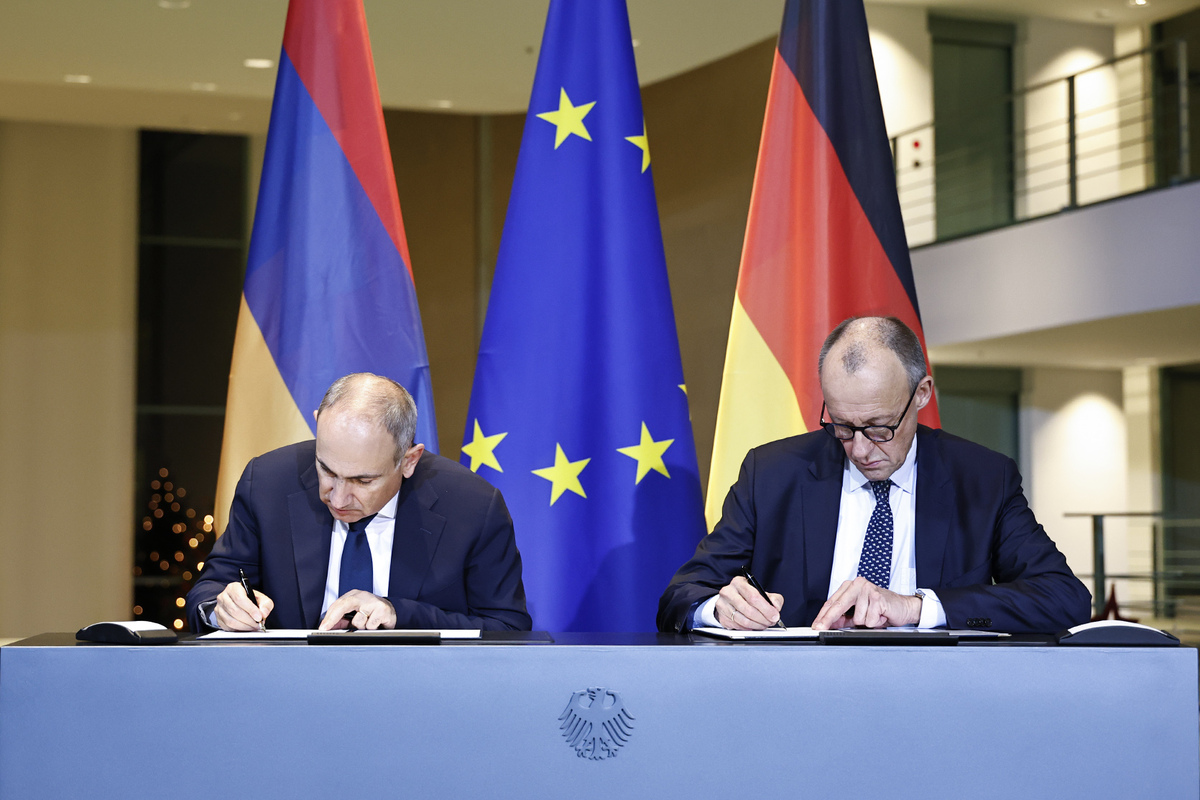
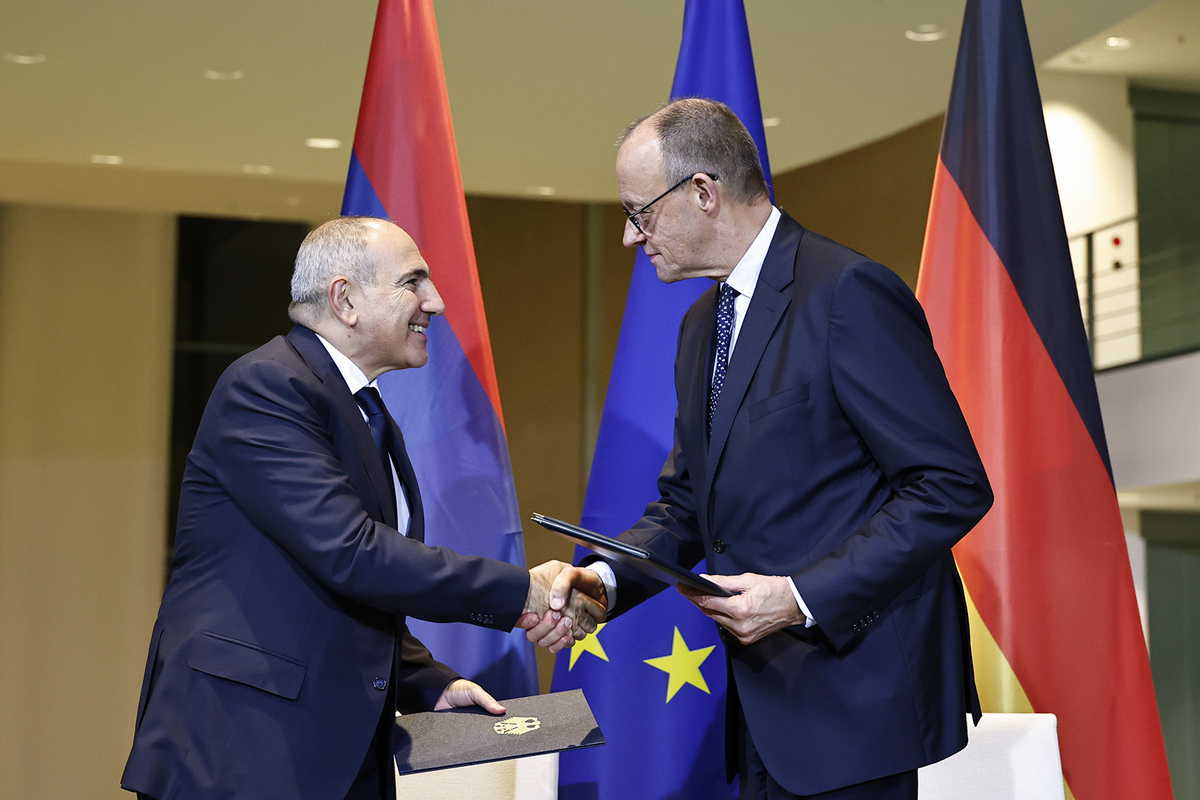
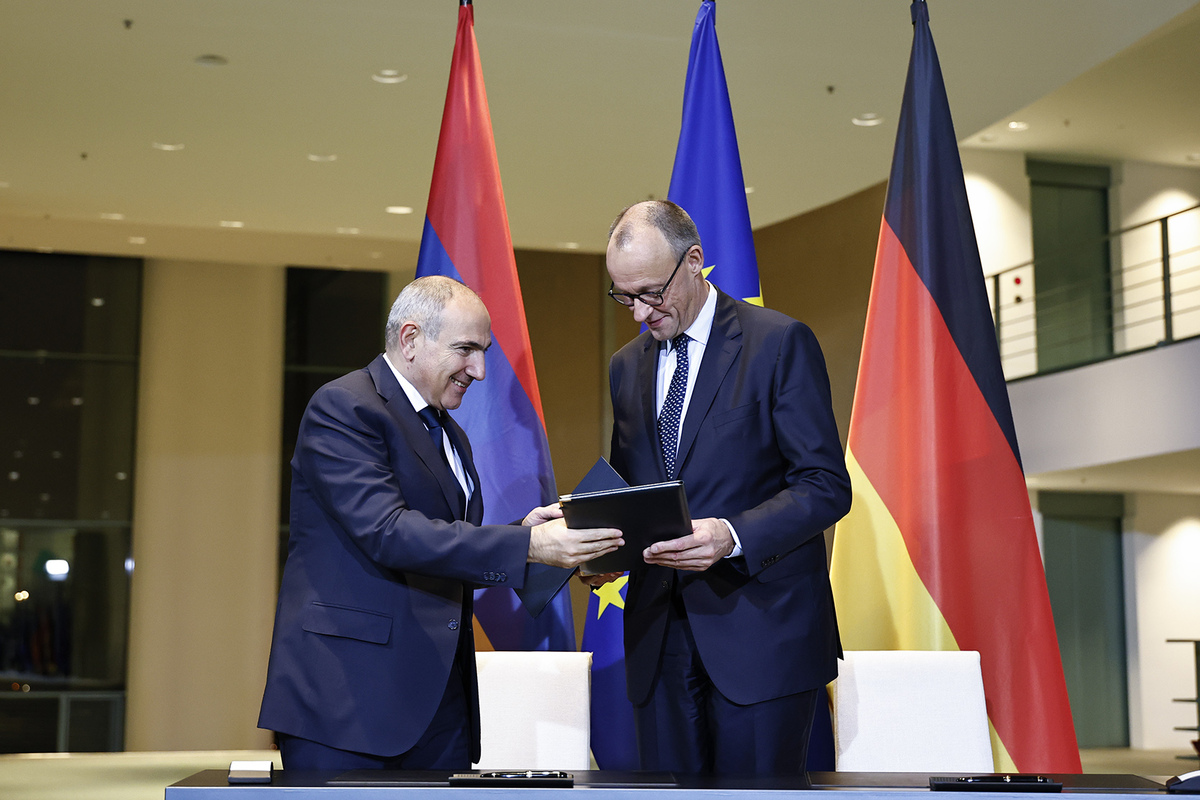
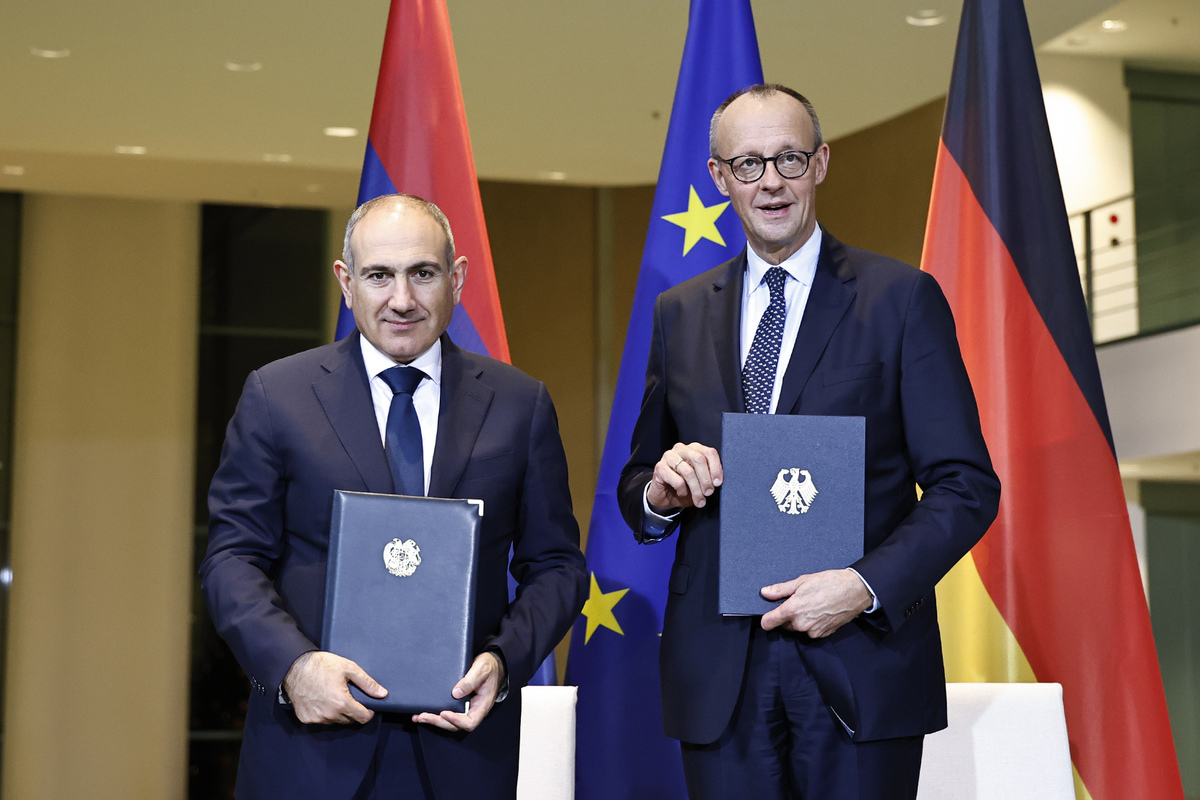
Prime Minister of the Republic of Armenia Nikol Pashinyan and Federal Chancellor of the Federal Republic of Germany Friedrich Merz signed a joint declaration on the strategic agenda of bilateral partnership between the Republic of Armenia and the Federal Republic of Germany following the results of the meeting.
The declaration, in particular, states:
“The Federal Republic of Germany and the Republic of Armenia (hereinafter referred to as the Parties) recognize the long-standing and friendly relations established between the Parties. They confirm their mutual desire to deepen bilateral partnership and cooperation, as well as recognize the trust in each other and the coincidence of interests in various fields. Acknowledge their mutual commitment to protecting and promoting freedom of expression, democracy, human rights, the rule of law and the rules-based international order, including respect for the sovereignty, independence and territorial integrity of every state, the Parties reaffirm their shared commitment to the Charter of the United Nations, goals and principles of the Helsinki Final Act and other international legal instruments promoting peace and security.
The Parties recall the framework established by the EU-Republic of Armenia Comprehensive and Enhanced Partnership Agreement (CEPA), as well as the priorities set out in the Strategic Agenda for the RA-EU Partnership. They note with satisfaction the Republic of Armenia’s aspiration to further strengthen its ties with the European Union and the wider community of democratic states, as well as the importance of the established formats and initiatives for bilateral political dialogue, development cooperation, security assistance, joint efforts in combating cyber threats and disinformation, as well as economic, cultural and scientific cooperation.
The Parties share the positive assessment of the initialling of the Agreement “On the Establishment of Peace and Interstate Relations between the Republic of Armenia and the Republic of Azerbaijan” and welcome the recent developments in the normalisation of bilateral relations between Armenia and Azerbaijan. The Parties agree that the full normalisation of these relations, as well as those between Armenia and Türkiye, creates opportunities for a peaceful and prosperous South Caucasus region.
The Parties reached understanding in the following:
1. The Parties intend to cooperate in the following areas, but are not limited to:
a. Political and diplomatic cooperation: regular consultations between ministries, agencies and diplomatic missions, high-level visits and thematic dialogues.
b. Economic and trade cooperation: promotion of bilateral trade and investment opportunities, cooperation in the field of biodiversity, including in the context of the COP17 to be held in Yerevan, energy, connectivity and infrastructure, technology and transport, as well as tourism development.
c. Development and capacity building: continued cooperation, including through technical and financial assistance programmes and training initiatives, in areas such as sustainable economic development, vocational training, renewable energy and energy efficiency, climate and environmental protection, biodiversity and nature conservation, water resources management, good governance and municipal development, justice and constitutional reform, promotion of the rule of law, joint projects aimed at socio-economic development.
d. Culture, education, language and people-to-people exchanges: academic partnerships and research cooperation, scholarships, sister cities, cultural exchange events and programmes that promote mutual understanding, including in the field of youth and sport.
e. Science, technology and innovation: joint research projects, cooperation in the field of digital transformation, emerging technologies and innovation ecosystems.
f. Security and defence: dialogue on regional and global security issues, including nuclear security, cybersecurity, countering disinformation, cooperation on security sector reform and actions related to the UN Resolution on Women, Peace and Security, exchange of information and best practices in areas of mutual interest.
2. This Declaration is not an international treaty and therefore does not create rights and obligations under domestic or international law. Implementation of actions under this Declaration will depend on the availability of resources and the relevant laws and regulations of the Parties. The Parties may define and mutually determine additional areas of cooperation. This Joint Declaration may be amended at any time by mutual written consent of both Parties. Either Party may terminate the cooperation envisaged in this Joint Declaration at any time. It shall notify the other Party in writing of its intention to terminate the cooperation at least six months in advance''.
* * *
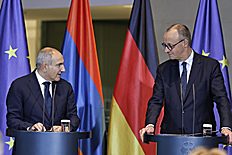
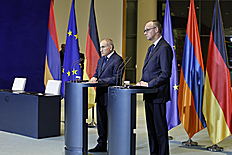
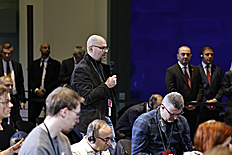
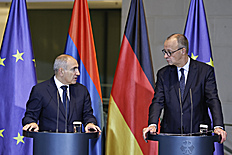
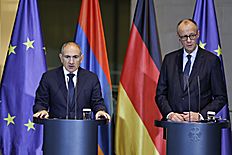
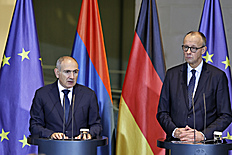
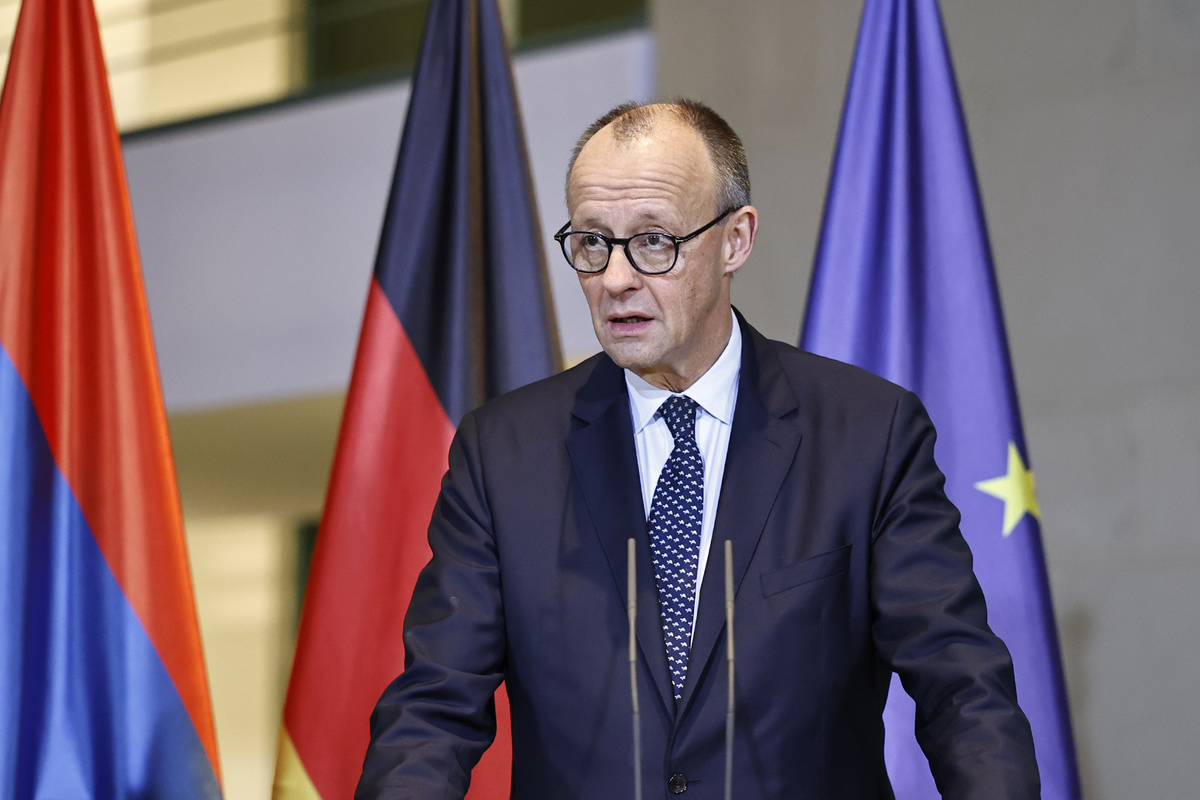
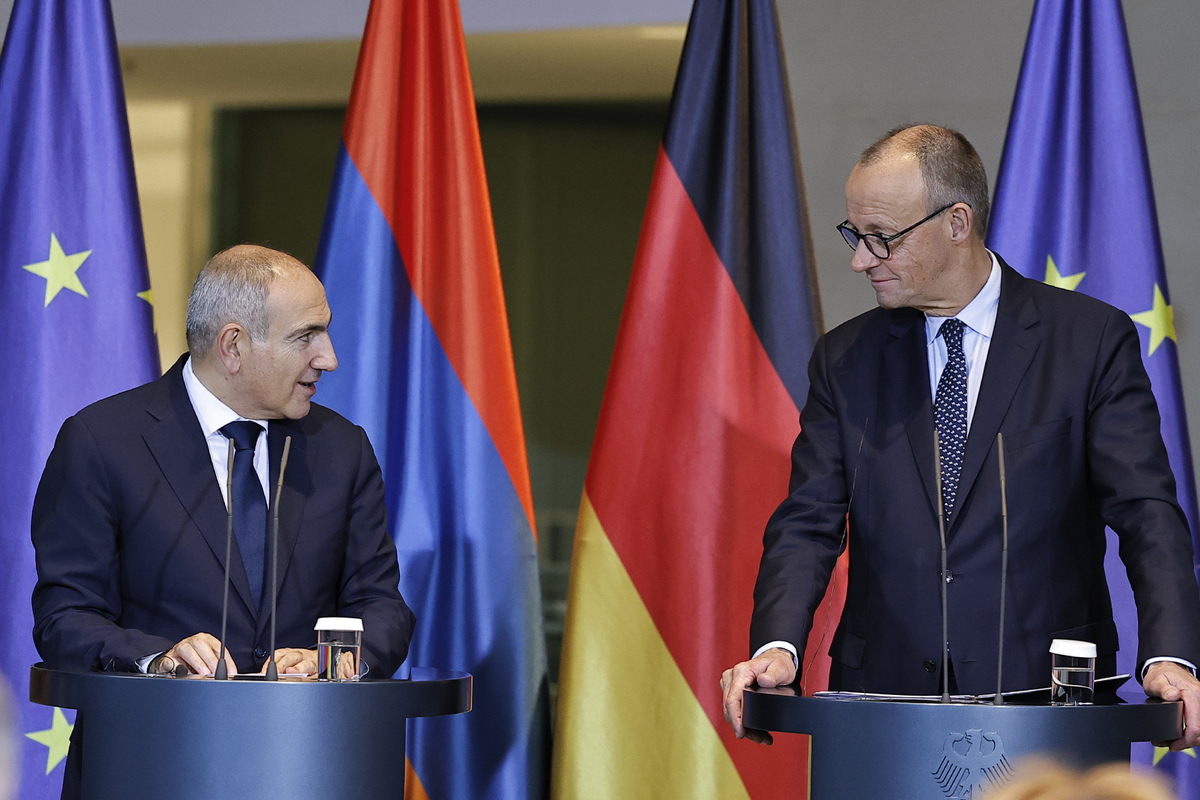
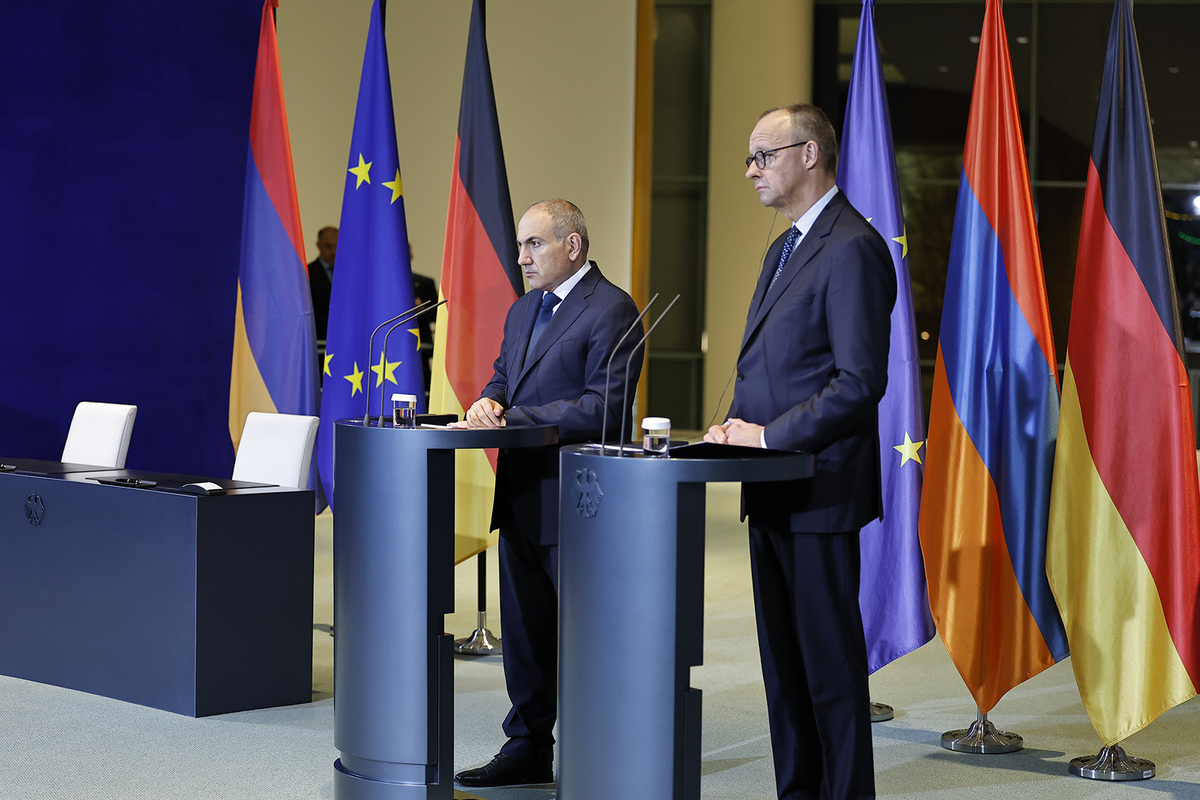
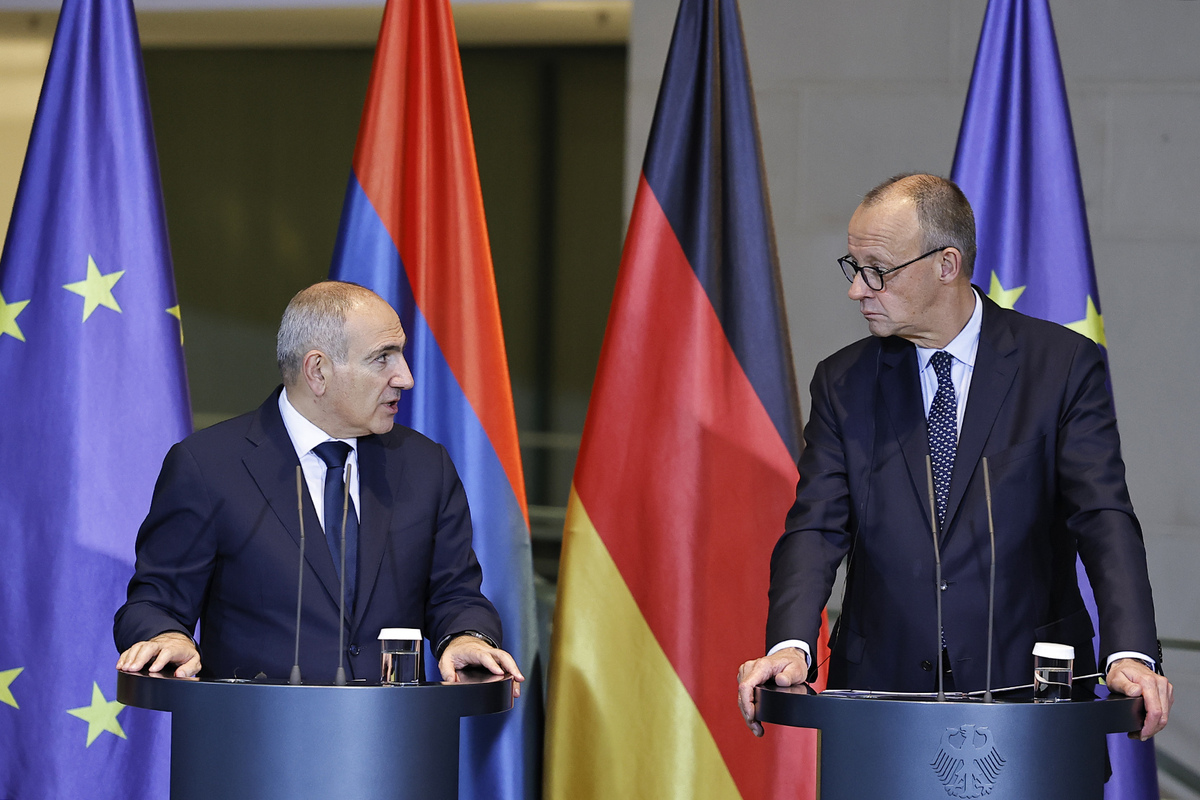
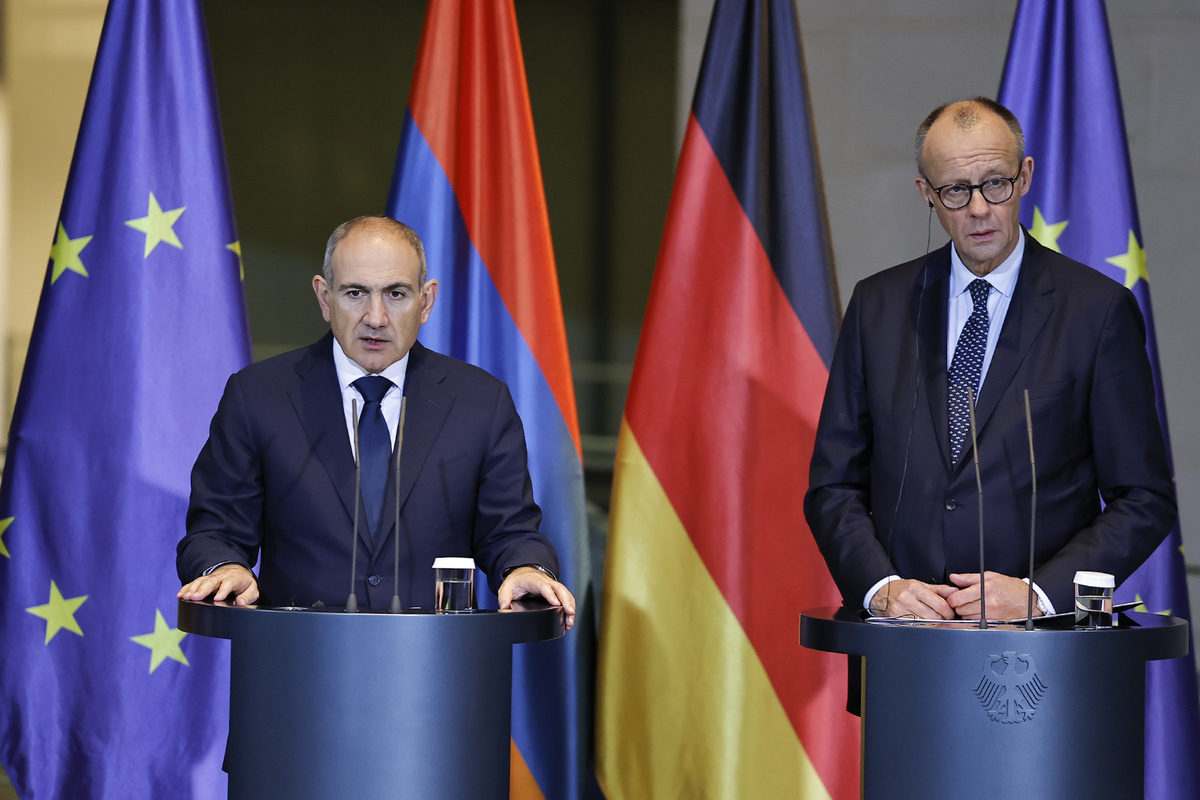
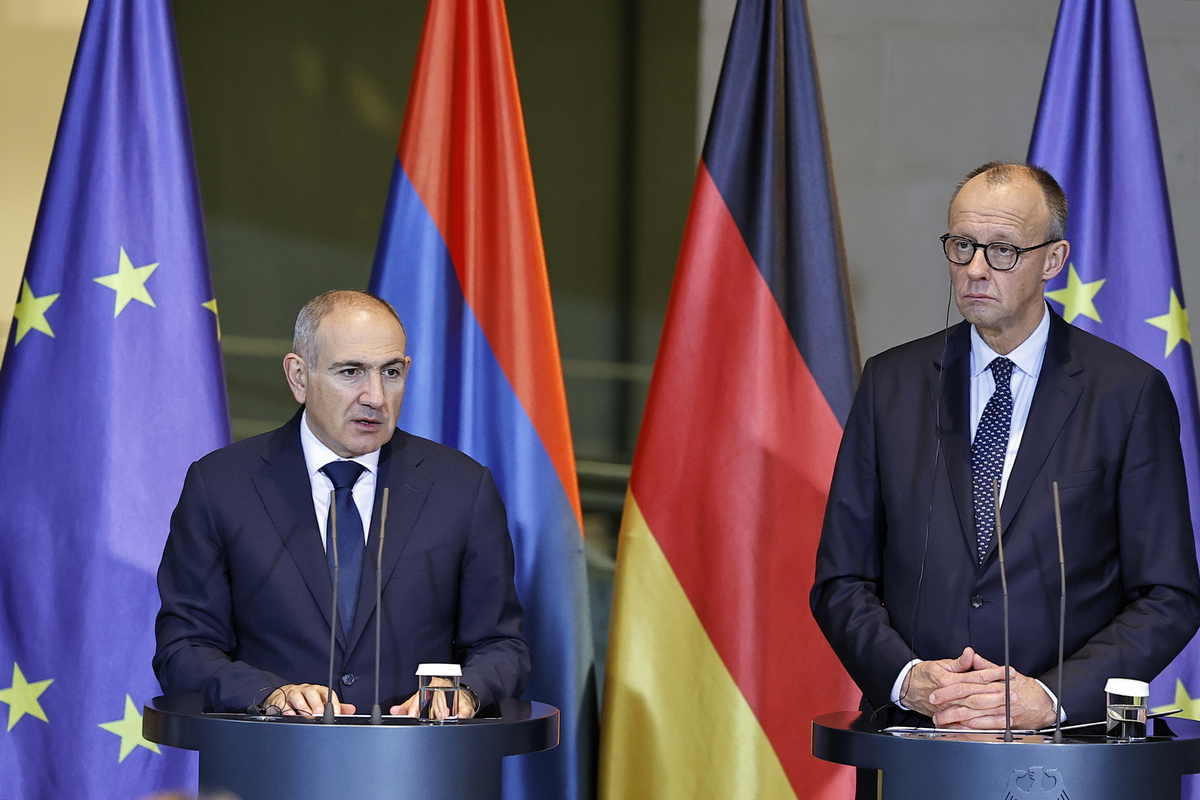
Prime Minister of the Republic of Armenia Nikol Pashinyan and Federal Chancellor of the Federal Republic of Germany Friedrich Merz made statements for media representatives.
Below are the statements of the Prime Minister of the Republic of Armenia and the Federal Chancellor of the Federal Republic of Germany.
Federal Chancellor Friedrich Merz - Ladies and gentlemen,
I welcome Prime Minister of Armenia Nikol Pashinyan, welcome to Berlin, I am glad, dear Nikol, that we are meeting today. This once again emphasizes the dynamics of good relations between our countries in recent years. In May of this year, the Federal President was in Armenia, the President of Germany visited Armenia for the first time. I will probably be in Armenia in the near future, on May 4, 2026, the European Political Community Summit will be held in Yerevan. Prime Minister Nikol Pashinyan will be the host in Armenia. This is an integral part of my agenda.
Our close cooperation is very important in these turbulent times. As for your region, I heartily congratulate you, Prime Minister, on the fact that you and the President of Azerbaijan have managed to reach a peace agreement. This is a great achievement. The Federal Government has always supported Armenia and Azerbaijan in this regard.
I am pleased with the March agreement and also the Washington agreement on transit and communications reached in August. This is very important for prosperity, peace and development. This is a very positive signal for the South Caucasus, which reaches beyond this region. I encourage you to take the next steps to resolve the remaining issues between Azerbaijan and Armenia. We discussed this in detail during our private meeting, and Germany will continue to support both sides in this matter.
Ladies and gentlemen,
Today, we signed the Declaration of the Strategic Agenda for Bilateral Partnership between Germany and Armenia. Our two countries are cooperating in all areas. The Goethe Institut will open in Yerevan, universities and cities are cooperating. I am glad that several Tumo centers are currently opening in Germany, where young people can get to know innovative technologies in a creative way. We have also intensified our relations in the economic sphere, German companies are increasing their interest in Armenia, because the region and Armenia are important as a junction point between Asia and Europe. And we must use our potential. For this, framework conditions and peace, rule of law, free competition are necessary.
German companies, as I said, study the place very thoroughly before making a large investment. It is not so easy for small and medium-sized enterprises to make large investments in distant countries, but they are very reliable and trustworthy partners when they see the right framework conditions in a specific country. That is why the reforms that are taking place in Armenia are very important. They are very difficult, we also know from our German experience, and I am confident that all this will bear fruit.
Ladies and gentlemen,
Prime Minister Pashinyan told me what he thinks about Armenia’s development, democratic reforms, a country and society that wants to live in peace with its neighbors and build prosperity. Part of such democratic development is the parliamentary elections that will be held in Armenia in June. There is a disturbing circumstance that has become natural, where the enemies of democracy are taking measures in a hybrid manner, especially Russia is trying to sow some fears about rapprochement with the European Union and the West, about rapprochement of relations, and spreading misinformation about the values of the European Union: sabotage, disinformation, drones, UAVs, in this way they are trying to spread disinformation and destabilize the situation. It will happen, of course. It is also happening in Ukraine, we see it every day in the form of destruction.
And in conclusion, I want to say that this Russian war of aggression must stop, be stopped, and these days we are intensively engaged in this issue in order to establish a just and lasting peace.
Germany has a clear path: without Ukraine and without the Europeans it is impossible to make a decision about themselves, and there should be no forced, dictated peace for Kyiv.
Ladies and Gentlemen,
In this context, we have spoken about our plans for how Germany can contribute to Armenia’s resilience. It is self-evident to us that we want to help with key issues related to sovereignty, strengthening security with Armenia’s broader agenda.
Thank you, Prime Minister, for your visit to Berlin, thank you for the good cooperation, and we are happy to deepen it further.
Prime Minister of the Republic of Armenia Nikol Pashinyan - Honorable Federal Chancellor of the Federal Republic of Germany,
Dear guests,
I am pleased to be hosted today on an official visit in the Federal Republic of Germany and, first of all, I would like to thank you for the warm welcome.
This visit is truly historic, as today the relations between Armenia and Germany are entering the stage of strategic partnership, which a while ago was recorded with the signing of the Declaration on the Strategic Agenda for Bilateral Partnership between Armenia and Germany. The relations between our countries are based on mutual respect, trust and a common commitment to the values that unite us: human rights, democracy, and the rule of law.
With Federal Chancellor Merz, we noted with satisfaction the consistent development and deepening of Armenia-Germany cooperation in all areas of mutual interest in recent years, including trade and economy, education, science, culture, and environmental protection.
Armenia highly appreciates Germany’s continued support for Armenia’s democratic reforms and sustainable development, which was once again reinforced by the results of the Armenia-Germany intergovernmental negotiations held in Berlin in October. We discussed with the Federal Chancellor the joint steps being taken to expand trade and economic relations between our countries. Germany is one of Armenia's main trading partners in the European Union, the first one, and we are interested in further deepening mutually beneficial economic cooperation.
We attached importance to the actively developing cooperation with Germany in the field of education and science. In this regard, we noted with satisfaction that the TUMO Centers for Creative Technologies, one of the Armenian educational initiatives, are achieving great success in many cities in Germany, providing young people with the opportunity to receive technological education and generate innovative ideas in a wonderful environment.
We had a detailed discussion with the Federal Chancellor on pressing issues on the international agenda. We agreed that in this period of unprecedented challenges, when democracies are faced with rapidly spreading and often hybrid threats, only through more coordinated and effective actions by like-minded countries can we strengthen our collective democratic resilience.
An important component of the agenda of my visit is the establishment and strengthening of economic ties. In this regard, I have great hope that the favorable environment created in and around Armenia will arouse new interest among German businessmen in investing in our country, as well as in activating cooperation with Armenian businessmen.
I also presented to my colleague the turning points in the South Caucasus as a result of the Washington Peace Summit on August 8, 2025, expressing gratitude for Germany’s support for efforts aimed at institutionalizing peace between Armenia and Azerbaijan.
I also presented the broad opportunities opening up for the development of trade, economic, business ties, and expansion of cooperation in the infrastructure sectors in the South Caucasus in the conditions of the unblocking of regional communication routes, and in this regard, the importance of the efforts aimed at implementing the “Crossroads of Peace” project, as well as the “TRIPP” communication program. I am confident that these projects of ours will become an important node for the Middle Corridor, which is also of great importance for Germany.
Distinguished guests, Honorable Chancellor,
Germany is an important partner of Armenia both at the bilateral level and within the framework of the Armenia-European Union partnership. In this regard, we noted with mutual satisfaction the significant progress made in Armenia-EU relations in recent years, which reaffirms the commitment of the Government of Armenia to strengthen our multi-sectoral partnership with the European Union.
The European integration process, which is gaining new momentum in Armenia, is based on the European aspirations of Armenian citizens and their commitment to democratic values, which was also expressed in March this year by the adoption by the National Assembly of the Republic of Armenia of the law “On the launch of the process of accession of the Republic of Armenia to the European Union”. In this context, I highly value Germany’s support for the deepening of the Armenia-EU partnership, expecting continued political support on the difficult and long-term path to the European Union. I invited my colleague to participate in the European Political Community Summit to be held in Yerevan in May next year, and I am glad that the Chancellor has already emphasized his plans and opportunity to visit Yerevan next year.
Your Excellency, Dear Mr. Merz,
In conclusion, I must reiterate that Armenia greatly values the continued development of multifaceted relations with Germany. I am confident that through joint efforts we will be able to give new impetus and quality to our partnership for the benefit of our friendly peoples and states.
Thank you.
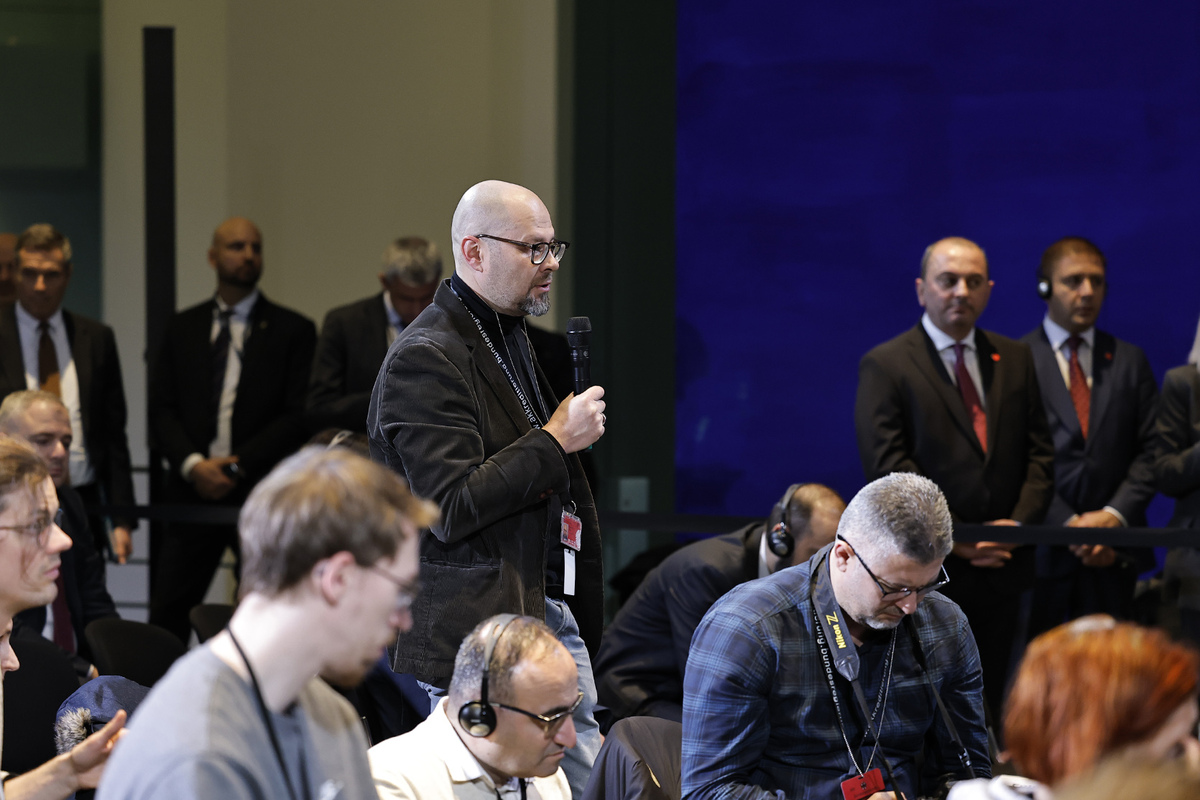
The Prime Minister of Armenia and the Chancellor of the Federal Republic of Germany also answered questions from media representatives.
* * *
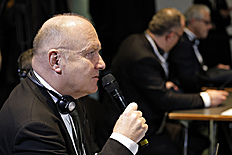
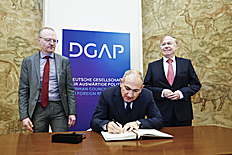
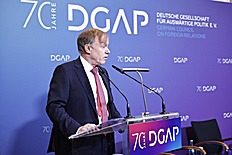
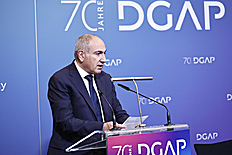
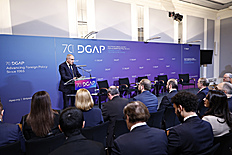
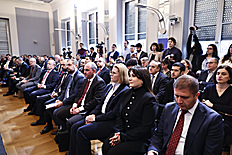
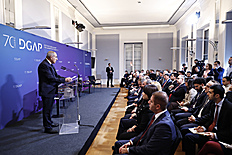
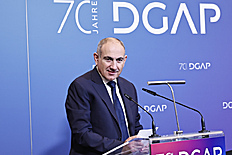
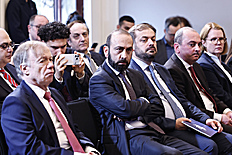
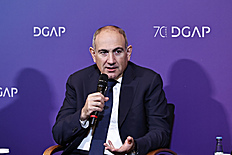
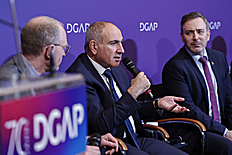
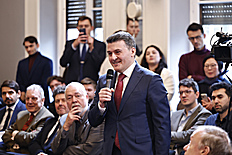
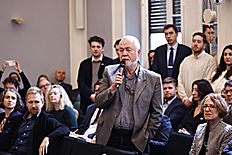
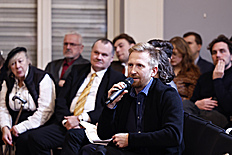
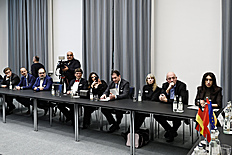
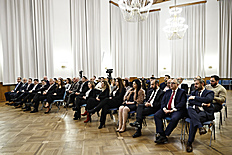
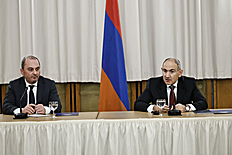
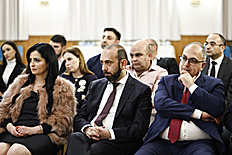
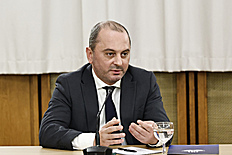
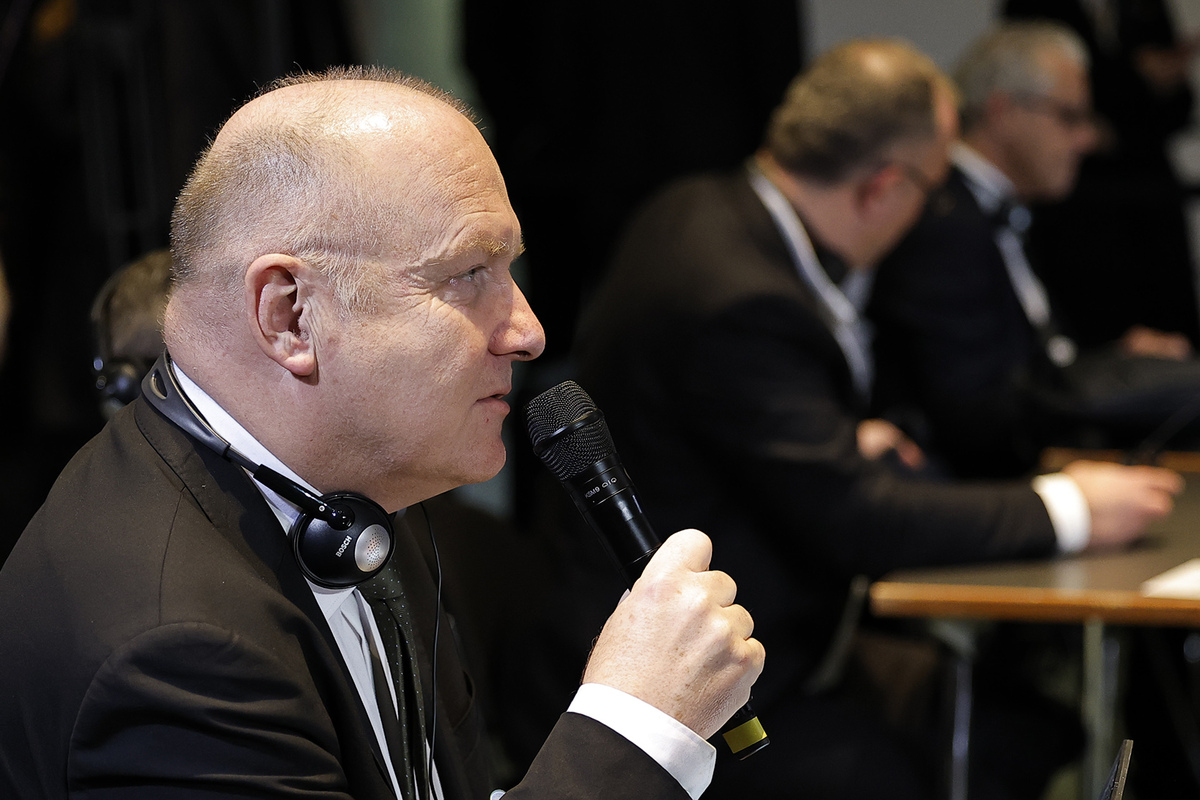
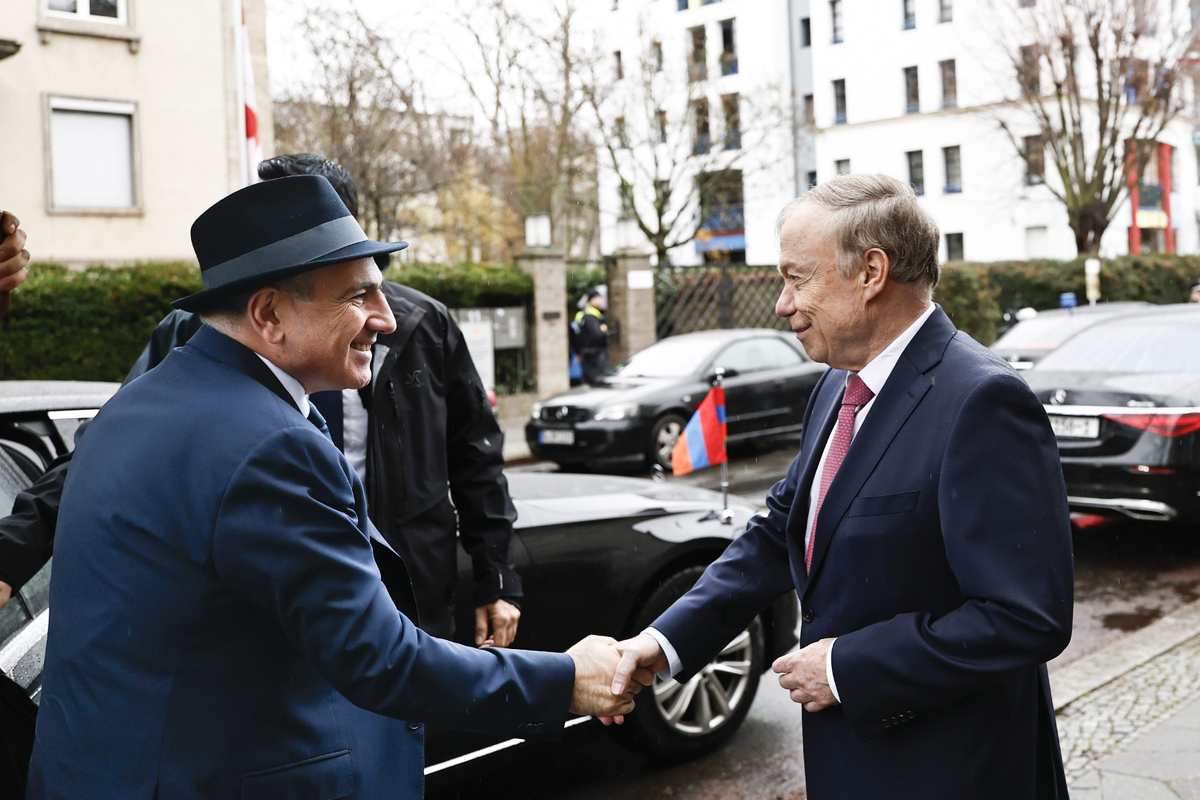
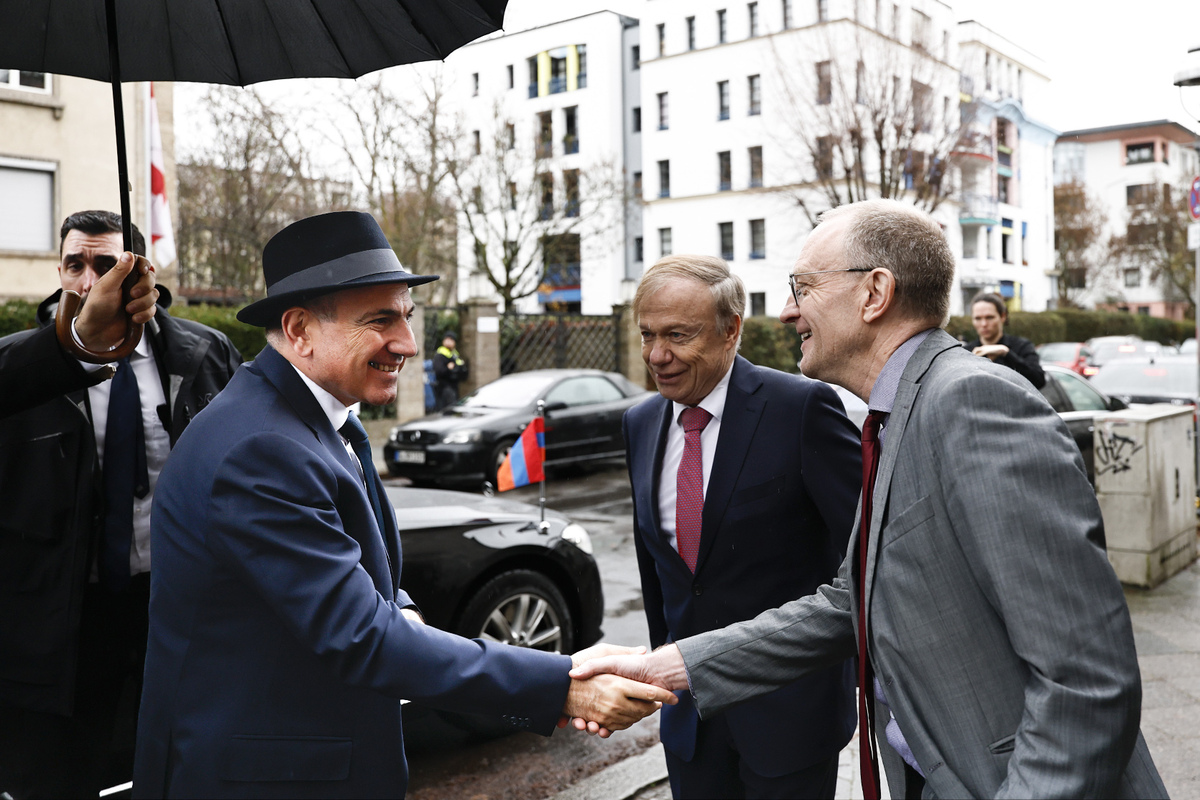
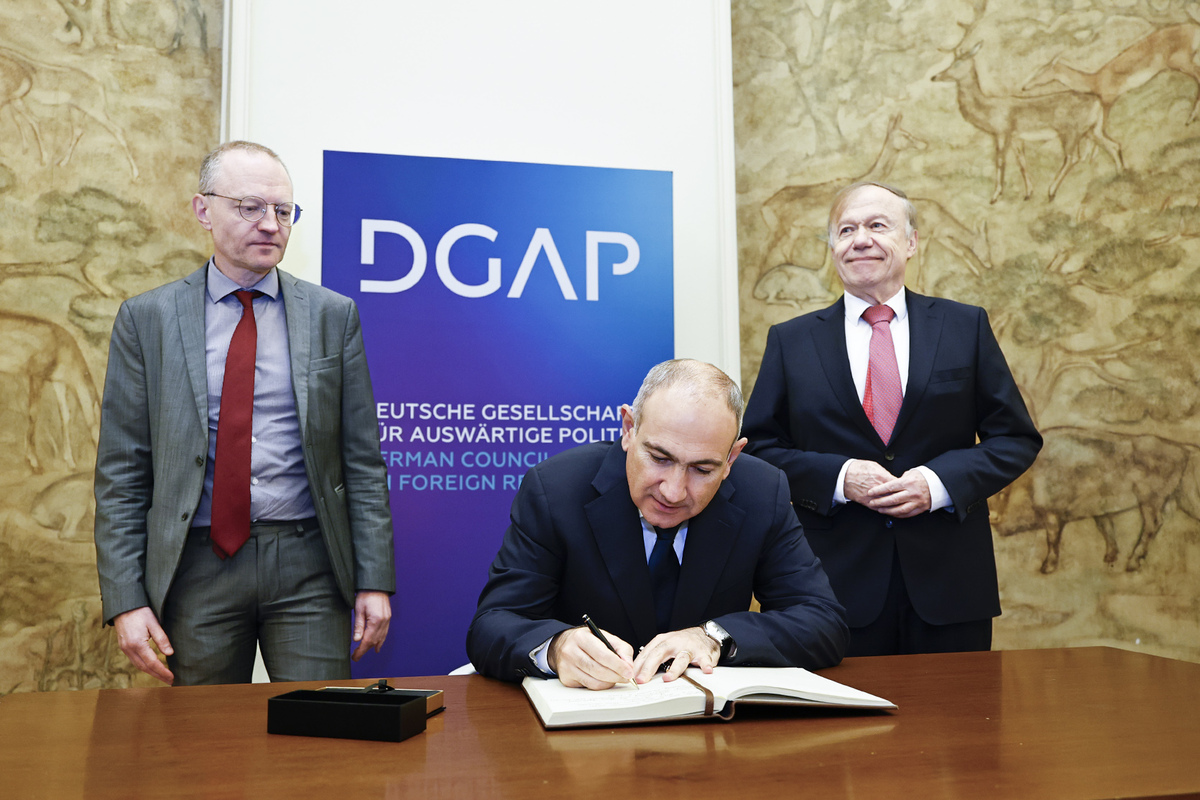
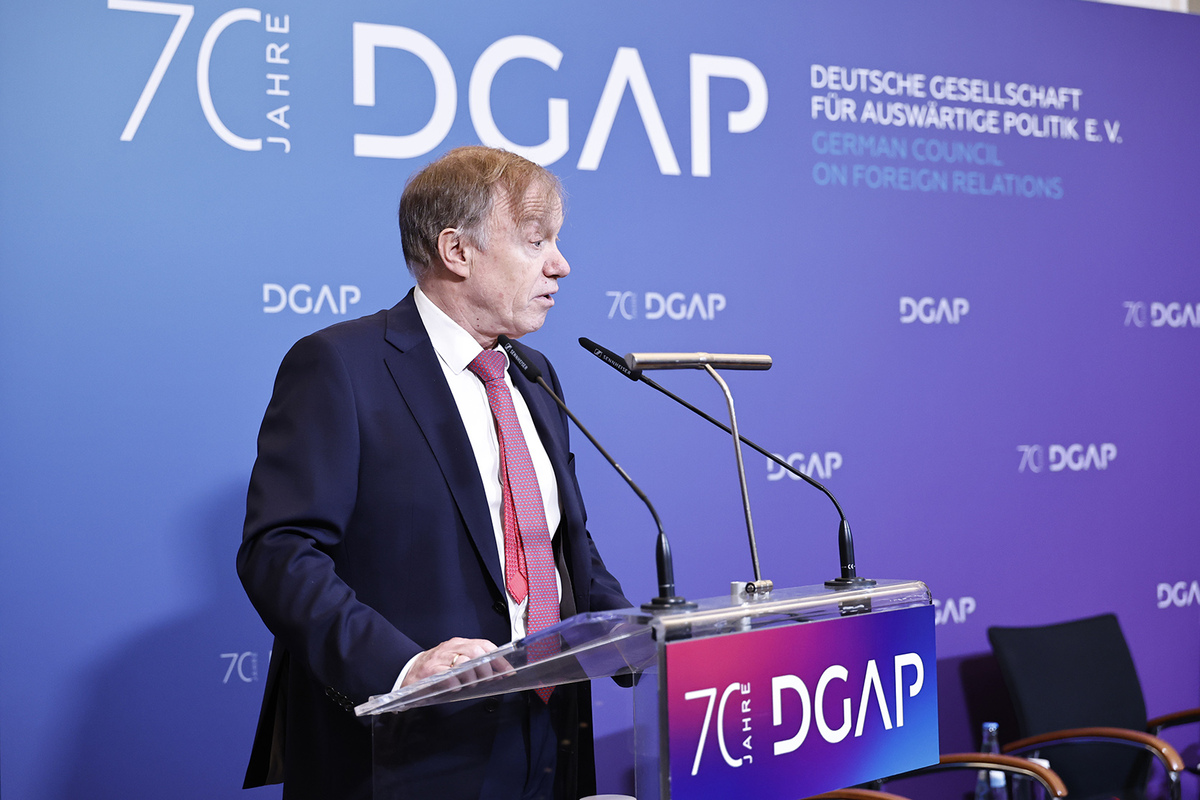
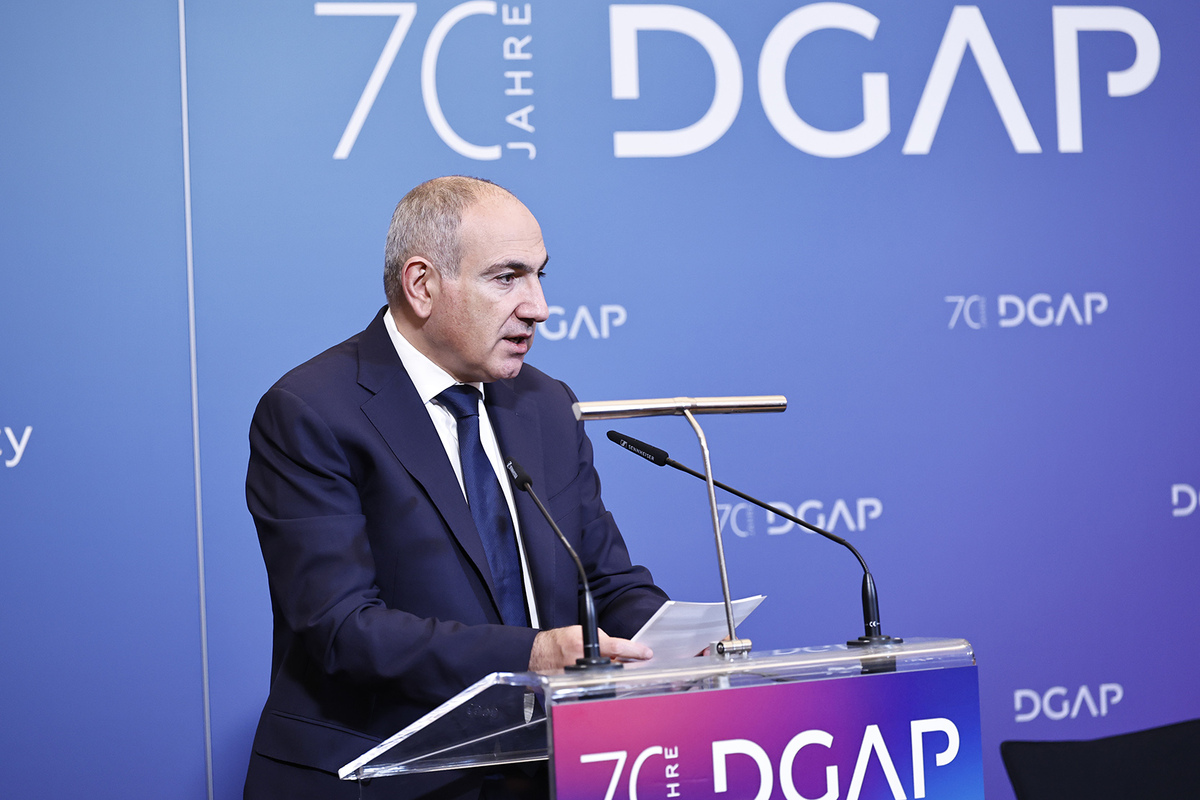
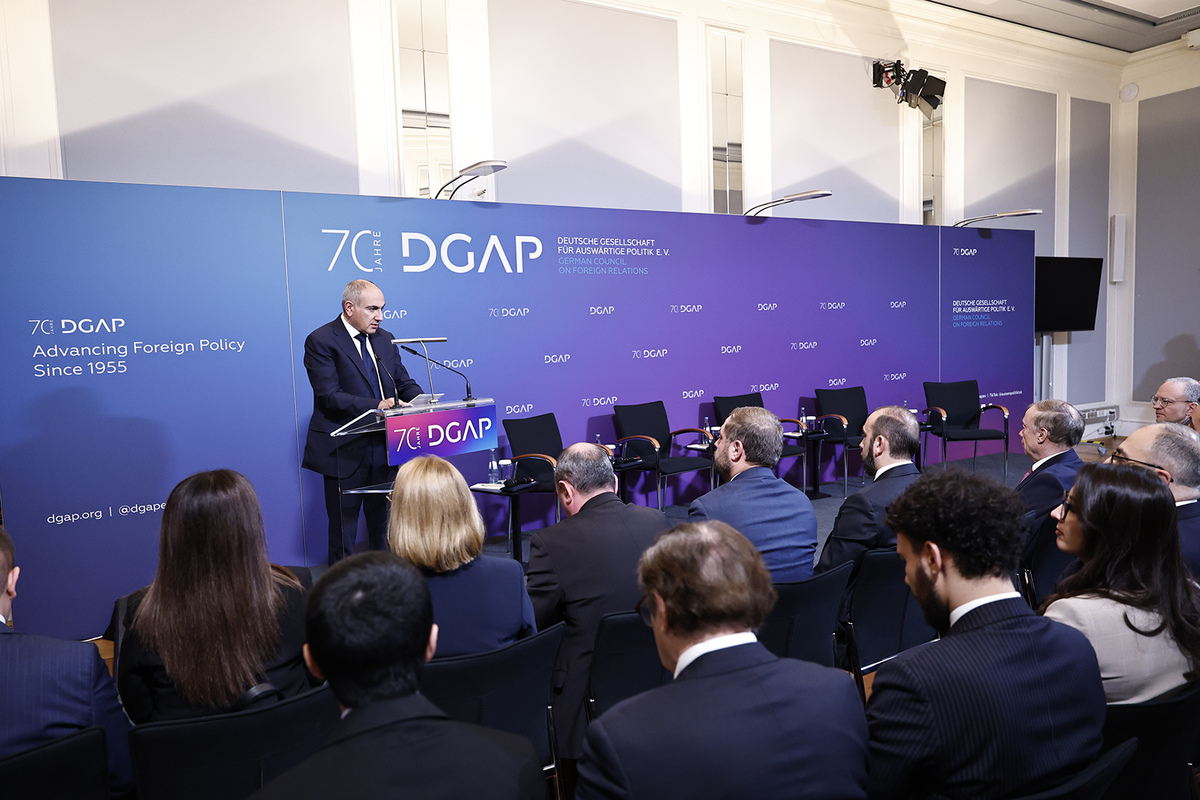
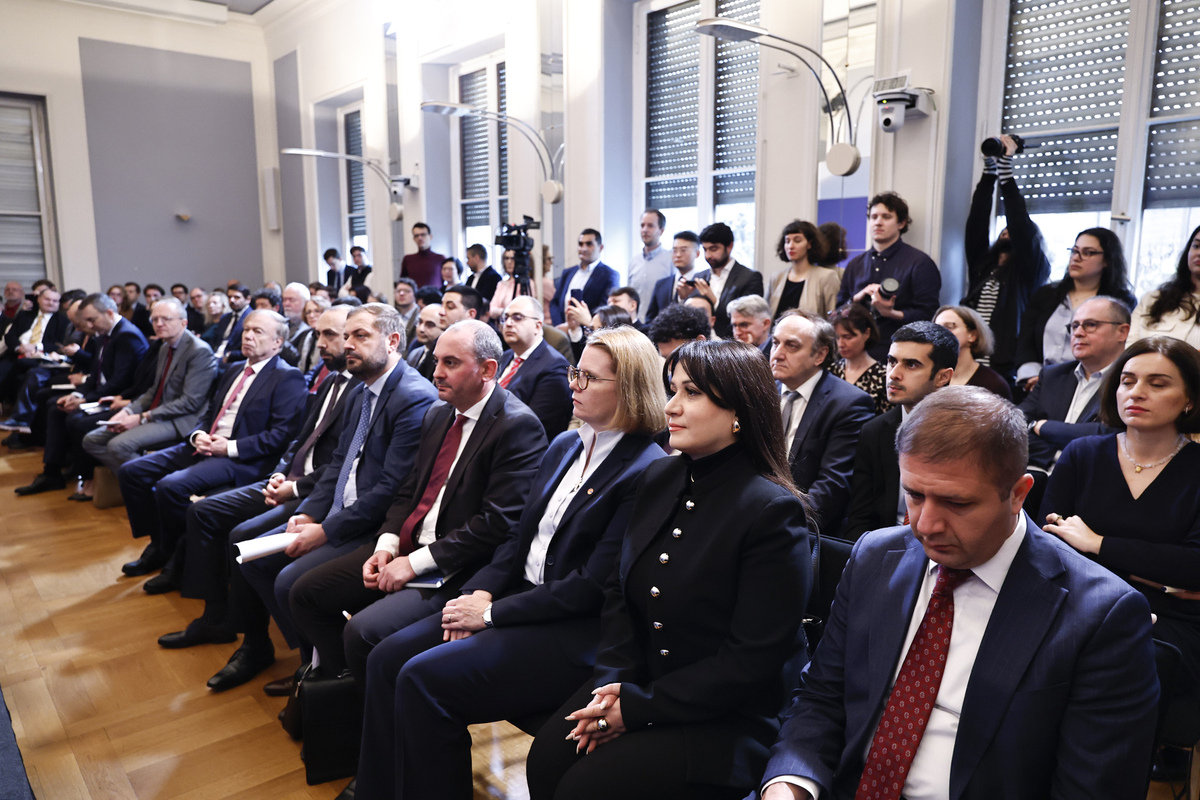
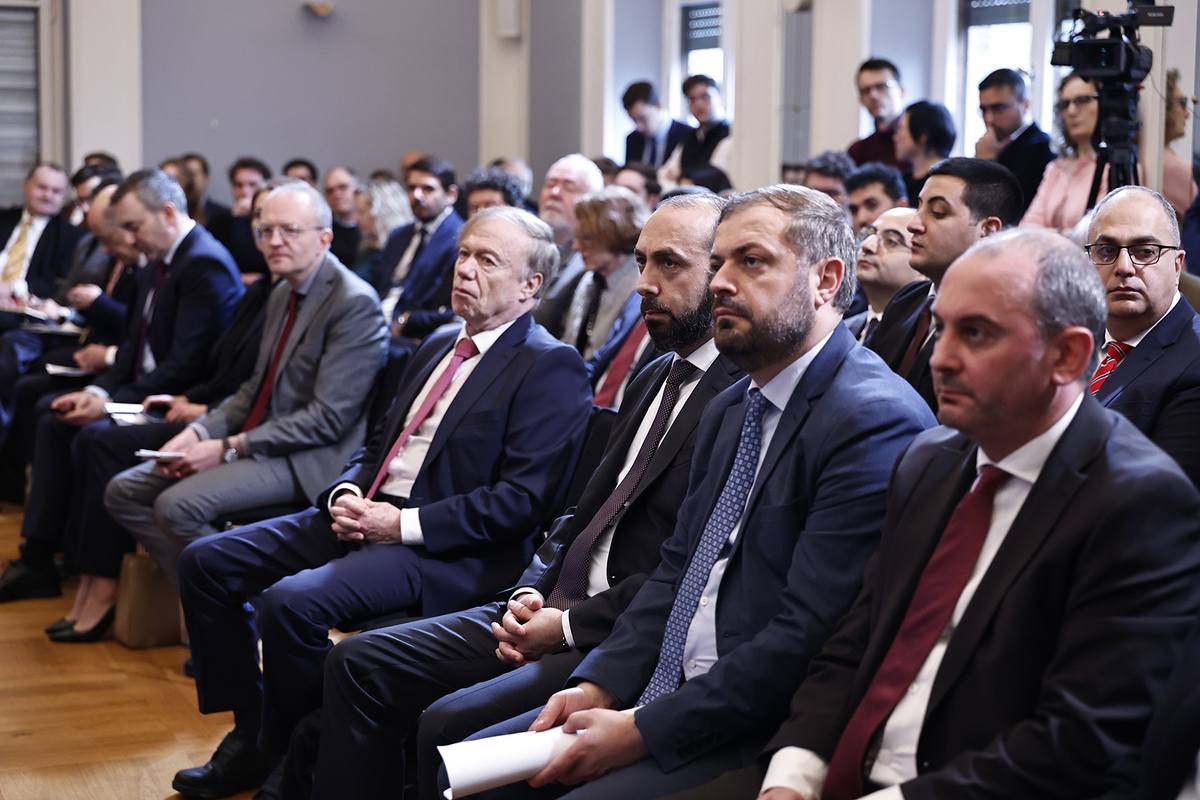
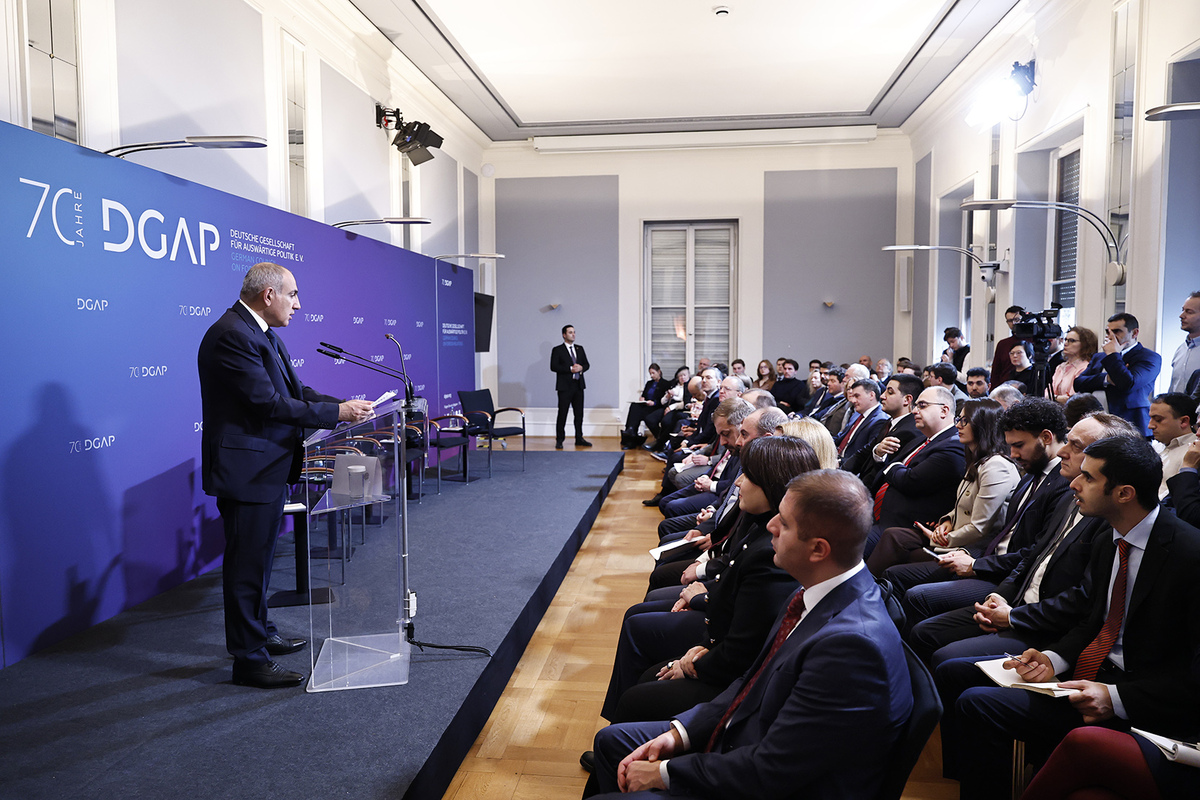
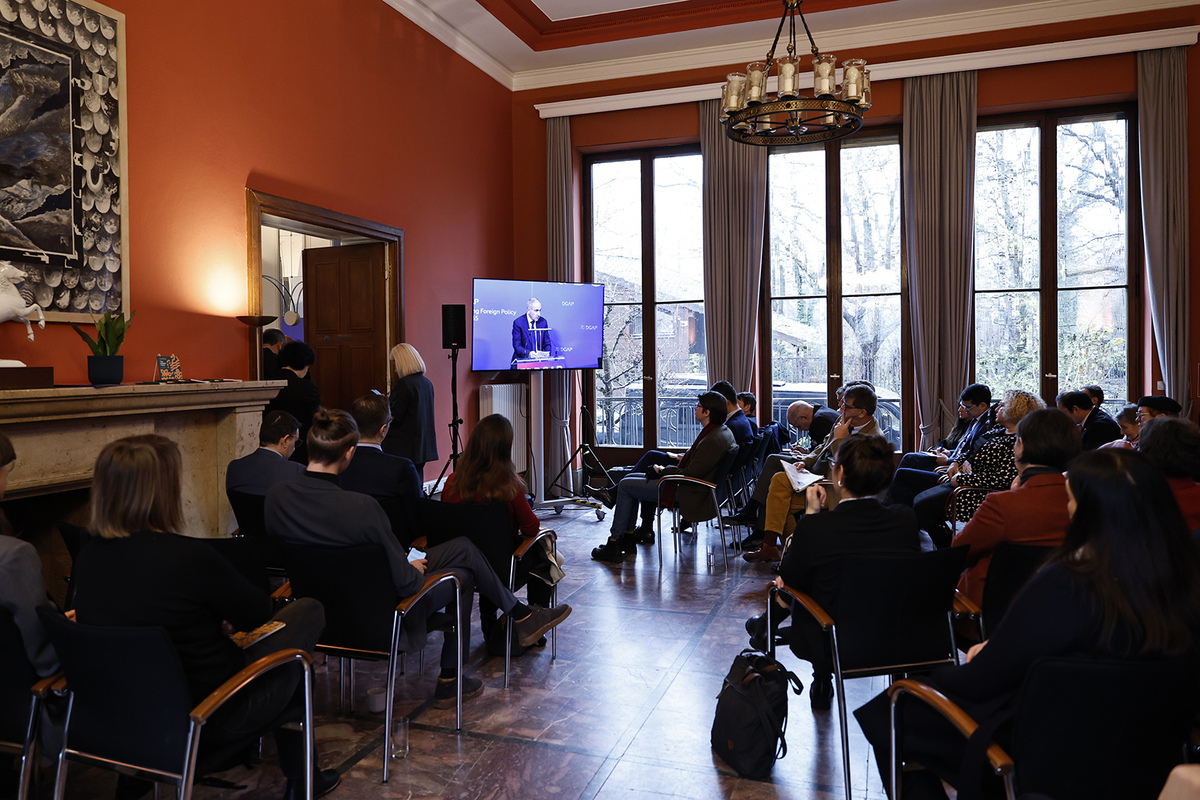
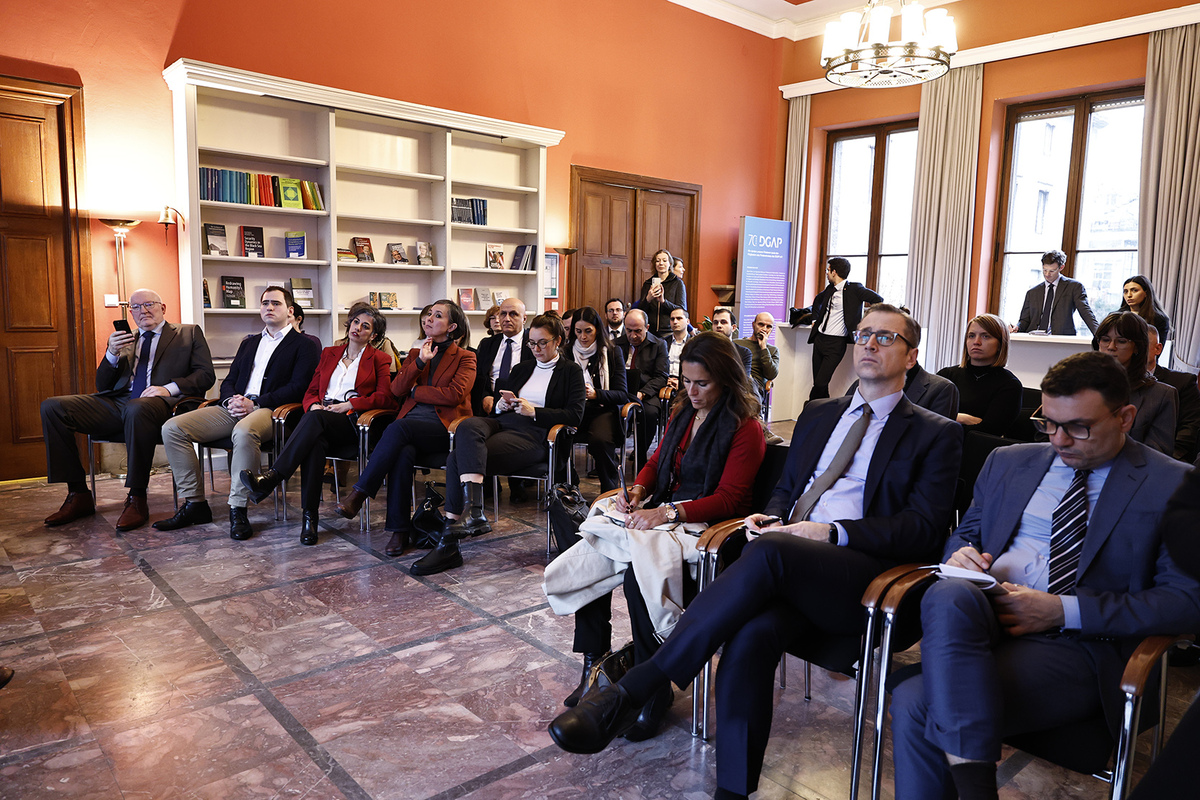
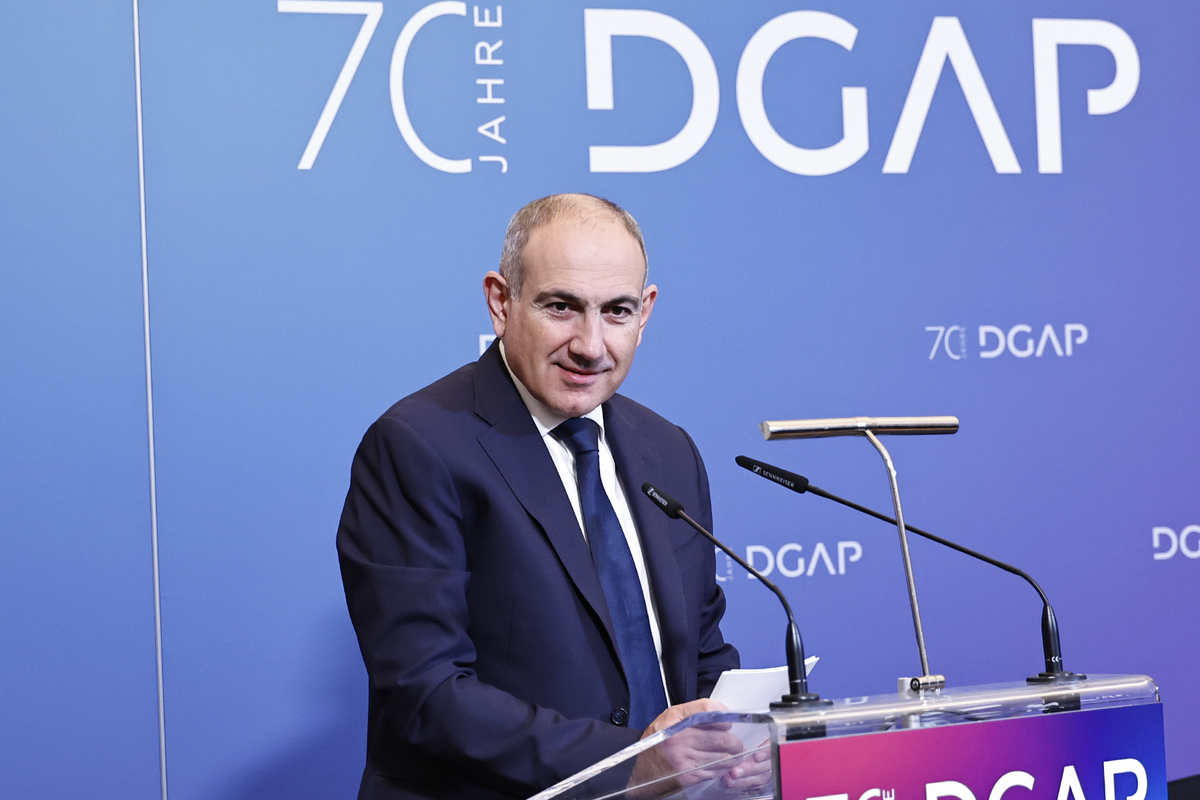
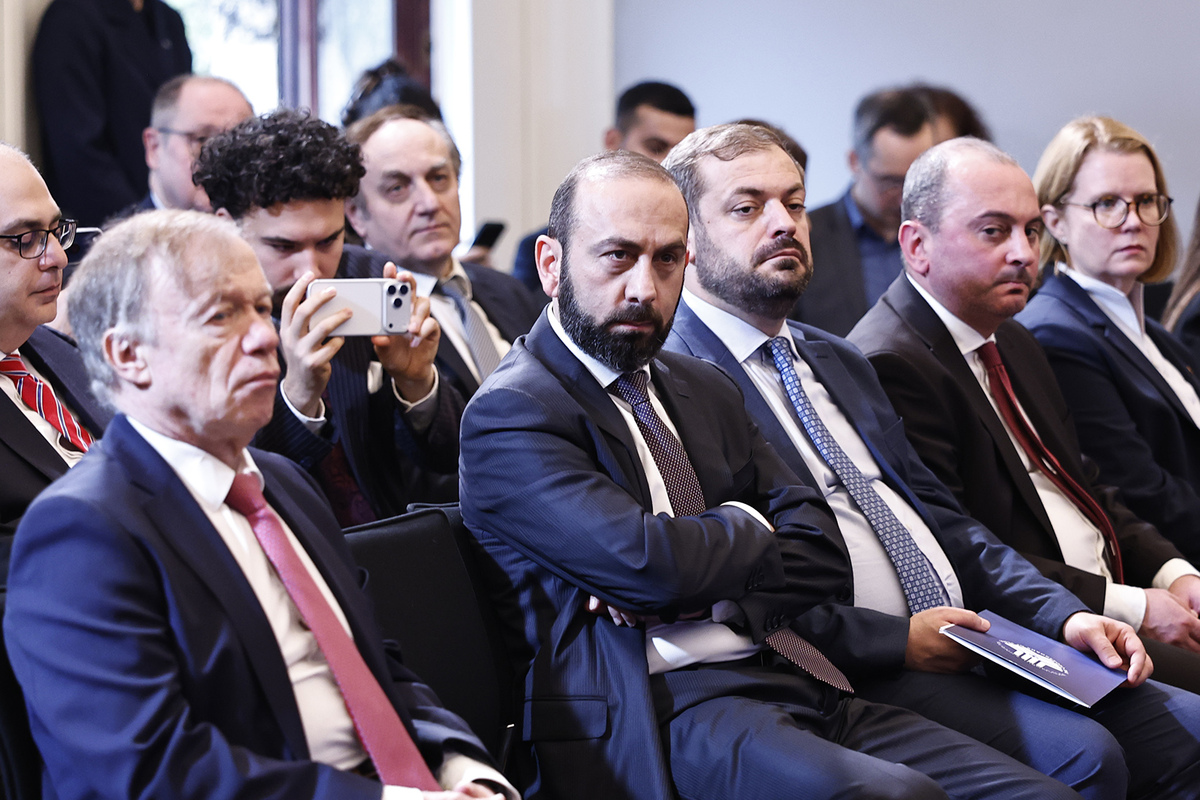
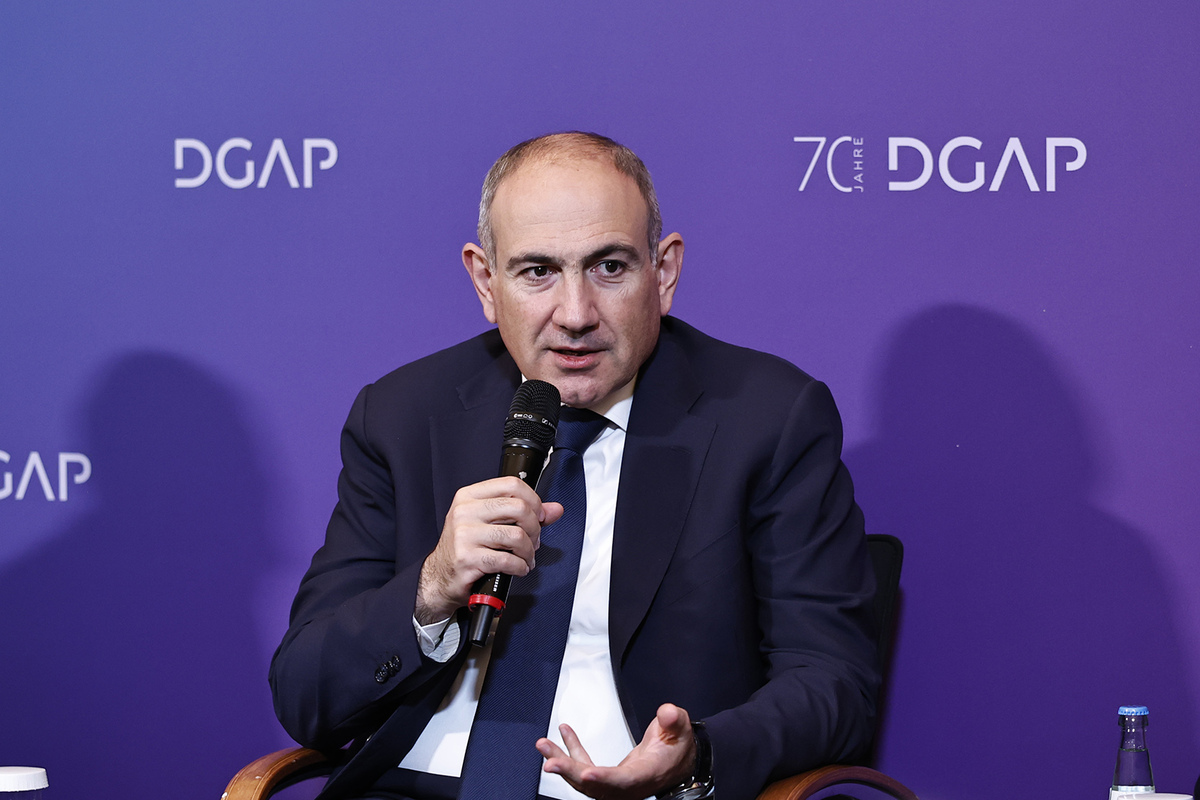
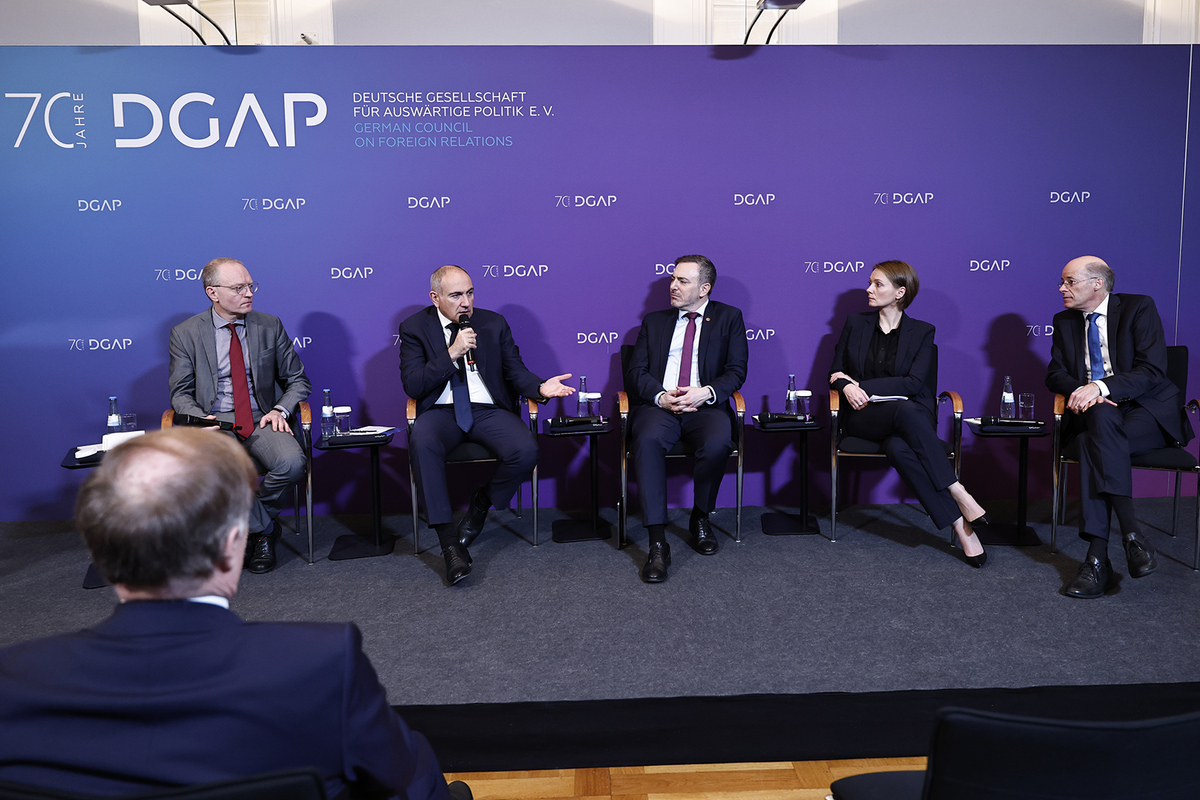
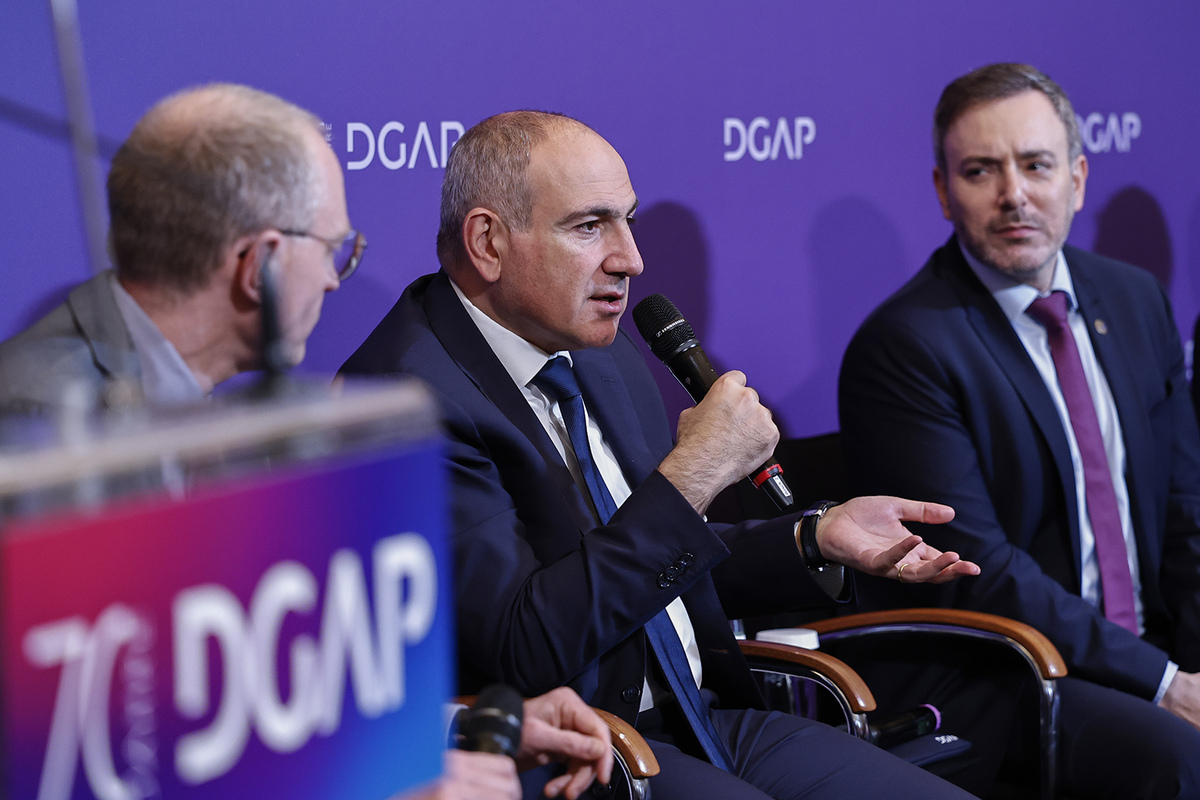
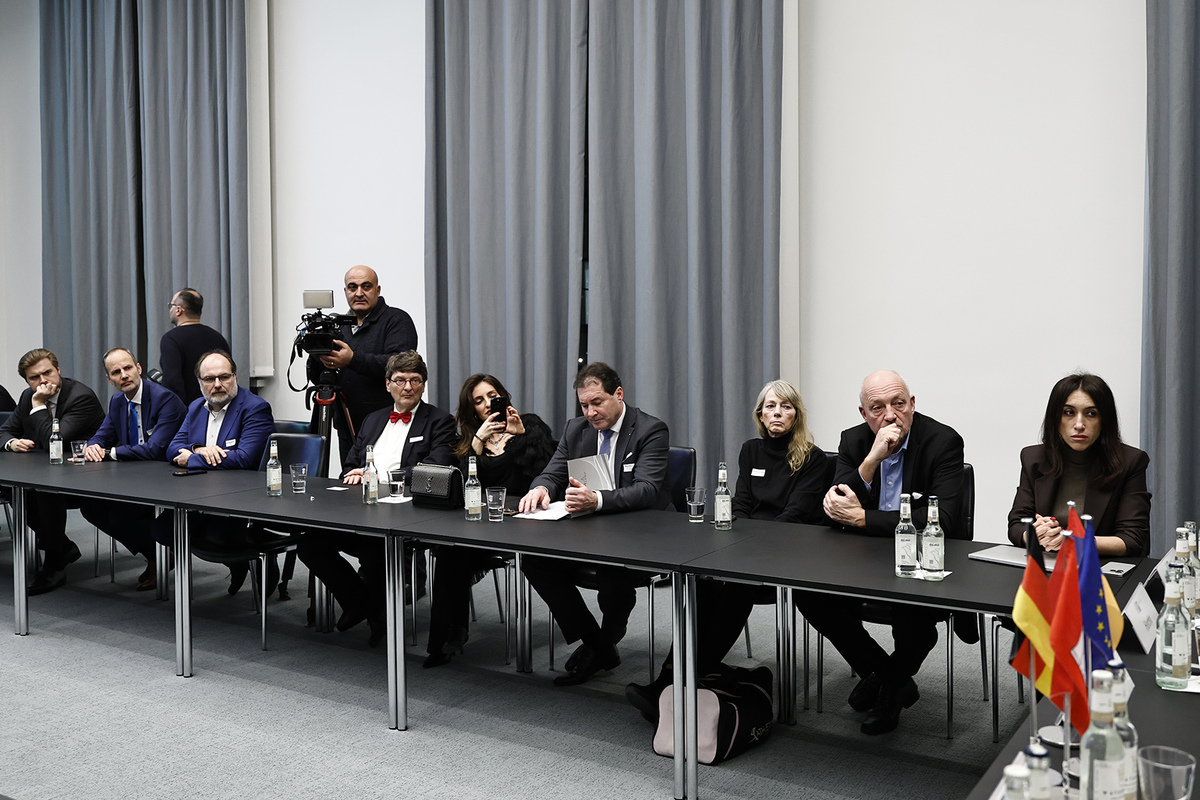
Prime Minister Nikol Pashinyan visited the German Council on Foreign Affairs in Berlin within the framework of his official visit to Germany.
The Vice President of the Council, Ambassador Rolf Nickel, thanked the Prime Minister for accepting the invitation and expressed confidence that today's meeting will provide an opportunity to get acquainted with the views and observations of the Prime Minister of Armenia on regional processes. A group of political scientists, experts, diplomats, and students participated in the meeting.
Prime Minister Pashinyan made a speech, in which, in particular, he noted:
''Dear colleagues,
Distinguished ladies and gentlemen,
It is my absolute privilege to return to the German Council on Foreign Relations after two years.
I would like to express my sincere gratitude for welcoming me for the second time. If we try to compare the titles of today’s discussion, “Armenia’s perspectives on peace institutionalization, regional connectivity and relations with the EU” with the previous one – “Security and stability in the South Caucasus”, it will show the historic developments and further perspectives in our region of the South Caucasus.
Today I can announce with confidence that on August 8th in Washington D.C., peace was established between Armenia and Azerbaijan, when with the President of Azerbaijan we signed a Joint Declaration, witnessed by the President of the United States Donald Trump.
According to the Declaration, Armenia and Azerbaijan highlighted the need to chart a course for a bright future not bound by the conflict of the past and consistent with the Charter of the United Nations and the 1991 Almaty Declaration.
We committed ourselves to pave the way for closing the chapter of enmity between our two countries. We resolutely reject and exclude any attempt of revenge, now and in the future.
The agreed upon text of the Agreement on Establishment of Peace and Inter-State relations between the Republic of Armenia and the Republic of Azerbaijan was initialed by the Ministers of Foreign Affairs of Armenia and Azerbaijan in the presense of President Trump, President Aliev and myself.
One of the key breakthroughs reached in Washington was the agreement to open communications between the two countries for intra-state, bilateral, and international transportation, on the basis of respect for the sovereignty, territorial integrity, and jurisdiction of the States. These efforts are to include unimpeded connectivity between the main part of the Republic of Azerbaijan and its Nakhchivan Autonomous Republic through the territory of the Republic of Armenia with reciprocal benefits for international and intra-state connectivity for the Republic of Armenia.
Now, together with our American counterparts, we are engaged in intensive negotiations on the general terms of implementation of “Trump Route for International Peace and Prosperity” (TRIPP Route) connectivity project.
“TRIPP Company” – an Armenian-American joint venture will be registered in Armenia and will be granted a right to develop the necessary infrastructure of railway, road, oil and gas pipelines and fiber optics.
We will move to the actual implementation and construction phase as early as next year. The implementation of this project, which is fully in line with our Government’s “Crossroads of Peace” initiative, will create additional interlinks and interdependencies in the region, becoming yet another very important factor for peace.
In fact, the “TRIPP Route” project, together with the opening of communications between Armenia and Türkiye, have full potential to become an important component of the Middle Corridor providing unimpeded connectivity between Europe, South Caucasus and Central Asia.
Ladies and gentlemen,
I would also like to inform you that the political agreement to open communications between Armenia and Azerbaijan is already becoming a reality.
In October Azerbaijan announced that is lifting restrictions on the transit of goods through its territory to Armenia. This is a very significant and positive development. Something that appeared impossible only months ago is now a reality: grain has been transported from Kazakhstan to Armenia through Azerbaijan and Georgia by railway which is unprecedented event since our independence.
On our turn, as we have announced publicly, Armenia is ready both politically and technically to enable the transit of cargo between Türkiye and Azerbaijan through its territory.
With all this being said, I am confident that, through daily care for established peace, adherence to the text and spirit of the Washington Declaration, and the rejection of narratives that could derail the process, the Armenian and Azerbaijani governments will be able to institutionalize, lasting peace between the two countries.
Of course, speaking about our region, I should also update this distinguished audience on the current state of play between Armenia and Türkiye.
Since our previous meeting at the German Council on Foreign Relations, we have witnessed an intensification of contacts between Armenia and Türkiye. These contacts are taking place at nearly all levels: between myself and President Erdoğan, our Foreign Ministers and special representatives, the two Ministries of Foreign Affairs, as well as relevant line ministries. In practice, we maintain very active talks and relations with official Ankara, even in the absence of de jure diplomatic relations.
And I hope that Türkiye will make the long-awaited political decision to open its border with Armenia and establish diplomatic relations.
The normalization of Armenia-Türkiye relations, peace between Armenia and Azerbaijan, the “TRIPP Route” project, Armenia’s and Azerbaijani good-neighbourly relations with Georgia and Iran, constructive dialogue with Russia, can position the South Caucasus as one of the most attractive transit corridors, alongside both the North–South and East–West routes. And we are working hardly to realize this historic opportunity.
Distinguished colleagues,
In March of this year, the National Assembly of Armenia adopted the “Law on Initiating the Process of Armenia's Accession to the European Union”. Many ask - when Armenia will become a member of the European Union and how realistic this goal is. The “Law on Initiating the Process of Armenia's Accession to the European Union” is, above all, an incentive for us to consistently pursue democratic reforms. Our aim is to be institutionally and practically compliant with EU standards, because without such compliance, EU membership is impossible.
Once Armenia objectively meets these European standards, two paths will lie ahead: either we will be accepted as an EU member state, or we will not.
Of course, our preferred scenario is the first one. But even if membership is not granted, we will have achieved a major milestone: Armenia will be a country that meets the most advanced modern standards.
Our aspiration to comply with European Union standards is not driven by geopolitics, but by a democratic choice: since the peaceful Velvet Revolution of 2018, Armenia has committed, as a matter of strategy, to democracy, the rule of law, human rights, and an independent judiciary.
On this path, just a week ago, Armenia and the European Union adopted the “Strategic Agenda of the Armenia–EU Partnership”, which complements the already existing Comprehensive and Enhanced Partnership Agreement (CEPA).
We are currently exploring opportunities for sectoral integration in areas such as digital and telecommunications, energy, and connectivity.
Ladies and gentlemen,
We paid special attention to the economic component of my visit to Germany, while also making use of the occasion to strengthen dialogue between representatives of the Armenian and German business communities. To support such contacts, our government must foster the mobility of our businesspeople; and accordingly, I am pleased to note that we have successfully launched the Visa Liberalization Dialogue with European Union.
This marks an important step toward enhancing mobility, intensifying people-to-people contacts, and developing inter-cultural ties. Recently, we received the Visa Liberalization Action Plan, which outlines the main benchmarks and key commitments of the Government of Armenia. Upon its successful implementation, a visa-free regime will be established, further promoting active exchanges between Armenia and the European Union.
ladies and gentlemen,
It is difficult to fully cover the topic of Armenia–EU relations in these opening remarks, as today it is truly comprehensive, encompassing nearly all possible areas.
I am confident that the 8th European Political Community Summit and the Armenia–EU Summit, to be held in Yerevan next May, will provide a new opportunity both to assess the progress of our relations and to set even more ambitious targets for the years ahead.
Allow me to conclude my speech by emphasizing the importance of strengthening relations with EU member states as well, which provides additional opportunities to learn and cooperate on a bilateral basis.
Of course, alongside other like-minded partners, Germany plays a central role for Armenia, and the adoption of the Strategic Agenda between our countries elevates our relations to a new level, creating new conditions for our strategic partnership.
Thank you՛՛.
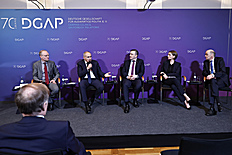
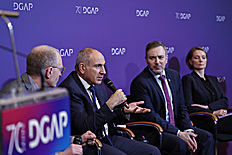
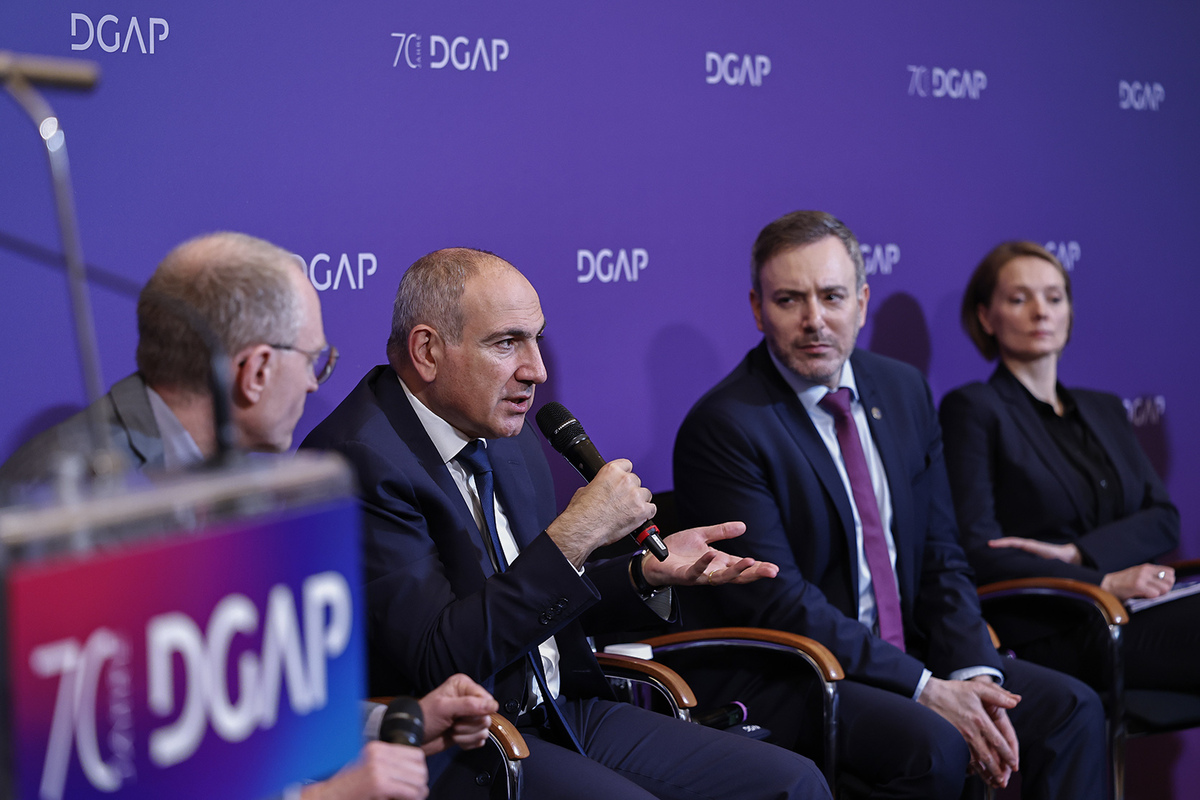
The Prime Minister then participated in a panel discussion titled "Armenia's Vision for Peace Institutionalization, Regional Connectivity, and EU Integration."
* * *
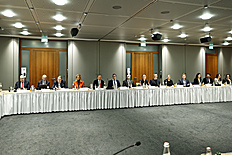
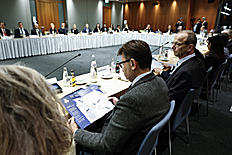
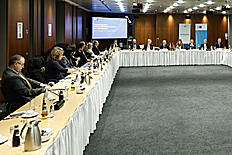
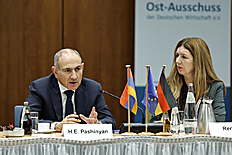
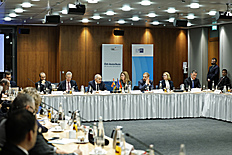
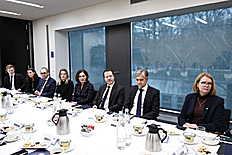
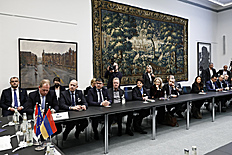
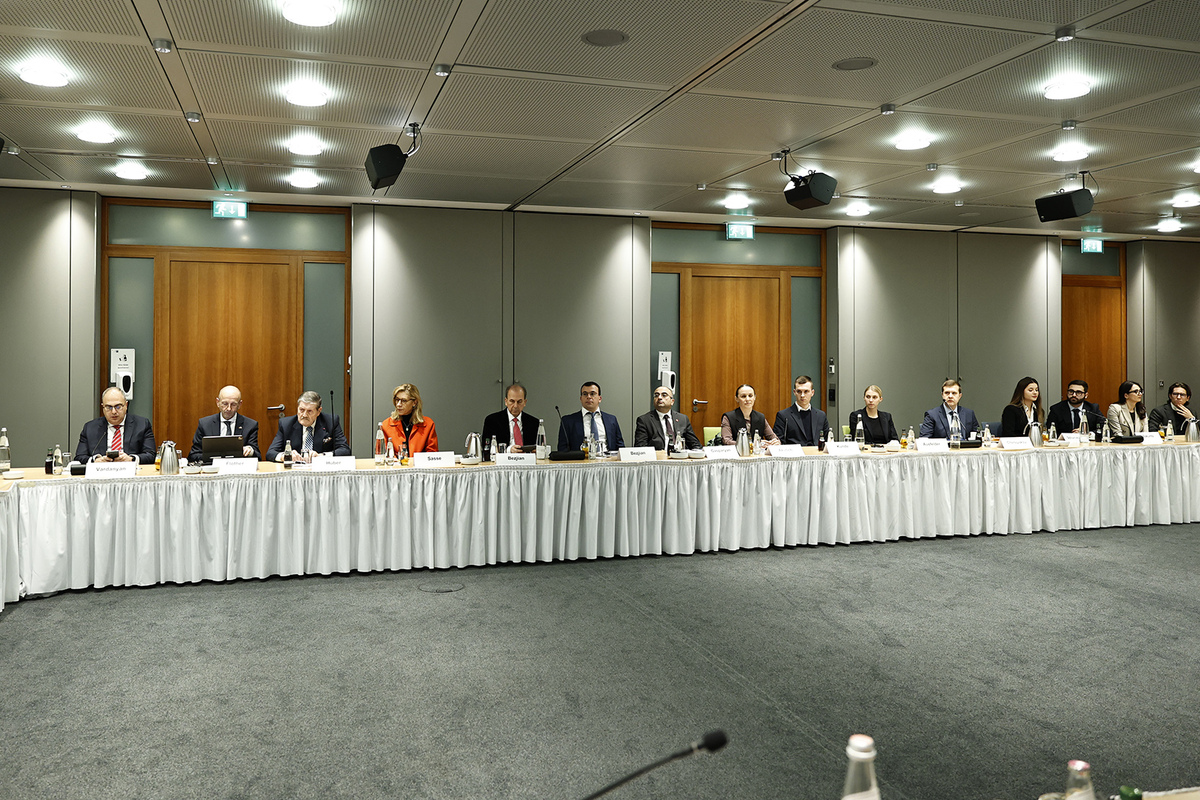
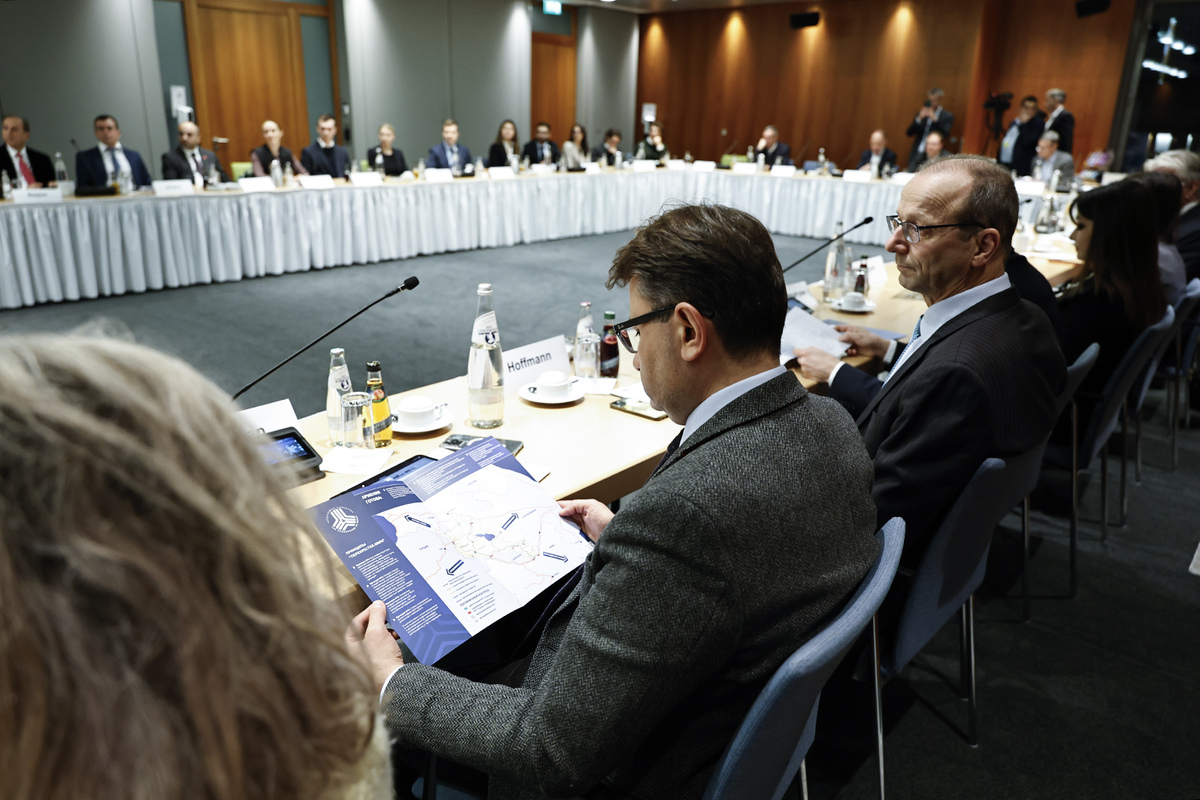
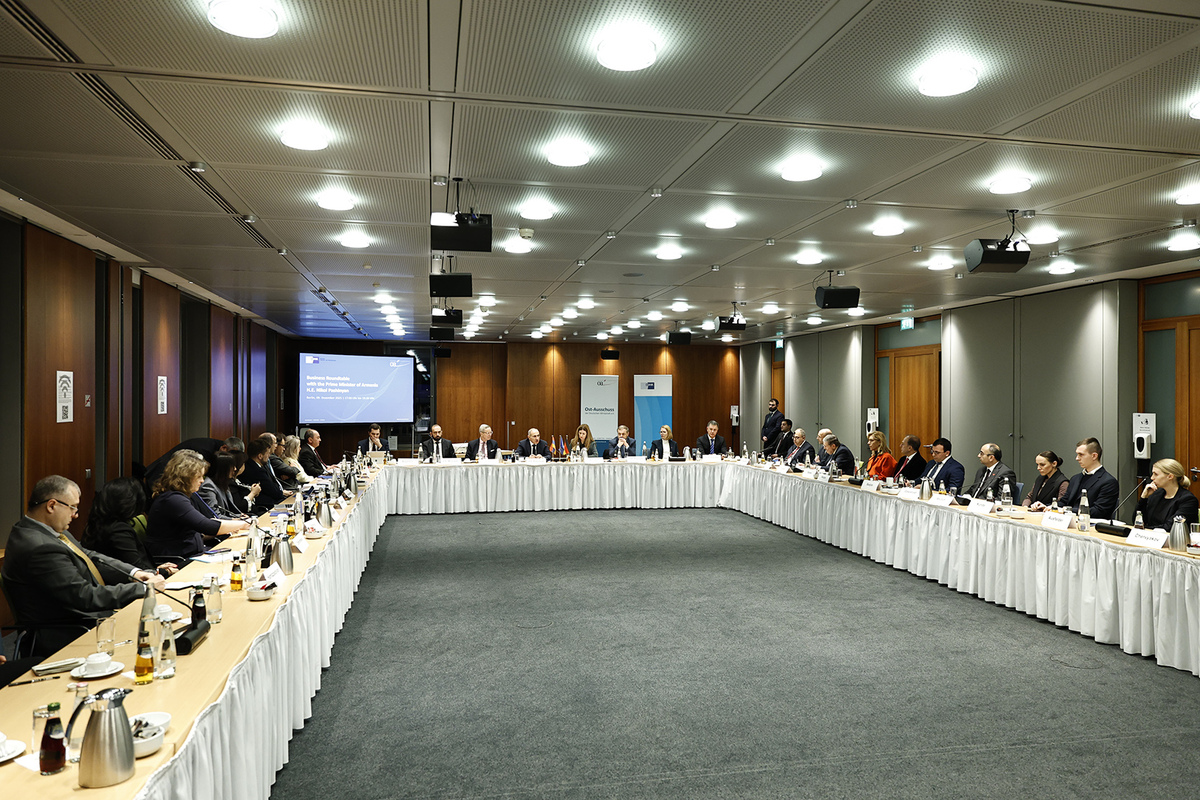
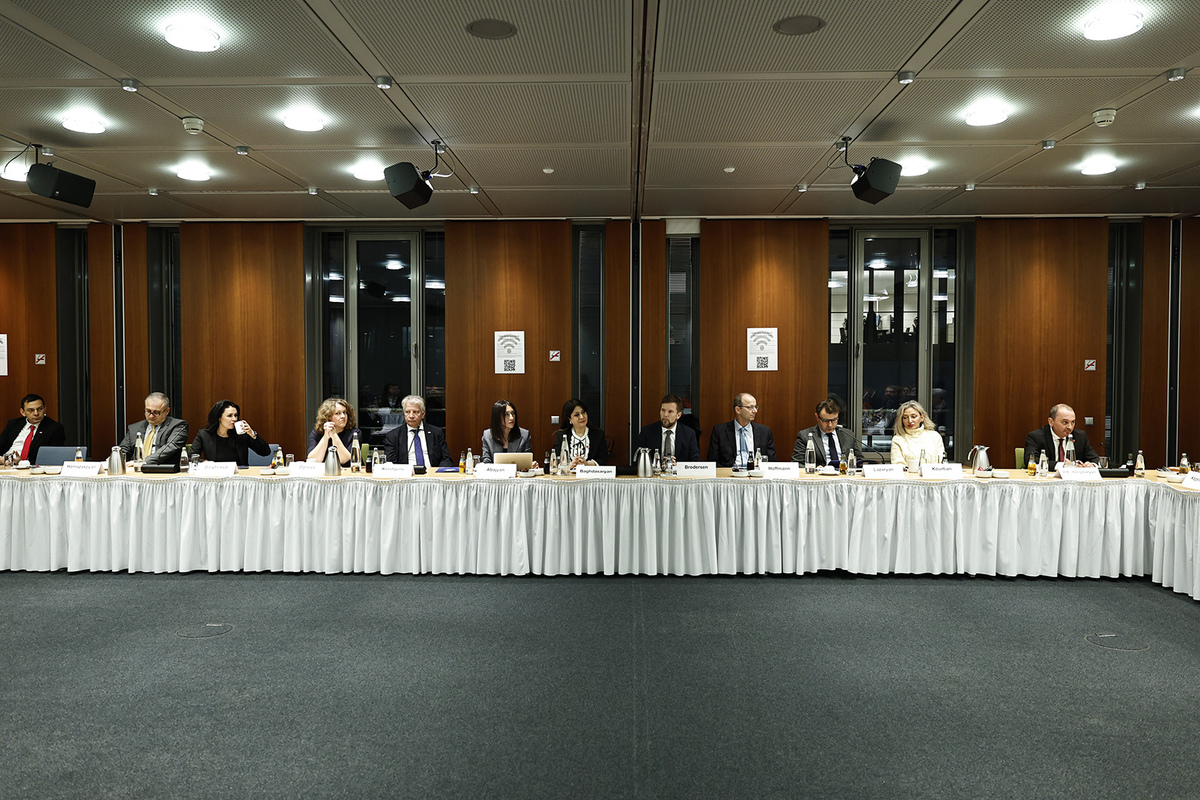
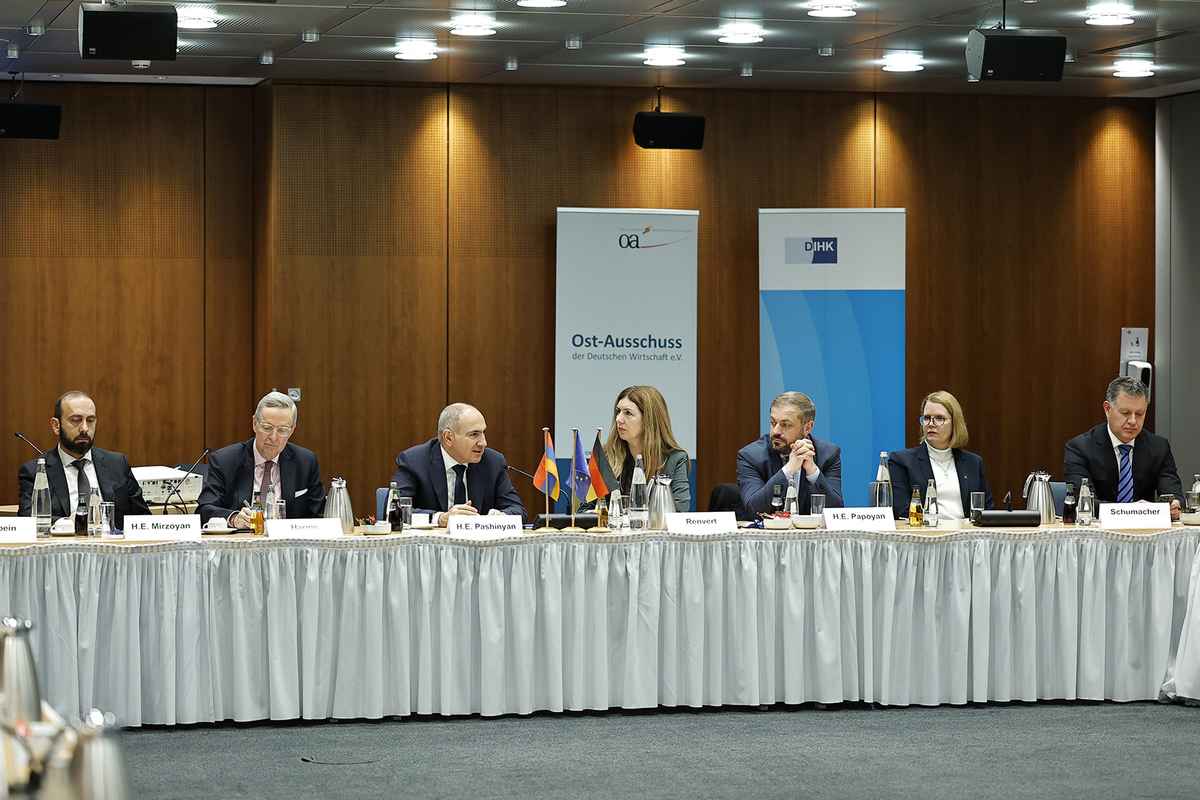
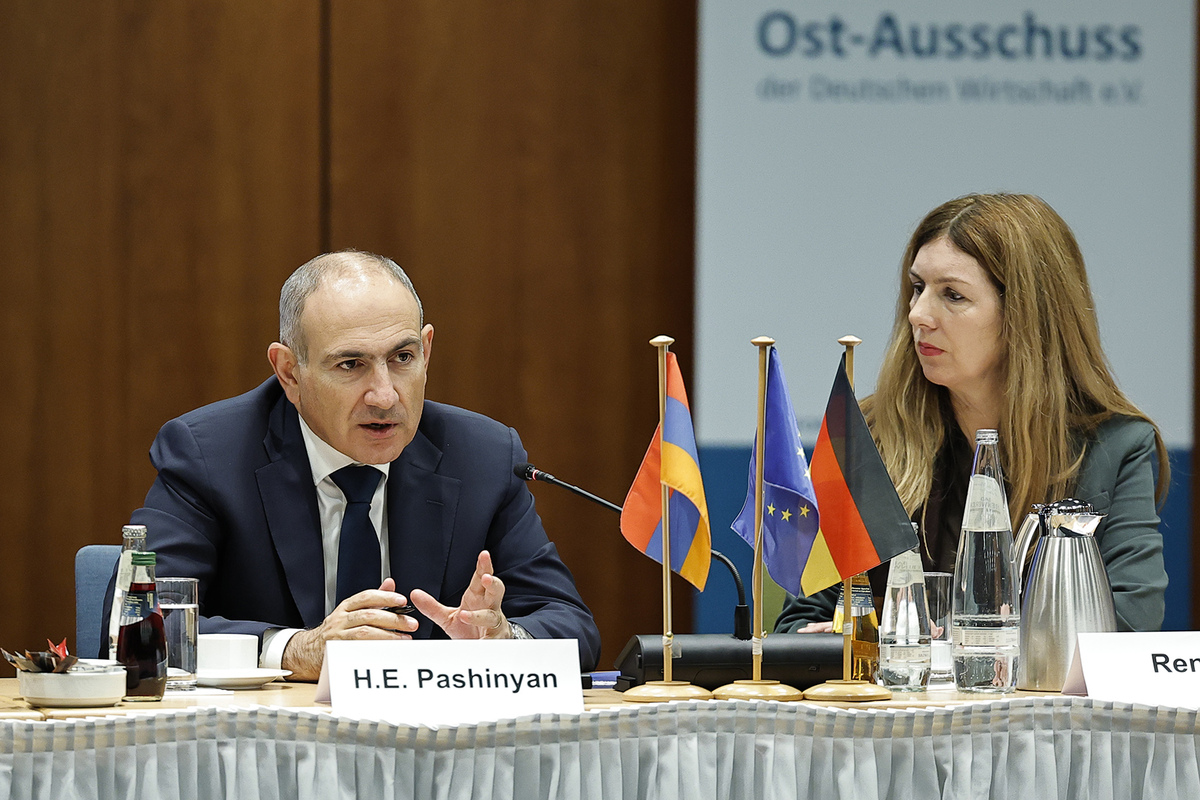
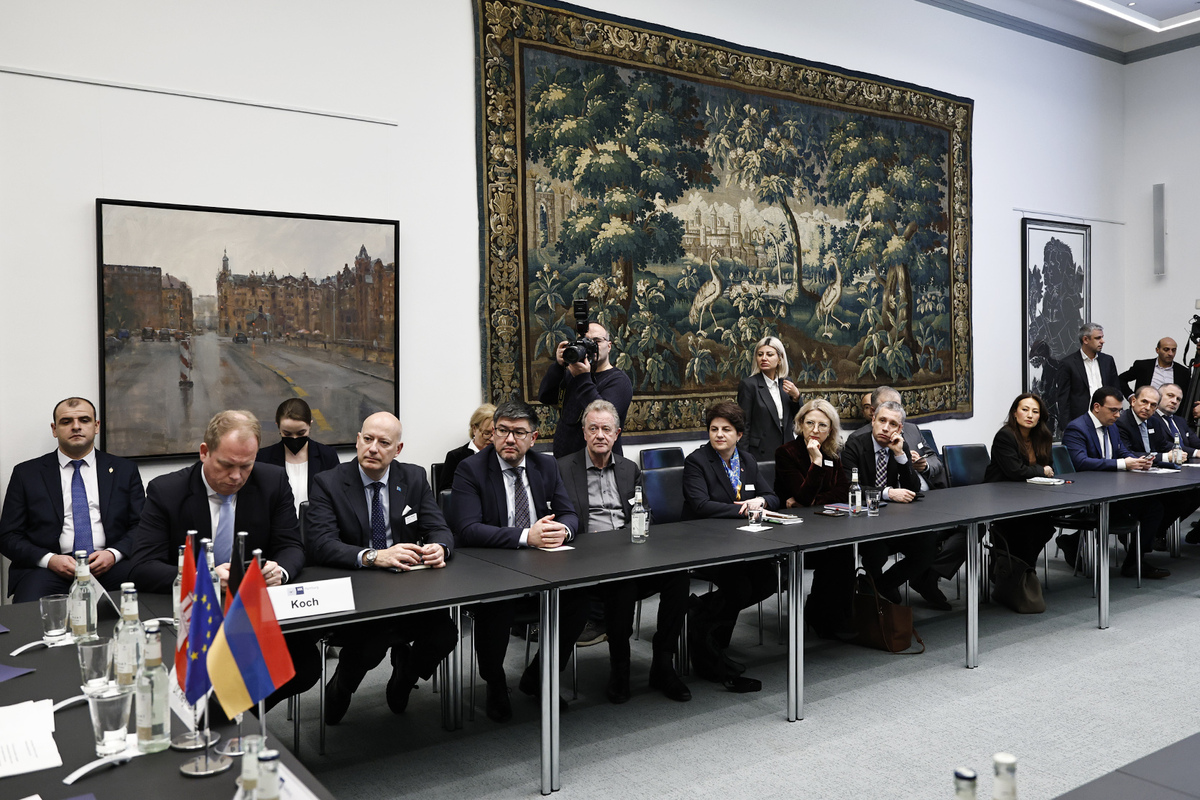
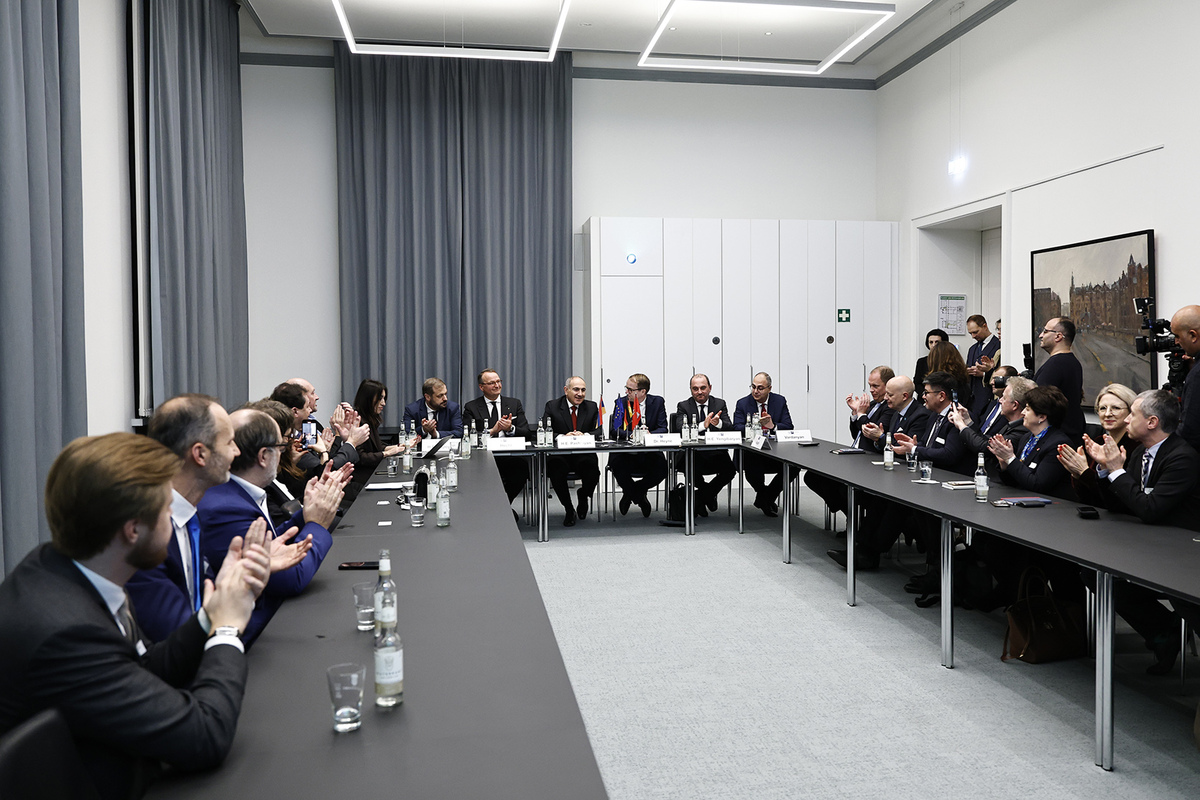
Prime Minister Nikol Pashinyan visited the German Chamber of Commerce and Industry in Berlin.
The Prime Minister met with a group of German businessmen and representatives of economic associations.
Michael Harms, Executive Director of the German Committee on Eastern European Economic Relations, thanked the Prime Minister for the meeting and noted that German businessmen are interested in cooperation with Armenia and today's meeting is a good opportunity to get acquainted with the existing opportunities and prospects.
In his speech, Prime Minister Pashinyan emphasized that the Government of Armenia is interested in the consistent development and expansion of economic ties with Germany, adding that positive dynamics in trade turnover volumes have been recorded recently. Nikol Pashinyan touched upon the reforms being implemented in our country to improve the business environment, the opportunities for investments in various sectors of the economy, as well as the prospects opening up in the context of developments taking place in the region.
During the meeting, the Prime Minister also answered various questions of interest to the businessmen.
* * *
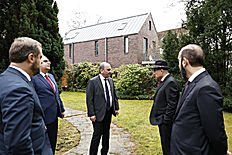
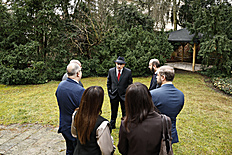
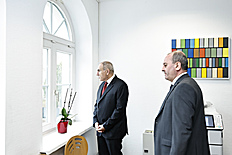
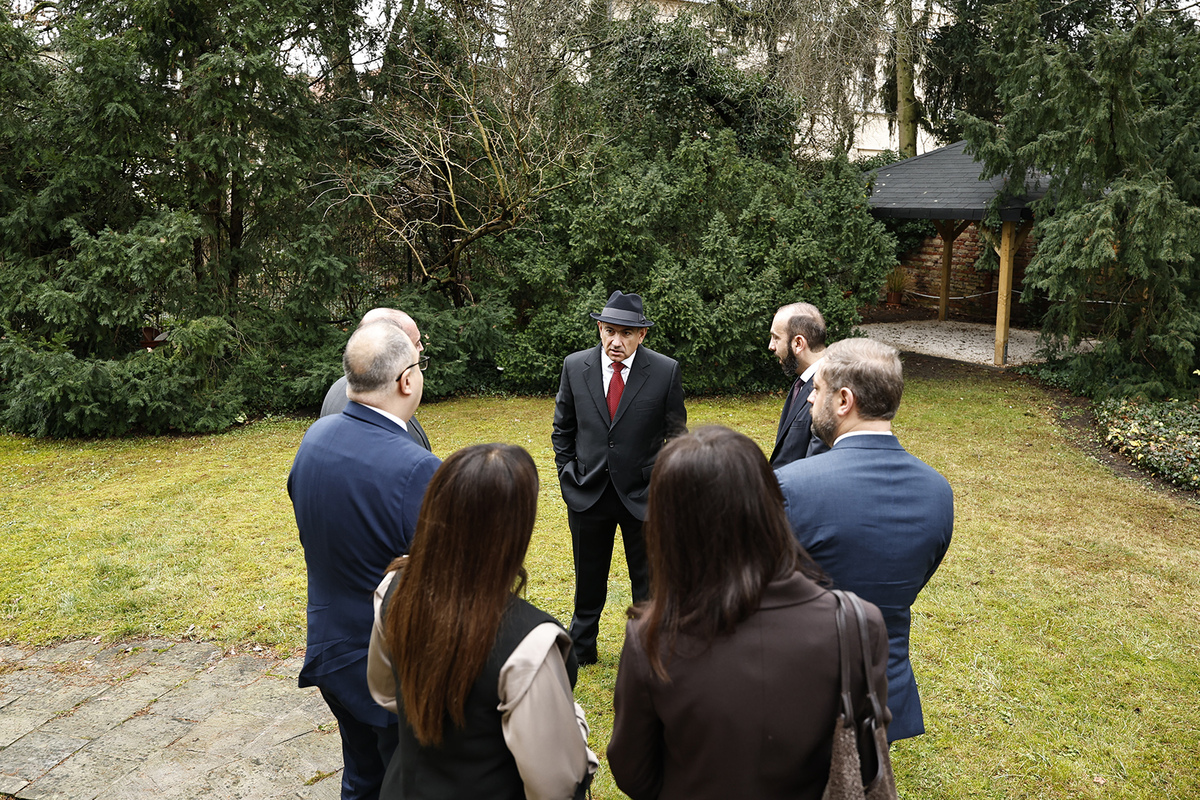
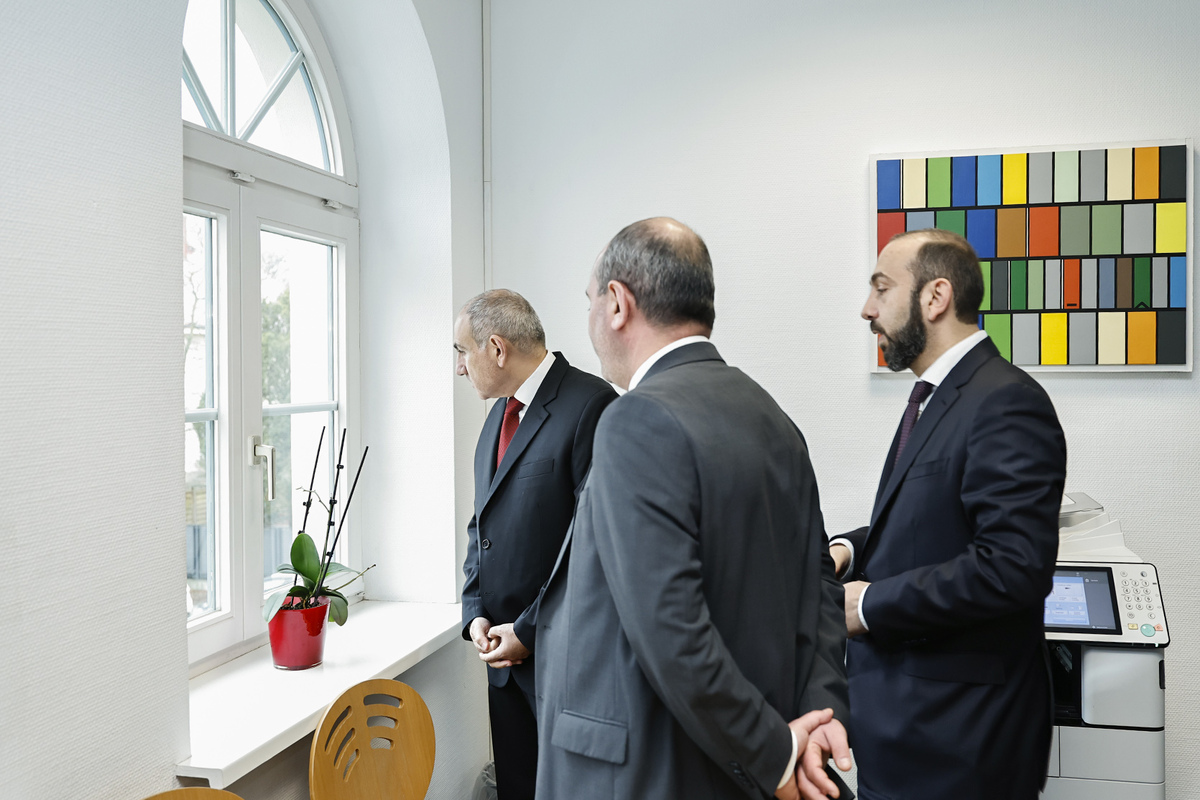
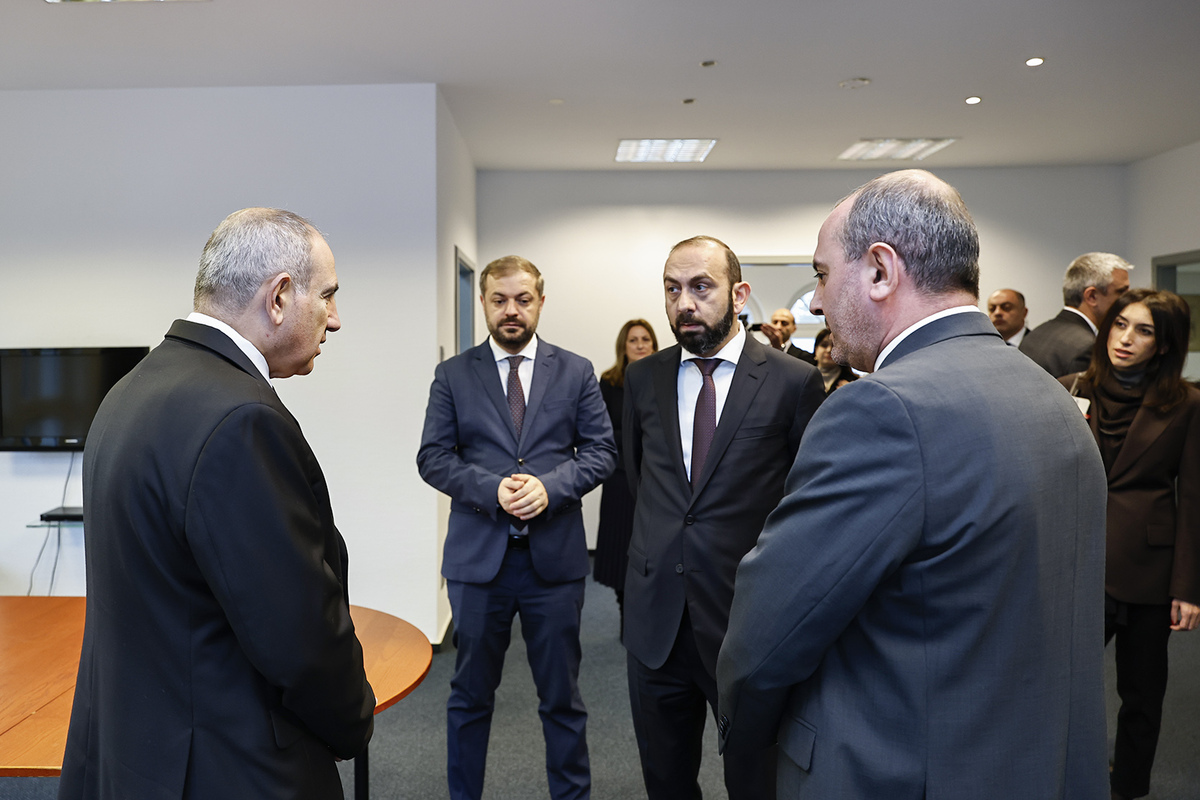
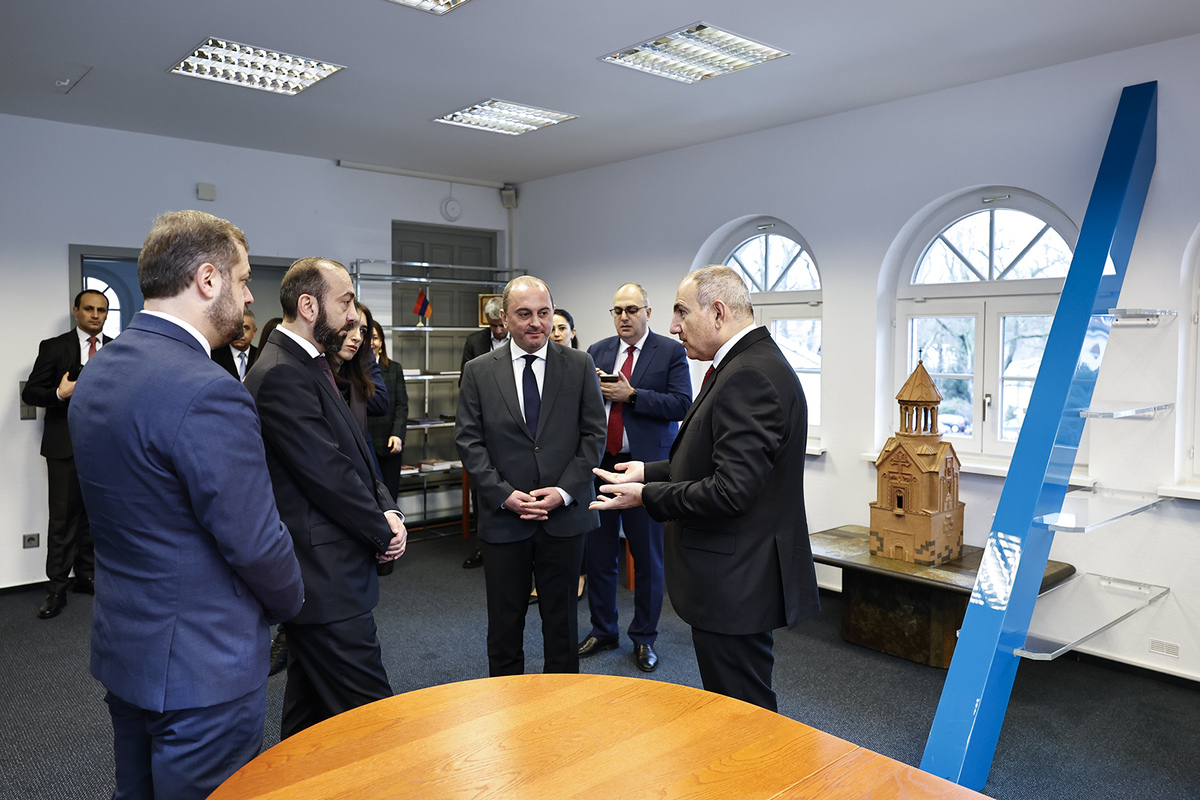
Prime Minister Nikol Pashinyan visited the Embassy of the Republic of Armenia in Germany.
Accompanied by Ambassador Viktor Yengibaryan, the Prime Minister toured the embassy and interacted with the staff.
Viktor Yengibaryan provided details on the embassy's activities and cooperation with the German Government.
* * *
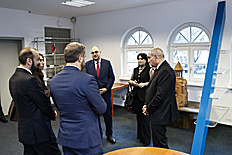
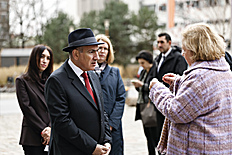
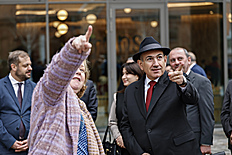
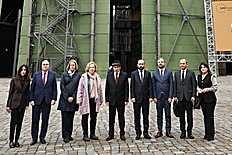
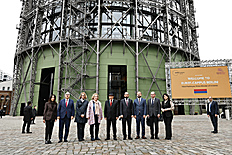
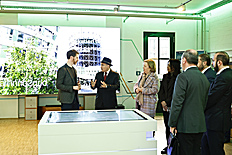
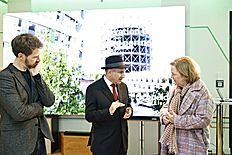
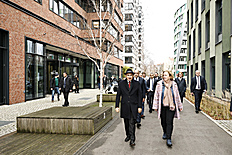
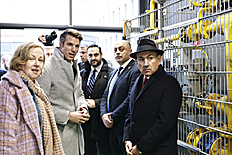
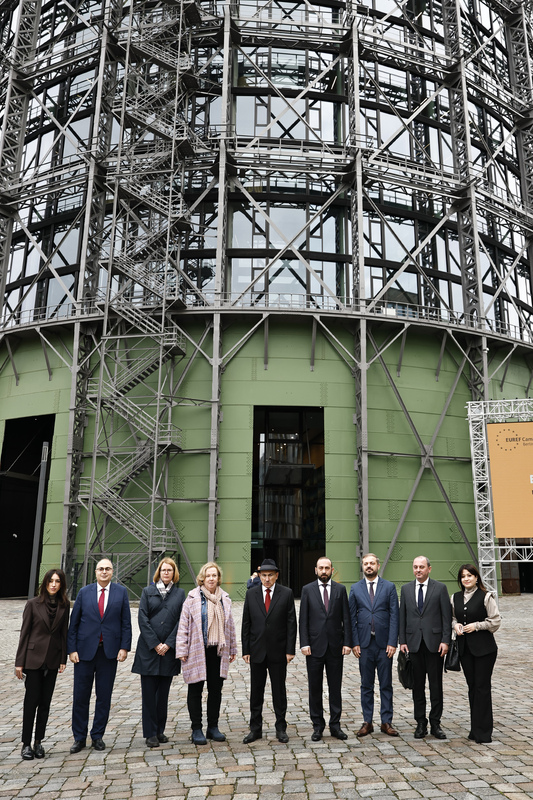
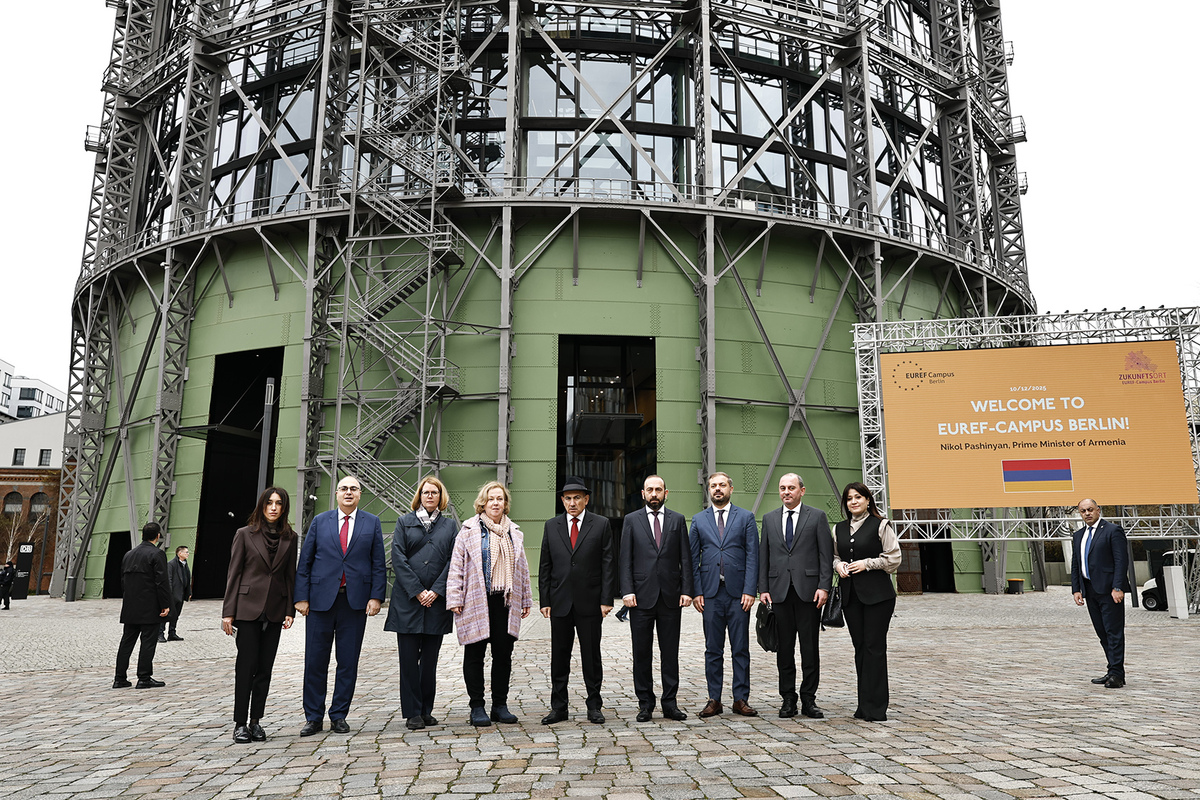
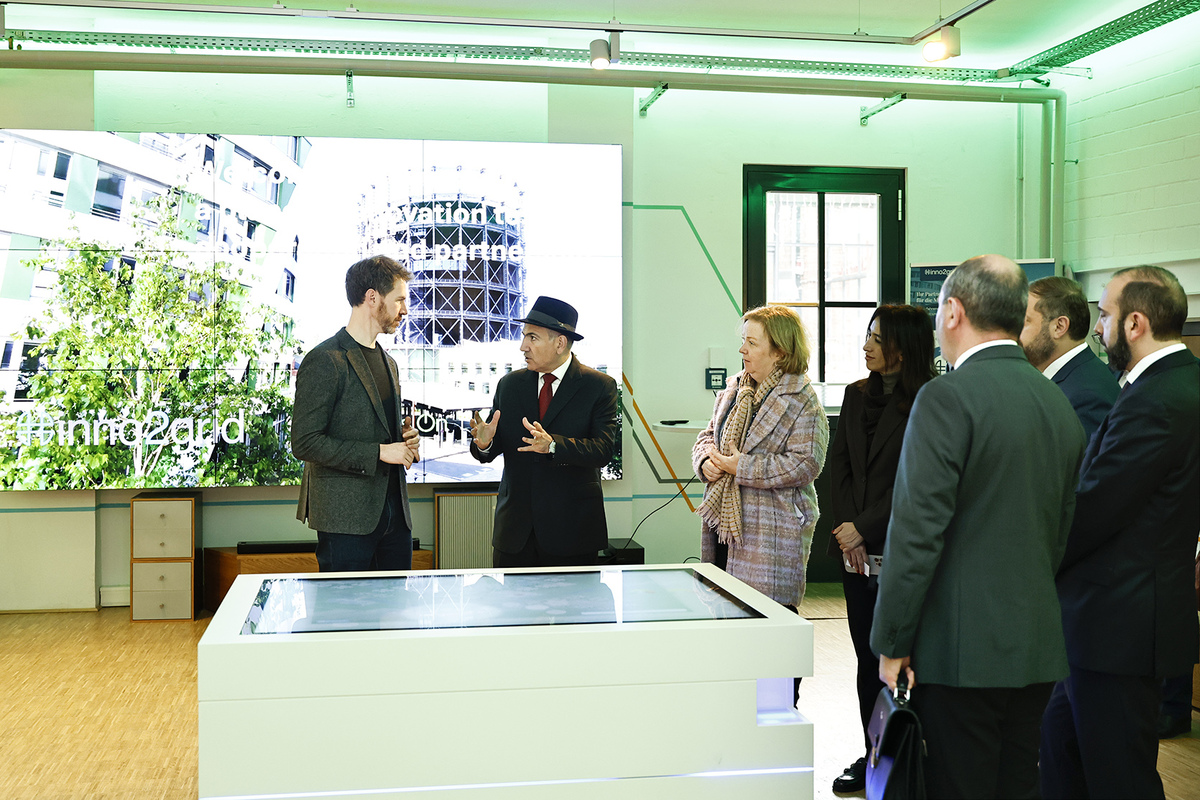
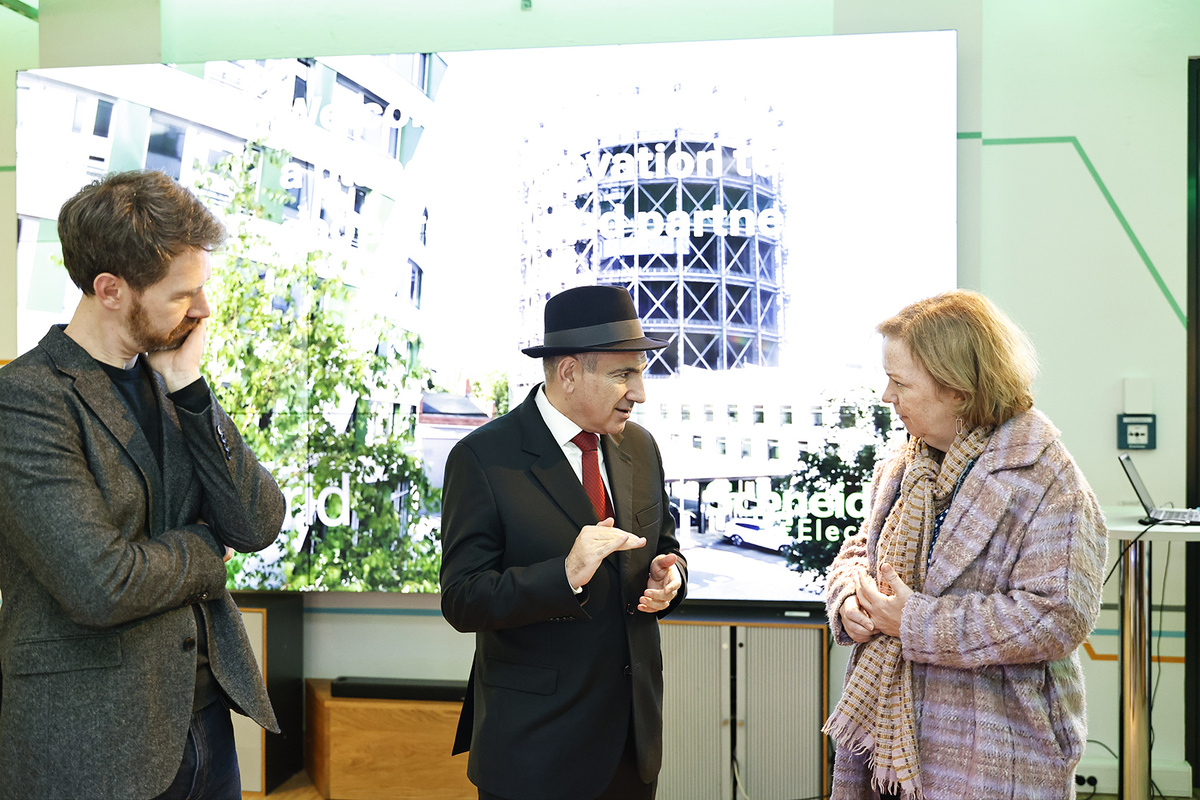
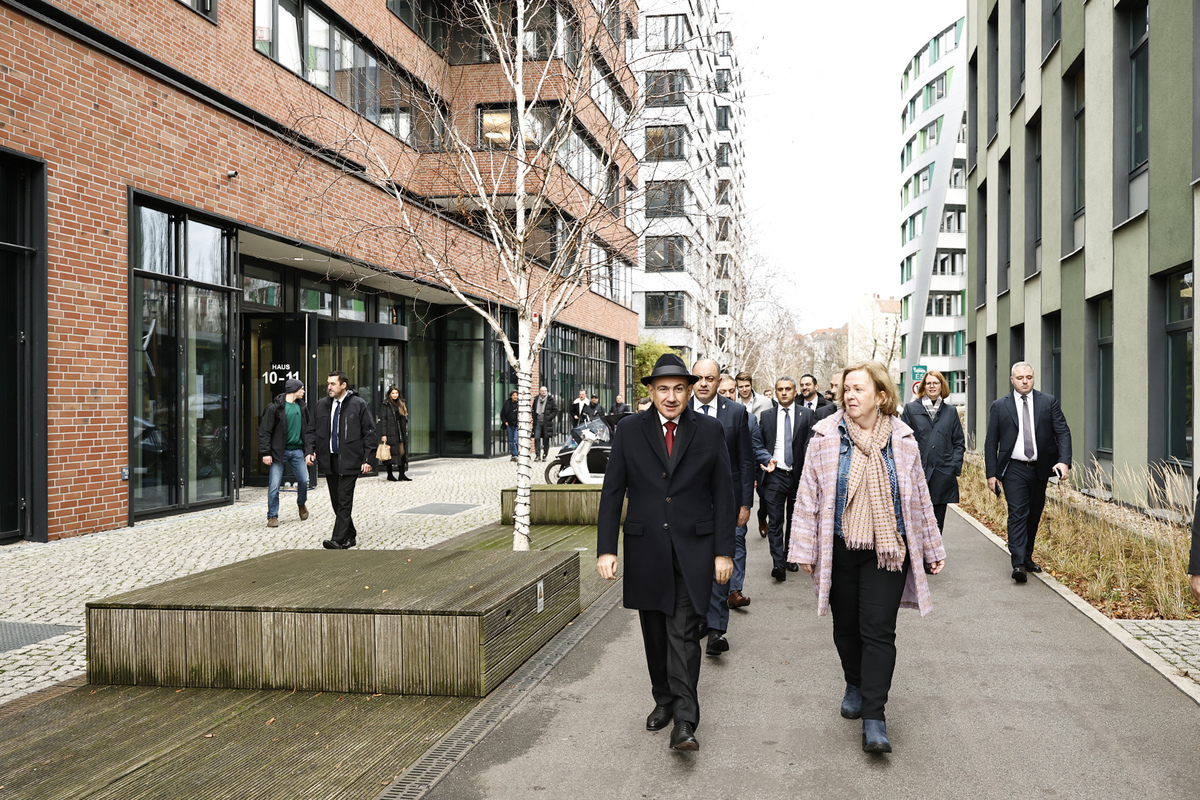
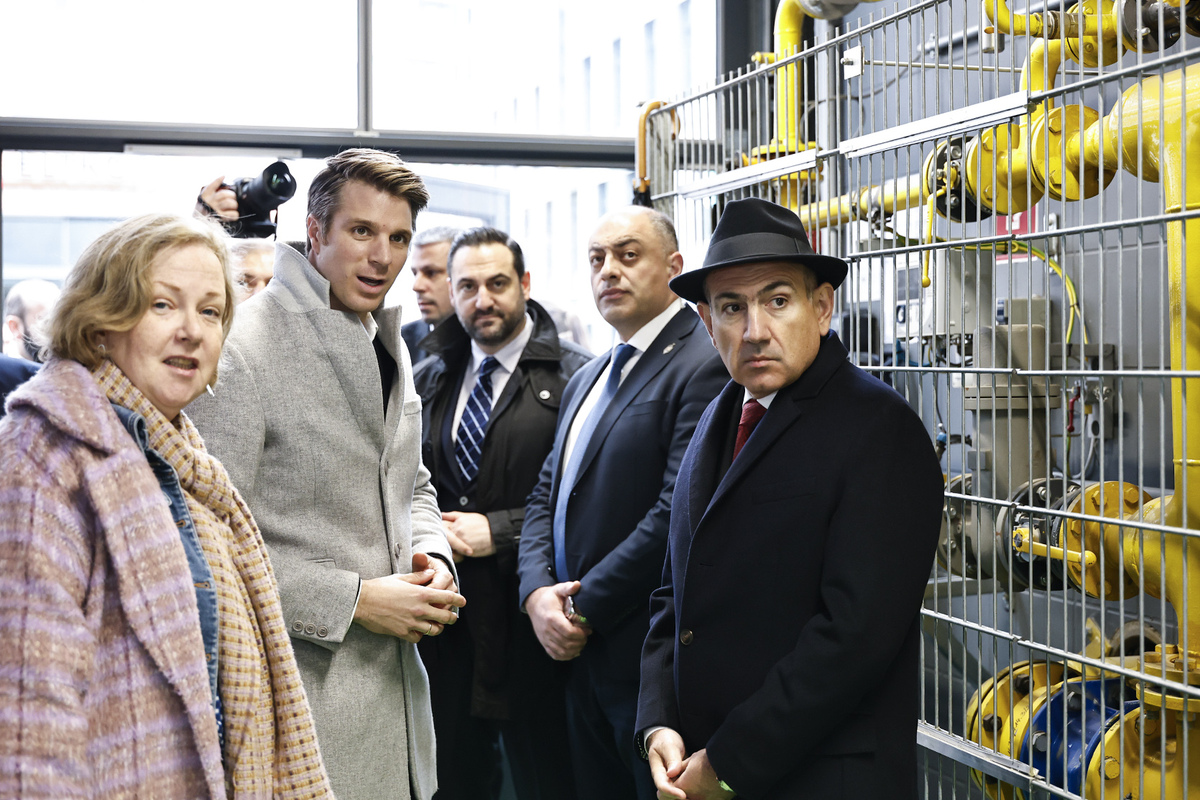
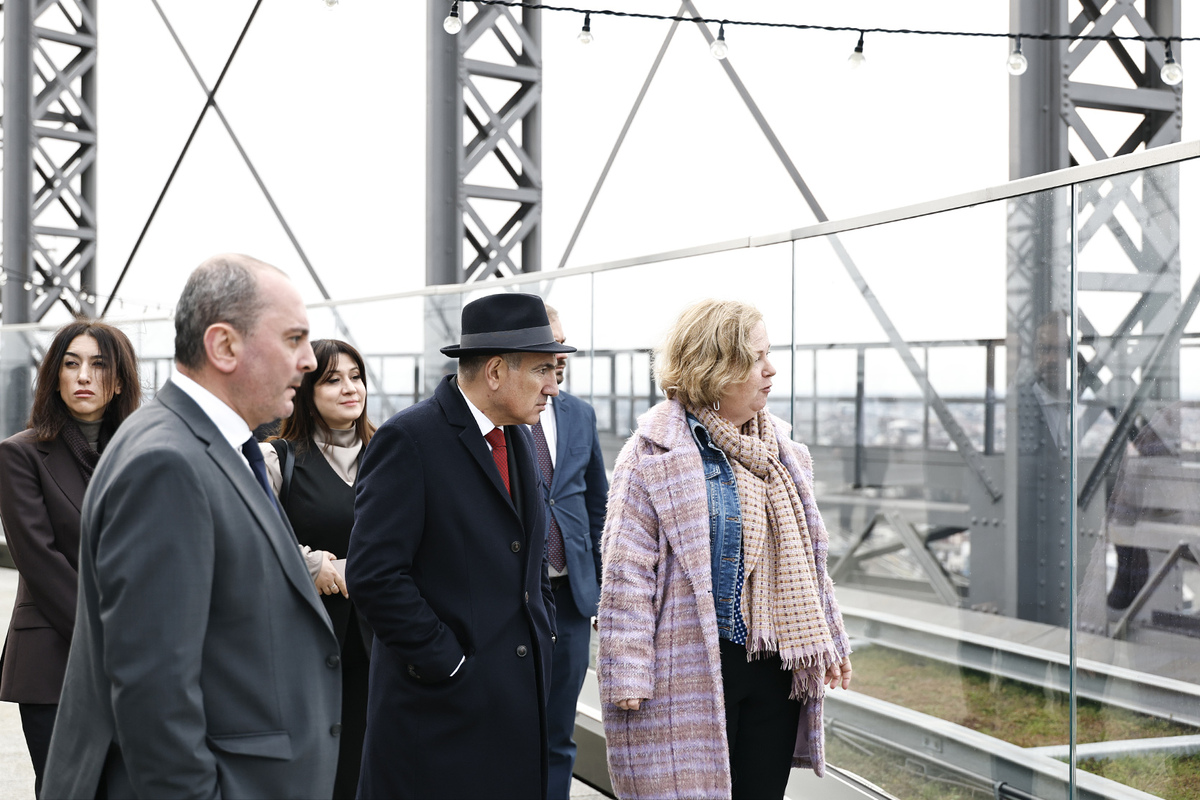
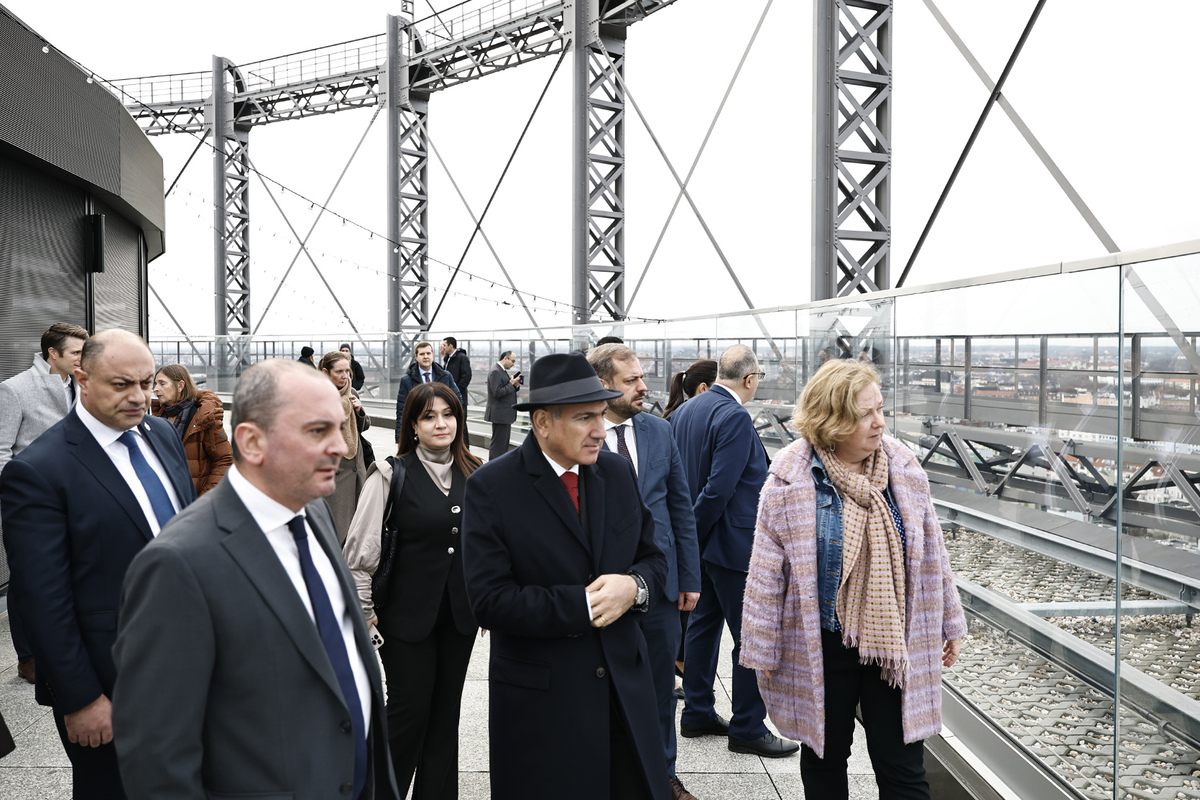
Prime Minister Nikol Pashinyan visited the EUREF Campus Berlin science and technology center in Berlin.
The Prime Minister was presented with scientific developments and technological innovations aimed at ensuring energy efficiency, as well as programs being implemented for effective water management.
It was noted that the center cooperates with both German and international organizations. The leadership of the center expressed their willingness to cooperate with the Government of Armenia, exchanging experience and contributing to the introduction of modern technologies in the energy sector in our country.
The Prime Minister emphasized the importance of bilateral cooperation and noted that the development of alternative energy is one of the priorities of the Government of Armenia.
* * *
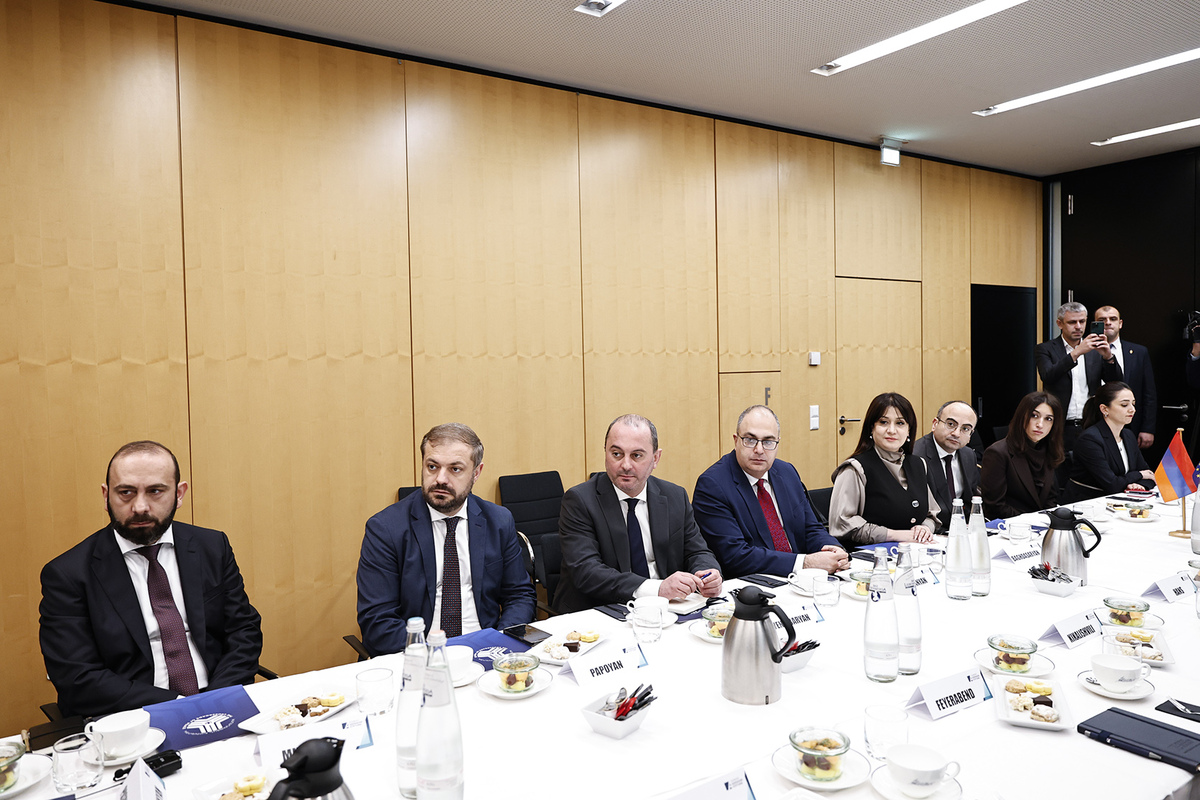
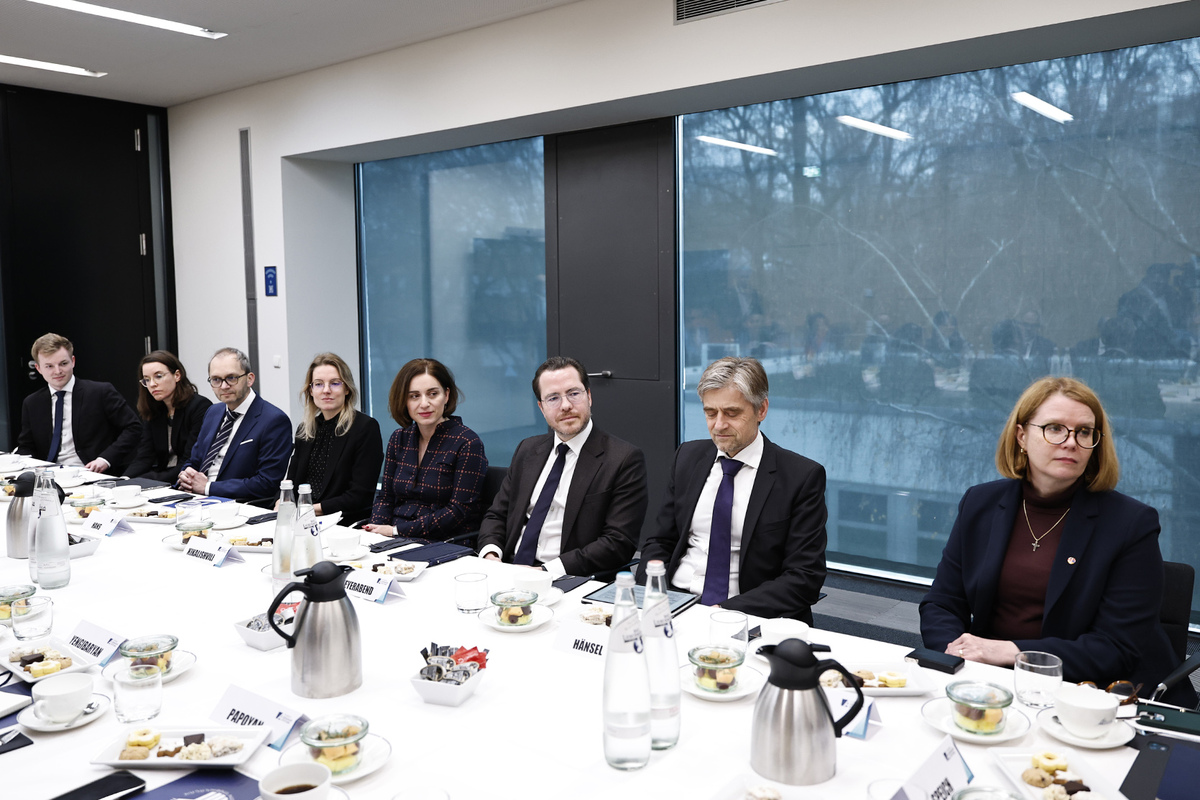
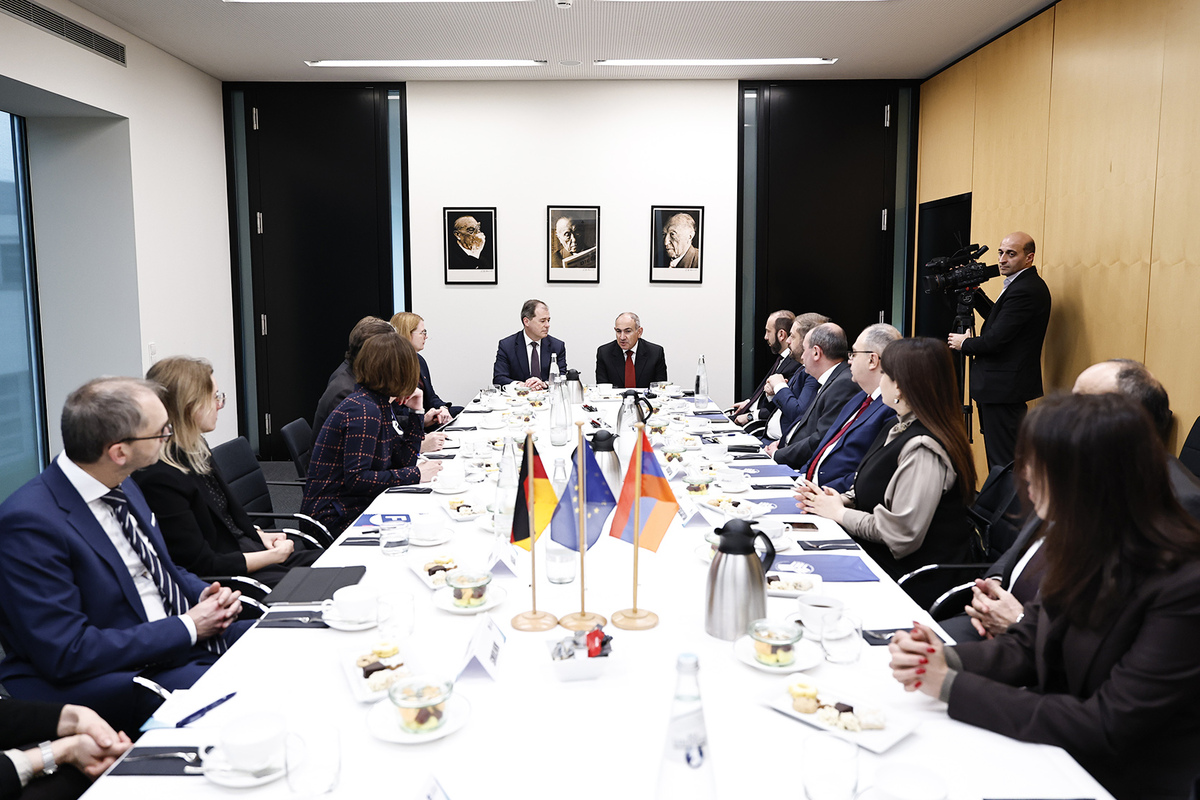
Prime Minister Nikol Pashinyan visited the Konrad Adenauer Foundation, where he met with representatives of German foundations, think tanks, and journalists.
Foundation Secretary General Mark Speich expressed gratitude for the visit and noted that the participants in the meeting are interested in hearing the views and observations of the Prime Minister of Armenia on the developments taking place in Armenia and the South Caucasus region.
During the meeting, the Prime Minister presented Armenia’s foreign policy development priorities, the peace agenda, Yerevan’s vision for regional communication, as well as the directions of democratic reforms implemented by the Government of the Republic of Armenia.
A discussion was held on the deepening of the Armenia-EU partnership, regional economic initiatives, and opportunities for expanding Armenia’s role in Europe.
* * *
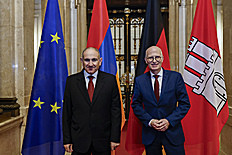
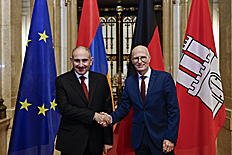
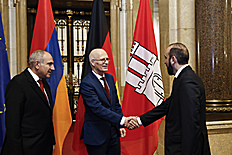
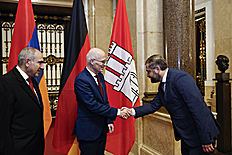
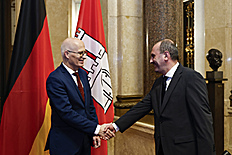
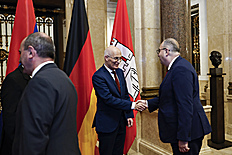
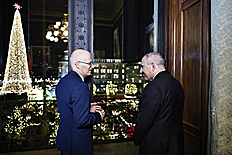
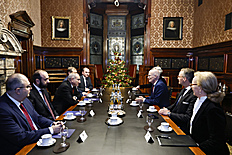
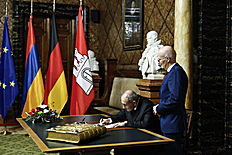
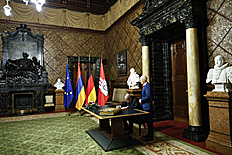
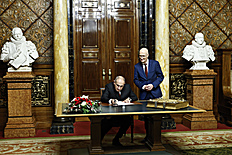
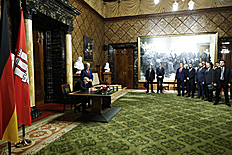
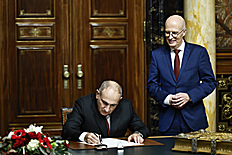
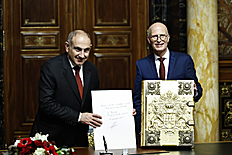
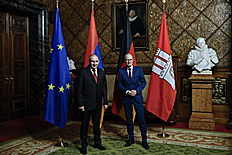
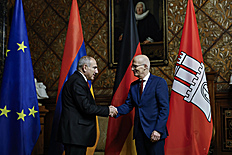
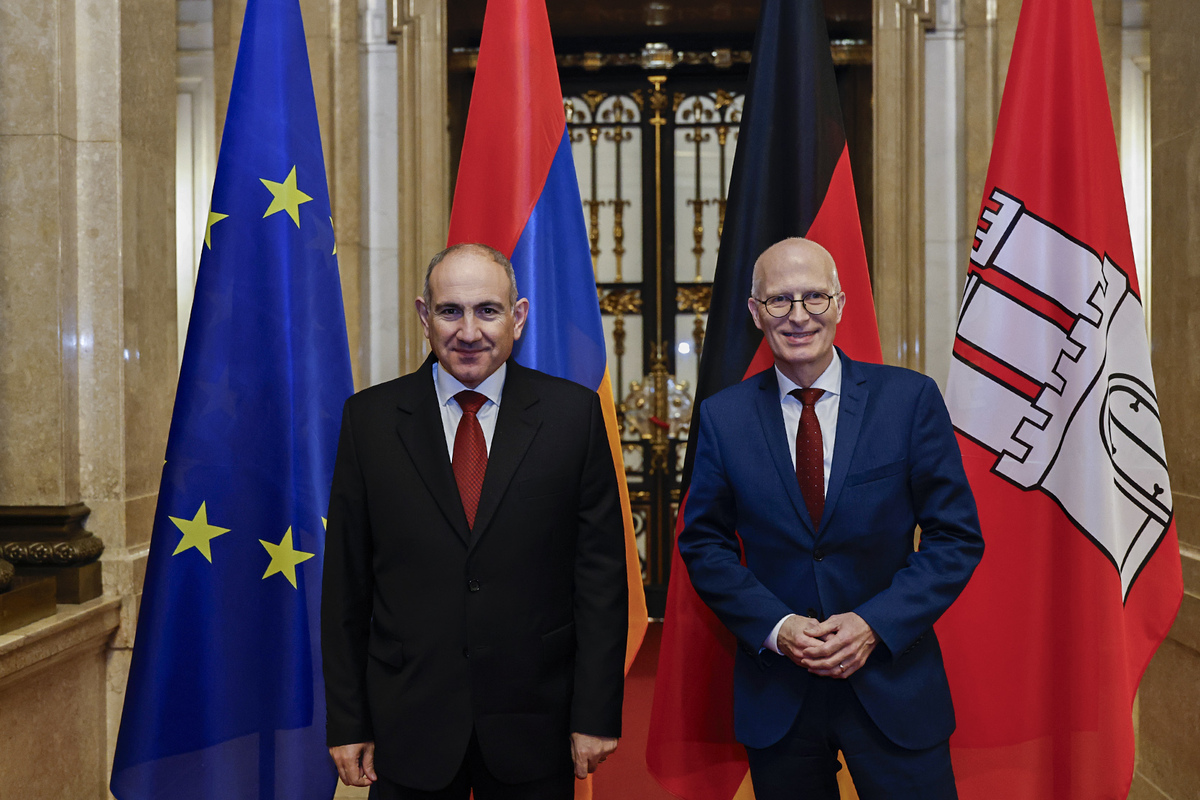
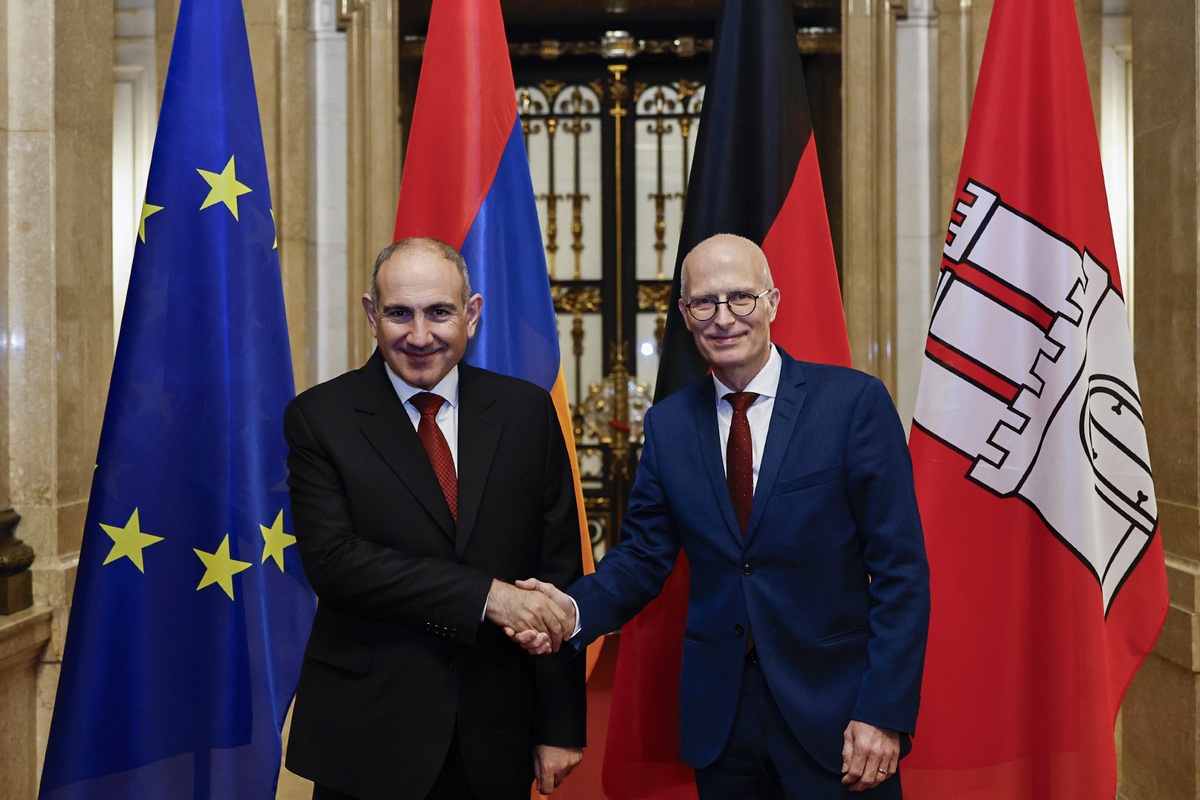
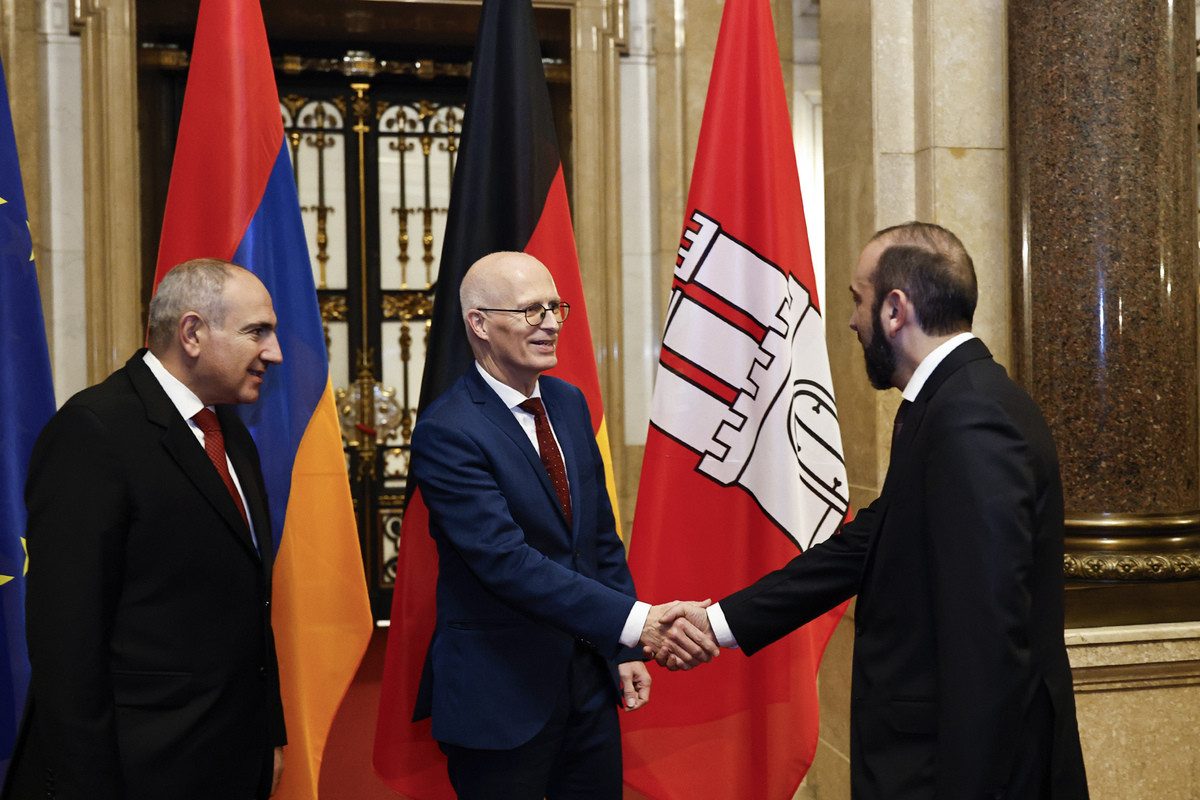
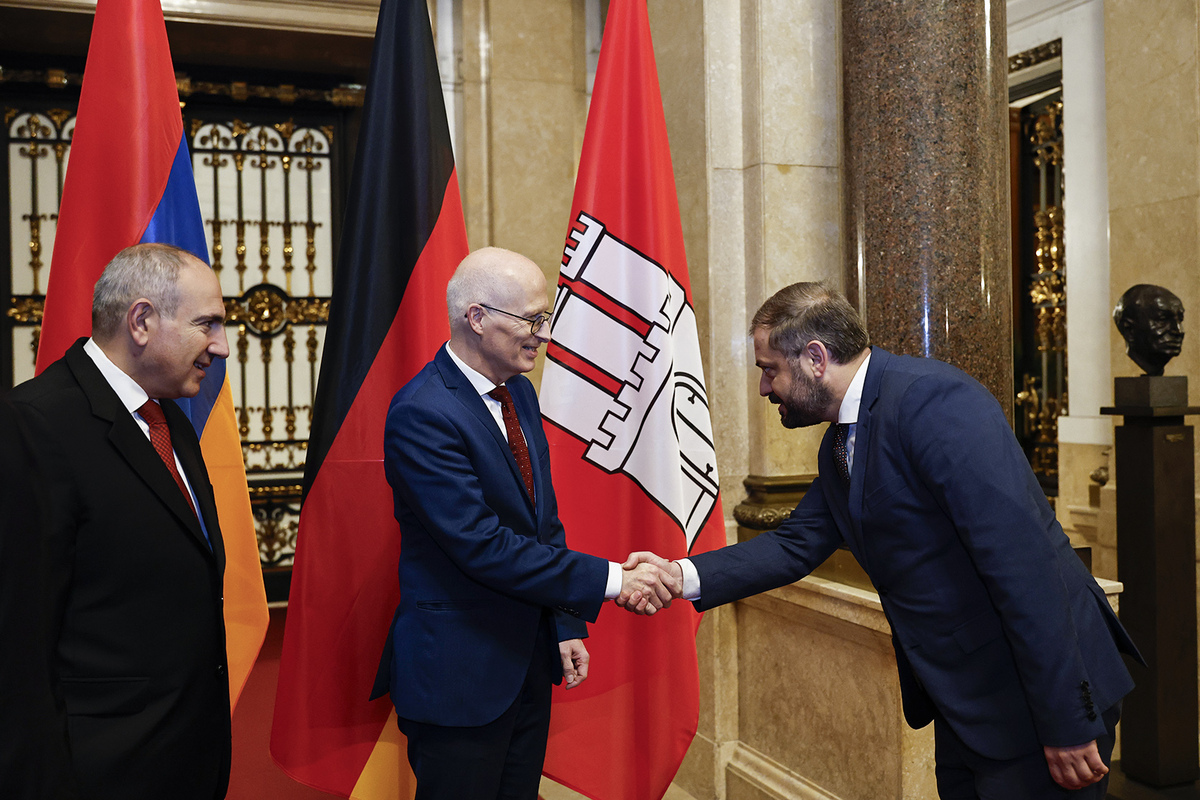
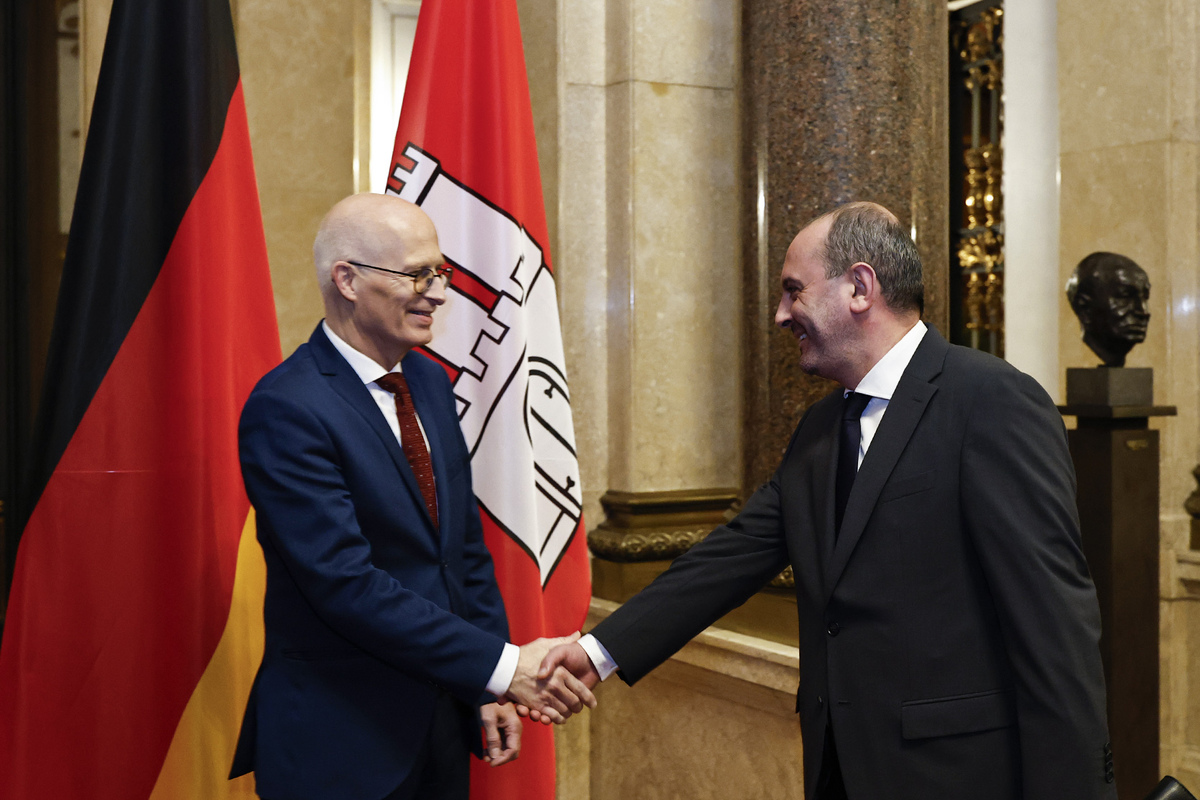
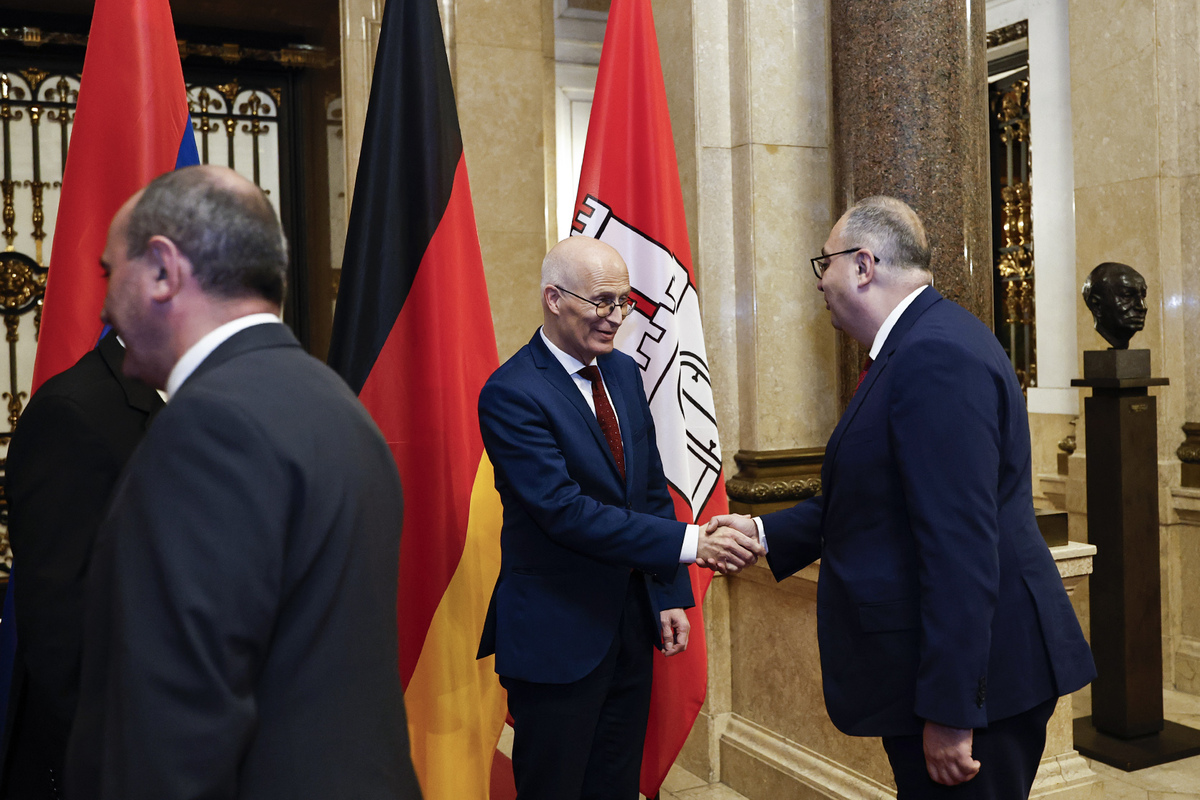
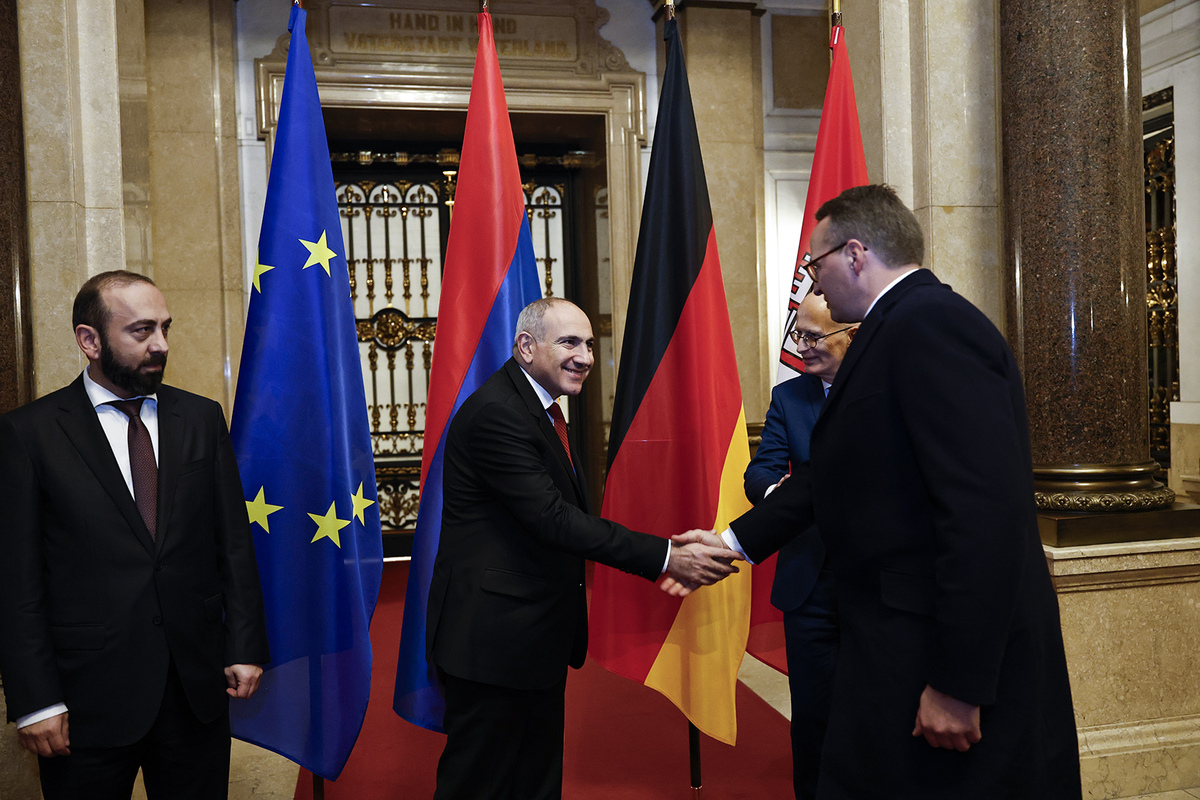
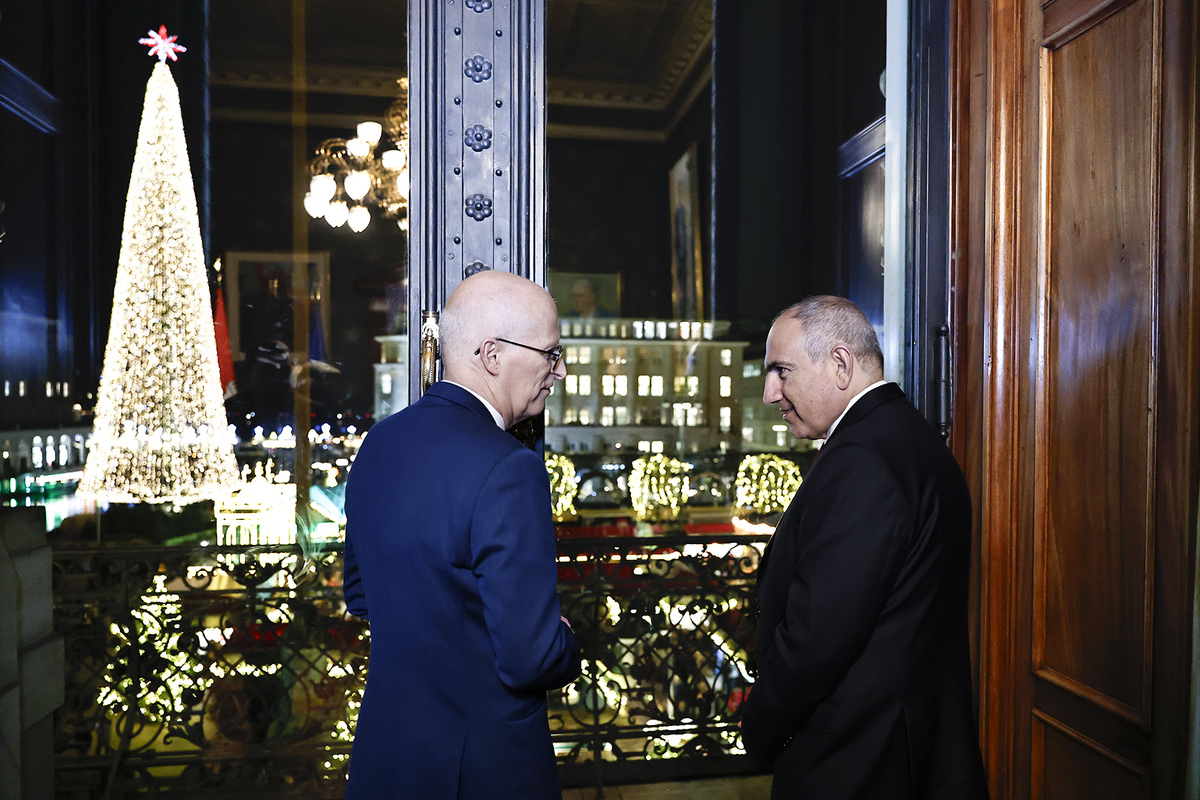
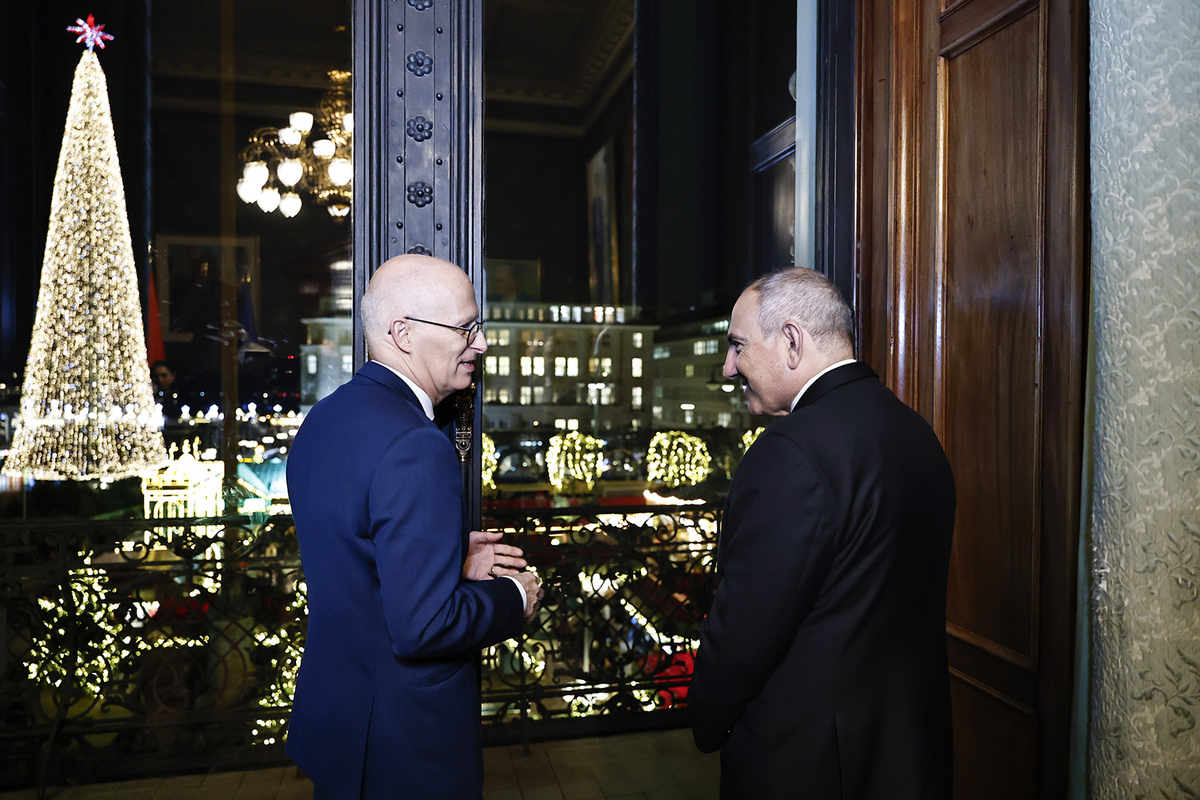
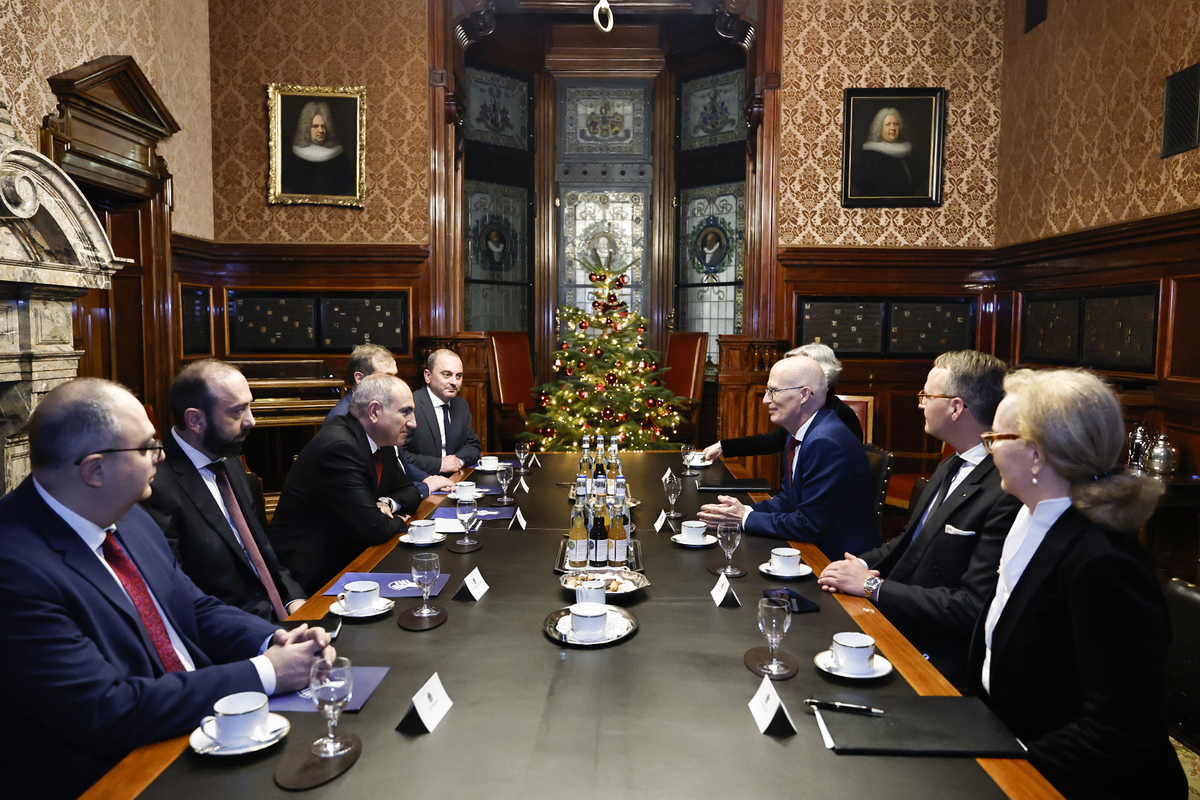
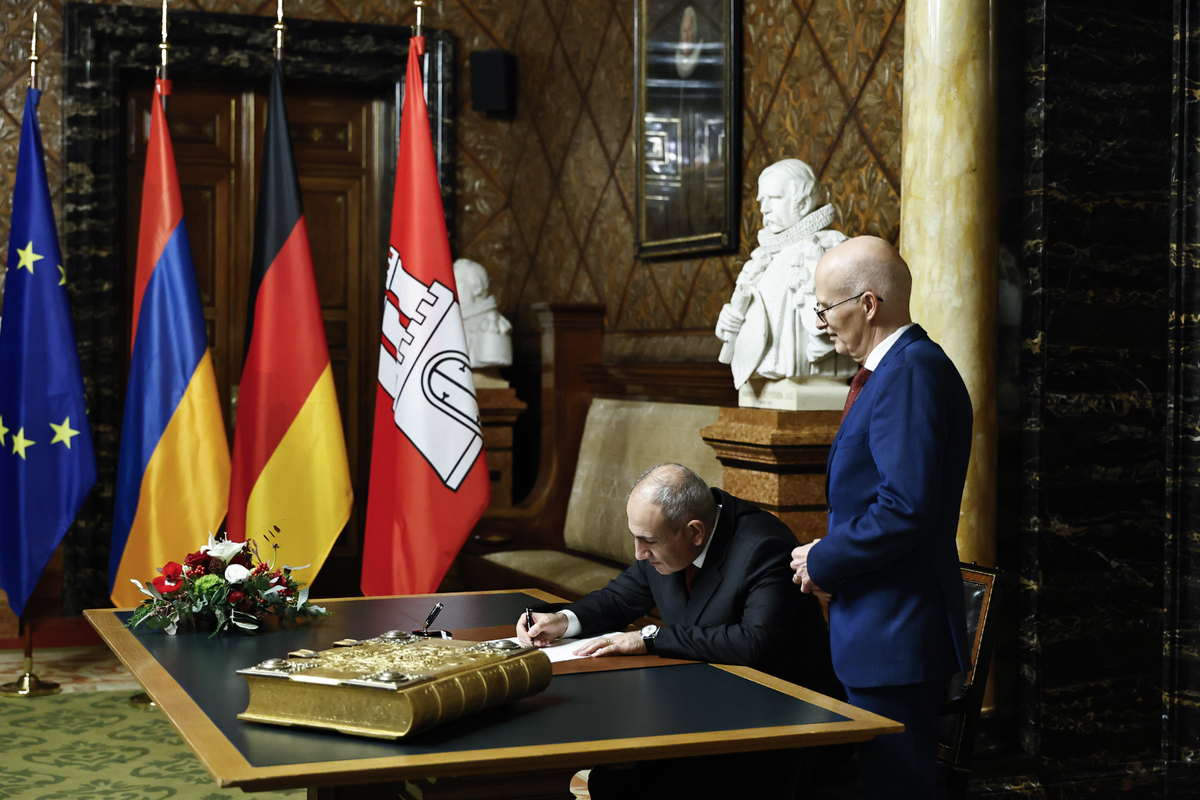
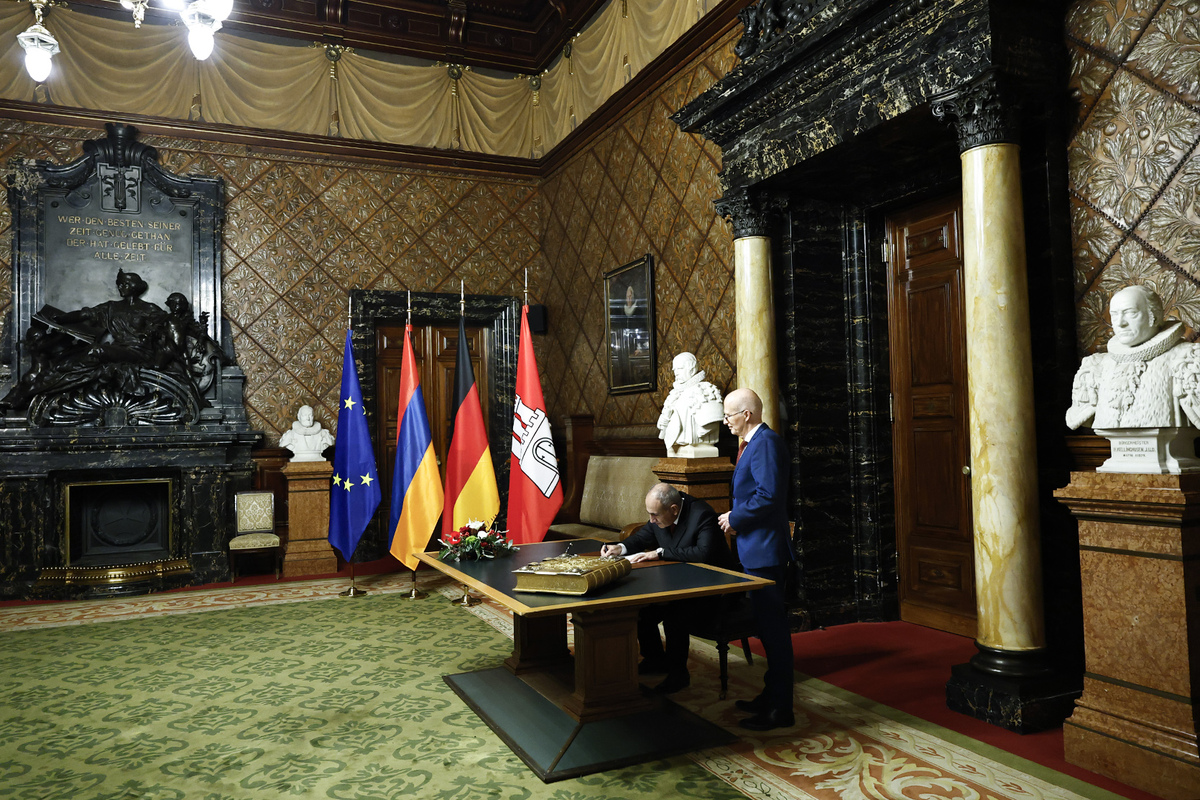
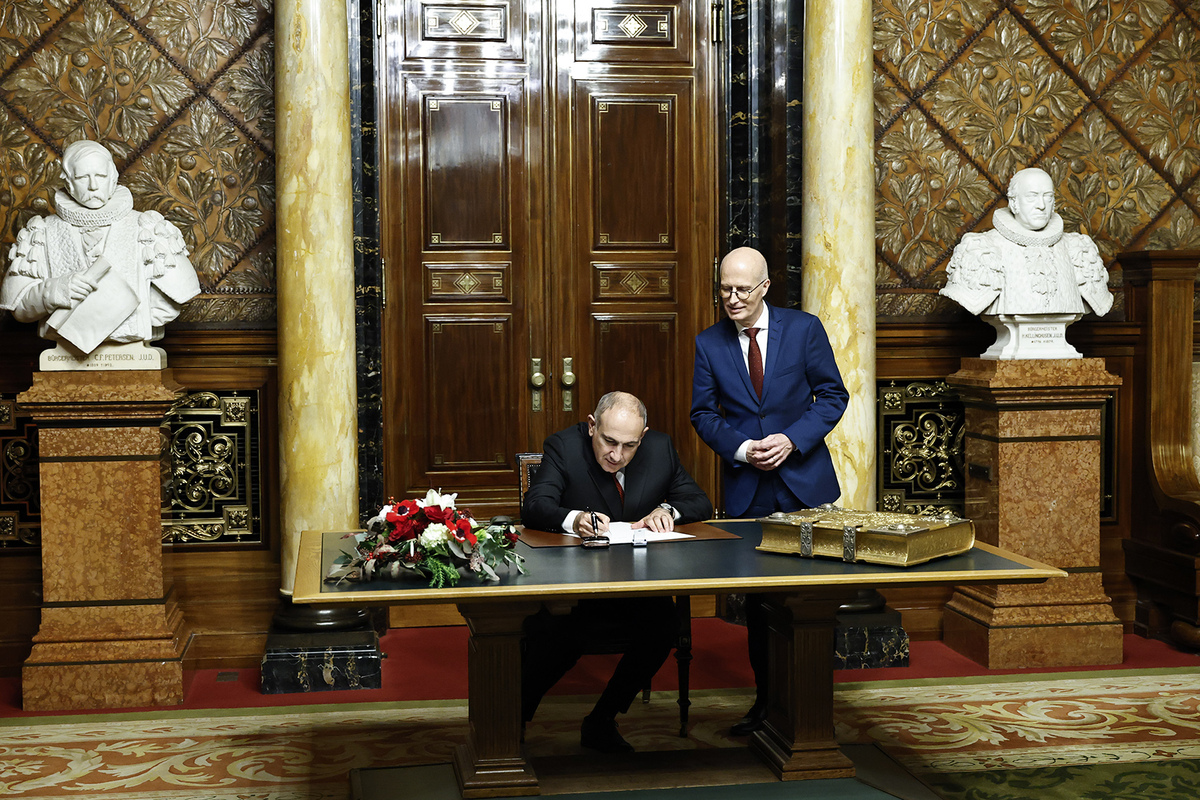
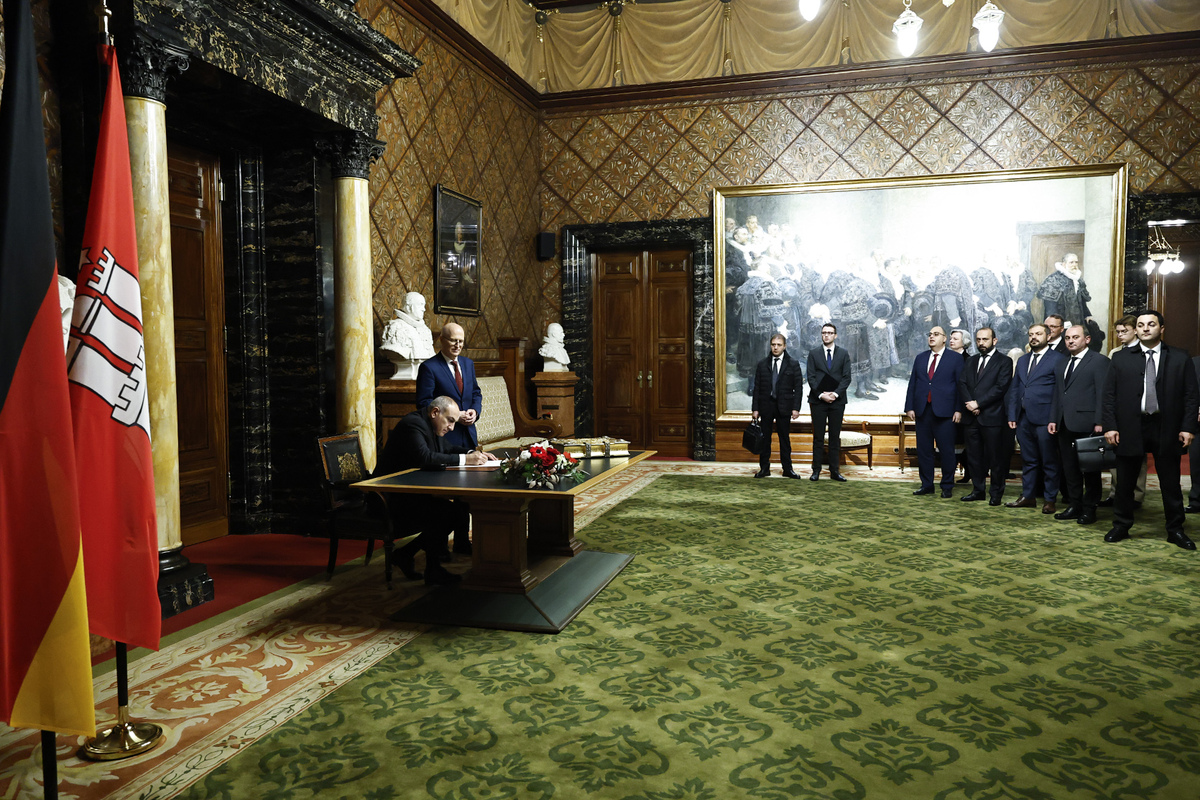
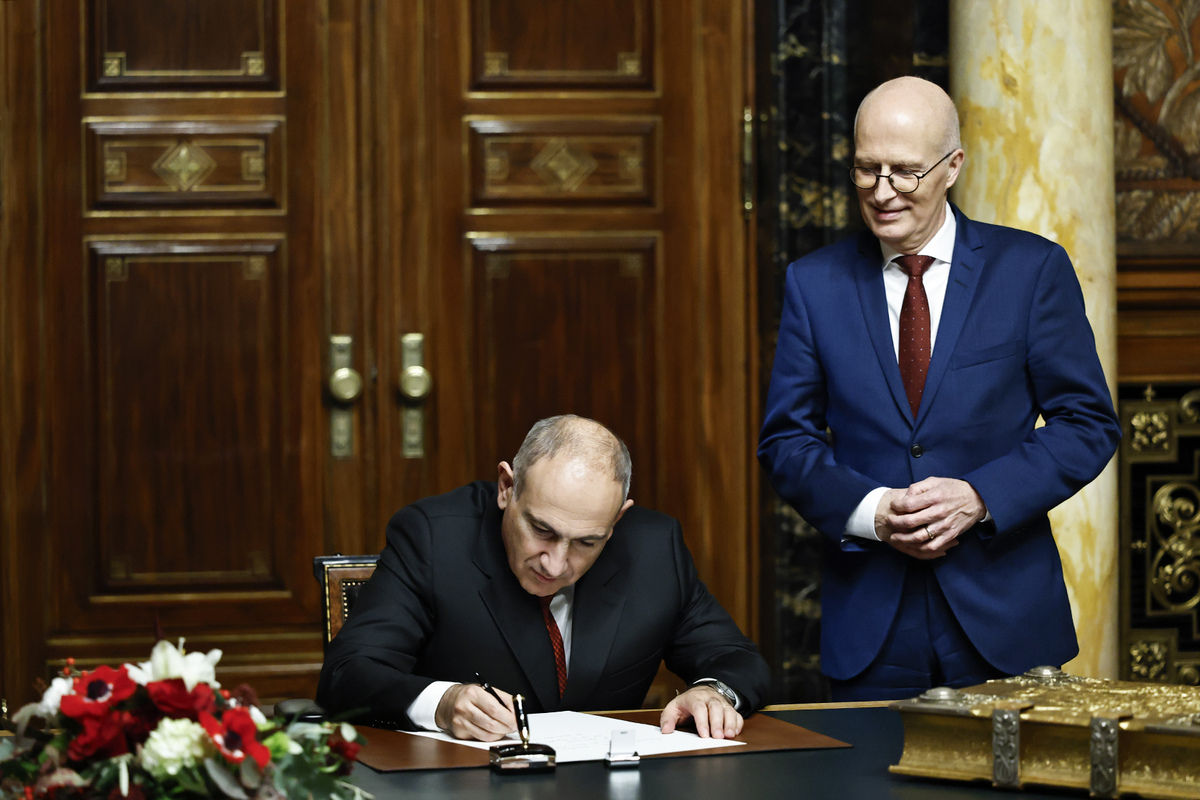
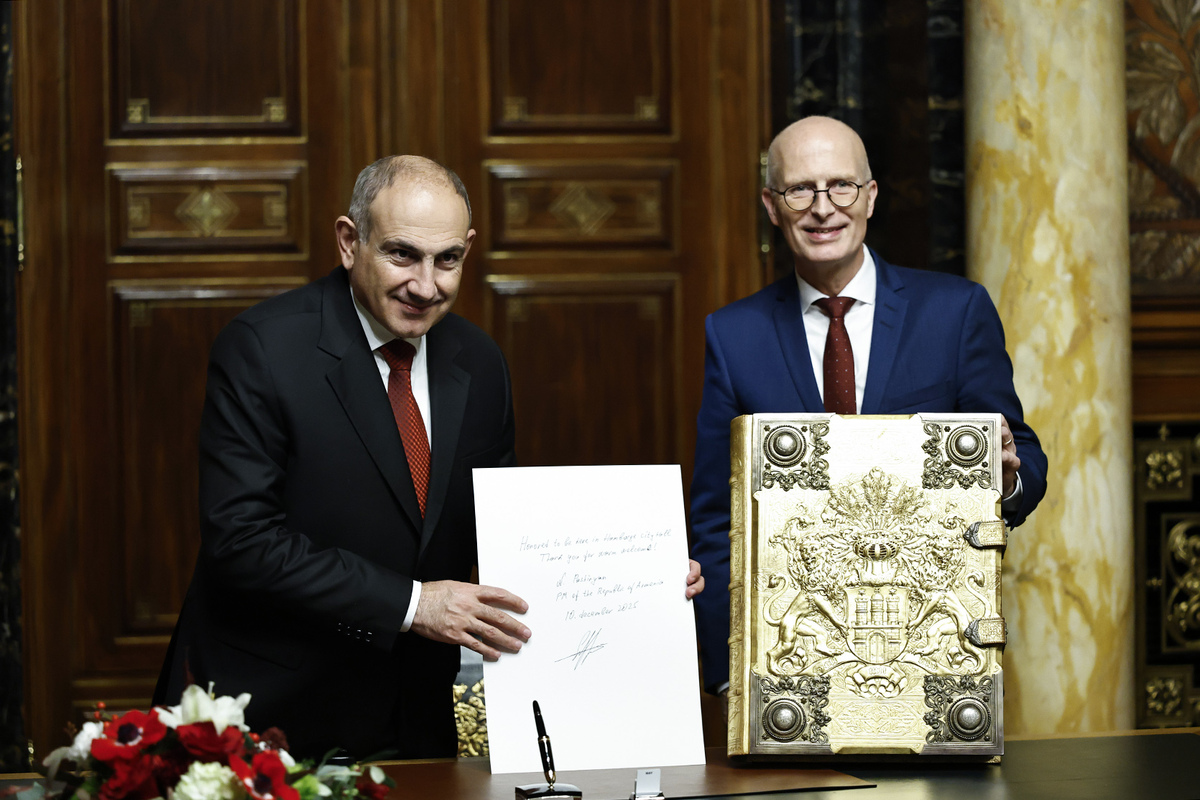
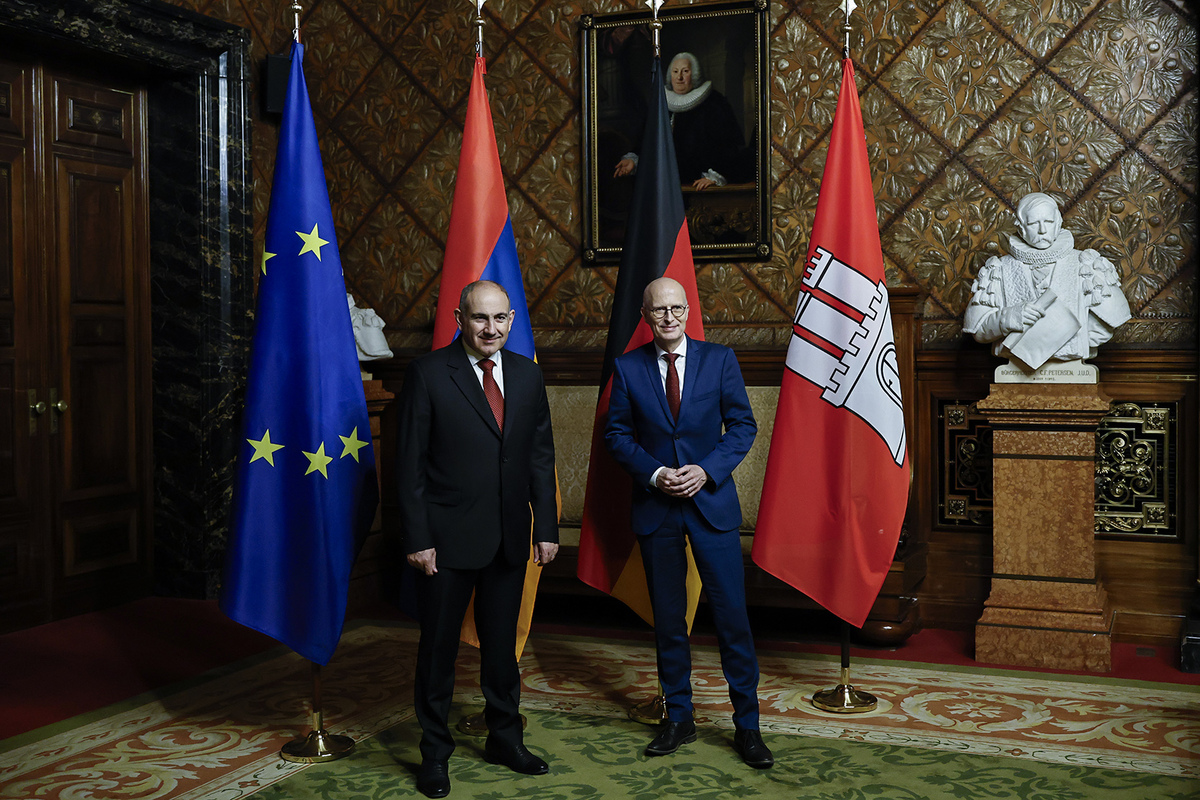
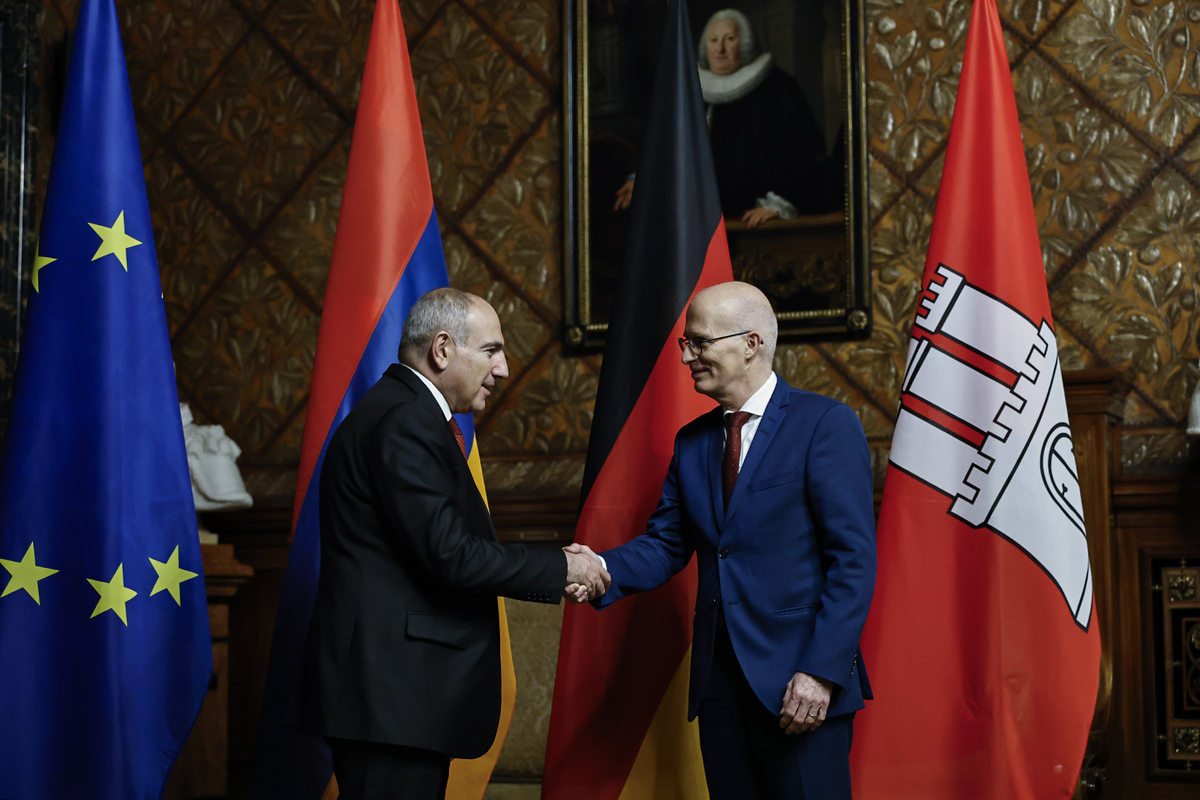
Within the framework of the official visit, Prime Minister Nikol Pashinyan met with the Mayor of Hamburg Peter Tschentscher.
During the meeting, the parties discussed decentralized cooperation contributing to the development of Armenia-Germany relations, including issues related to the expansion of ties in the economic, investment, educational and technological spheres.
Prime Minister Pashinyan emphasized that the deepening of Armenia-Germany cooperation is of great importance for increasing the competitiveness of our country's economy and implementing new programs.
Mayor Tschentscher presented the development priorities of the city of Hamburg, emphasized the opportunities for activating ties and cooperation between the two sides.
During the meeting, the interlocutors also touched upon the programs and promising projects planned with the Hamburg business community.
* * *
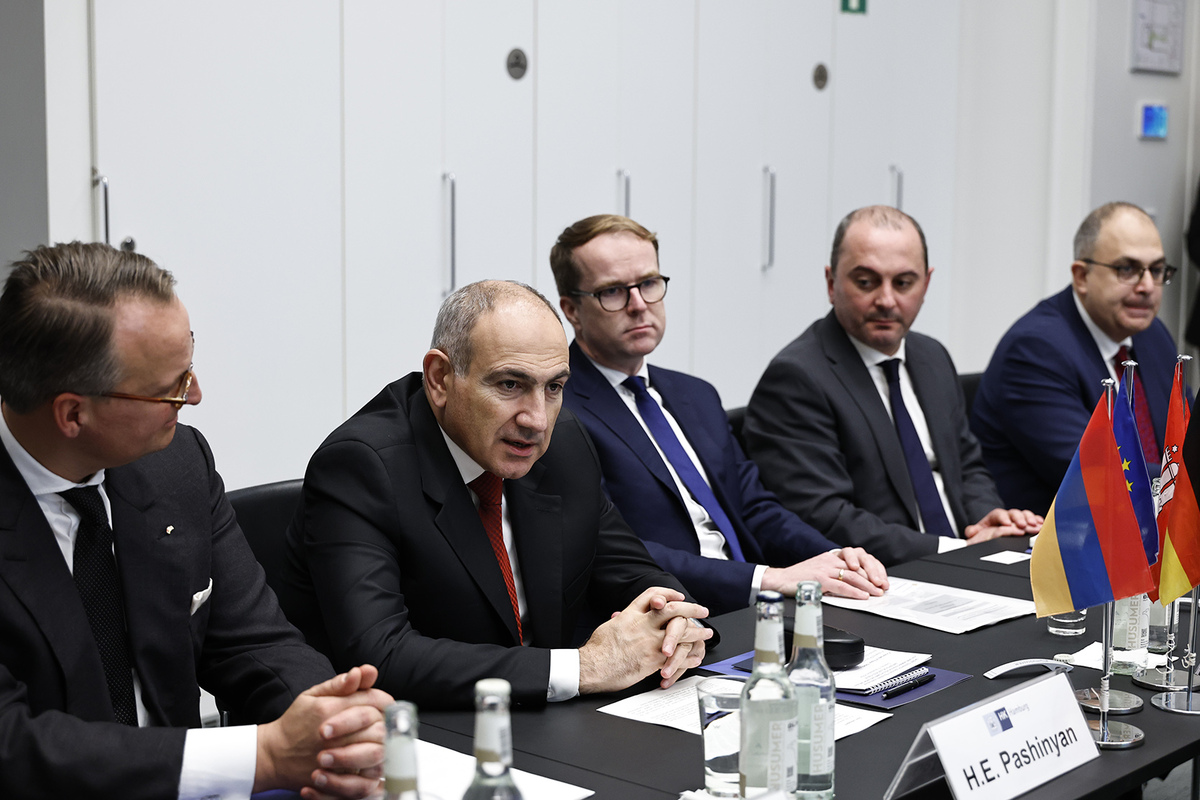
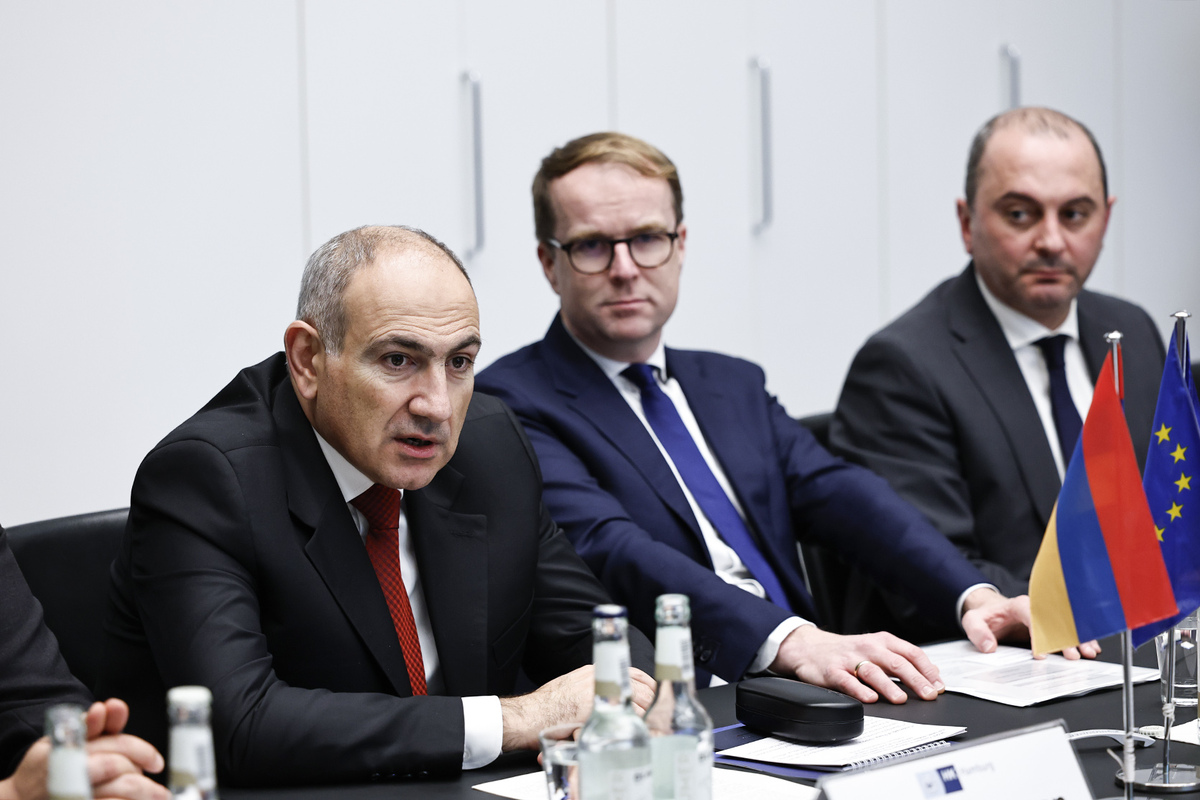
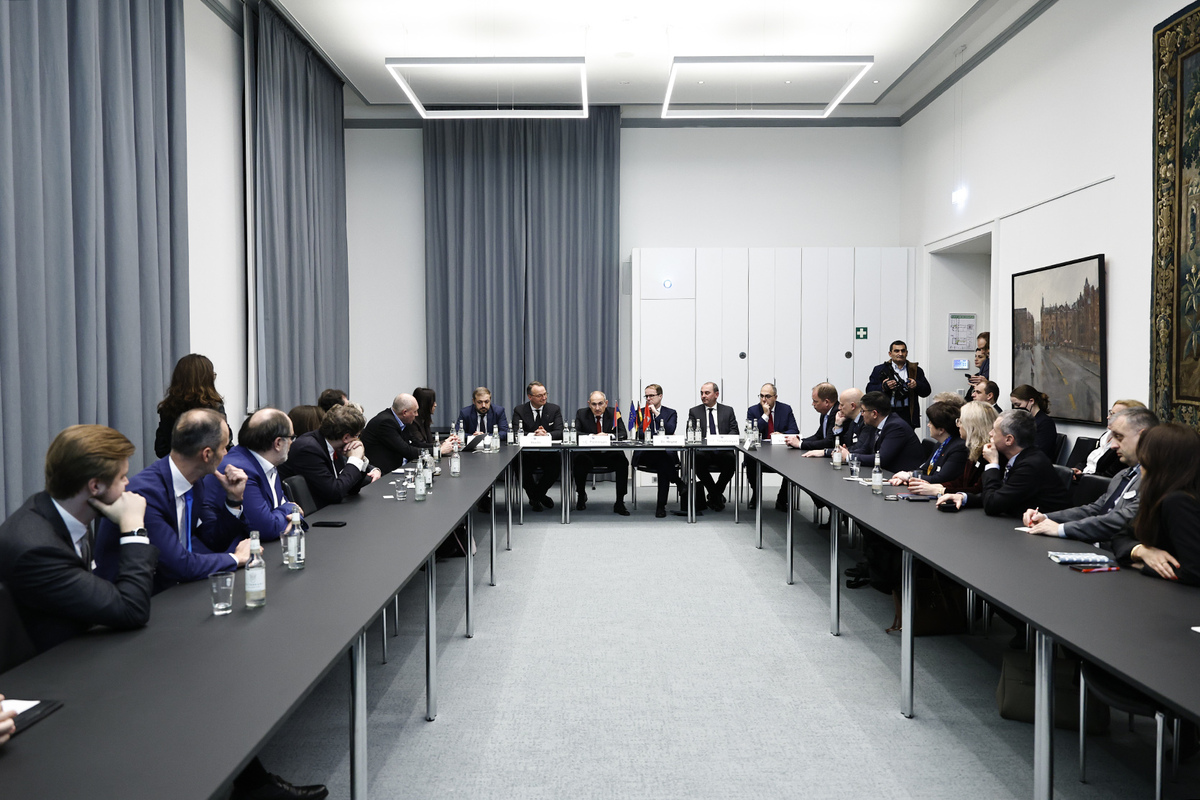
Prime Minister Nikol Pashinyan visited the Hamburg Chamber of Commerce, where he met with local businessmen.
Hamburg Chamber of Commerce CEO Malte Heyne noted that local businessmen are interested in learning about the opportunities available in various sectors of the economy in Armenia.
Prime Minister Pashinyan noted that the initialing of the peace agreement with Azerbaijan on August 8 in Washington opens up new opportunities for investment. The Prime Minister touched upon the possibilities of unblocking regional communication channels. At the same time, the Prime Minister added that the Government of Armenia is implementing consistent reforms to improve the business environment, develop various sectors of the economy, and attract investments.
During the meeting, the Prime Minister also answered various questions of interest to businessmen.
* * *
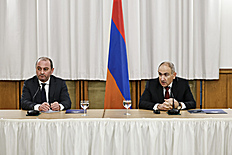
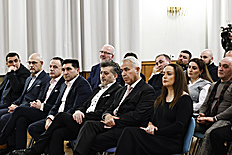
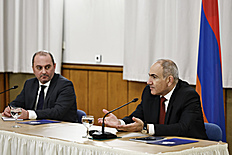
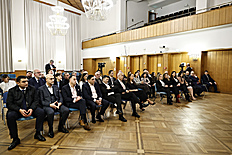
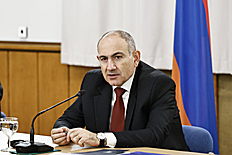
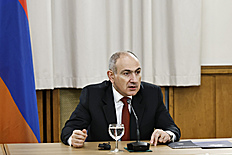
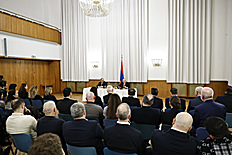
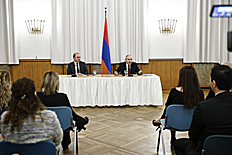
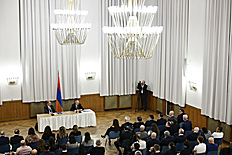
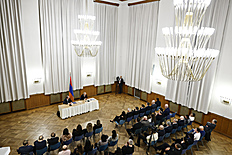
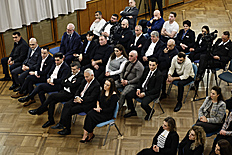
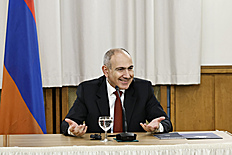
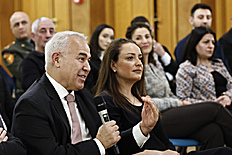
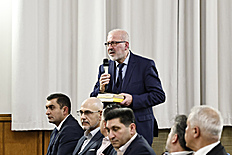
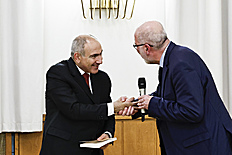
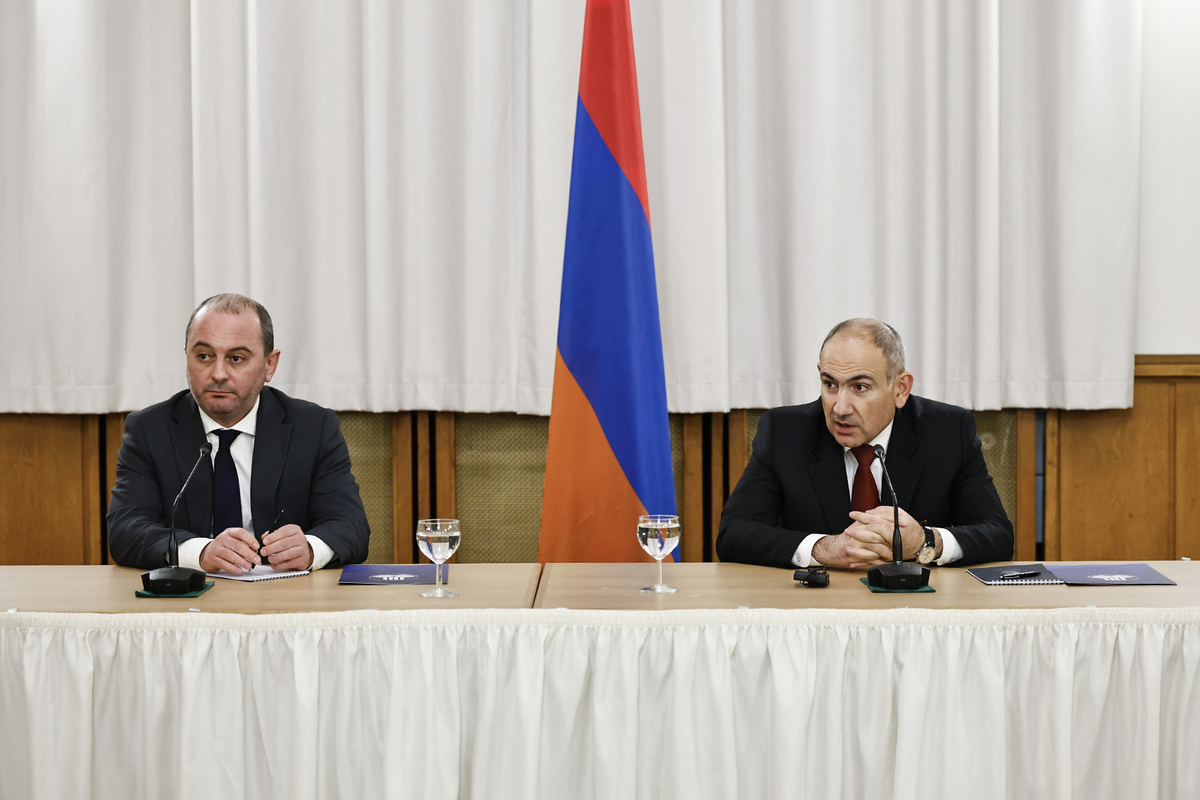
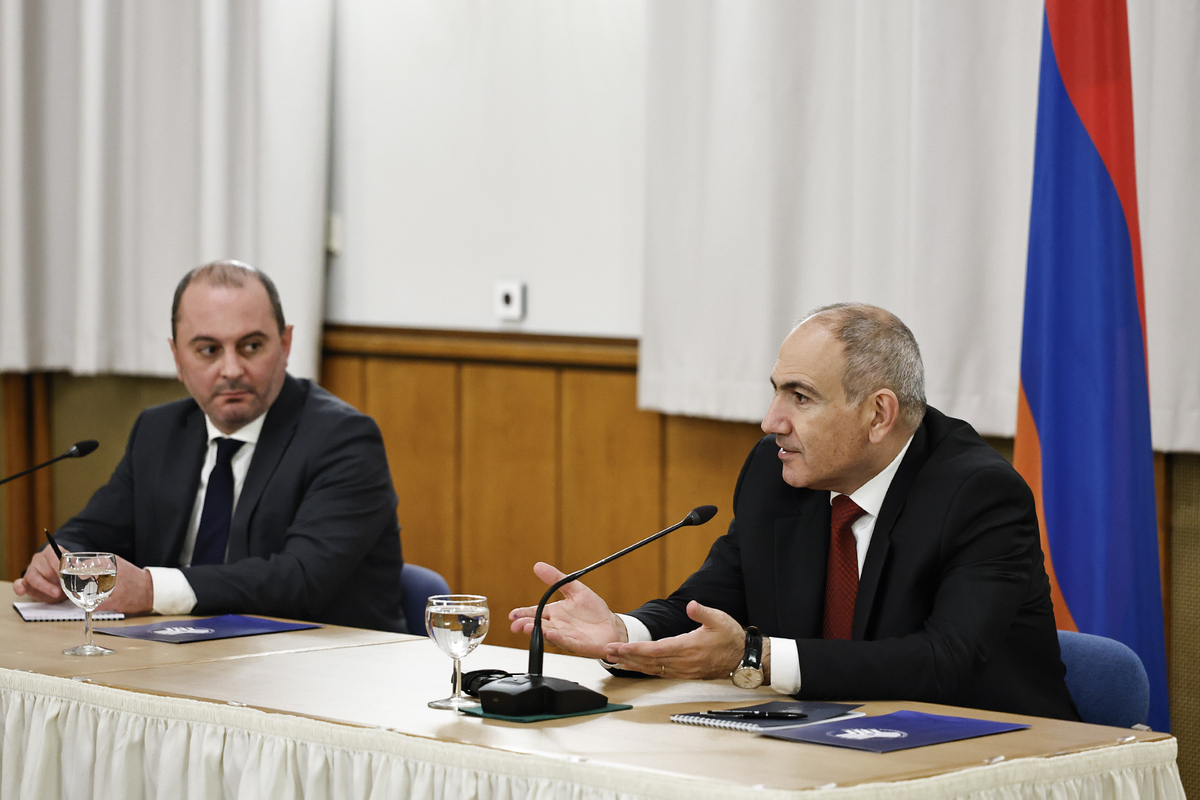
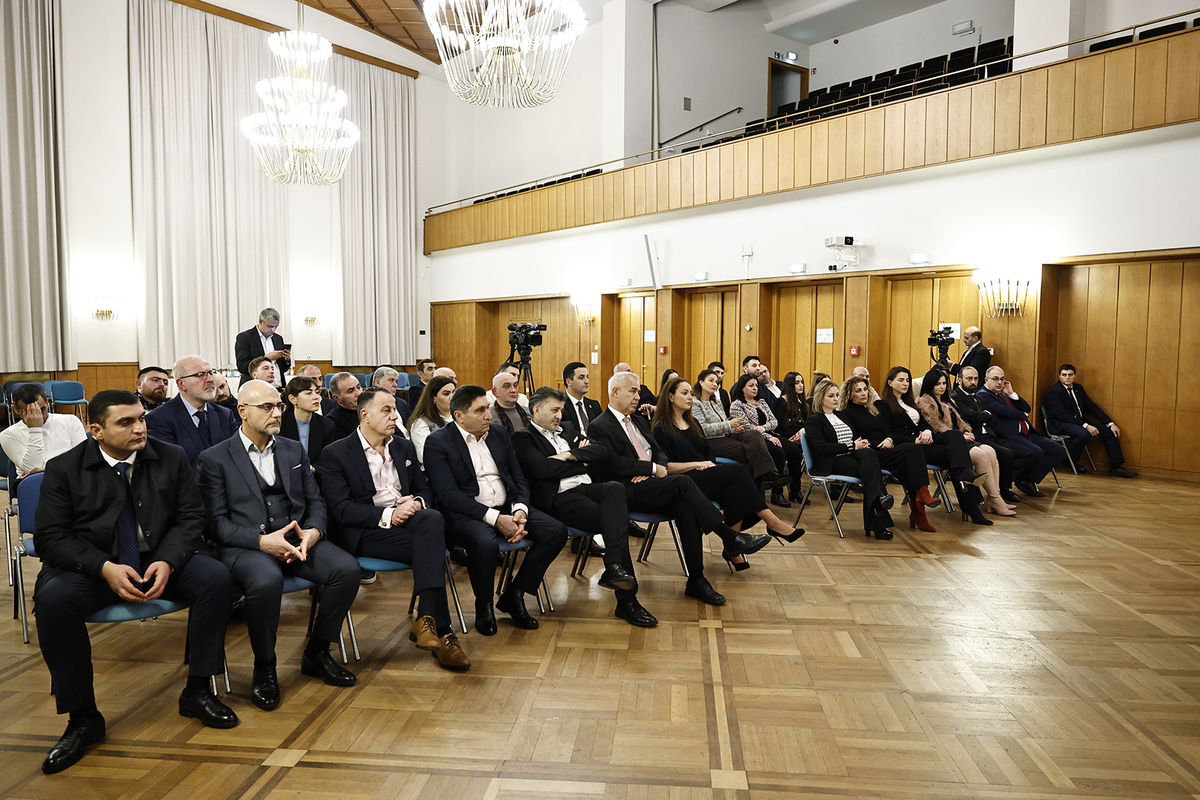
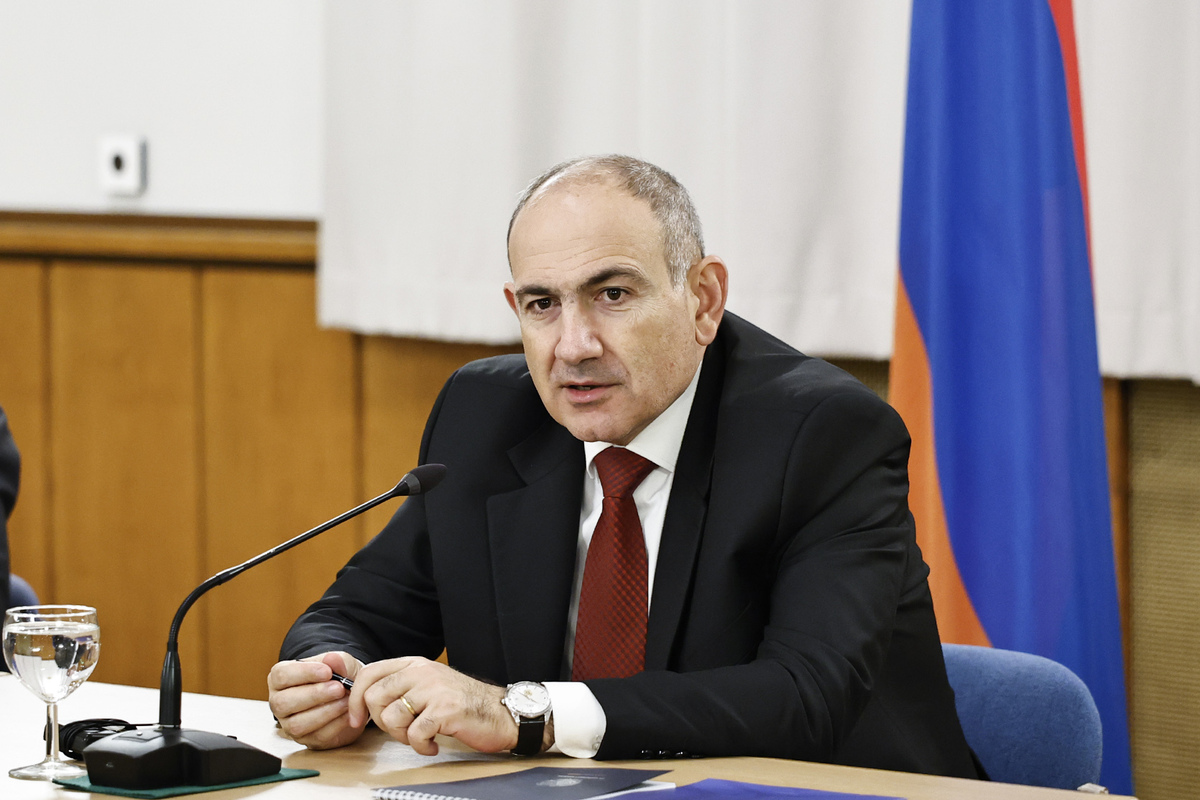
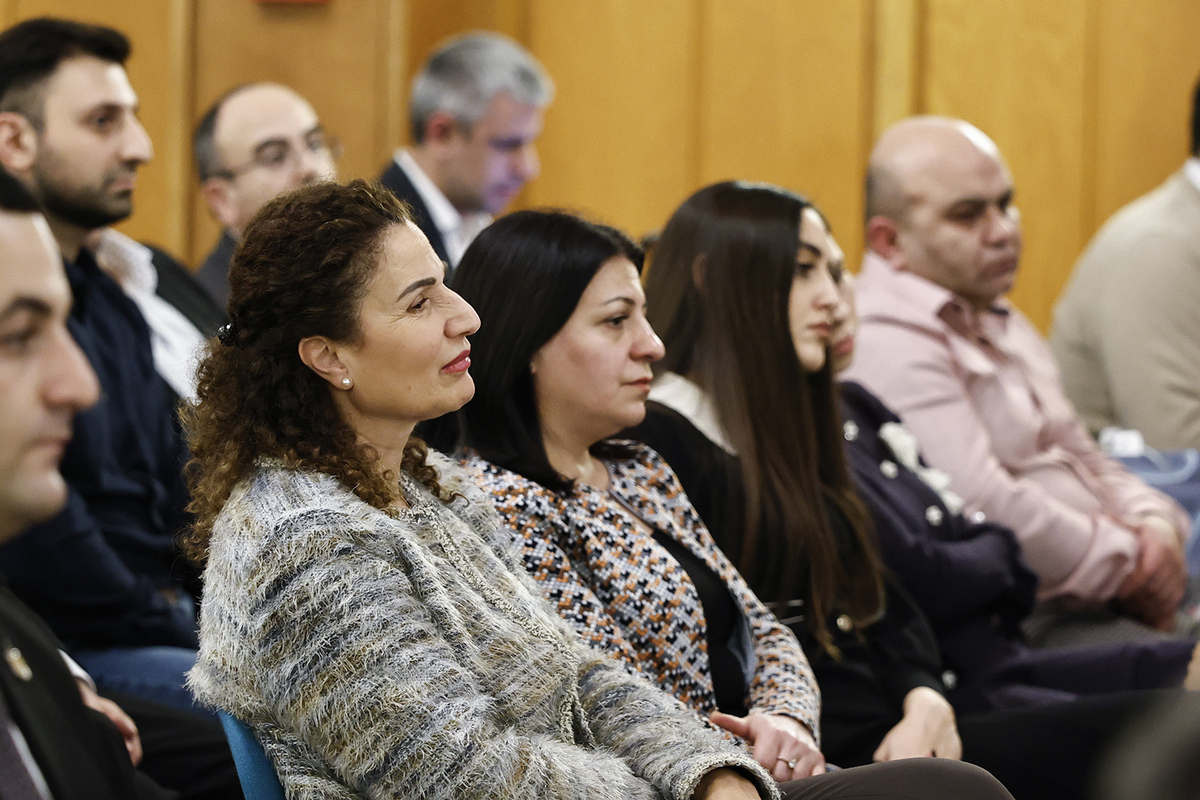
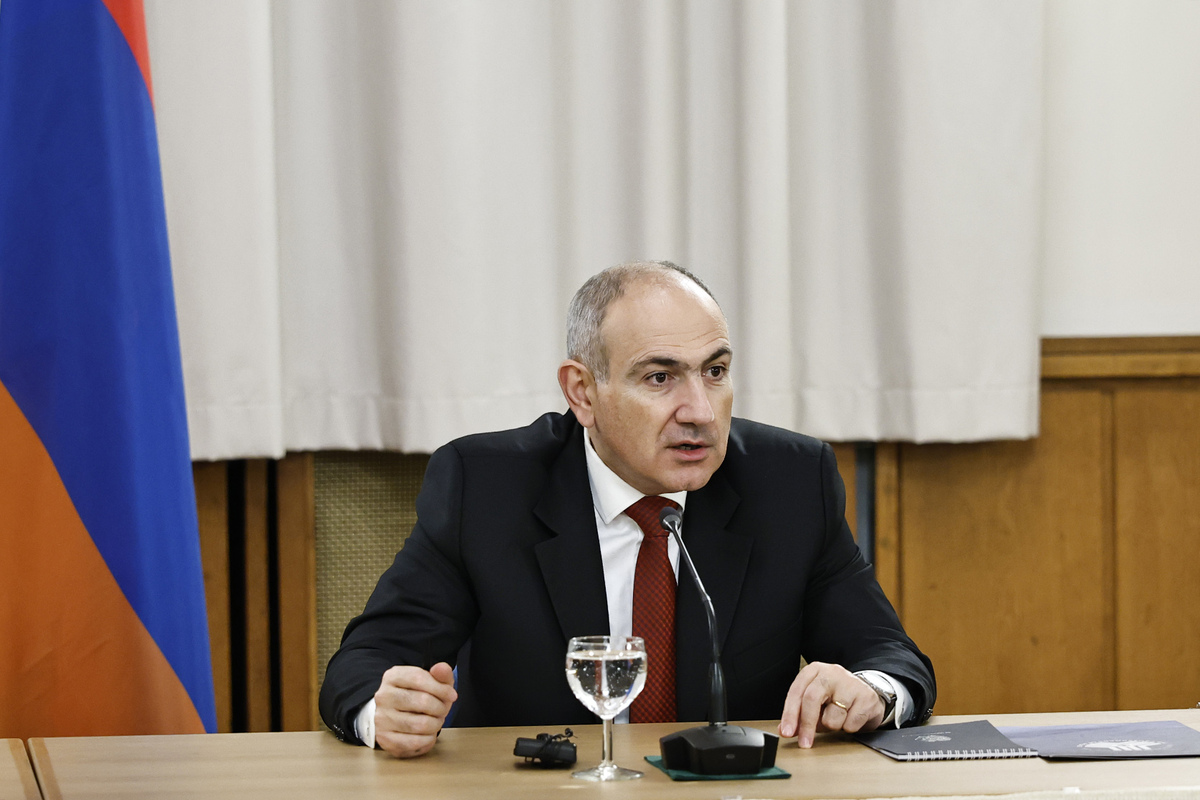
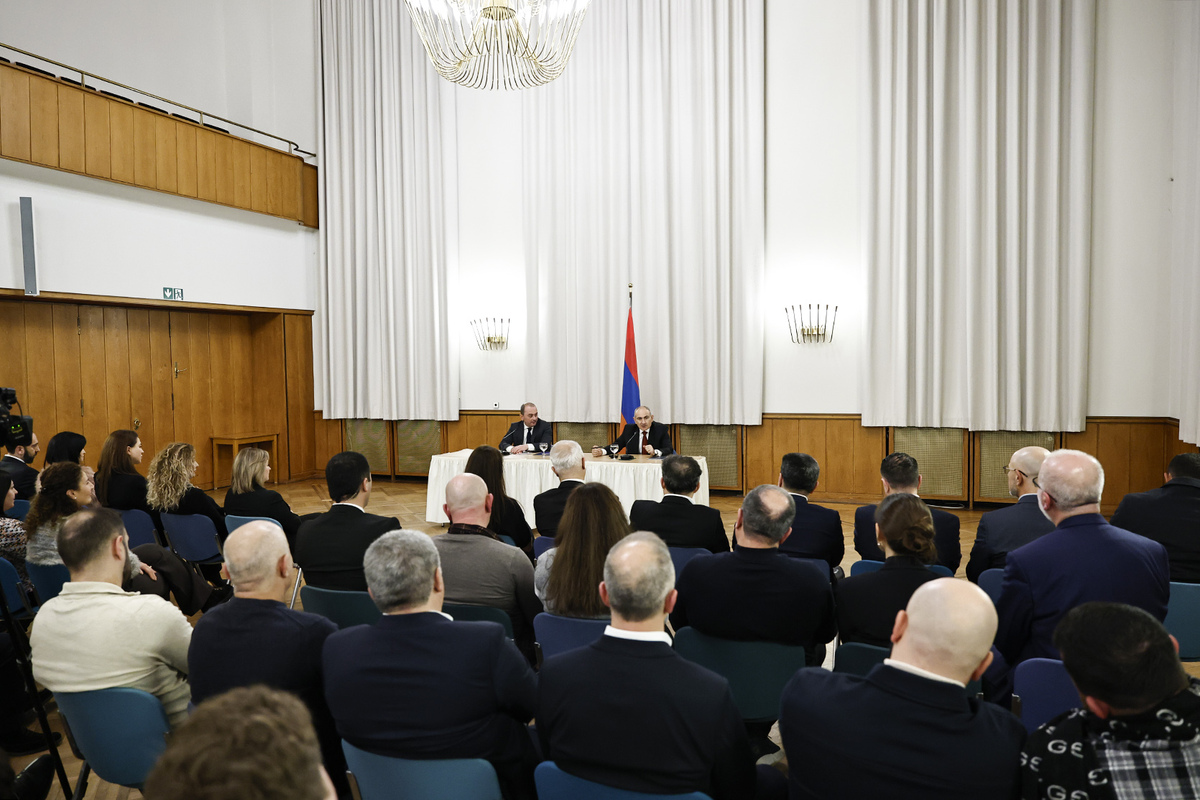
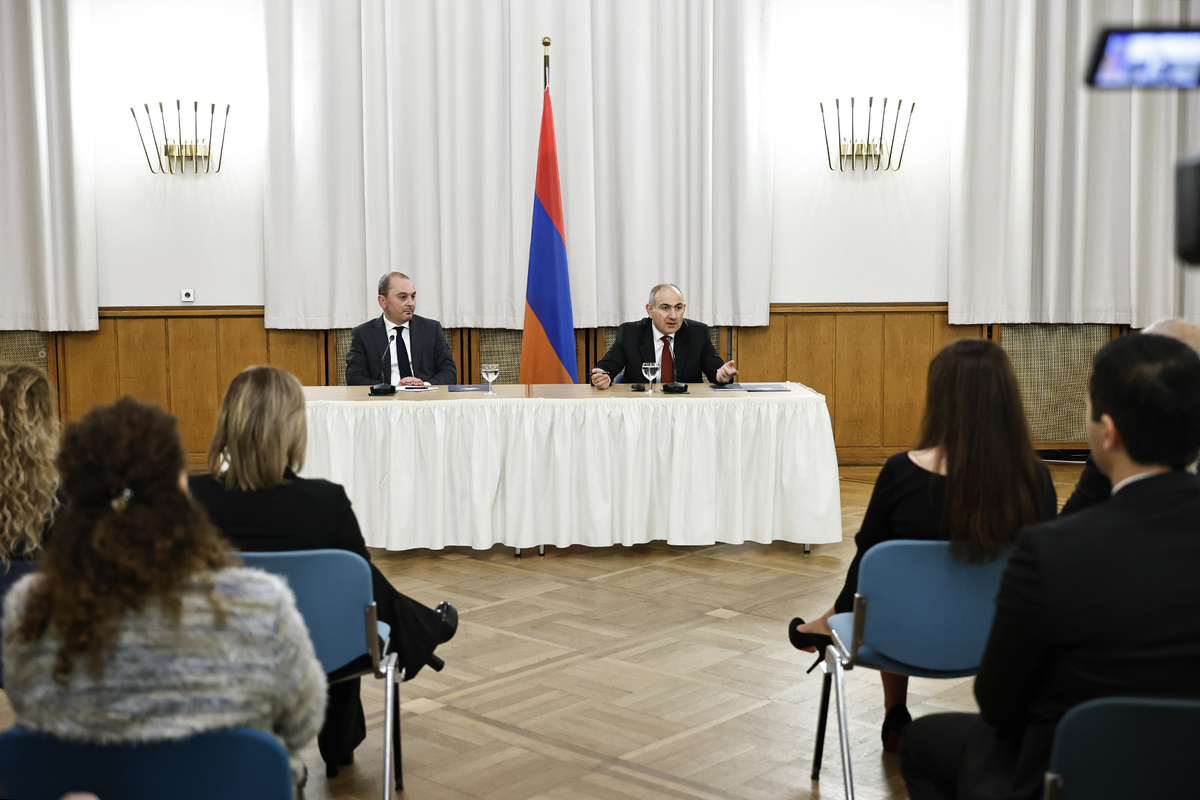
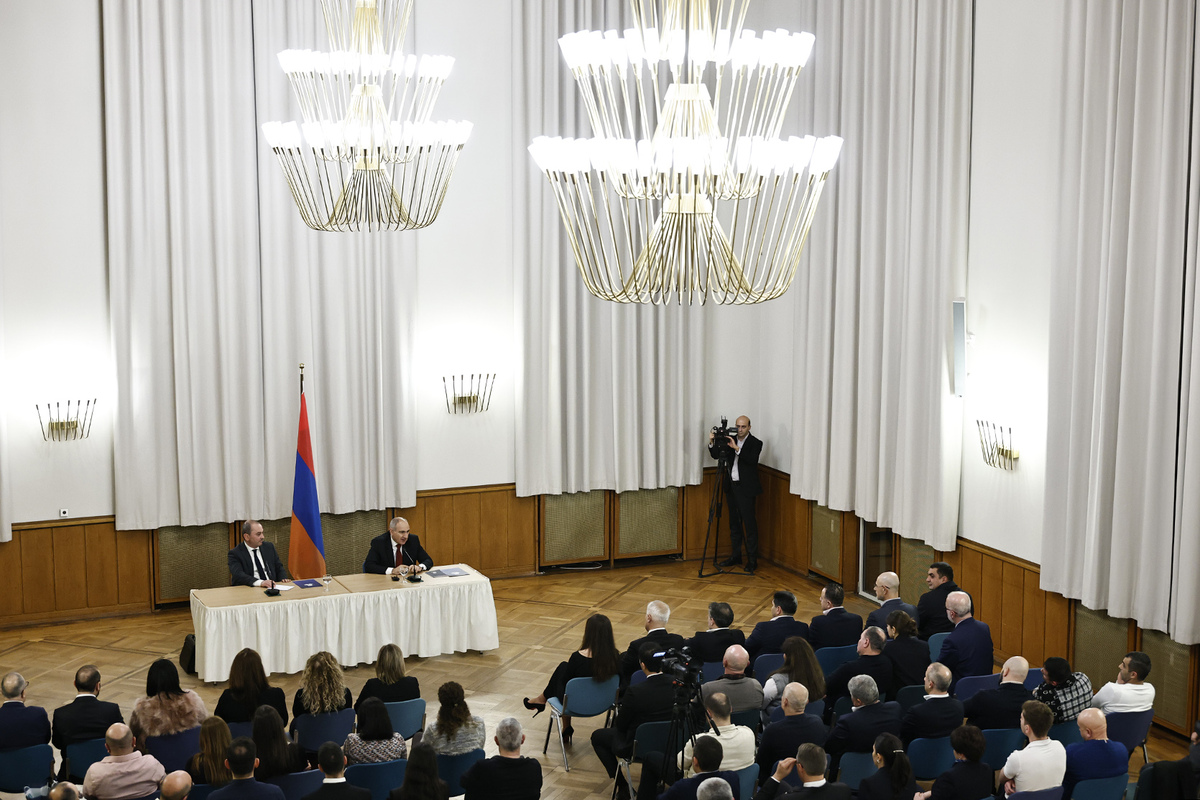
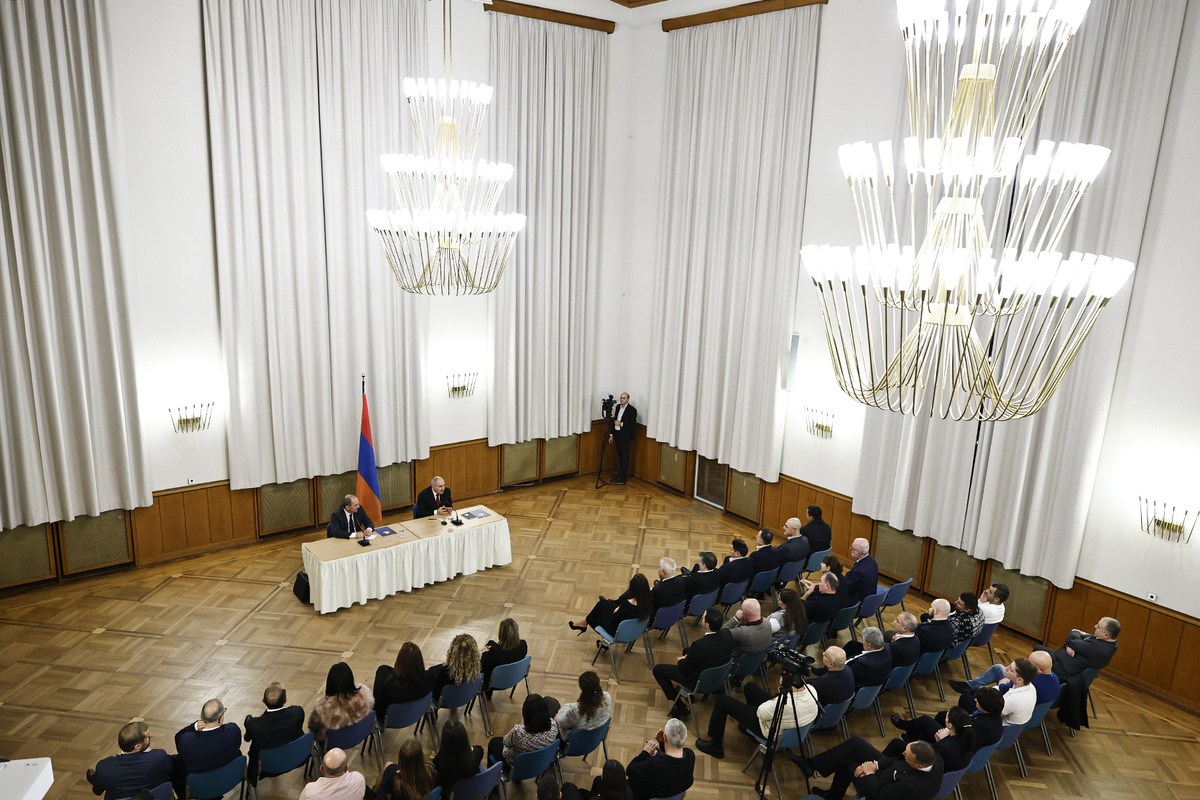
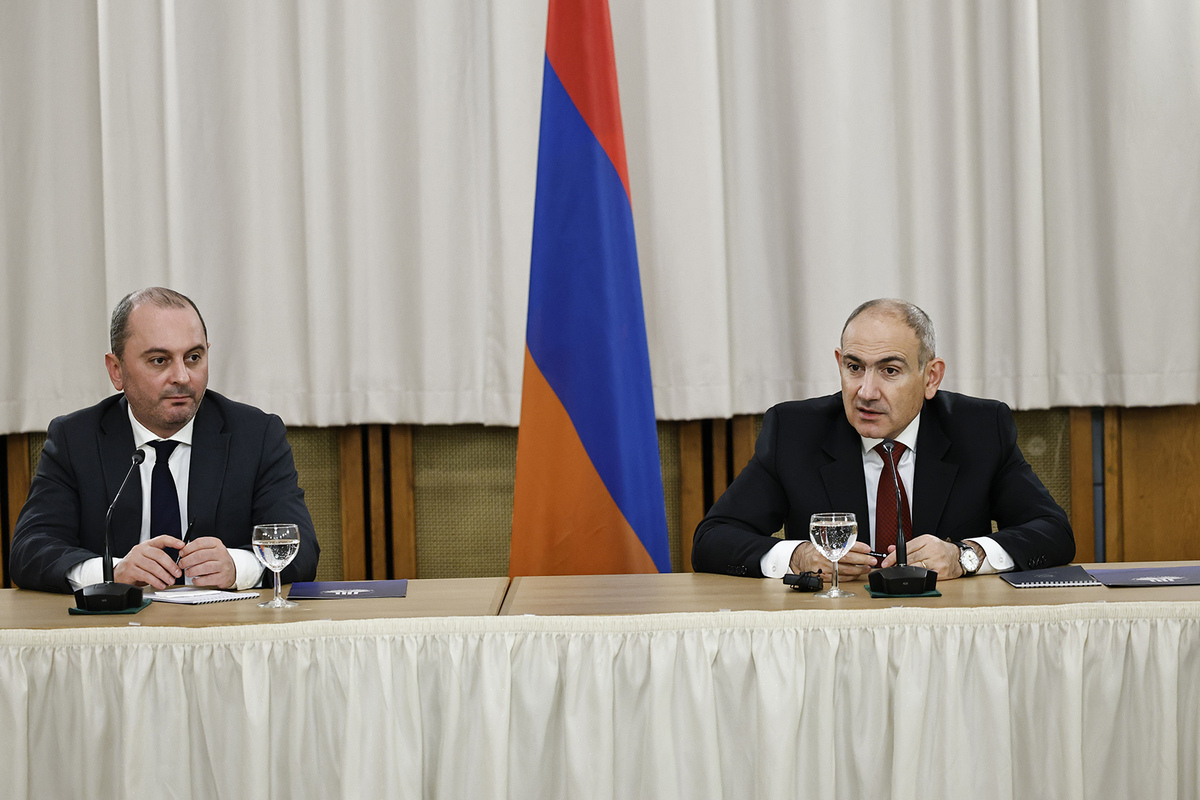
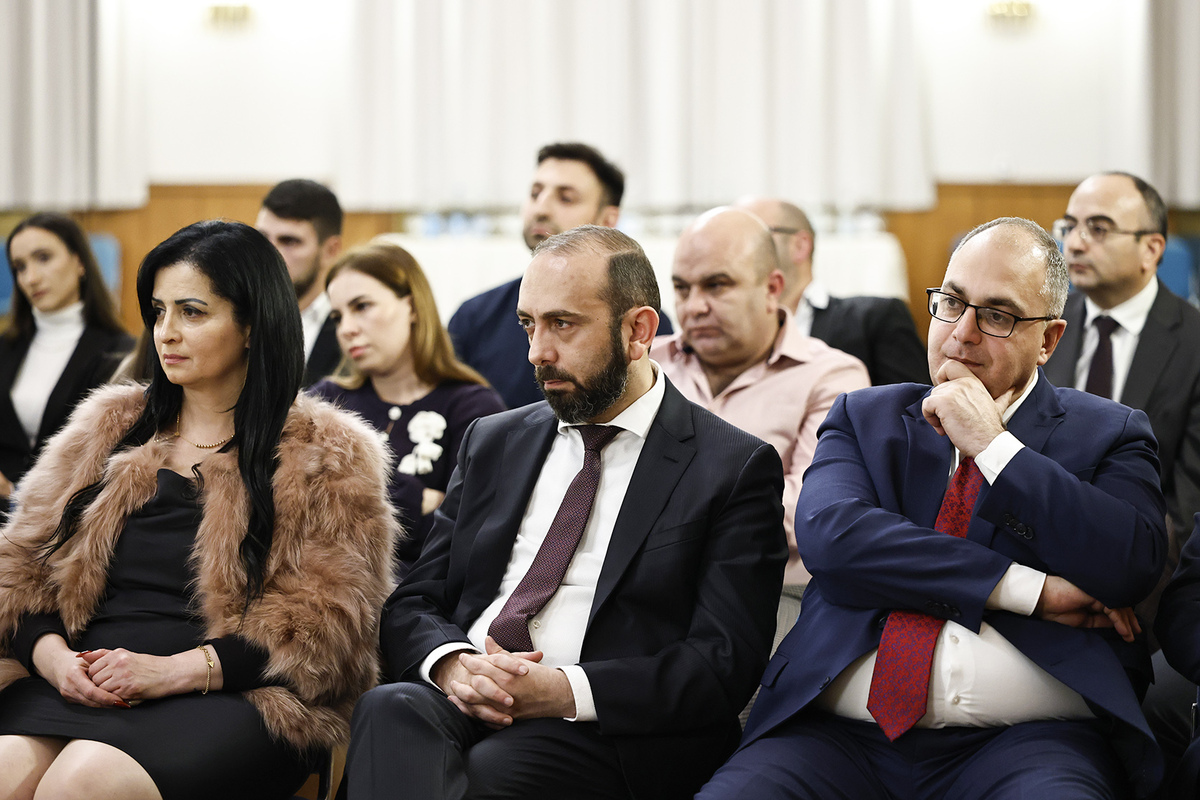
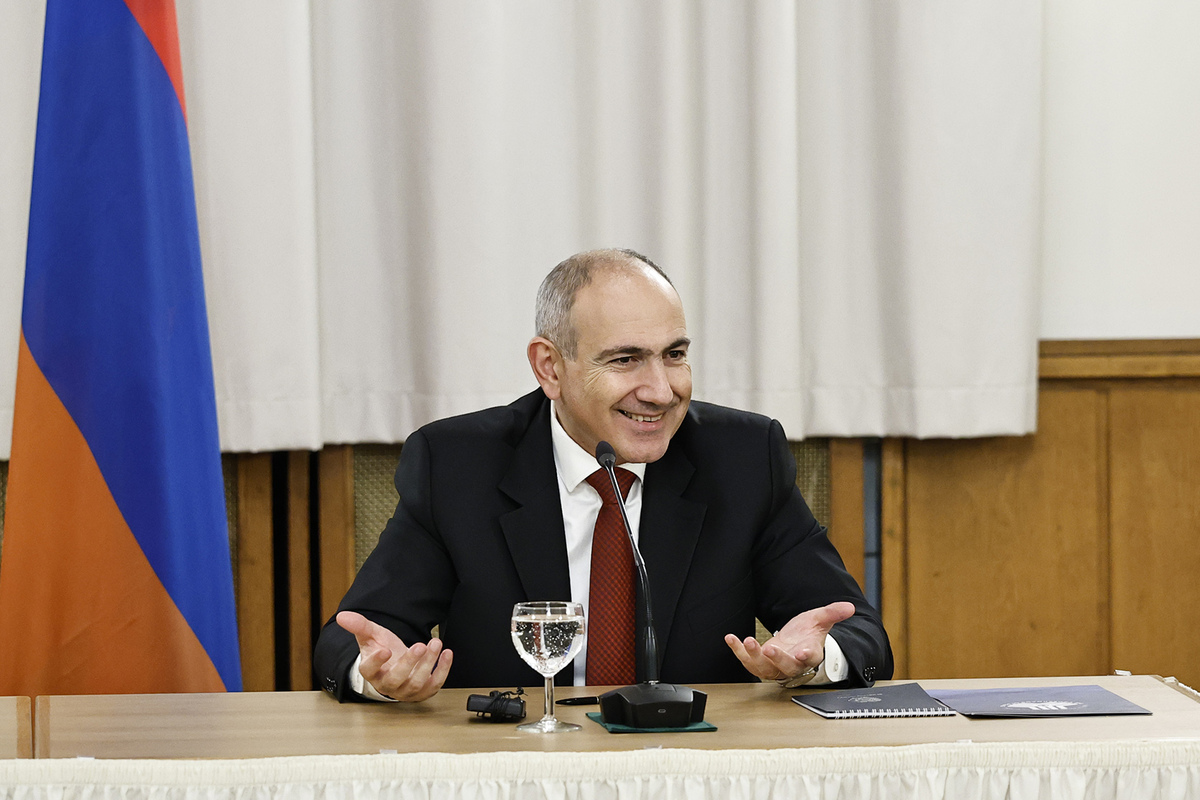
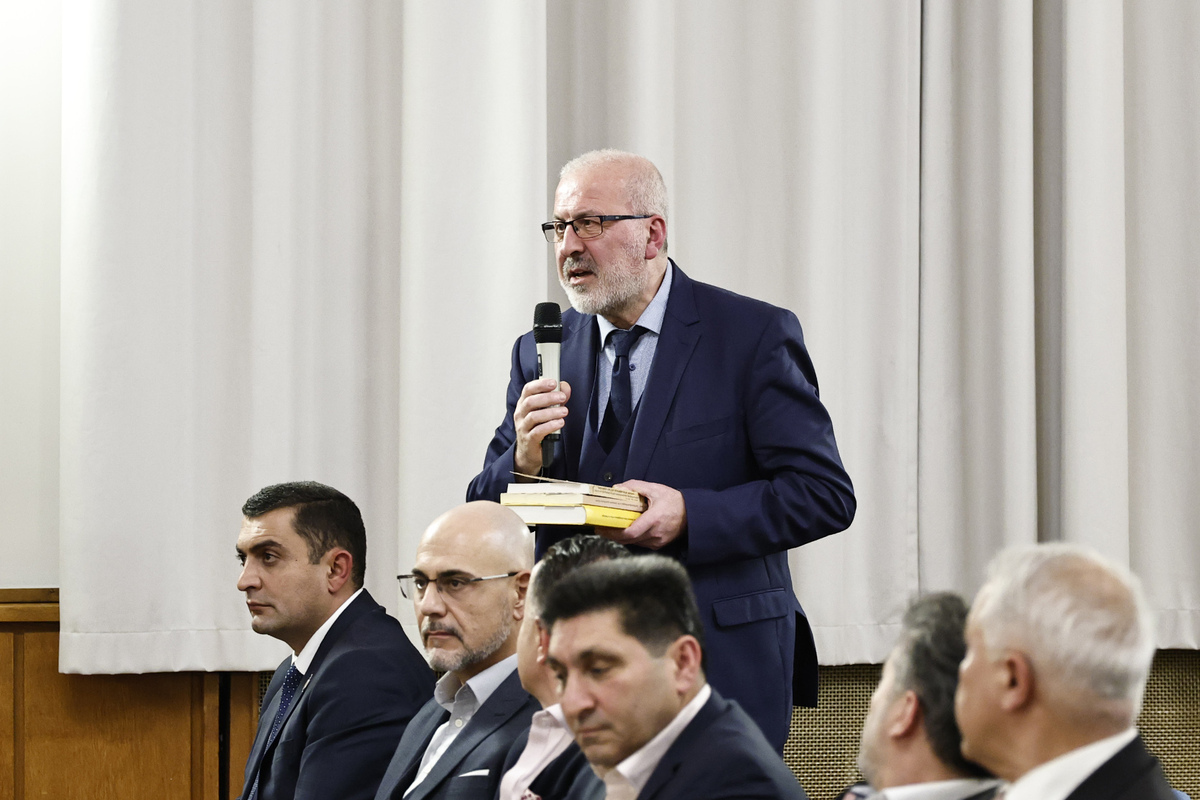
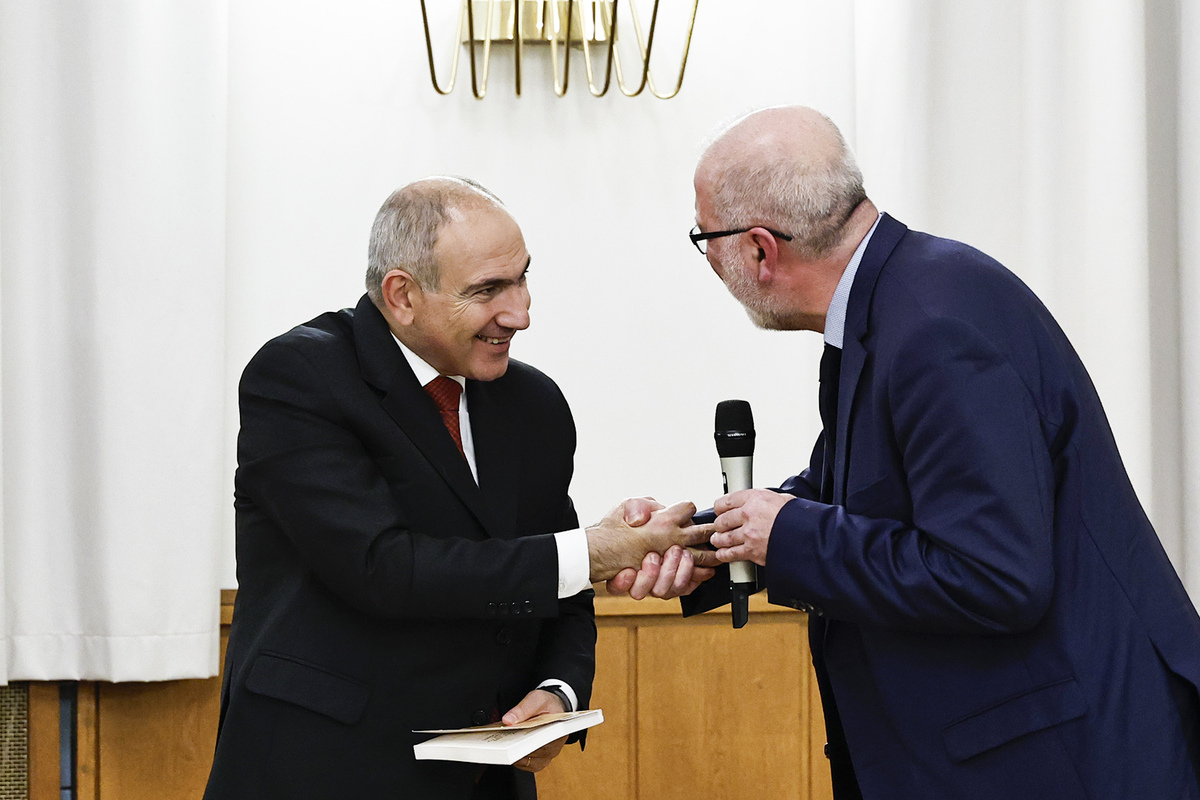
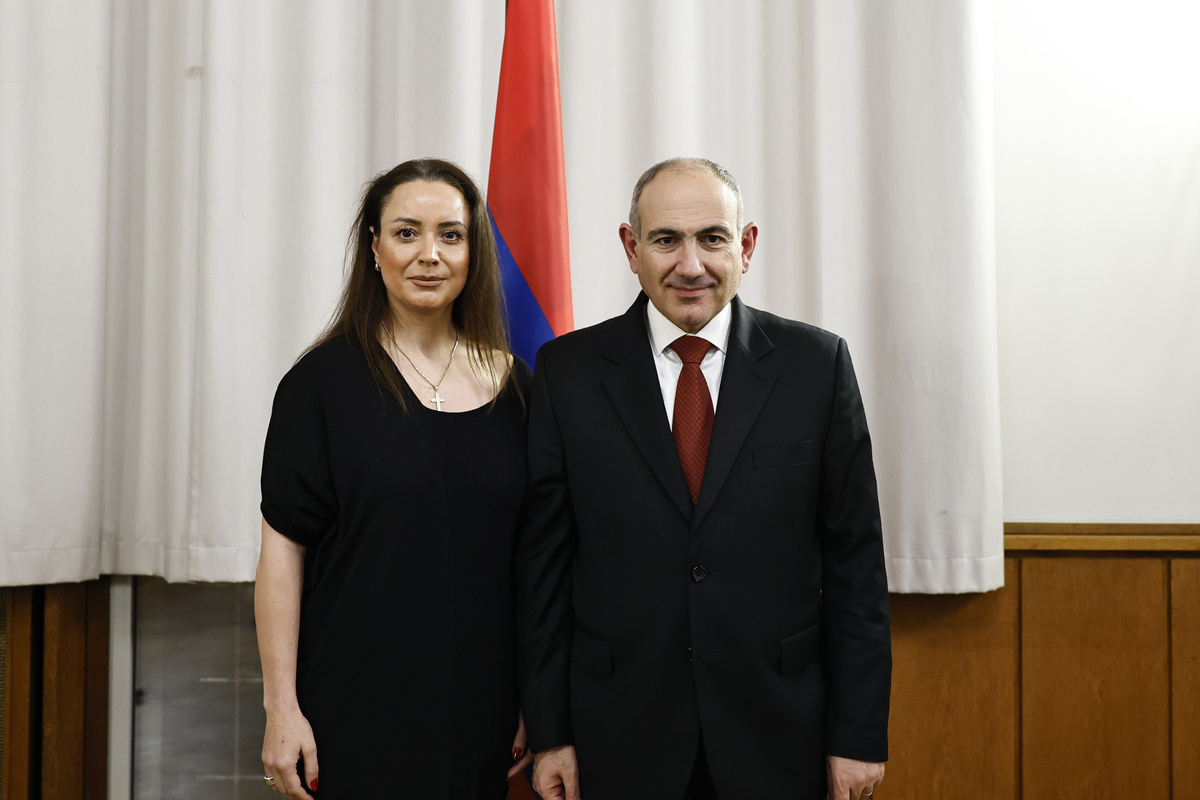
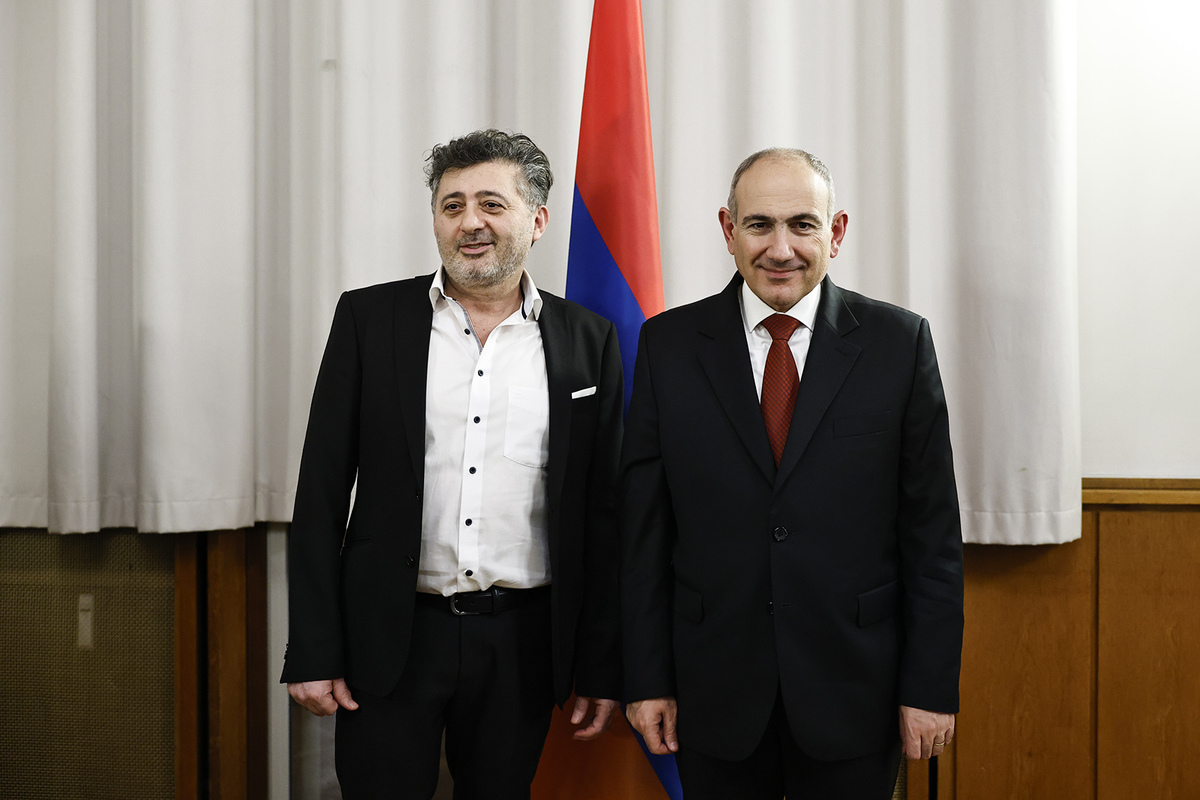
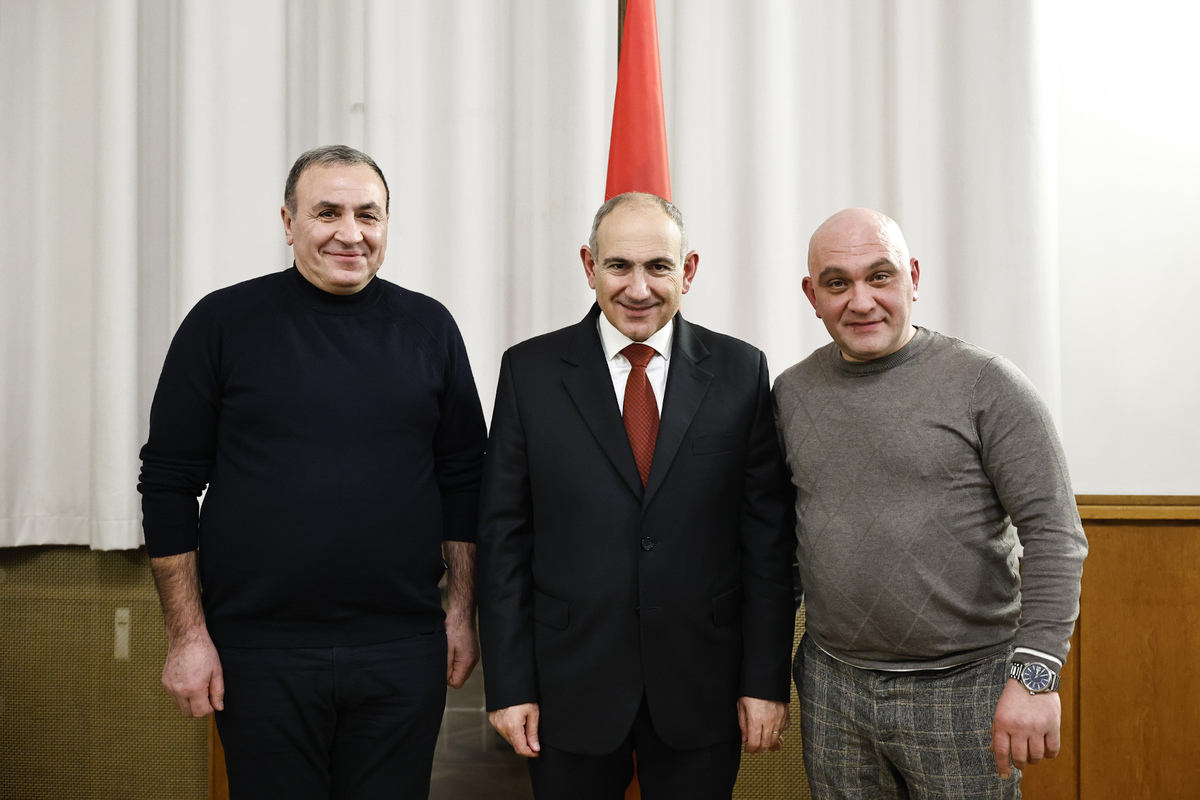
Prime Minister Nikol Pashinyan met with the representatives of the Armenian community in Hamburg.
During the meeting, the Prime Minister touched upon the priorities of the Armenian Government, the pace of economic development, the ideology of the Real Armenia, the process of church reform, the establishment of Armenia-Azerbaijan peace, processes taking place in the region, and other topics.
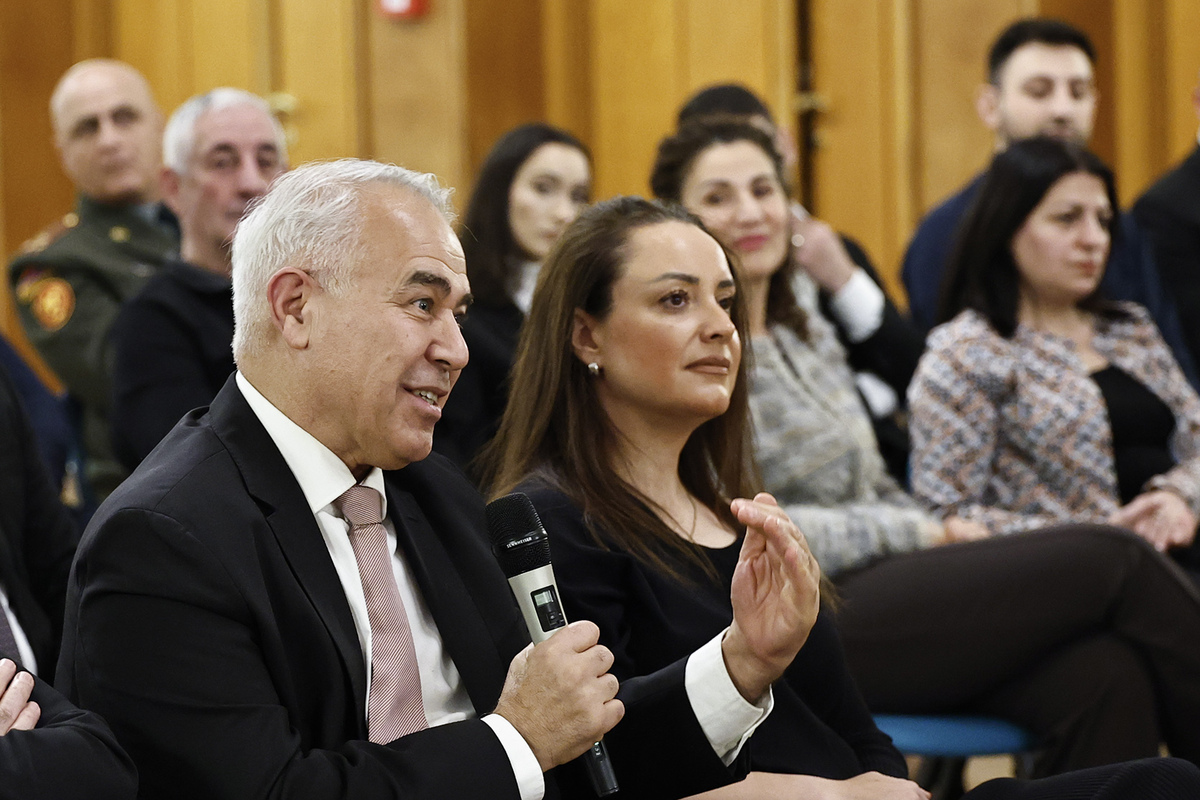
Prime Minister Pashinyan also answered the questions of the meeting participants.