Foreign visits
Prime Minister Nikol Pashinyan's working visit to the Kyrgyz Republic
 1670x1113px - 684 Kb
 1670x1113px - 543 Kb
 1670x1113px - 620 Kb
 1670x1113px - 549 Kb
 1670x1113px - 697 Kb
 1670x1113px - 683 Kb
 1670x1113px - 726 Kb
 1670x1113px - 536 Kb
 1670x1113px - 786 Kb
 1670x1113px - 818 Kb
 1670x1113px - 883 Kb
 1670x1113px - 1 Mb
 1670x1113px - 792 Kb
 1670x1113px - 1 Mb
 1670x1113px - 505 Kb
 1670x1113px - 805 Kb
 1670x1113px - 710 Kb
 1670x1113px - 658 Kb
 1670x1113px - 505 Kb
 1670x1113px - 541 Kb
 1670x1113px - 517 Kb
 1670x1113px - 601 Kb
 1670x1113px - 644 Kb
 1670x1113px - 699 Kb
 1670x1113px - 557 Kb
 1670x1113px - 553 Kb
 1670x1113px - 659 Kb
 1670x1113px - 482 Kb
 1670x1113px - 1 Mb
 1670x1113px - 1 Mb
 1670x1113px - 1 Mb
 1670x1113px - 973 Kb
 1670x1113px - 694 Kb
 1670x1113px - 1016 Kb
 1670x1113px - 670 Kb
 1670x1113px - 713 Kb
 1670x1113px - 1 Mb
 1670x1113px - 1 Mb
 1670x1113px - 643 Kb
 1670x1113px - 597 Kb
 1670x1113px - 761 Kb
 1670x1113px - 739 Kb
 1670x1113px - 705 Kb
 900x1600px - 254 Kb
 1670x1113px - 420 Kb
 1670x1113px - 504 Kb
 1670x1113px - 418 Kb
 1670x1113px - 727 Kb
 1670x1113px - 499 Kb
 1670x1113px - 463 Kb
 1670x1113px - 481 Kb
 1670x1113px - 489 Kb
 1670x1113px - 496 Kb
 1670x1113px - 517 Kb
 1670x1113px - 1 Mb
 1670x1113px - 601 Kb
 1670x1113px - 751 Kb
 1670x1113px - 1 Mb
 1670x1113px - 774 Kb
 1670x1113px - 820 Kb
 1670x1113px - 911 Kb
 1670x1113px - 580 Kb
 1670x1113px - 556 Kb
 4284x5712px - 3 Mb
 1670x1113px - 566 Kb
 1670x1113px - 568 Kb
 1670x1113px - 1009 Kb
 1113x1670px - 756 Kb
 1670x1113px - 896 Kb
 1670x1113px - 912 Kb
 1670x1113px - 953 Kb


more 68 photos
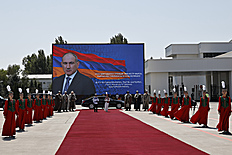
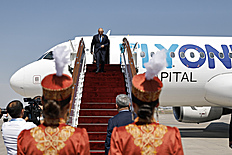
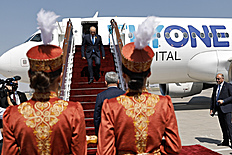
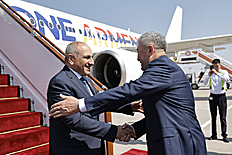
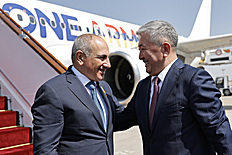
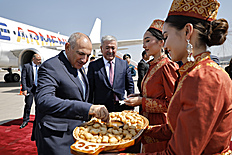
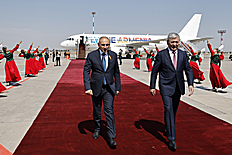
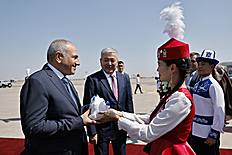
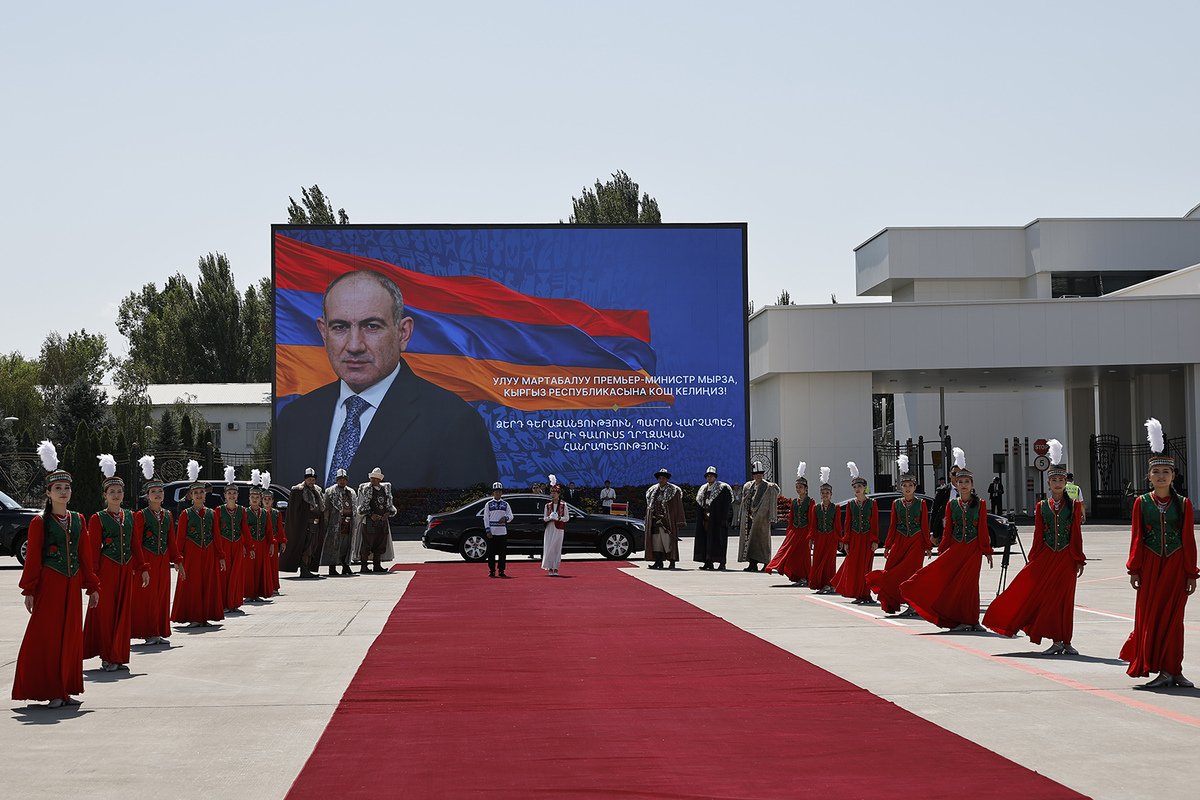
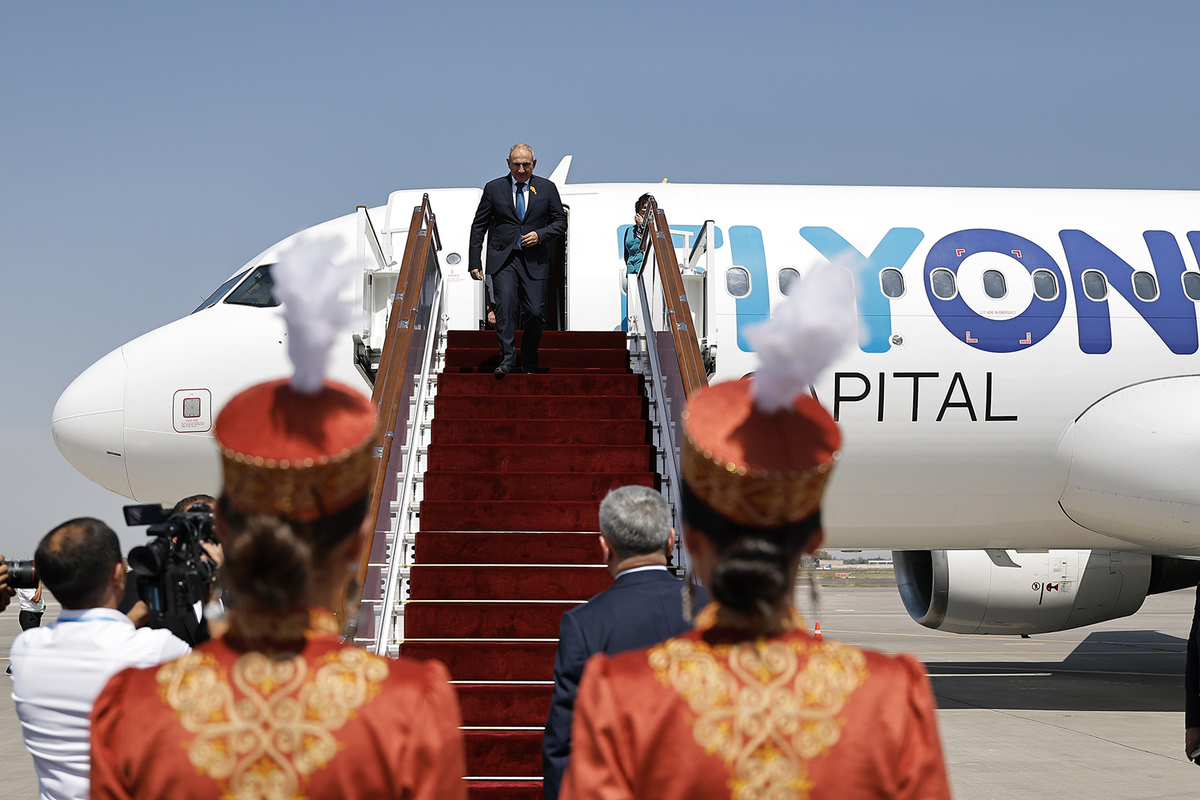
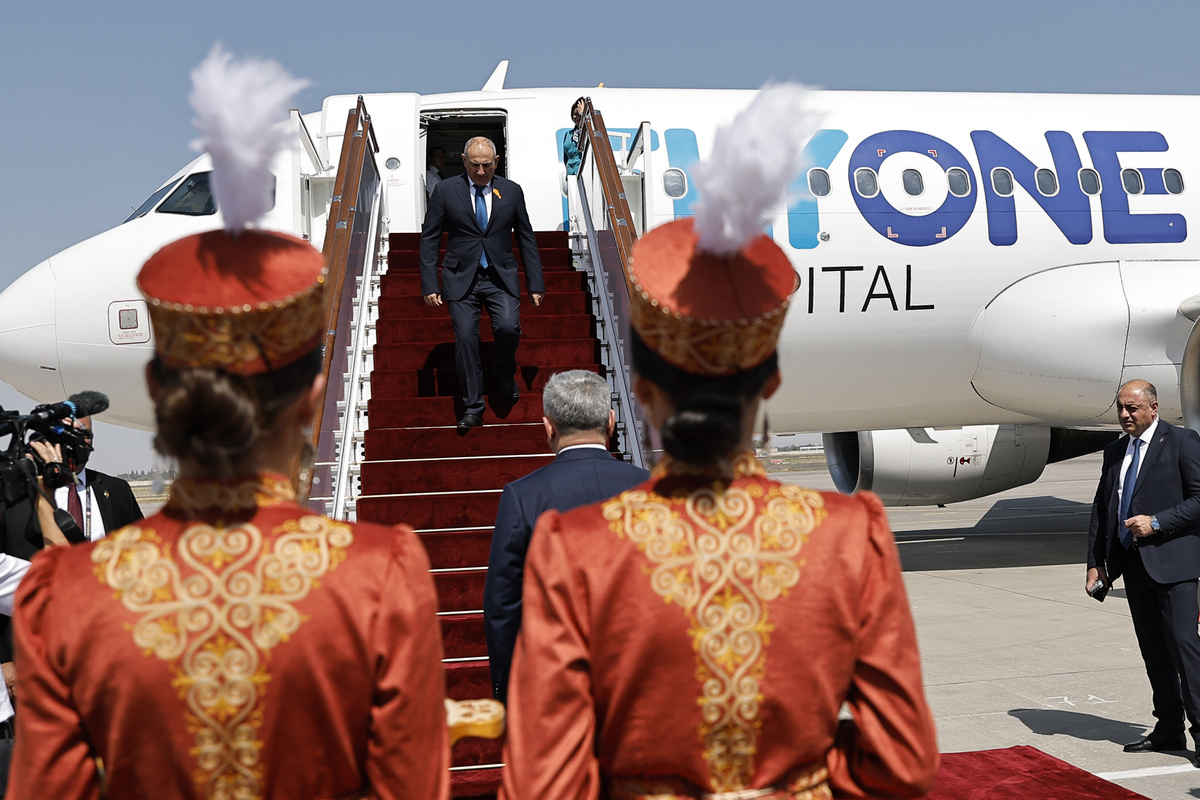
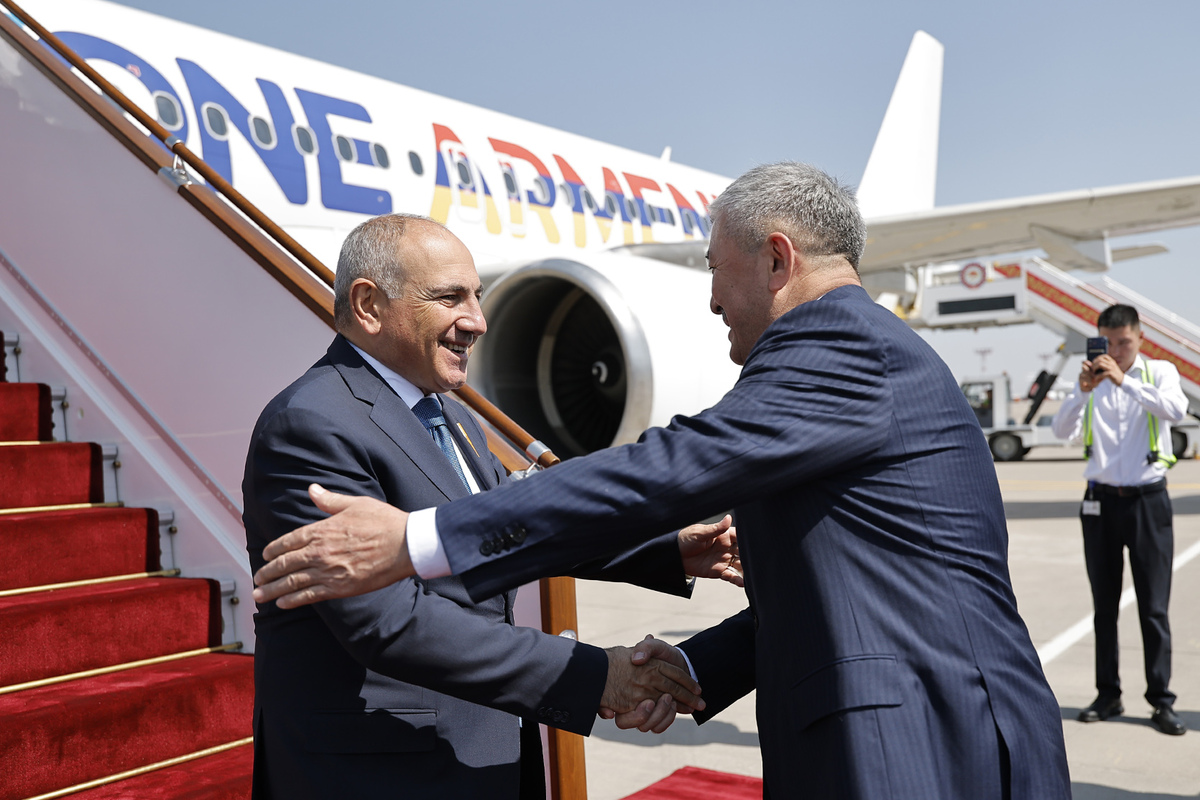
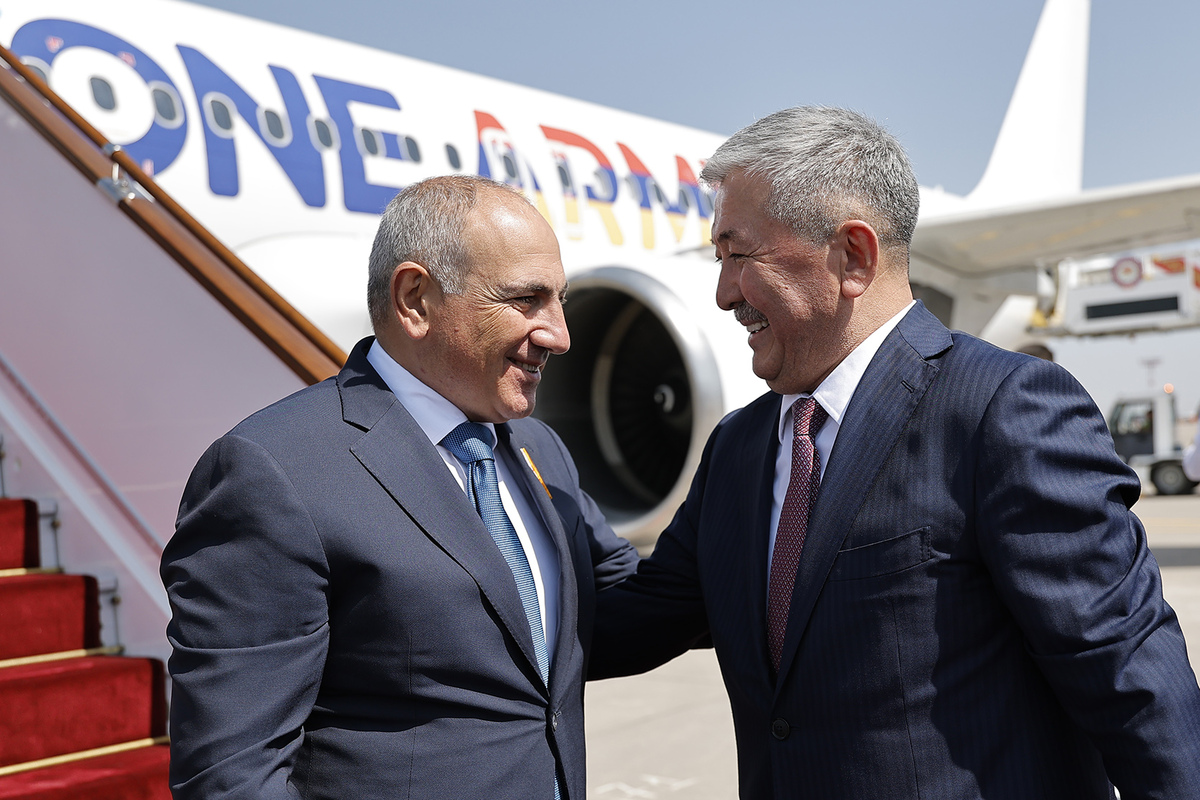
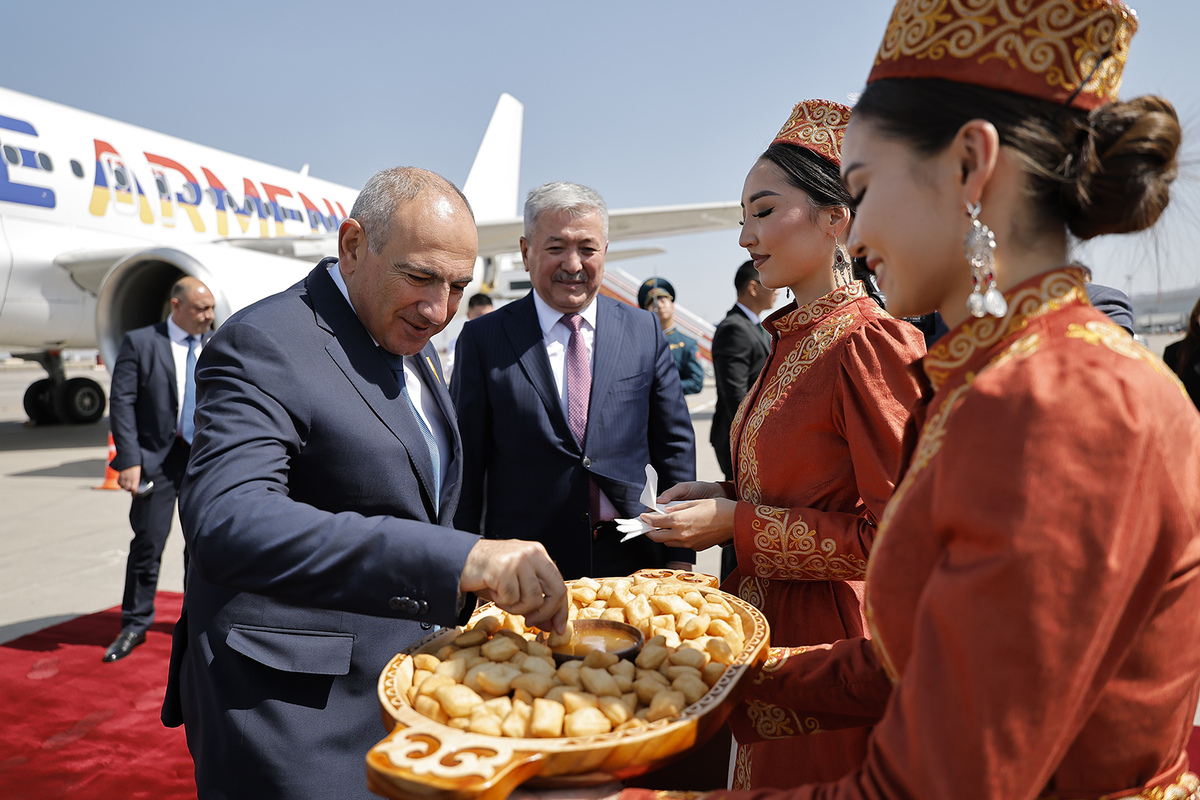
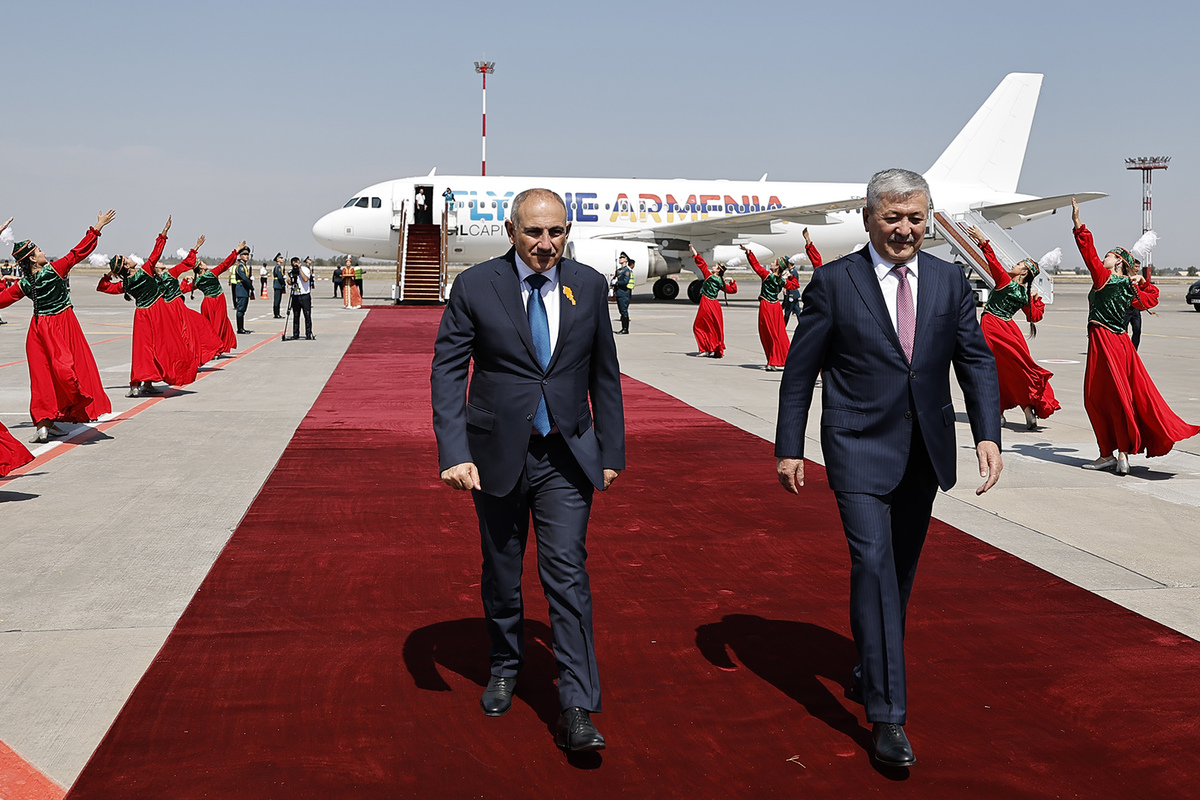
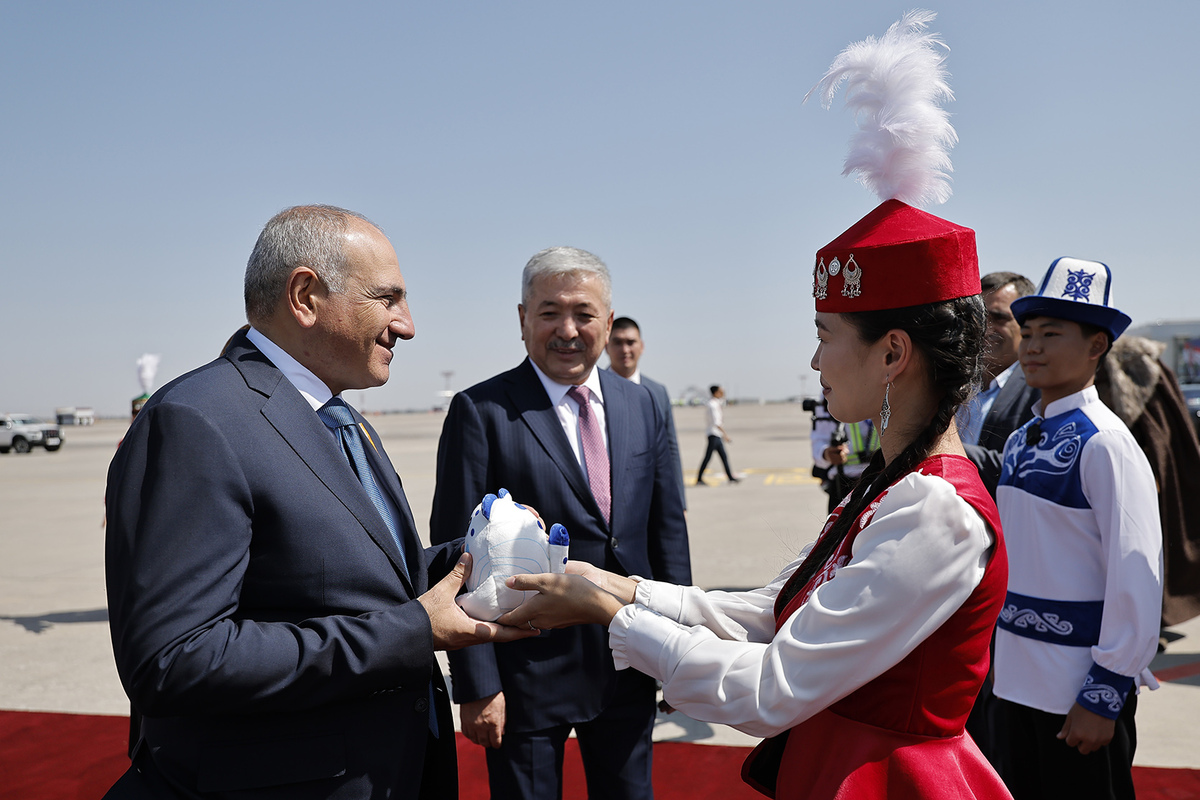
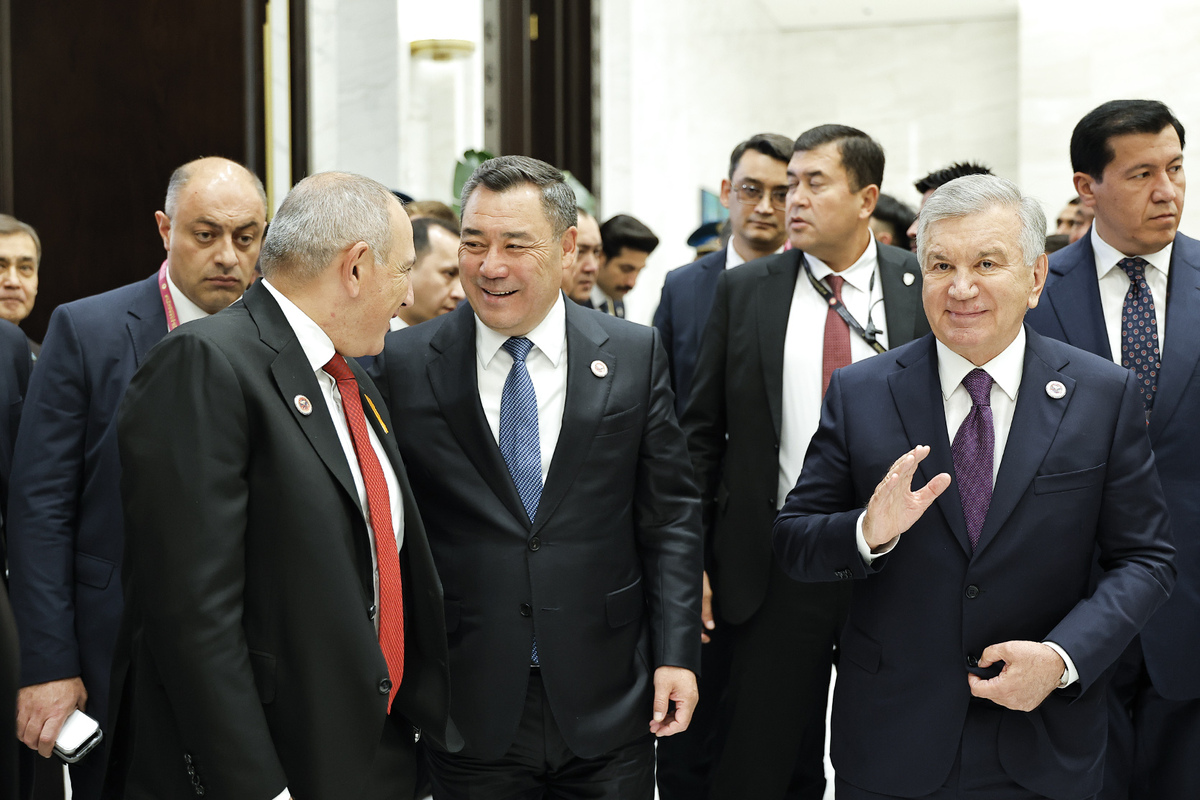
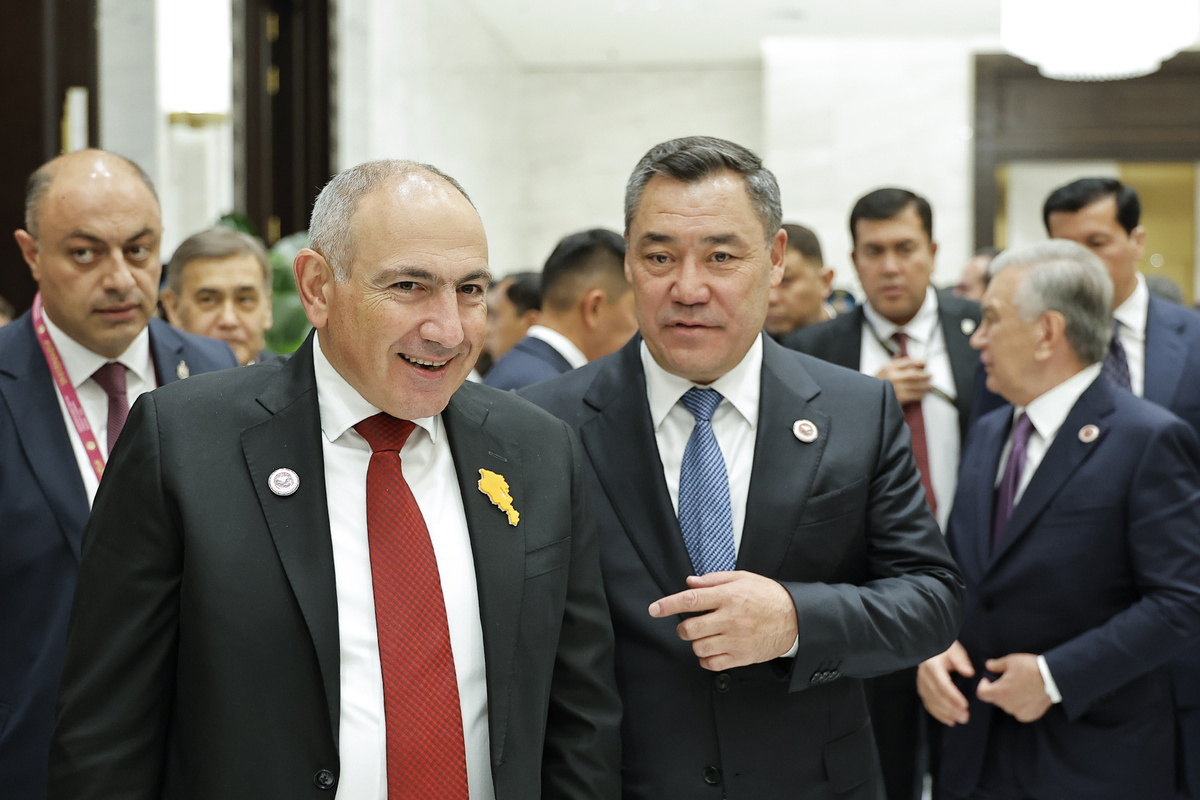
Prime Minister Nikol Pashinyan has arrived in the Kyrgyz Republic on a two-day working visit.
The Armenian Prime Minister was welcomed at the Bishkek International Airport by First Deputy Chairman of the Cabinet of Ministers of Kyrgyzstan Daniyar Amangeldiev.
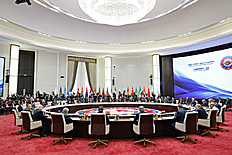
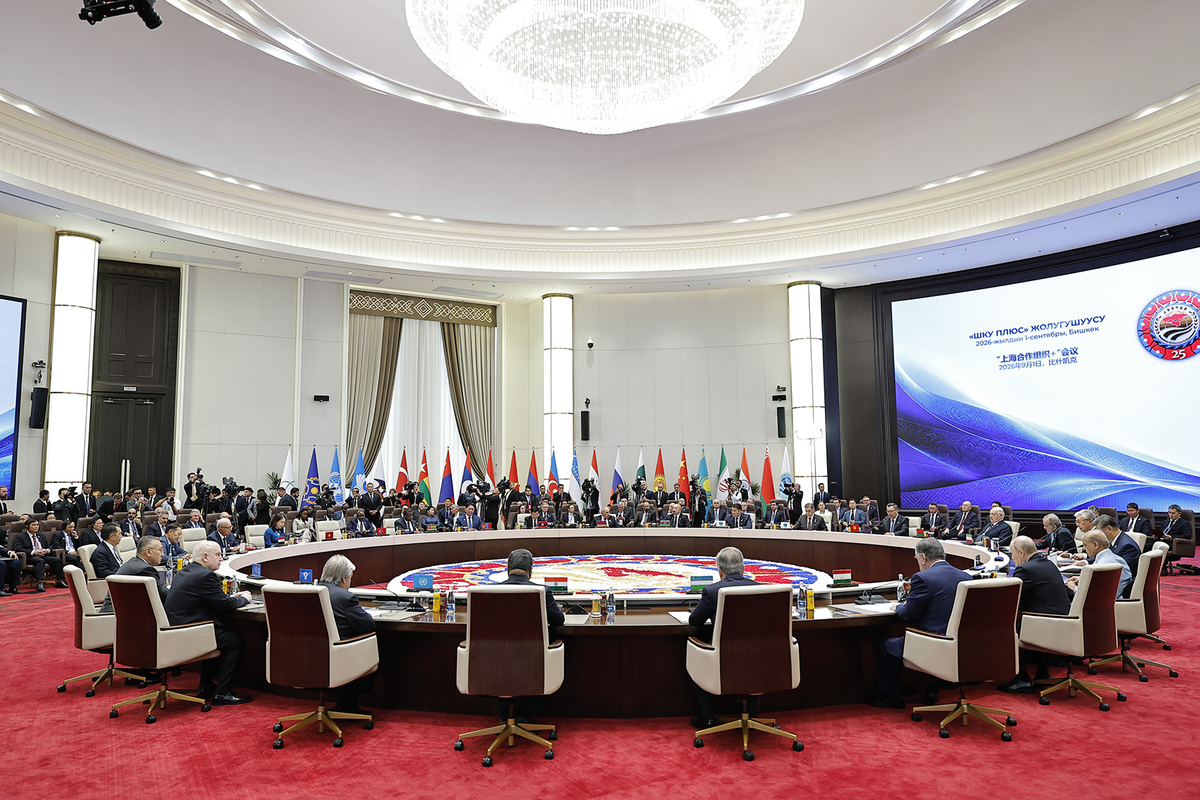
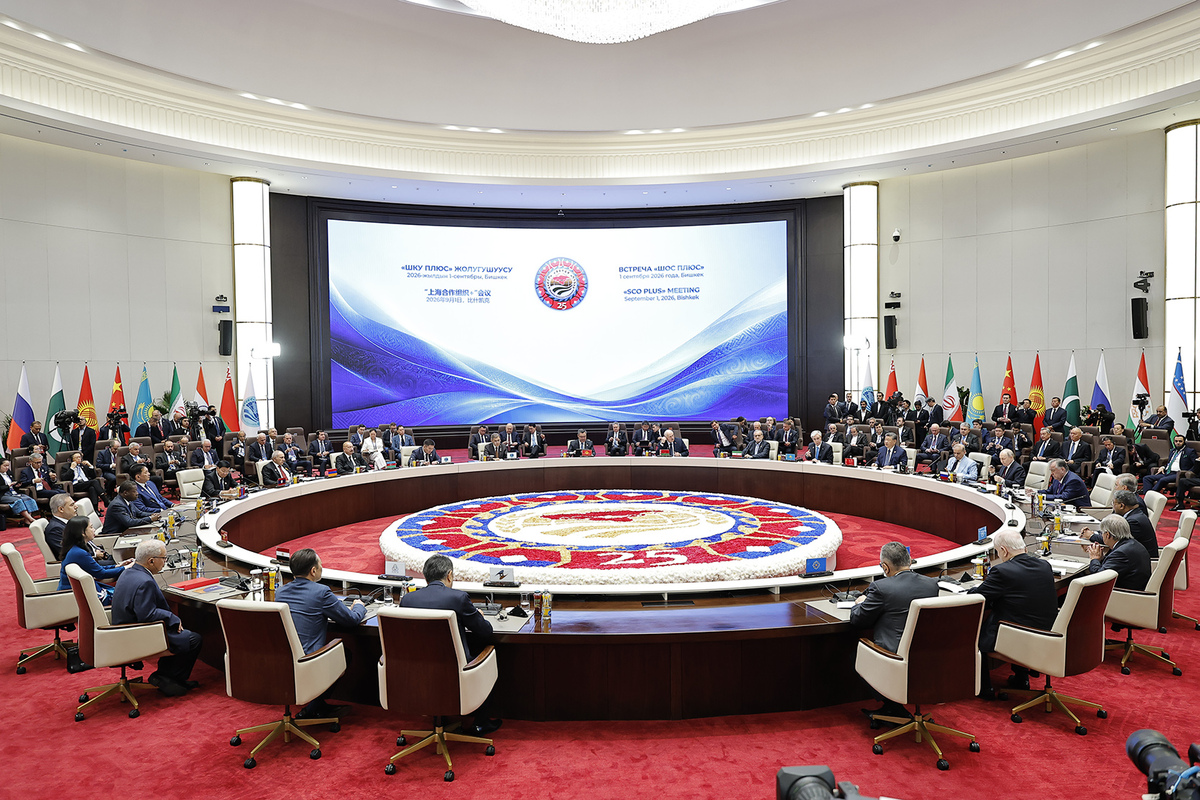
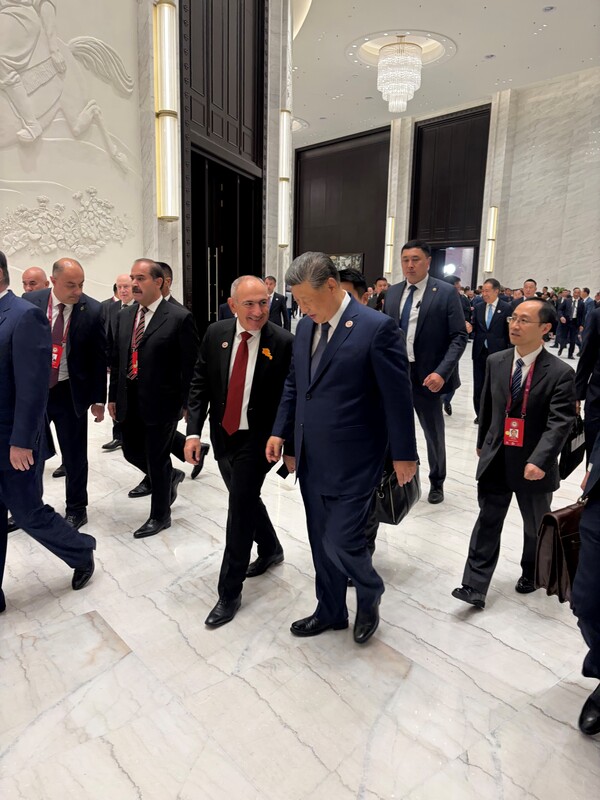
Nikol Pashinyan will participate in the SCO+ format meeting in the sidelines of the Shanghai Cooperation Organization summit in Bishkek and events to be held within its framework.
Within the framework of the visit, Nikol Pashinyan will have bilateral meetings with foreign counterparts.
* * *
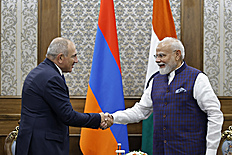
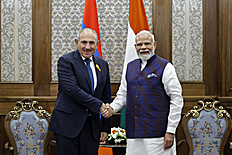
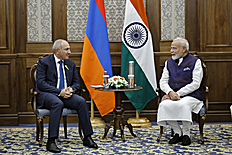
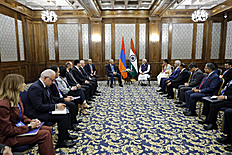
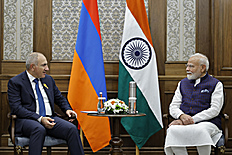
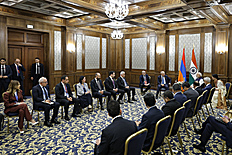
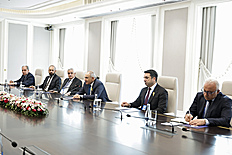
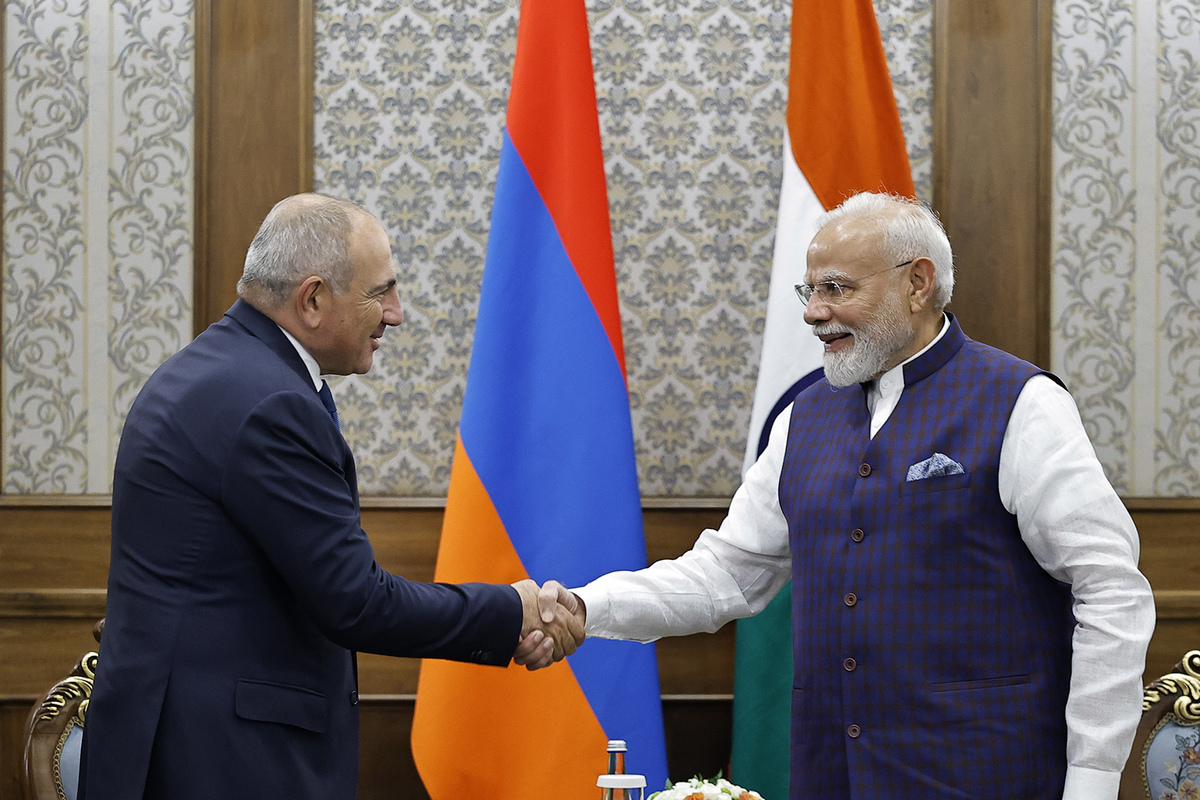
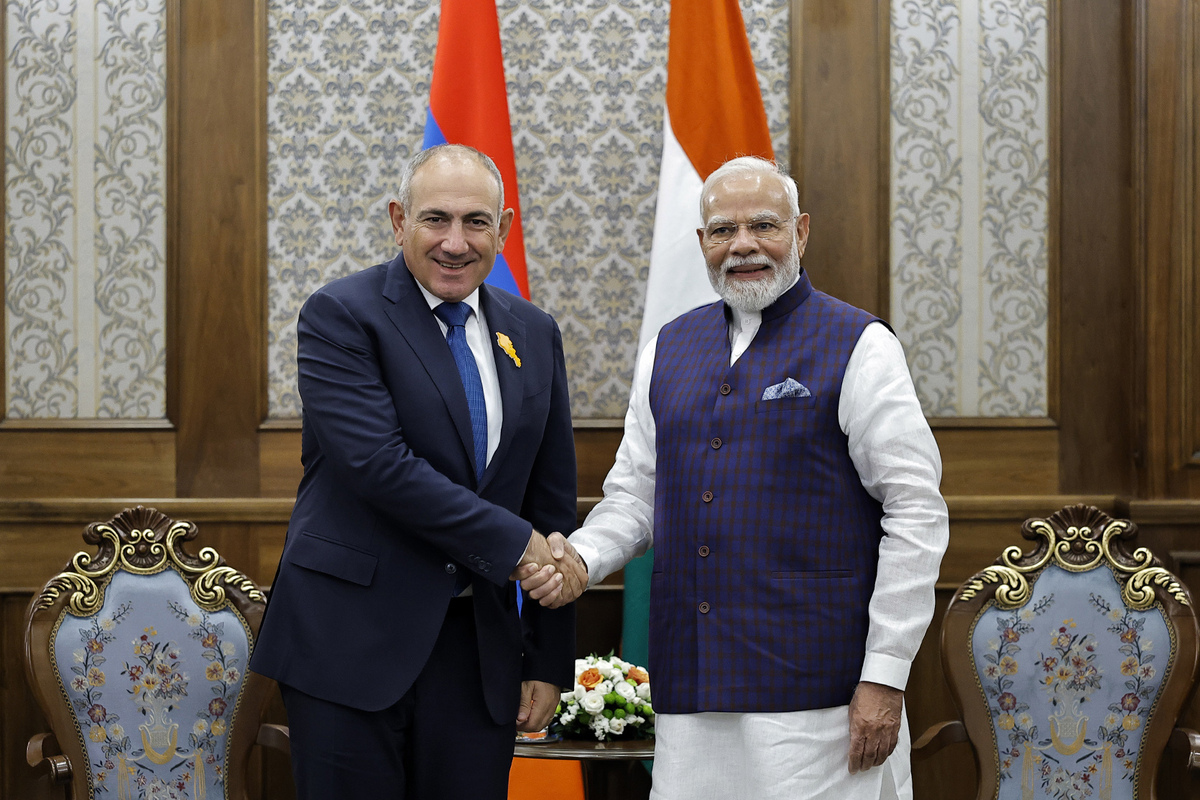
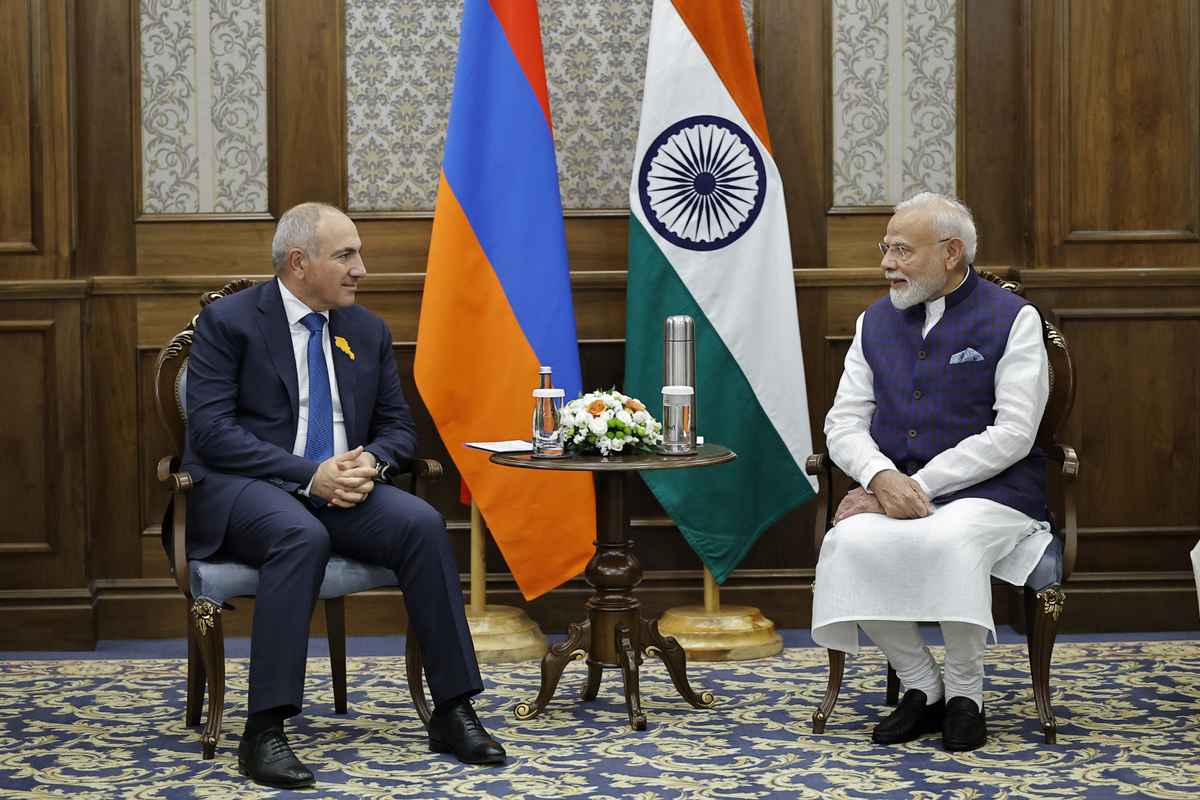
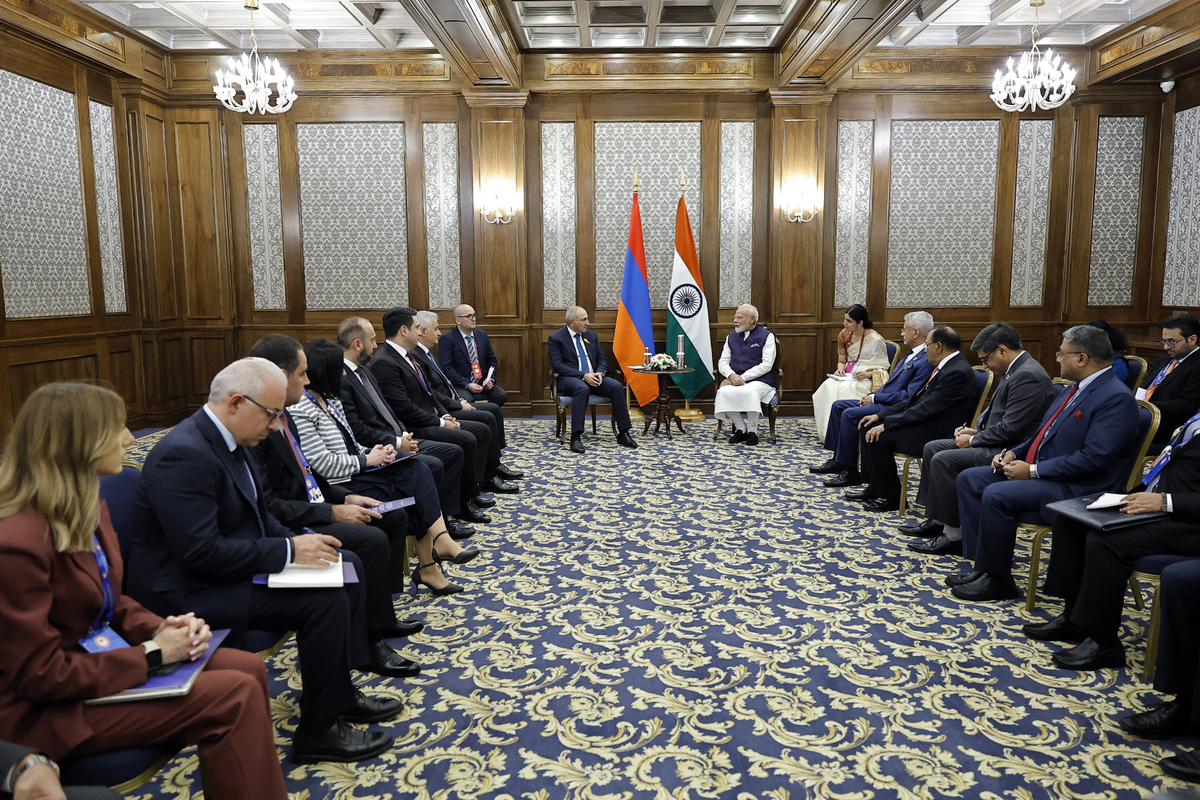
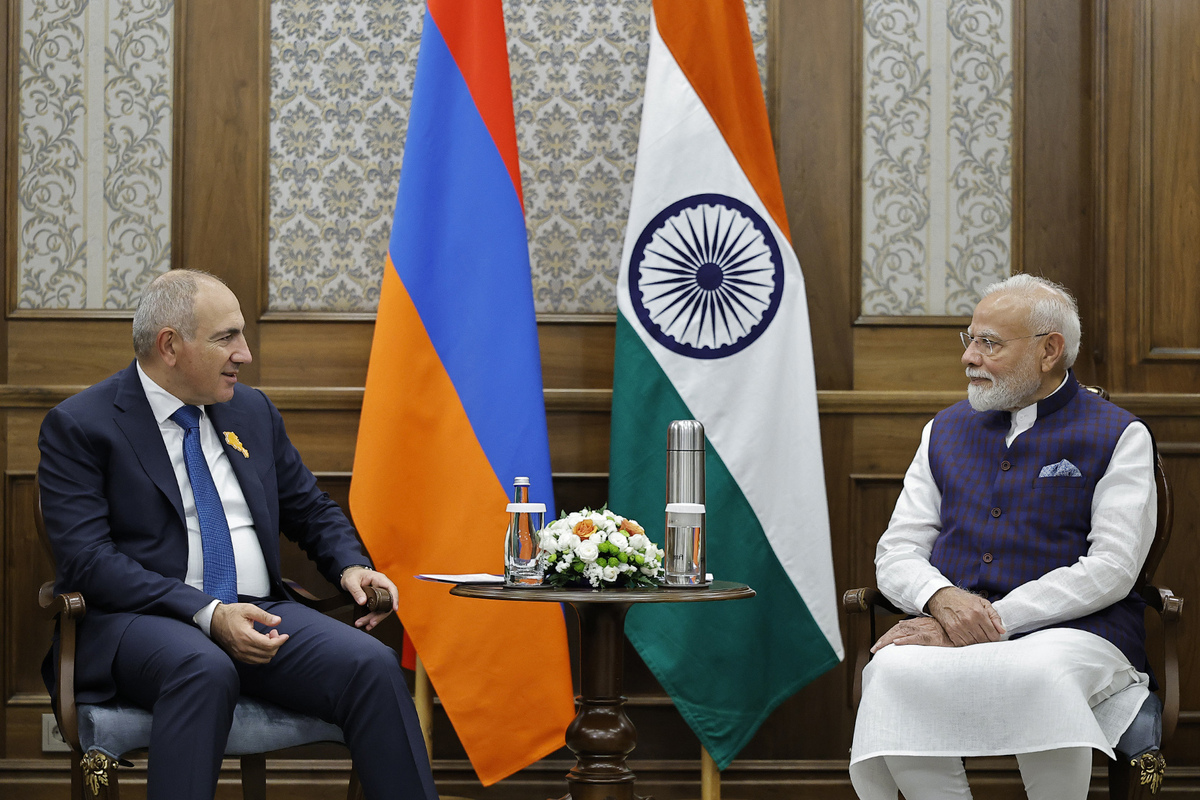
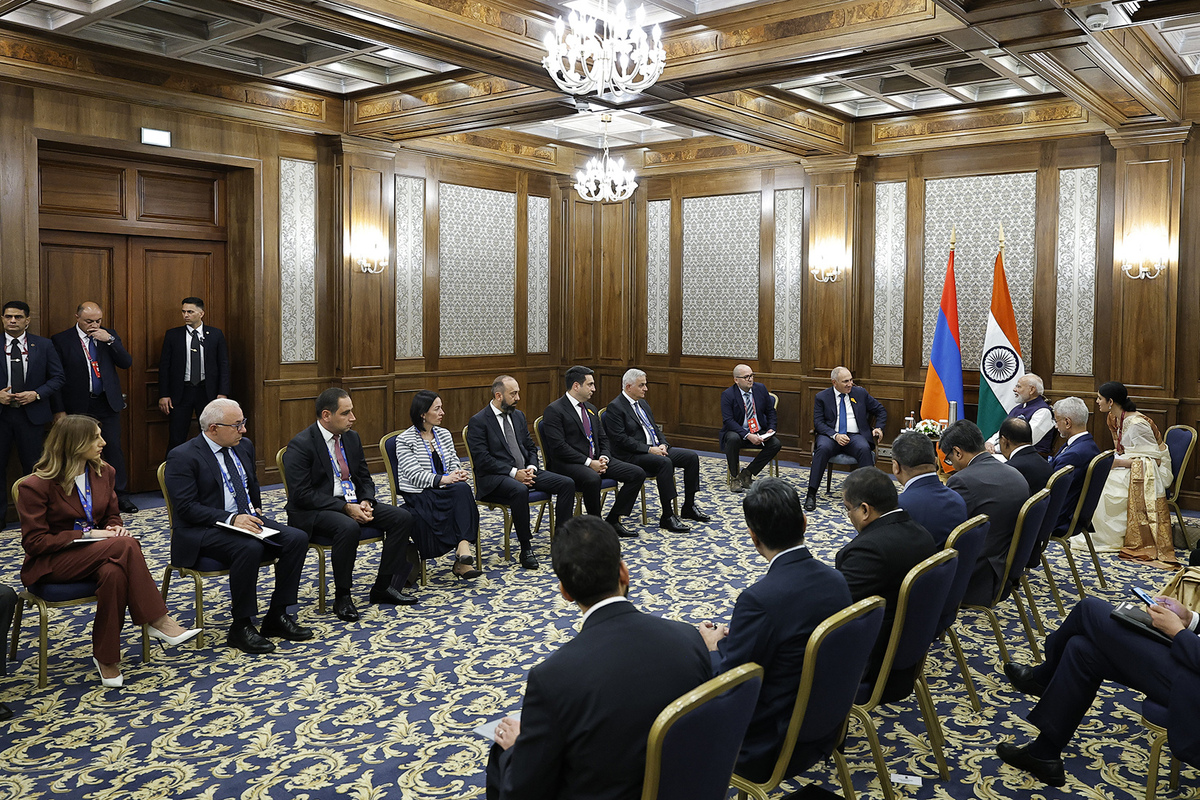
Prime Minister Nikol Pashinyan met with Indian Prime Minister Narendra Modi in Bishkek.
The interlocutors noted with satisfaction the development of Armenia-India relations and highlighted the importance of taking joint steps to raise cooperation to a new level.
Nikol Pashinyan and Narendra Modi stressed that Armenia-India friendship has always been strong and expressed their willingness to continue efforts to further deepen it.
The interlocutors discussed issues related to the development of cooperation in the fields of economy, technology, healthcare and pharmaceuticals, education, infrastructure, investments and tourism.
It was emphasized that further organization of high-level mutual visits will contribute to the deepening of partnership and the implementation of new joint programs.
Prime Minister Pashinyan reiterated the invitation to the Indian Prime Minister to visit Armenia at a convenient time and expressed his readiness to also visit India at an appropriate time.
The parties also exchanged views on other issues of regional importance. In particular, they touched upon the implementation of the TRIPP project.
* * *
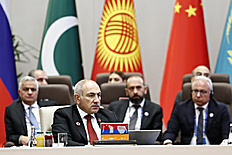
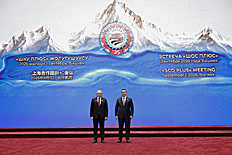
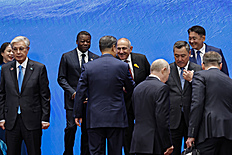
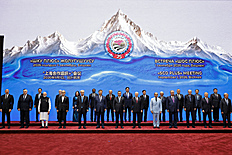
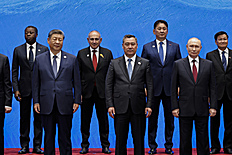
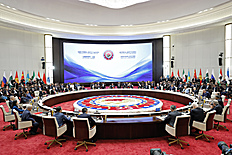
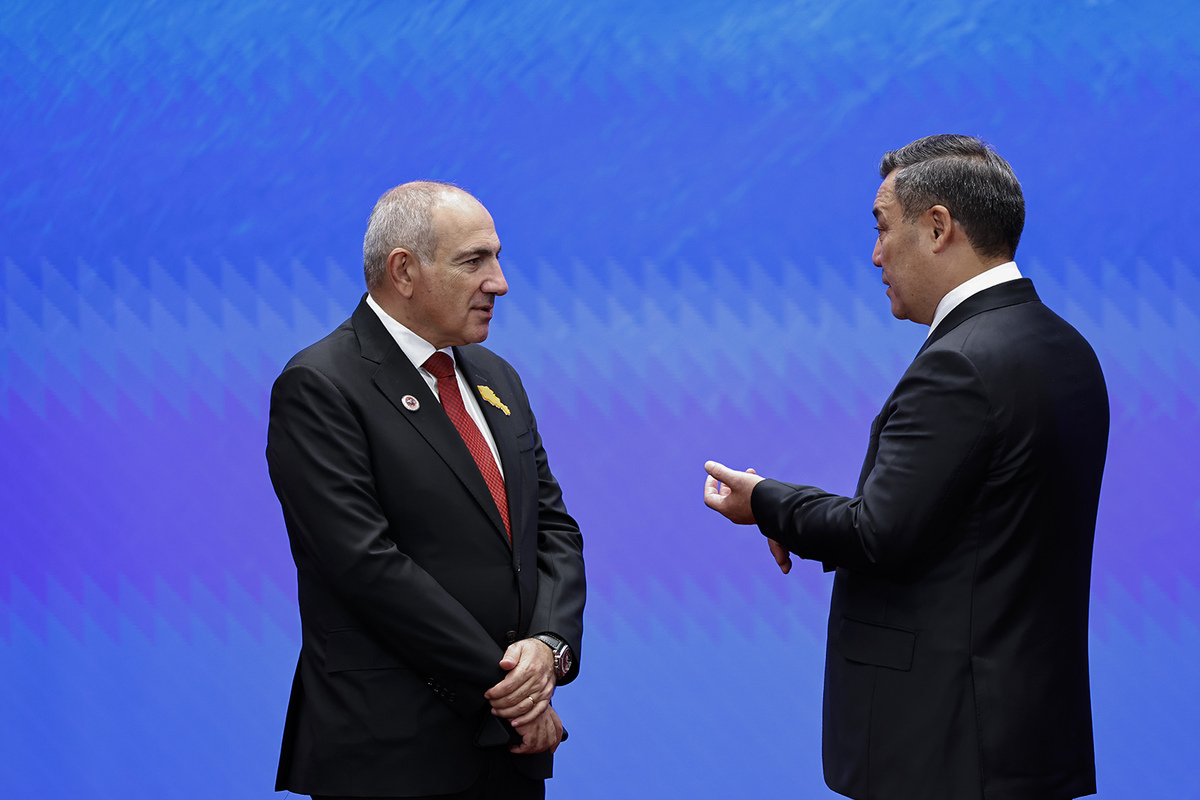
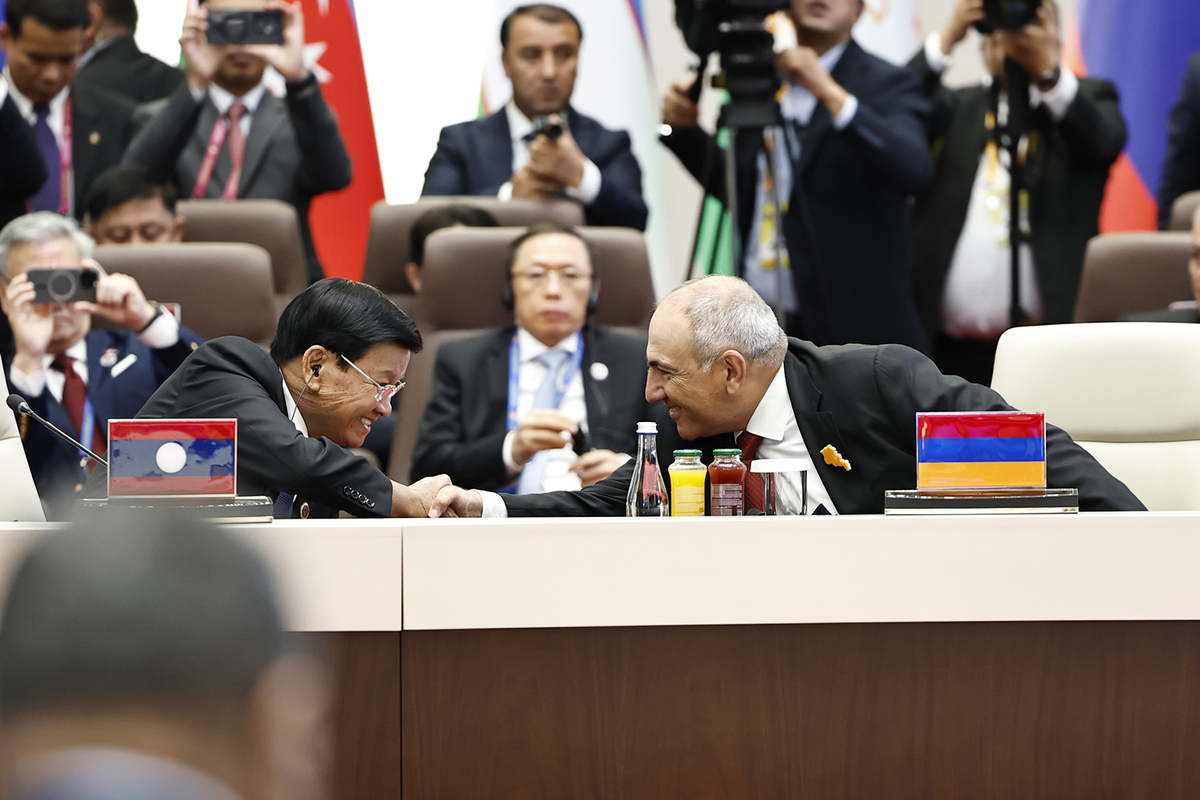
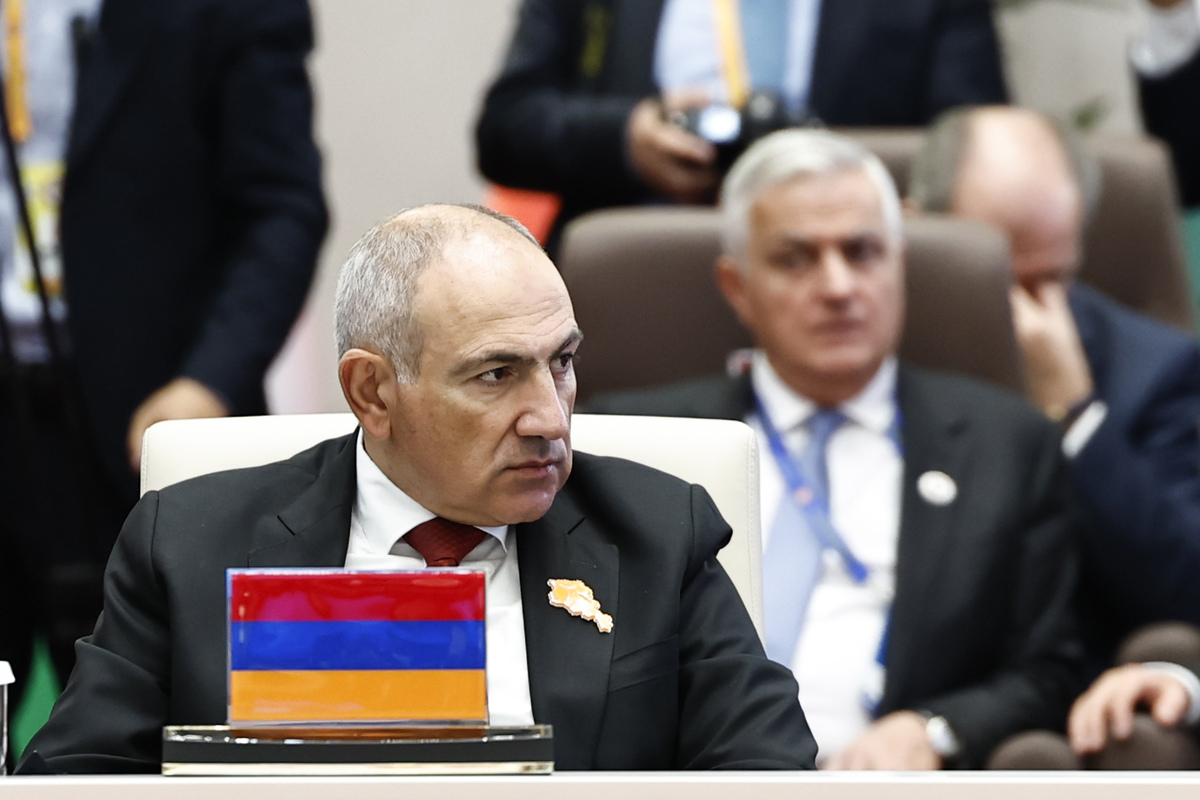
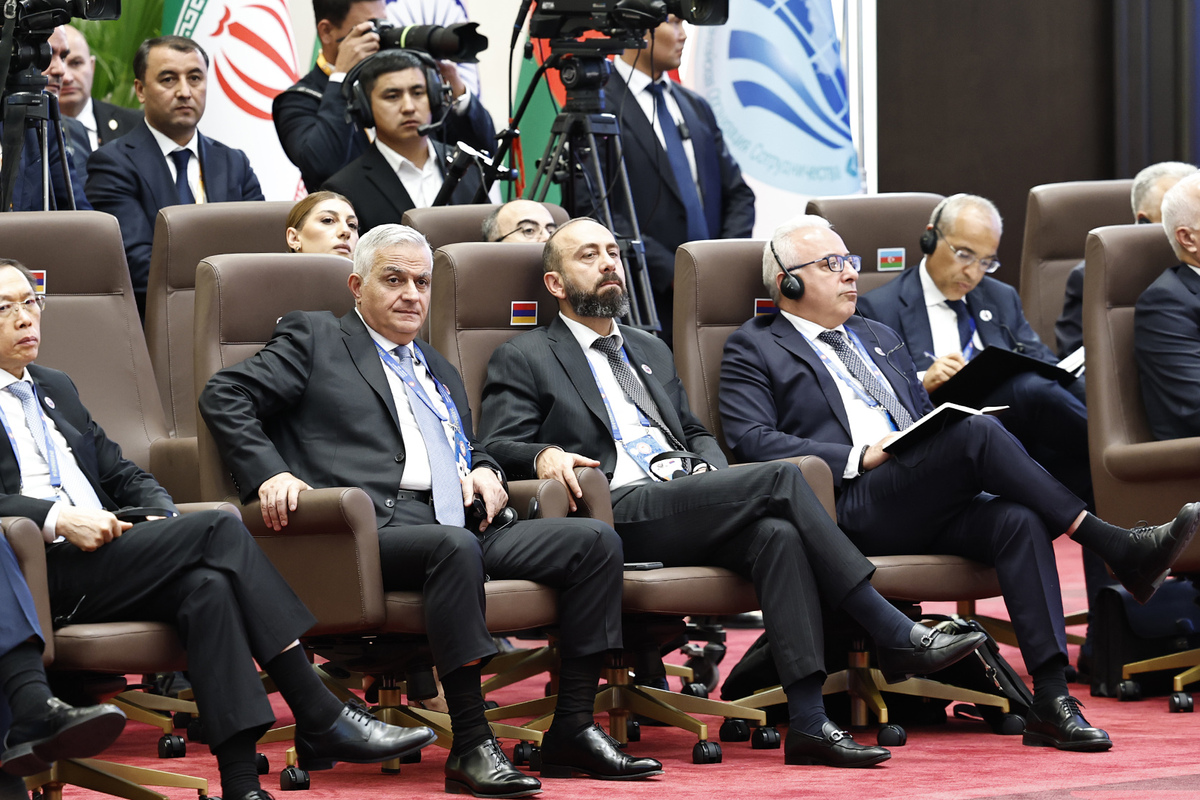
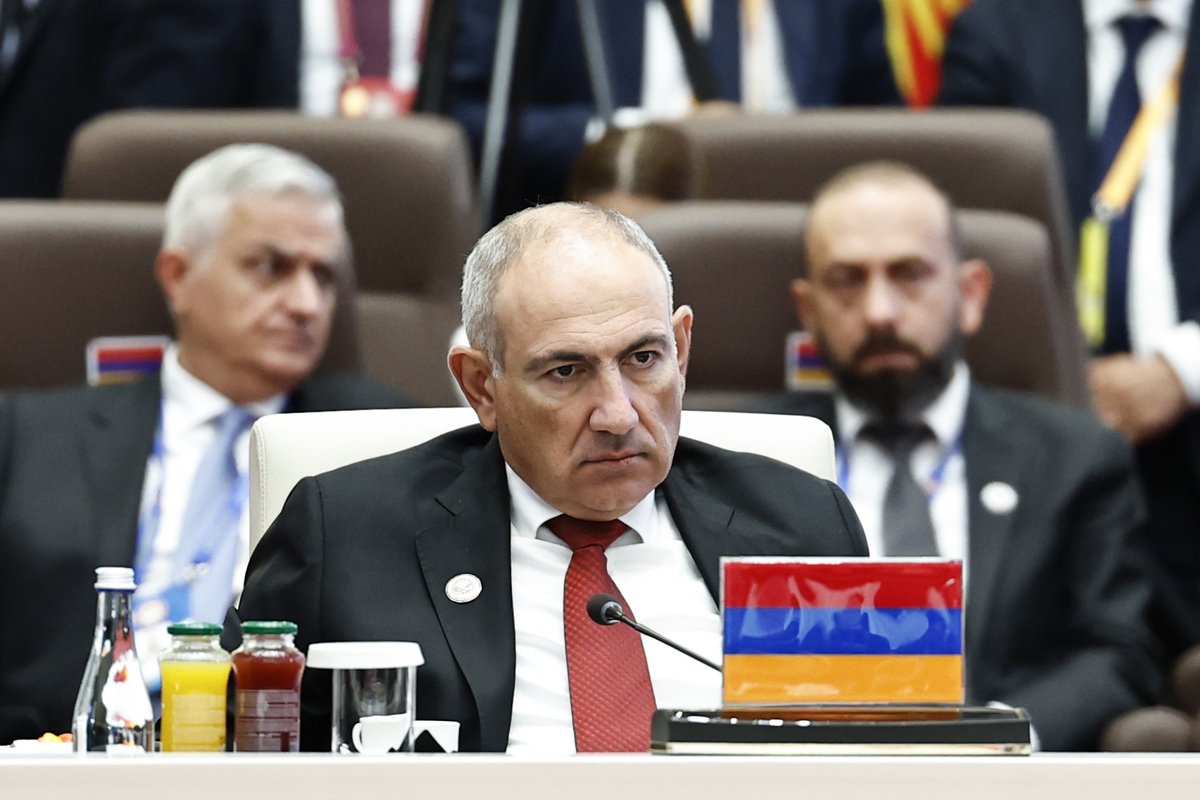
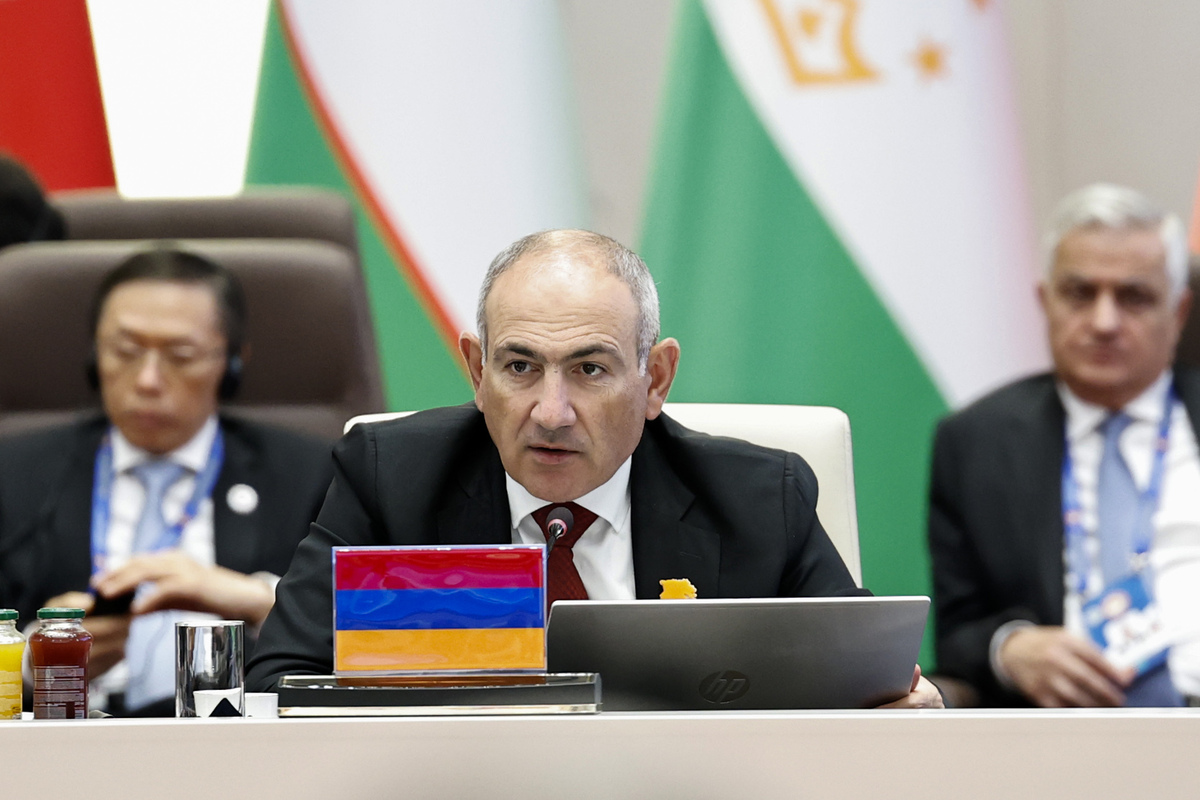
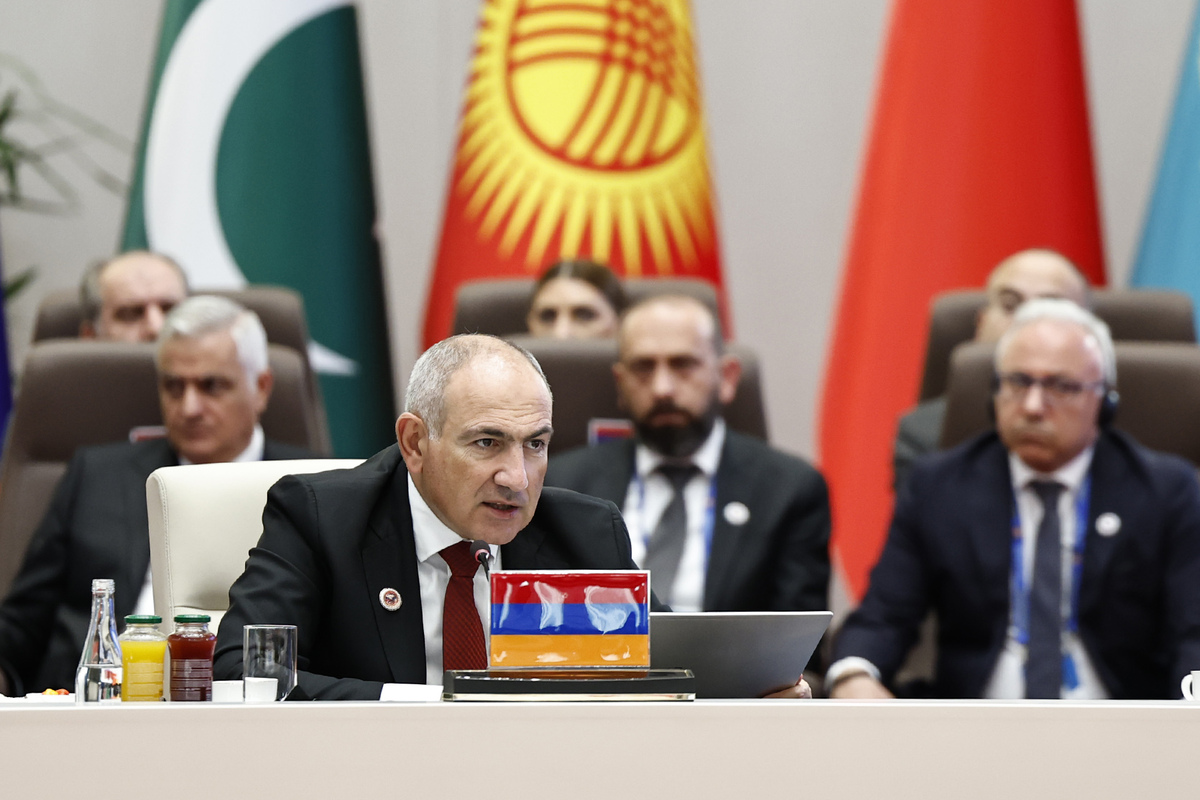
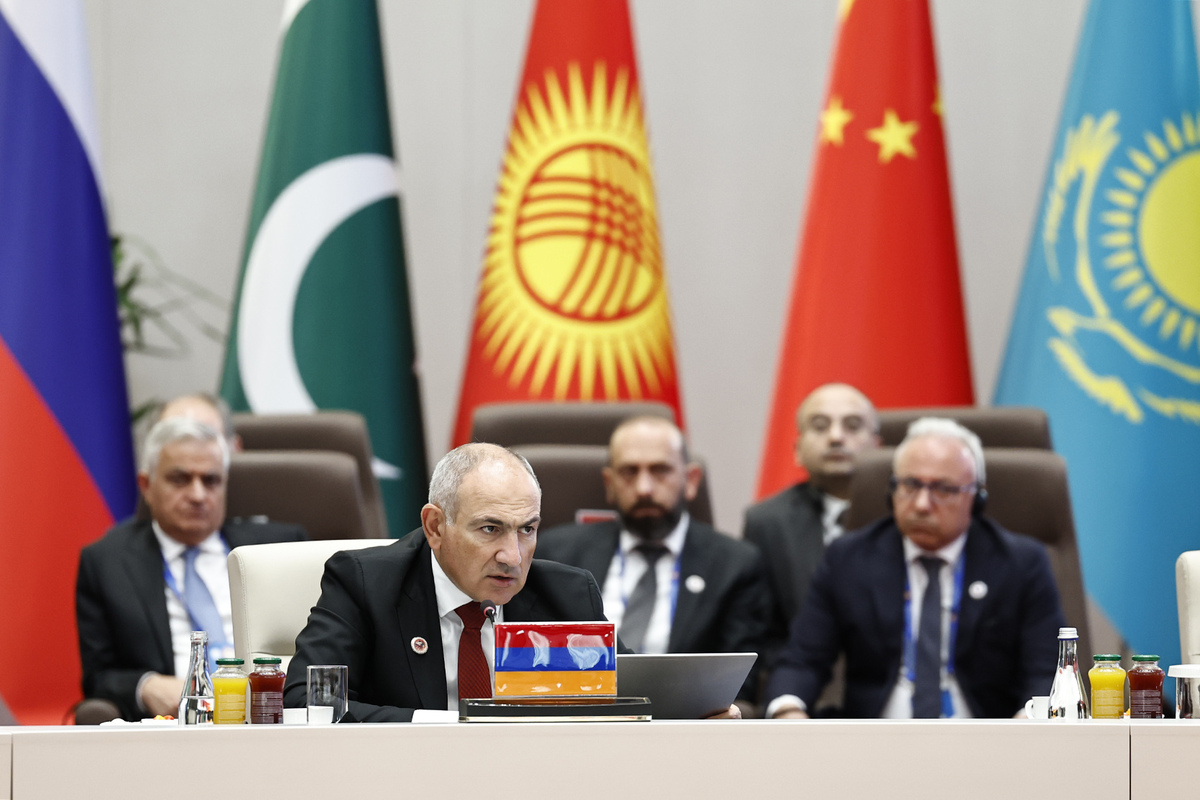
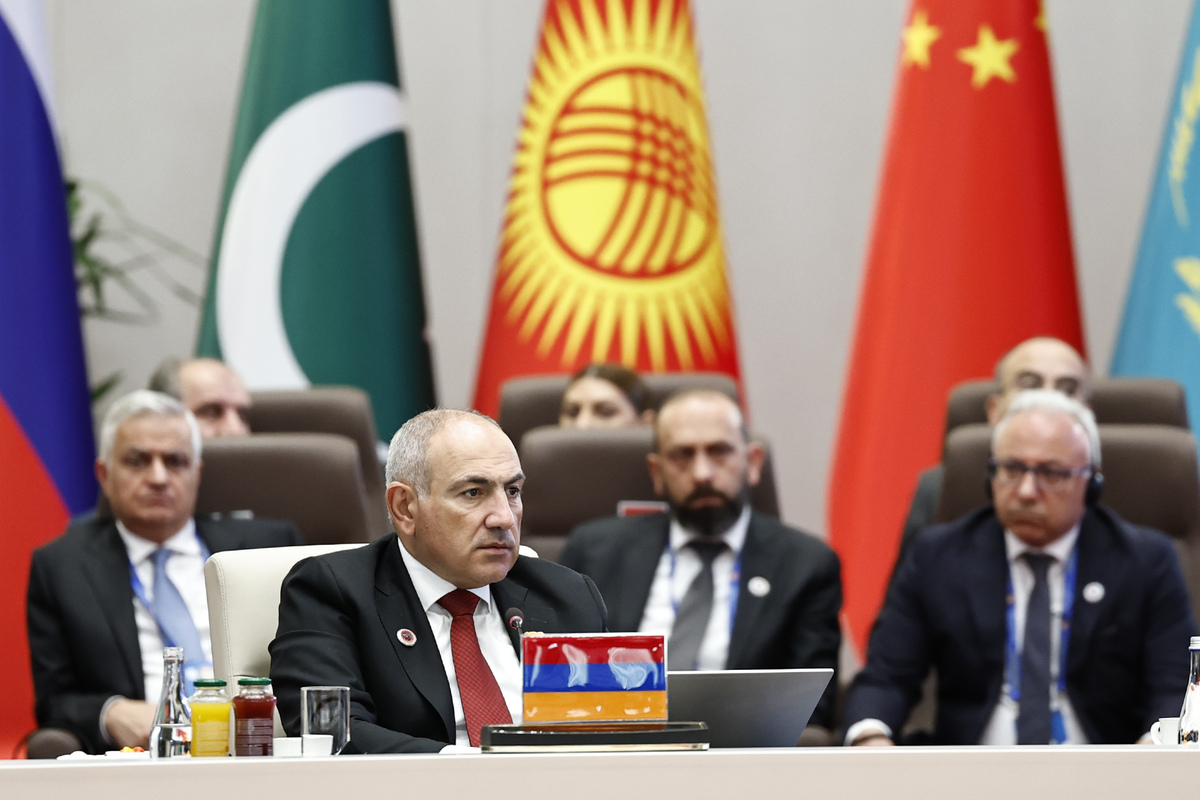
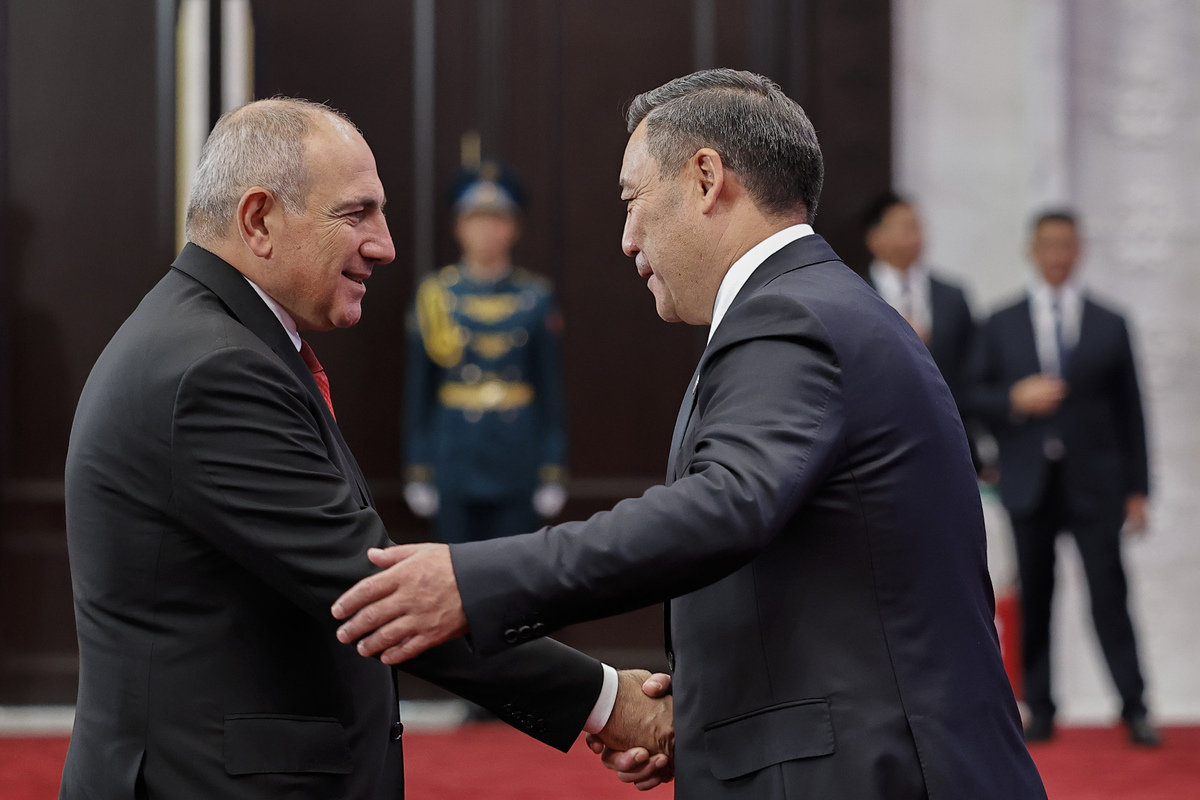
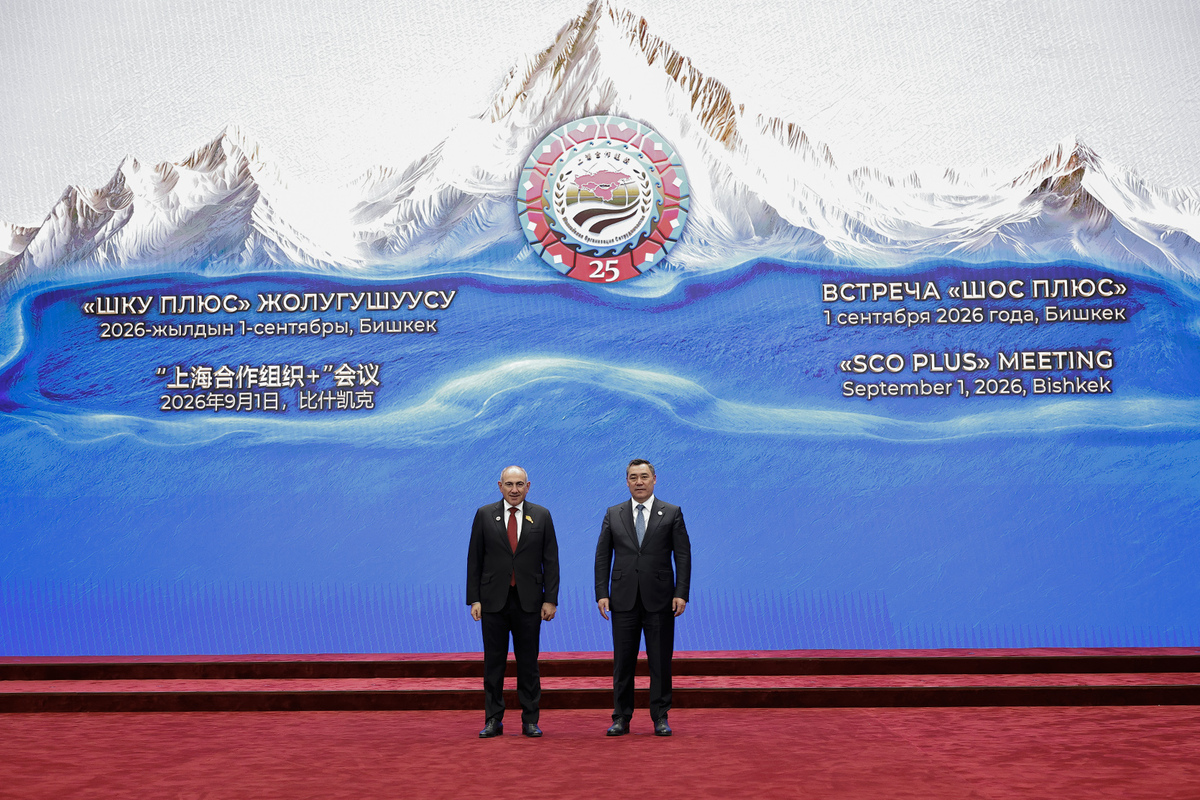
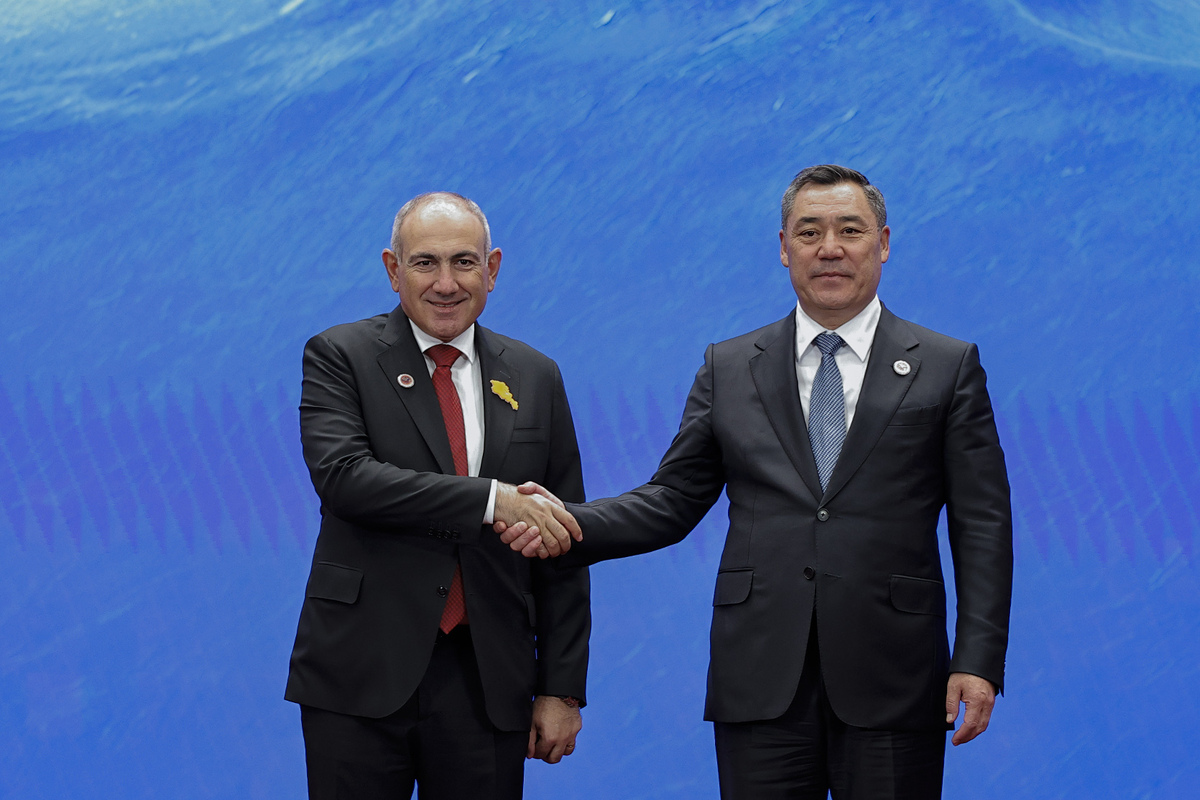
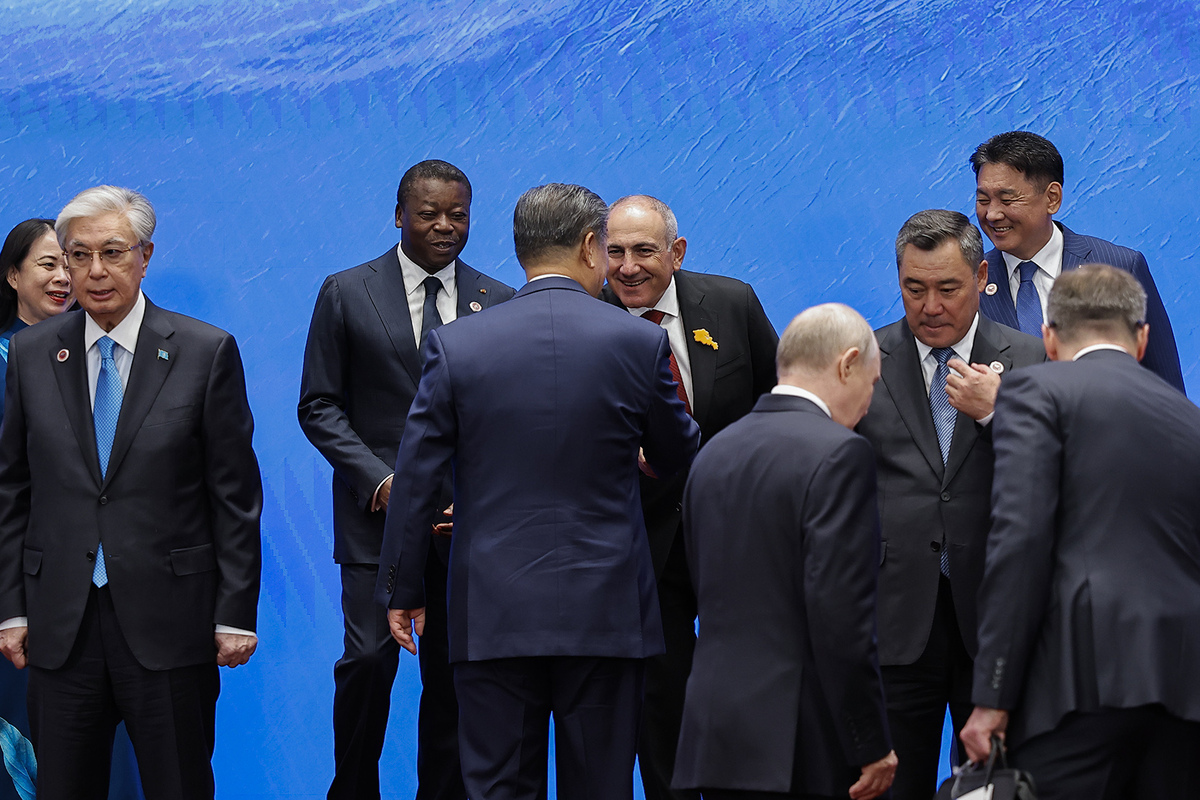
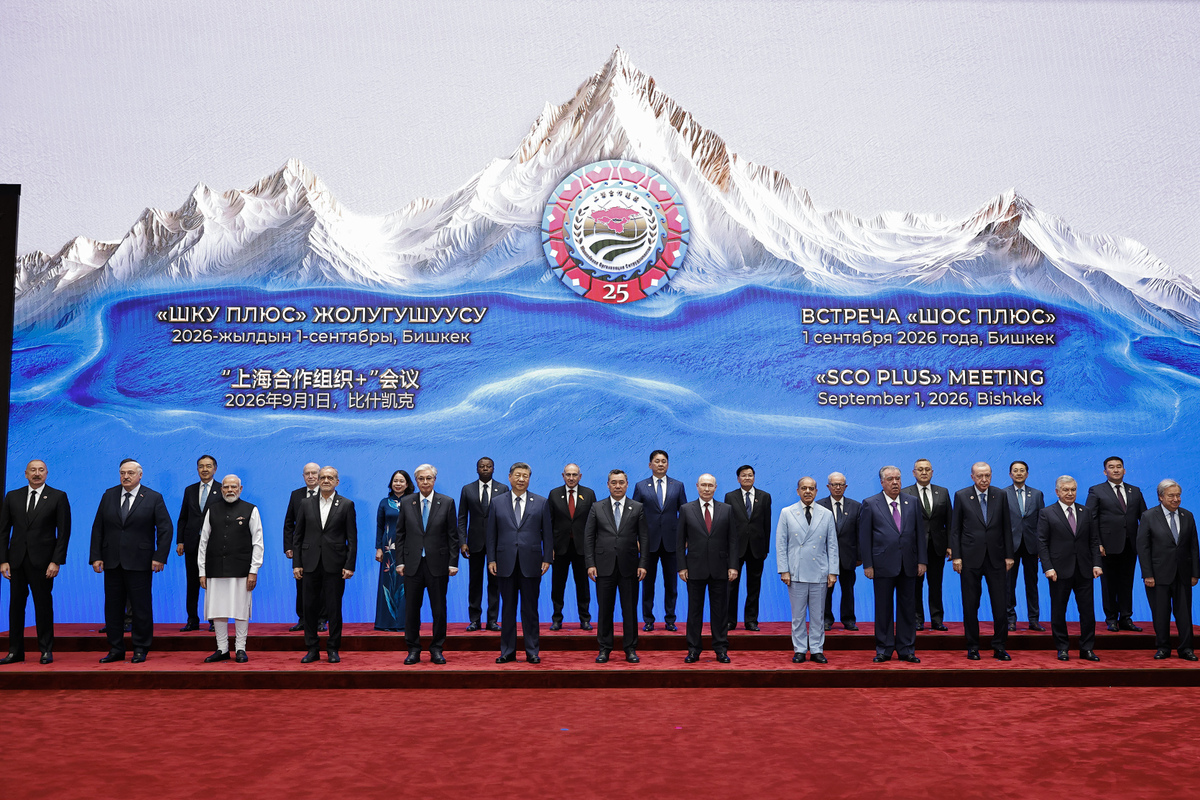
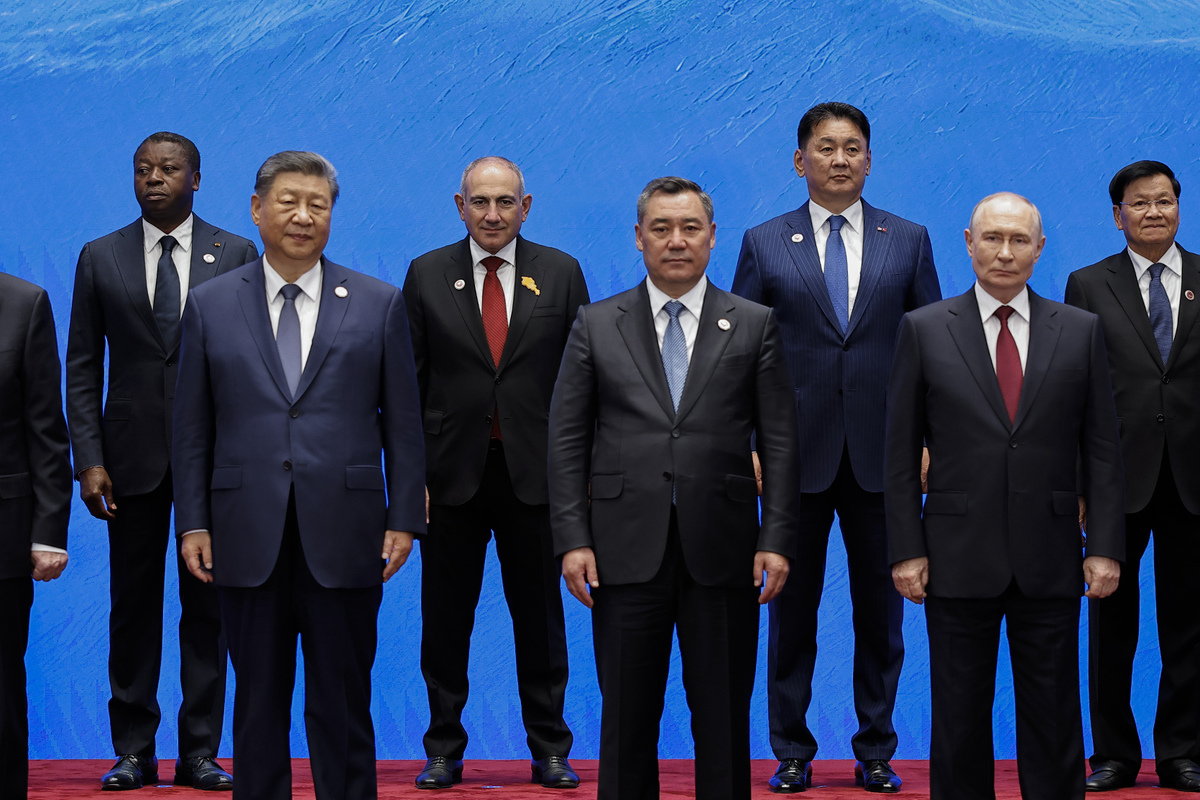
Prime Minister Nikol Pashinyan participated in the SCO+ format meeting of the Shanghai Cooperation Organization in Bishkek. First, there was a ceremony of welcoming the participants of the meeting, and then a joint video shooting ceremony.
In his speech, Prime Minister Pashinyan specifically stated:
"Dear Mr. Chairman Sadir Japarov,
Dear Mr. Guterres, Secretary-General of the United Nations,
Your Excellencies,
Dear colleagues,
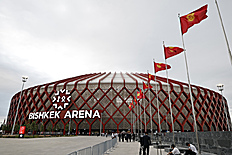
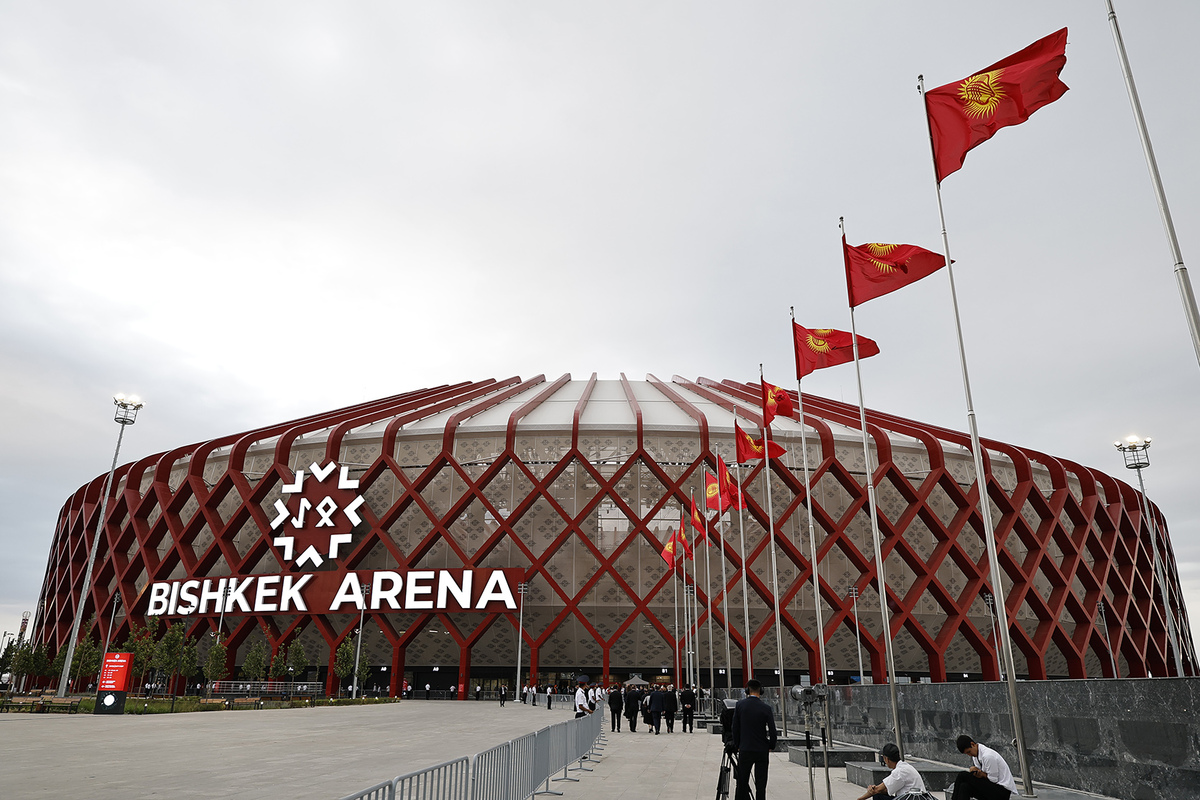
First of all, I would like to congratulate the President of Kyrgyzstan, Mr. Sadir Japarov, on the impressive opening of the 6th World Nomadic Games in the newly built "Bishkek Arena", as well as on the occasion of the effective chairmanship of the Republic of Kyrgyzstan in the Shanghai Cooperation Organization, as well as to thank him for his warm hospitality and the wonderful organization of this summit.
I would also like to congratulate everyone on the 25th anniversary of the founding of the SCO.
Dear colleagues,
The topic of our discussion today is: “The UN as a key element of a just world order: The contribution of the SCO+ states to the formation of a multipolar world.”
In my opinion, there is a great understanding among the international community that the world should be multipolar and that this is the most reliable way to ensure balance, that is, stability and peace.
How can a small state like Armenia contribute to the establishment of a multipolar world? We give a practical answer to this question, in essence, by conducting a multipolar foreign policy, which we call a balanced and balancing foreign policy.
The essence of this policy is as follows: when the gravity of one geopolitical pole becomes so heavy that it can undermine our independence, we activate our relations with another pole that has sufficient gravity for this situation in order to maintain our balance on the complicated path of sovereignty and independence.
The main goal of such a policy is to preserve and strengthen sovereignty and independence. And while developing these strategies, we came to the conclusion that it is impossible to have independence and sovereignty while living in conflict, and multipolarity in this sense should be expressed first of all in the region where you live.
This is the reason why, deepening our friendly relations with neighboring Iran and Georgia, we are going the way of building interstate relations with the other two neighbors, Azerbaijan and Türkiye, and this, of course, becomes more tangible thanks to the peace agreement between Armenia and Azerbaijan established on August 8 last year with the support and participation of US President Donald Trump.
Now we are working with Azerbaijan and Türkiye to open our interstate communications, including through the implementation of the TRIPP project, the practical implementation of which will begin on the ground in the coming months.
This will open up new transport opportunities not only from east to west, that is, from the Caspian Sea to the Mediterranean Sea, but also from south to north, connecting the Persian Gulf to the Black Sea. Thus, all countries in the region will benefit from the implementation of the project.
Returning to multipolar policy, I would like to note that in recent years Armenia has established strategic relations with Georgia, China, Kazakhstan, the USA, France, the Netherlands, Germany, Luxembourg, the United Kingdom, Bulgaria, Croatia, Lithuania, and the European Union.
Our relations with India and Iran are actually strategic in nature, and we are now working on their documented formulation.
Today I will meet with the esteemed President of the Russian Federation, Vladimir Putin, to discuss the strategy for the further development of our relations.
Dear colleagues,
The Republic of Armenia shares the vision of a multipolar world.
Underlining the key role of the United Nations in building a multipolar world, I would like to inform you that in October of this year, under the auspices of the UN, the COP 17 Conference on Biodiversity will be held in Armenia, and I invite you all to participate in this important event that emphases the multipolarity of the world.
I thank you for your attention and wish Pakistan, which is assuming the chairmanship of the Shanghai Cooperation Organization, success in this responsible mission."
* * *
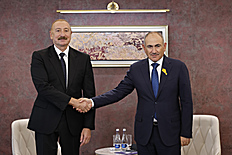
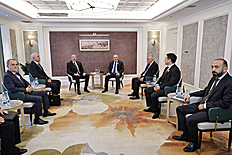
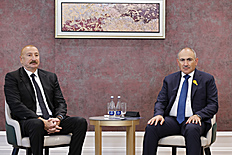
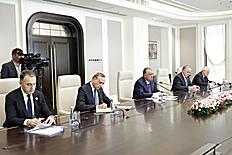
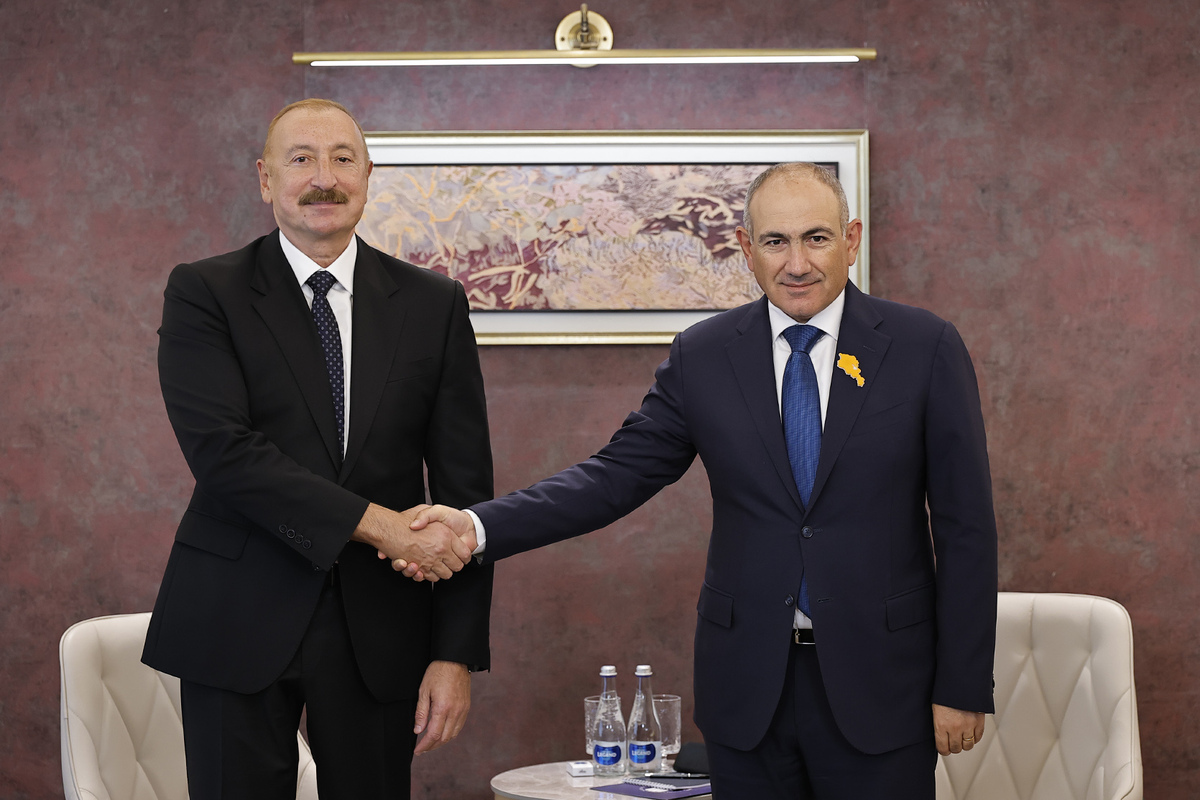
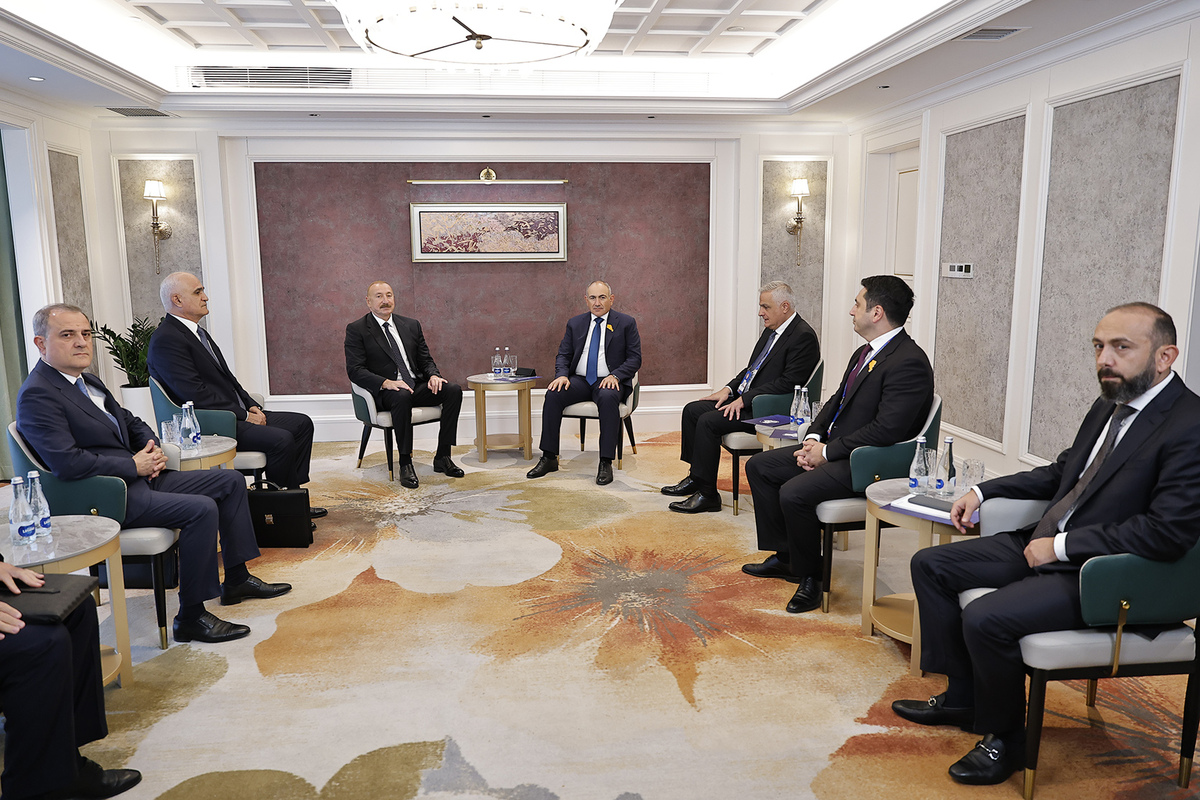
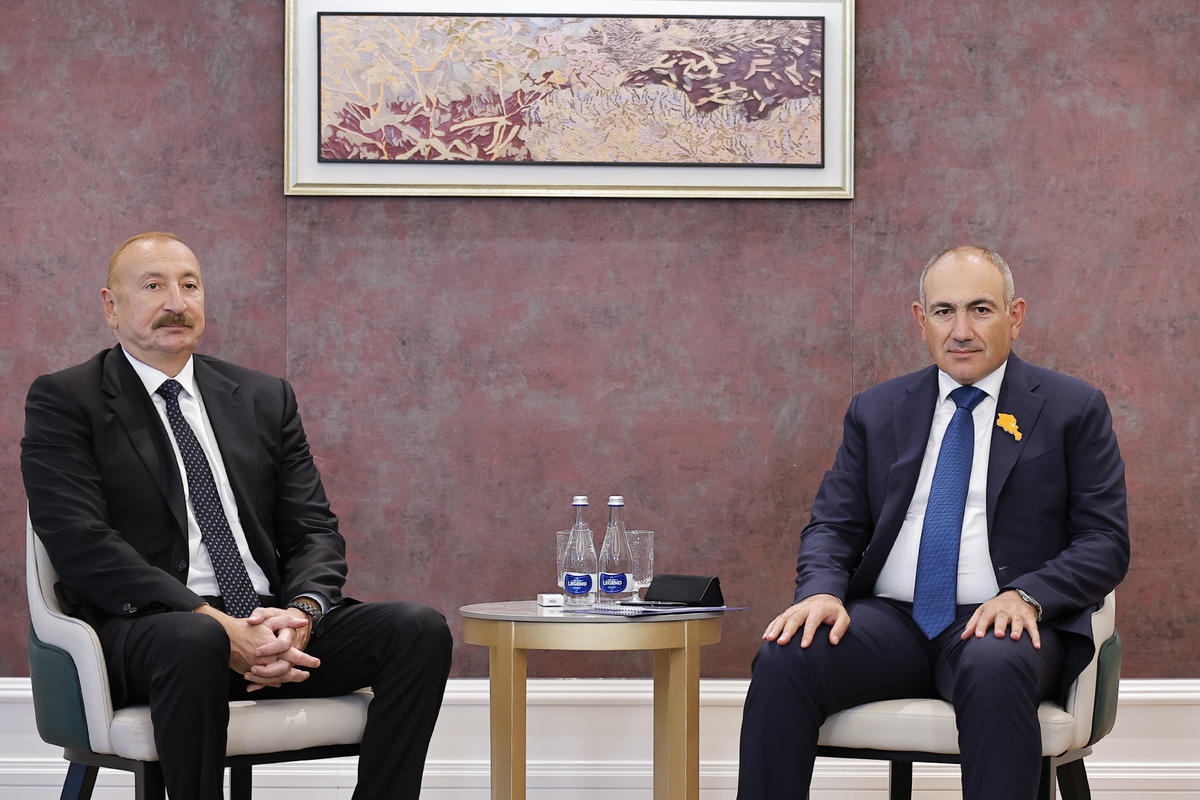
Prime Minister of the Republic of Armenia Nikol Pashinyan met with President of the Republic of Azerbaijan Ilham Aliyev on the margins of the Shanghai Cooperation Organization (SCO) Summit in Bishkek on August 31, 2026.
The leaders highlighted the historic significance of the Washington Peace Summit of 8 August 2025, the Joint Declaration signed by President Ilham Aliyev and Prime Minister Nikol Pashinyan and witnessed by U.S. President Donald Trump, and the initialing of the Agreement on the Establishment of Peace and Inter-State Relations between the Republic of Armenia and the Republic of Azerbaijan.
The export of Azerbaijani petroleum products to Armenia, the transit through the territory of Azerbaijan to Armenia of grain and other goods originating from third countries, as well as the establishment of trade relations between the two countries were highlighted as important practical manifestations of the dividends of peace. The leaders also welcomed contacts between the business communities and exchanged views on opportunities for further expanding mutually beneficial economic, trade and energy cooperation.
The sides noted the important role of the respective state commissions on the delimitation of the state border between Armenia and Azerbaijan and emphasized the importance of continuing their work in accordance with the agreements reached between the two countries.
The leaders discussed further practical steps related to the implementation of the Trump Route for International Peace and Prosperity (TRIPP), one of the important outcomes of the Washington Peace Summit and underlined the significance of connectivity projects along the TRIPP.
The leaders positively assessed confidence-building contacts involving parliamentarians and representatives of civil society, noting their contribution to strengthening mutual trust and supporting the broader peace agenda.
Prime Minister Nikol Pashinyan and President Ilham Aliyev agreed, through direct bilateral engagement, to continue the steps to further consolidate lasting peace, advance the normalization of interstate relations, and strengthen connectivity.
* * *
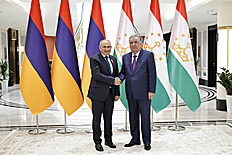
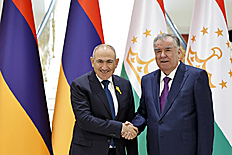
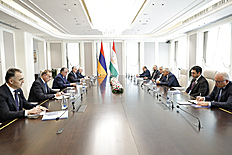
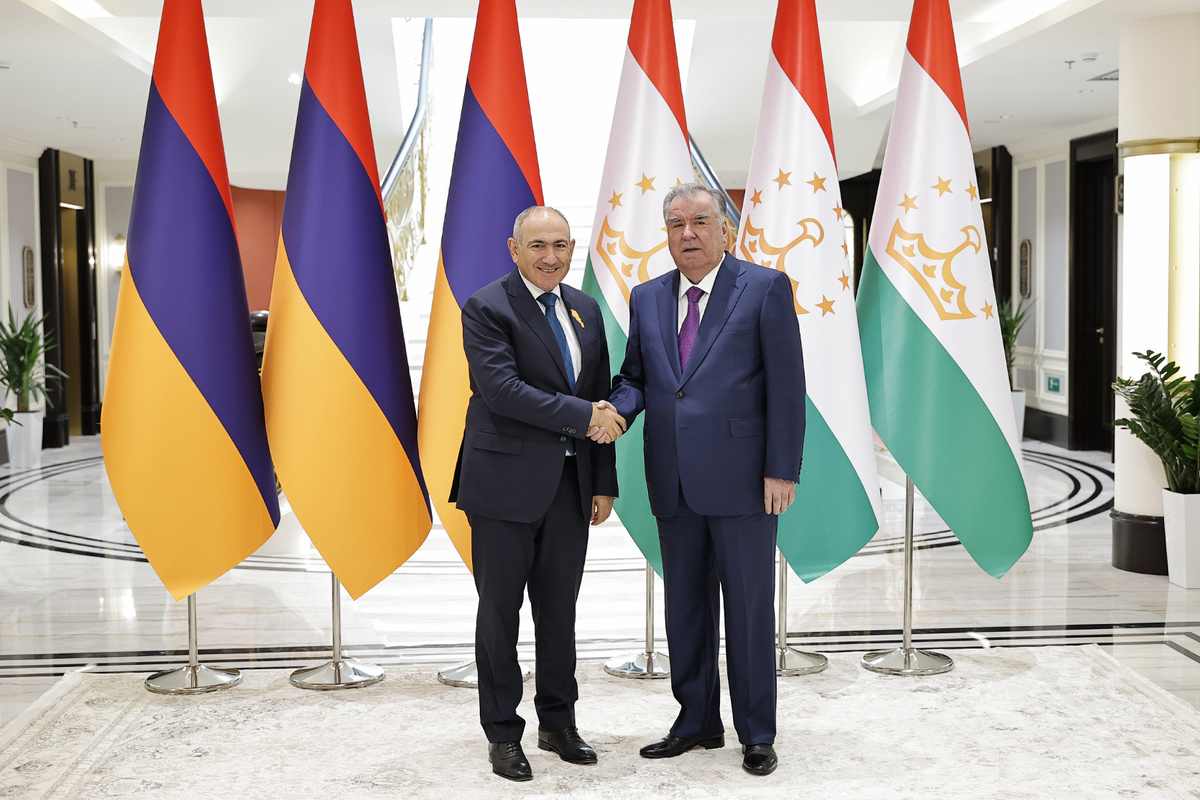
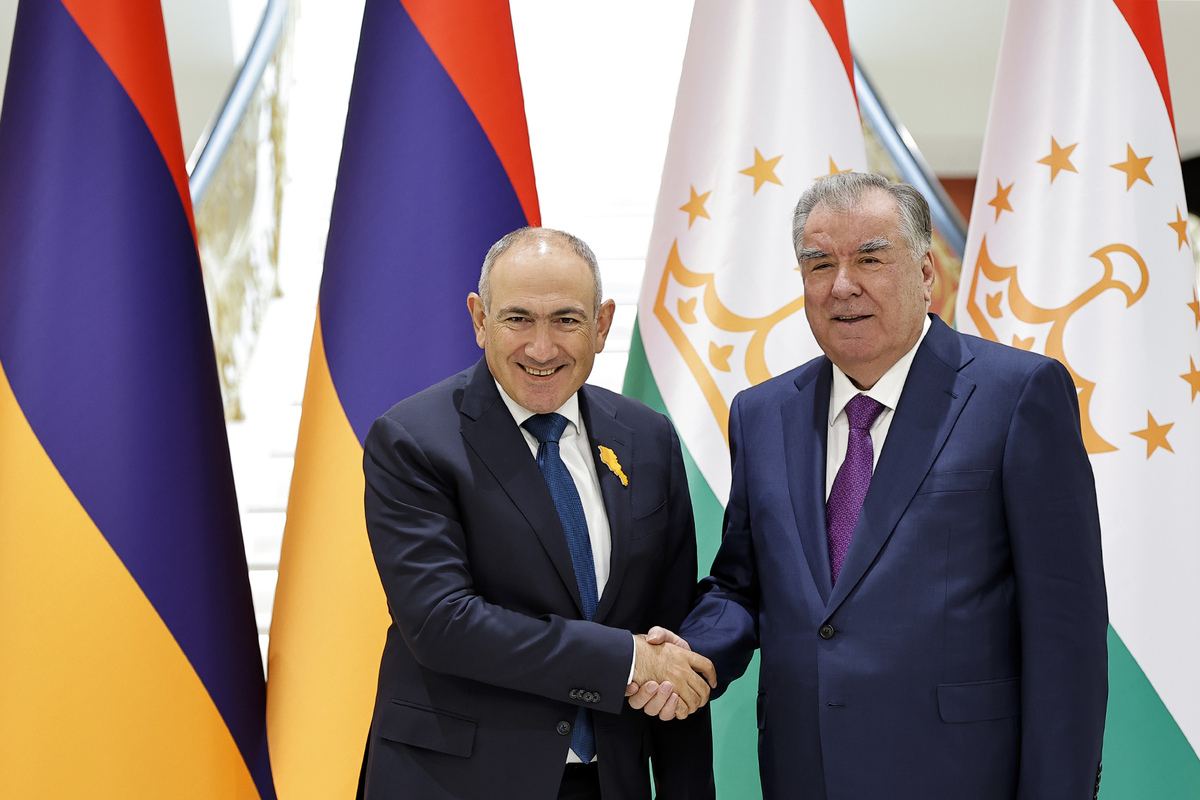
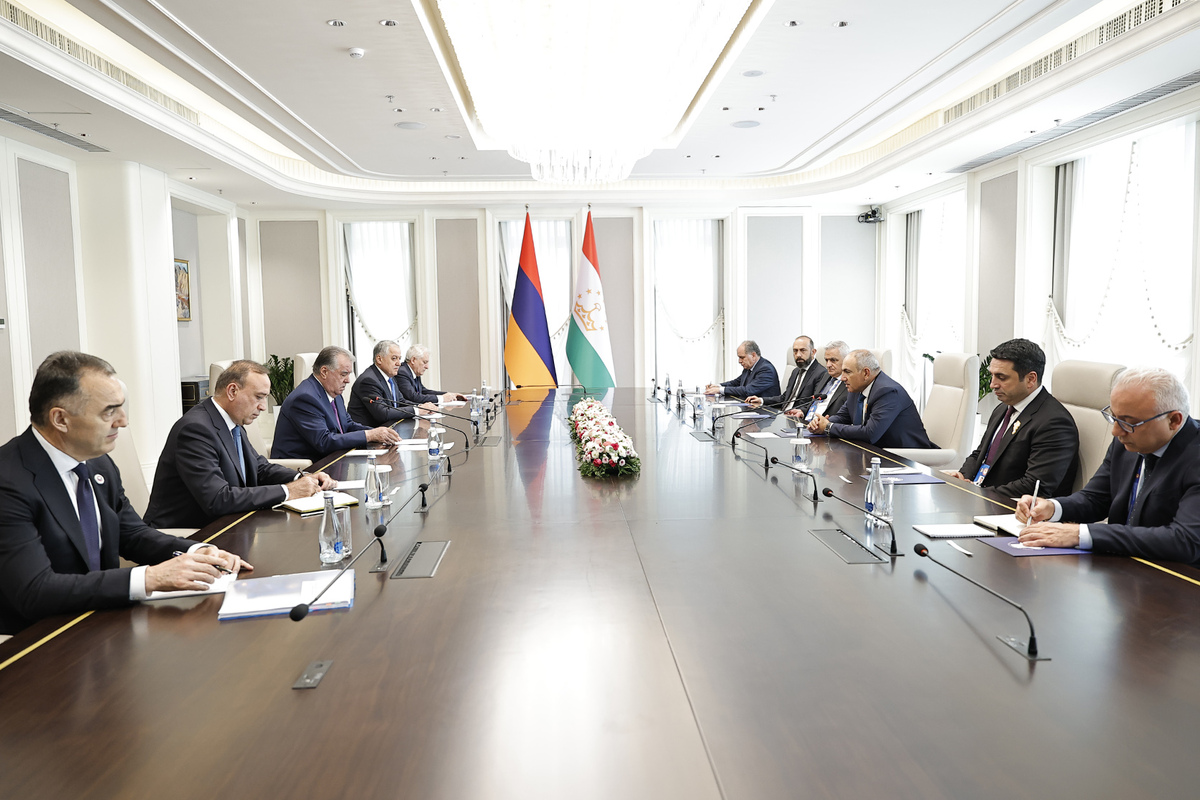
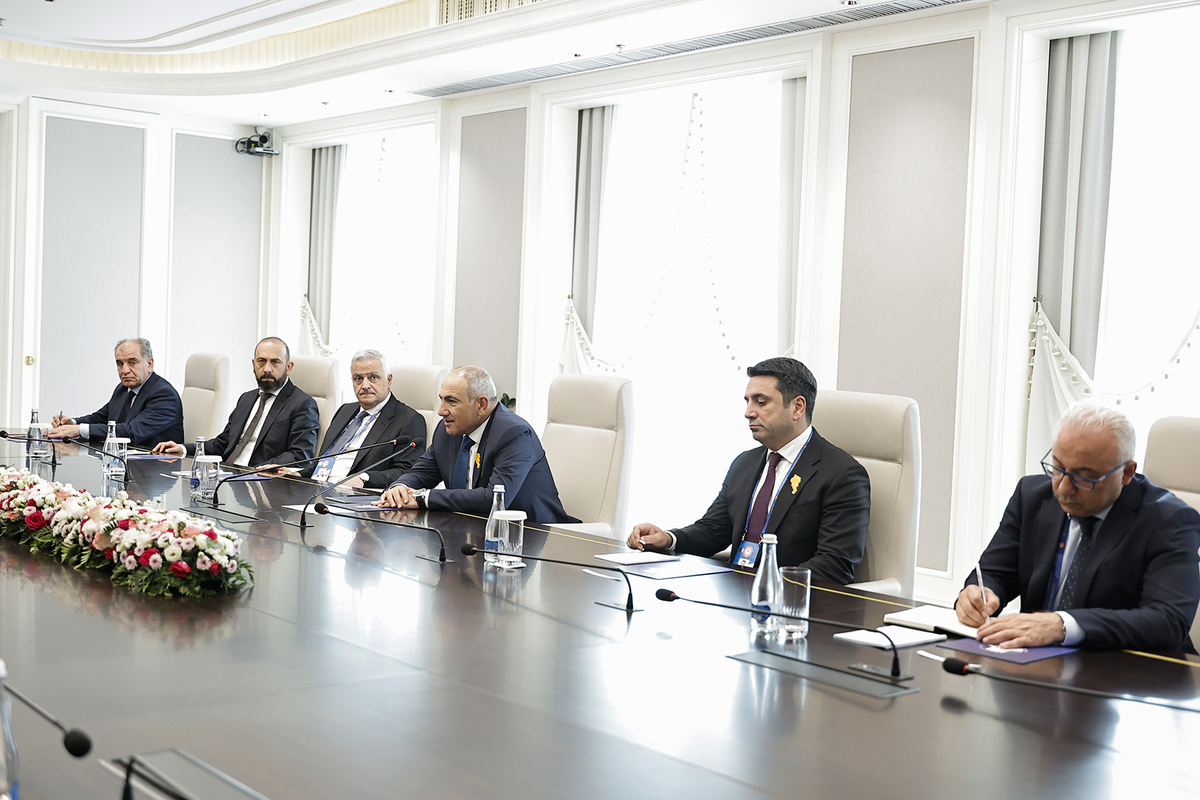
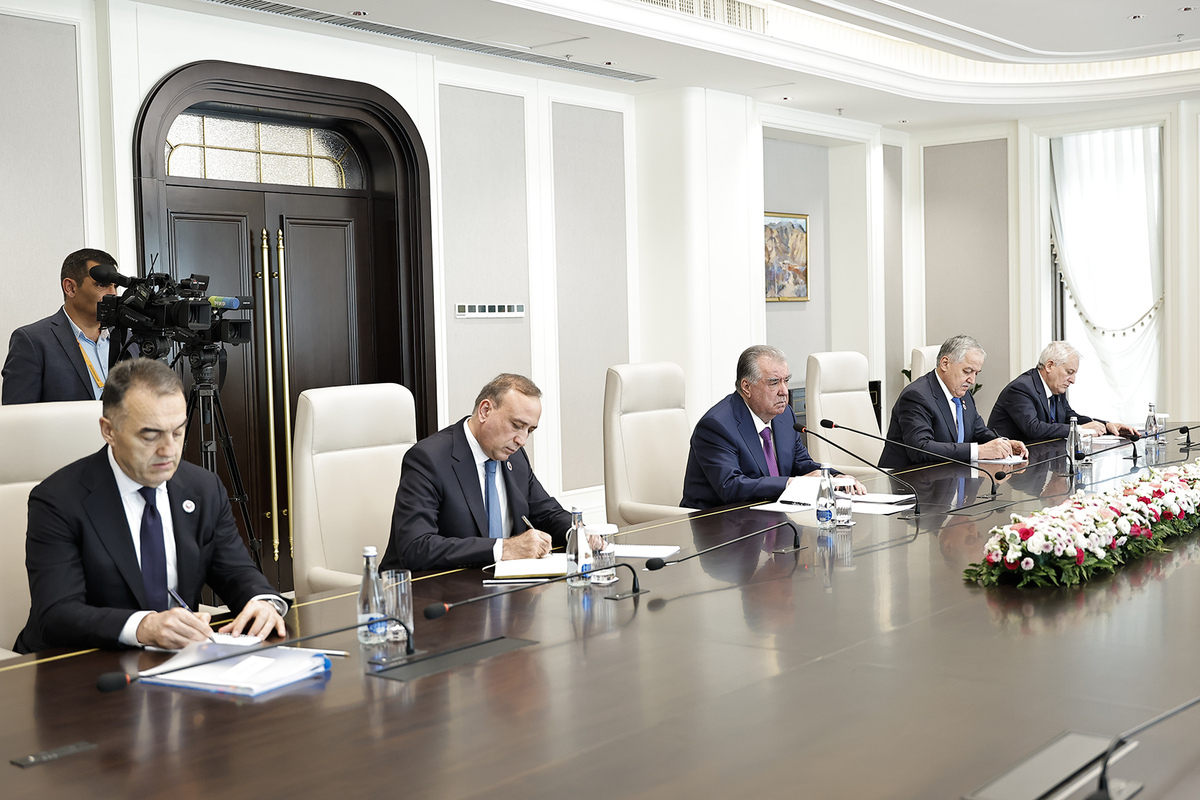
Prime Minister Nikol Pashinyan met with Tajik President Emomali Rahmon in Bishkek.
Emomali Rahmon congratulated Nikol Pashinyan on his reappointment as Prime Minister of the Republic of Armenia and wished him new success. He attached importance to the development of ties with Armenia in various fields and expressed confidence that through joint efforts, bilateral cooperation in various fields will develop and expand.
The Prime Minister expressed gratitude for the congratulations and good wishes, noting with satisfaction that the bilateral political dialogue is at a high level. At the same time, the Prime Minister stressed the need to develop trade and economic cooperation. The leaders of the two countries attached importance to the work of the intergovernmental commission.
The interlocutors exchanged views on various issues of mutual interest. Regional processes and developments were touched upon.
* * *
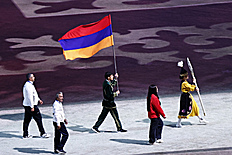
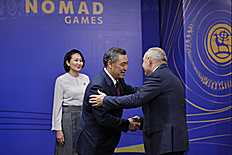
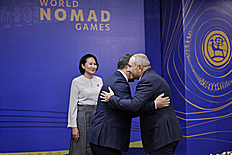
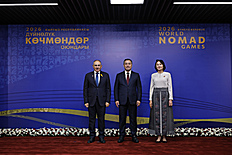
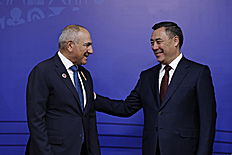
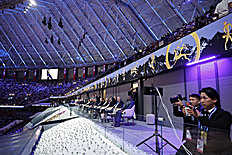
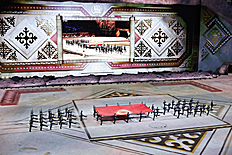
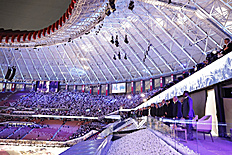
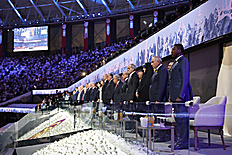
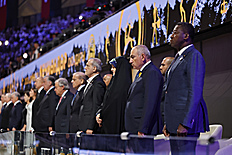
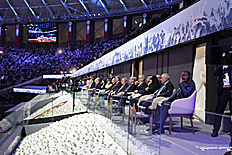
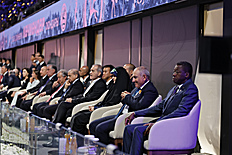
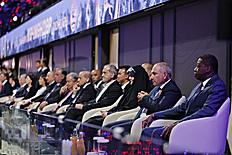
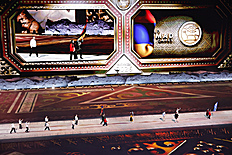
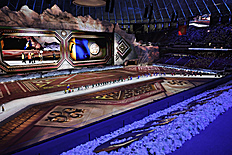
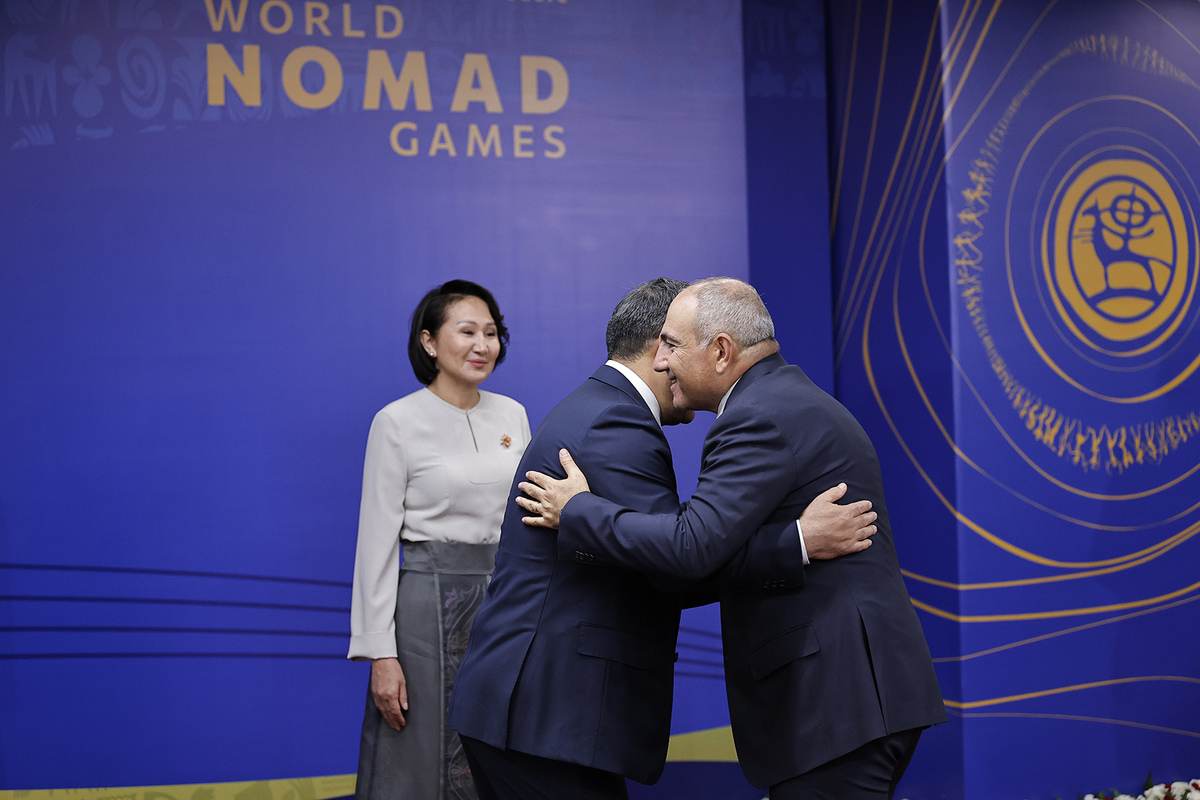
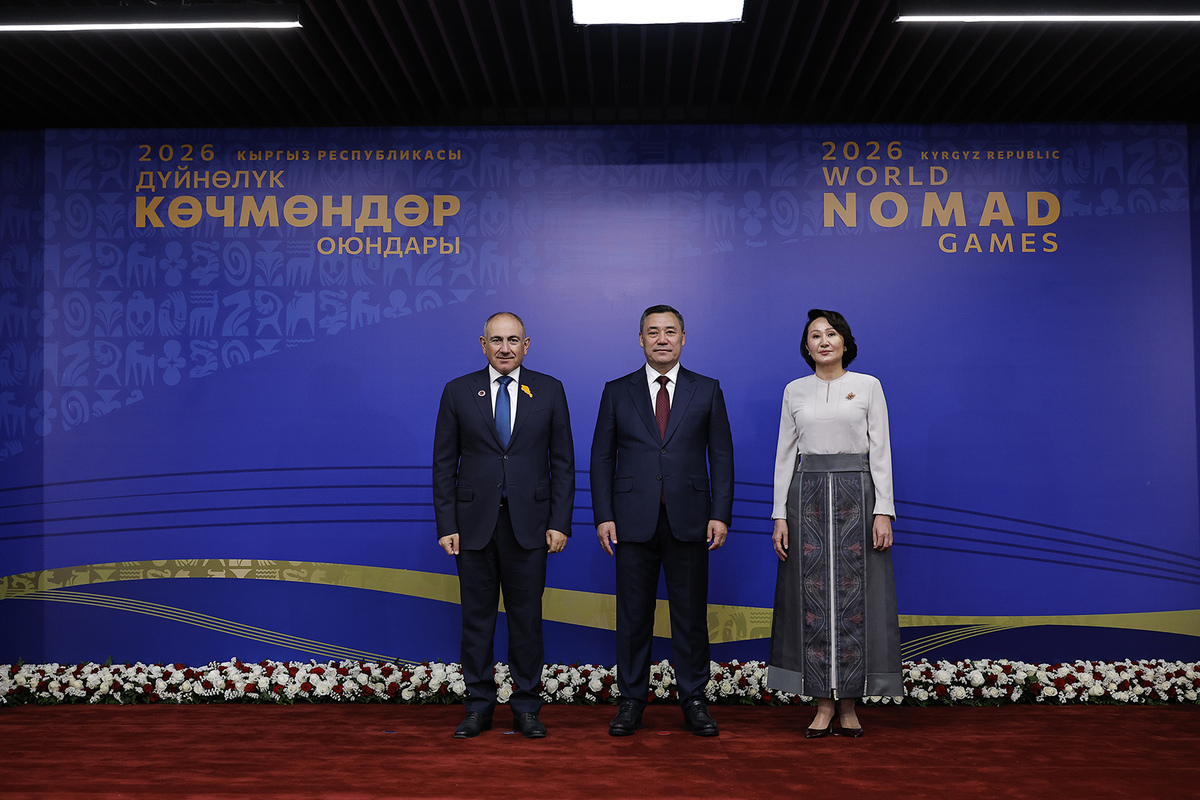
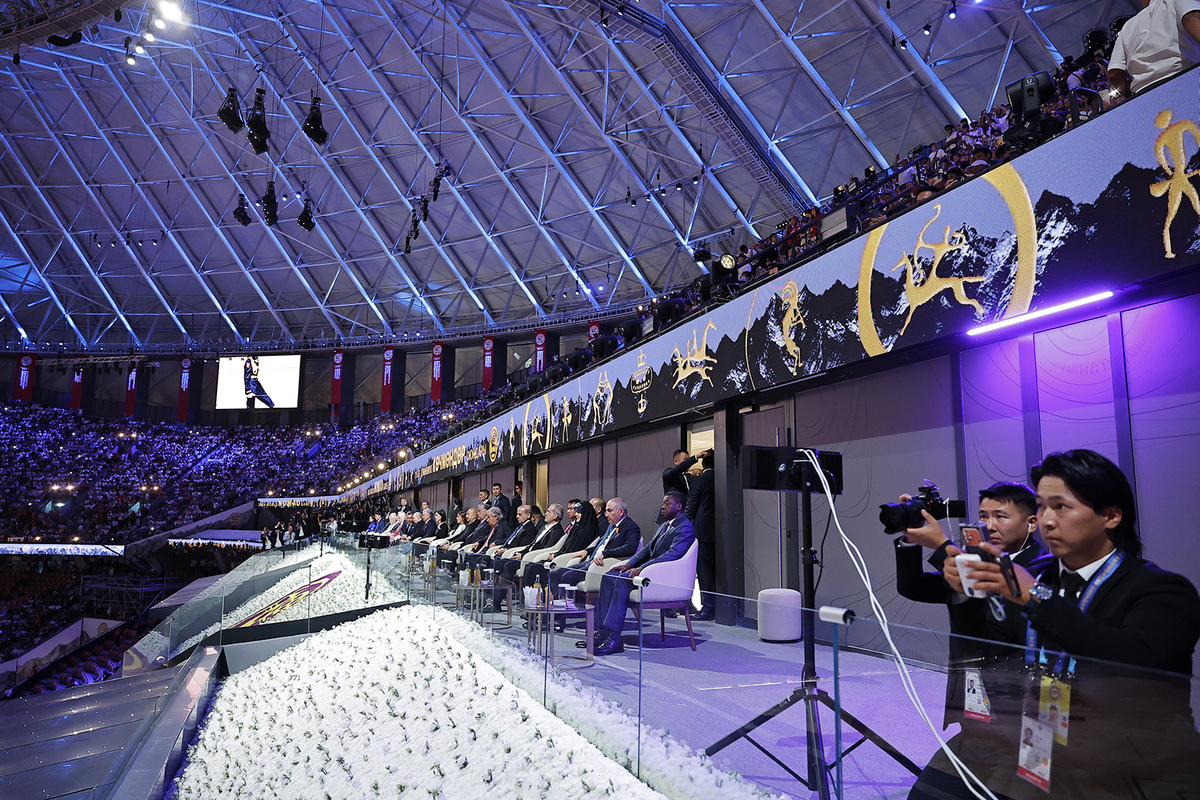
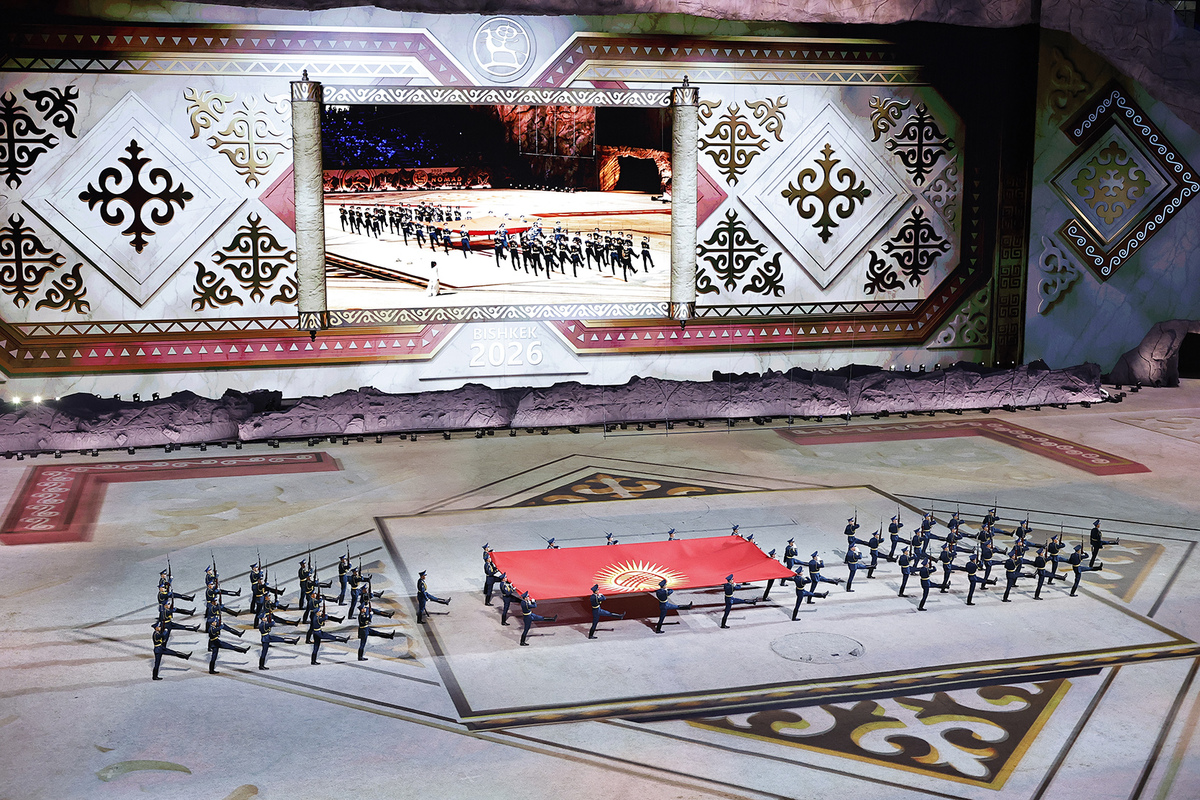
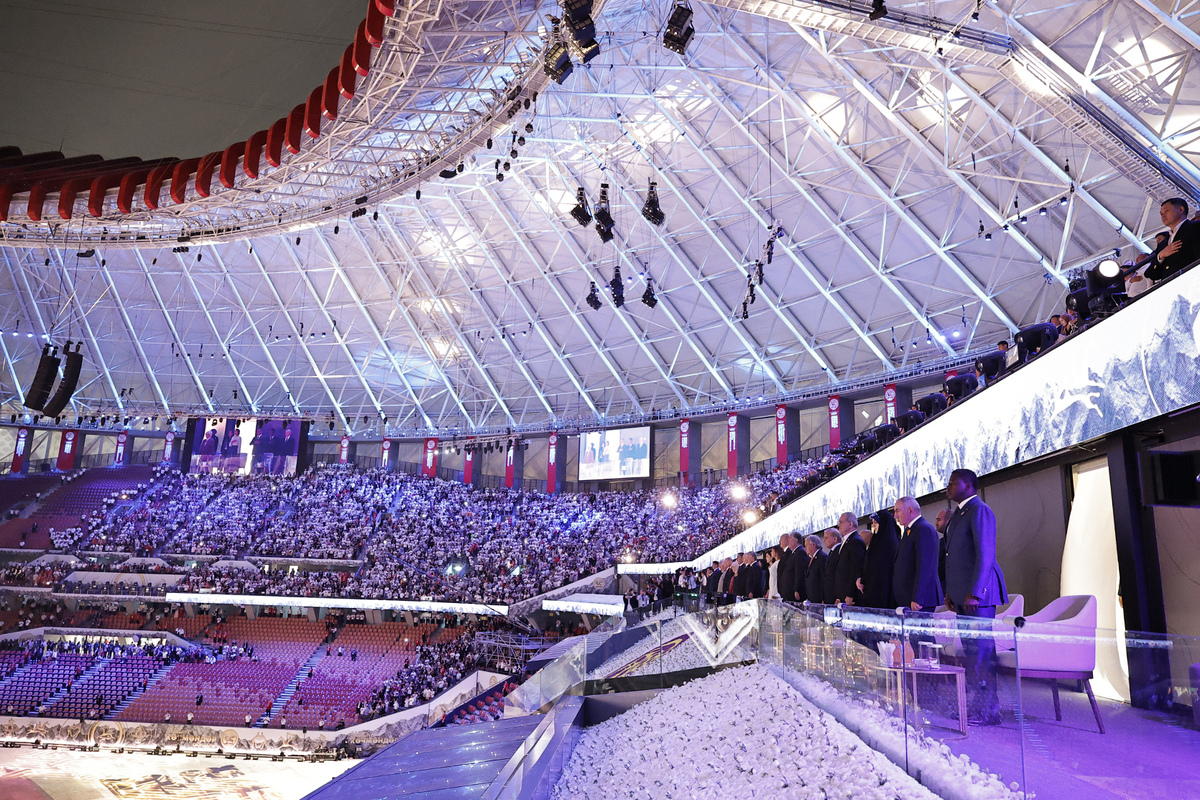
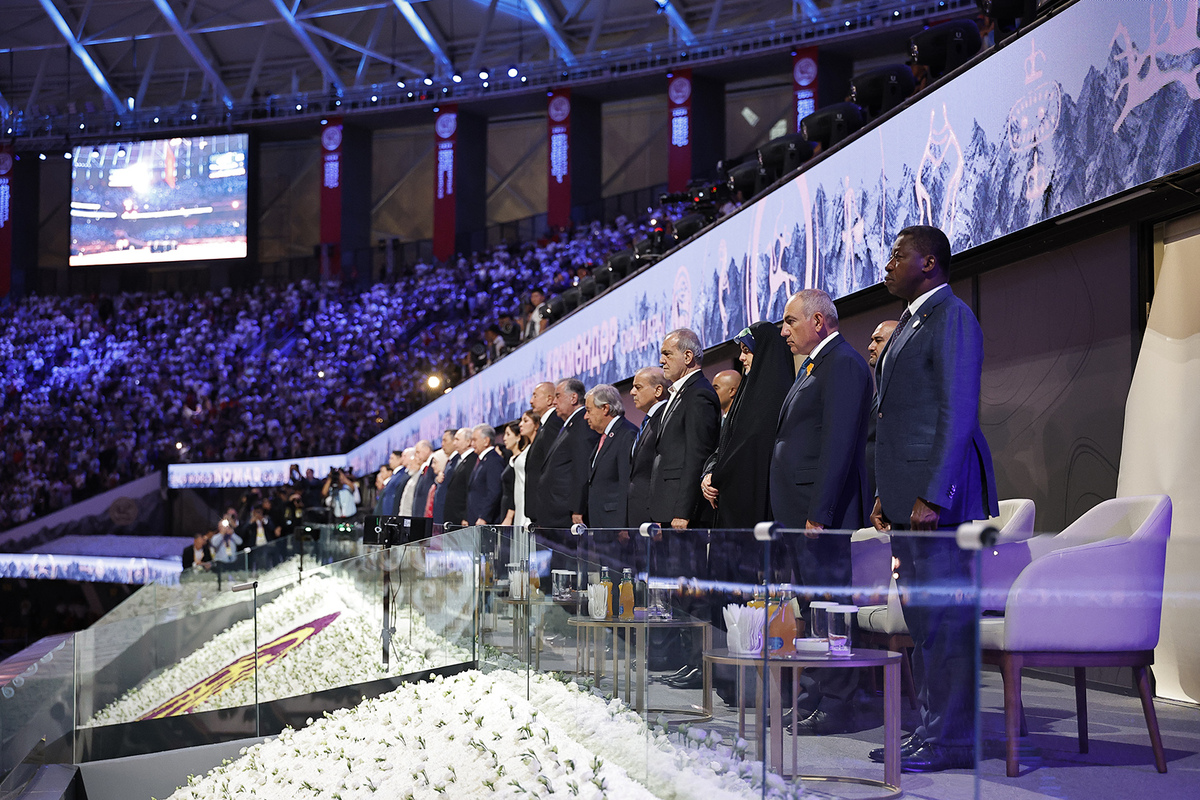
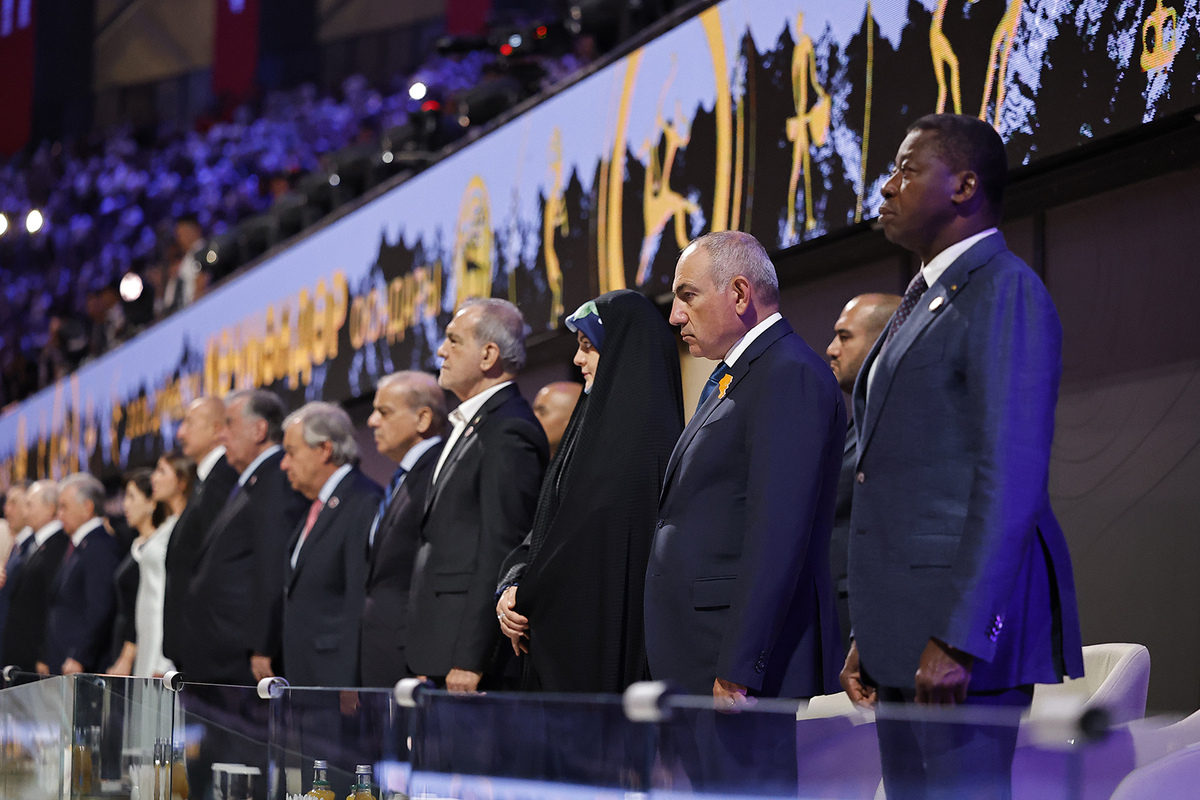
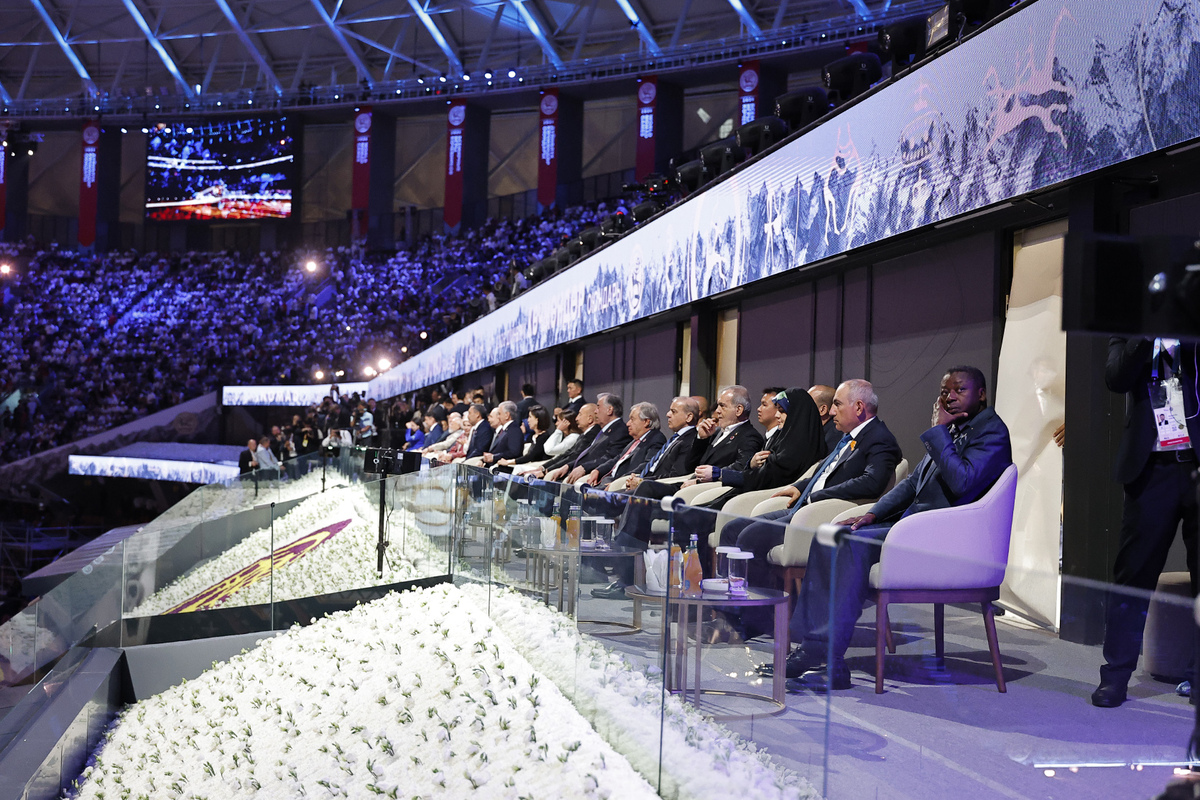
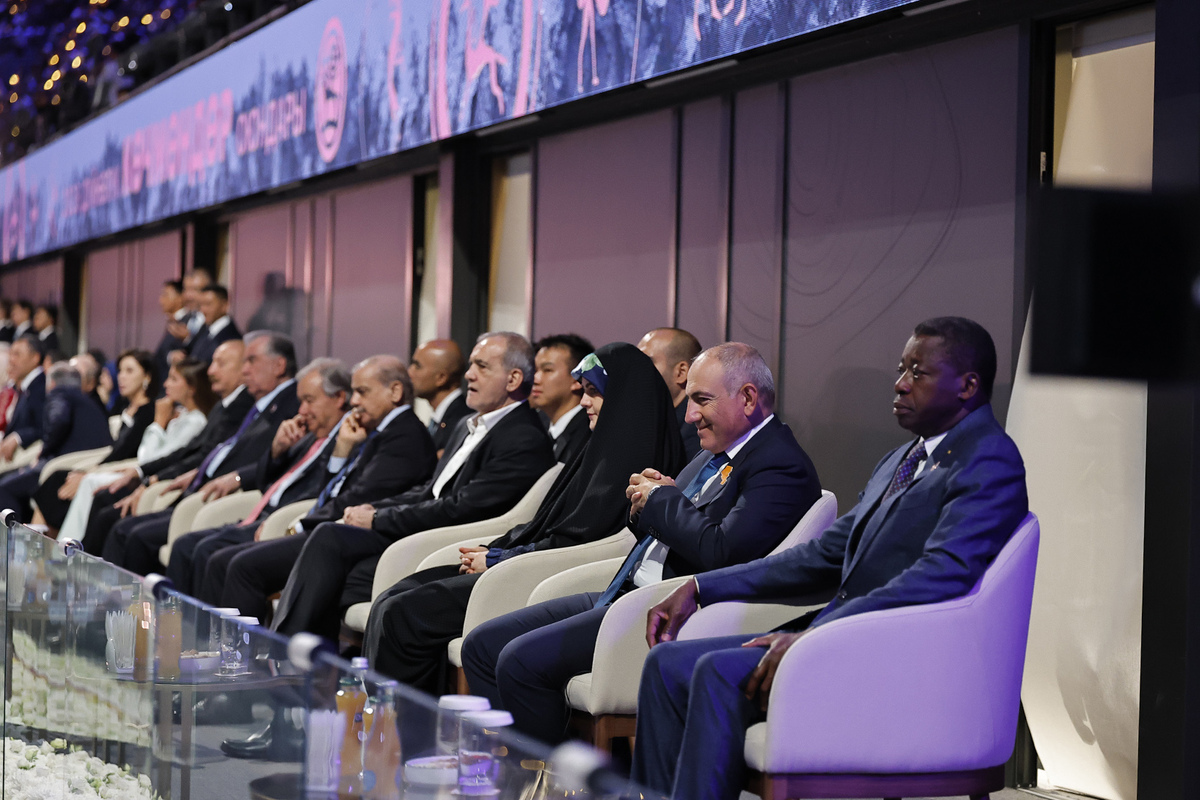
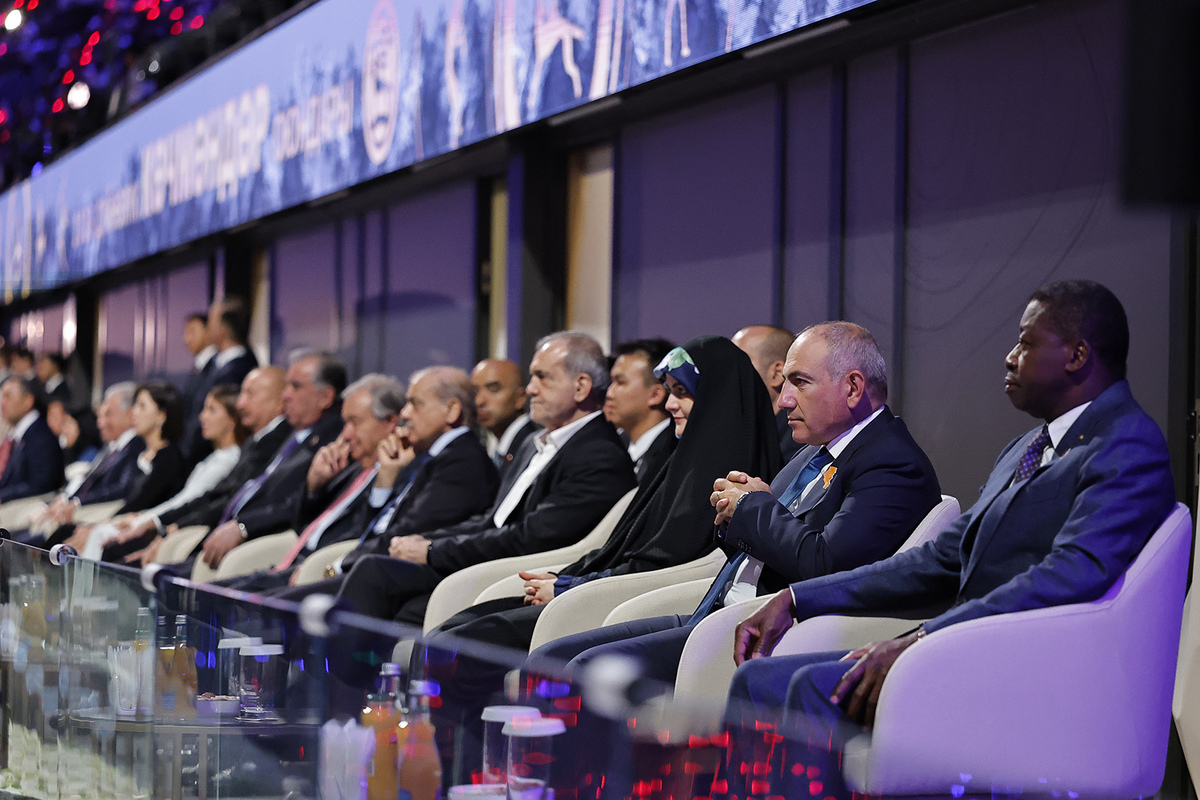
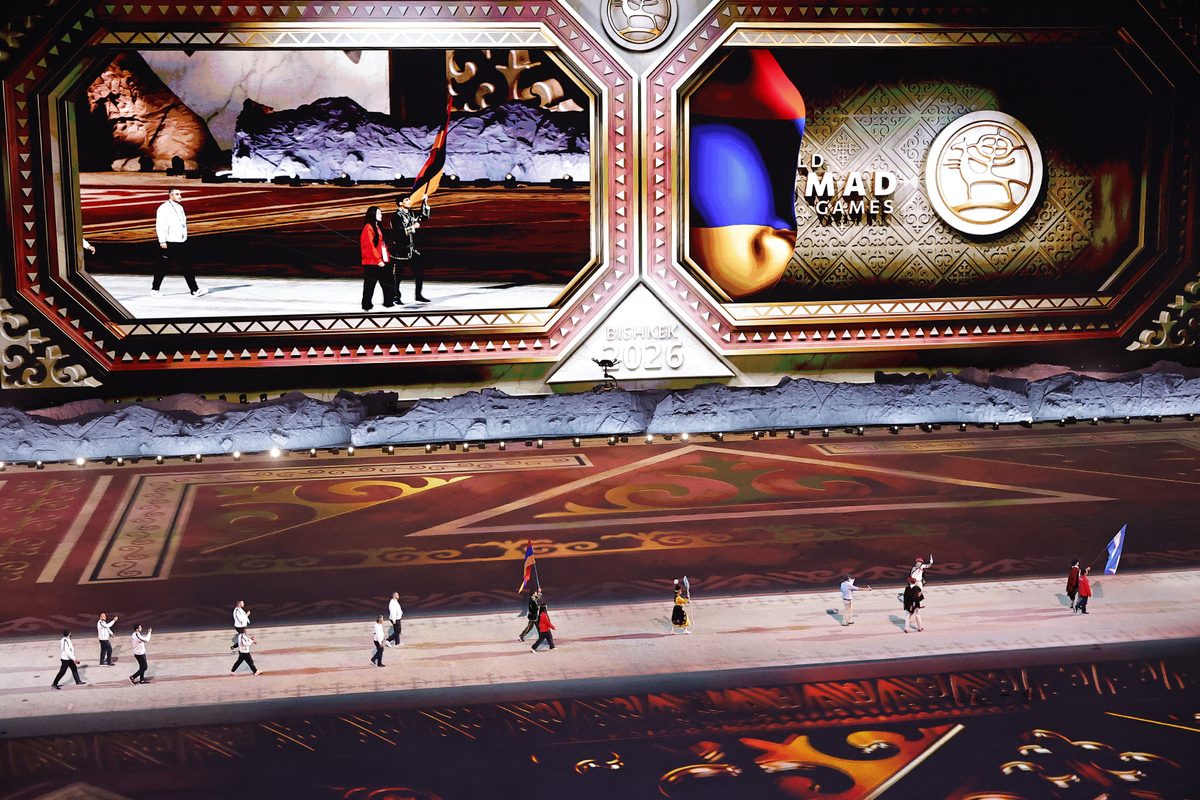
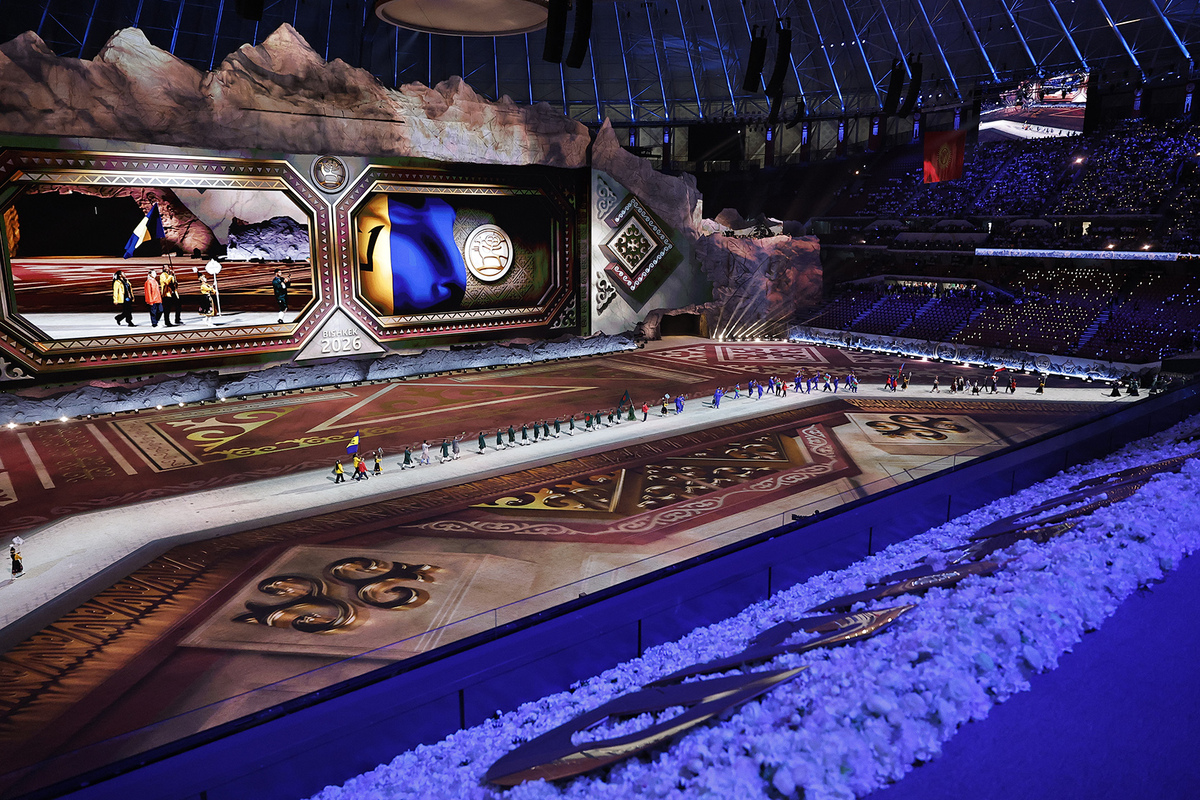
Prime Minister Nikol Pashinyan attended the official opening ceremony of the 6th World Nomad Games in Bishkek.
The event was also attended by the leaders of the states participating in the Shanghai Cooperation Organization summit.
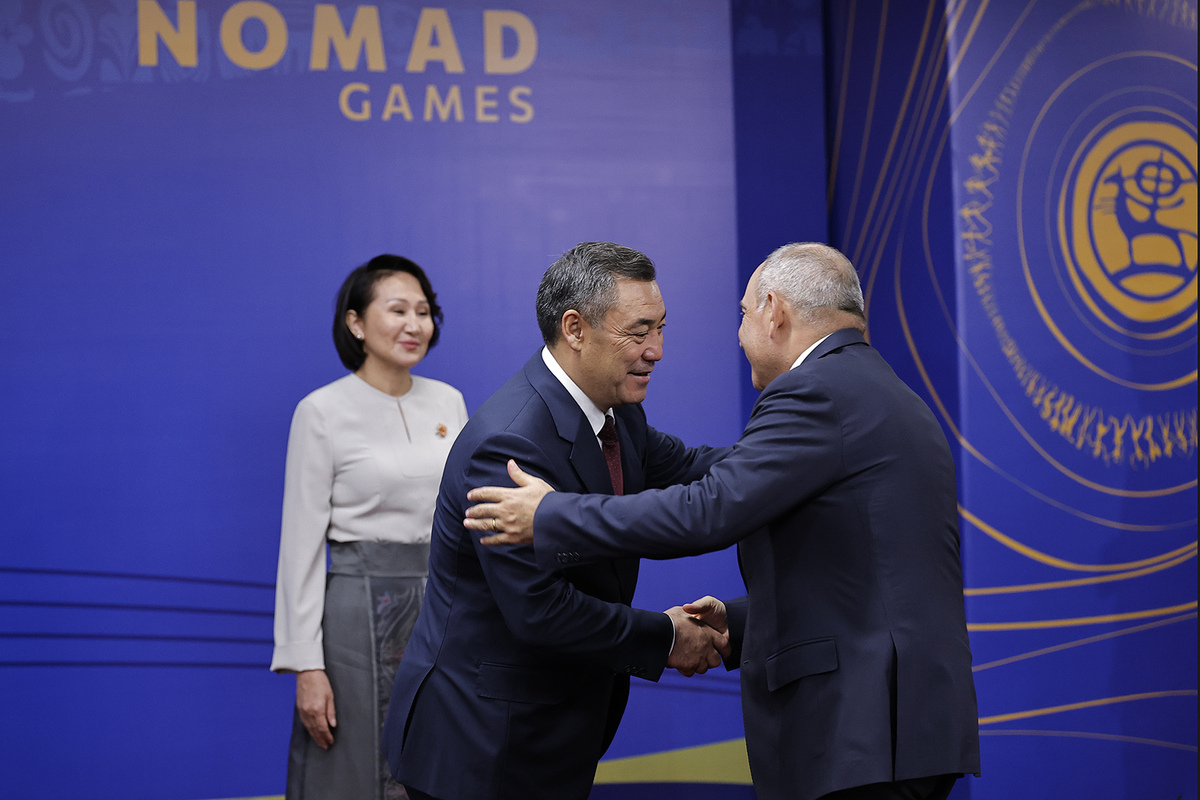
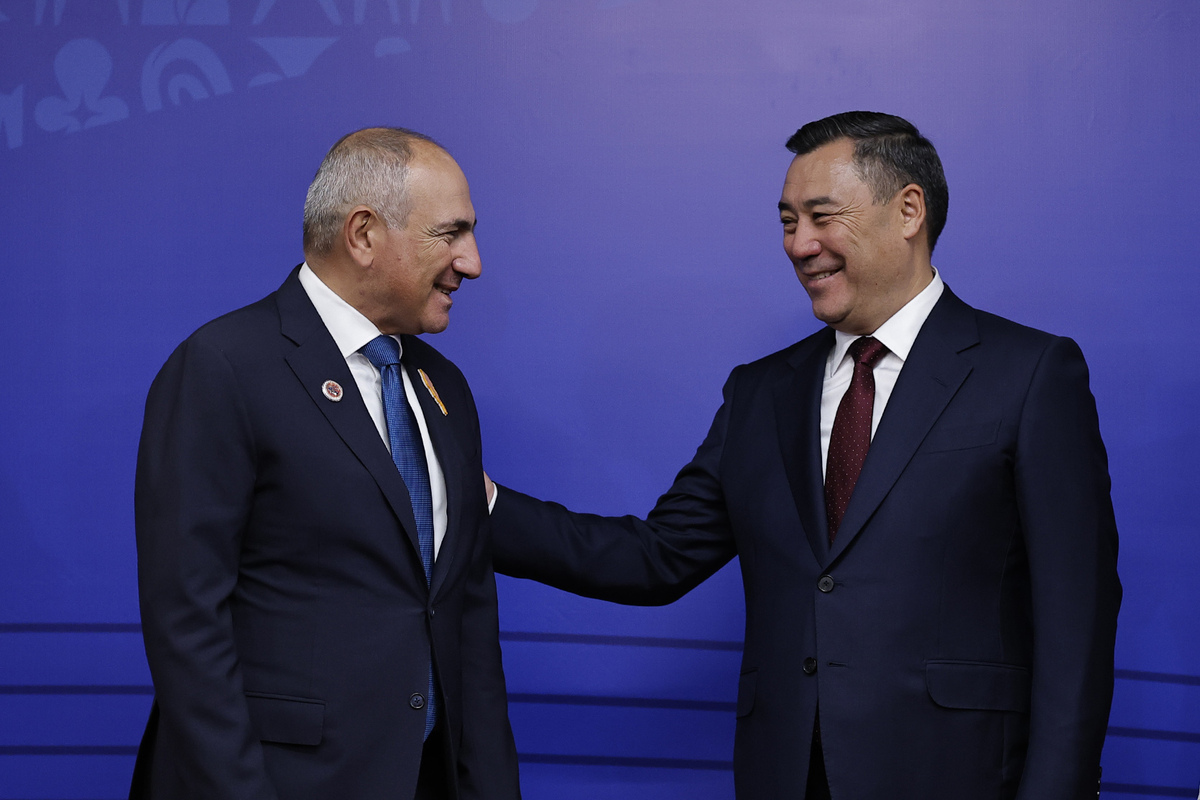
Before the opening ceremony, the high-ranking guests were welcomed by the President of Kyrgyzstan Sadyr Japarov.
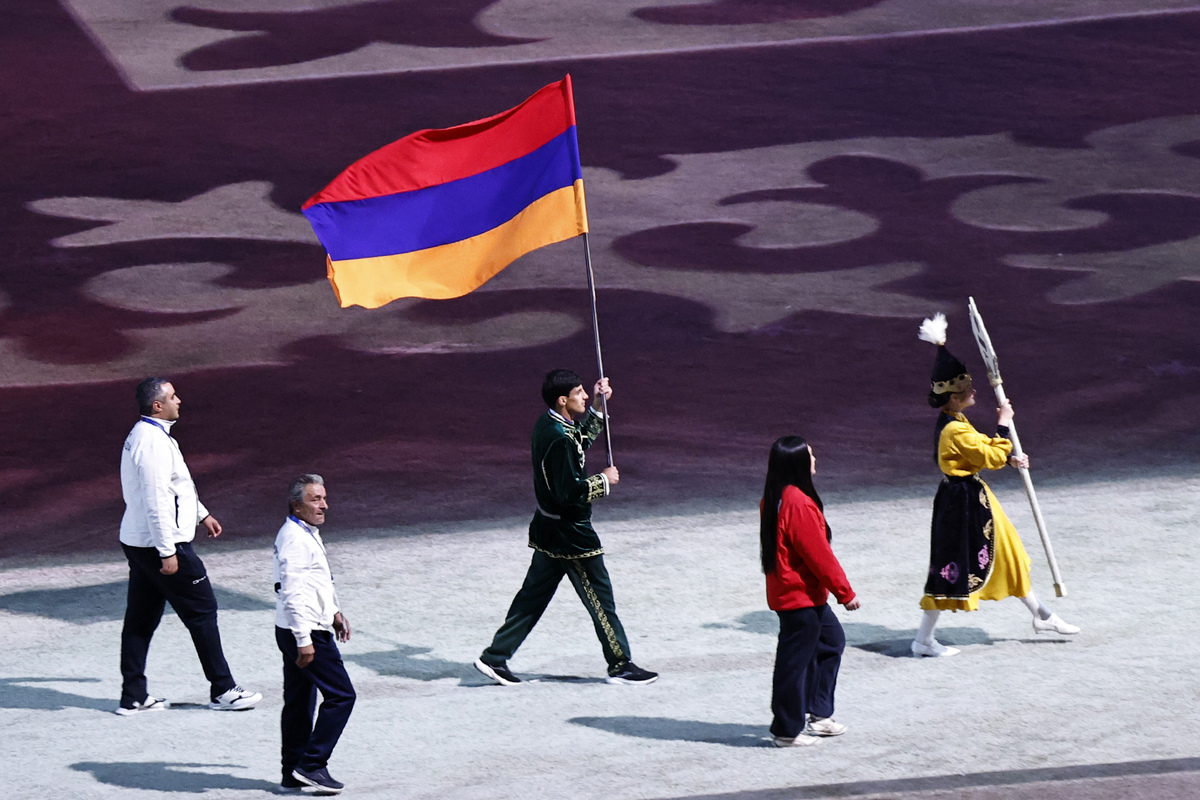
During the ceremony, athletes from the participating states solemnly entered the stadium with their national flags. Athletes from Armenia are also participating in the games.
After the opening ceremony of the games, a dinner was held on behalf of the President of Kyrgyzstan in honor of the heads of the participating states.
* * *
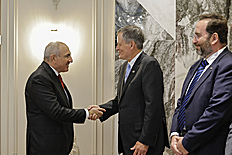
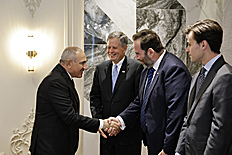
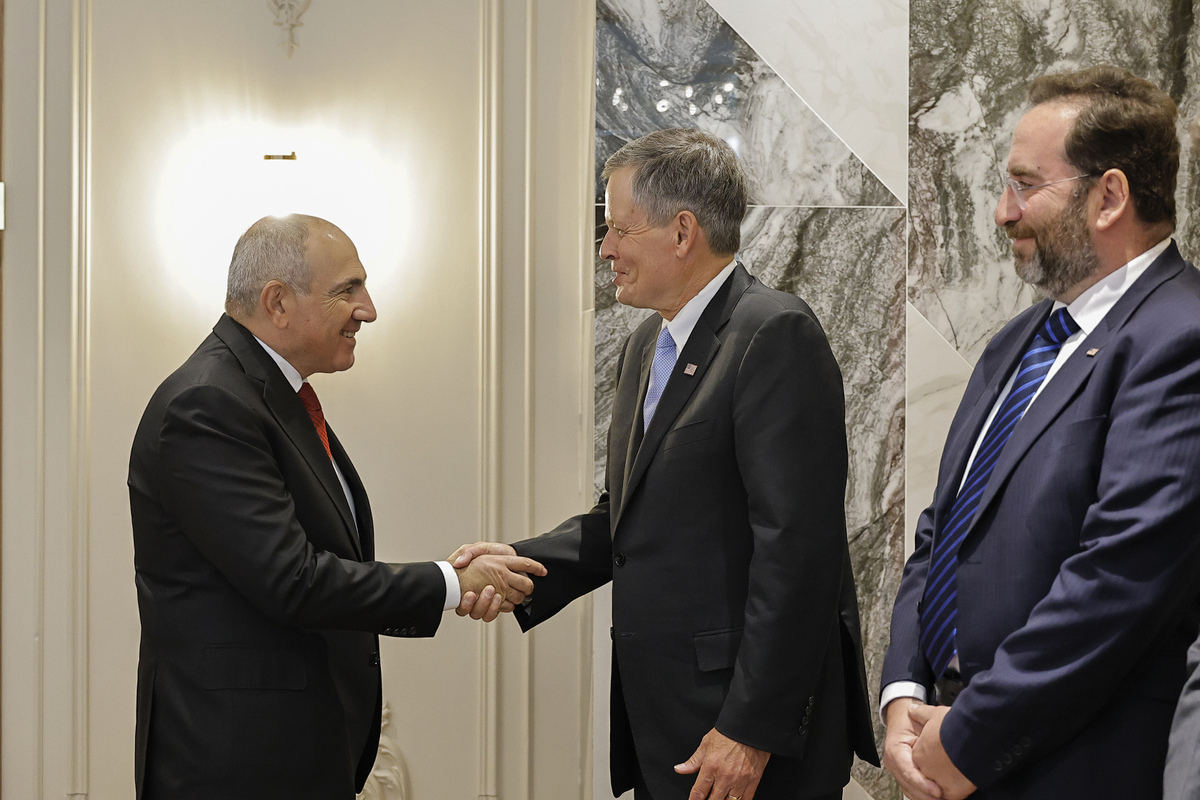
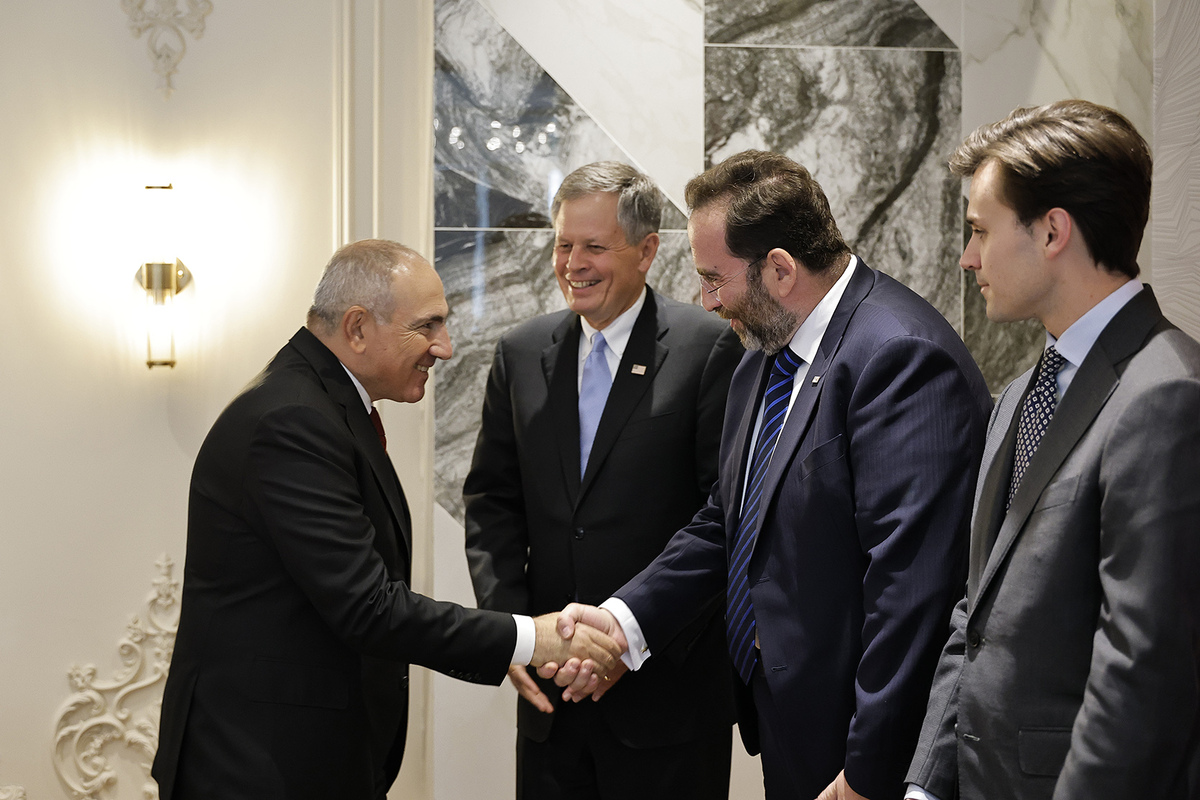
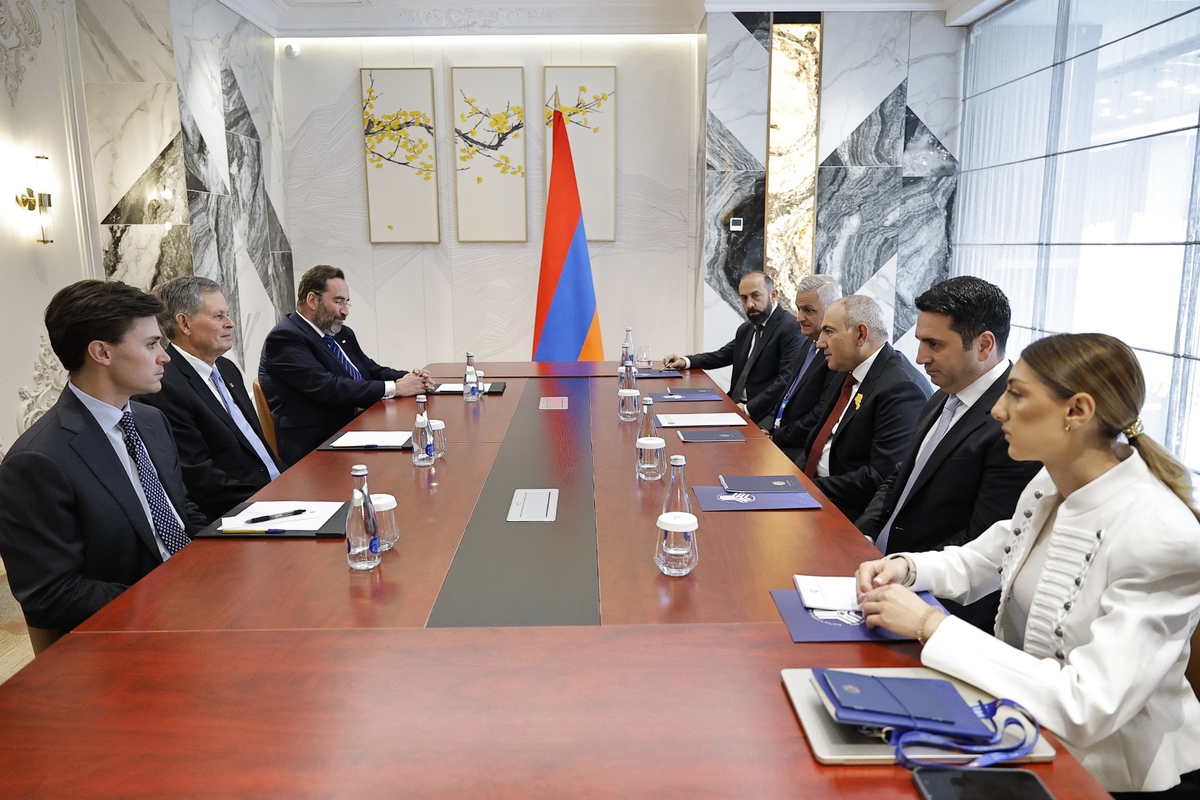
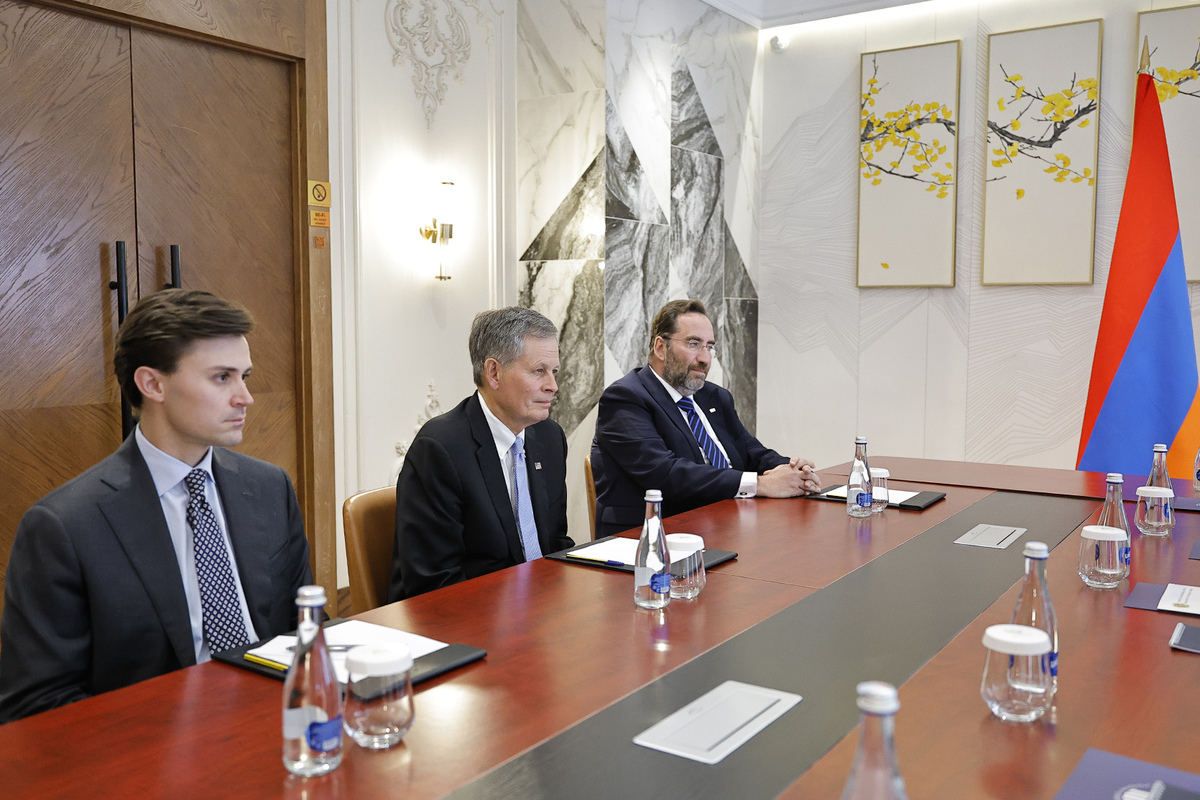
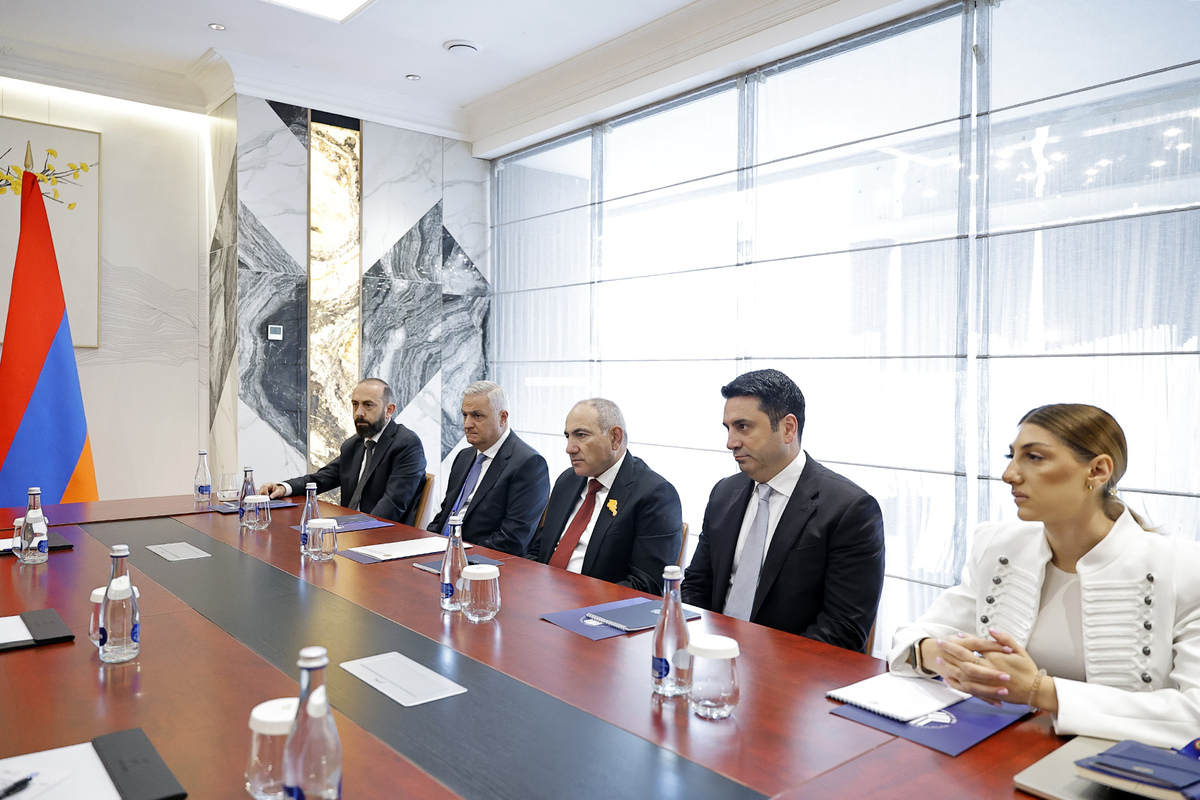
Prime Minister Nikol Pashinyan met with the delegation led by US Senator Steve Daines in Bishkek.
The interlocutors highlighted the continued development of the Armenia-US strategic partnership in various directions.
Regional processes and developments were discussed. The role of the TRIPP project in unblocking and developing communications was emphasized. In this context, the sides exchanged ideas on the progress of the project implementation and upcoming programs.
* * *
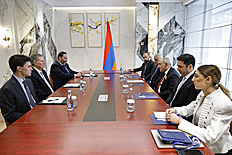
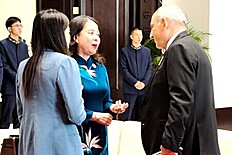
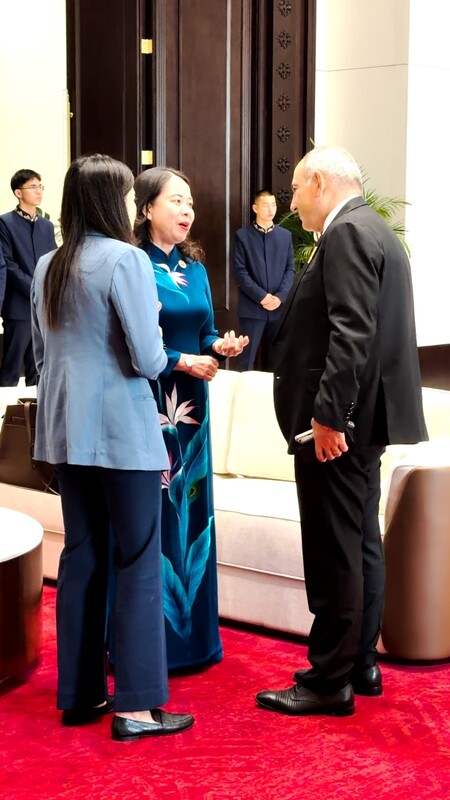
Prime Minister Nikol Pashinyan had a brief meeting with Vice President of Vietnam Võ Thị Ánh Xuân on the sidelines of the SCO+ format meeting of the Shanghai Cooperation Organization summit.
The interlocutors emphasized the friendly relations established between Armenia and Vietnam and emphasized the consistent development of political, economic and cultural ties.
Prime Minister Pashinyan recalled his 2019 official visit to Vietnam and stressed the need for high-level contacts and mutual visits.
They exchanged views on steps aimed at further advancing the bilateral agenda.
* * *
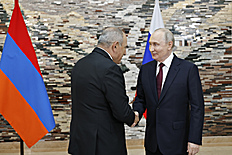
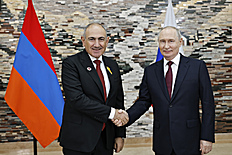
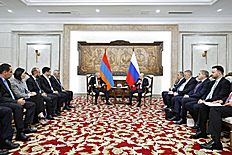
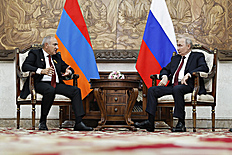
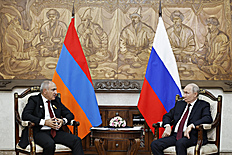
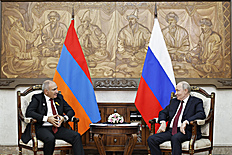
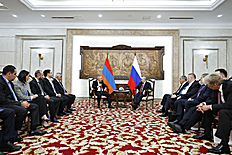
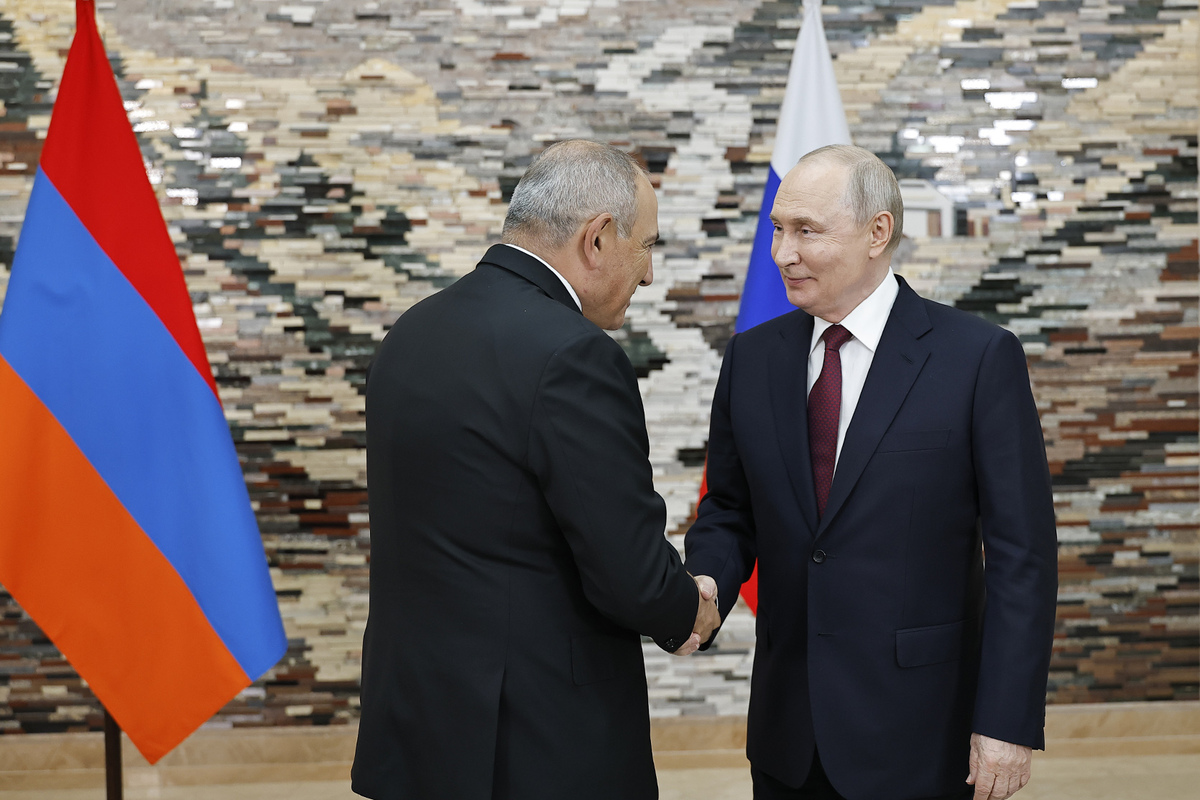
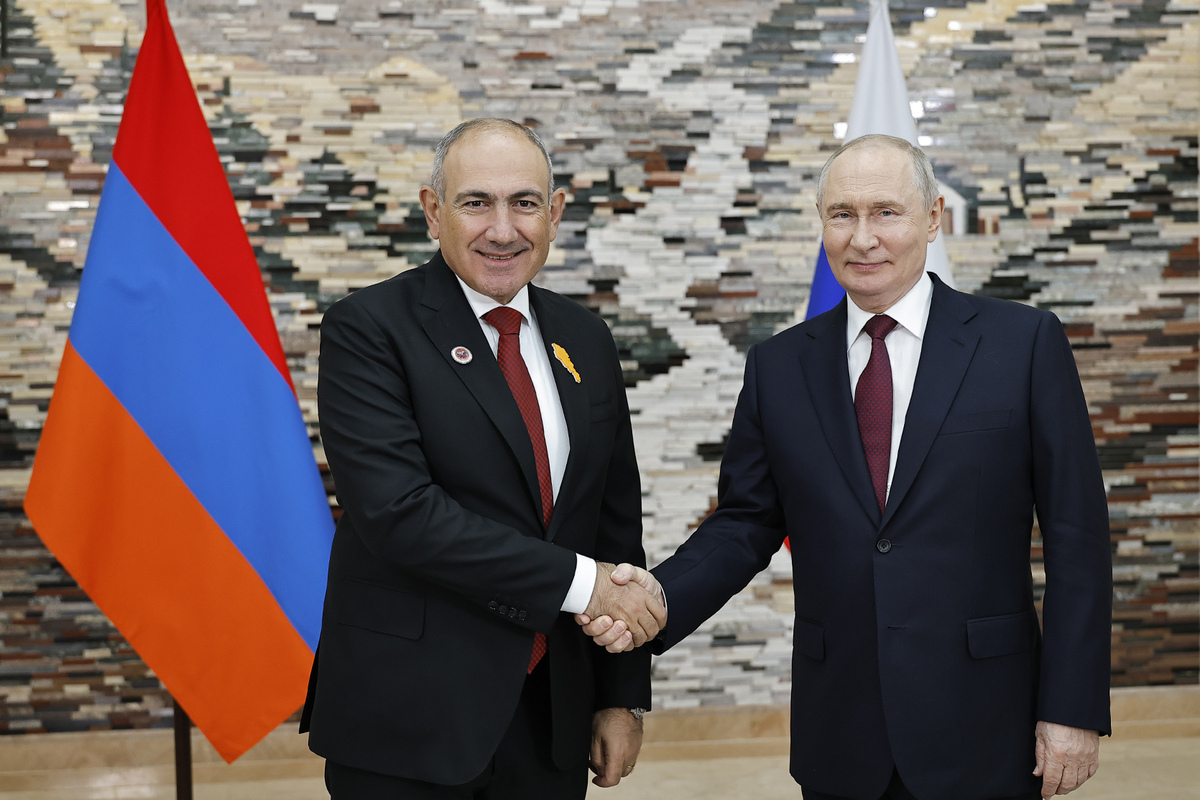
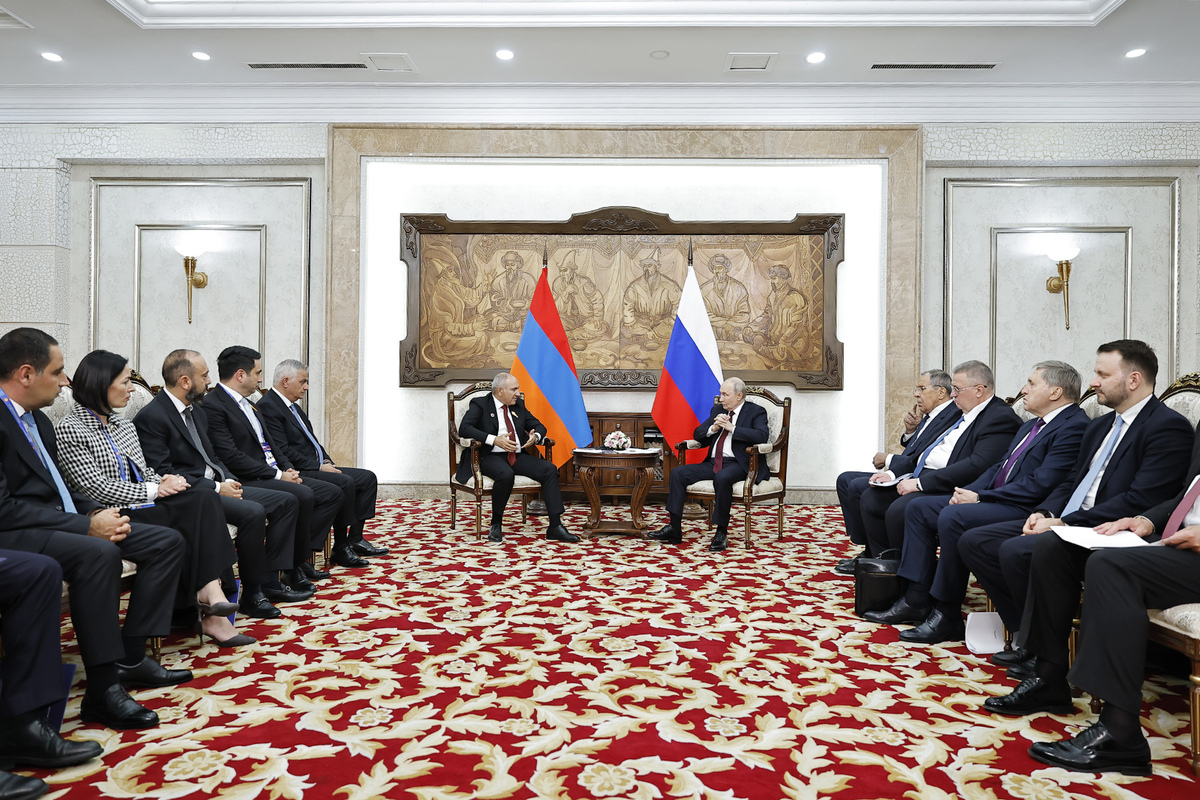
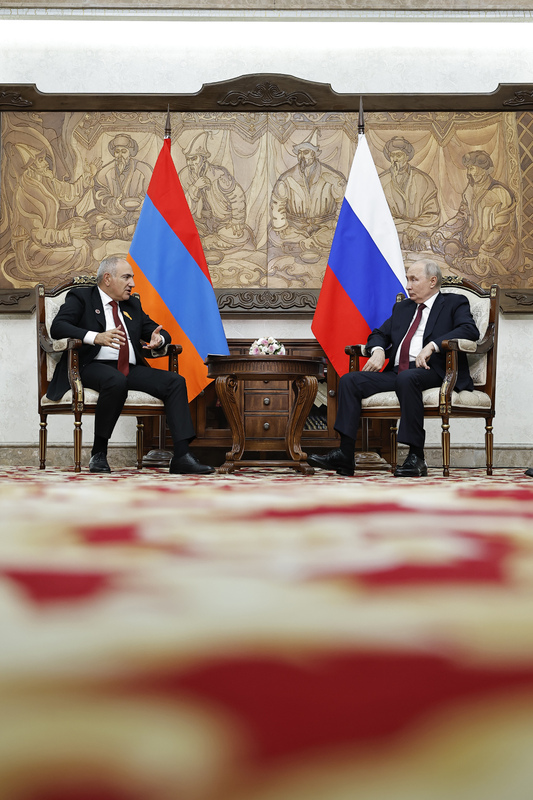
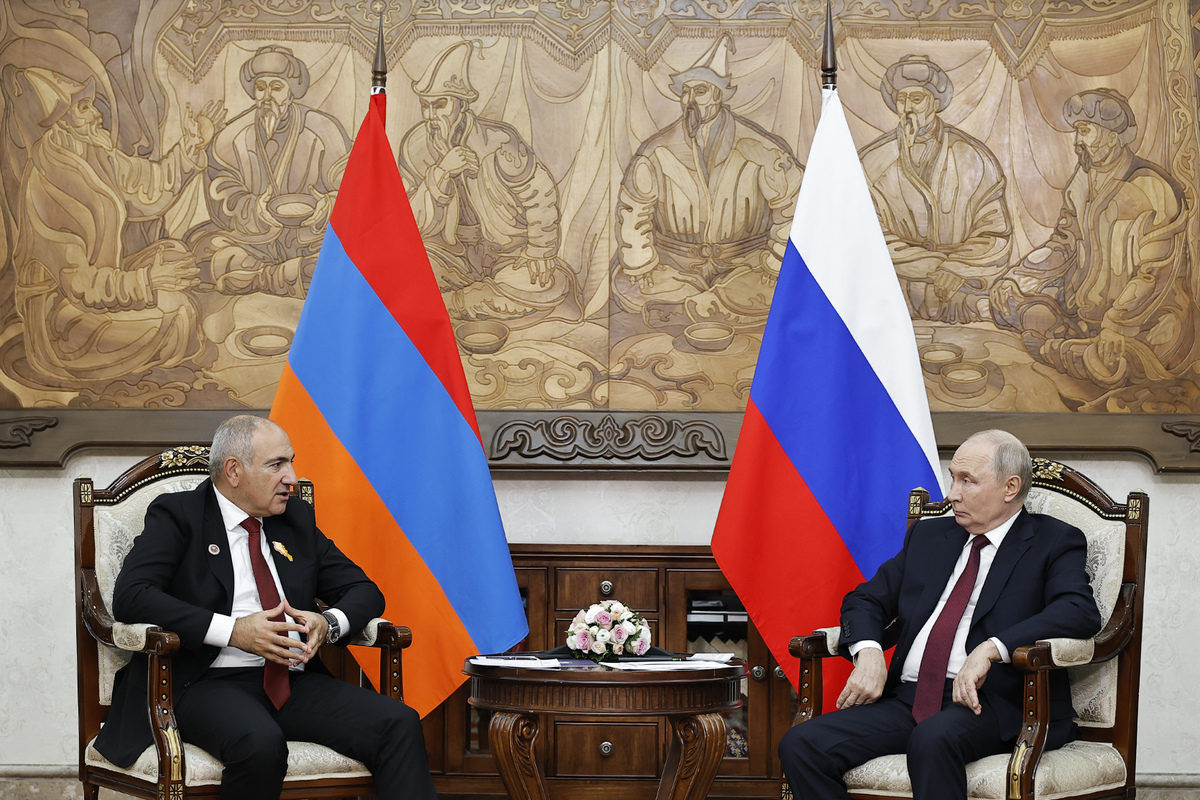
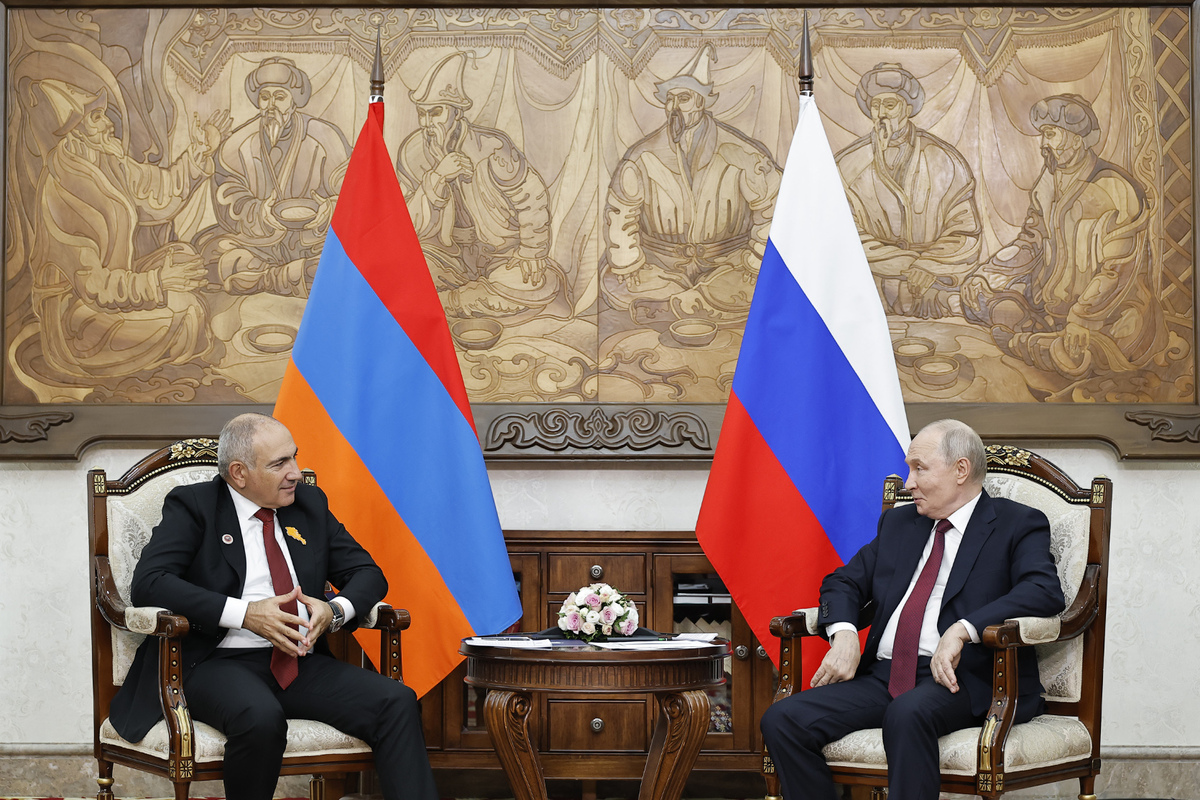
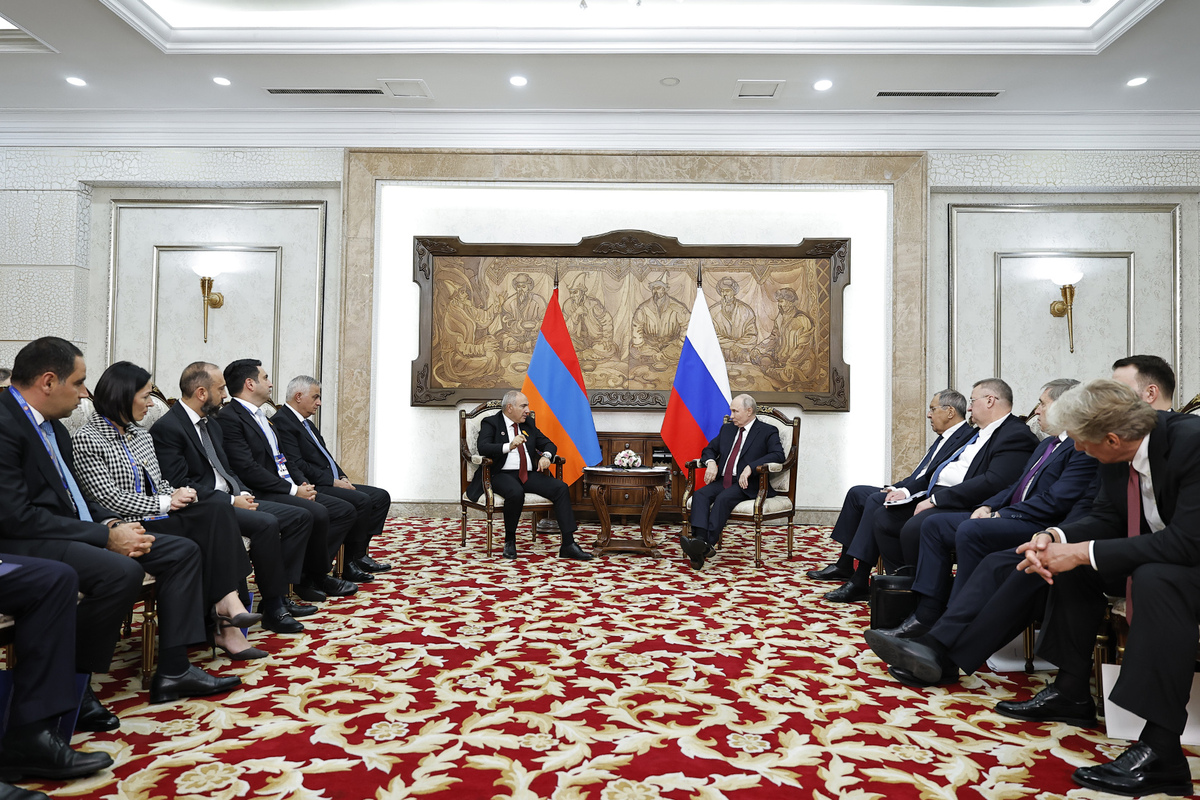
A meeting between Armenian Prime Minister Nikol Pashinyan and Russian President Vladimir Putin took place in Bishkek.
President of the Russian Federation Vladimir Putin - Dear Nikol Vovayevich, dear friends, I am very glad to see you.
And, first of all, I will emphasize the main thing and I would like to start with this: we have always advocated and are advocating for the development of friendly, mutually beneficial relations with Armenia, based on the principles of strategic partnership and allied relations. We proceed from the fact that this corresponds to the fundamental interests of the Armenian people, the fundamental interests of Russia, and I will not even repeat it, we have repeatedly noted this with you, it also corresponds to the historical roots that connect our two peoples.
Russia is Armenia's main trade and economic partner, with a share of about 30 percent, and is also an investor in the Armenian economy. In the first half of the current year, the trade turnover amounted to 2.5 billion dollars.
Mutually beneficial projects are being implemented in the fields of industry and agriculture, mining, peaceful nuclear energy, transport, and the digital economy. Russian companies are the largest taxpayers of the Armenian budget, creating jobs, transferring modern technologies, and strengthening the country's energy security.
I would also like to note that we have already discussed with you many times the issues related to Armenia's declared intention to join the European Union. We have repeatedly touched upon this topic both during telephone conversations and in personal meetings.
You know Russia's position well. Armenia's aspiration to join the EU is the natural, legal right of the country and its people. Armenia is a sovereign state, and the Armenian people will determine the direction of their development. However, this certainly creates difficulties in terms of being in the Eurasian Economic Union and threatens to nullify the Republic's advantages in the Eurasian Economic Union market and disrupt the established trade chains.
Meanwhile, over the course of more than 10 years of participation in Eurasian integration processes, Armenia's GDP has almost tripled: in 2015 it amounted to $10.6 billion, and by 2025 it is $29.2 billion (at least according to our statistics). Exports to the countries of the Eurasian Economic Union have increased 10 times: today the union's market accounts for about 36% of Armenia's foreign trade turnover.
Therefore, of course, the people of Armenia should clearly express their opinion on the choice of the country’s future political and economic course, but at the same time, as we have been saying, it is important to approach the adoption of appropriate steps exclusively objectively, based on reality.
I repeat once again, we will treat any choice of the Armenian people with respect. As Armenia decides, so it will be. But we must align our trade and economic policy with these possible decisions, and we would like to ask you to bring clarity to this issue as soon as possible.
I remember that you publicly said that you consider it necessary to hold a referendum on this issue in the future, and I supported your position at the last summit of the heads of state of the Eurasian Economic Union, I directly mentioned that Prime Minister Nikol Pashinyan publicly announced this and I also asked our partners to support it. And the sooner we clarify, the better, because we also need to understand how to develop relations with Armenia, first of all, in economic terms.
Issues related to regulations, for example, related to agricultural products, the regulation of various technical norms and standards, do not coincide at all in the Eurasian Economic Union and the EU. We have repeatedly encountered this, attempts, even when our relations were more or less normal, to agree on some compromises with the Europeans did not lead to any results, any. They are quite tough negotiators, quite stubborn. And so we did not find an opportunity to resolve almost any issue.
At some point, we will probably still have to do this, taking into account the fundamental interests of both our economy and the European economy, which are in some ways complementary. I hope that all these crisis phenomena will pass one day. But even when they pass... Look, even when there were good relations with Europe, it was very difficult to reach an agreement. And in this regard, there will undoubtedly be problems with the penetration of European goods, services, etc. into our market through Armenia. There are thousands of questions there. We would like to understand what will happen in this area.
I hope that we will now discuss all these issues with you in a calm, friendly, businesslike atmosphere.
Prime Minister of the Republic of Armenia Nikol Pashinyan - Thank you very much, Vladimir Vladimirovich. First of all, I am very happy for this meeting and this opportunity, because there are indeed many issues that need to be discussed.
First of all, I would like to confirm that we are interested in the further development and deepening of our relations with the Russian Federation.
It should also be noted that in recent years, the situation around Armenia and in our entire region has changed and it seems to us that we need to look at the situation from this perspective, because relations between Russia and Armenia had a different meaning in a conflict situation, and now, when peace has been established in the region, it seems to us that it is necessary to look at the situation with a fresh look.
And I think that this will contribute to the development of our relations, we mean the deepening and development of our relations, and this is very important.
You mentioned the Russian enterprises that operate in Armenia, and I must say, and today we were discussing this issue, that many Russian companies operate very successfully in the Republic of Armenia, they are highly profitable companies. You are right, they pay taxes, but the companies should also be divided into two parts. There are companies that operate successfully, that is, they are profitable and developing, but there are also companies that, unfortunately, are not profitable and are not developing. And this, I think, is a problem for both Armenia and the Russian Federation. This is also a question, these issues, these nuances should also be considered and discussed.
And regarding the EU, you know, this issue is being discussed a lot both at the working level and publicly. You know, last year we adopted the law on the launch of Armenia’s accession process to the European Union, and there is a lot of discussion about how the adoption of this law corresponds to the obligations we have undertaken within the framework of the Eurasian Economic Union.
We have analyzed the existing contractual framework between the Russian Federation and Armenia, as well as the existing contractual framework within the framework of the Eurasian Economic Union, both before and after that move, and, frankly, we have not found any violations of the obligations that Armenia has towards the Russian Federation and the Eurasian Economic Union, because the Treaty on the Eurasian Economic Union also directly states how to act if the country decides to withdraw from the Eurasian Economic Union.
By the way, there is no regulation there according to which a member state can be expelled from the organization. That is, it is stipulated there that if a country decides to withdraw from the Eurasian Economic Union, it must notify its partners about it in advance, six months in advance. I think we should look at this situation from this perspective.
At the moment, we have not notified our partners that we are going to withdraw from the Eurasian Economic Union. I think we should rely on this very fact, because the issue of a referendum has been discussed a lot in this regard.
Frankly speaking, the adoption of the law already meant a rejection of the idea of a referendum at that time, because if the parliament had not adopted this law at that time, I want to remind you that this law was initiated by civil society, that is, they, in accordance with the Constitution, collected signatures of Armenian citizens and submitted this draft to the parliament.
If the parliament had not adopted this law, the initiators could have collected another 250 thousand signatures, and if the parliament had rejected it this time too, we would have had to hold a referendum in the Republic of Armenia. In other words, by adopting this law, it turns out that we have abandoned the idea of a referendum.
And why did we refuse, because this issue, I had the opportunity to talk to you about it, had not yet matured to the level where it would be possible to formulate a question before our people.
Why did we adopt this law at all? First, in order not to hold a referendum, and secondly, as I have repeatedly said publicly, it is very important for us that our country and our people have alternatives. I think that this is a legitimate goal.
This does not mean that we are dissatisfied with the Eurasian Economic Union, although there are many working issues in the EAEU, we always discuss them, both strategic and tactical issues.
We simply believe that, especially in the current international situation, for any country, by the way, today we were also discussing this, the topic of the SCO summit was a multipolar world order, that is, it is considered a legitimate goal - to have alternatives for a state, a country.
We simply believe that, especially in the current international situation, for any country, by the way, today we were also discussing this, the theme of the SCO summit was a multipolar world order, that is, it is considered a legitimate goal, to have alternatives for a state, a country.
And this process is not directed against Russia, it is not directed against the Eurasian Economic Union, because we highly value our relations with the Russian Federation. Indeed, as you have already mentioned, it is so important for us, for our country. We hope that these relations are also important for the Russian Federation.
And I think that we should, both the Republic of Armenia, and the Russian Federation, and we personally, treat these relations very carefully. And I want to confirm that I, personally, and our Government, treat these relations very carefully and I am sure that you also treat these relations carefully and I want to thank you for that.
President of the Russian Federation Vladimir Putin - Dear Nikol Vovayevich, we will discuss with you now. I am always interested in holding discussions with you on any topic, including this one, but on the main issue, I will nevertheless allow myself to disagree with you.
You said that you have not announced your withdrawal. The adoption of the law on the start of the procedure for joining another economic organization essentially means an announcement of withdrawal from our organization, because being there and here at the same time is incompatible. That is the problem.
Well, let's discuss all this calmly now.
Armenian Prime Minister Nikol Pashinyan — I think, and I am saying this publicly, that we understand that the time will come when it will be necessary to make a very clear choice. Simply our position is that at the moment that time has not yet come, we do not need it now, because, in fact, at the moment we have no alternative, that alternative has not actually been created.
When it is created, if it is created, then, of course, we will make a choice, through a referendum or without a referendum. Well, there are such mechanisms. I will be happy to continue this conversation with you and answer all your questions.
Russian President Vladimir Putin - I agree that the people should always have the opportunity to choose. Well, then create that opportunity and let's close the topic. That's it. Now the simplest thing is to turn to people and ask: what do you want, this way or that? And that's it.
Okay, now we will talk.