Interviews and press conferences
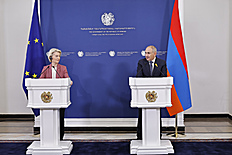
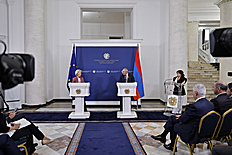
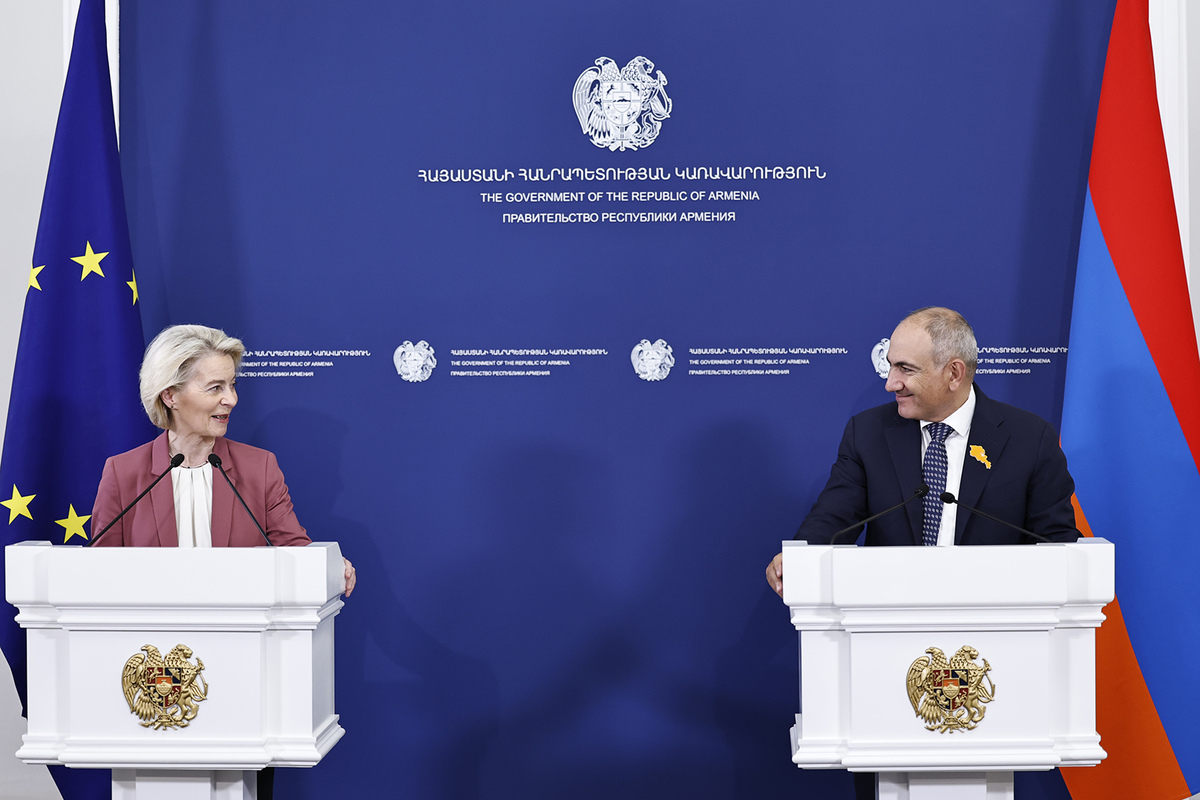
Nikol Pashinyan and Ursula von der Leyen make statements
 1670x1113px - 497 Kb
 1670x1113px - 346 Kb
 1670x1113px - 332 Kb
 1670x1113px - 356 Kb
 1670x1113px - 346 Kb
 1670x1113px - 466 Kb
 1670x1113px - 366 Kb
 1670x1113px - 330 Kb
 1670x1113px - 450 Kb
 1670x1113px - 387 Kb
 1670x1113px - 481 Kb
 1670x1113px - 661 Kb
 1670x1113px - 618 Kb
 1670x1113px - 802 Kb
 1670x1113px - 593 Kb
 1670x1113px - 936 Kb
 1670x1113px - 1 Mb
 1670x1113px - 504 Kb


more 15 photos
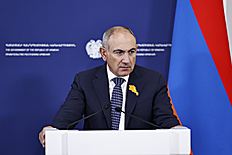
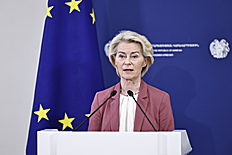
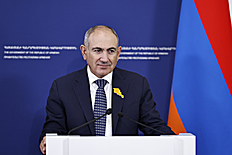
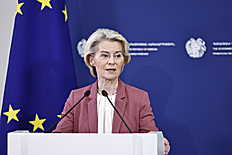
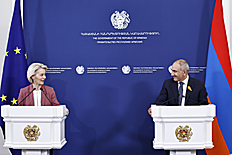
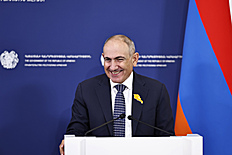
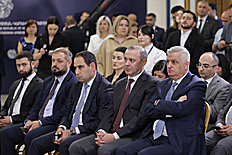
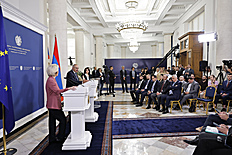
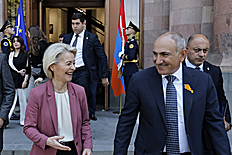
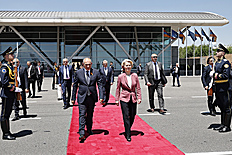
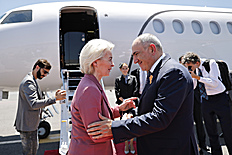
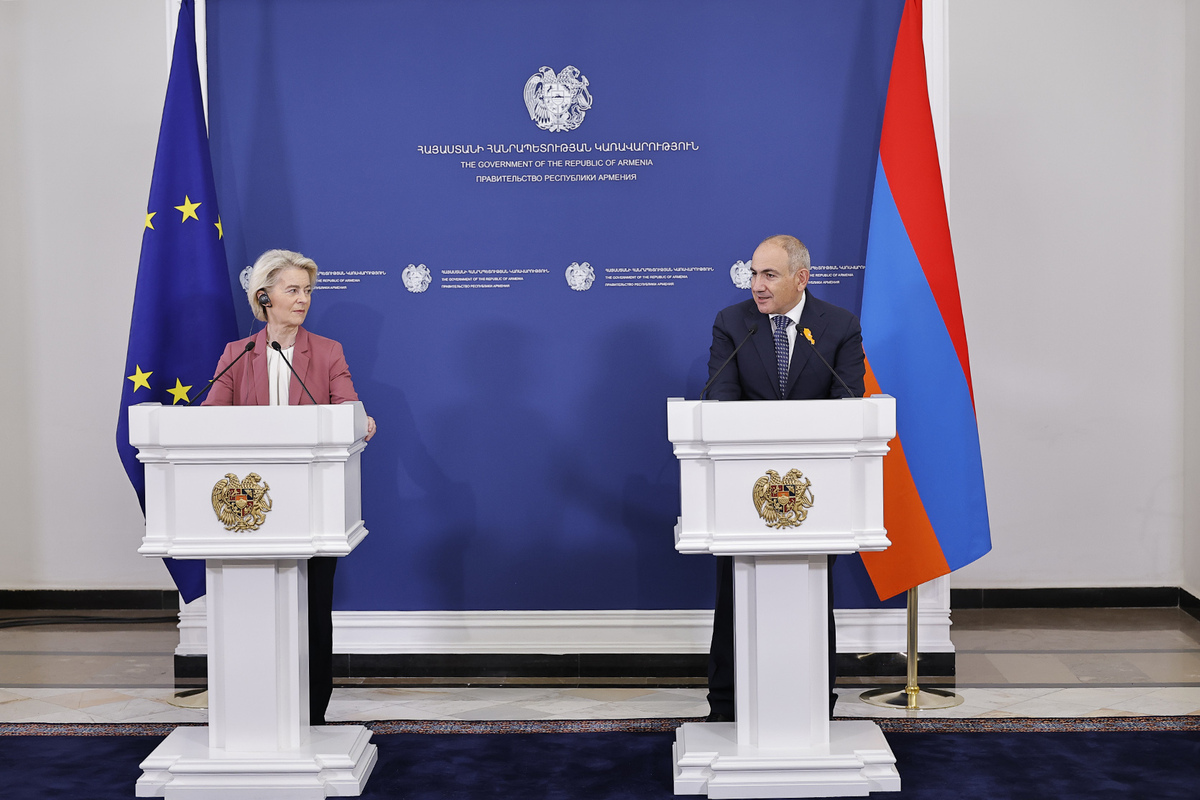
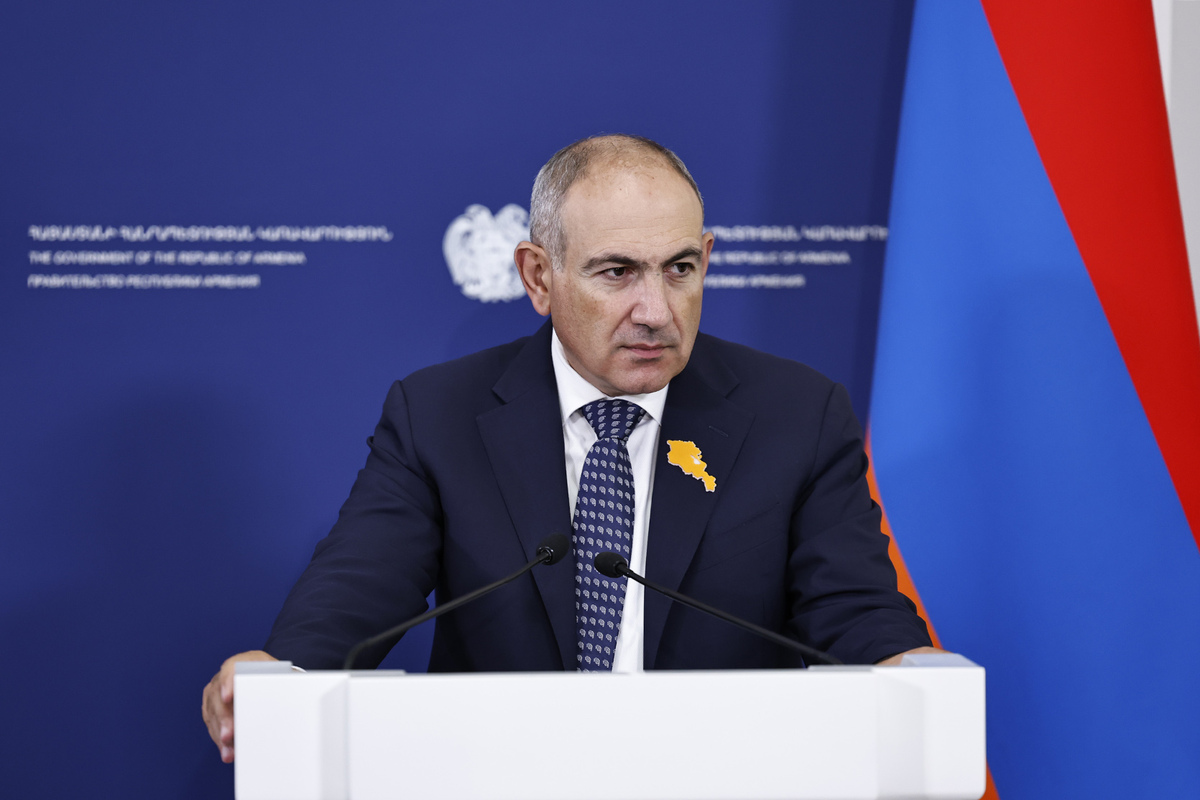
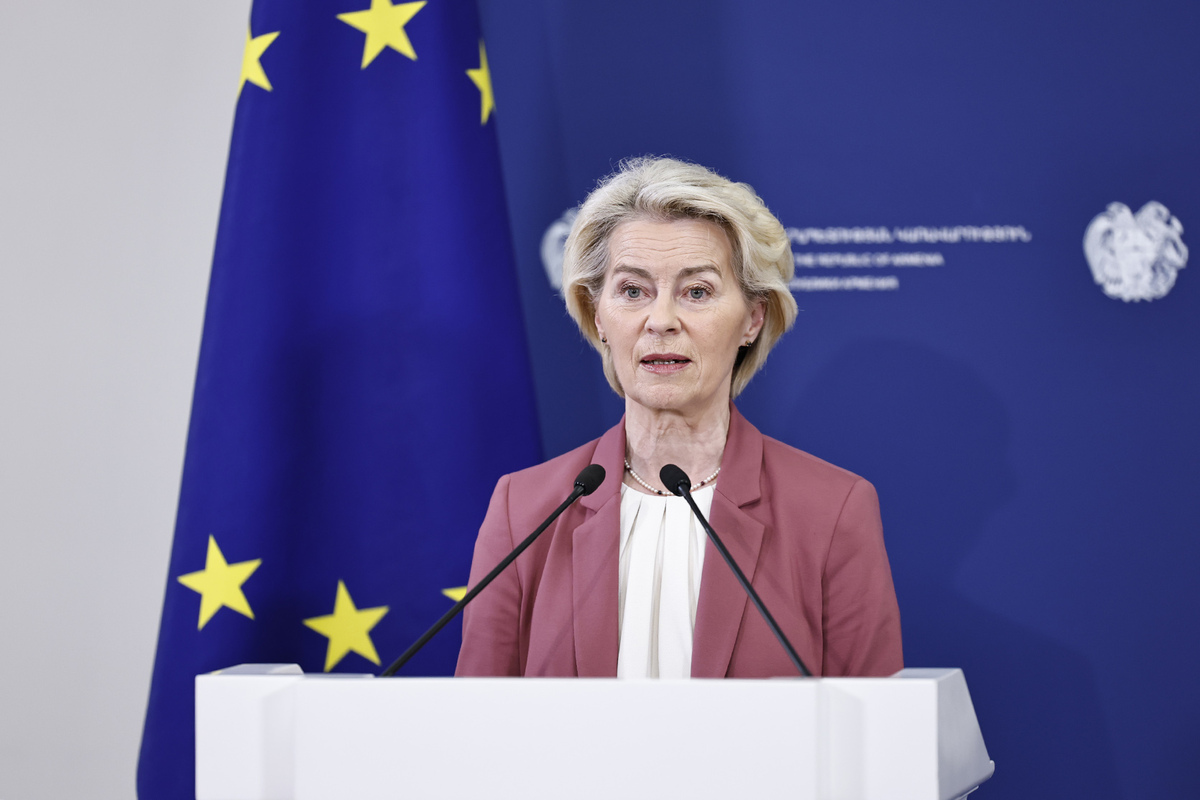
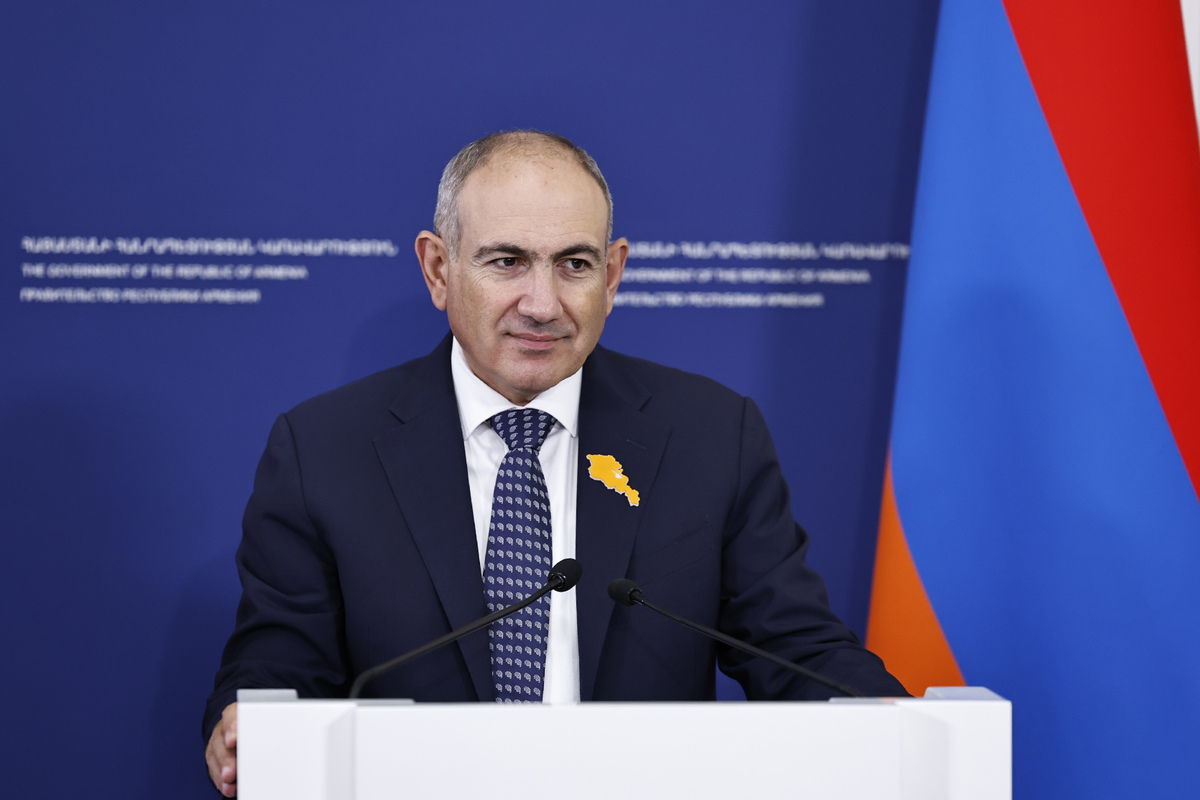
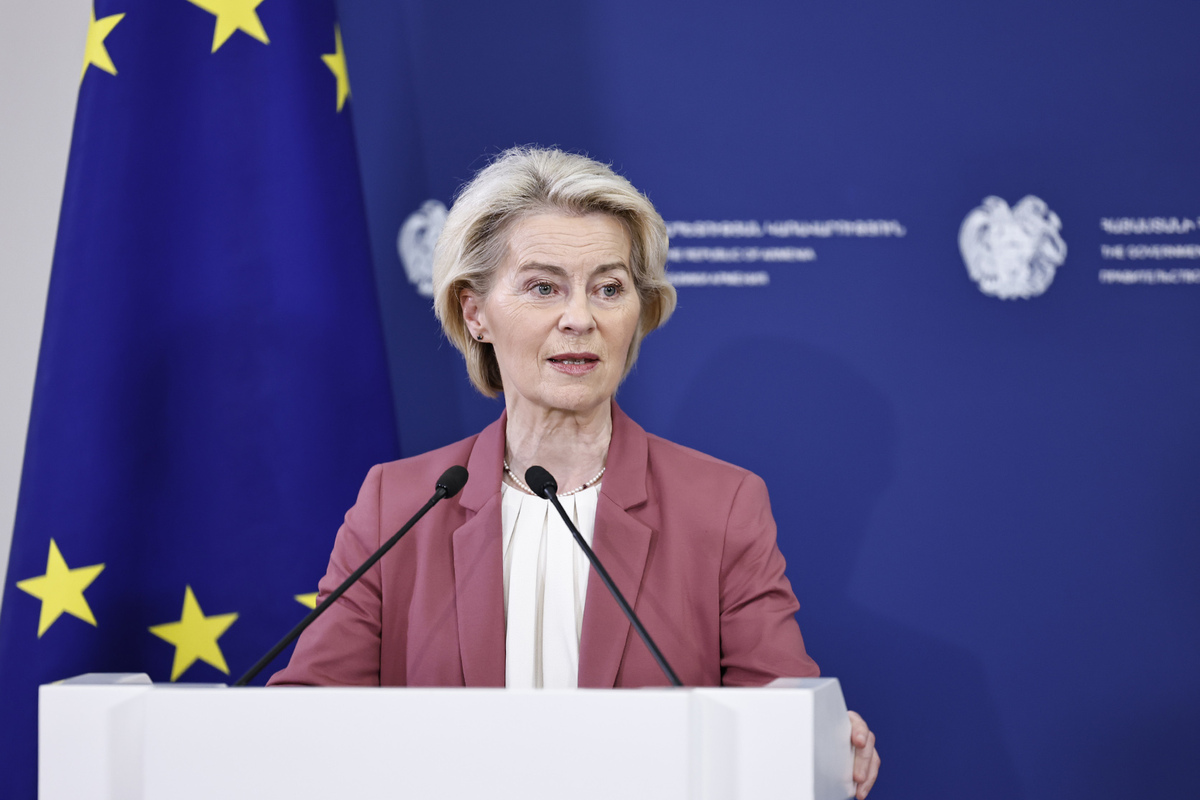
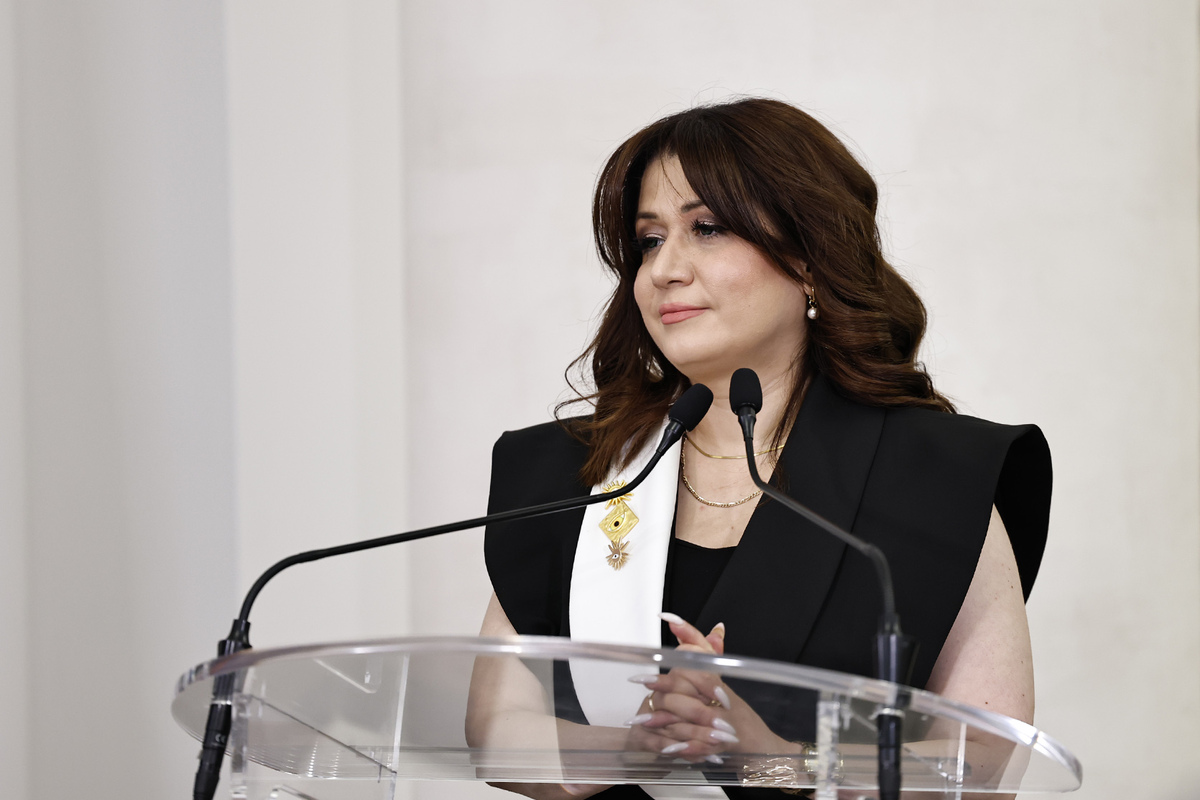
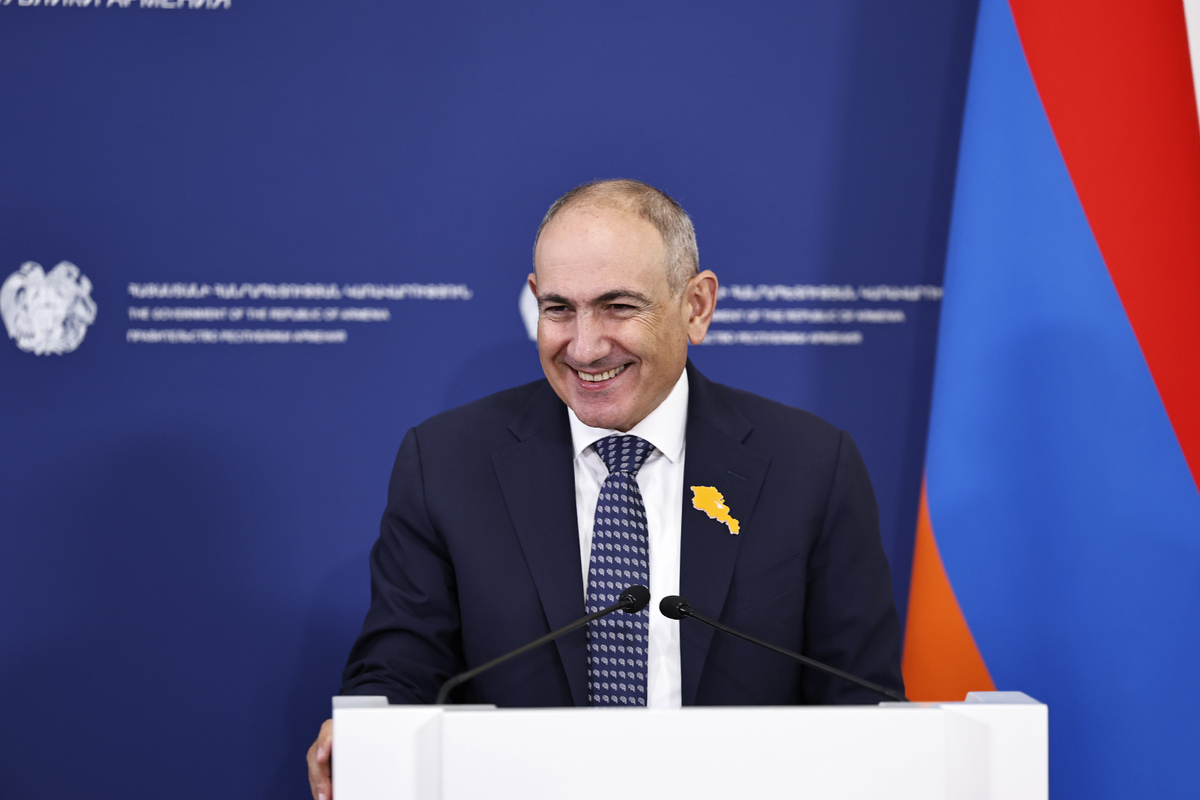
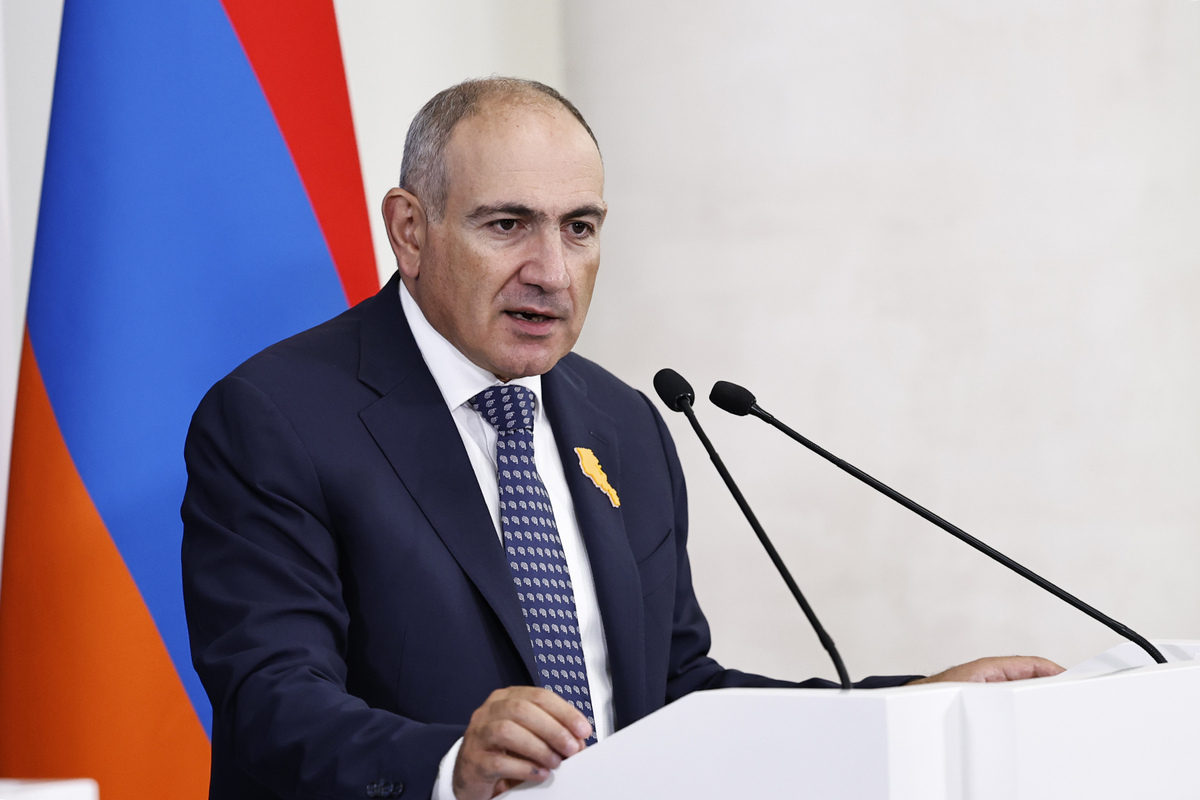
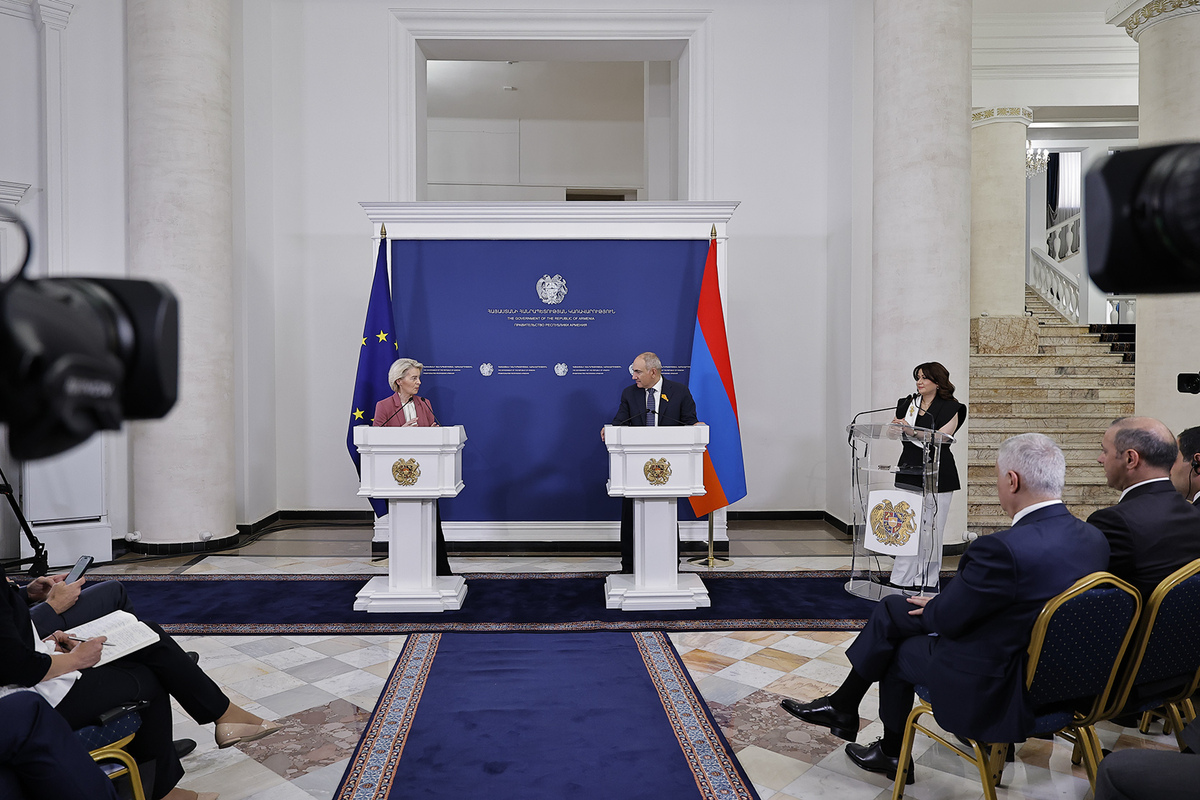
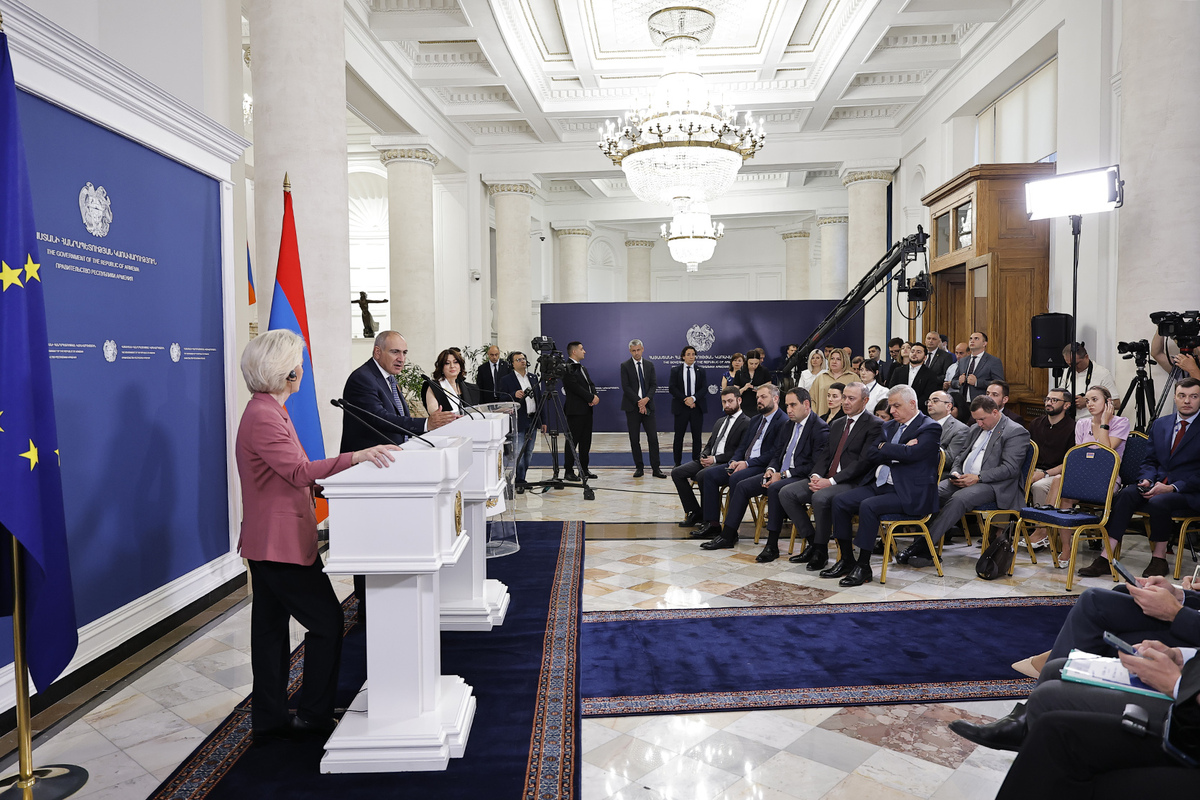
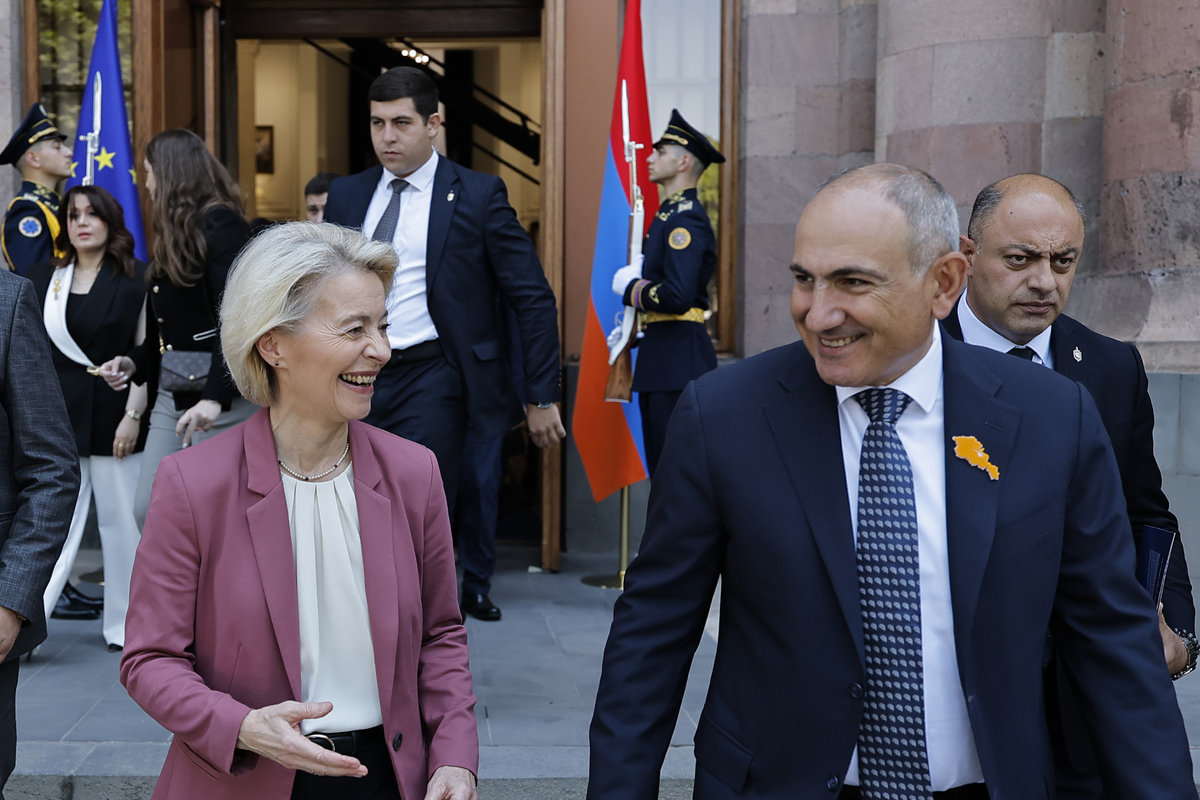
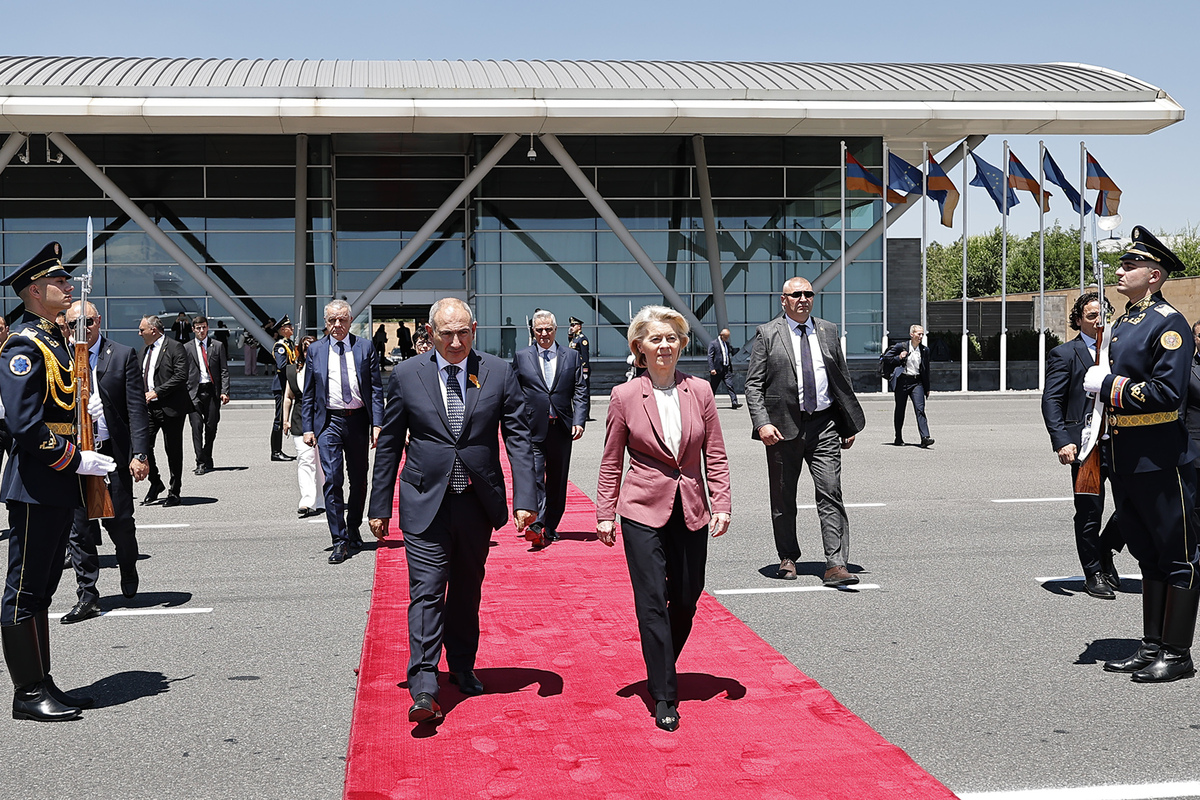
Prime Minister Nikol Pashinyan and the President of the European Commission President made statements for the media and answered questions.
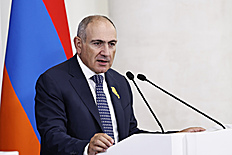
Prime Minister Nikol Pashinyan - Your Excellency Madam President, I am pleased to host you in the Republic of Armenia for the second time this year. Our last meeting was exactly two months ago, within the framework of the 8th Summit of the European Political Community and the inaugural Armenia-European Union Summit held in Yerevan, as a result of which important agreements for our bilateral political agenda were reached.
Having the Comprehensive and Enhanced Partnership Agreement and the “Strategic Agenda for the Armenia-EU Partnership” document as the basis of our partnership, we share the same fundamental values and principles: democracy, rule of law, and protection of human rights. In this context, through the parliamentary elections held in Armenia on June 7, the citizens of Armenia once again expressed their support for our Government’s agendas of democratic reform, strengthening justice, and peace.
Madam President,
Our meeting today reaffirmed that the EU is one of Armenia’s most reliable partners. The phrase “the Republic of Armenia and the EU are closer than ever” is becoming more and more tangible day by day, gaining not only political but also practical economic application.
I am pleased to note that we discussed the economic diversification issues facing Armenia and the joint work on implementing various EU support mechanisms in this regard. In particular, I would like to express my gratitude for the budget support provided by the EU in the amount of 52 million euros, fully hoping that the EU’s support for trade diversification and export promotion will be continuous.
I would also like to express gratitude for the European Commission’s submission of the project on autonomous trade measures for Armenian goods to EU member states. Madam President already announced this during our meeting. I am sure that she will also speak about this in her speech. Once this decision enters into full force, Armenia will become the first country without EU candidate status or a Free Trade Agreement with the EU for which the EU will apply this instrument. I am confident that, through active work with partners in other EU institutions and EU Member States, we will be able to complete the decision-making process in a short time. We also hope that it will be possible to adopt it in the shortest possible time, taking into account that the harvesting season has already started in Armenia.
Dear colleagues,
In recent months, we have managed to make progress in another key area of the EU-Armenia partnership agenda, namely connectivity. This is clearly demonstrated by the joint statement on the EU-Armenia connectivity partnership within the framework of the EU-Armenia Summit and the signing of a statement of intent and approval of the feasibility studies for three border crossings and two northern highways between Armenia and the European Commission, as well as the European Bank for Reconstruction and Development and the European Investment Bank, respectively, within the framework of the Ministerial Conference of the Connectivity Agenda Platform held in Brussels last week.
In the energy sector, one of the projects of strategic importance for Armenia is the construction of energy storage plants, which will also allow for the efficient storage of energy from Armenia’s renewable energy resources. My colleague and I discussed the issue of approving and allocating EU support in this regard.
In the context of implementing the “Crossroads of Peace” concept and promoting transport connectivity in the context of inclusive unblocking of regional communication routes, I also attach importance to expanding energy connectivity, including the construction of power lines and connectors with neighboring Türkiye and Azerbaijan, which can contribute to both energy security and the green transition.
Armenia is interested in closer cooperation with the EU also in the digital sphere, in particular in the fields of artificial intelligence, high technologies and innovation, while creating an environment that will contribute to the growth of private investments from the EU. In this regard, I also attach importance to Armenia’s participation in the Black Sea Submarine Power and Digital Cable projects.
Dear Madam President, dear Ursula,
Let me once again express my gratitude for the close partnership and your continued support for strengthening Armenia’s democratic institutions and economic resilience, for the benefit of our peoples and for the further deepening of the Armenia-EU partnership.
Thank you.
President of the European Commission Ursula von der Leyen – Thank you very much, Prime Minister, dear Nikol,
It's great to be back in Yerevan so early again. First of all, I would like to congratulate you on your electoral victory. These elections have once again demonstrated the strength of Armenia’s democracy. The spirit of the Velvet Revolution that you led in 2018 is alive and well. Armenia continues to move forward on the path of democracy, reform, peace and closer cooperation with Europe. I have come to say now that you can count on us. When Armenia comes closer to the European Union, the South Caucasus is coming closer together.
The initialing of the peace agreement last year was a historic event, one of the most important steps this region has taken in decades. The same goes for the ongoing normalization of relations with Türkiye. These decisions required political courage and leadership, and I know that the fruits of this will be immense, opening borders will transform Armenia’s economic future, anchoring it at the heart of the world’s most strategically important crossroads. And we stand ready, together with you, to make this vision a reality.
That is why I announced a new €200 million Global Gateways package aimed at building peace through connectivity. Together with our financial partners, we stand ready to sign a package of up to €2 billion for strategic transport links, energy links and digital projects across the South Caucasus. It can support ongoing and planned projects in Armenia, including border crossings and road infrastructure. We are building real physical infrastructure that promotes peace. At the same time, we are building bridges between peoples. That is why I also announced a €20 million peace-building program that aims to be used by bordering communities. We want to support local economy, small and micro-enterprises there, for example, by acquiring new farming, agricultural, water resource management equipment. We want to improve everyday life in border communities and also create new opportunities for dialogue between communities. This package will help people experience the tangible benefits of peace, so that peace takes toots in the hearts and minds of this generation and the next.
Turning to the situation in your country, I know that Armenia is still facing significant economic pressure from Russia, nothing short from economic coercion actually. But rest assured, when pressure mounts on our partners, the European Union steps up, and I have some announcments here too. First of all, you will soon receive an additional €18 million in aid to help strengthen and diversify your trade. The funding can, for example, help establish an export promotion agency to boost the export capacities of Armenian businesses. This €18 million is the final part of the €52 million support package that we discussed in our phone call at the beginning of June.
Second, we are gong a step further, we are presenting a proposal for so-called autonomous trade measures. This means that these autonomous trade measures will liberalize approximately 80% of Armenia’s exports to the European Union. This means that 80% of your trade with us will now be tariff-free. With this, we can redirect products that still heavily rely on the Russian market and send them to the European Union single market of 450 million consumers. This measure will open the European doors for almost 99 percent of Armenia’s fresh fruits, vegetables, and plants which were previously exported to Russia. And that will open the door for more than 90 percent your exports of beverages and spirits to the European Union single market.
In fact, over the past month we have seen more and more Armenian flowers arriving at market, and I think this is a beautiful symbol of the new chapter in our economic partnership. This is just the beginning. With these new measures in place,we, you will have the means to diversify and diversify fast. In mid-July, we will deploy experts to Armenia to work directly with your producers, businesses and exporters, helping them to seize all the opportunities that a privileged partnership with the European Union can offer.
Mr. Prime Minister, dear Nikol,
On June 7, the people of Armenia spoke clearly: they chose democracy, rule of law, reforms and peace, they chose an open, welcoming and inclusive society and they chose to partner with the European Union. Together, we must now turn their aspirations into real results, and you can count on us, thank you very much.
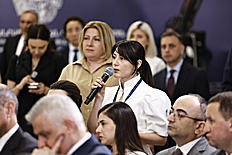
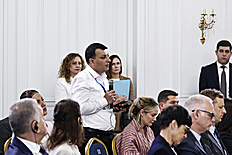
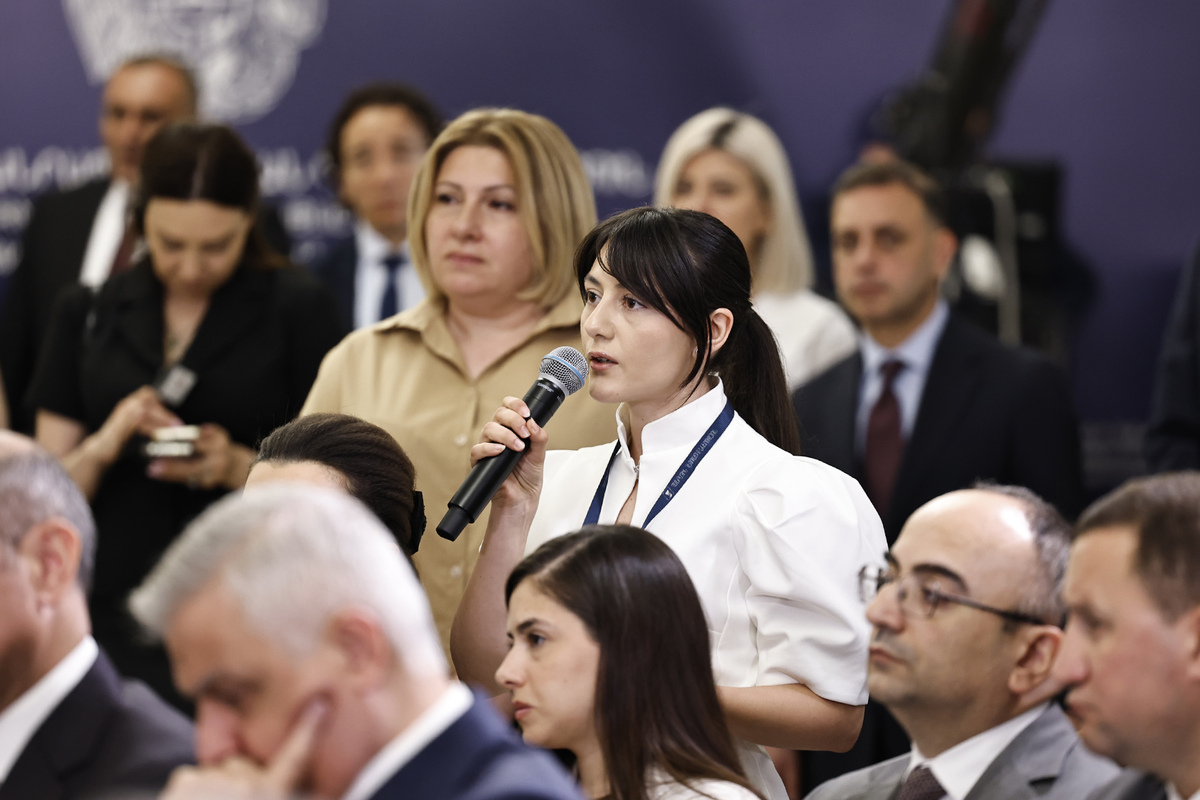
Nikol Pashinyan and Ursula von der Leyen also answered questions from media representatives.
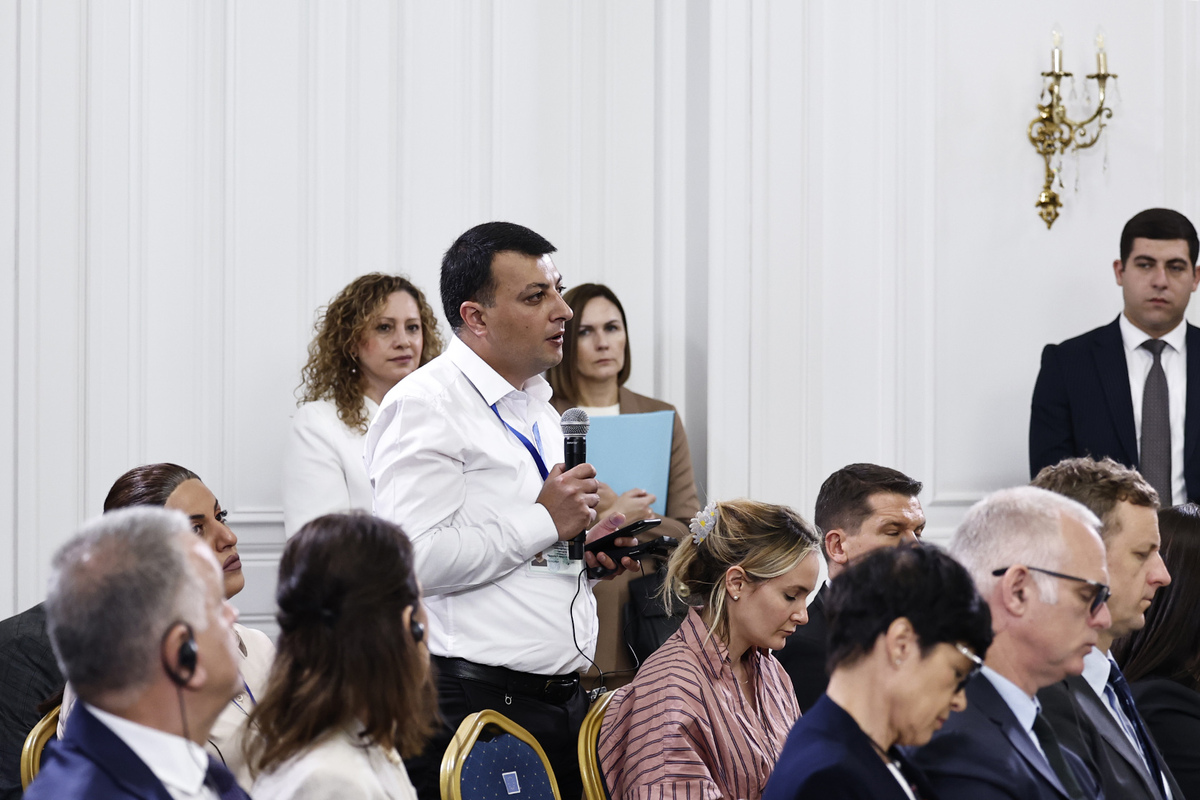
Factor TV- I have a question for the President of the Commission, Mrs. von der Leyen. Madam President, Armenia has made energy diversification a strategic priority, but it remains heavily dependent on Russian gas and energy infrastructure. During the pre-election period, we heard hints from Moscow at the level of various officials that Armenia receives preferential gas from Russia, and this may increase in price. Within the framework of the Armenia-EU rapprochement, if Russia decides to stop gas supplies or use the price as a tool of political pressure, what specific support can the European Union provide, is the European Union ready to support Armenia in purchasing gas from alternative suppliers or in the direction of possible price subsidies. If there are any plans, please elaborate.
And one more question for the Prime Minister of Armenia. Mr. Prime Minister, you spoke with the Prime Minister of Russia yesterday. First of all, I would like to ask you to tell whether the initiative to have a phone conversation was yours or the Russian side's, what kind of issues did you discuss? Has there been any reference to restrictions on goods exported from Armenia or not, and do you rule out a repeat of the situation of 2013, when Armenia overnight decided to stop its rapprochement with the European Union due to Russian pressure?
European Commission President Ursula von der Leyen - Indeed, when it comes to energy, you need a strategic multi-layered and comprehensive approach. And just as we help Armenia diversify its trade, which increases its resilience and strengthens Armenia, we also want to help Armenia diversify its energy supplies. This is the reason why a group of experts from the European Union will arrive in Armenia next week. We have a lot of experience with this situation. We had it with Ukraine, with Moldova, we have a lot of experience. We, as the European Union, have faced elements of this situation, too. We have a lot of experience in how to diversify energy supplies in a certain country. At the same time, we are investing in regional energy security through new electricity interconnectors, because in parallel we have to build new routes and stronger regional energy networks. This involves 25 million euros for the Caucasus Transmission Network. We also support Armenia’s remarkable expansion of renewable energy. This is home-grown energy, so this is your energy. You produce it, it is in Armenia, and therefore this increases your independence and provides energy security and stronger resilience. Through these different approaches, we are ready to support you in the potential situation that we know very well.
Prime Minister Nikol Pashinyan - Thank you for the question. First, let me address the topic of whether I exclude the situation of 2013, when Armenia overnight refused from the already agreed process of signing an Association Agreement with the European Union and decided to move towards the Eurasian Economic Union or the Customs Union. Let me answer the question briefly and specifically. Yes, I exclude it, it is not possible, especially now, when the people of the Republic of Armenia have clearly expressed support for the policies pursued by the Republic of Armenia, and in particular, for a balanced and balancing foreign policy.
On the other hand, as we have stated, we have never set a goal, do not have one and will not set a goal to create a crisis in the relations of the Republic of Armenia and the Russian Federation. We act within the interests of our country and, naturally, do not disregard the interests of any of our international partners, but on the other hand, we cannot place the interests of any other partner above the interests of the Republic of Armenia. I think this is logical for any country.
As for yesterday's telephone conversation with the Prime Minister of the Russian Federation, the telephone conversation took place on my initiative. The scope of the discussion of issues was presented in the statement. We agreed that we will have more detailed discussions in the near future.
Public Television - Mr. Prime Minister, taking into account the continuity of the high-level political dialogue with the European Union, the recently signed document on strategic partnership, how do you see the deepening of the EU-Armenia relations and whether it does not harm Armenia's balanced and balancing policy?
Prime Minister Nikol Pashinyan - The European Union has been Armenia's number one partner in democratic reforms for a very long time, and by the way, also before the 2018 revolution. It is another matter with what effectiveness and sincerity that agenda was implemented.
And now, after the elections, I also consider it a very important opportunity for us, as I have already said, to restart Armenia's democratic reform agenda, because in the previous period, yes, we were consistent on the path of those reforms, but it was constantly accompanied by some big problems: COVID, war, post-war situation. In other words, we have not really had the opportunity to focus on a full-fledged democratic reform agenda in practice.
Both the results of elections, and this new period, and the new level and new scope of our relations with the European Union create a historic chance for us. And we have clearly stated our strategy. The number one task that we must solve is to be fully, sincerely, completely in line with the standards of the European Union. And this is the first strategic task that we must solve, after which the issue of becoming a full member of the European Union, which is already a political issue, can become a more concrete implementation agenda.
But as I said before, when we fully and sincerely comply with the standards of the European Union, it will give us the opportunity to be a full member of the European Union. But it is also a political issue that depends on a variety of factors. If we manage to become a member of the European Union, it will be a very great achievement, if for some reason, let's say, the European Union may decide not to expand any more, then we will again benefit greatly, because we will be a country that fully complies with the standards of the European Union.
And who is this being done for, this is very important? This is not being done for the European Union, this is being done for the citizens of the Republic of Armenia, for the Republic of Armenia, and this is the strategic goal that we are pursuing. Of course, the new opportunities that are opening up are related to the opening of regional channels. After all, during the pre-election period, I had the opportunity to say many times that the Republic of Armenia is moving from a dead end of conflict to a crossroads of peace. And this is a historic event, and we are grateful to the European Union for its consistent and full support to the Republic of Armenia, to the people of the Republic of Armenia, in these efforts. And of course, we appreciate it very much. Even now, when we look back, it is incredible how quickly relations between the Republic of Armenia and the European Union have developed in recent years, and there is no sign that this pace of development will slow down, and I am very happy about that.
Shant TV - I address my question to the President of the European Commission. Ms. Ursula von der Leyen, the visa liberalization process between Armenia and the European Union has already entered a technical phase. How do you assess the progress made so far and what steps are needed so that the process is not limited to implementing reforms only, but also leads to visible results for the citizens of Armenia and begins to operate without a visa regime. And I would like to ask you, if possible, to indicate realistic deadlines, thank you.
President of the European Commission Ursula von der Leyen - Thank you. First of all, I would like to say that Armenia is the only partner country that is currently in an active visa liberalization dialogue with the European Union. This already shows the level of our partnership. We issued a report on the Action Plan in April and this report pointed to a good progress made by Armenia in implementing the Visa Action Plan. I know that you are very strongly committed to it, and I thank you for that. It is very impressive to see this progress and I know how impmuch it matters for the Armenian people.
There will be new evaluation missions this autumn to assess progress and the process towards the remaining benchmarks. In simple terms, this is a merit-based process, certain elements need to be fulfilled. You are on a good path, you are working hard in that direction, I know that. Once all the necessary elements are fulfilled, we can move on to our proposal for a visa-free regime. It is a matter of being able to do the steps that are necessary, and we help you. Once it is fulfilled you pass the finish line.
Prime Minister Nikol Pashinyan - During the pre-election period, I stated that we have a task within two years, that is, we have already passed half of 2026, to have a visa liberalization situation by 2029... Of course, I agree with Madam President, a lot depends on us and in many cases we should ask the questions not to the European Union, but to ourselves, to what extent we are ready and with what quality we will implement the reform agenda. One thing is obvious: the people of Armenia are waiting for that decision and, among other things, voted for that decision in the elections. Of course, we cannot miss this opportunity, I hope that we will act quickly and effectively enough to resolve this issue within the specified time frame.
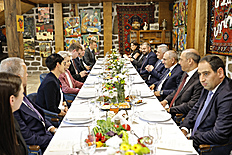
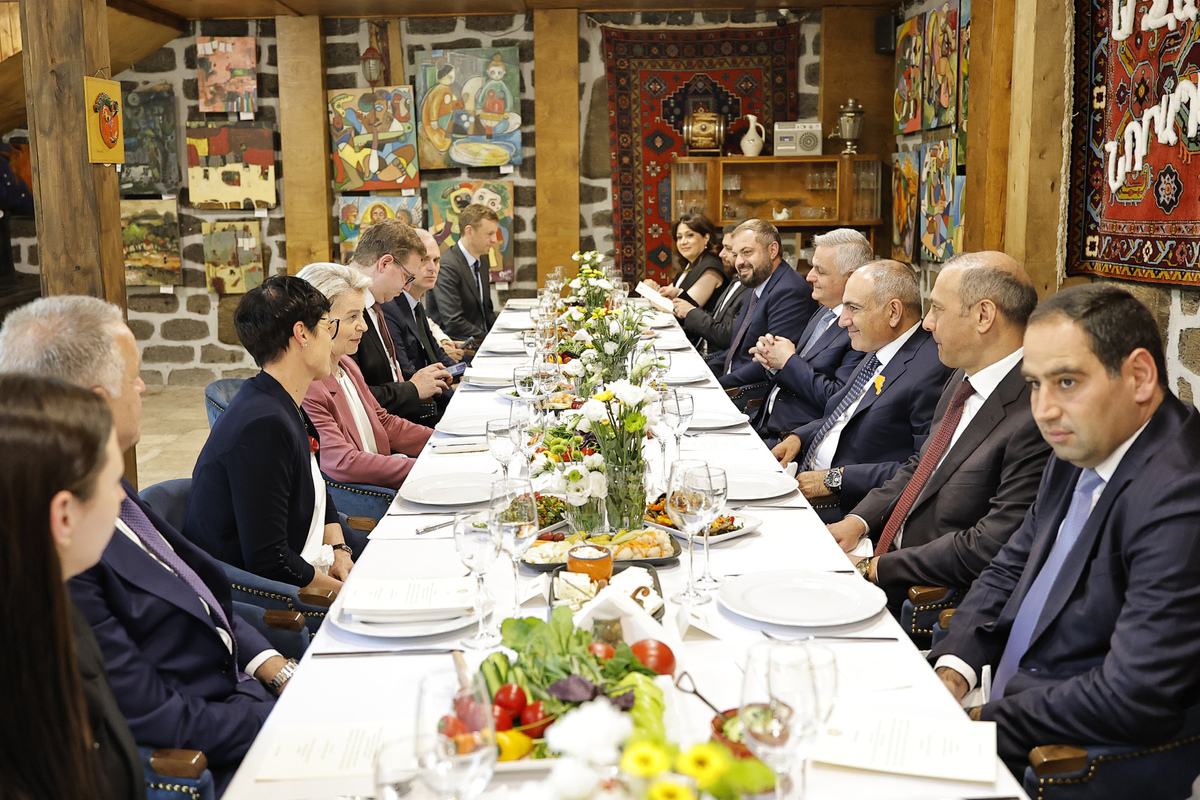
The meeting between the Prime Minister of the Republic of Armenia and the President of the European Commission continued within the framework of a working lunch.